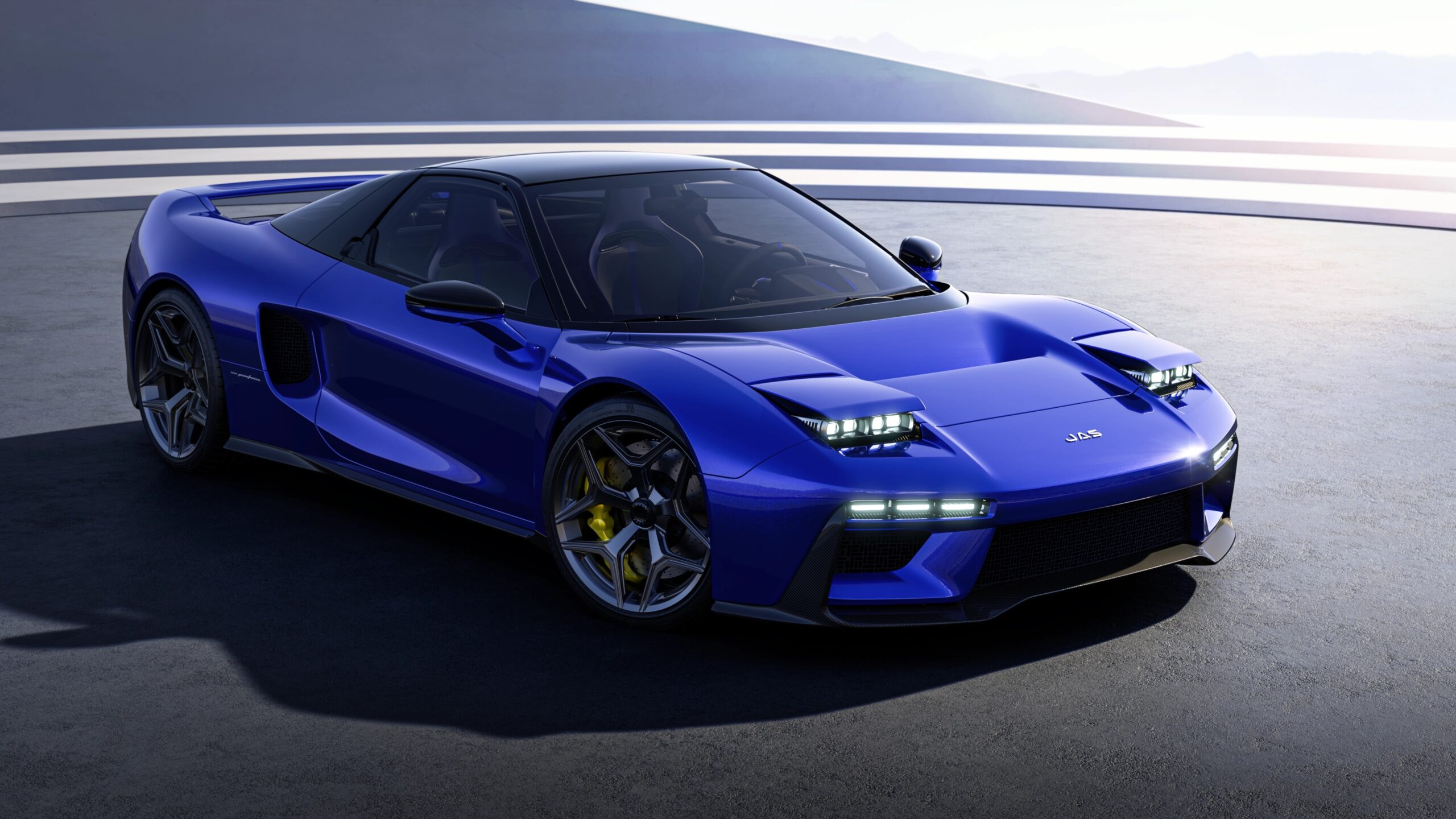
On the occasion of the Milano Design Week, new details have been revealed about Tensei, the first high-performance road car from JAS Motorsport, designed by Pininfarina.
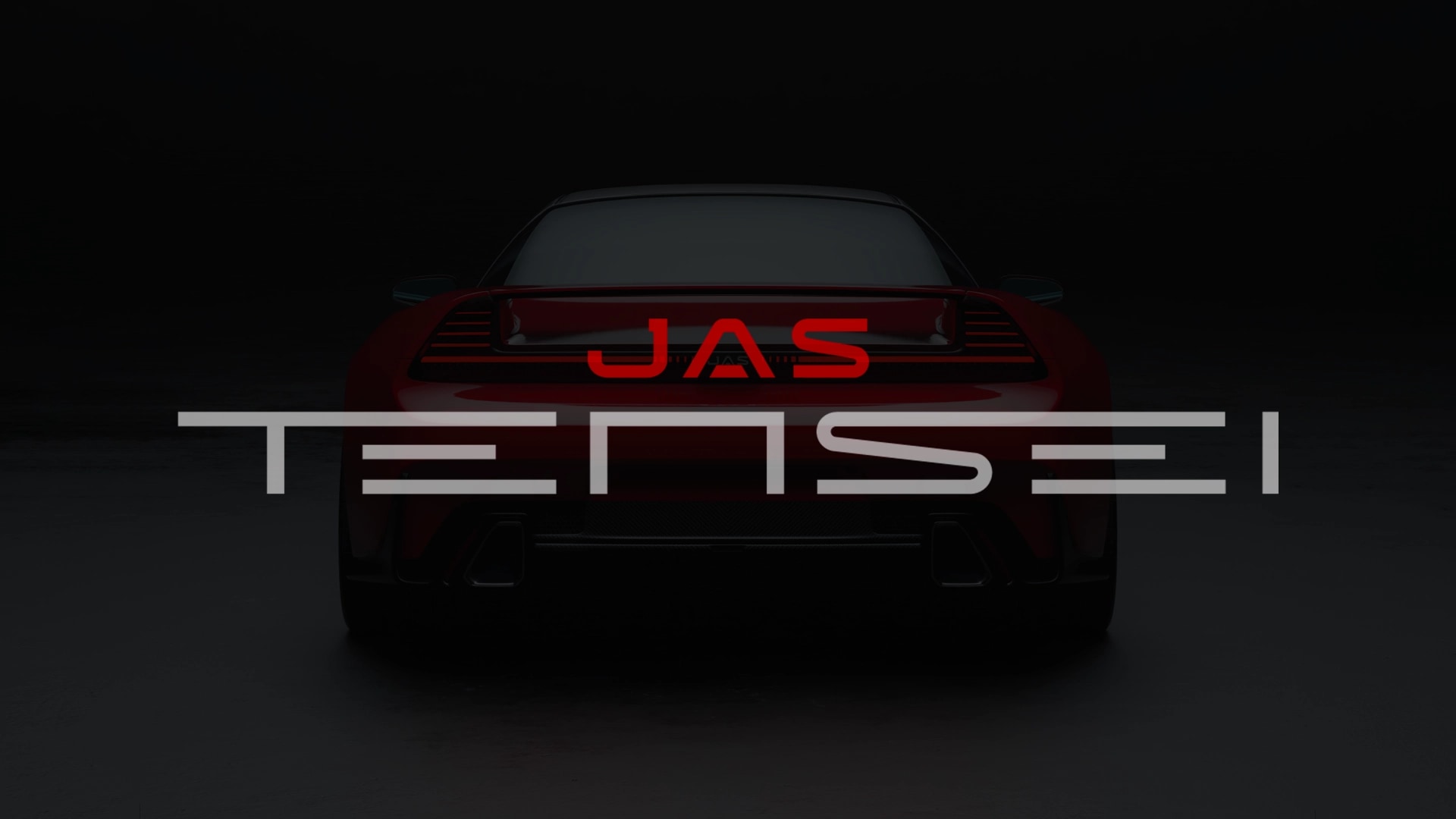
Inspired by the first-generation Honda NSX of the 1990s, Tensei introduces a contemporary interpretation of the Gran Turismo concept that defined the original car’s DNA: high performance, balance, usability and emotional engagement.
More than a reinterpretation, Tensei represents the rebirth of an icon. Its name comes from the Japanese word for “rebirth” and reflects the project’s ambition to create a new-generation supercar that remains faithful to the spirit of the original NSX while introducing a more contemporary, assertive and technically advanced identity.
Styled by Pininfarina and engineered by JAS Motorsport, Tensei will be produced in an ultra-limited series at JAS Motorsport’s Atelier in Arluno, near Milan. For special bespoke customizations, Pininfarina will also contribute with its atelier in Cambiano (Turin).
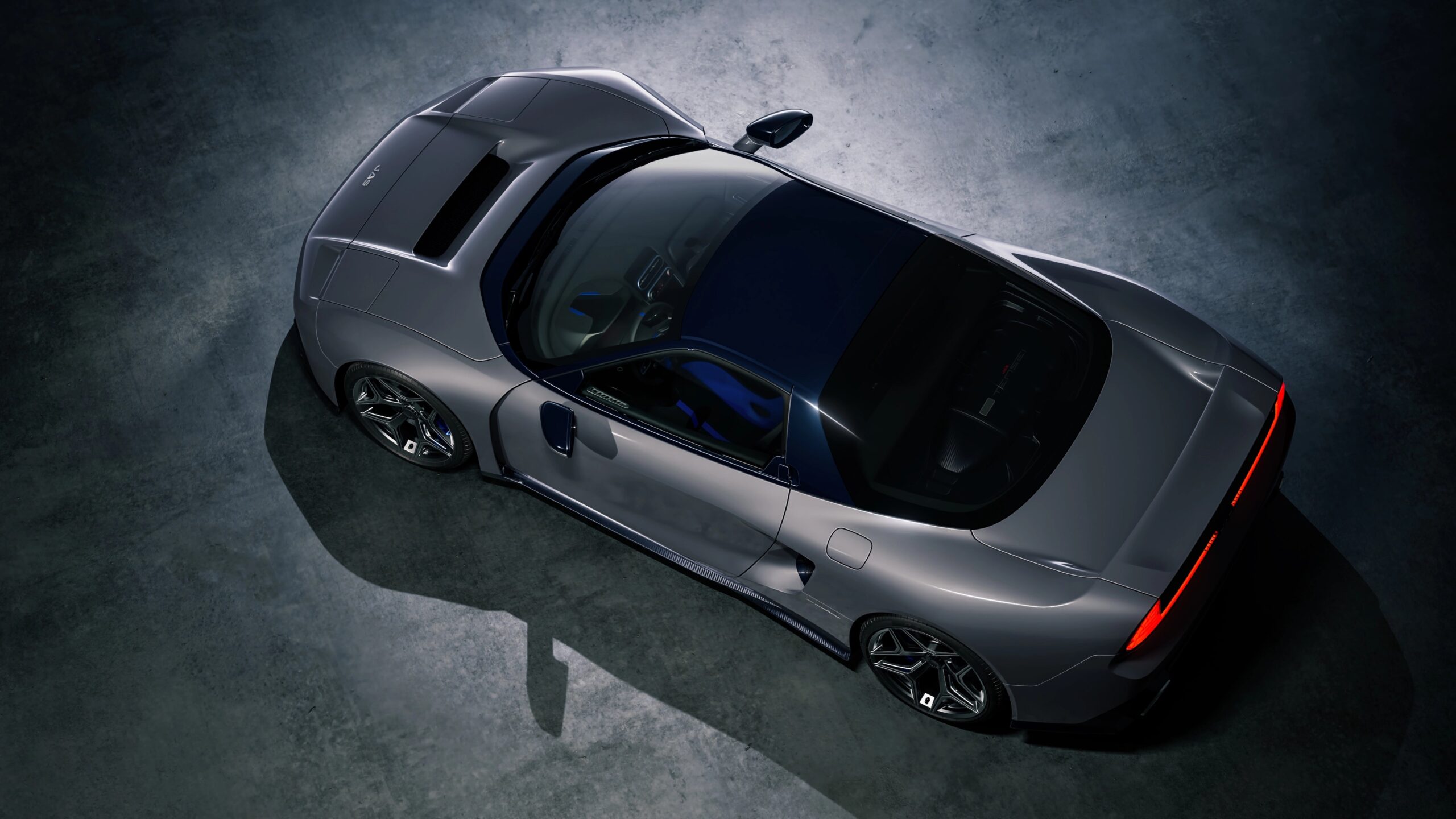
Built around carefully selected donor cars from the early 1990s, chosen for their chassis and mechanical base, the car will feature an entirely new carbon-fibre body and will be available in both left- and right-hand drive.
The project has been presented in Milan during the Car Design Dialogues in the presence of Pininfarina CEO Paolo Dellachà. Head of Exterior Design Dimitri Vicedomini and Exterior Chief Designer Tigran Lalayan offered insight into the design story behind Tensei.
A Project That Comes Full Circle
For Pininfarina, Tensei represents much more than the redesign of an existing icon.
“JAS wanted to celebrate the NSX, a car that redefined supercars in the 1990s with its lightweight design, precision and everyday usability,” explains Dimitri Vicedomini. “But they wanted to do it in a meaningful way, which led them to collaborate with Pininfarina, a partner with deep historical ties to Honda.”
Those ties go back more than four decades. In 1984, long before the arrival of the production NSX, Pininfarina had already imagined a mid-engined Honda with the HP-X concept. In many ways, Tensei completes that story, reconnecting past and present through a new design vision.
Reimagining the NSX DNA
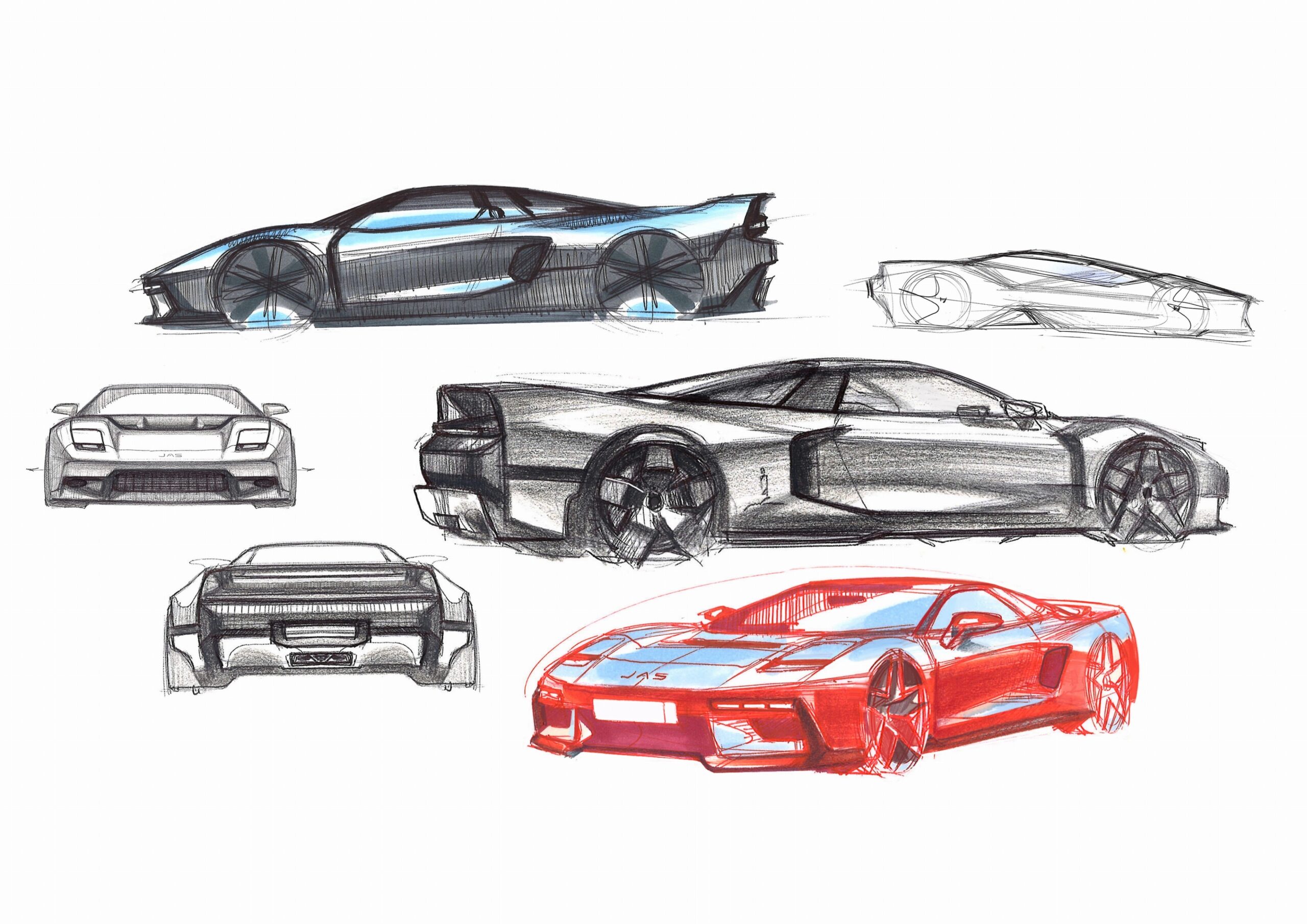
From the outset, the Pininfarina design team explored a wide range of possibilities to understand which elements of the original NSX could evolve and which needed to remain untouched.
A decisive moment came during visits to JAS Motorsport headquarters, where the engineering team proved open to major changes to the vehicle package and layout.
“The proportions are the most important thing for a designer,” Vicedomini continues. “Once we understood the extent of the possible changes, the car almost designed itself. There was no need to create illusions. It became a matter of enhancing those proportions naturally and adding aerodynamics as an additional layer of performance and identity.”
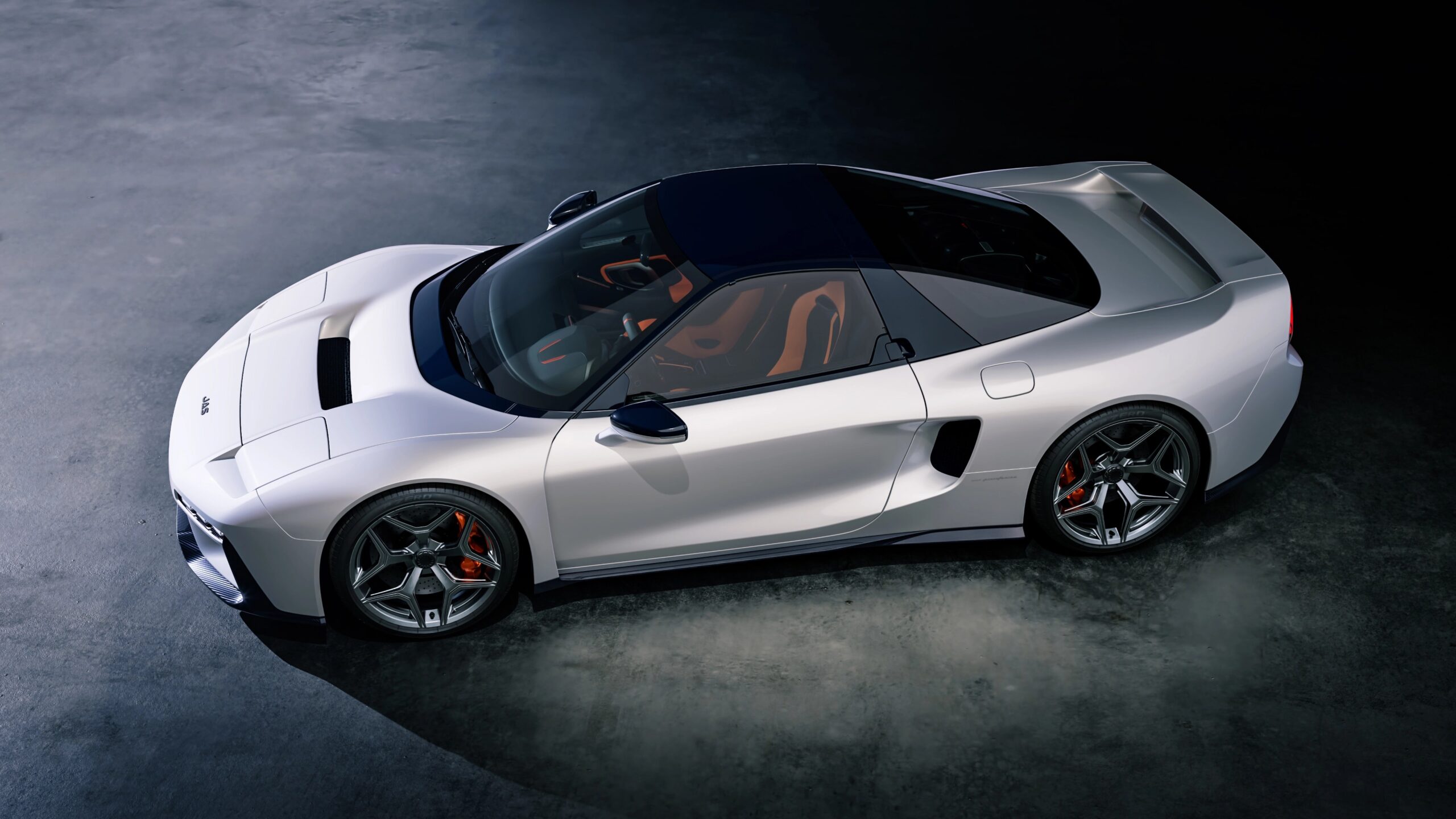
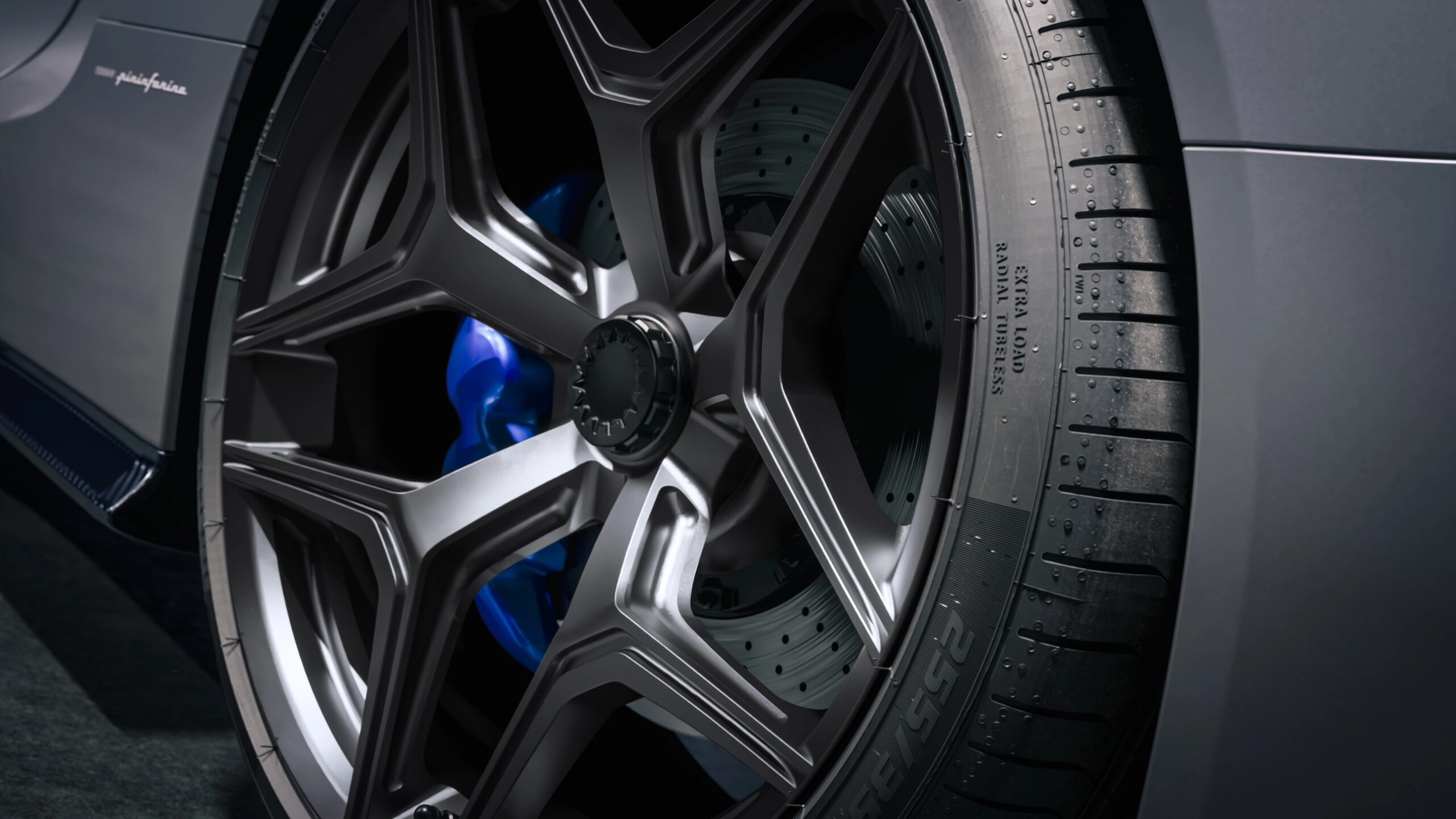
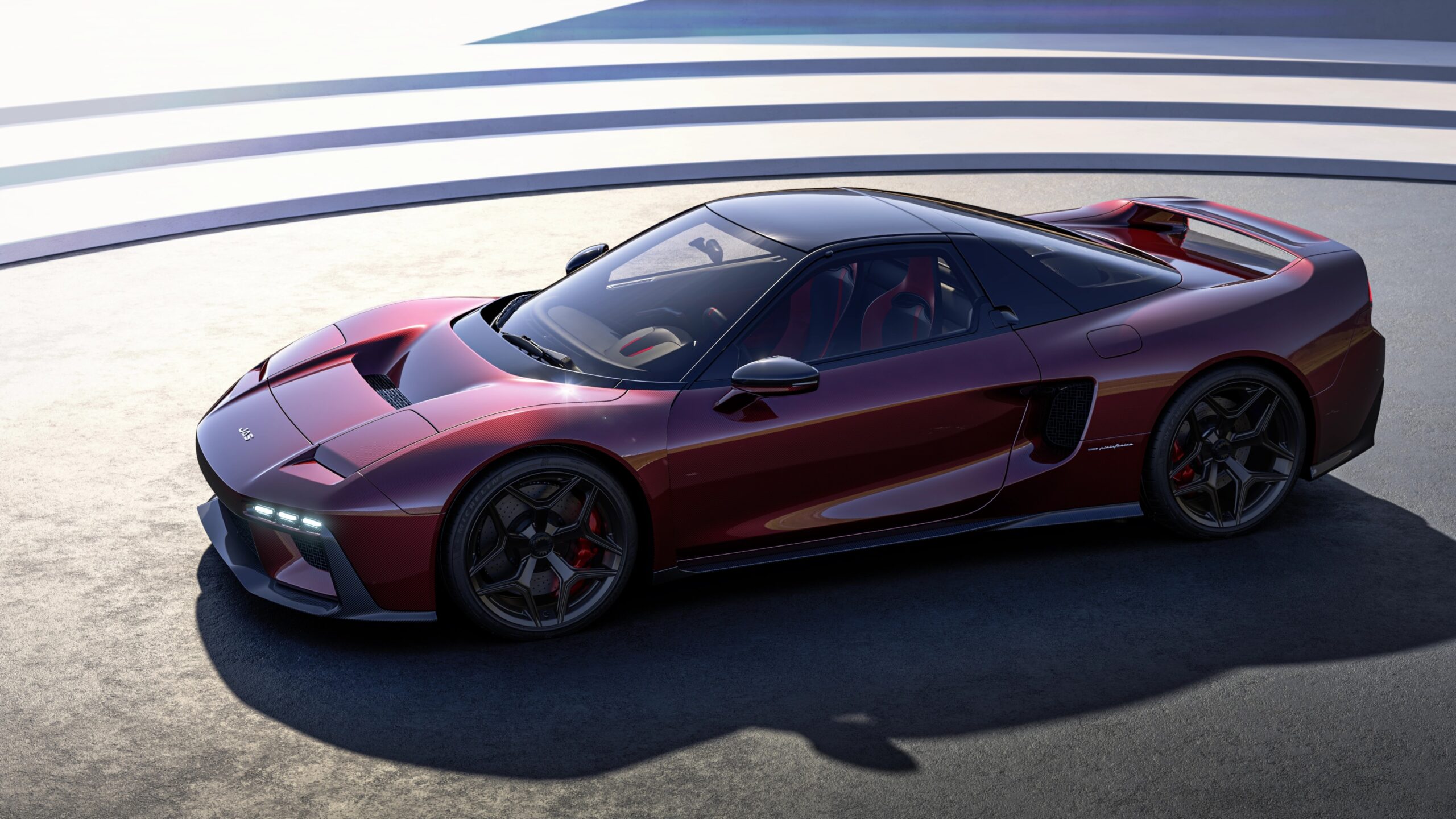
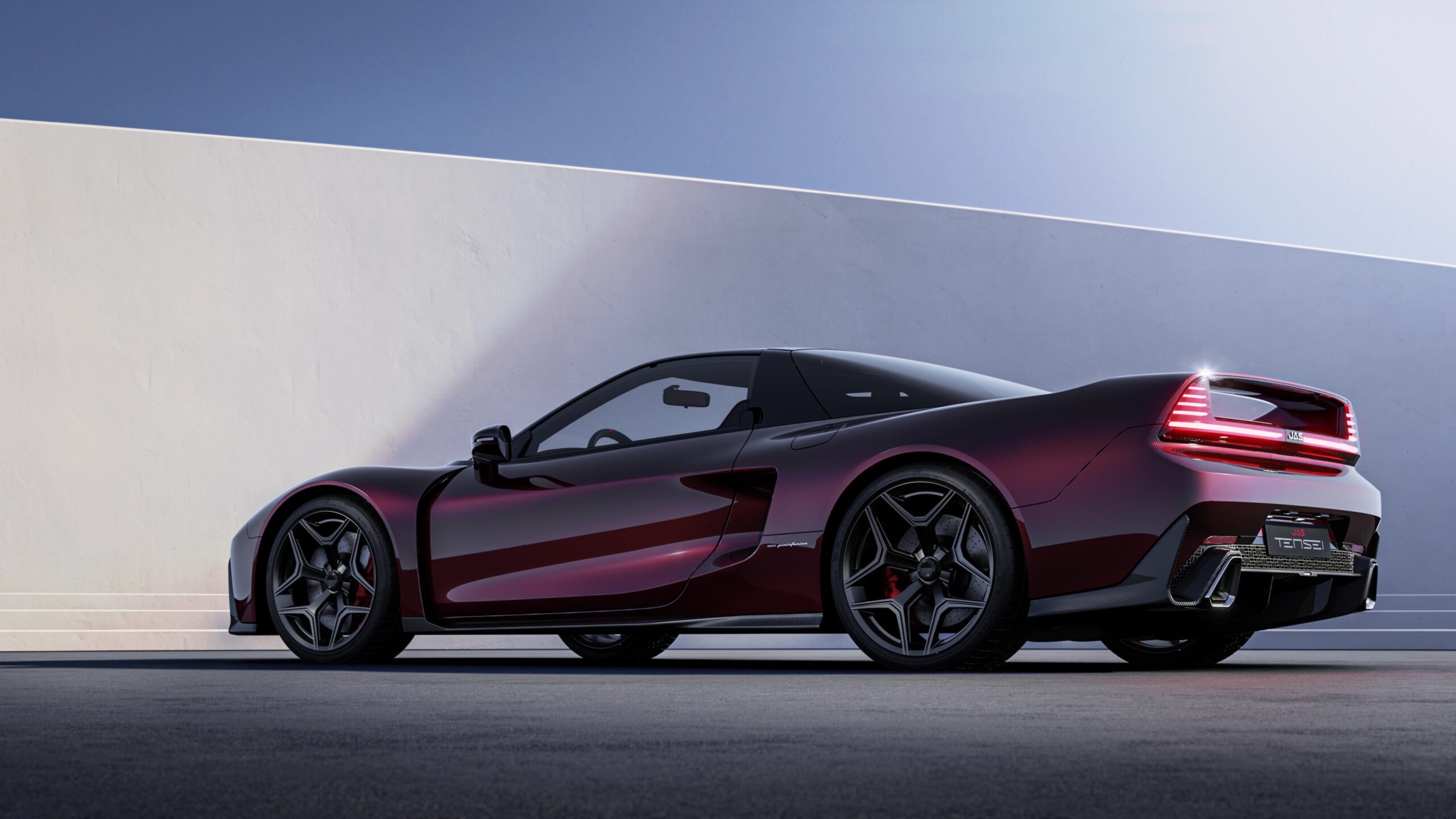
Compared with the original NSX, Tensei adopts a significantly revised package, including a longer wheelbase, a shorter rear overhang, larger wheels, a lower stance and a much wider track.
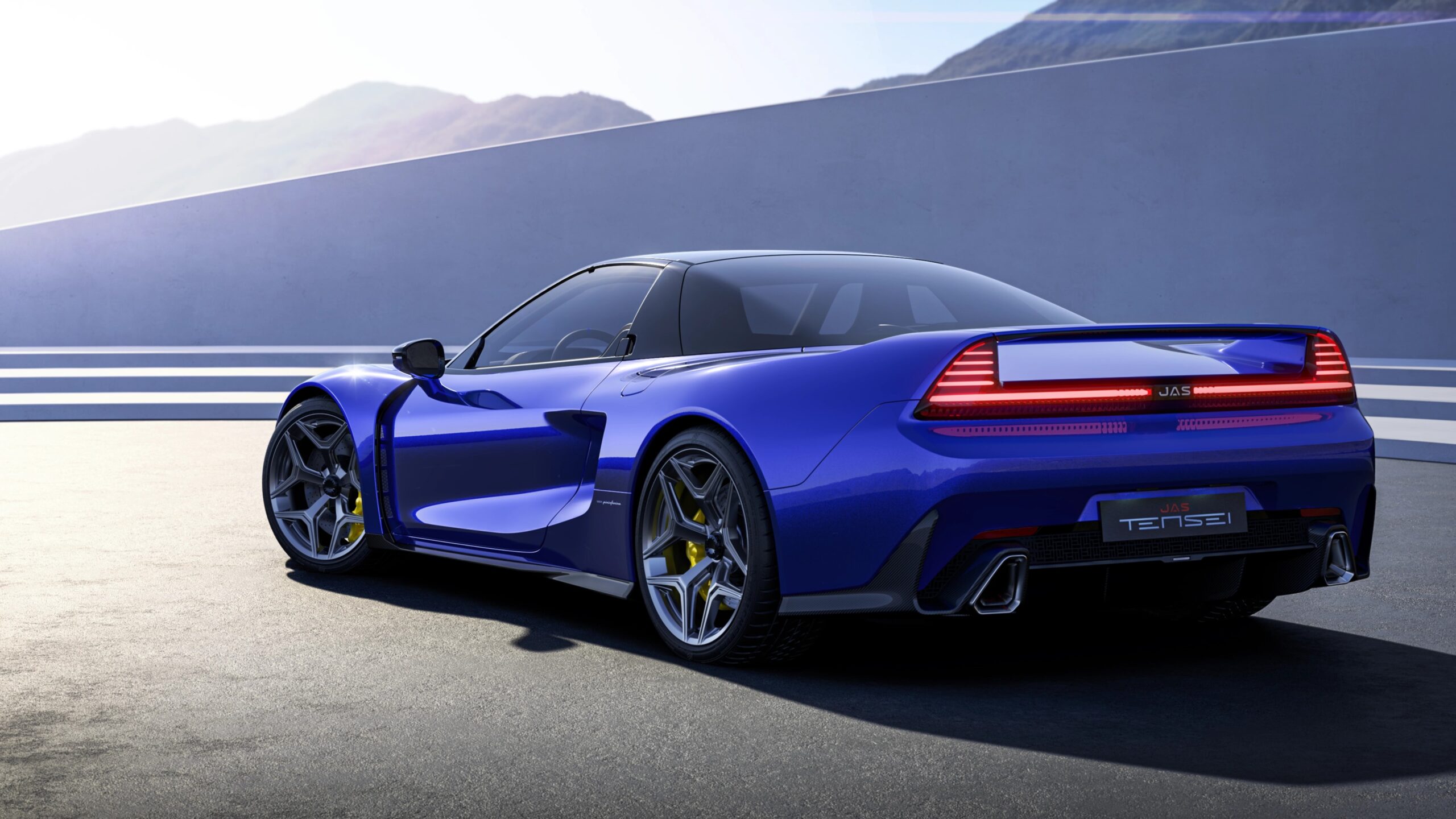
“These changes completely transformed the road presence of the car,” explains Tigran Lalayan. “We emphasized the greater width through pronounced rear shoulders and flared fenders, creating triangular gestures in plan view – a signature often found in Pininfarina designs.”
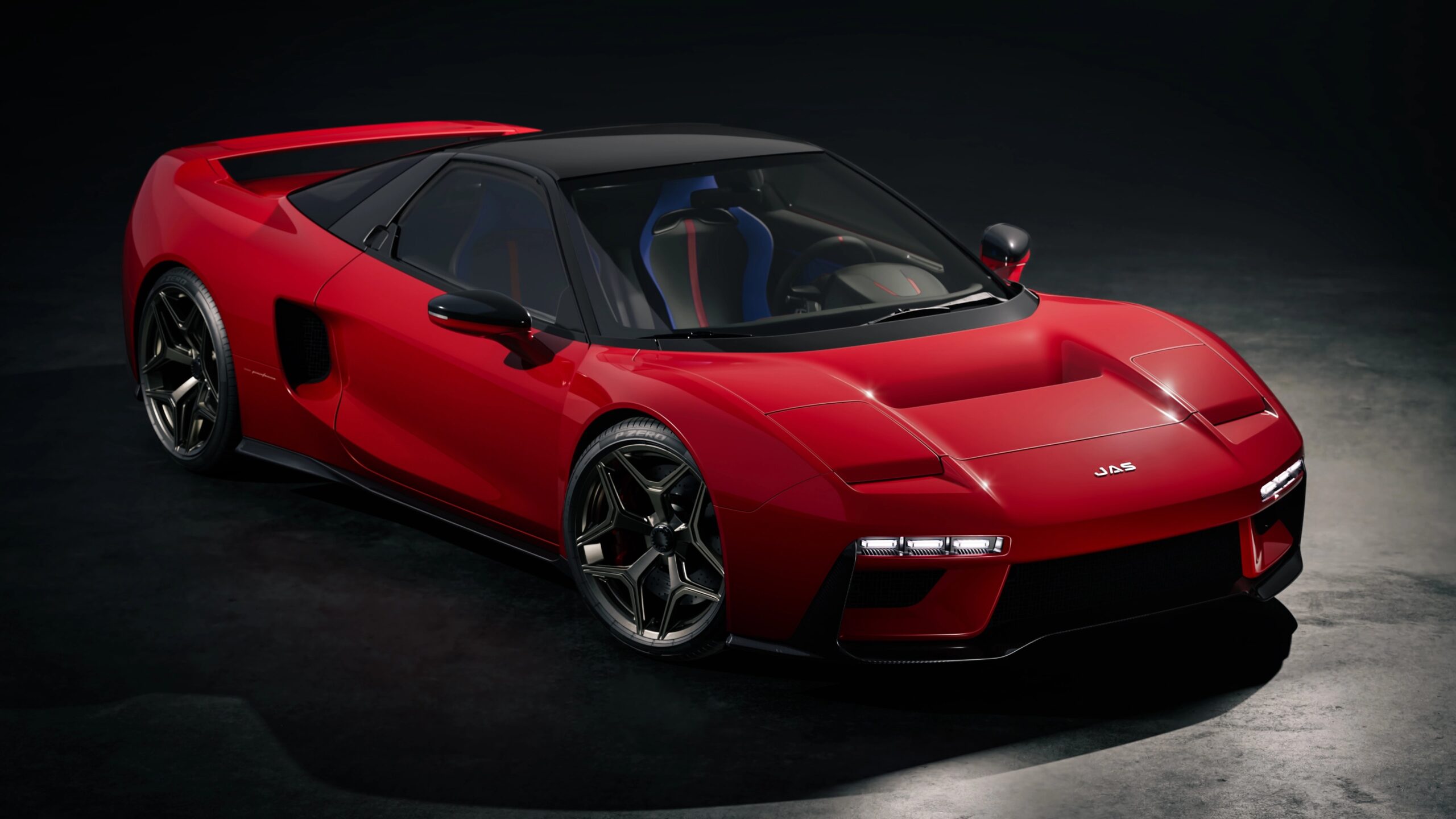
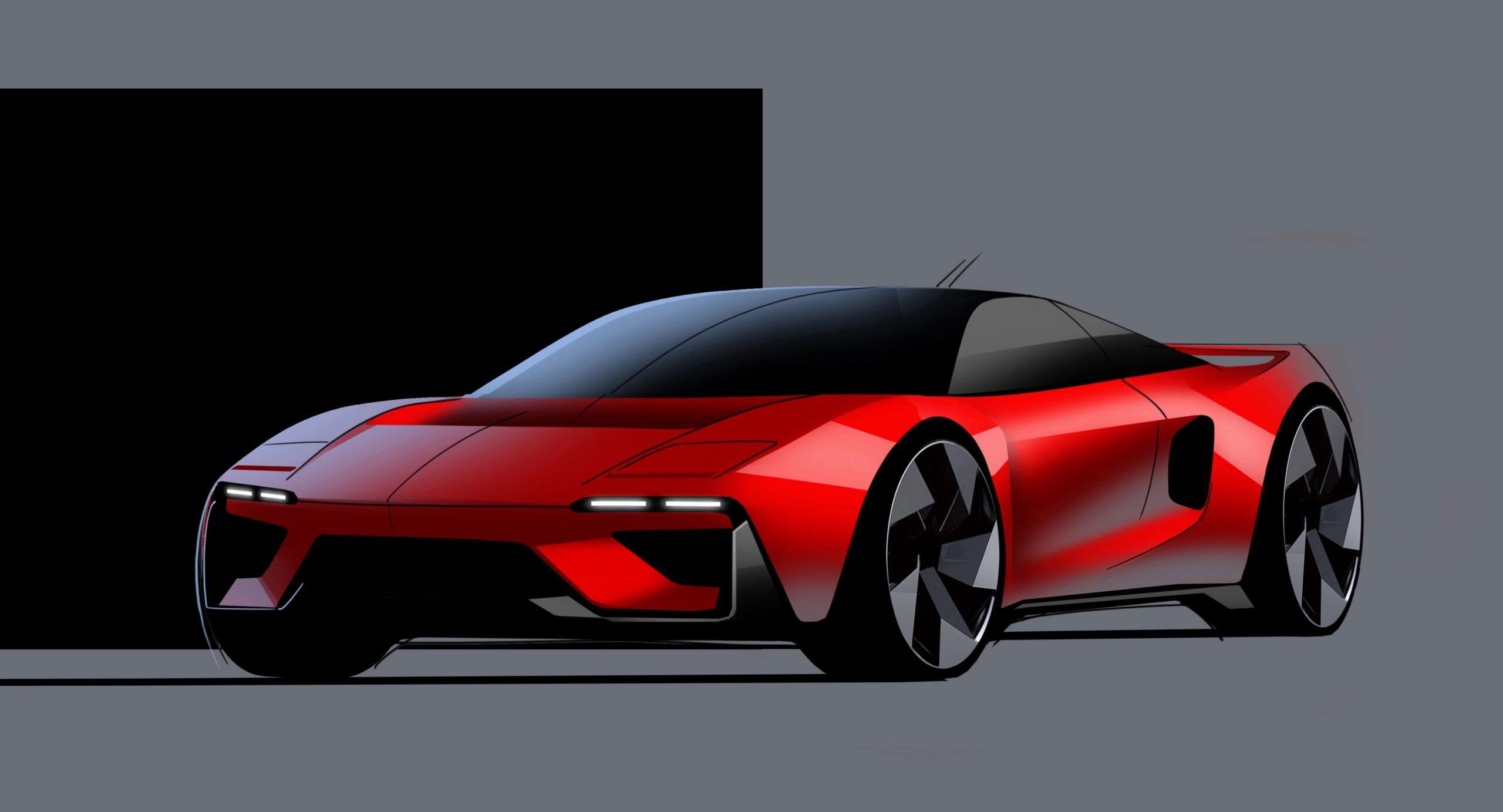
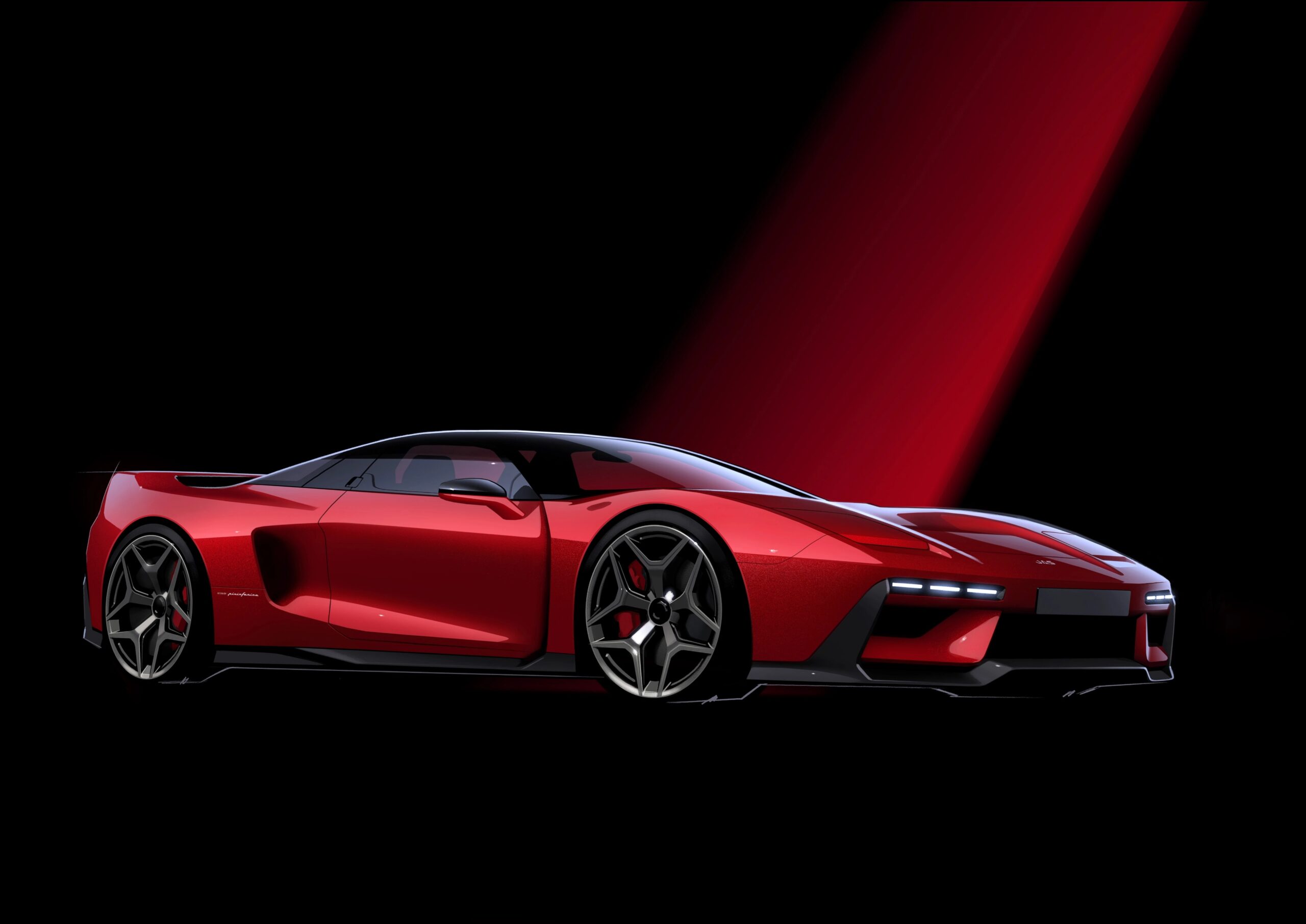
The result is a car that feels immediately familiar, yet unmistakably new. Rather than being a simple restomod, it represents a far more radical reinterpretation, with reworked proportions, a redefined road presence and a completely renewed character. The outcome is a modern supercar that retains the original NSX DNA while embracing a much more contemporary identity: wider, lower and more assertive.
Preserving the Icon, Creating a New Identity
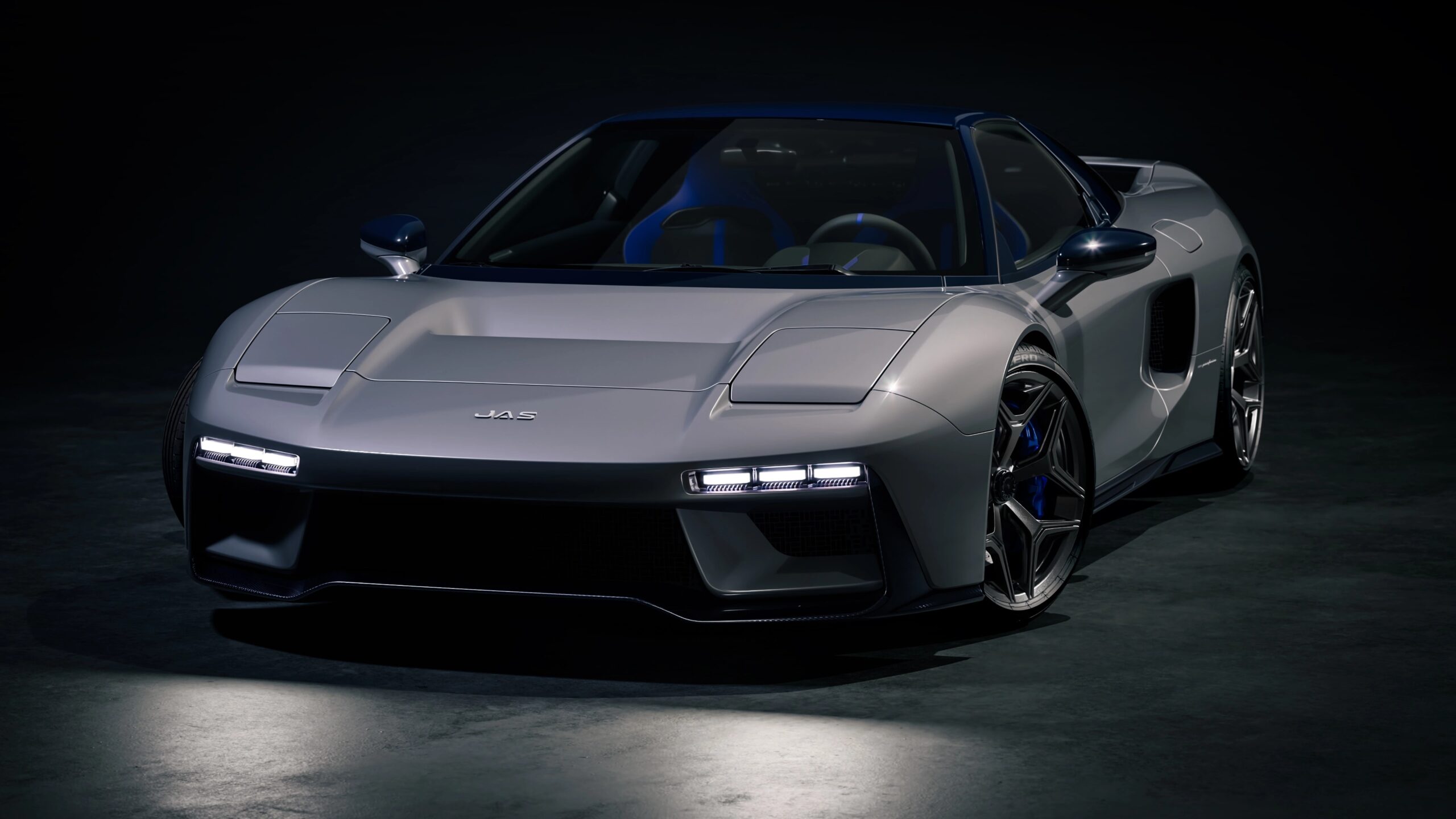
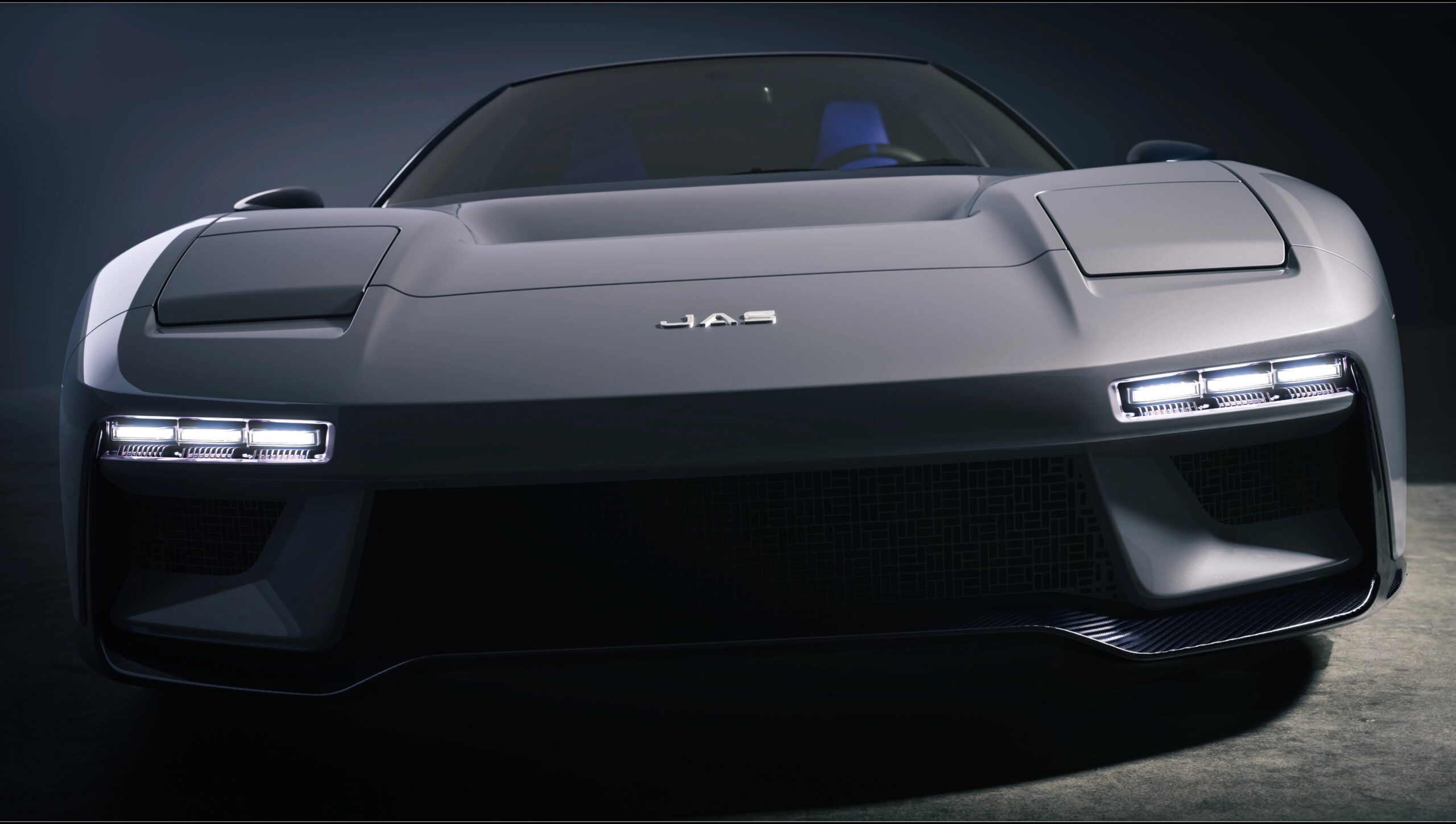
Despite its dramatically updated proportions and surfaces, Tensei preserves and reinterprets several of the original NSX’s most recognizable features, including the pop-up headlights, the rectangular side air intake and the rear wing integrated into the taillight graphic.
The car remains immediately identifiable as an NSX, but with a more athletic stance and a more refined, contemporary design language.
Particular attention was also given to the lighting, especially at the rear, where a distinctive light signature helps strengthen the car’s identity and character.
Beauty and Functionality Inside and Out
Pininfarina’s contribution goes beyond the exterior. The Italian design house has also transferred its historic ability to blend beauty and functionality to the cockpit of JAS Motorsport’s first road-going supercar.
Starting from the layout of the original NSX, the interior redesign reinforces the philosophy expressed at the model’s debut in 1990: a car should function through a direct connection with driver and passenger, and its quality should be measured by the enthusiasm it inspires.
Tensei’s cabin remains focused on ergonomics, visibility and driving purity, while introducing a more refined execution and higher perceived quality.
Under the new carbon-fibre body, Tensei will be powered by a naturally aspirated V6 inspired by the original NSX engine architecture, engineered and developed to deliver the highest levels of power, torque and responsiveness.
It will be paired with a six-speed manual transmission, further enhancing performance, dynamic behaviour and emotional engagement.
Tensei ultimately stands as a fusion of Pininfarina’s design creativity, JAS Motorsport’s engineering expertise and a shared passion for Italian craftsmanship and automotive culture.
find more news here.