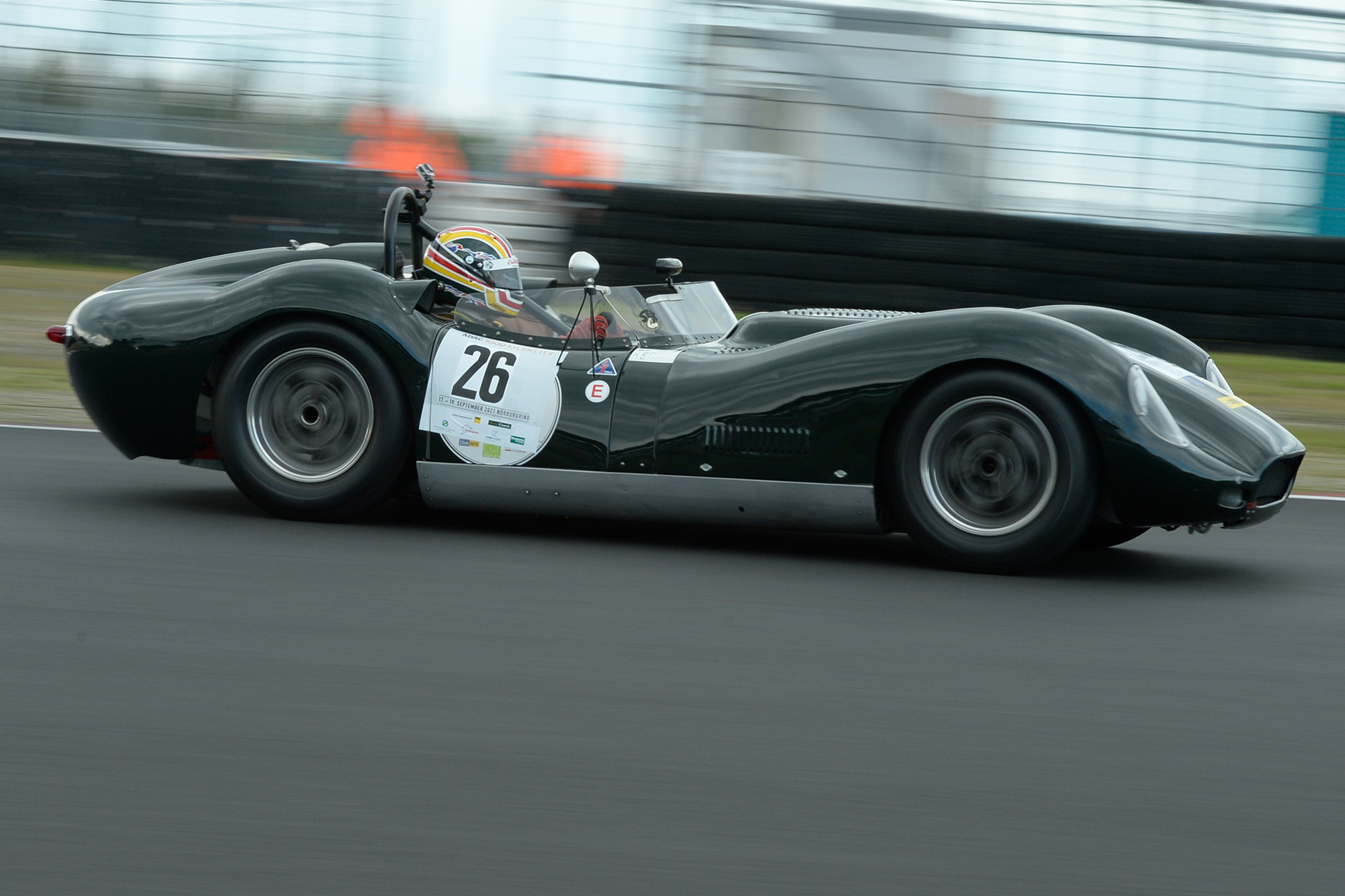
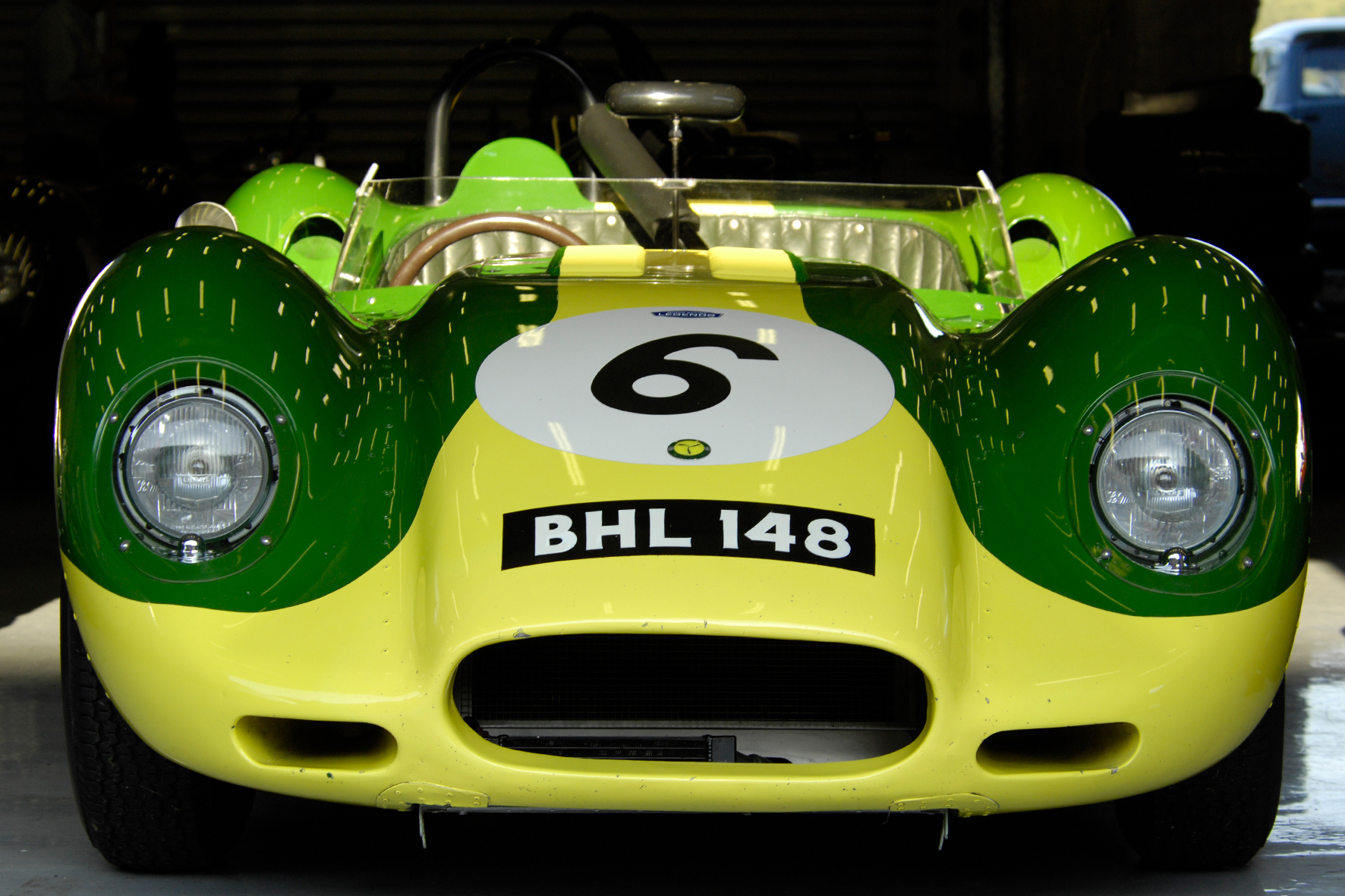
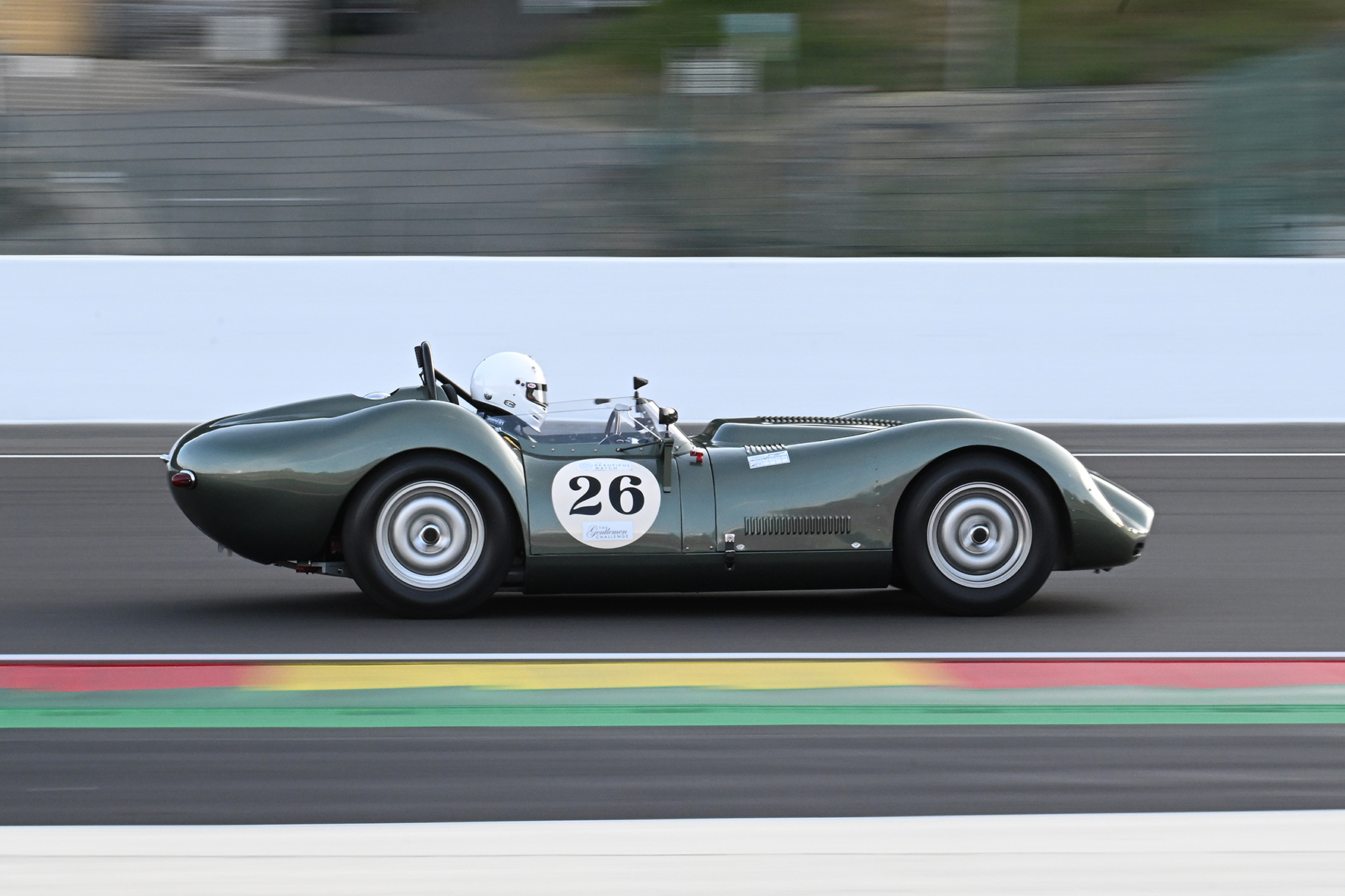
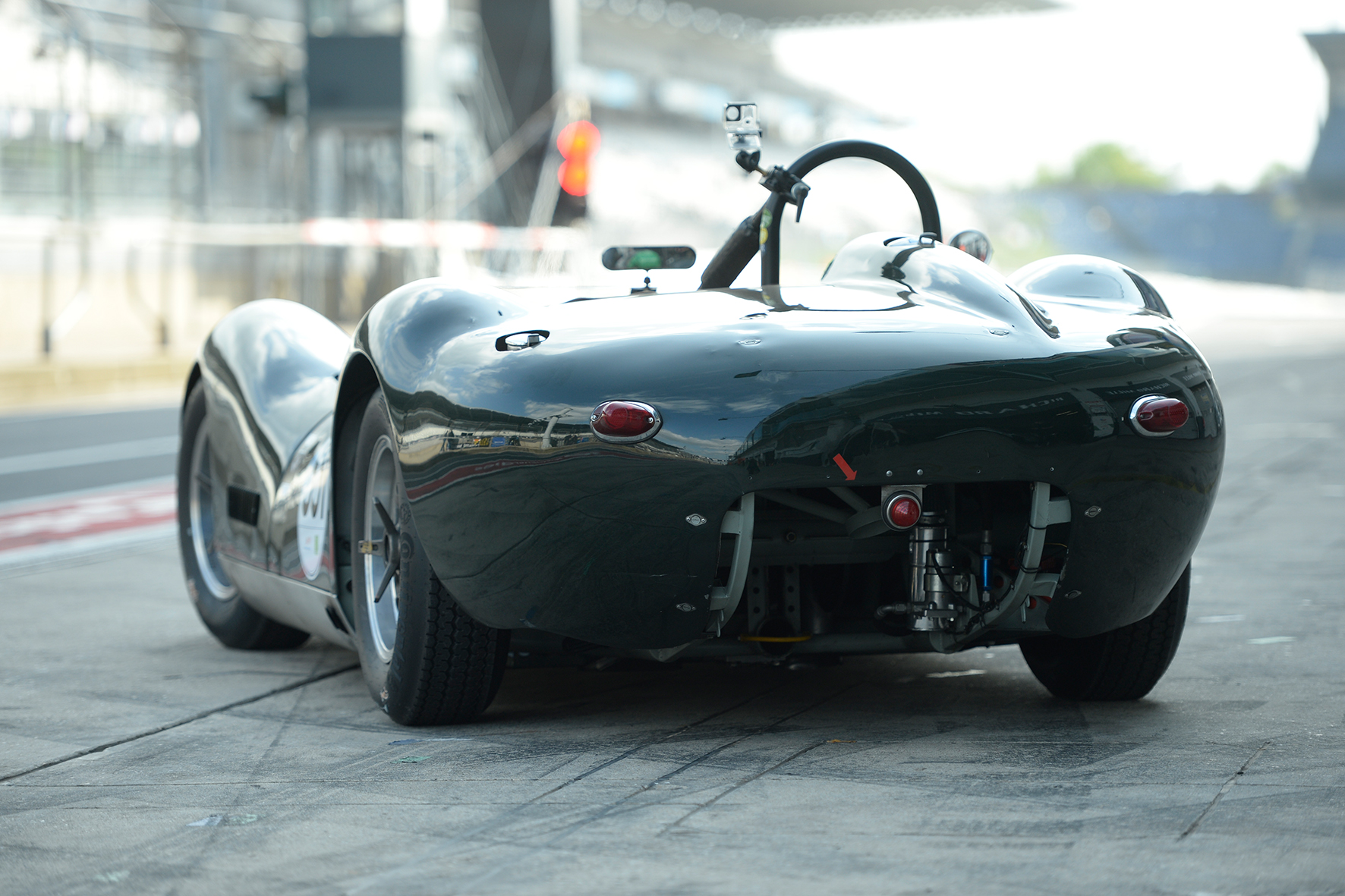
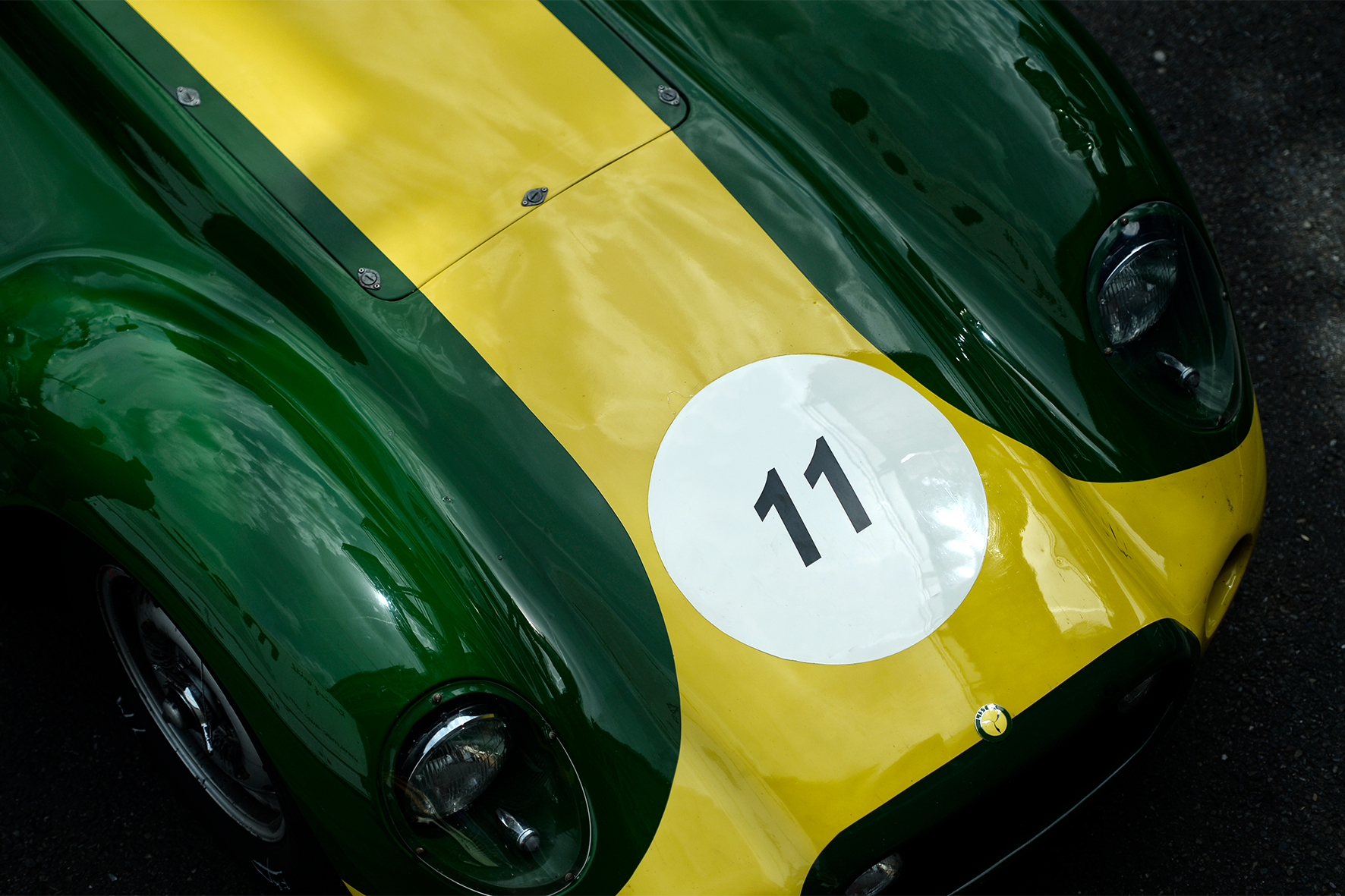
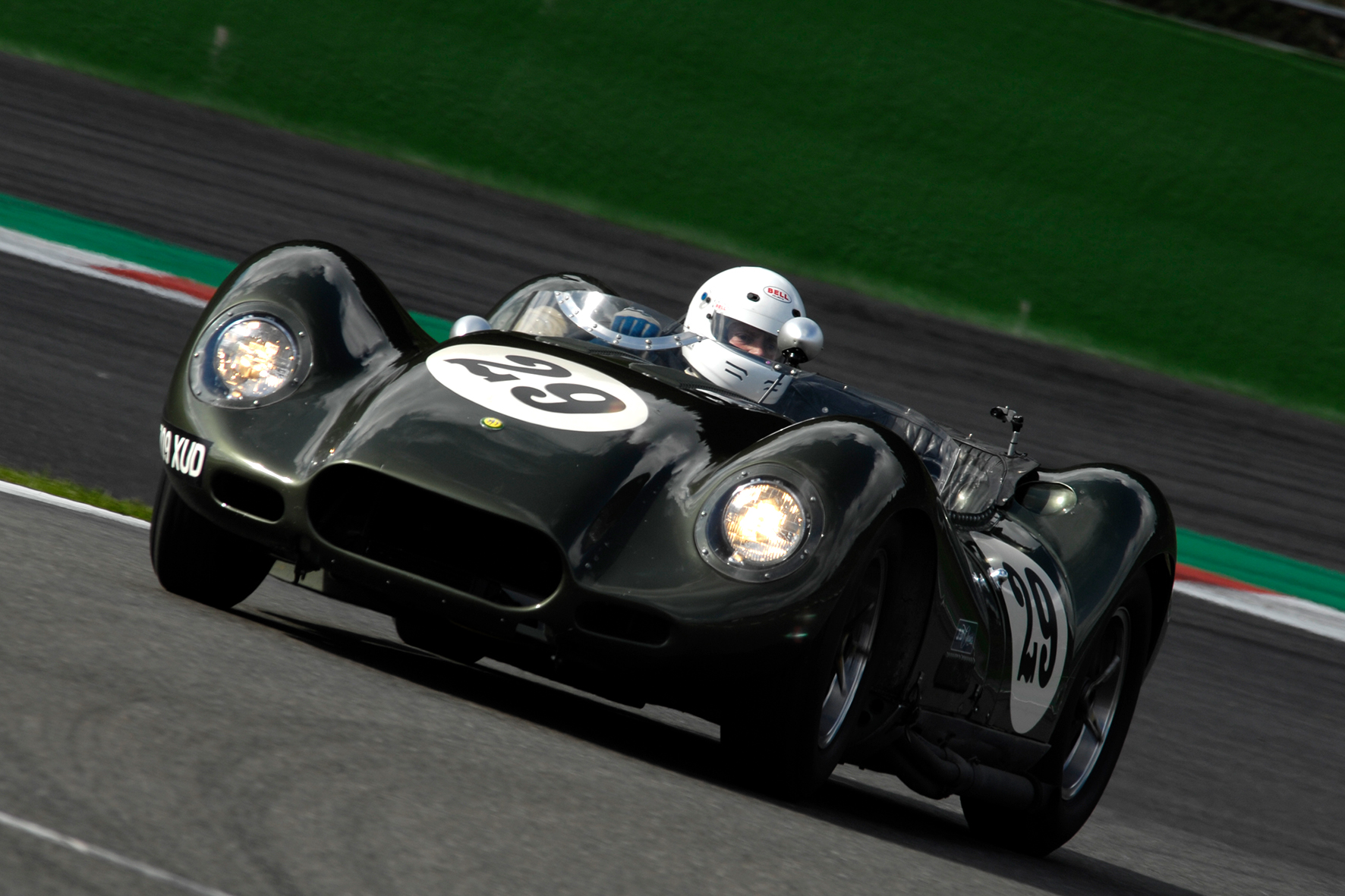
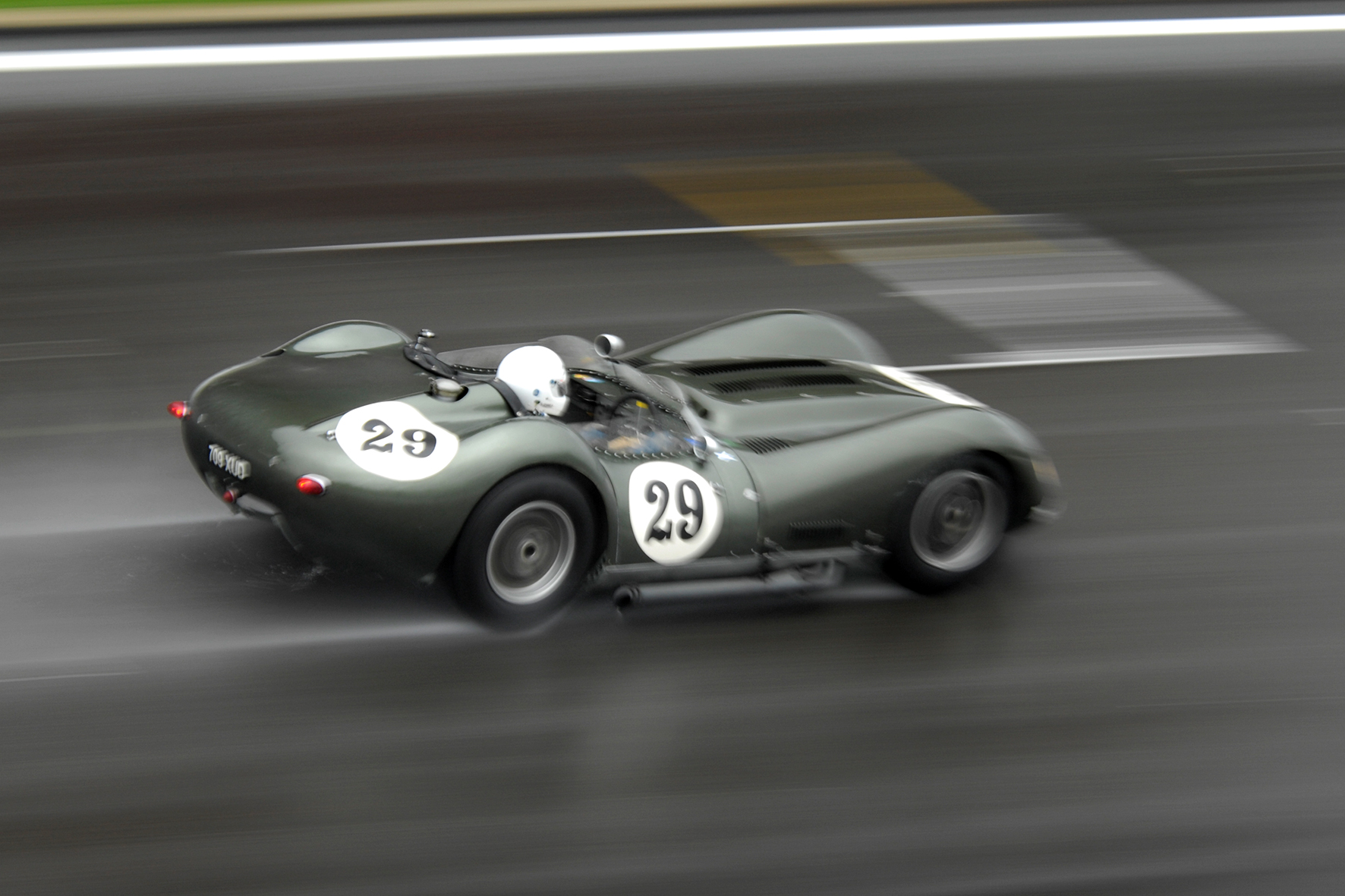
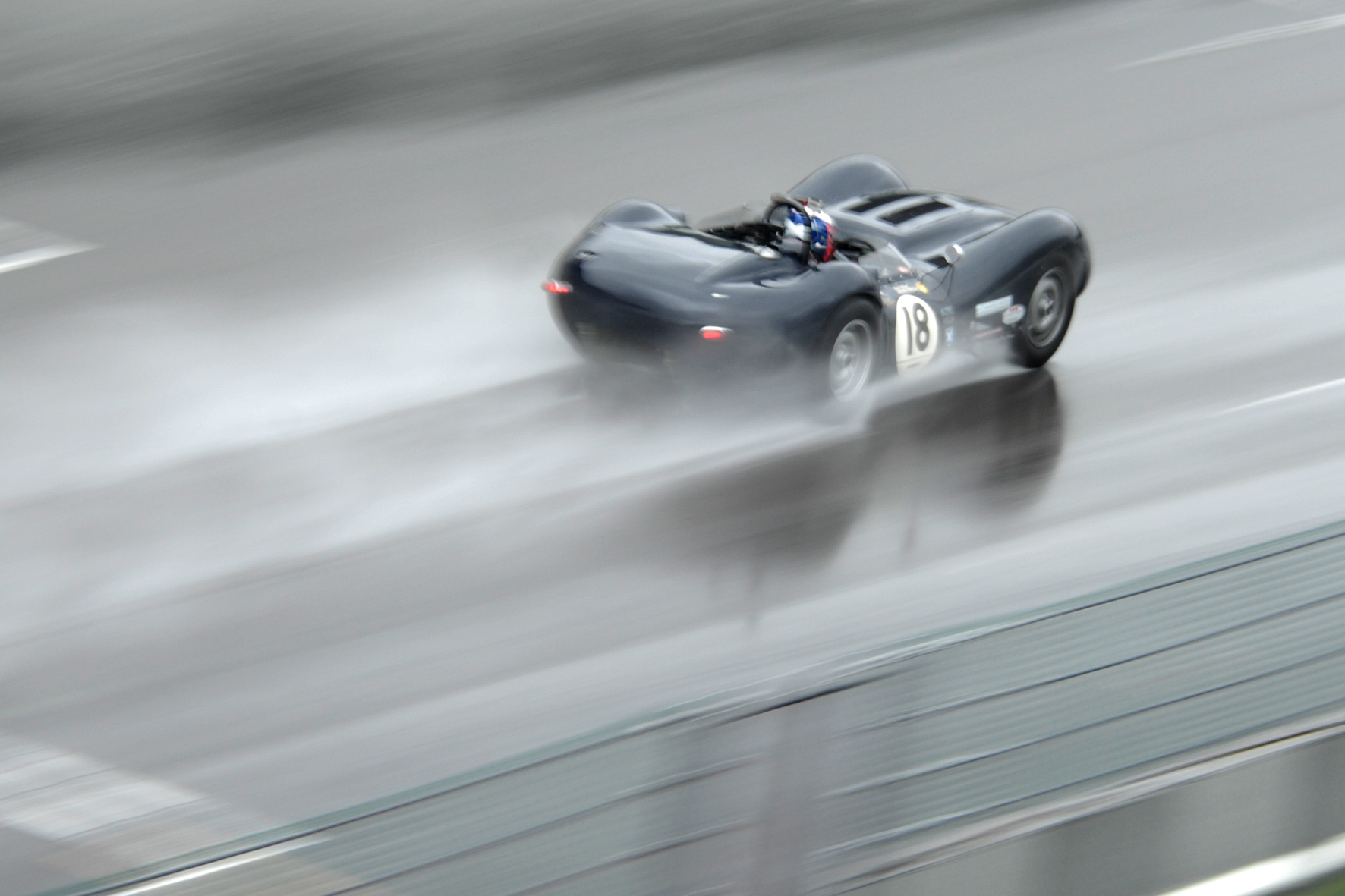
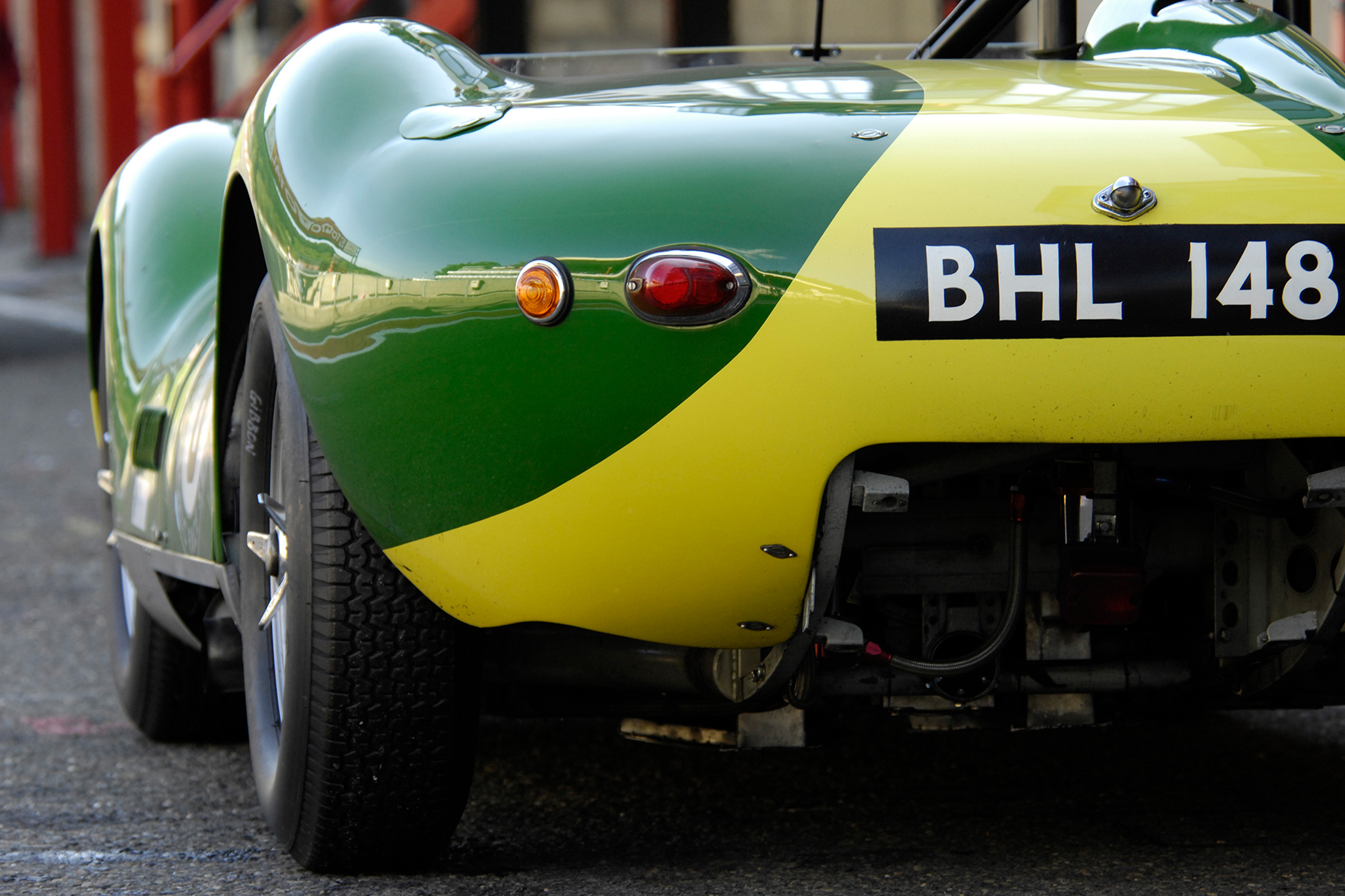
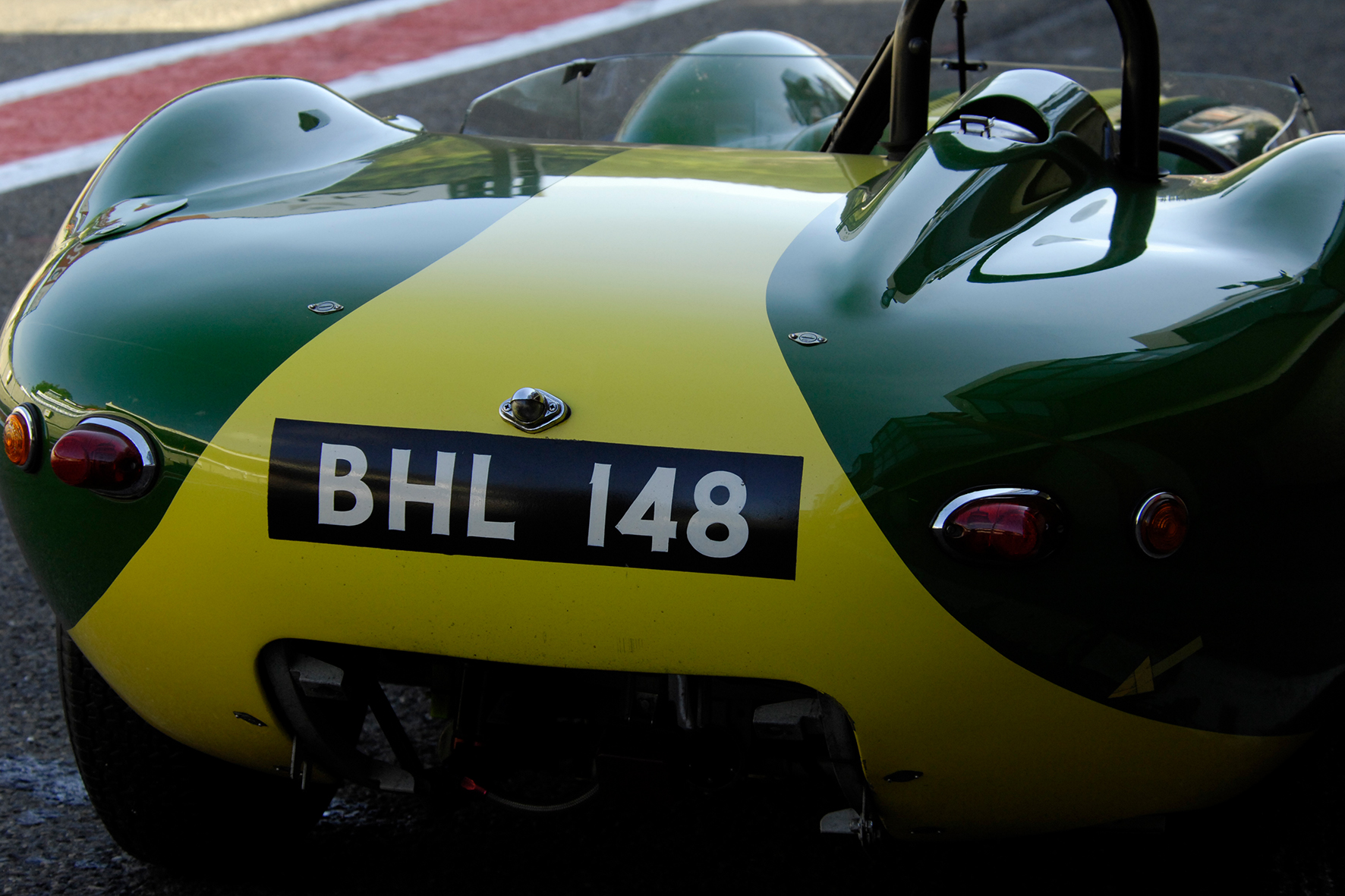
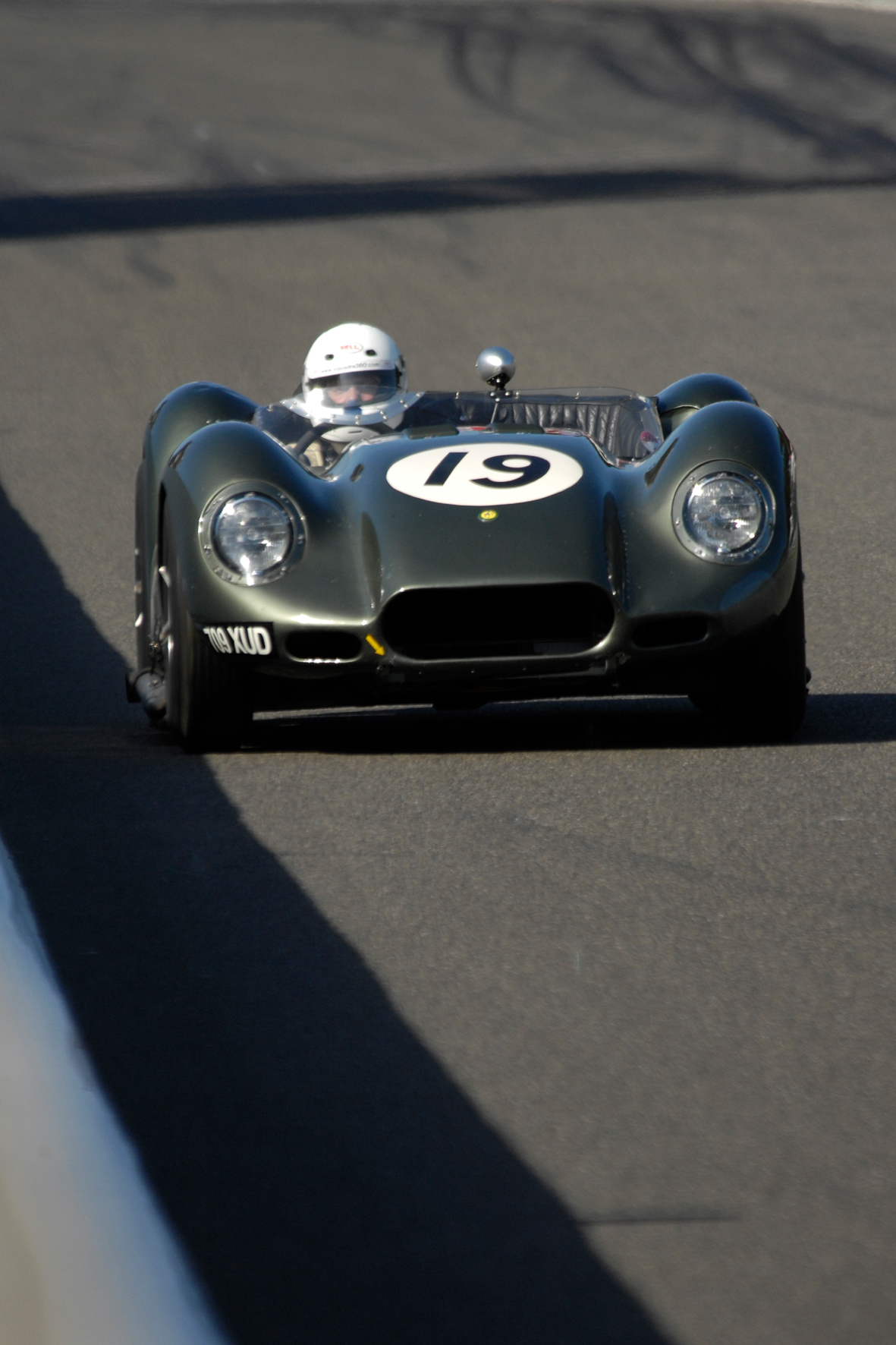
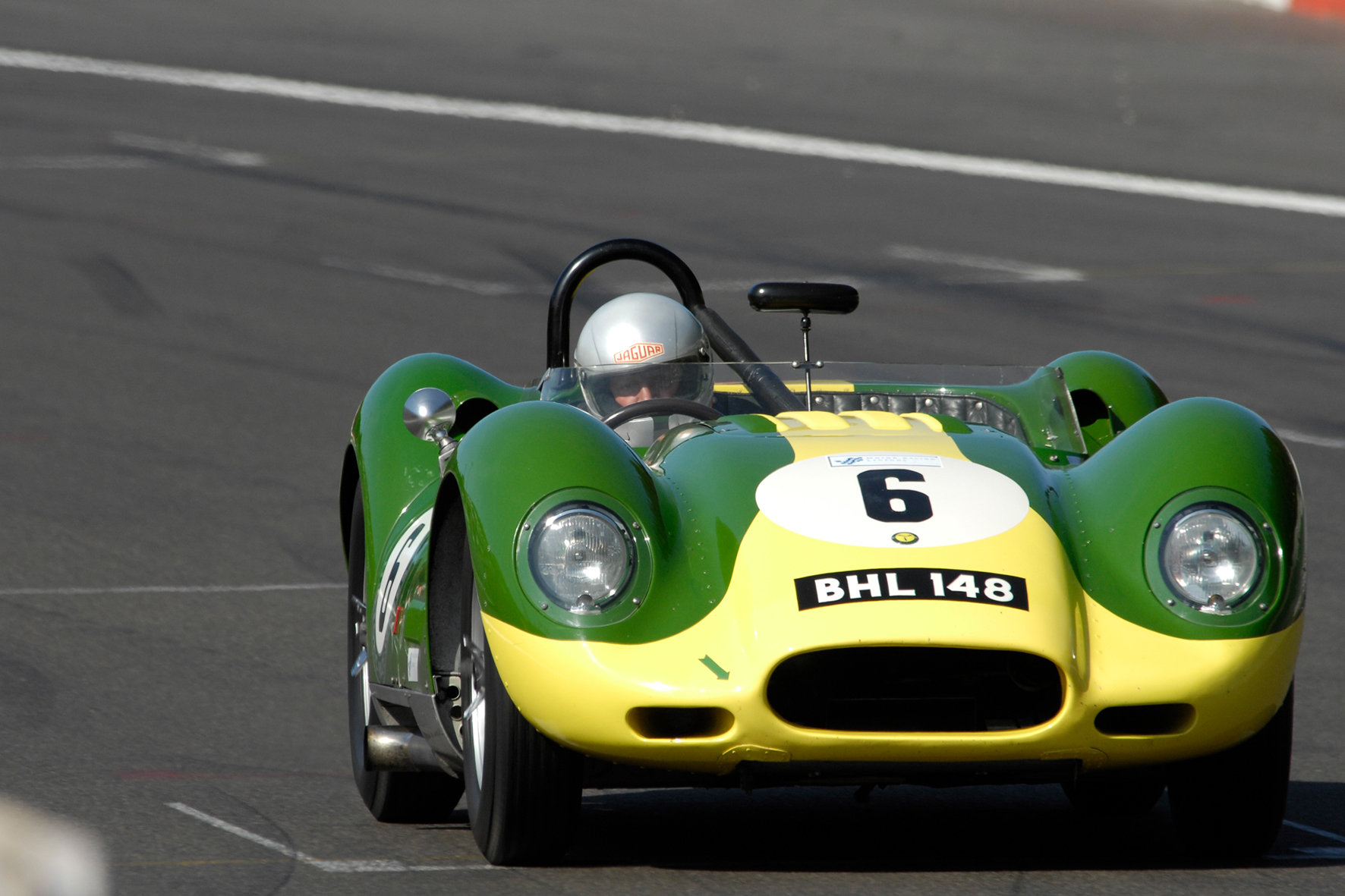
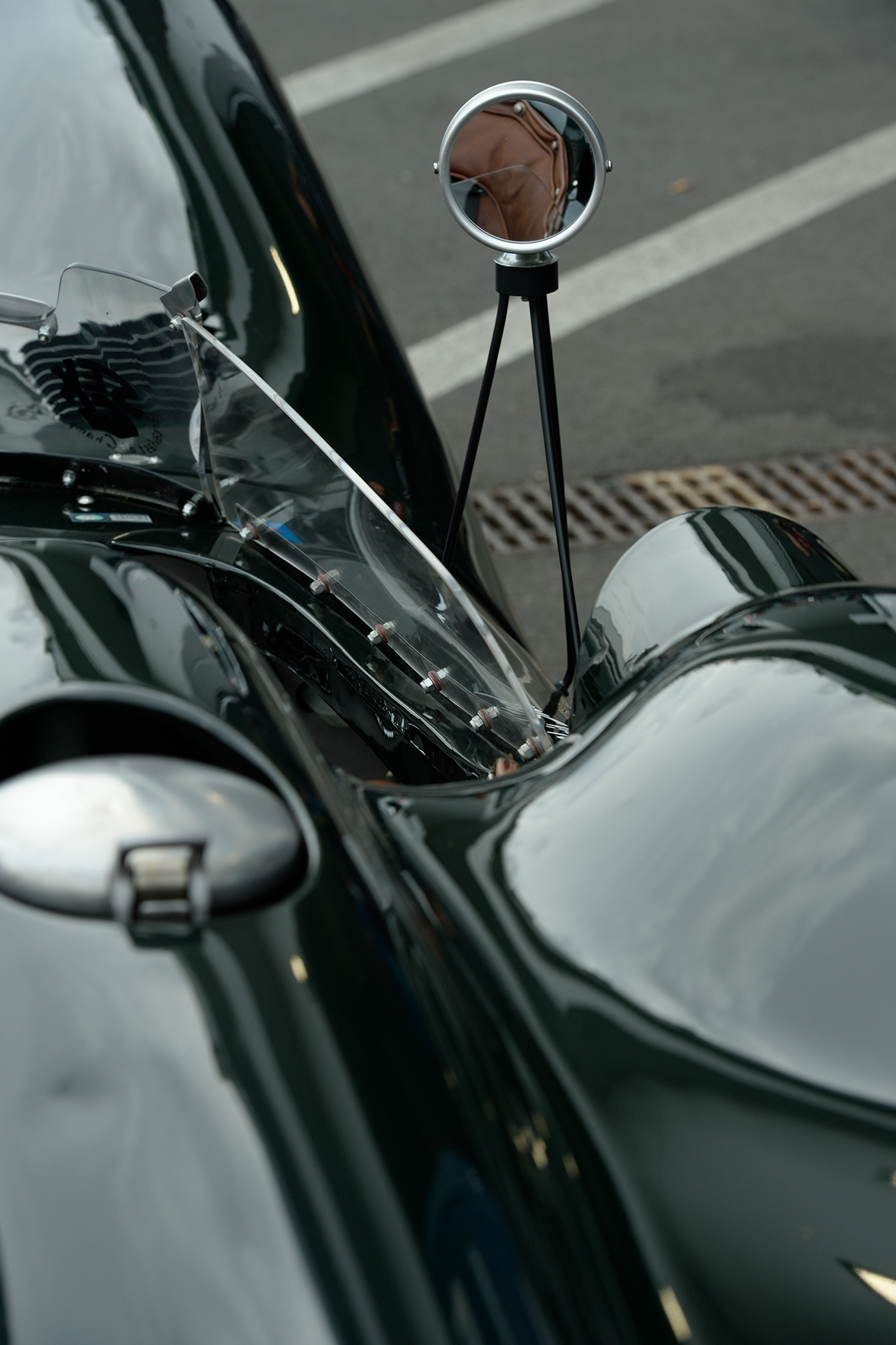
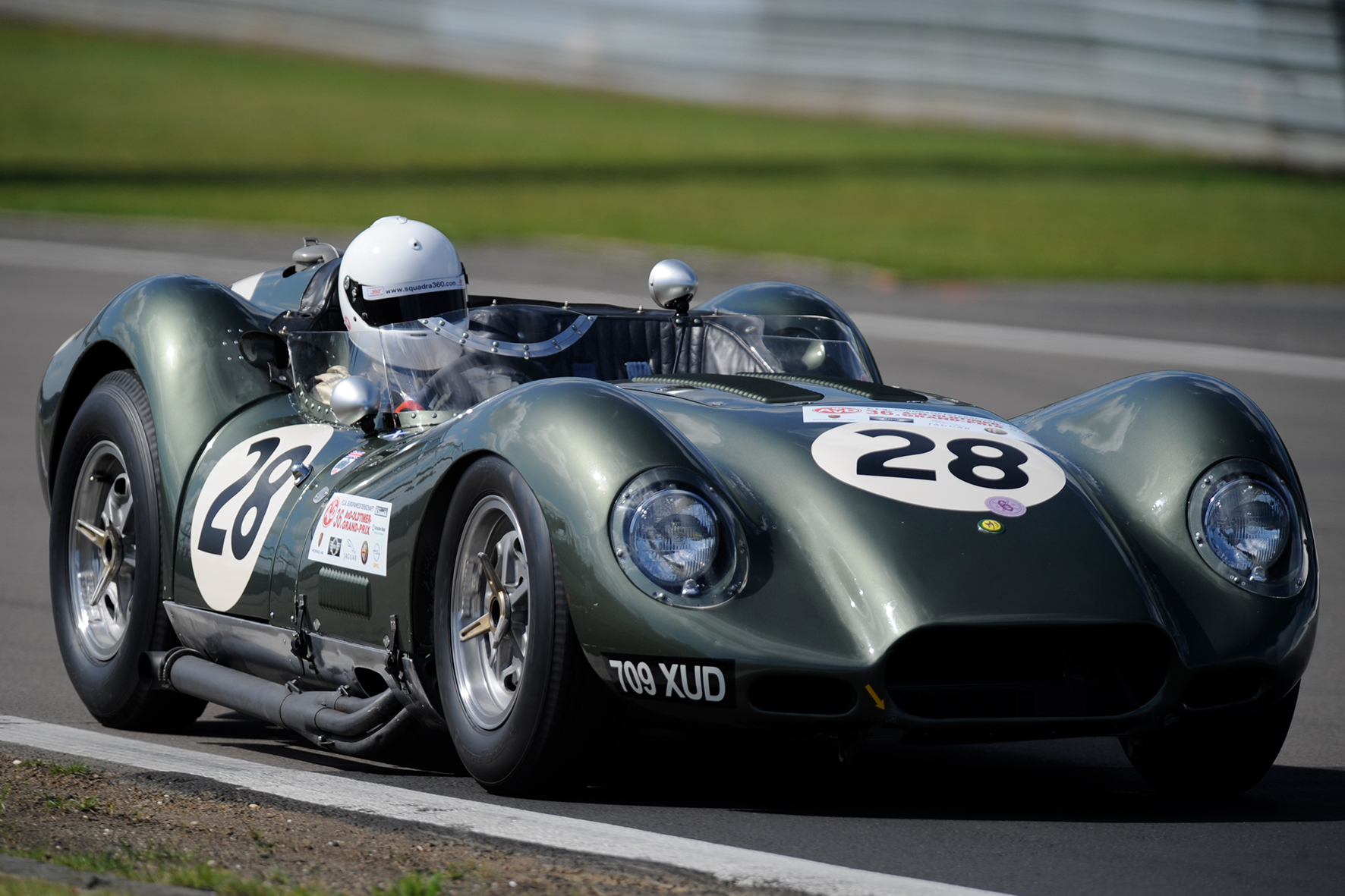
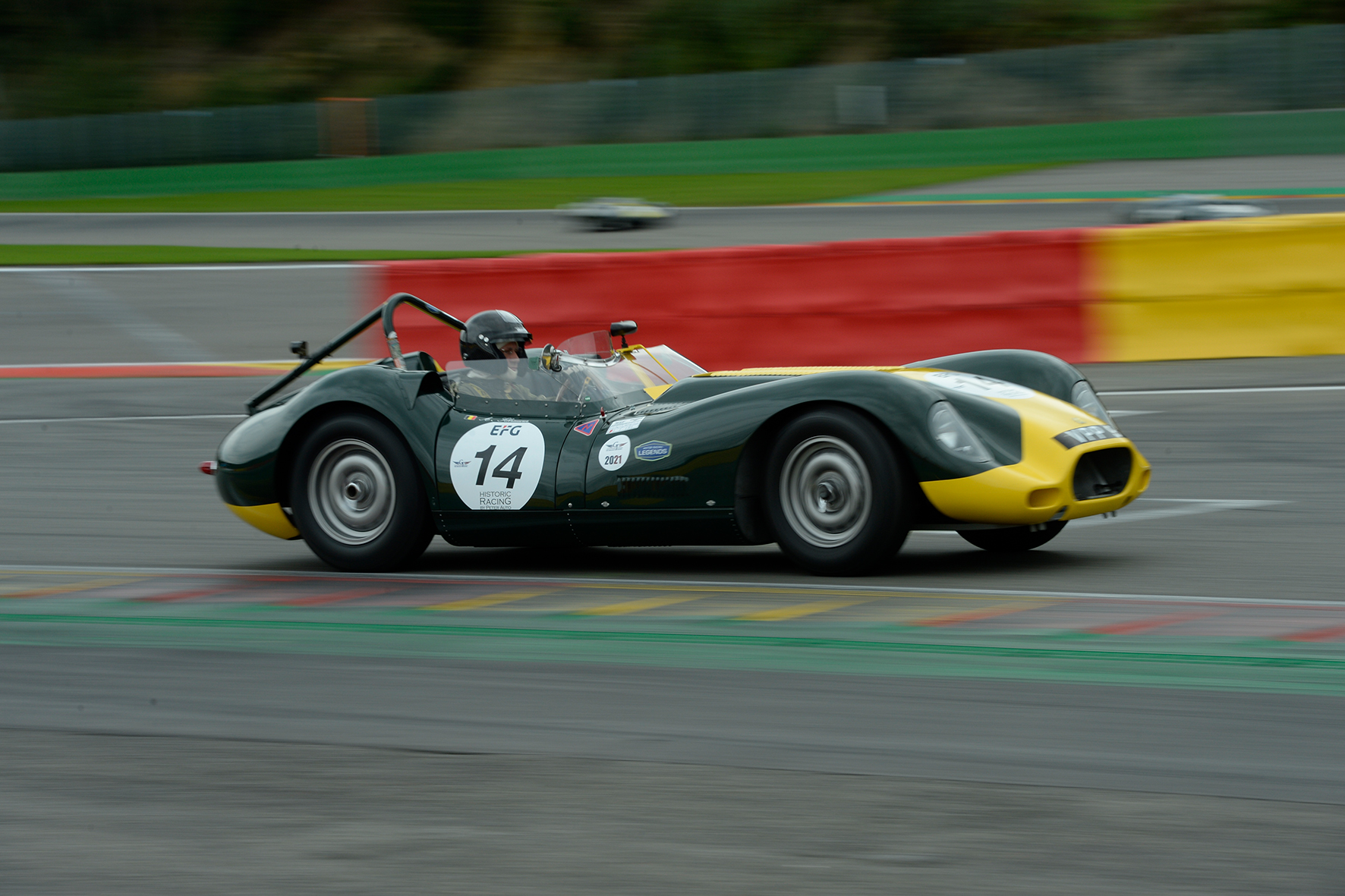
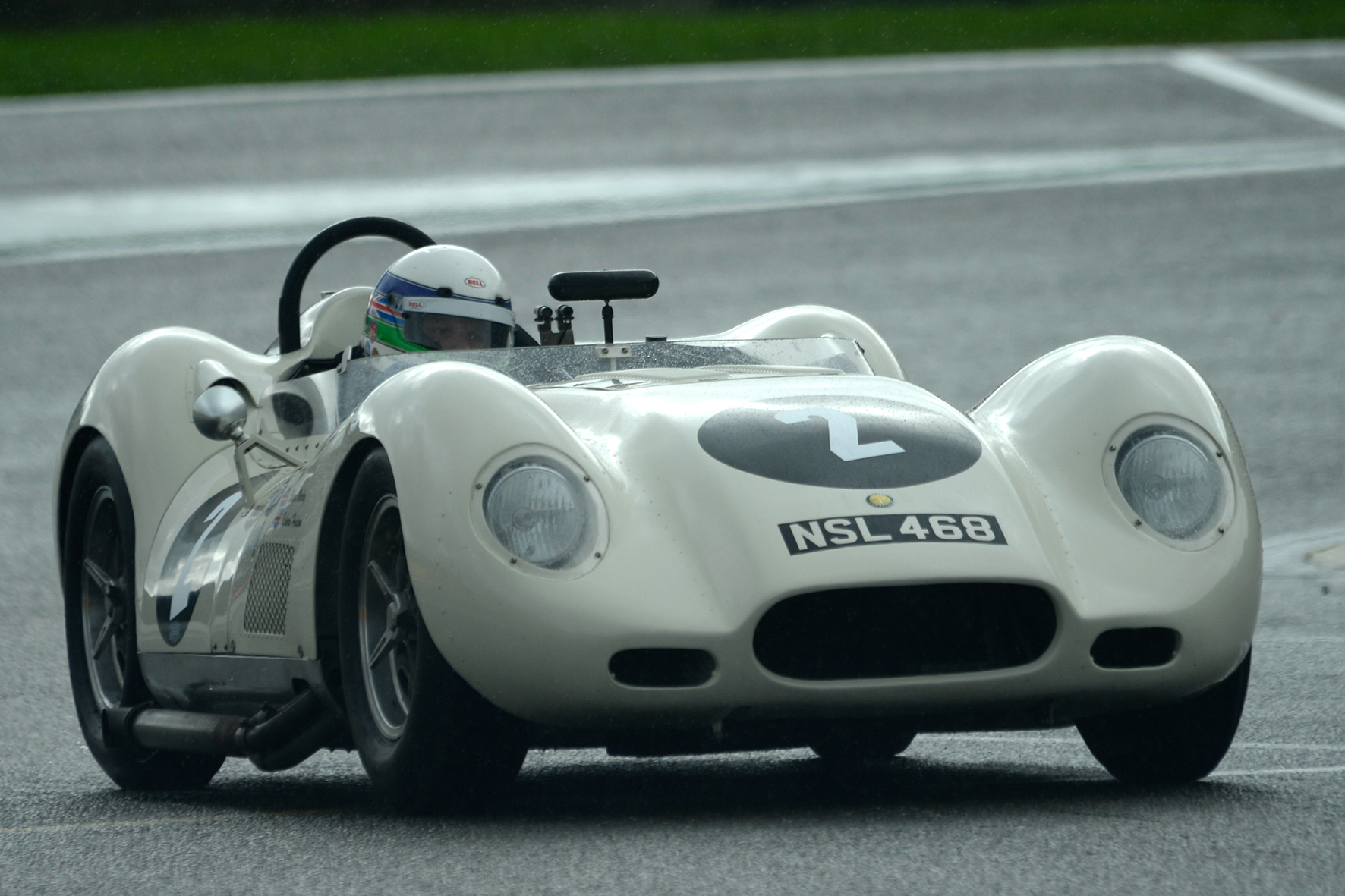
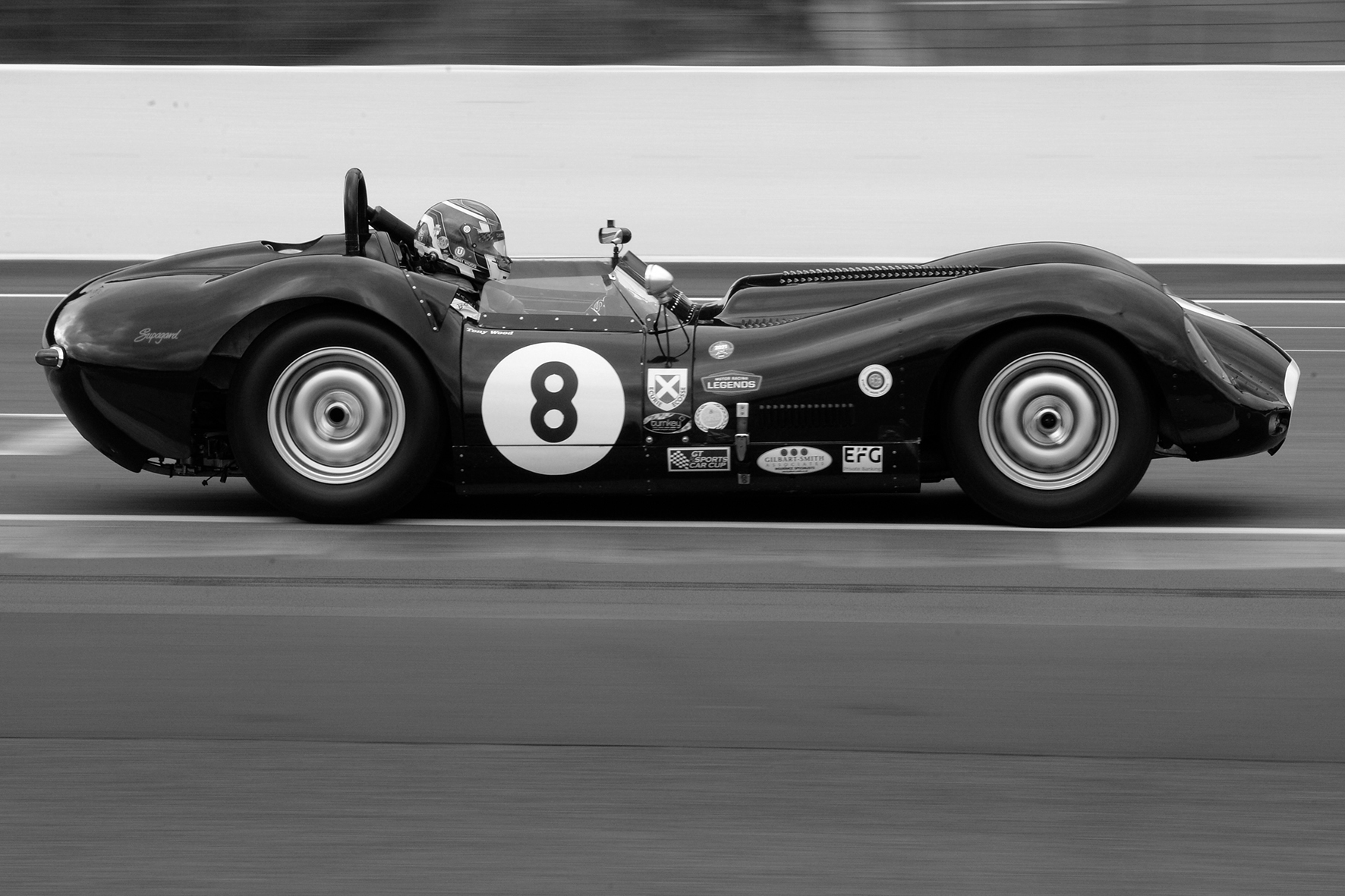
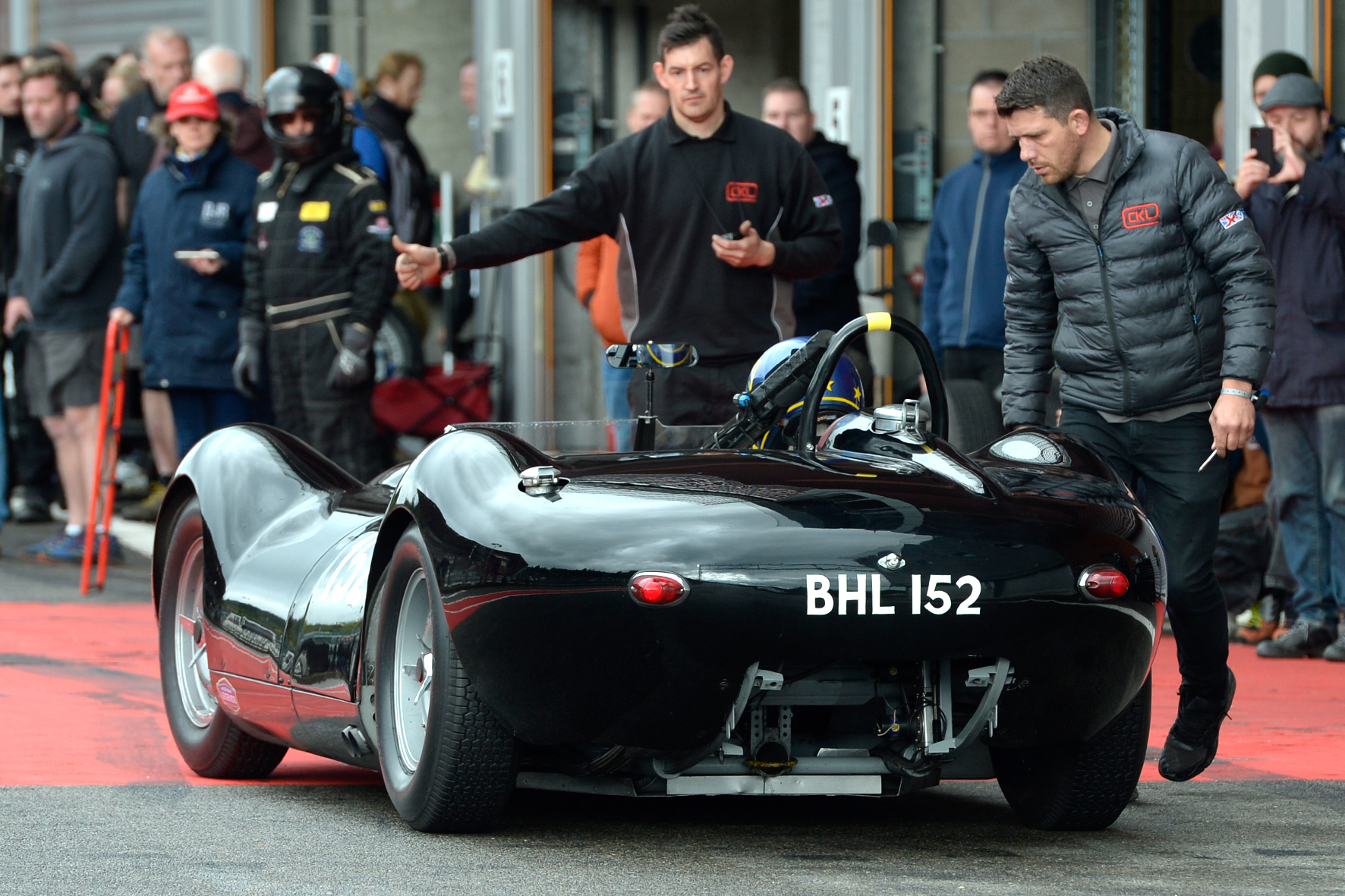
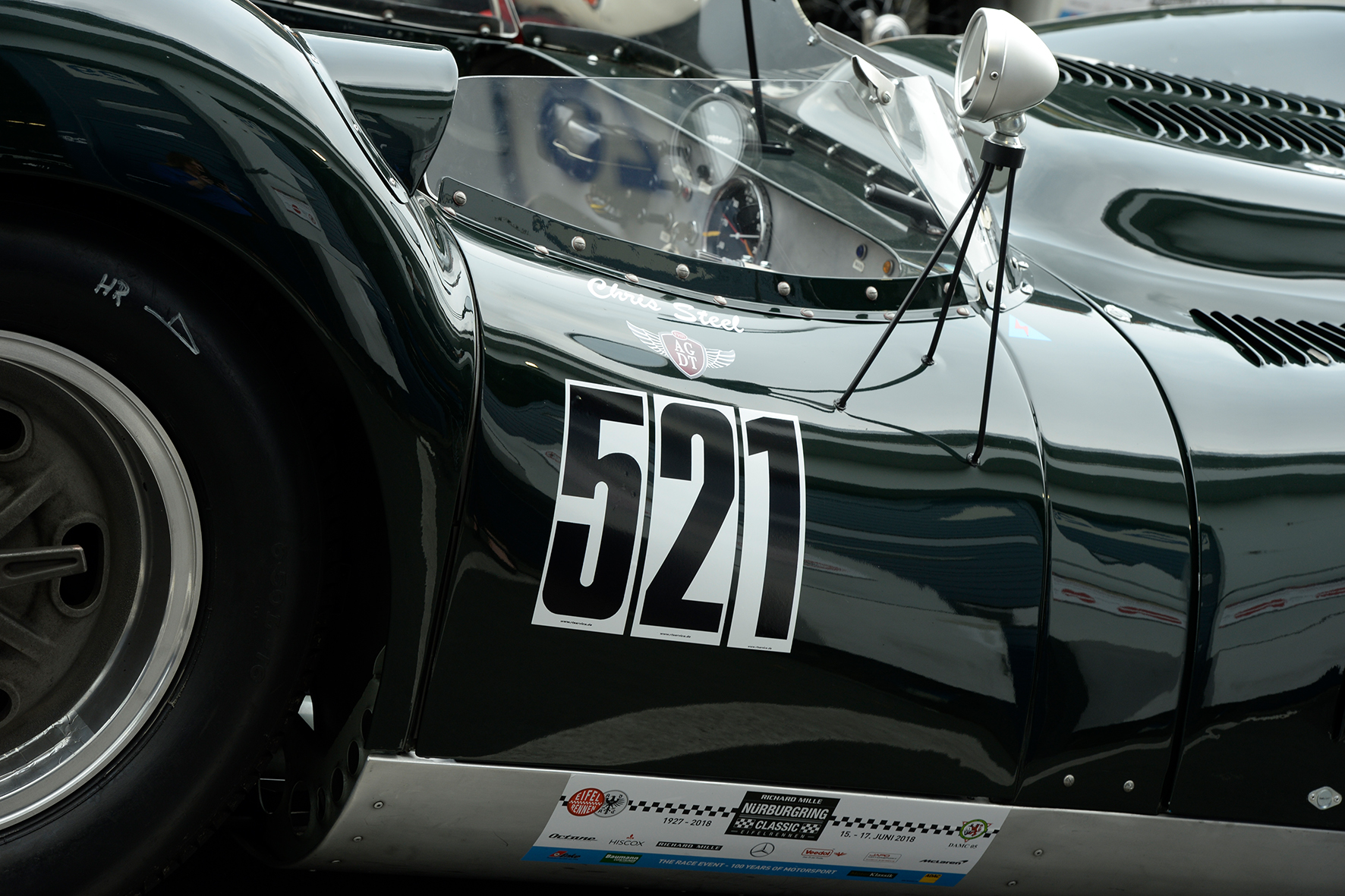
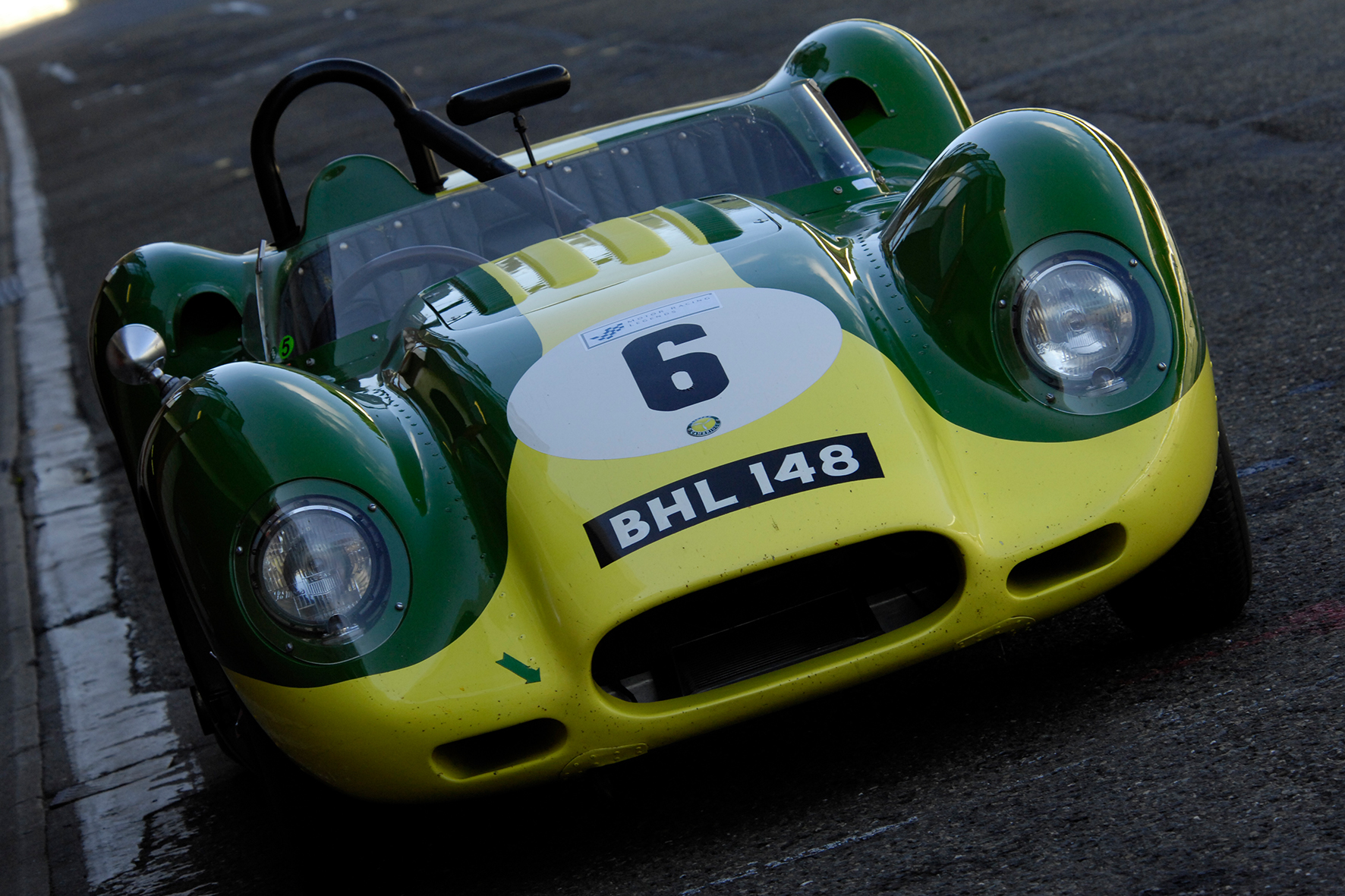
What a beauty this Lister Knobbly really is. With its almost feminine curves, this racing car is a real eye-catcher, a highlight on the grid. And fast and loud – what more could you ask for from a classic racing car?
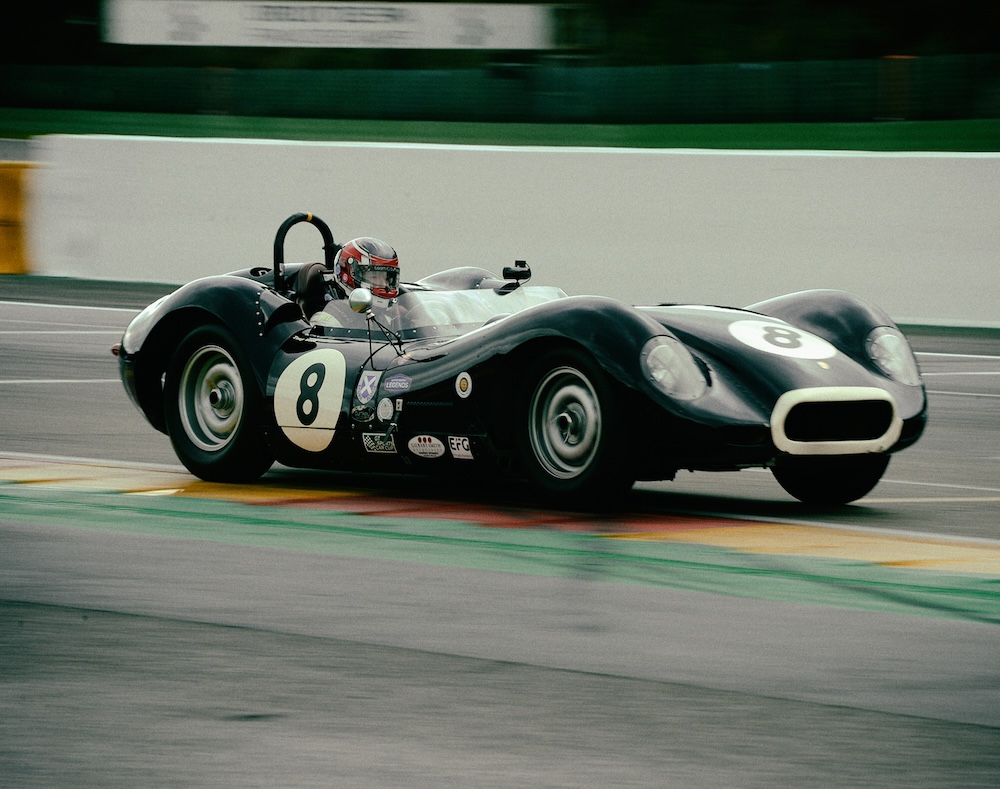
I have had, and continue to have, the pleasure of seeing this magnificent racing car from the late 1950s time and again, and of capturing it through my camera lens. When I first saw a Lister Knobbly, I must admit I didn’t really know what to make of the name ‘Lister’. Put simply, I hadn’t come across these racing cars before.
But I was immediately captivated, particularly by its sensational appearance. Muscular, curvaceous, British Racing Green with a yellow ‘stripe’ – simply beautiful. And the very first race I was lucky enough to witness with this car was won by it straight away.
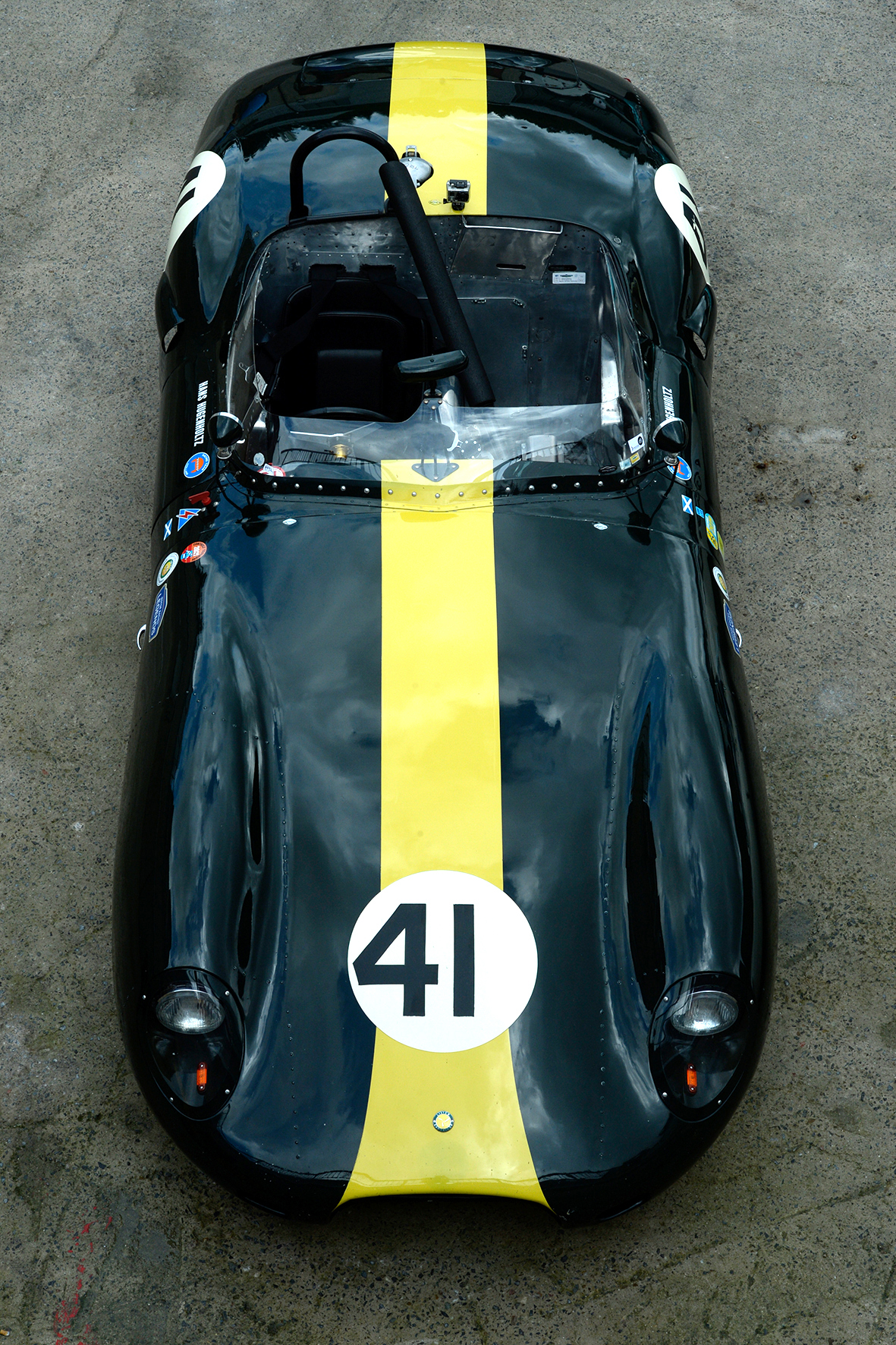
Since then, I’ve also seen several other Lister Knobblys at the many historic motorsport races, the vast majority with Jaguar engines but also a few with Chevrolet power units. They’re all beautiful and fast.
Whenever I look at the starting grids, I’m always struck by how ‘massive’ and comparatively ‘large’ a Lister appears compared to its rivals, such as a Jaguar C or D-Type, an Osca or other cars. One might assume that this racing car must therefore be cumbersome and slow. But it isn’t; on the circuit, a Lister always appears agile and manoeuvrable – its outward appearance stands in stark contrast to its performance.
George Lister & Sons was a small but successful firm based on Abbey Road in Cambridge, England. Founded in 1890, it specialised in a wide range of engineering products in metal construction.
Brian Lister, the grandson of the company’s founder, was born on 12 July 1926 in Cambridge and had an affinity for cars almost from birth. He was particularly enchanted by his uncle’s S.S.1 because of its racy shape. He followed the racing scene of the late 1930s, and books on motorsport took up more and more space on his bookshelf.
Despite his enthusiasm for motor racing, he began an apprenticeship in metalwork at his fathers’ company. There he learnt everything he needed to know for his future career as a racing car builder. Finally, in 1953, at the age of 27, he began to realise his dream of building a Lister racing car.
I don’t wish to go into the further history of the Lister company here. After all, it is really always the same old story. A boy’s dream becoming reality. In Brian Lister’s case, the technical resources of his fathers’ company, his excellent, meticulous training and, of course, his financial means naturally helped to make this dream a reality.
But I believe it is not just the circumstances, but above all the determination that makes everything a reality. This was the case with Enzo Ferrari, the ‘Fratelli Maserati’, Colin Chapman, Jack Brabham and many others.
A very large part of motorsport history is owed to these pioneers, who often had to fight for their financial survival. Great personalities with equally great dreams and visions. Driven by the spirit of competition, to be better, faster and more successful – that is what all these people had in common.
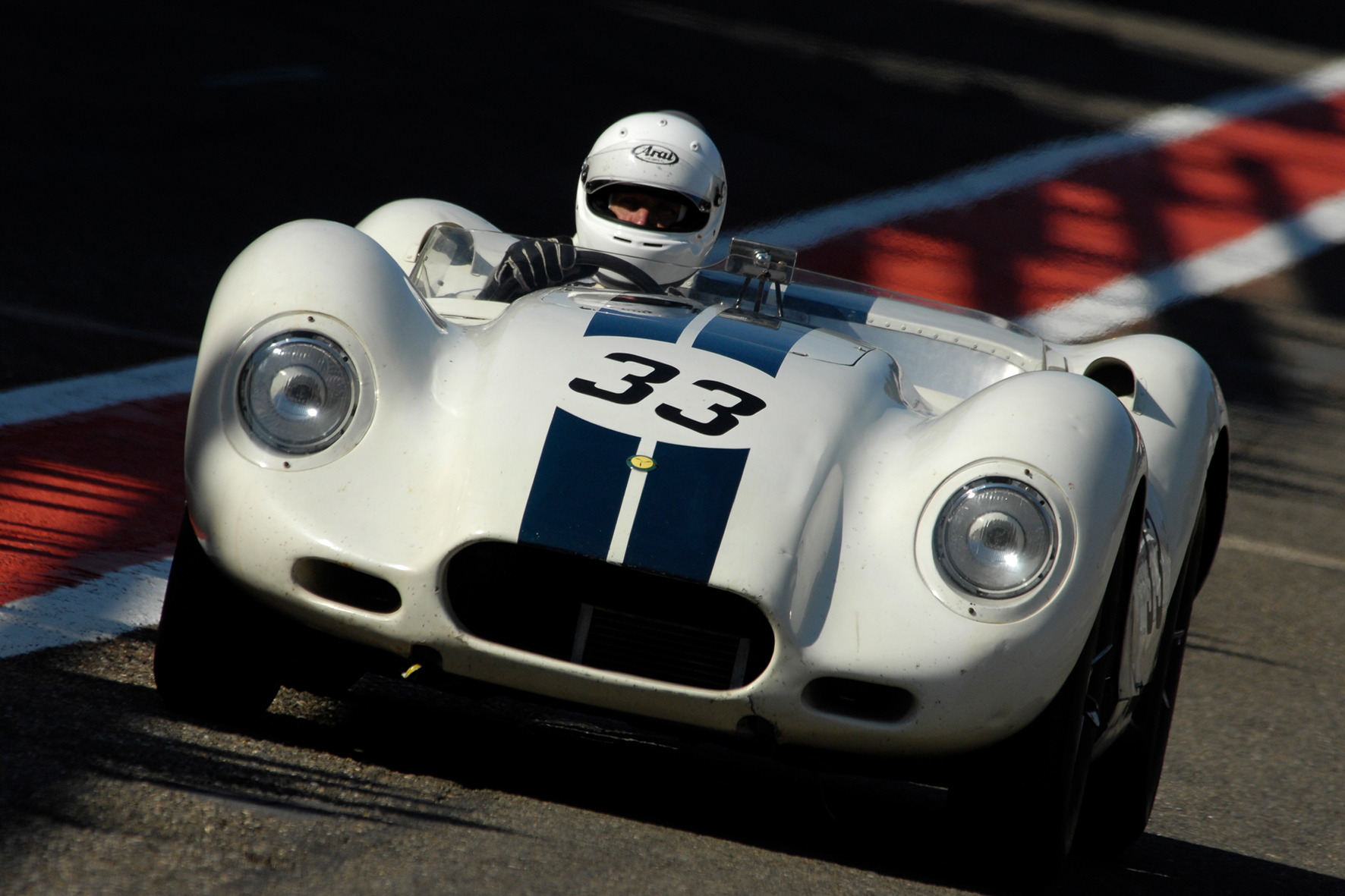
The Lister Knobbly racing cars can look back on a highly successful career. Countless race victories have been achieved over the years. One of the most successful drivers in Lister’s history was Archie Scott Brown. Mr Brown had a very idiosyncratic driving style, which was also due to his stature and physical limitations. Yet this made him the dominant driver of his era. W.A. Scott Brown won 12 out of 14 races in the 1957 season.
In 1958, many of the racing greats of the time competed in Lister-built racing cars, including Stirling Moss, Roy Salvadori, Masten Gregory and several others. The Lister Knobbly was at least on a par with its rivals of the time – Ferrari, Aston Martin and Jaguar. And Archie Scott Brown once again won practically every race; whenever he was on the starting grid, he won. Then came the Spa Francorchamps Sports Car Grand Prix. Even back then, the circuit was considered extremely fast but also very dangerous, not only because of the lack of run-off areas, but also due to the constantly changing weather conditions. Whilst it was sunny and dry at the start and finish on that day, it was pouring with rain just a few kilometres further on. Conditions that were risky for any driver and sometimes even fatal.
Archie Brown had got off to a poor start, but made up ground lap after lap, eventually taking the lead from the third lap onwards. It was then on the fifth lap of the race that Archie lost control and skidded into a poorly positioned sign; the Lister spun round and finally came to a halt on an embankment. Petrol spilled out and caught fire. The Elektron skin used on the car caught fire immediately as the marshals rushed to the scene.
Despite swift assistance in rescuing the driver, his burns were so severe that he succumbed to his injuries the following evening. W. A. Scott Brown died at the age of just 31. Although he had been born with severe disabilities, his sporting achievements were so outstanding that few could hold a candle to him in sports car racing at that time. The great drivers of the late 1950s – Fangio, Moss, Frère, Gregory, Salvadori, Hawthorn, Collins, Brooks, McLaren and all the others – showed him the utmost respect. The Lister story continued nonetheless, even though Brian Lister was so shocked that he wanted to give it all up; but he was, of course, also committed to his staff and carried on.
And so, even today, we can still see and marvel at these magnificent and beautiful racing cars from Cambridge in England.