All gearheads love a good car movie. The genre has seemingly endless options, from heist movies to road trip movies to action movies to racing movies. There are also automotive biographies, profiling the (sometimes embellished) accounts of people like Enzo Ferrari, Ferruccio Lamborghini, Henry Ford, and even Carl Borgward. Perhaps one of the best entrants in this category is the 1988 film, Tucker: The Man and His Dream.

By loading the video, you agree to YouTube's privacy policy.
Learn more
Dreamed up by director Francis Ford Coppola (The Godfather Trilogy, Apocalypse Now), the film chronicles Preston Thomas Tucker’s struggle to launch his own car company in the wake of World War II, the nefarious forces against him, and the fraud accusations that would ultimately doom his company after building just 50 copies of his Tucker 48 sedan, plus one prototype.
The Car
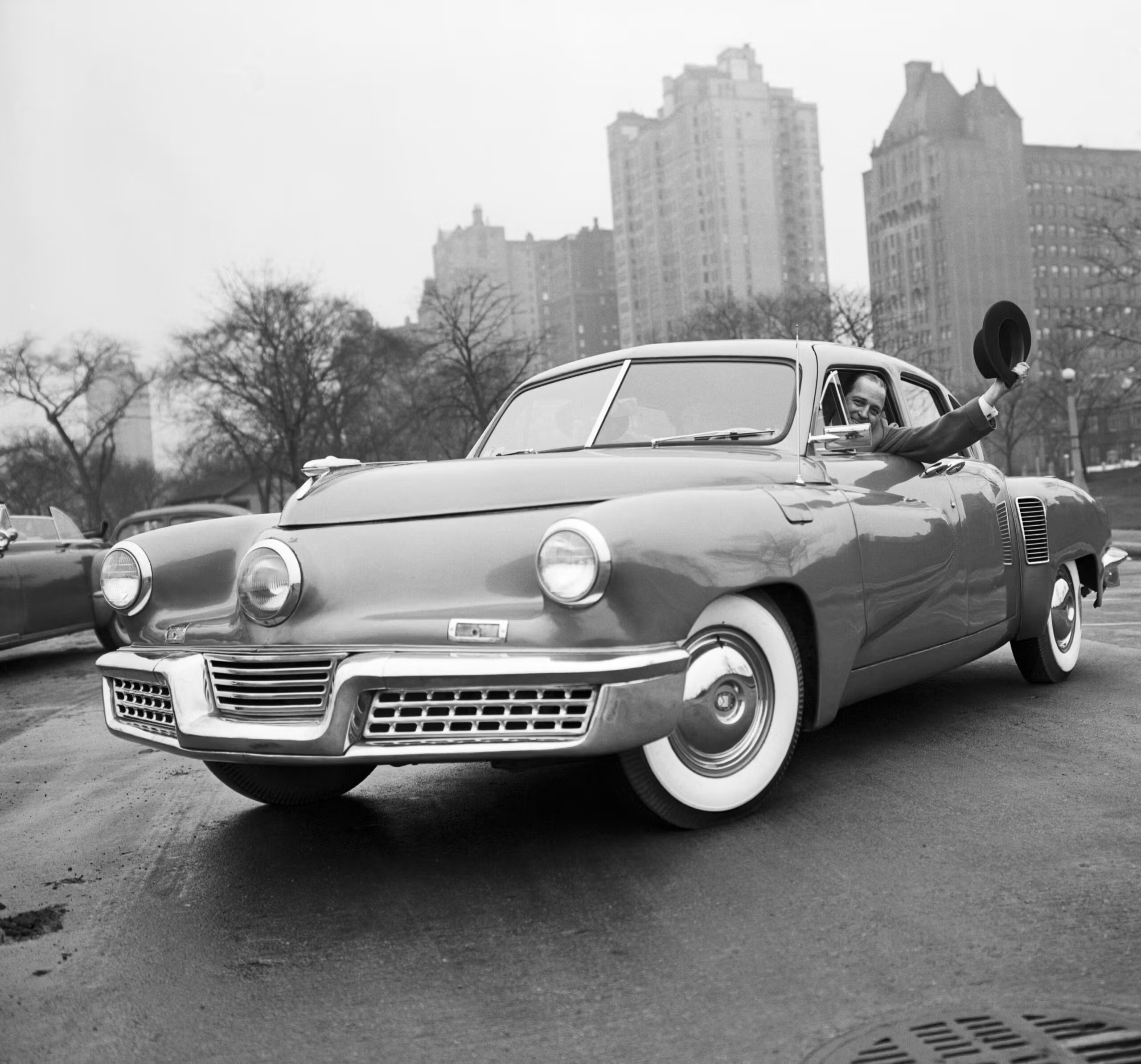
The Tucker story has been well documented by this point, but the abbreviated version is that Preston Tucker dreamed of building an innovative car centered around passenger safety, a revolutionary idea in the 1940s.
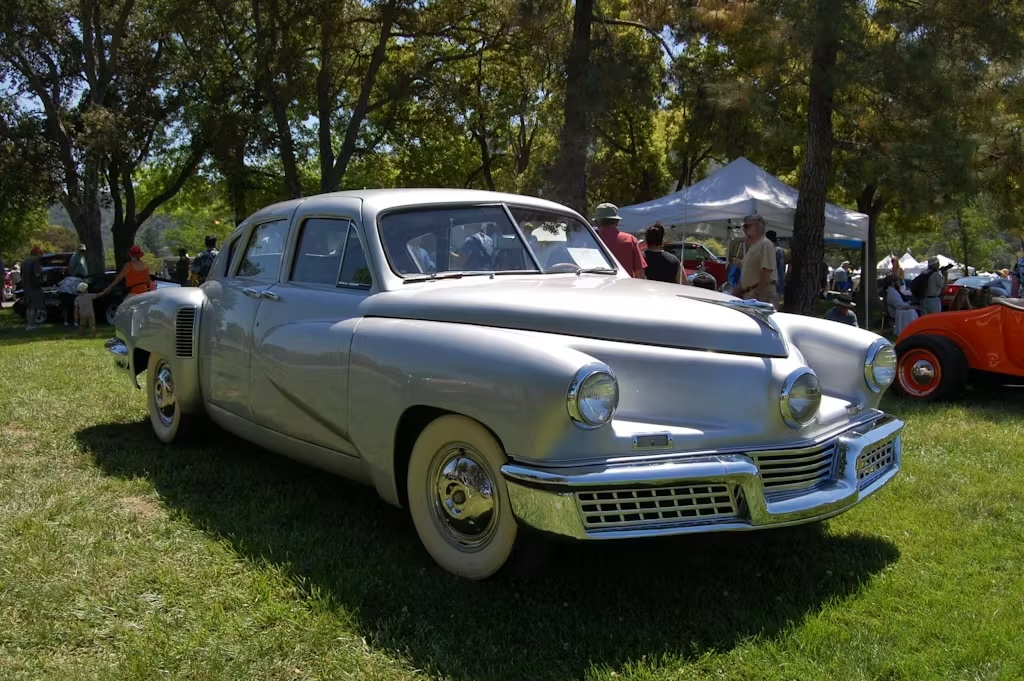
His original proposal included an aerodynamic body, a rear-mounted engine, fuel injection, disc brakes, seatbelts, a padded dash, recessed instruments, a “crash chamber” to protect occupants, pop-out windshields made of shatterproof glass, rubber suspension, front fenders that turned with the steering wheel, and a laundry list of other ideas.
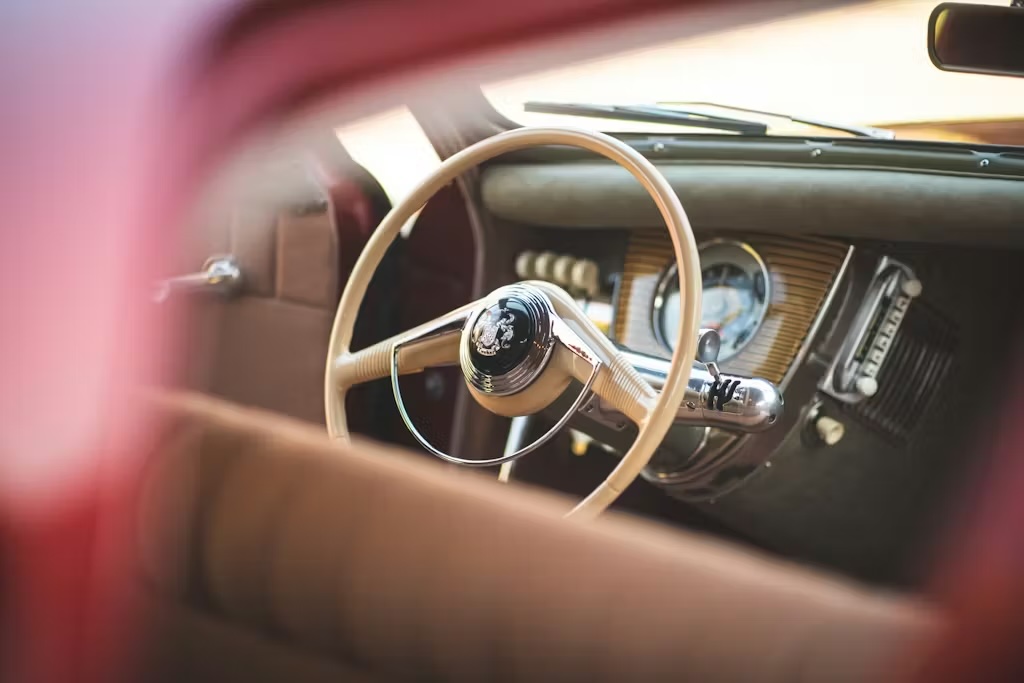
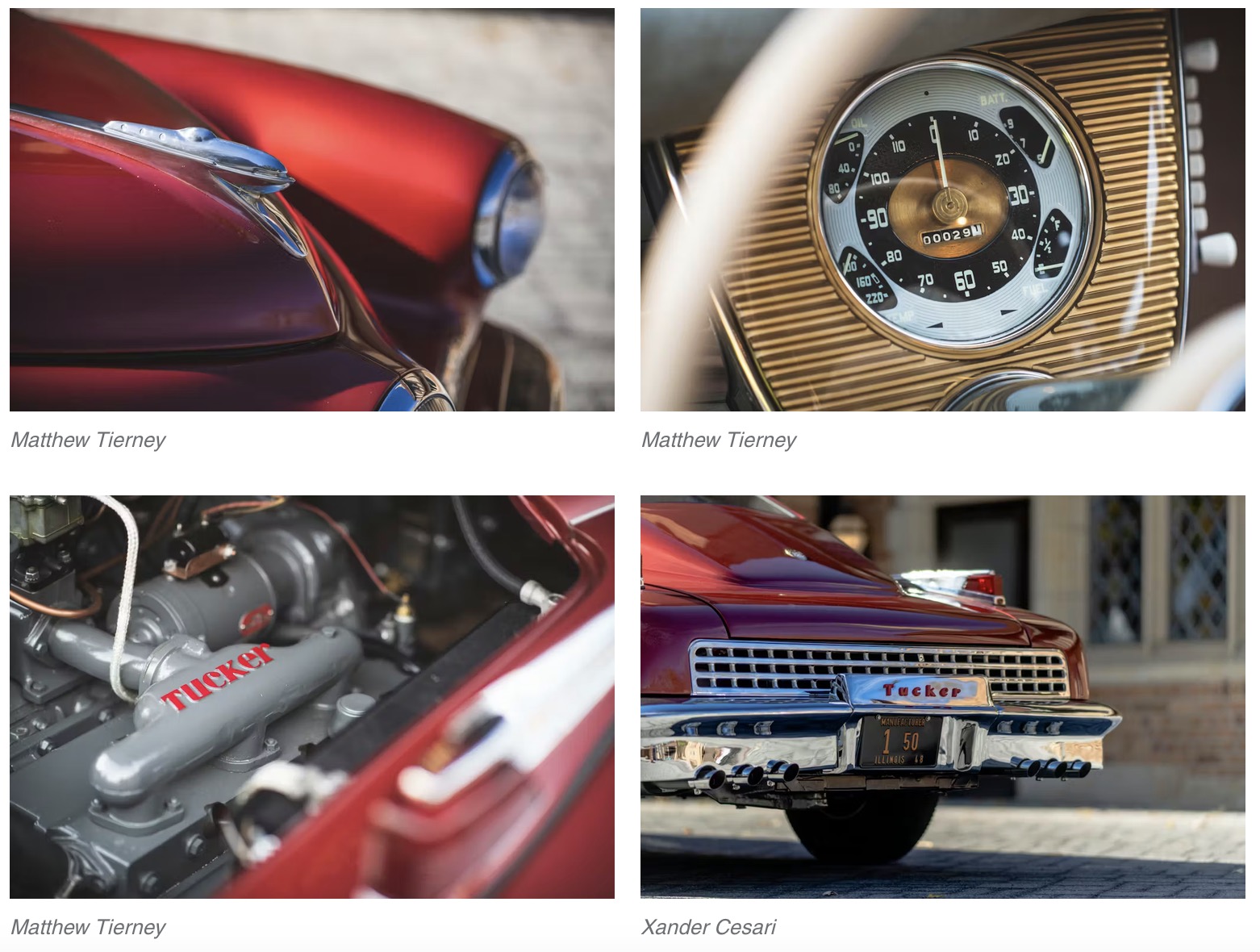
Some features like fuel injection and disc brakes were deemed too complicated for the time; others were modified, like the turning fenders, which were changed to a single center headlight that turned with the wheel. Still others were removed for marketing reasons, like the seatbelts, which management claimed would imply the car was unsafe. However, many of Tucker’s ideas did survive, along with a rear-mounted flat-six engine. Against all odds, the Tucker 48 sedan went into production as a 1948 model in 1947.
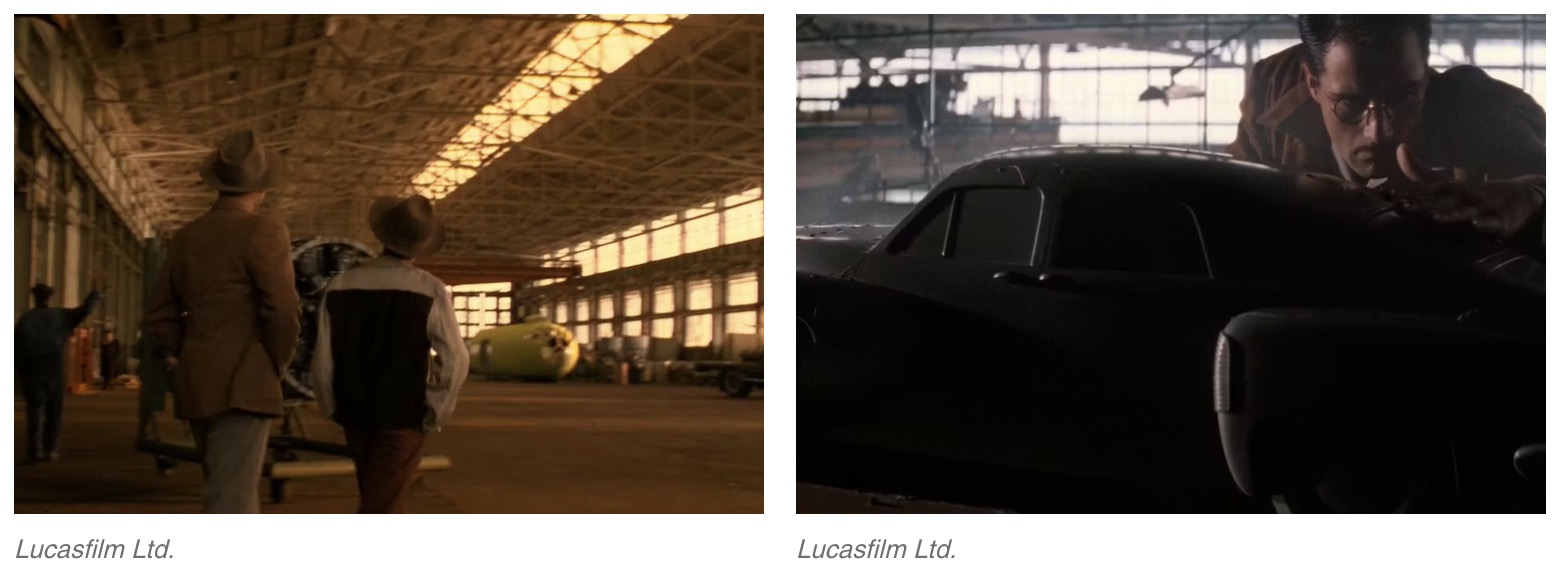
To produce this dream car, the Tucker Corporation got a lease from the War Assets Administration for the massive Dodge Chicago Plant, which had built B-29 bombers during WWII. But designing and building a new car from scratch is extremely difficult, and sadly, the Tucker Corporation did not survive in the brutal postwar car market. However, the exact reasons why it failed depend on who you ask.
Some blame a secret cabal of Detroit’s Big Three, Michigan Senator Homer Ferguson, and the Securities and Exchange Commission working to protect entrenched automakers and stifle new ideas. Others cite the questionable practices Tucker and his associates used to raise the massive amount of capital they needed, such as selling radios and luggage sets to customers as a means to reserve their cars before they were built.
Whatever the cause, Tucker and several executives were charged with fraud in early 1949, which essentially shut down operations after just 36 cars had been built. A loyal group of employees finished another 14 vehicles, bringing the total (plus the prototype) up to 51. Preston Tucker and his compatriots were ultimately cleared of all charges, but the debacle essentially doomed a company that was already on the ropes.
With its advanced design, low production, and intriguing backstory, the Tucker 48 was destined to become an icon almost from the beginning. But while the curious sedan remained well-known within automotive circles, the general public quickly forgot about it.
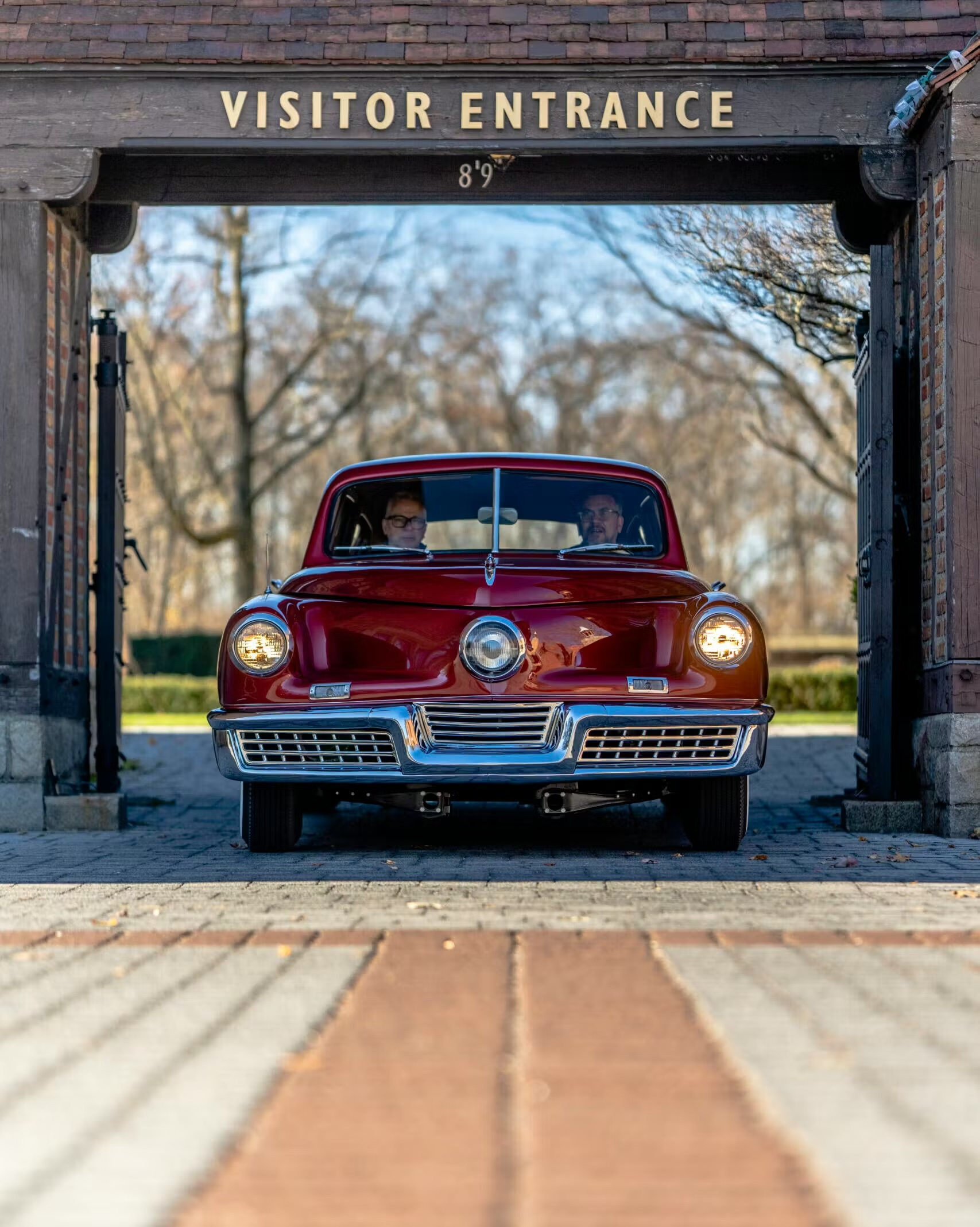
One person who didn’t forget was Francis Ford Coppola. Born in Detroit but raised in New York City, Coppola’s father Carmine had been part of the Detroit Symphony Orchestra, and he named his son in part for the company that paid his bills when he worked on a Ford-sponsored radio program.
Despite working for Ford, Carmine Coppola had been entranced by the Tucker 48 when it was announced, both investing in the company’s stock offering and making a reservation to buy a car. Francis and Carmine Coppola even got to see the first prototype in Long Island as Preston Tucker toured the country raising funds, but of course the car they ordered never arrived. As Coppola explained in a behind-the-scenes interview during the movie’s production, that memory lit a fire inside him:
“It appeared to be something from the future. It appeared to me like a rocket ship, so different from the other cars that I was very impressed. And over the months that followed, [we were] always waiting for this to arrive, and it never seemed to arrive. And maybe that instilled in me the desire to understand it better and see it happen, so ultimately I made a movie about it.”
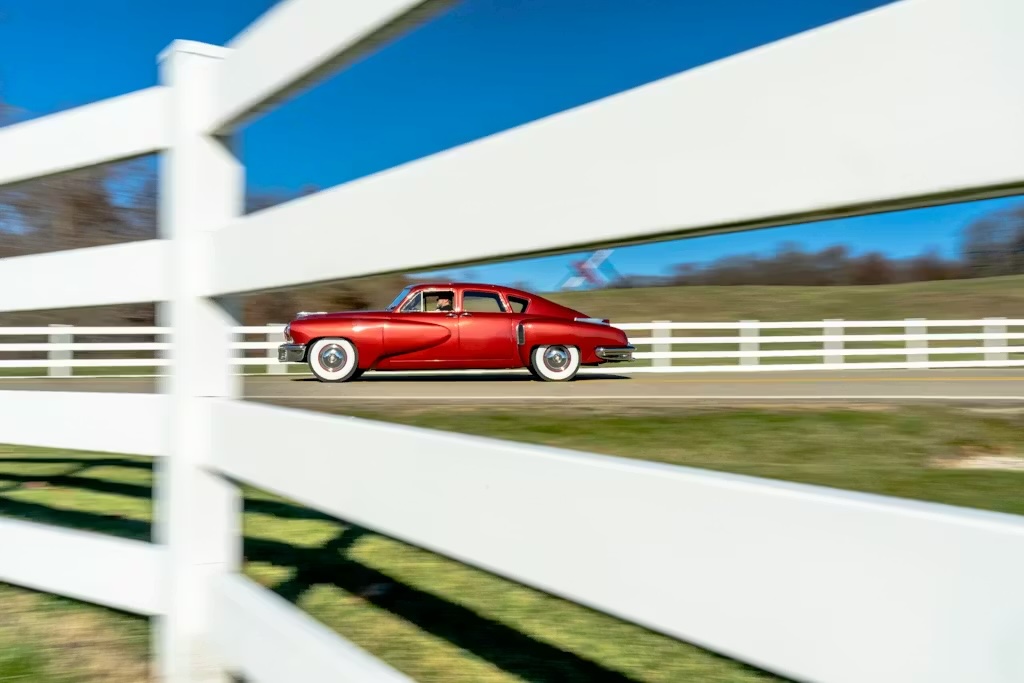
But the 40-year journey from that childhood experience until his film’s debut in 1988 was a long and complicated one, filled with false starts and crushed dreams, much like Preston Tucker’s life. And when viewed in that context, Tucker: The Man and His Dream suddenly feels like more than just an automotive biography; it’s an autobiography, too.
The Dream
After studying theater in college and then attending film school, Coppola broke into the movie business by working on low-budget horror and sci-fi movies with Roger Corman. Working his way up as an editor, writer, and director, he moved into the Hollywood studio system and was hired to direct the 1968 film adaptation of the musical Finian’s Rainbow. The experience gave him access to major studio resources for the first time, but also made clear the system’s creative limits.
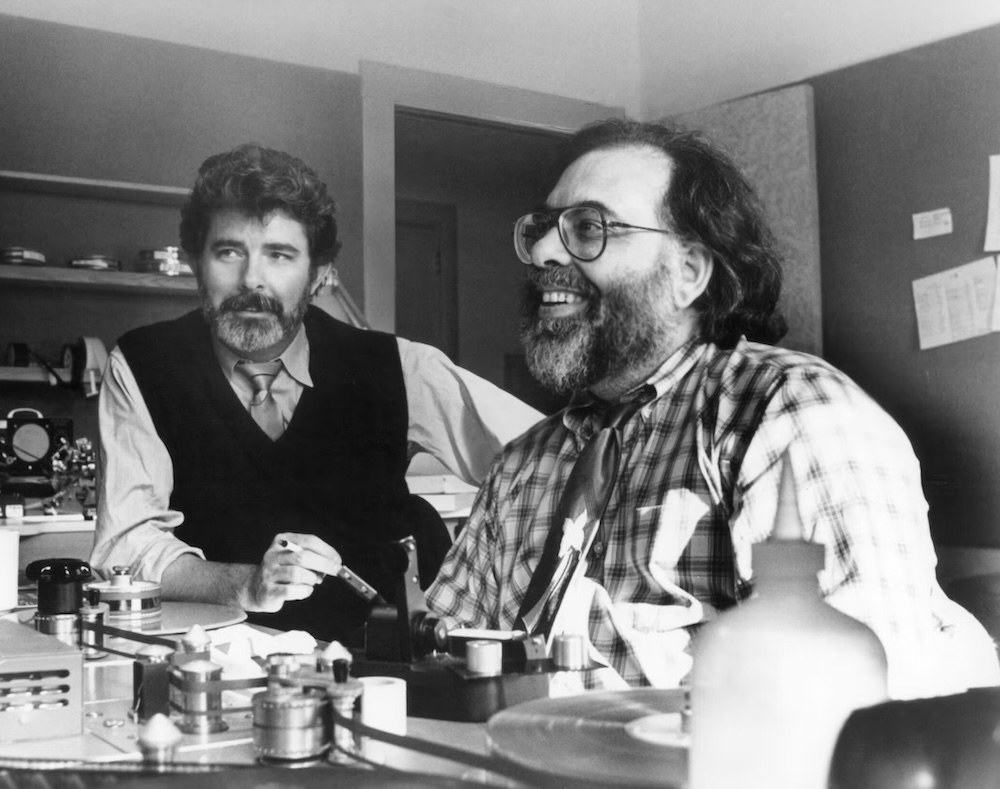
During the production, he met USC film school student George Lucas, who would become a lifelong friend. The two would go on to found Zoetrope Studios in 1969, a movie studio intended to subvert the old Hollywood system and give directors more creative freedom, the ability to experiment with new technology, and the chance to create more personal, innovative films.
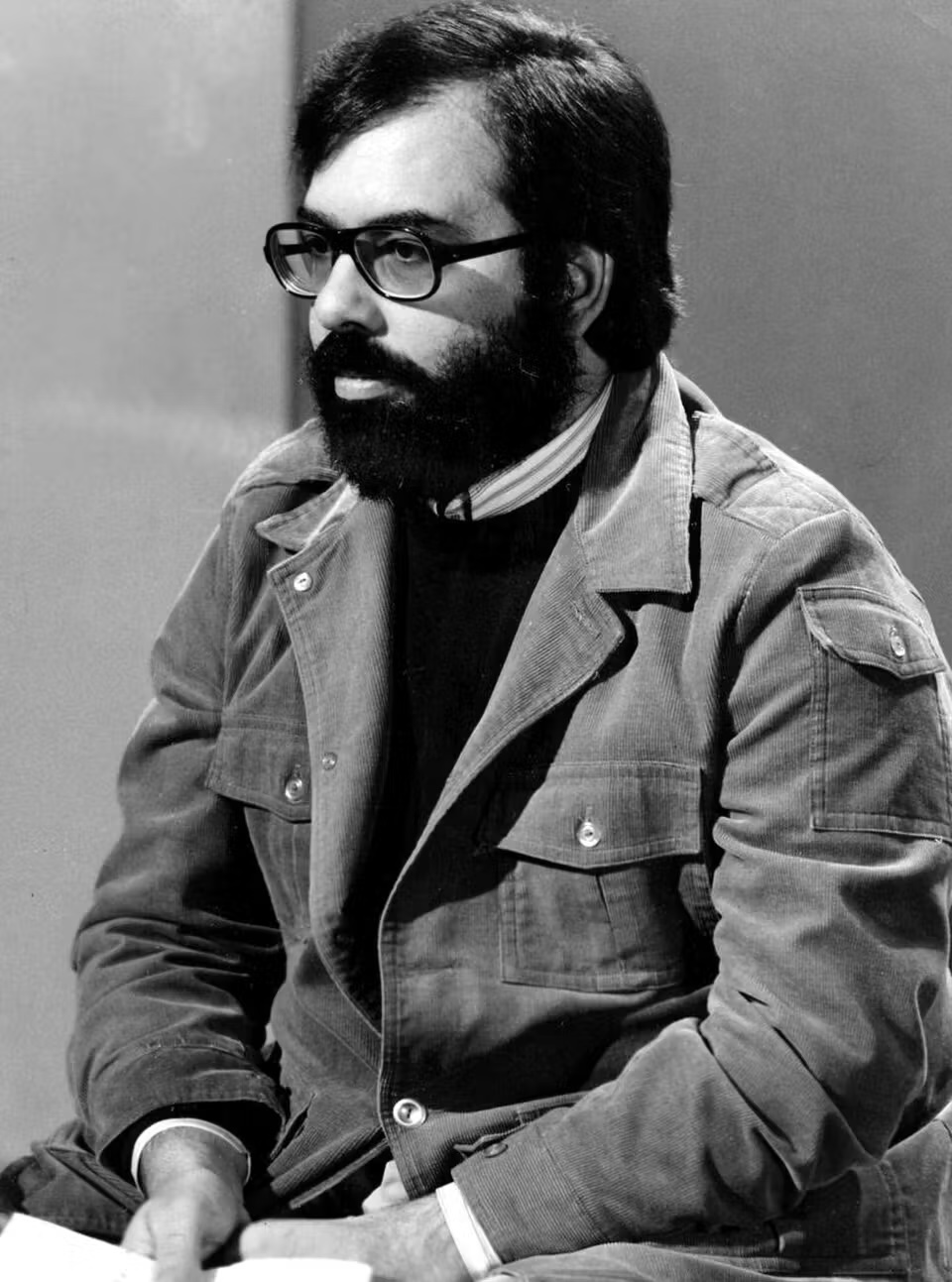
Coppola’s first major breakthrough came when he won an Oscar for Best Original Screenplay for co-writing the 1970 film, Patton. However, the poor performance of his own grim film The Rain People a year before, combined with debts from financing George Lucas’ 1971 sci-fi debut THX 1138, forced him into directing the movie adaptation of a crime novel called The Godfather.
From the start, the production was plagued by studio meddling, casting delays, the crew trying to get Coppola fired, and endless arguments about cost overruns as he kept asking for a bigger budget. But in the end, the grandson of Italian immigrants would transform what he thought was a cheap mafia story into one of the greatest films of all time, winning three Academy Awards, including Best Picture.
Following the success of The Godfather, Coppola secured his lifelong dream of owning a Tucker 48, purchasing chassis #1037 in 1973. Originally, the car had been painted “Waltz Blue,” a color he would feature prominently in the subsequent film, but by the time he acquired it, the car had been repainted maroon. During this time, Coppola also served as producer on Lucas’s breakout 1973 film, American Graffiti, which is another great car movie.
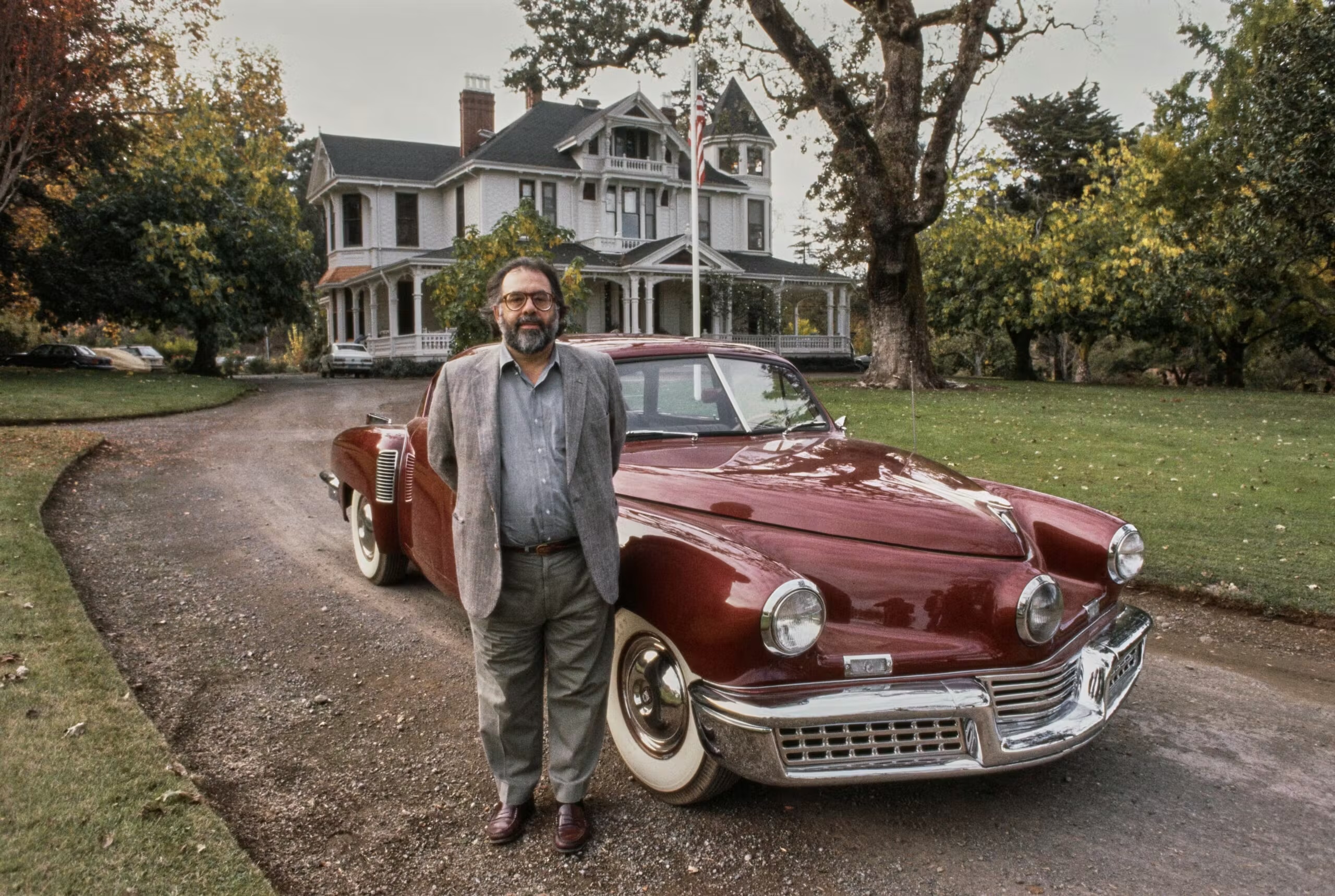
Although he was soon busy directing The Godfather Part II, owing a Tucker 48 must’ve reignited his childhood dream of making a movie about it, as he met with Preston Tucker’s surviving family in 1976 and bought the rights to the story from his estate. In a behind-the-scenes interview in 1987, Coppola said:
“At that time… I had already made The Godfather, so they had heard of me, and they were flattered that someone in my position would be interested, not only interested in the story, but to have such a personal connection to it. Because I have a personal connection to Tucker, because the Tucker episode is something that is mine.”
He also had a very personal vision of what the Tucker movie would be, and it wasn’t a conventional biography. Like a true theater kid, Coppola wanted to turn the story into a musical, intertwining the plight of Preston Tucker with other iconic inventors like Thomas Edison, Henry Ford, Harvey Firestone, and Andrew Carnegie. He even managed to convince Leonard Bernstein, composer of West Side Story, and lyricists Betty Comden and Adolph Green to spend a week at his Napa Valley home to hammer out ideas for the show.
But this would not be a jaunty Broadway romp; in a 1988 New York Times interview, Coppola said he’d intended for a “dark kind of a piece… a sort of Brechtian musical,” referencing a Marxist-influenced German playwright who saw experimental theater as a means to provoke intellectual thought and societal change. In other words, it wasn’t going to be a happy show.
Much like Tucker, however, Coppola’s plans were soon destroyed by financial problems. Production of his 1979 Vietnam War epic, Apocalypse Now, went massively over budget, requiring him to chip in personally to save it. However, the film became a major hit with critics and audiences, earning around five times what it cost to make and vindicating much of the labor that went into it.
Coppola’s next major production was not so lucky. Again trying to subvert the limits of Hollywood, his 1982 film One From the Heart was an experimental romantic comedy musical, and it was a total bomb, grossing a mere $637,000 against its $23 million budget.
Filmed at Coppola’s own Zoetrope Studios, he’d hoped that production of One from the Heart could serve as a trial run for producing a Tucker musical, but instead it bankrupted the studio, forcing Coppola to sell the studio property and take a string of directing jobs for other people’s movies just to pay off his debts.
The Friend
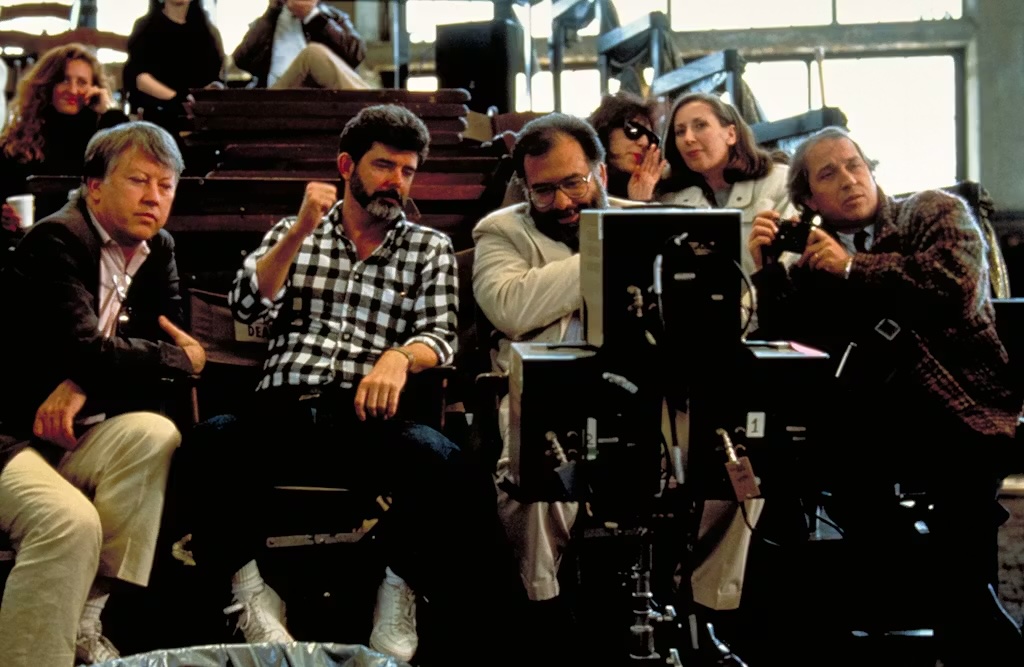
Somewhere in the chaos of making Apocalypse Now, Coppola managed to acquire a second Tucker 48 sedan in 1979, this time a true “Waltz Blue” car, chassis #1014. The car’s appeal must’ve rubbed off on George Lucas, who also bought two of his own.
While Lucas was raking in dough from Star Wars, Coppola was stuck working as a “hired gun” on other people’s movies like Rumble Fish and Peggy Sue Got Married. The dream of a Tucker movie seemed long gone, until his son changed his mind, as Coppola explained during the director’s commentary on the Tucker DVD:
“I wasn’t going to make this film after I wasn’t able to make it as a musical, and one day my son Gio was rolling the Tucker out of the garage and washing it, and I asked him, ‘What are you doing?’ and he said, ‘Well, let’s have it be in the 4th of July parade!’ And so it was to Gio that I dedicated the film, because he was the one who kind of dusted it off and said, ‘Let’s take it out and drive!’ and Gio loved cars so much.”
From there, Lucas encouraged Coppola to develop the idea, offering to act as producer. When no studio would fund it, Lucas also offered to finance the film’s $24 million budget himself.
“No studio in town would touch it; they all said it was too expensive,” said Lucas in the aforementioned 1988 The New York Times story. “They all wanted $15 million Three Men and a Baby movies or Crocodile Dundee, Part 73 sequels.”
With that money came Lucas’ suggestion that Coppola abandon his experimental musical and instead turn Tucker into an “underdog vs the establishment” story, in the vein of classic films like director Frank Capra’s Mr.Smith Goes to Washington.
In the same article, Lucas continued:
”Francis can get so esoteric it can be hard for an audience to relate to him… He needs someone to hold him back. With Godfather, it was Mario Puzo; with Tucker, it was me… I wanted to make it an uplifting experience that showed some of the problems in corporate America, and Francis didn’t resist.”
Coppola reflected:
”I’d lost some of my confidence. I knew George has a marketing sense of what the people might want. He wanted to candy-apple it up a bit, make it like a Disney film. He was at the height of his success, and I was at the height of my failure, and I was a little insecure… so I decided, if that’s what they want from me, I’ll give it to them… I think it’s a good movie–it’s eccentric, a little wacky, like the Tucker car–but it’s not the movie I would have made at the height of my power.”
What he did create, however, was deeper than just the standard biopic. Watching the film and listening to Coppola’s own DVD commentary, the effort that went into the movie is evident. Just as he imbued The Godfather with his own experiences as an Italian-American, Tucker: The Man and his Dream feels personal. It’s not just a story of a failed car, it’s a story of fathers and sons, families and dreams, and the endless fight of creative people against conformity.
The Cast
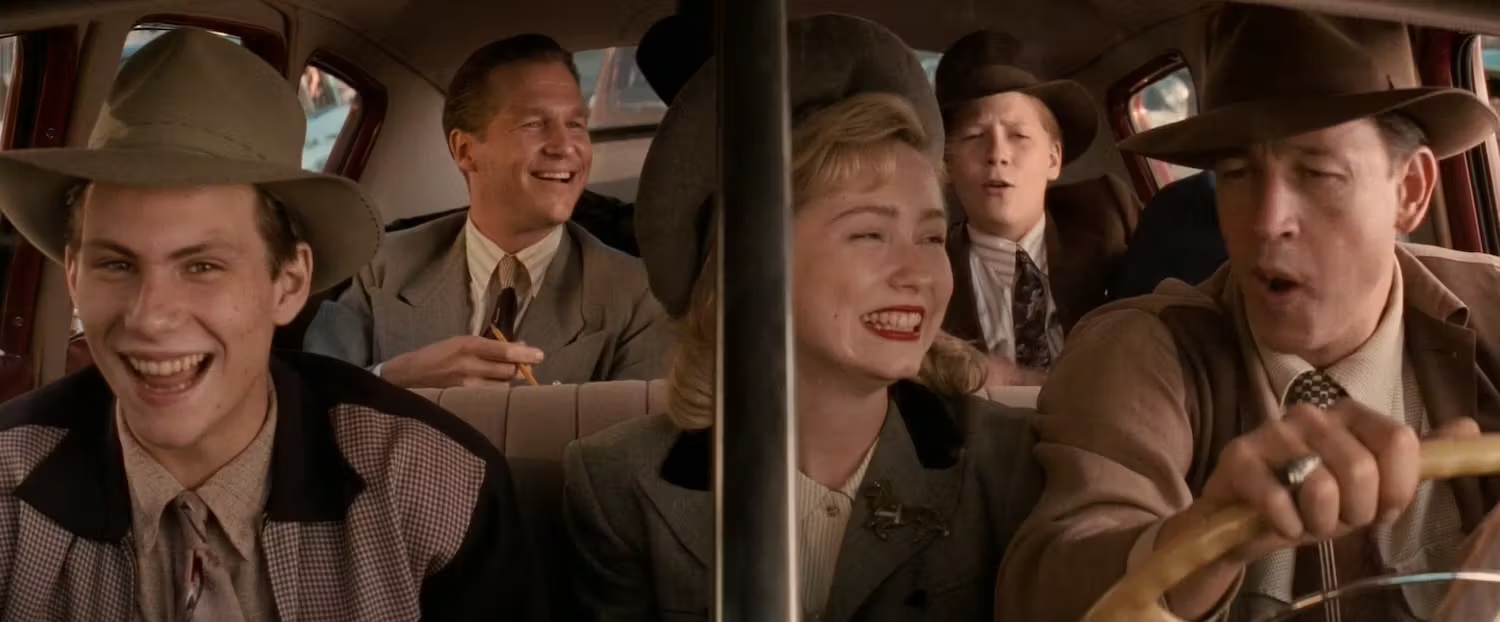
As preproduction began, tragedy struck the Coppola family when Francis’ son Gio was killed in a boating accident in 1986. Adding to the tragedy, Gio had shown great promise of following in his father’s footsteps, having worked as an associate producer and even second-unit director on several films. Francis called him “My best friend and collaborator; he was perfect.”
While still grieving his son, Coppola began working with Lucas on the Tucker project, hiring writer Arnold Schulman to adapt their existing material into a screenplay, aided by significant research. Coppola’s librarian, Anahid Nazarian, dug up hundreds of books and articles on the Tucker Corporation, and both the Tucker Automobile Club of America and the Tucker family were heavily involved, with Preston Tucker’s surviving family contributing interviews, family photos, and home movies to the production.
Coppola even asked Frank Capra, then in his late 80s, to be an advisor and executive producer, but the aging director turned him down, saying he didn’t like how Preston Tucker ultimately “loses” at the end and doesn’t get to build his cars.
Back in the ’70s, Coppola had wanted Marlon Brando to play Preston Tucker, and later considered heavy hitters Jack Nicholson and Burt Reynolds. By the time production actually started, however, he instead cast Jeff Bridges, who studiously built his character through watching hours of Tucker’s own home movies.
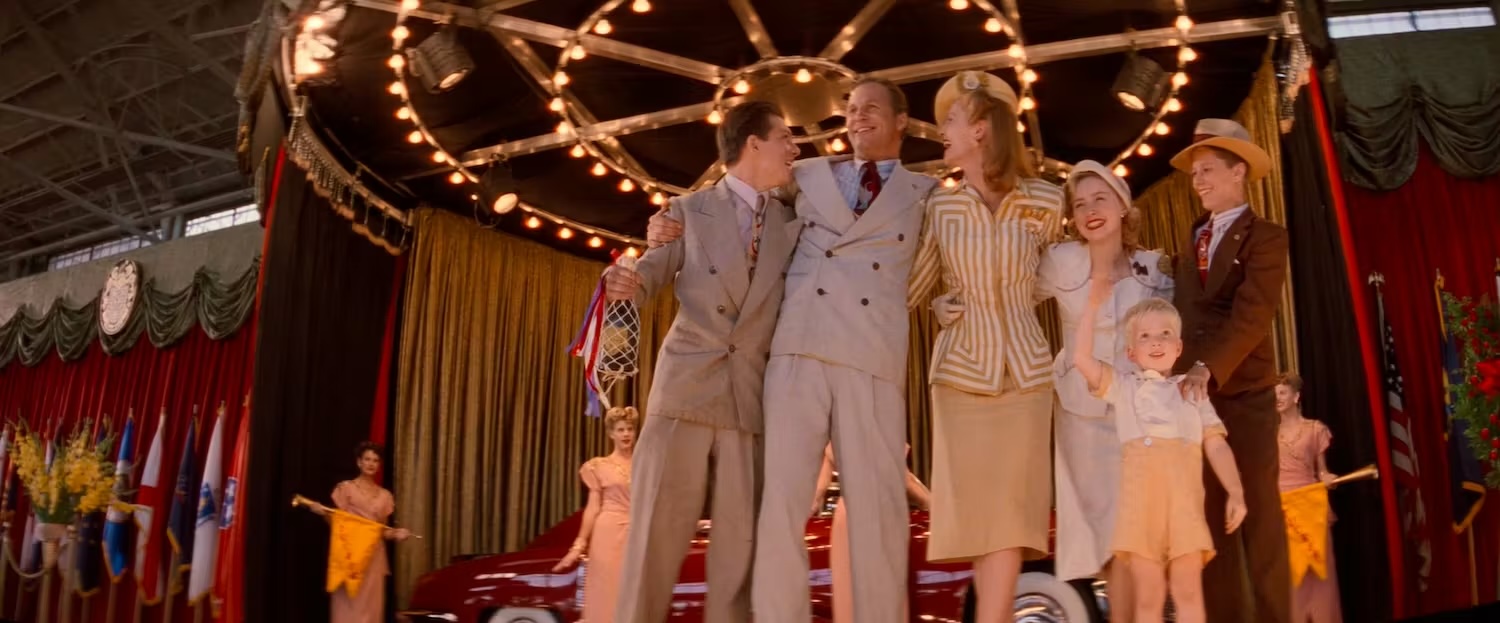
True to life, Coppola gave the character a big family, although the number of children and their ages were tweaked to better fit the story. Joan Allen was cast as Tucker’s wife, Vera, and a young Christian Slater was cast as the oldest son, Preston Jr. Tucker was also surrounded by a cadre of engineers, machinists, and “body-knockers,” led by Frederic Forrest as the cynical Eddie Dean, Mako as the Japanese-American Jimmy Sakuyama, and Elias Koteas as young designer Alex Tremulis.
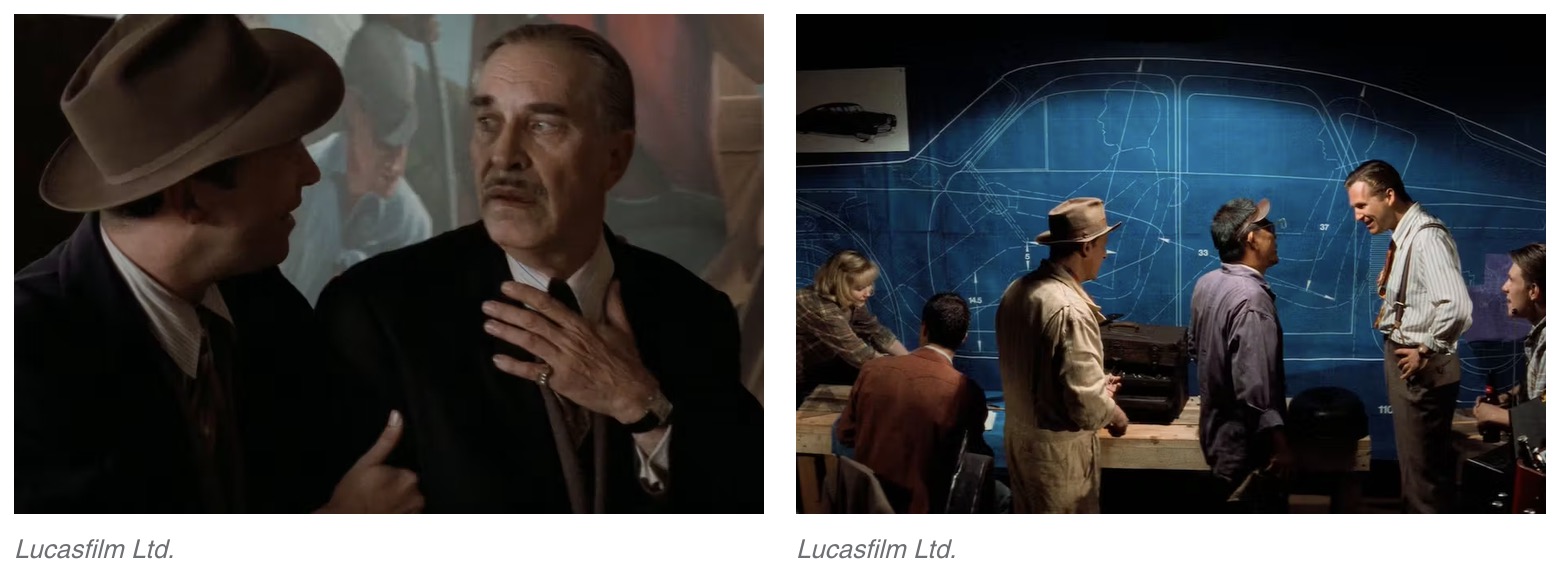
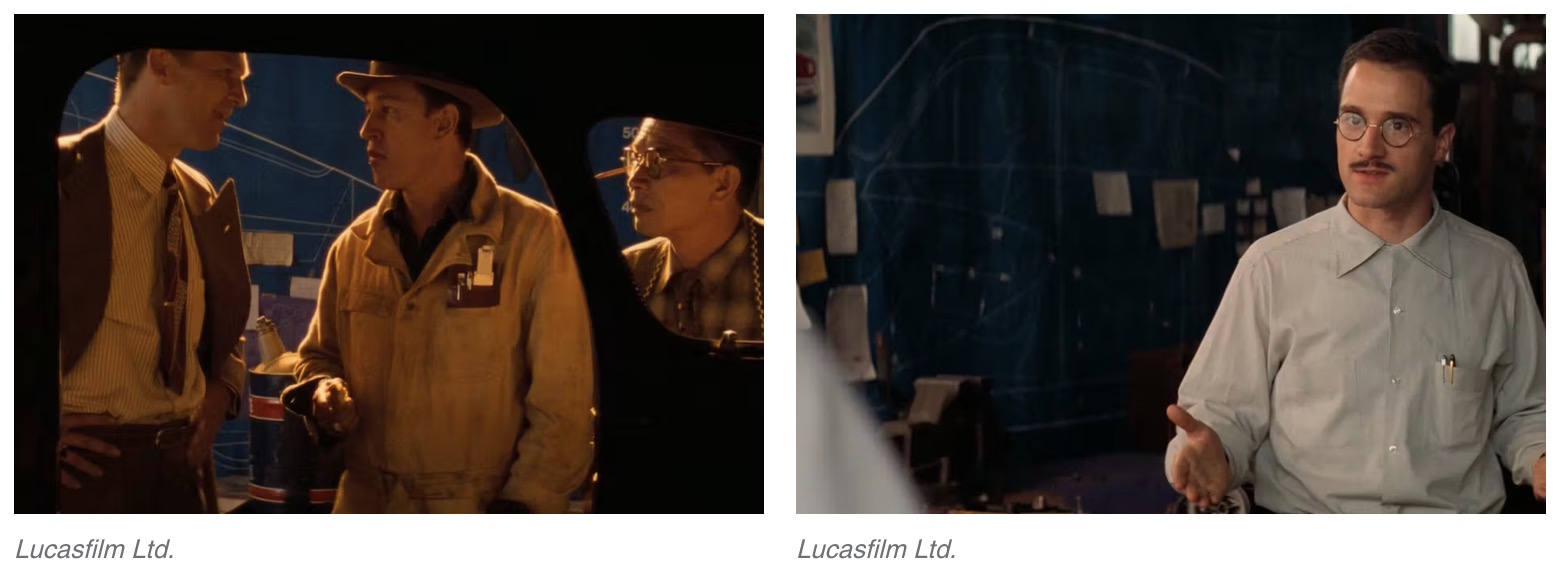
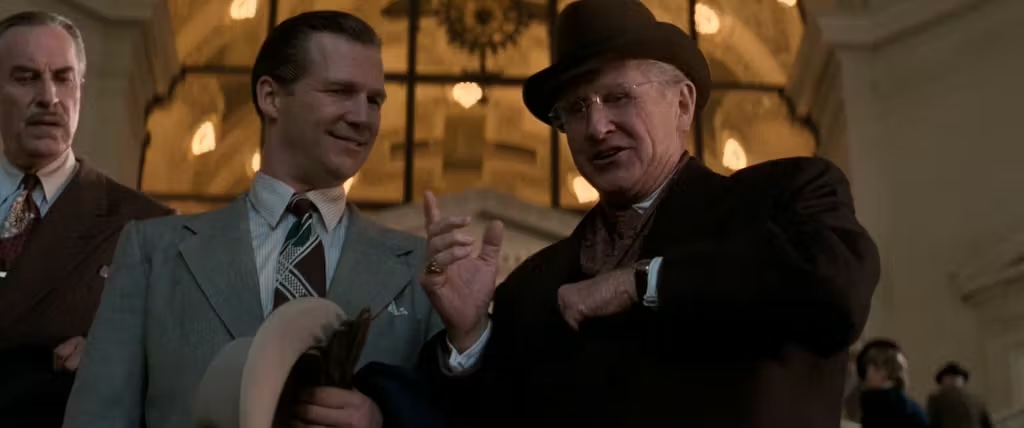
Cast alongside Bridges for most of the film was Martin Landau as financier Abe Karatz, who helps raise the massive funds needed to get Preston Tucker’s automotive dreams rolling. Alongside a fictionalized version of Harold A. Karsten and several other employees, Landau’s nervous, lonely Karatz plays the perfect foil to Bridge’s familial, seemingly boundlessly optimistic Tucker.
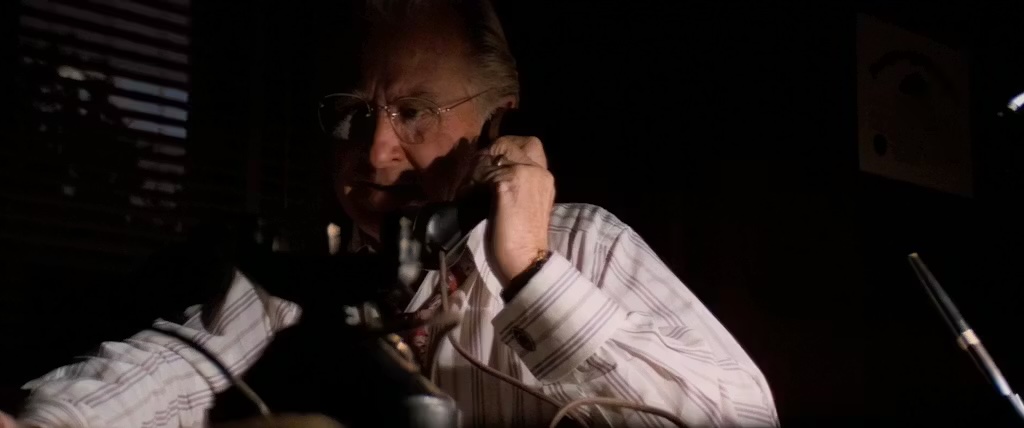
The cast is packed with other characters who play small but important parts in the saga, including Dean Stockwell as the enigmatic Howard Hughes, who provides Tucker with a tip about helicopter engines to use in his cars, and Jeff Bridges’s own father, Lloyd Bridges, as the nefarious Senator Homer Fergueson, working behind the scenes to stifle the fledgling automaker.
The Production
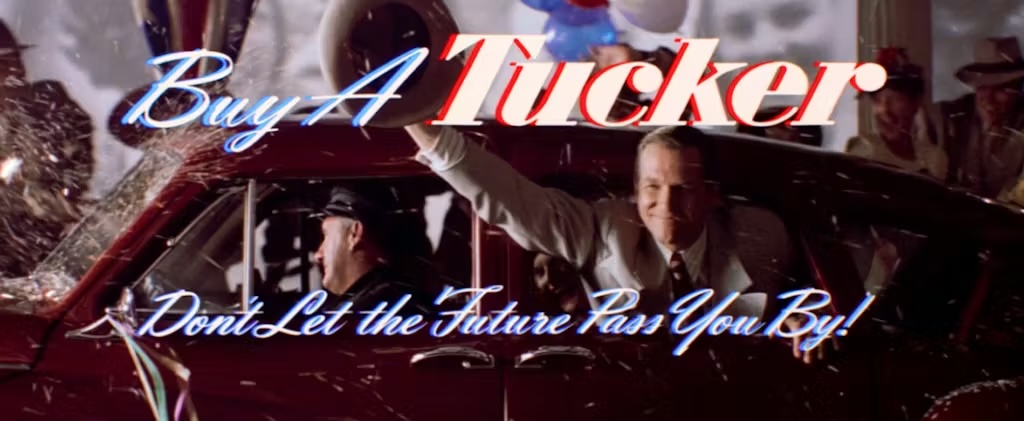
With a musical off the table, Coppola took inspiration from a Tucker Corporation promotional film, starting the movie with a similar jaunty 1940’s announcer voice, copying shots and bits of narration straight from the promotional film (which is included as a bonus feature on the DVD).
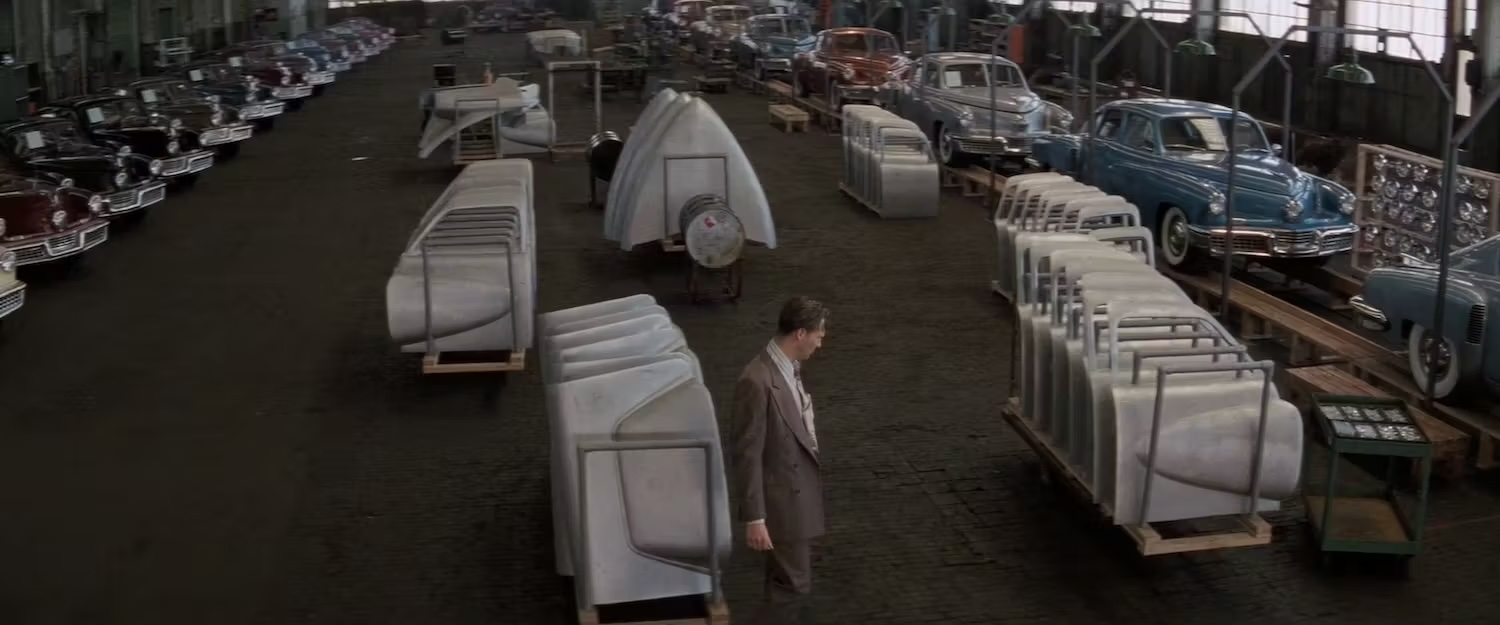
As Coppola explained, he wanted the entire movie to feel like a piece of 1940s advertising, filled with the colors, sounds, and styles of postwar American optimism. Longtime collaborator and Oscar-winning production designer Dean Tavoularis recreated the 1940s locations, from Preston Tucker’s Art Deco machine shop to the gargantuan assembly plant to the various wood-panneled corridors of power where others conspire against him. Scenes inside the massive Dodge bomber plant in Chicago were replicated by filming in a former Ford assembly plant in Richmond, California.
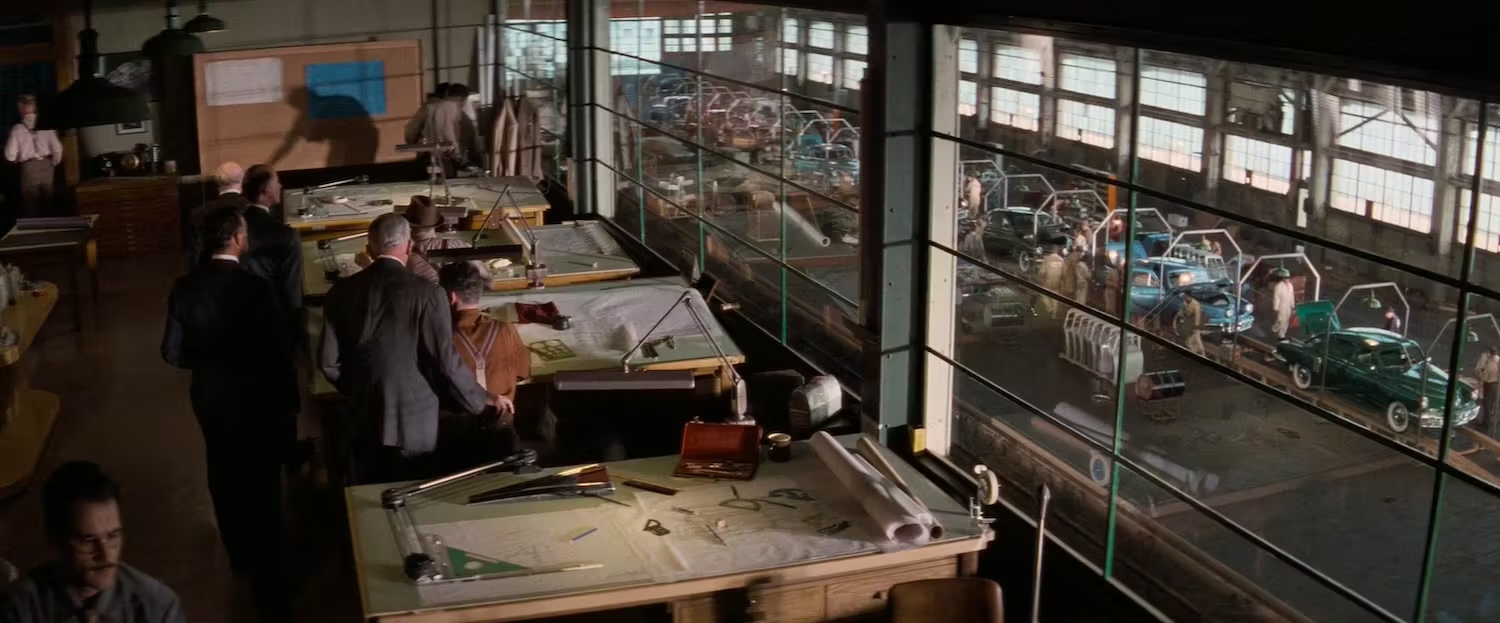
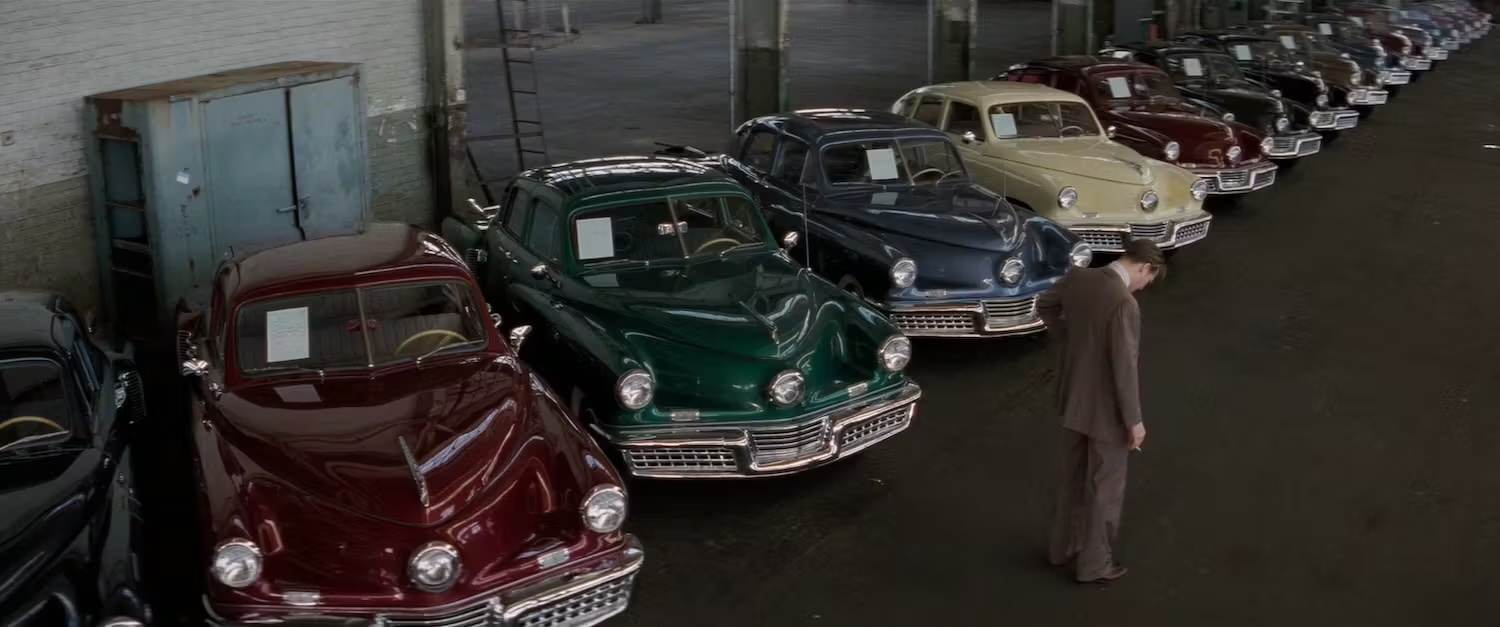
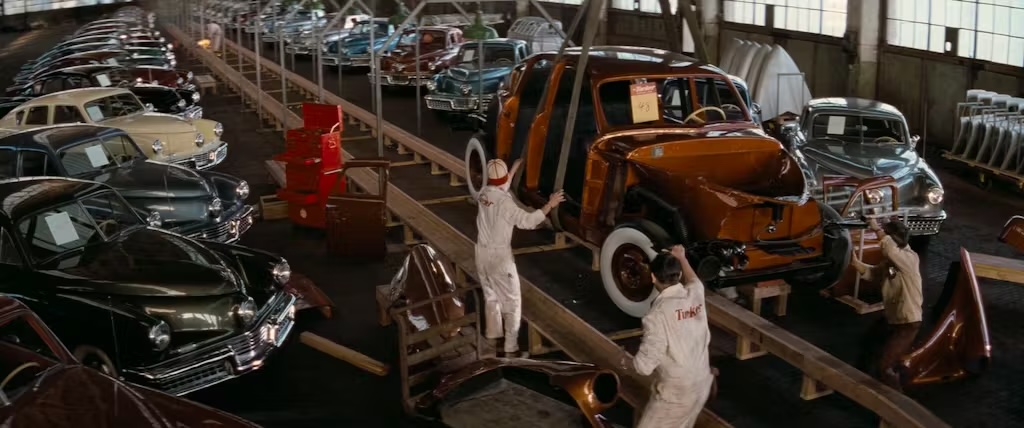
22 separate Tucker 48s were used in the film, including Lucas and Coppola’s personal vehicles as well as those from members of the Tucker Automobile Club of America. Coppola’s maroon Tucker 48 was used to represent the first handbuilt prototype, dubbed the “Tin Goose,” and his Waltz Blue Tucker 48 was partially torn down so it could be shown as an in-progress build on the assembly line. A handful of replicas were also created as background vehicles.
Just like in real life, the movie shows a Tucker 48 being crashed and rolled during a track test, but the actual crash was performed with a bullet-nosed Studebaker and a Ford LTD, both modified to look like Tuckers. (The Studebaker stunt car survives today in a Florida car museum.) Multiple Tucker 48s are driven throughout the film, giving audiences a rare chance to see and hear the vehicles in motion. During a fictionalized chase scene with police, Coppola mentioned that the cars are actually quite quick to drive.
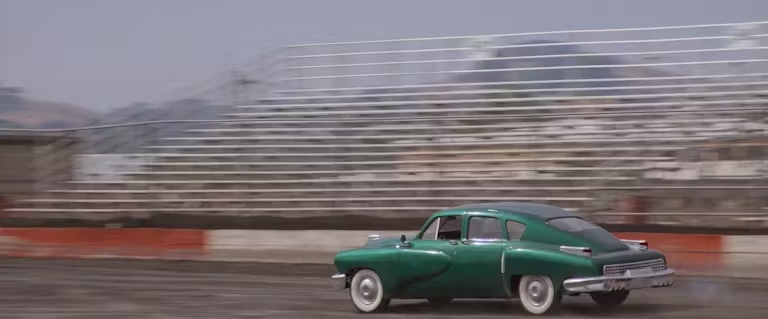
True to the ’40s, the soundtrack is filled with jazz, from upbeat, blaring trumpets as a car races around a test track to sad saxophones as Preston Tucker’s courtroom flogging drags on. During the DVD commentary, Coppola said he likes movies to look and sound like what they’re about, and he wanted Tucker to sound like a “contraption,” because the story is really about this contraption that is the Tucker car. That explains whimsical touches like the metal clinks and old car horns throughout composer Joe Jackson’s score.
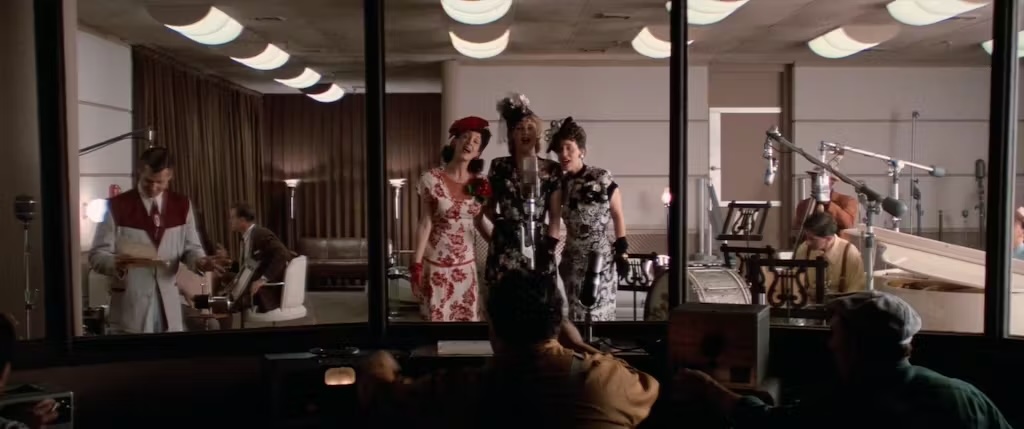
Francis’s father Carmine also wrote a catchy jingle for a fictional Tucker radio commercial in the movie, which he managed to do the night before the scene was filmed. The theme would also be adapted into the movie’s final scene as a fleet of Tuckers drives away.
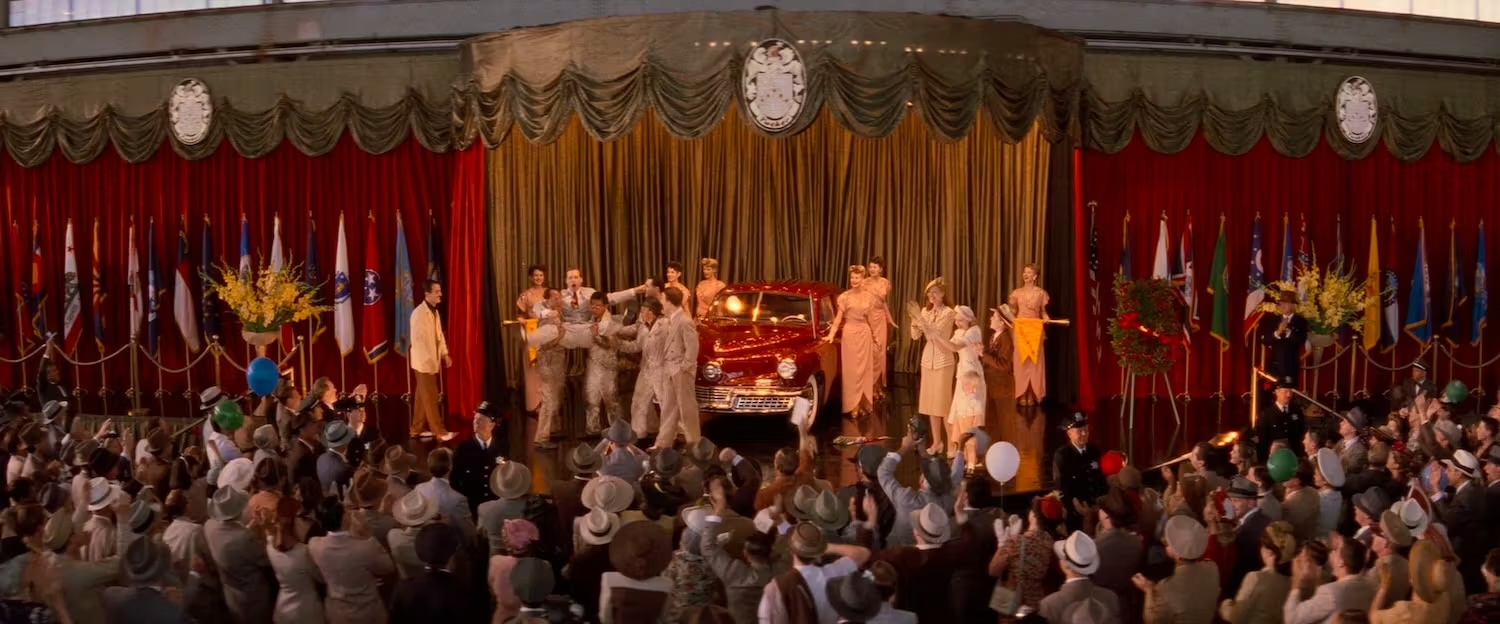
Based on his interviews with his family, Coppola also included Preston Tucker’s two favorite songs, the frenetic “Tiger Rag” and the romantic “Let the Rest of the World Go By.” The latter plays when Preston is joined onstage by his wife at his car’s public debut, as Coppola explained:
“The wonderful love affair of that couple; it was their song, and so when I had an arrangement of that made… that was very moving to Vera when she saw the picture because she realized I had done it for her.”
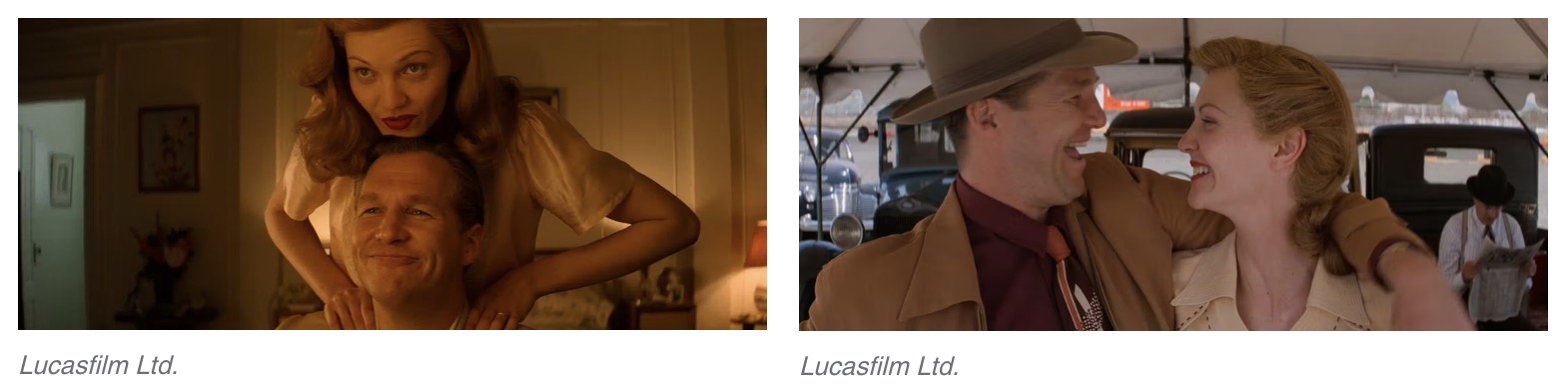
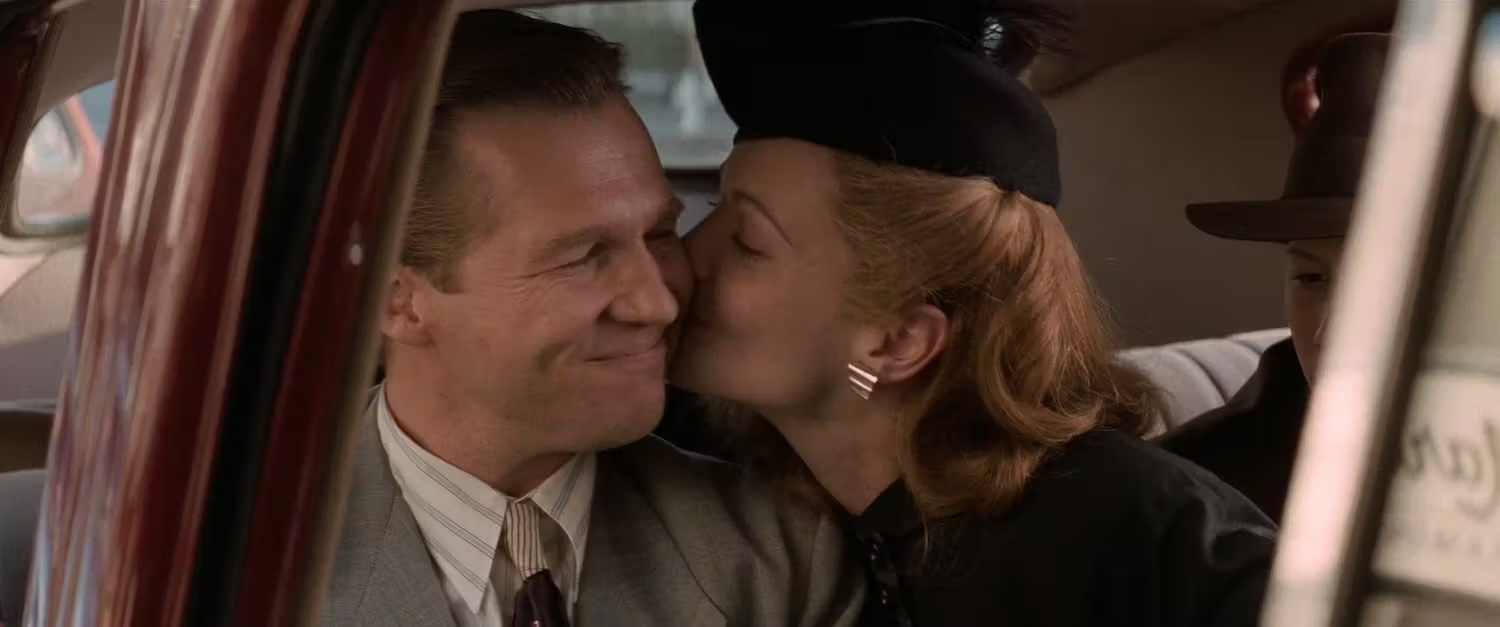
Preston and Vera Tucker’s love is a key element of their story.
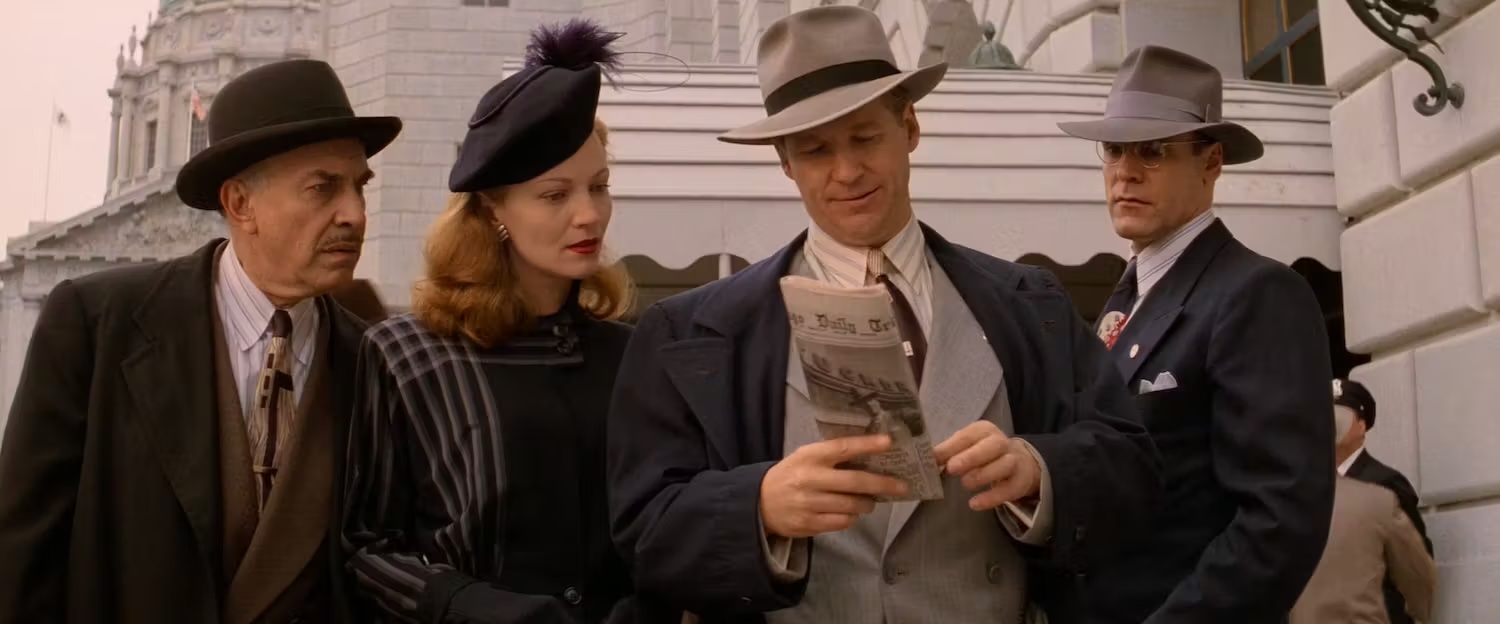
Costume designer Milena Conaonero decked the whole cast out in baggy pinstriped suits and crisp hats and skirts, adding to the authenticity of the period. The effect was so total that in a behind-the-scenes interview, Jeff Bridges admitted that he and Martin Landau would often break into songs from the 1940’s musical Guys and Dolls while on set.
The Film
Although George Lucas had put up the initial money, after shooting finished in July of 1987 he convinced Paramount to pick up most of the tab and distribute the film. It is possible that Paramount’s upcoming distribution of Lucas and Steven Spielberg’s blockbuster Indiana Jones and the Last Crusade, plus the studio’s courting of Coppola for a third Godfather installment helped grease the skids for Tucker. However, executives did demand that the title be punched up to include “The Man and His Dream” in it.
The film debuted on August 12, 1988, but failed to crack the top 10 pictures in either that month or September, lagging behind movies like Cocktail, Die Hard, Who Framed Roger Rabbit, A Fish Called Wanda, Nightmare on Elm Street 4, and Coming to America. Ultimately, it would earn just $19.65 million, failing to earn back its original budget and racking up another disappointment for Coppola.
As far as factual accuracy, Coppola admitted to taking dramatic license, which is necessary with almost any adaptation of a true story. Multiple people were condensed into single characters, timelines were compressed, and antagonists were exaggerated (like Homer Ferguson) or full-on fabricated (like Tucker Corporation chairman, Robert Bennington) to give the story stronger villains. The overall changes are too numerous to list, although the Tucker Automobile Club of America has an excellent summary on its website.
True car nuts will see that the “assembly line” is not super realistic either, as it’s little more than an elevated wood track where completely finished Tucker 48s are sitting, surrounded by pallets of unpainted body panels. There are no stamping presses, welders, paint booths, or other elements you’d expect to see in a car factory, which no doubt would have cost a lot of time and money to replicate. I can also imagine that other Tucker owners would not be as gung-ho as Coppola to have their own cars disassembled for the film. Also, with outdoor scenes filmed in California, the geography doesn’t always do a convincing doubling for Preston Tucker’s home state of Michigan.
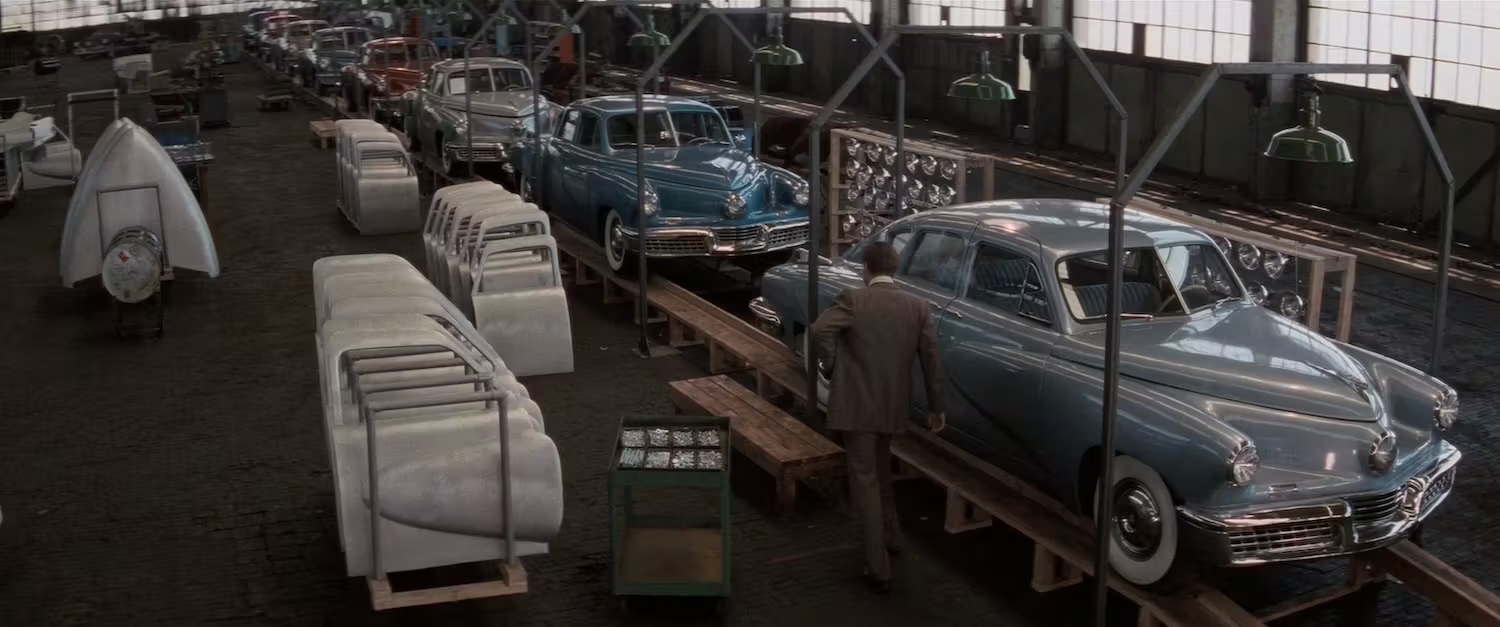
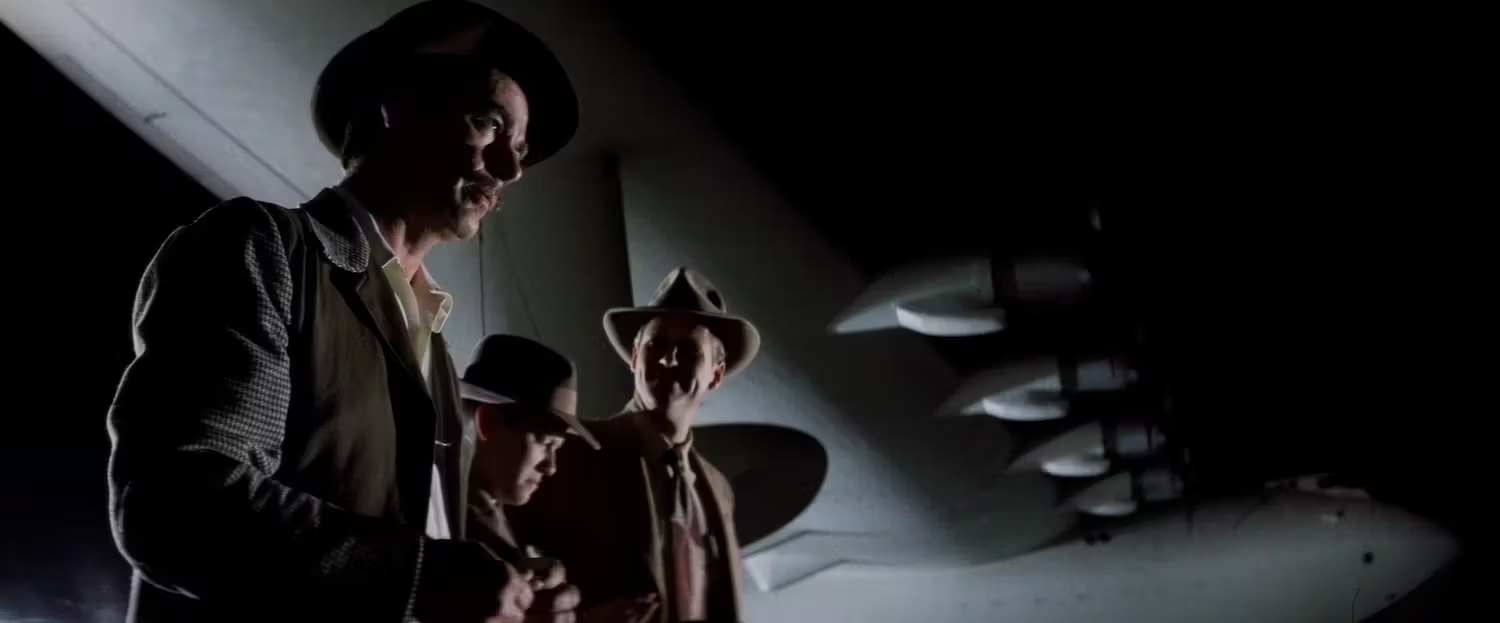
Quibbles aside, the combination of the music, sets, and costumes really immerses the viewer in the story. Unlike some period films, there are very few instances where the present-day gaffes like a suspiciously modern haircut or a too-recent piece of slang slip through. And compared to modern films, where even the simplest scenes are shot on green screen with computer animation added later, it’s refreshing to watch something real. The factory is real (at least the building), the cars are real, the tools and crowds and racetrack were real, too. In fact, Coppola even filmed the scene with Howard Hughes in a hangar with the real Spruce Goose! Seeing these scenes and knowing they were done in-camera and not just in computer software makes the film feel authentic.
The cinematography is also quite good, using both innovative techniques and updating some old Hollywood tricks. For instance, during Preston Tucker’s first visit to the Dodge Chicago Plant, Jeff Bridges walks straight from his dining room into the factory in a single moving shot. Coppola and his cinematographer, Vittorio Storaro, pull off several clever transitions like this throughout the film, which add to the jazzy, high-energy feel of Preston Tucker being a man always on the move.
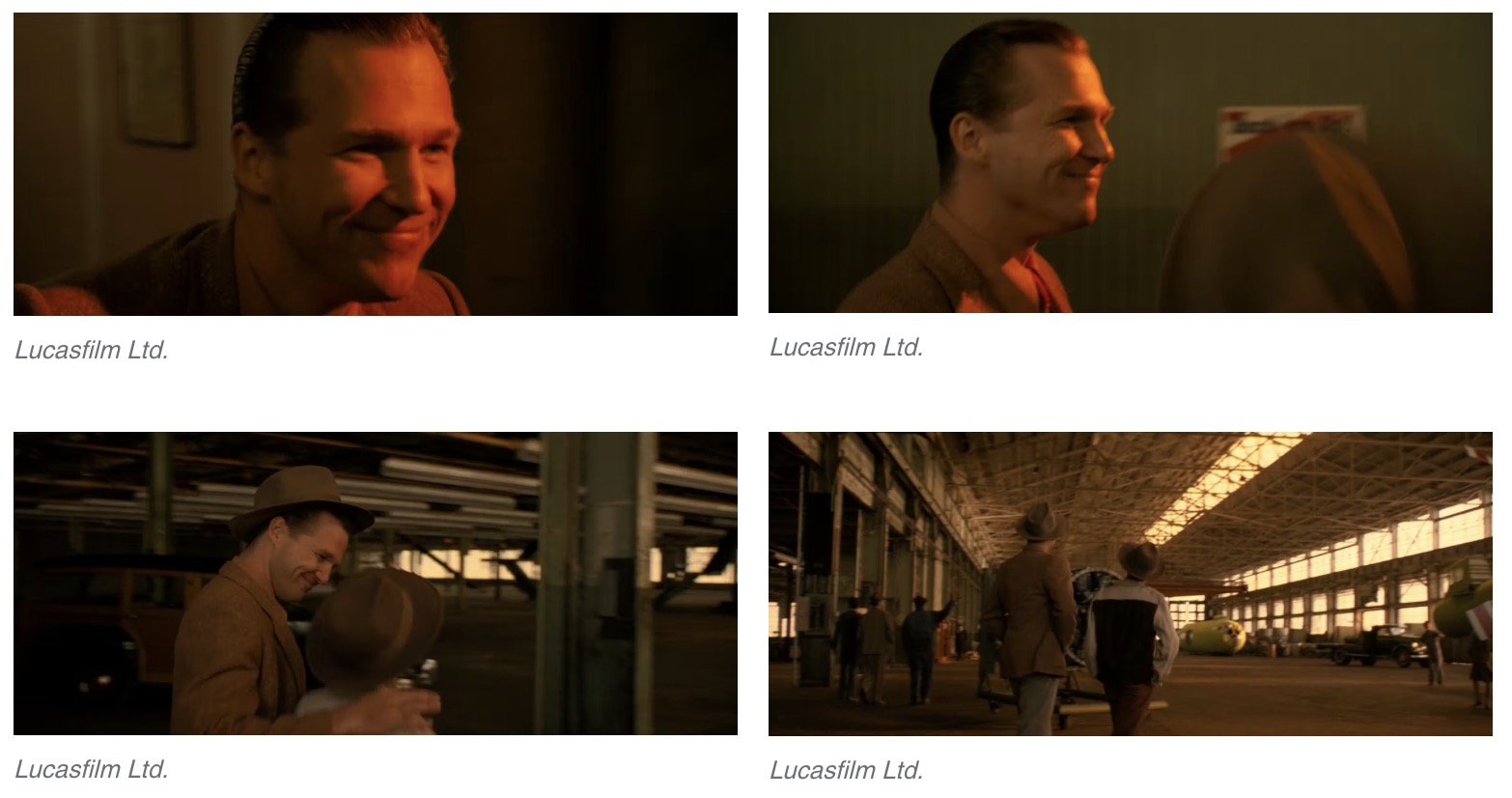
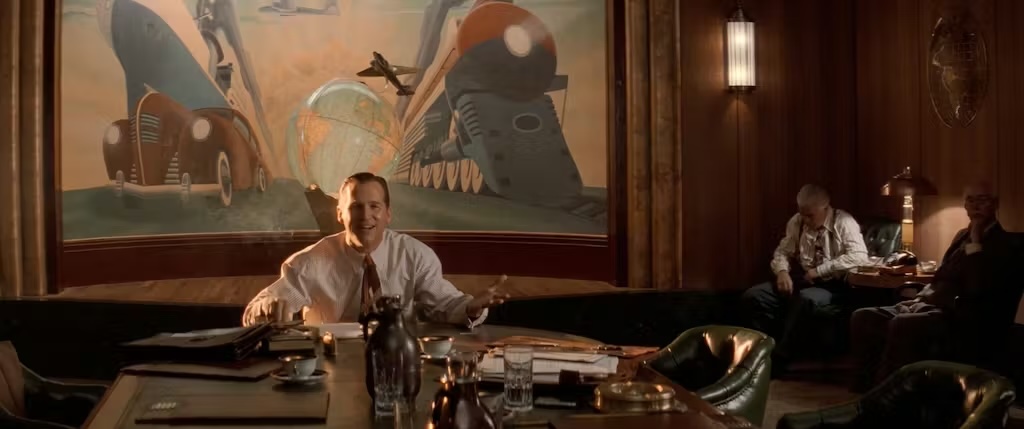
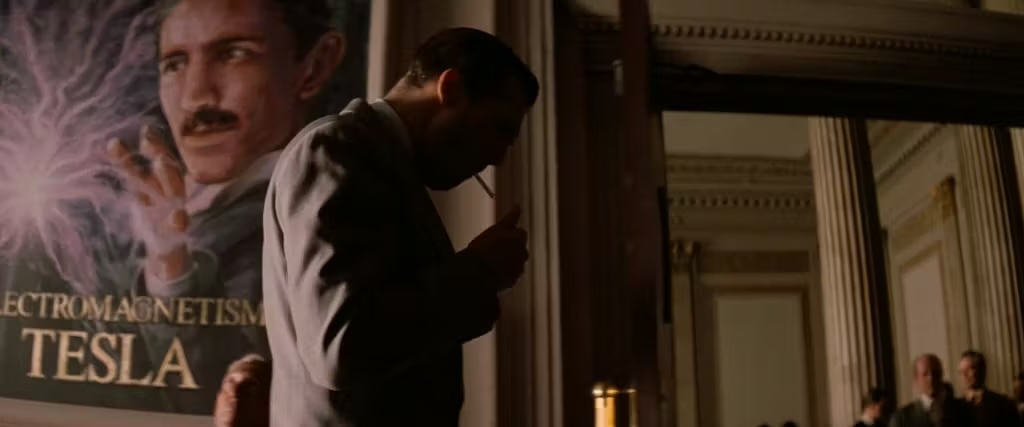
Another beautiful touch is the various murals throughout the film, showcasing grand American industrial scenes like railroads and factories. Sometimes, however, the effect is a little too on-the-nose, such as during a court recess when Preston Tucker paces in front of a mural of Nikola Tesla, another “ahead-of-his-time” inventor betrayed by the establishment.
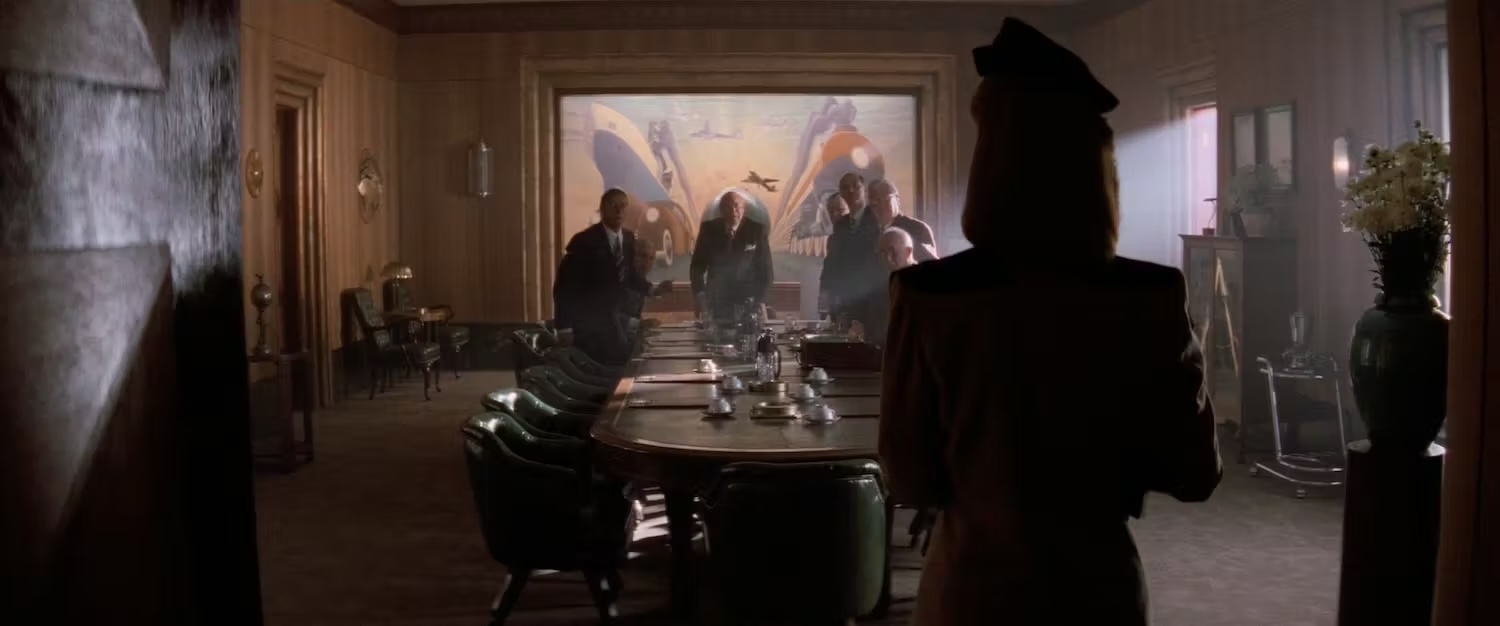
That theme of man vs. establishment runs throughout the movie, and not just because it is a convenient story archetype for Coppola and Lucas. As part of the New Hollywood movement after the collapse of the old studio system in the ’60s and 70s, young directors like Coppola and Lucas were always butting heads with executives who wanted to profit from their art but hated ceding creative control to people they didn’t understand. Tucker’s story became a vehicle for that personal frustration, as Coppola said in the commentary during a boardroom argument:
“All my life, from the time I started trying to do things… there’s always those guys at the end of the table, whether they were faculty or studio heads. They just were always on you, and to no end, no reason really. It was just more about who gets to control things. It was nothing about who has the better idea, or who could do something more beautiful. And they’re good at working together and making partnerships, so they always always seemed to have the power.”
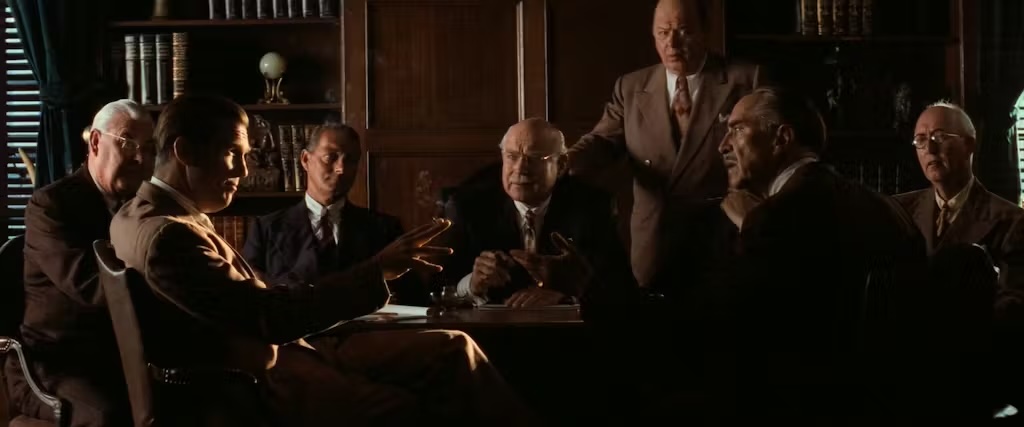
And it’s here that Coppola probably takes the most dramatic license, implying that Senator Homer Ferguson and Detroit’s Big Three worked together to shut down Preston Tucker’s innovative new car. It’s a bold assertion, but it’s likely exaggerated. True, Ferguson was no fan of Tucker and generally did everything he could to protect Michigan’s auto industry, but the evidence of outright collusion is thin. Realistically, the failure of the Tucker Corporation was due more to Preston Tucker’s oversized ambitions and the Big Three’s massive economies of scale, more so than a deliberate conspiracy.
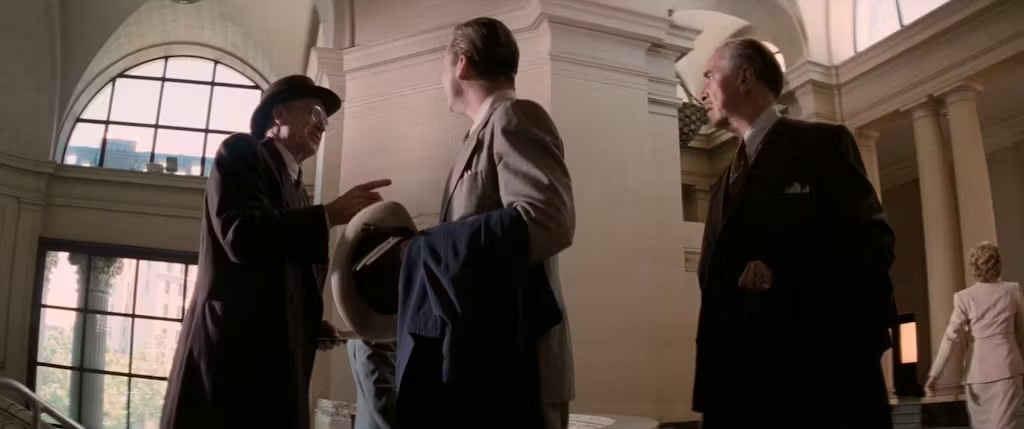
What Coppola does get right, however, is Detroit’s resistance to change. During Preston Tucker’s final monologue in the courtroom—a scene completely fabricated for the movie—he soliloquizes about the legacy of American ingenuity and the danger of crushing new ideas, going to so far as to suggest that if established businesses continue to stifle innovation, “One day we’re going to find ourselves at the bottom of the heap instead of king of the hill, having no idea of how we got there, buying our radios and our cars from our former enemies.”
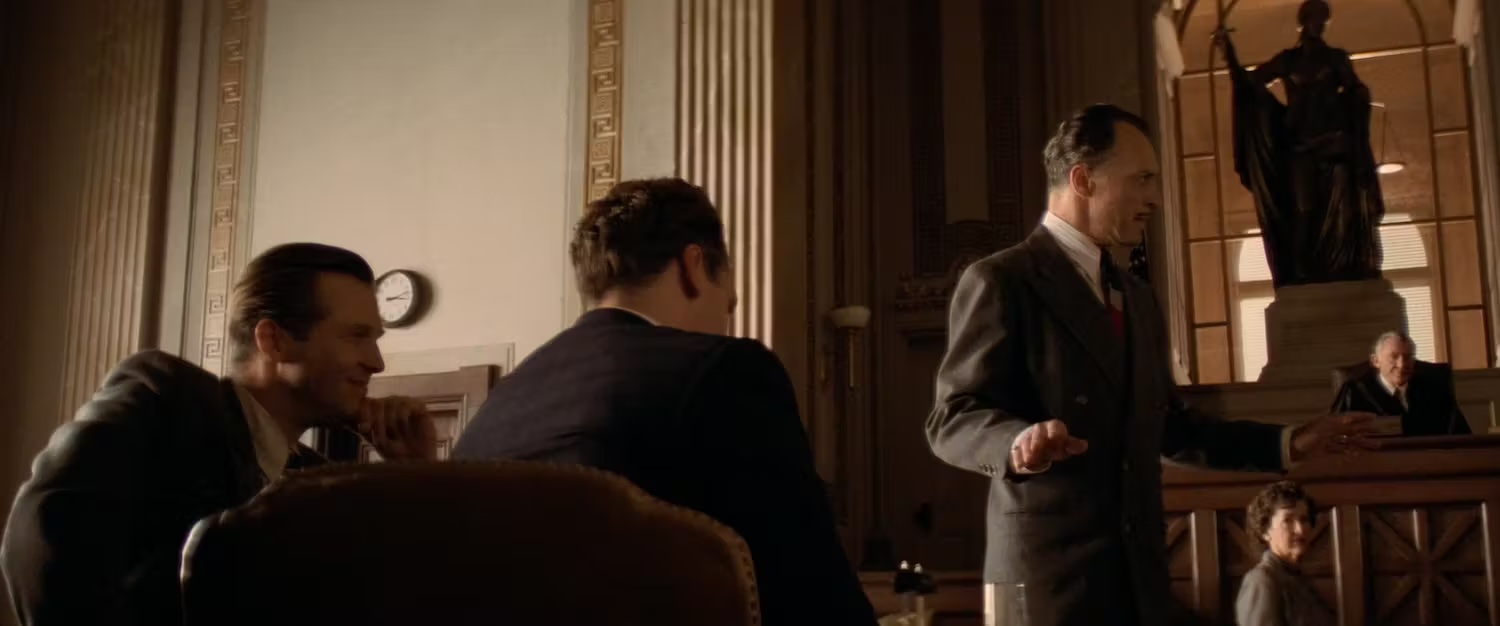
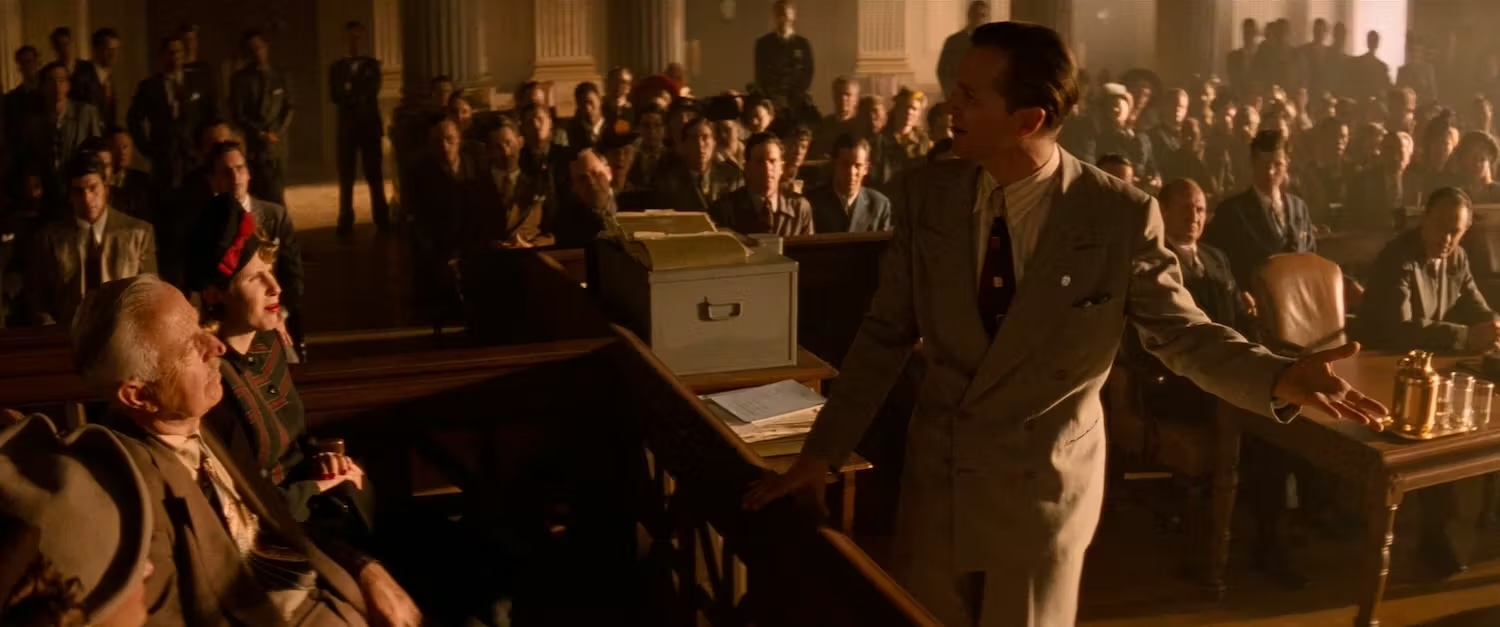
Like some of the other moments, it’s a little too on-the-nose. The thought would have seemed preposterous in the 1940s—even to Preston Tucker—and it feels like the film’s creators added more as a “told you so” moment for their 1980s audience. Given that they were on the tail end of Detroit’s Malaise Era, they certainly could relate. Looking at Detroit’s current retreat and China’s ascendance to the top of the world’s EV market, it’s a message that still rings true today.
The Family
Despite its poor box-office performance, most critics liked the film, praising the lavish period details, Jeff Bridges’ performance, and Coppola’s ability to make a straightforward story that was less dark than his previous works. The film was even nominated for three Academy Awards for Costume Design, Art Direction, and Best Supporting Actor for Martin Landau, but sadly didn’t win any.
Famous critic Roger Ebert was somewhat harsher toward Tucker, criticizing Coppola for making Preston Tucker too optimistic, too naive, and too shallow, choosing to blame his failure on outside forces rather than examining the man’s shortcomings.
And while that’s valid, the film still succeeds without that deeper introspection. It’s also possible that after probing the inner lives of mobsters and war criminals, plus suffering the excruciating loss of his son and his business, Coppola wasn’t ready to show us the darker side of Preston Tucker.
Even if the character isn’t that deep, Jeff Bridges does a spectacular job of capturing the irrepressible optimism of an inventor riding high on his own idea. Through every obstacle, every betrayal, every runaround, and every delay, he bounces back with even more conviction that he has to build his car. He is driven to near madness, sure; in one scene, Bridges punched a car body so hard that he broke his hand, but he can never, ever be depressed.
Surrounded by his ever-loyal friends and family, Tucker is impervious to what the world throws at him–and that is the true message of the film. Coppola says it multiple times during the DVD commentary that the family is the key: “This movie has everything I like. It has a family, it has kids, it has music, it has happiness… it has the gadget, the garage, the cars. The family eating together…”
Like Coppola, Tucker’s passions and his family keep him going. The happy home, the laughing kids, the constant hugs and smiles and backslapping is more than kitschy Norman Rockwell Americana. Whether making movies or cars, Coppola is telling us what really matters.
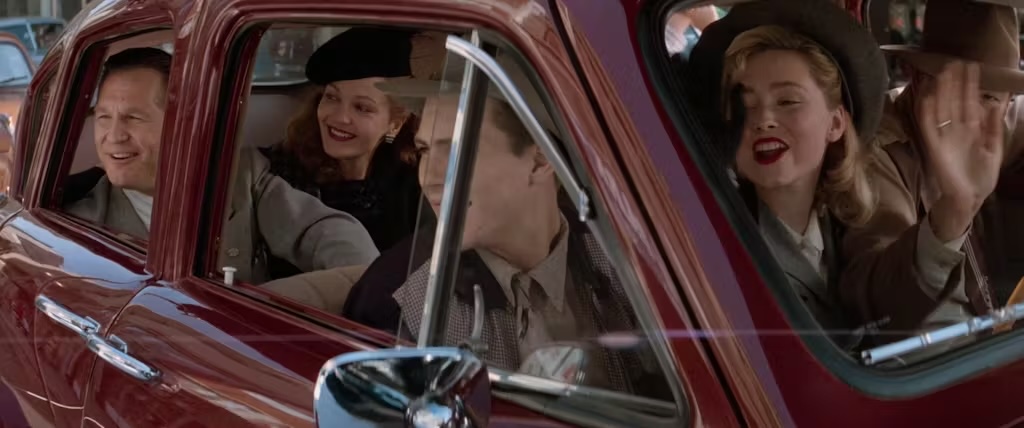
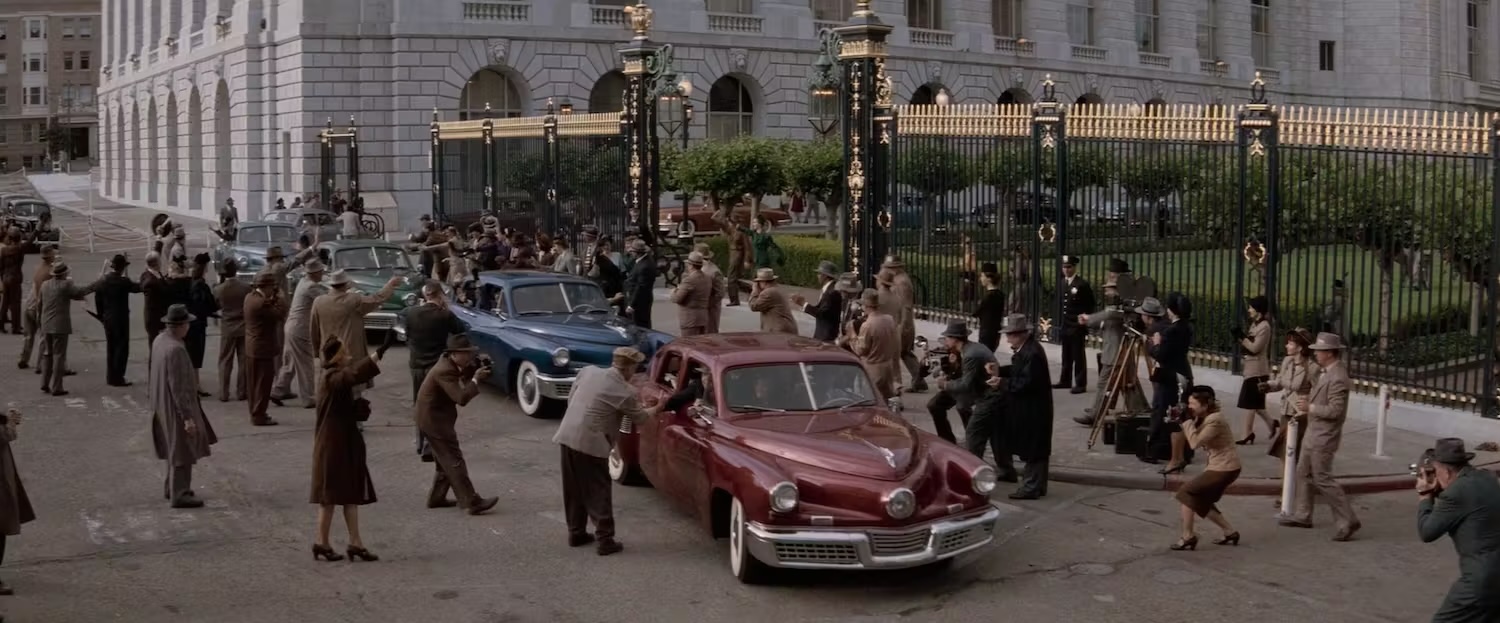
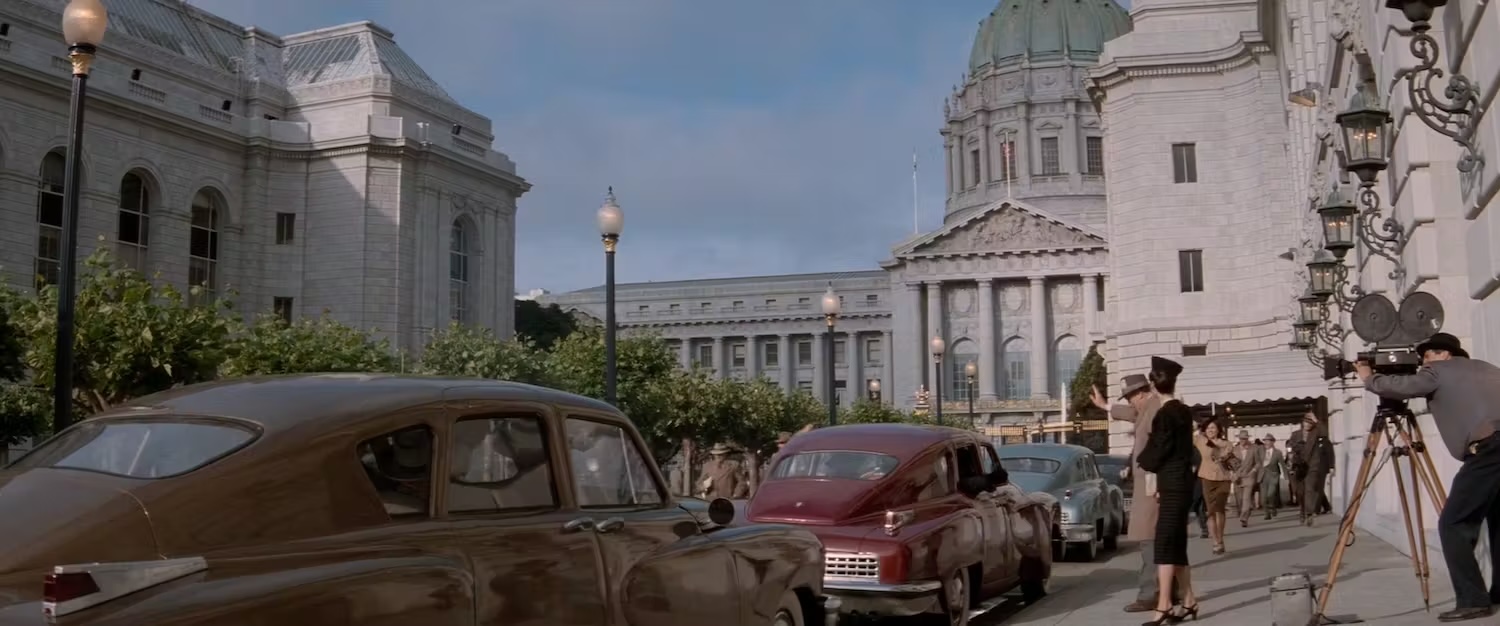
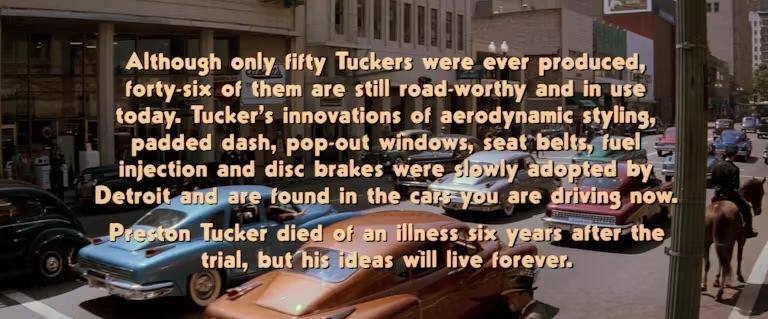
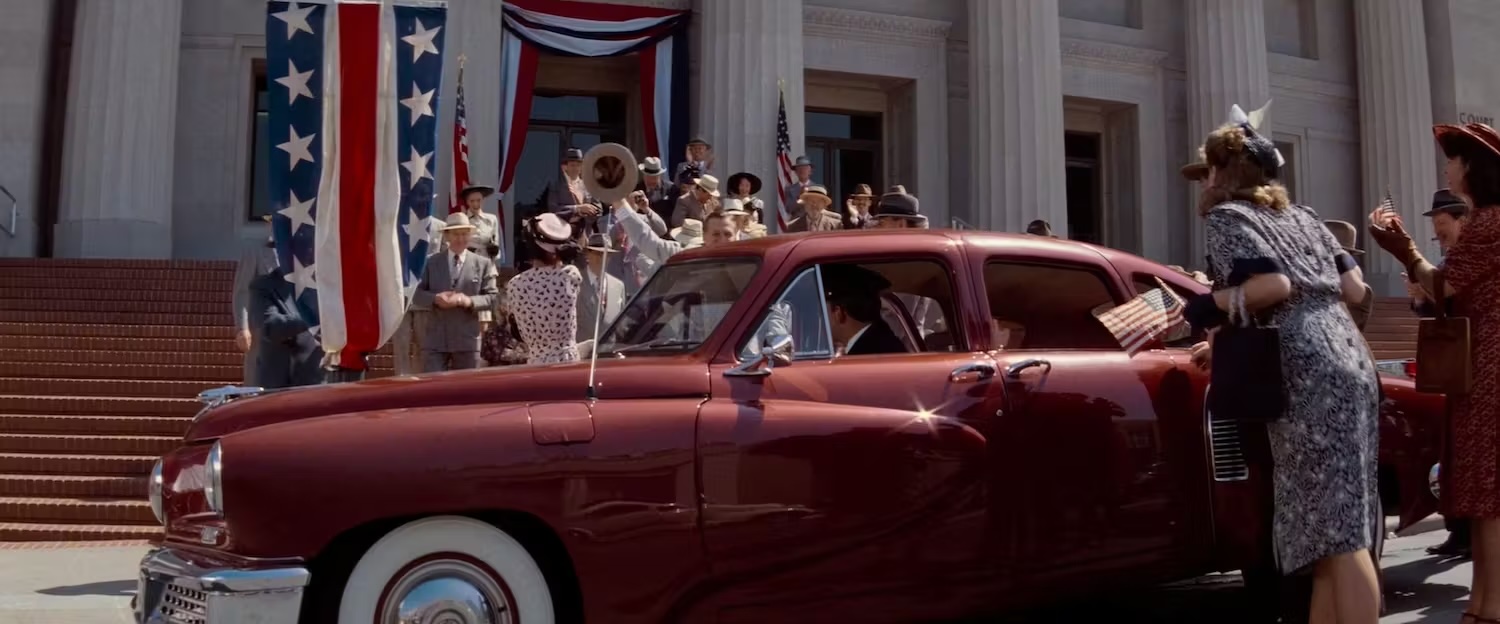
At the end of the film, after losing his factory and his company, Preston Tucker is surrounded once more by friends and family. They drive away from the courthouse in a parade of Tucker 48s—which really did happen—and the text onscreen explains how Tucker’s innovative ideas eventually made it into modern cars, proving he was right all along. As Carmine Coppola’s melody swells to a crescendo, the screen fades to black, and it says, “For Gio, who loved cars.”
The Legacy
Although the film was not a financial success, the release of Tucker: The Man and His Dream did significantly increase the value of the surviving 47 cars. Prices were already in the five-figure range by the mid-’80s and jumped even higher as the film brought its unique story to the masses. Coppola mentions in the 1999 DVD commentary that the cars were then selling for half a million dollars, but now prices have gone as high as $2.9 million. Coppola even parted with his blue Tucker #1014 in 2025, which sold for $1,545,000 and included a tour of his vineyard plus a complimentary wine tasting.
The film has developed a cult following over the years, not just from gearheads but from movie aficionados in general. Demand was high enough that a remastered 4K Blu-ray was released a few years back, which looks absolutely gorgeous.
Tucker: The Man and His Dream will never reach the same heights as The Godfatheror many of Coppola’s other movies, but like the car itself, it’s a miracle it was even made at all. And like the cars, the world is a better, more interesting place because of it.
Oh, and by the way, it’s currently free to watch on YouTube.
Joe Ligo is the producer/director of The Last Independent Automaker, a six-part documentary series on the history of American Motors Corporation. It is available to watch on YouTube, the free PBS app, and on Public Television stations around the country.
Report by Joe Ligo for hagerty.com