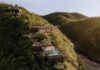
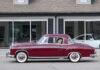
The recent official opening of Marreyt Classic Cars in Ternat was a great success. The presence, engaging conversations and enthusiasm contributed significantly to the event. It became more than just an opening — it marked the beginning of a new chapter.
Marreyt Classic Cars and their partners created a unique atmosphere that made this event so memorable and they look forward to welcoming new guests and clients.
New arrivals in the collection
Don´t stand still — the collection has recently been expanded with several exceptional new arrivals.
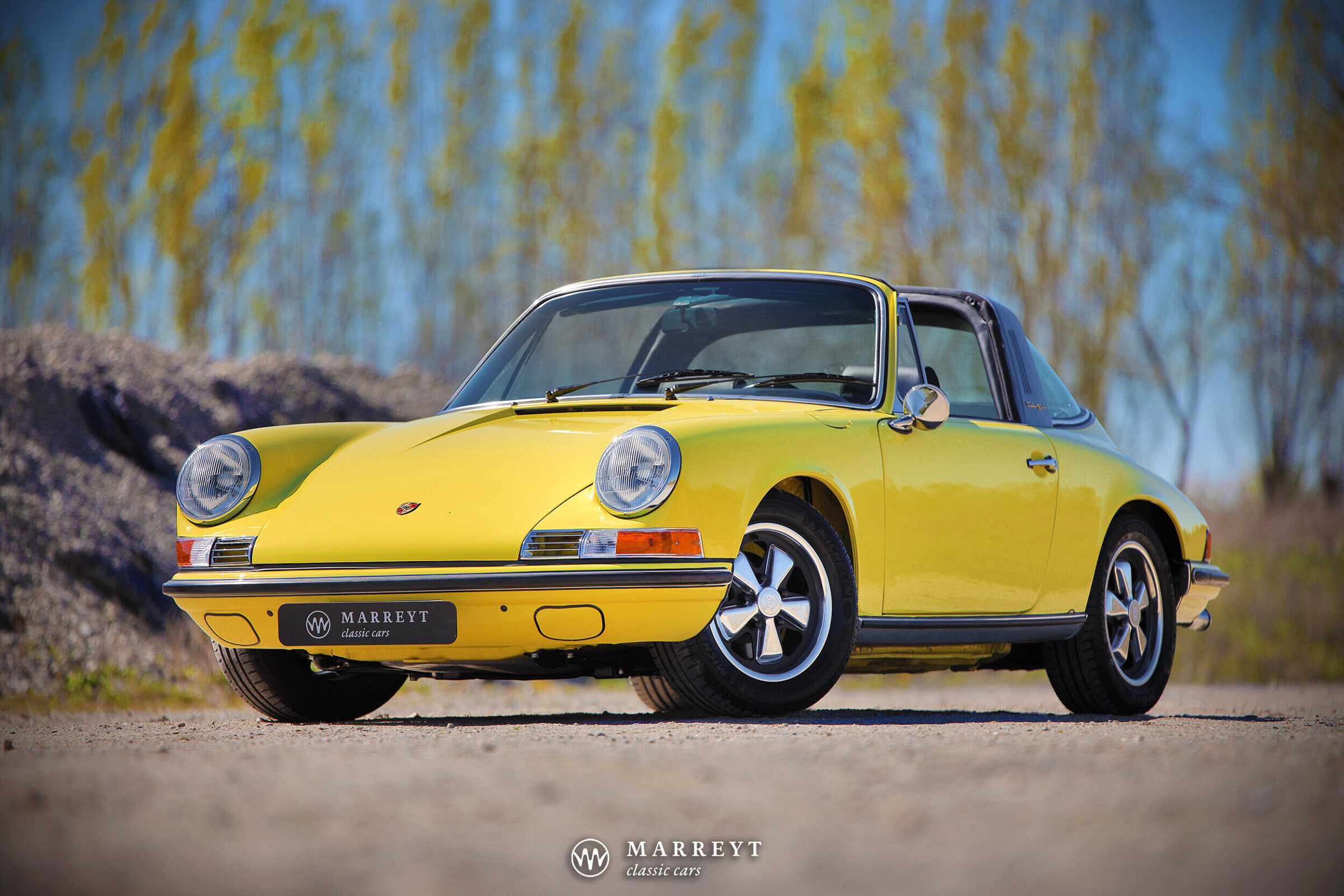
Porsche 911T Targa – 1971
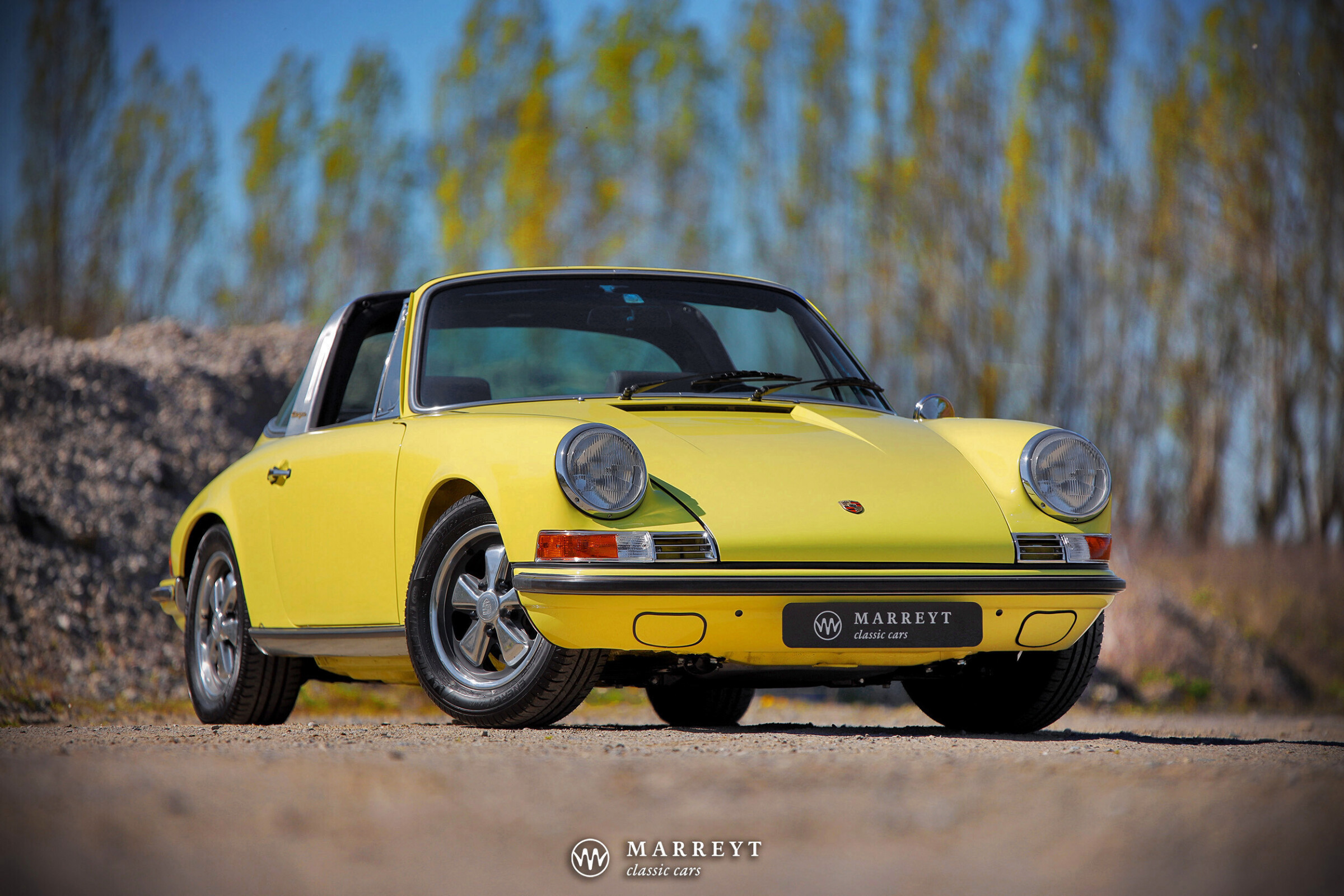
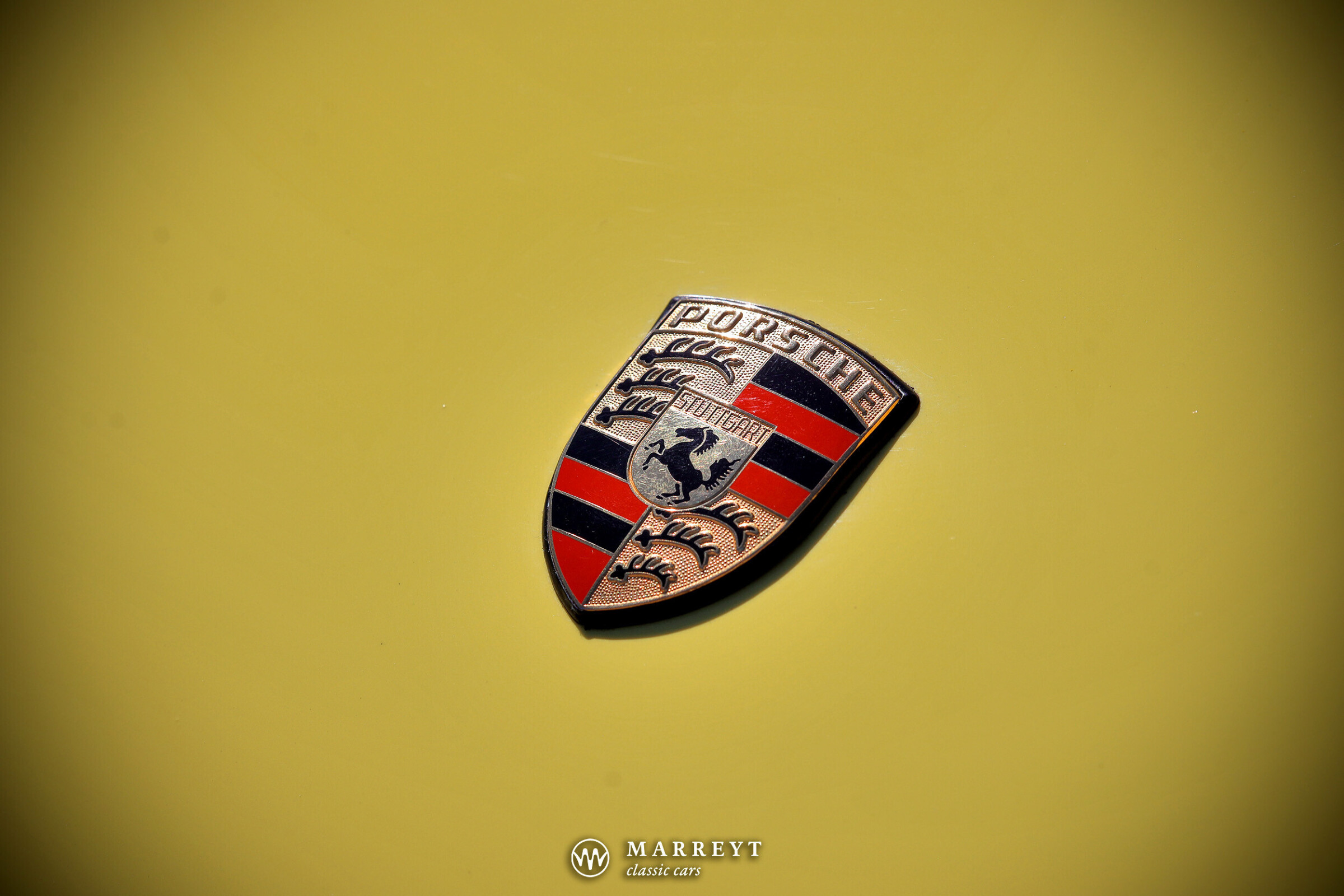
The 1971 Porsche 911T Targa is widely regarded as one of the purest ways to experience an early 911. The “T”, or Touring version, is more understated than the “E” or “S”, yet still offers a highly engaging driving experience. Less complex and more stripped back, it’s often the most enjoyable to drive — and this example proves exactly that.
C/D‑series with the 2.2 engine
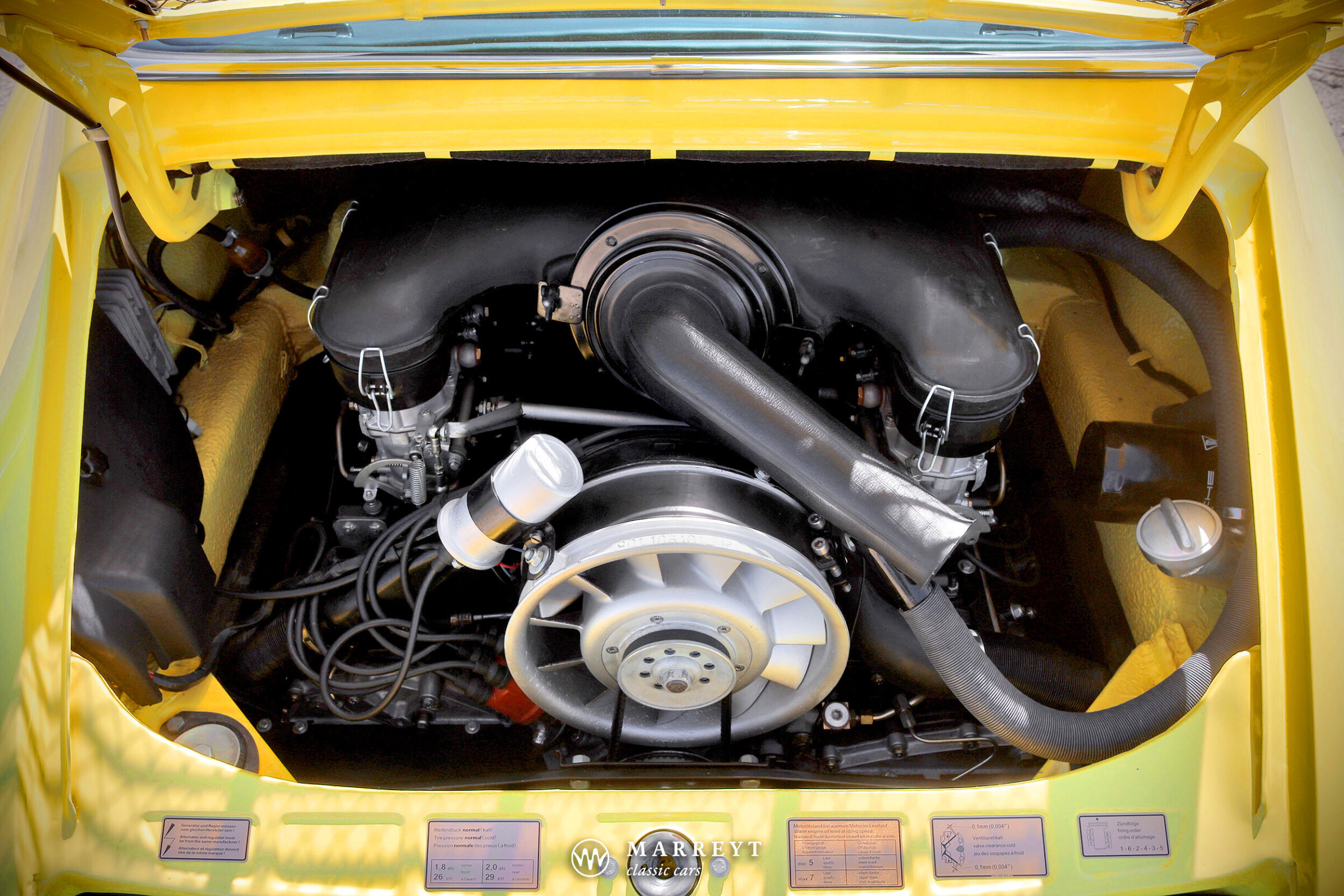
The 1971 model belongs to the desirable C/D‑series, the final 2.2‑liter before Porsche moved to the 2.4 in 1972. The flat‑six with Zenith carburetors produces 125 hp, does 0‑100 km/h in roughly 9.5 seconds and reaches about 205 km/h. The chassis gives plenty of feedback even at modest speeds, and the air‑cooled soundtrack comes from exactly where it should.
Proper restoration and very low mileage
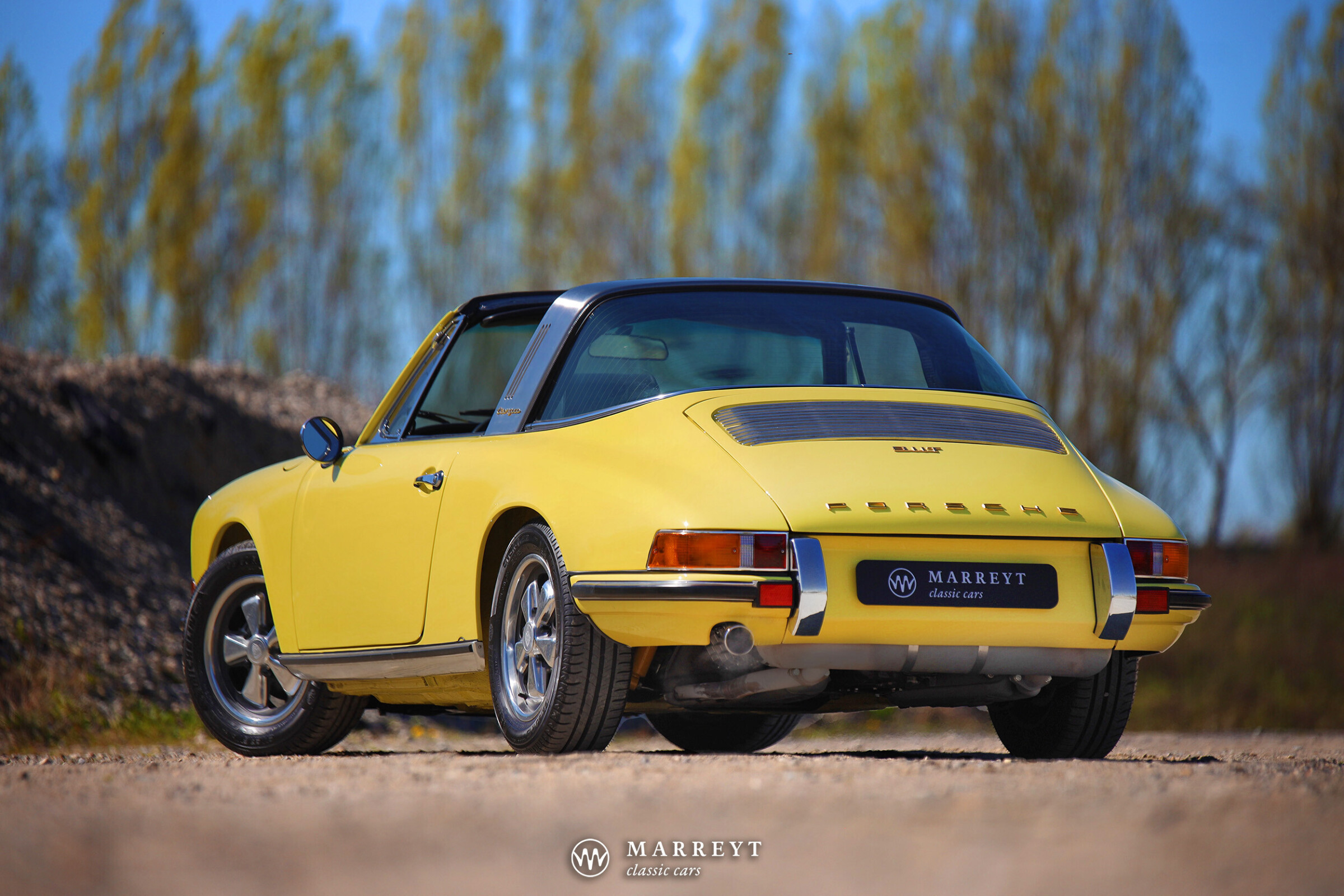
This example was fully restored ten years ago by Franky’s Speciaal Garage and has covered only about 400 kilometres since. The engine runs cleanly, the five‑speed gearbox shifts precisely and the car feels fresh throughout. It retains its matching numbers and comes with the Porsche Certificate of Origin. Delivered new in the USA, it now wears Light Yellow, though it originally left the factory in Smyrna Green.
The Targa concept at its most recognisable
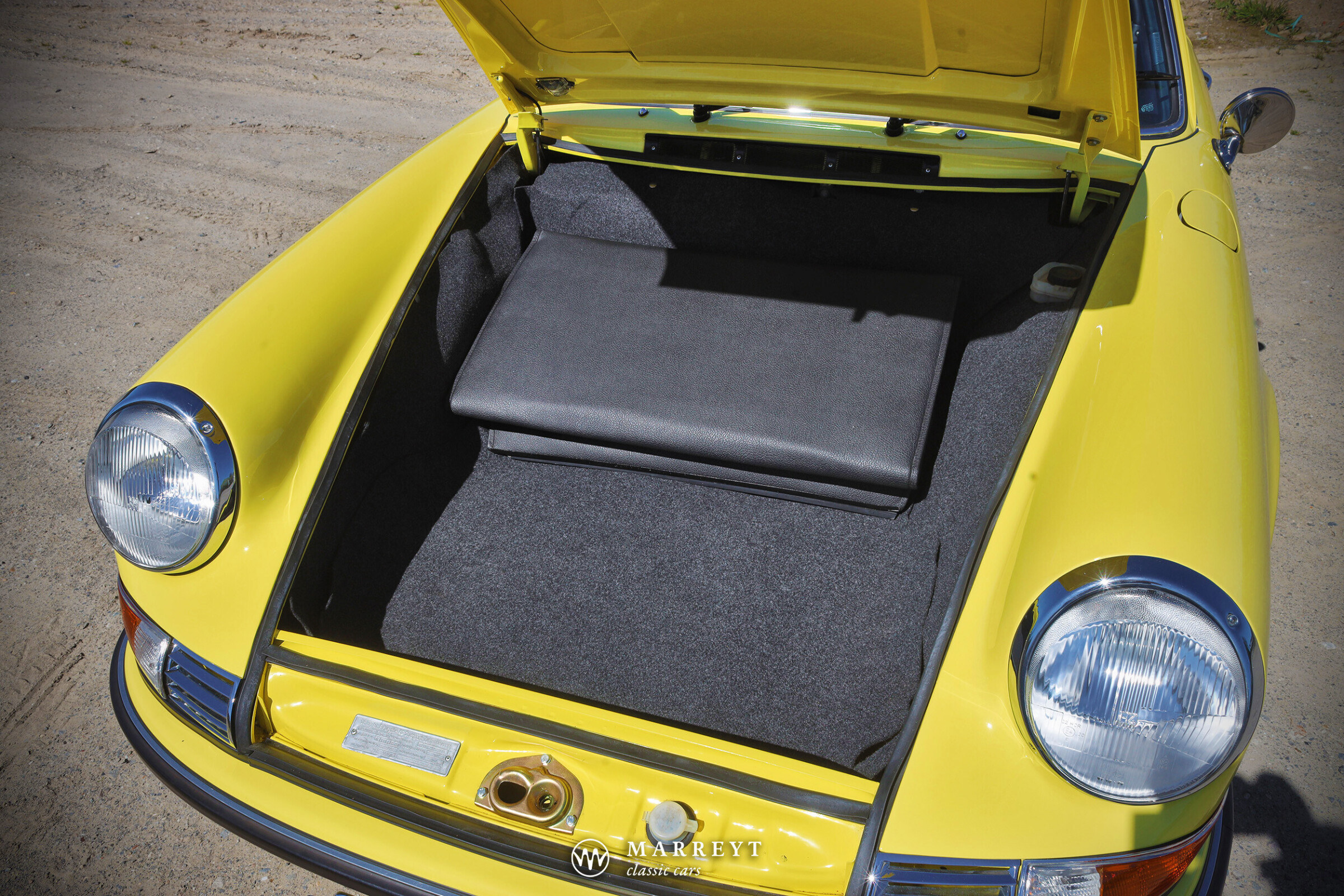
The Targa stands out with its stainless roll bar, large rear glass and removable roof panel that stores easily in the front trunk. It offers an open‑air feeling with more rigidity than a traditional cabriolet. A practical and instantly recognisable Porsche idea.
Last carbureted Targa and solid long‑term appeal
The 1971 911T is the last carbureted Targa, something collectors appreciate. Early longhoods have risen strongly in value, but more importantly: this is still a car that genuinely likes to be driven. And yes, the roof panel really does fit in the front trunk.
Jaguar E-type S1 Roadster – 1966
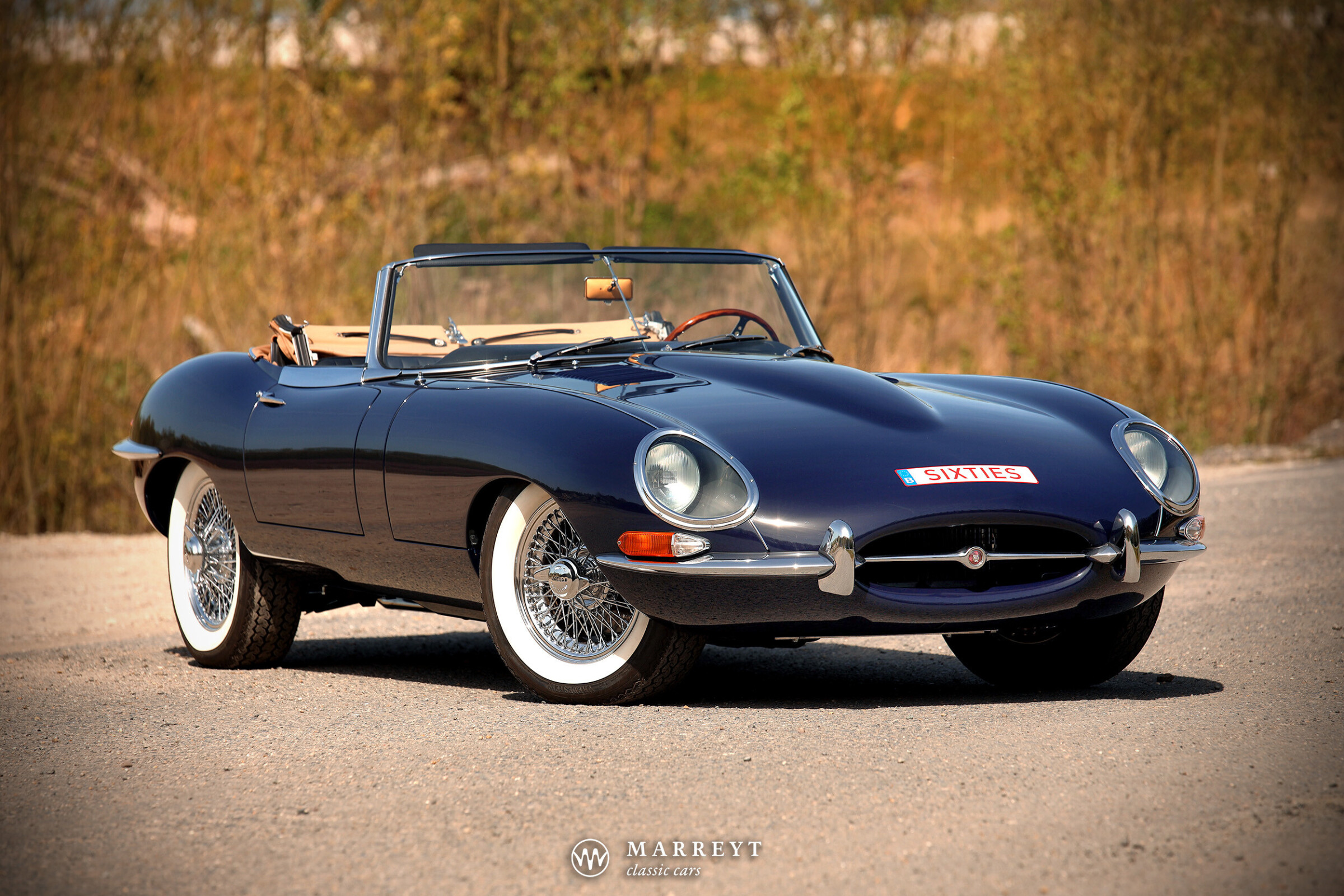
The E-Type Roadster has been a cornerstone of any serious collection for over sixty years. The Series 1.5 occupies a unique position: it retains the clean lines of the early Series 1 while benefiting from the technical improvements of the 4.2-litre generation. For many enthusiasts, this is simply the sweet spot.
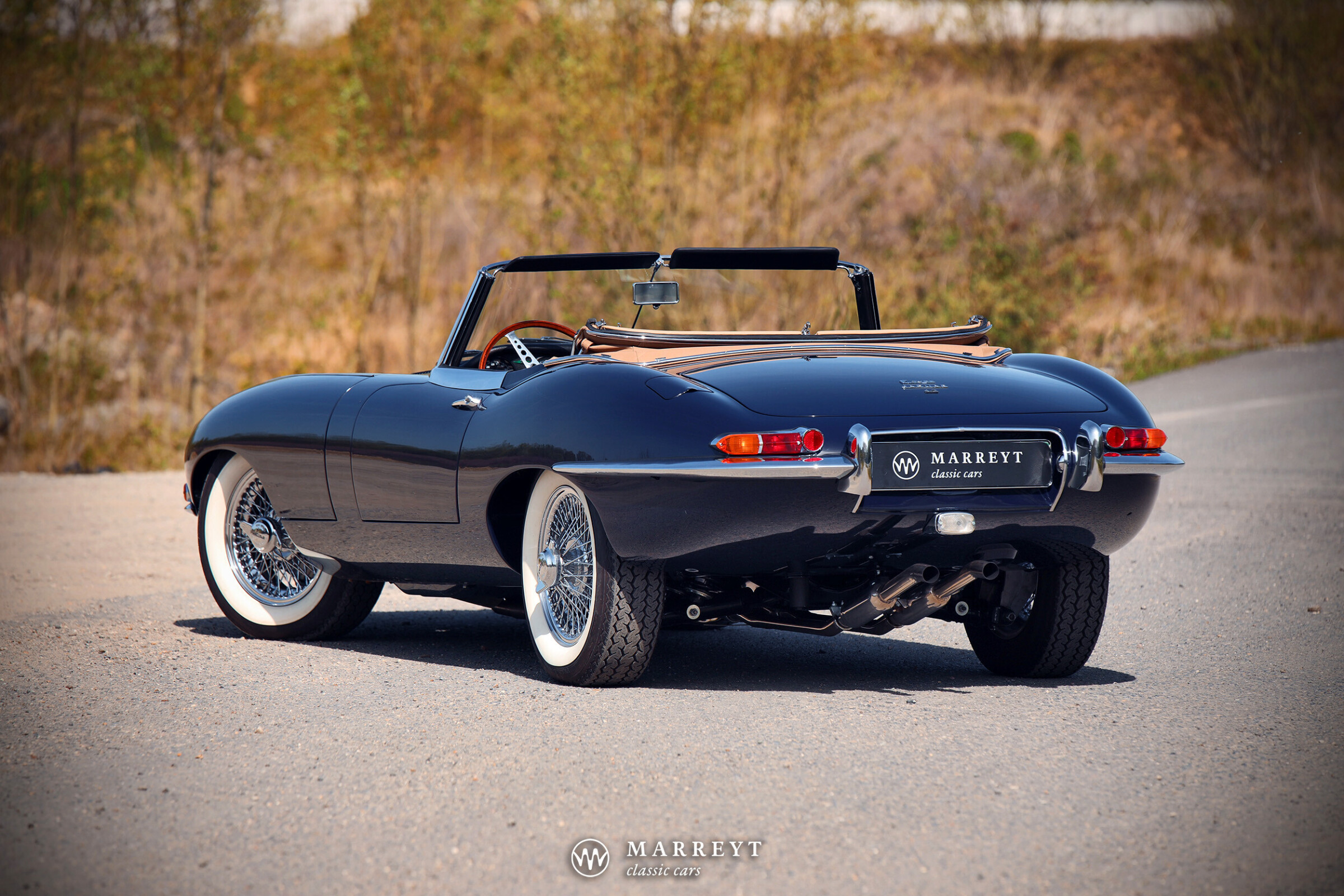
This particular ’66 Jaguar E-Type Series 1.5 Roadster sits in that sweet spot collectors quietly chase. It carries the purity of the early cars, those clean lines that made the world stop in 1961, yet benefits from the more mature 4.2-litre mechanicals. The unofficial “1.5” designation says enough to those who know. For everyone else, it simply feels like the best of both worlds.
It also wears the details that matter. The early-style body with its unmistakable silhouette, the rear lights sitting proudly above the bumper, the stance that made posters unnecessary because the car itself was the poster. Later cars softened it. This one didn’t get the memo.
Finding the right car is half the story. In this case, it took years of selective searching and saying no more often than yes. The right foundations eventually appeared in Miami, an honest, complete car that hadn’t been taken apart by ambition or shortcuts. Matching numbers throughout, confirmed by the Jaguar Heritage Trust, and just the right amount of patina to tell you it hadn’t been messed with. In other words, exactly the kind of car you want before you take it all apart.
The restoration was entrusted to craftsmen who understand that “good enough” is a dangerous phrase. The car was stripped to its last component and rebuilt with a clear objective: bring it back to how it should have left the factory, and quietly improve what time had compromised. Panel fit is precise, mechanicals are fully rebuilt, and the details go down to the kind of finishes most people will never notice but every serious collector will appreciate. There is a full photographic record of the process, from its barn-find days to the finished car, for those who enjoy seeing where the hours went.
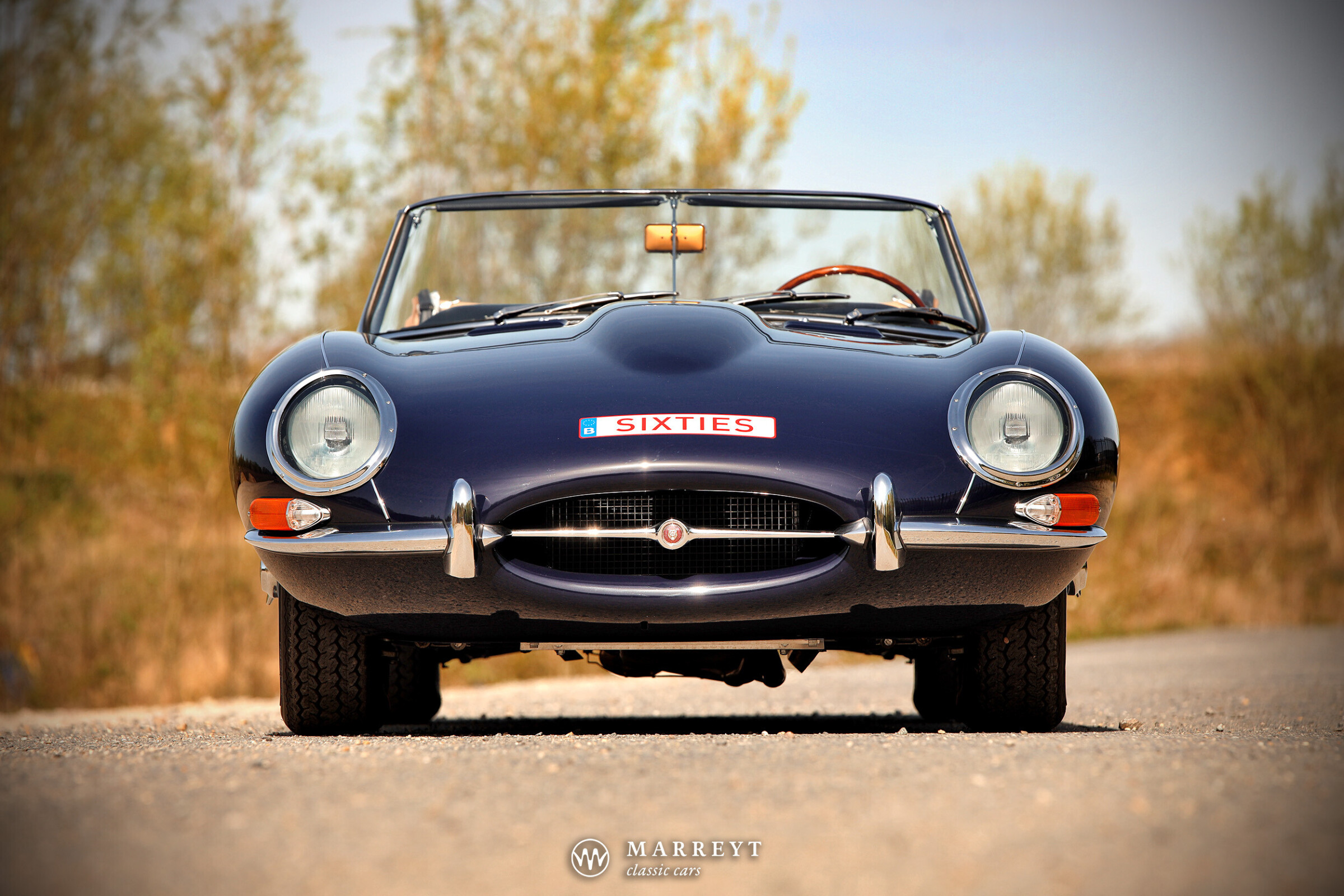
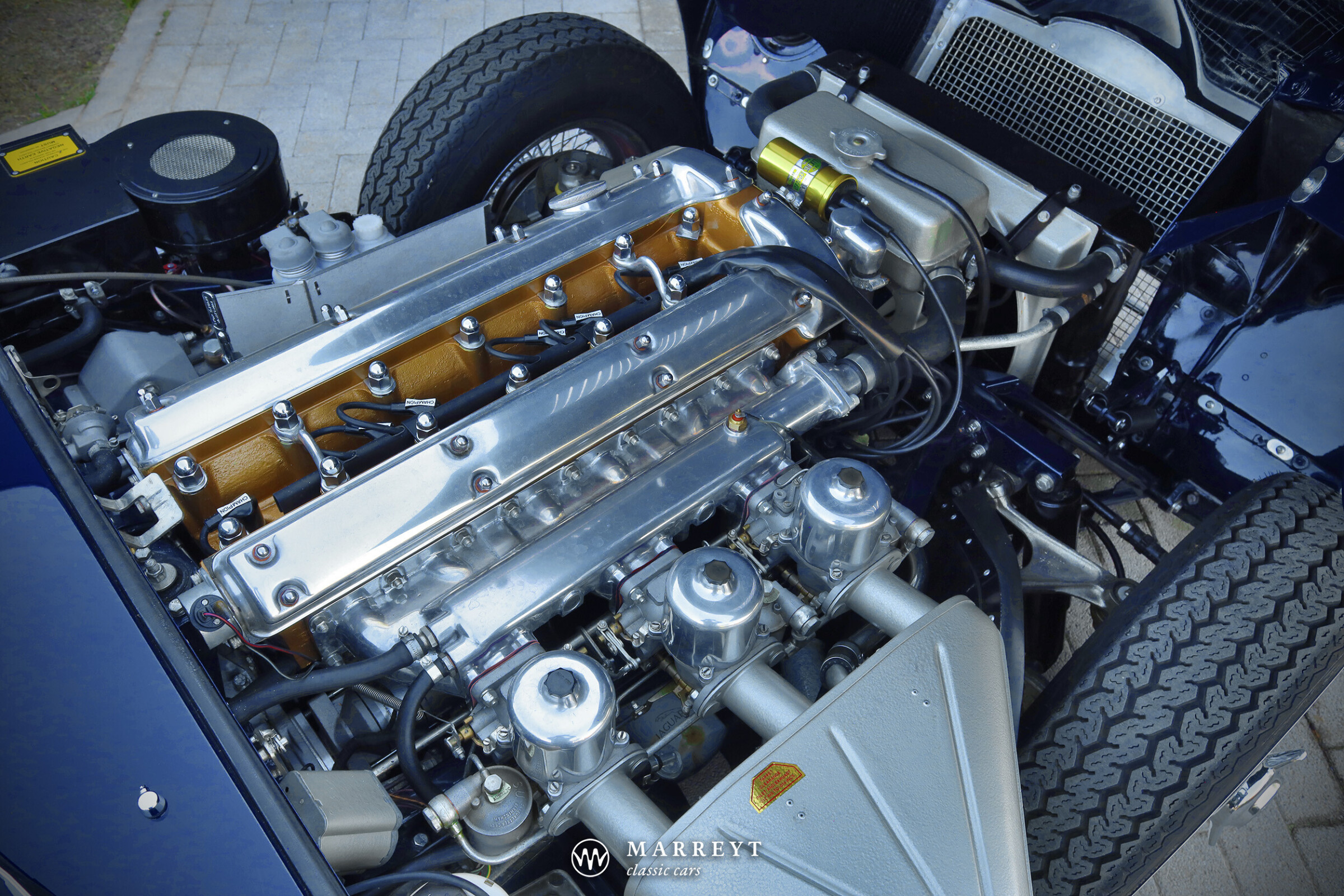
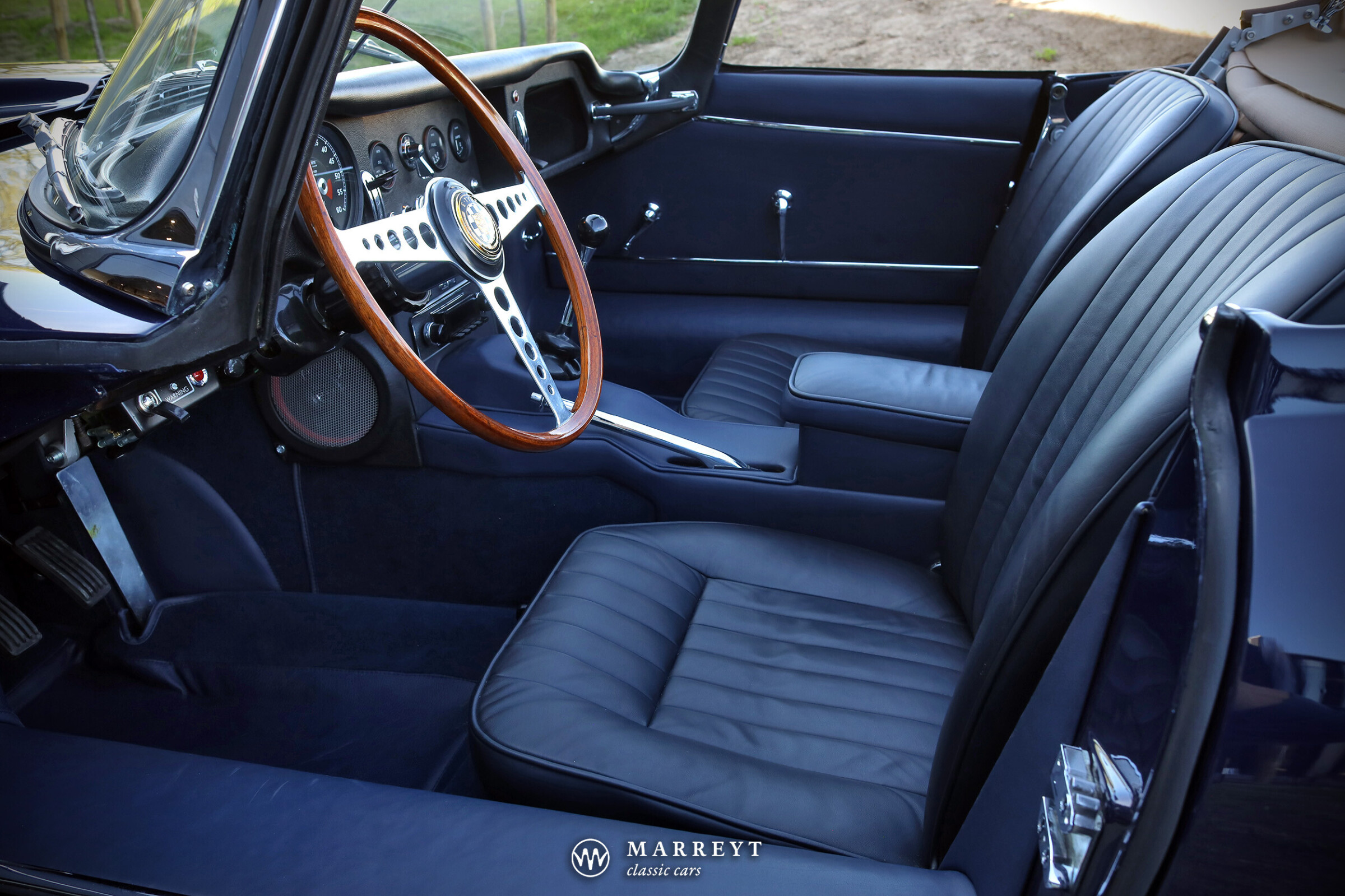
Since completion, the car has covered only a few hundred kilometres. Just enough to confirm everything works as it should, not enough to take away that fresh, tight feel. It still needs to be properly run in, which is a rather pleasant task if you think about it. Few owners get to experience a fully restored E-Type at this stage. It’s like being handed a great vintage watch that hasn’t started ticking yet and being told to wind it for the first time.
The original factory colour combination does exactly what you want it to do. Deep dark blue over matching blue leather keeps things elegant and correct, while the camel soft top now adds just enough contrast to make you look twice.
On the road, it delivers what made the E-Type more than just a pretty face. The 4.2 straight-six is smooth, torquey and far more usable than the earlier units. It’s a car you can drive without needing a pep talk beforehand. Long distances, rallies, or simply an early morning escape, it handles them with a kind of effortlessness that modern cars try very hard to imitate and rarely achieve.
For the collector, it ticks the important boxes. Matching numbers, documented provenance, correct specification and a restoration carried out without cutting corners. For the driver, it offers that rare combination of beauty and usability. And for those who like their passion to make sense on paper as well, well-kept E-Types with this level of documentation don’t tend to sit still in the long term.
It is, in essence, one of those cars that manages to be several things at once. A statement without shouting, an investment without feeling like one, and a driver’s car that happens to look like a sculpture.
And if you ever find yourself staring at it a little longer than planned, don’t worry. That’s considered normal.
Jaguar XK150 S – 1958
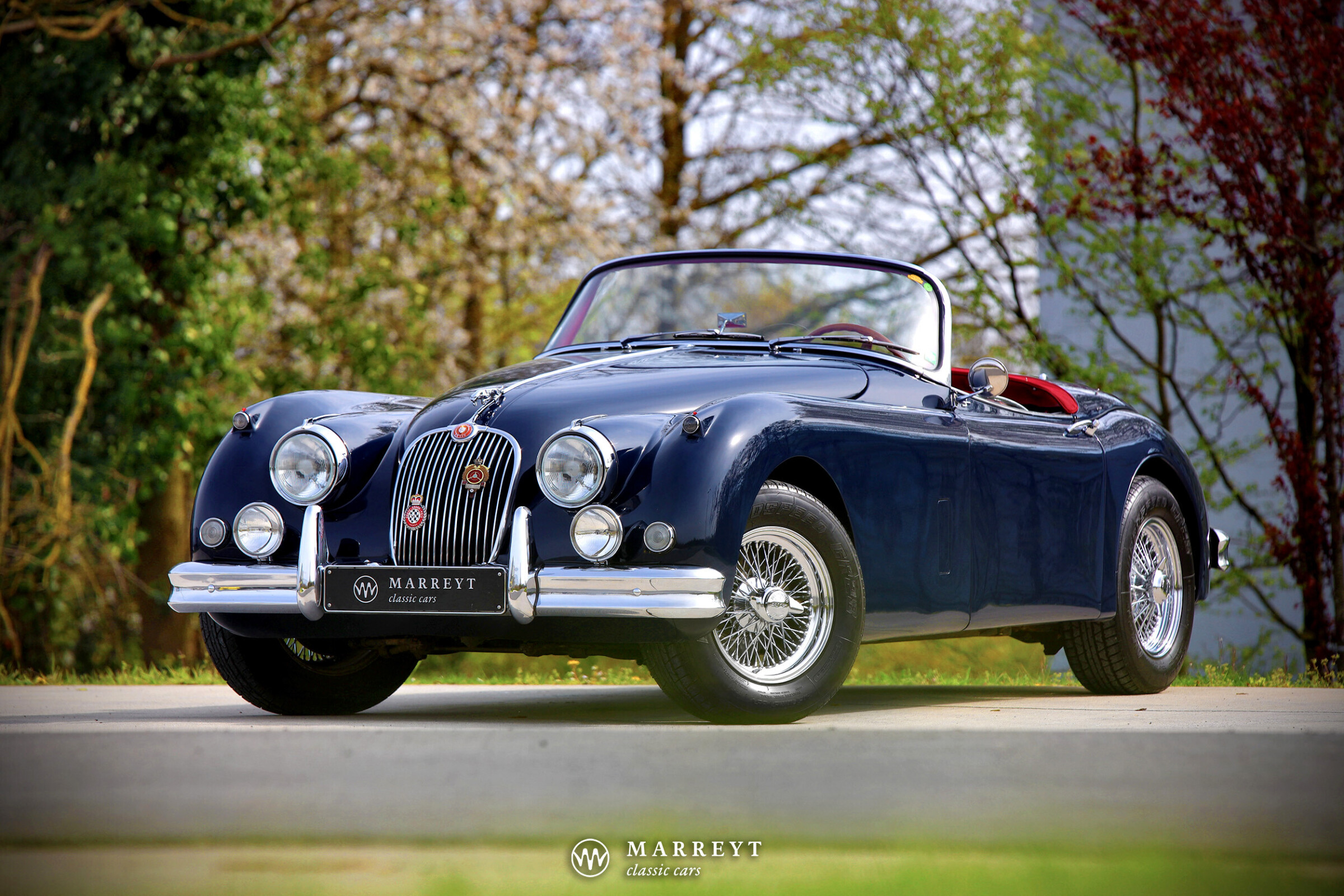
In its day, the XK150 ‘S’ represented the pinnacle of Jaguar’s racing heritage and technical innovation. This 3.4L example, built on November 17, 1958 and delivered new in New York, remains in its original left-hand-drive configuration. It comes with a Jaguar Daimler Heritage Trust certificate, confirming its provenance.
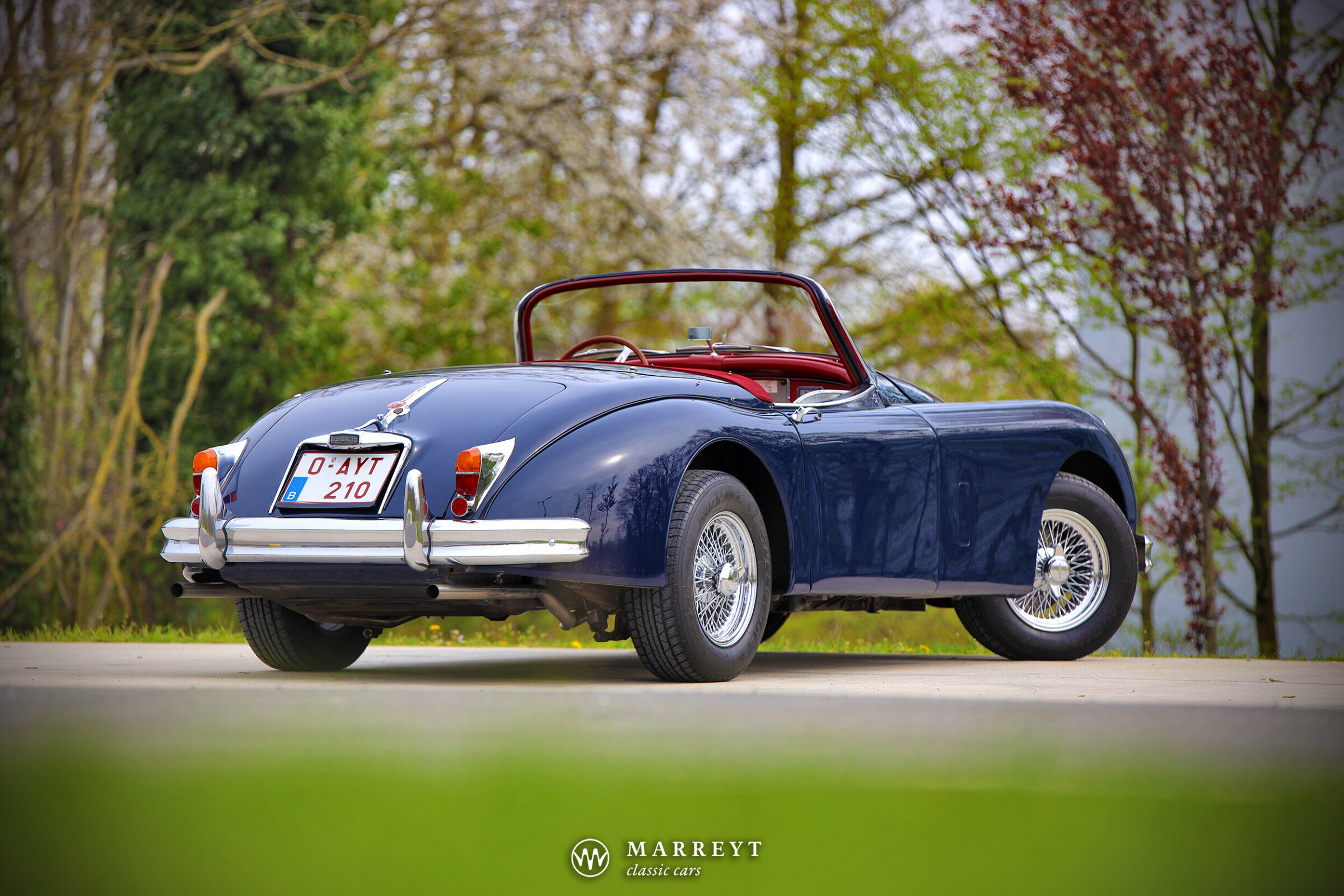
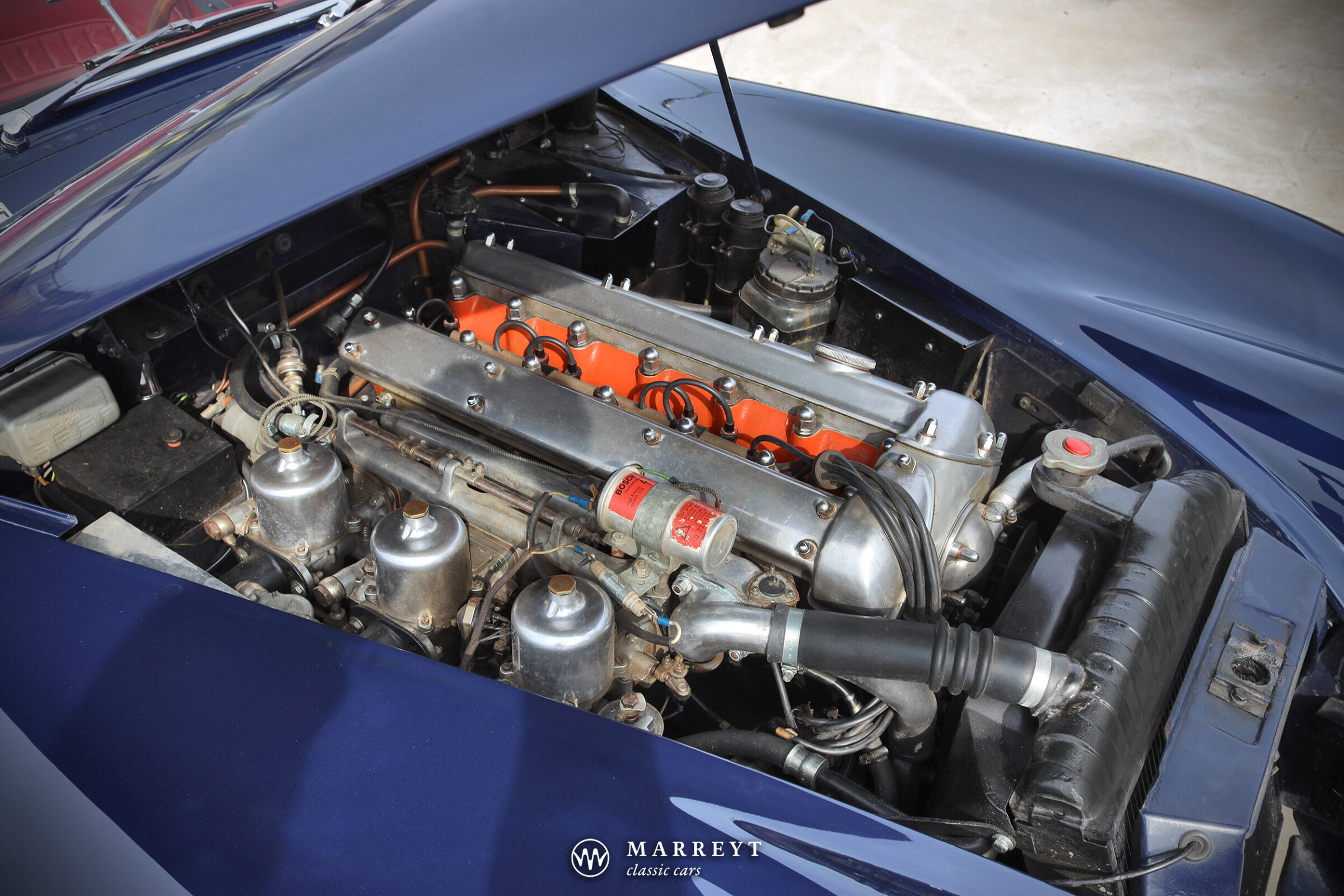
This is a matching numbers example, and that matters here not as a slogan but as part of its calm integrity. Under the bonnet sits the 3.4 litre straight six in its most desirable S specification, breathing through triple SU HD8 carburettors and delivering around 250 horsepower. In period terms that was serious intent, and it still feels that way when the engine comes alive with that long, unhurried swell only XK engines seem to manage without drama. There is an overdrive gearbox that makes long distances feel like a polite suggestion rather than a challenge, and the car settles into speed with a kind of aristocratic patience.
It is finished in dark blue, not original to its first life, but now worn with the right kind of confidence. The body lines remain pure and honest, the XK150 silhouette still carrying echoes of the earlier XK120 while feeling more resolved, more grown up, as if it has learned a few things along the way without becoming dull. Inside, it is still recognisably a two seater meant for real travel, with a cabin that feels more generous than its predecessor and a windscreen that does its job without turning driving into a battle with the elements.
Over the years it has been thoughtfully upgraded for usability rather than theatre. Disc brakes all round from Coopercraft give reassuring stopping power. There is electric power steering that takes nothing away from feel but removes the parking lot wrestling match. A stainless exhaust, additional oil cooling, polybush suspension elements and a smaller Les Leston steering wheel all contribute to a car that is genuinely enjoyable rather than merely collectible. A Belmog tripmaster sits ready for those who still believe maps are meant to be followed, not scrolled.
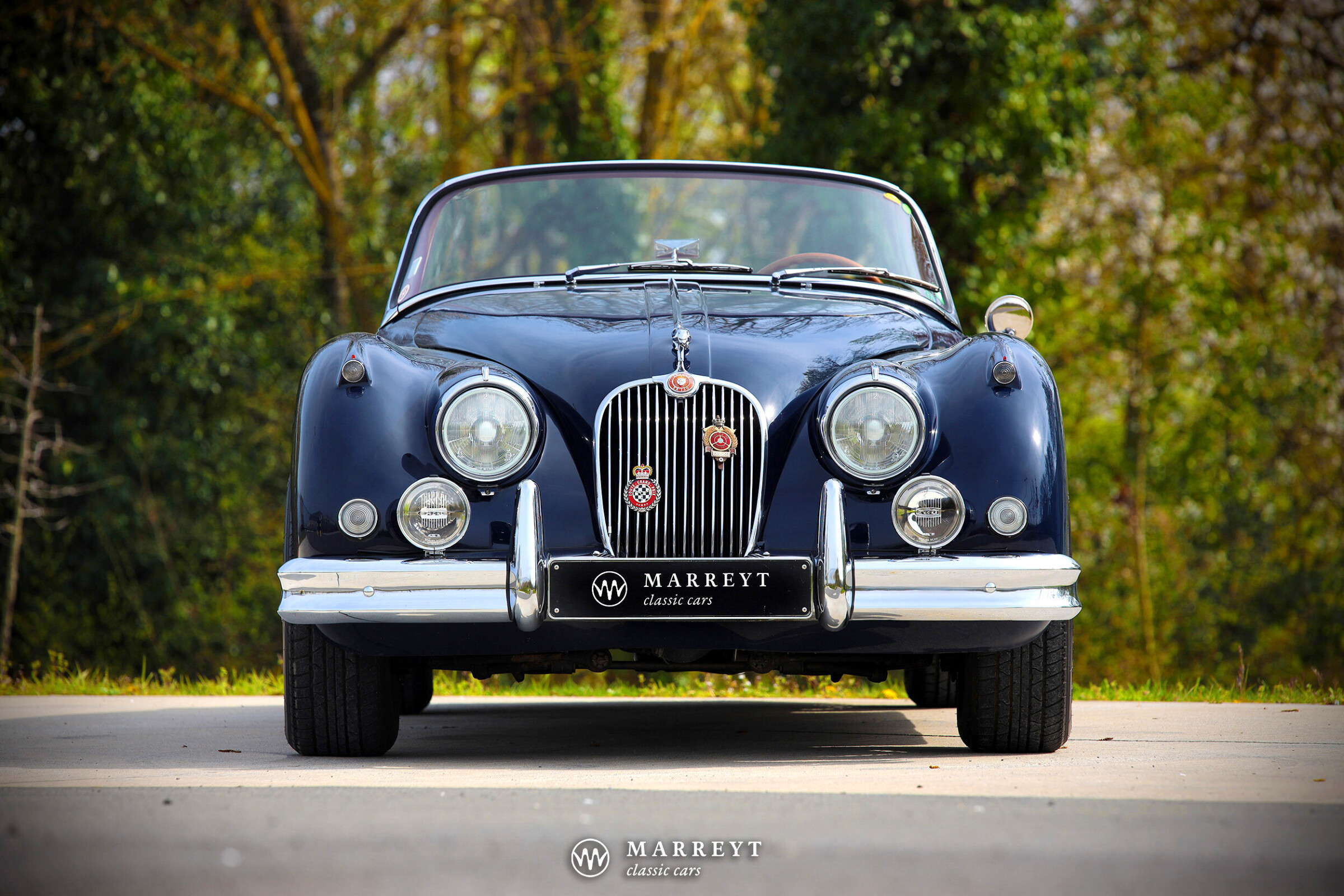
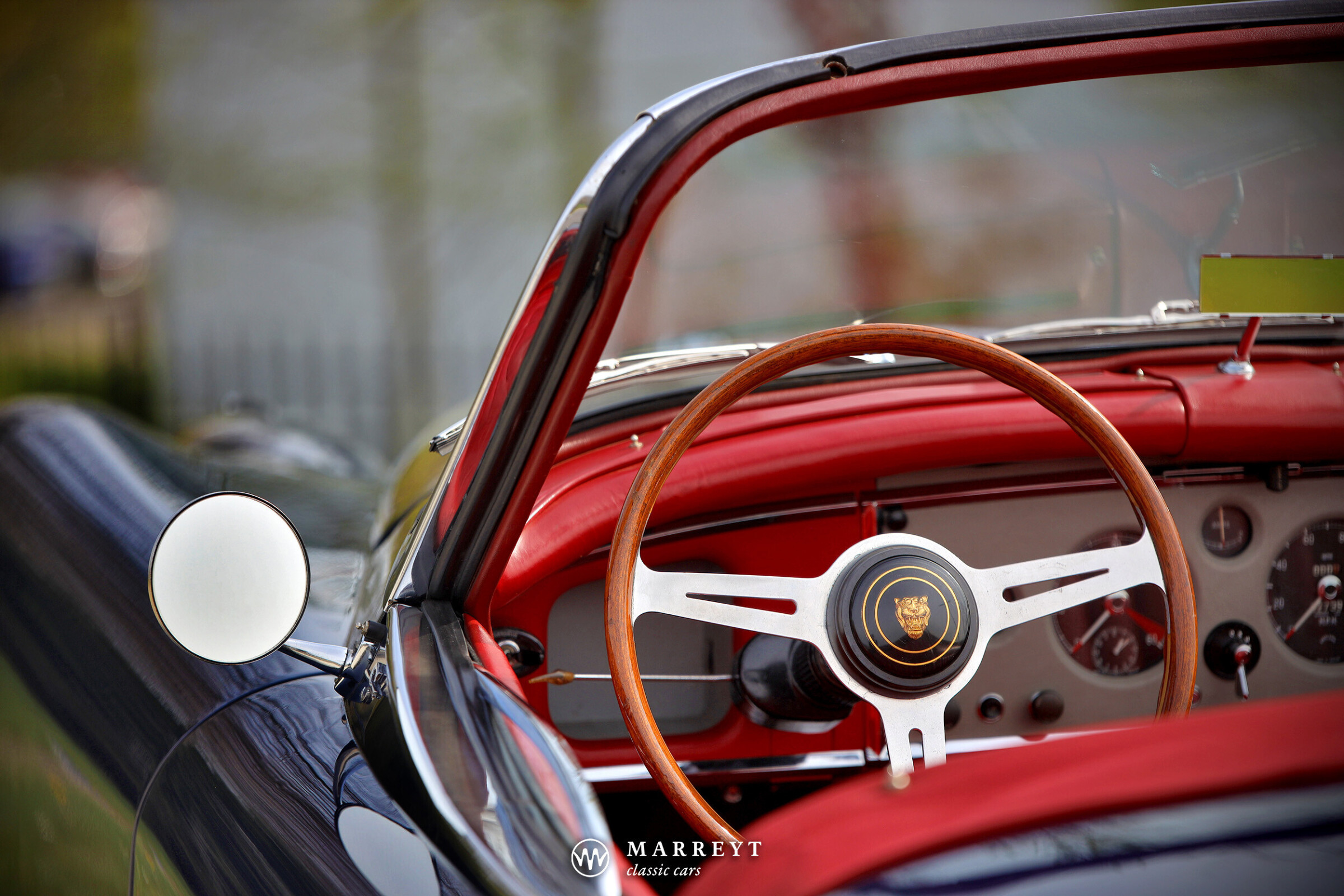
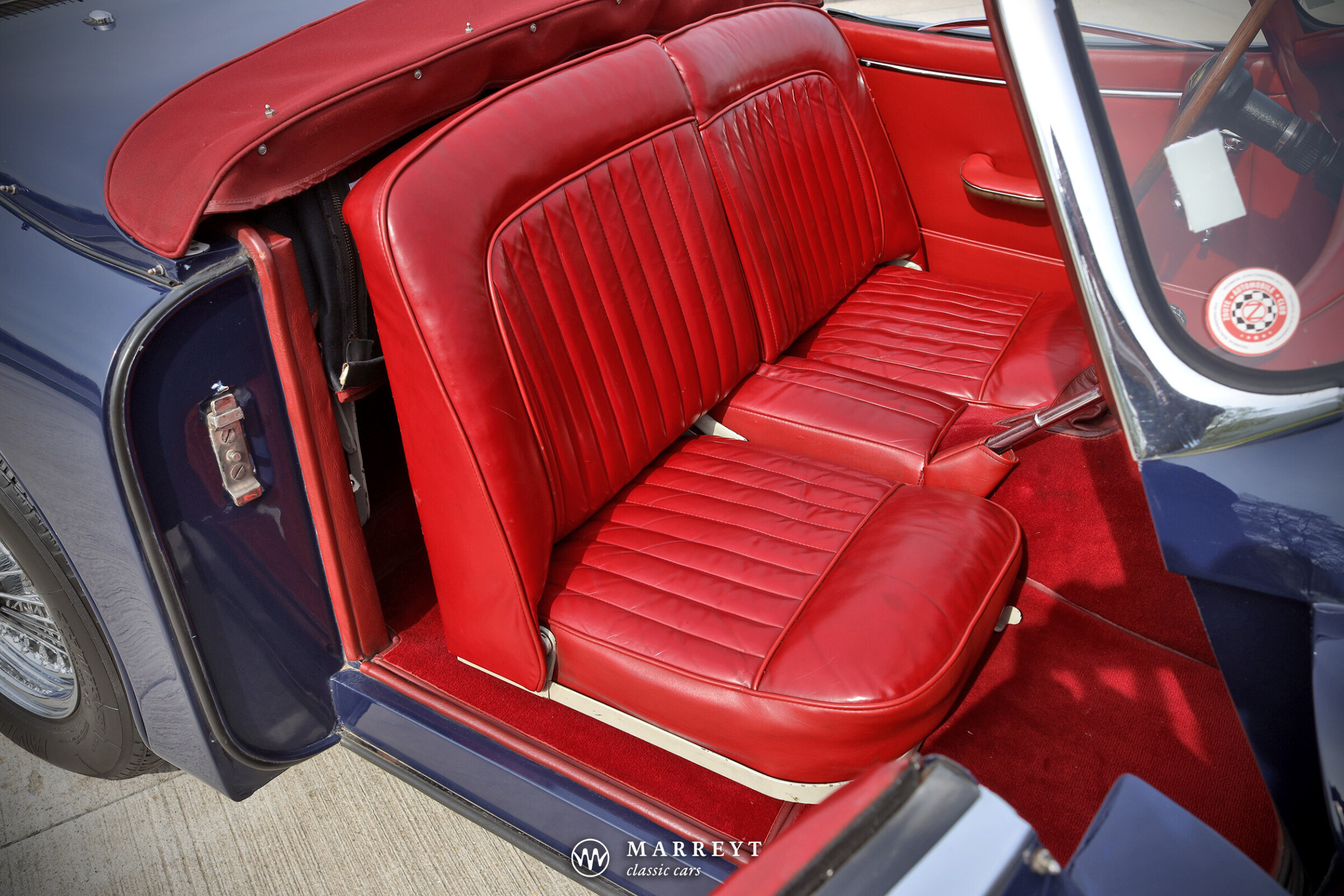
It also carries a fresh dark red soft top and tonneau cover, which suits the character surprisingly well, especially when the car is closed and parked somewhere slightly unnecessary, like outside a café where nobody planned to be late.
The XK150 S Roadster was never built in large numbers (846), and that rarity is part of the charm. But what matters more here is how complete the experience feels. It is not trying to be anything other than what it is, a fast, elegant British roadster with just enough humour in its character to forgive the occasional overconfidence of its driver.
find more news here.