The story of the evolution of the AC (Shelby) Cobra has been retold so many times that anyone with petrol in their veins must be aware of the famous saga that was created by a retired racing driver, Carroll Shelby, who was looking to make a dollar via any opportunity that came his way. Having raced numerous automobiles on both sides of the Atlantic with notable success, he retired in 1960 and hoped to realise an ambition to build a small, lightweight sports car that could handle the power of an American V8 engine, one that could outrun the overweight Chevrolet Corvettes and even the all-conquering Ferraris that ruled the race circuits of Europe.
He was in no doubt his dream would succeed as was familiar with a number of other cars, such as the British Allard, that was powered by big-block V8’s. As early as 1950, American race driver Briggs Cunningham raced a Healey Silverstone into which he had installed a large Cadillac V8 engine. Lacking the huge fortune required to realise his dream, all Shelby needed was a huge slice of luck and the help of several third parties.
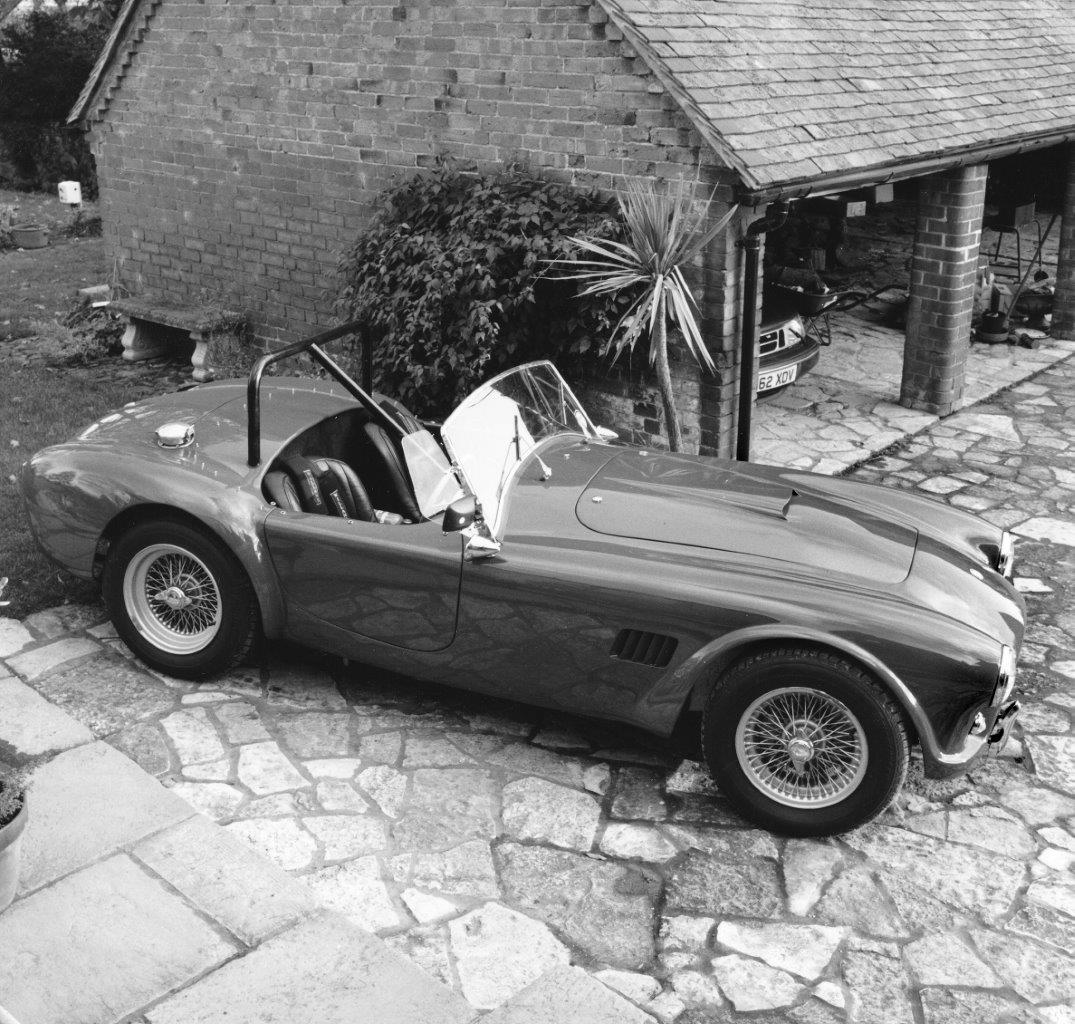
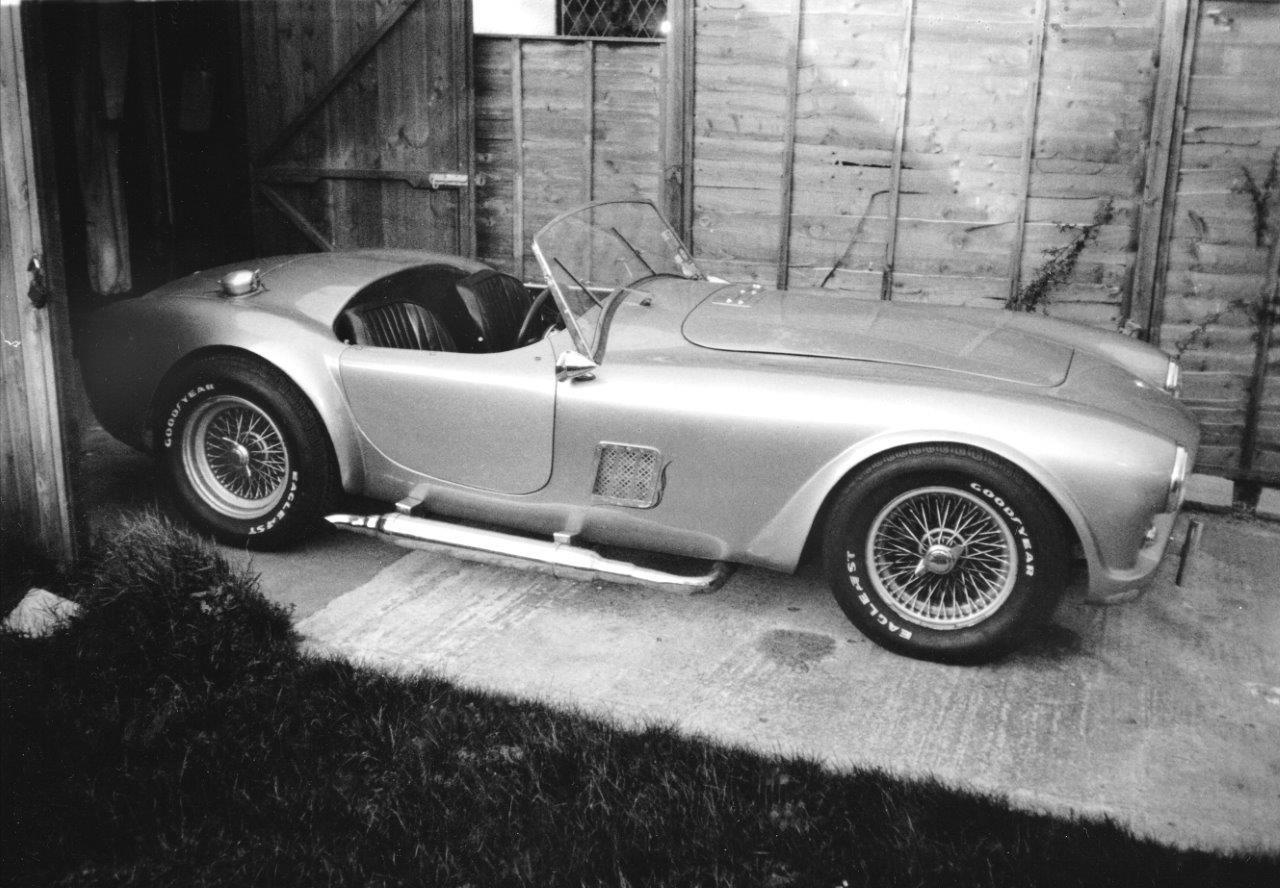
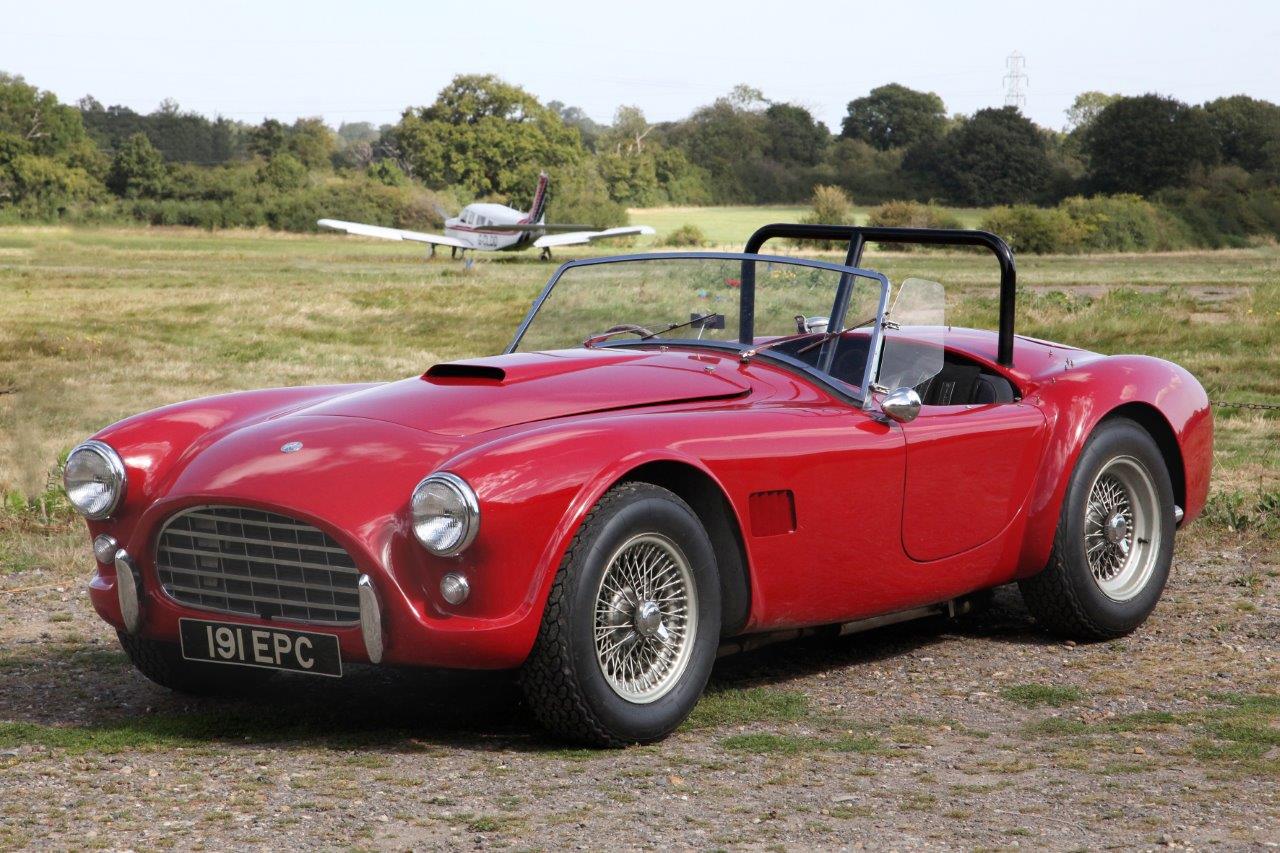
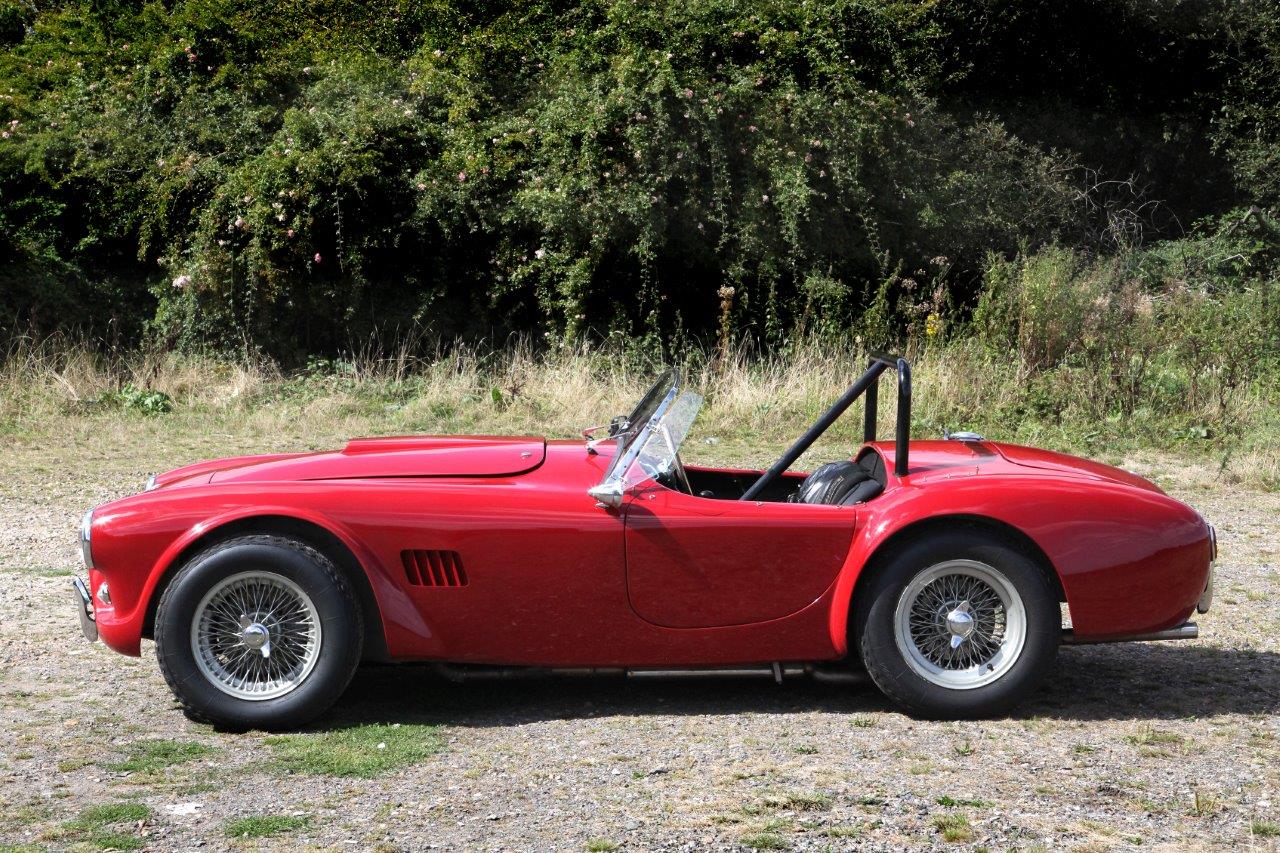
While Carroll Shelby was busy competing in major international sports car championships during the 1950s, a handful of American weekend club drivers came to the same conclusion, albeit on a less ambitious scale; despite the popularity of lightweight British and European sports cars that handled and cornered, such as the AC Ace, they lacked the straight-line grunt of their American counterparts. This led to AC Cars Ltd receiving at least two requests for an Ace to be purchased as a rolling chassis without engine and gearbox. One of these was ordered by Roger Wing circa 1957 who installed a Corvette V8 engine and actively raced his ‘Corvace’ while the second, chassis BEX327, was destined for Hubert McPhail. It is not known whether the two gentleman were acquainted or ordered the cars independently having had the same idea. BEX327 was delivered in 1957 as a standard road car, painted Svecia Red, and was fitted with a 4.3-litre Corvette engine by the American importer. By 1960 it had changed owners and modified to compete in long-distance racing, swapping the 4.3-litre engine for a 5.7-litre version along with a 37-gallon fuel tank, to the detriment of the chassis rails. It was fitted with wider wire wheels and the bodywork painted silver but the most obvious modification related to the shape of the car; due to the wider wheels the front and rear wings needed to be flared. The rear arches were widened but the front arches were extended and flared into the front wings while curving forwards to rise up and around the front air intake. Such was the quality of the work that when it was inspected in 1997 by John Tojeiro, whose own sports car was the forerunner of the AC Ace, he assumed it to be that of the AC’s panel-beaters but it was recently discovered to have been created in the USA by a highly skilled craftsman who worked in the aircraft industry. With side vents cut into the front wings, bonnet louvres and a quick-fill fuel cap the Ace now looked, at first glance, much like an AC Cobra that remained in the future.
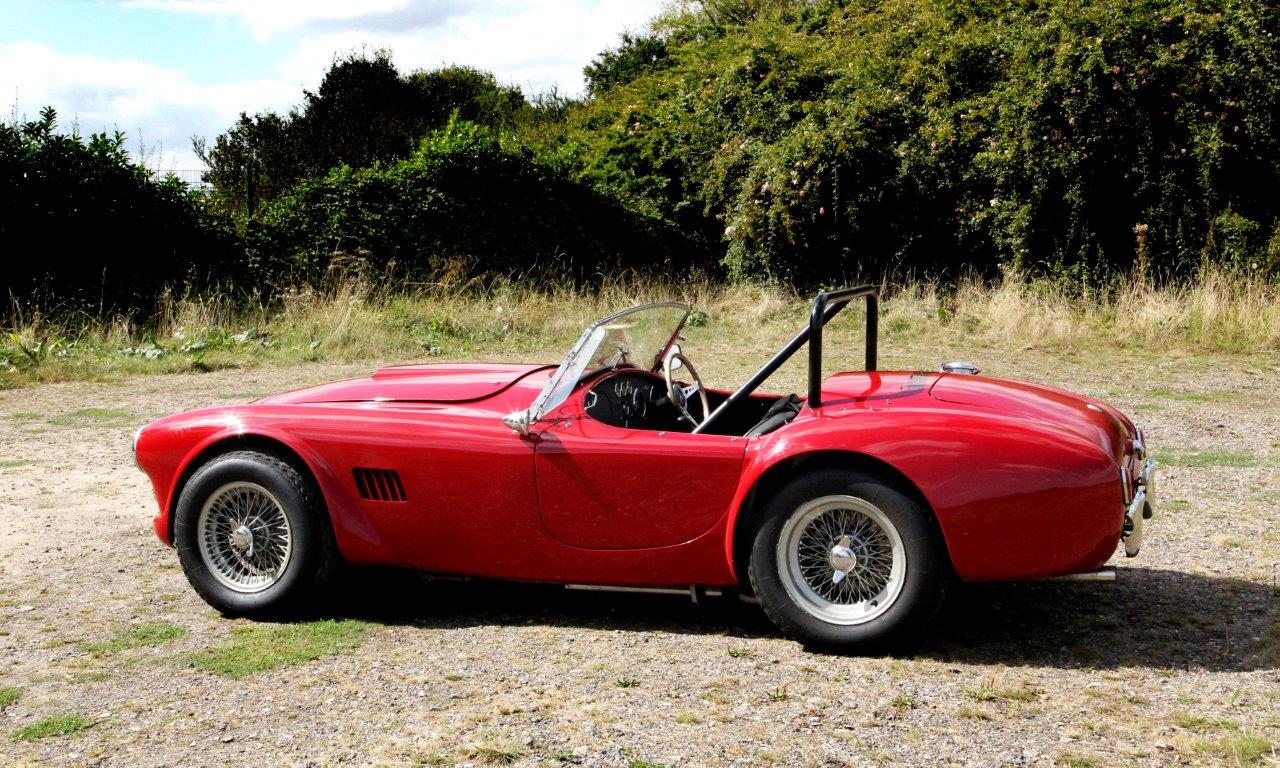
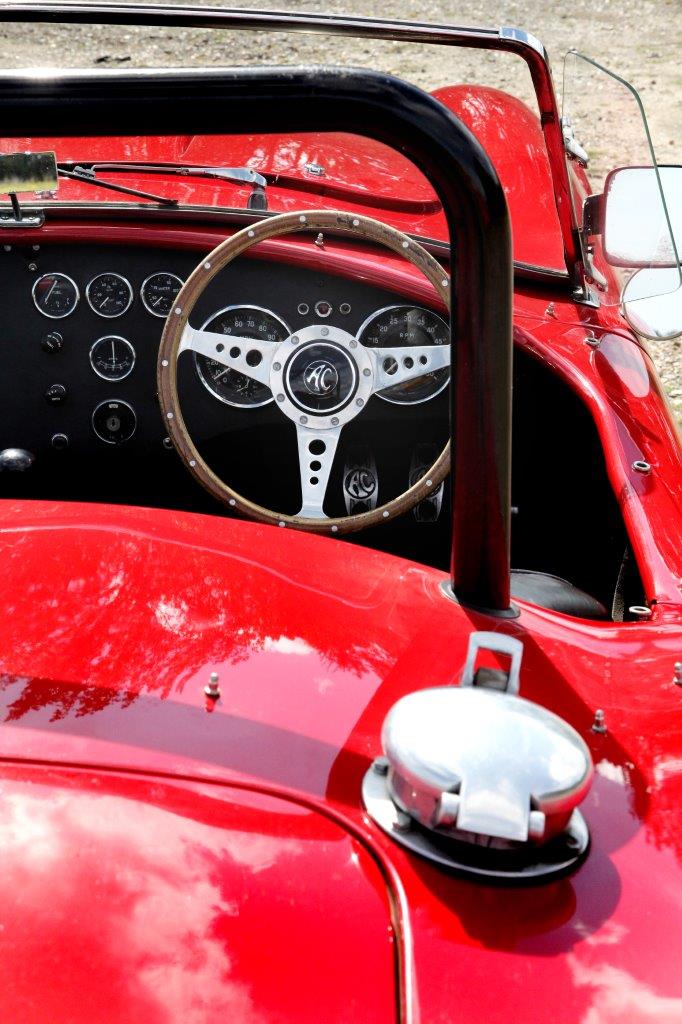
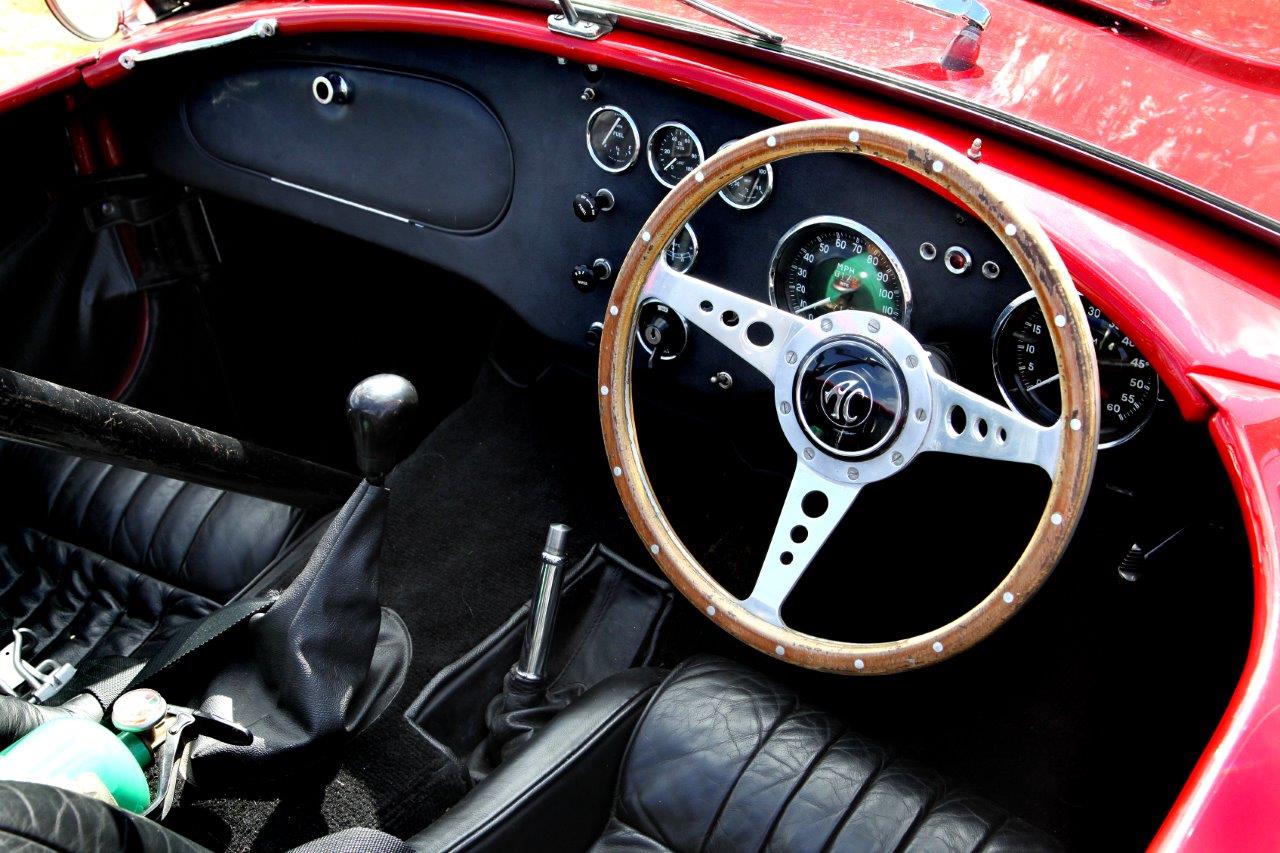
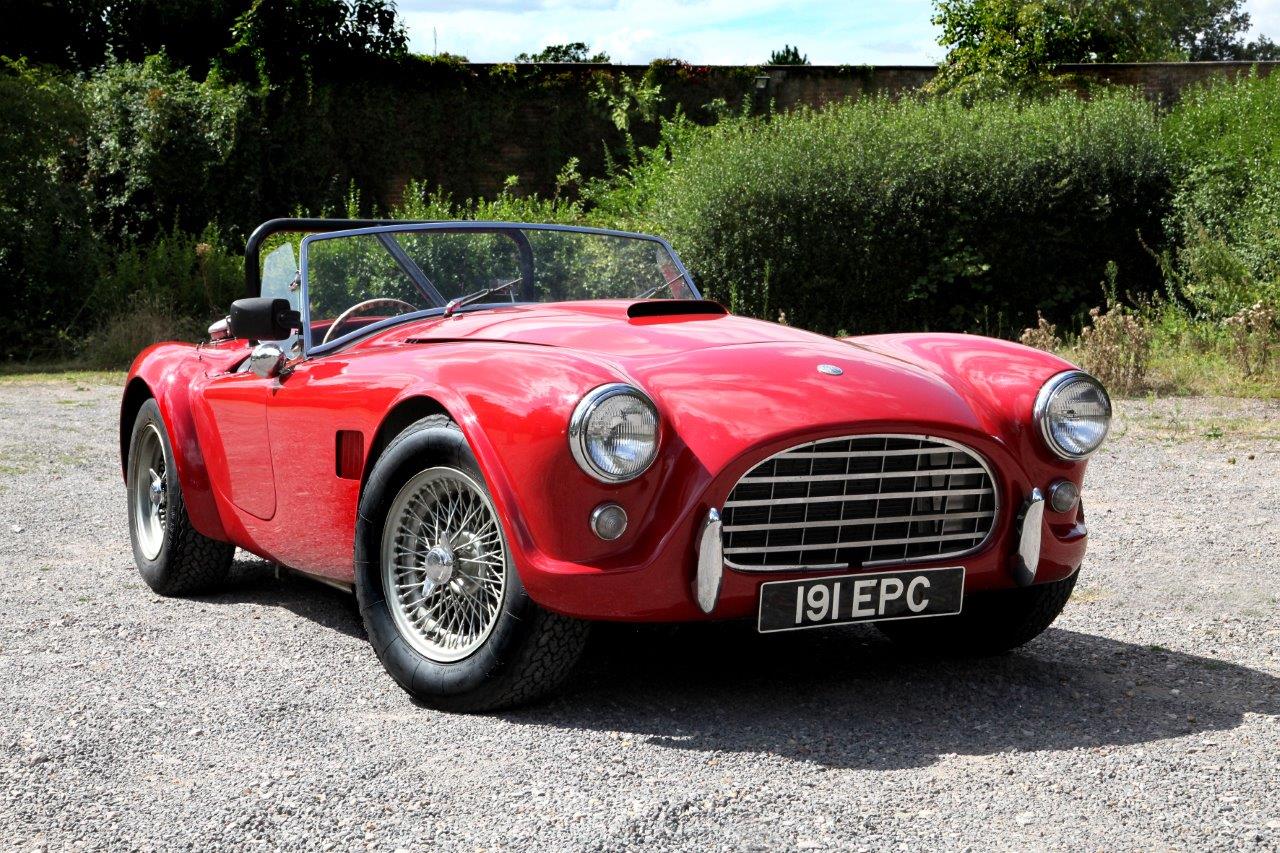
There are no records of BEX327 having competed in long distance racing but it is known that in 1963 it passed to a well-known Porsche driver Jack A. Moore of Varysburg NY and remained in his possession until 1990. In 1992 it returned to the UK where a dedicated new owner invested his time and savings in a sympathetic restoration. Unable to justify the cost of a Cobra, he suspected the Ace would provide a similar driving experience for considerably less money but not before straightening the chassis and installing a 5.3-litre Chevrolet Corvette engine to replace the original V8 that was damaged beyond salvation. Subsequent overheating problems were resolved by acquiring a new Corvette engine built by the V8 engine expert Peter Knight. Although it required a full mechanical overhaul, the bodywork was found to be in good condition. The side exhausts were deleted, front wing vents were recreated in the correct place and a coat of red paint completed the car. Researching revealed it was the second Ace to be fitted with a V8 engine but the first to win a race when McPhail took victory at Harewood Acres in Canada in October 1957. It soon acquired a new owner, Warren Bush, who won at Dunkirk, New York in May 1959. Shortly after, the car changed hands once more when it was purchased by Eric Schwendau who recalls a race meeting at Mosport Park in Canada where Stirling Moss took an interest in the Ace, accepted an offer to drive it for a few laps and admitted to being impressed.
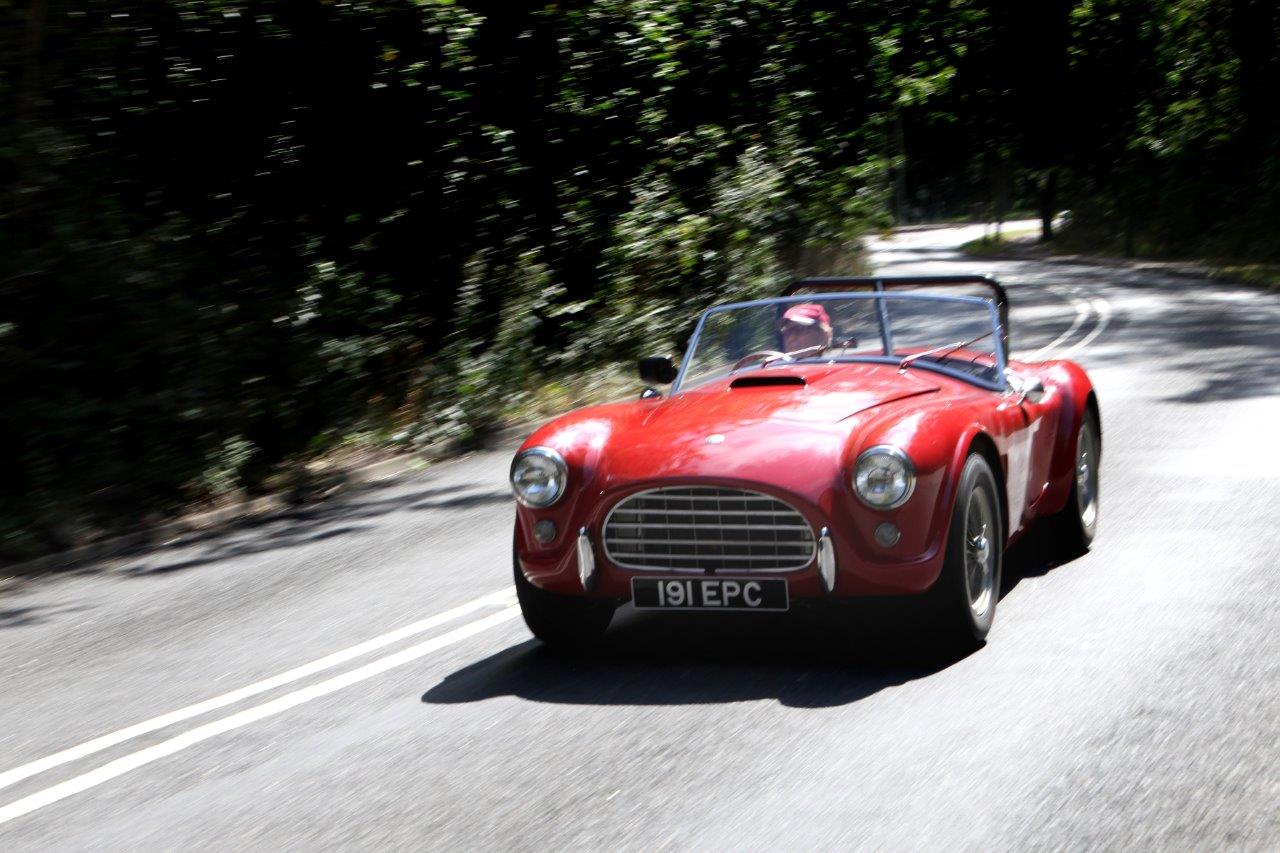
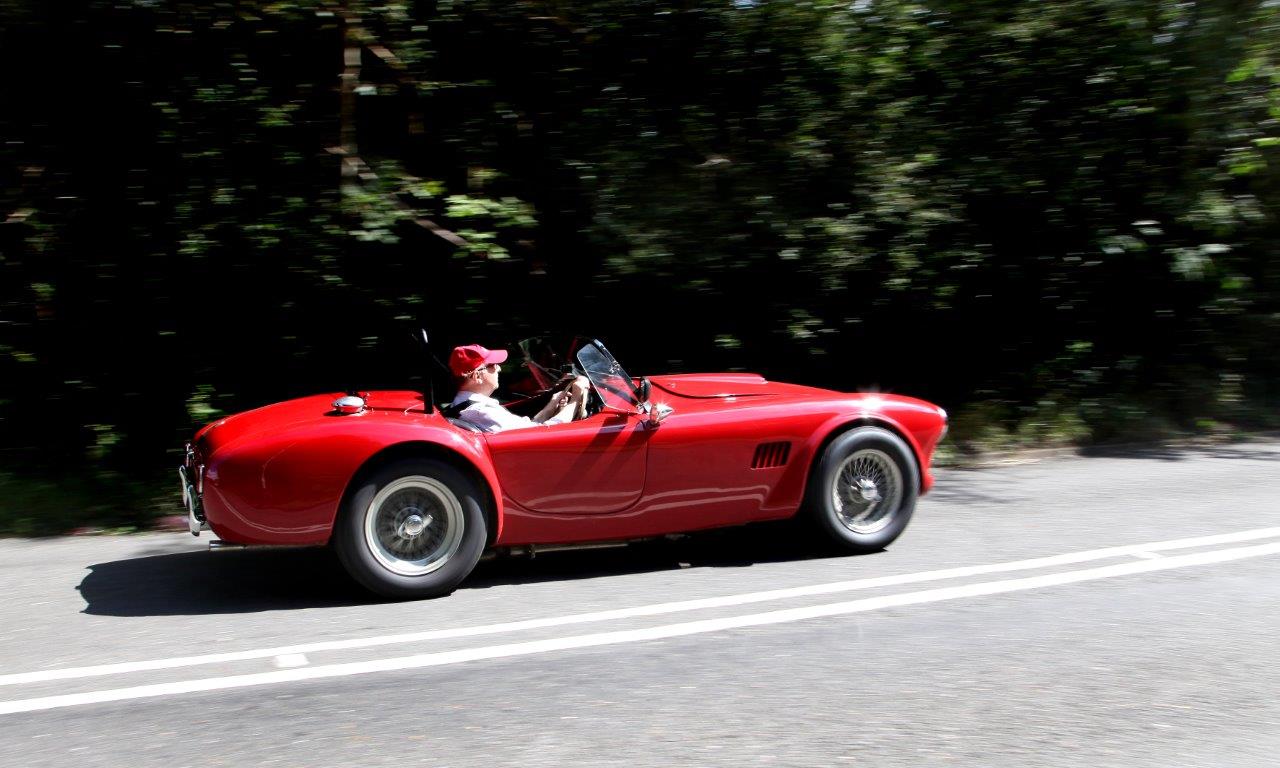
BEX327 was one of three factory-supplied AC Ace rolling chassis to receive V8 transplants but several others had their original engines replaced although many of the conversions were carried out with varying degrees of skill. Even the coupe version of the Ace, the Aceca, underwent such surgery as a pre-1962 road test report in Road & Track magazine demonstrated. Whether any of these cars played any part in Carroll Shelby’s future ambition will never be known, although he must have been aware of them. Records show that Roger Wing entered his ‘Corvace’ in a race in 1957 and taking part in the same event was none other than Carroll Shelby who was driving a Maserati so it can be safely assumed he had seen the V8-powered Ace. No doubt he was confident, when he flew to the UK in 1962, that Ford’s new range of compact small-block V8’s would fit in the AC Ace engine bay. The rest, as they say, is history.