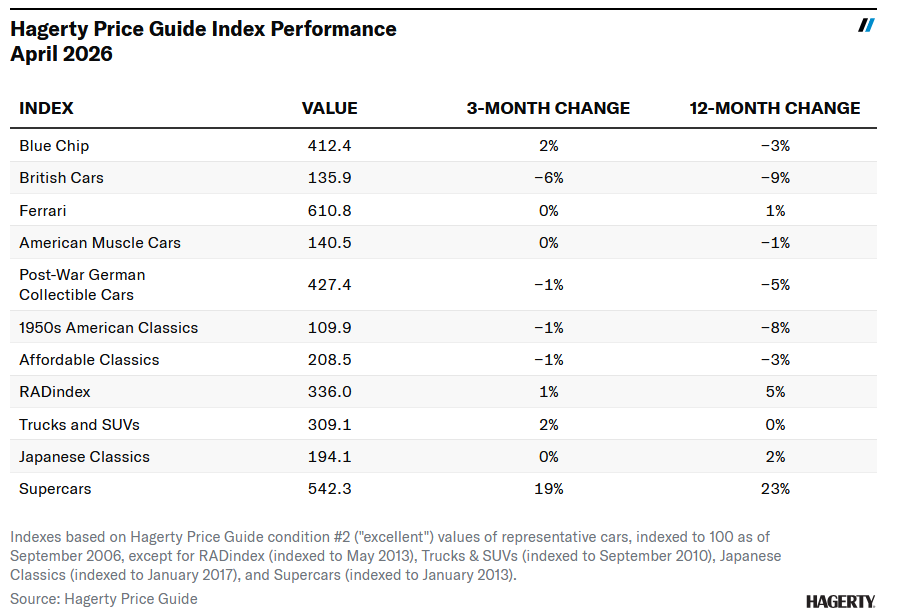
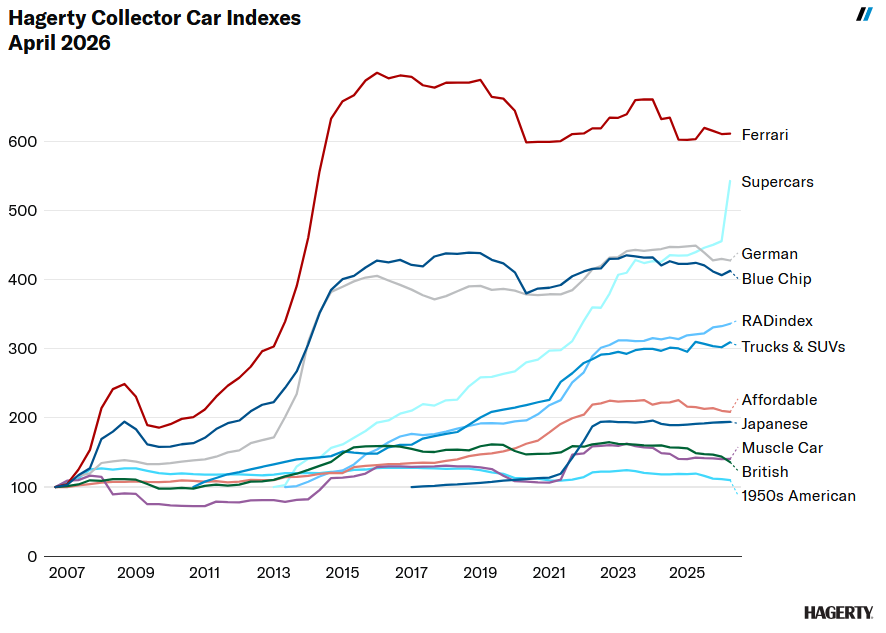
For much of the collector car market, after a slow end to 2025, 2026 started out with a bang. Huge market activity in January at the Scottsdale and Kissimmee auctions, and later in March at Miami and Amelia Island, jolted parts of the market out of its slumber, but also continued slides for others. Of our 11 indexes, four moved up (Blue Chip, Radindex, Trucks, Supercars) and four moved down (British, German, 1950s American, Affordable), while the rest remained unchanged. This nuanced market is also reflected in our Hagerty Market Rating, which experienced a small nudge upward this month, but remains solidly in “flat market” territory.
The biggest headline for the past quarter goes to our Supercar Index, which surged by 19% since January and demonstrates the seismic shift in the modern supercar market. On the other end of the spectrum, British cars continued their slump with a 6% loss as that market continues to gradually soften. The remaining indexes moved by only a percent or two, which exemplifies how the established markets remain lukewarm.
Blue Chip Index
The Hagerty “Blue Chip” Index of the automotive A-List is a stock market-style index that averages the values of 25 of the most sought-after collectible automobiles of the post-war era.
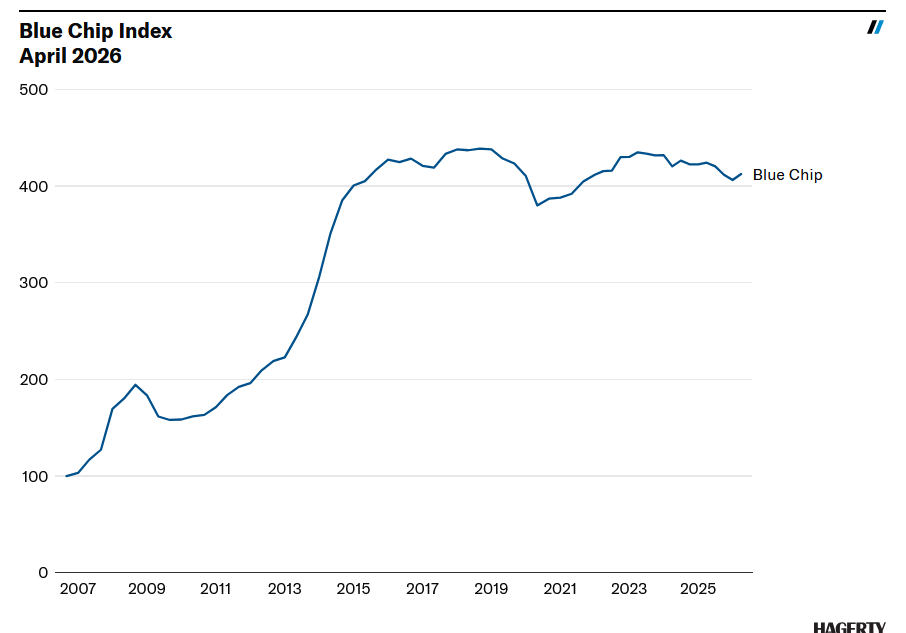
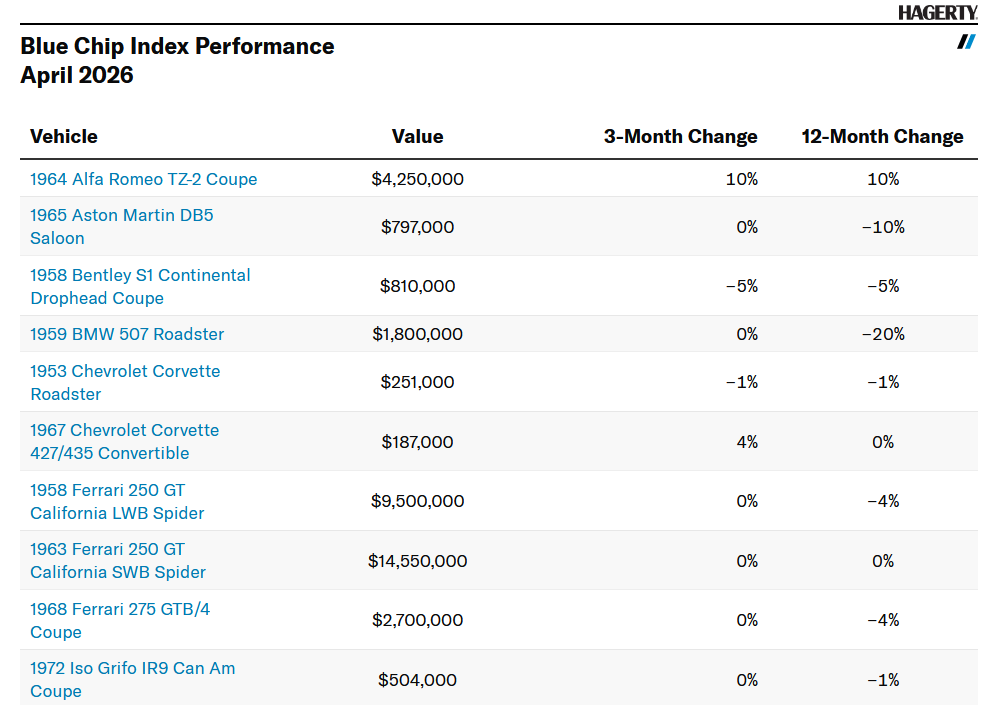
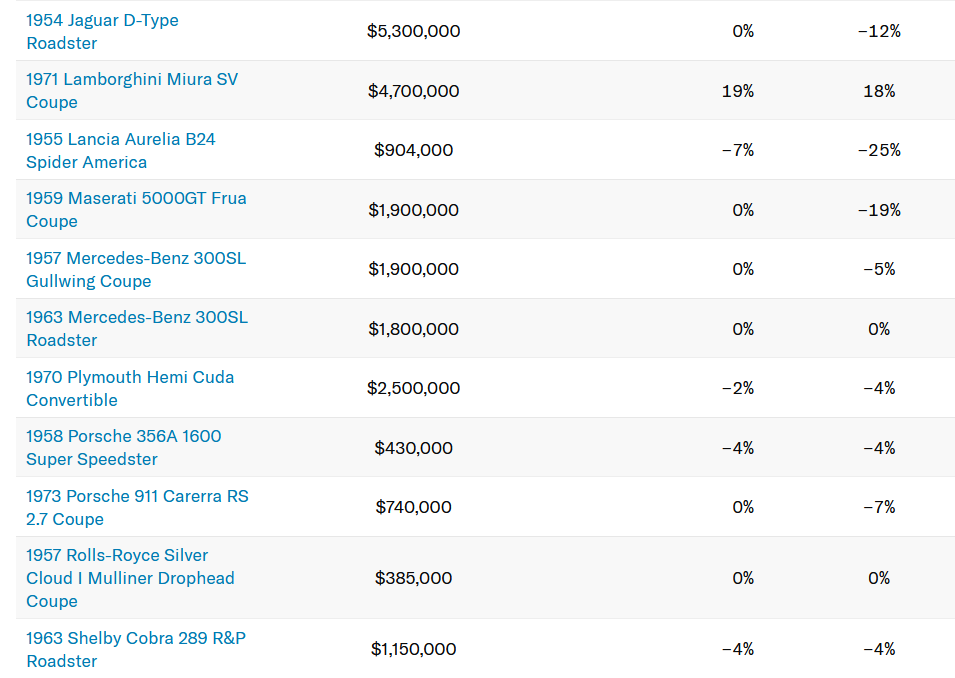
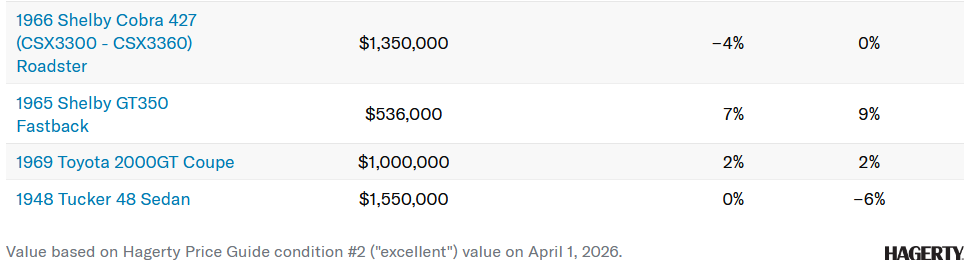
Hagerty’s Blue Chip Index saw a 2% increase following the start of the year, coming on the heels of a slow end to 2025. Of the 25 component cars in the index, nearly half of them experienced movement with a near-even split between ups and downs.
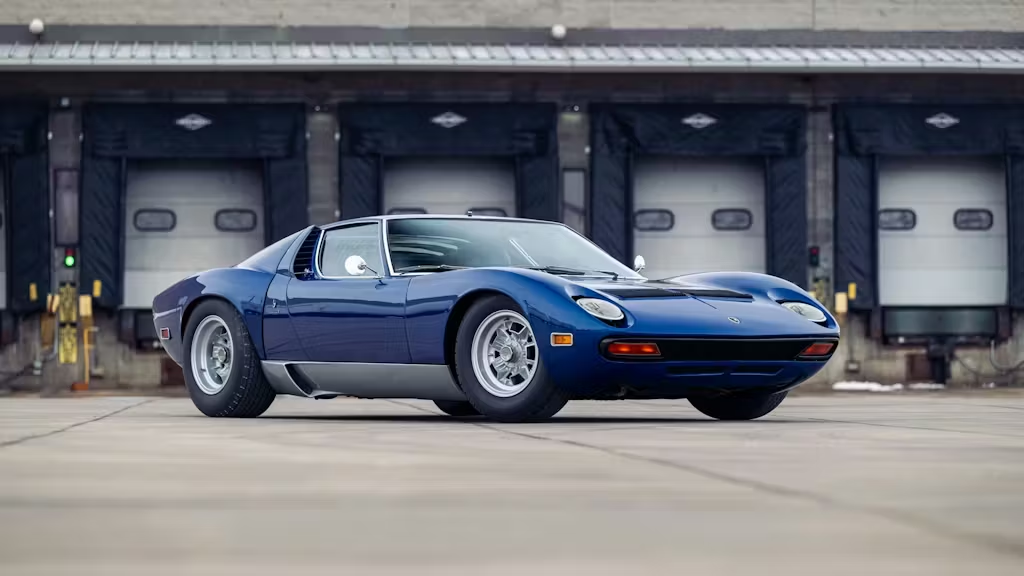
In the past quarter, the upward movement prevailed, with the Lamborghini Miura P400 SV moving the needle the most, up 18%. Other gains included the Alfa Romeo TZ-2 with a 10% gain and the 1965 Shelby GT350 with a 7% bump. Notable cars in the red were Lancia Aurelia Spider America, which slid by 7%, and Bentley S1 Continental Drophead Coupe, which softened by 5%.
British Car Index
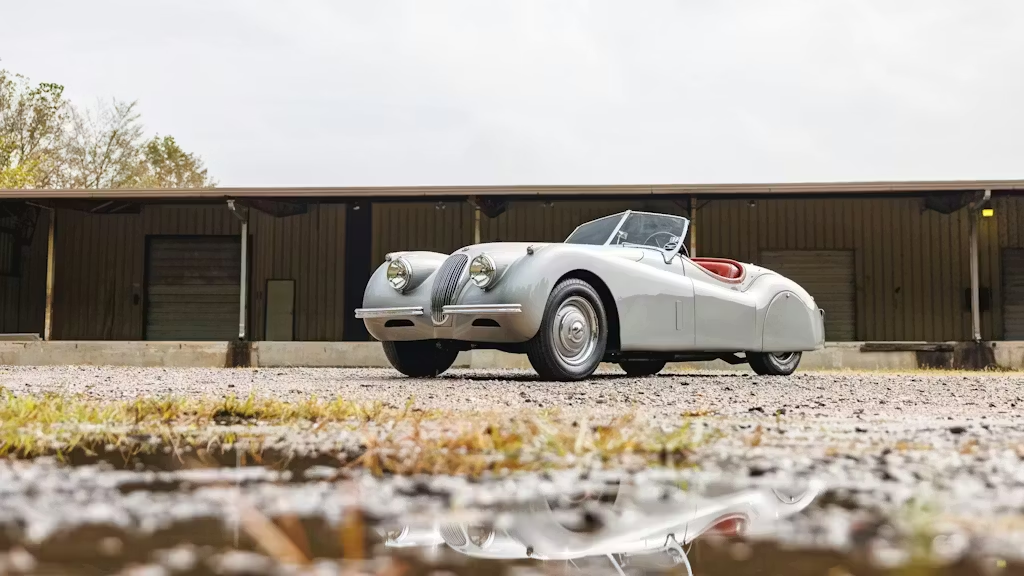
The Hagerty Index of British Cars is a stock market-style index that averages the values of 10 of the most iconic British sports cars from the 1950s-70s.
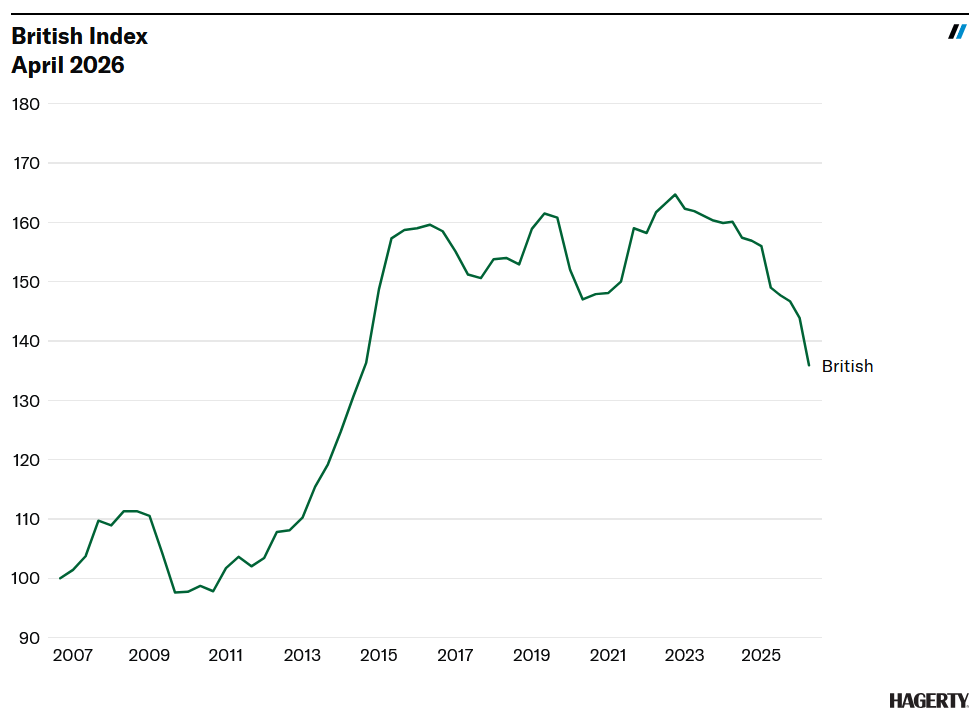
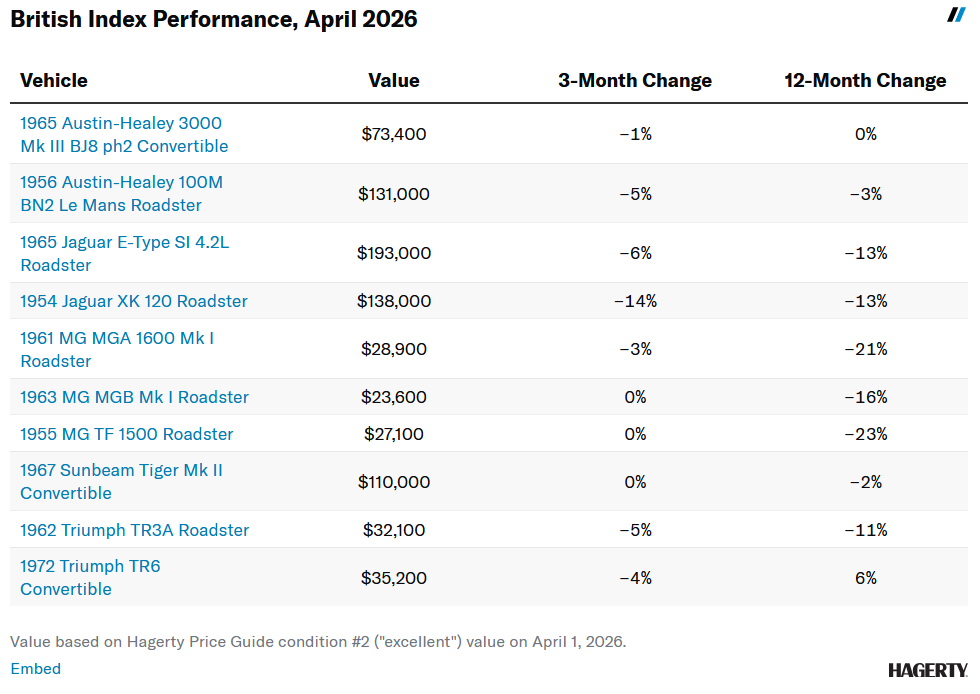
Hagerty’s British Car Index dropped by an astounding 6% since the beginning of the year to a five-year low, and 9% lower than a year ago. Only three of the 10 component cars remained unmoved, with the remaining seven tracking decreases. While most decreases were modest, the magnitude of the drop in the index is largely thanks to the Jaguar XK120, which softened by 12%.
The classic British car segment is one that is no stranger to erosion over the years. These cars provide an excellent driving experience, with many landing in the range of being somewhat affordable. Unfortunately, with the rise of more modern and highly usable enthusiast cars, these older ones have struggled to compete for attention.
Ferrari Index
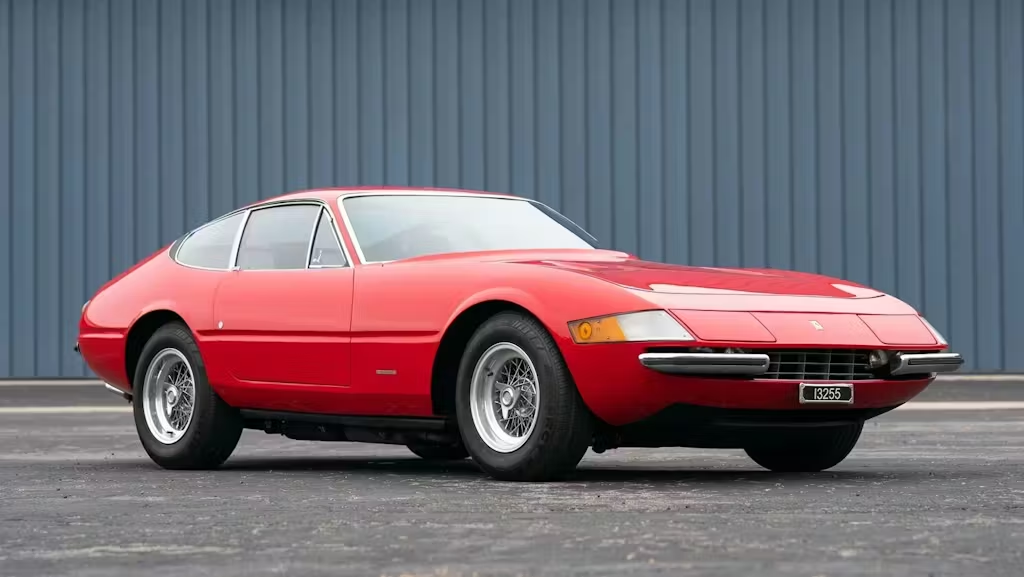
The Hagerty Ferrari Index is a stock market-style index that averages the values of 13 of the most sought-after street Ferraris of the 1950s-70s.
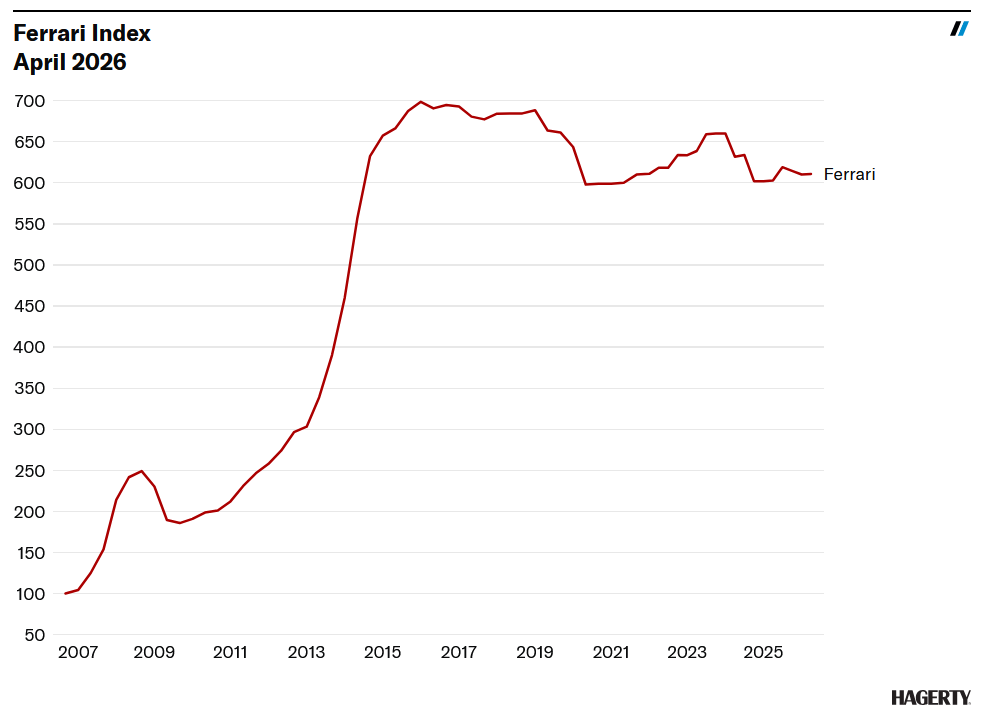
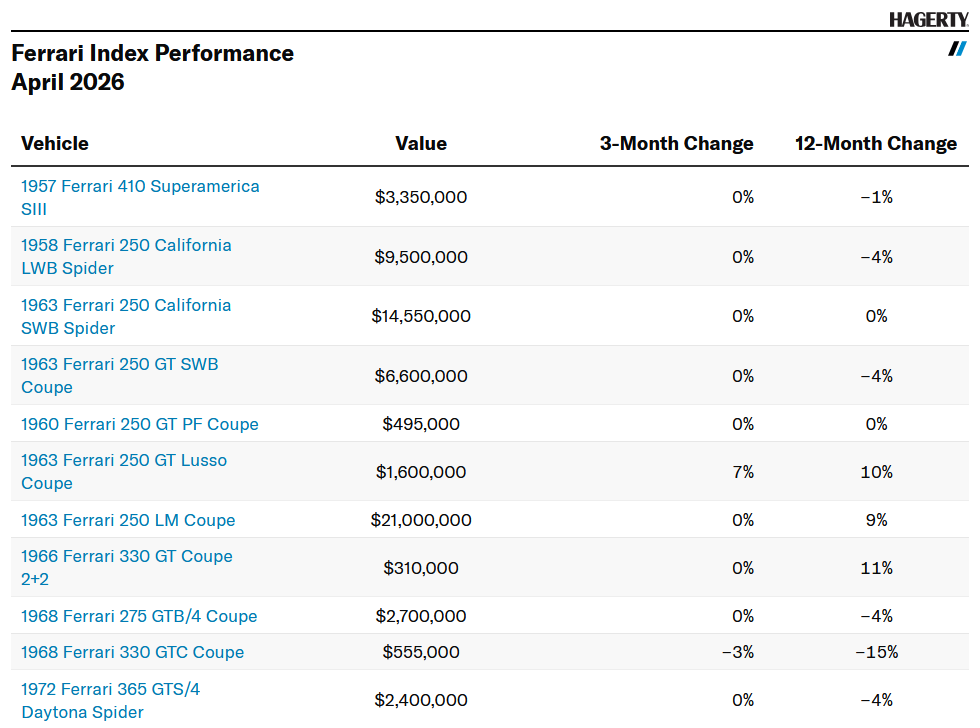

Hagerty’s Ferrari Index experienced yet another quarter without significant movement. Older, Enzo-era Ferraris have remained rock-solid for half a year following drops at the end of the summer. Of the 13 component cars, only three saw movement; after a 7% gain, the 250 GT Lusso was the only component car to rise in value.
However, 3% losses for the 330 GTC and Daytona Coupe canceled this out. Picky buyers and shifting demographics continue to play a factor across the entire market, and with that in mind, the stability of this index is a testament to the staying power of classic Ferraris.
American Muscle Car Index
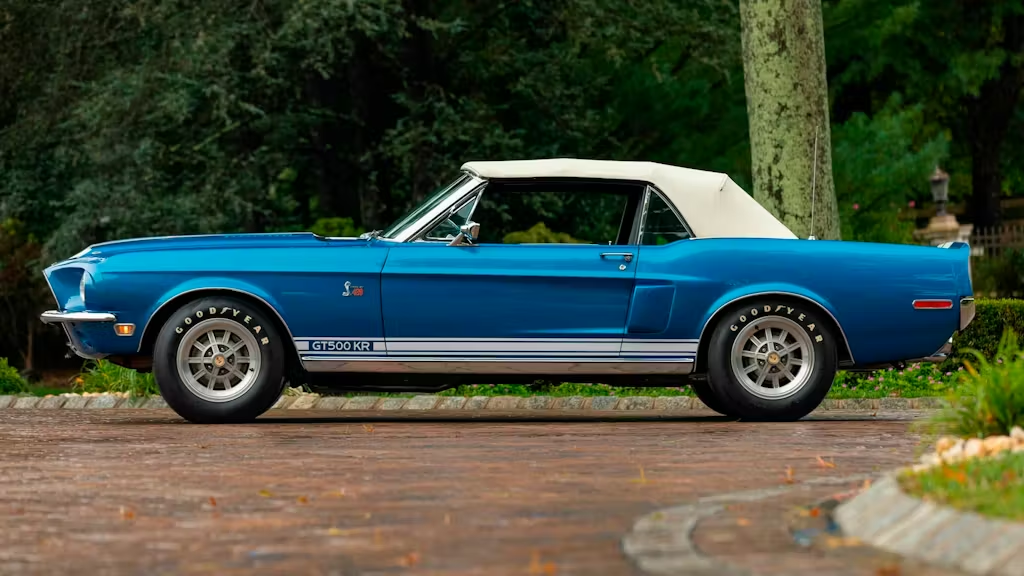
The Hagerty Index of American Muscle Cars is a stock market-style index that averages the values of the rarest and most sought-after muscle cars.
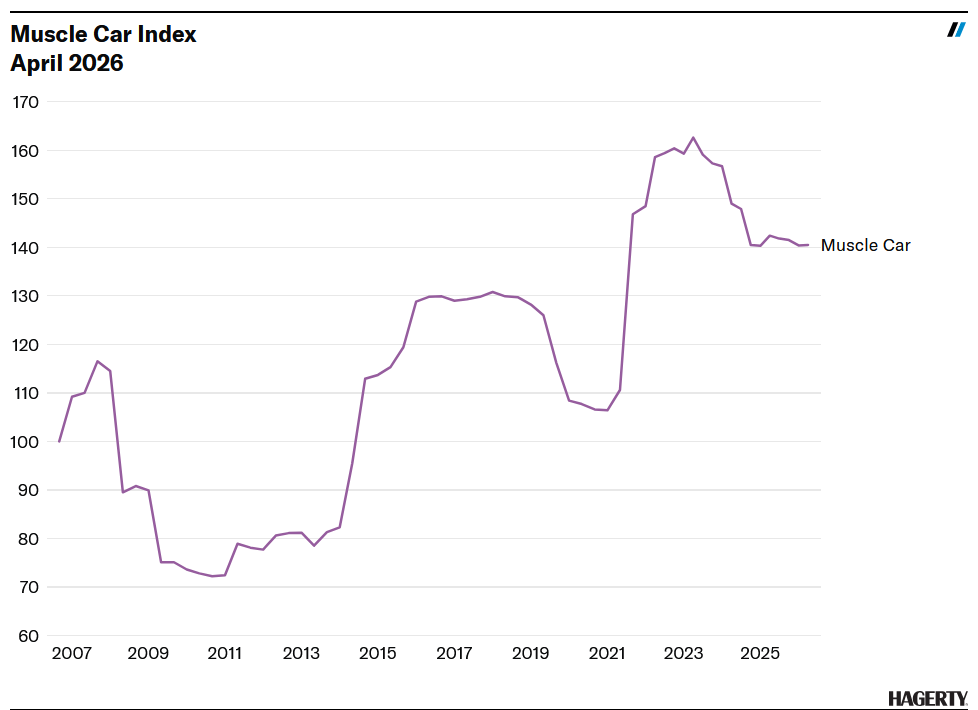
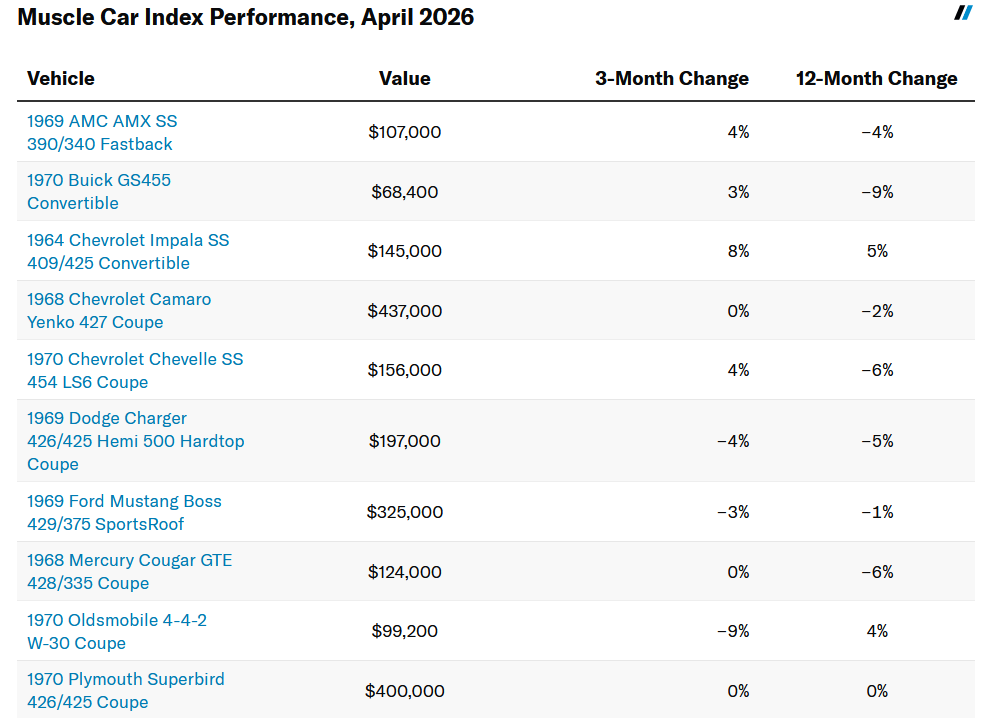
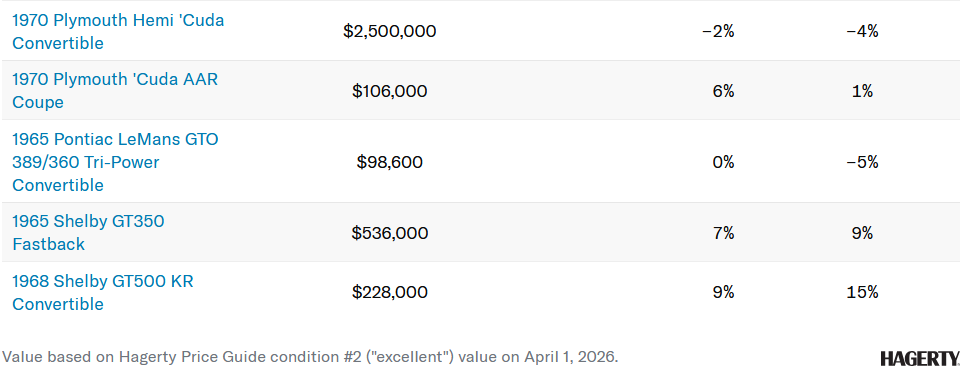
Hagerty’s American Muscle Car Index started the year unmoved from the previous quarter and only 1% down over the past 12 months. A flurry of buying and selling at the start of the year did lead to plenty of activity with the index’s component cars, as 11 of the 15 cars saw movement.
Of the vehicles gaining value, Shelby Mustangs were clear winners, with the 1965 GT350 and 1968 GT500 KR gaining 7% and 9%, respectively. On the downswing were the 1970 Oldsmobile 4-4-2 W30 Convertible at -9%, the 1969 Dodge Hemi Charger 500 at -4%, and, most notably, the 1970 Plymouth Hemi Cuda Convertible at -2%. Overall, the number of gainers exceeded the losers six to four, but the dollar value of movement came out even in the wash.
Despite a changing market, muscle cars remain as relevant as ever. Broad interest across all generations of buyers has secured this segment’s importance for the foreseeable future, despite a market-wide lean toward more modern collector cars.
German Car Index
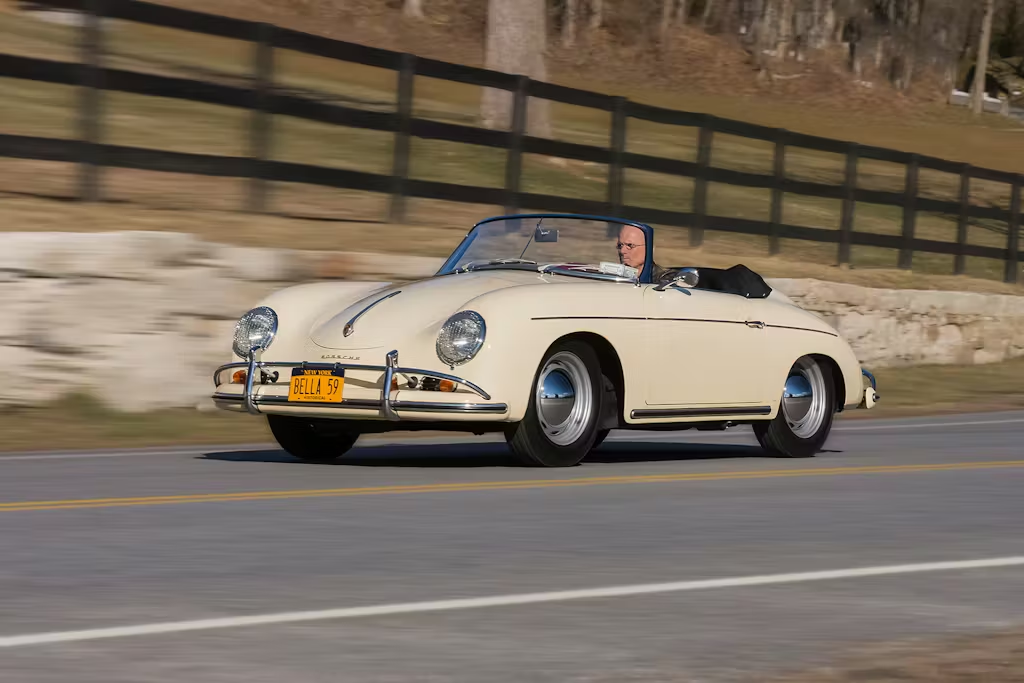
The Hagerty Index of German Cars is a stock market-style index that averages the values of 21 of the most sought-after cars from BMW, Mercedes-Benz, and Porsche from the 1950s-70s.
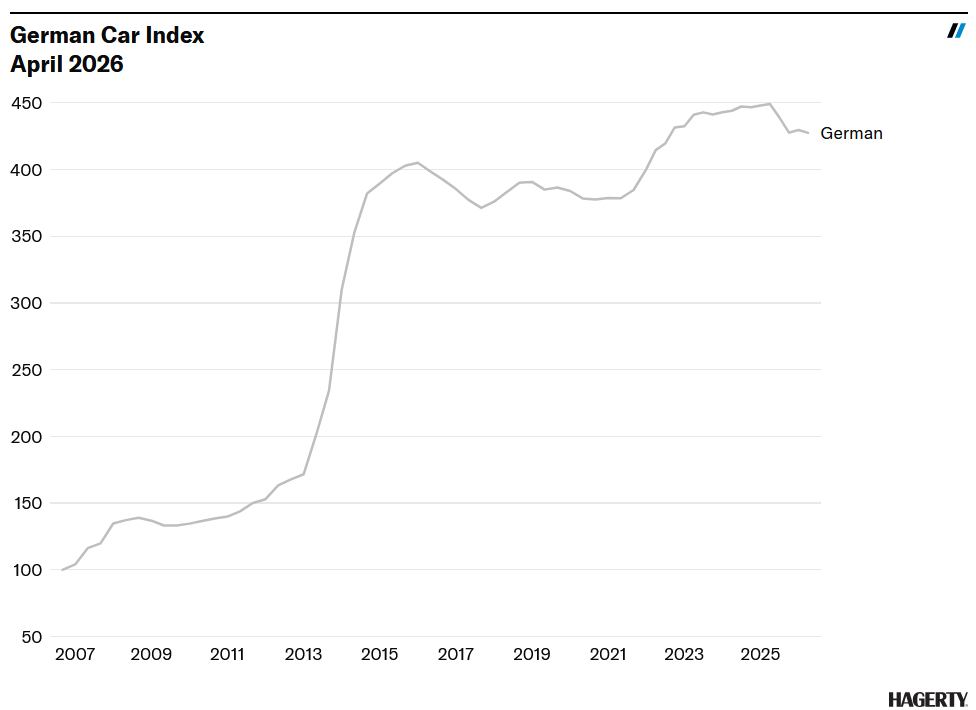
Hagerty’s German Car Index started the year with a modest 1% change downward. This continues the sporadic softening we observed through 2025, and the index is now 5% down over the past year.
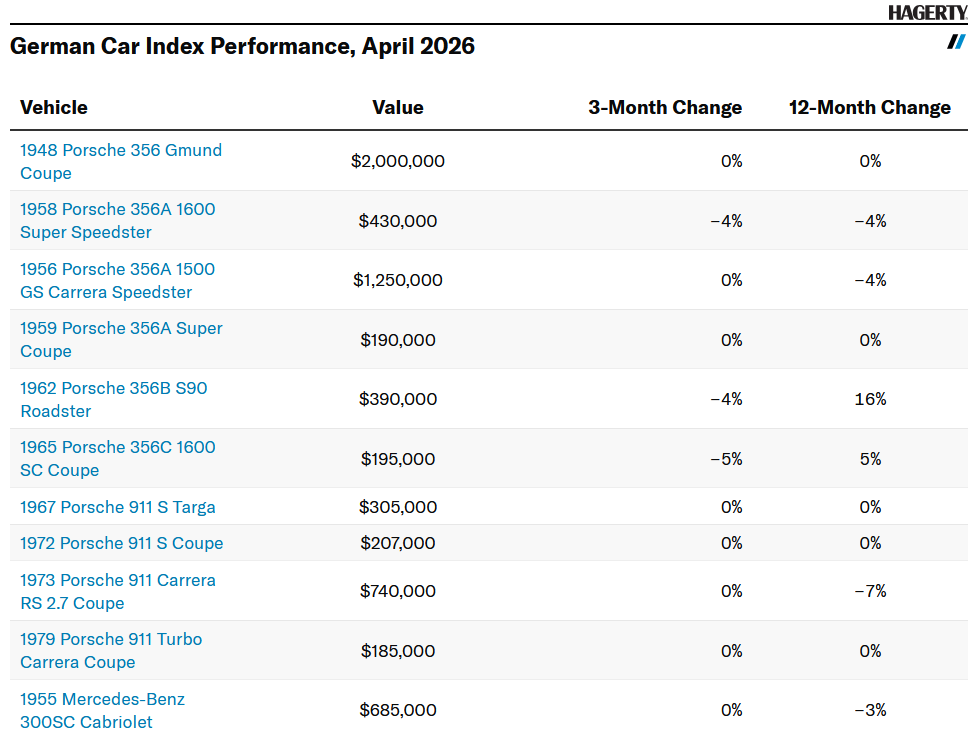
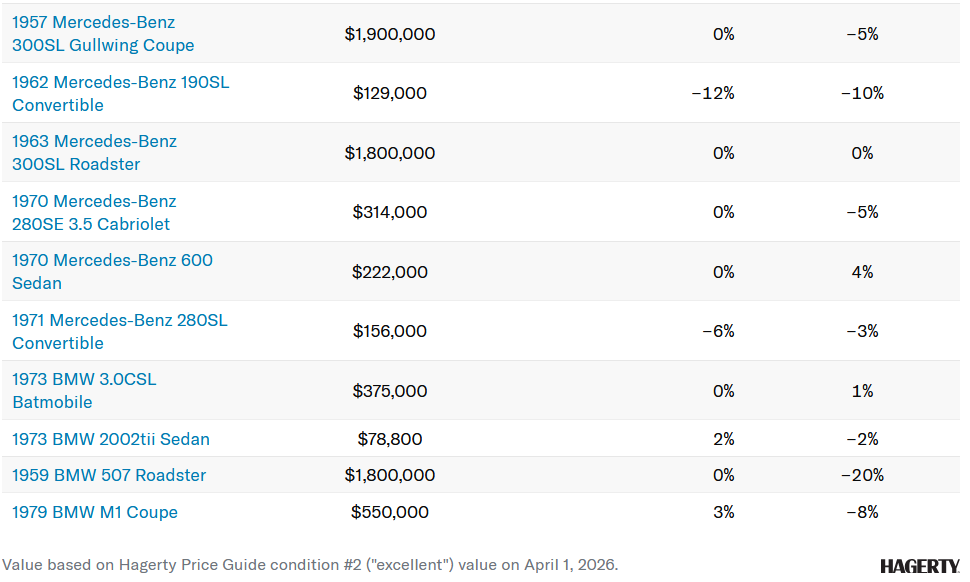
While only seven of the 21 component vehicles saw movement, five were decreases, with the Mercedes-Benz 190SL leading the pack with a 12% drop. There were more modest losses in the Porsche 356 world, with the 356A 1600 Super Speedster and 356B S90 Roadster both dropping by 4%, and the 356C 1600 SC Coupe dropping by 5%. The drops were slightly tempered by a 2% gain from the BMW 2002tii.
German collector cars are still highly sought after by enthusiasts, but more than ever, the focus has shifted to the 1990s and newer models. As collecting habits evolve, it remains to be seen if newcomers to the hobby will take to these older models as their collections and/or tastes expand.
1950s American Car Index
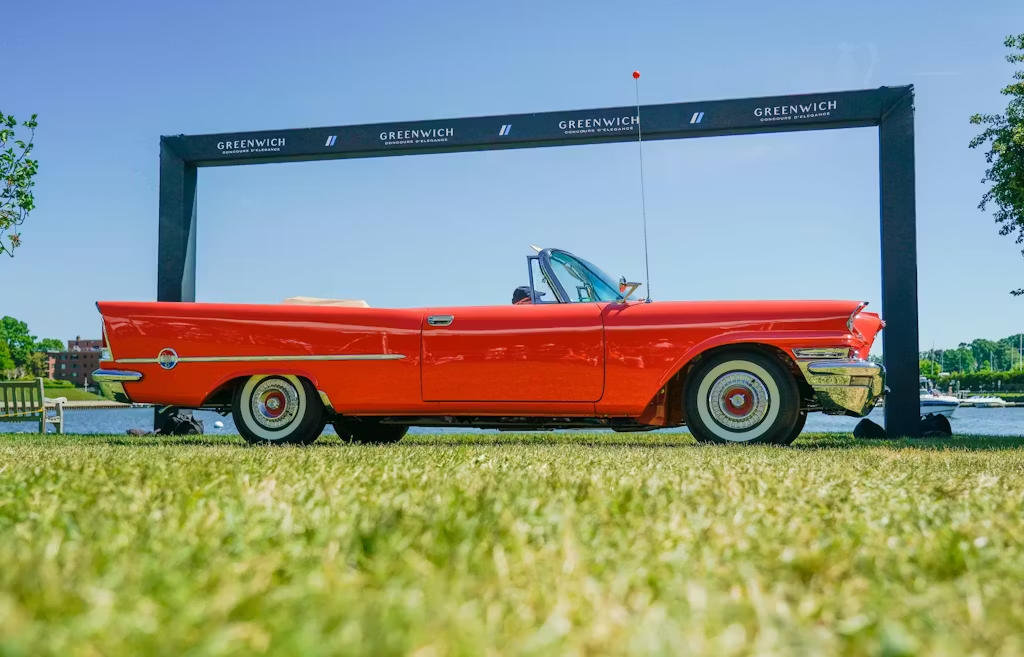
The Hagerty Index of 1950s American Classics is a stock market-style index that averages the values of 19 of the most sought-after collectible American automobiles of the 1950s.
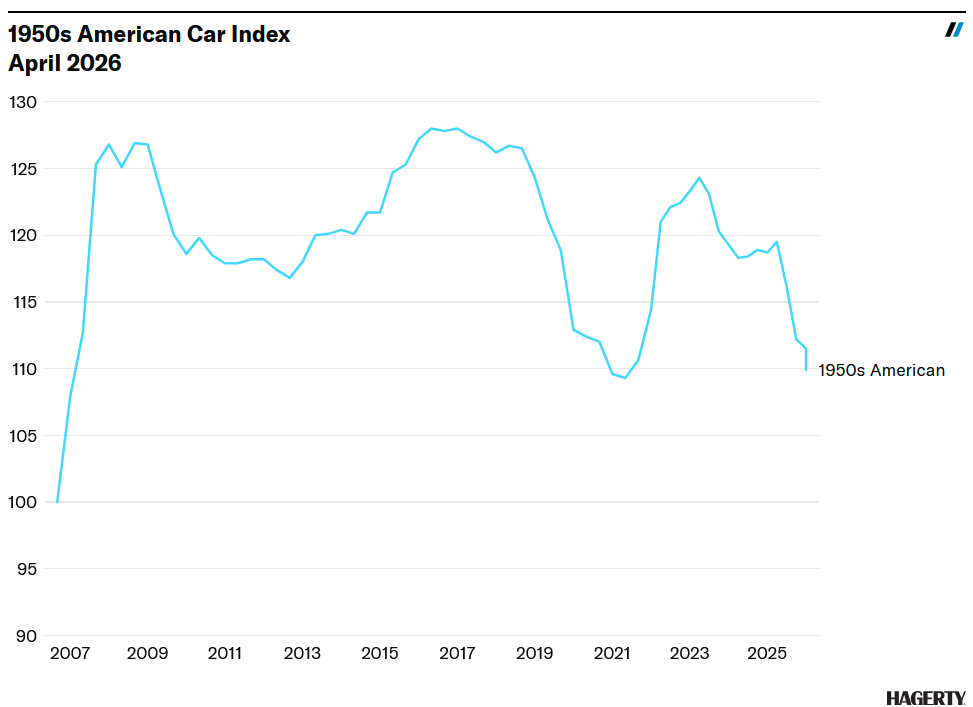
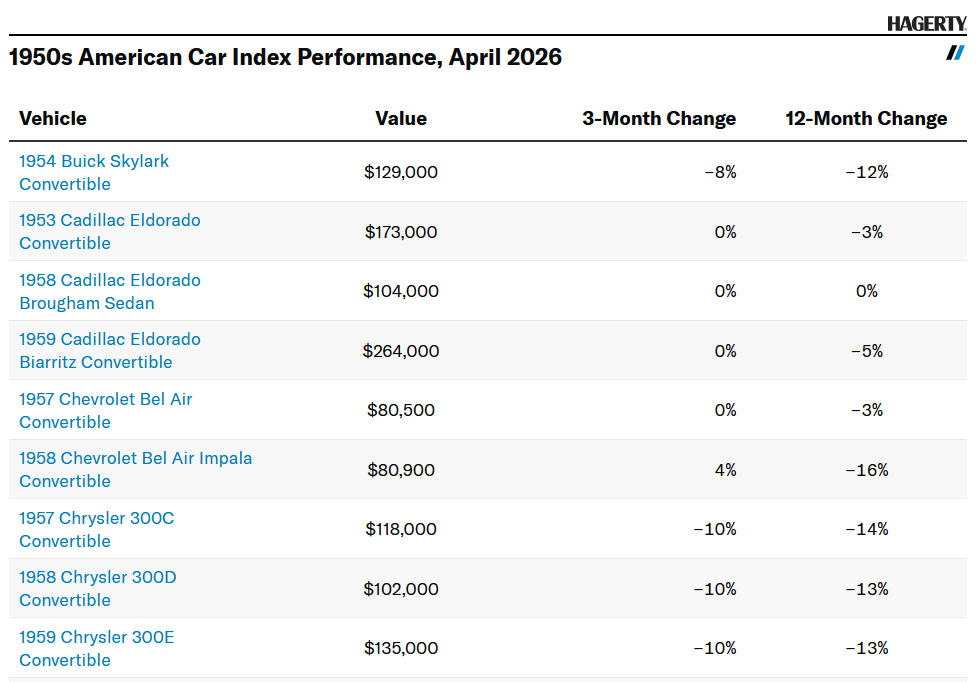
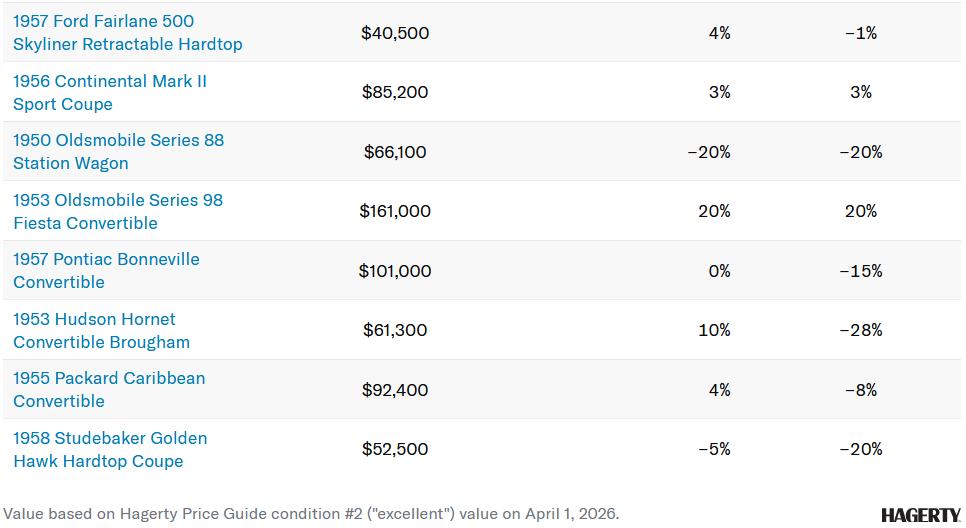
Hagerty’s ’50s American Car Index continued its gradual downward trend, reaching a five-year low after losing another percentage point. In the past 12 months, the ’50s American Index has dropped a total of 8%.
Over half of the component vehicles saw movement over the past three months, with a nearly even spread of cars increasing and decreasing. The most notable gainers were the 1953 Oldsmobile 98 Fiesta with a 20% gain, and the 1953 Hudson Hornet Convertible with a 10% gain. Downward movements by cars like the Chrysler letter cars, which all slid by 10%, and the Oldsmobile Series 88 Wagon, which softened by 20%, offset any gains.
While the decreases are notable, 1950s American automobiles still have plenty of willing buyers, which continues to temper the decreases.
Affordable Classics Index
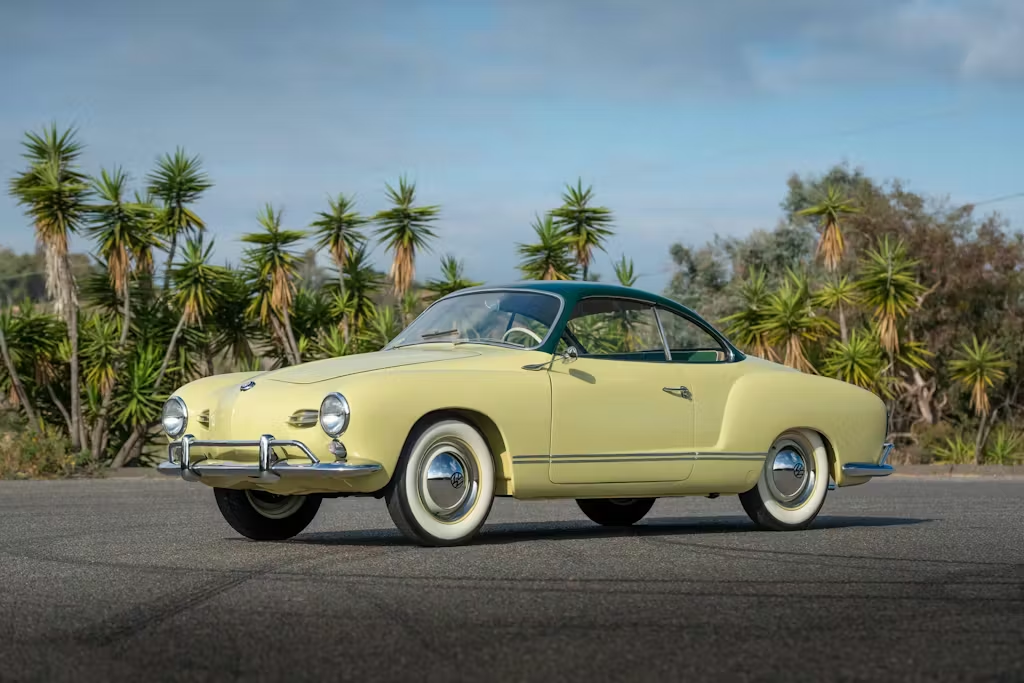
The Hagerty Index of Affordable Classics is a stock market-style index that averages the values of 13 undervalued cars, priced around $40,000, from the 1950s-70s.
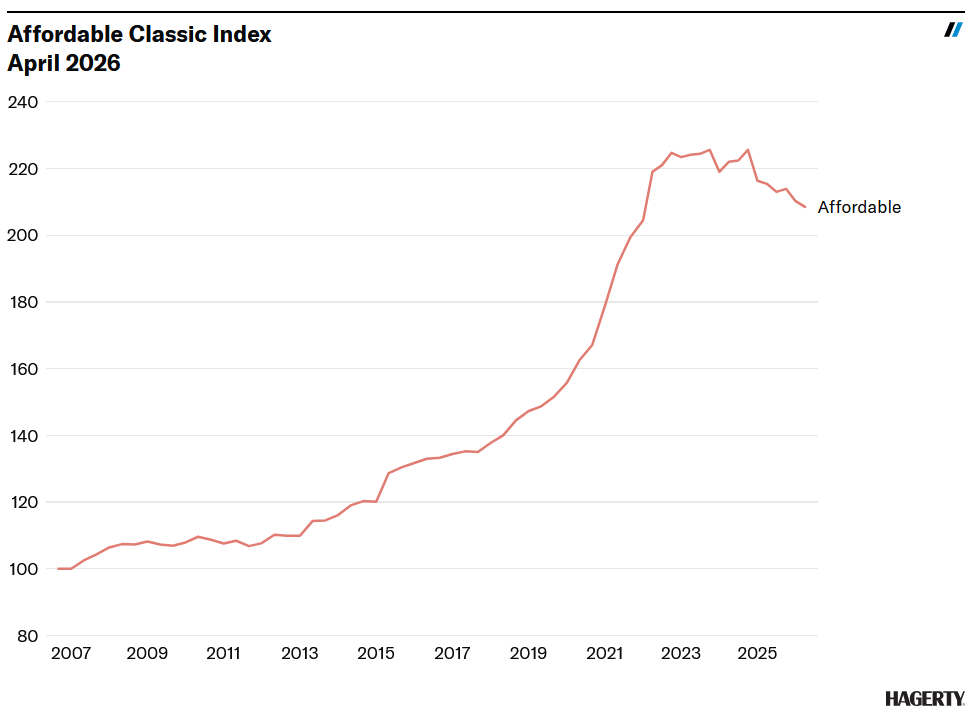
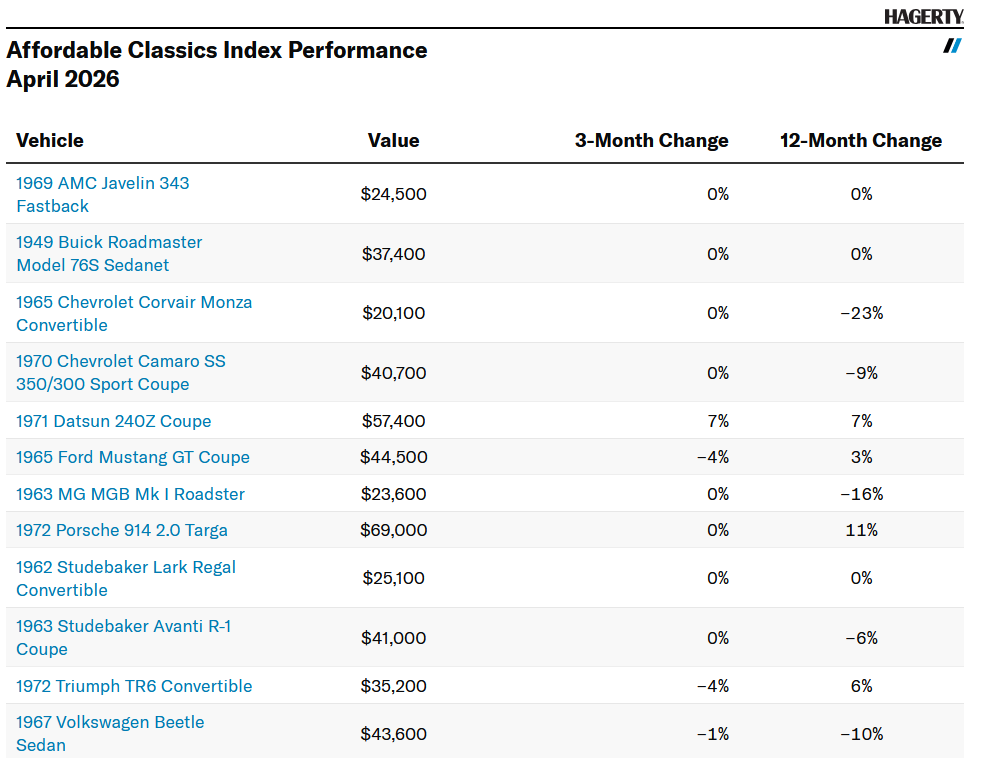
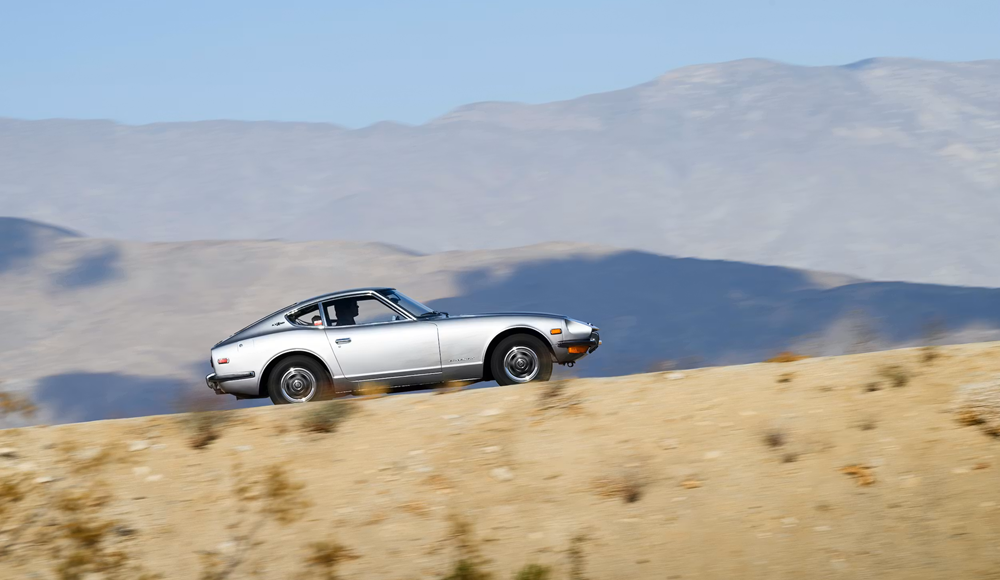
Hagerty’s Affordable Classics Index charted another 1% decrease from the end of last year, continuing a gradual softening from an all-time high in 2024. Some of these classics have gradually crept out of the realm of being very affordable over the years, but they appear to be on a slow track to a new equilibrium. Of the five component cars that saw changes, four decreased, led by the Volkswagen Karmann Ghia with a 12% slide. The one upside was the Datsun 240Z, which enjoyed a 7% boost.
This segment is composed of vehicles whose owners typically prioritize enjoyment over appreciation, so the drops will hardly wipe out investment prospects. This also signals a gradual return to normal, where traditionally attainable classics are trending back to within reach again.
RADindex
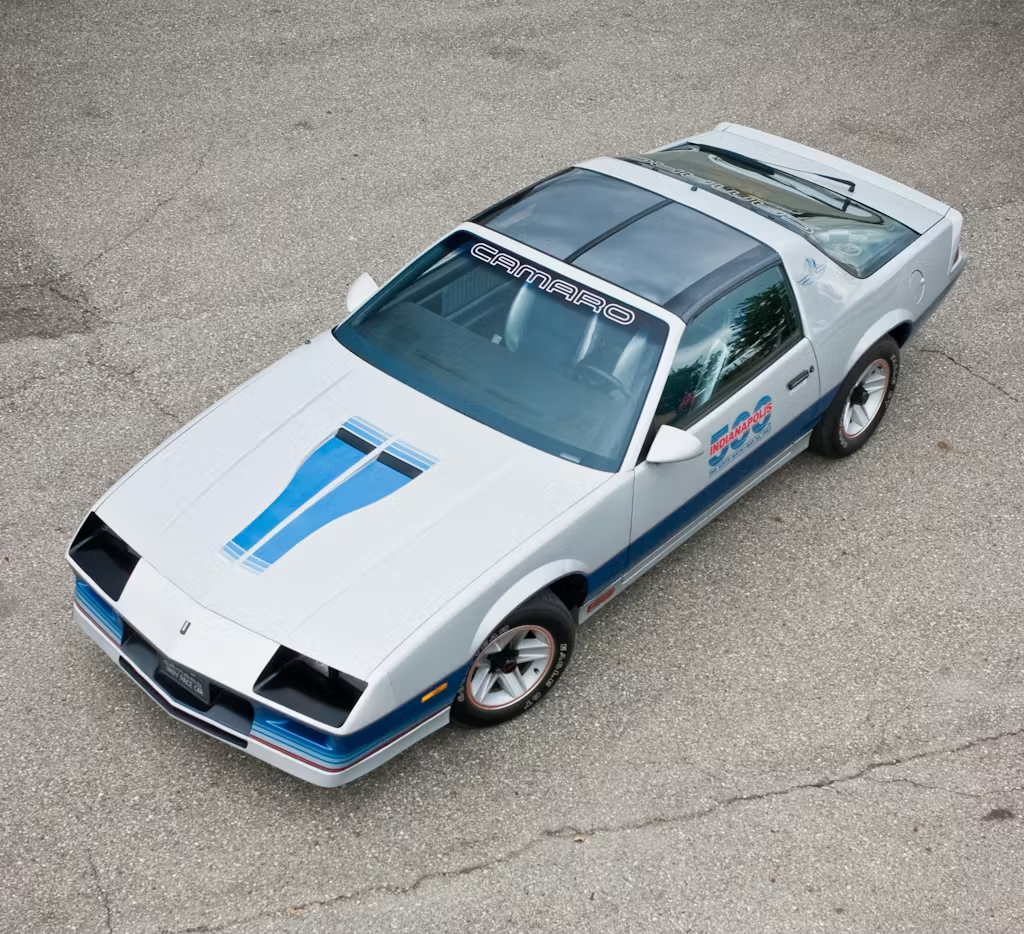
The Hagerty RADindex is a stock market-style index that averages the values of 21 collectible vehicles from the 1980s and 1990s.
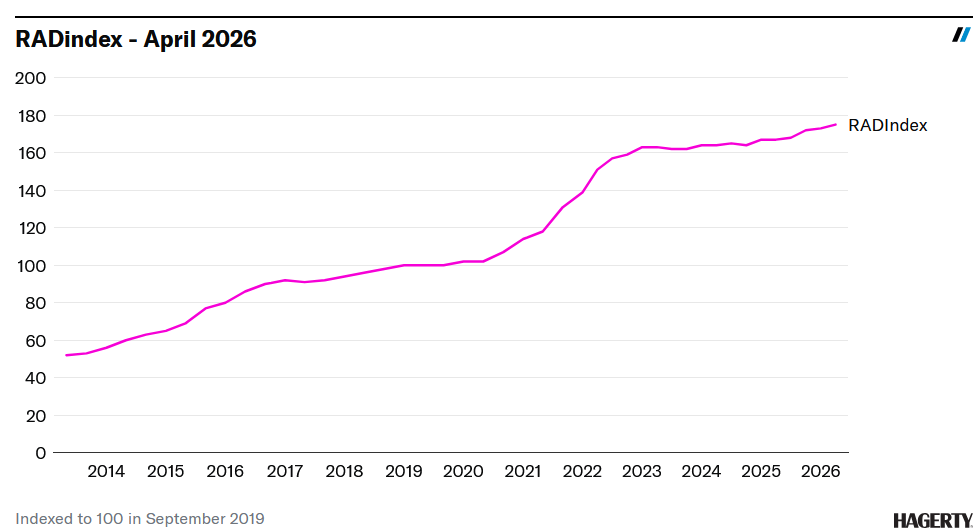
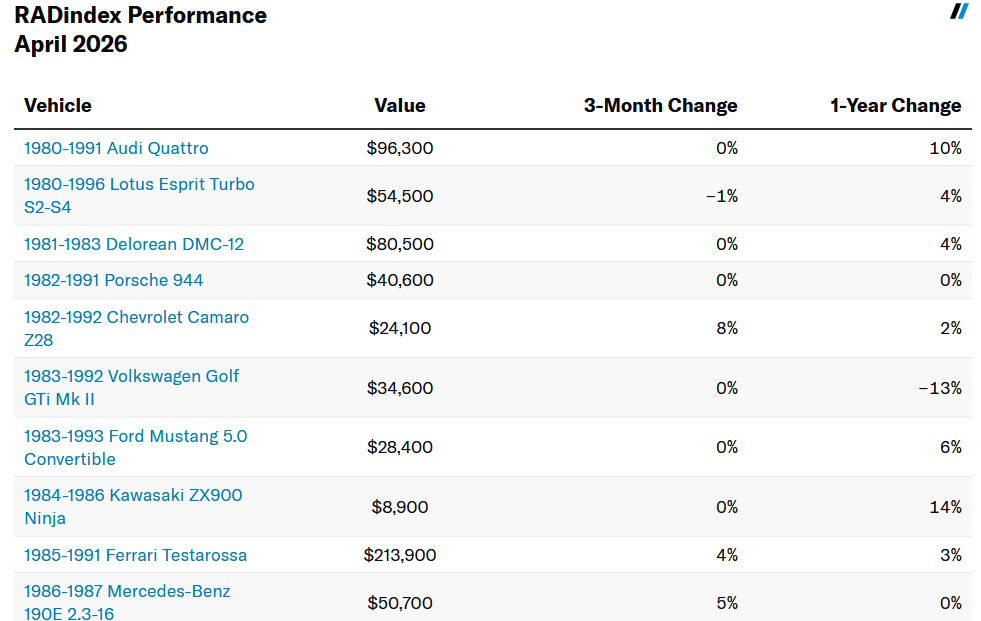
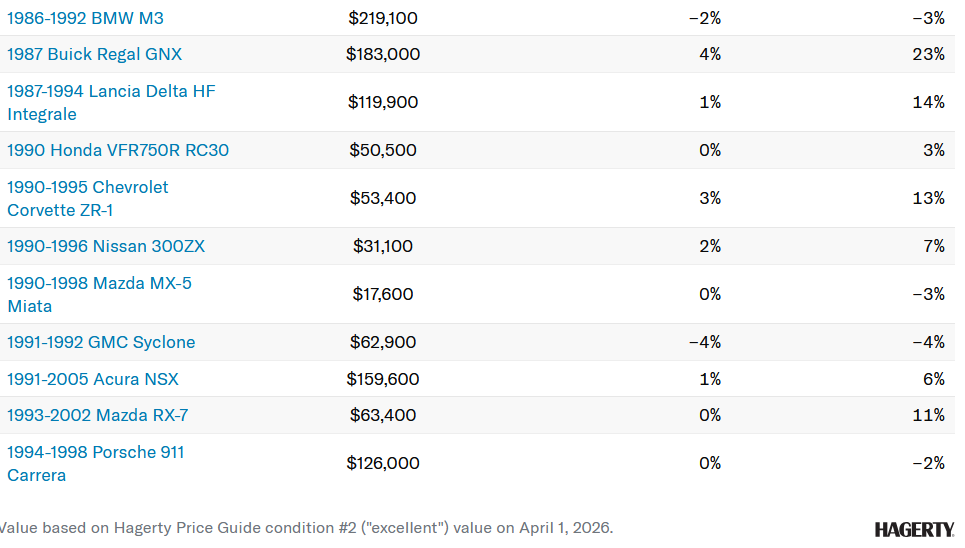
Hagerty’s RADindex claimed a modest 1% increase this quarter, but sits at an all-time high. Results were mixed, with half of the component vehicles seeing modest changes in value. The third-generation Camaro Z28 was the big winner, tracking an 8% gain. The decreases were far more modest, with the GMC Syclone’s 4% drop being the largest decrease of the index’s component vehicles.
The RADindex is in a perfect position for long-term growth as newer, nostalgia-fueled enthusiasts flock to cars they wanted in their youth, not to mention the increased drivability compared to older, established enthusiast cars.
Truck and SUV Index
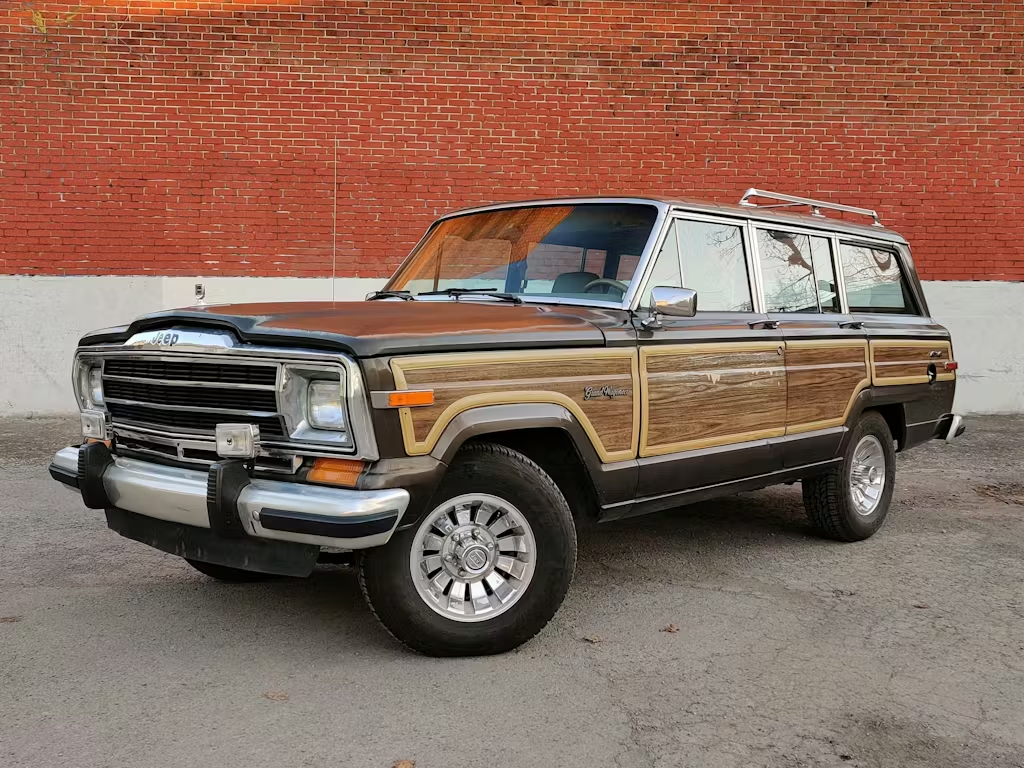
The Hagerty Truck and SUV Index is a stock market-style index that averages the values of 19 collectible trucks and SUVs from the 1940s to the 1990s.
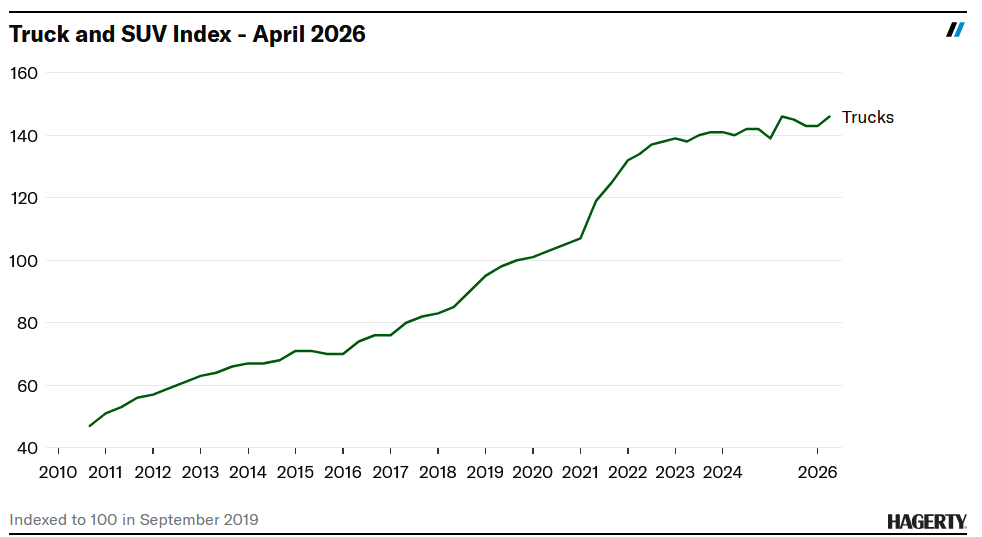
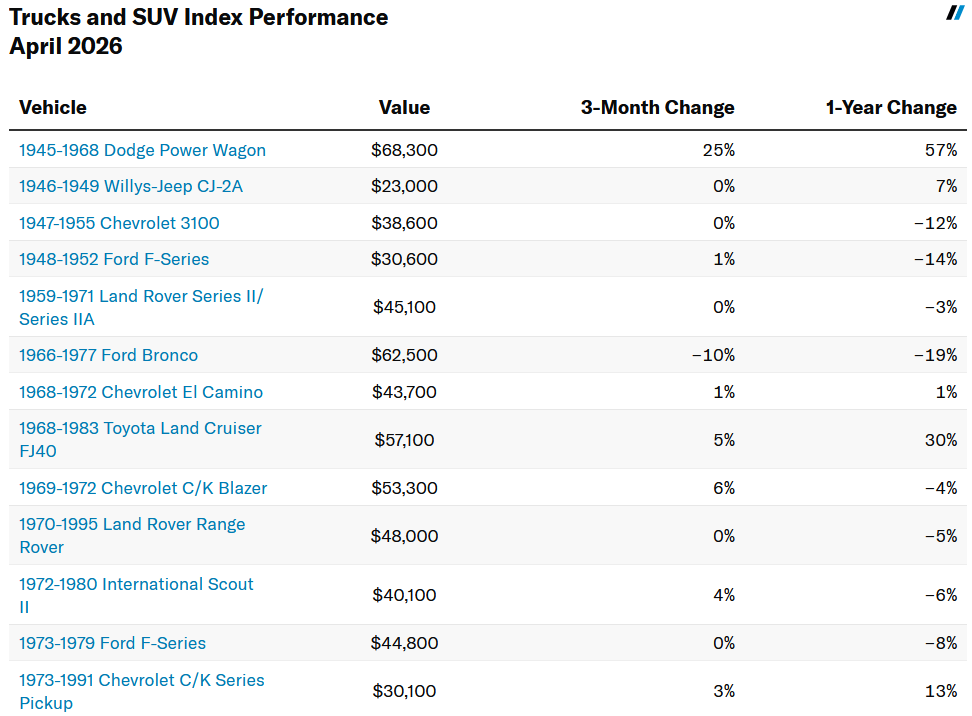
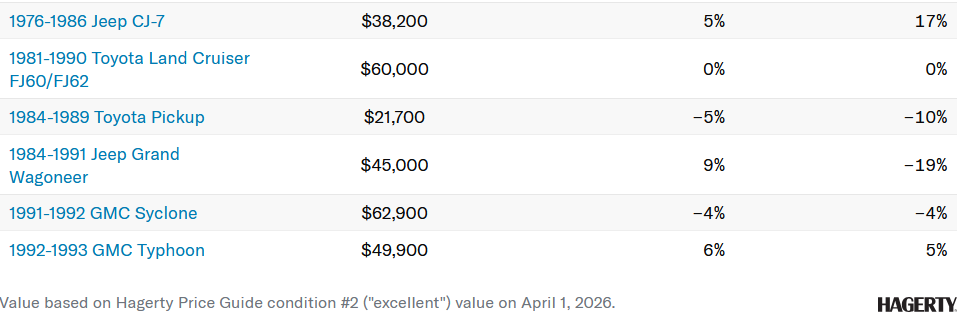
Hagerty’s Truck and SUV Index saw a stout 2% increase over the previous quarter, reversing nearly a year of drops to the index. The real nuts and bolts behind the change reveal a much more nuanced story. Of the 19 component vehicles, 13 saw movement. Ten vehicles increased, while three softened in value. The big winner of the quarter was the Dodge Power Wagon, which saw a 25% increase, followed by a 9% gain by Jeep Grand Wagoneers. The first-gen Ford Bonco, meanwhile, dropped by 10%.
Remaining changes were minor in nature, but the overall increase suggests a renewed interest in the truck market heading into the driving season.
Japanese Vehicle Index
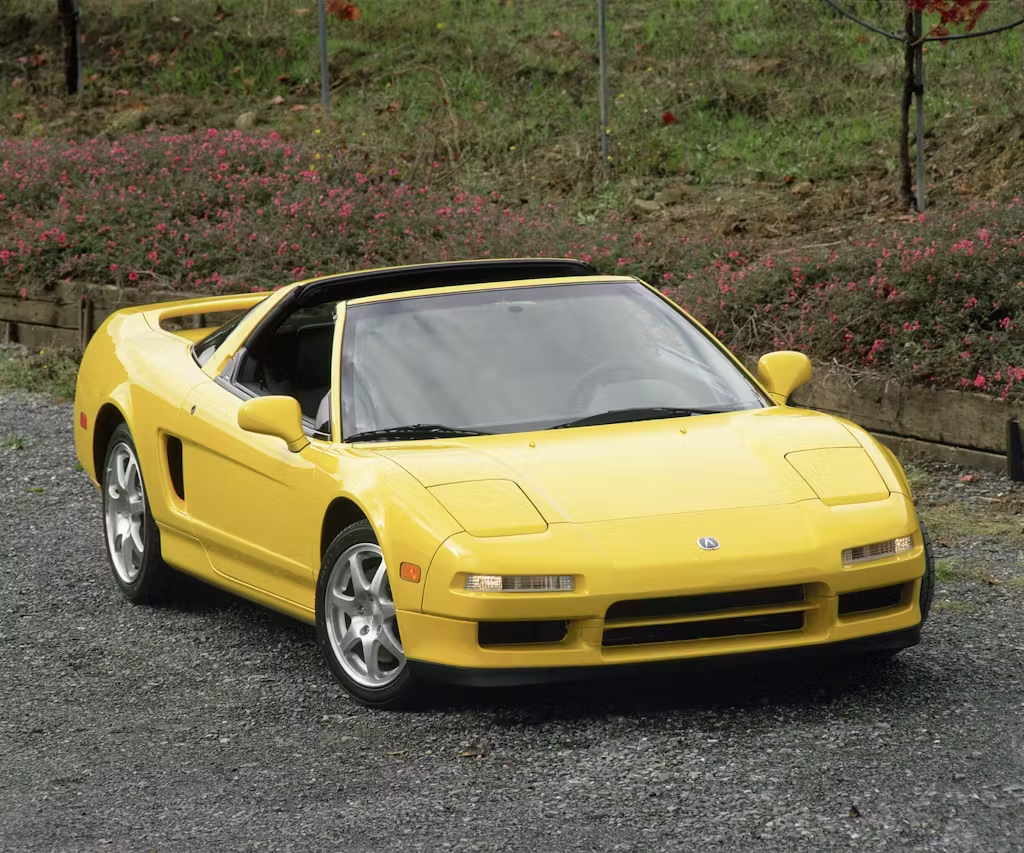
The Hagerty Japanese Vehicle Index is a stock market-style index that averages the values of 19 collectible Japanese vehicles from the 1960s to the 2010s.
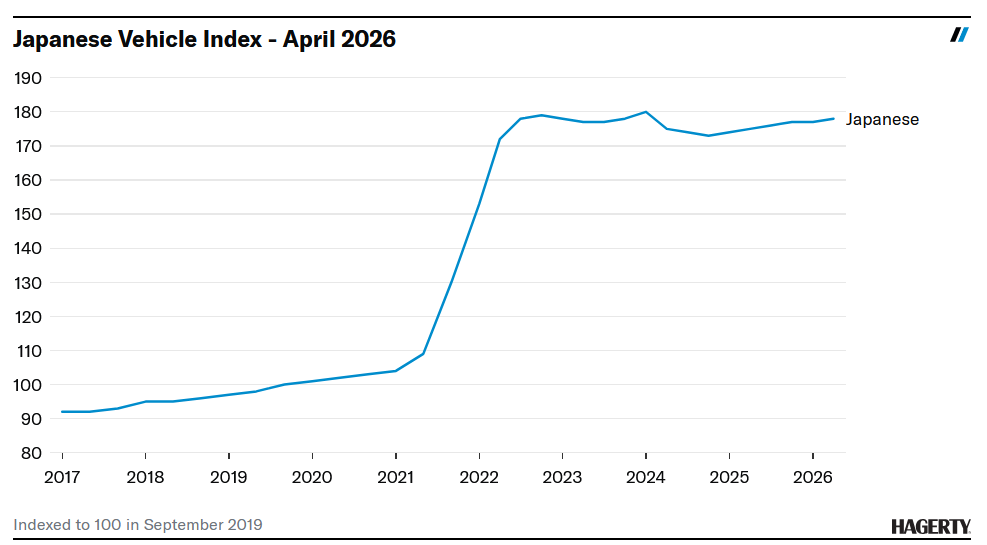
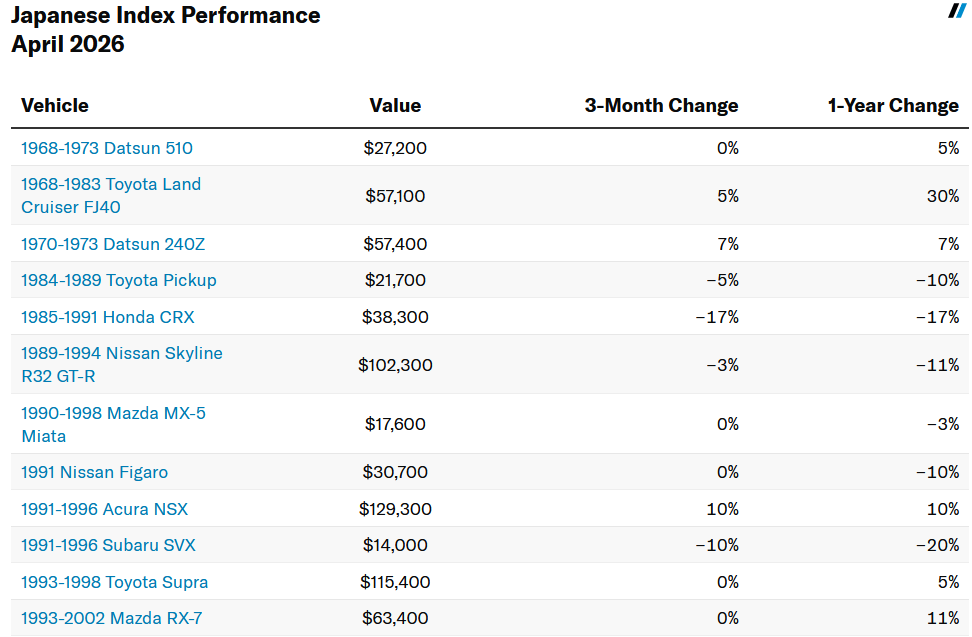
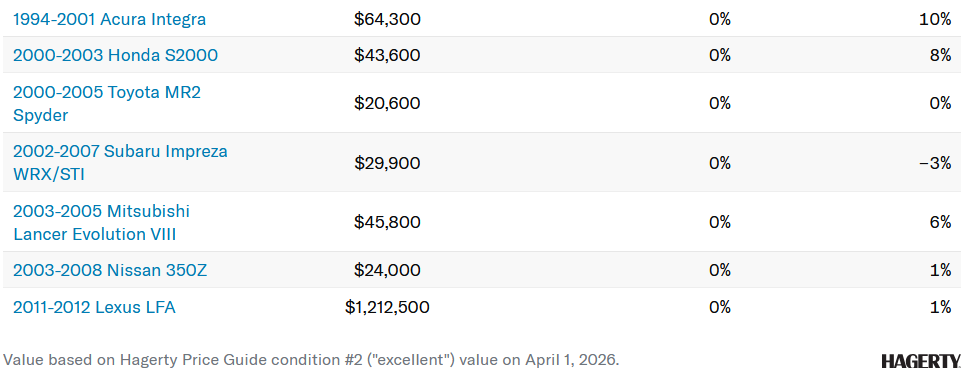
Hagerty’s Japanese Vehicle Index remained unchanged for the second quarter in a row. The Japanese market might look sleepy at first glance, but a closer look at the data shows a more active picture. Of the 19 component vehicles, seven posted movement. Losses for the R32 Skyline GT-R at 3% down, the Honda CRX at 17%, and the Subaru SVX at 10% did plenty to temper gains like the Acura NSX’s 10% bump and the Datsun 240Z’s 7% increase.
Japanese cars are still a maturing segment of the hobby, and as younger enthusiasts flock to them, they have great long-term promise despite movement in the shorter term.
Supercar Index
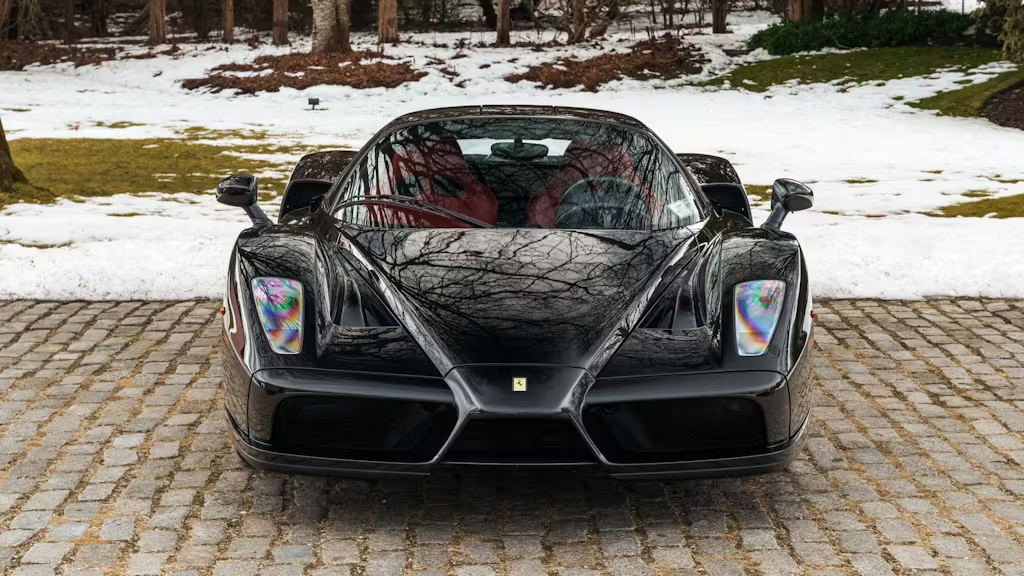
The Hagerty Supercar Index is a stock market-style index that averages the values of 15 collectible modern supercars and hypercars.
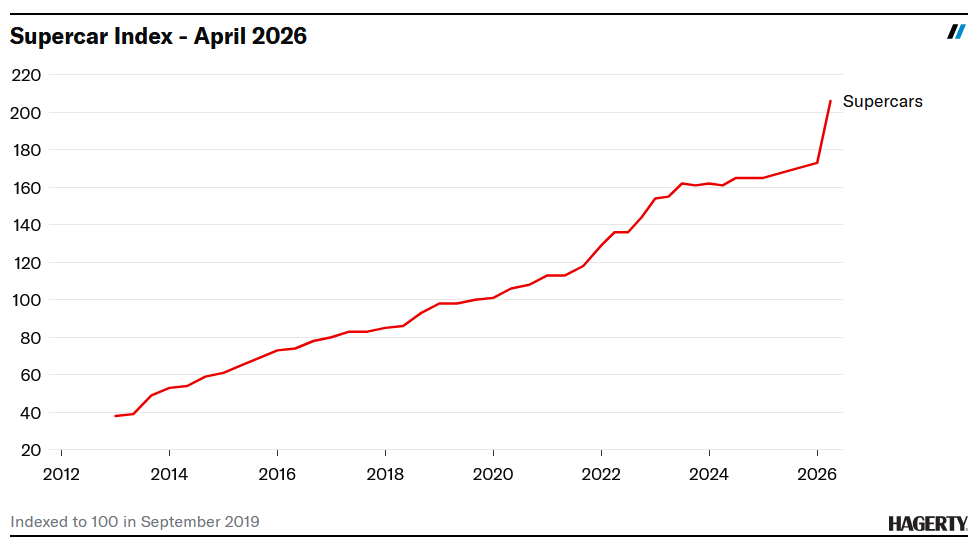
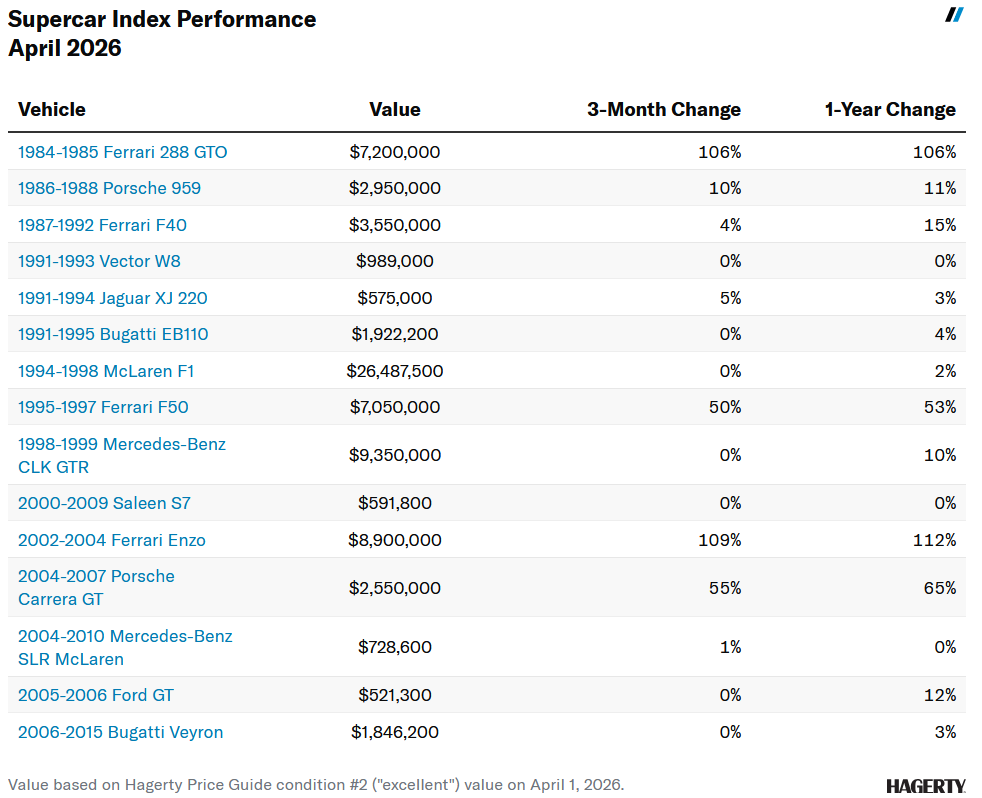
Hagerty’s Supercar Index is the clear star of the quarter, rising by a staggering 19% in three months. While supercars have been on a hot streak for a few years now, the temperature rose to a new level in 2026.
This increase is largely thanks to massive price hikes in Ferrari halo cars like the 288 GTO and Enzo, which gained by 106% and 109%, respectively. The Ferrari F50 and Porsche Carrera GT also gained by 50% and 55%, respectively. Modest increases by the Ferrari F40, Jaguar XJ220, and Mercedes-Benz SLR aided somewhat, while the remainder of the component cars remained unmoved.
To call this change huge would be an understatement. The explosion of Ferrari halo car values came seemingly out of nowhere this year, and some of their values are now rivaling their more established 1960s relatives. Supercars will be the area of the market to watch as 2026 continues.
Report by Greg Ingold
find more news here.