By the mid-1970s, Porsche had already spent a decade proving the 911 could win, but the bigger question was how far that platform could be pushed before something gave way. Group 4 racing gave Porsche its first real answer in 1976 with the 934, a car that kept the recognizable shape of a road-going 911 Turbo while quietly rewriting everything underneath it.
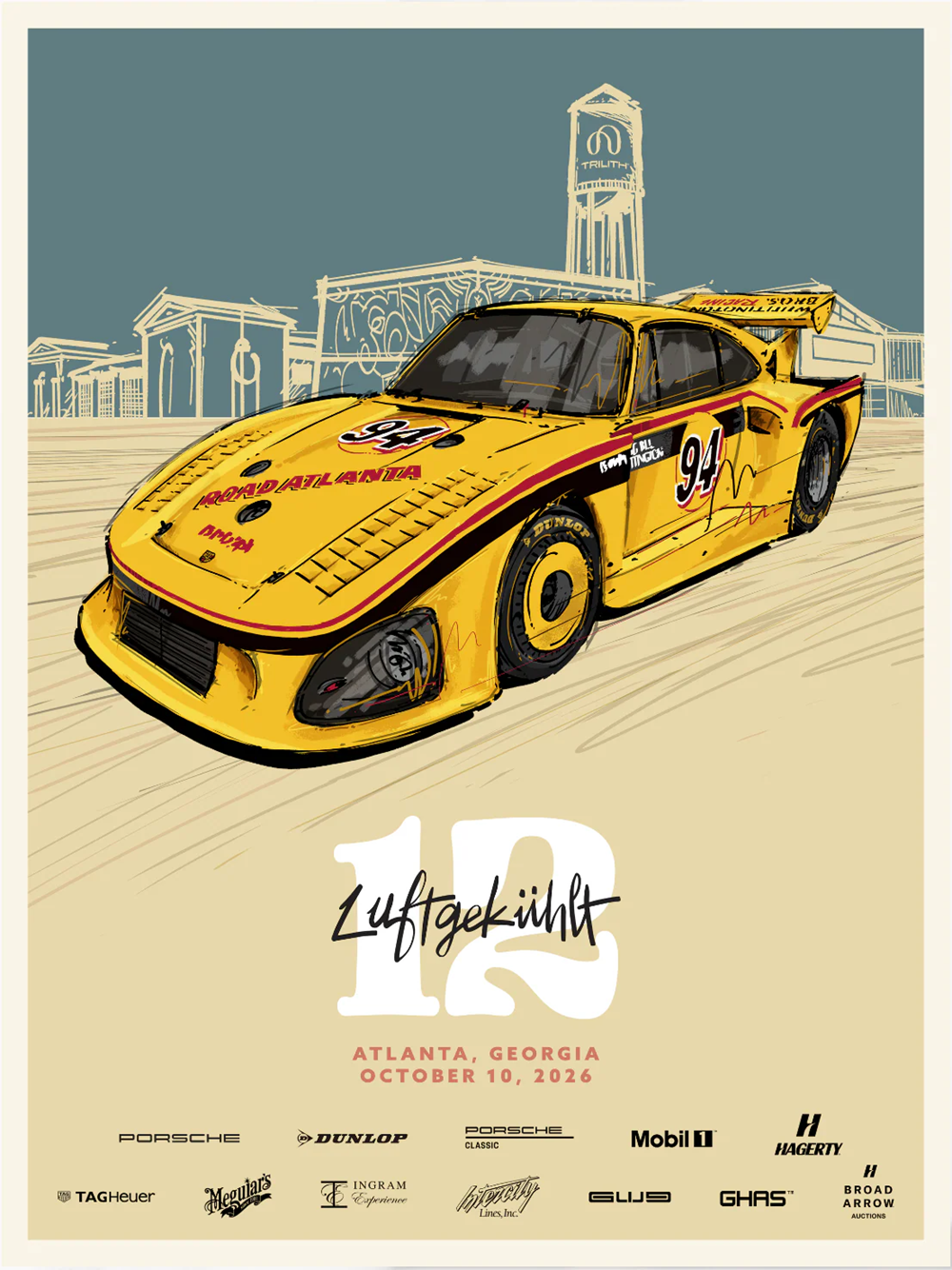
The fenders widened to swallow racing rubber, a fixed rear wing appeared where a trunk lid used to sit, and the turbocharged flat six was tuned past 480 horsepower. From across a parking lot, it still looked like something a customer could drive home. Up close, at speed, it behaved like nothing of the sort.
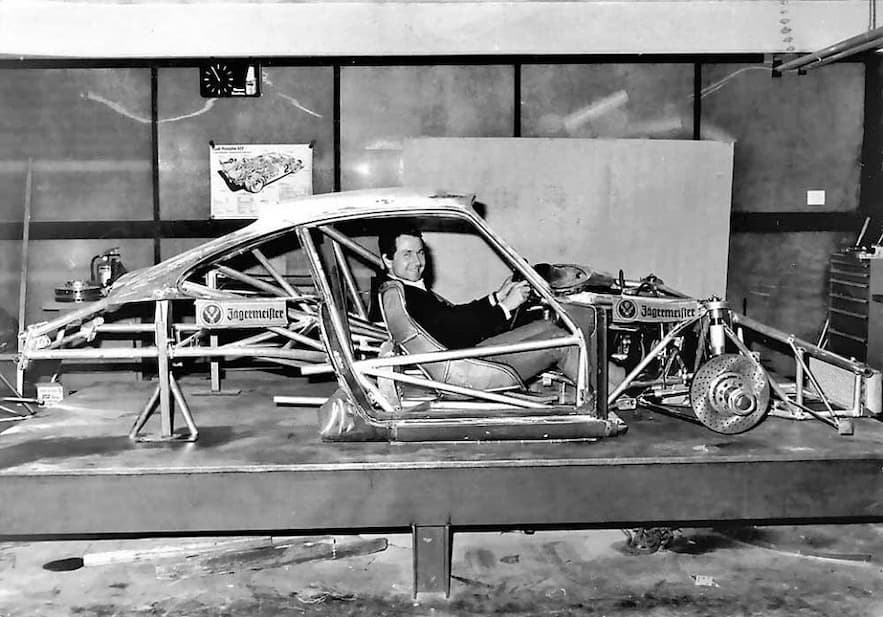
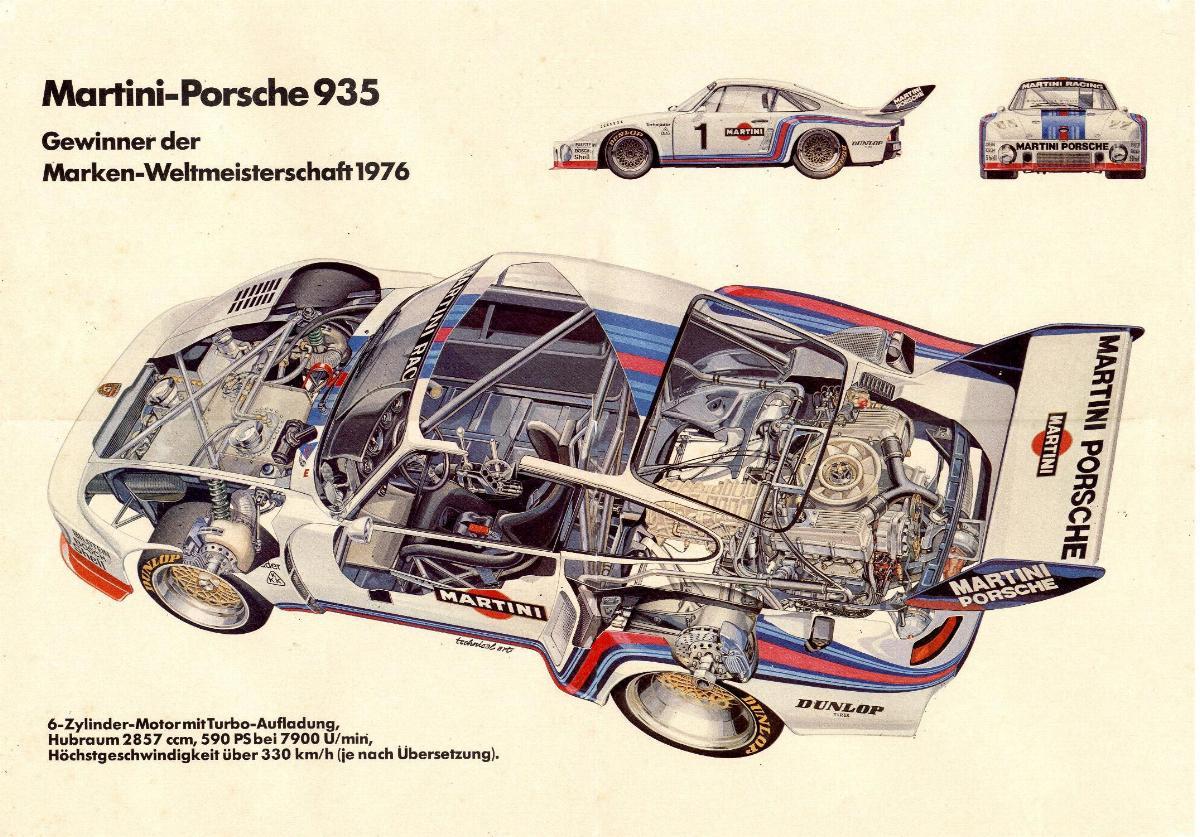
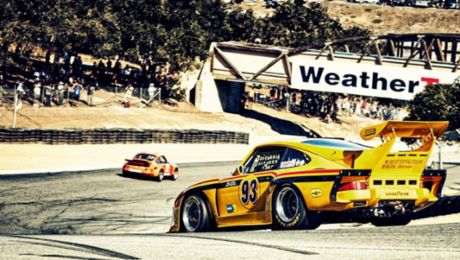
Group 5 rules, running in that same era, offered something rarer: freedom. The regulations demanded a production silhouette and left almost everything else open to interpretation. Porsche read that loophole the way only Porsche could, and in 1976 the 935 was the result, marking 2026 as its 50th anniversary. The outline of a 911 was still there if you squinted, but underneath, the standard steel structure was reinforced with an aluminum roll cage and fabricated subframes, wrapped in flared bodywork stretched over tires wider than anything the road car ever saw. The pop-up headlights disappeared in favor of a flat nose shaped in the wind tunnel rather than a design studio. Output climbed past 600 horsepower in race trim and kept climbing from there. Porsche didn’t just enter Group 5 with the 935. It rewrote what the category meant.
The factory team kept refining the formula for years, from the sharpened aerodynamics of the 935/77 to the long, low 935/78 that chased top speed down the Mulsanne Straight under the nickname Moby Dick. Championships followed, as they tend to when Porsche commits to something fully. But the version of this story that people still tell decades later didn’t come out of the factory at all. It came from a small German outfit that took Porsche’s own recipe and made it better.
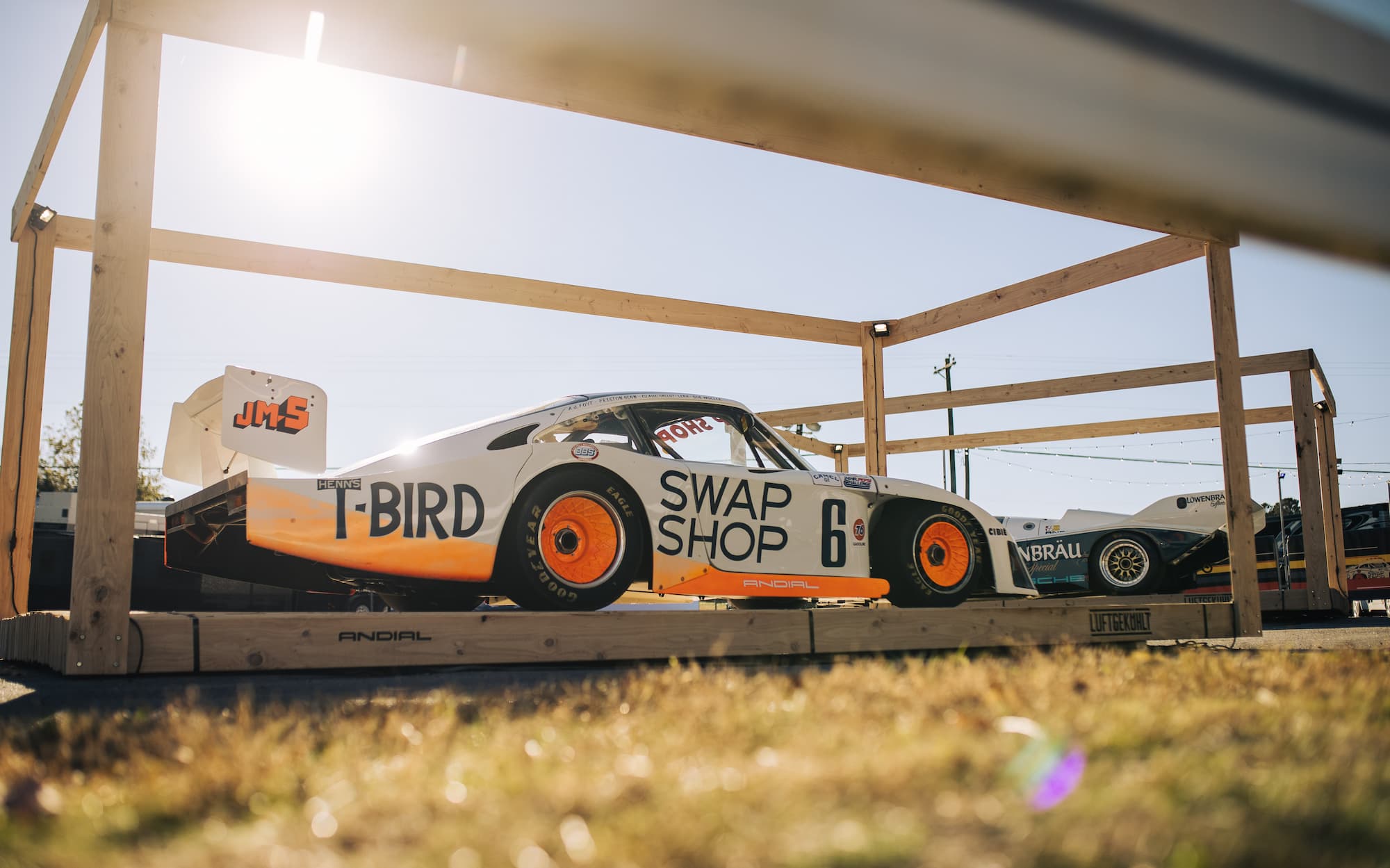
Kremer Racing built their own take on the 935, called the K3, reworking the chassis into a proper tube frame and chasing something a factory team rarely optimizes for: the ability to still be running at the end. That distinction mattered more than anyone could have predicted heading into Le Mans in 1979. The race that year was supposed to belong to the purpose-built prototypes, the cars engineered from a blank sheet with no road-going obligations at all. Instead, a Kremer 935 K3 crossed the finish line first overall, driven by Klaus Ludwig alongside two American brothers, Don and Bill Whittington. It remains the first rear-engine car ever to win Le Mans outright, and a production-derived GT car had just beaten a field of purpose-built prototypes on their own turf.
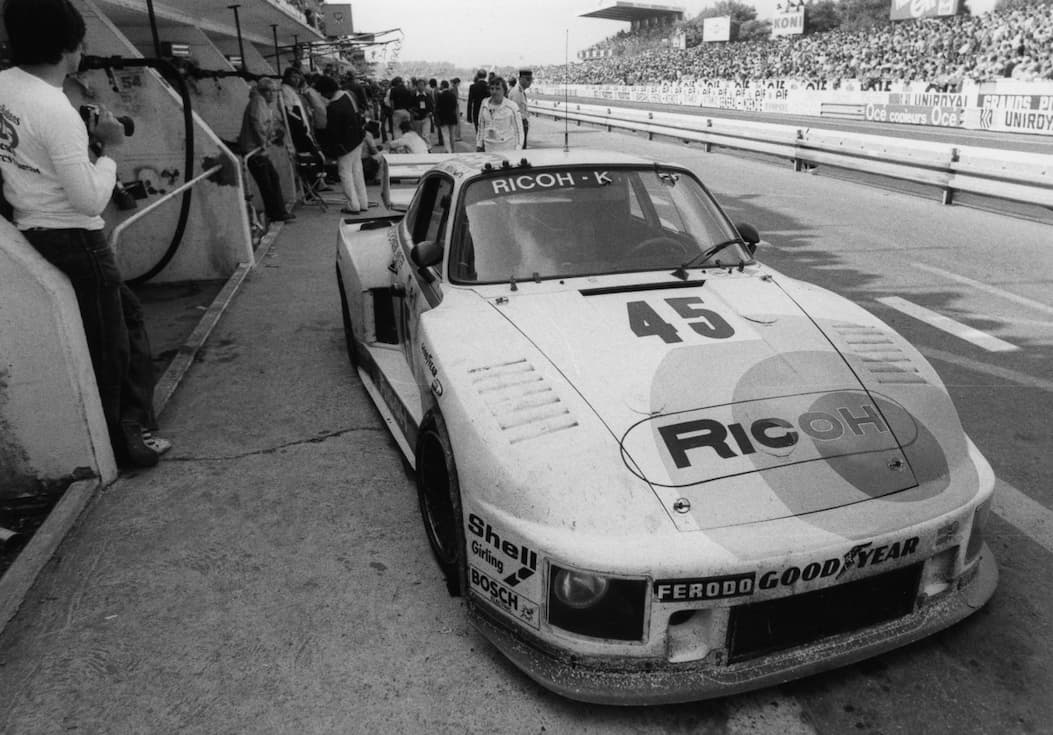
That same race had its own brush with Hollywood. Right behind the Whittingtons’ winning 935 came another one, driven in part by Paul Newman, who finished second overall in his first and only Le Mans start. A movie star nearly won the biggest race in the world in the same car that made history a few positions ahead of him.
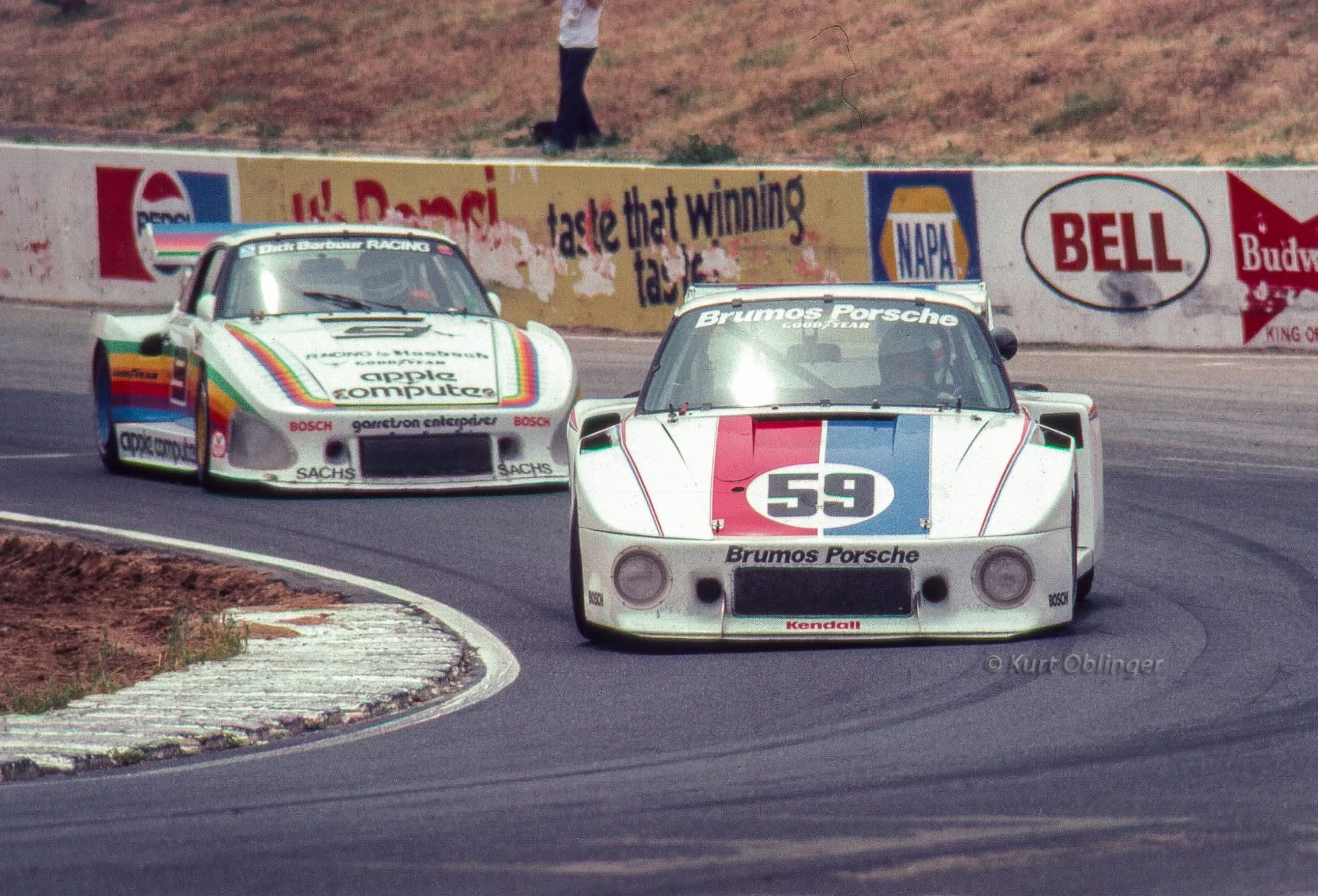
The Whittingtons weren’t your typical gentleman racers padding out a grid. They showed up with the resources to buy the best equipment available and, just as importantly, the talent to actually drive it to a win rather than simply finish the race. Bill and Don would go on to own Road Atlanta itself, a track that had already built a reputation hosting some of the country’s toughest endurance racing. Their Le Mans victory wasn’t bought. It held up against everything else on that grid, prototypes included.
find more news here.