Since the invention of the automobile, drivers, engineers, and enthusiasts have been enamored with the thrill and challenge of pushing these machines to their limits. In the years following World War II, this captivation reached new heights as the booming popularity and accessibility of consumer sports cars helped shape a broad culture of automotive enthusiasm that continues to define modern mobility.
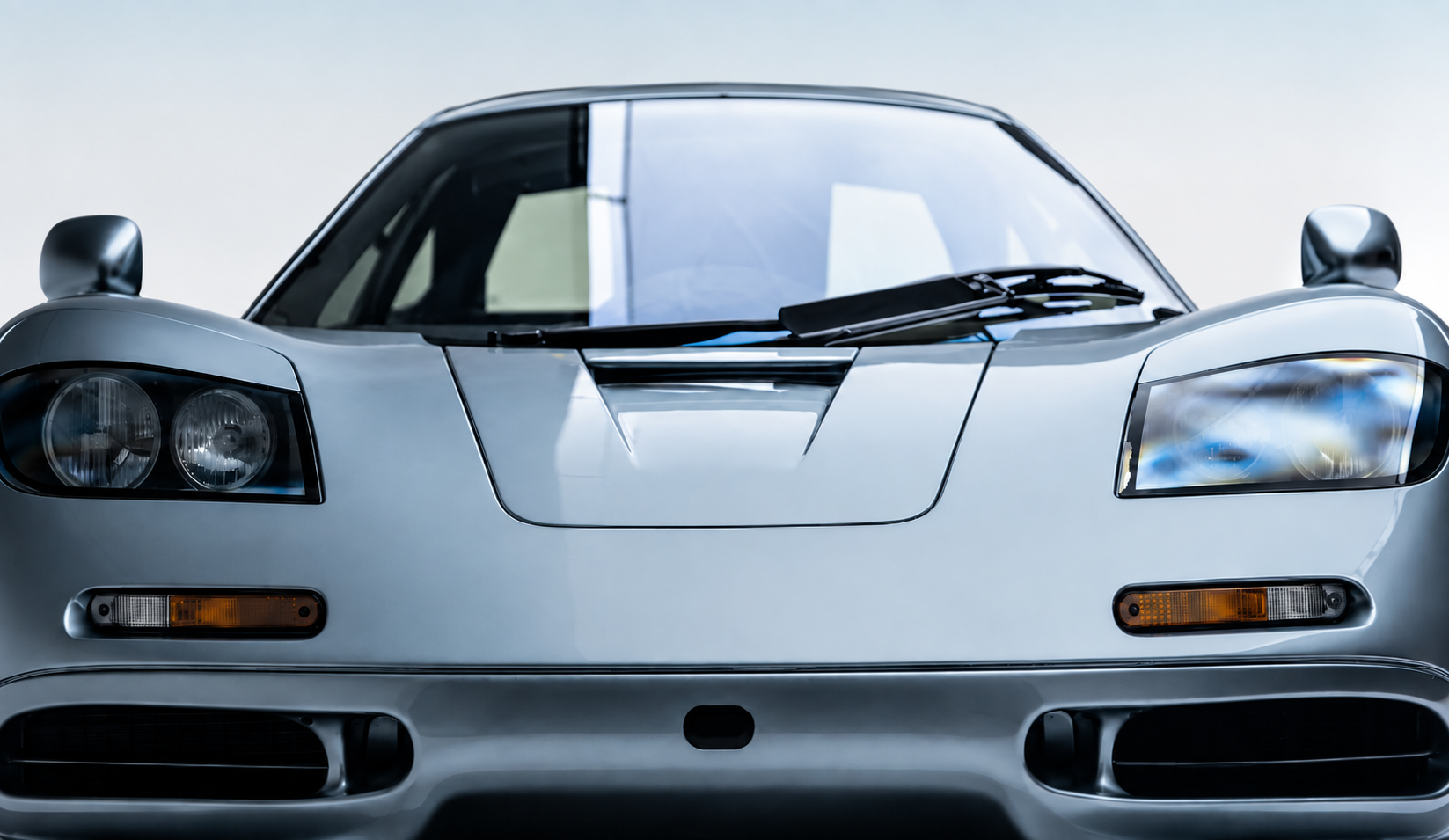
As a result, top speed has emerged as a popular metric by which enthusiasts judge performance and confer prestige. Consequently, one of the most competitive and prestigious accolades for manufacturers is the title of “world’s fastest production car.”
This exhibition presents the complete chronology of postwar record-holders, positioning them not simply as the fastest of their time, but as pivotal moments in an ongoing pursuit of speed.
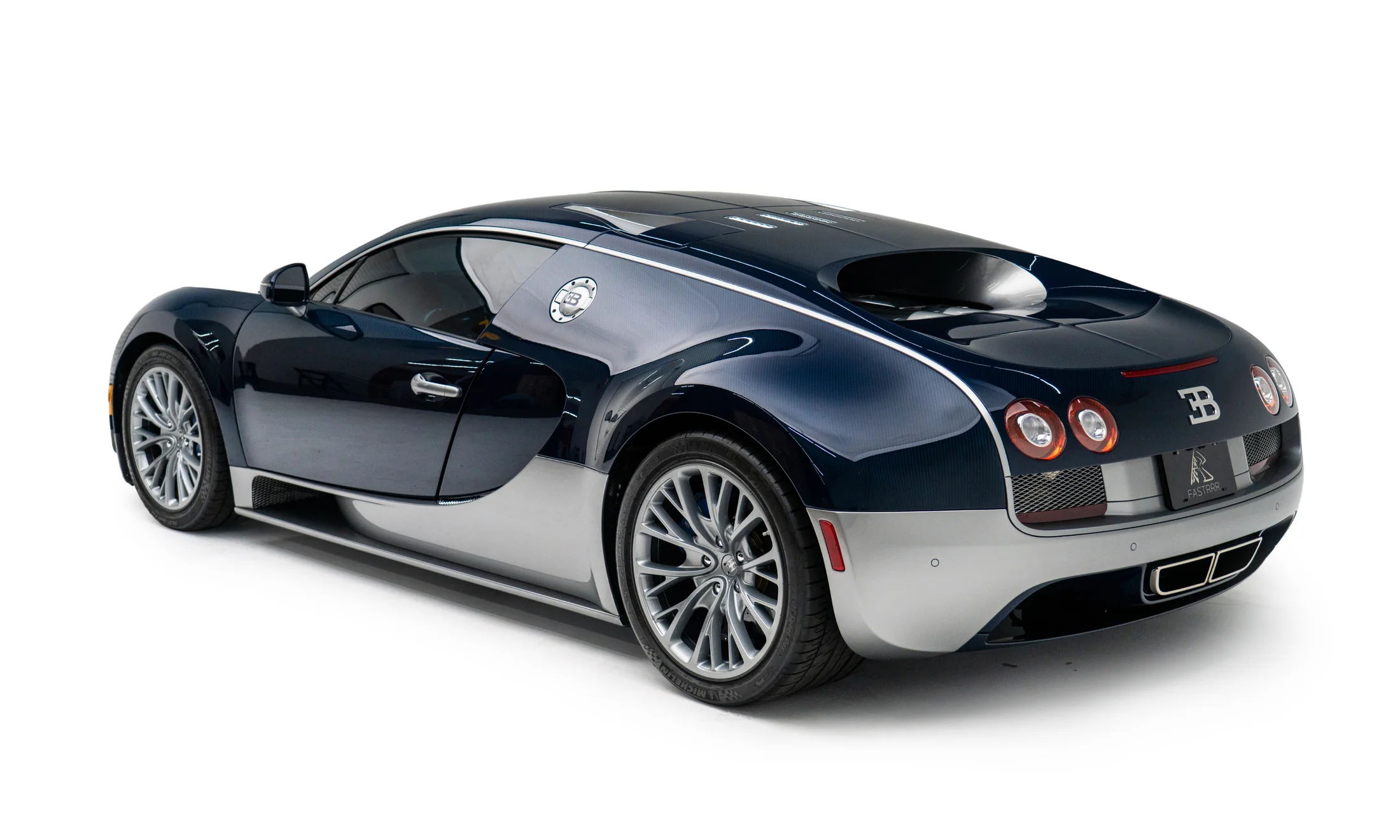
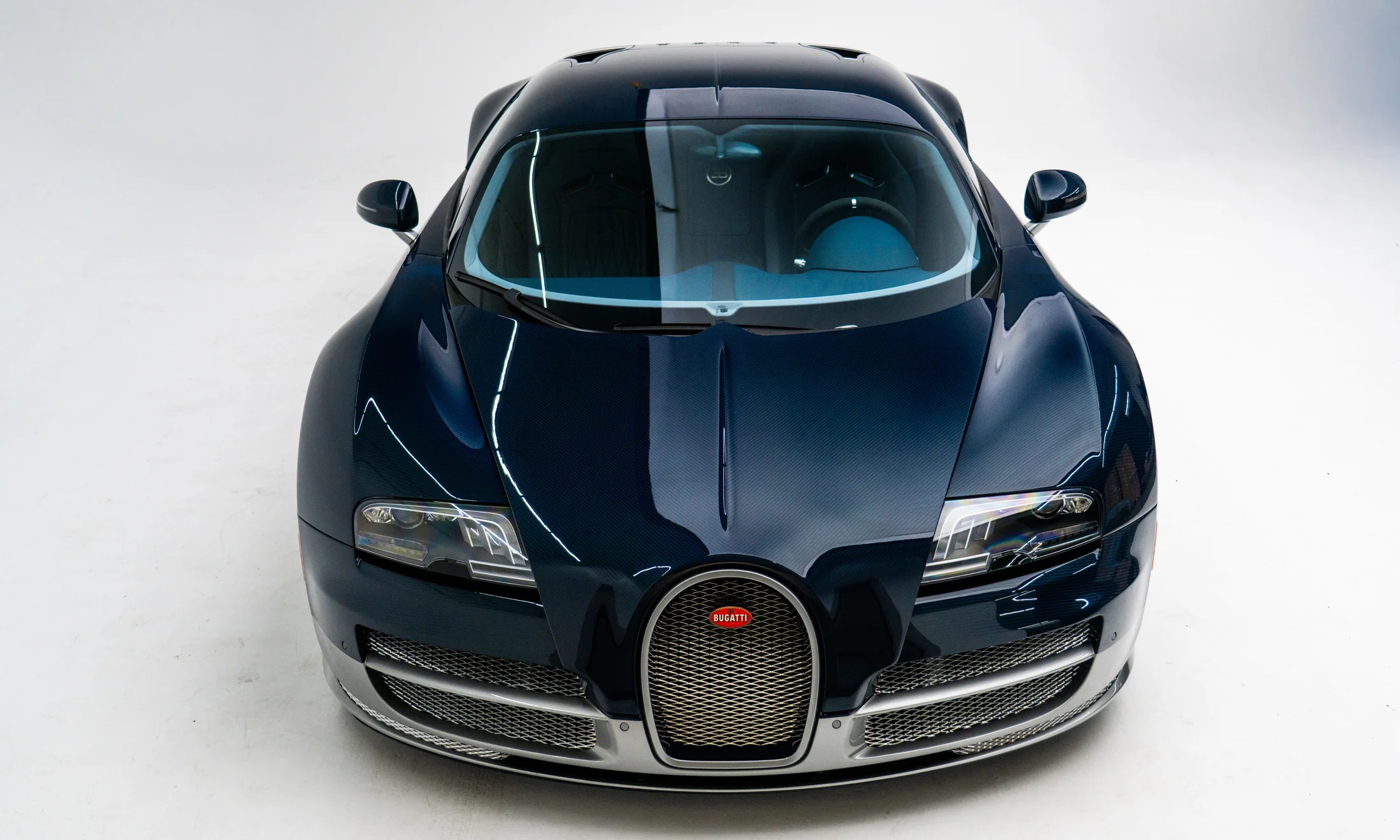
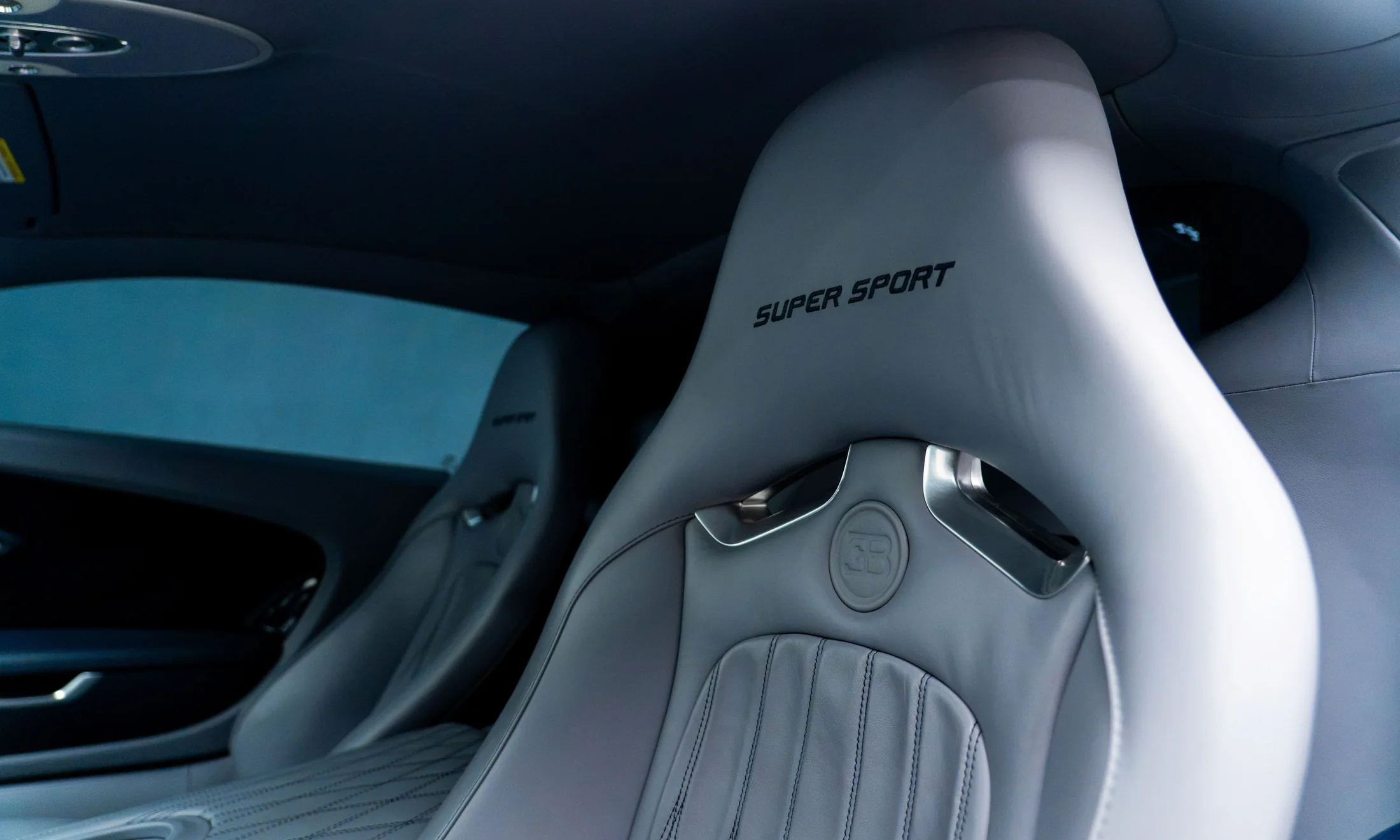
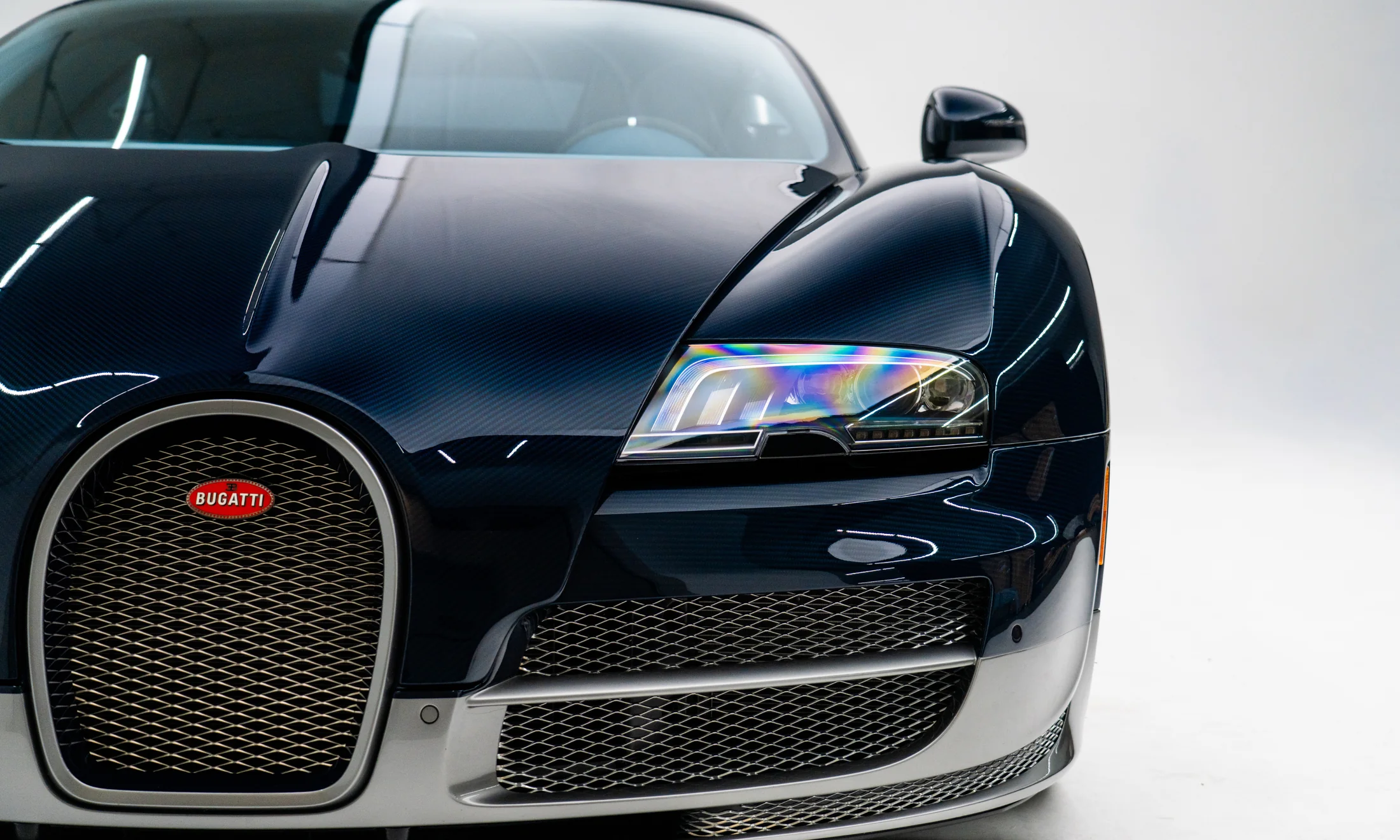
2010 BUGATTI VEYRON 16.4 SUPER SPORT
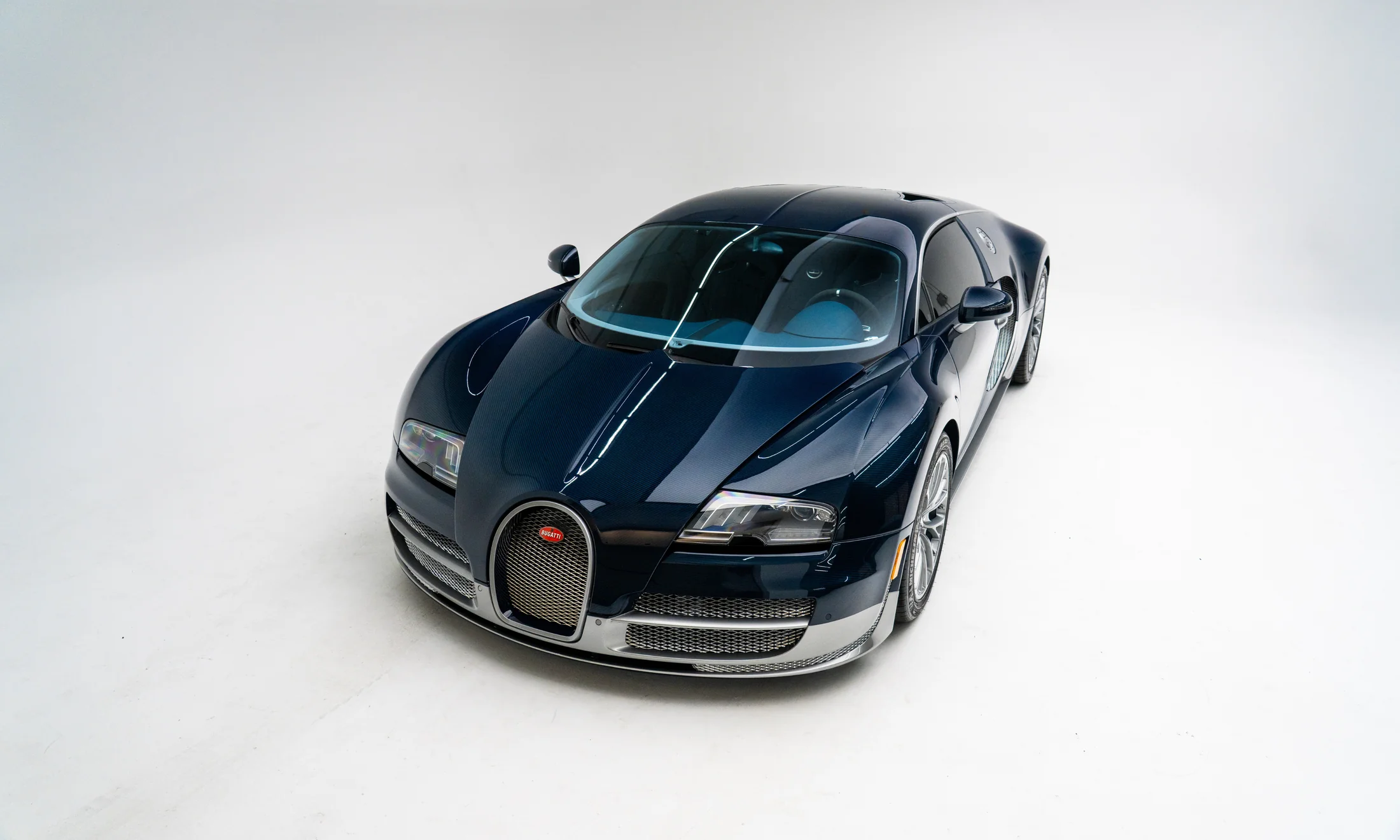
The Super Sport edition of the Veyron reclaimed the top-speed record for the model line in 2010. Its engine was revised to produce nearly 200 horsepower more than the original Veyron 16.4, and its bodywork was refined for improved aerodynamic efficiency, most notably through the use of flush NACA duct intakes in place of the original’s protruding roof-mounted engine intakes. During official testing at Volkswagen’s Ehra-Lessien proving ground, the Super Sport recorded a two-way average speed of 267.856 mph, establishing a new world record for a production automobile and further cementing Bugatti’s position at the forefront of the modern hypercar era.
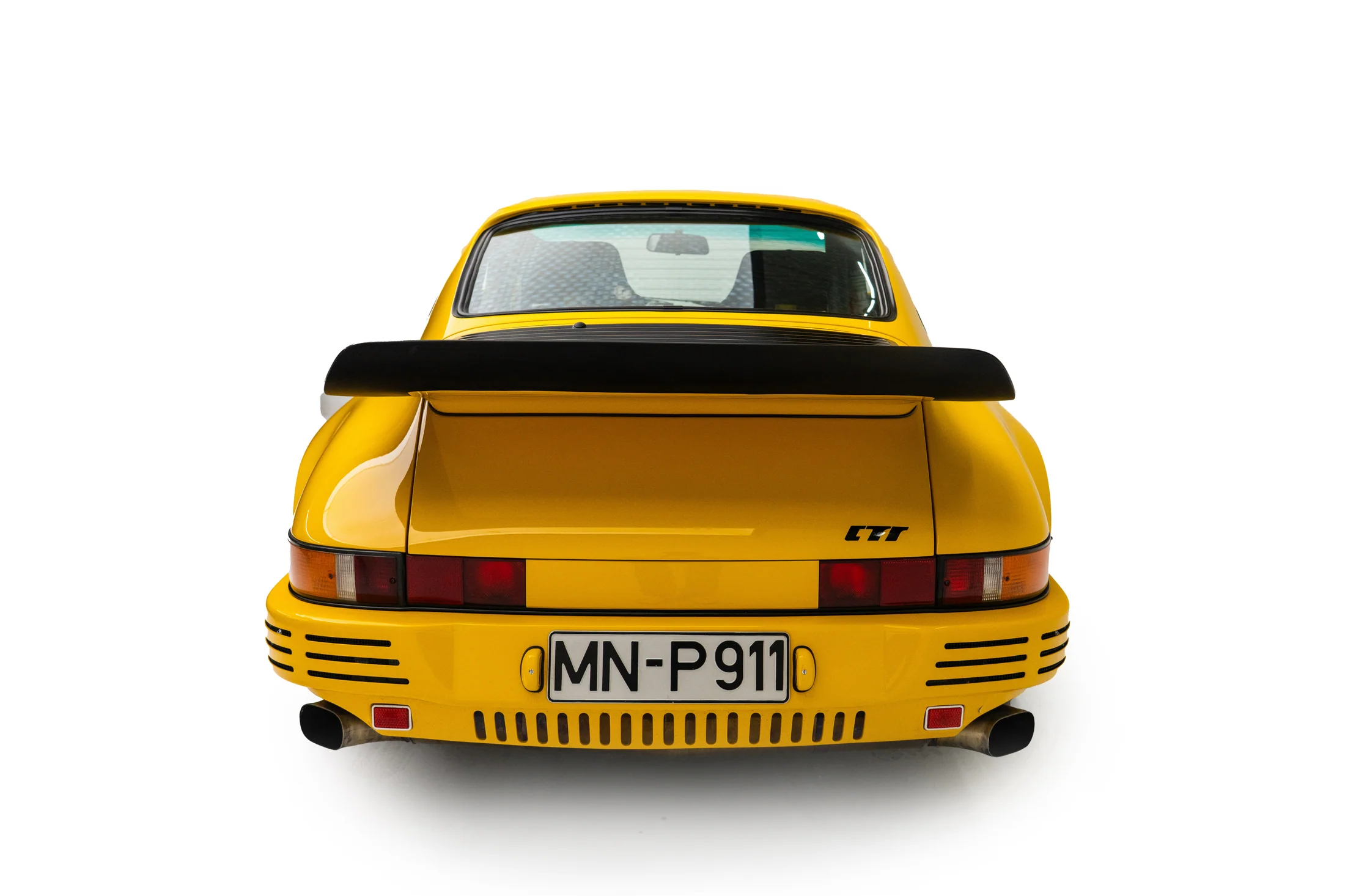
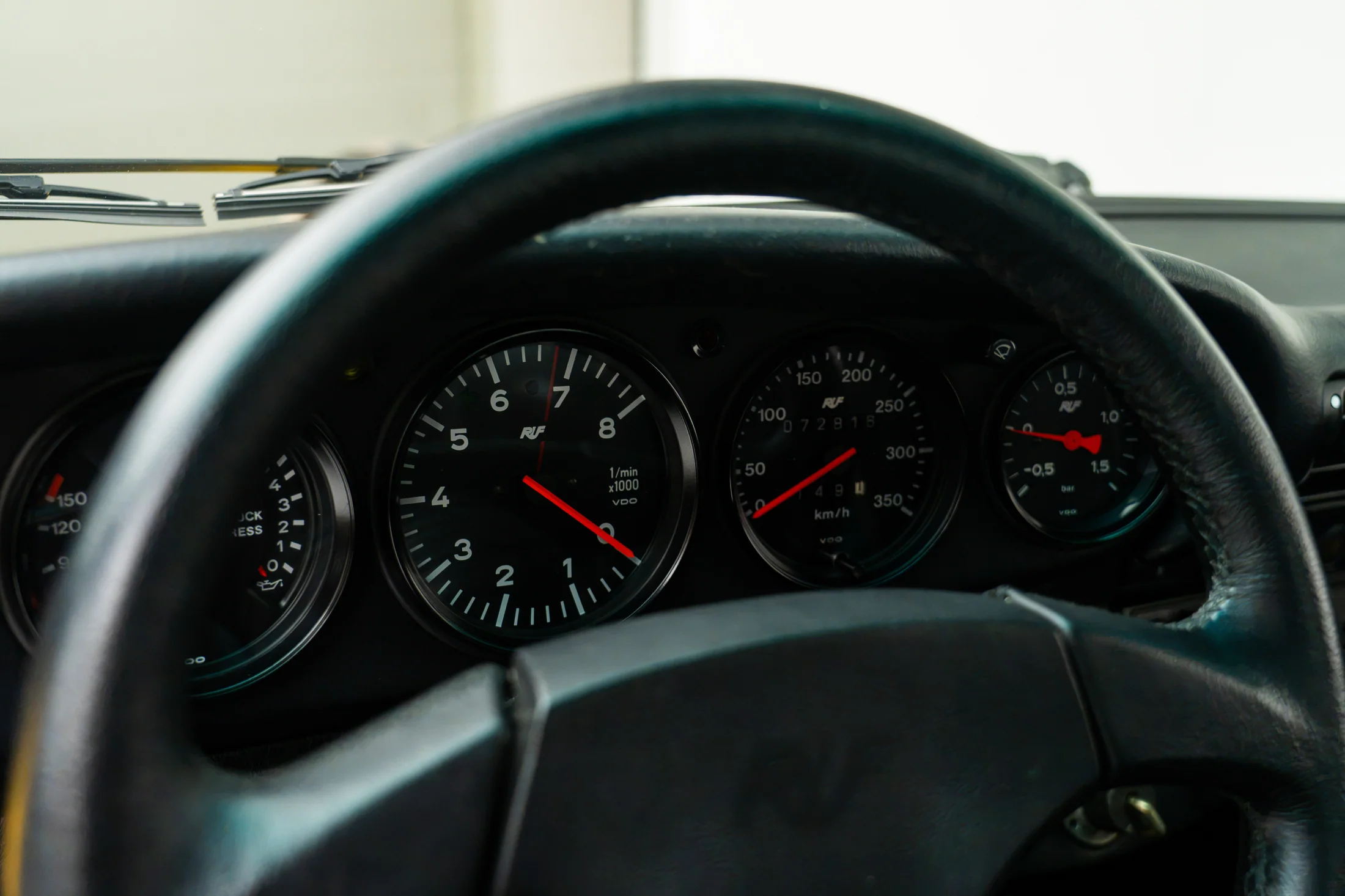
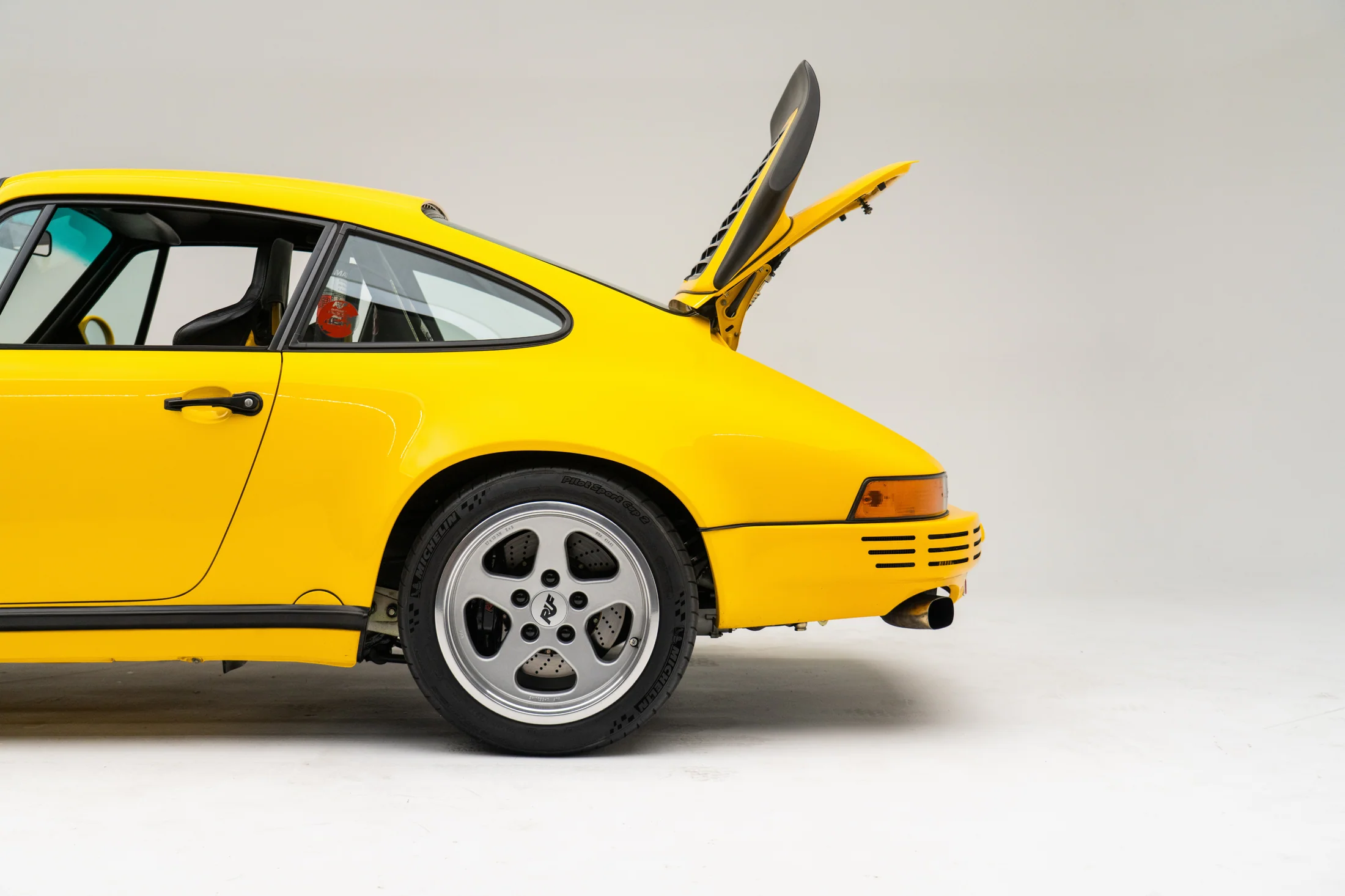
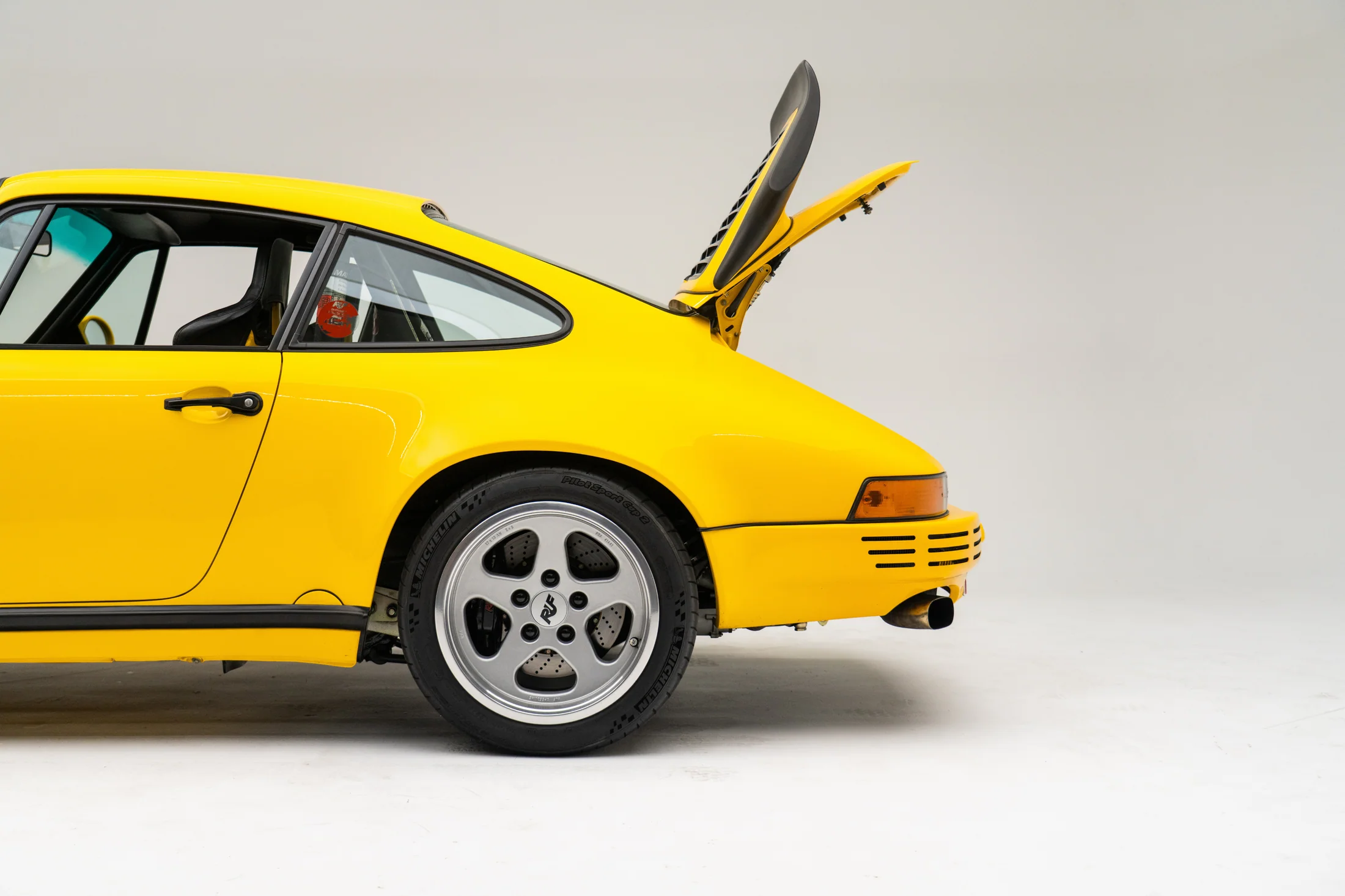
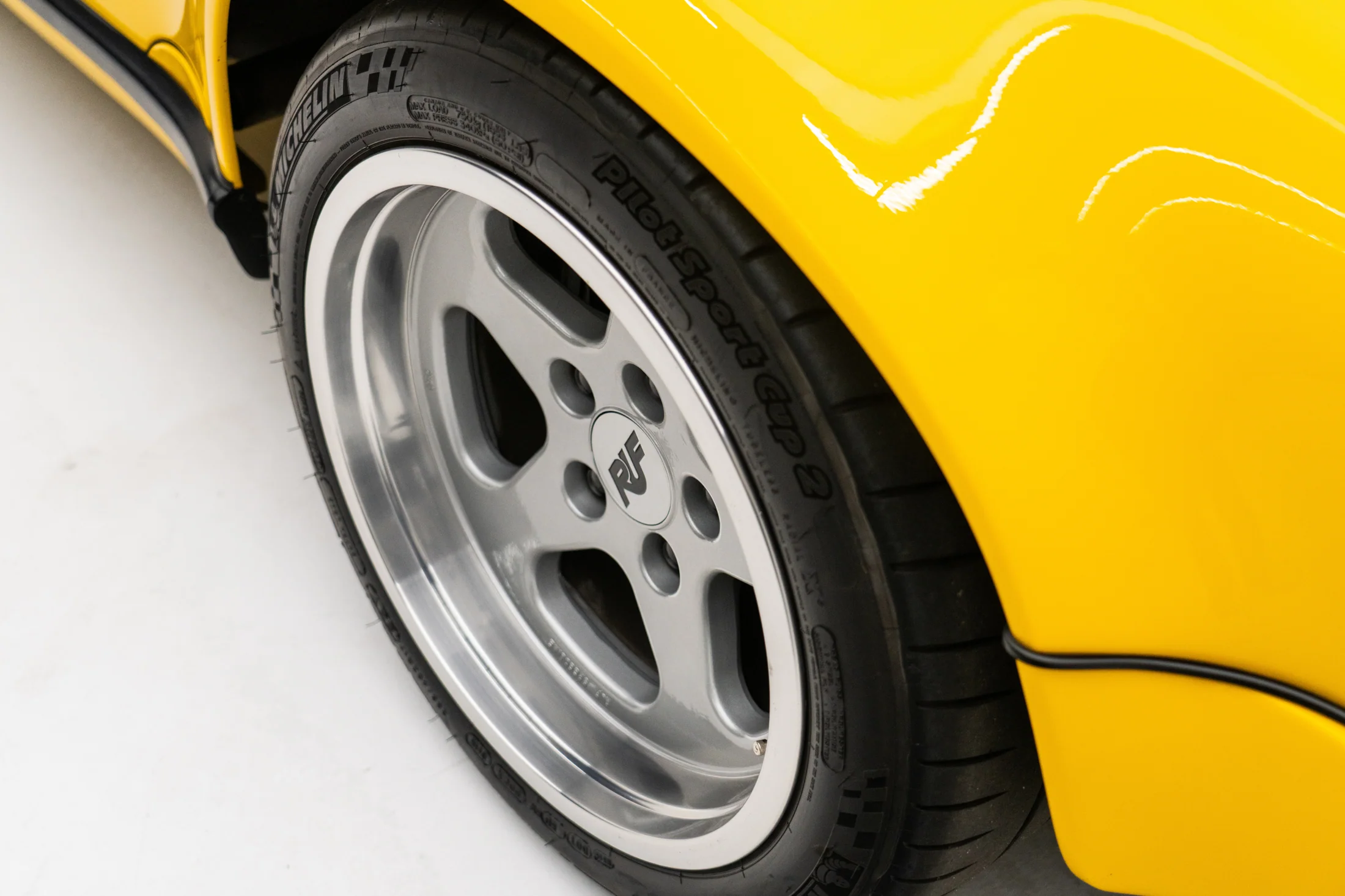
1989 RUF CTR “Yellowbird”
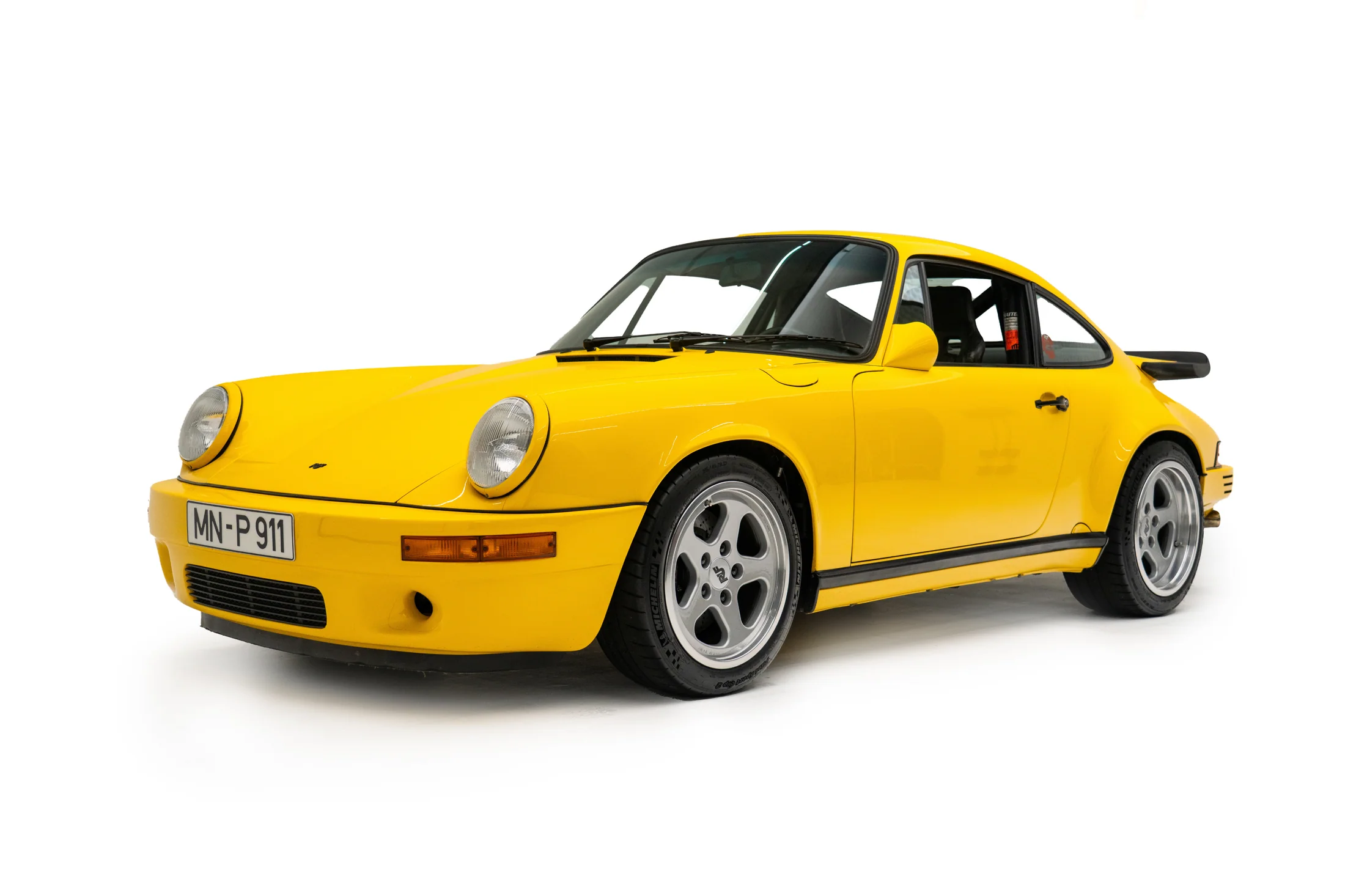
RUF Automobile, originally a tuning and repair shop, became an independent manufacturer recognized by the German government in 1981. In 1987, they introduced the CTR—short for “Group C, Turbo RUF”—with an extensively reengineered Porsche 911 Carrera 3.2 chassis and twin-turbocharged engine, as well as a bespoke five-speed transmission, upgraded suspension, and lightweight body panels. After hitting 211 mph in a 1987 Road & Track magazine test, the CTR was crowned the fastest production automobile and earned the nickname “Yellowbird” from magazine staff. The example on display here is both the first CTR and the same example used to set the record.
The CTR initially claimed the record in 1987 at the famed Road & Track “World’s Fastest Cars” test, but its best run came a year later when tested by German publication Auto, Motor und Sport, where it achieved 213 mph.
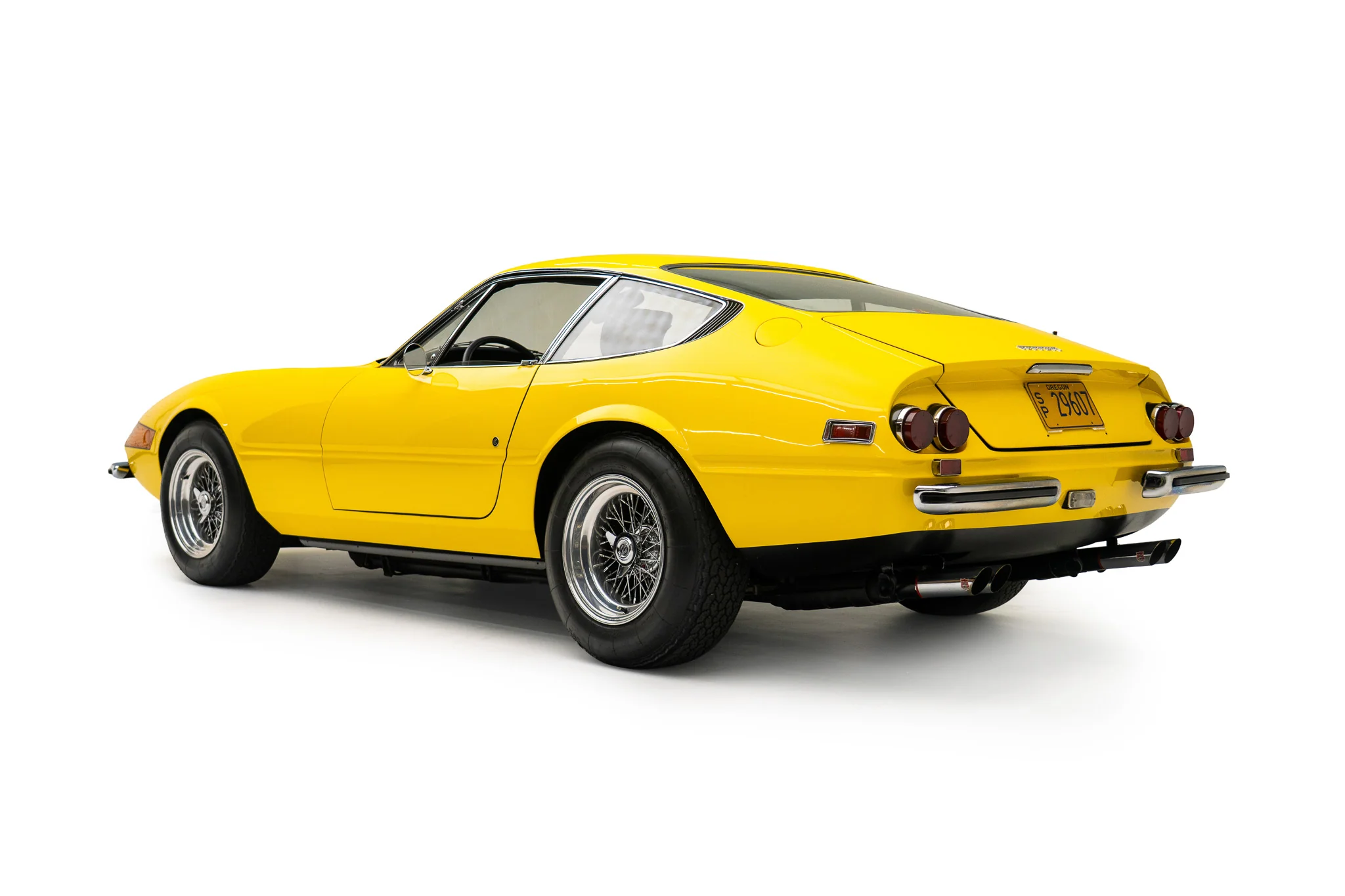
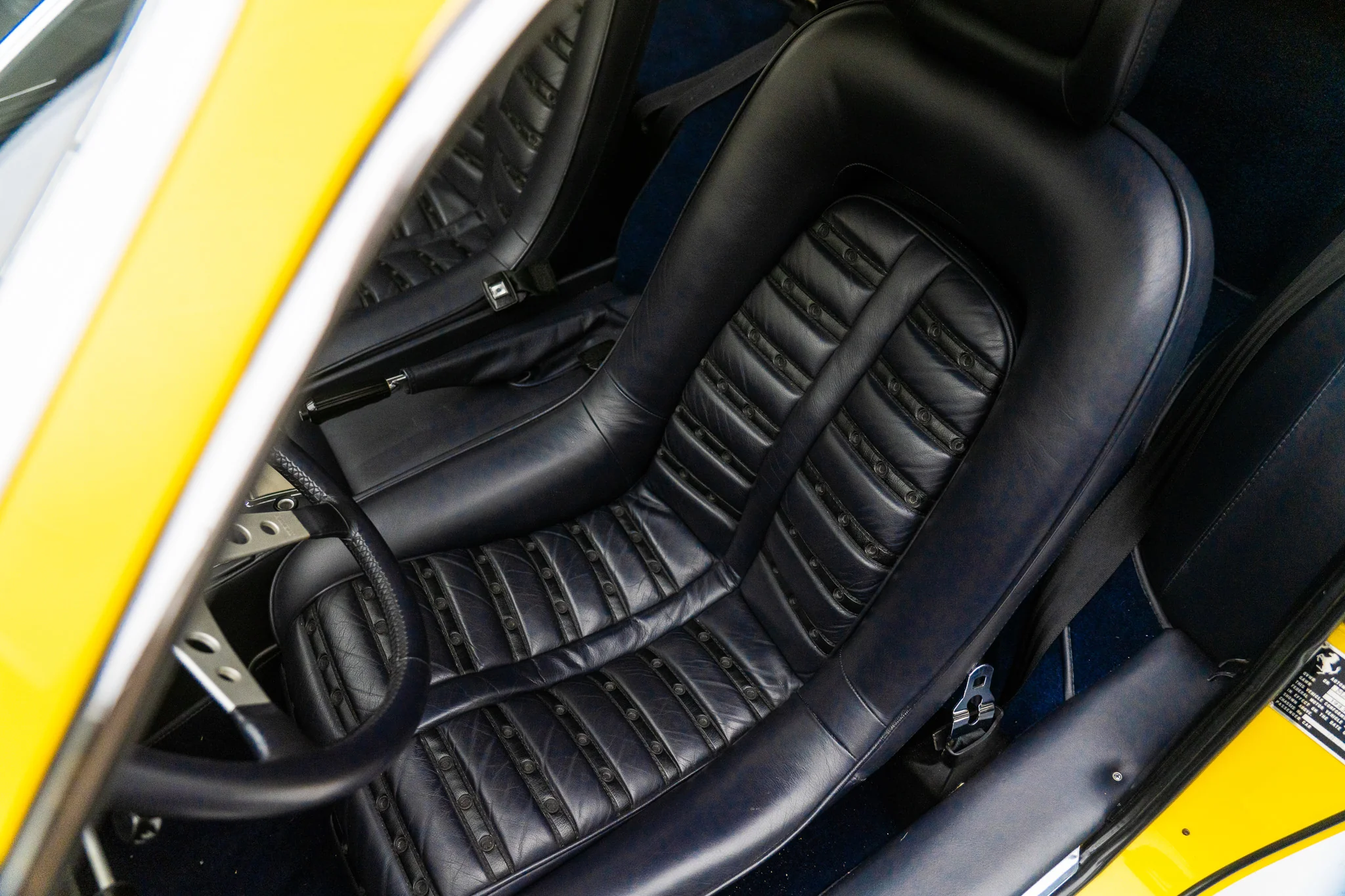
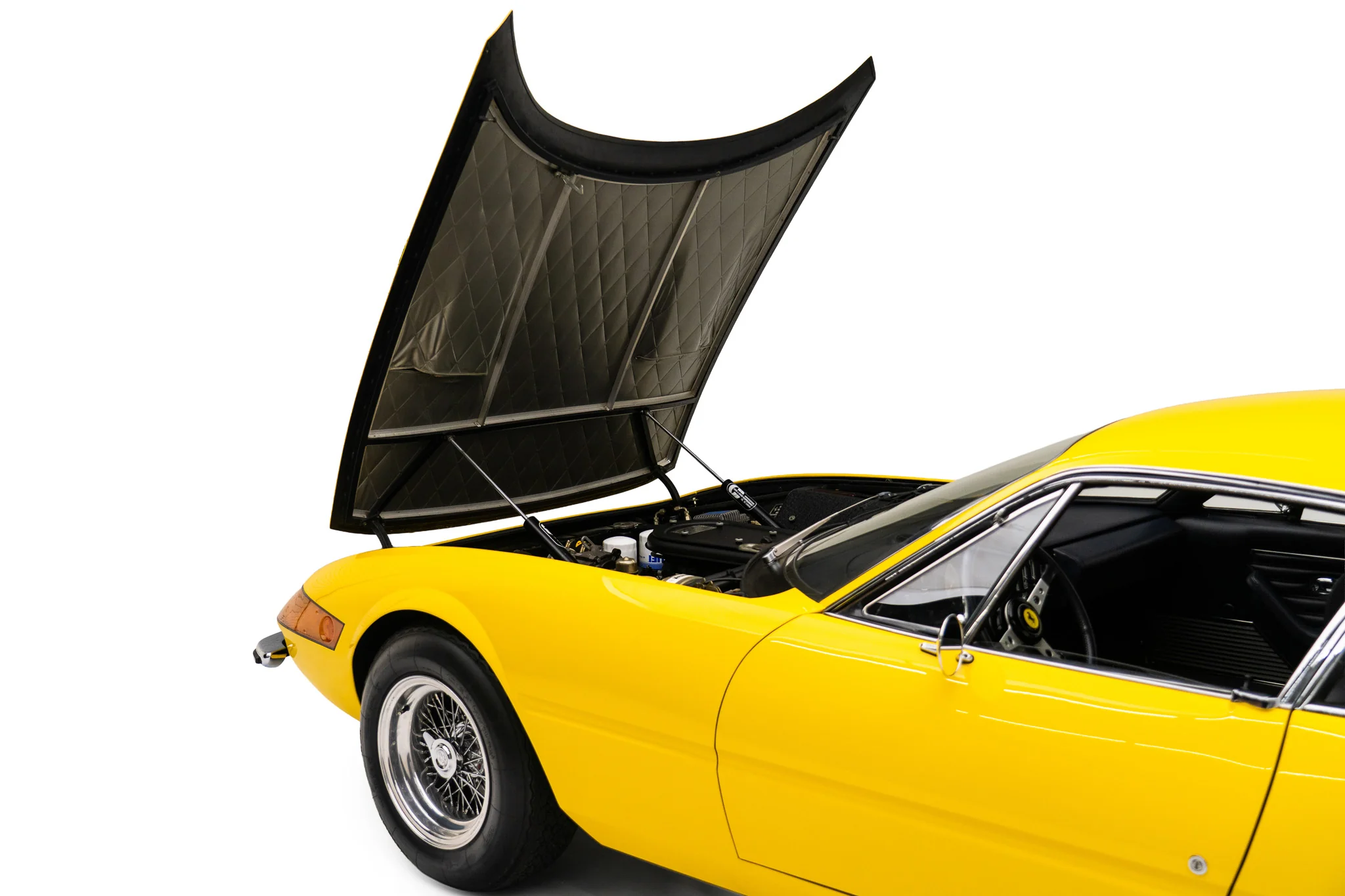
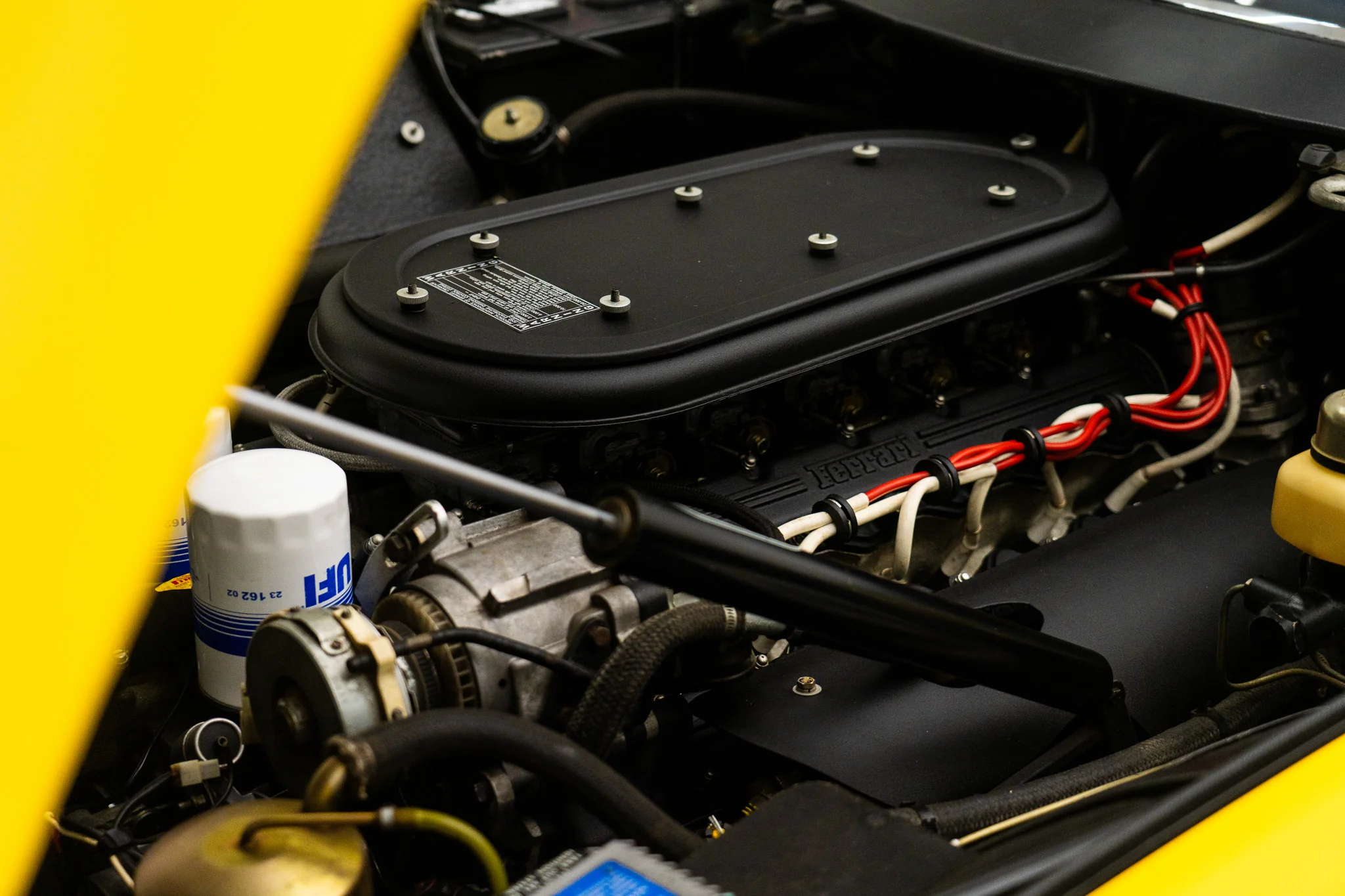
1973 Ferrari 365 GTB/4 “Daytona”
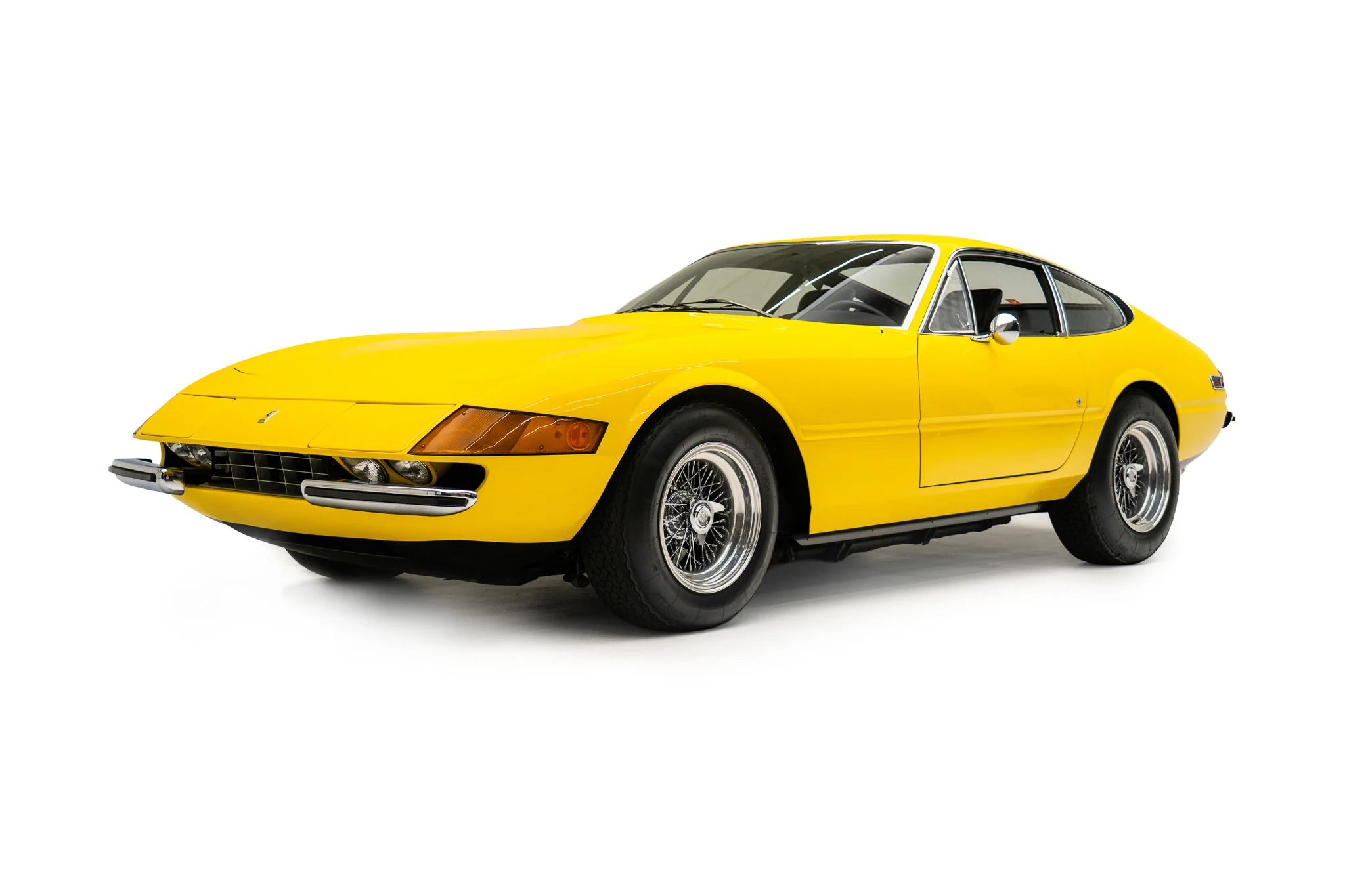
Known as “Daytona” by the motoring press, the Ferrari 365 GTB/4 was unveiled at the 1968 Paris Salon. Priced at a steep $19,500 when new, it was the most costly production Ferrari ever made up to that point. Despite weighing a hefty 3,530 pounds, its aerodynamic, Pininfarina-designed body and 352-horsepower, double-overhead-cam V-12 engine allowed the Daytona to reach a top speed of 174 miles per hour. Developed specifically for the lucrative North American market, the Daytona was the last two-seat, front-engine Ferrari grand tourer until the debut of the 550 Maranello in 1996.
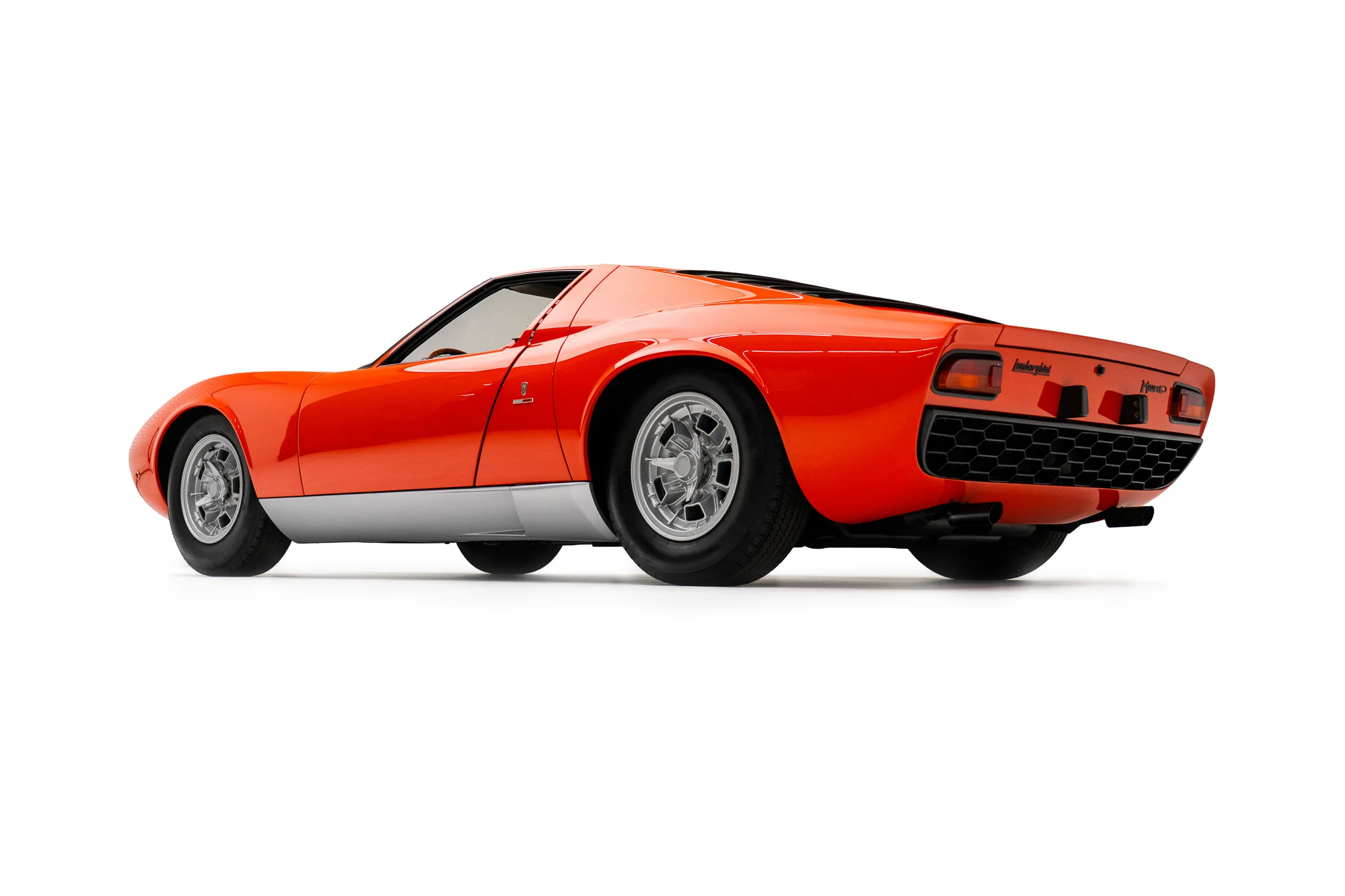
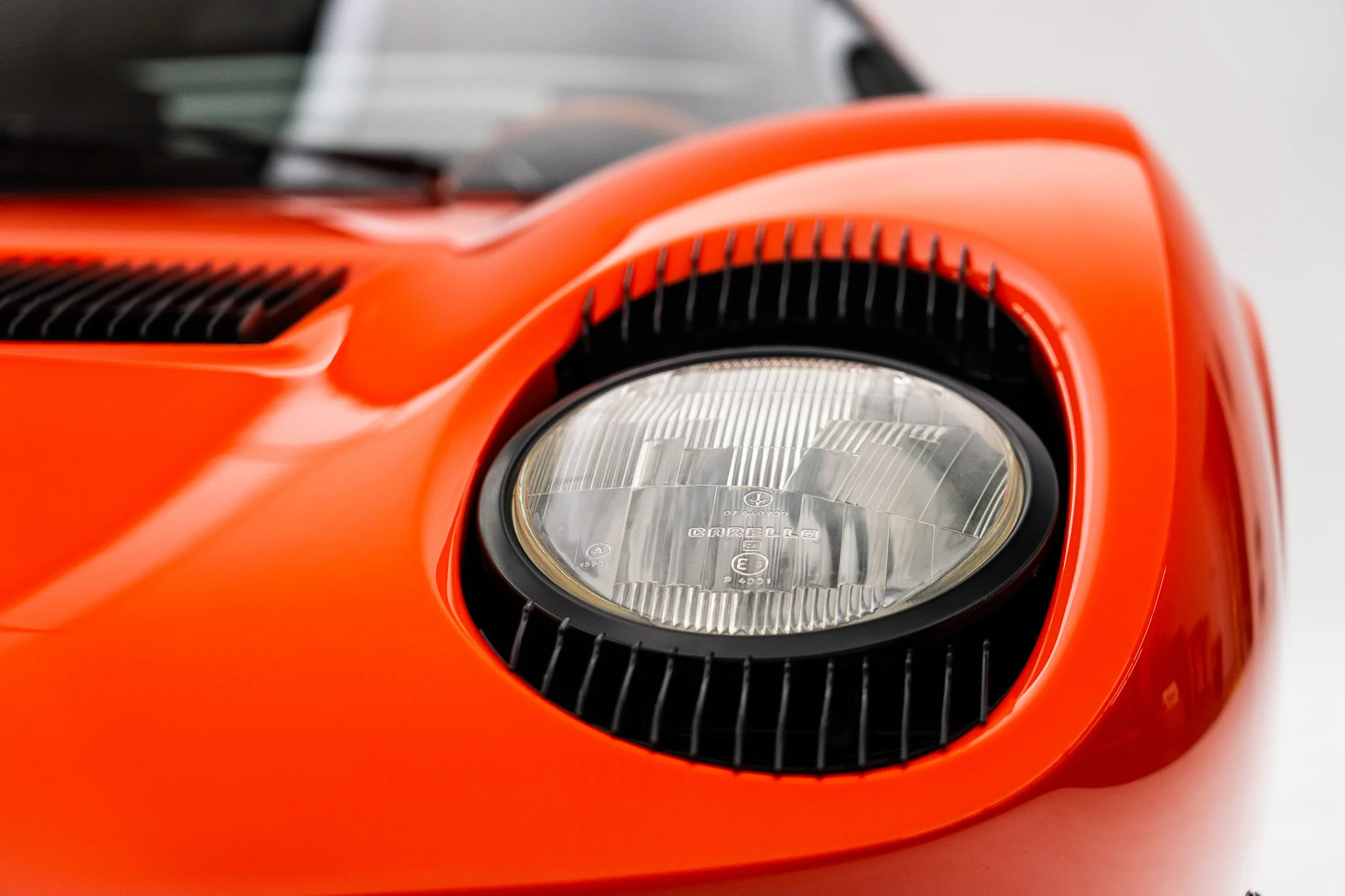
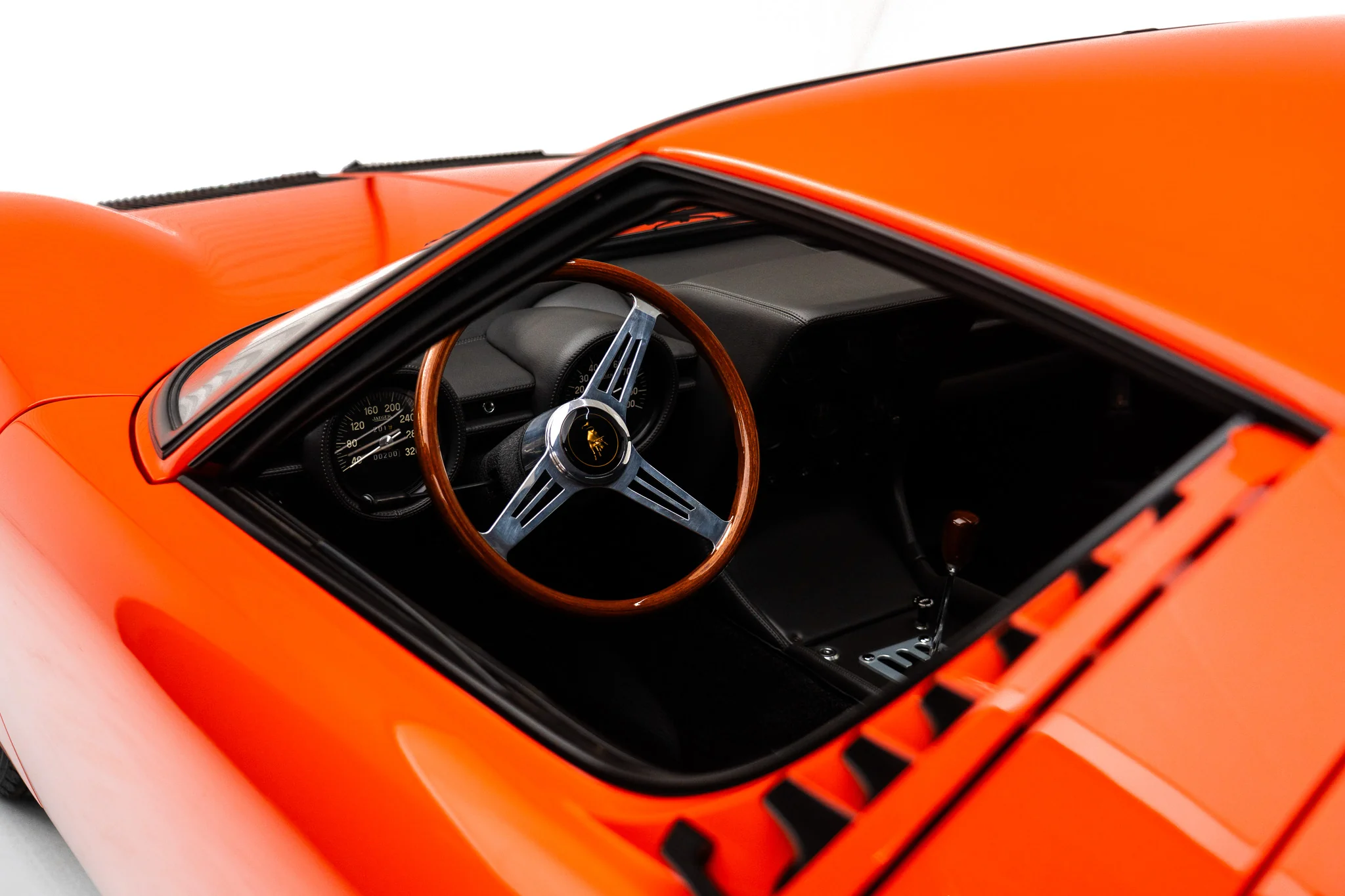
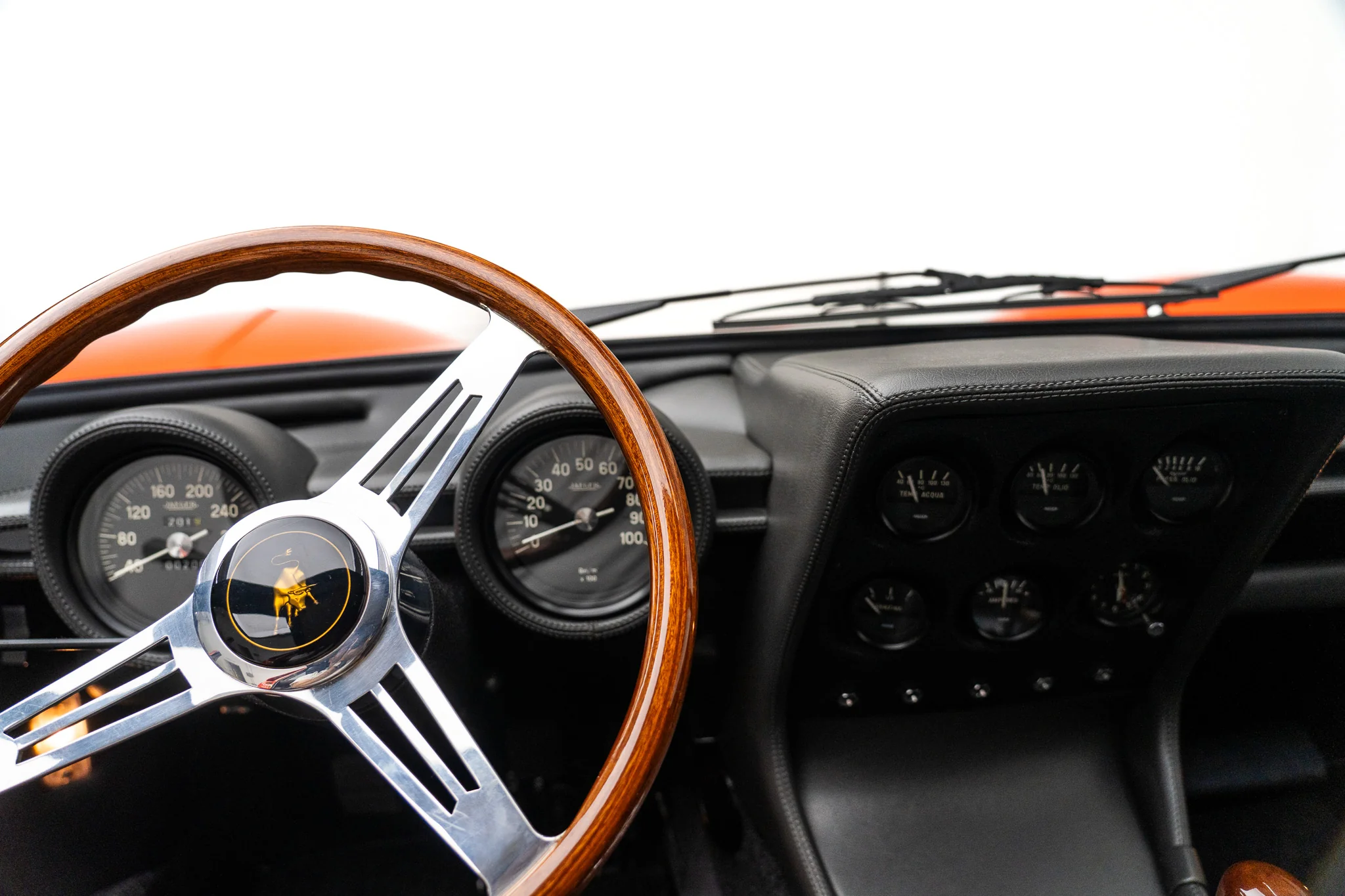
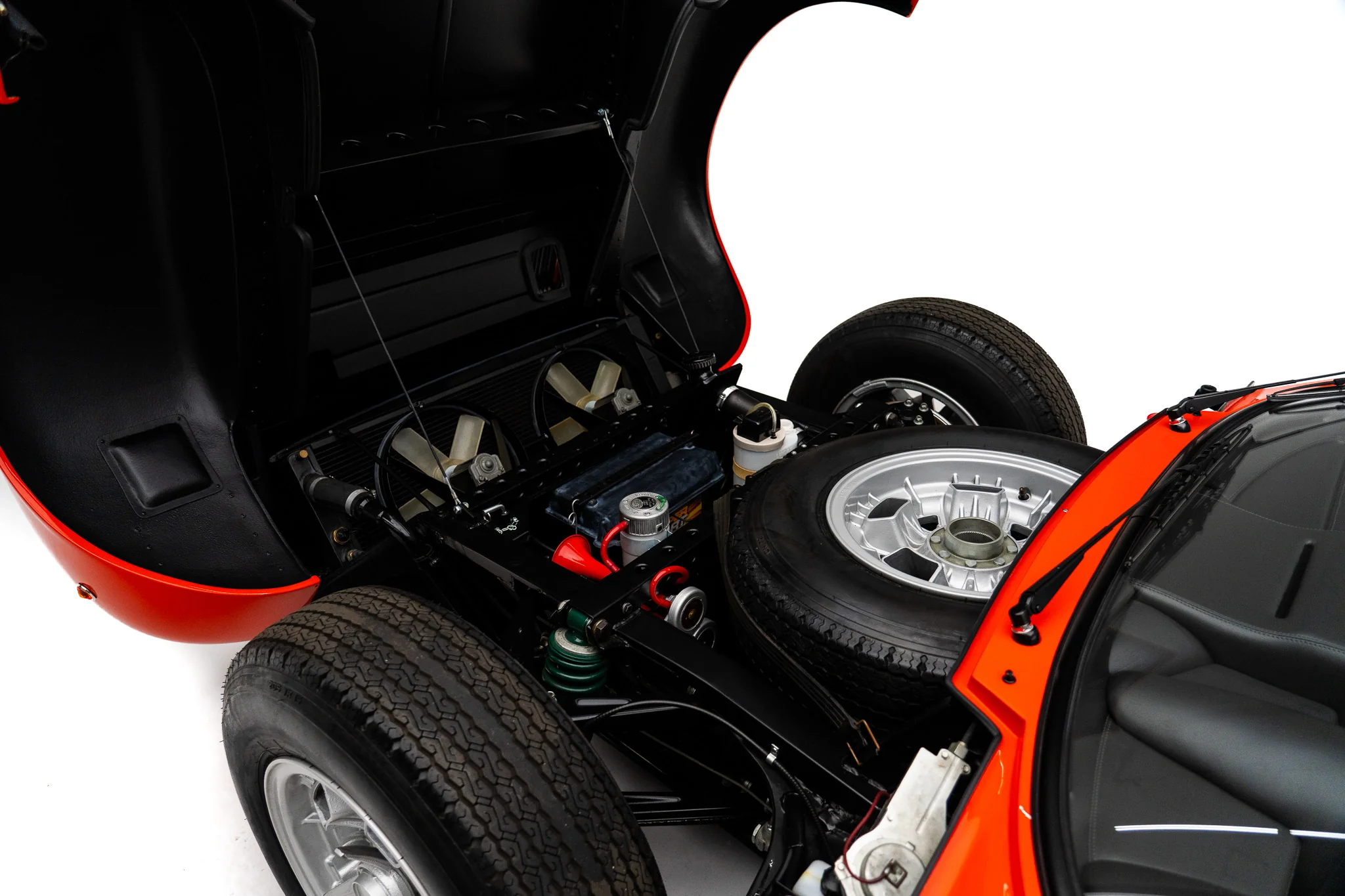
1968 Lamborghini Miura P400
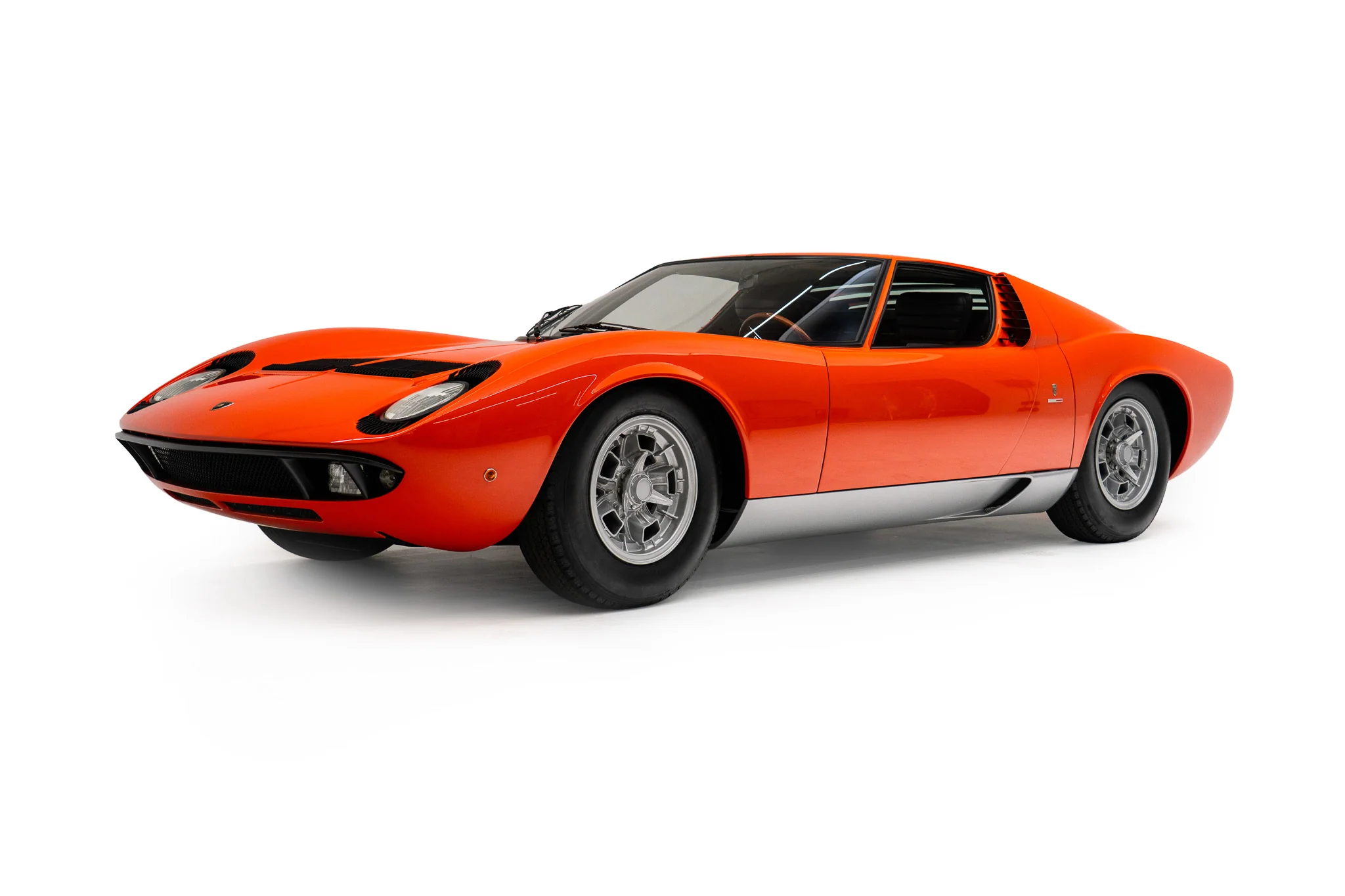
Lamborghini introduced the Miura in 1966, seizing the opportunity to become the first automobile manufacturer to offer a streetable mid-engine automobile worthy of supercar status. Featuring a chassis designed by Giampaolo Dallara and inspired by the cutting-edge mid-engine race cars of the era, the Miura had one of the lowest profiles of any production car built up to that point. The ultra-sleek coupe body designed by Marcello Gandini for Bertone helped redefine the look of supercars, with other manufacturers later emulating Lamborghini’s mid-engine layout and aggressive design. The Miura was the first production vehicle to utilize a transversely mounted (perpendicular to the car’s length) mid-engine V-12. This configuration—at the time used only by racing cars—was the most significant factor in the Miura becoming the car most often credited as the first “Supercar.”
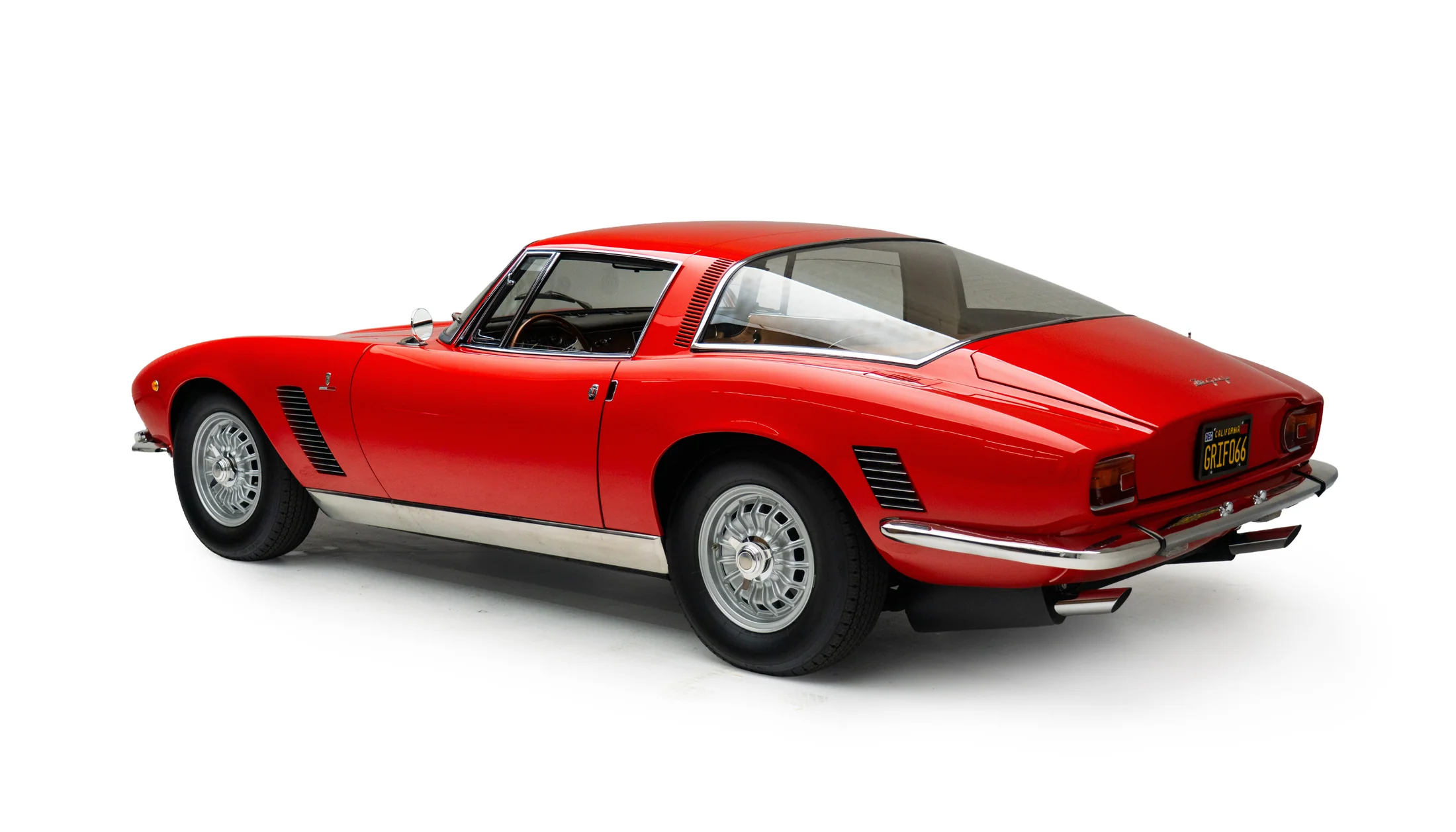
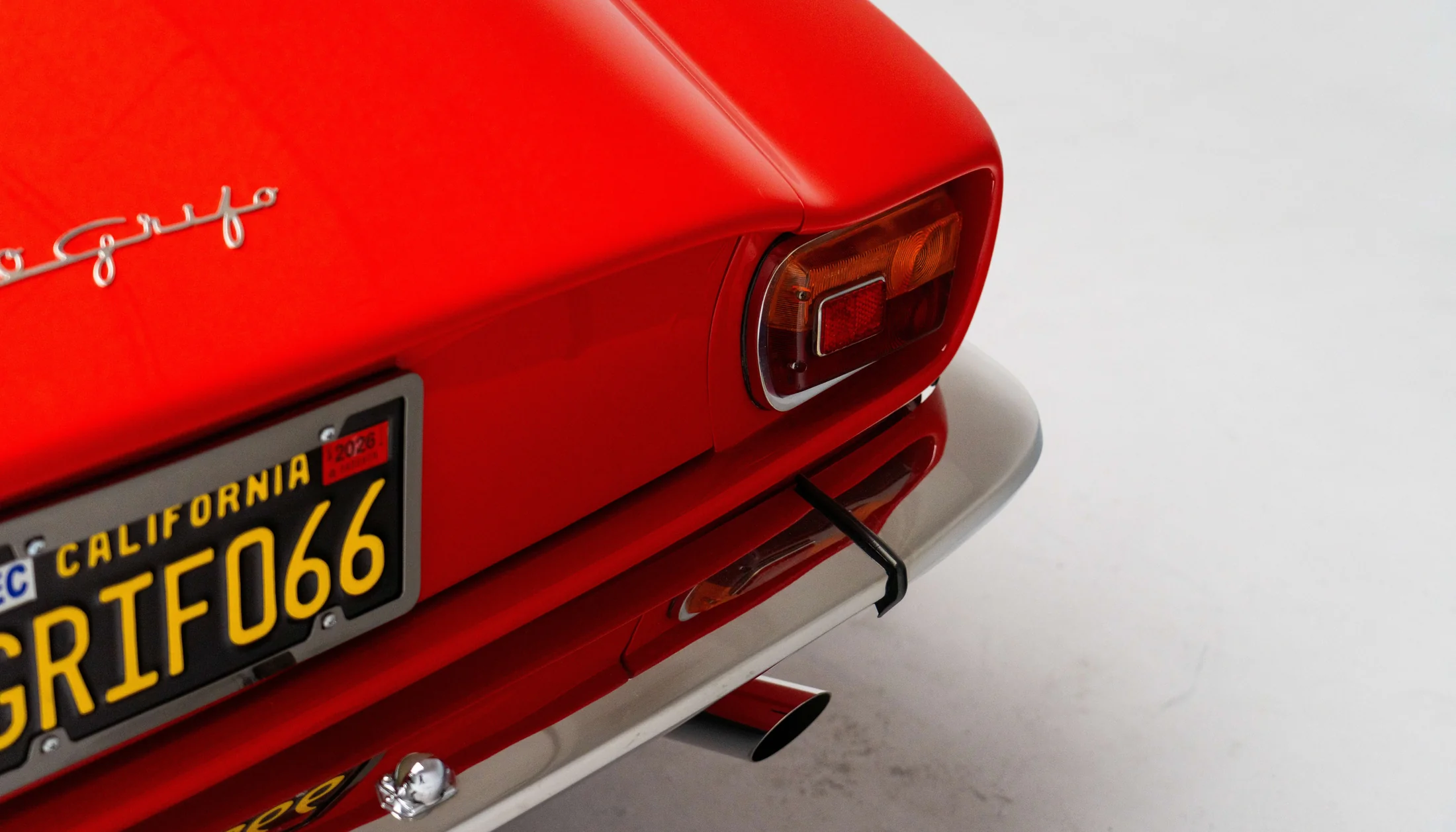
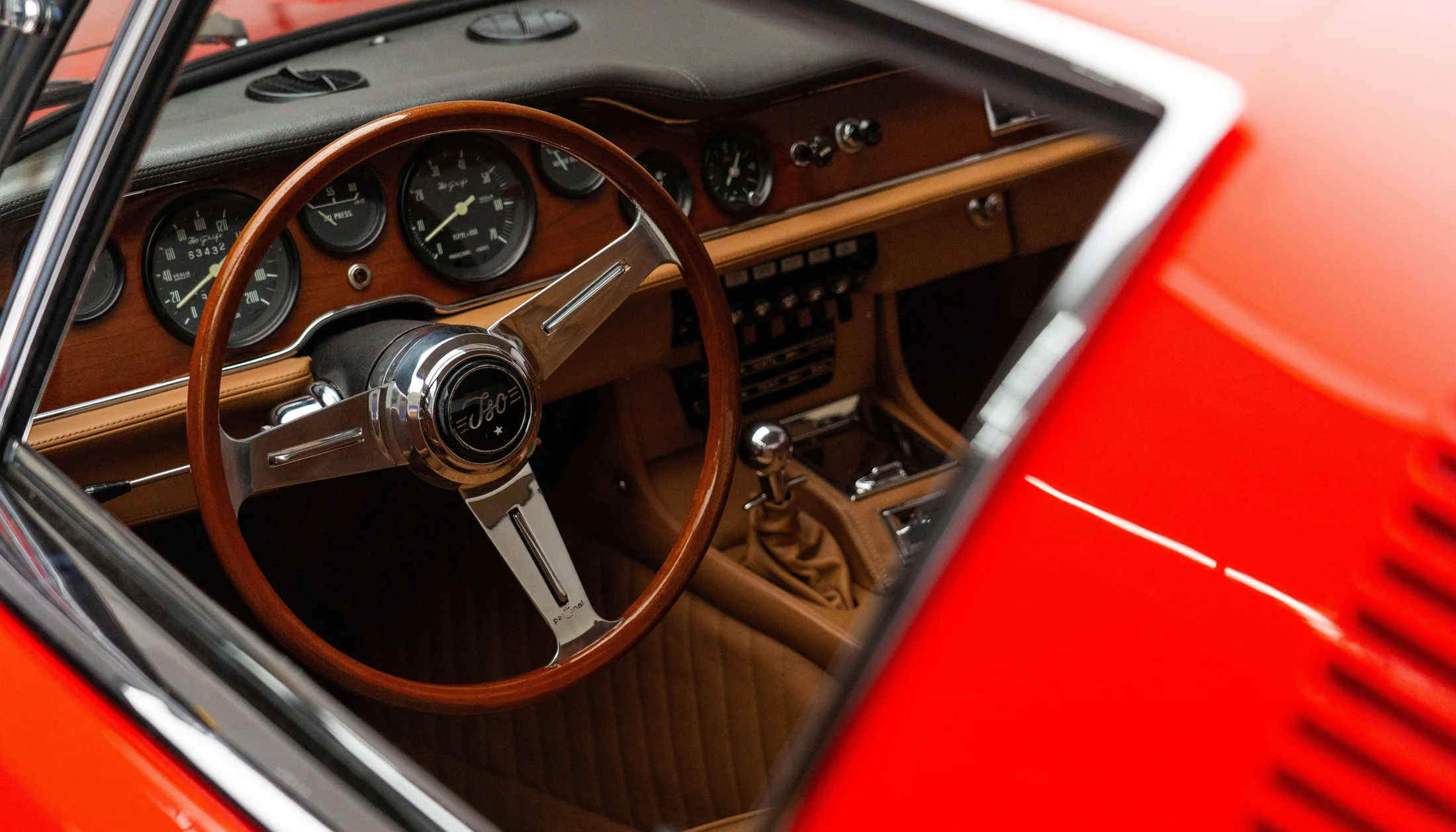
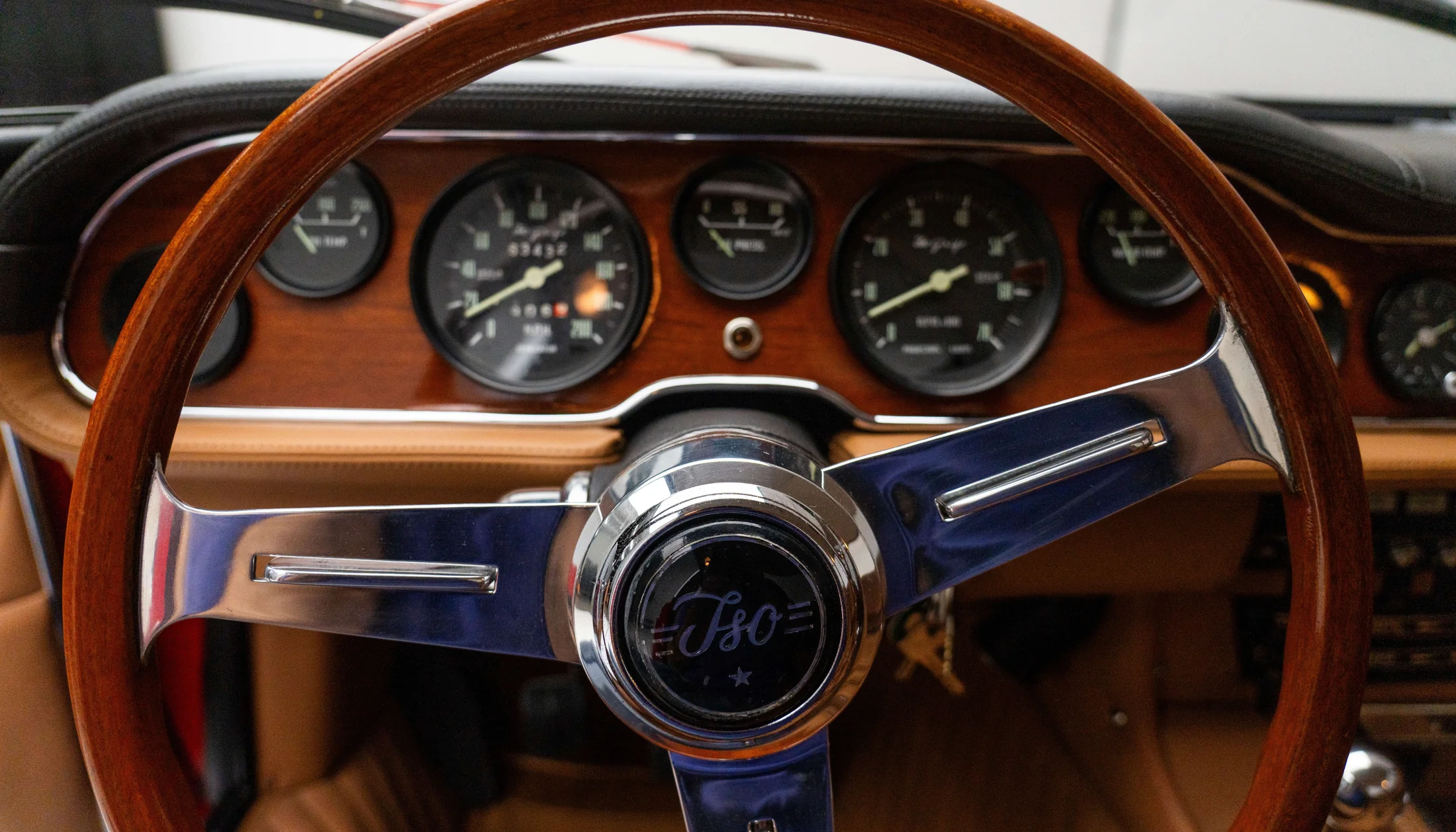
1966 Iso Grifo
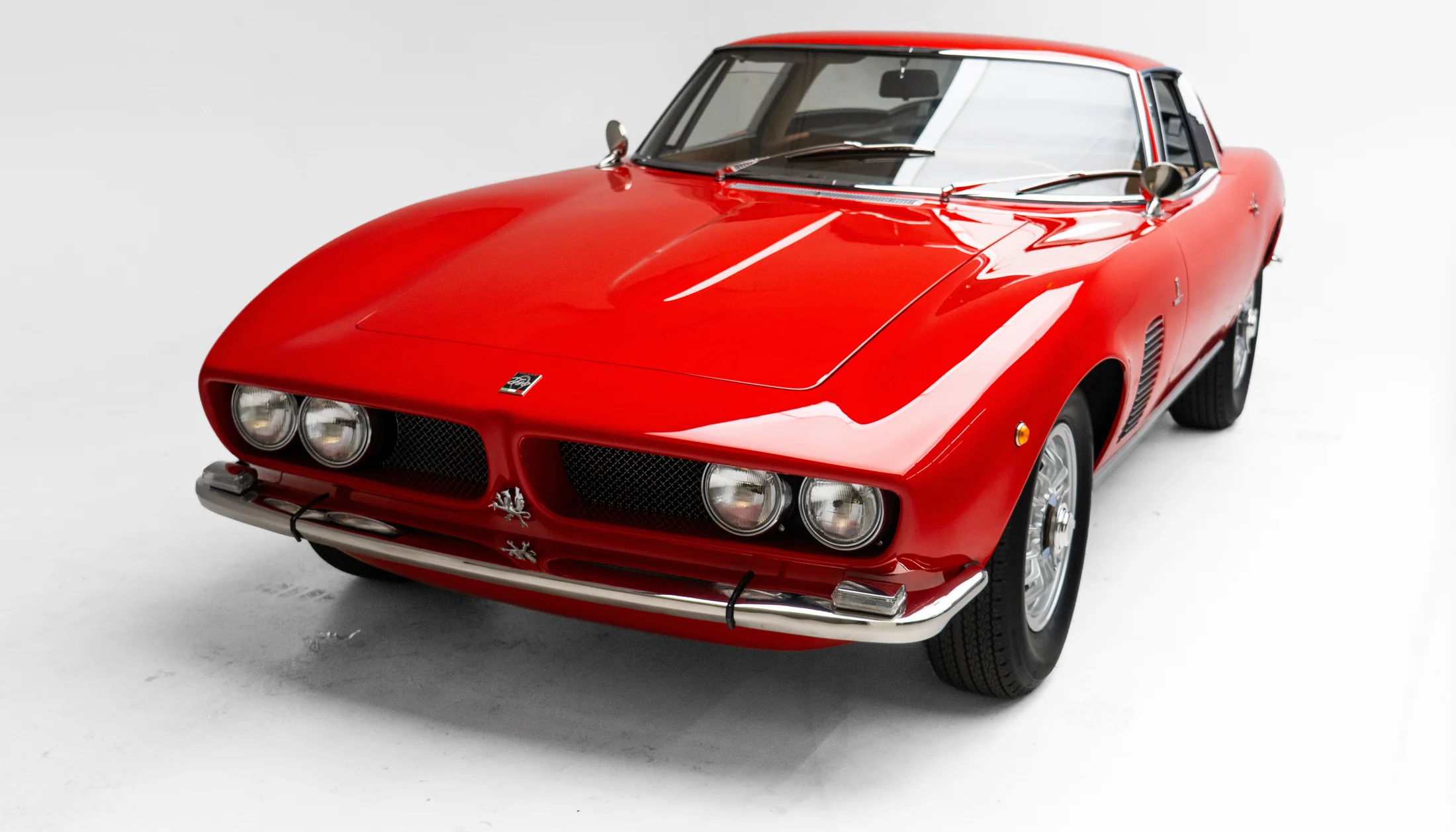
First introduced in 1963 and entering production in 1965, the Iso Grifo combined a lightweight Italian grand touring chassis with a Chevrolet V-8. Styled by Giorgetto Giugiaro and engineered by Giotto Bizzarrini, the model marked Iso Autoveicoli’s entry into the upper echelon of high-performance road cars. Iso transitioned from motorcycles and microcars to grand touring cars in the early 1960s, seeking to compete directly with established manufacturers of performance cars. The Grifo became the brand’s defining product of the era, establishing the marque’s reputation for combining Italian design and chassis engineering with American powertrains.
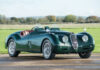
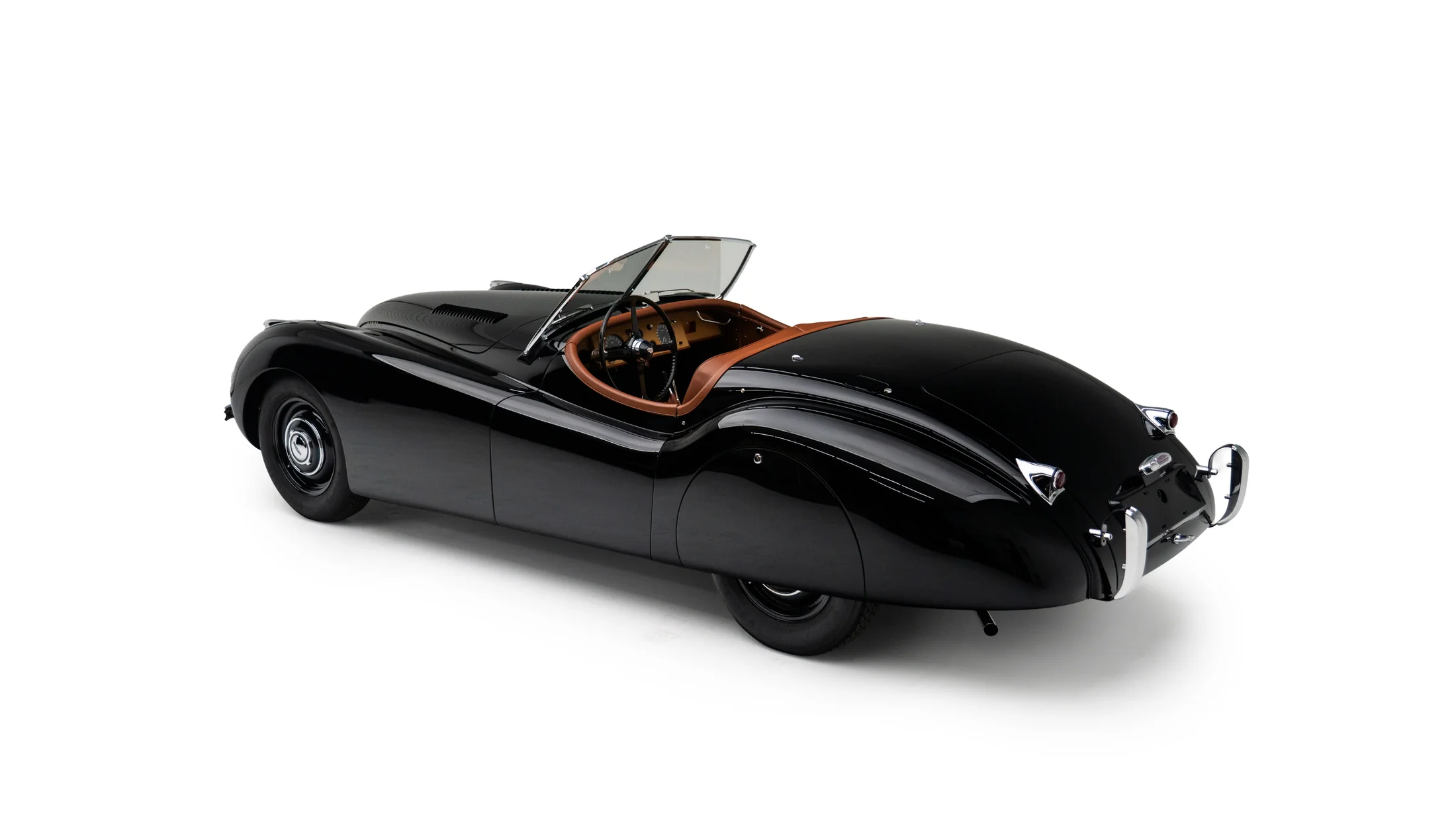
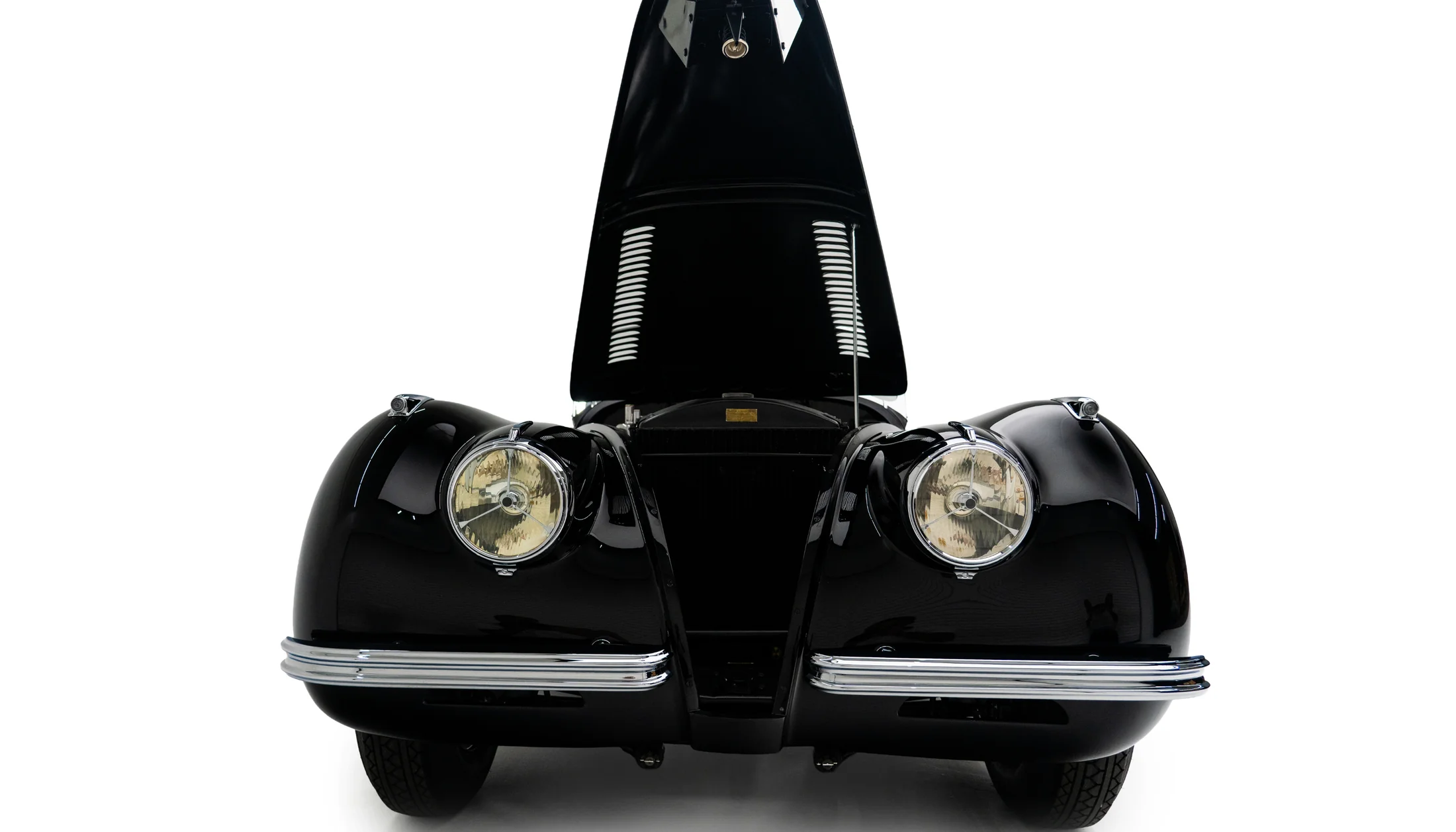
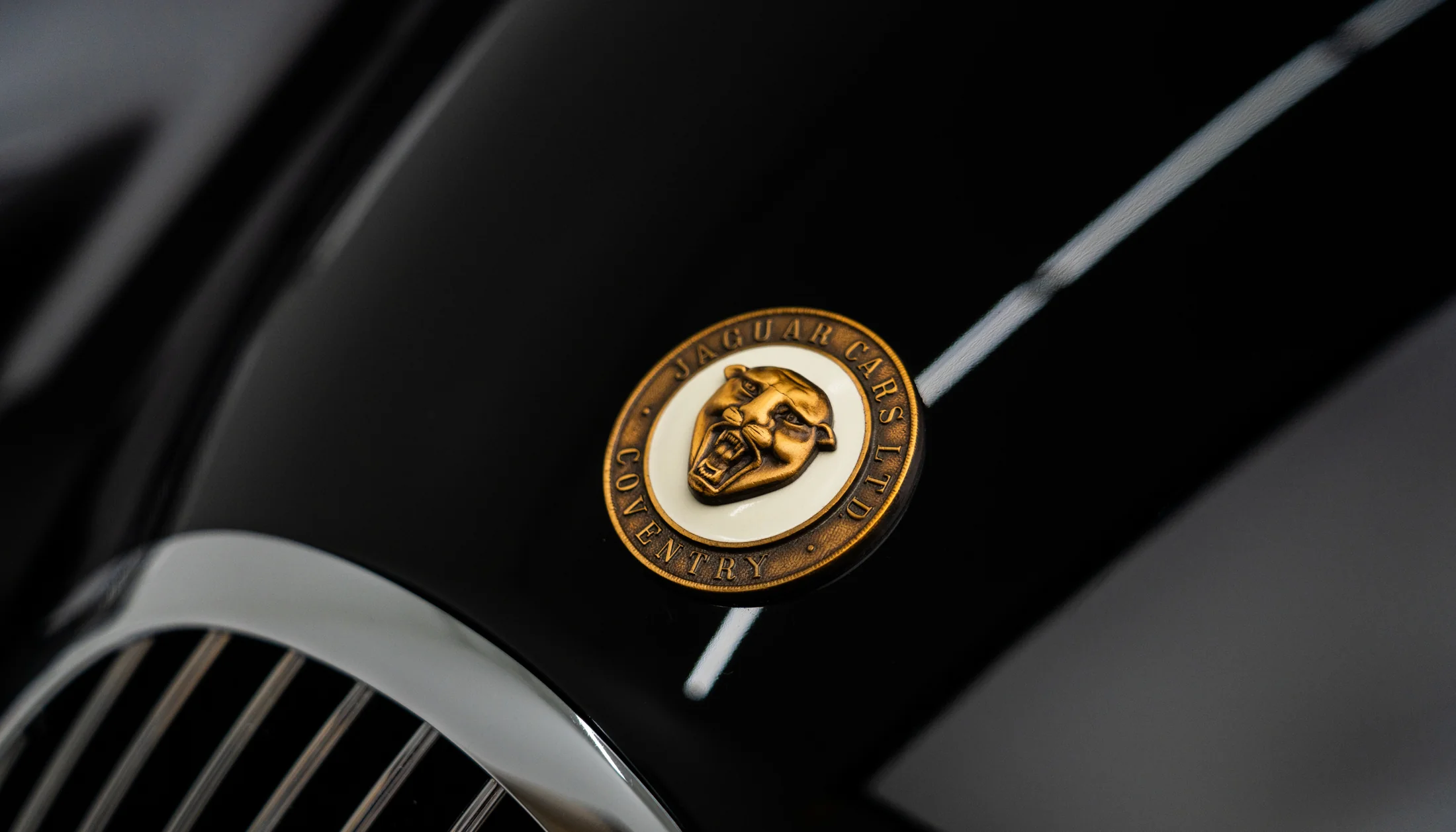
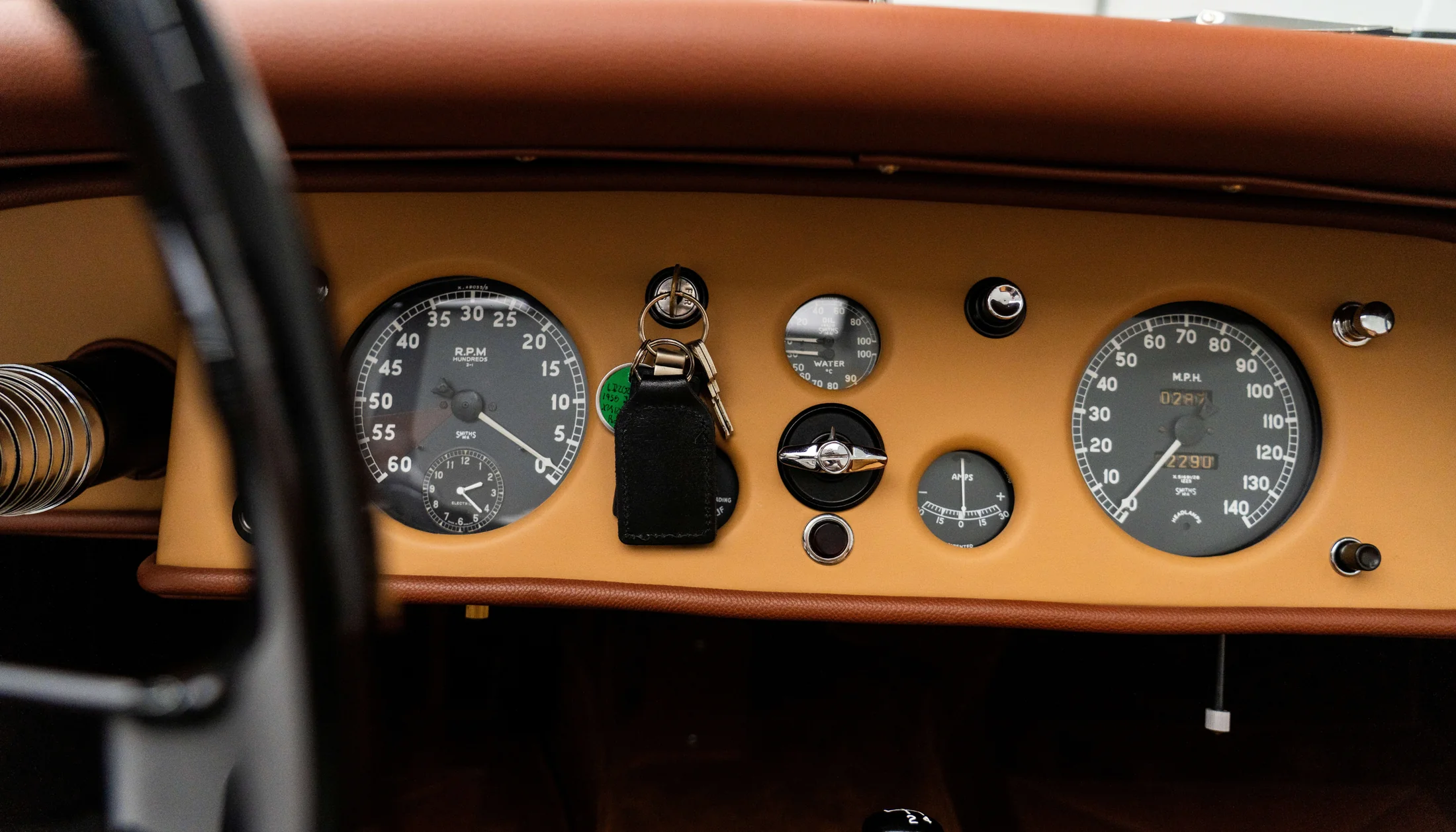
Jaguar XK120 Alloy Roadster
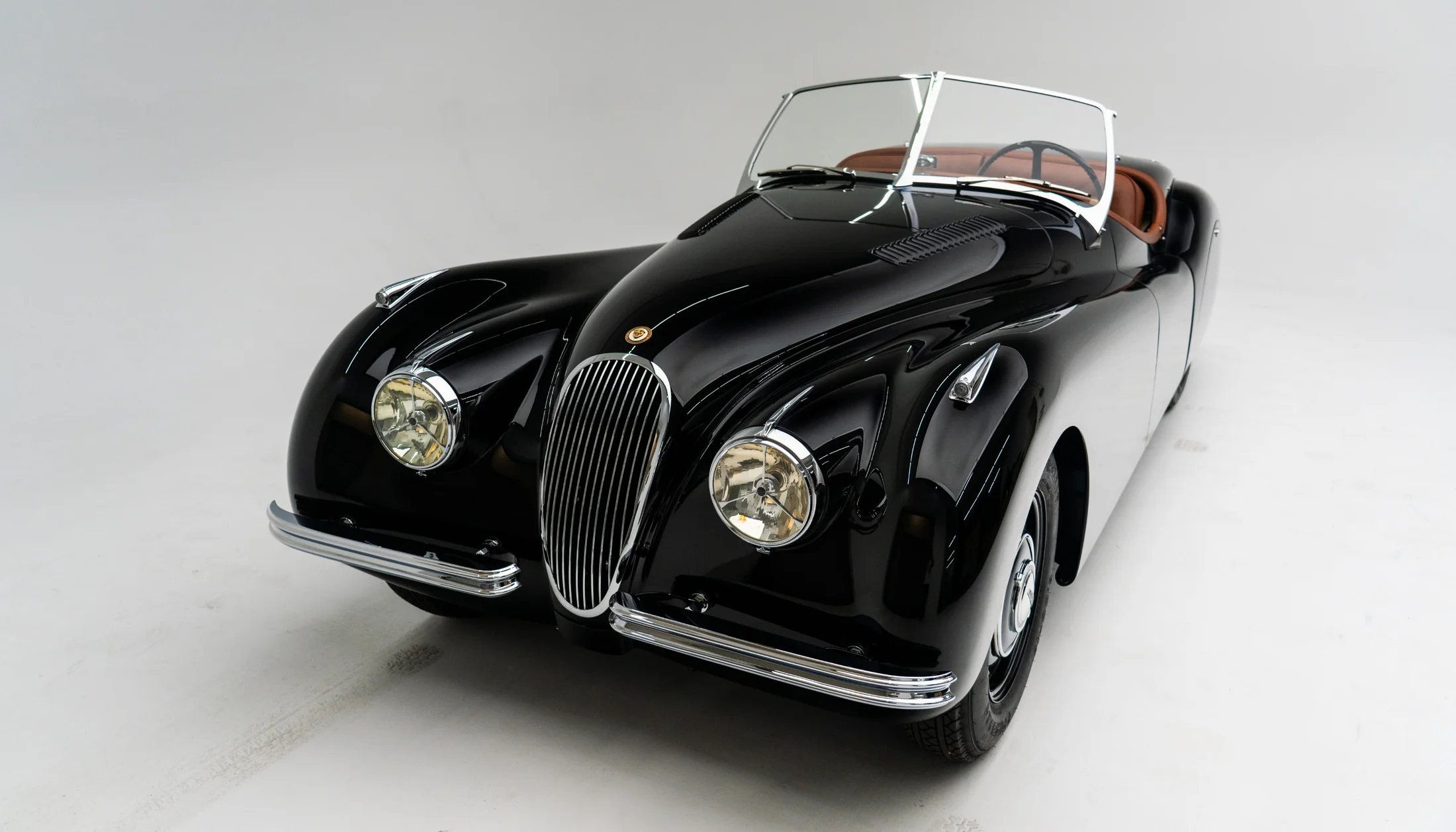
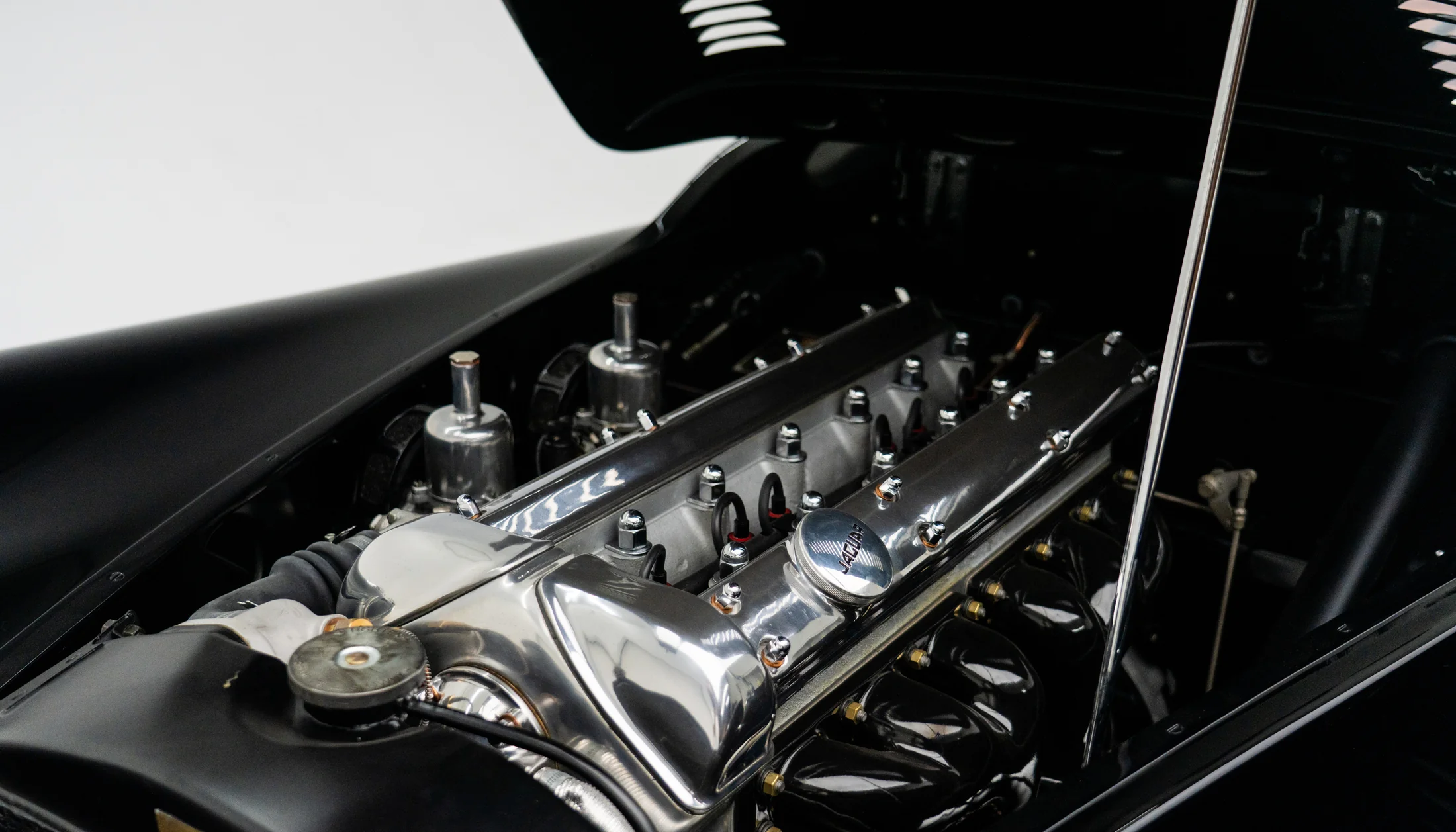
The XK120 was one of the first new sports cars designed after World War II. It was developed quickly to showcase Jaguar’s new XK engine and to sustain the company until the delayed Mk VII Saloon, for which the engine was originally intended, was ready for production. Initially, only 200 cars were planned. However, the car’s impressive 120-mph performance caused a sensation, helping establish the Jaguar brand’s offerings as some of the UK’s most sought-after exports in the decades following the war.
find more news here.