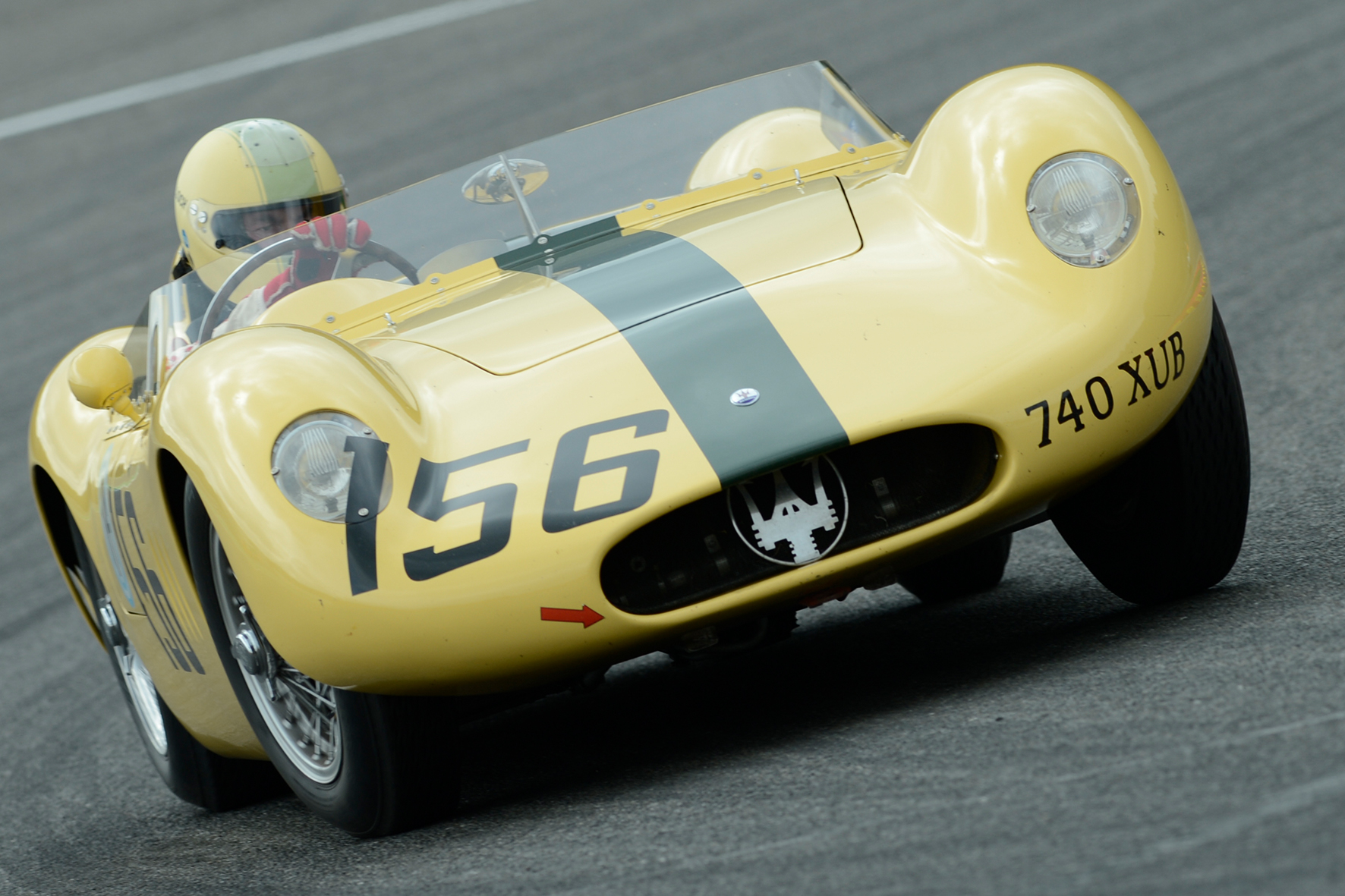
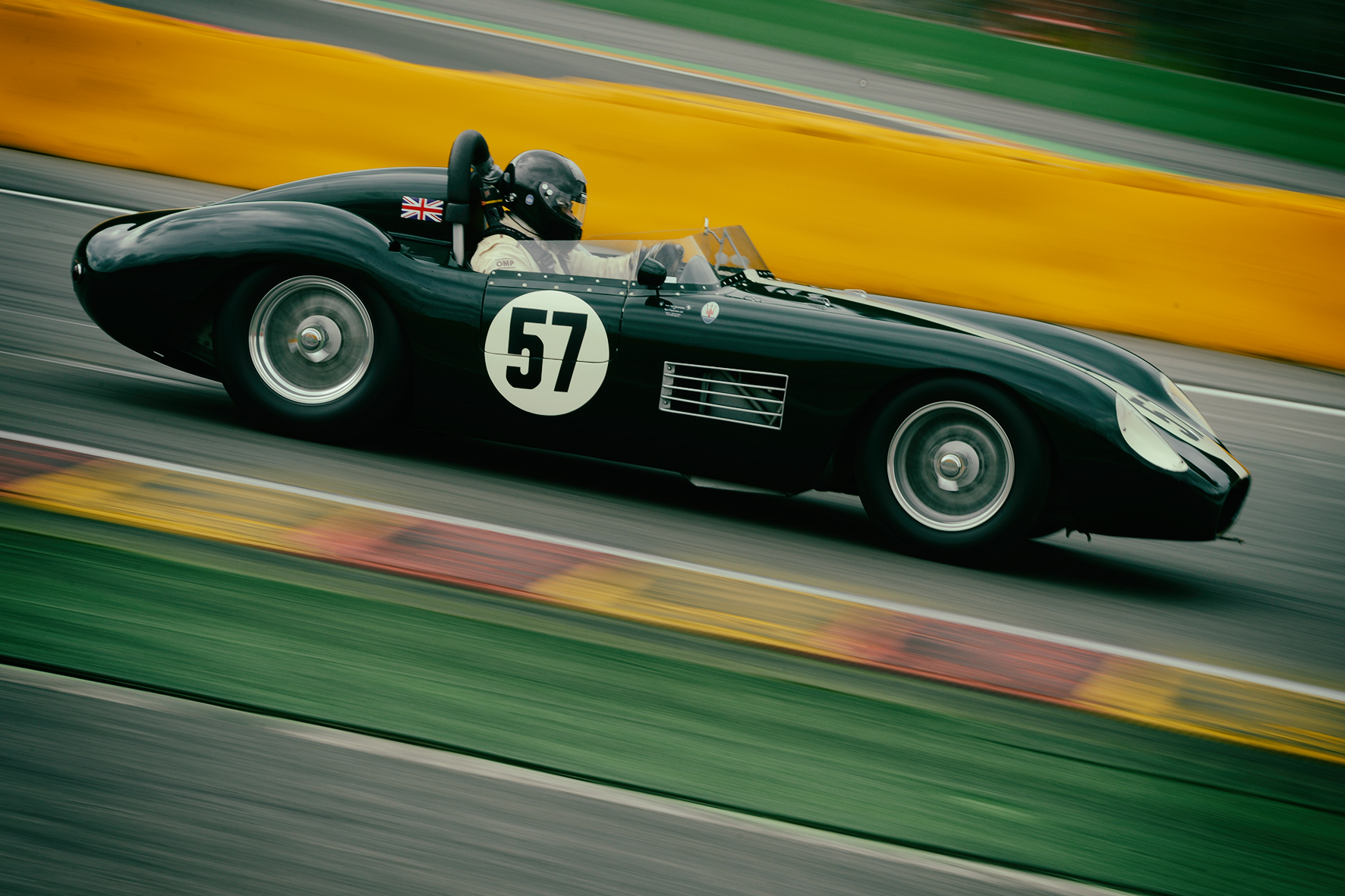
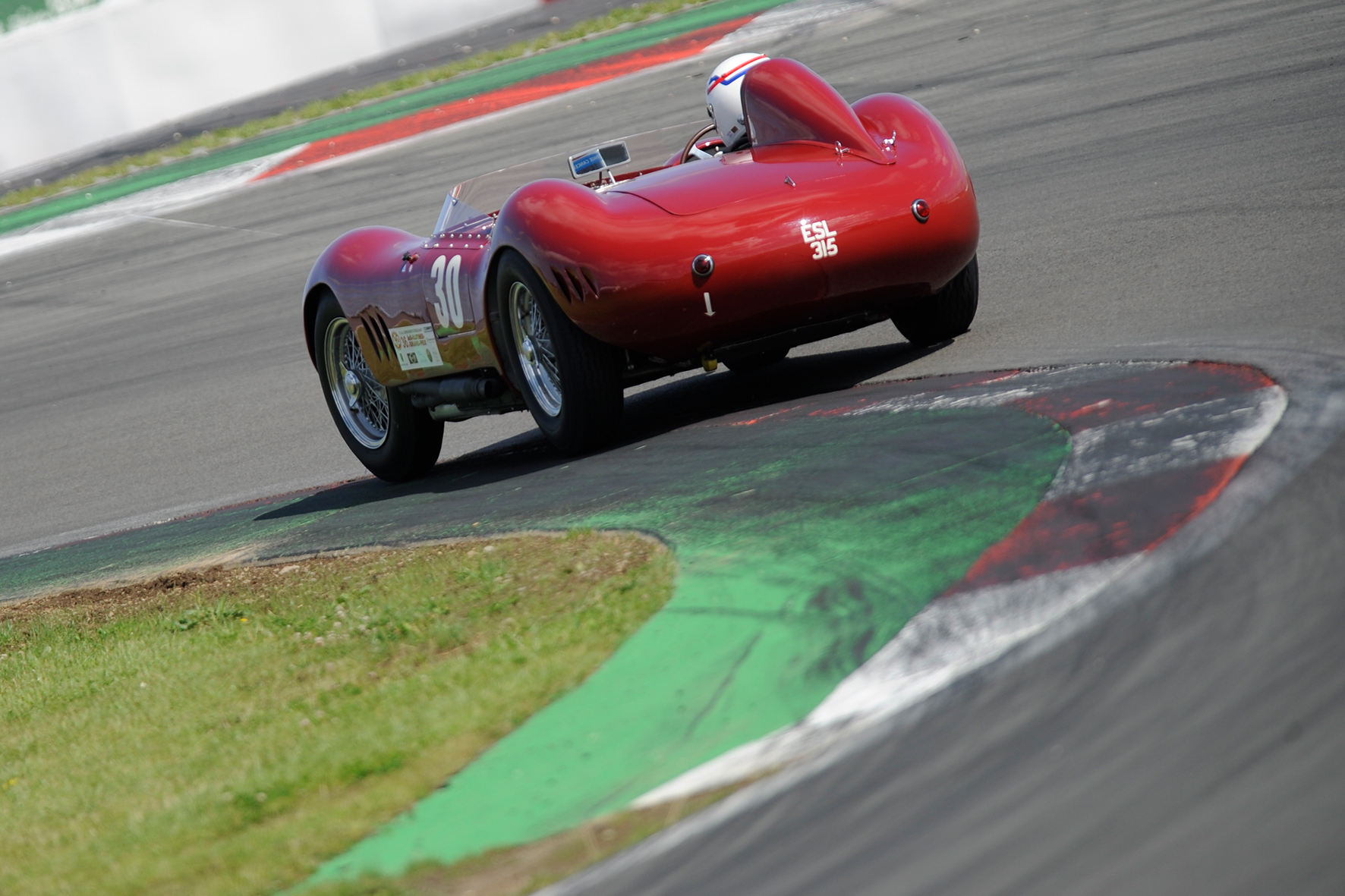
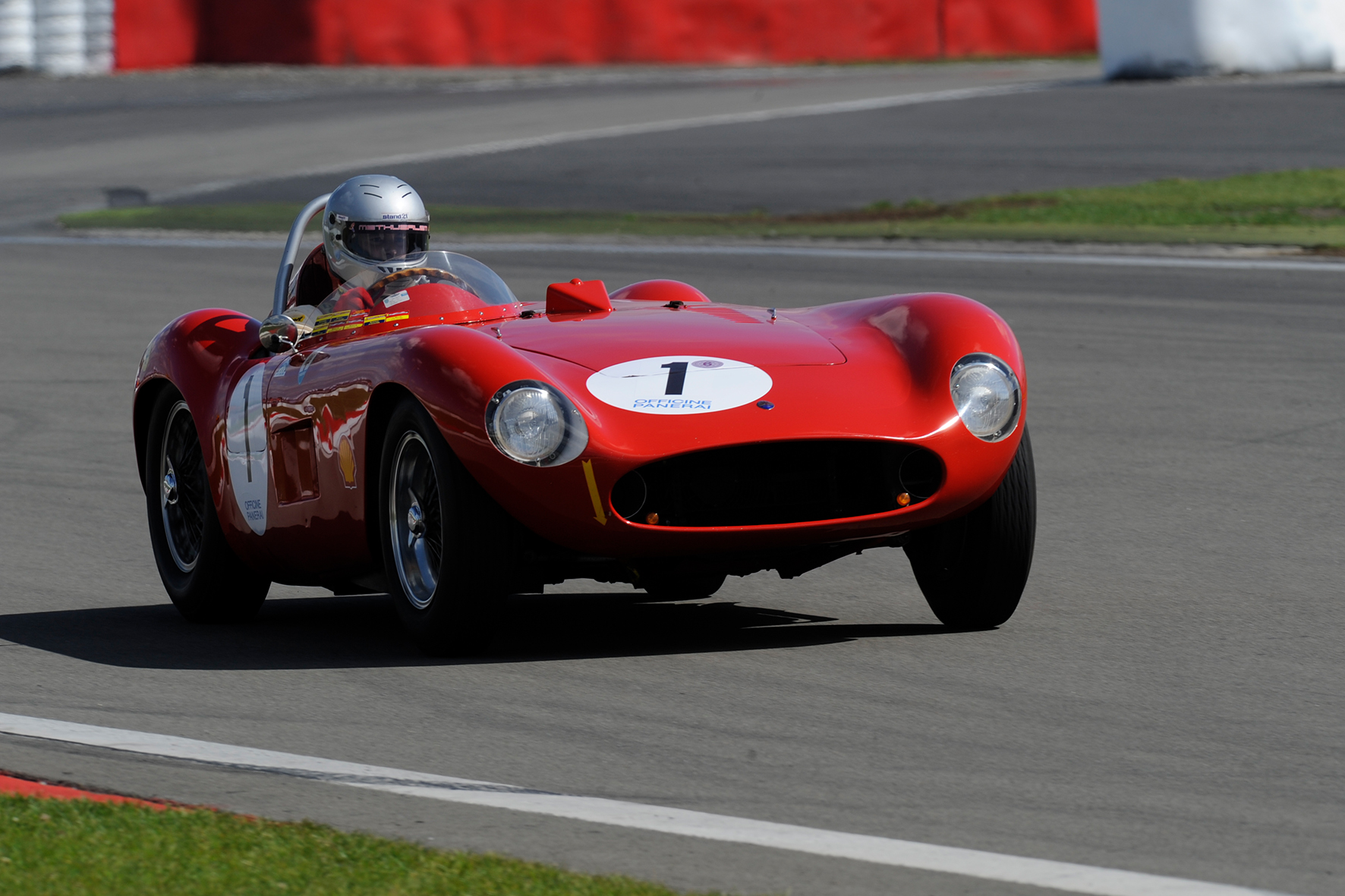
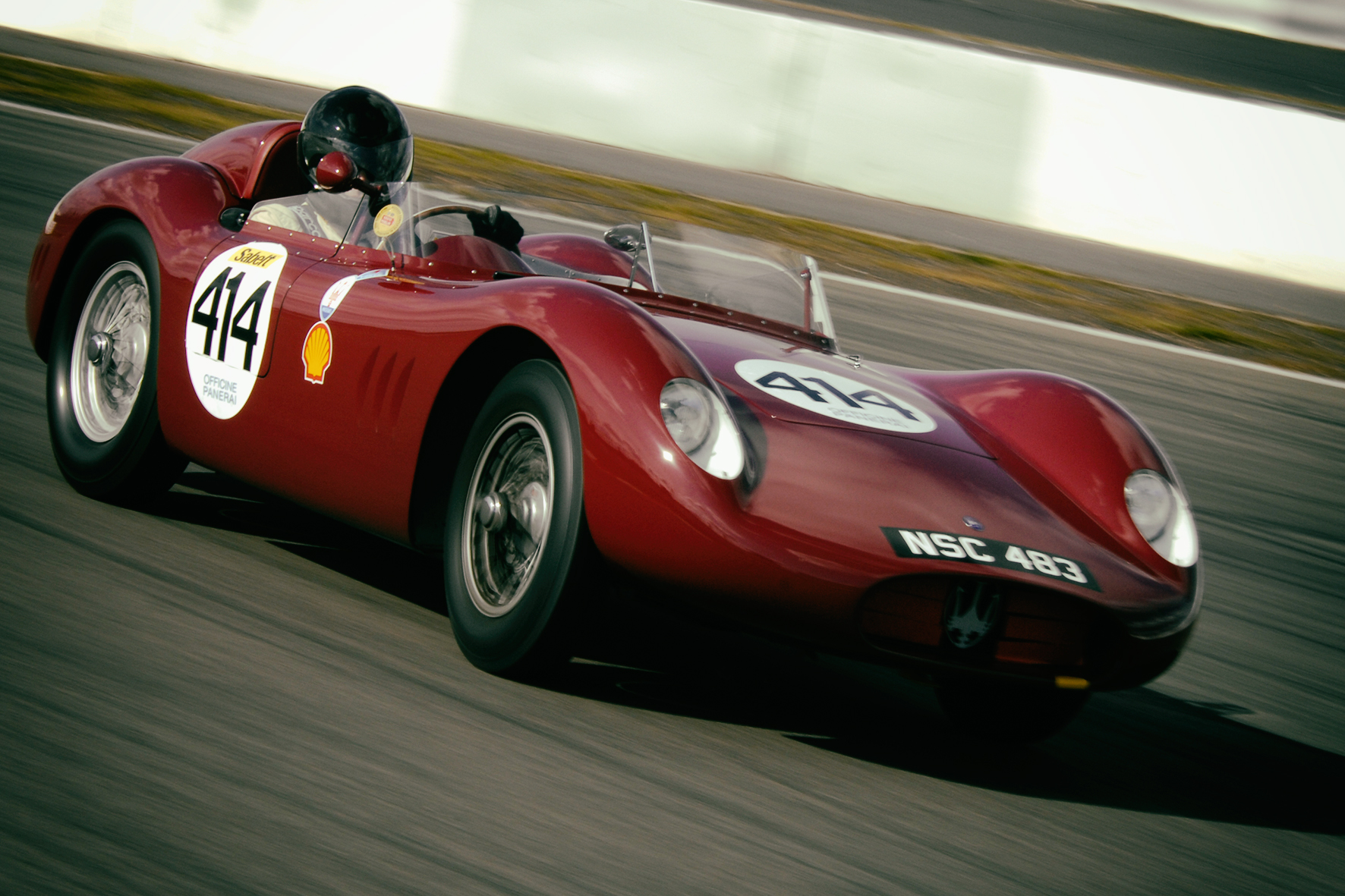
I think my fondness for Italian racing cars keeps coming to the fore. It’s something that’s been with me for years. Of course, it’s primarily the mostly red cars from Maranello. But I’m also quite taken with the Maserati brand. The 250F remains one of my favourite Grand Prix racing cars.
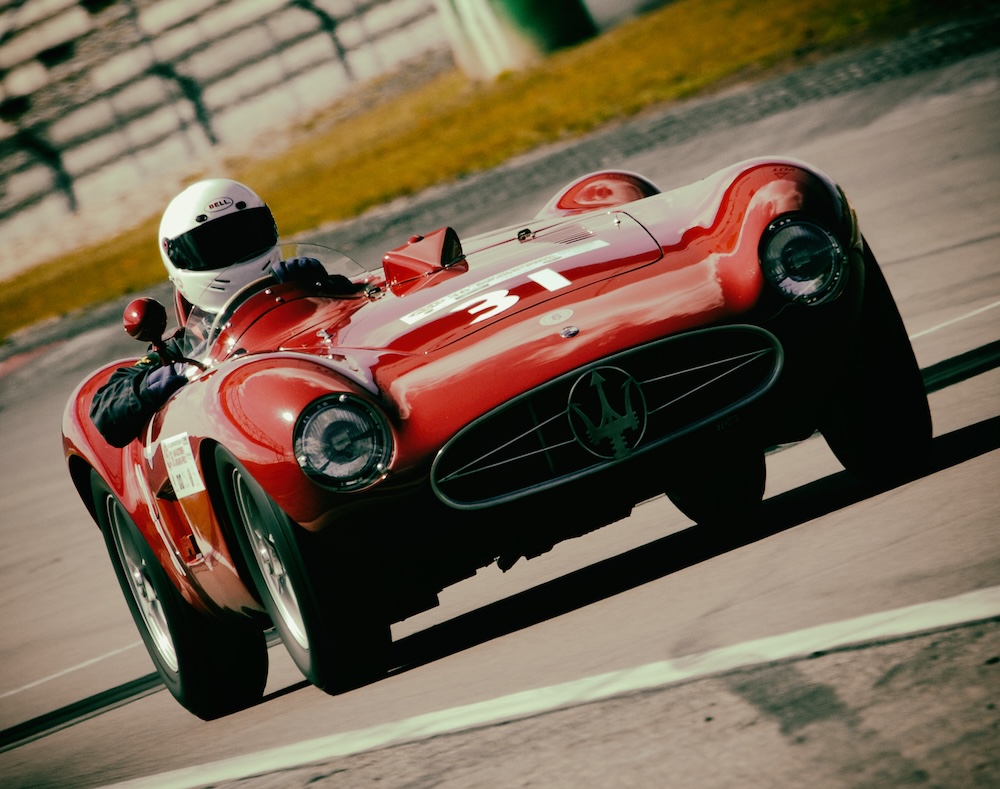
What never ceases to fascinate me about the racing cars from northern Italy is the wide variety of models. But this is also, at times, a dilemma that is difficult to resolve. It could well be the case, particularly with Ferrari, that a car would return from a Grand Prix on a Monday, having been largely unsuccessful, and then simply have a different engine fitted, or the suspension modified, a new bodywork installed, or similar far-reaching changes made. This sometimes makes it difficult to establish a clear identity for the cars. All this naturally makes the history of the brands more fascinating, and there are numerous books and articles that attempt to clarify these facts.
That is not my aim; I could not possibly do it justice. My motivation is and remains the depiction of beauty, pure craftsmanship and speed. That is why I am summarising the Maserati 200SI, 250S and 300S models in a single report, even though each has written its own story.
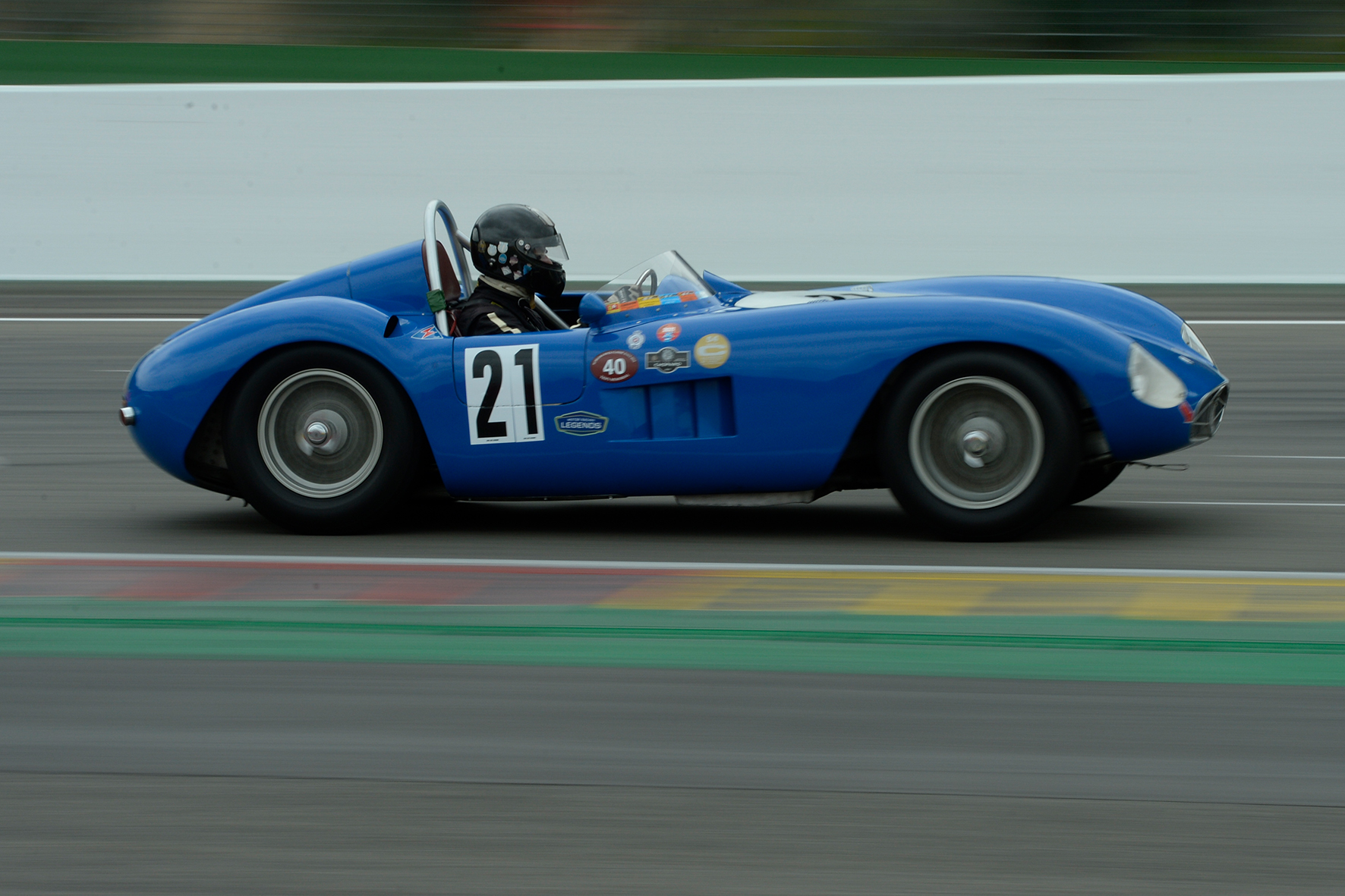
They were all built around the same time, though each has a different history. These three Maseratis have one thing in common: they are rare, beautiful, were driven by many great drivers of their era, and achieved some impressive results and victories.
The open-top sports cars of the 1950s are all icons of their era. Whether they came from the British Isles and were called Jaguar or Lister, or from sunny Italy and were made by Ferrari or Maserati, they all enjoyed their share of success. It is fascinating how similar they appeared at first glance, yet differed significantly upon closer inspection.
Personally, I really like open-top racing cars – the monopostos, of course, but also the open-top racing cars – as they give you the chance to watch the drivers at work.
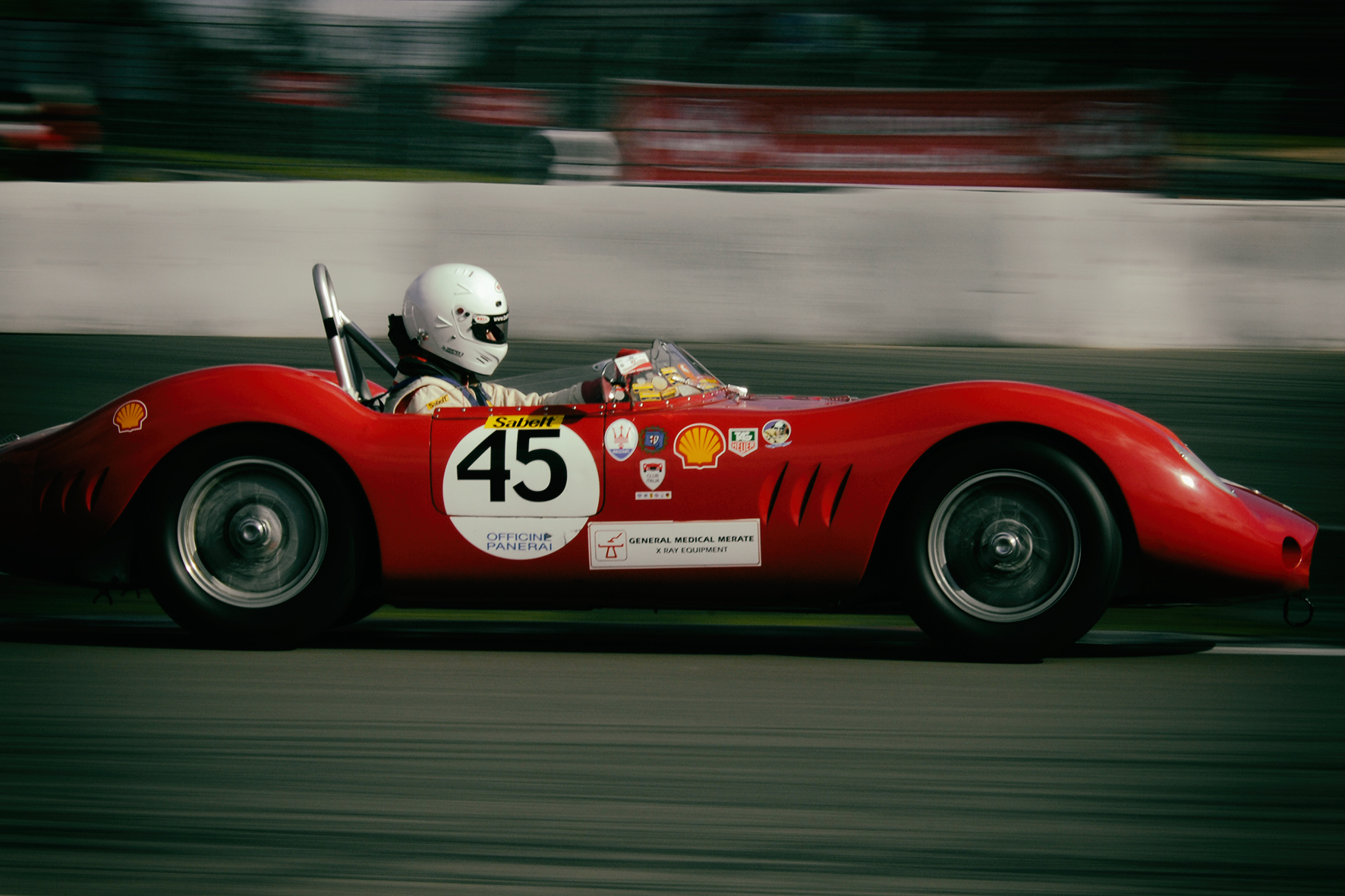
Back to the wonderful open-top Maseratis. The 300S, known internally as the Tipo 130, was built around 27 times between 1955 and 1959 and featured an inline six-cylinder engine producing 260 hp, which allowed it to reach a top speed of between 265 and 290 km/h. The chassis of the 300S was partly based on the 250F Formula One racing car
Stirling Moss said: “The 300S was one of the most beautiful, easiest to drive and best-balanced sports cars ever built.” At that time, drivers were not tied to a single manufacturer, and Moss in particular drove practically anything with four wheels that showed promise, which is why his statement carries such weight. And ultimately, he secured his first victory in a World Sportscar Championship race for Maserati in the 300S.
The Maserati was of fairly conservative design, apart from its transaxle layout. At the front there were coil springs, at the rear leaf springs on a rigid axle. The classic drum brakes did at least feature perforated cooling fins, which provided better cooling in hot conditions. The bodywork of all 300S models built was supplied by Fantuzzi. However, no two cars are identical, as new findings in aerodynamics continually influenced the design.
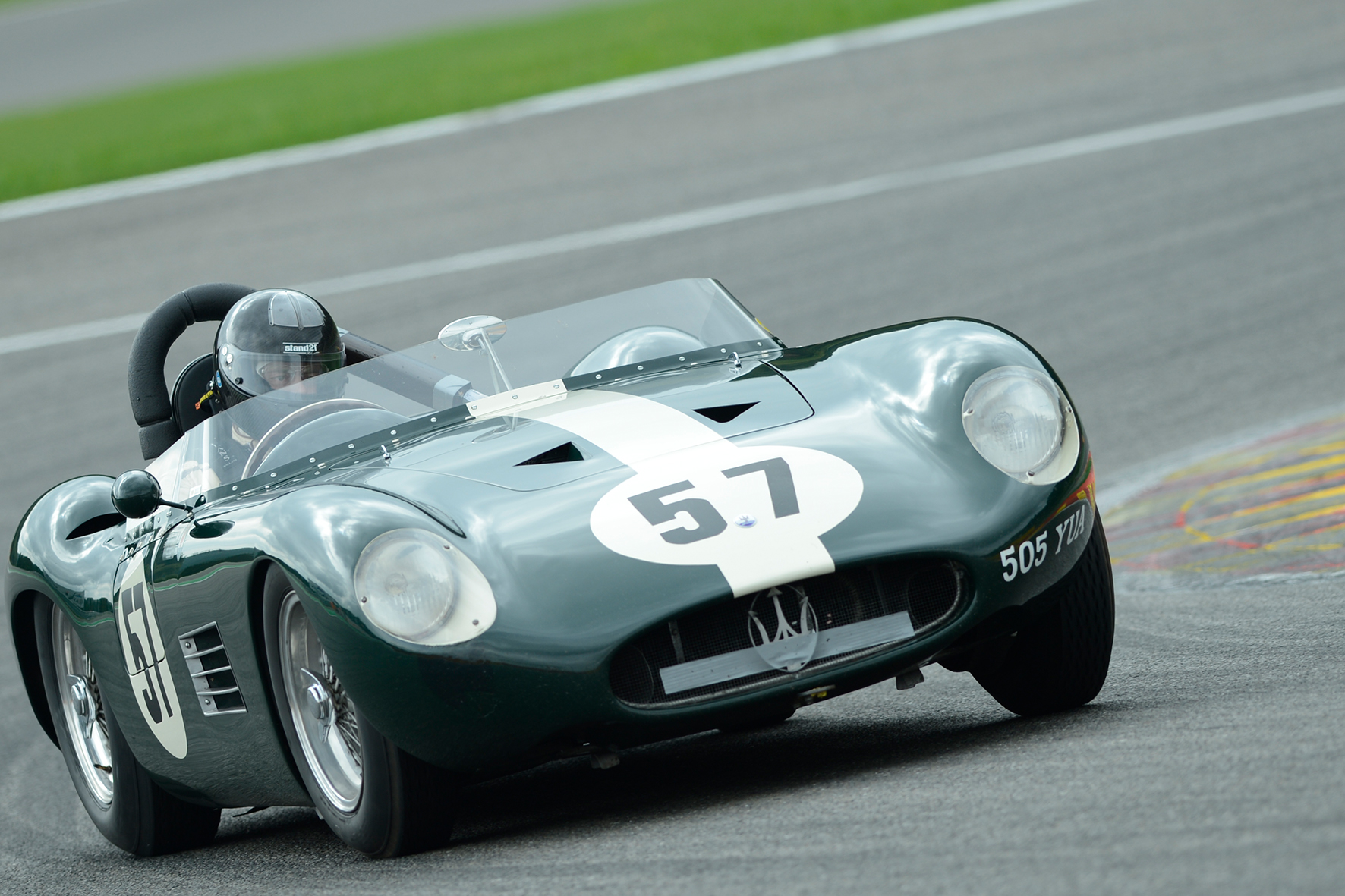
The 200S/SI, Tipo 52, was regarded as the successor to the ageing A6GCS. It had a 2-litre four-cylinder engine with dual ignition. This racing car was developed primarily for customer racing, which was very important to Maserati at the time, and was intended to continue the glorious era of its predecessor. The engine produced 180 hp and weighed approximately 660 kg. Around 30 examples of the 200S were built. The Maserati 200S was also ‘dressed’ by Fantuzzi.
In August 2020, chassis number #2427 was sold at RM Sotheby’s for just under 3.2 million dollars. This car was the first to be delivered to the USA and, under the ownership of its first owner, Vincent Dyckman Andrus, with John Fitch at the wheel, competed in SCCA races on the US East Coast, where it won regularly. The 200 SI was undoubtedly a very fast racing car, but it sometimes proved to be too slow.
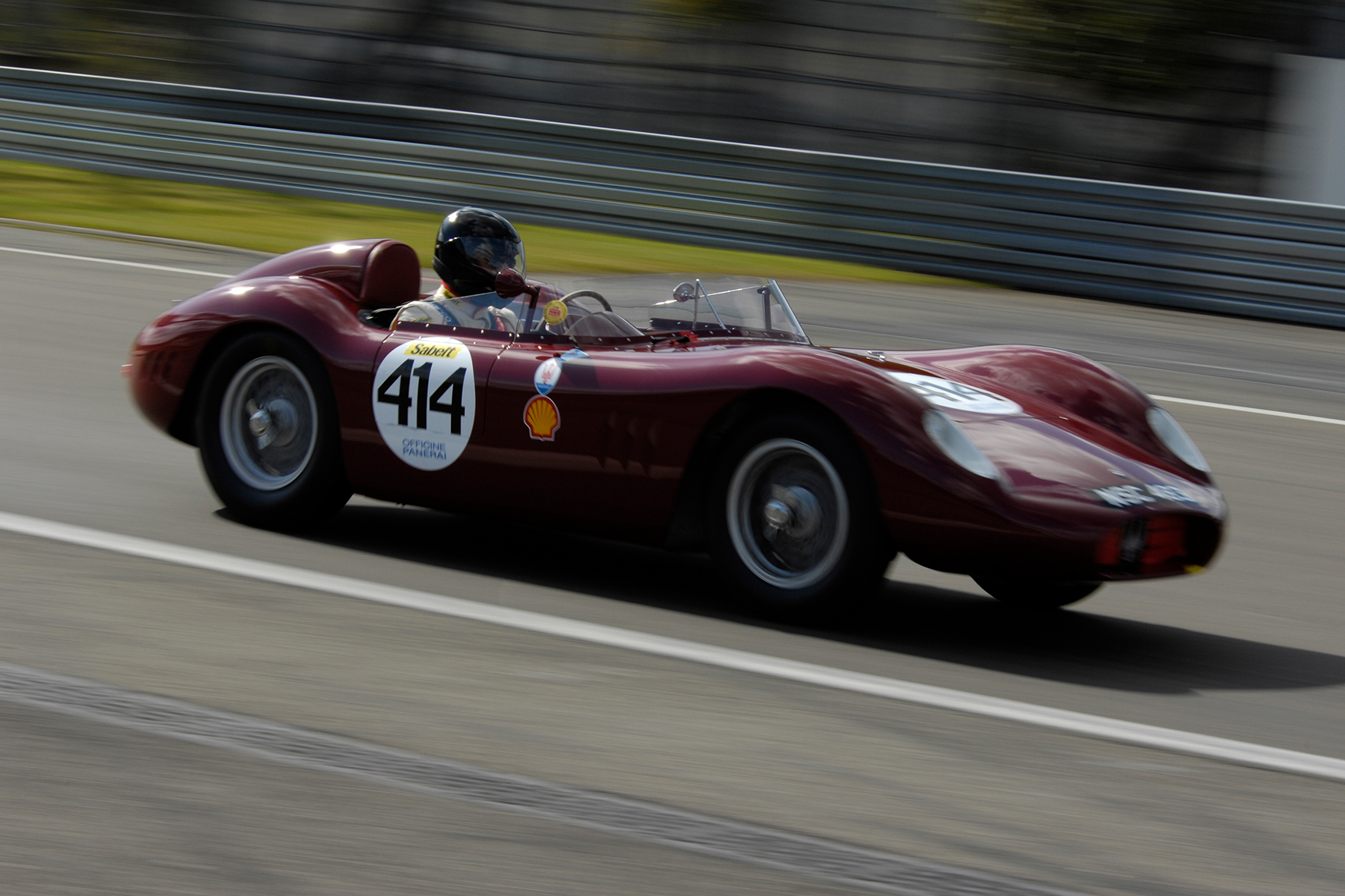
The 250S was intended to be its legitimate successor. With an engine capacity increased to 2.5 litres and now producing around 235 hp, its performance was significantly better. However, only four examples of the 250S were built, and only one was a ‘true’ 250S – chassis number #4232 – whilst the others were converted 200SIs.
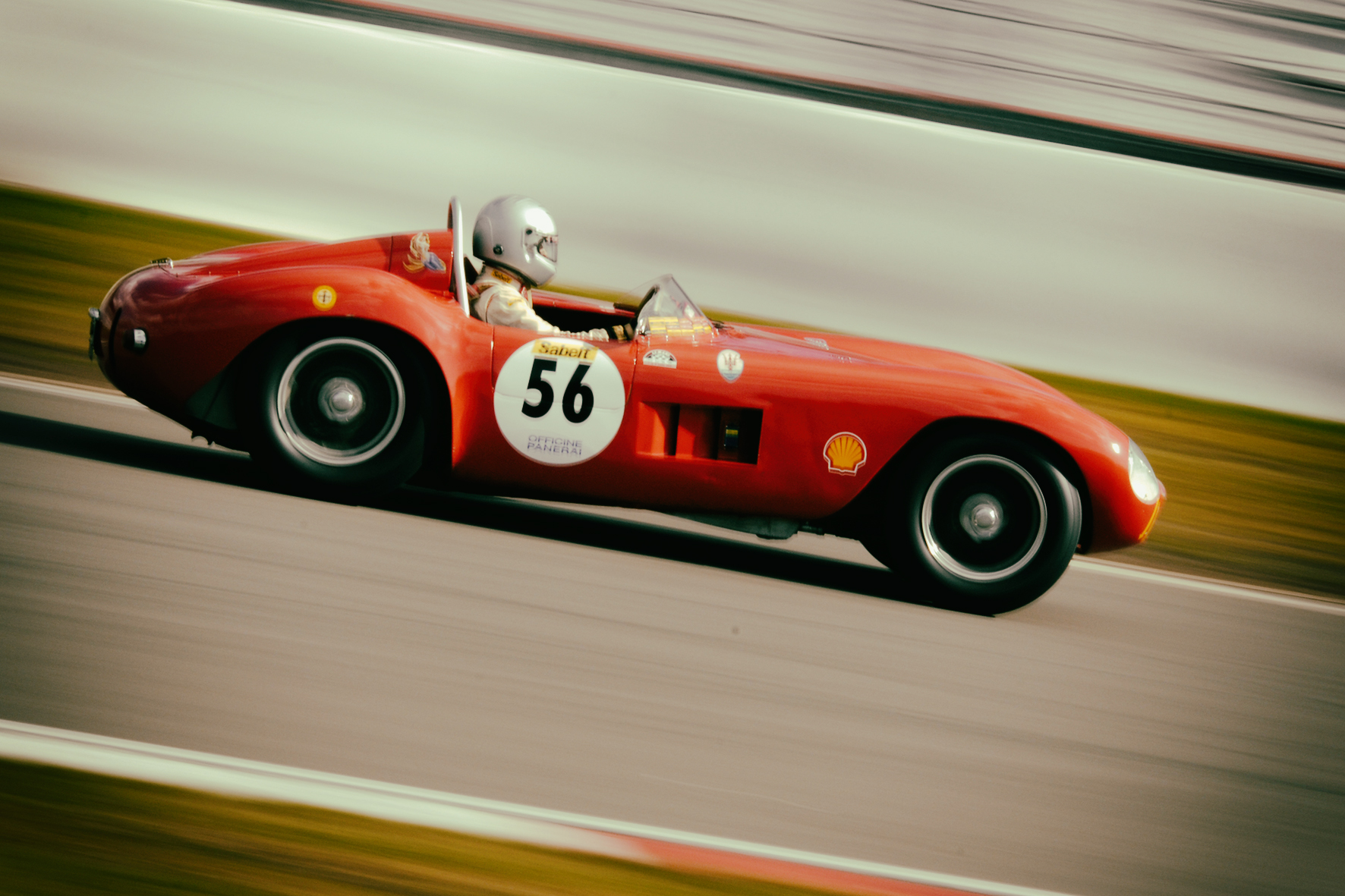
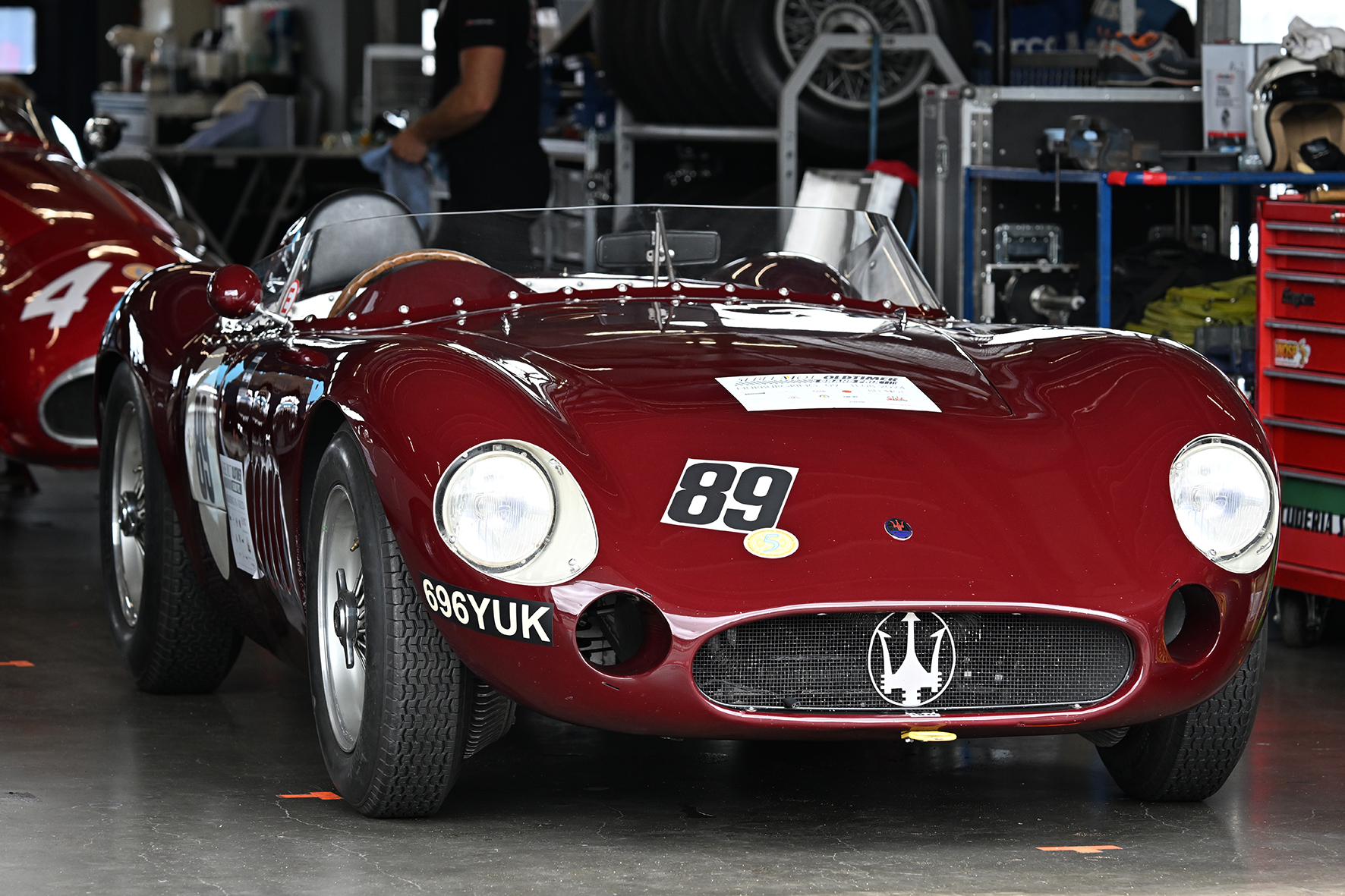
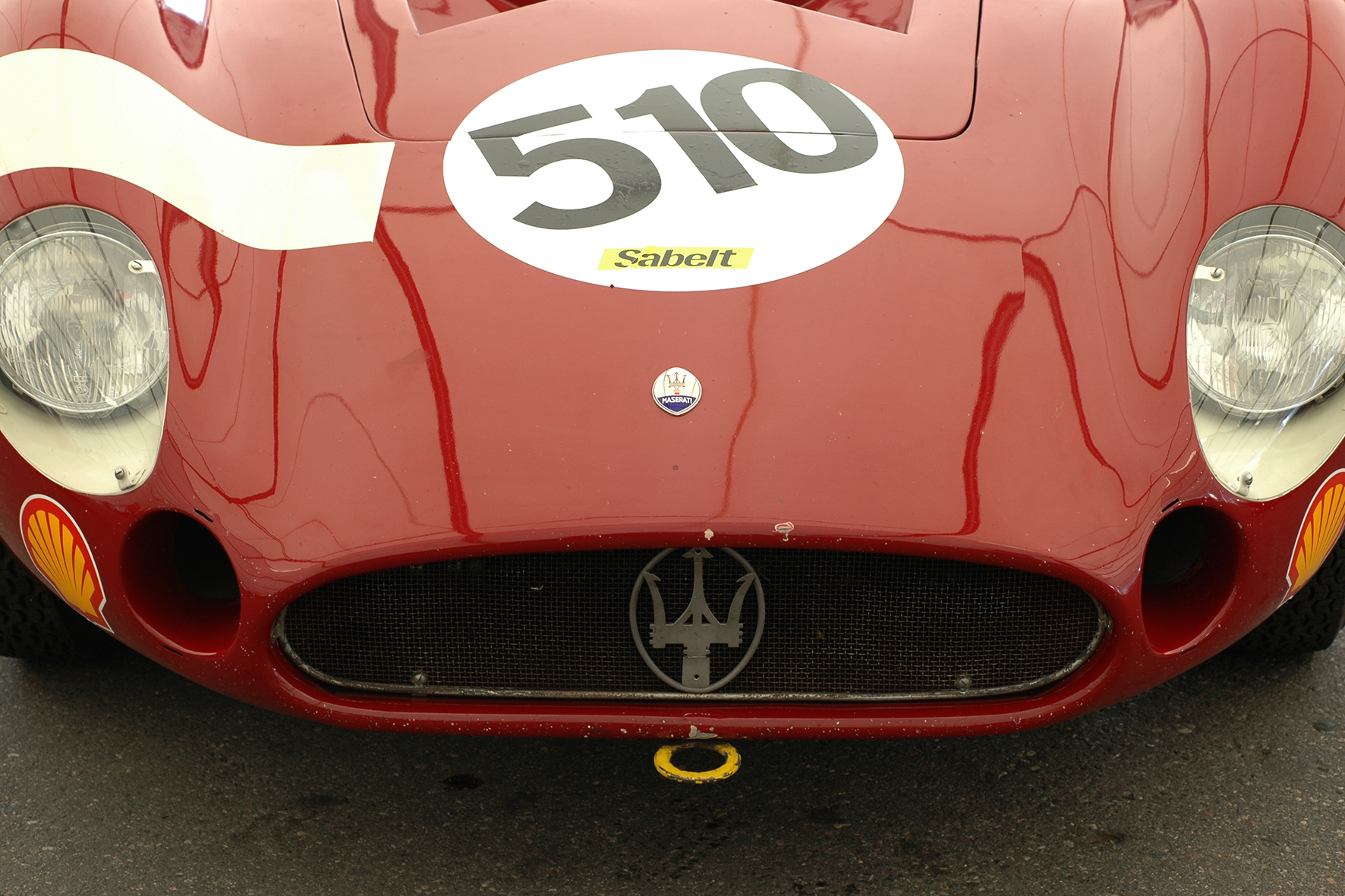
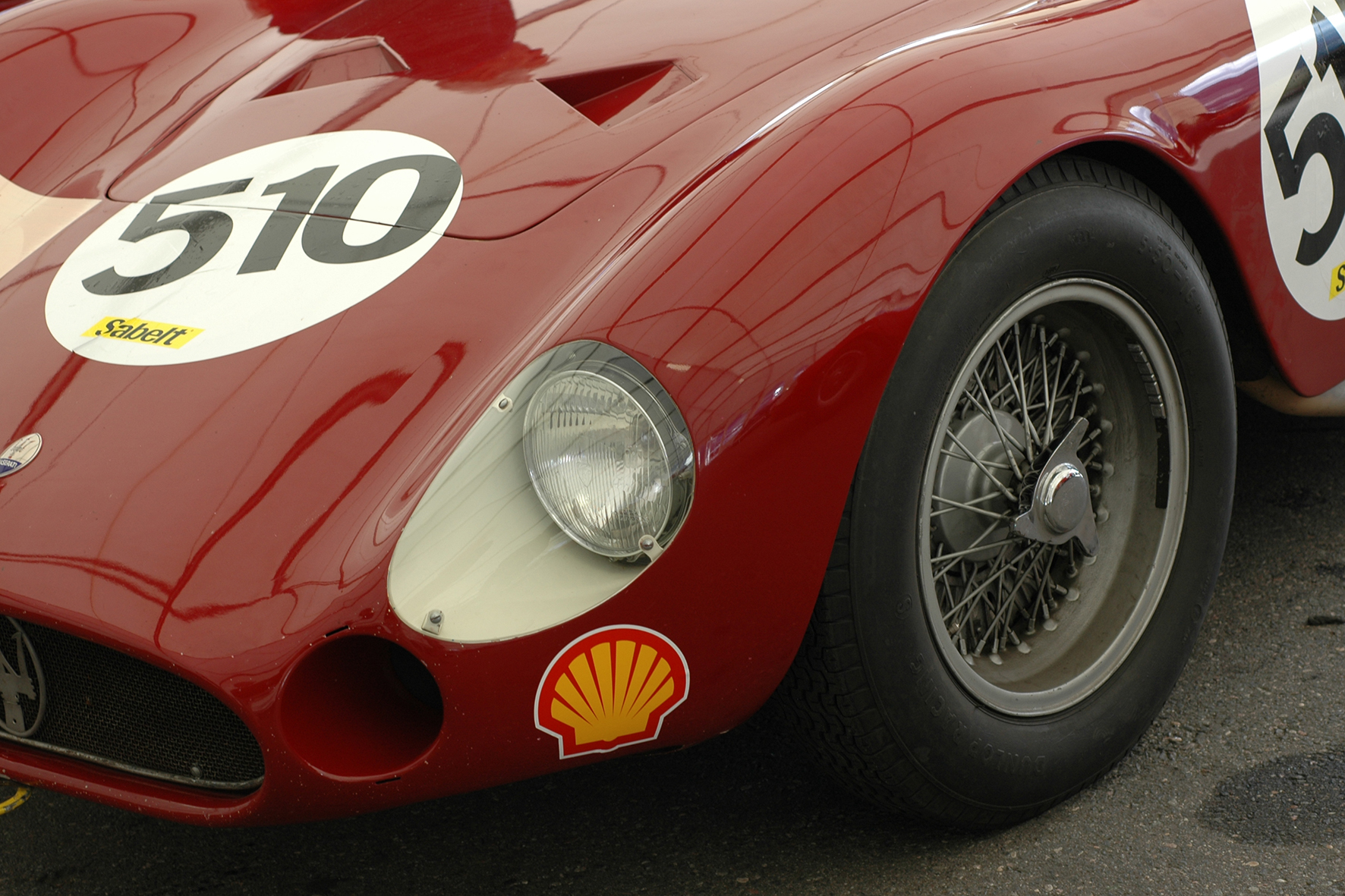
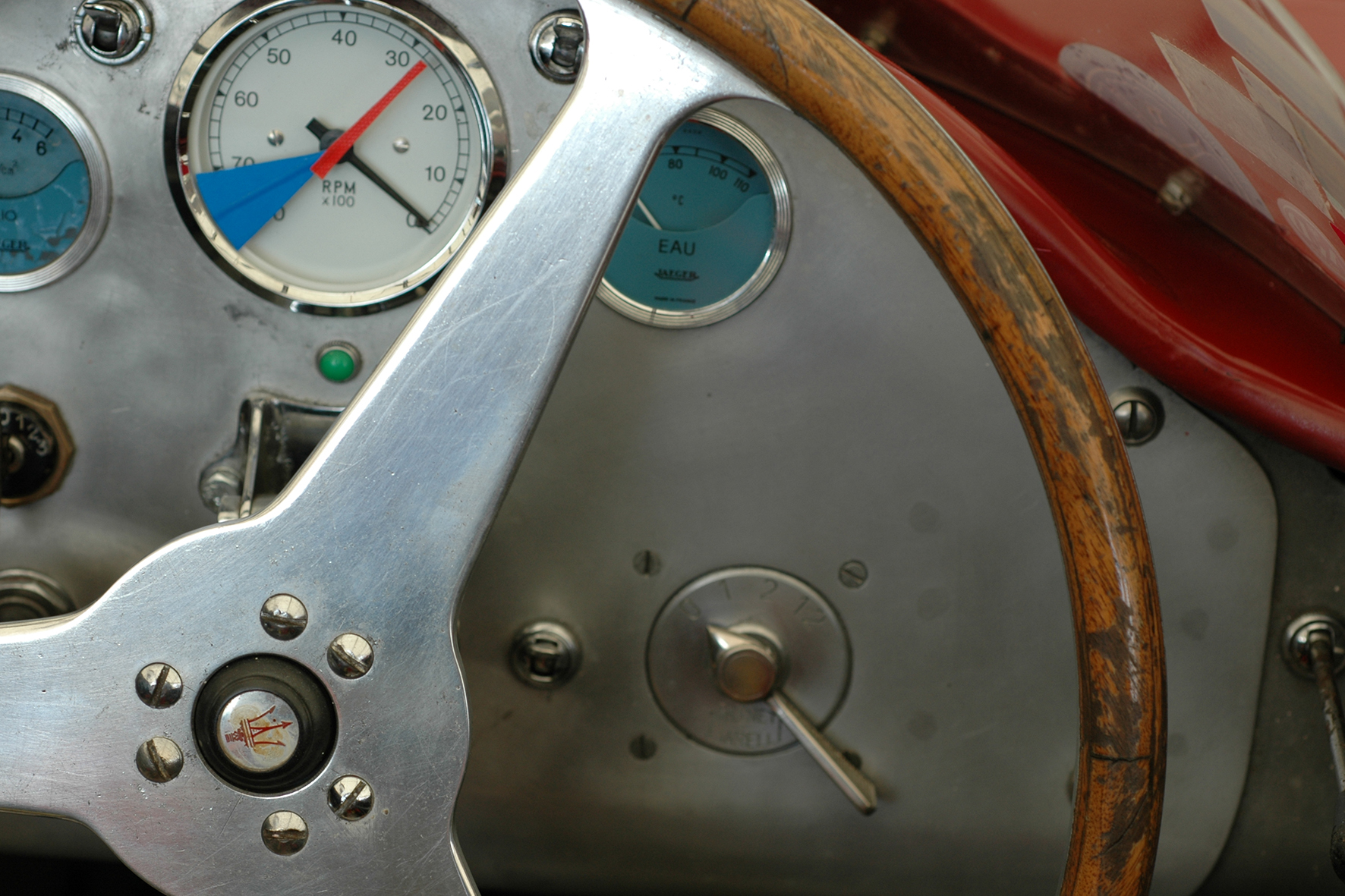
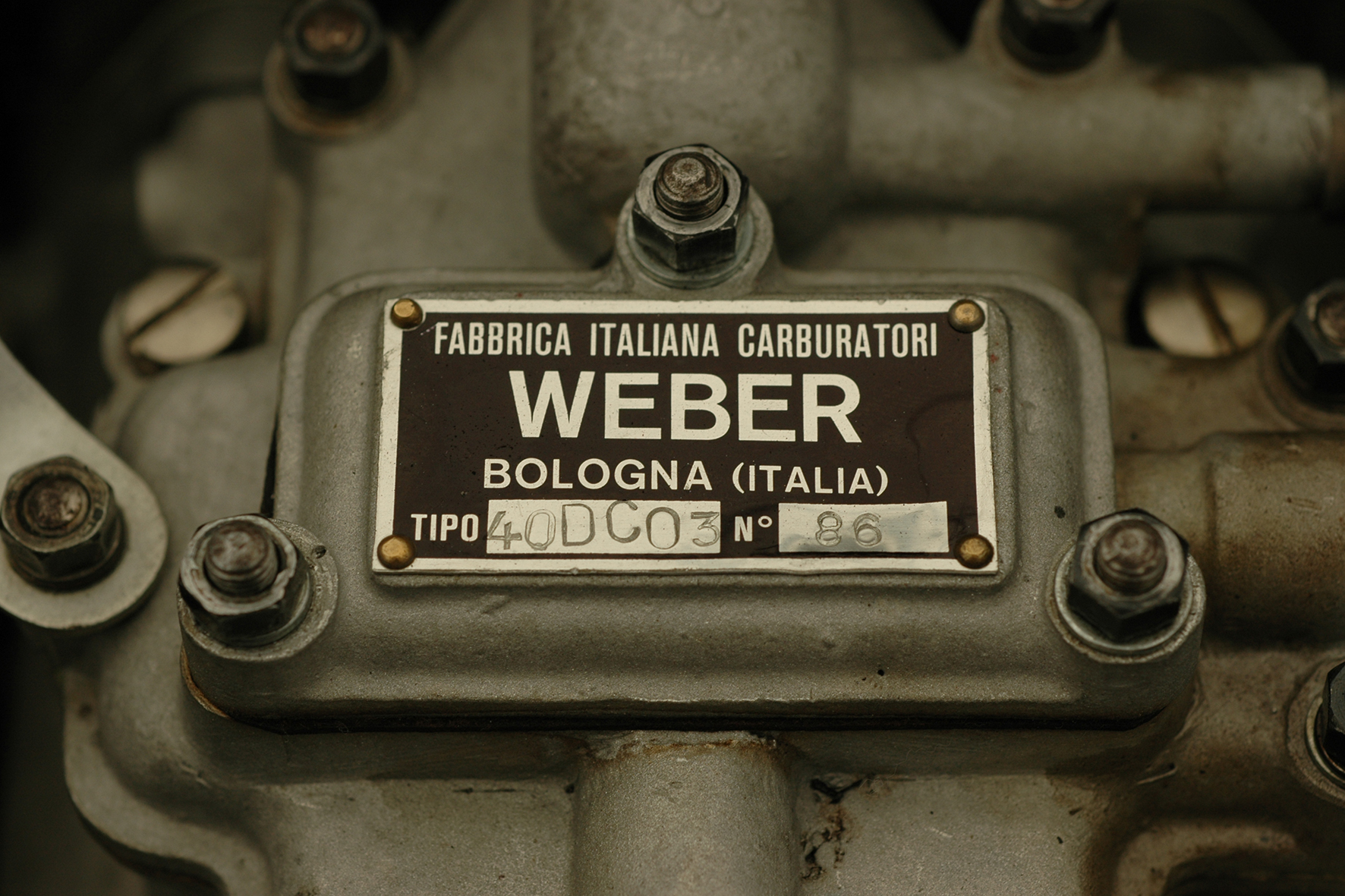
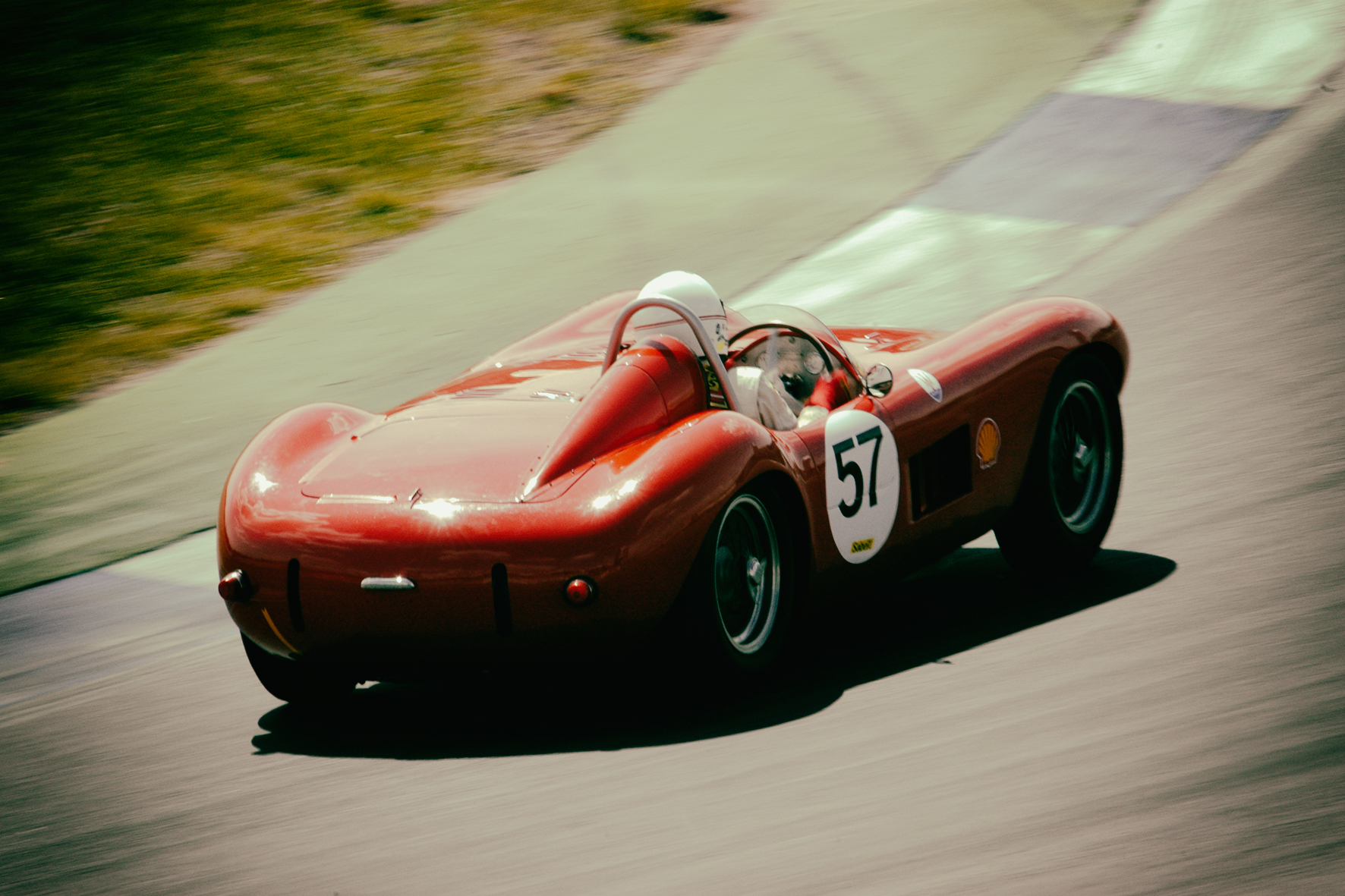
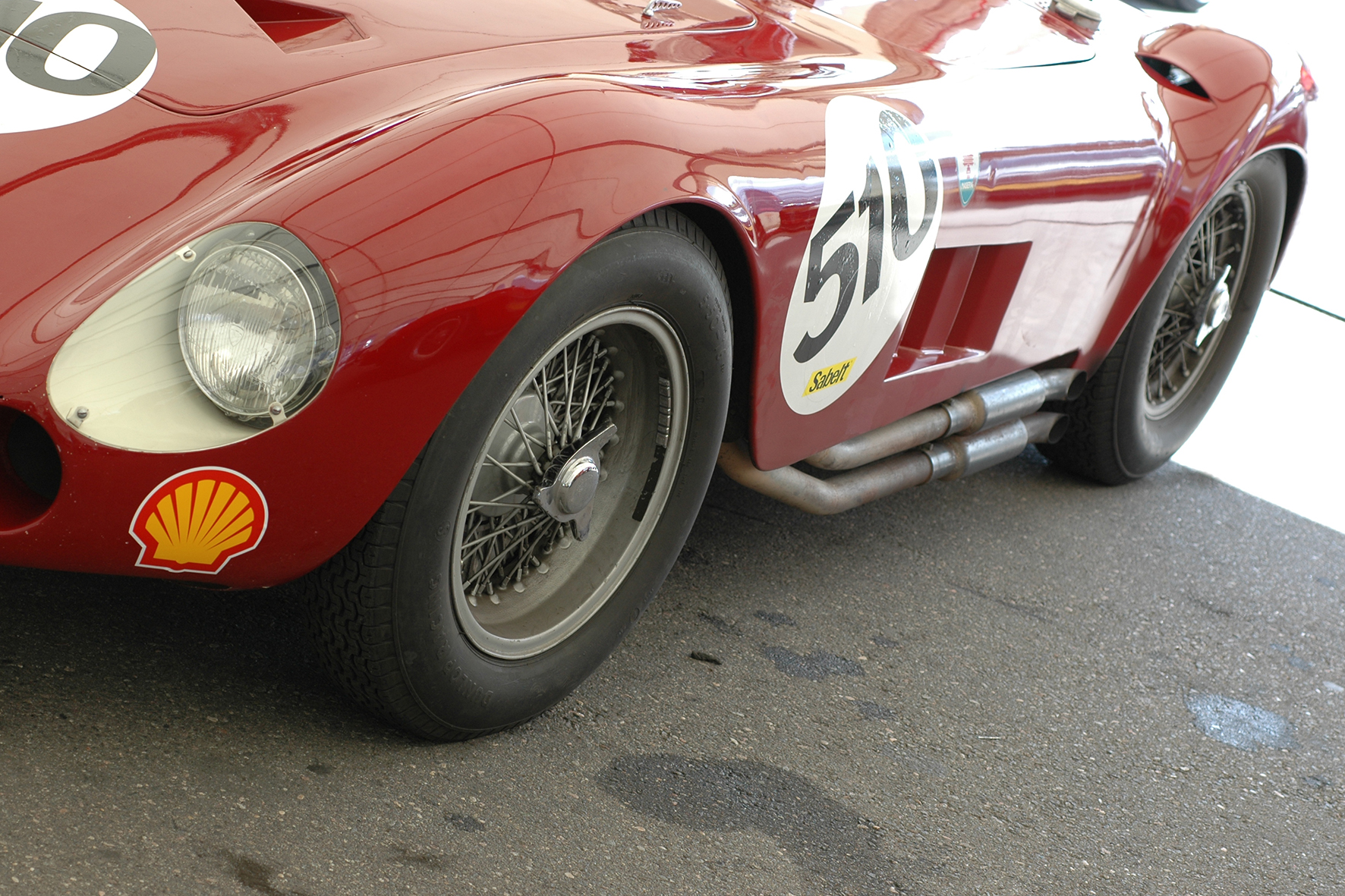
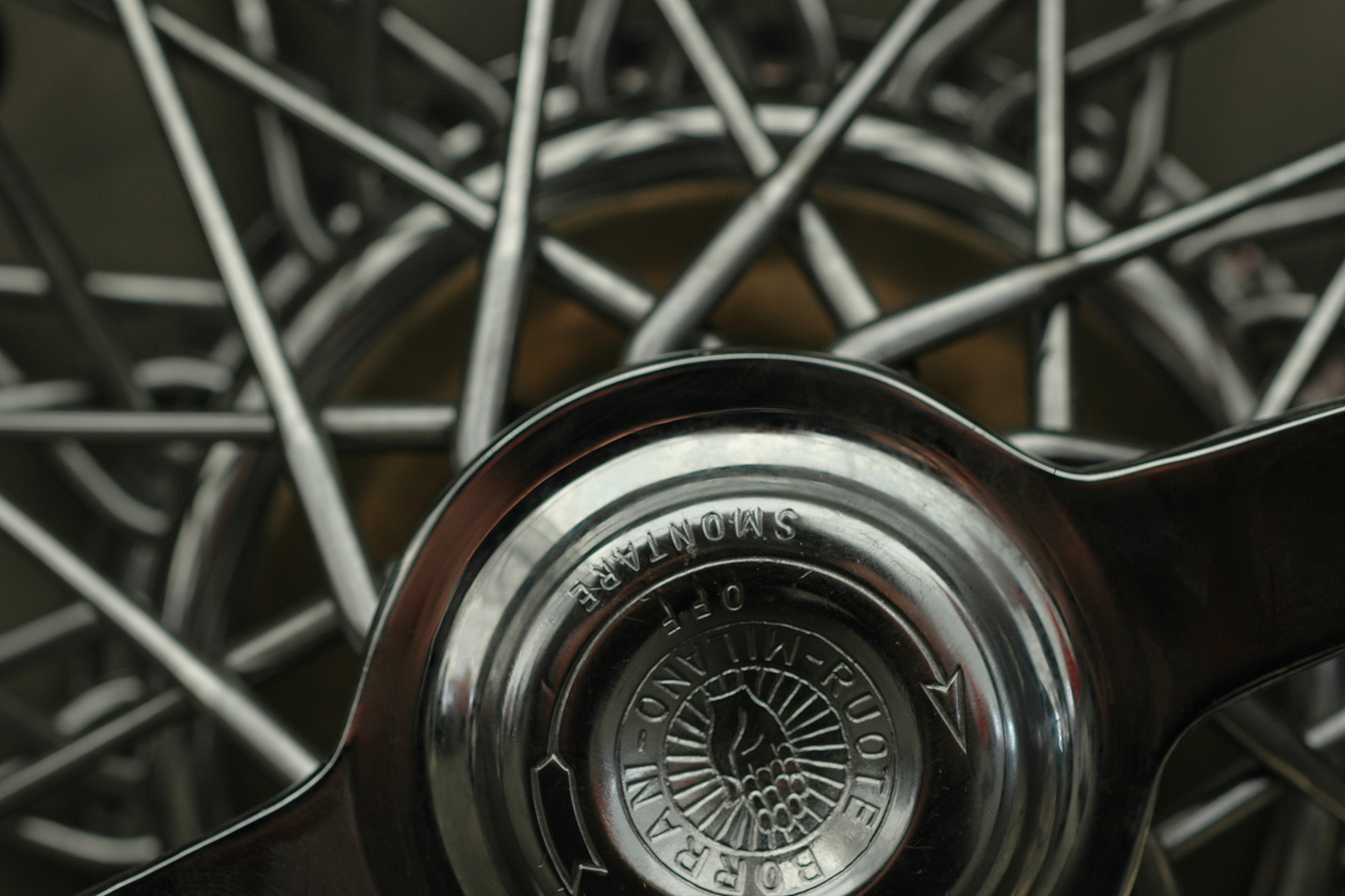
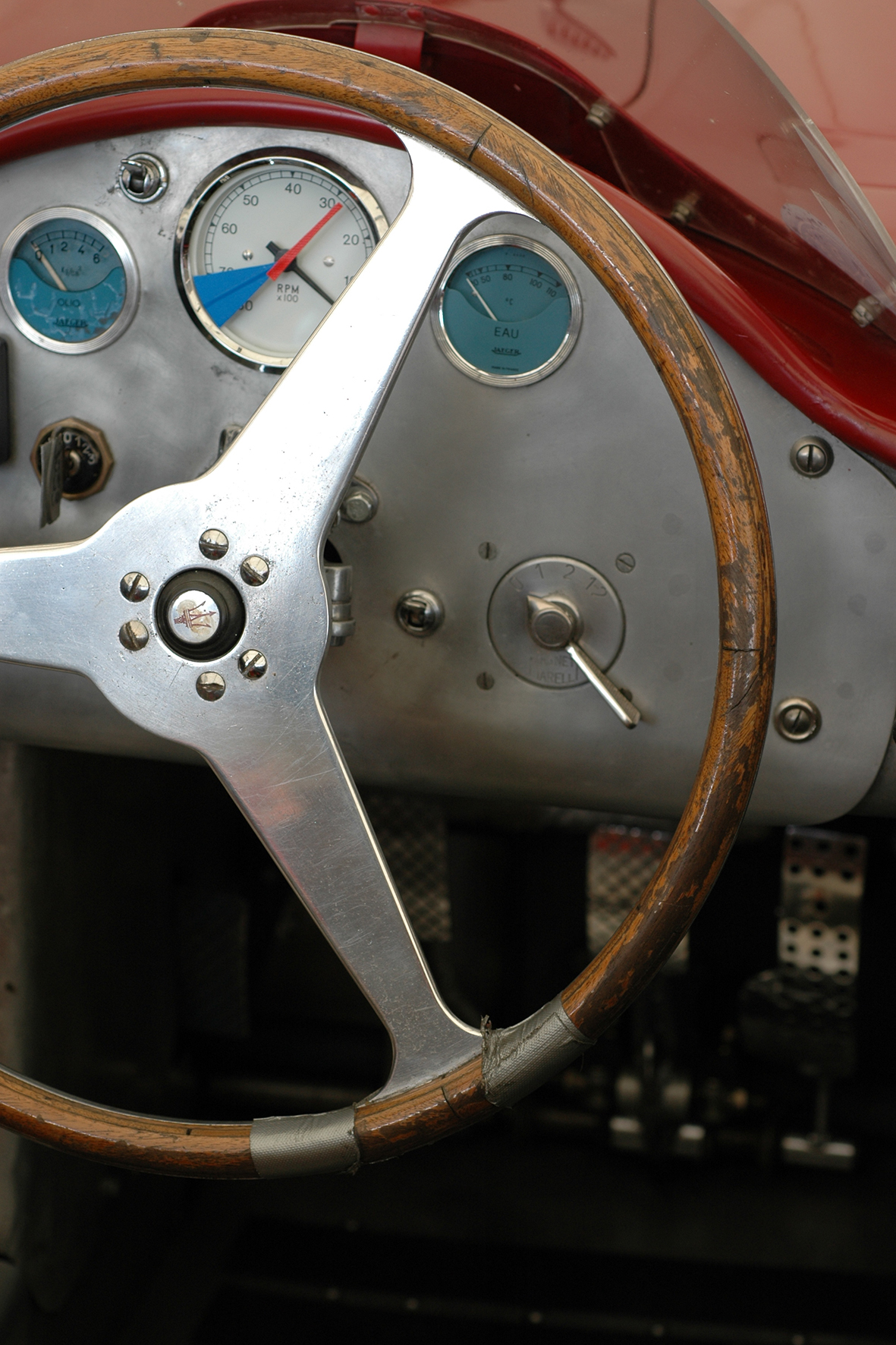
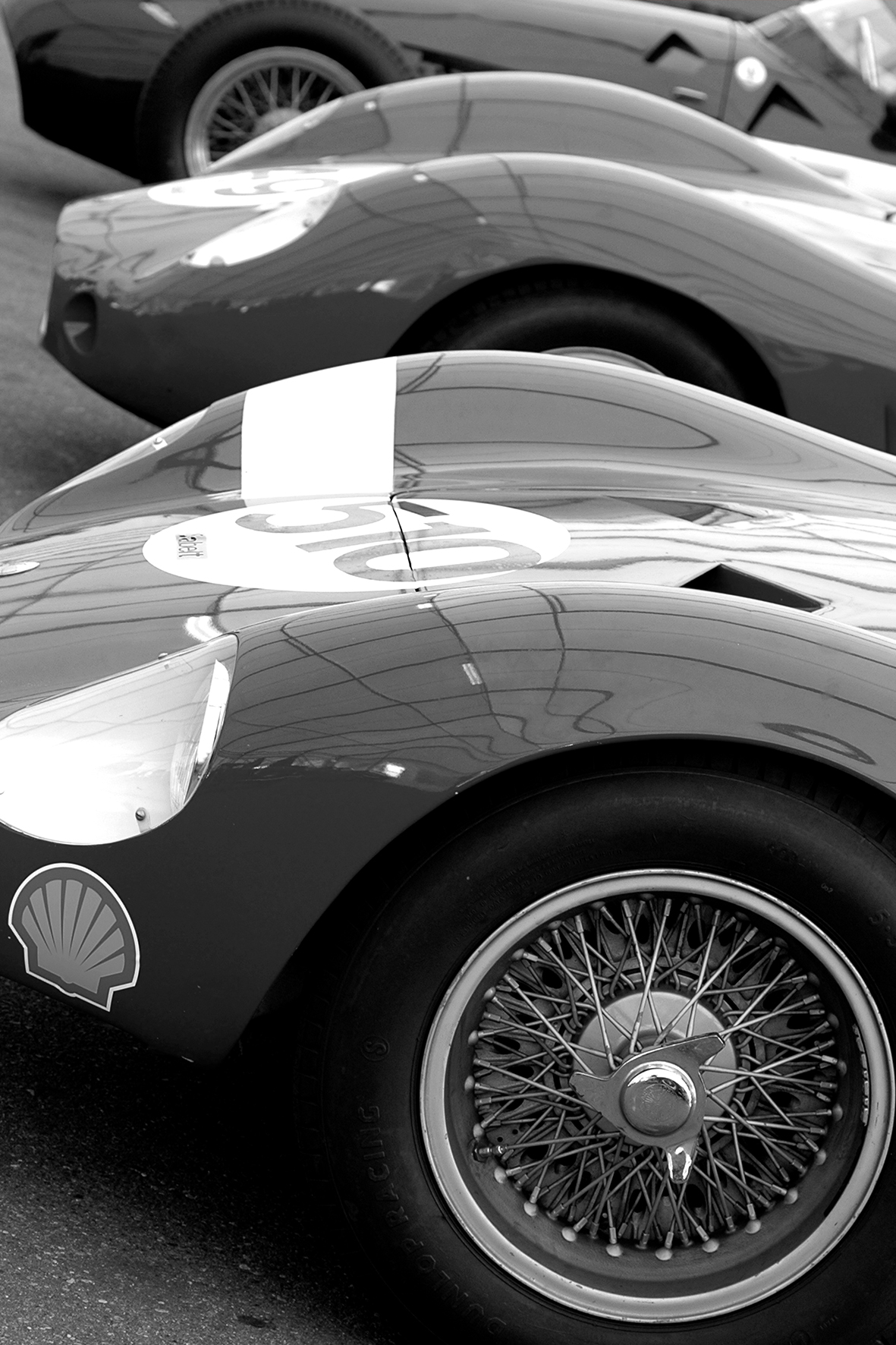
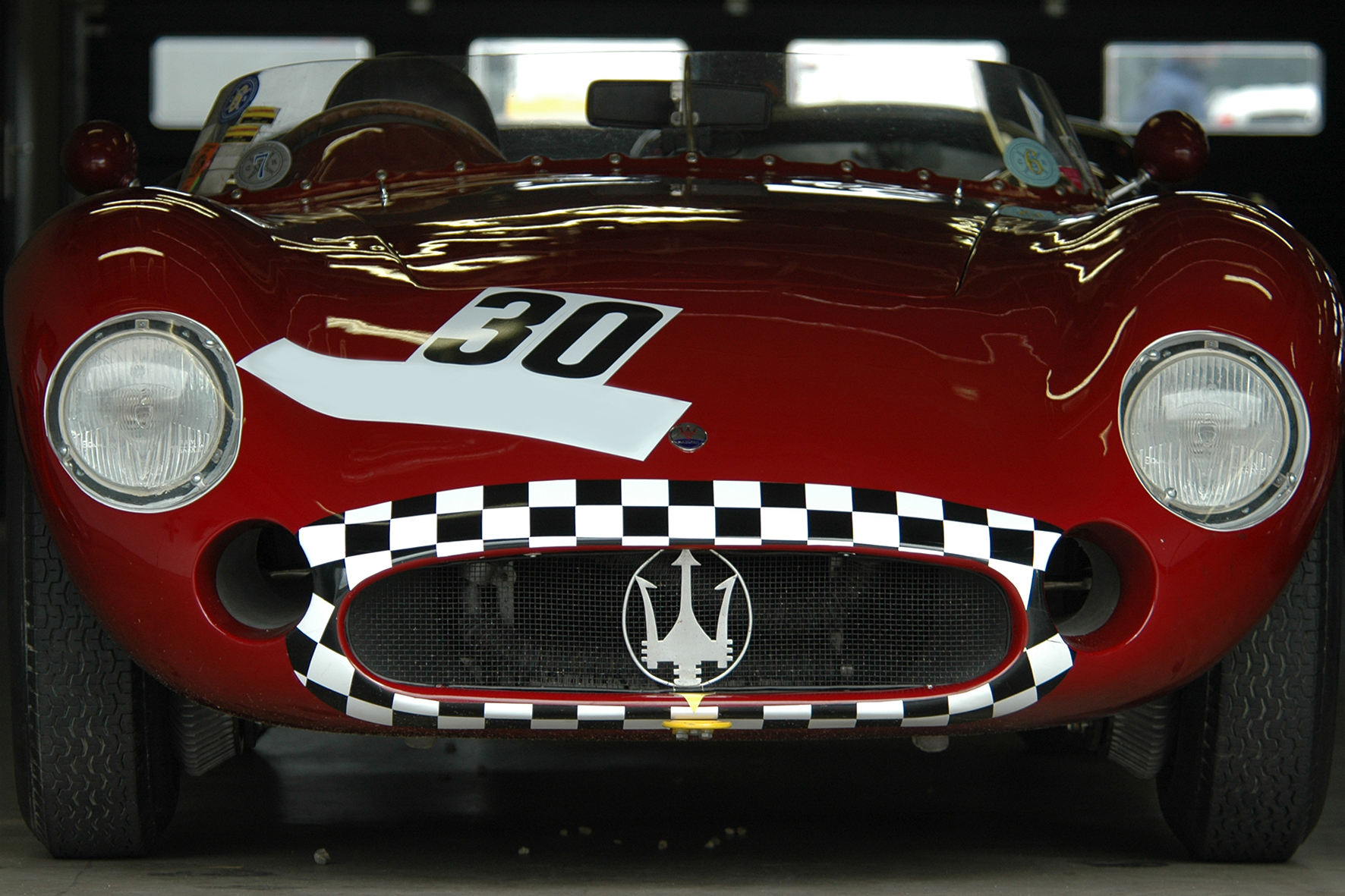
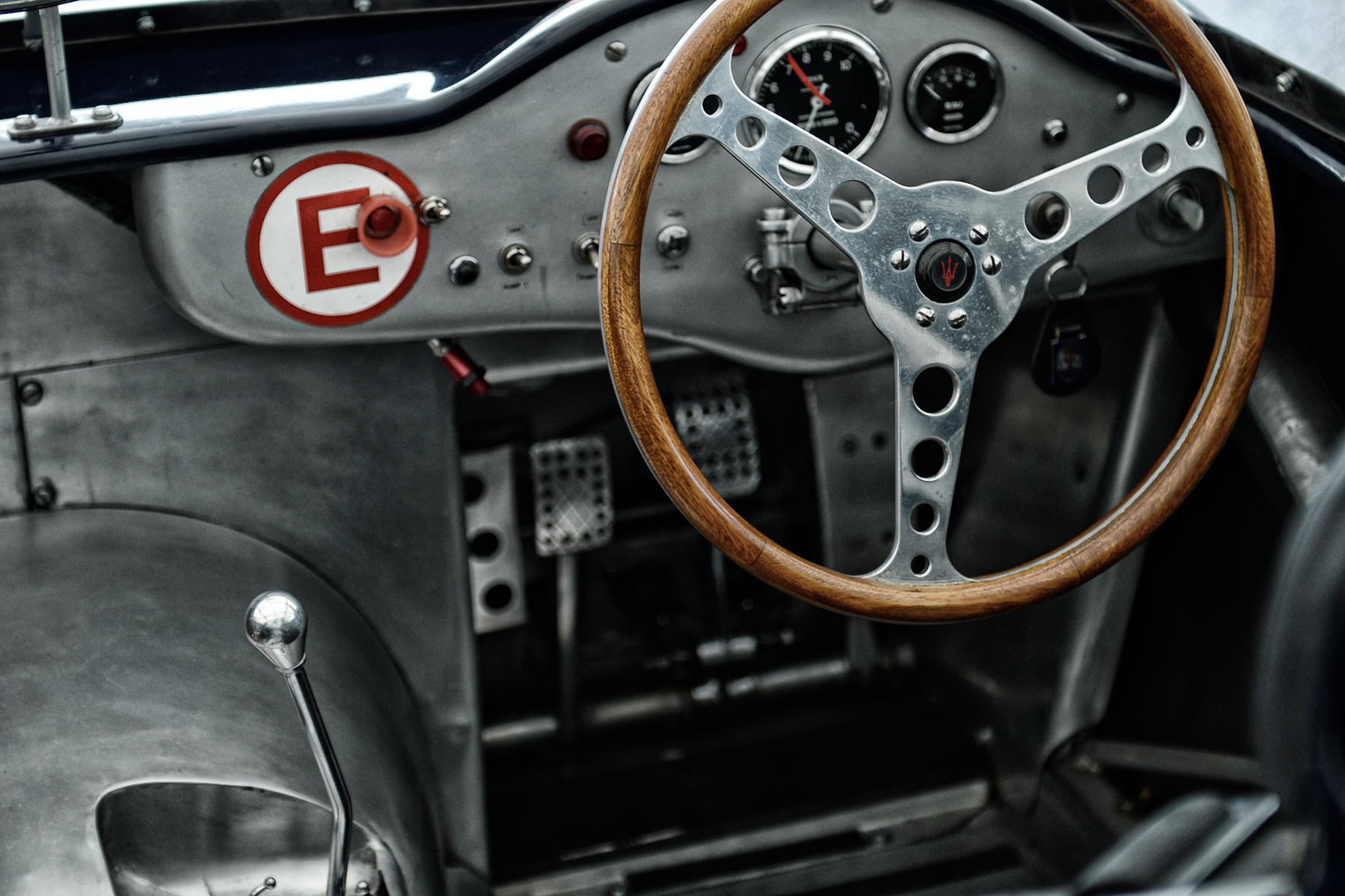
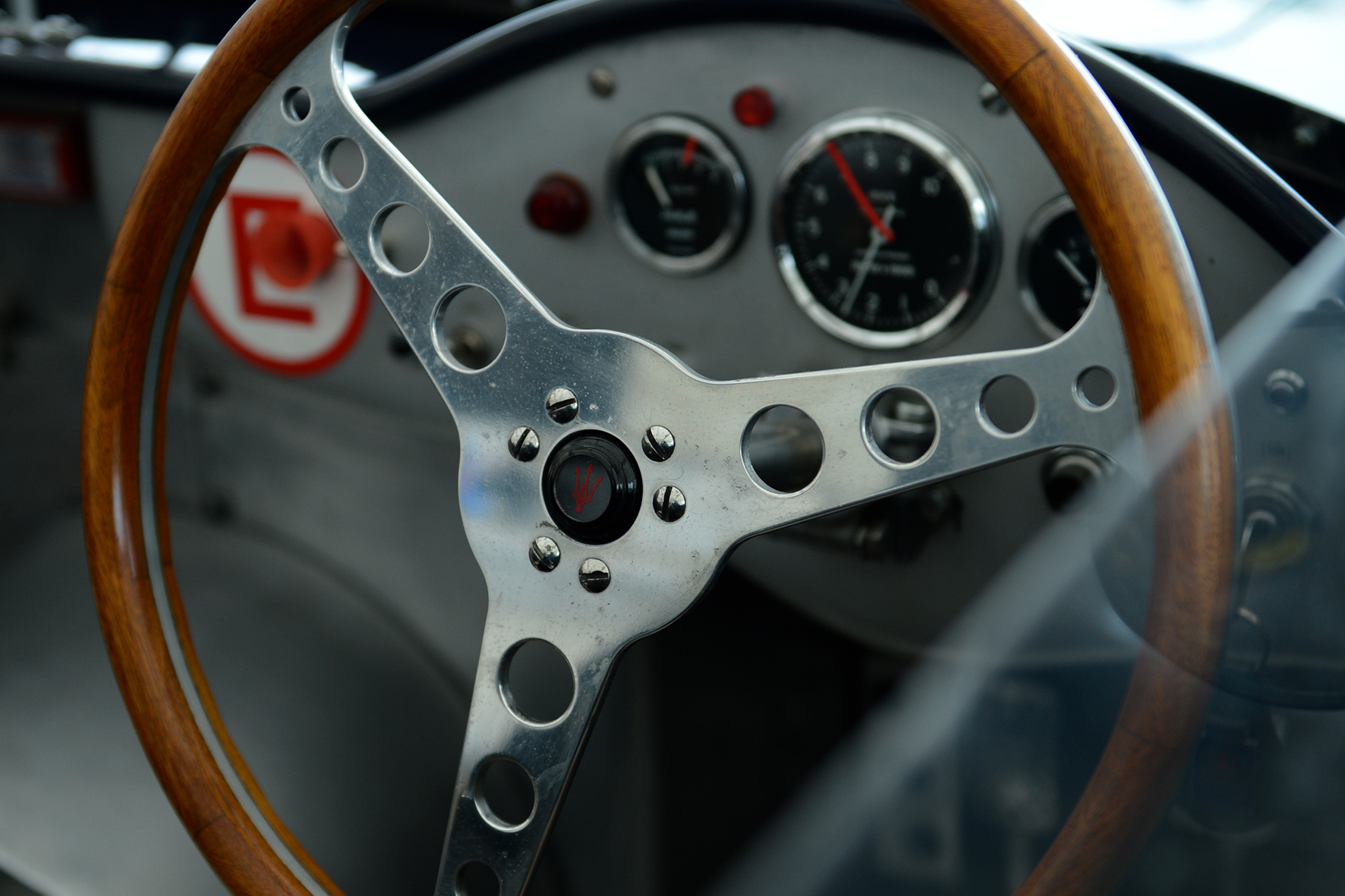
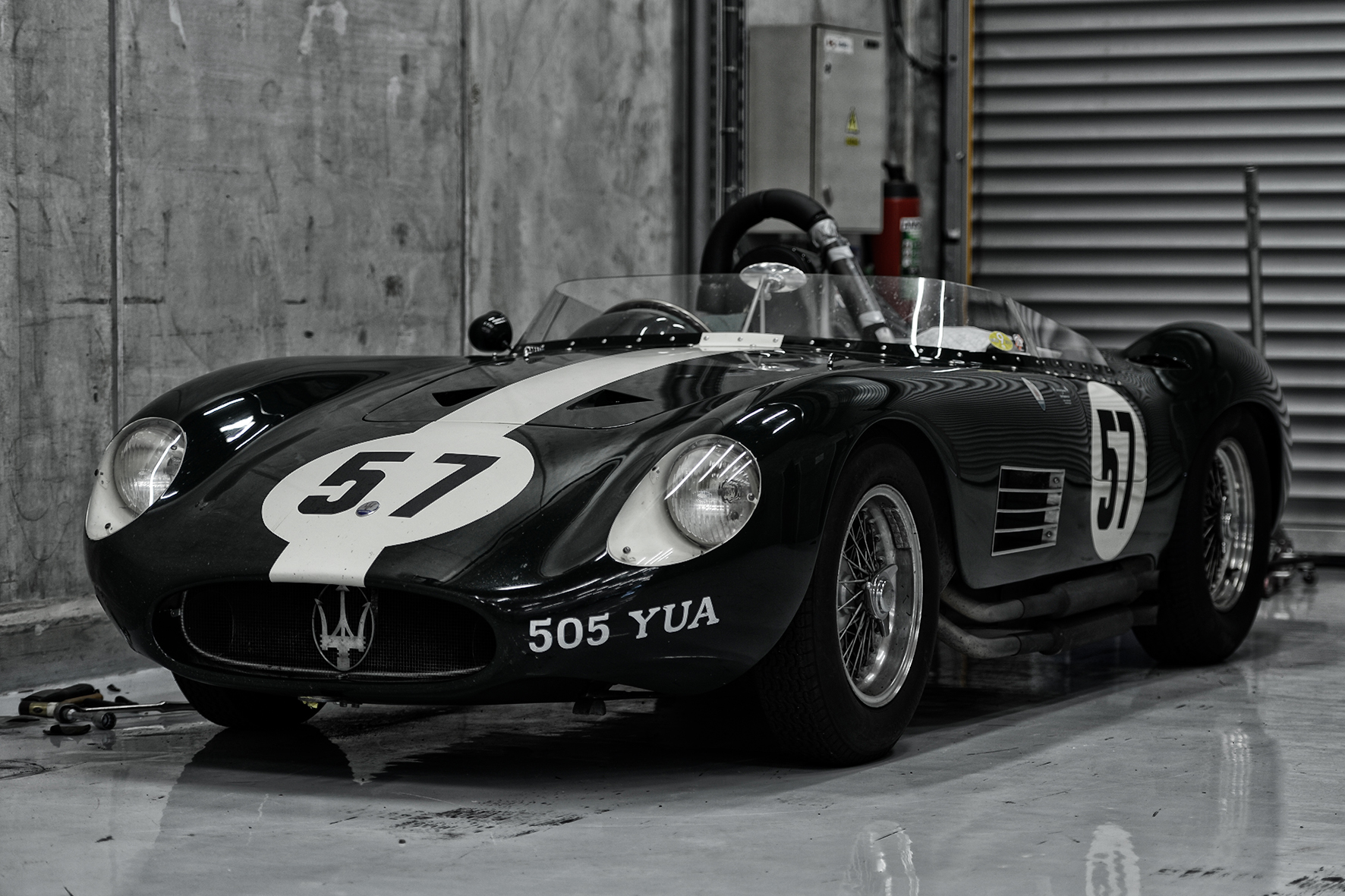
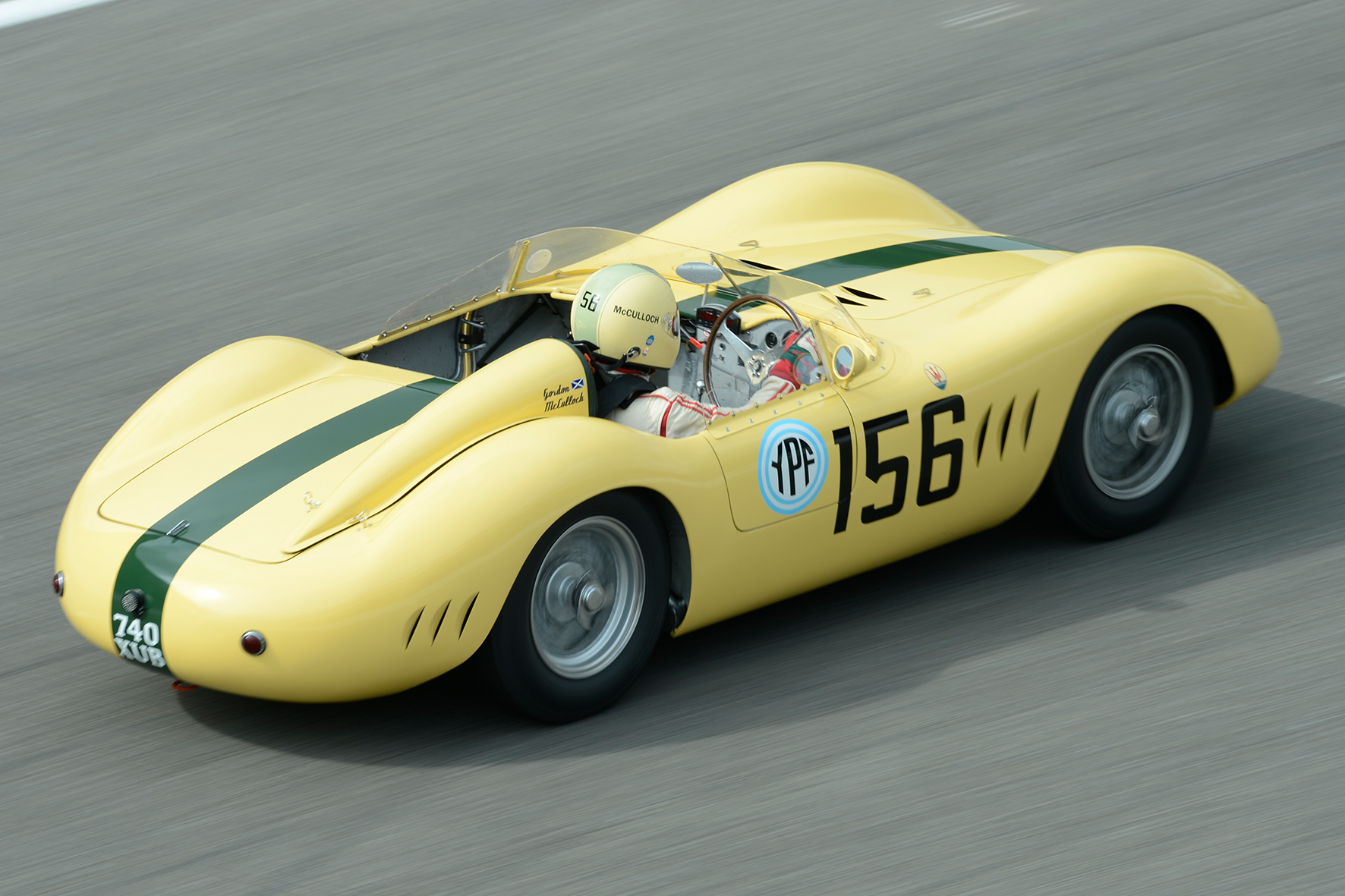
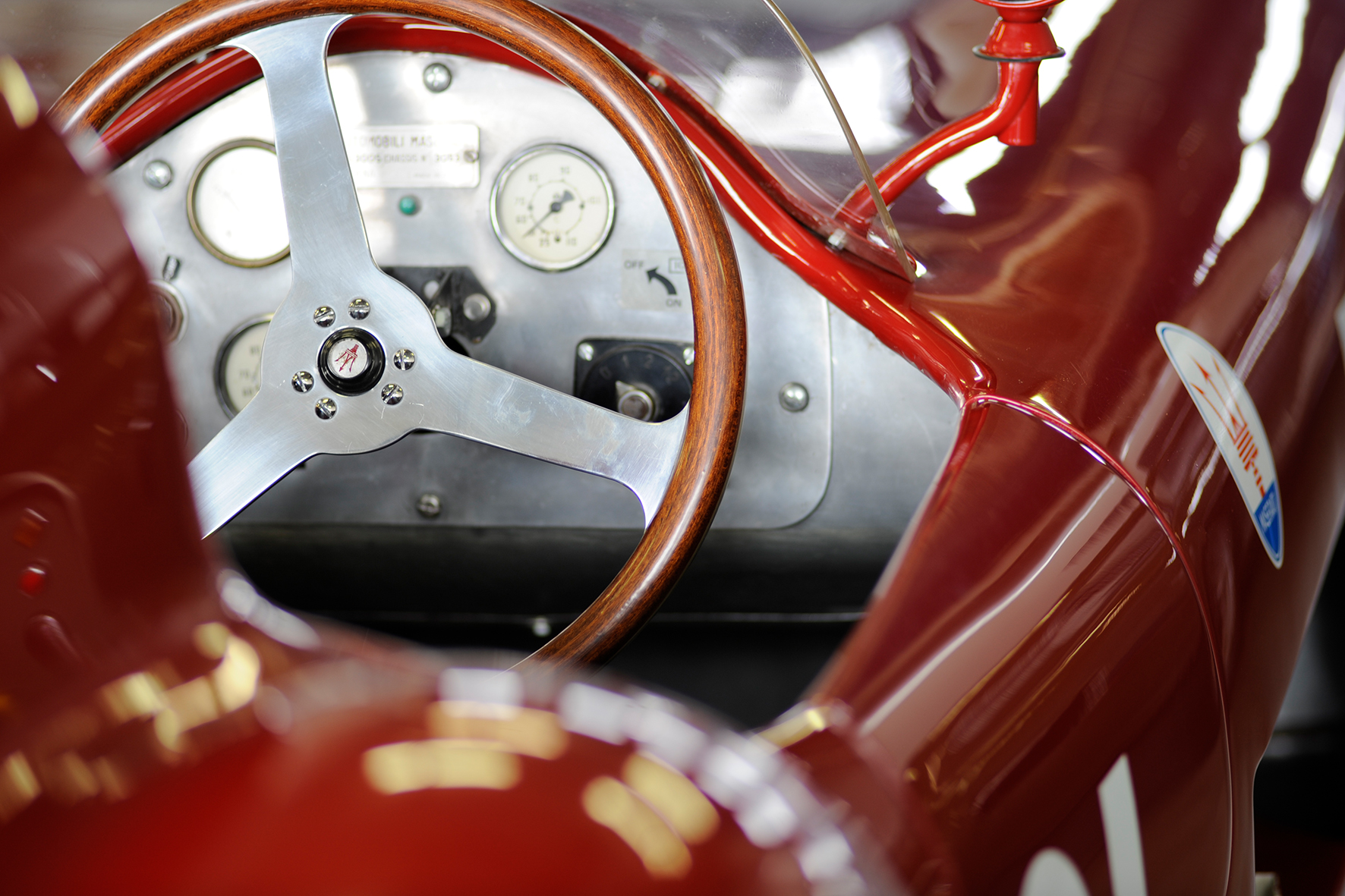
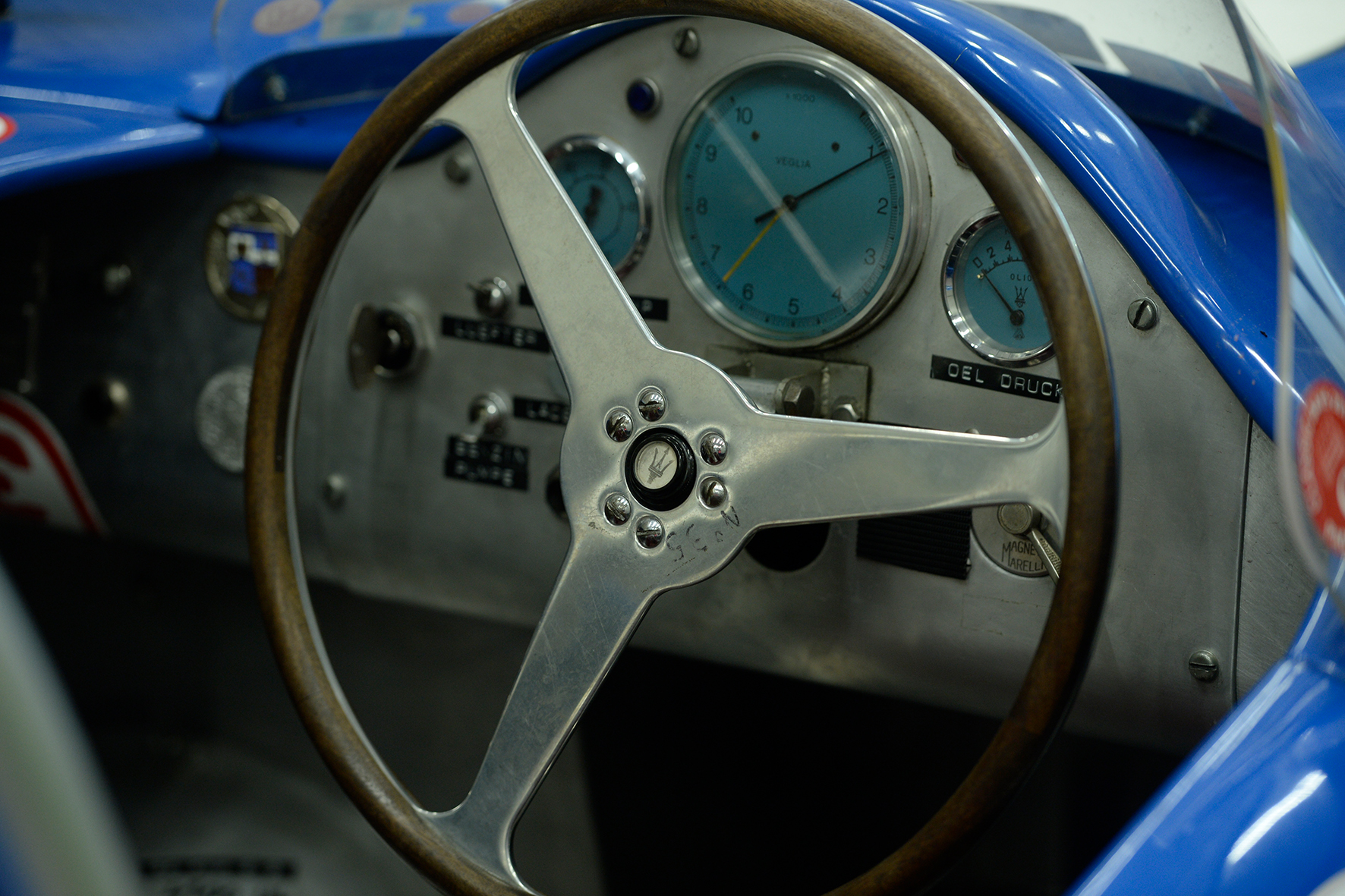
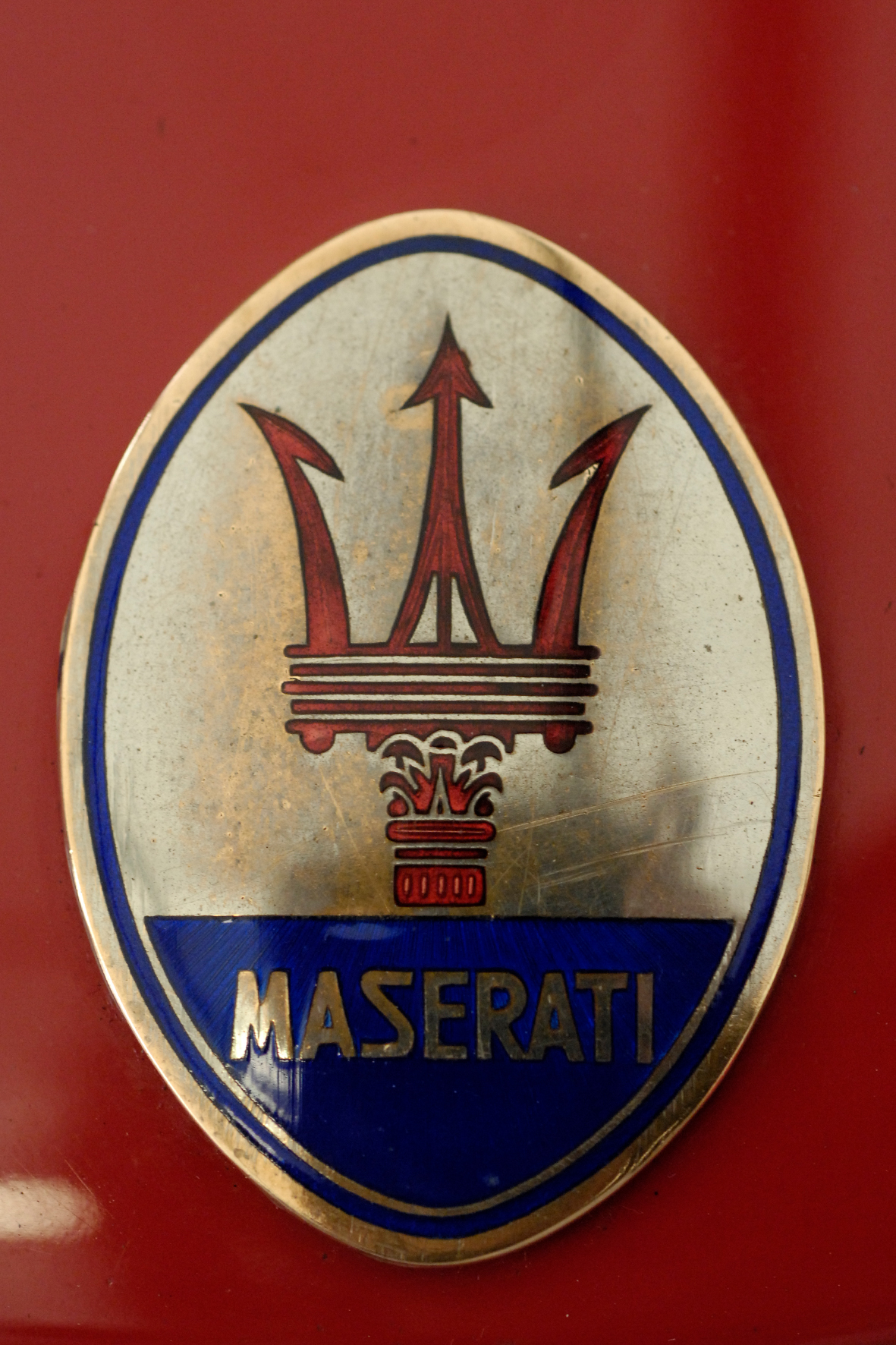
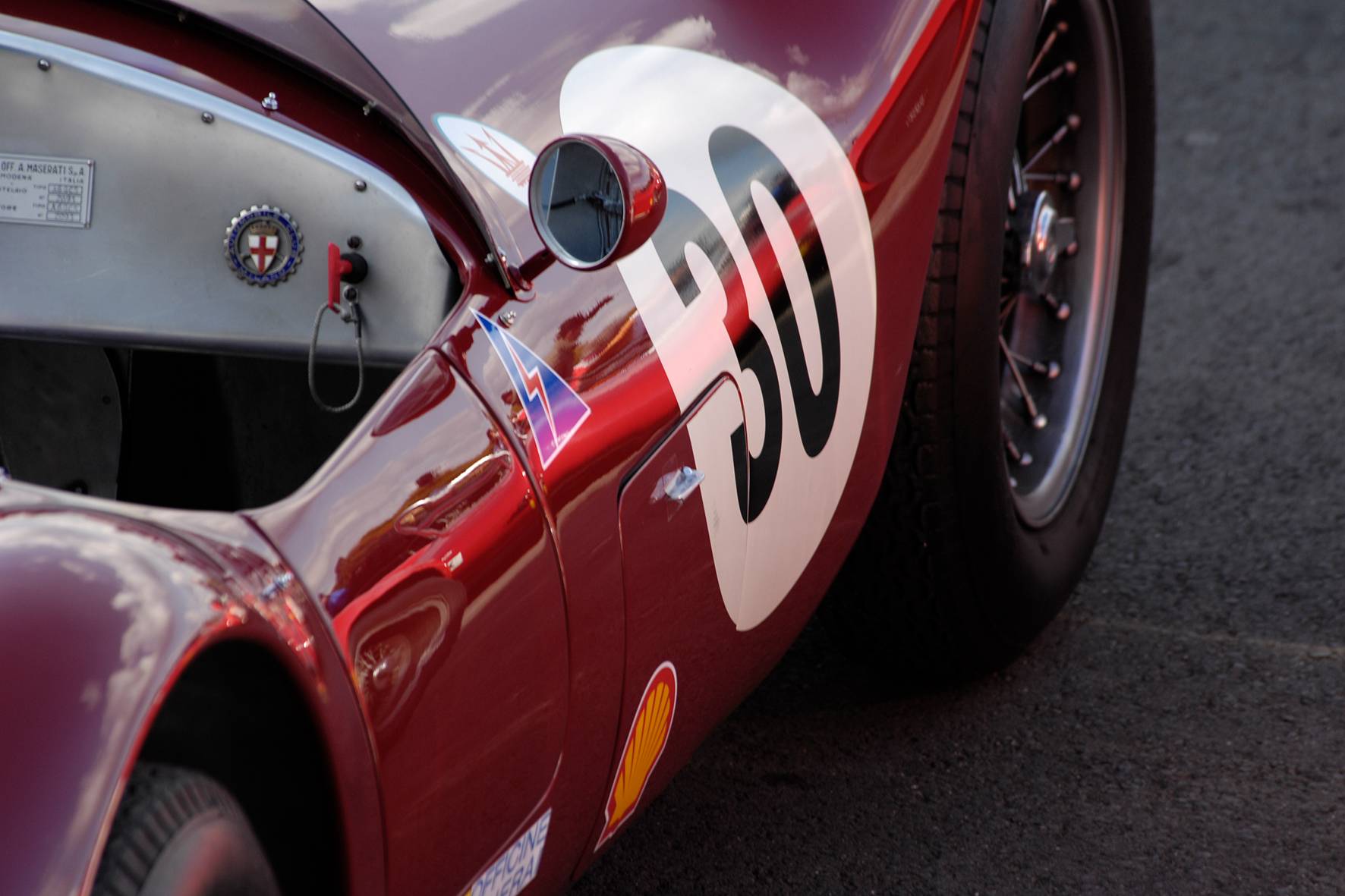
What all three models have in common is their beautifully aerodynamic shape, with the characteristic hump behind the driver that defines their unique silhouette. Simple, pure, beautiful. Here in the pictures you can see some of the Maseratis in various colors – are the red ones the most beautiful after all?