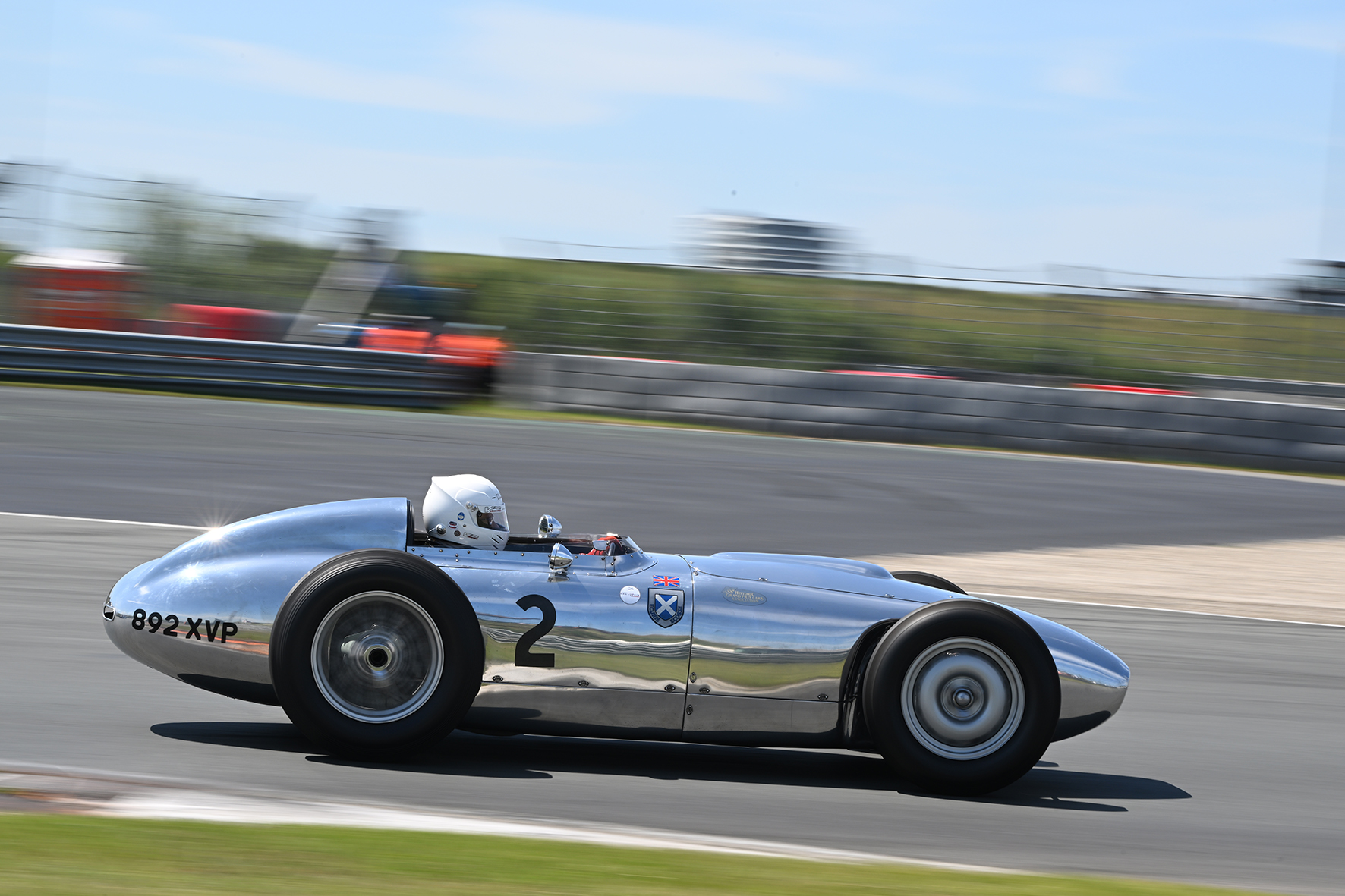
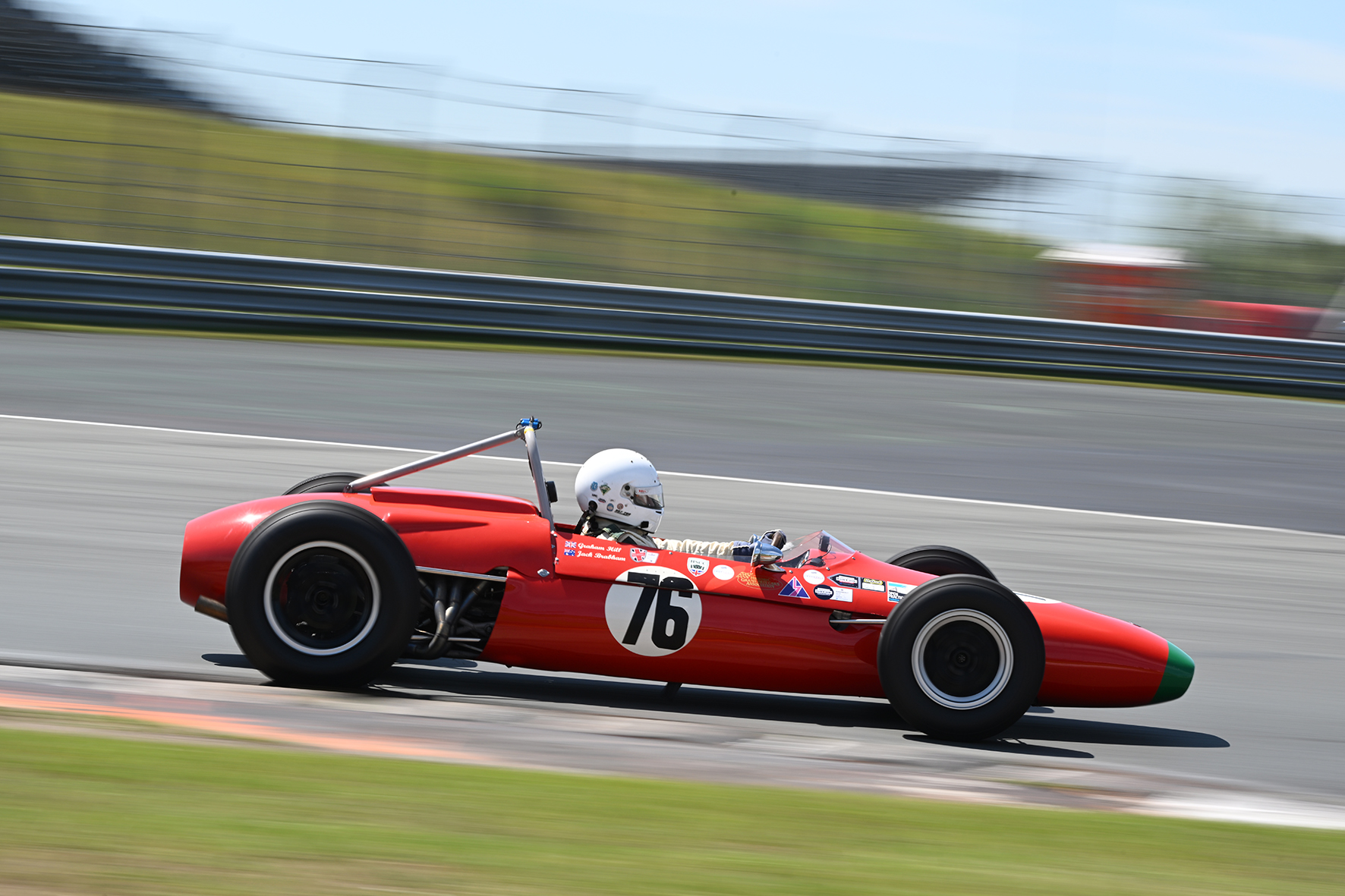
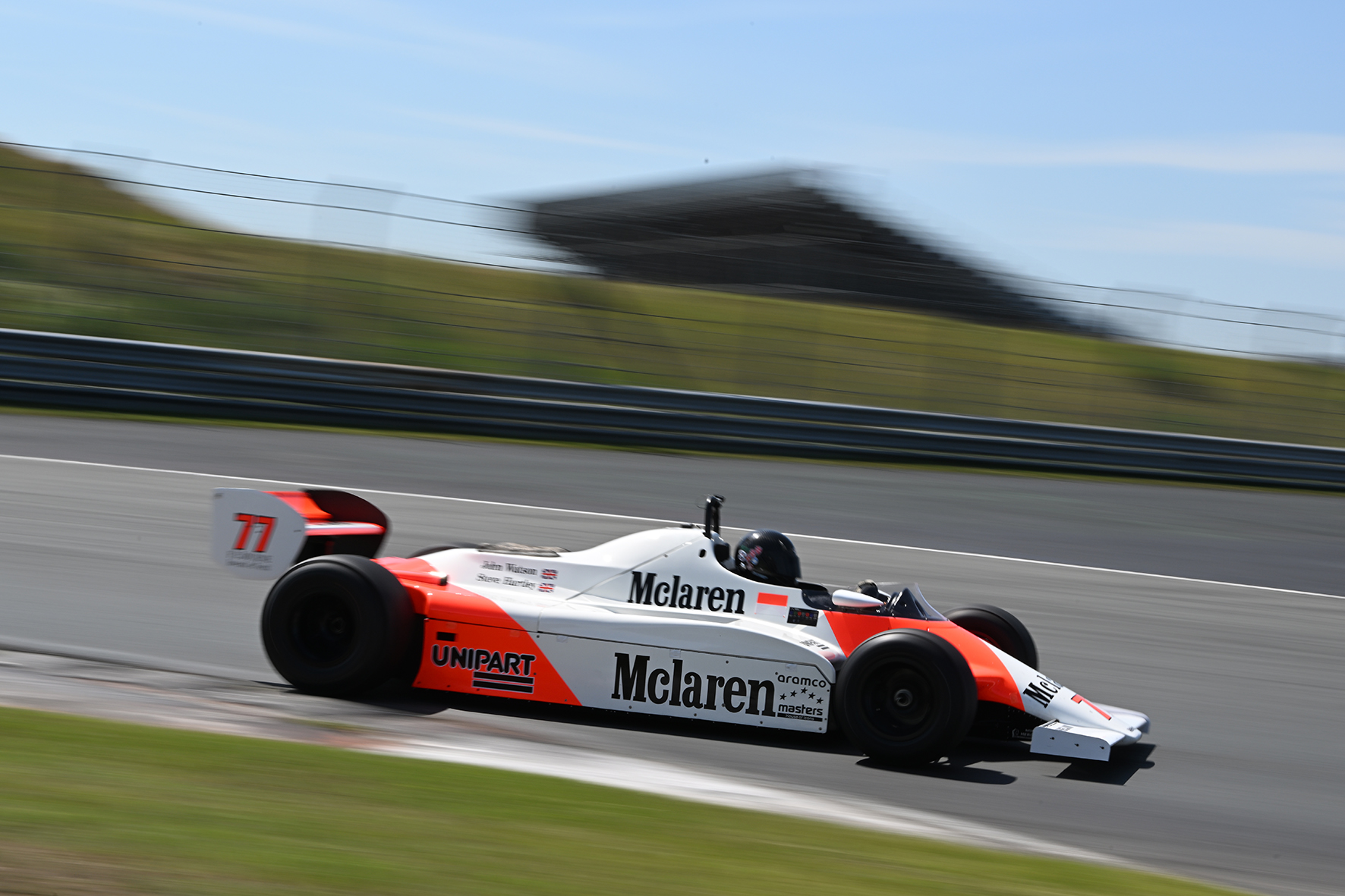
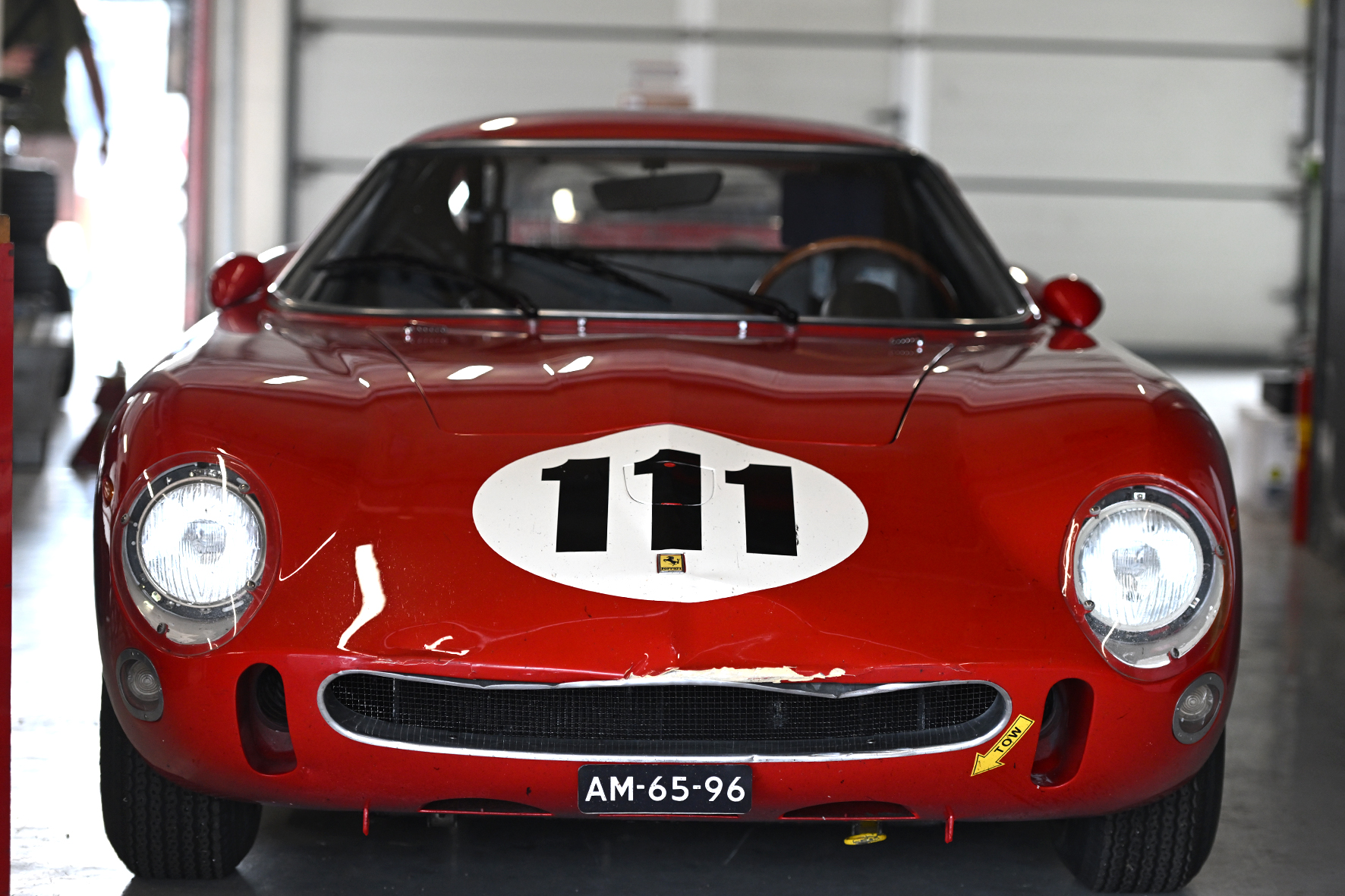
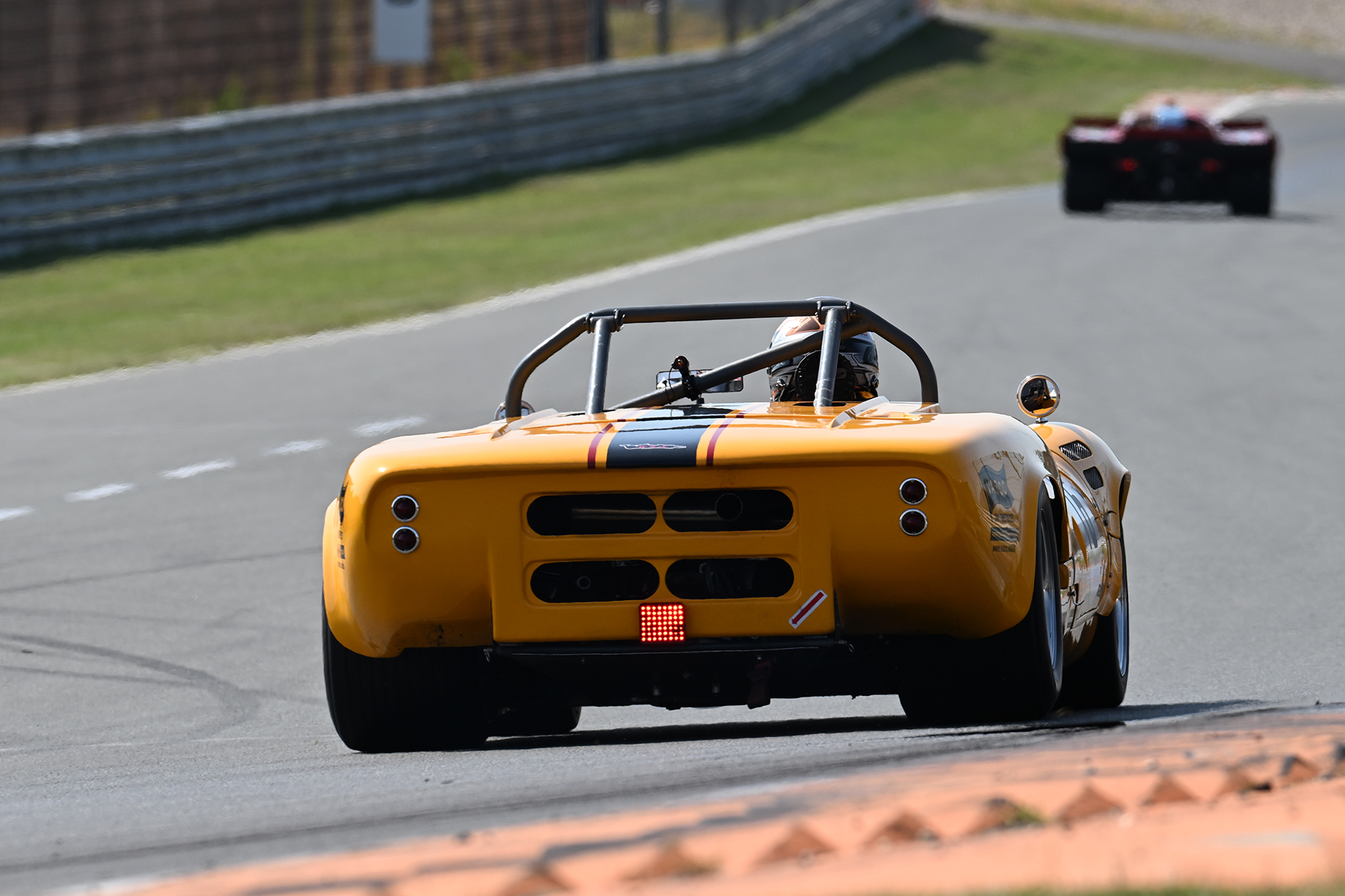
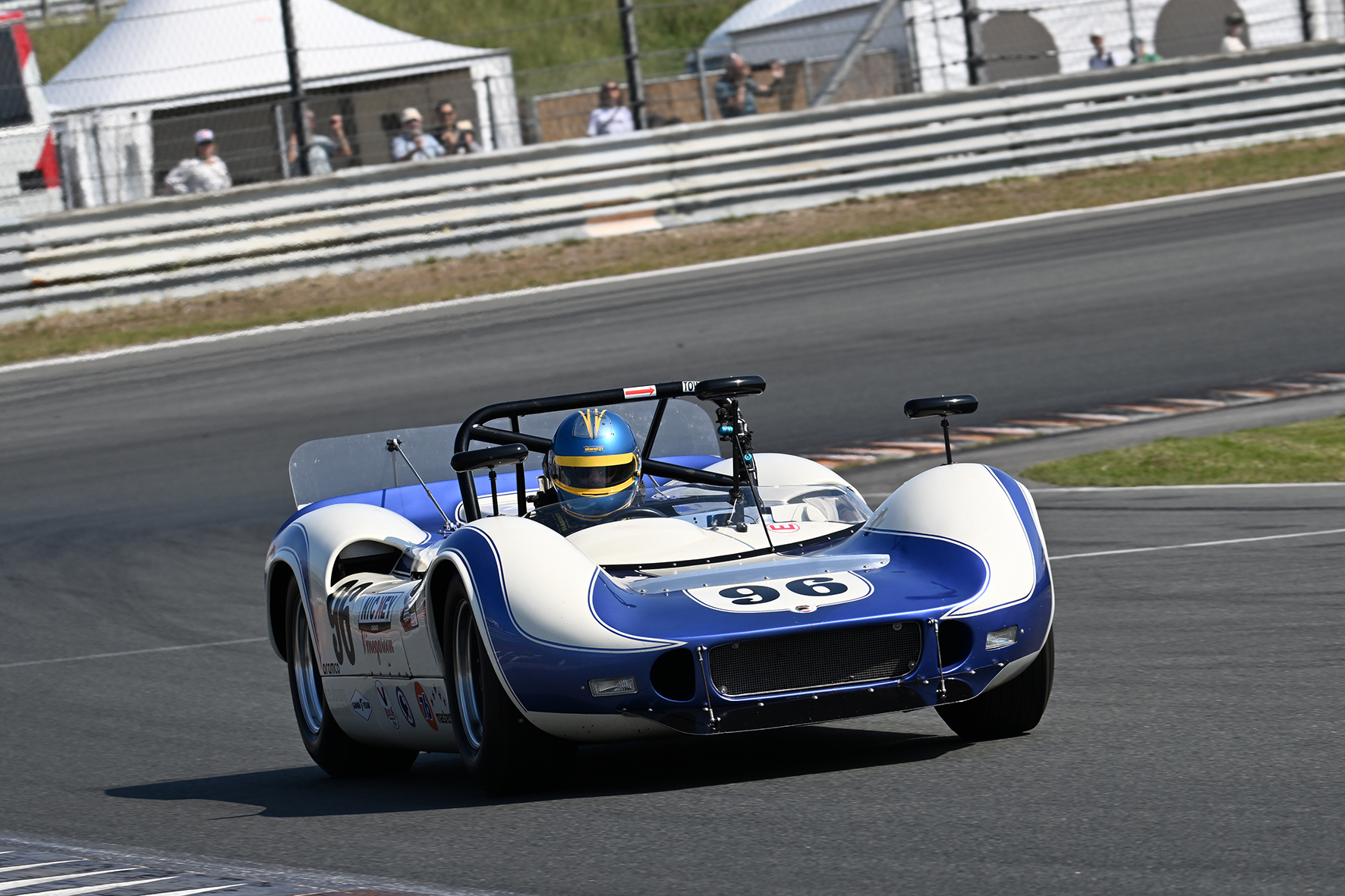
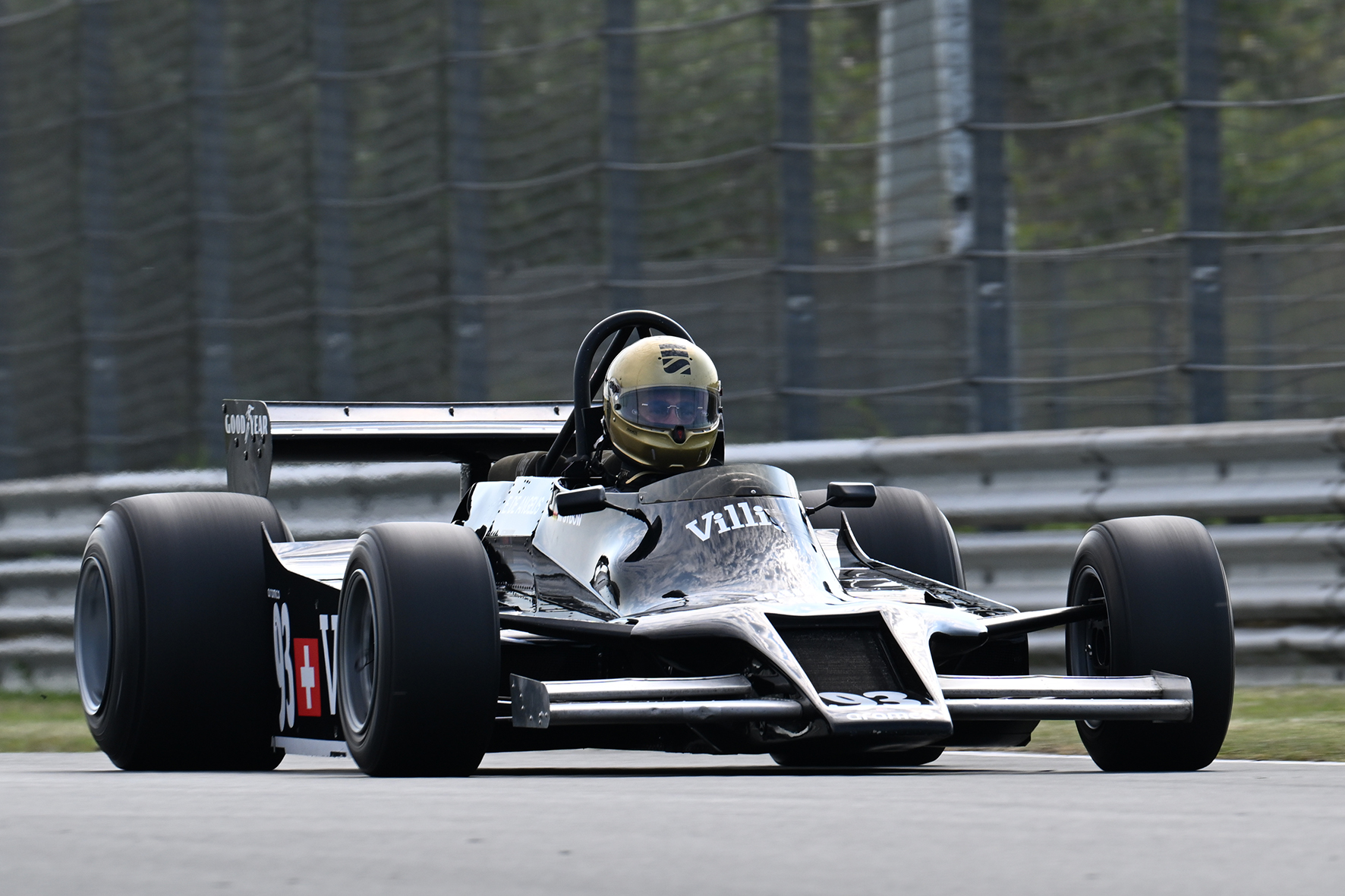
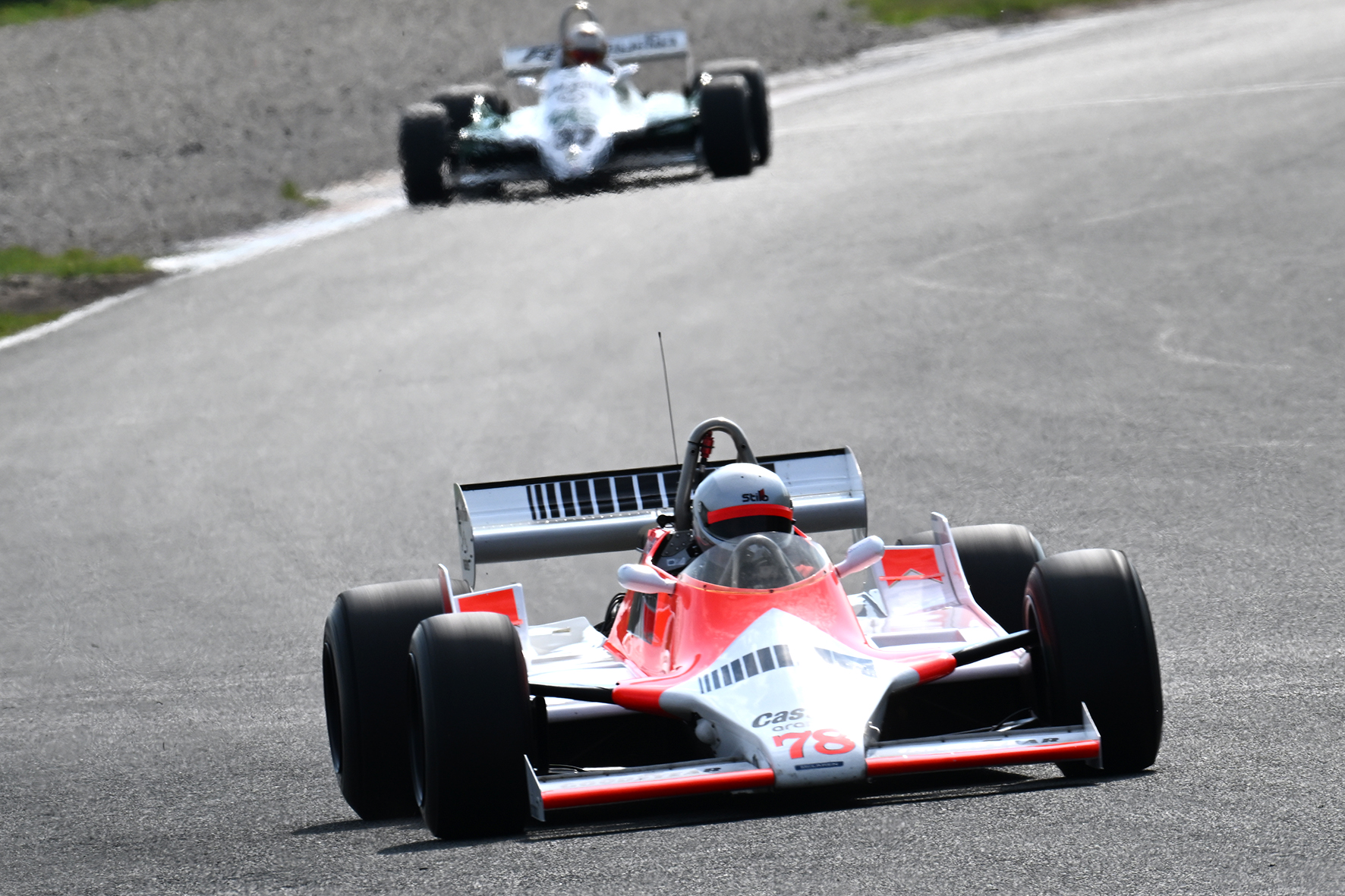
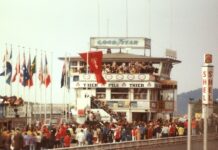
The historic Zandvoort circuit once again hosted the Historic Grand Prix in June. As always, the theme for visitors was ‘Be part of Motorsport History’. And it really was a journey through the history of motorsport.
The Zandvoort circuit, picturesquely situated in the dunes of North Holland, is a wonderful track steeped in tradition. Designed by Hans Hugenholtz in 1948, the circuit has been redesigned many times over the decades. This was mostly due to safety concerns and the ever-increasing speed of the racing cars.
In its original layout, the track winds its way through the undulating dune landscape with long, fast corners that constantly rise and fall. Today’s layout derives its special appeal from the two sharply banked bends. Bend 3, for instance, has a bank angle of between 8 and 18 per cent and offers drivers the opportunity to take different lines. The classic ideal line would lead from the outside to the inside towards the apex of the bend, but on exiting the bend one would then have to drive up a hill. If you stay on the outside of the bend from the start, the radius may not be ideal, but you can achieve a higher speed. Even during historic motorsport races, I was able to observe the different racing lines, with the latter being used significantly more often.
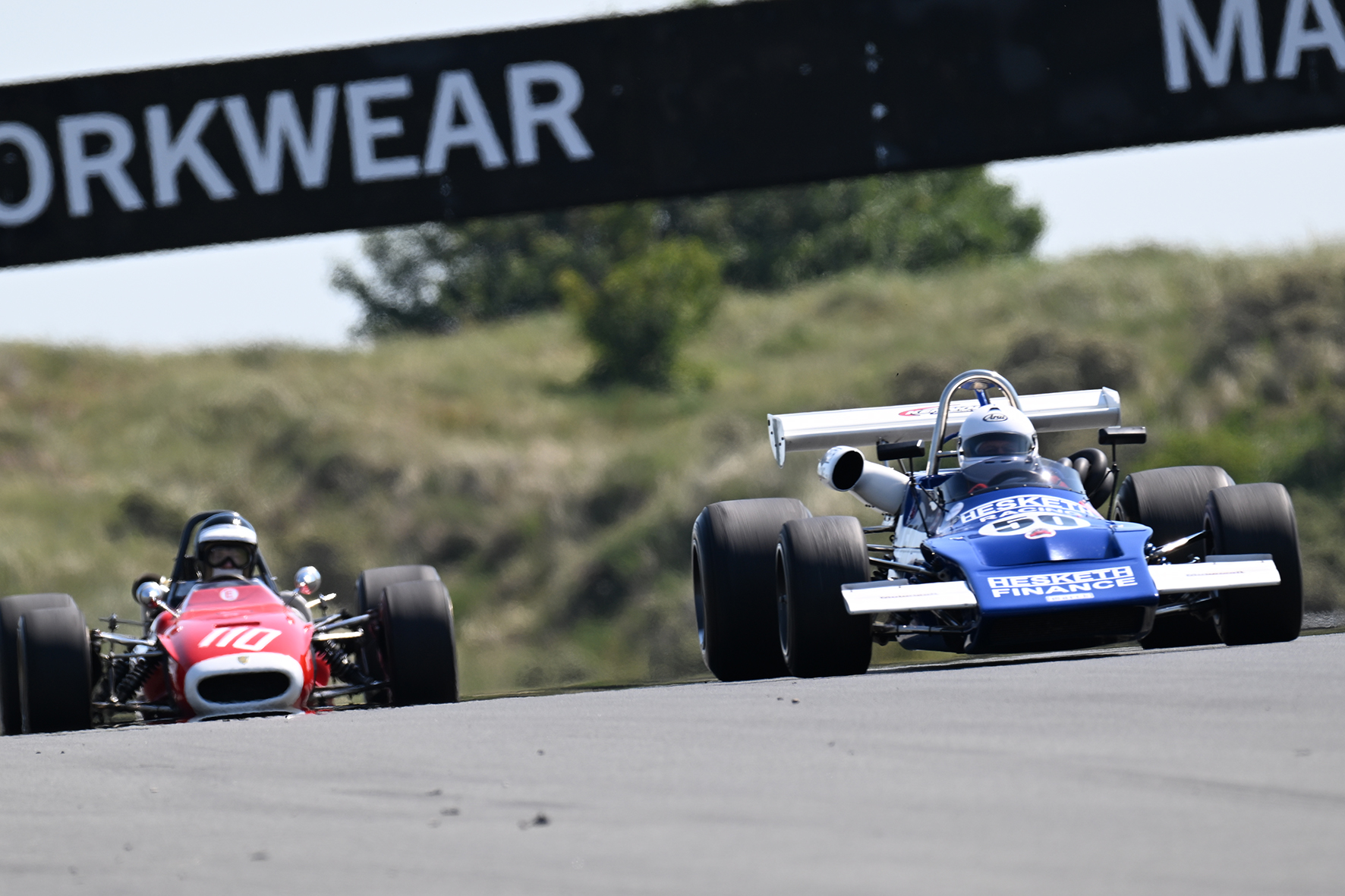
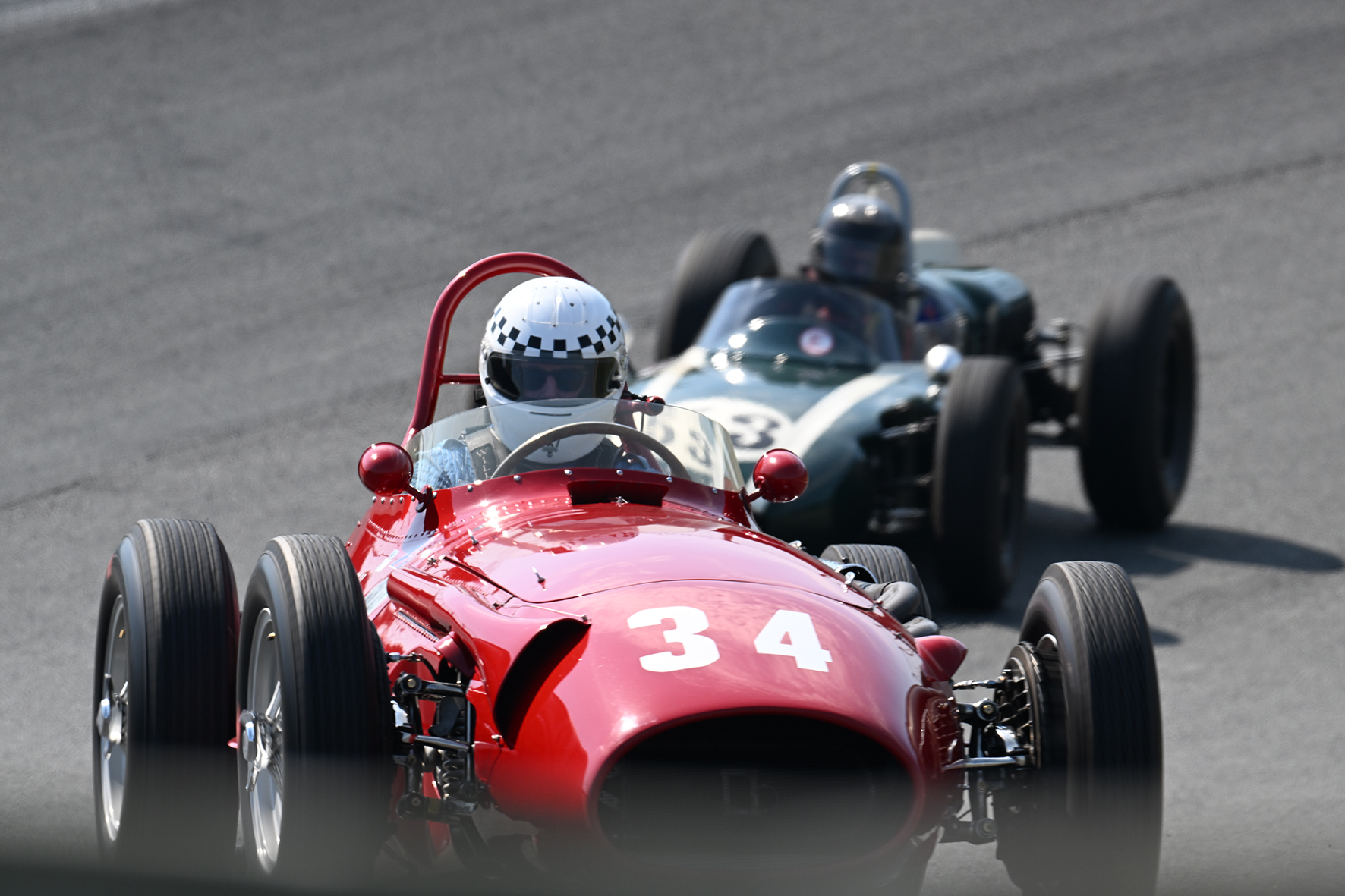
The final bend before the start and finish line, the Arie Luyendyk Bend, has a camber of 32 per cent – steeper than the bends at the Indianapolis Motor Speedway. This bend leads onto the not particularly long home straight. At this point, the circuit looks a bit like a slot car track.
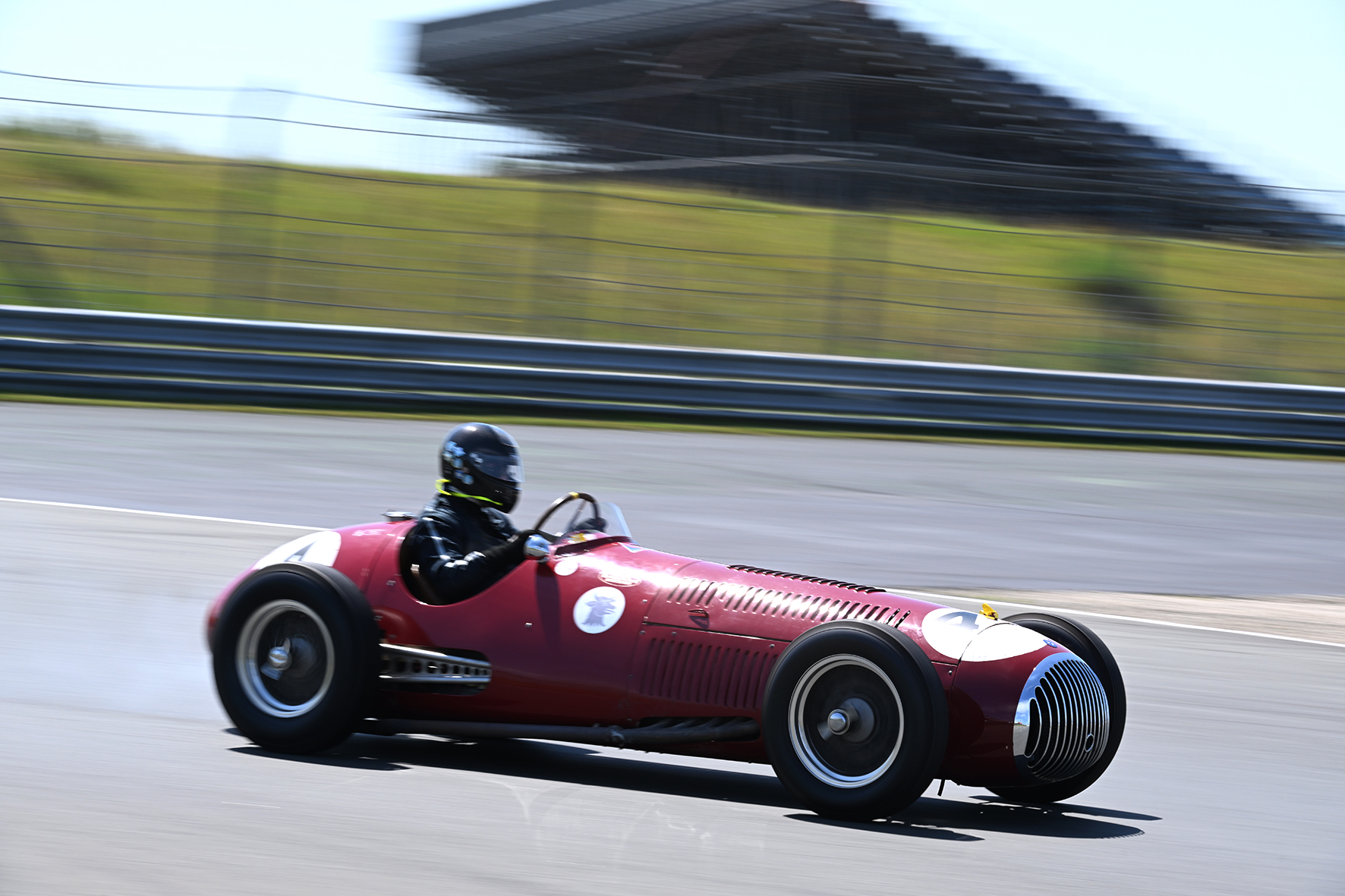
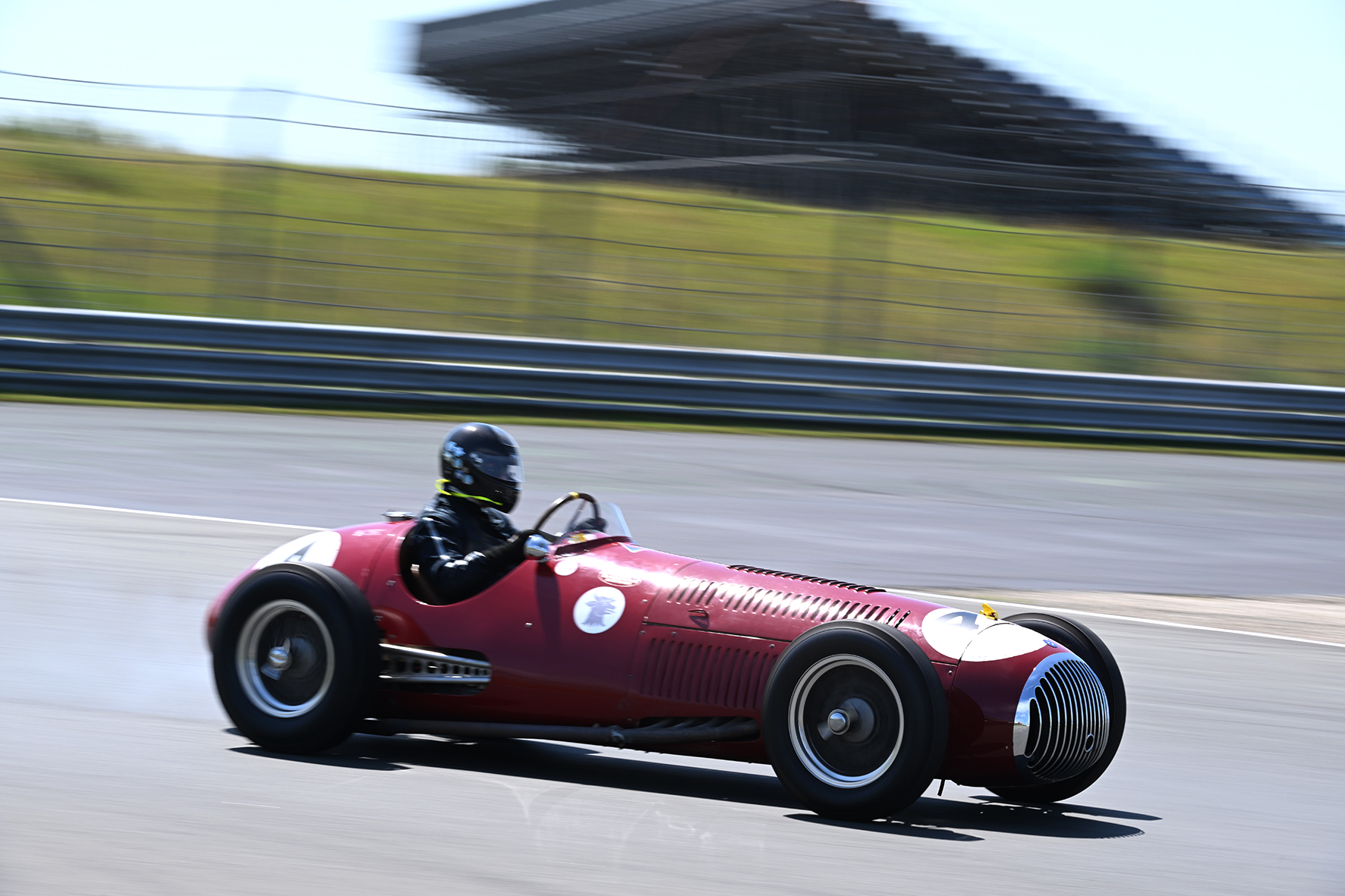
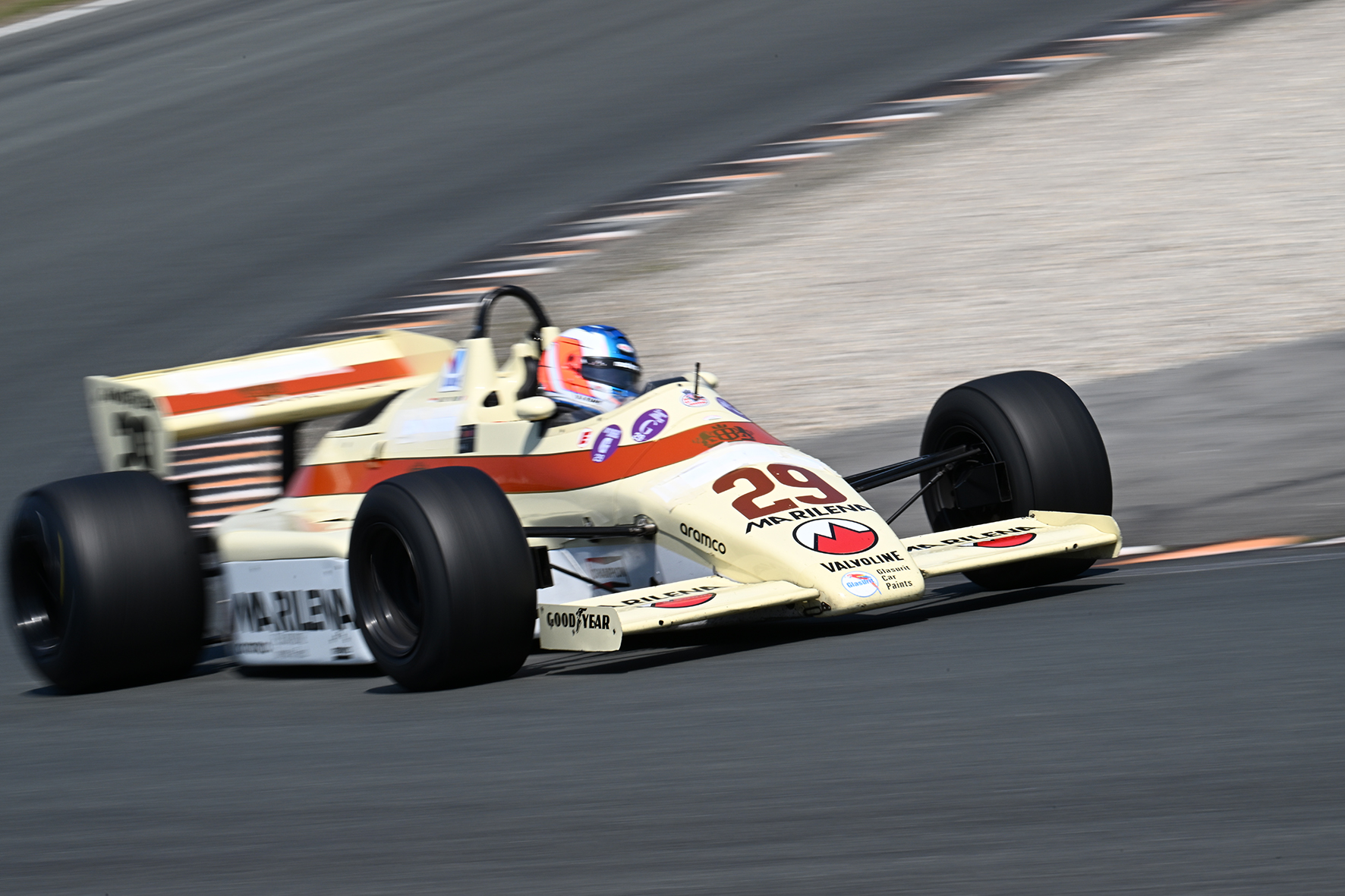
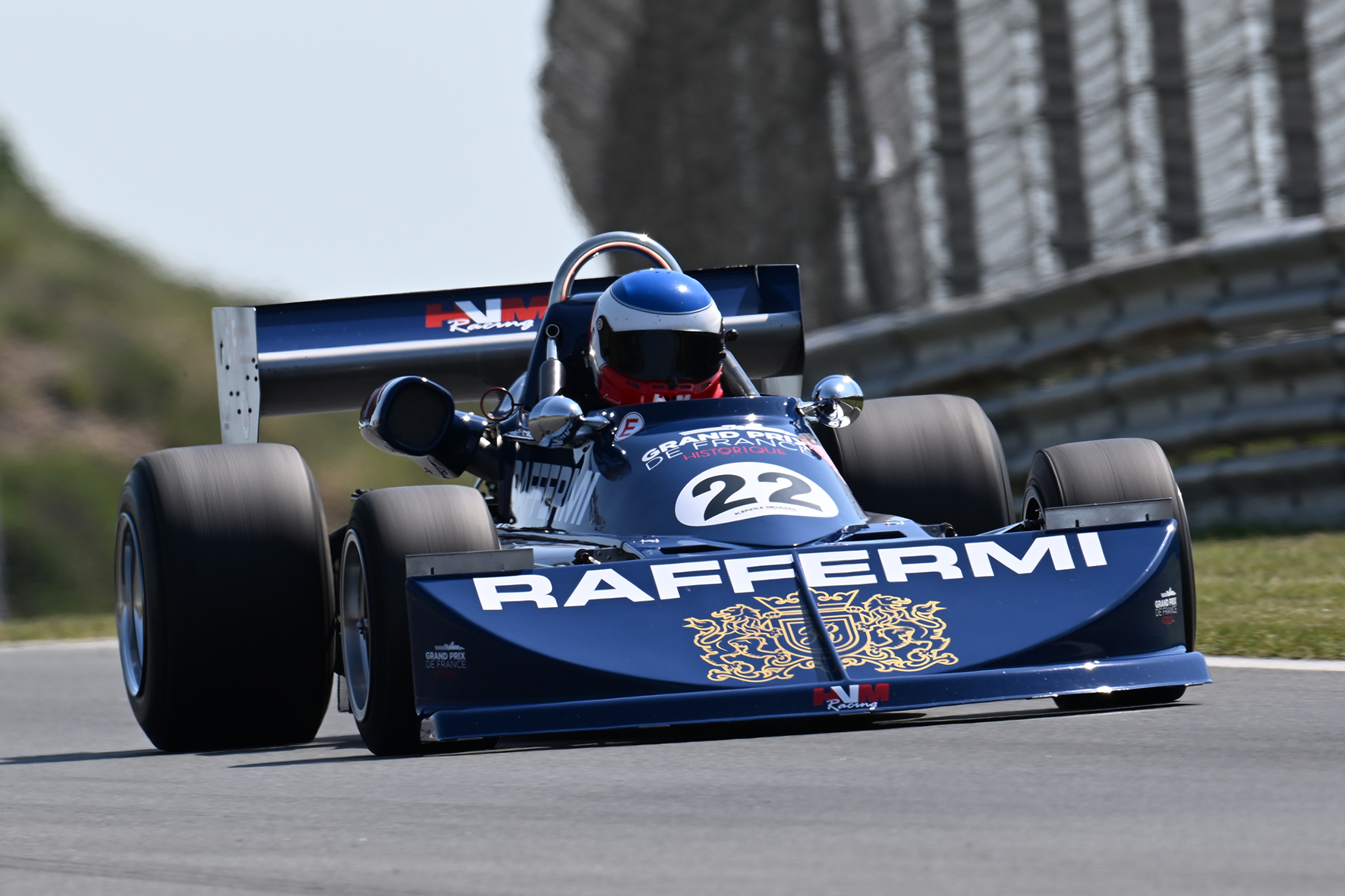
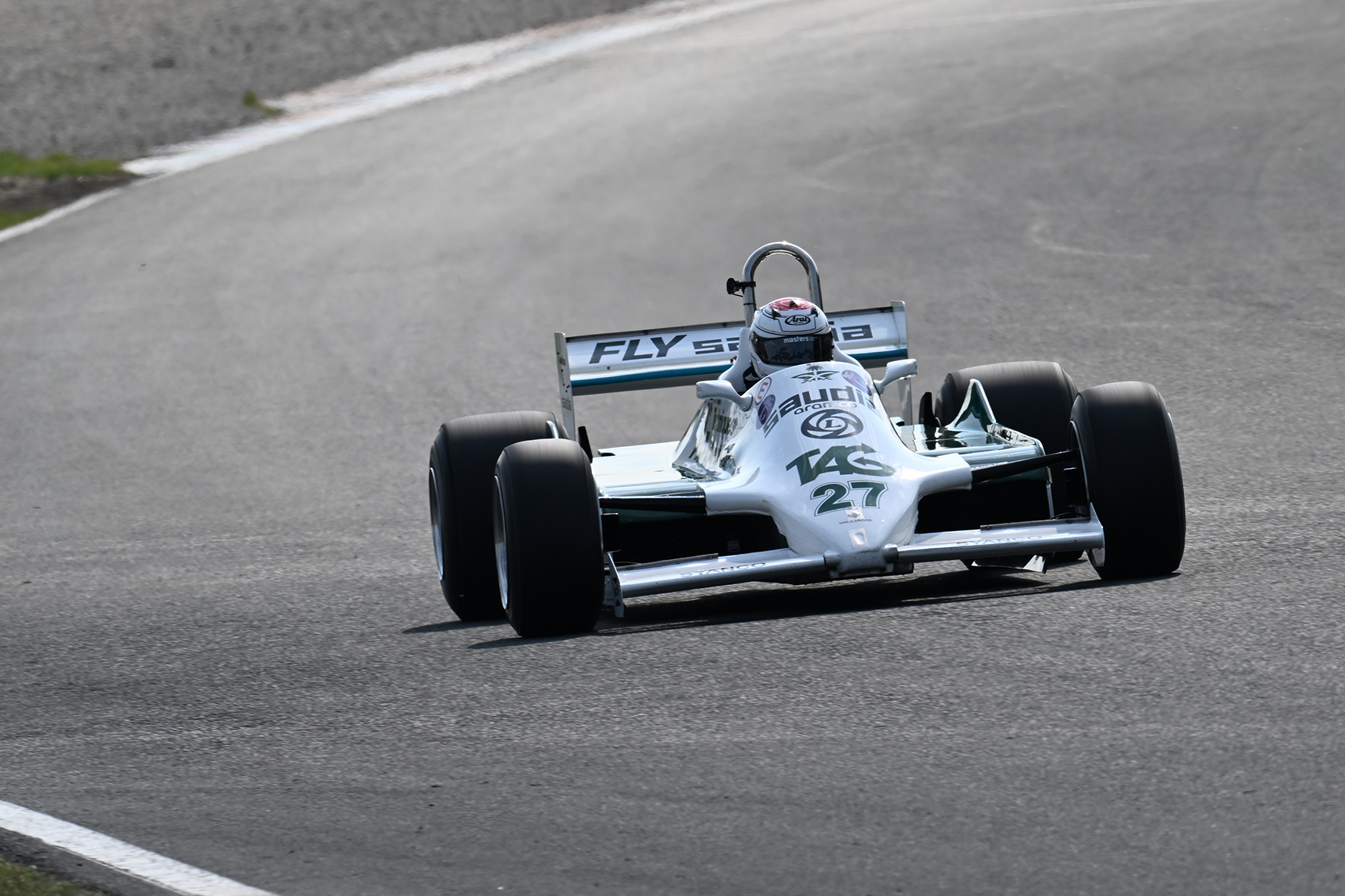
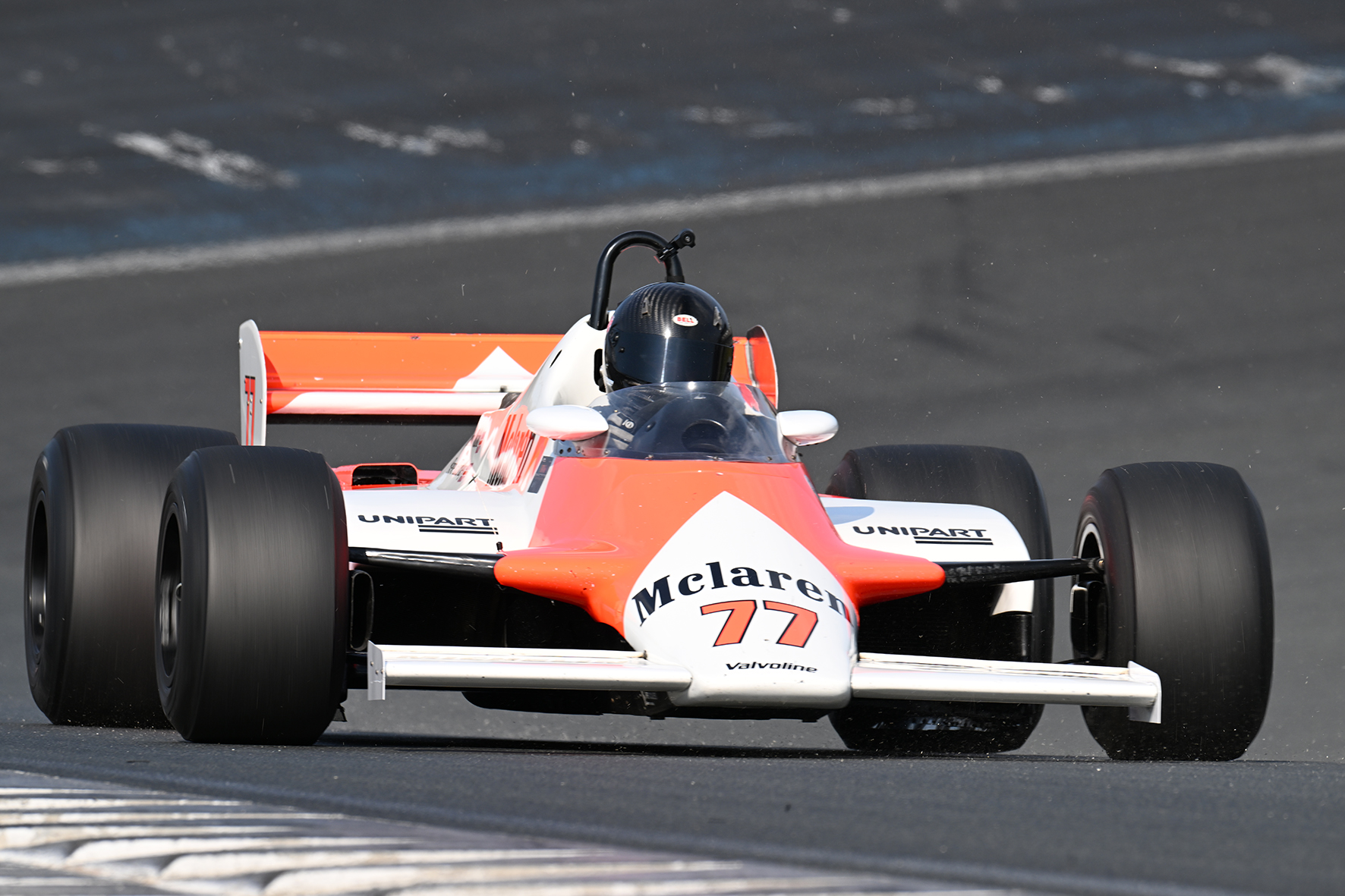
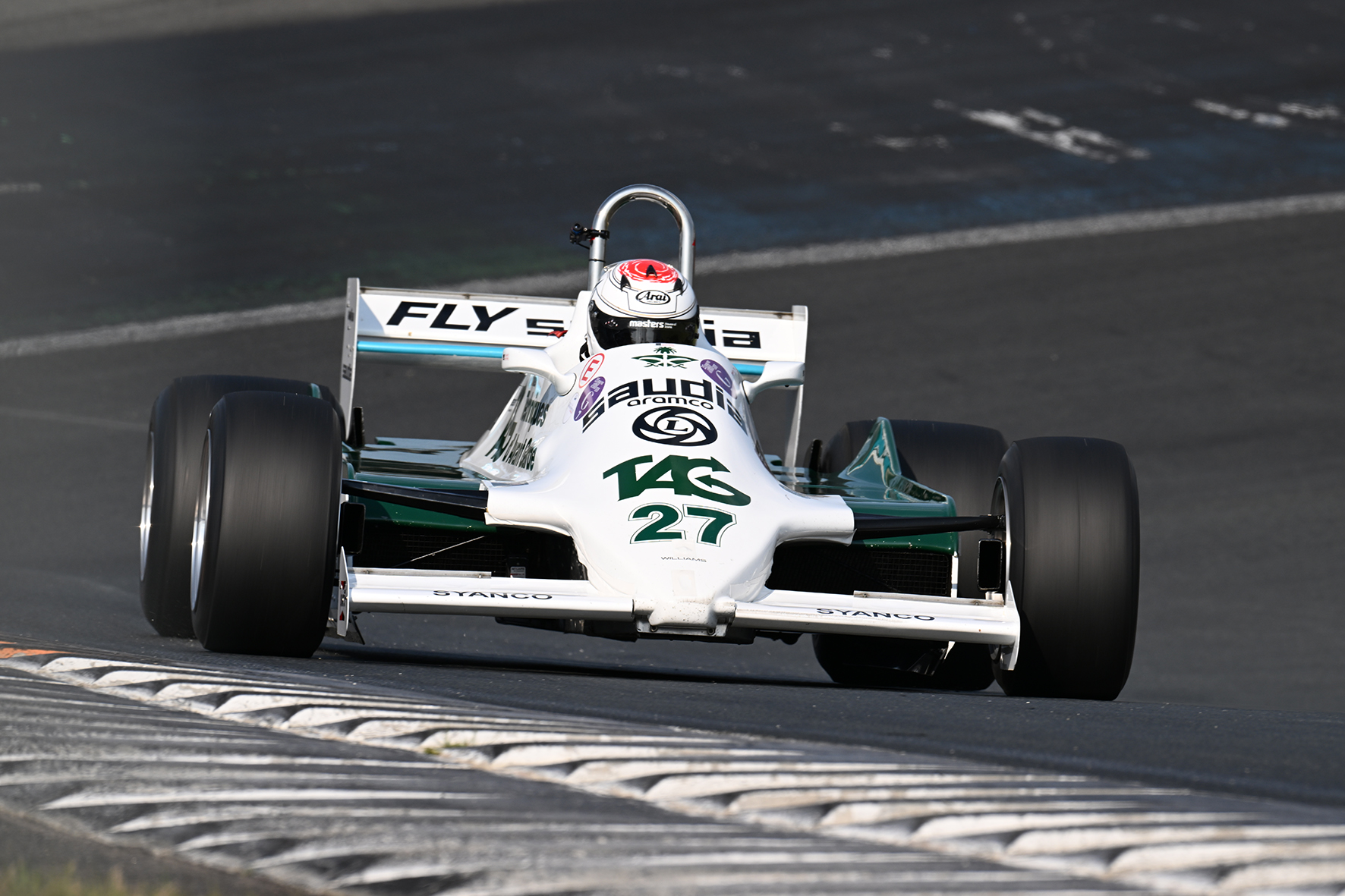
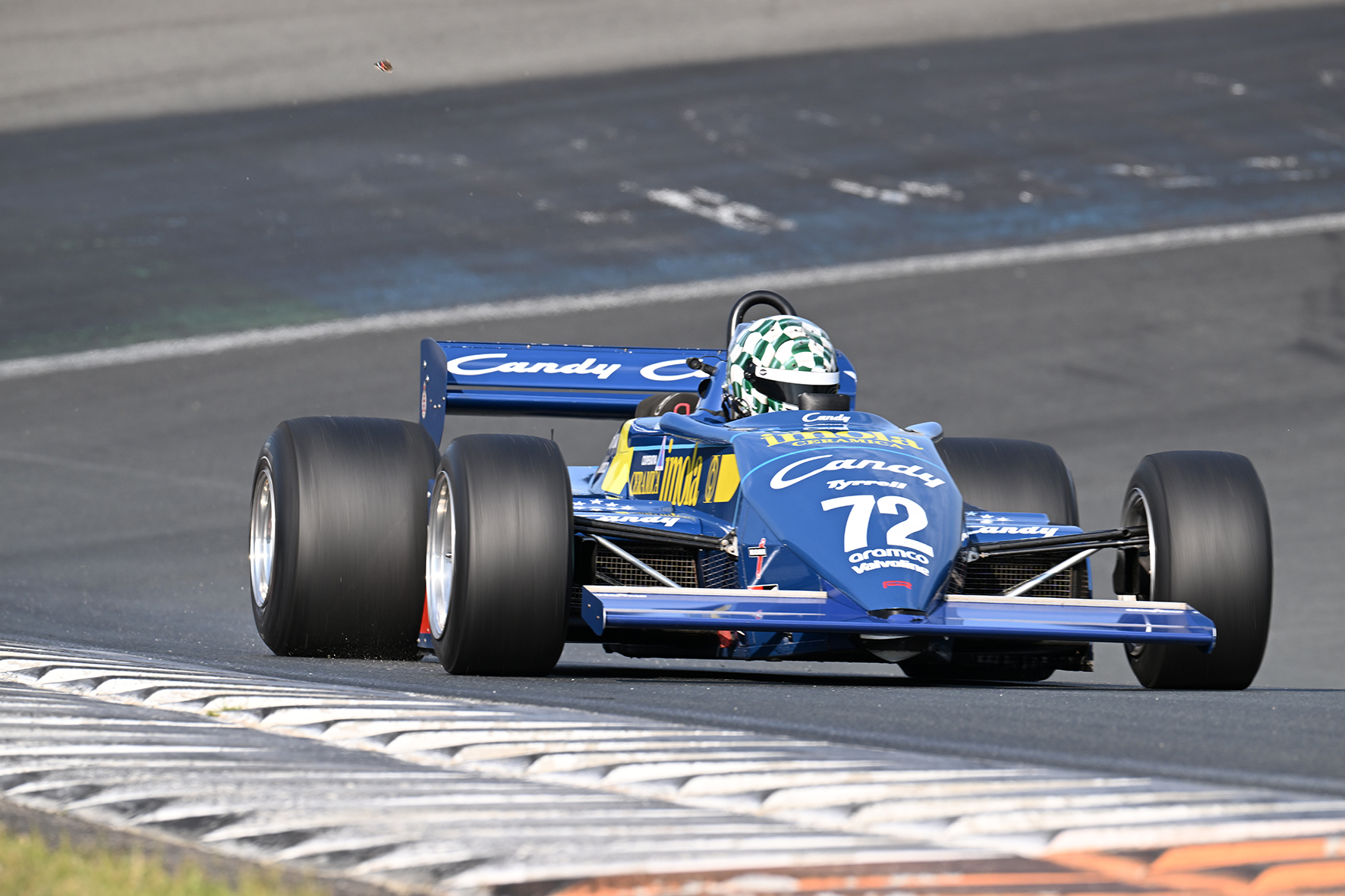
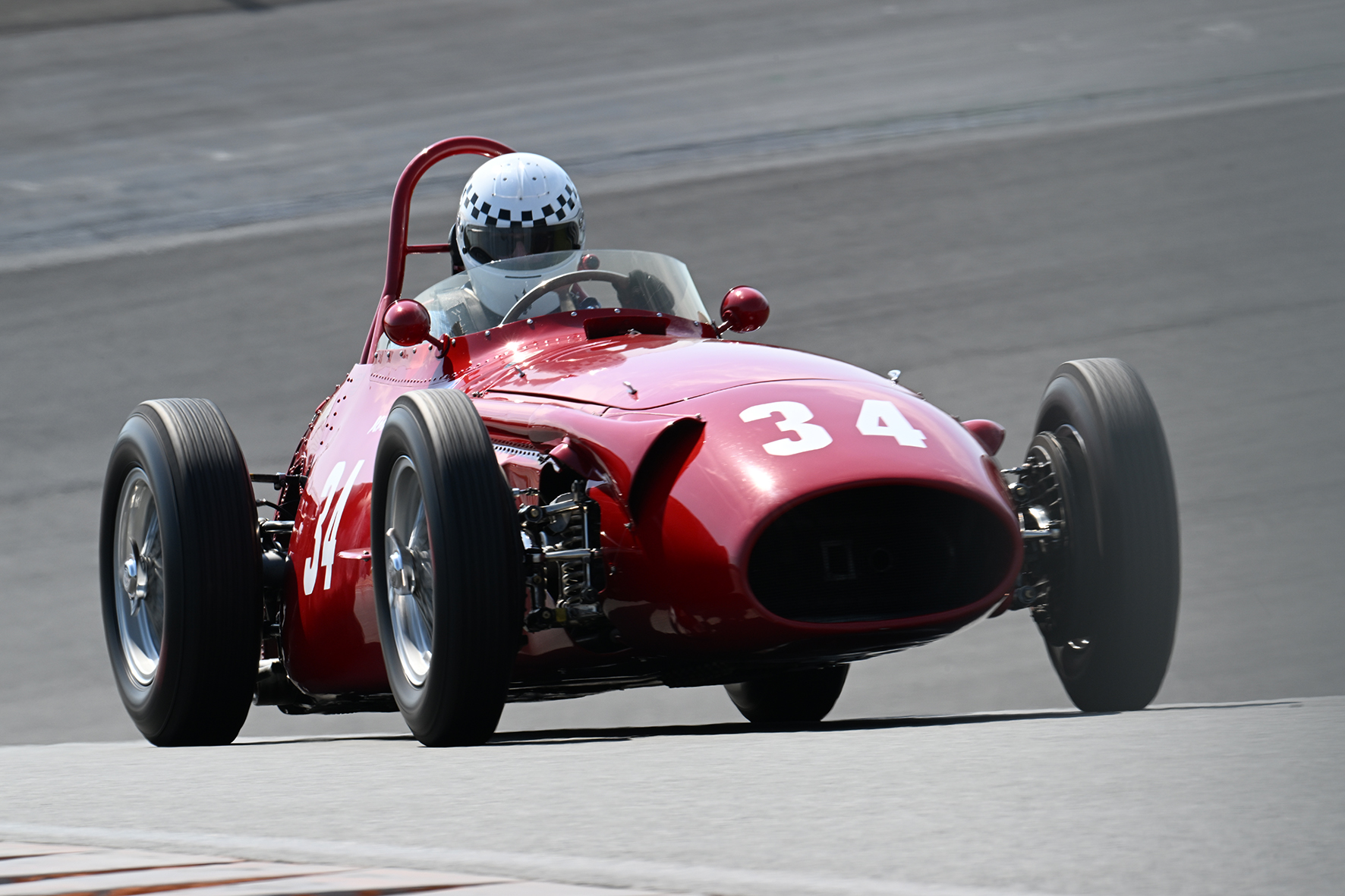
For me, Zandvoort is the perfect location for a racecourse and therefore also the perfect venue for the Historic Grand Prix. There were several monoposto races on display, including the Masters Racing Legends – Formula 1 cars from 1966 to 1985 – and the Historic Grand Prix Car Association, featuring Formula 1 and Grand Prix cars dating back to 1961. The Formula 2 and Formula 3 Classic Interseries were also on the starting grid.
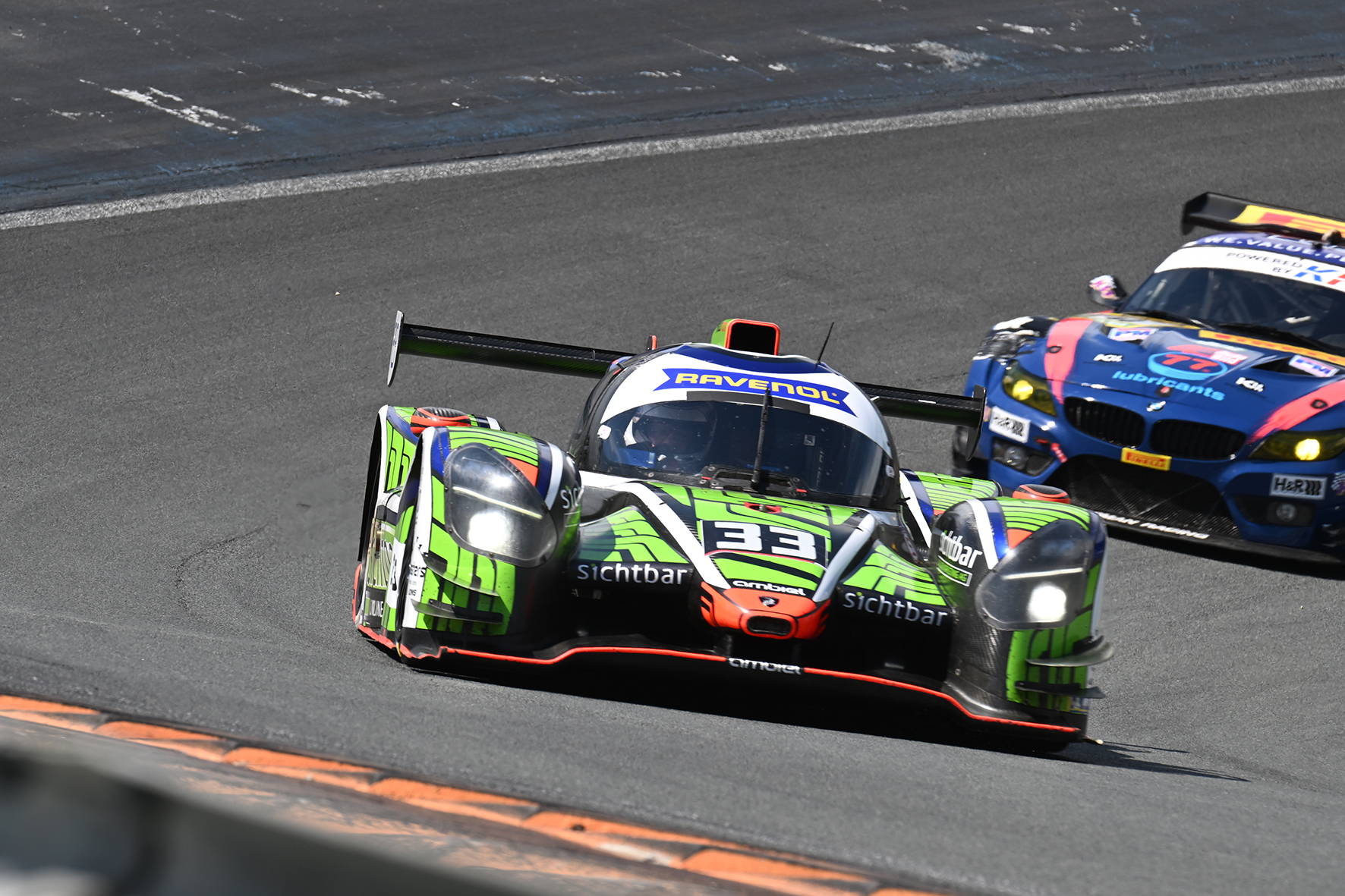
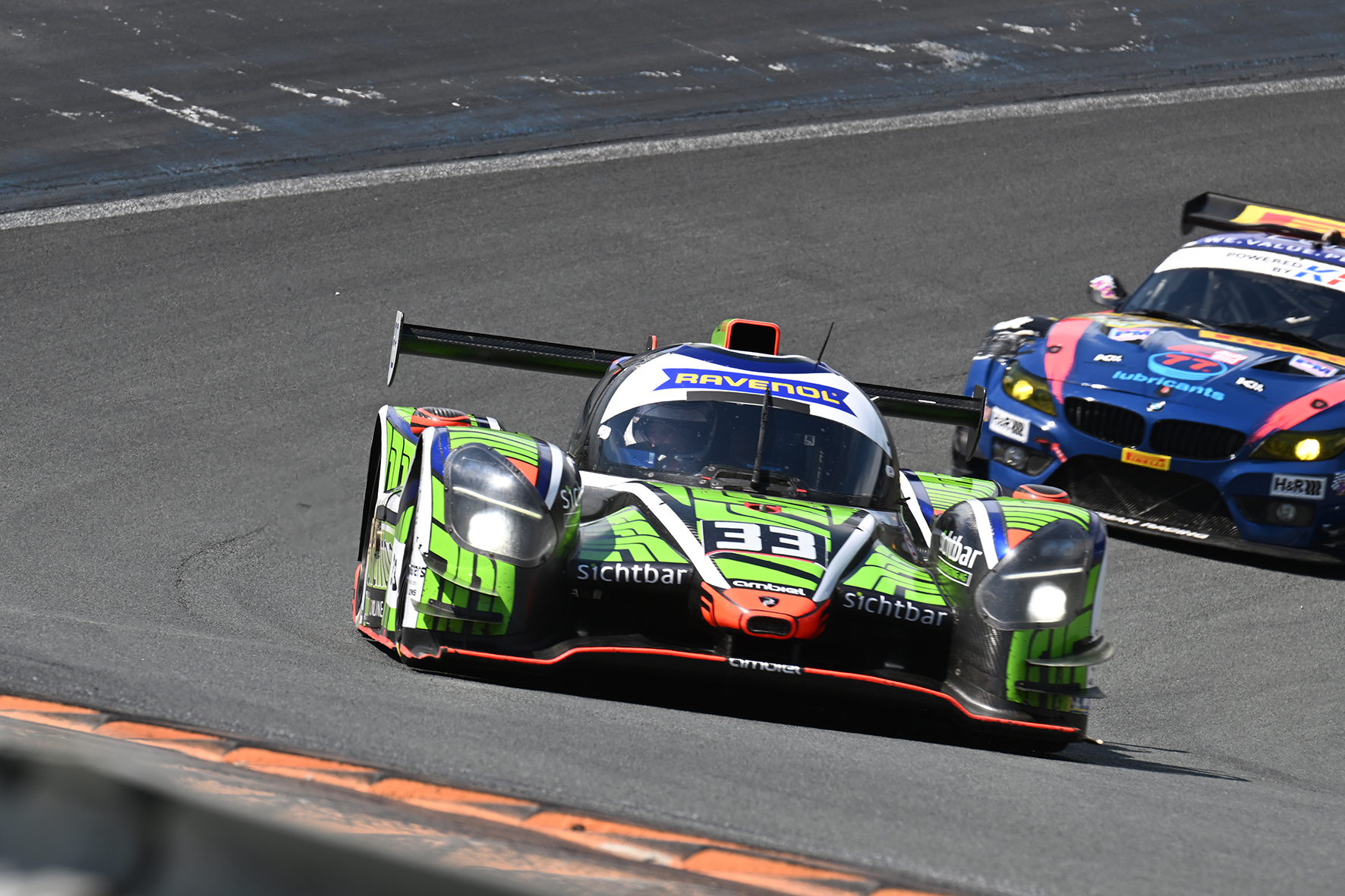
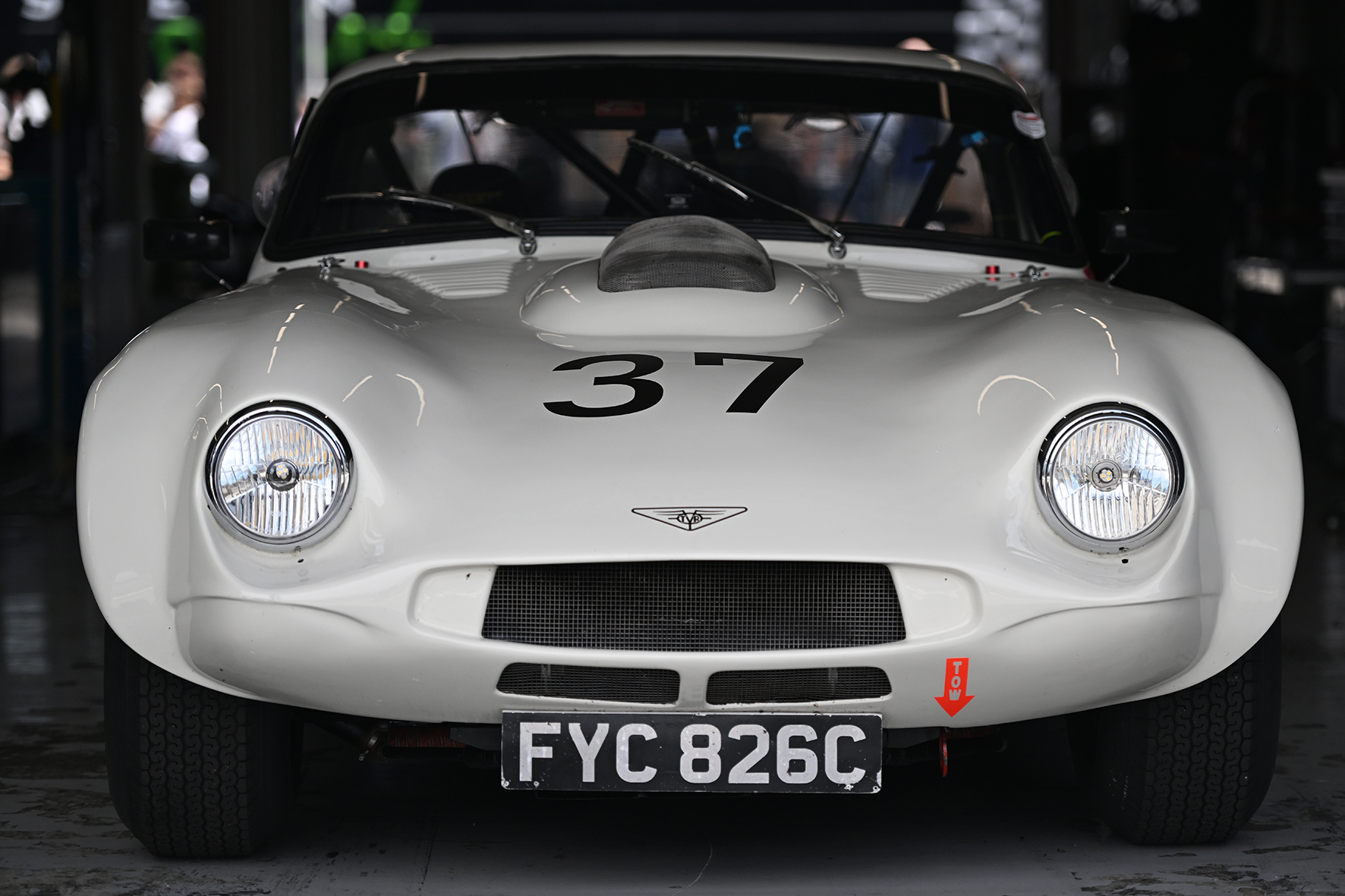
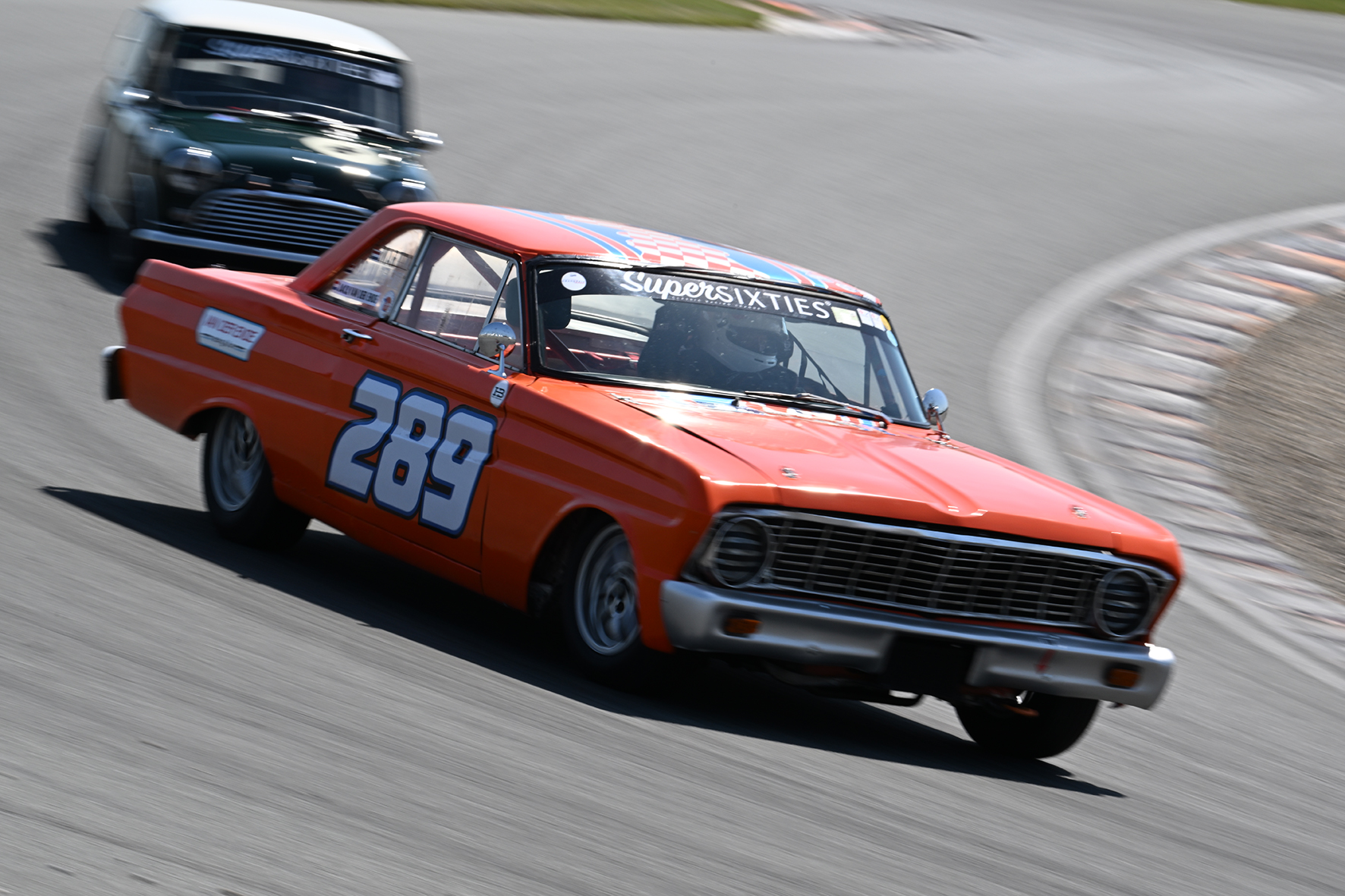
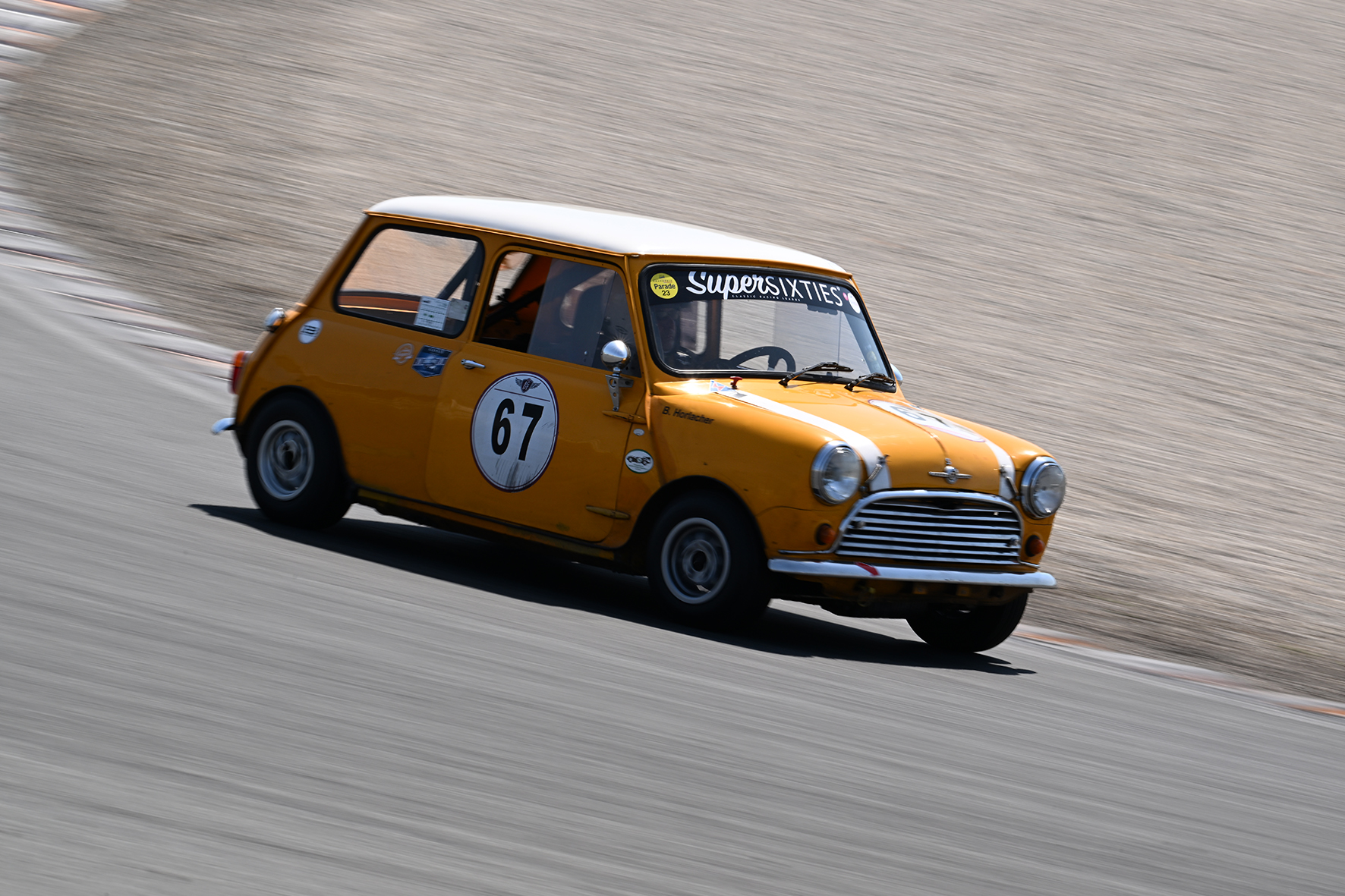
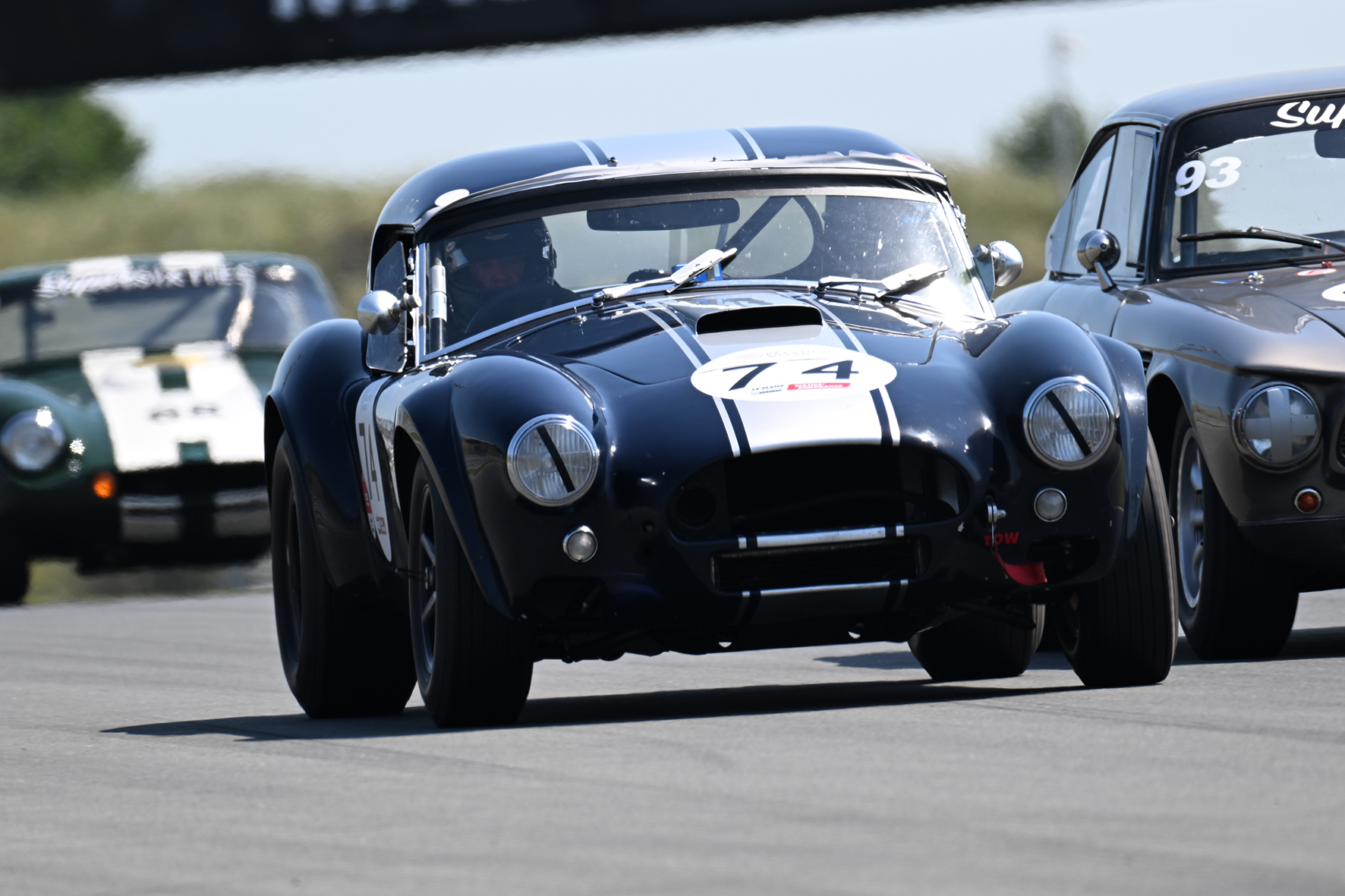
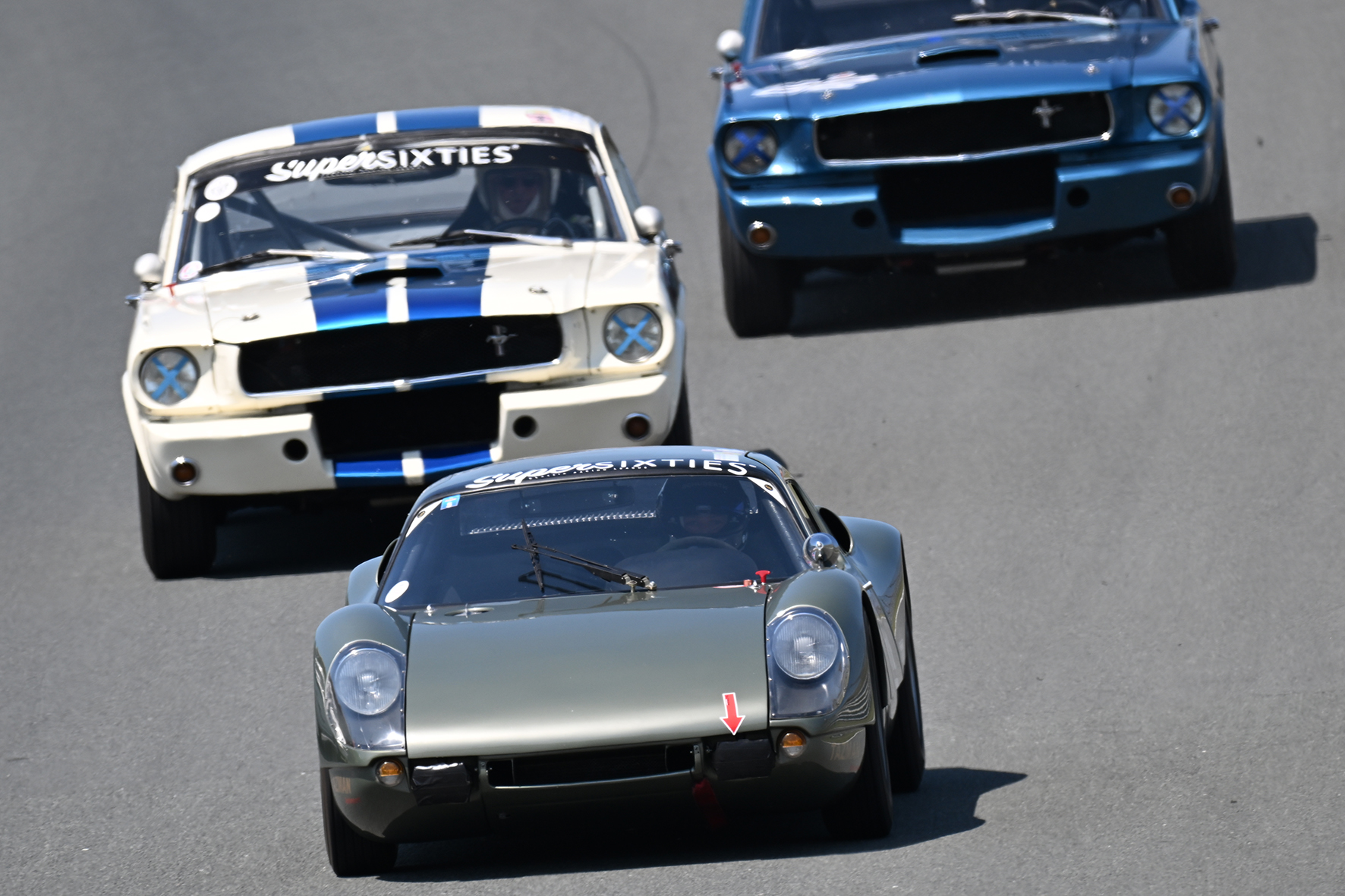
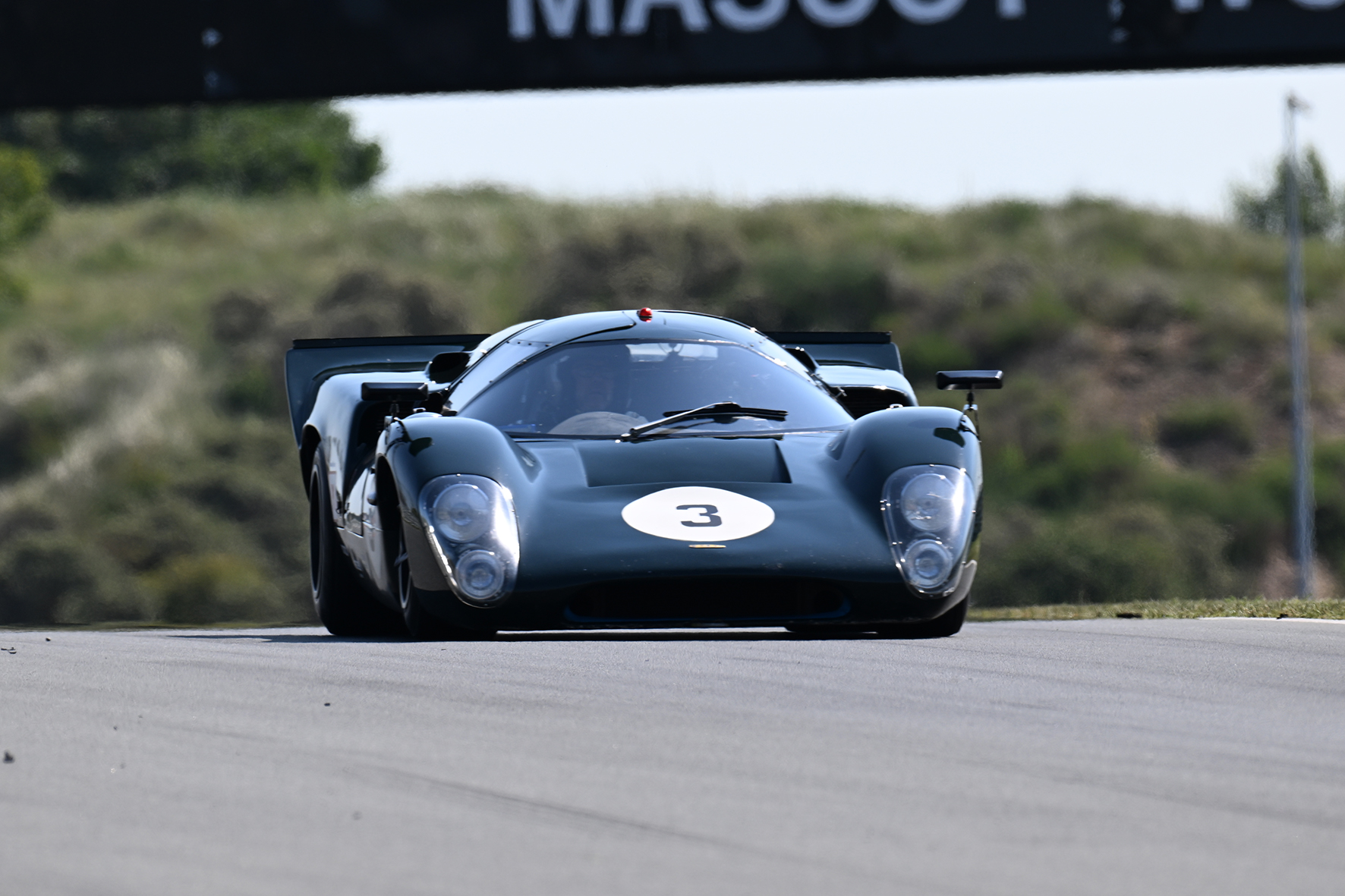
The Touring Car Legends, the Super Sixties, the Masters Endurance Legends 1 and 2, the Masters Sports Car Legends and a few more races rounded off this journey through time.
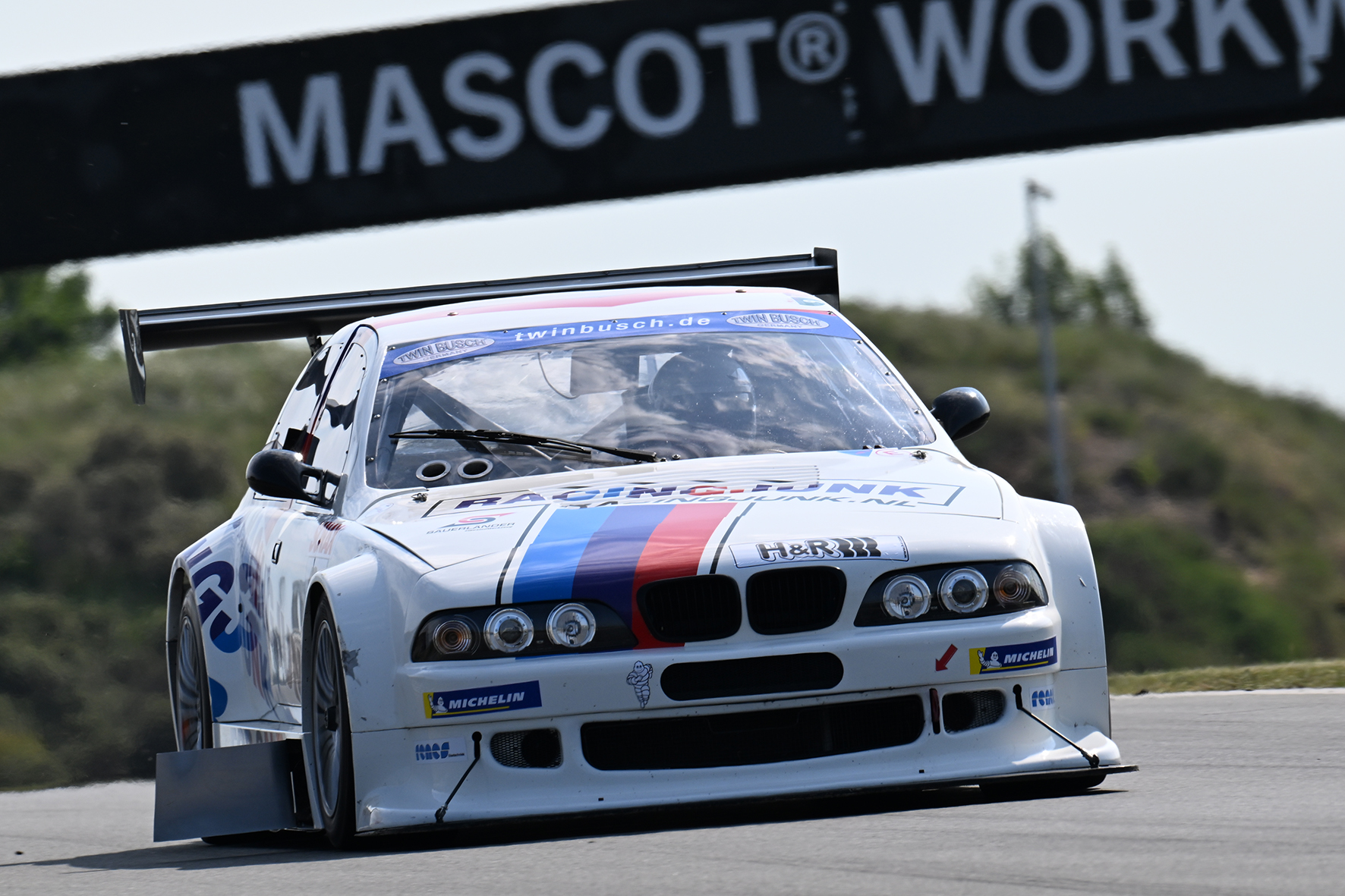
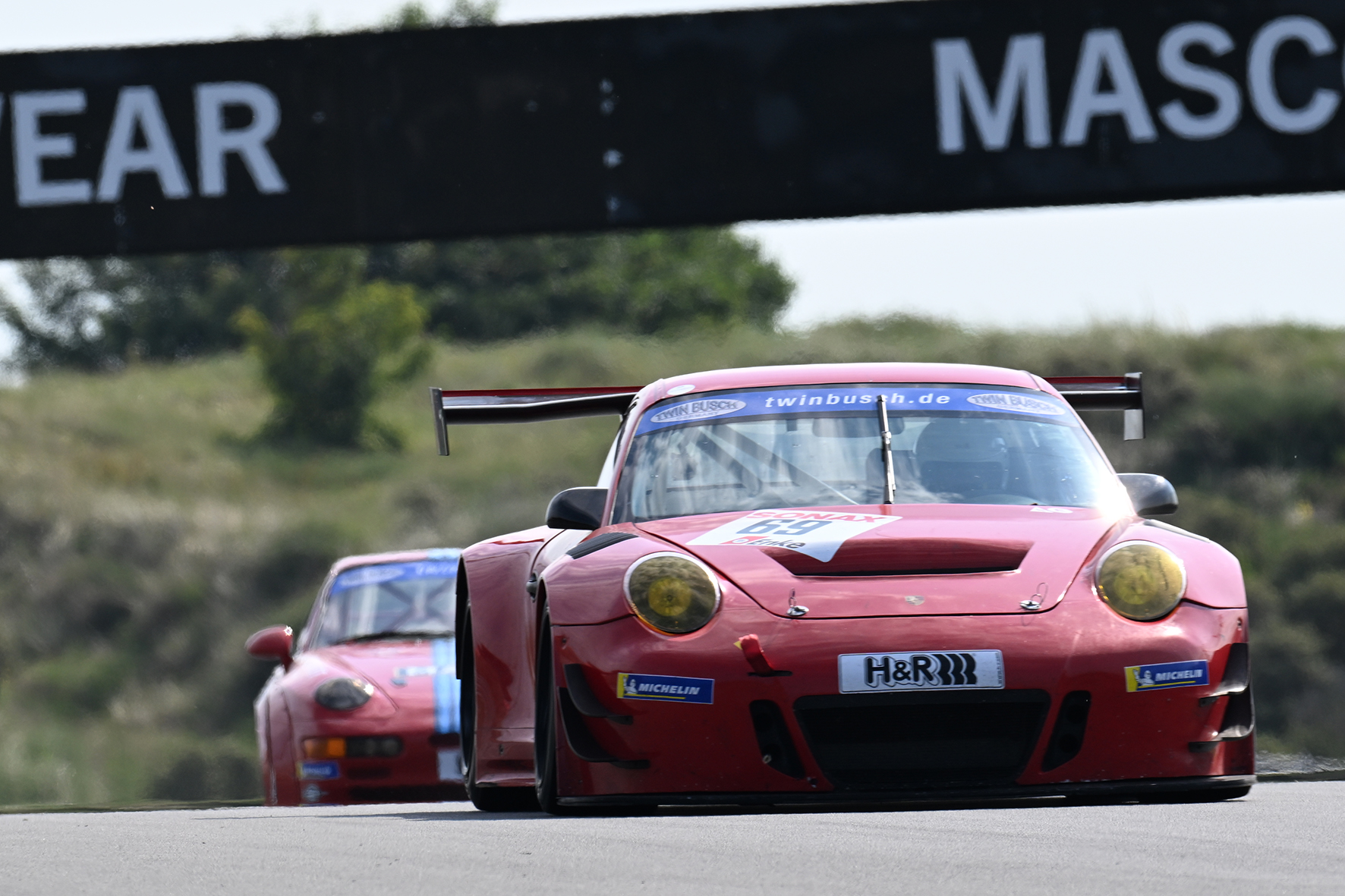
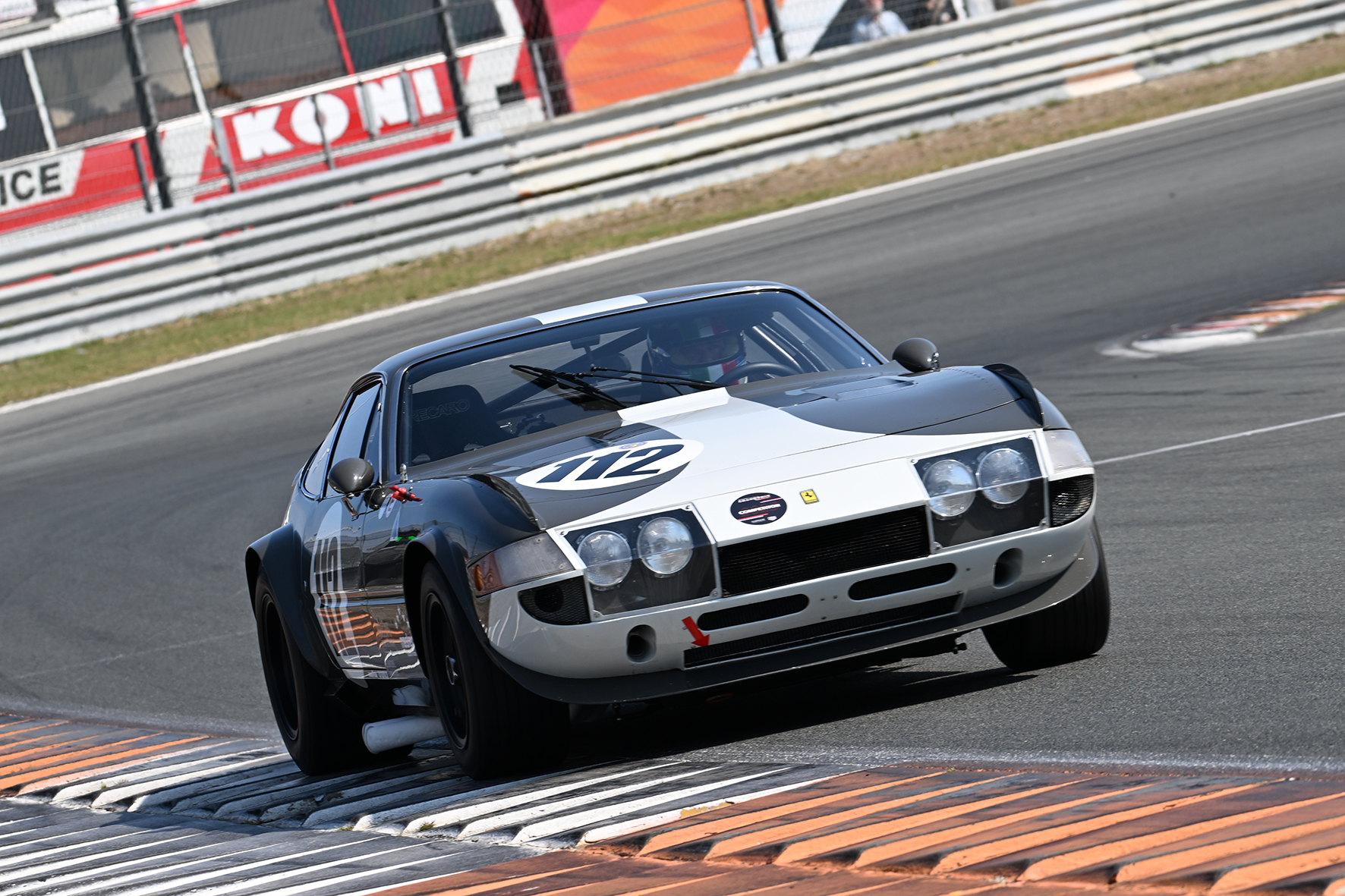
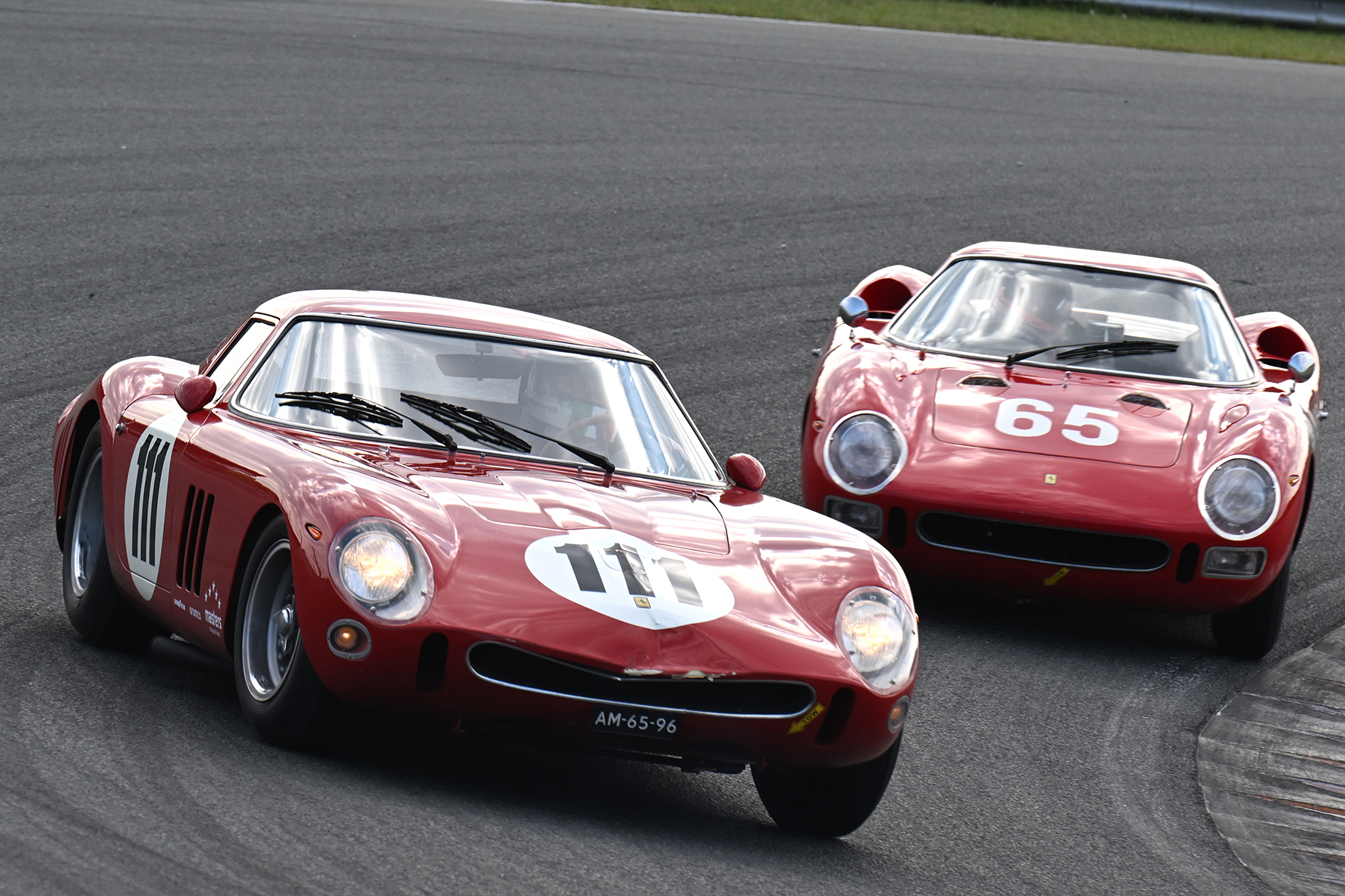
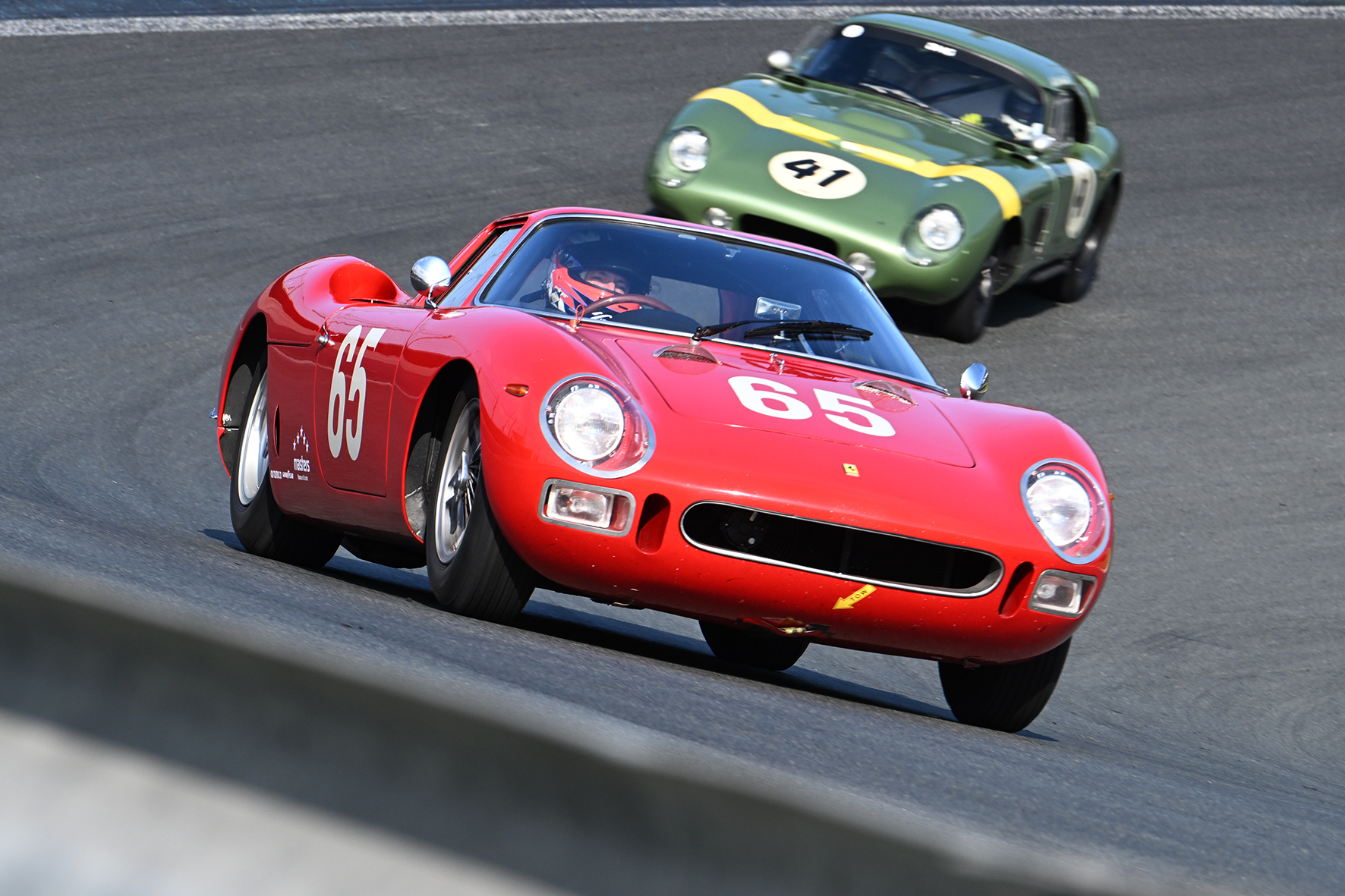
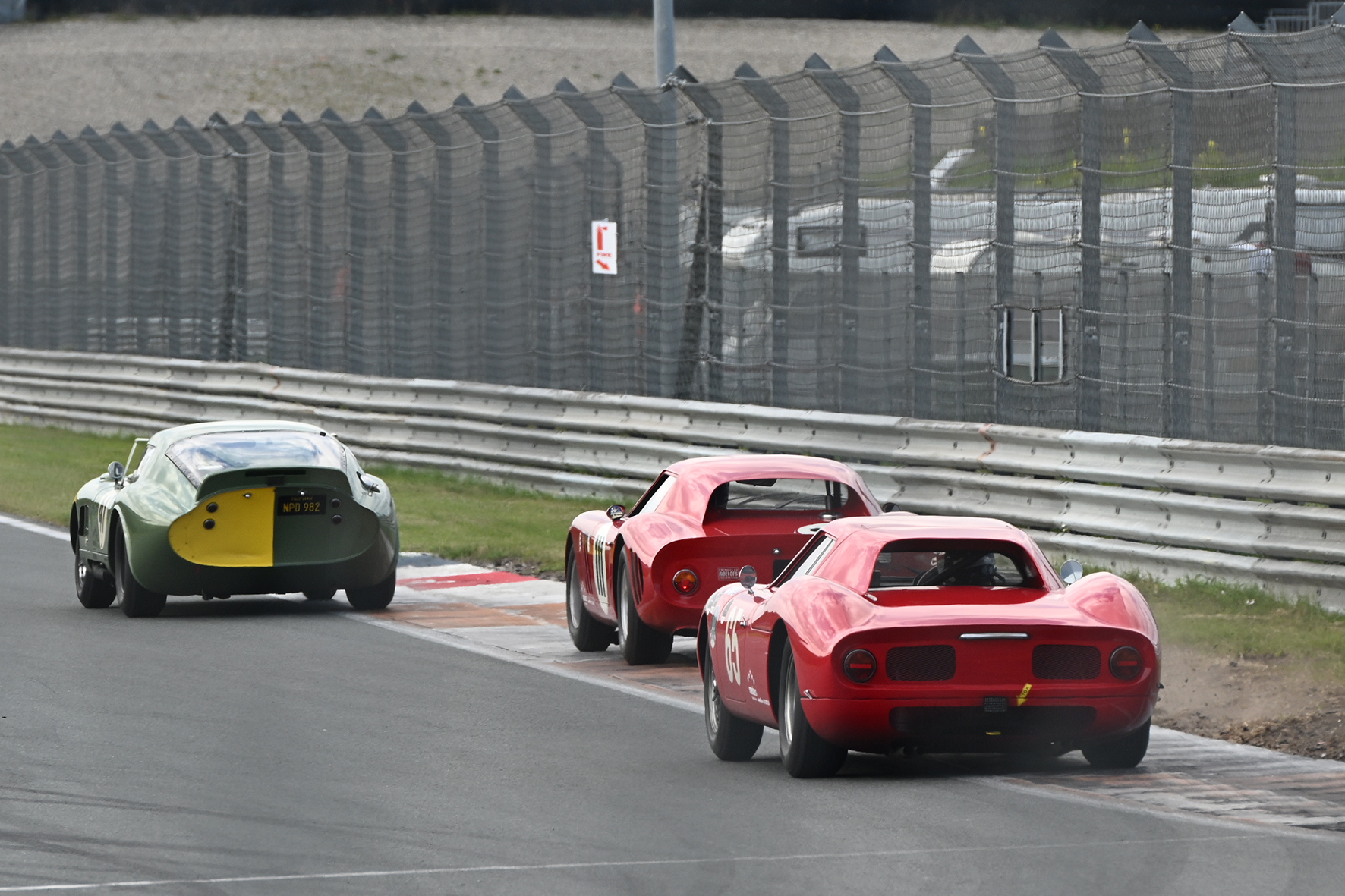
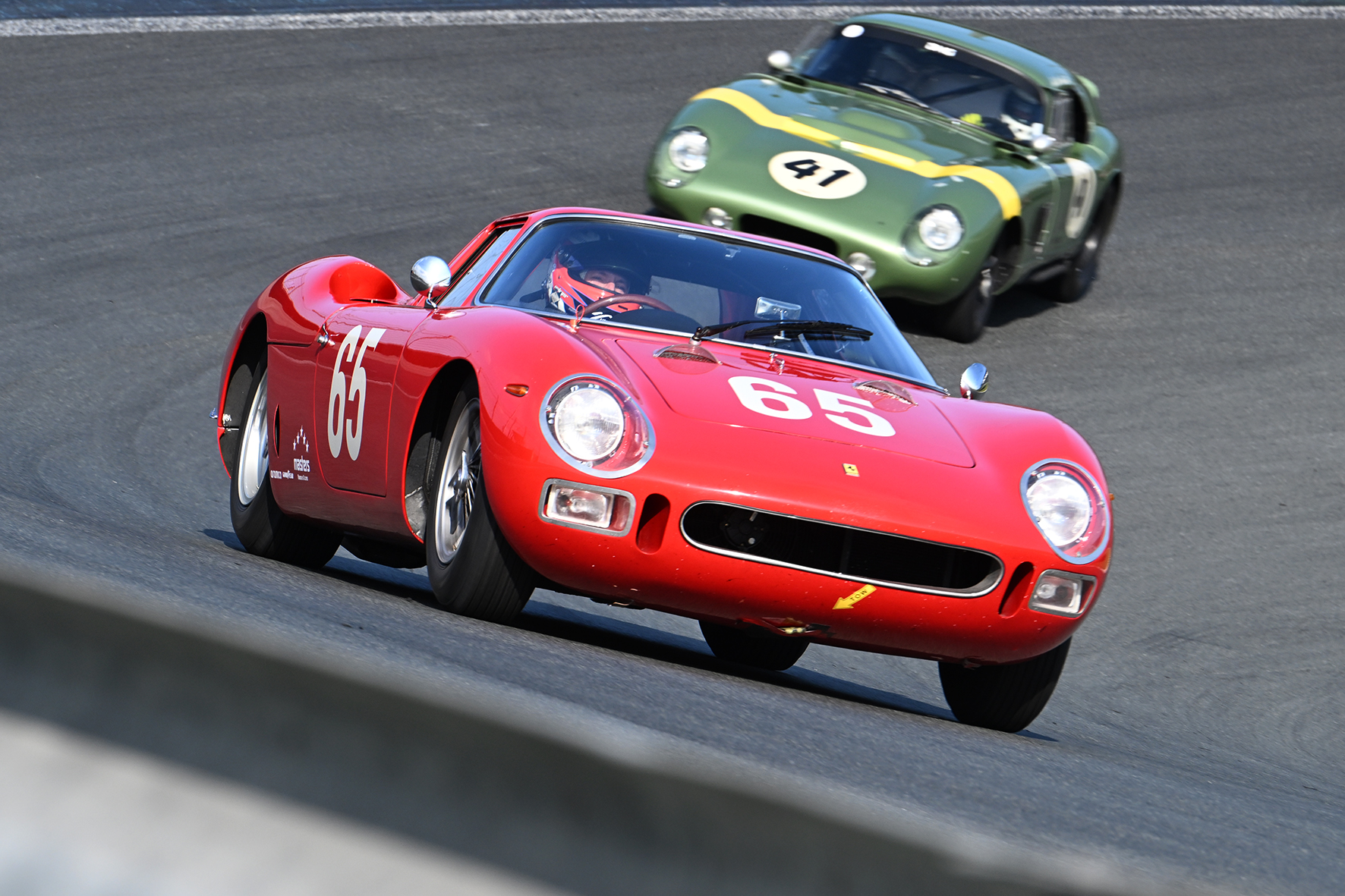
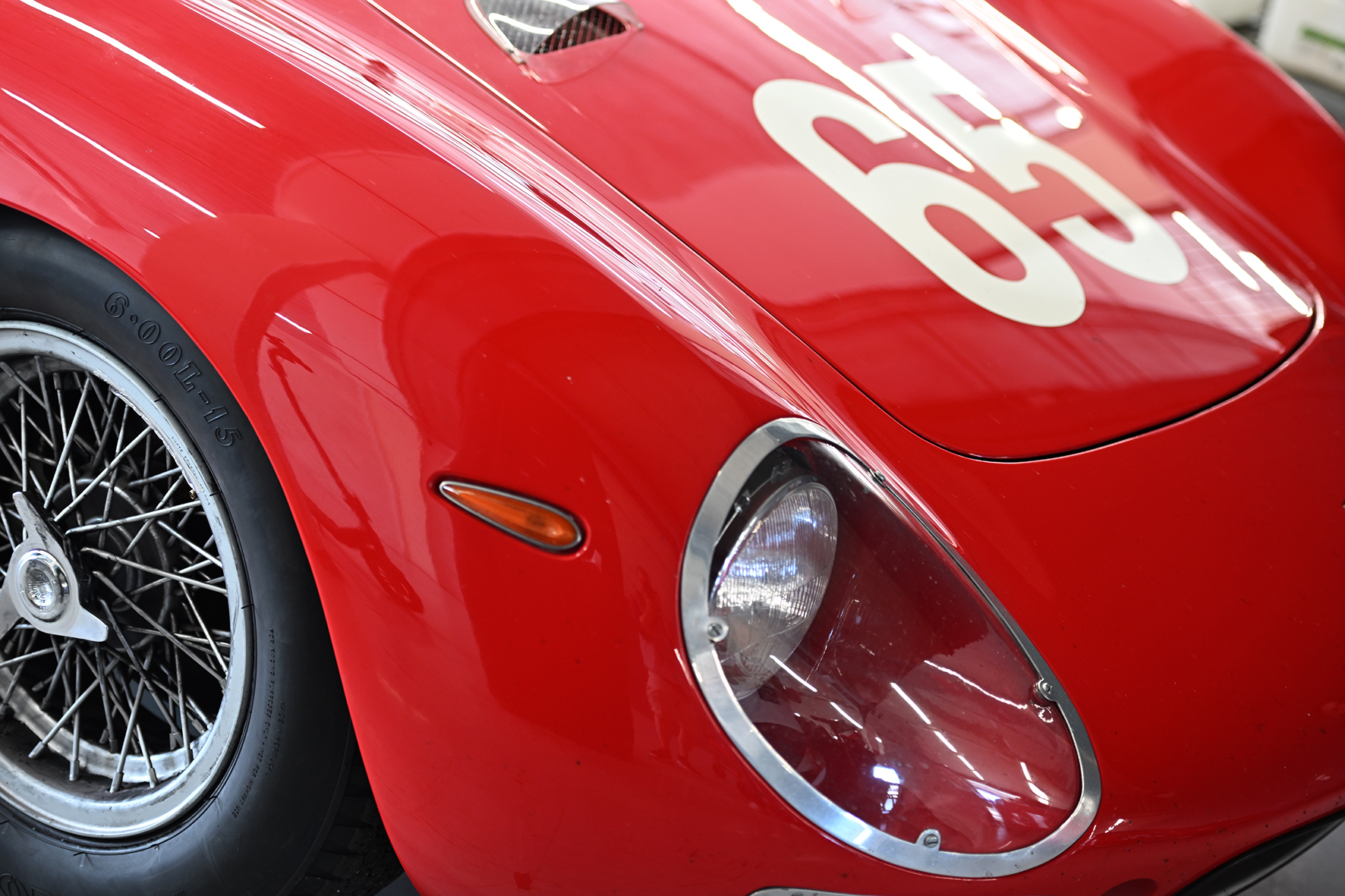
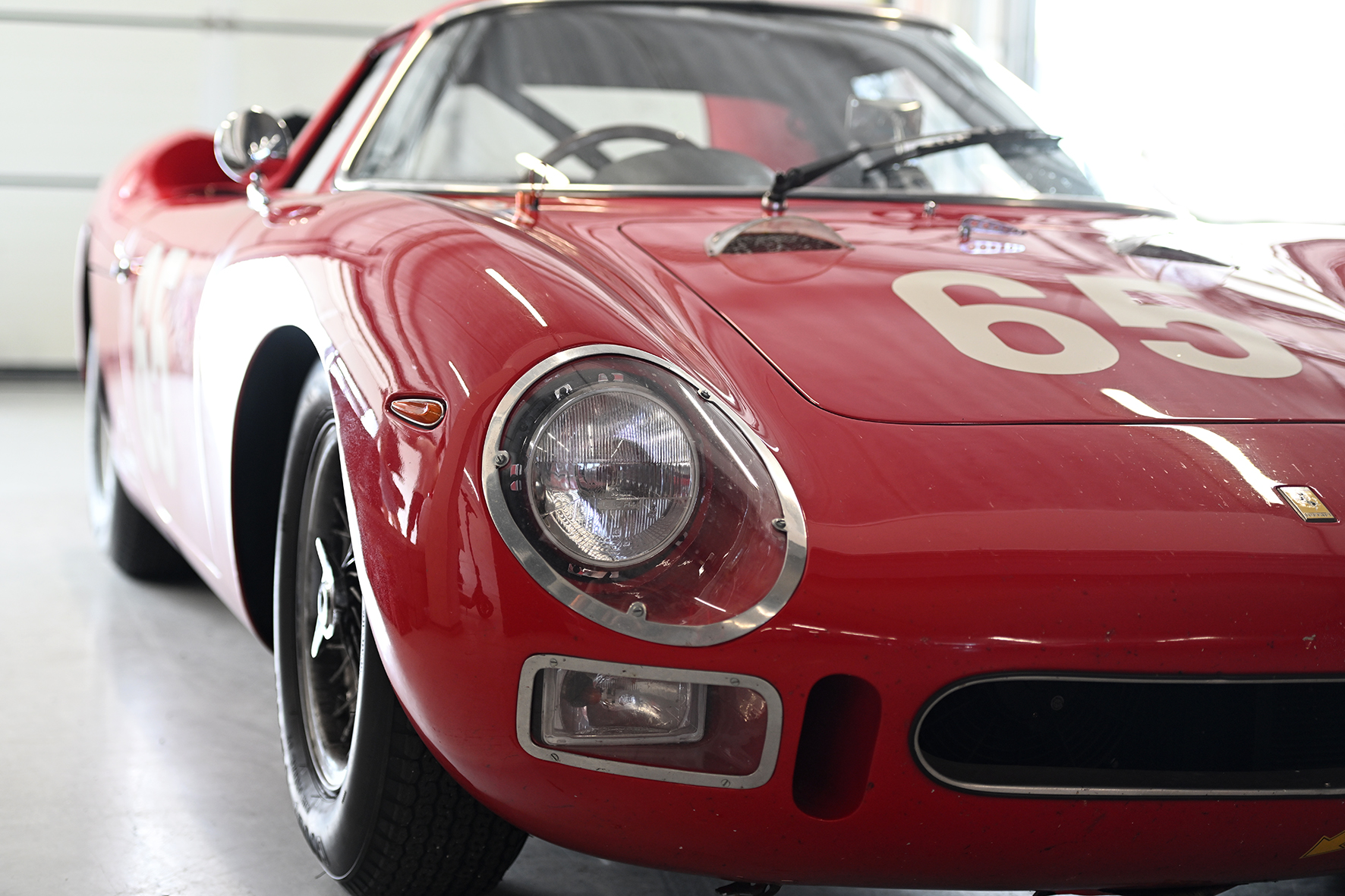
One of the most thrilling races was the Masters Gentlemen Drivers race on Sunday morning. Amongst those on the starting grid were a Ferrari 250 GTO 64, a Ferrari 250 LM and the olive-green Cobra Daytona driven by Oliver and David Hart. They battled it out lap after lap in a thrilling neck-and-neck race with numerous lead changes.
Of course, the other races were also very interesting to watch; once again, I was surprised at just how fast those historic Formula 2 cars are time and again. In fact, as a photographer, there’s hardly any other permanent circuit where you can get so close to the action that you really get a sense of the actual speeds.
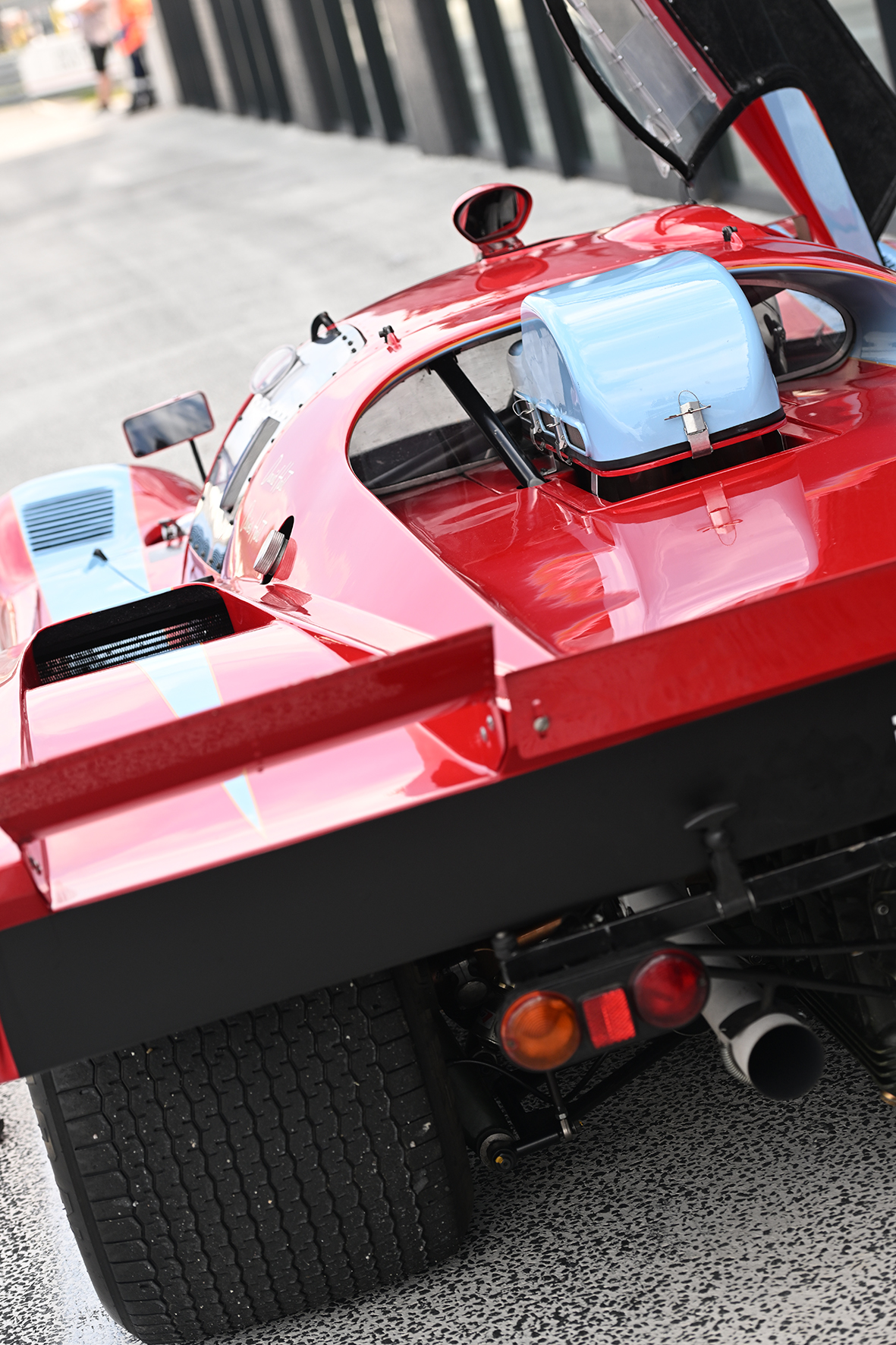
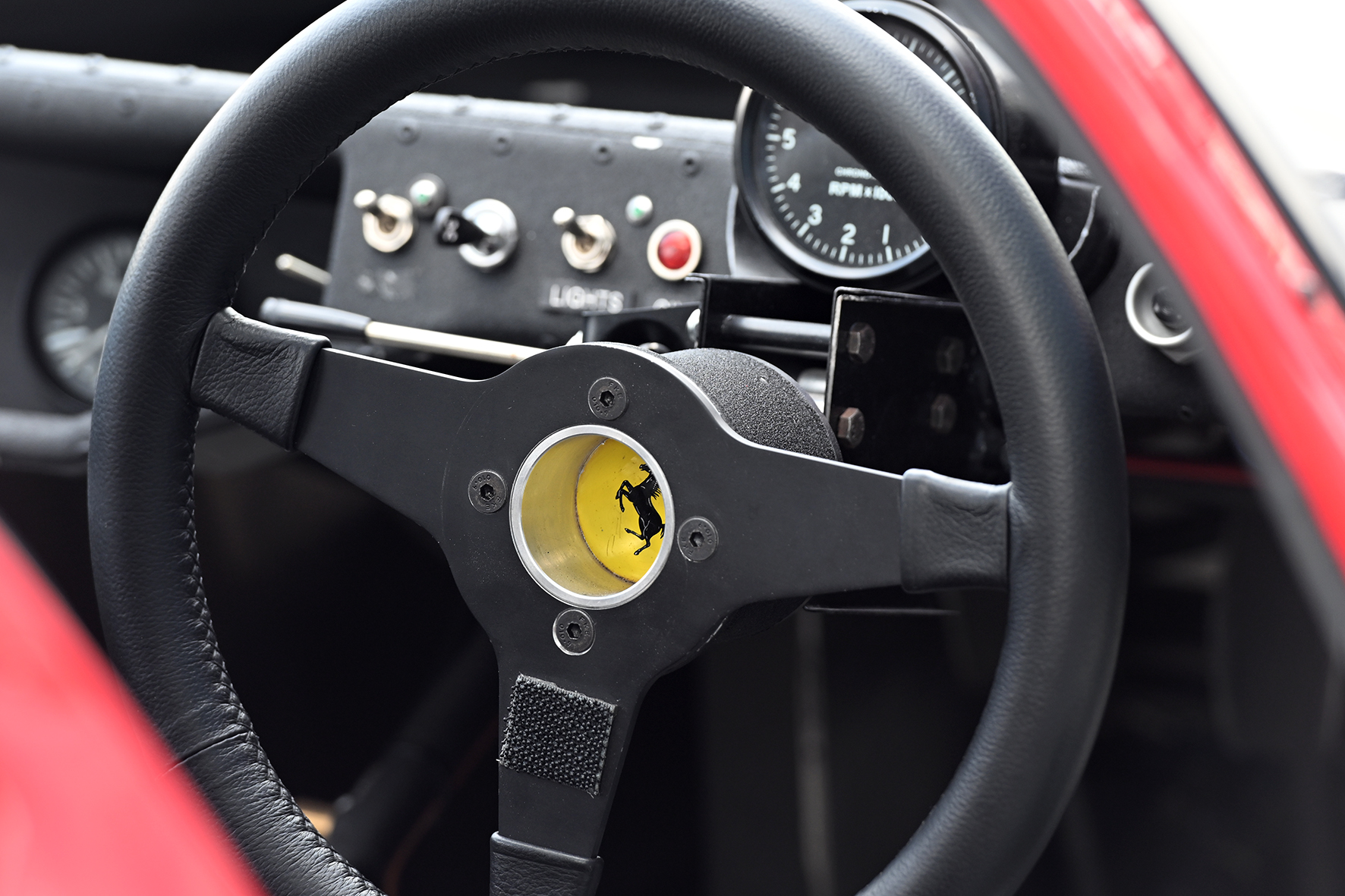
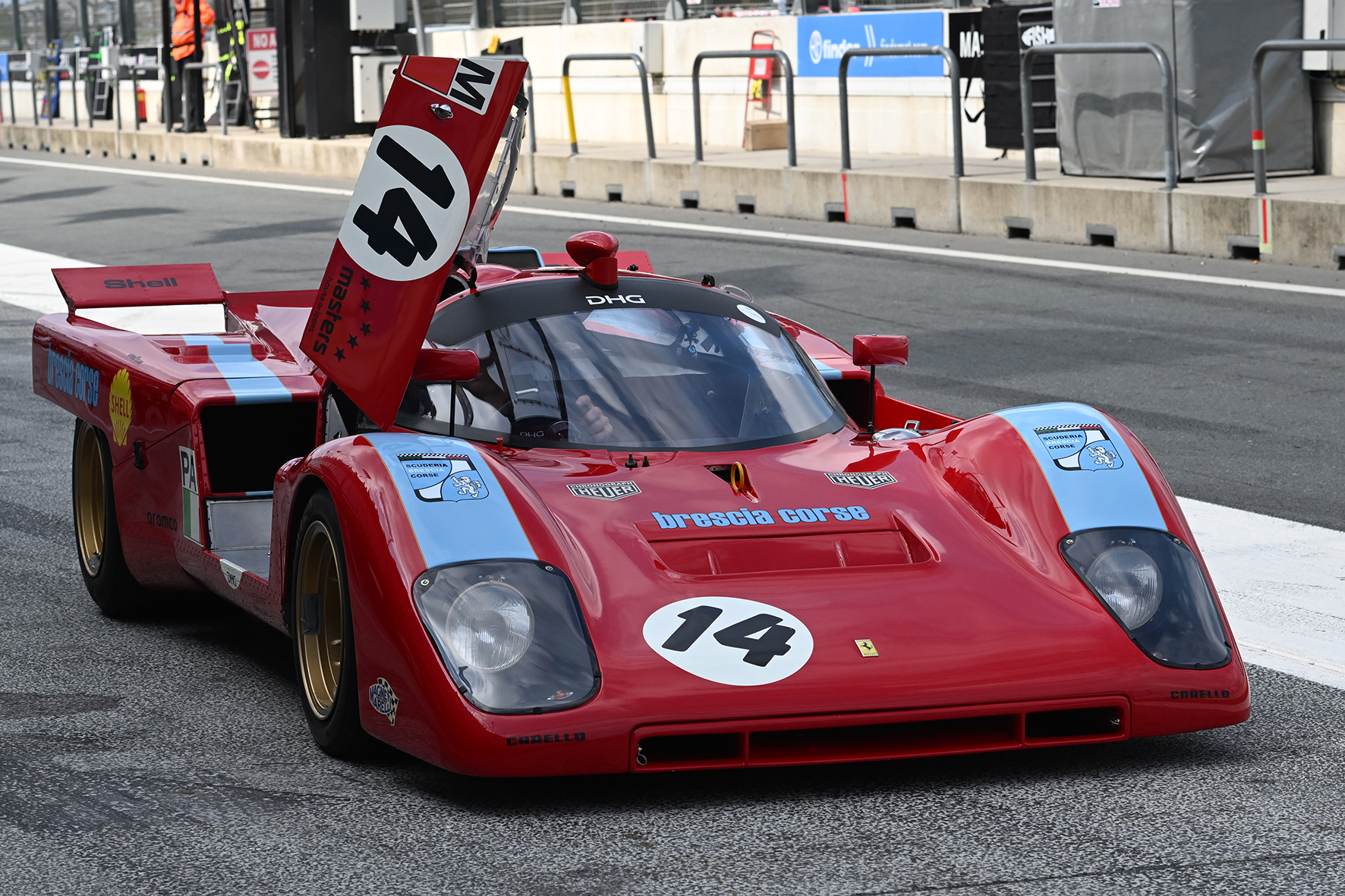
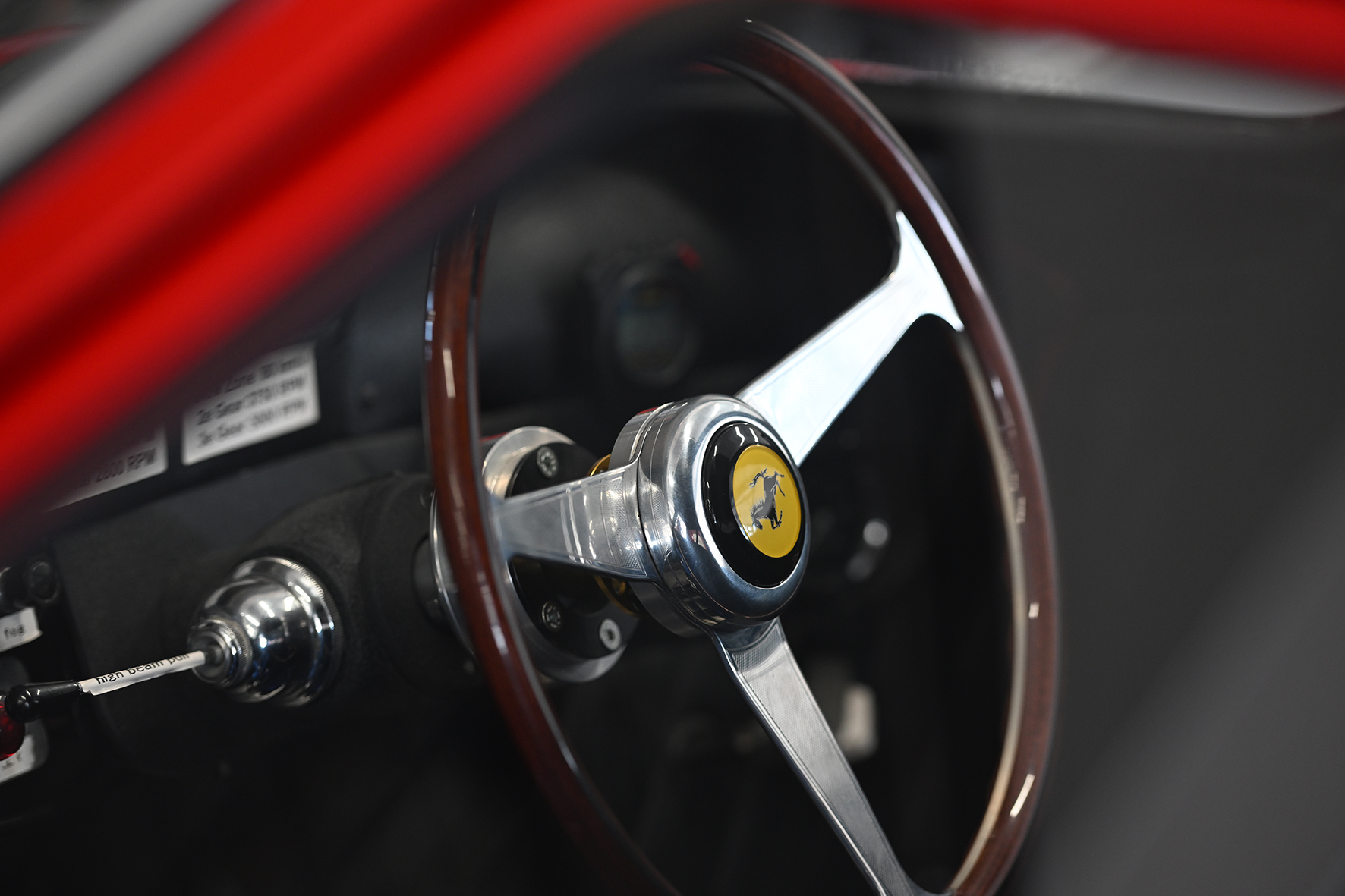
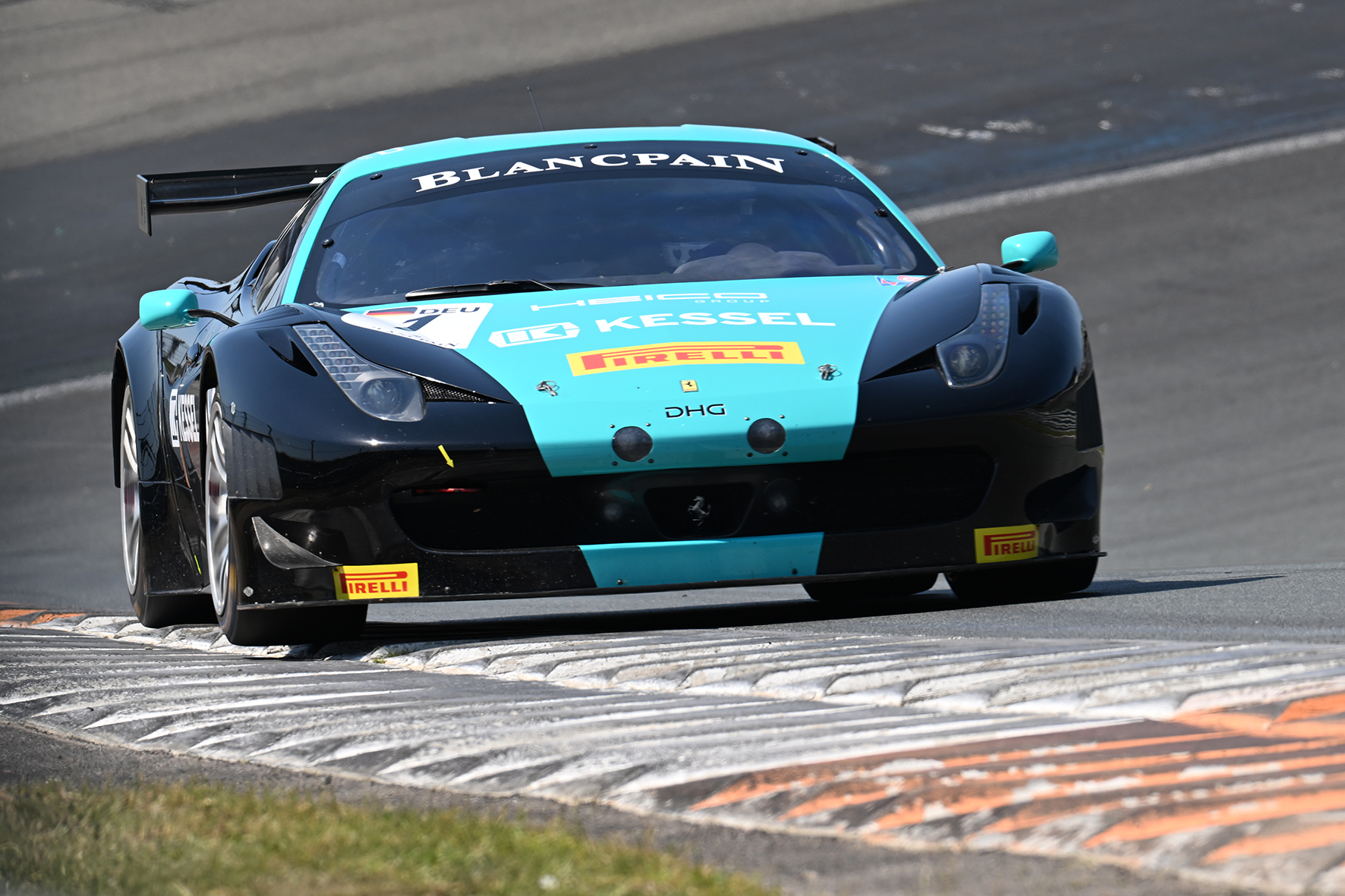
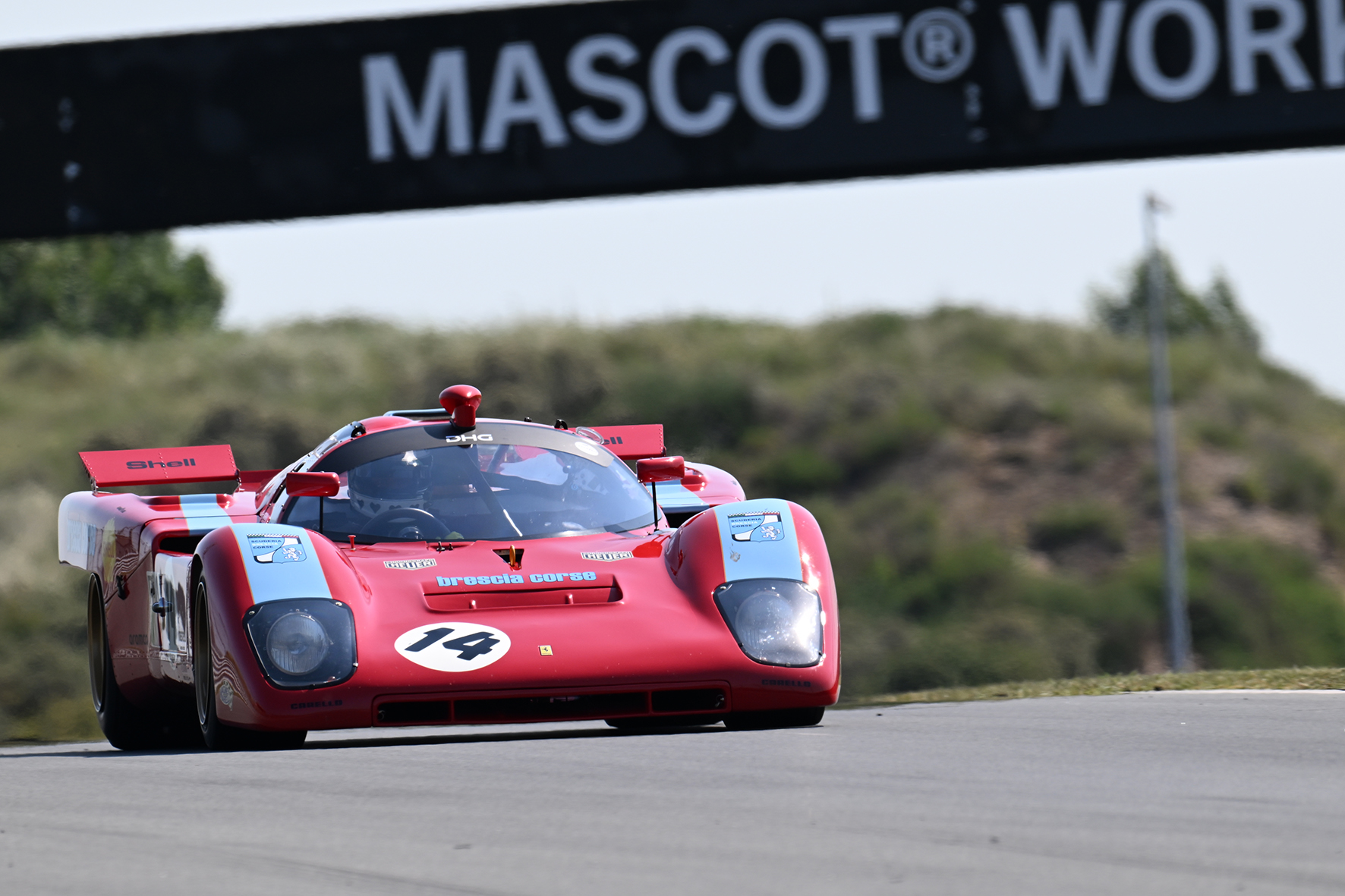
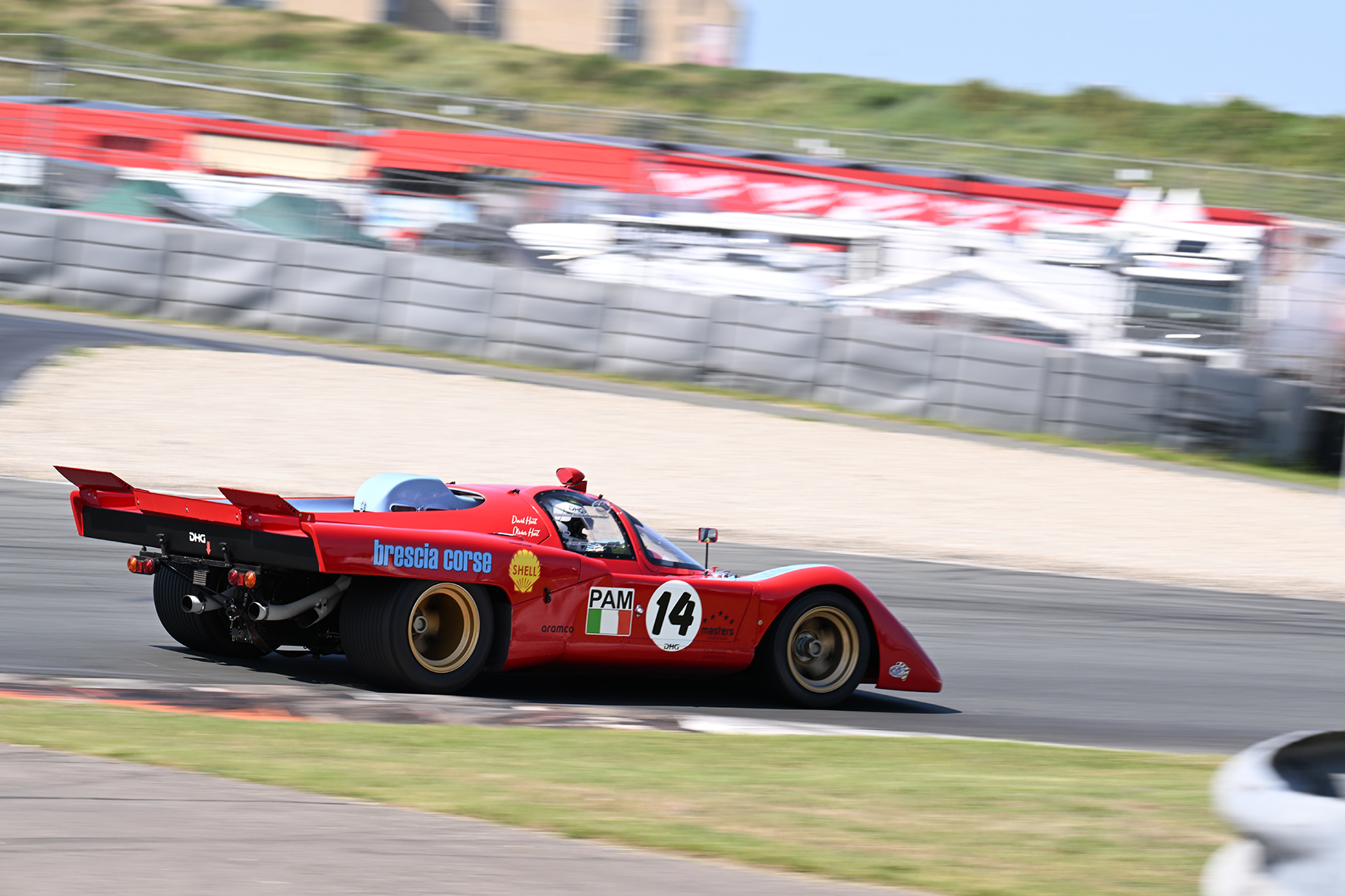
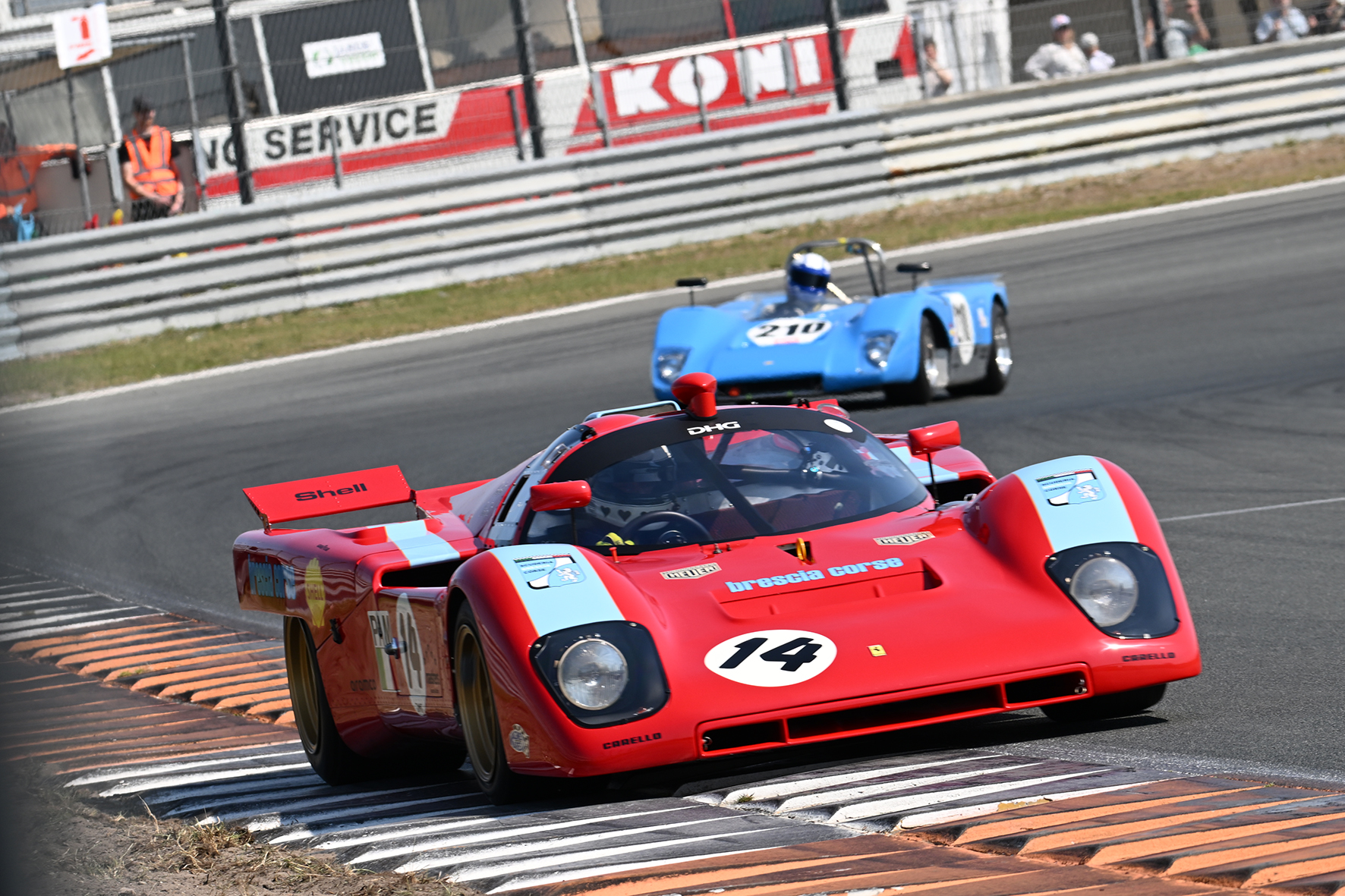
One very special racing car was a Ferrari 512 M from DHG. A stunning Ferrari, which is also officially a recreation by Roelofs Engineering and was completed just in time for the Historic Grand Prix. This car, with David Hart at the wheel, was the dominant force in the Masters Sportscar races. In Sunday’s race, he had to chase the field from the pit lane. But he still won comfortably.
Despite the very hot weather, it was a wonderful weekend in Zandvoort, packed with motorsport history in a fantastic location. The weather was a real challenge for all the drivers, technicians and mechanics, for the spectators and for us photographers, but I wouldn’t have missed this Historic Grand Prix – the race by the seaside – for anything. A real highlight for petrolheads and enthusiasts, but above all with a wonderfully relaxed atmosphere on the coast north of Zandvoort. A real festival for families too.
Hopefully we’ll be back next year when the engines roar through the dunes.