There’s no such thing as a boring Duesenberg. Just about every automobile that rolled out of this Indy-based outfit is a doozy. Particularly the 1928–37 Model J, which was cleverly engineered, motivated by an epic engine, clothed by the era’s greatest coachbuilders, and sold at an unholy price even at the height of the Great Depression. On the very short list for the finest American cars ever made, Model Js have been regular concours entrants and concours winners for almost as long as people have been gathering on grassy fields to show off their cars. Today at The Amelia Concours, a Duesenberg took top honors once again.
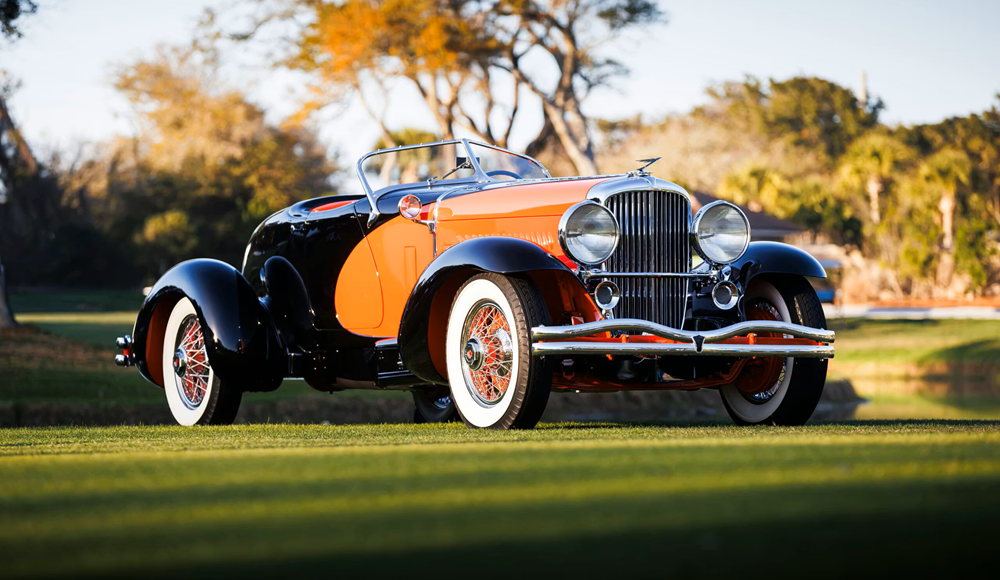
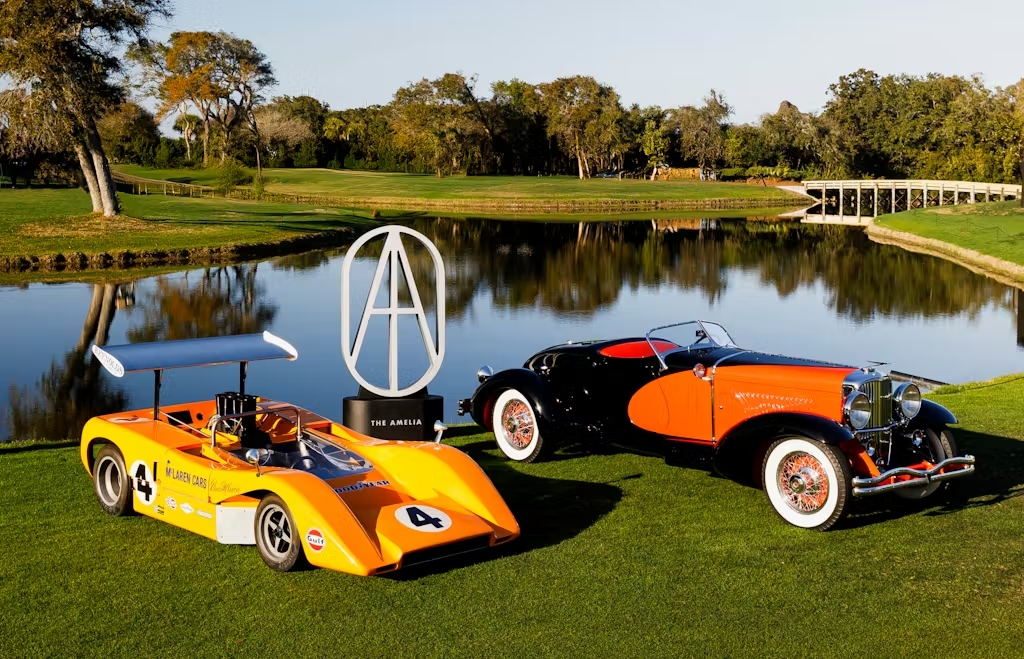
This 1931 Model J, with so-called “Taper Tail” Speedster coachwork by Weymann, won the La Jolla Concours in 2023 as well as the Wynn Las Vegas Concours in 2024, and in 2026 it adds the big trophy from The Amelia Concours to its resume. It beat out more than 280 other automobiles to get there, spread out over nearly three-dozen classes from “Horseless Carriage” to “Hypercars.”
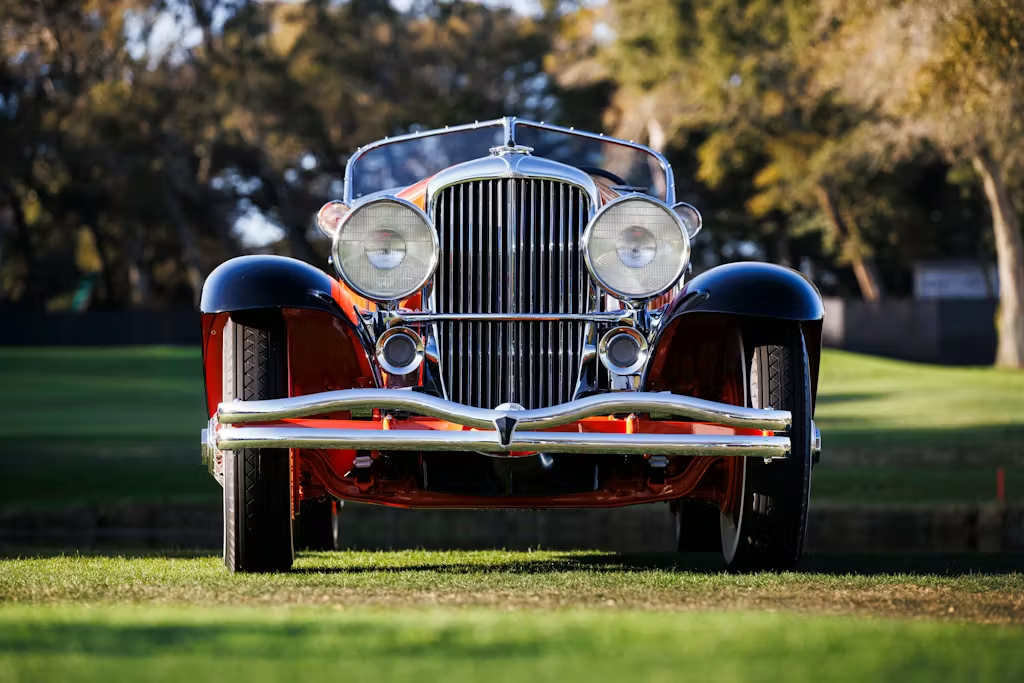
After E.L. Cord bought Duesenberg in 1926, the company began work on a large, powerful, luxurious model to rival the top marques from America and Europe. The resulting Model J debuted at the New York auto show in late 1928. The chassis was a basic but rigid ladder frame with an automatic lubrication system, and the engine was a highly advanced double-overhead-cam, 32-valve straight-eight making 265 horsepower—more than most dynos of the day could measure.
Wealthy buyers could purchase a Model J chassis in either short- or long-wheelbase form, and coachbuilders on both sides of the Atlantic draped delicious bodywork, from stately sedans to sporty roadsters, atop Duesenberg frames. The striking speedster body on the Amelia winner came courtesy of Duesenberg’s brilliant in-house designer Gordon Buehrig. One of two such speedster bodies by Buehrig, it is the only one built on the short-wheelbase chassis. With no exterior door handles, running boards, step plates, or roll-up windows, it is a true speedster, while the pontoon fenders and vermilion sweep panel further add to its sporting appearance. The name “Taper Tail” comes from the teardrop shape at the rear of the car, which also features a single-person rumble seat. The coachbuilder who brought Buehrig’s shape to life was the Weymann-American Body Company of Indianapolis, whose signature methods of lightweight body construction utilized an ash frame, with sections held together by metal plates.
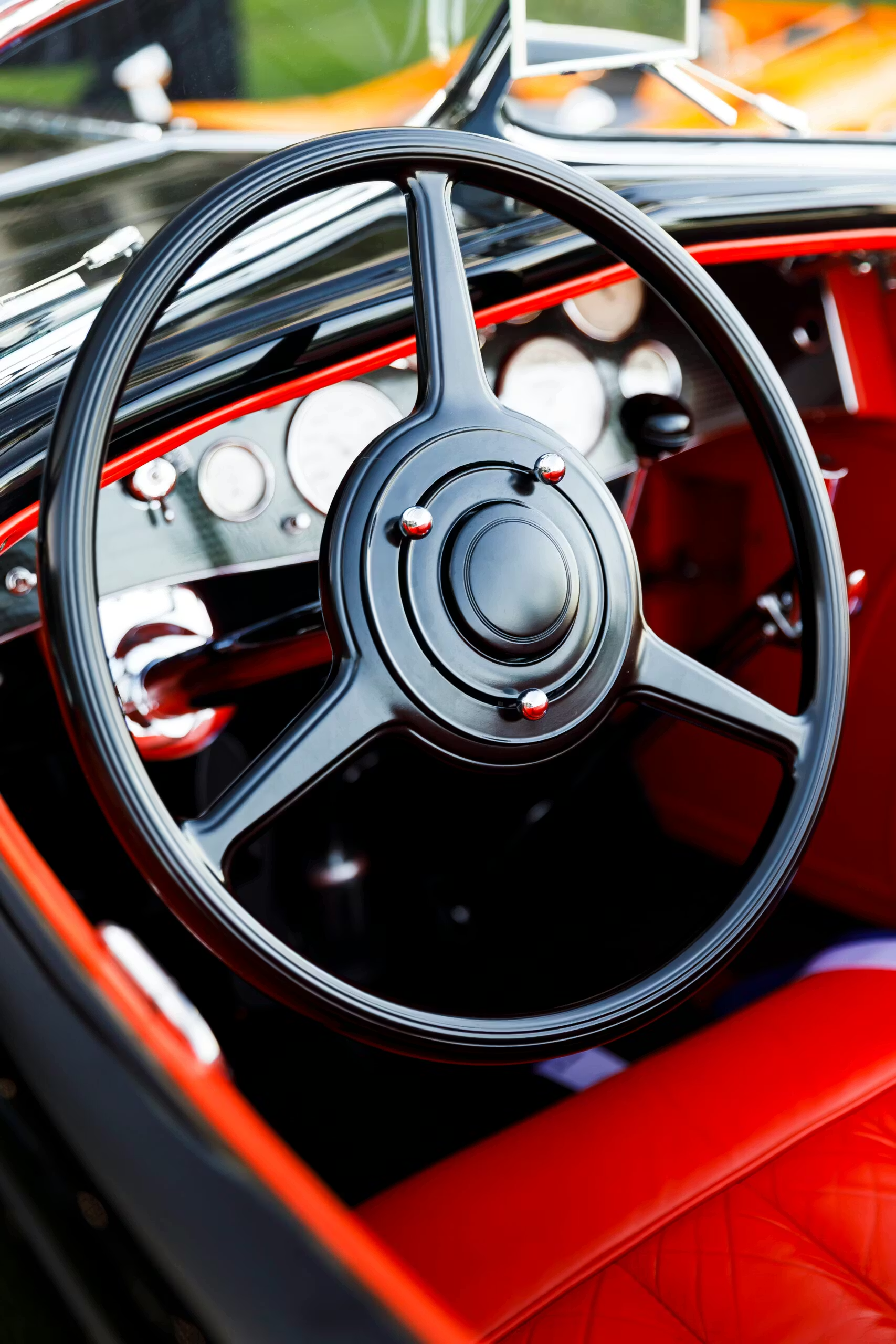
Walter Varney of San Francisco, an early pioneer in commercial aviation, ordered the car when it was new. Sixty-eight years later, it was purchased by another aviator: William Lyon, the U.S. Air Force major general and real estate magnate who founded the Lyon Air Museum in 2009, added the Duesenberg to his sizable car collection in 1999. The collection comprises some 100 vehicles, with a heavy focus on prewar classics. At The Amelia Concours, the general’s son, Bill H. Lyon, presented the car on behalf of the Lyon family.
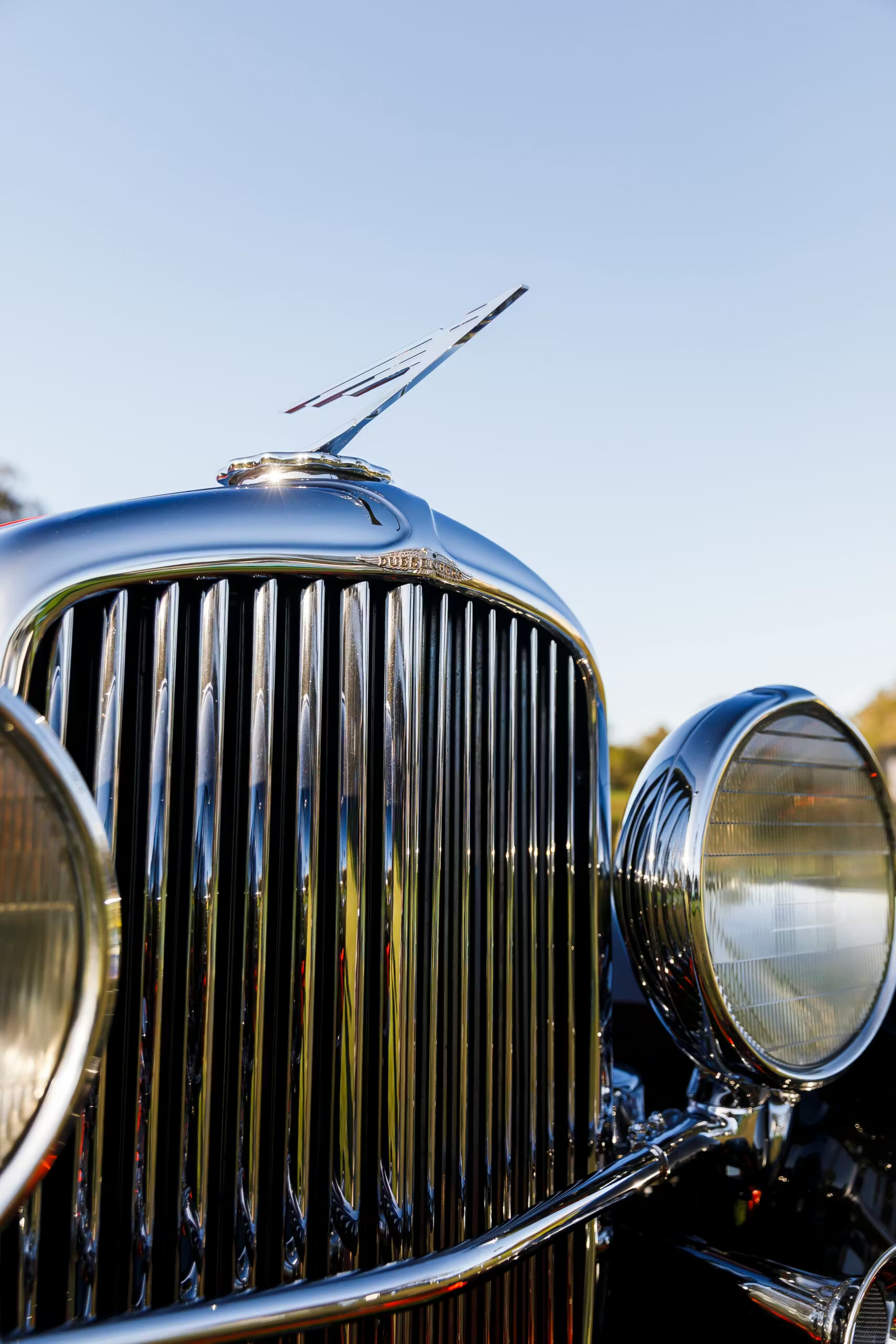
The general died in 2020, aged 97, but the younger Lyon was clearly thrilled to show the car that meant a great deal to his father. “I grew up around classics and going to shows, so I’m trying to keep that tradition going in the family. Doing this kind of thing makes me feel close to both my parents, but especially my dad. It’s been a wonderful time here, and it’s super special to win here.” Of the unique Taper Tail Duesenberg, Lyon said it was “definitely one of the family favorites.” It has surely been one of the favorite vehicles on display for visitors to the Lyon Air Museum.
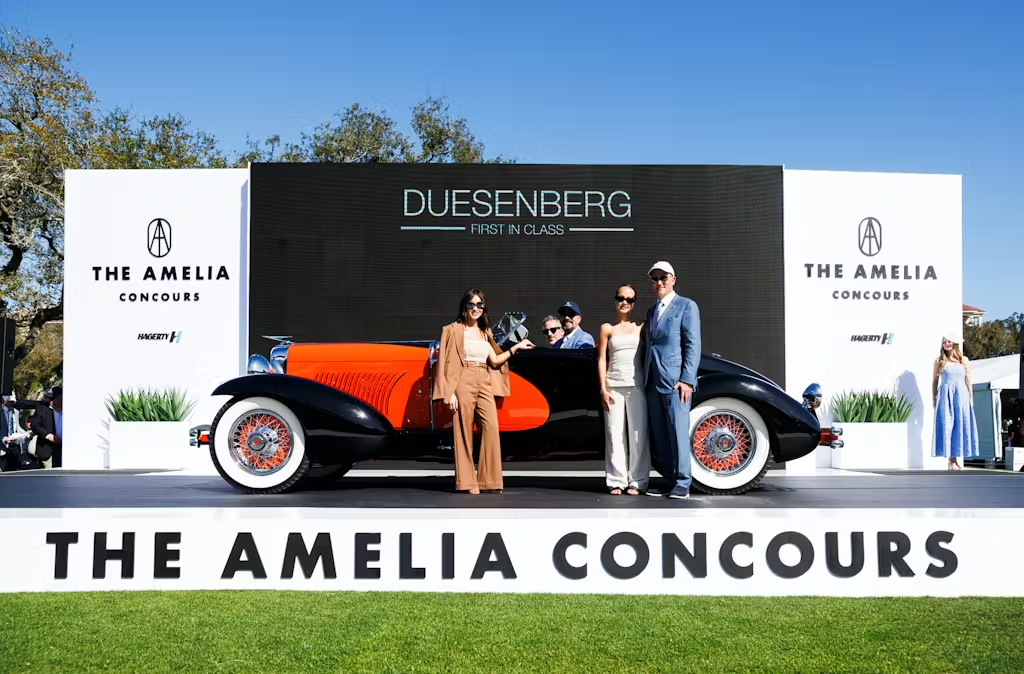
This lovely Duesenberg adds to the legacy of the marque as the undisputed champion of Amelia Island: Since 2010, a Duesie has won the Concours d’Elegance Best in Show award seven times.
Report by Andrew Newton
find more news here.