It took years to transform Paris! In the middle of the 19th century, Paris still retained its medieval appearance; dense housing, narrow, poorly lit and unhealthy streets, plus difficulties with transporting goods.
Returning from his London exile in 1848, Louis-Napoléon Bonaparte (the future Napoleon III) was elected President of the French Republic. Impressed by the airy layout of London, he decided to transform Paris.
 Georges-Eugène Haussmann became the man for the job and Napoleon III appointed him Prefect of Paris so that he could carry out a radical transformation of the capital.
Haussmann pursued a policy of ‘flow management’ both for the population and for goods, as well as for air and water.
He created 64 km of new roads, developed monumental squares (eg the Etoile, the Bastille) created 24 squares with carefully designed street furniture, developed the Bois de Vincennes and Bois de Boulogne, built 9 bridges and 5 railway stations, demolished 25,000 housing units, and employed 800,000 workers and artisans. He entrusted Eugène Belgrand with the sanitation of the capital from which the current sewer network originates. The poor of central Paris were expropriated and sent to the suburbs. Paris became more bourgeois. The cost of the works was exorbitant and the construction sites were gigantic. Haussmann was heavily criticized at the time, but he achieved his goal – to ventilate, unify and beautify. From a dirty and dark city, Paris became one of the most beautiful European capitals.
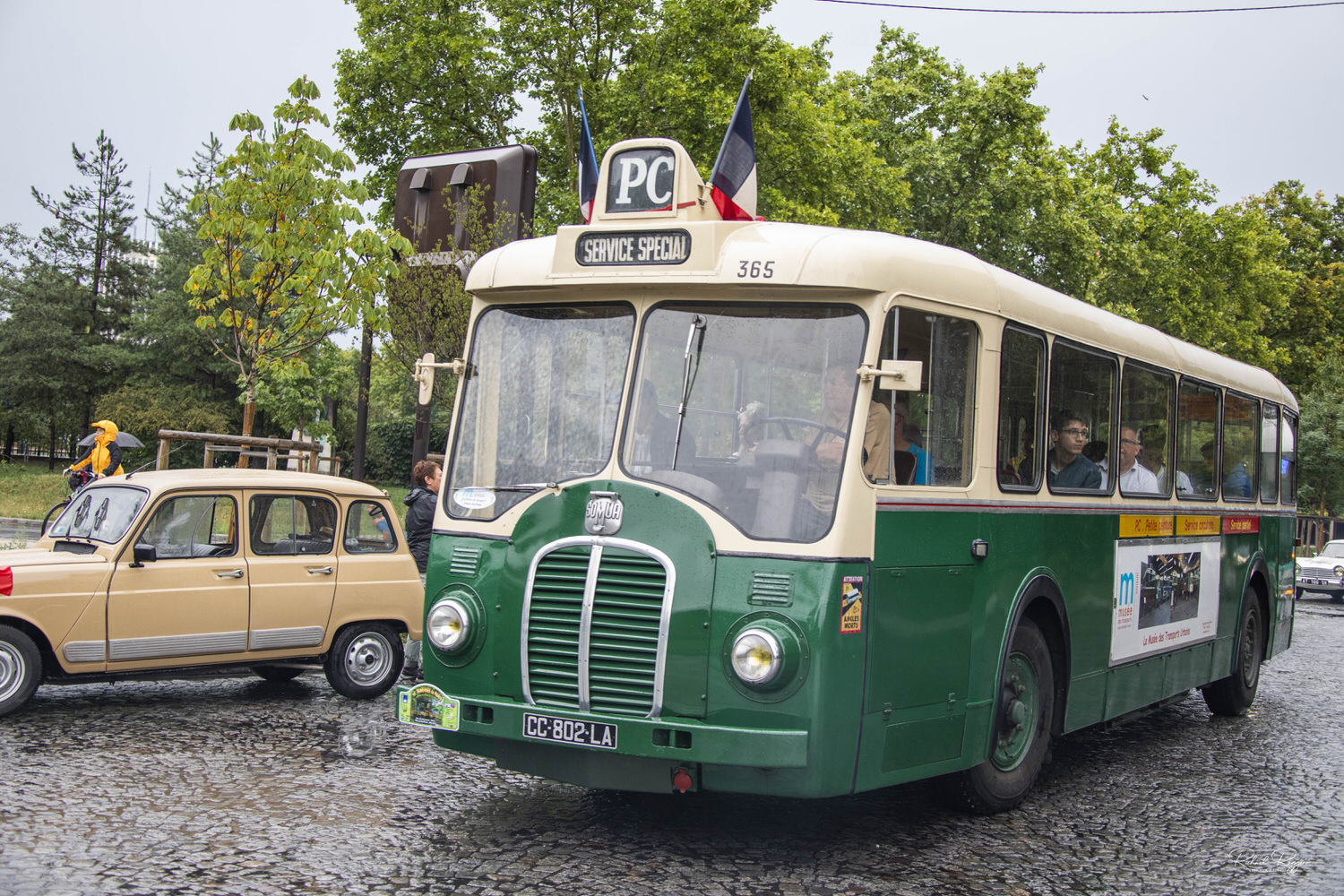
Paris of the Vincennes en Anciennes Club
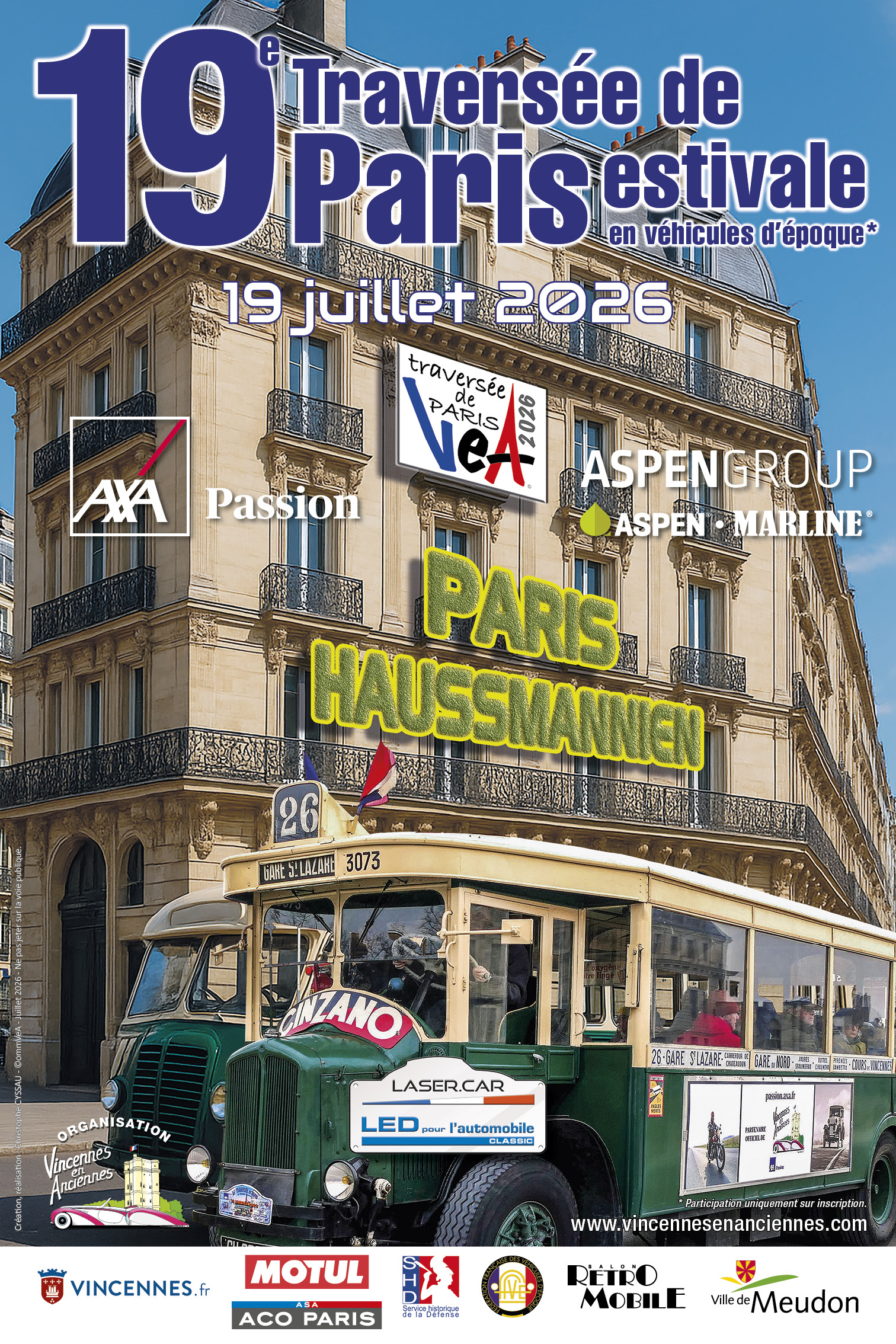
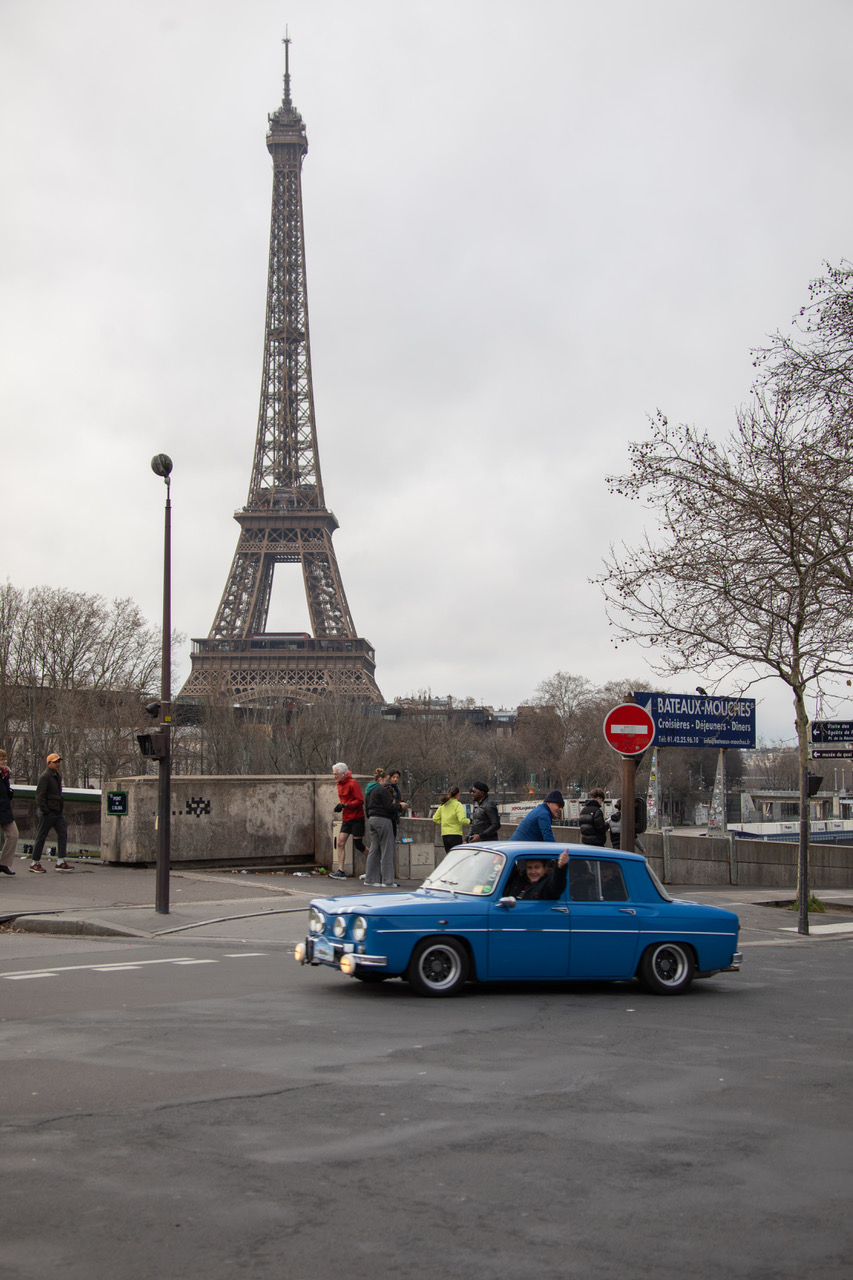
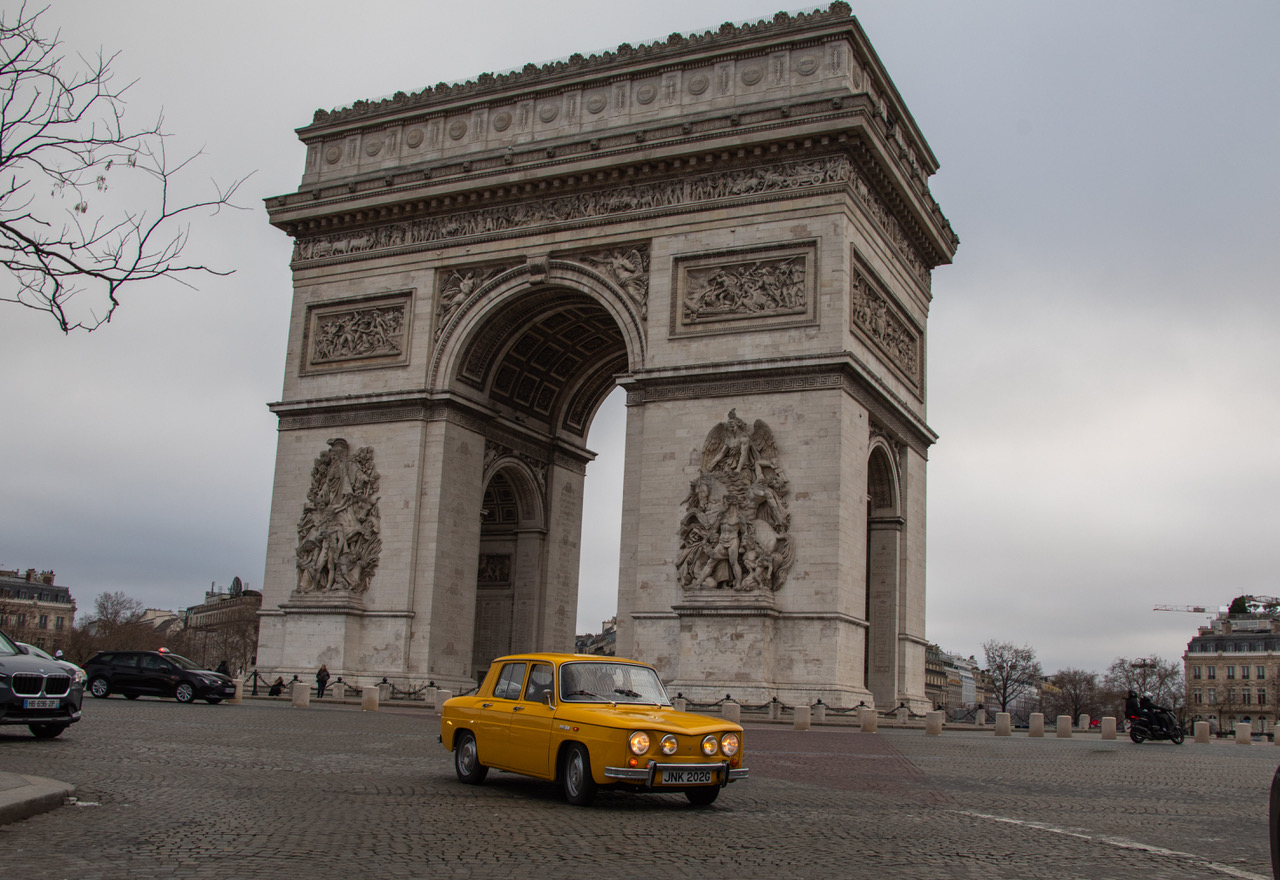
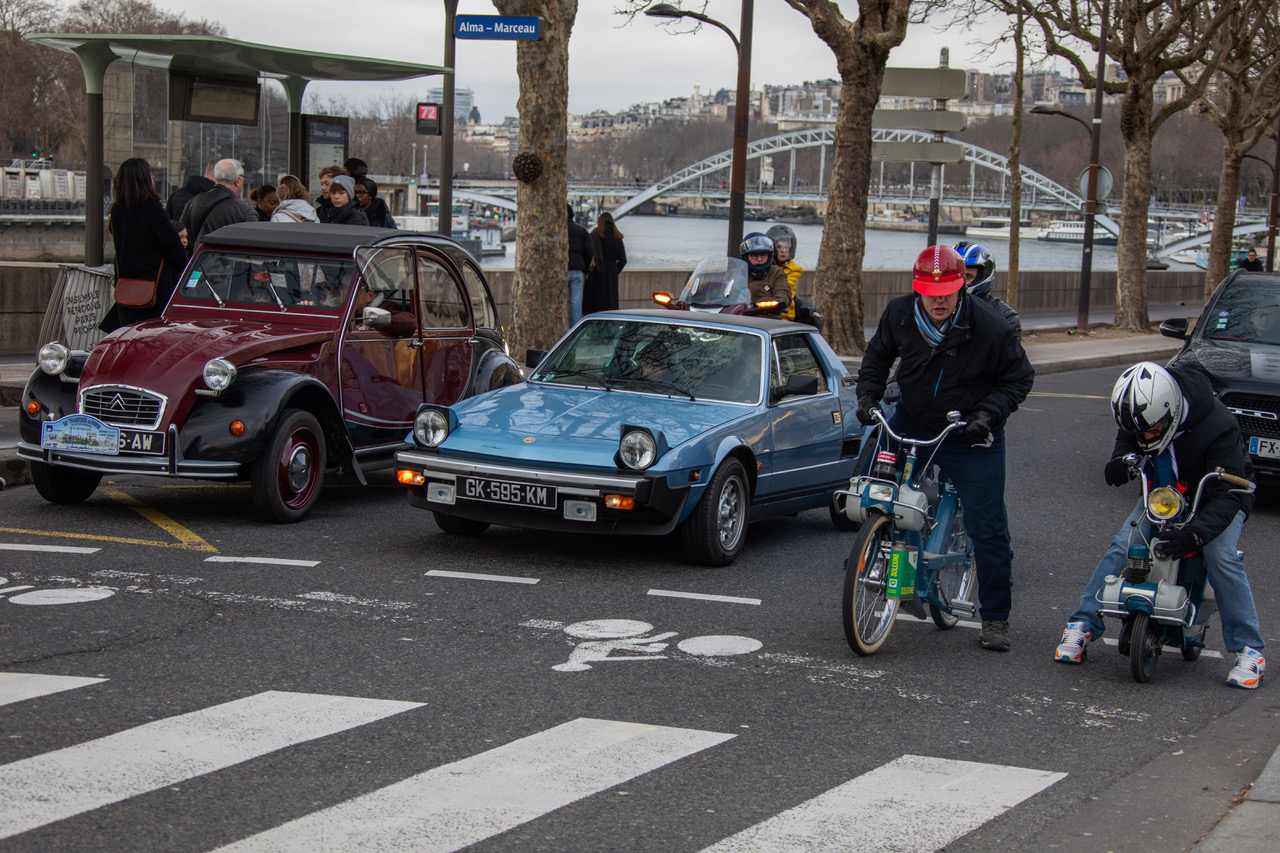
Organized by Vincennes en Anciennes Club, this summer’s 33.5 km Traversée de Paris will follow the trail of these works. You will be able to admire the stone buildings, noticing that harmony is present everywhere, that there is greenery, beautiful buildings, and that monuments are situated with beautiful perspectives. You will follow the Seine on the left bank, travel through the 16th arrondissement, and arrive at the Meudon Observatory Terrace, from where you will have an unobstructed view of the capital.
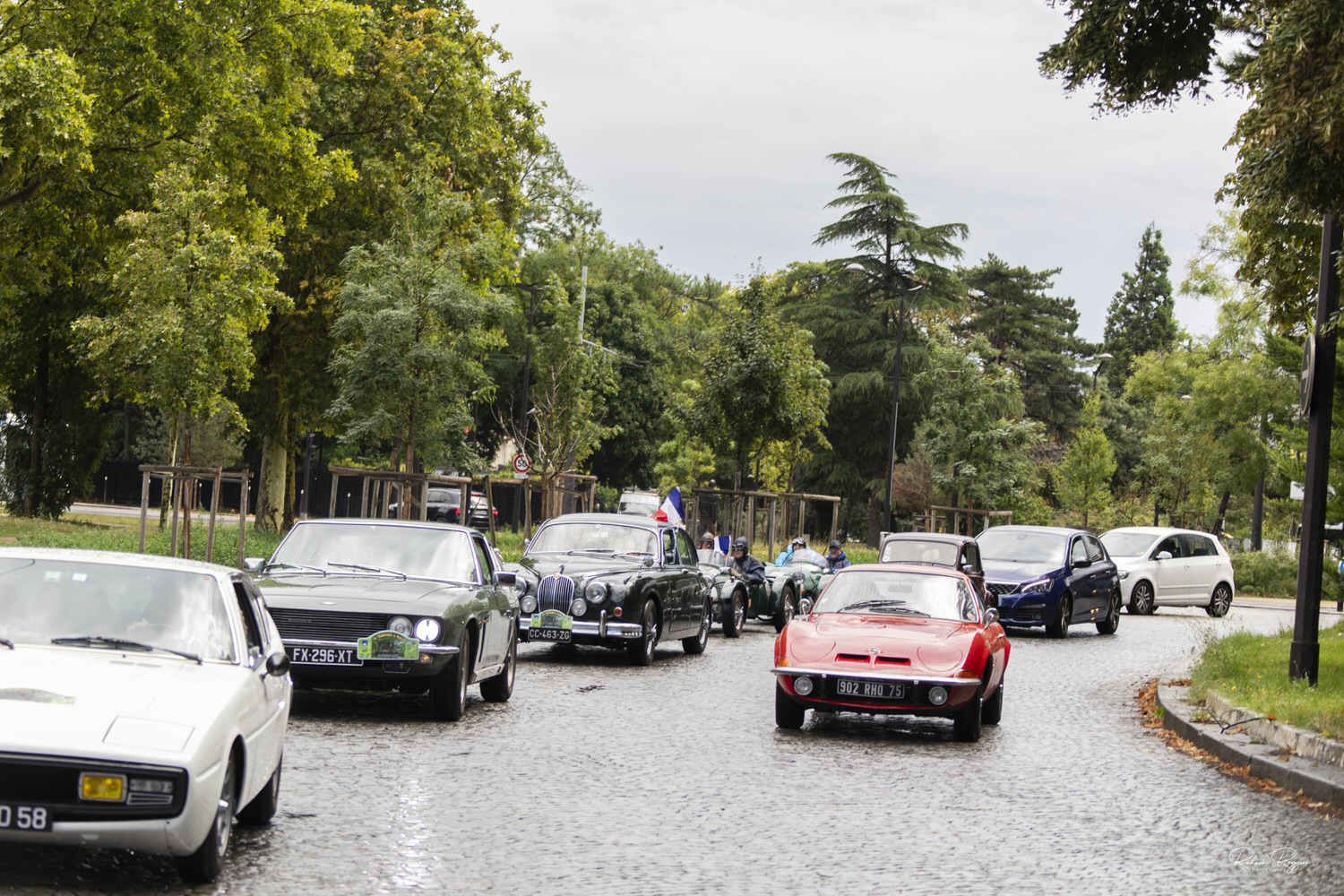
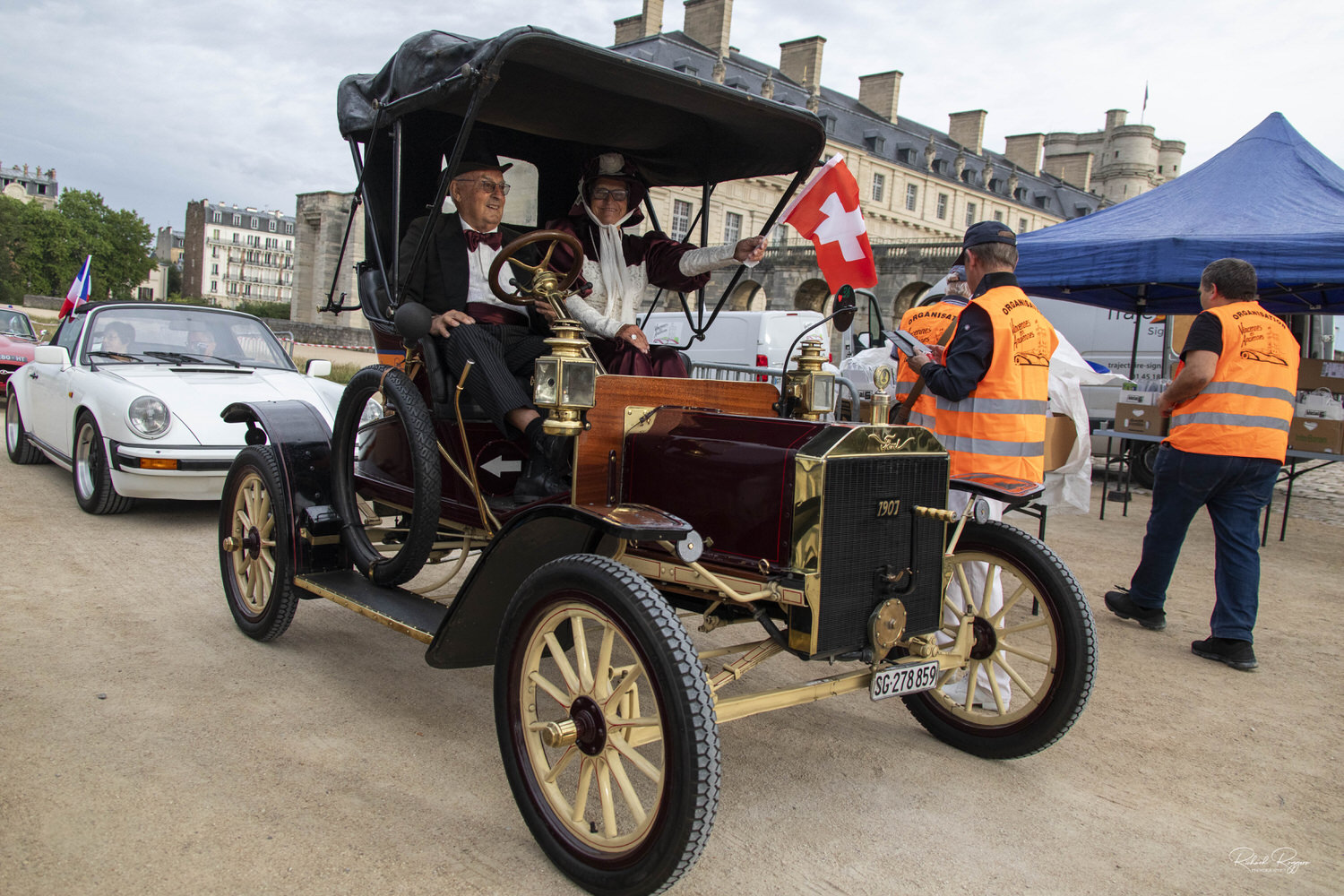
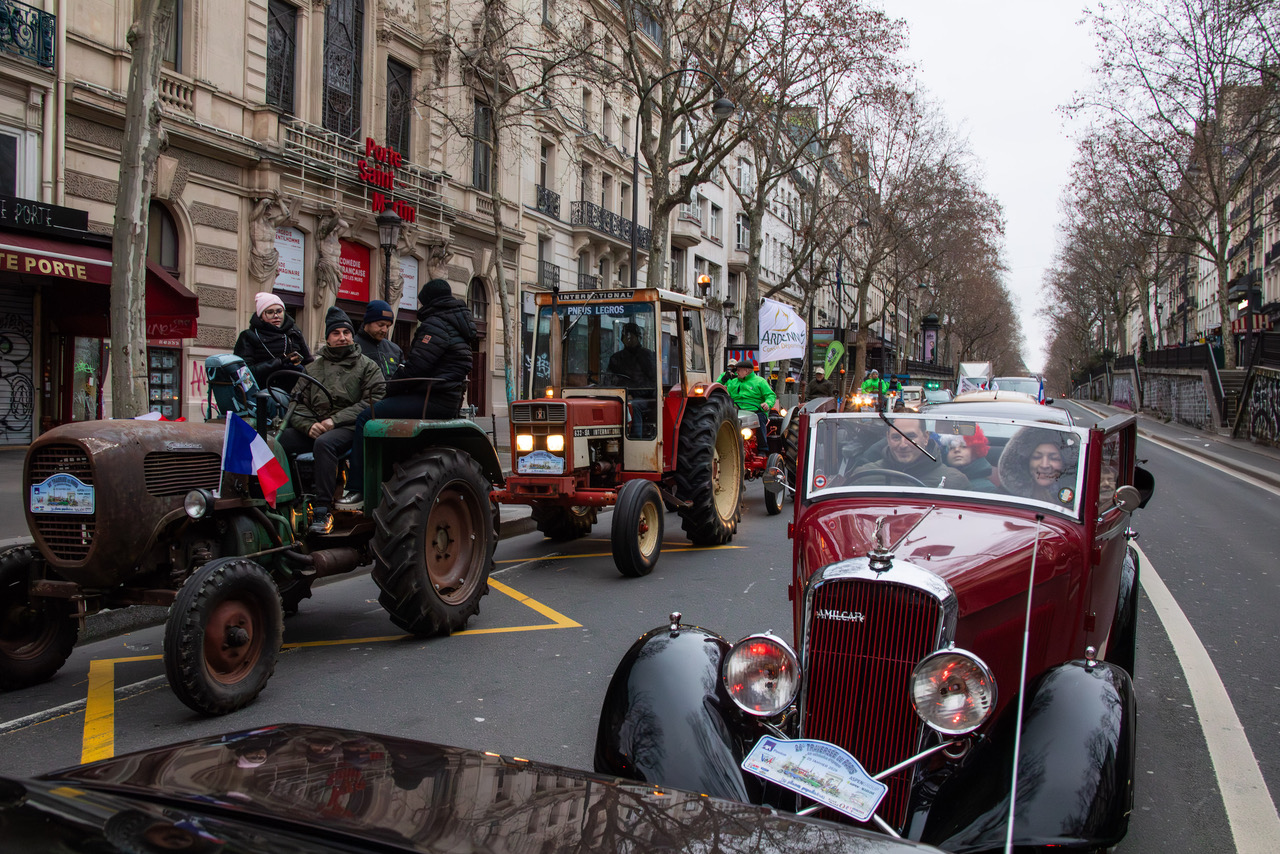
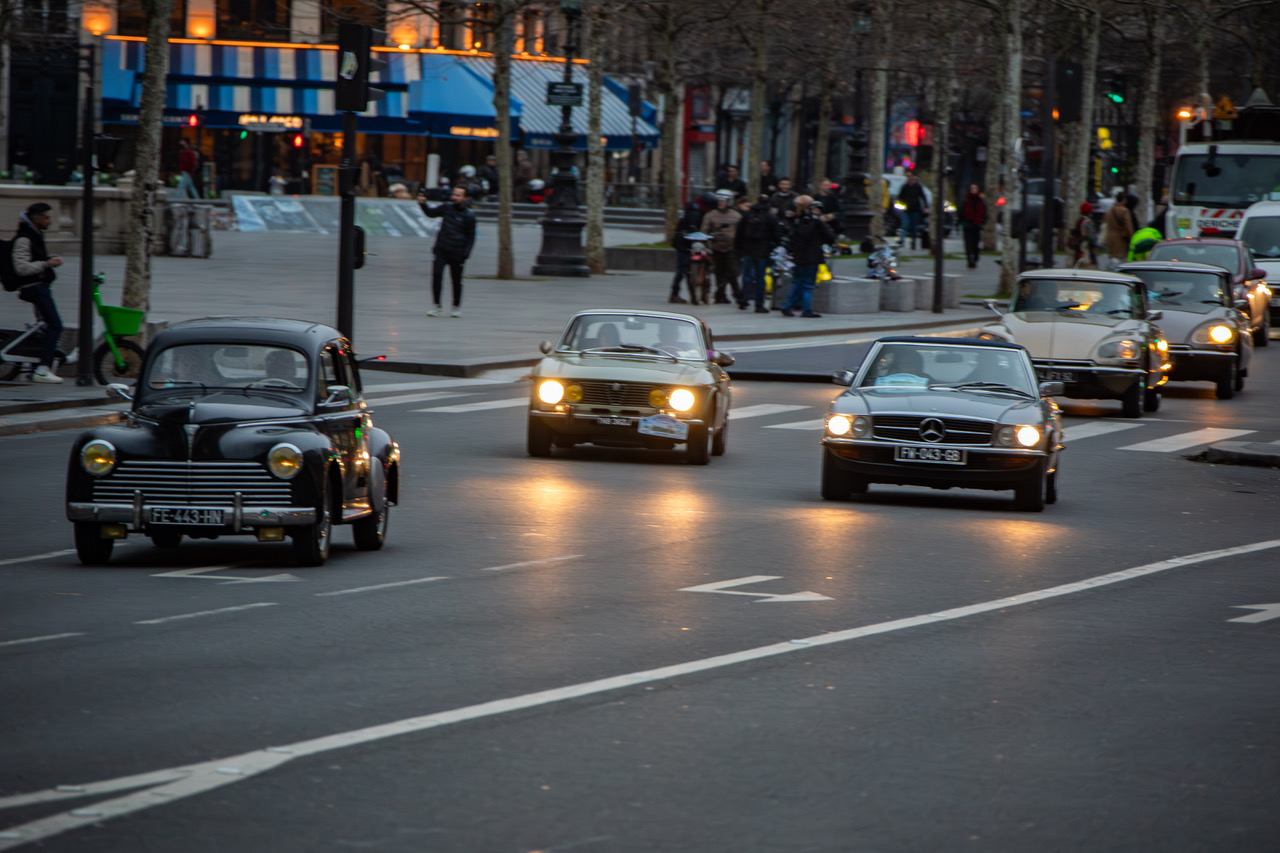
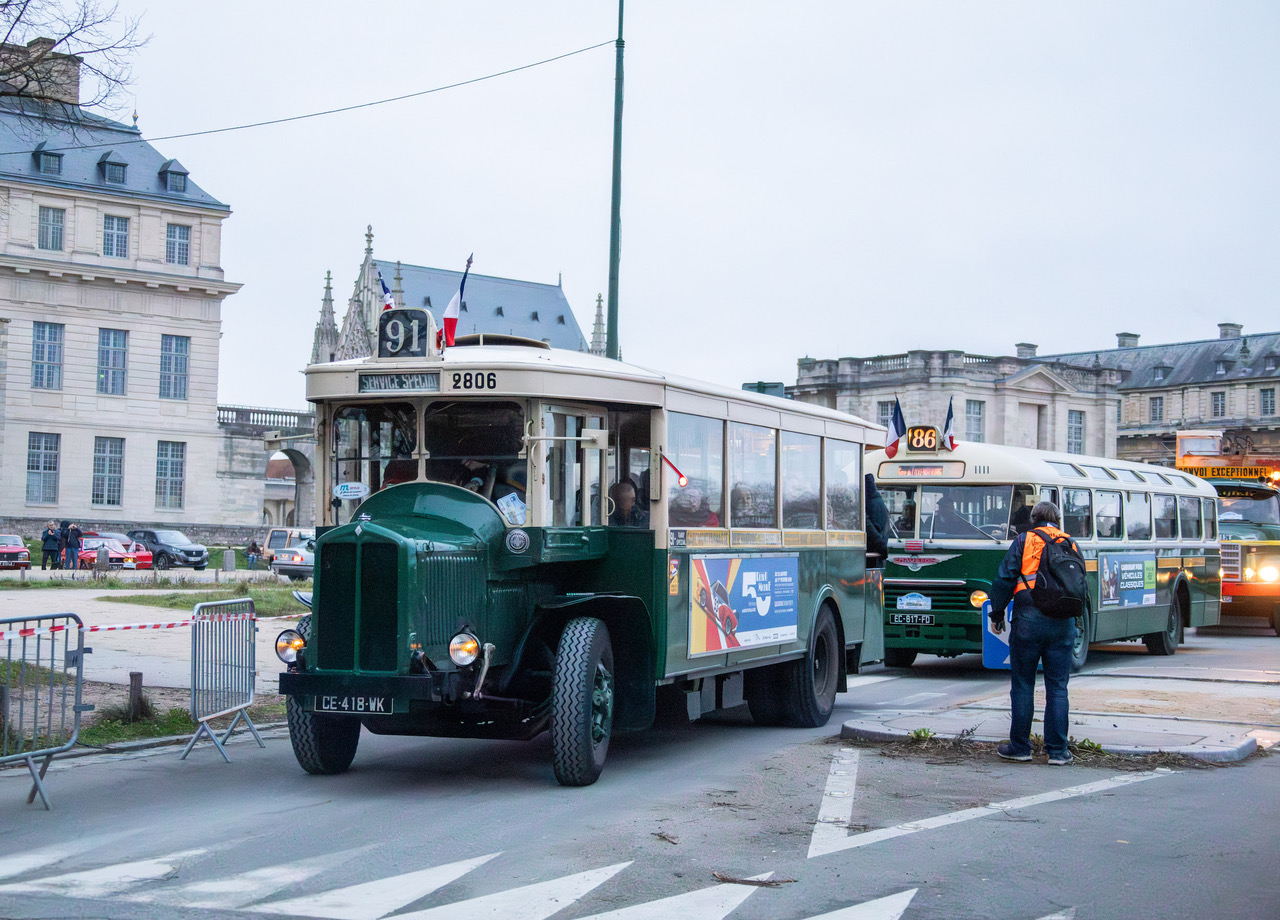
Paris will be a showcase for 650 cars, 150 two-wheelers including about ten bicycles, 5 AMTUIR buses, 1 tank transporter, and about ten tractors – all over 30 years old.
Expected participants: a Dion-Bouton Landaulet coupe (1923), a BSA motorcycle (1917), two Citroën B12 Torpedo (1926), a Peugeot 202 (1939), a Société Française Vierzon 302 tractor (1951), a Rolls-Royce Silver Cloud III (1964), a Matra 530 LX (1970) and more.
“The Traversée de Paris by historic vehicles will be a magical spectacle in the capital, both colourful and fun. It will bring an atmosphere of carefree holidays and the joy of sharing a unique moment, either as part of a crew or as a simple spectator. The picnic in Meudon will allow everyone to get together in order to admire the vehicles in a musical atmosphere.” comments Thierry Briet, President of the Vincennes en Anciennes Club.
The crews will come not only from France but also from about ten other countries (eg Belgium, Great Britain, Germany, Luxembourg, Austria, Switzerland, the Netherlands).
The suggested dress code for the crews is white.
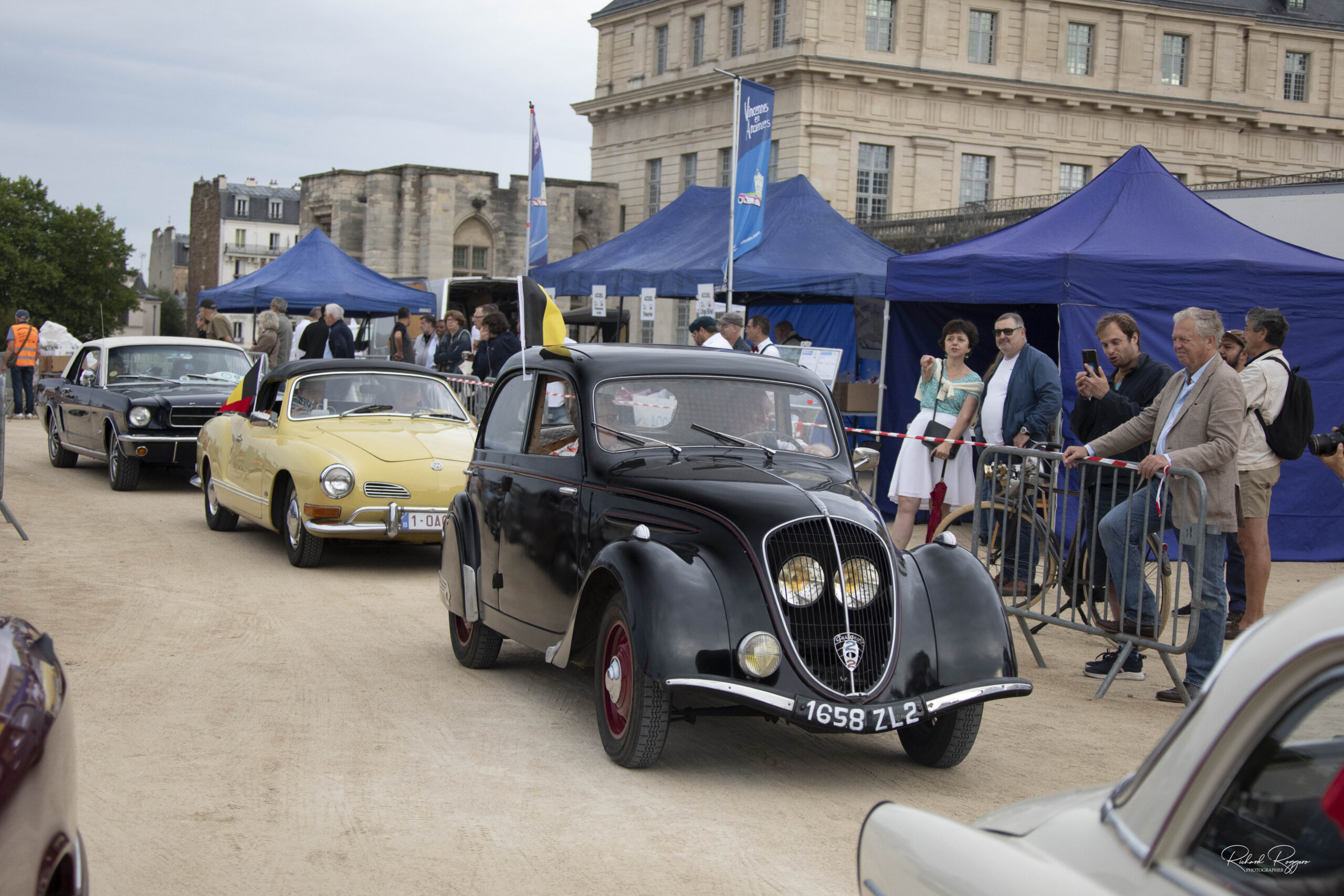
Always something new
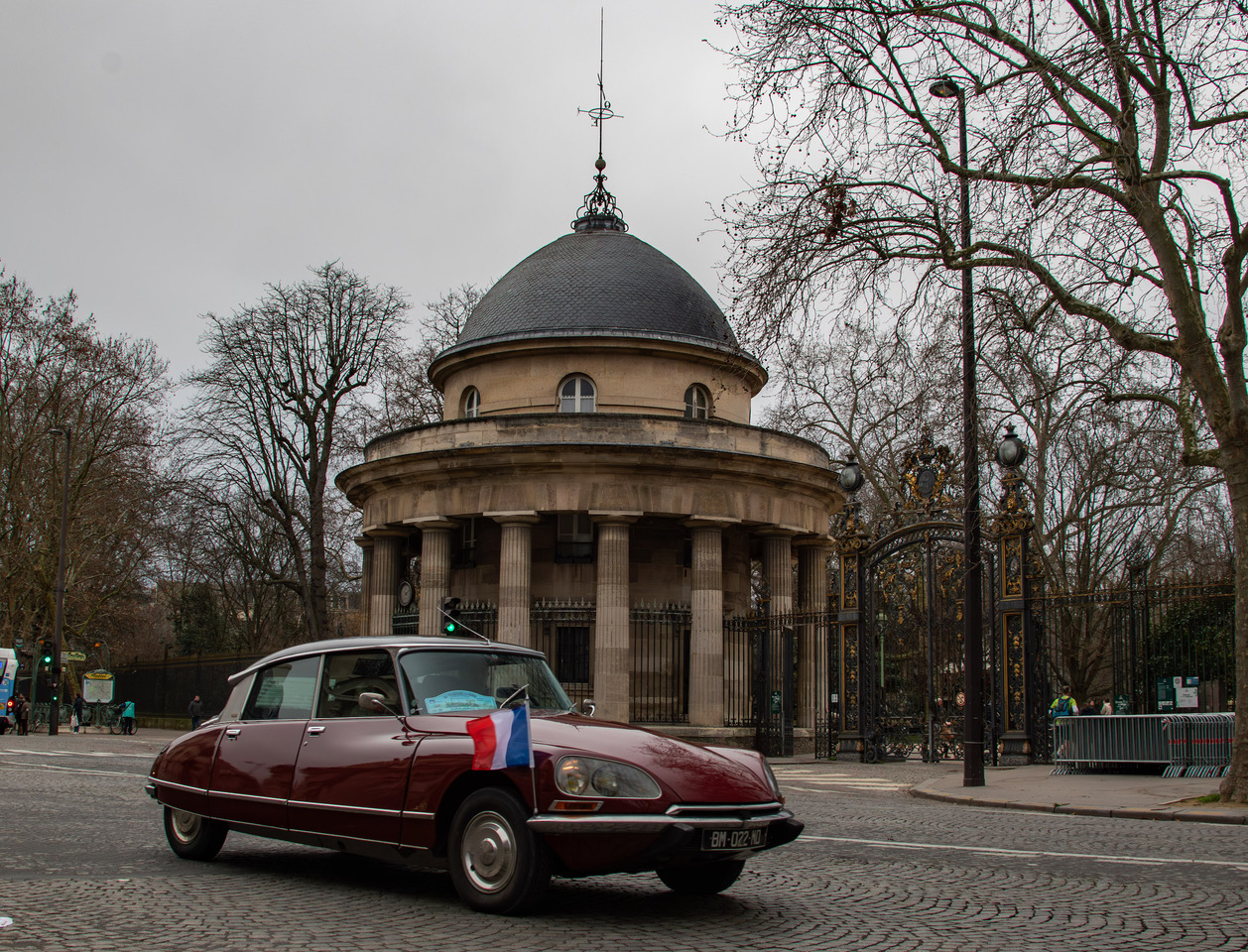
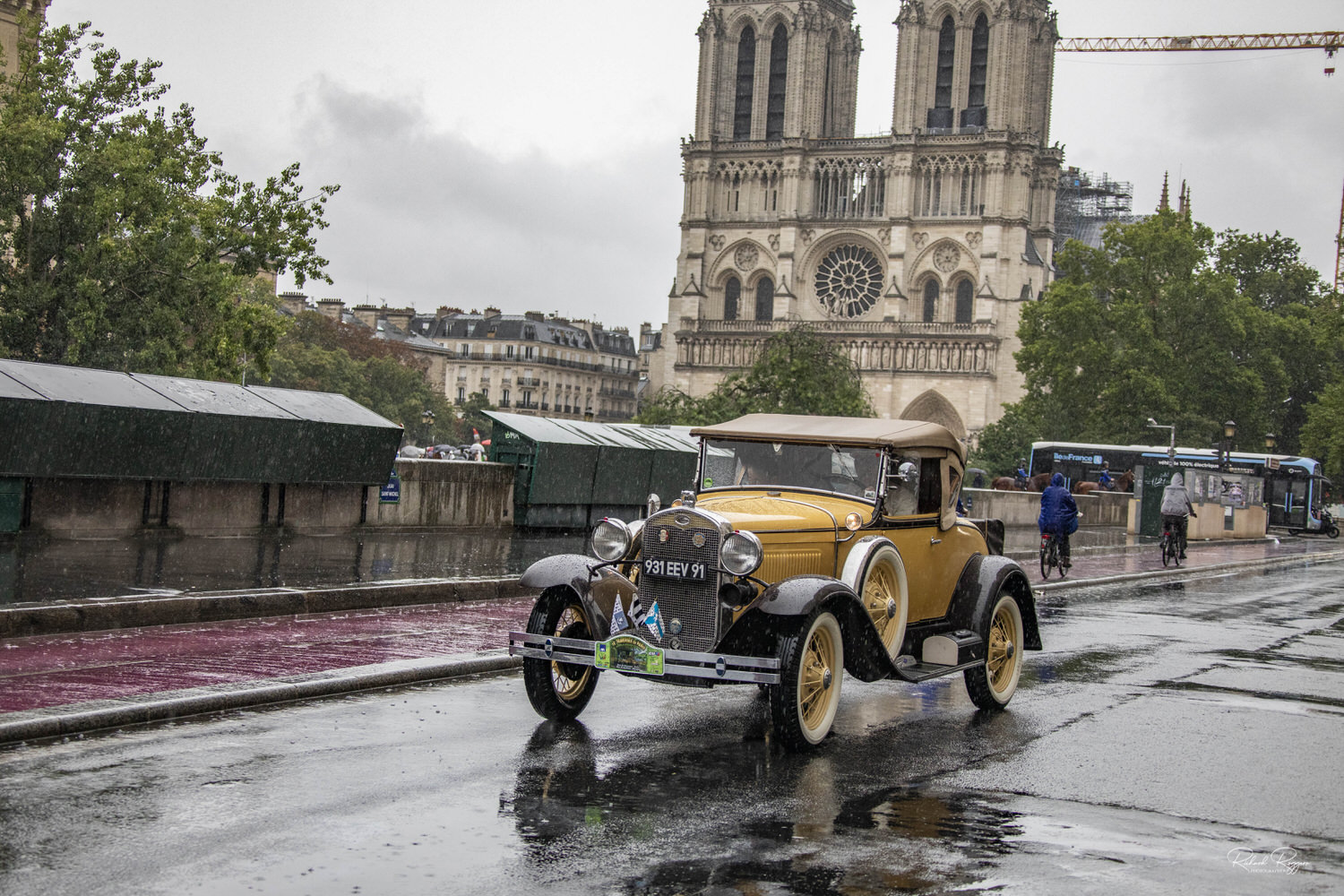
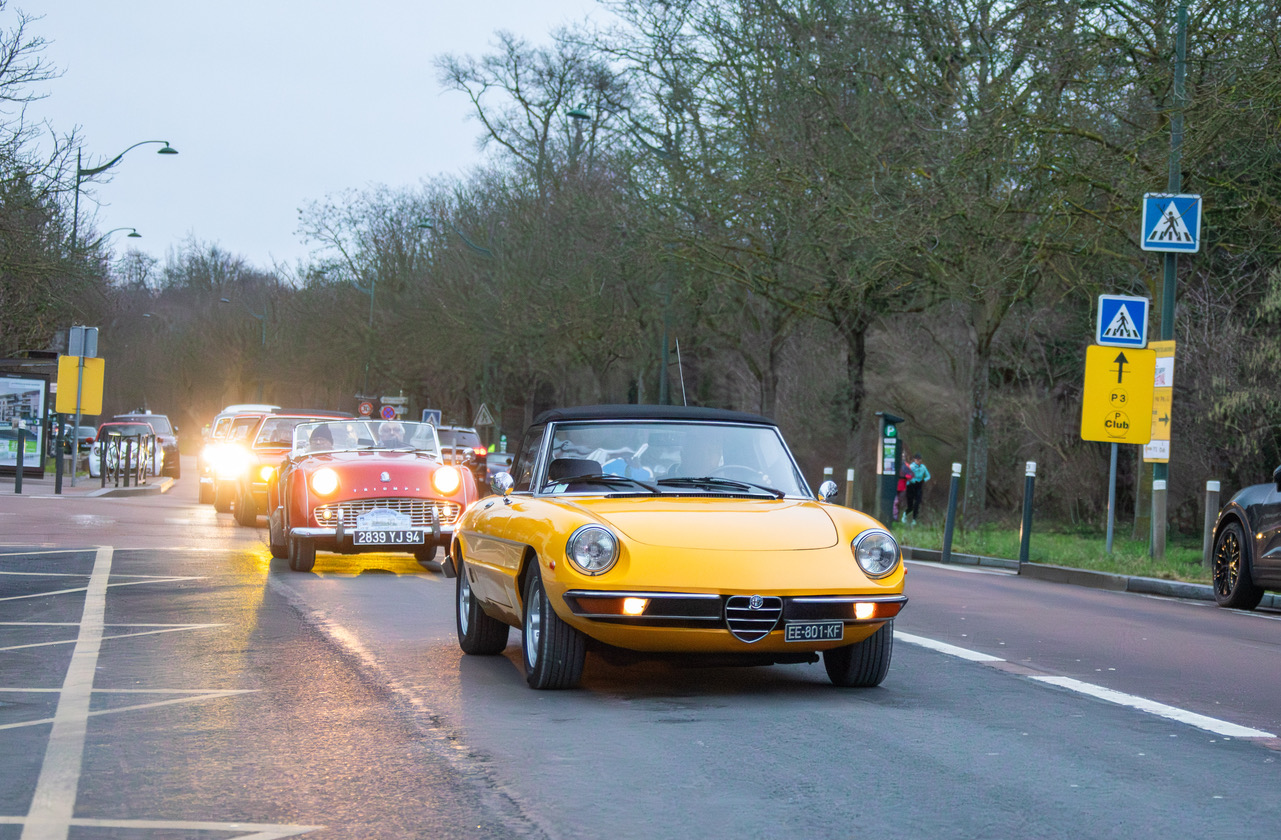
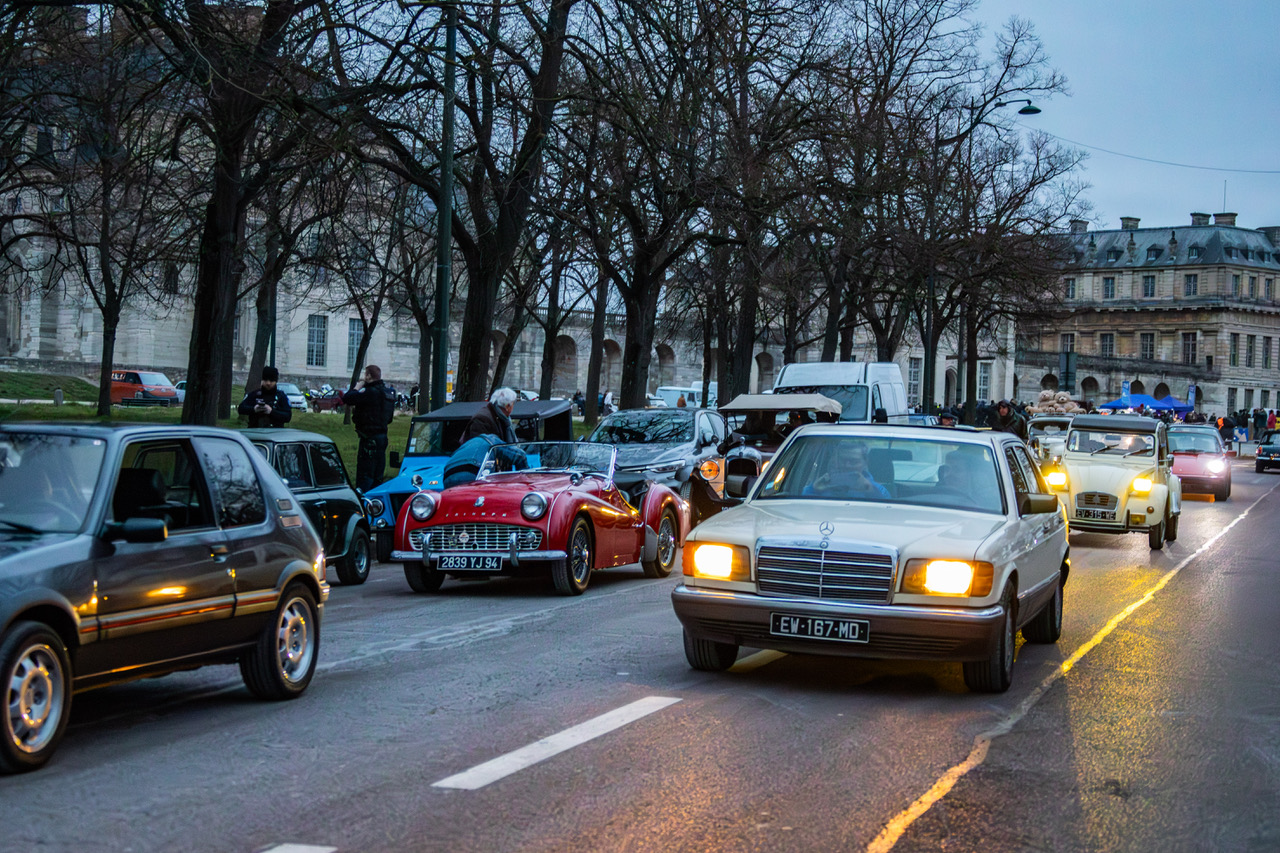
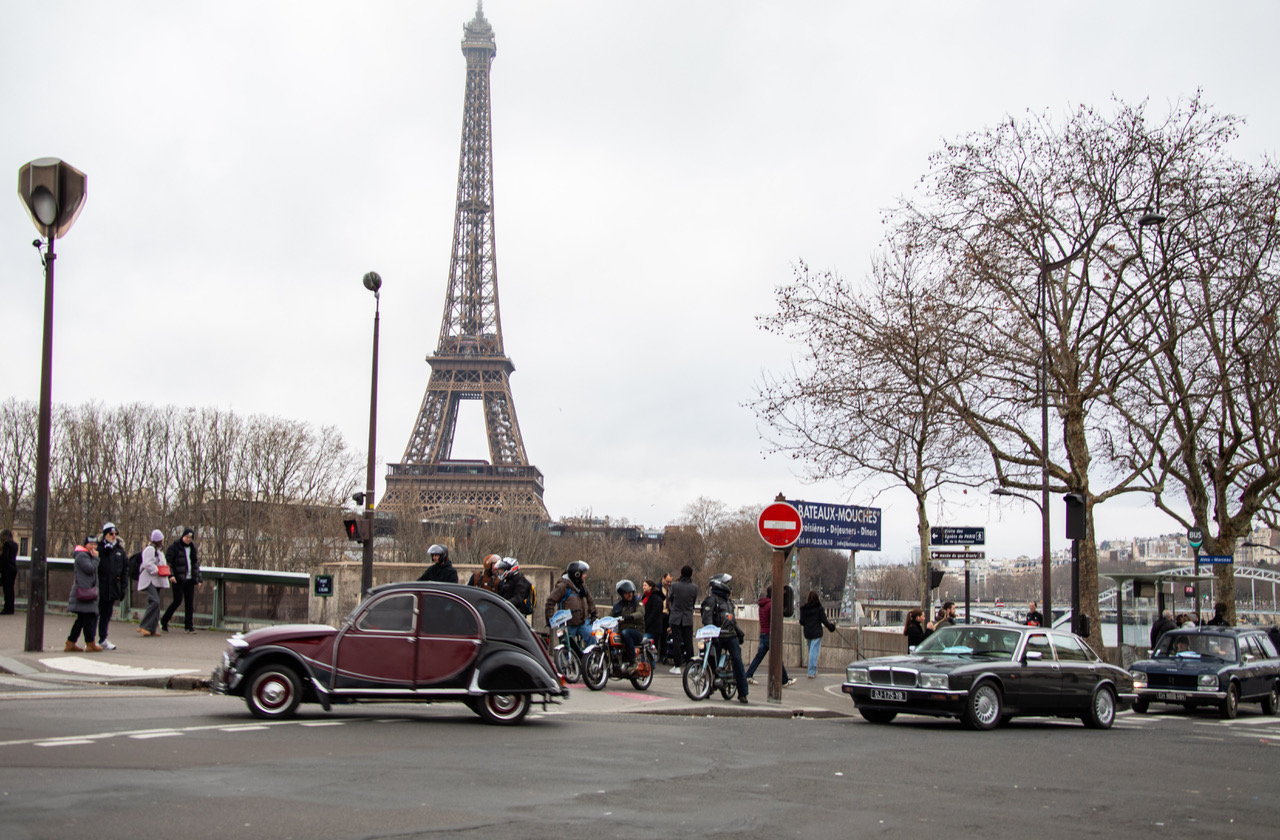
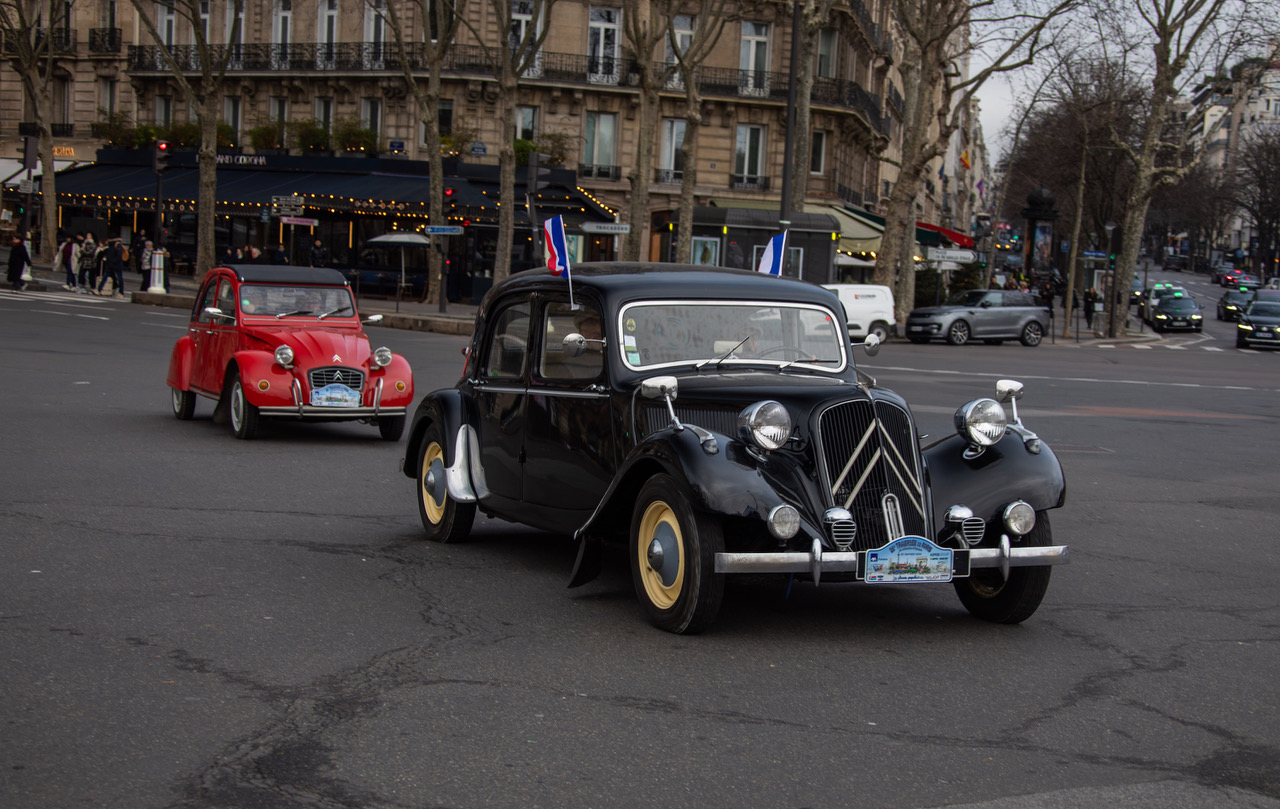
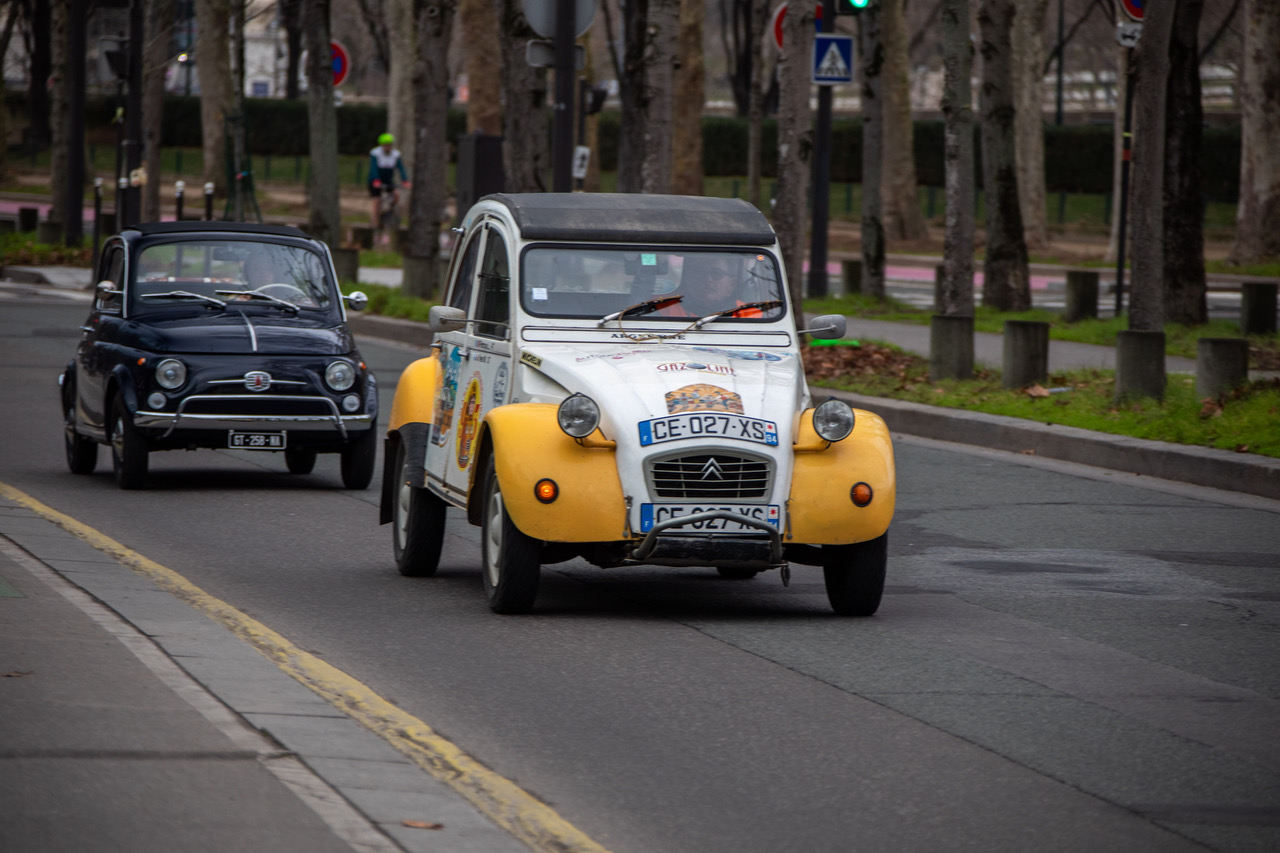
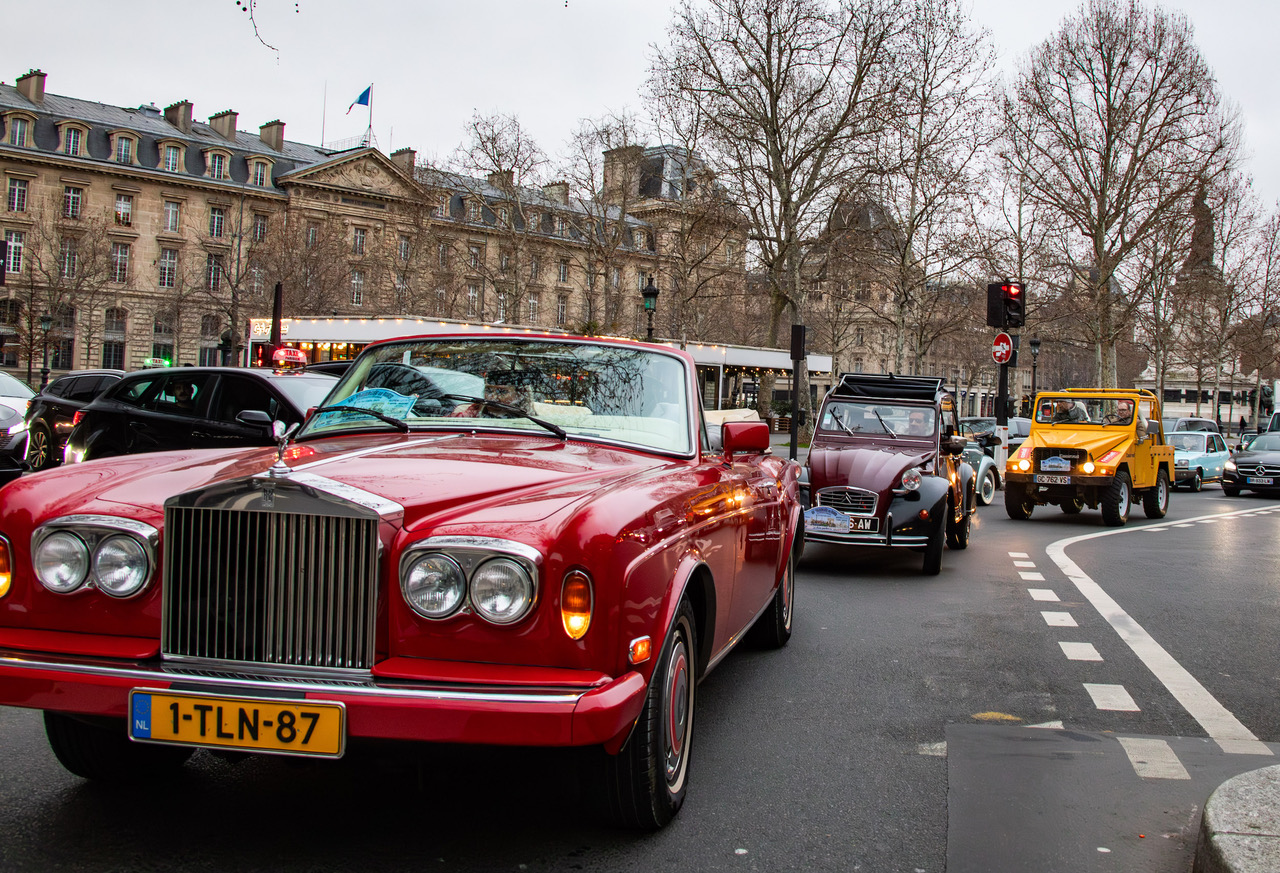
The Traversées de Paris are like a treasure hunt, you never know what you are going to find. They celebrate a heritage on wheels and mix defunct makes (such as Chenard & Walker, de Dion-Bouton, Delahaye, Hispano Suiza, Panhard etc), rare models, and youngtimers. Sports cars (eg Porsche, Alpine A110) or motorcycles cross paths with popular vehicles (2 CV, Traction..) or luxury cars (Rolls-Royce, Bentley, Mercedes, Jaguar…). The years flash by from the 1920s to the 1990s in an unusual mix, like a true eclectic and invaluable museum.
Buses for an extraordinary experience
No old vehicle? No problem! it is possible to reserve a seat on a 1930s platform bus. They are driven by AMTUIR drivers. An experience that will surely leave good memories, and passengers won’t miss looking at the “advertisements” posted inside the buses (symbols of an era!).
Practical Information
Departure of the vehicles from the south forecourt of the Château de Vincennes: 07:45 AM
(forecourt opens at 07:30 AM)
Bus: €10 (registration on the website, subject to availability – meeting in front of the Vincennes Floral Park): 07:45 AM, departure: 08:15 AM. Return to Paris around 15:30 PM.
Stops: Quai d’Austerlitz, the Left Bank, l’Étoile etc
Arrival in Meudon from 11:30 AM.
Practical information and/or reservation for old buses: downloadable a form on the website:
https://www.vincennesenanciennes.com
Report by vincennesenanciennes.com
Photos by Richard Roggero