London has always appreciated ritual. On St James’s Street, where gentlemen have bought cigars for more than two centuries, James J. Fox remains one of those rare places where time appears to slow. The creak of wooden floorboards, the scent of cedar and tobacco, the worn leather armchairs—everything encourages conversation rather than urgency.
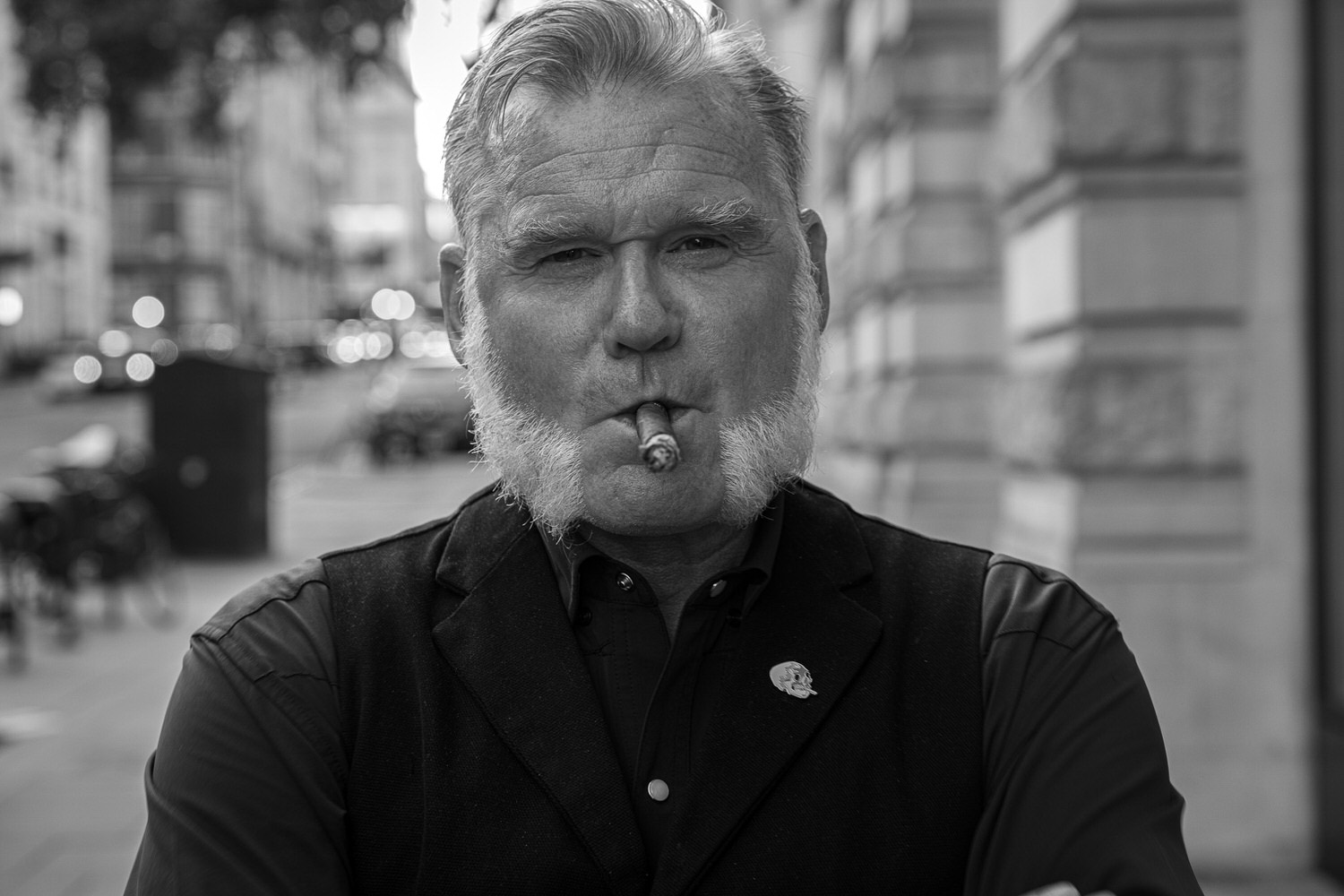
It seems an unlikely venue for a collaboration involving one of the world’s biggest heavy metal bands. Yet somehow it makes perfect sense.
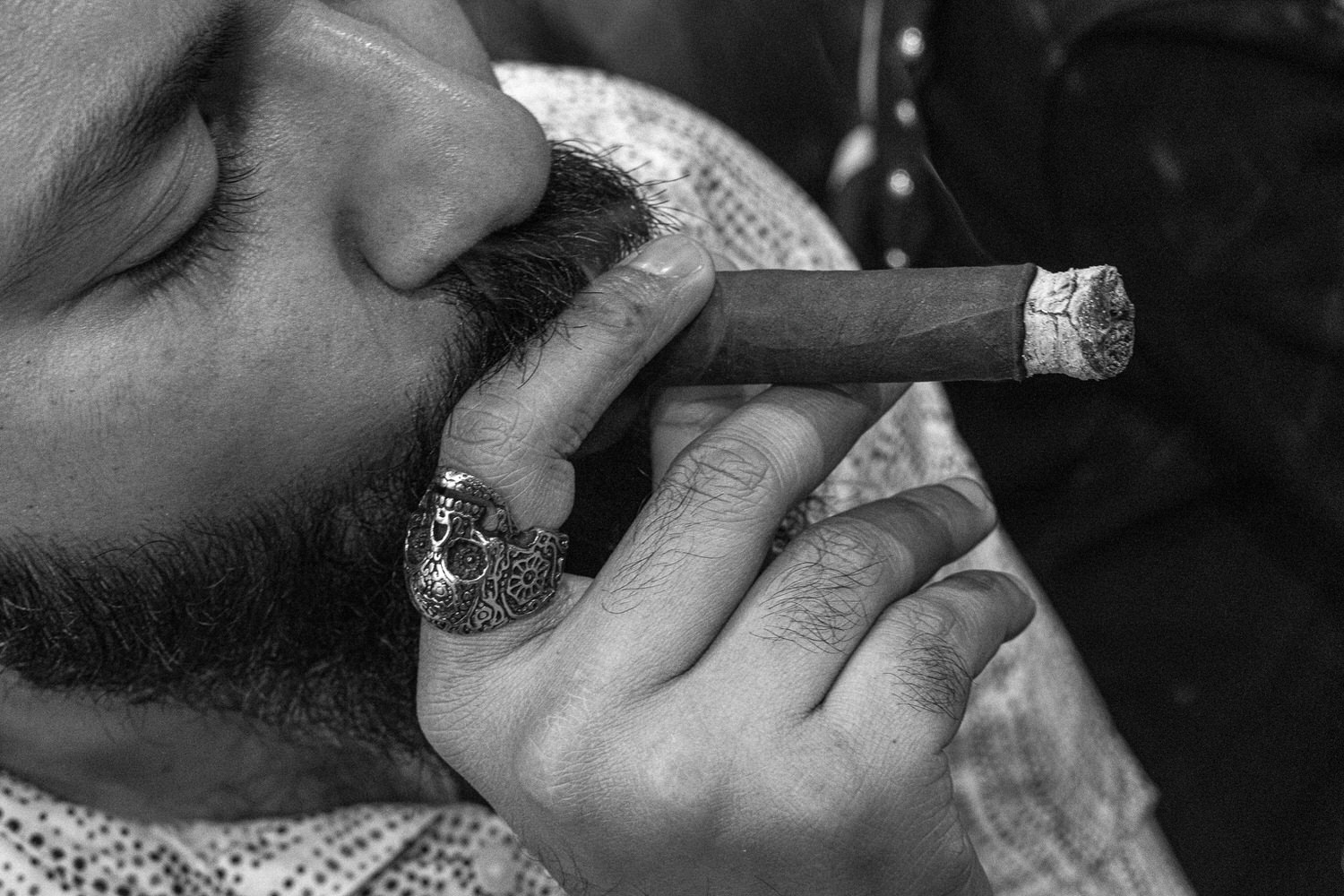
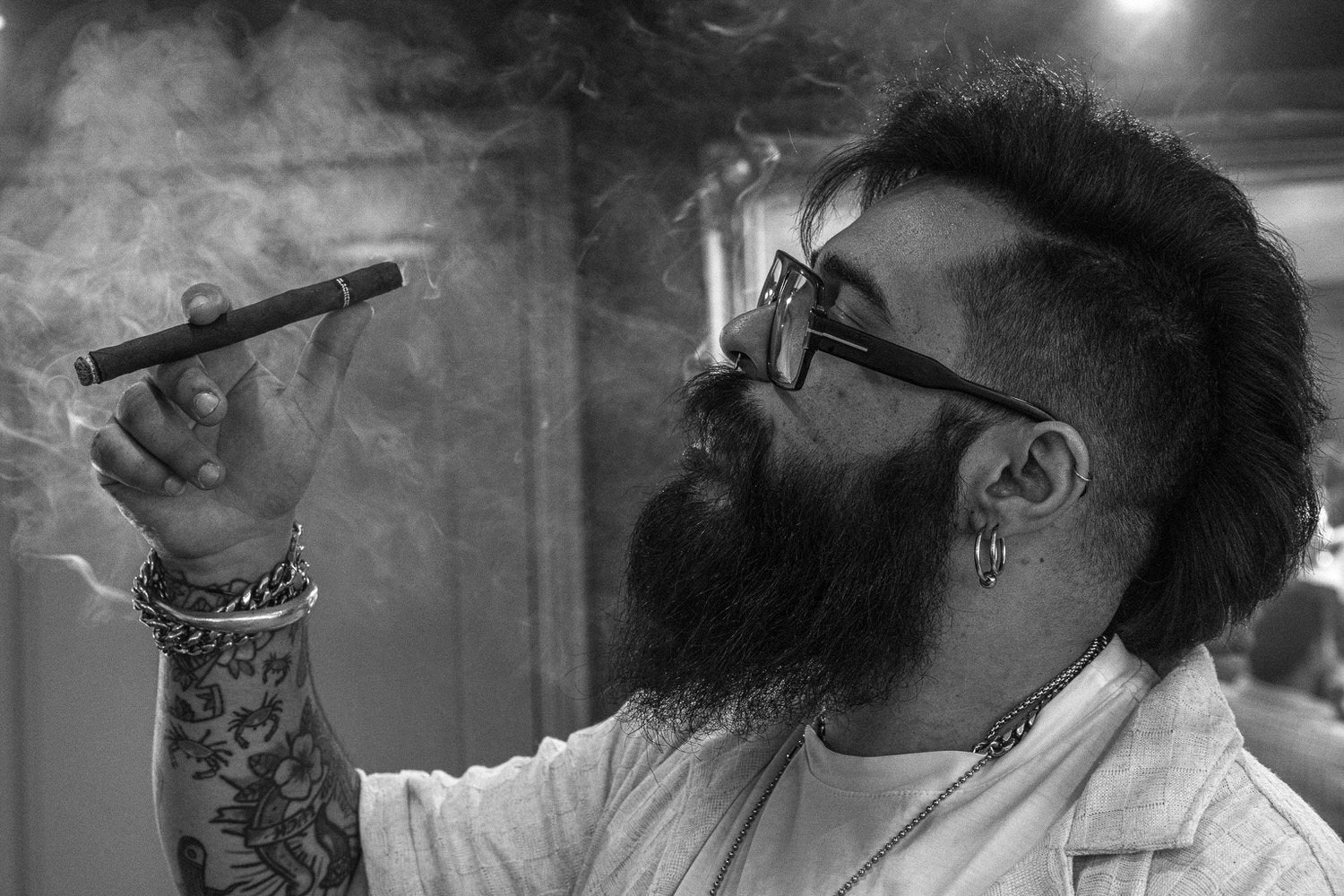
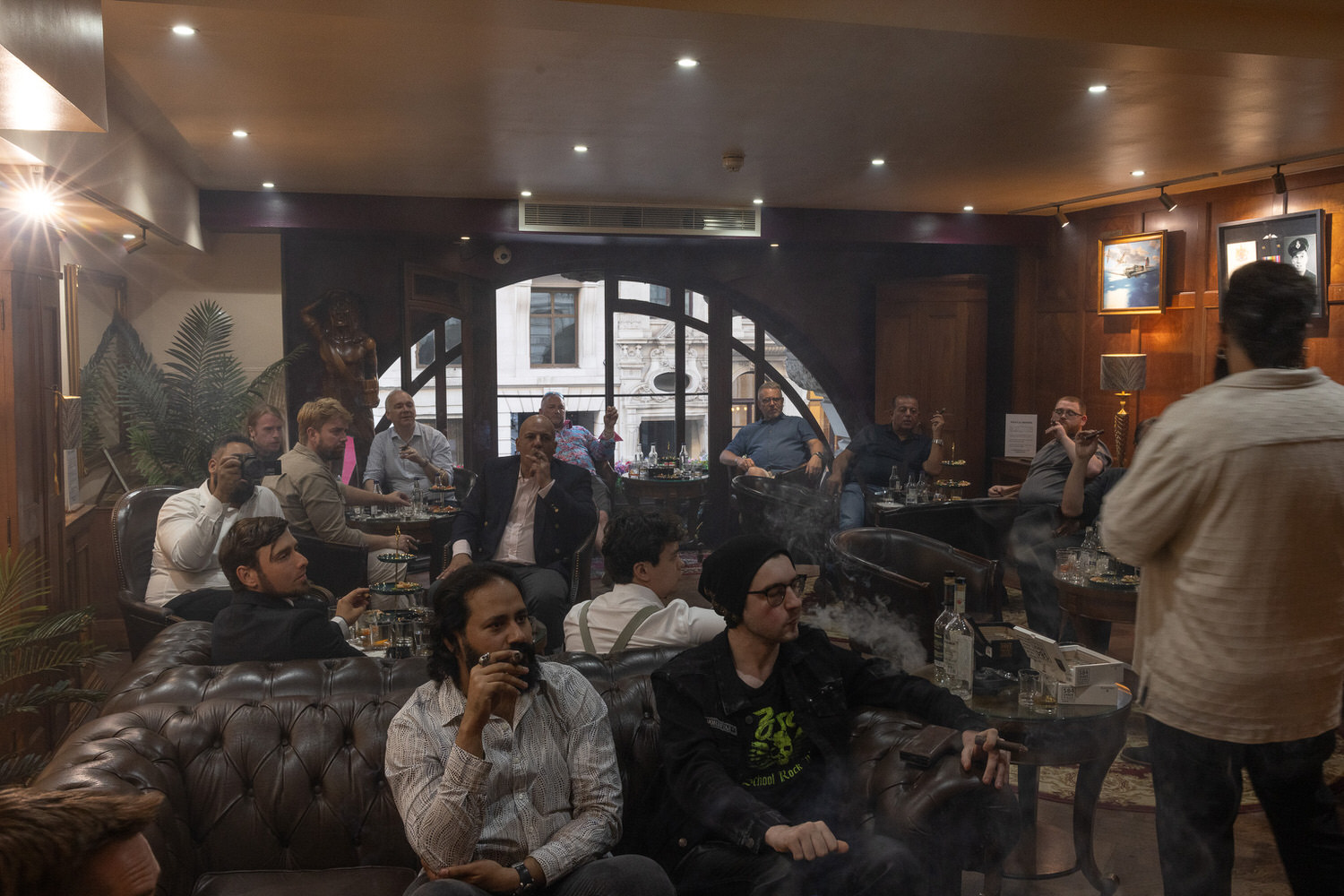
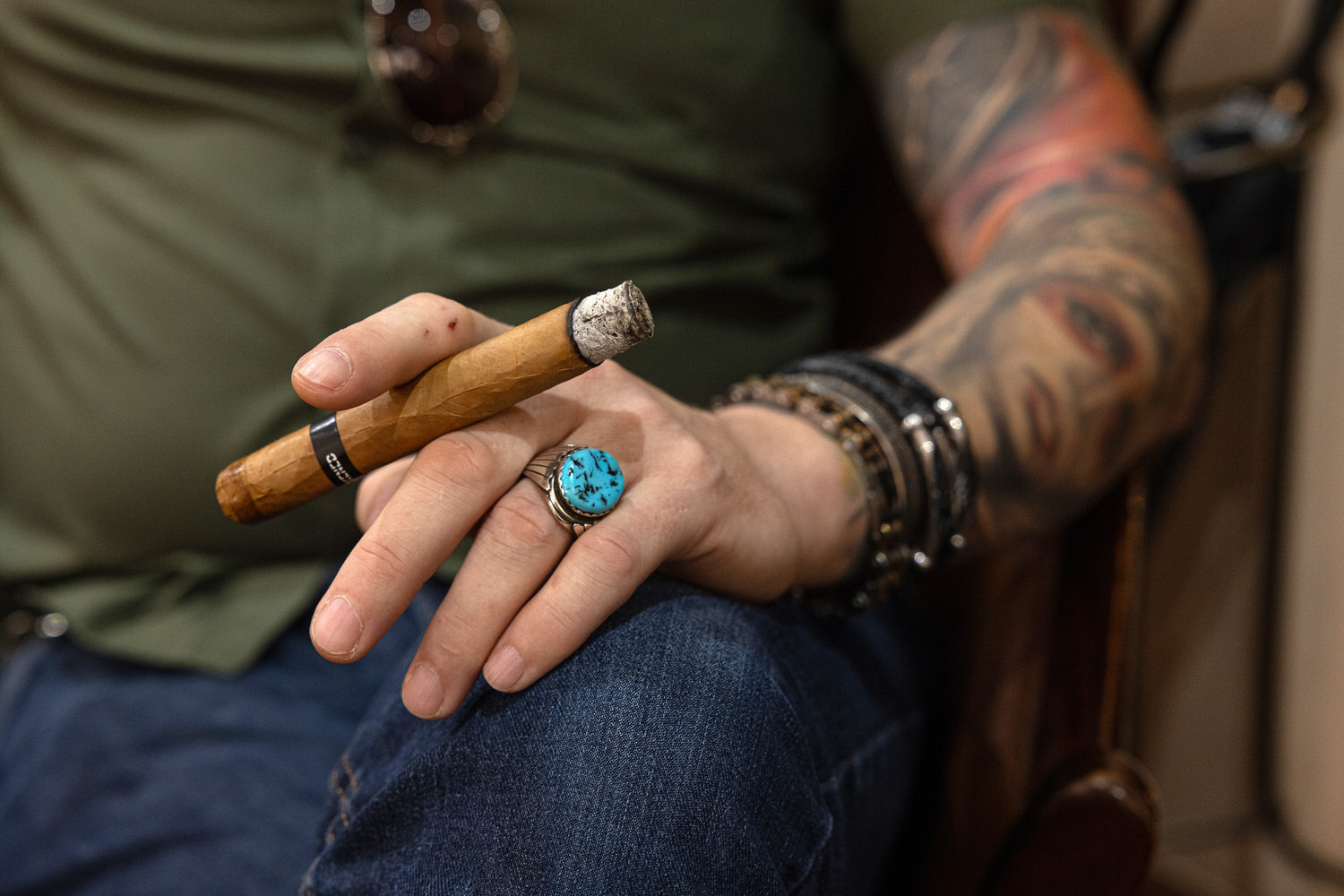
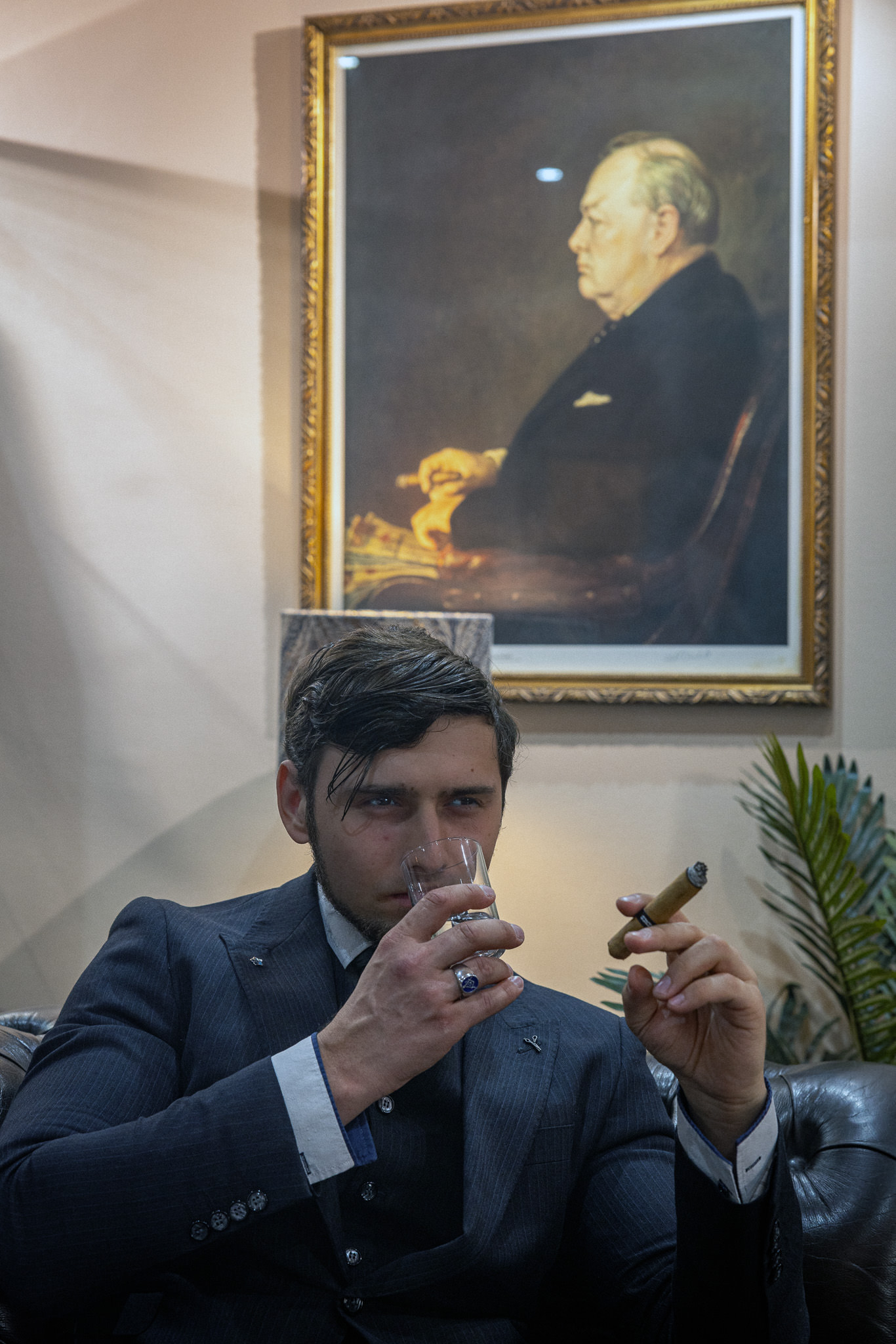
Gathered inside London’s oldest cigar merchant are enthusiasts drawn together by Blackened Cigars, the collaboration between Drew Estate founder Jonathan Drew, Metallica frontman James Hetfield and Rob Dietrich, master distiller and blender of Blackened American Whiskey. Instead of the expected whiskey pairing, the evening offers mezcal and a Mezcal Negroni, their smoky complexity echoing the rich character of the Maduro tobacco.
Like the cigar itself, nothing about the story follows convention. Rob Dietrich certainly doesn’t.
Long before becoming one of America’s most respected whiskey makers, Dietrich grew up in rural Colorado surrounded by old motorcycles and worn-out machinery. There was rarely money for new parts, so improvisation became second nature. Fixing things meant understanding how they worked before imagining how they might work better.
It is a mindset familiar to anyone who has ever restored a vintage BMW boxer, coaxed life back into a Triumph Bonneville or spent weekends adjusting carburettors simply because perfection remained just out of reach.
Craft begins with curiosity.
Dietrich’s path was anything but predictable. He served three combat tours with the U.S. Army’s 10th Mountain Division before finding himself working in the live music business as a stagehand, rigger and tour manager. Among the bands whose equipment he helped move was Metallica during the mid-1990s.
Years later, after twelve years at Stranahan’s Colorado Whiskey, he became master distiller for Blackened American Whiskey—the very brand created with Metallica.
Sometimes life has a better imagination than any journalist.
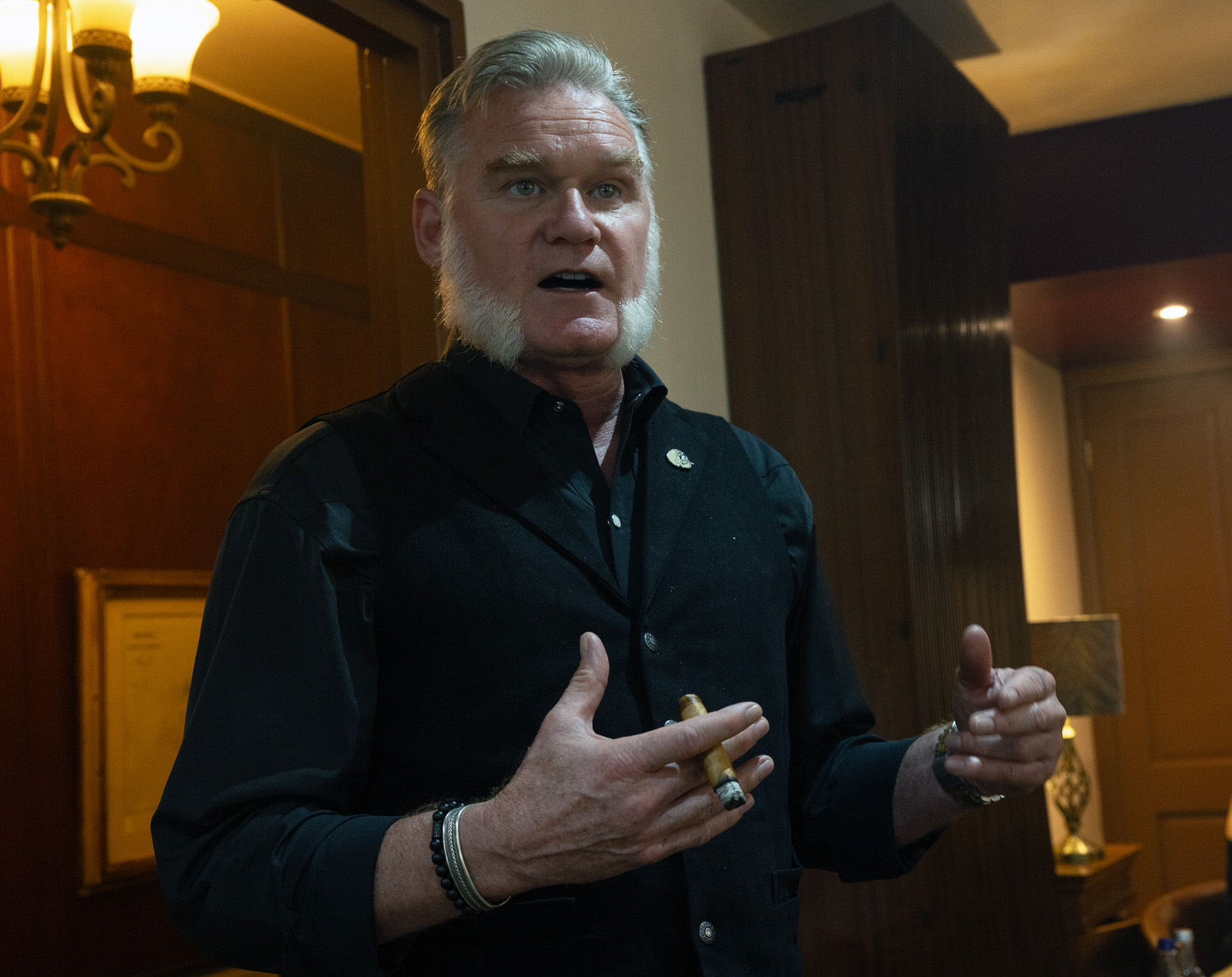
Listening to Dietrich speak, it becomes clear that whiskey is only part of the story. He talks less about products than about process. About understanding materials. About patience.
About refusing shortcuts.
“I always approach whiskey as an art form,” he explains. “I ask what’s already been done, and then I want to create something different.”
That philosophy eventually found its way into tobacco.
During the pandemic, when touring had stopped and the world had paused, Dietrich spent countless afternoons with James Hetfield at the musician’s home in the Colorado mountains. Cigars became the backdrop for conversations about motorcycles, music, hunting, family and creativity. The ritual mattered as much as the smoke itself.
Somewhere around those campfires came the obvious question. Why not make a cigar together?
Jonathan Drew entered the conversation. Samples travelled from Nicaragua to Colorado. Hetfield and Dietrich smoked every blend, filling notebooks with tasting notes before the next shipment arrived. The process lasted almost two years.
No focus groups.
No marketing departments.
Simply three enthusiasts chasing an idea until it felt right.
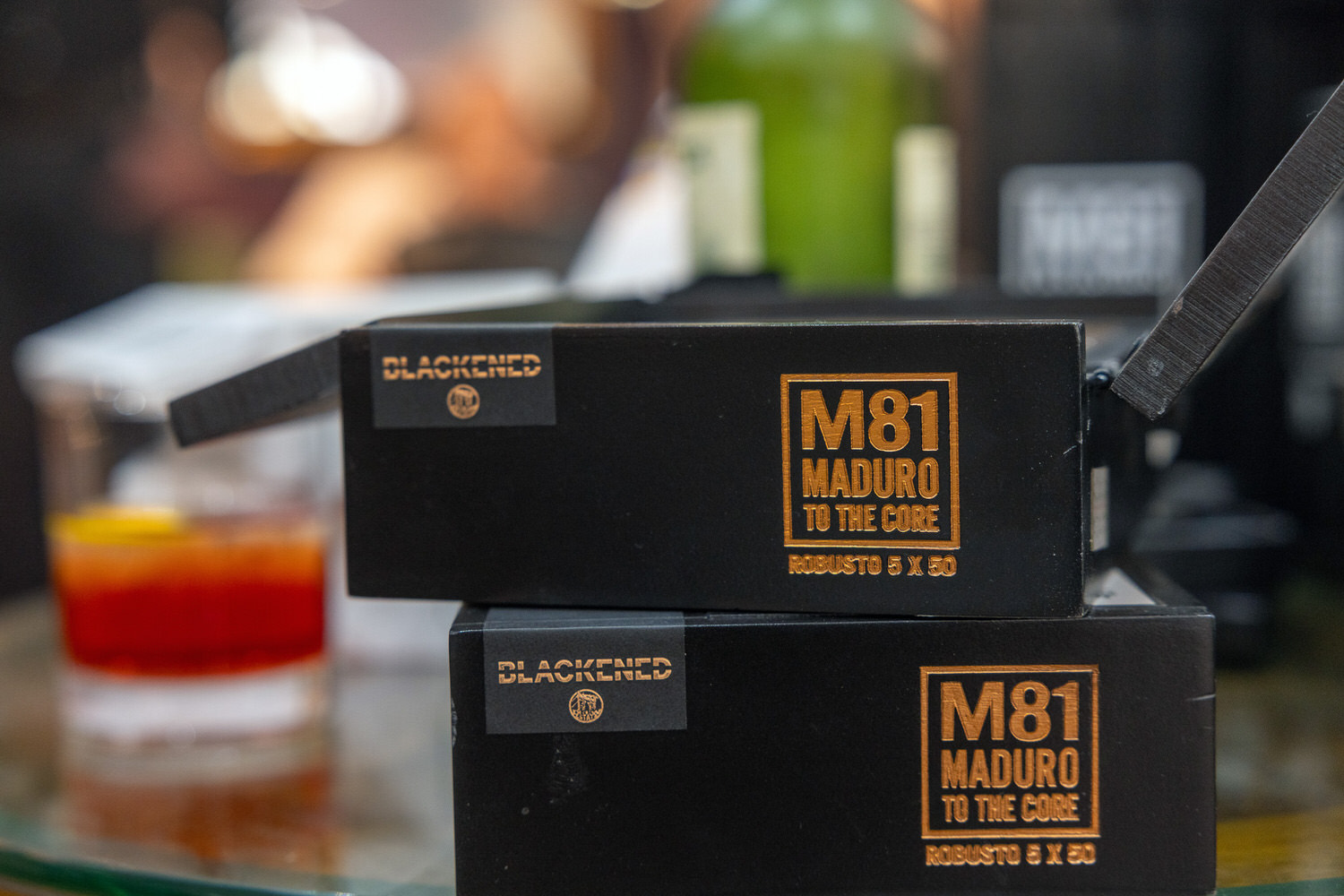
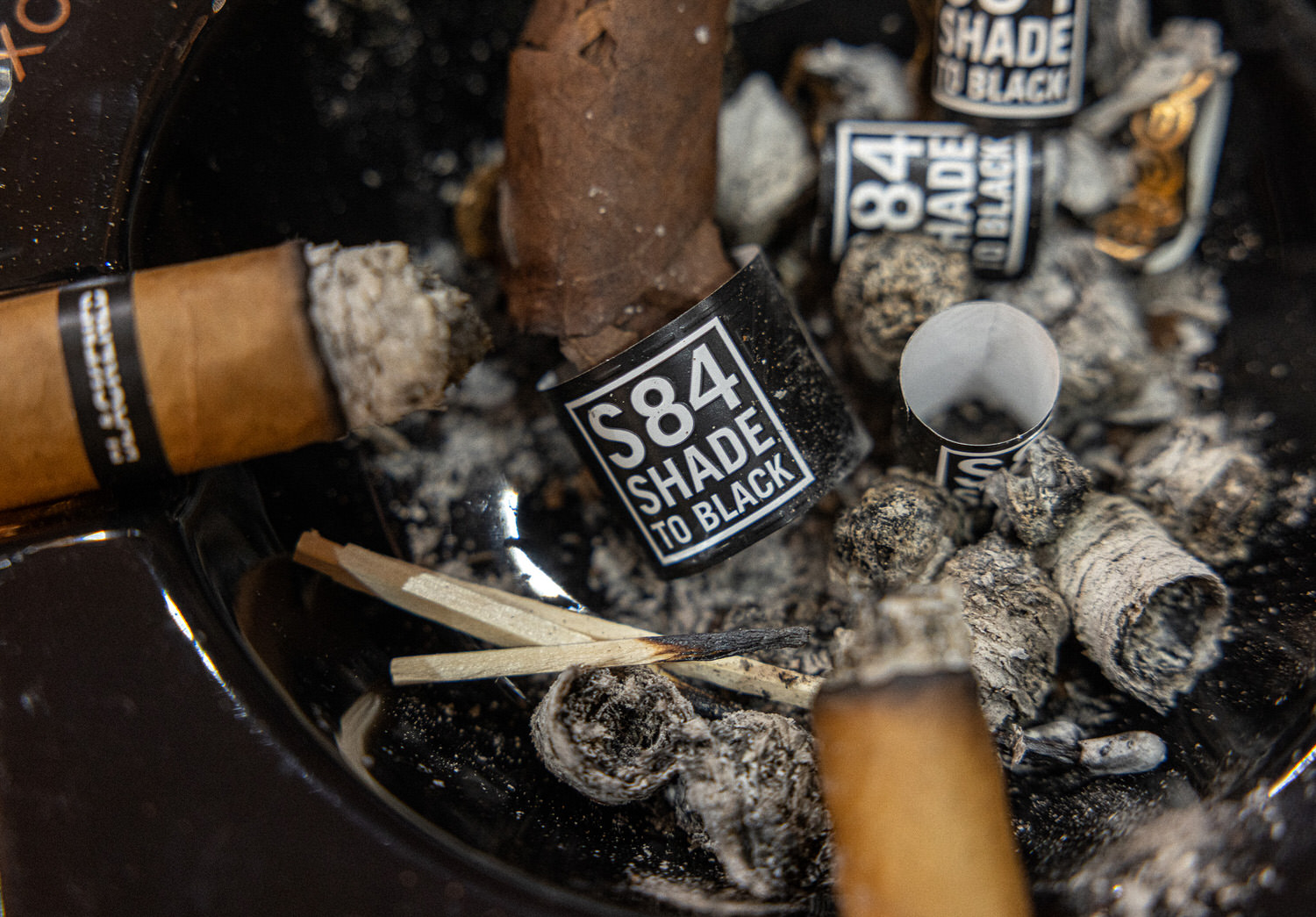
The result was the M81 Maduro to the Core, followed by the S84 Shade to Black—two cigars born from collaboration rather than celebrity endorsement.
Dietrich sees striking similarities between blending whiskey and blending tobacco. “You rely on people who understand the land,” he says. “Farmers who know the soil, the
seasons and how to produce exceptional crops. Then fermentation transforms those leaves.
Whiskey works in much the same way. You’re building layers of flavour over time.” The language feels surprisingly familiar.
Classic car collectors understand that excellence rarely comes from a single component. Performance is the sum of countless invisible decisions: suspension geometry, steering feel, engine balance, material choice. Every detail influences the final experience.
Great cigars appear to follow the same philosophy. So does great music.
Hetfield once described recording as layering sounds until every instrument occupies exactly the right space. Dietrich immediately recognised the comparison. Blending whiskey follows precisely the same principle. Too much of one element overwhelms another. Balance is everything.
Whether producing an album, restoring an engine or blending tobacco, craftsmanship is often little more than learning what not to add.
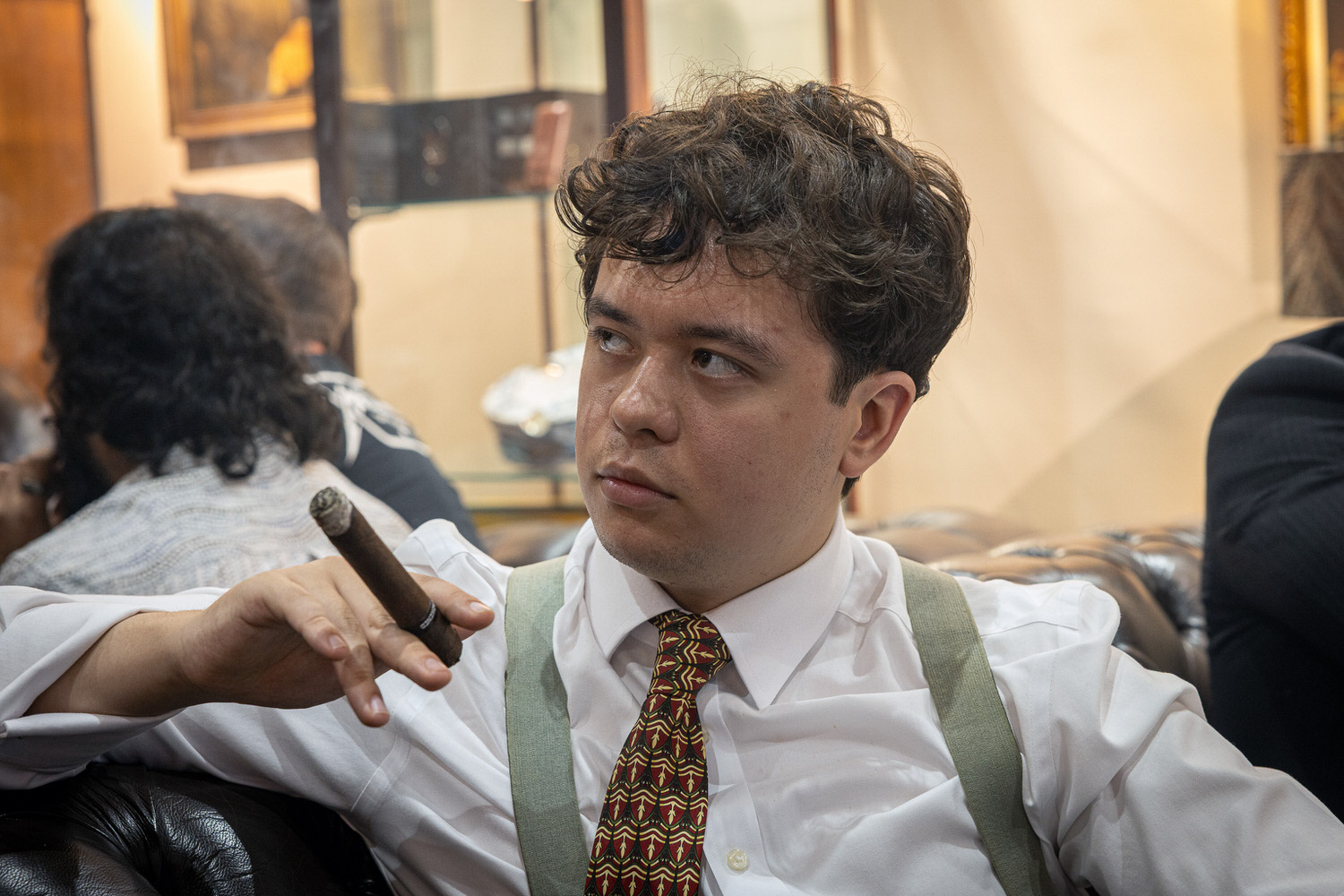
Around us, James J. Fox quietly fills with conversation. Banker stand beside Metalhead. Young smokers discovering premium cigars share stories with veterans who have spent decades in the hobby.
Carlos Zúñiga of Tor Imports captures the appeal perfectly.
“In cigar culture it doesn’t matter if you’re blue-collar or a banker. You light a cigar and talk about life.”
There is something wonderfully democratic about that idea.
A Porsche 550 Spyder may remain beyond reach. A rare Philippe Dufour commands extraordinary sums. Yet a handmade premium cigar—rolled, fermented and aged with the same attention to detail—remains surprisingly accessible.
Luxury measured not by exclusivity, but by craftsmanship.
Drew Estate embodies much of that philosophy. Today, around 3,500 employees in Nicaragua handcraft approximately 350,000 cigars every day, each one rolled by skilled artisans whose knowledge has been passed from one generation to the next. Despite the scale, every cigar still begins with human hands.
Ricardo Ortiz smiles when describing the company.
“We’re the disruptors of the cigar industry. We’re rap. We’re hip-hop. We’re rock.”
Perhaps that explains why the partnership with Metallica feels less like licensing and more like shared DNA. All three collaborators built their reputations by refusing accepted formulas.
Innovation, after all, often begins by ignoring convention.
Towards the end of the evening I ask Dietrich to imagine the perfect drive. His answer arrives without hesitation.
A vintage BMW R69 motorcycle somewhere in Mexico. A Blackened cigar waiting at the day’s end. A glass in hand. Metallica’s Whiplash providing the soundtrack.
It isn’t the speed that matters. It’s the journey.
Walking back onto St James’s Street, that thought lingers. The worlds of classic cars, motorcycles, whiskey and cigars attract remarkably similar people—not because they chase luxury, but because they appreciate the stories hidden inside well-made objects.
Machines built to last.
Music that survives generations.
A cigar rolled by skilled hands. Each asks the same thing of us. Slow down.
Pay attention.
Enjoy the craftsmanship.
In an increasingly digital world, perhaps that is the greatest luxury of all.