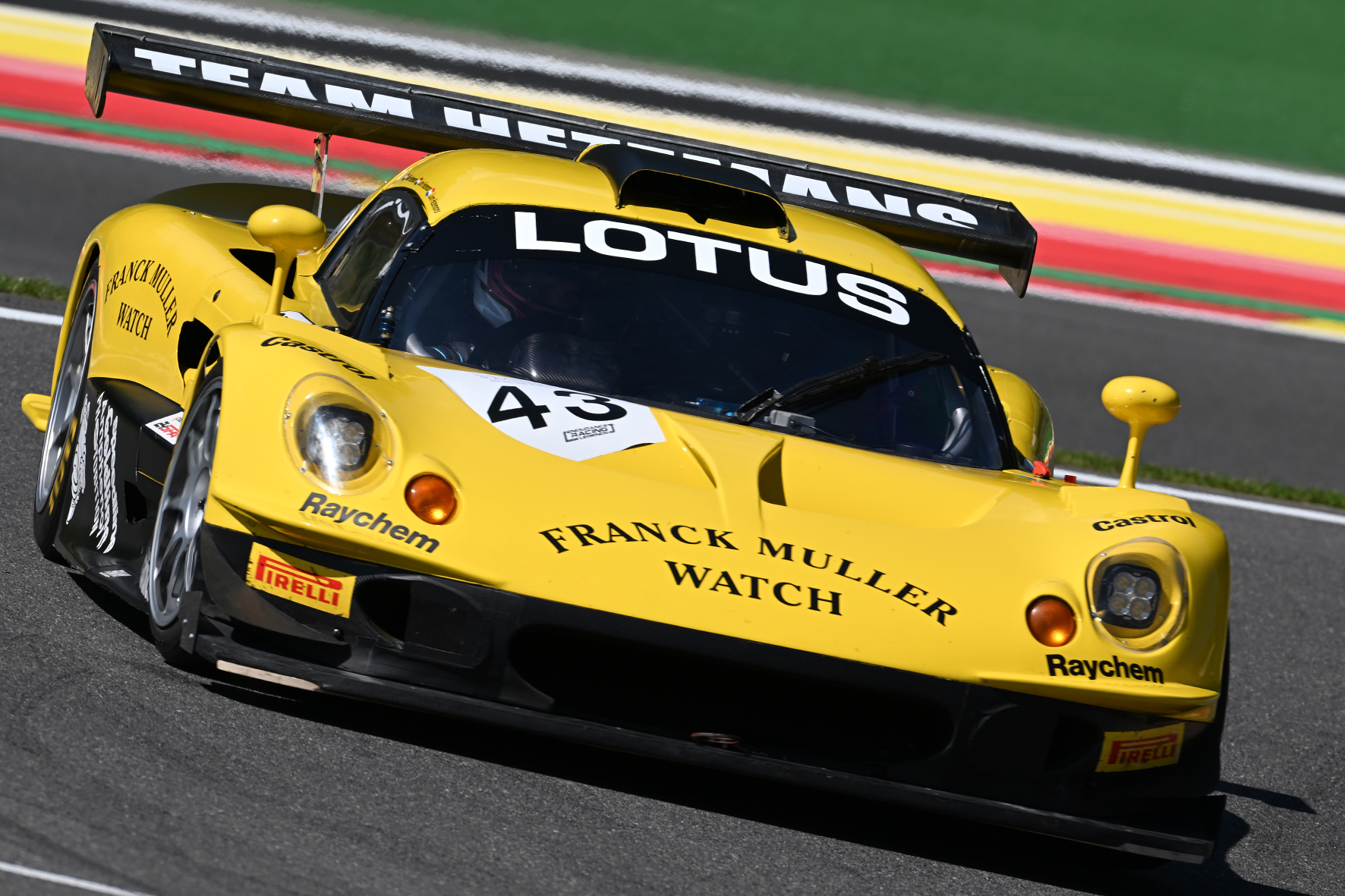
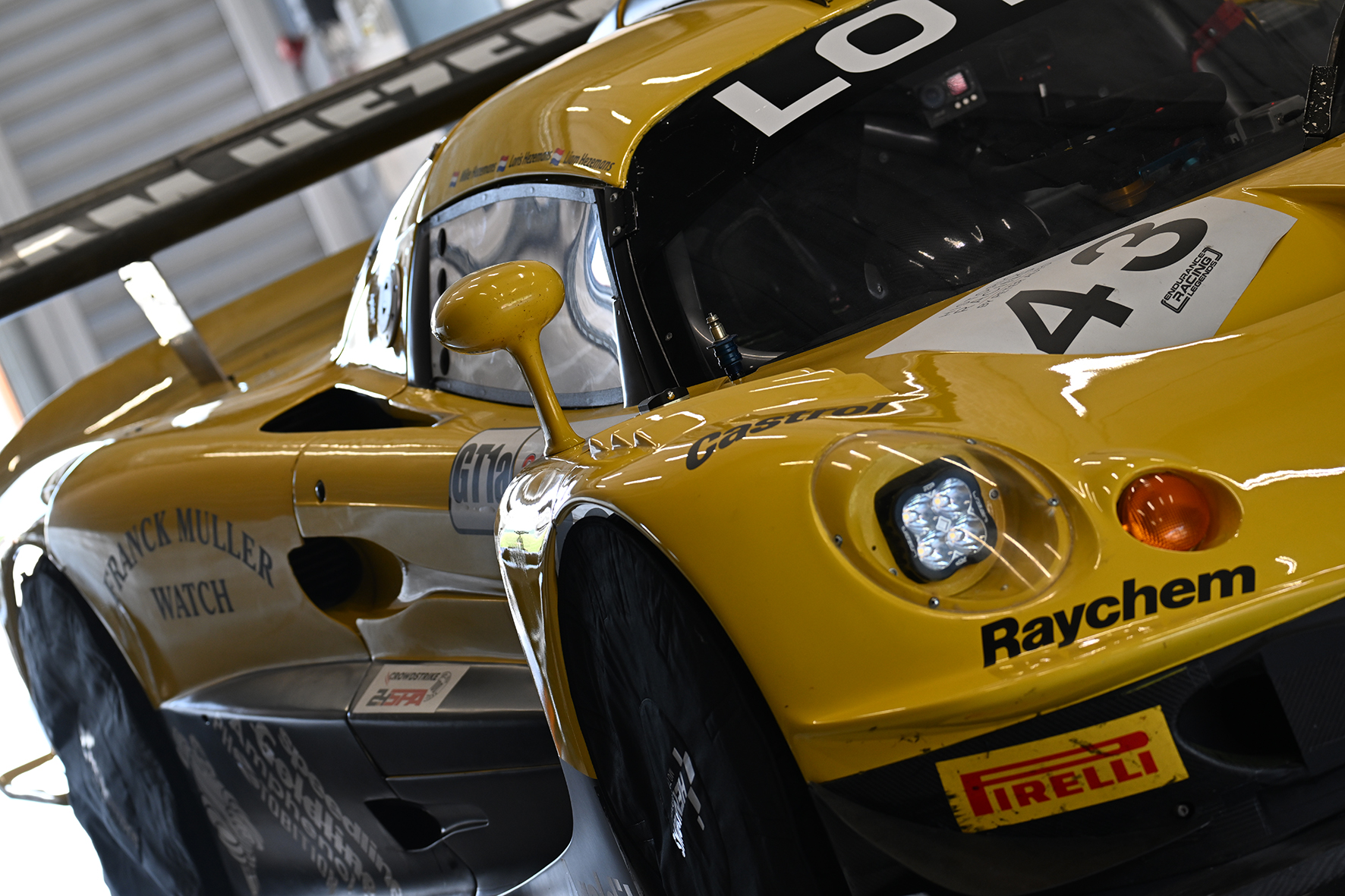
When Group C had run its course in the mid-1990s, a new era began in sports car racing with the GT1 regulations. Originally, these regulations were designed for super sports cars such as the McLaren F1 GTR; the aim was to provide these sports cars with a platform in motorsport.
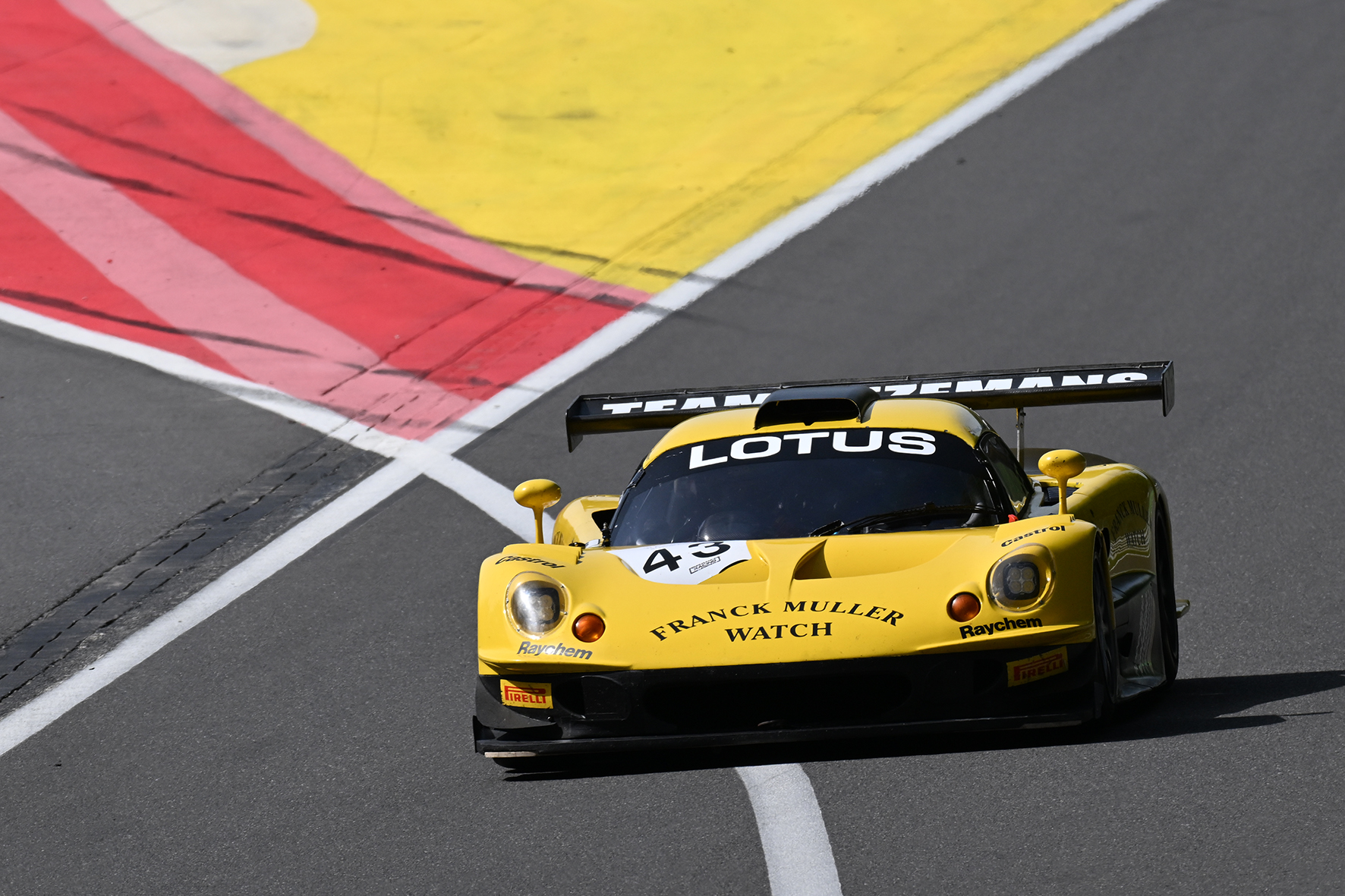
Essentially, the only stipulation for the GT1 class was that a road-legal version of each sports car entered in the race had to exist. However, it soon became clear that these regulations would lead to a technical and financial arms race on a colossal scale. When Porsche unveiled the 911 GT1 at the end of 1996 – a thoroughbred racing car – they had skilfully exploited the grey areas of the regulations. Through minor modifications and adjustments to performance, they subsequently produced road-legal versions of the 911 GT1, which they sold to collectors for large sums of money. It was actually supposed to be the other way round.
Mercedes-Benz, too, put an uncompromising racing car, the CLK GT1, on the road, with the aim – just like Porsche – of subsequently producing an extremely expensive road-going variant for potential customers and then selling it to them. Smaller manufacturers such as Lotus essentially stood no chance from the outset against Porsche and Mercedes-Benz, with their almost inexhaustible technical and, above all, financial resources.
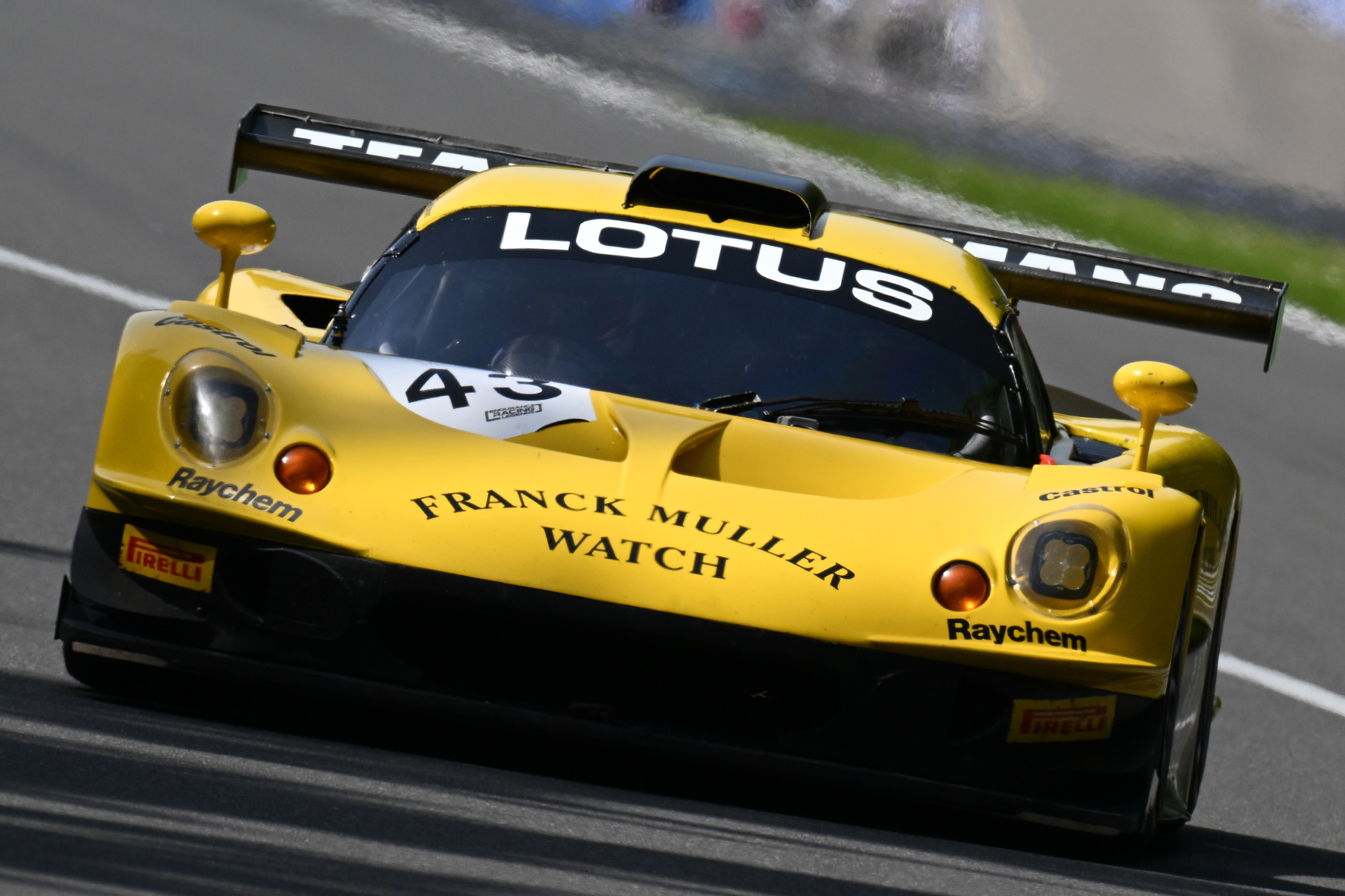
Nevertheless, Lotus had the idea of entering this series with the Elise GT1. The aim was to turn the production Elise S1 – named after Elisa Artoli, the granddaughter of the then Lotus president Romano Artoli – into a competitive racing car through a range of modifications. True to the motto of the legendary Colin Chapman, ‘simplify, then add lightness’, the Elise GT1 was intended to stand up to the competition.
Lotus had to improvise, but the Lotus name carried great weight, and in the mid-1990s the aim was to bring the spirit of Colin Chapman into the modern era. After all, Lotus stood for the greatest innovations in racing car construction, particularly in Formula 1 cars. So there was great optimism in Norfolk.
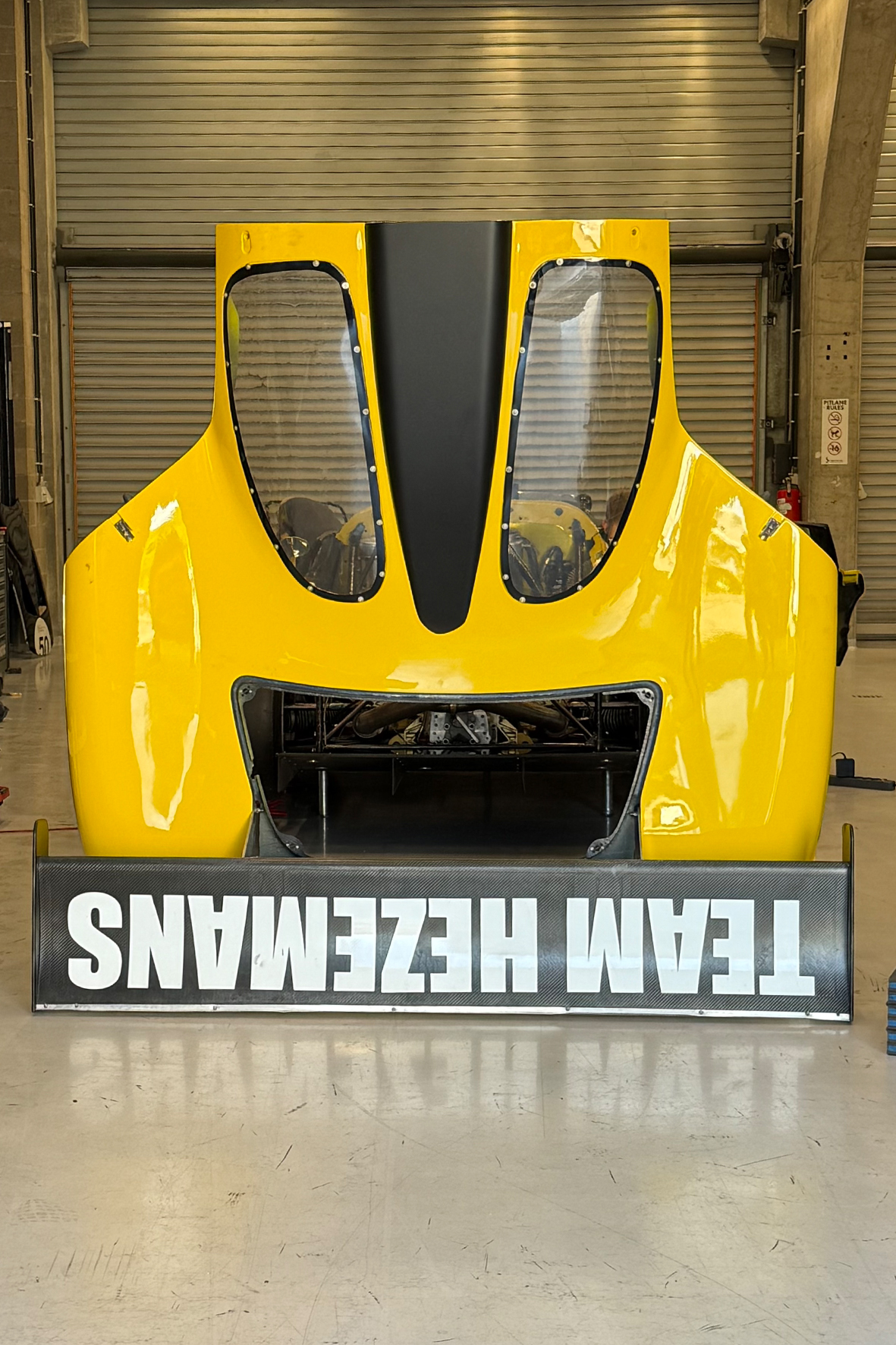
But ultimately, this project – known internally as Type 115 – was doomed to failure from the outset. It all began with the choice of engine. The in-house Type 918, a 3.5-litre V8 engine with twin-turbocharging, mounted longitudinally, was supposed to do the trick.
Yet even during the first tests on the dynamometer, various problems arose; above all, the engine was outperformed by the high-displacement naturally aspirated engines from Mercedes and Panoz. The twin-turbocharging system also caused massive problems.
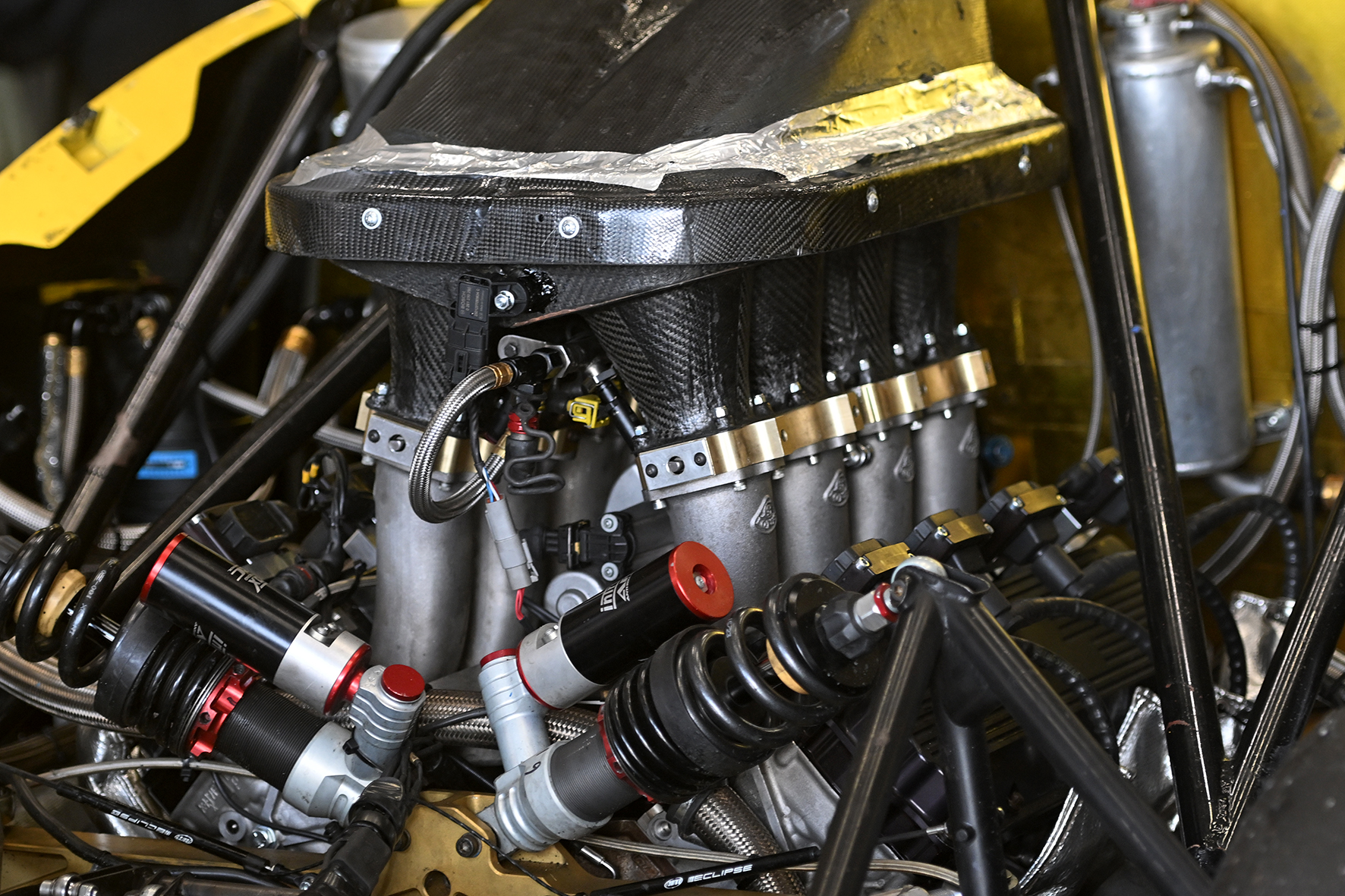
The Lotus works team was forced to look for an alternative. During the period when Lotus was part of the General Motors group, it had played a key role in the development of the marvellous aluminium V8 engine for the Chevrolet Corvette ZR. Recalling that this engine possessed exceptional durability, they adapted this 5.7-litre Chevrolet V8 for use in the Elise GT1. Lotus further developed the engine and added a bespoke carbon-fibre intake system.
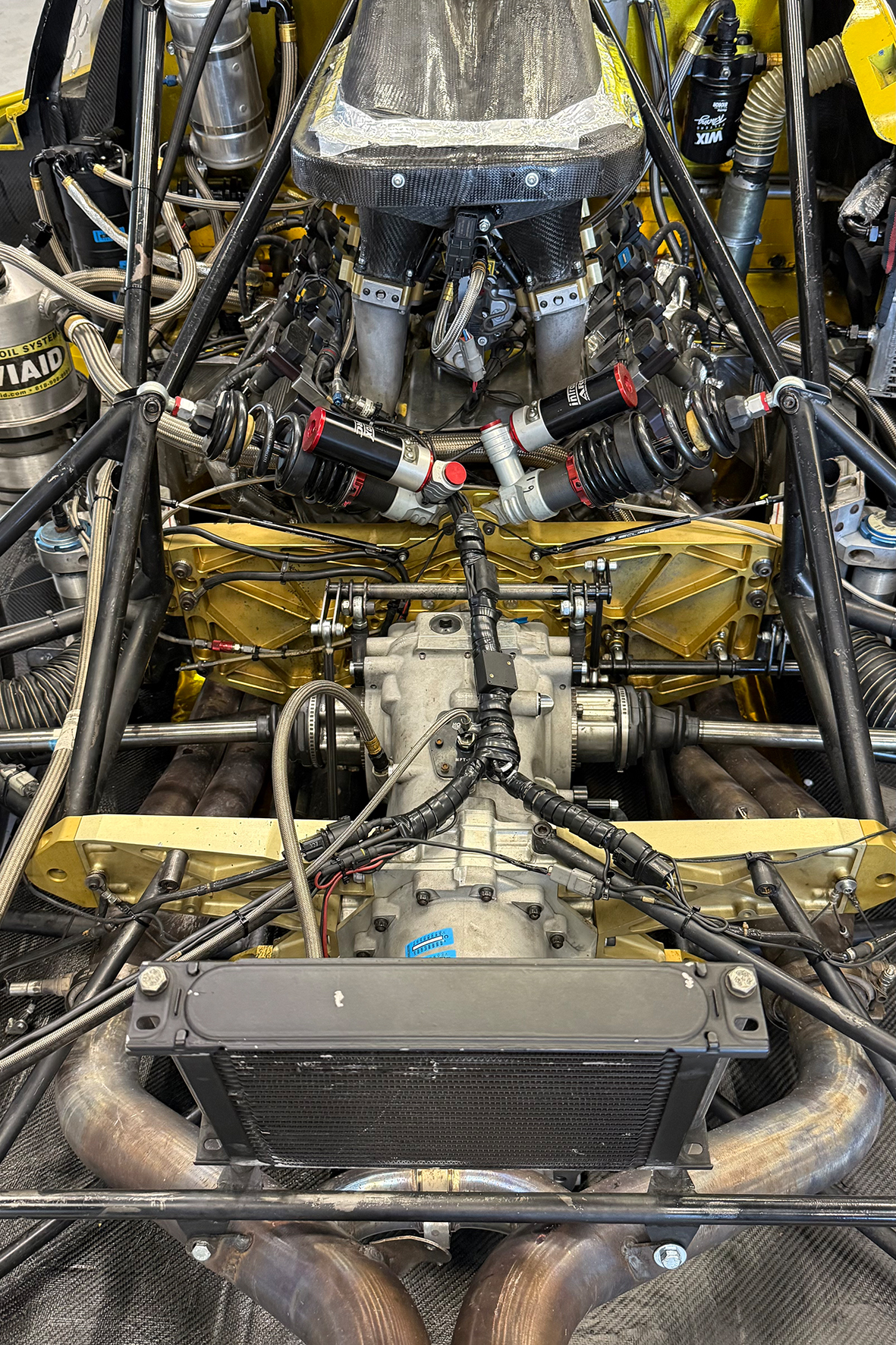
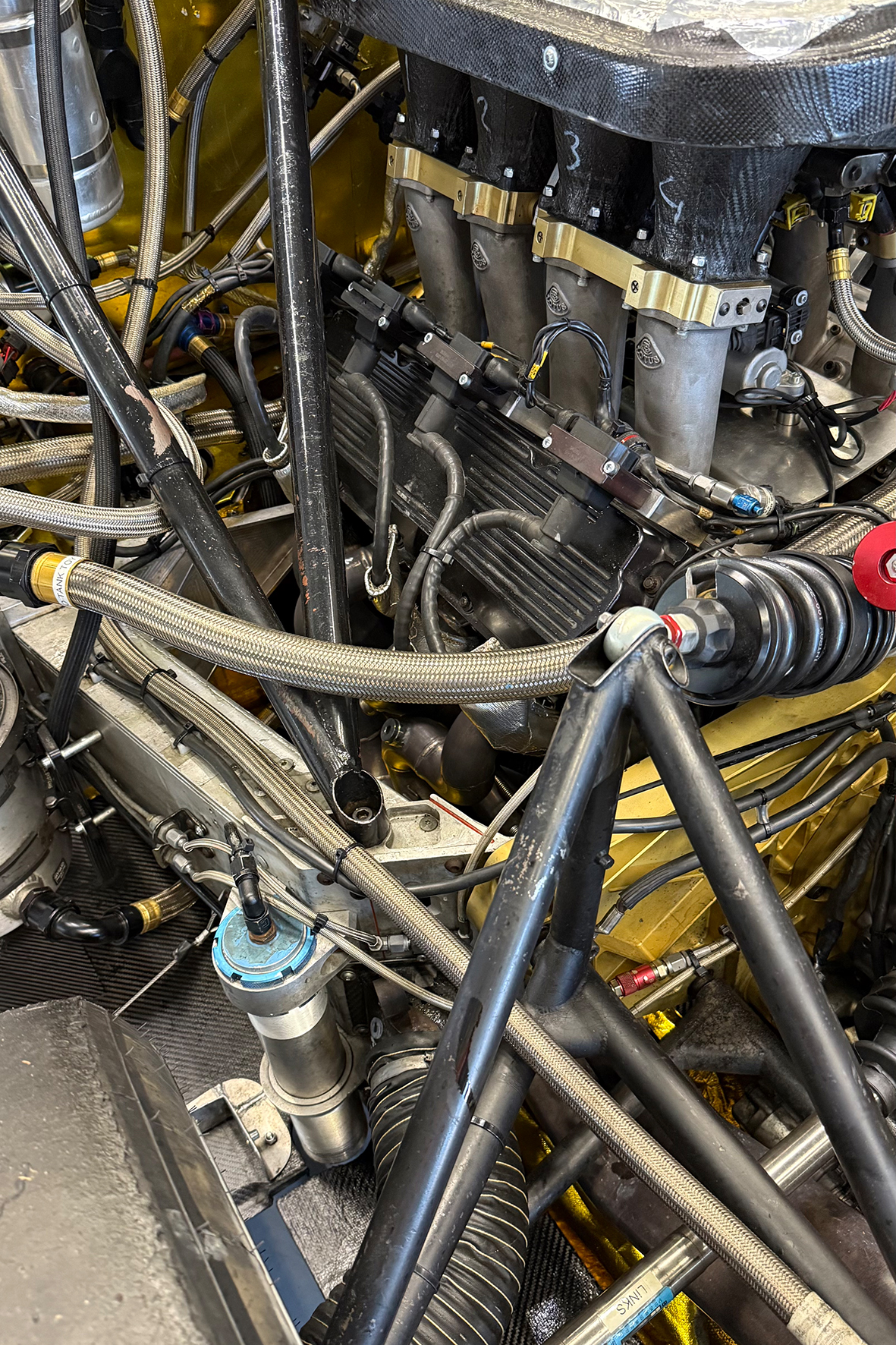
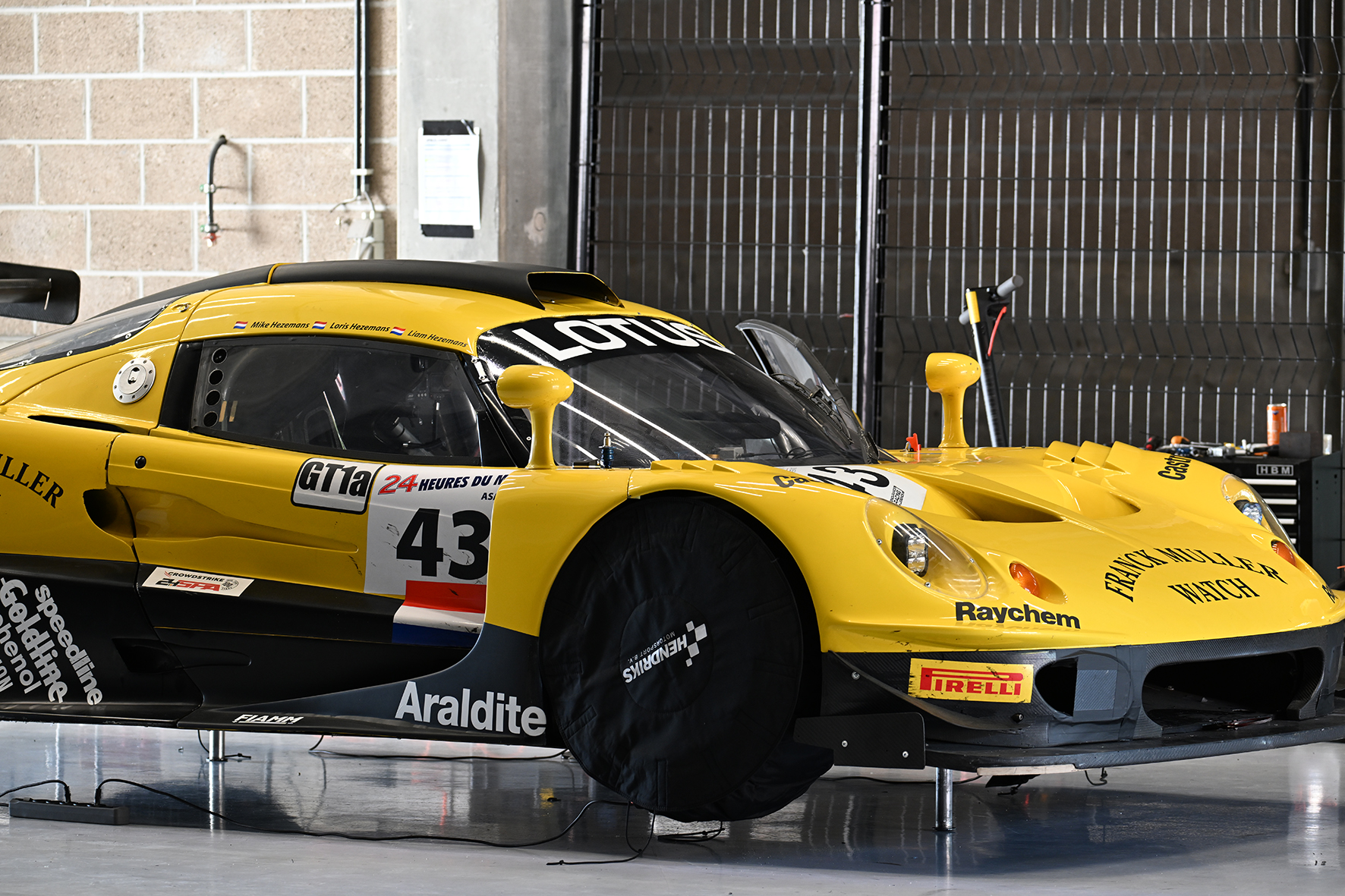
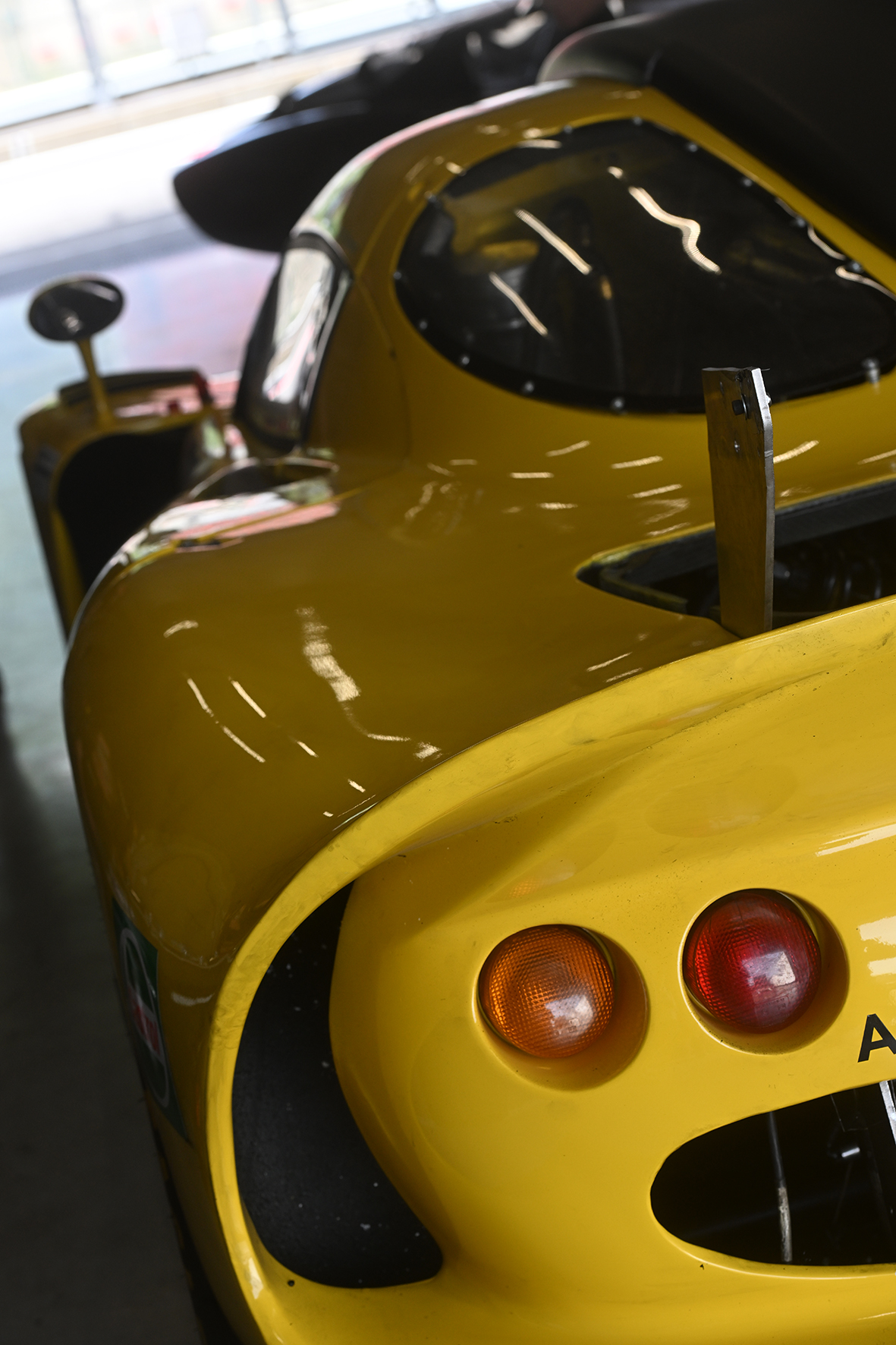
To improve aerodynamic efficiency and balance, and to generate the immense downforce set as the benchmark by the competition, Lotus designed a completely new, extremely elongated body made from carbon fibre and Kevlar.
The dimensions of the Type 115 made it clear that it bore little visual resemblance to the production roadster: The GT1 had grown by around 38 centimetres in both length and width. The overall length was now 4521 mm, the width 2057 mm, and the wheelbase had been extended to 2667 mm. The track width at the front and rear axles was now 2000 mm.
The aerodynamic balance was to be achieved through a front overhang of 940 mm and a rear overhang of 894 mm. Despite this massive increase in bodywork surface area, the car remained a featherweight: the regulations stipulated a minimum weight of 950 kilograms for the GT1 class, and if there was one thing Lotus was both celebrated and feared for, it was its radical lightweight construction.
Inside the cockpit, the aluminium structure of the chassis remained visible – the extremely flat windscreen also offered a magnificent all-round view. Seven racing chassis were built by GTI Racing, and only one road-going version was produced. The construction of these eight Lotus Elise GT1s was financed by Toine Hezemans and Romano Artoli.
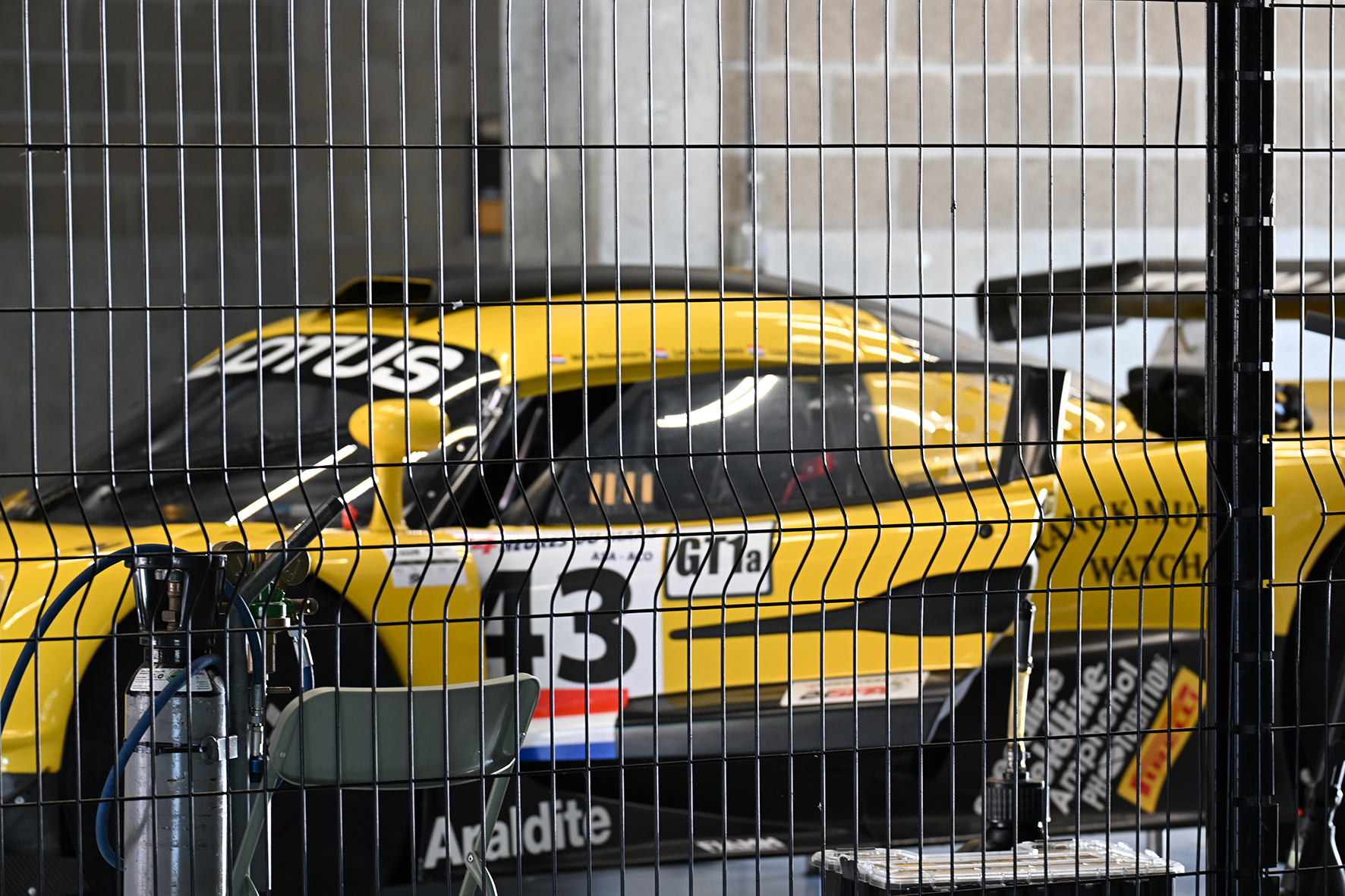
Unfortunately, this Lotus project, Type 115, met with no success whatsoever. It failed on every level, and most spectacularly at the season’s highlight at Le Mans, when the engine exploded on the Mulsanne straight after 121 laps.
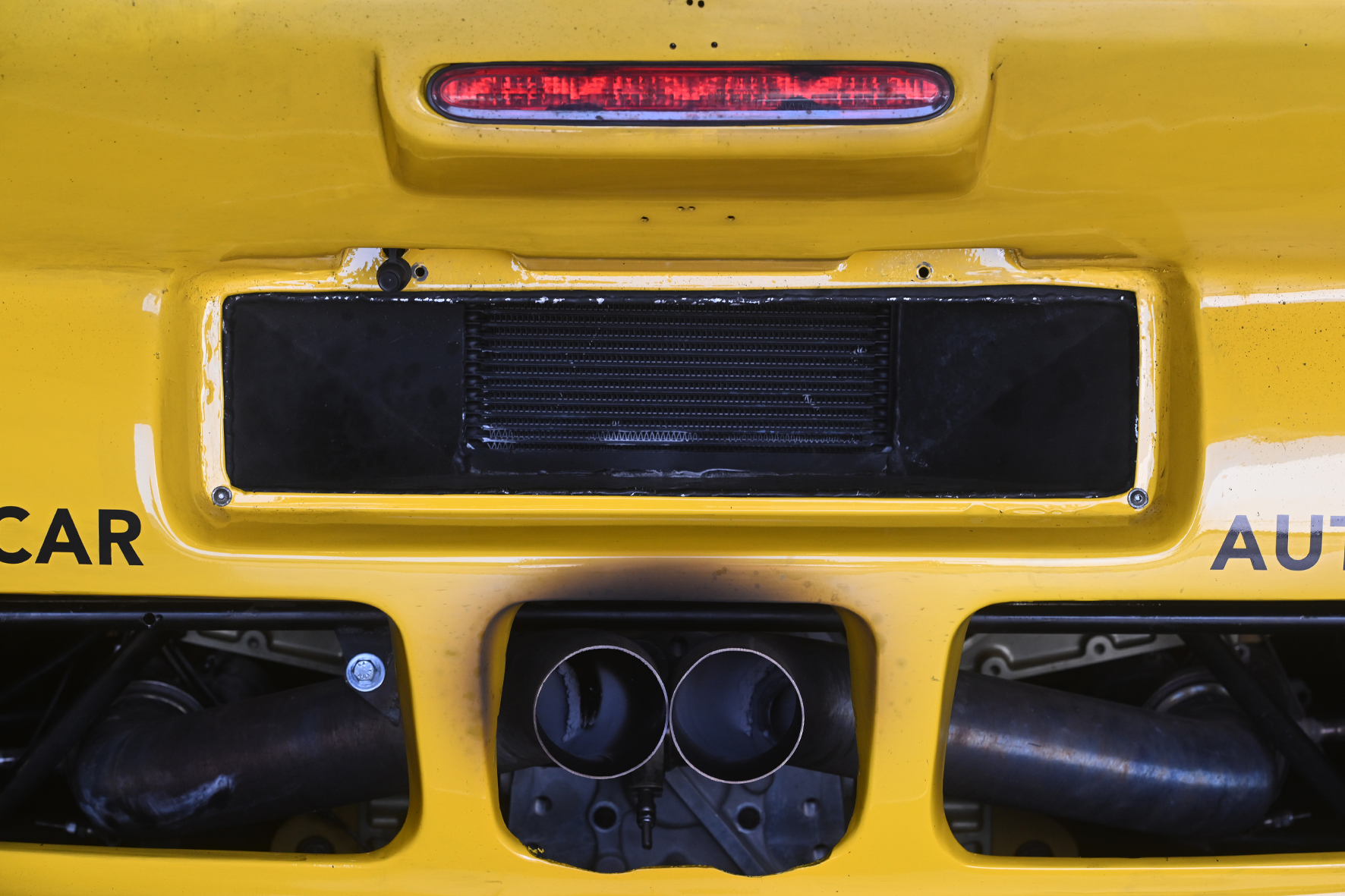
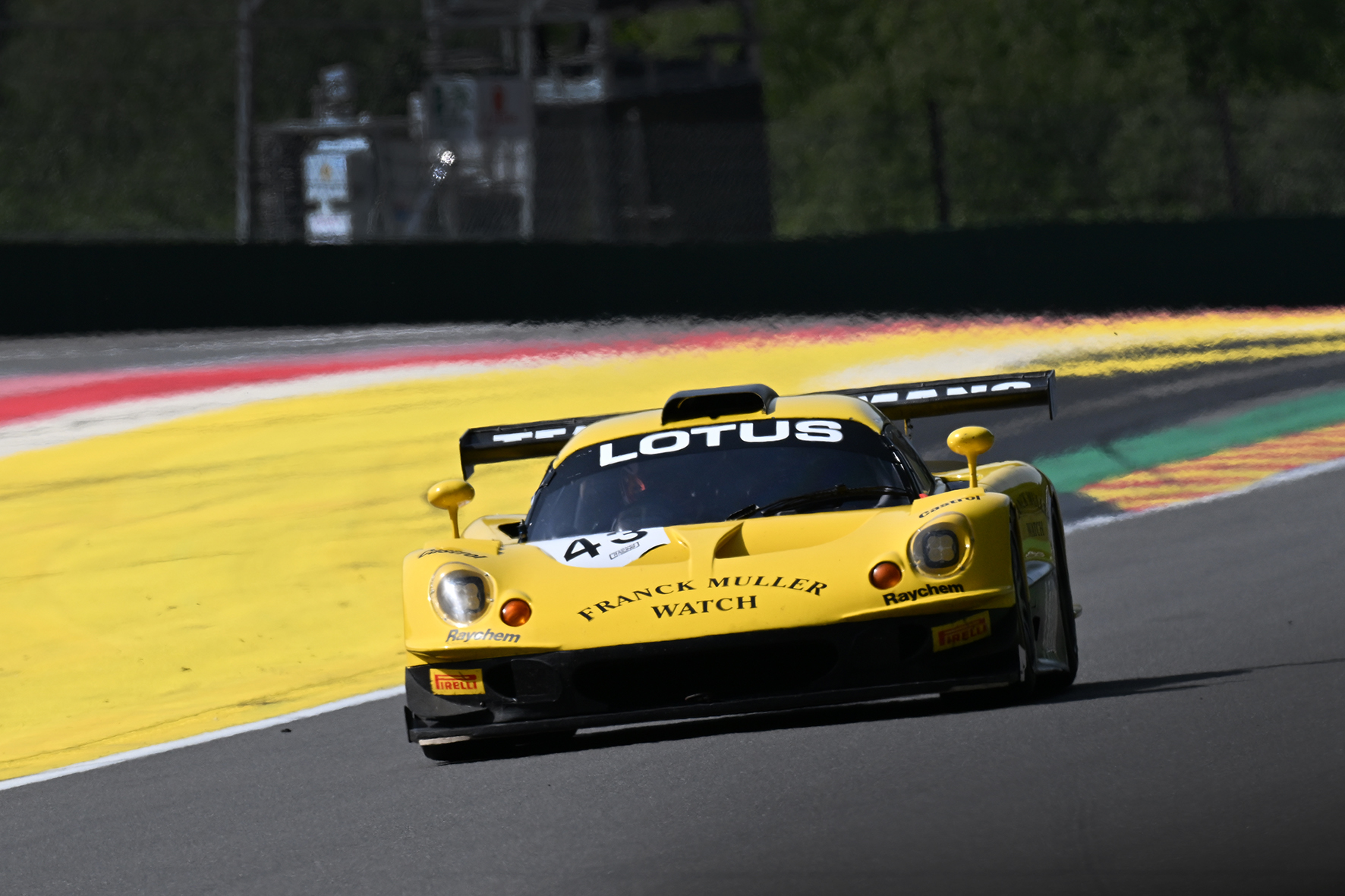
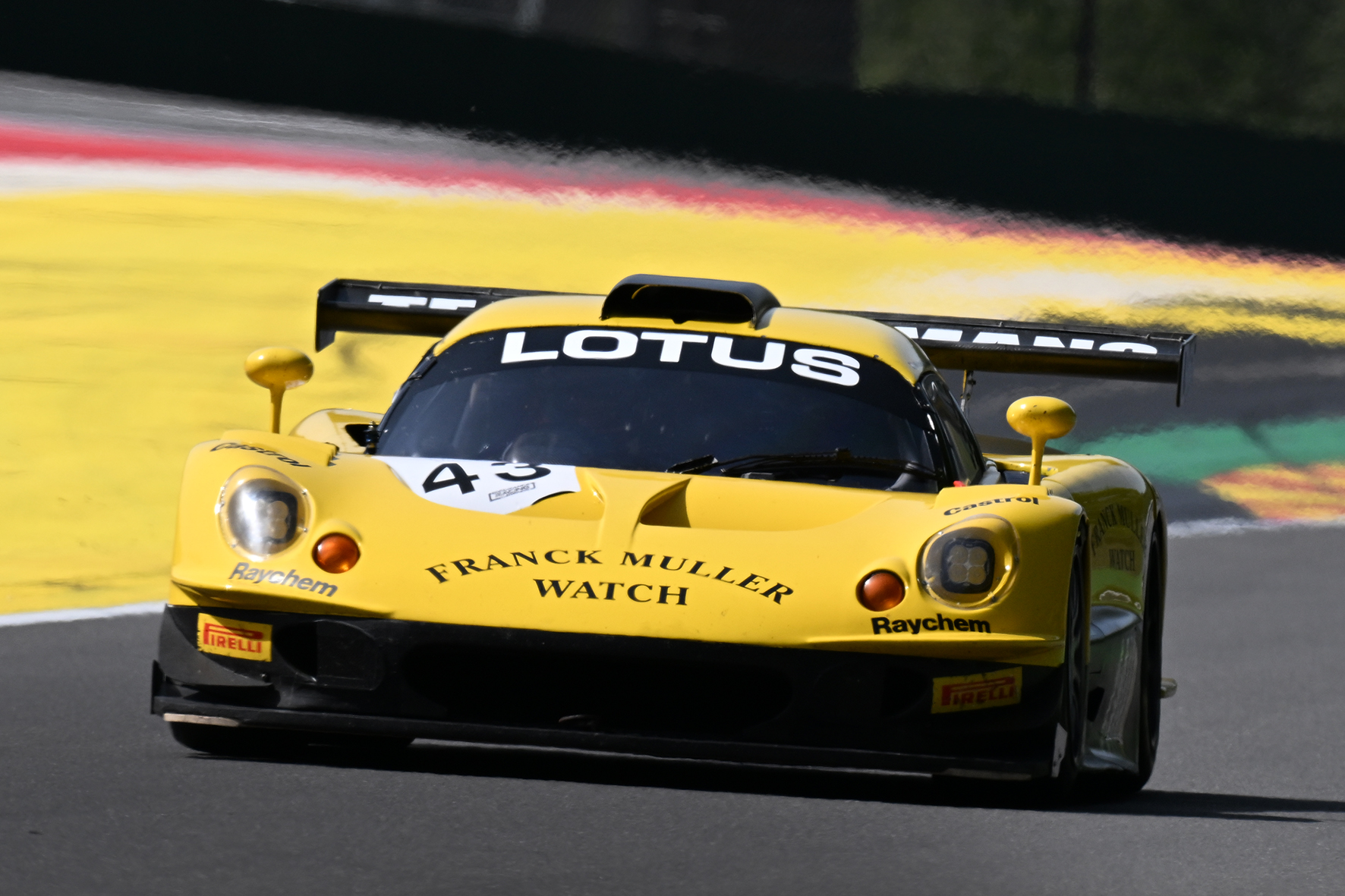
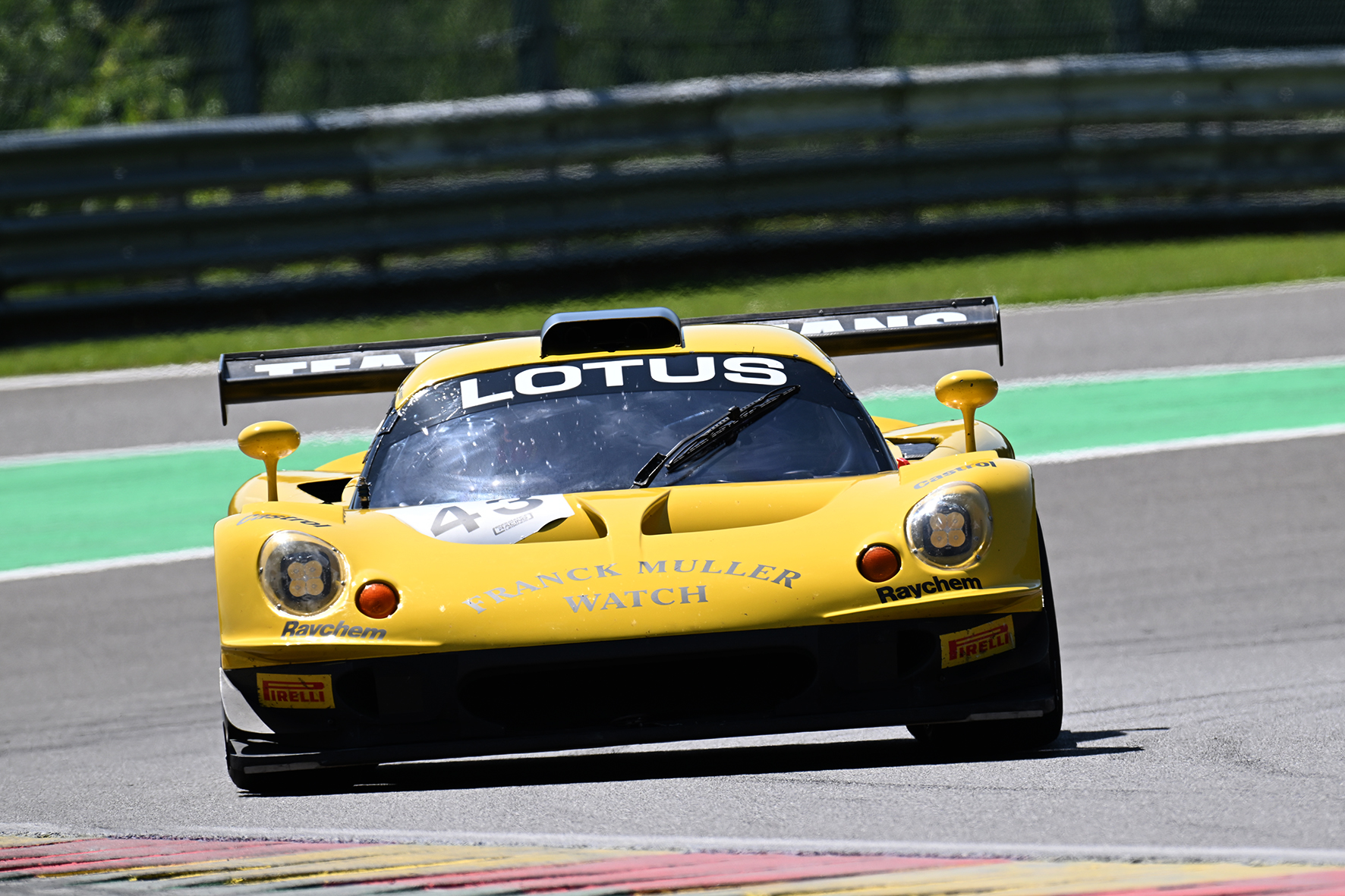
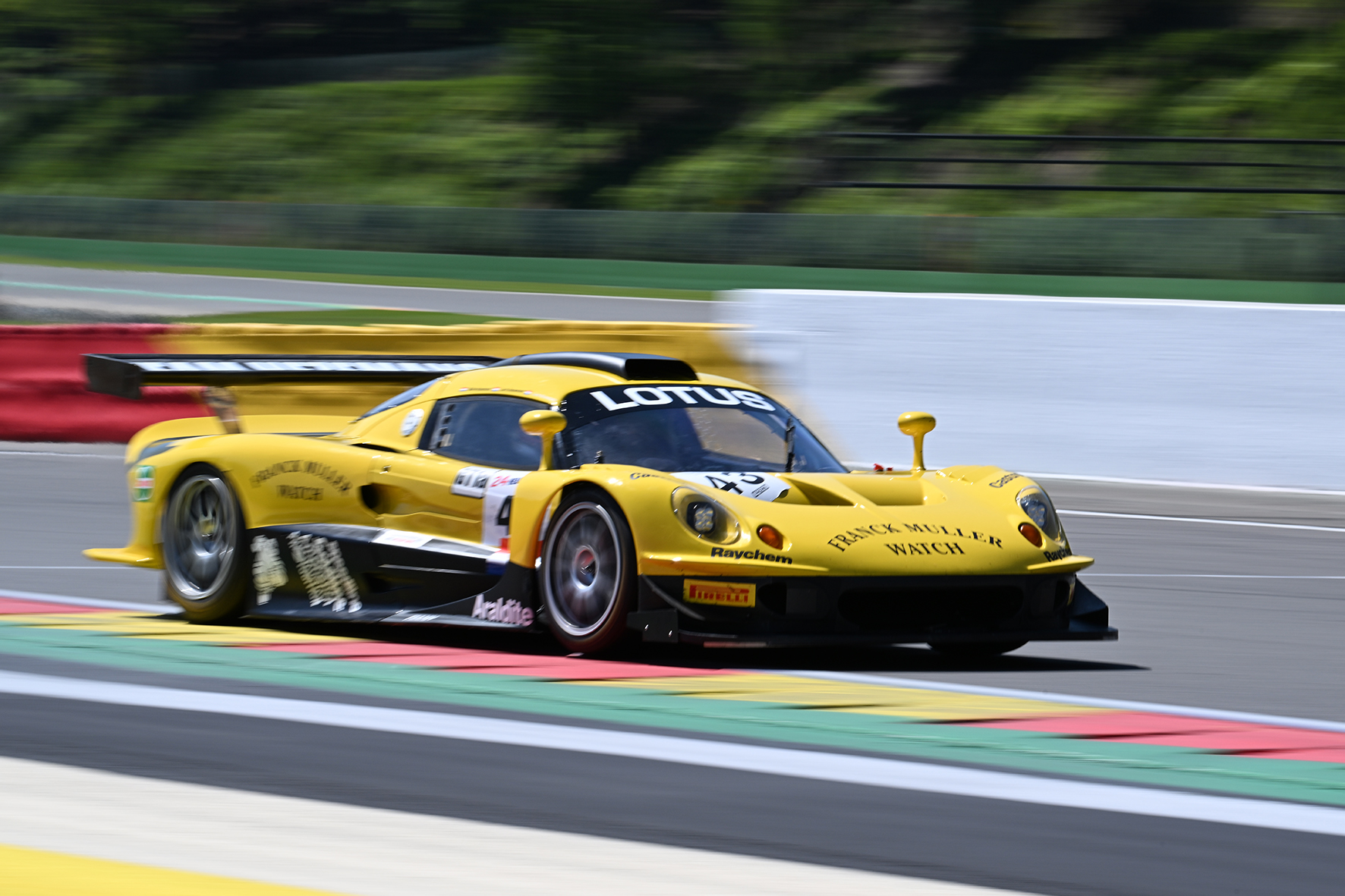
Dutch racing driver Toine Hezemans’ early connection with the Lotus Elise brings me to the yellow and black Lotus shown here, which was fielded by the Hezemans Racing Team at the Spa Classic and driven by Mike and Loris Hezemans, Toine’s two sons. As far as I can remember, this was the first time I’d had this stunning racing car in front of my lens. Its performance was very impressive, and its appearance and sound are simply fantastic. I hope to see this Lotus Elise again soon and wish it greater success in historic motorsport than it enjoyed during its time in the GT1 Championship.