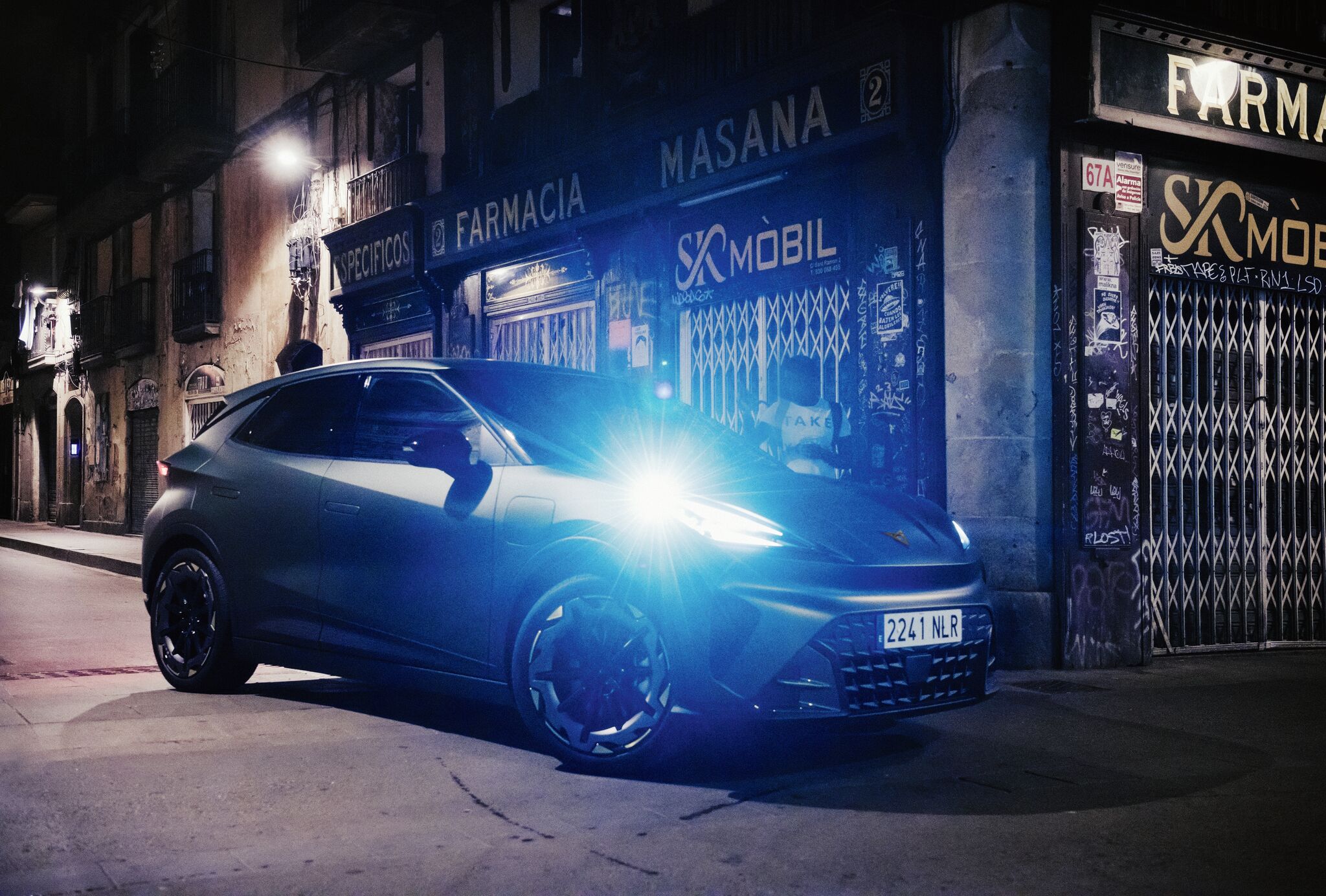
Behind the famous La Rambla promenade, a different Barcelona begins. Tighter. Noisier. More unpredictable. This is where El Raval is located – a neighbourhood full of stories. And the name of the car we drove through it is no coincidence: CUPRA Raval.
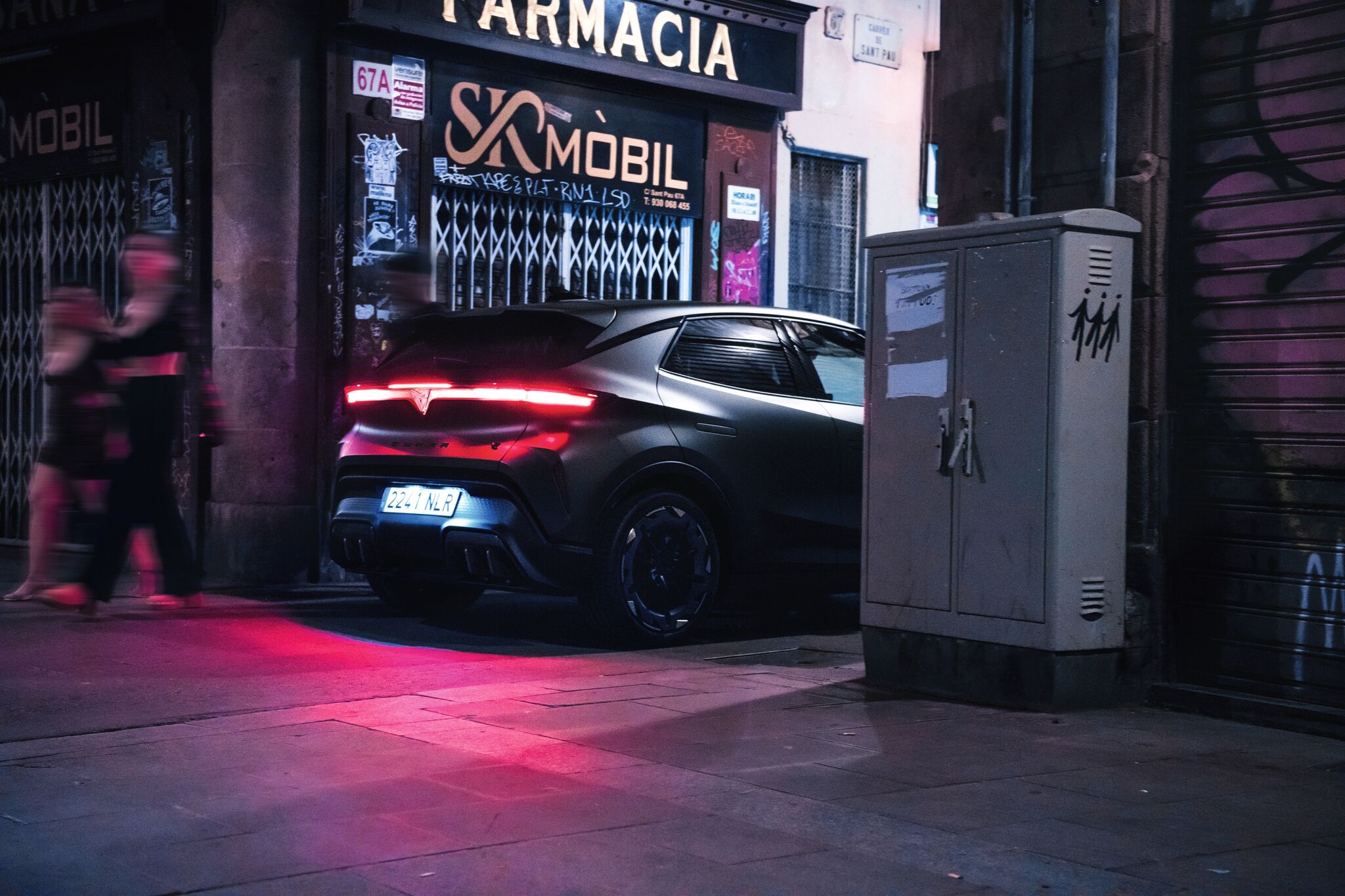
La Rambla is Barcelona’s most famous promenade – a wide boulevard that has been bustling with tourists, locals, flower sellers and street performers for decades. Noisy, lively, photogenic. And it is a boundary. Anyone who crosses it finds themselves in El Raval – one of the city’s oldest, densest and most contradictory neighbourhoods. The area was long notorious, with guidebooks warning against getting lost in its narrow streets. It earned the nickname Barri Xino – the Chinese Quarter – not because of its Asian residents, but because the narrow alleys and the density of the area were reminiscent of American Chinatowns. In the 1990s, urban planning arrived first – followed by the wrecking ball. The MACBA – Barcelona’s Museum of Contemporary Art – was built, squares were created, and slums disappeared. The neighbourhood changed. It never became tame, however.
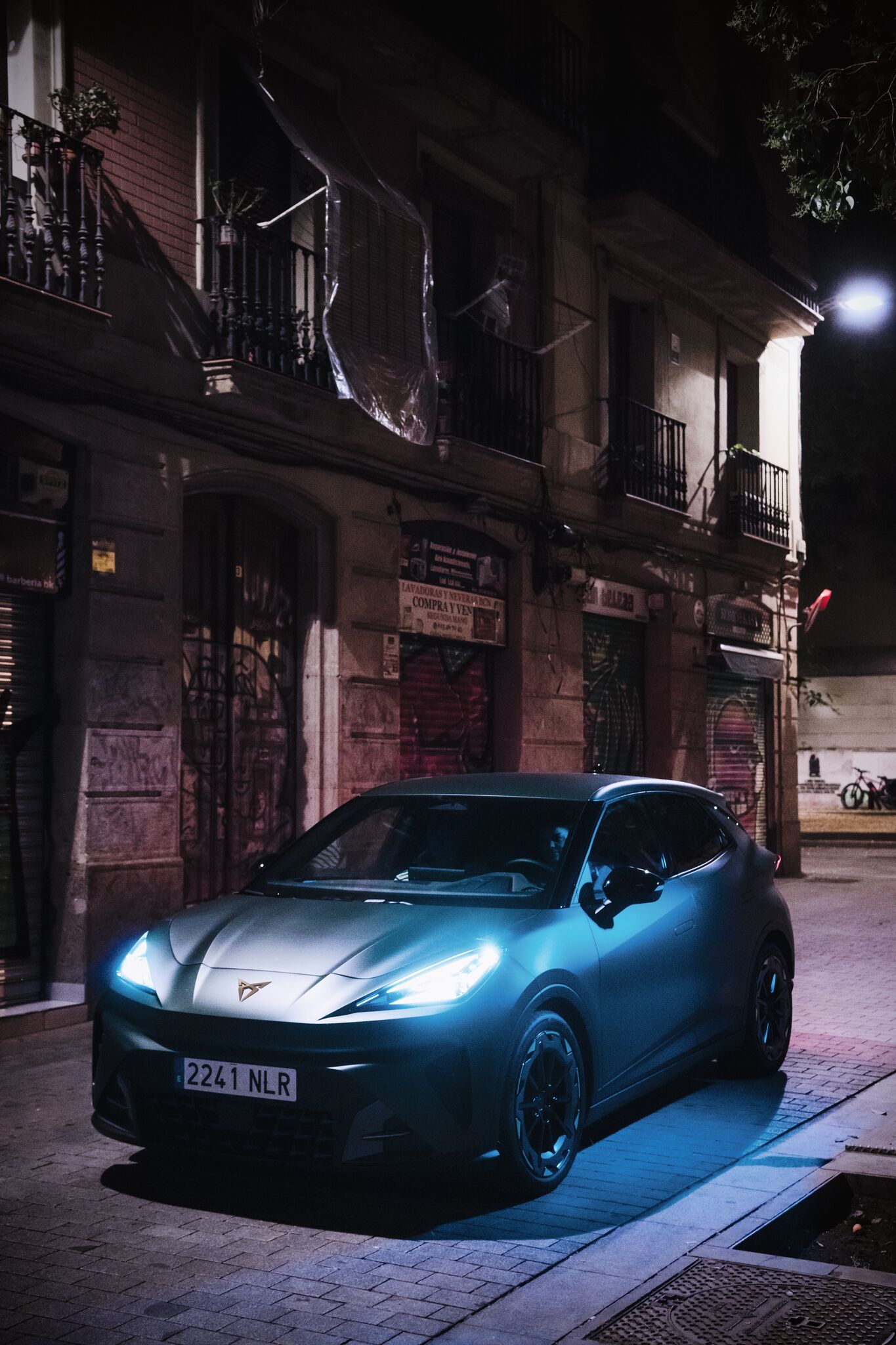
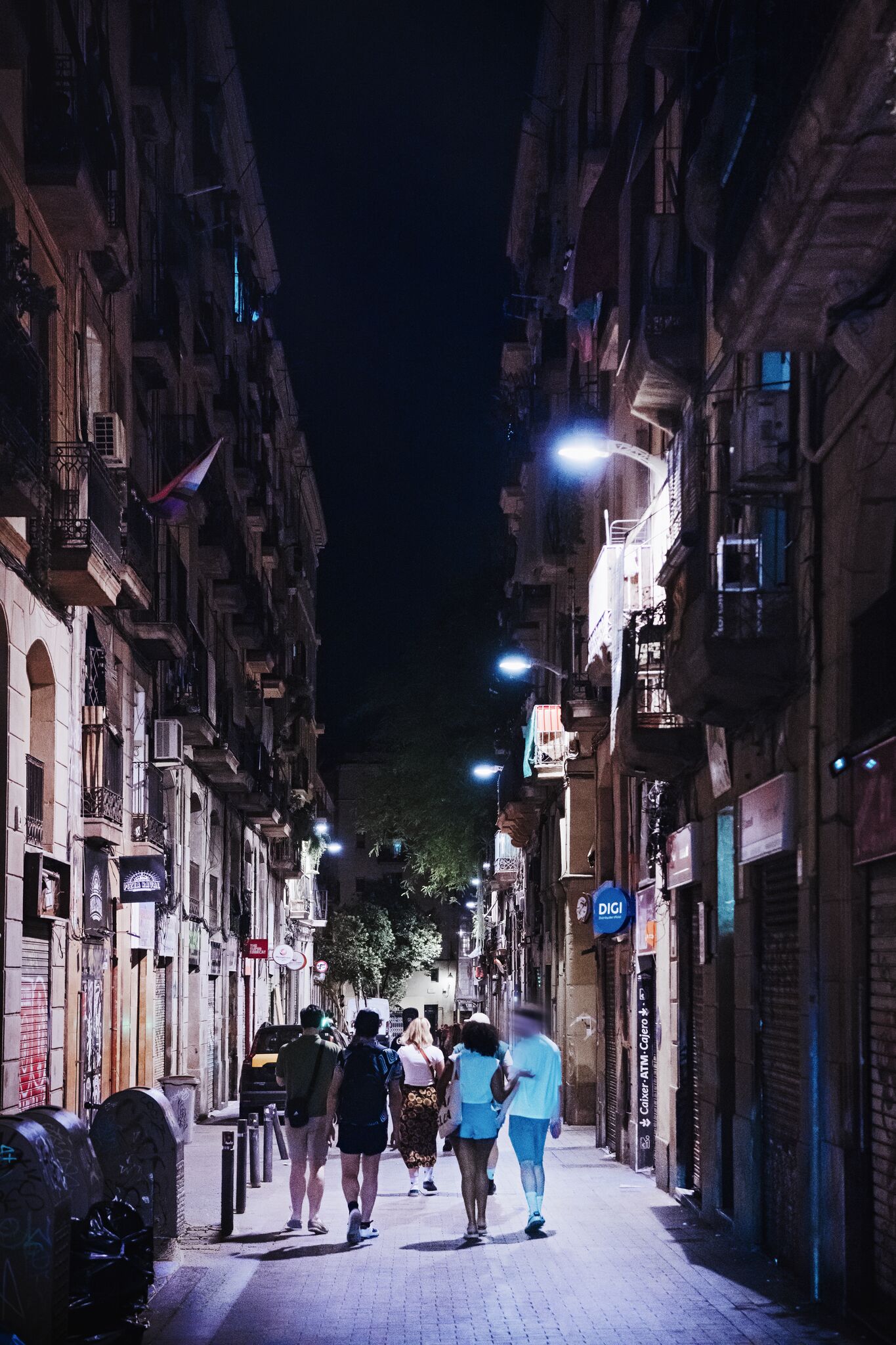
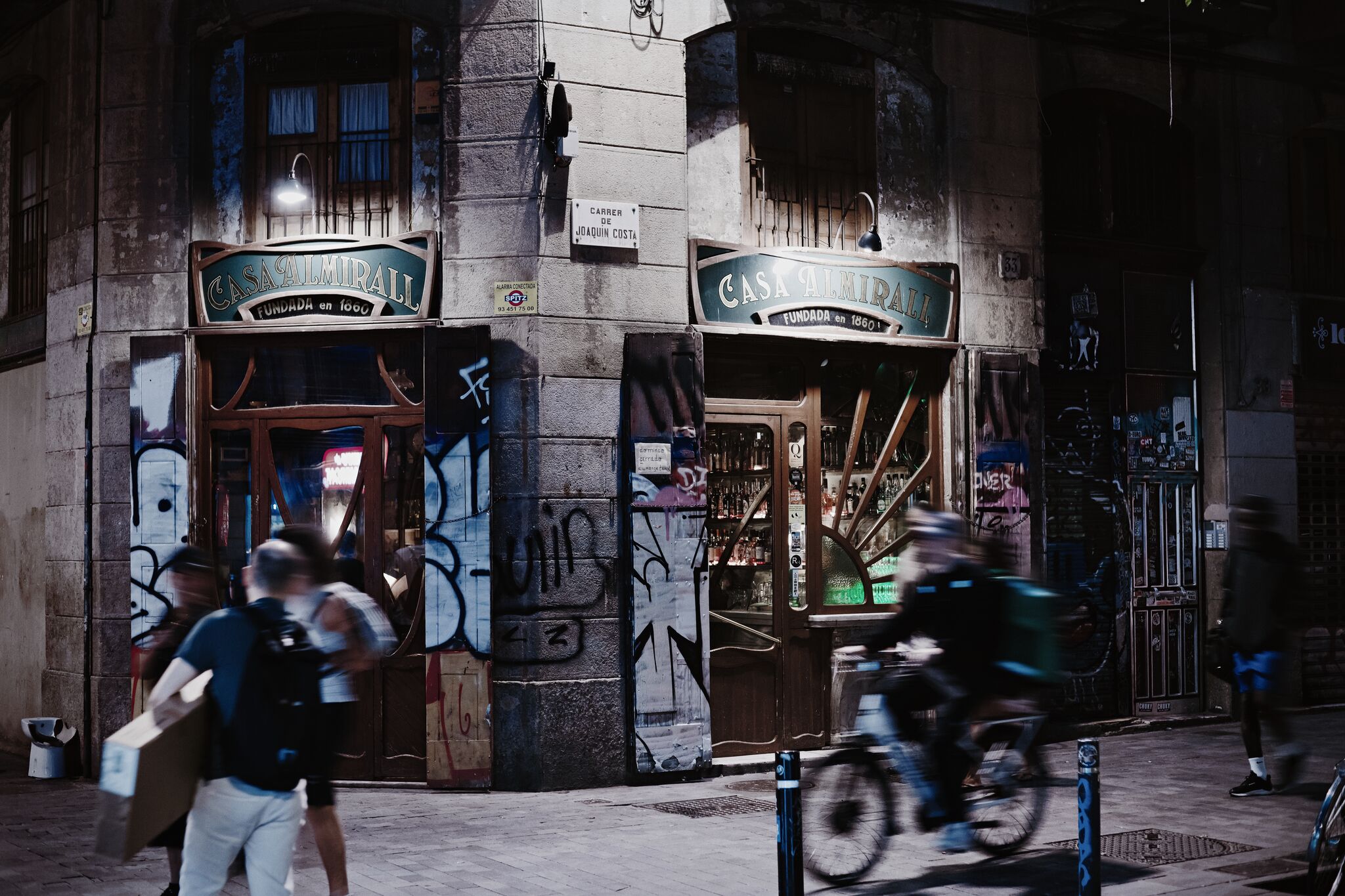
Today, around 48,000 people live in an area of less than one square kilometre – El Raval is one of the most densely populated neighbourhoods in Europe. Almost half the residents are from abroad, representing around 140 nations. You can feel it with every step: a new supermarket next to an old bodega, an extravagant restaurant next to a minimalist concept store, hairdressers, tailors, bars. Things that have been there for decades. Things that disappear overnight. Things that are only just emerging. On some balconies, there are not only flowers but also protest signs against property speculation and tourist flats – the neighbourhood has been fighting against its own gentrification ever since it began.
The streets – Carrer dels Tallers, Joaquín Costa – are cobbled, sometimes barely wider than a car. Mopeds squeeze their way through, whilst conversations spill out onto the street. The narrowness comes to an end in front of the MACBA. Suddenly, there’s space, white concrete, sky – and skaters tracing their lines. For hours on end. Over and over again. Small variations, small improvements. Nobody here is trying to make the most of their time. They aren’t following any instructions. They learn by riding. A few steps further on is the CCCB – Centre de Cultura Contemporània de Barcelona – with a cinema, panel discussions and exhibitions. Then more mosques, grocery shops and bars that stay open later than planned.
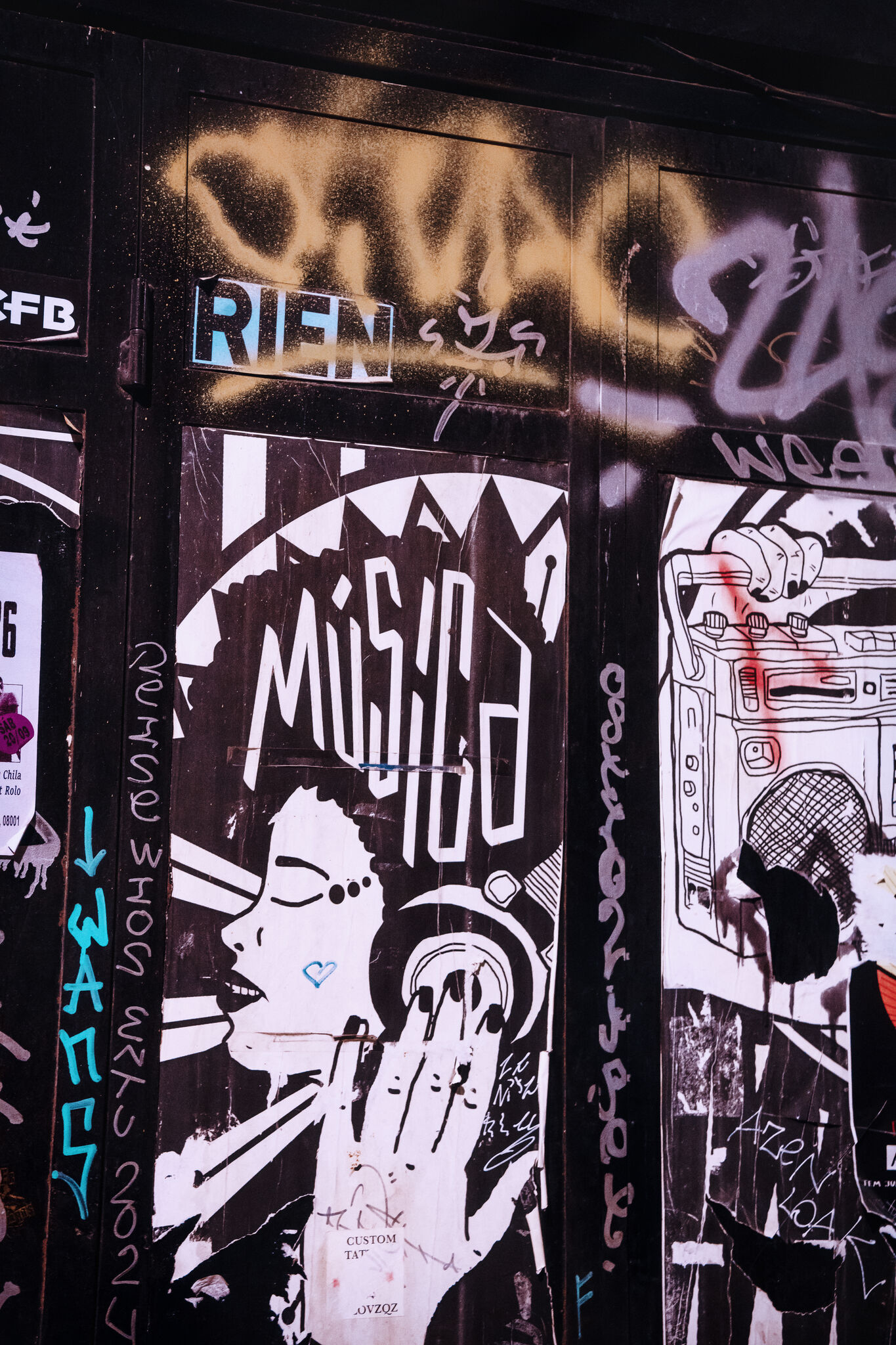

The Bar Marsella has been around since 1820. A little crooked, a little dusty. Absinthe in a glass, stories ranging from Hemingway to Dalí on the walls. You stand too close to strangers – yet conversation flows all the same. Some places don’t survive in spite of their defiance. They survive because of it. El Raval holds stories without imposing them on you. Not the planned ones. The ones that just happen. The wrong turns. The moments when you briefly think: ‘That might not have been a particularly good idea’ – and that’s exactly why you stay. If you always follow the same path as everyone else, you’ll only end up where everyone else already is.
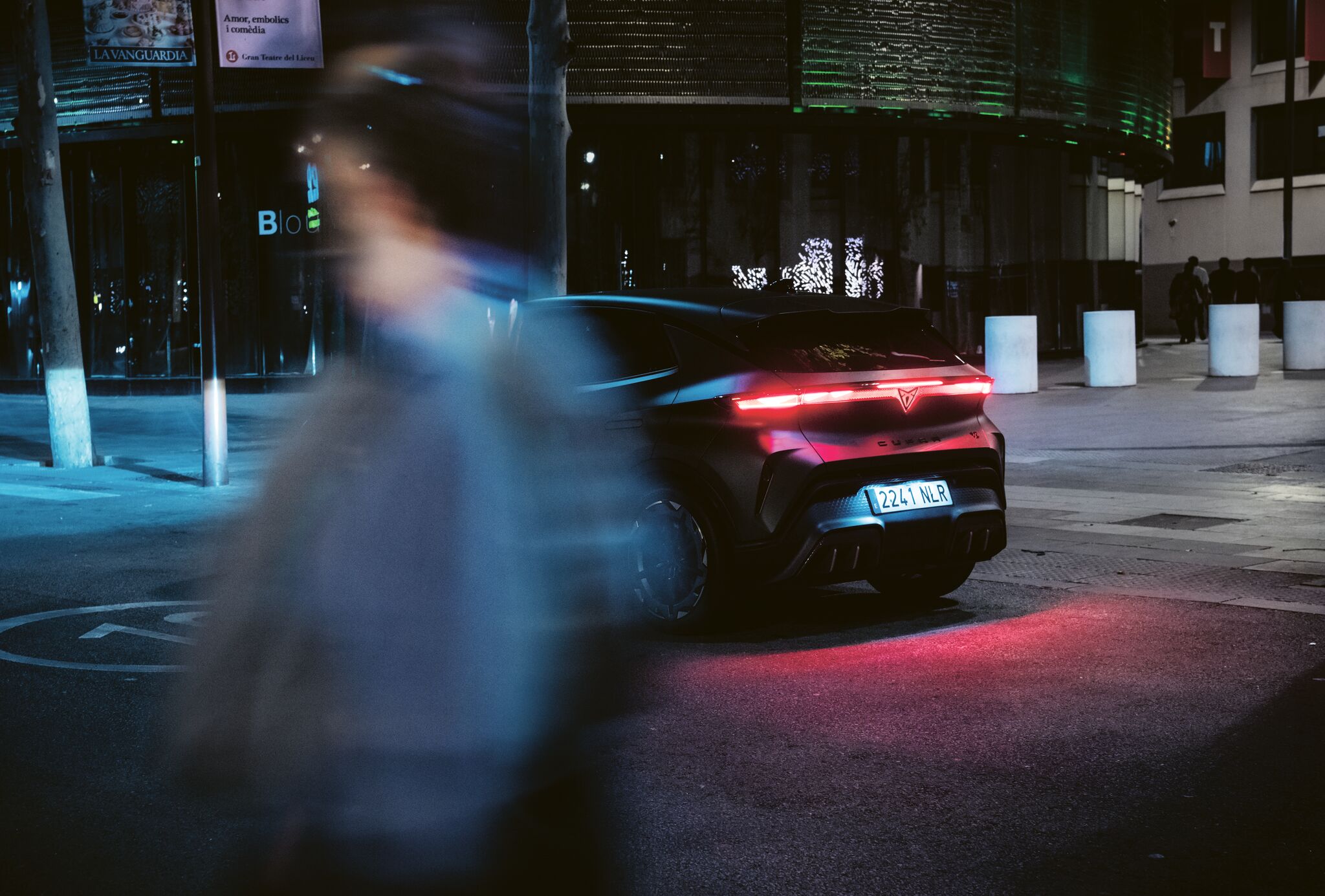
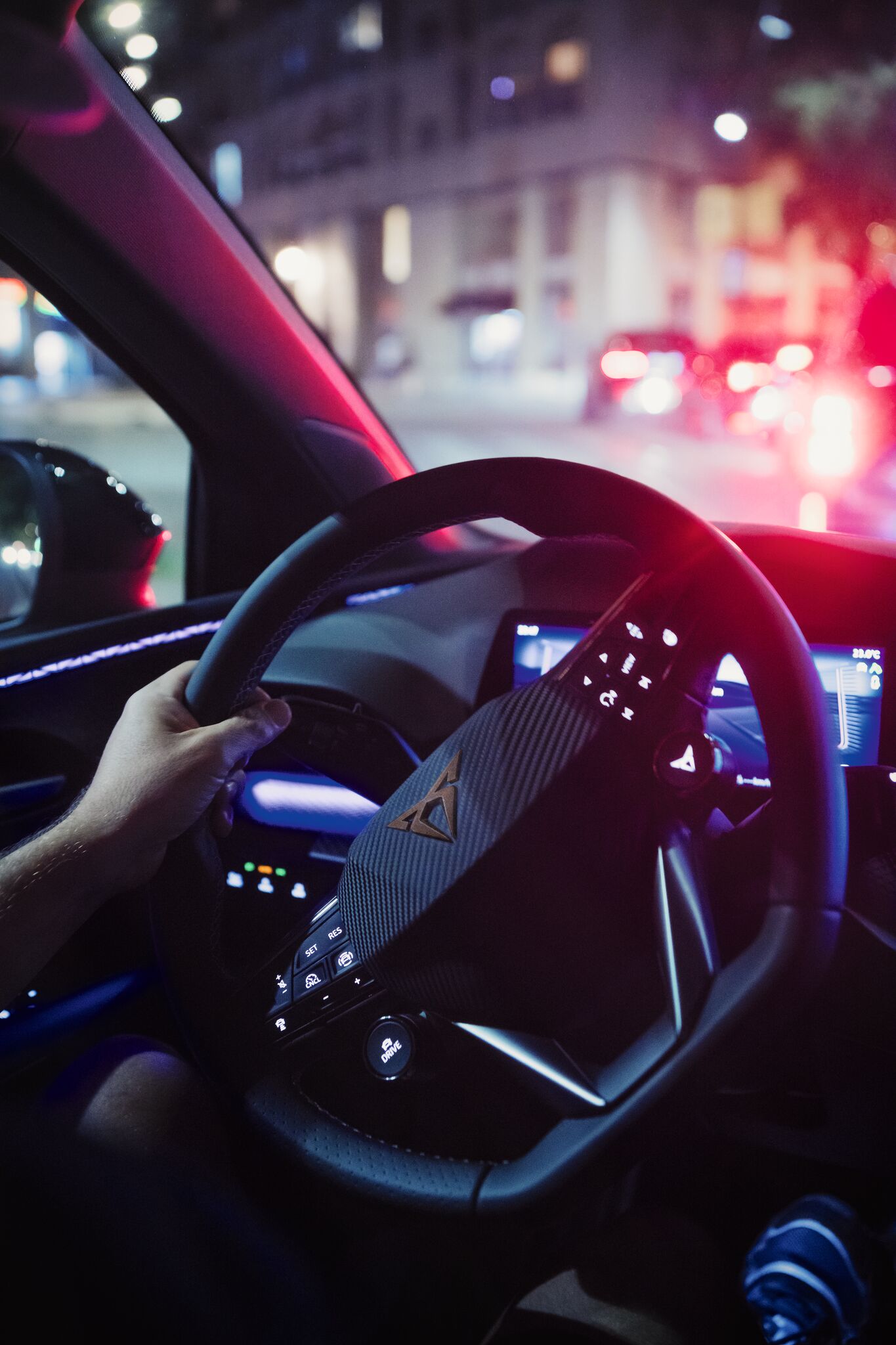
CUPRA comes from Barcelona. The brand has been around for eight years; its roots lie in motor racing, and CUPRA’s first concept car was called the Urban Rebel. The latest model is called the Raval. This is no coincidence. The Raval is a compact electric car, four metres long, built in Martorell, Catalonia, 30 kilometres from Barcelona. In its most powerful variant, the Raval VZ, it delivers 226 PS, has a range of around 400 kilometres and accelerates to 100 km/h in 6.8 seconds. There are also two other powertrain options to choose from: a variant with 211 PS and a range of up to 450 kilometres, and an entry-level model with 116 PS, which is expected to be available from September 2026. The chassis and driving modes are derived from Formula E. Impressive figures for a city car. But that’s not the whole story. ( … )
→ Read the full story in the new rampstyle #38 “Just for the Plot”.
(Now available in German)
Text: Ellen Deckard
Photos: Markus Henttonen
rampstyle #38 Just for the Plot
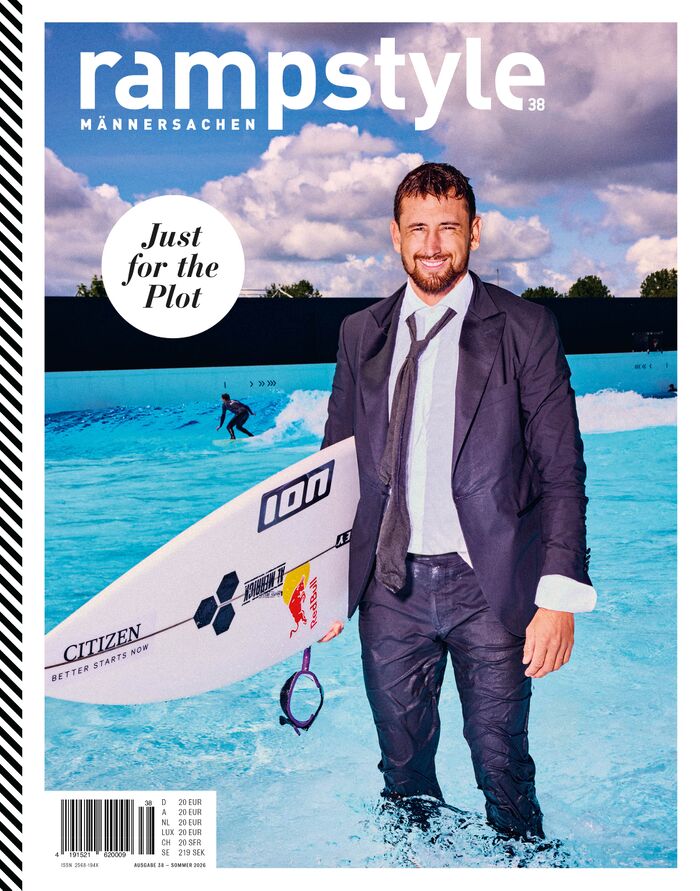
In our culture, we glorify optimization. Everything is supposed to be plannable and as risk-free as possible. And yet, at the same time, there is a growing longing for the detour. For the unplanned. For the real. “Just for the plot” means: I know this may not be the most sensible thing to do. But it tells my story better than reason ever could. Because people remember summers. Journeys. Encounters. That one evening that changed everything. The plot is the story we tell later. Not the Excel spreadsheet we keep today. Find out more