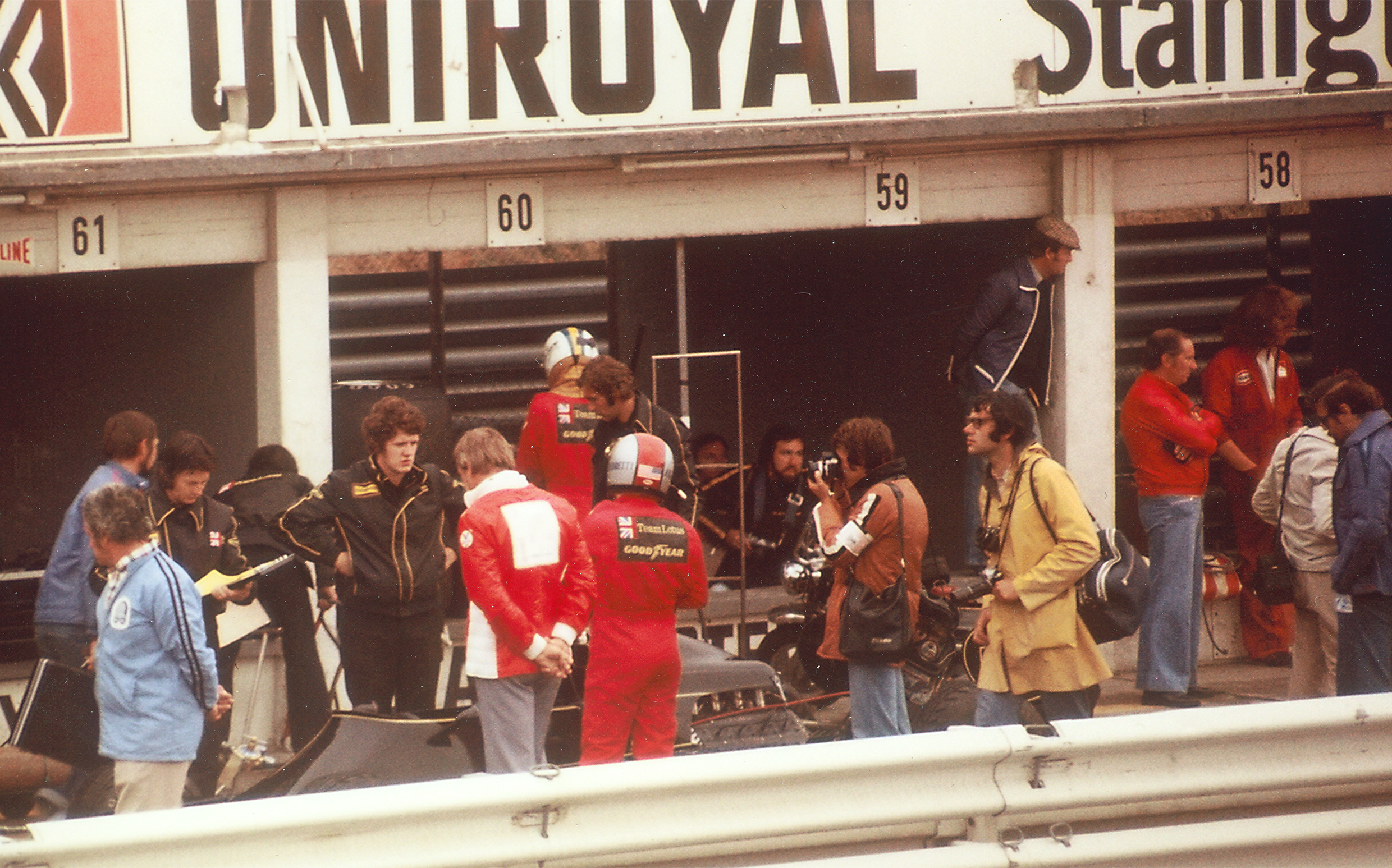
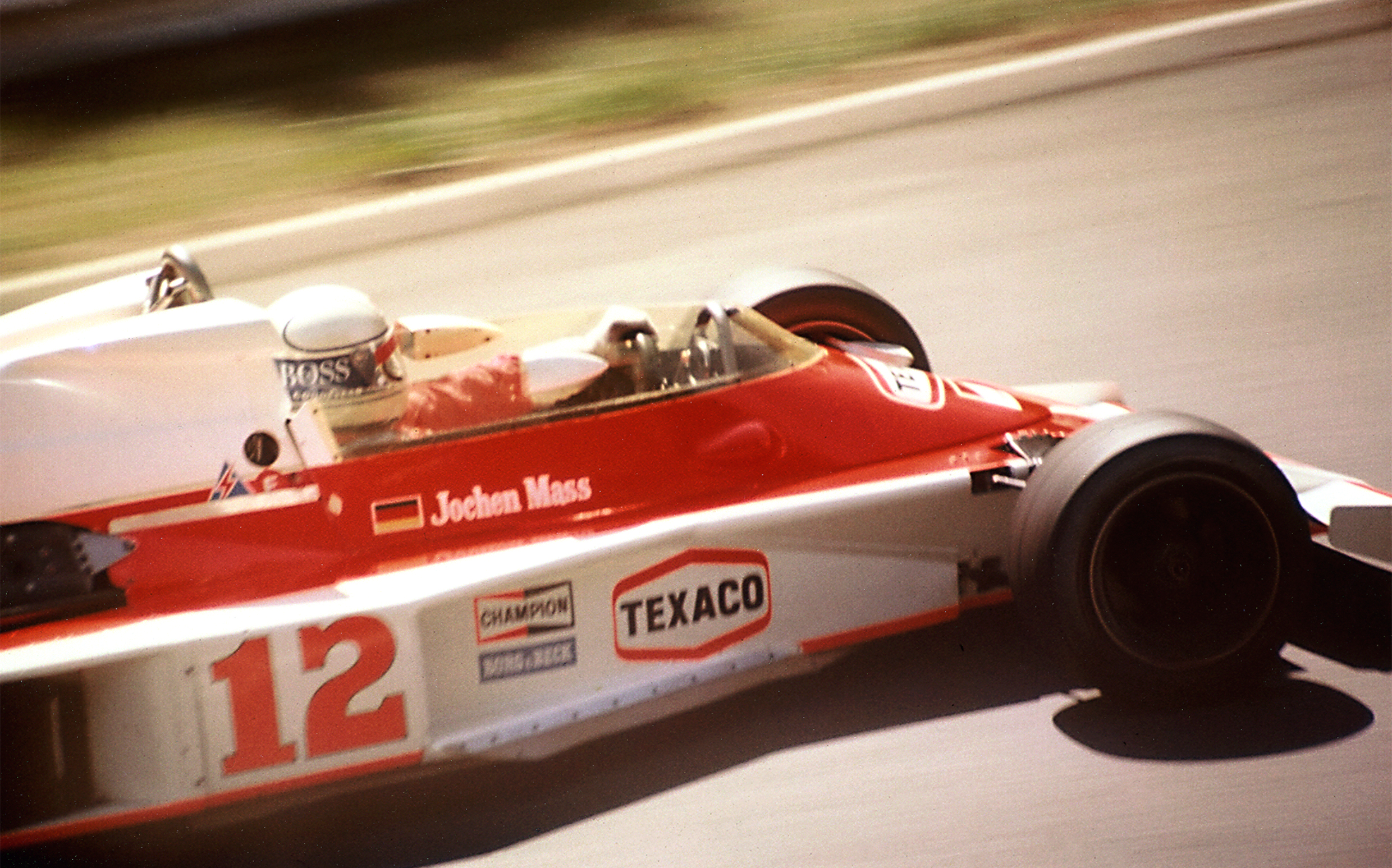
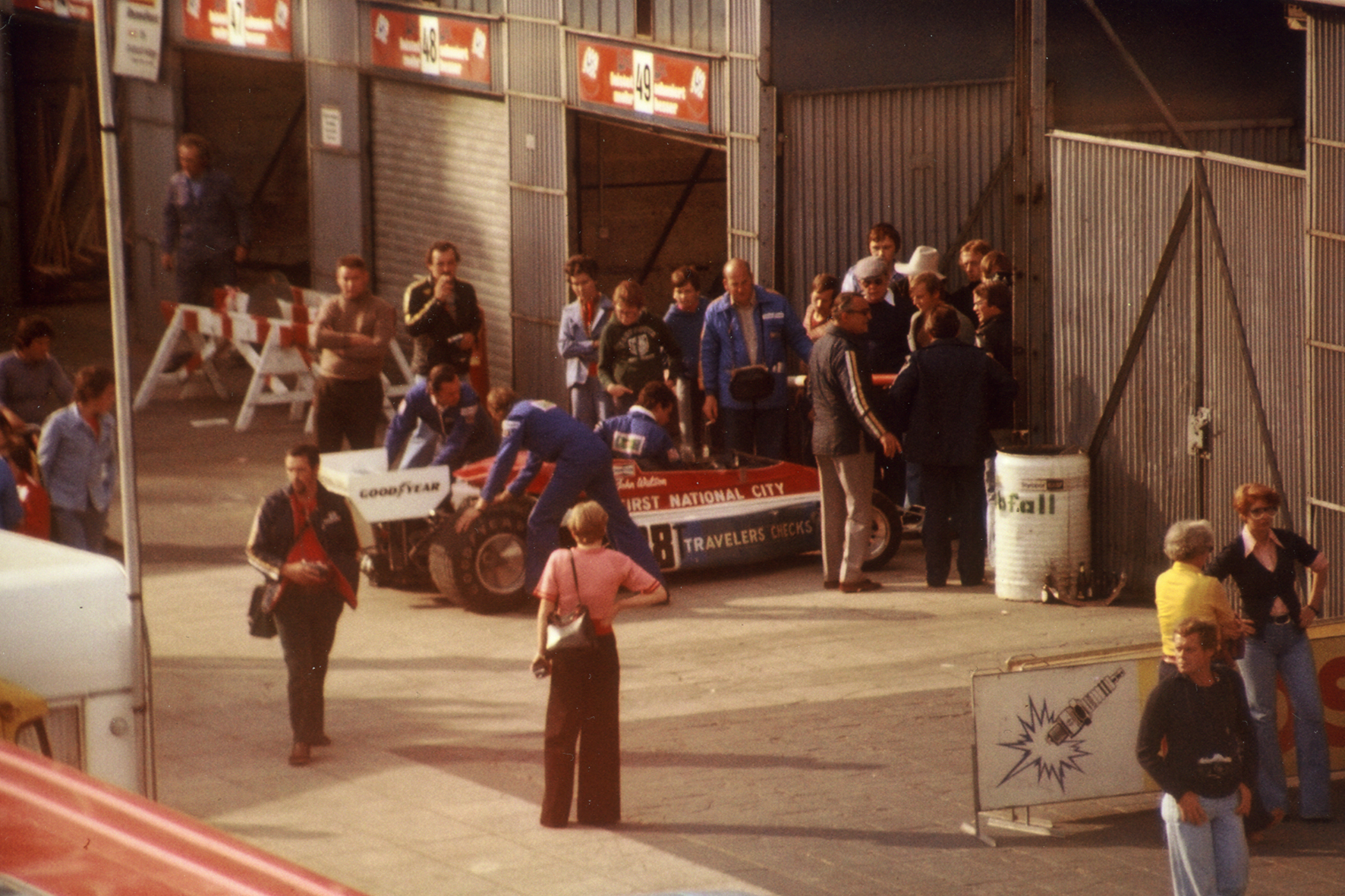
What I would have given to have had today’s photographic equipment back in 1976. With all the technical possibilities of digital photography, I’m sure I could have taken better-quality pictures. Nevertheless, these pictures from the German Grand Prix at the Nürburgring are still very important to me, as they were the first photographs I ever took myself at a motor race.
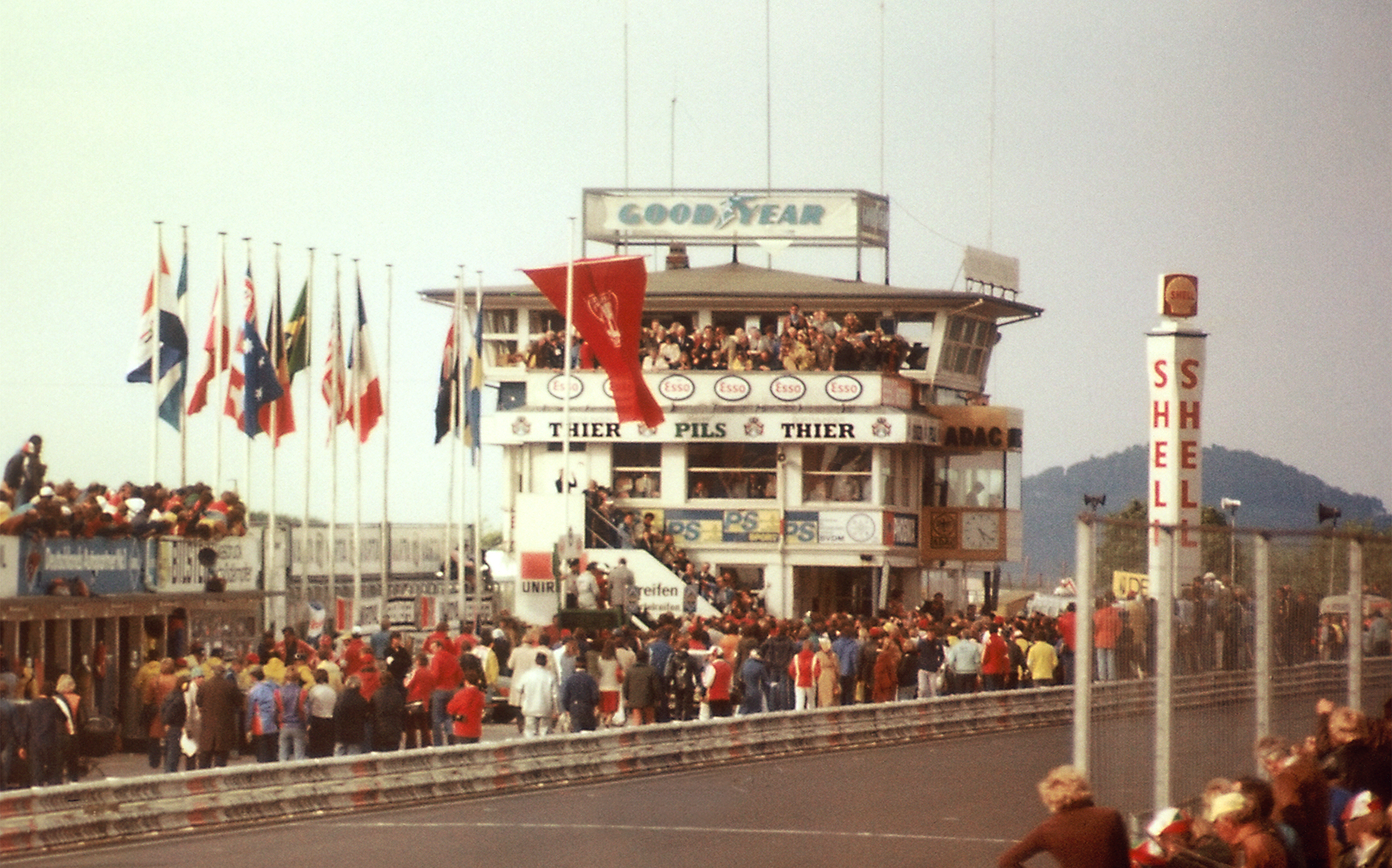
My kit back then consisted of a Revue SLR camera with an external light meter, an 80–240mm f/5.6 zoom lens, a 50mm f/4.0 lens and six rolls of 36-exposure slide film. So it was still proper analogue photography. No through-the-lens metering, no autofocus, and for every single shot, the film had to be advanced and the shutter cocked again.
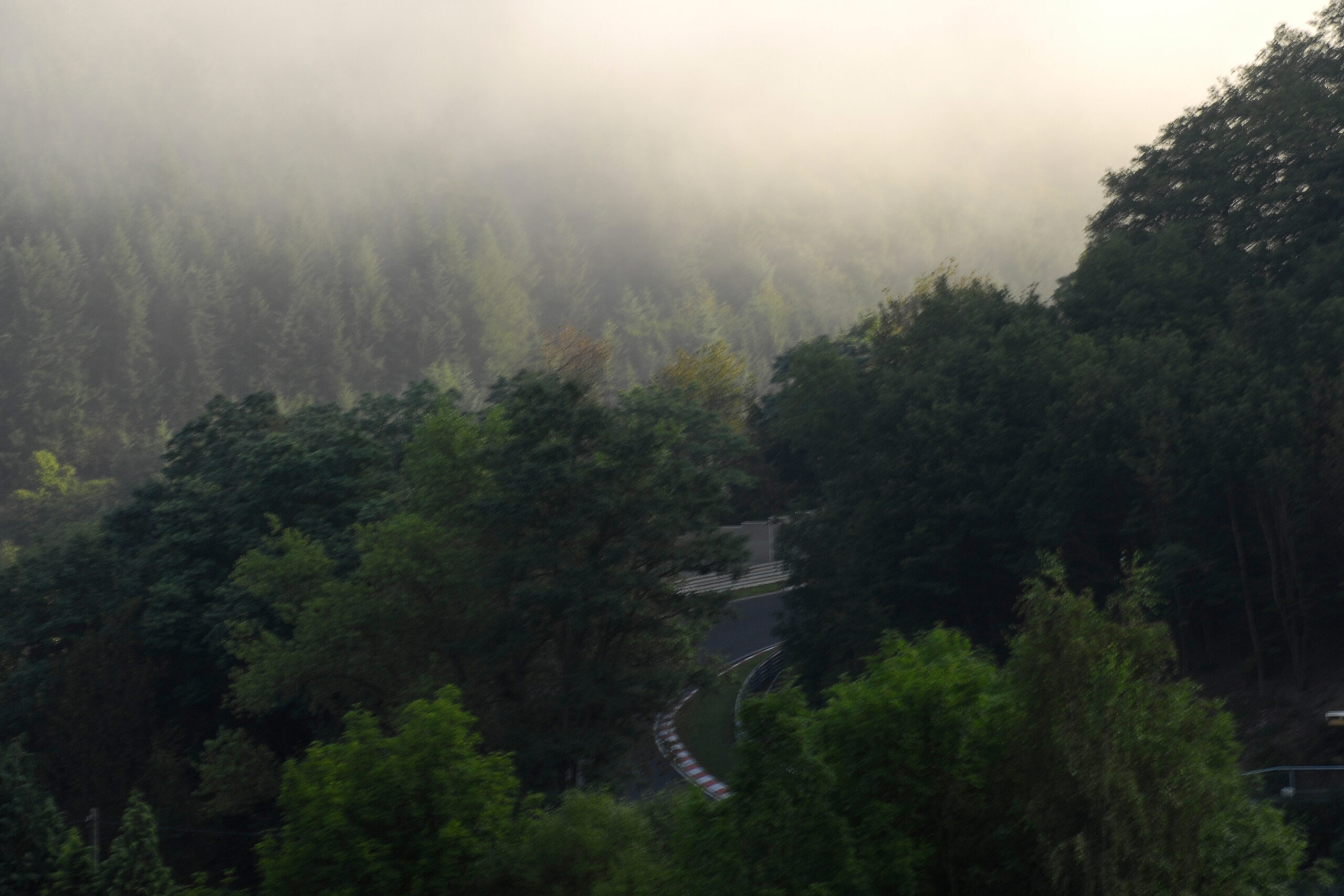
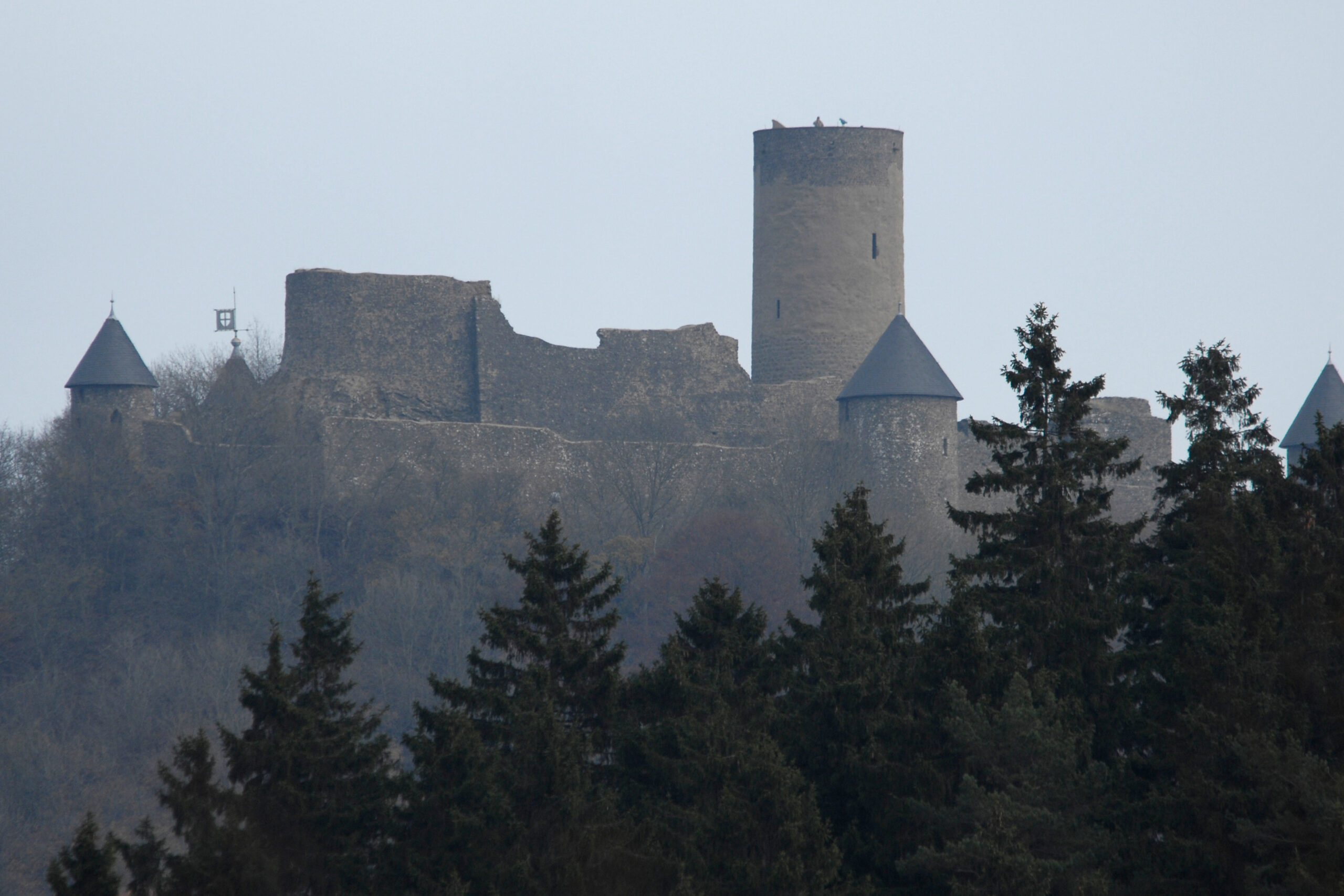
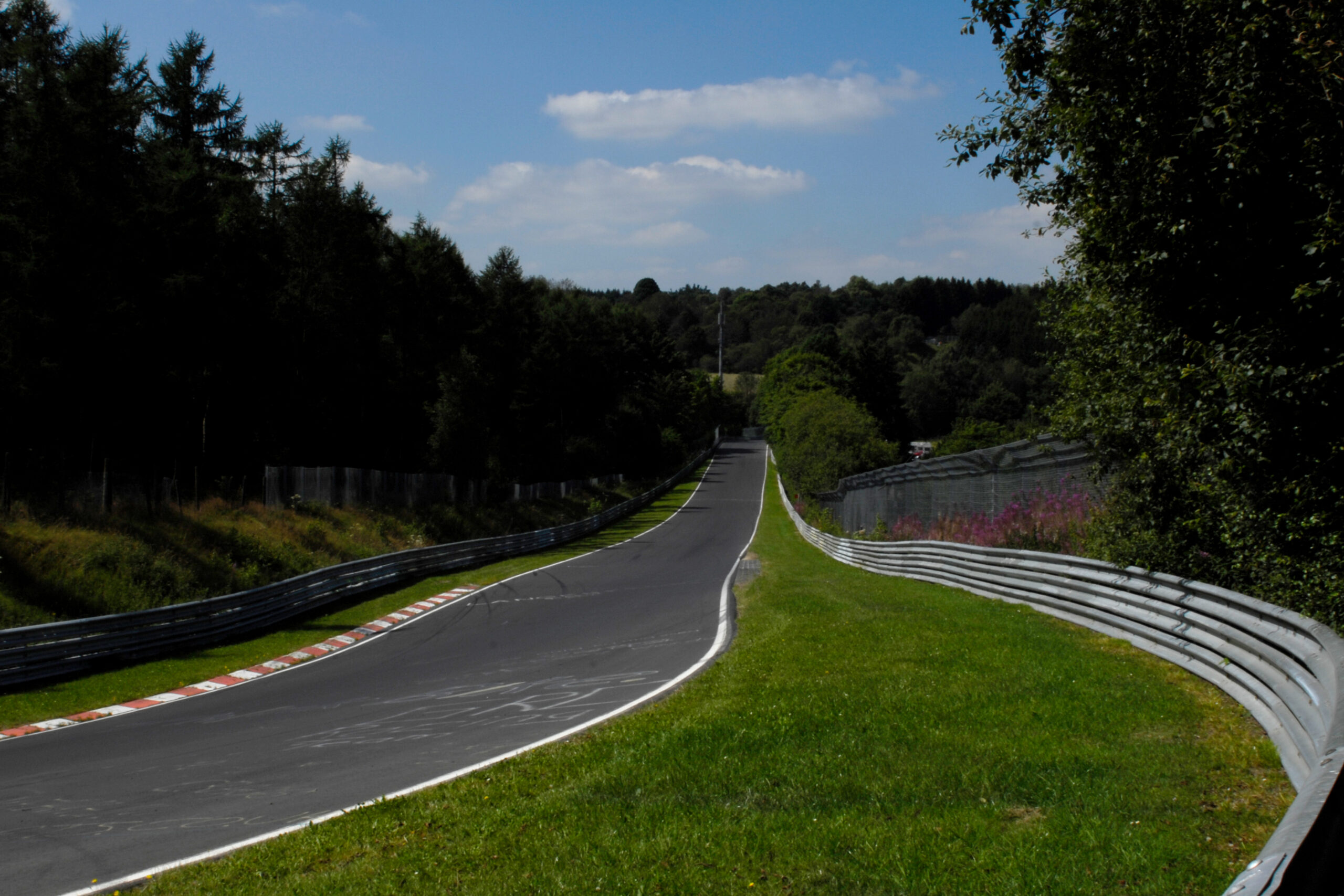
It was simply a different era, and my pocket money wasn’t enough for more than six rolls of film. So I had to be thrifty and think carefully about every shot. Nevertheless, I’ll never forget that adventure.
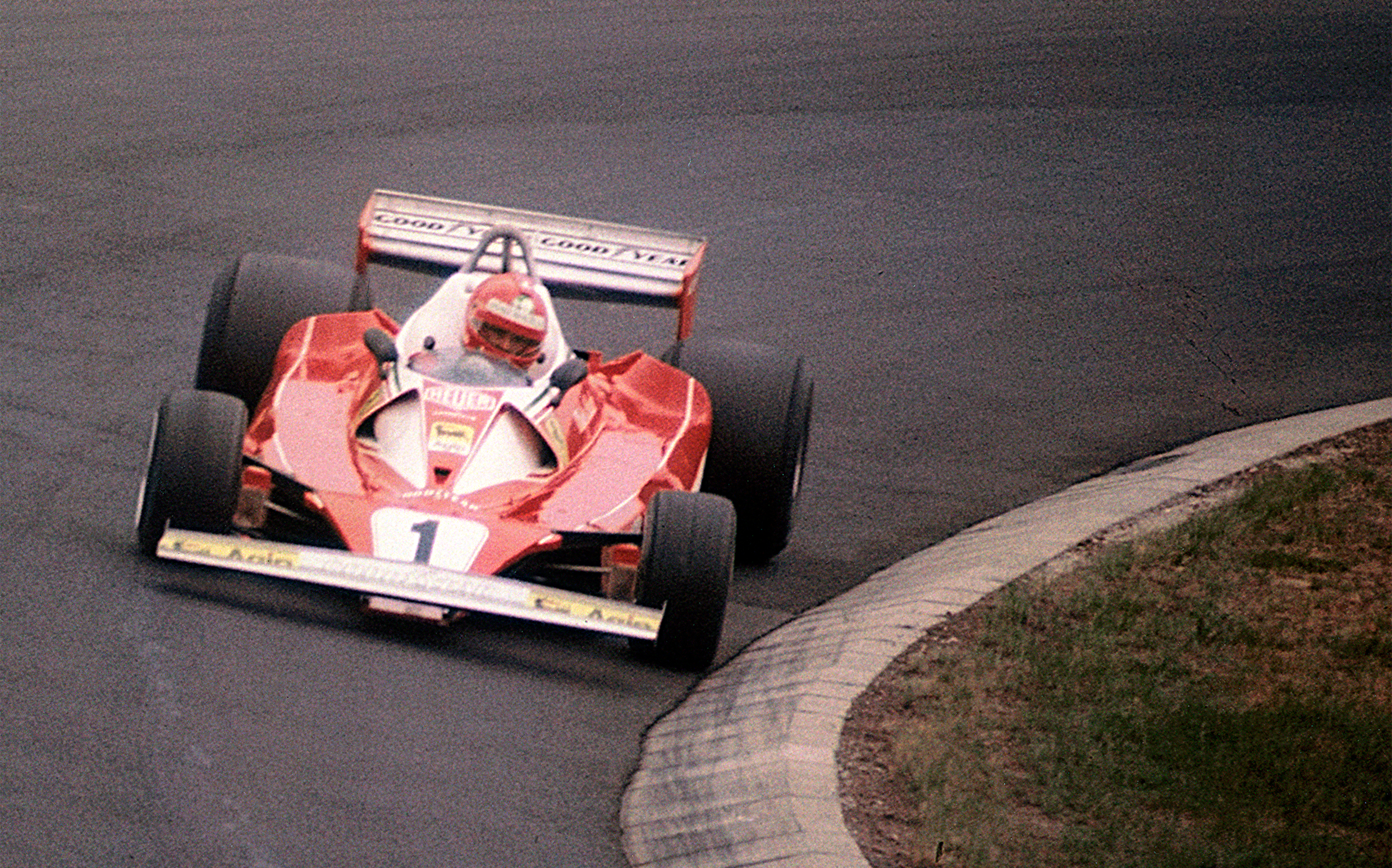
Ever since my earliest youth, I’ve been fascinated by motor racing, particularly, of course, Formula 1 and Sports-Prototypes. In the 1970s, motor racing was still very much a niche attraction on television. I remember being able to watch the 1973 German Grand Prix at my grandparents’ house; they happened to have a colour television. The Grand Prix was broadcast by 14 cameras at the time, which was revolutionary back then. Given the track’s length of 22.8 kilometres, a helicopter was also used to broadcast the race. But the close-ups shown on ‘Karussell’ at the time were absolutely impressive.
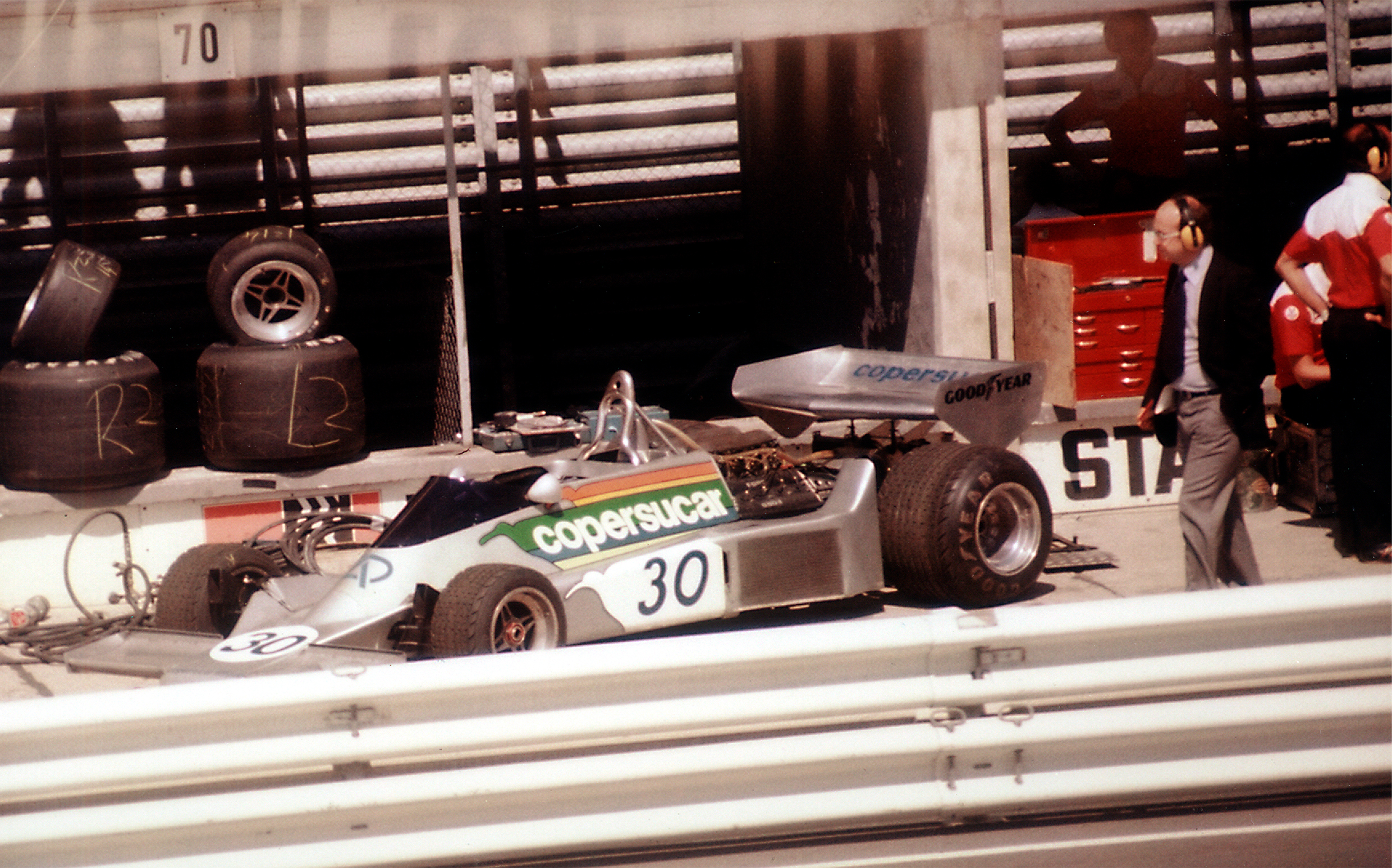
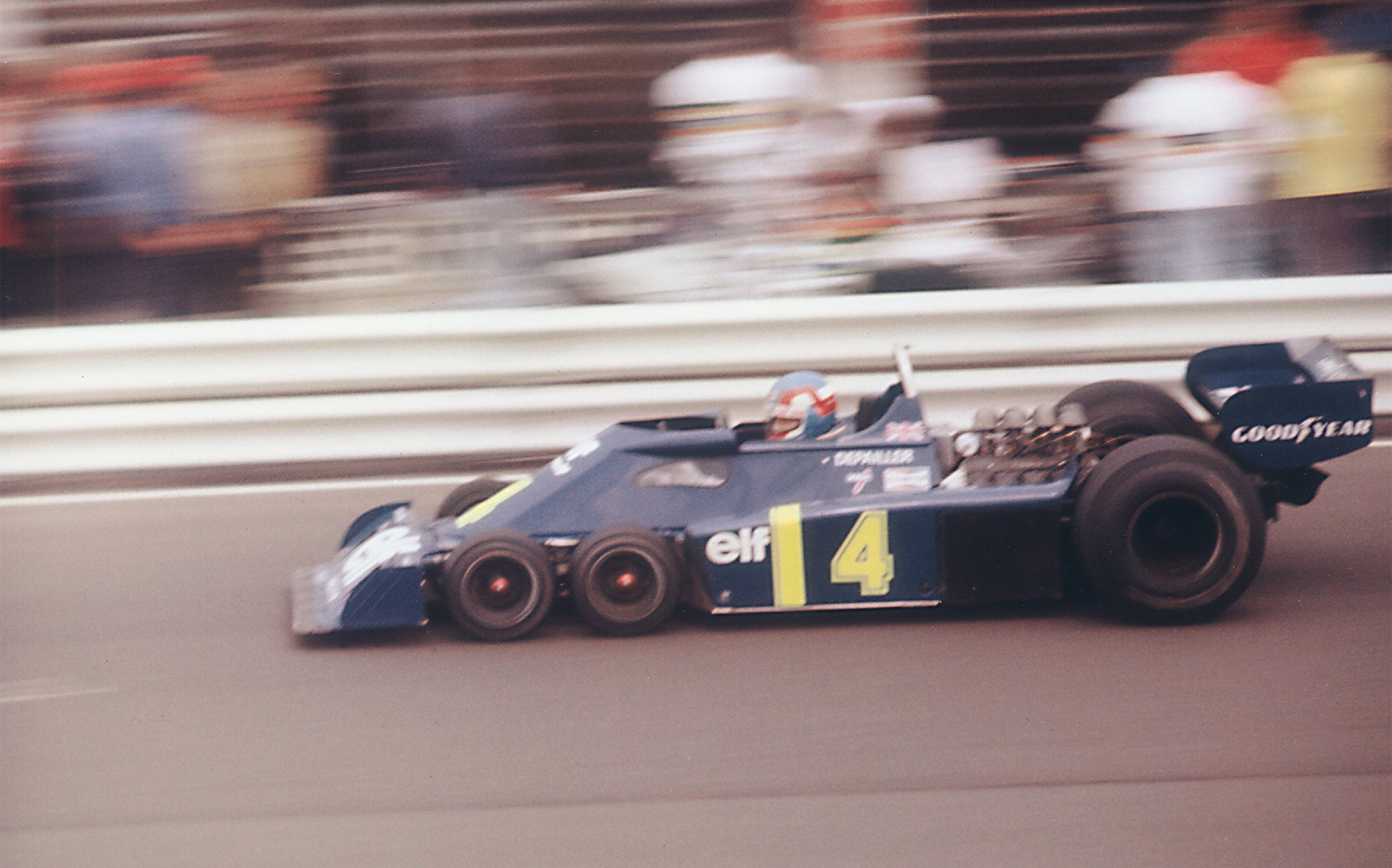
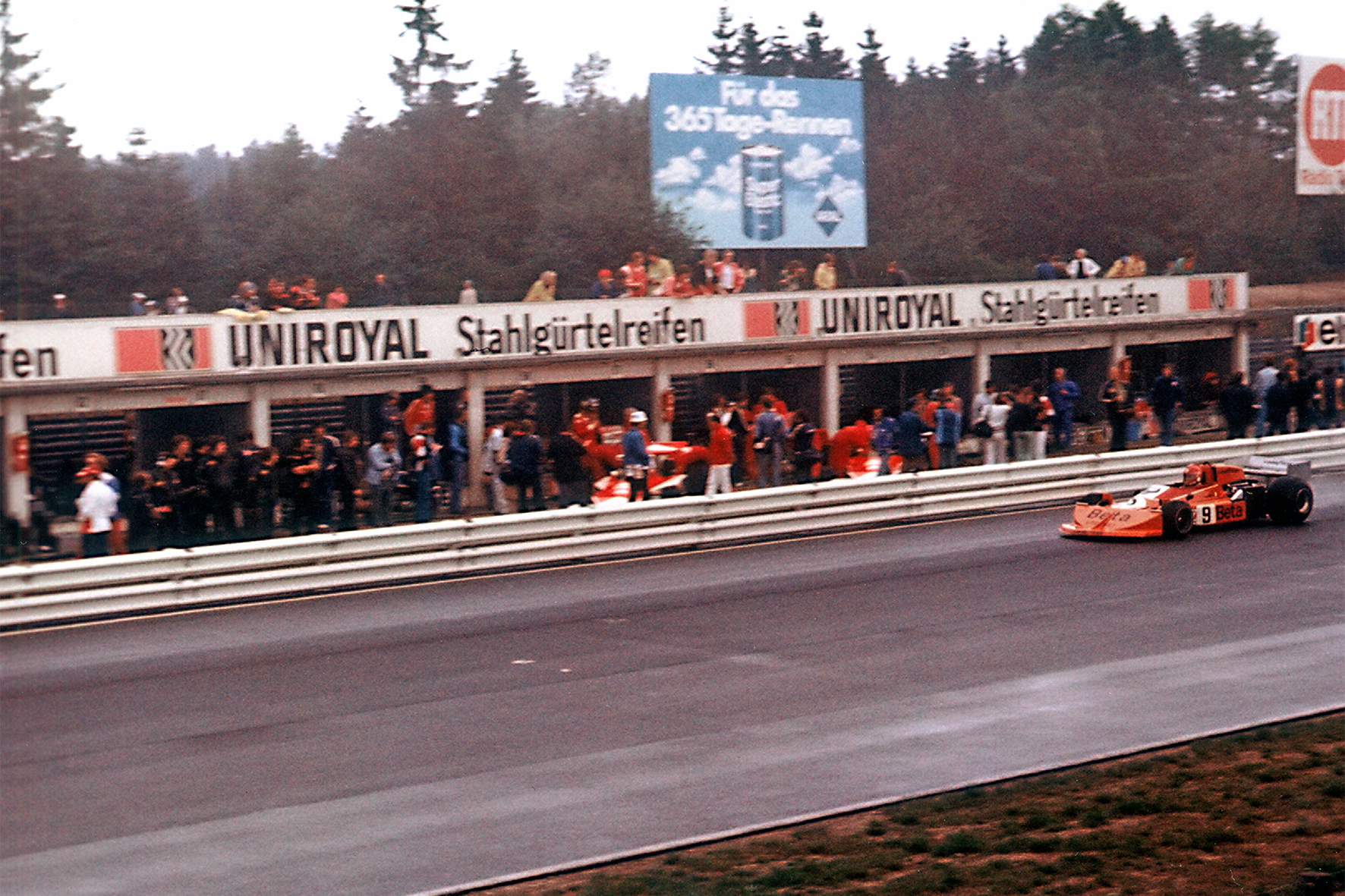
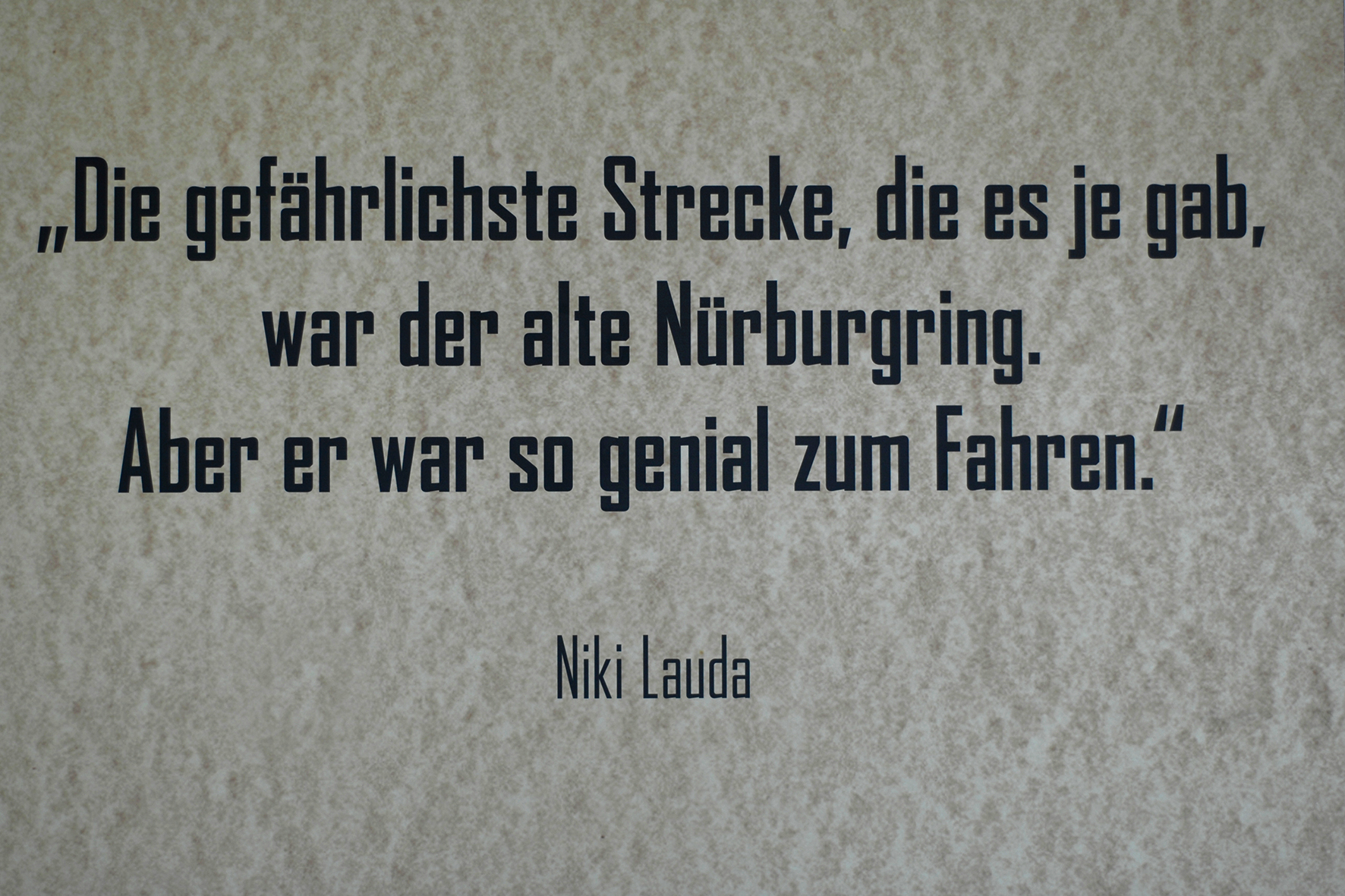
Three years later, I was finally able to attend the German Grand Prix in person for the first time. No one could have guessed beforehand that, in 1976, it would be the last Formula 1 World Championship race on the legendary Nordschleife, even though the Nürburgring was feared and notorious amongst the drivers. There were many voices, led by Niki Lauda, who actually wanted to refuse to race there. Unfortunately, Niki Lauda’s own near-fatal accident then proved all the sceptics right in a macabre way.
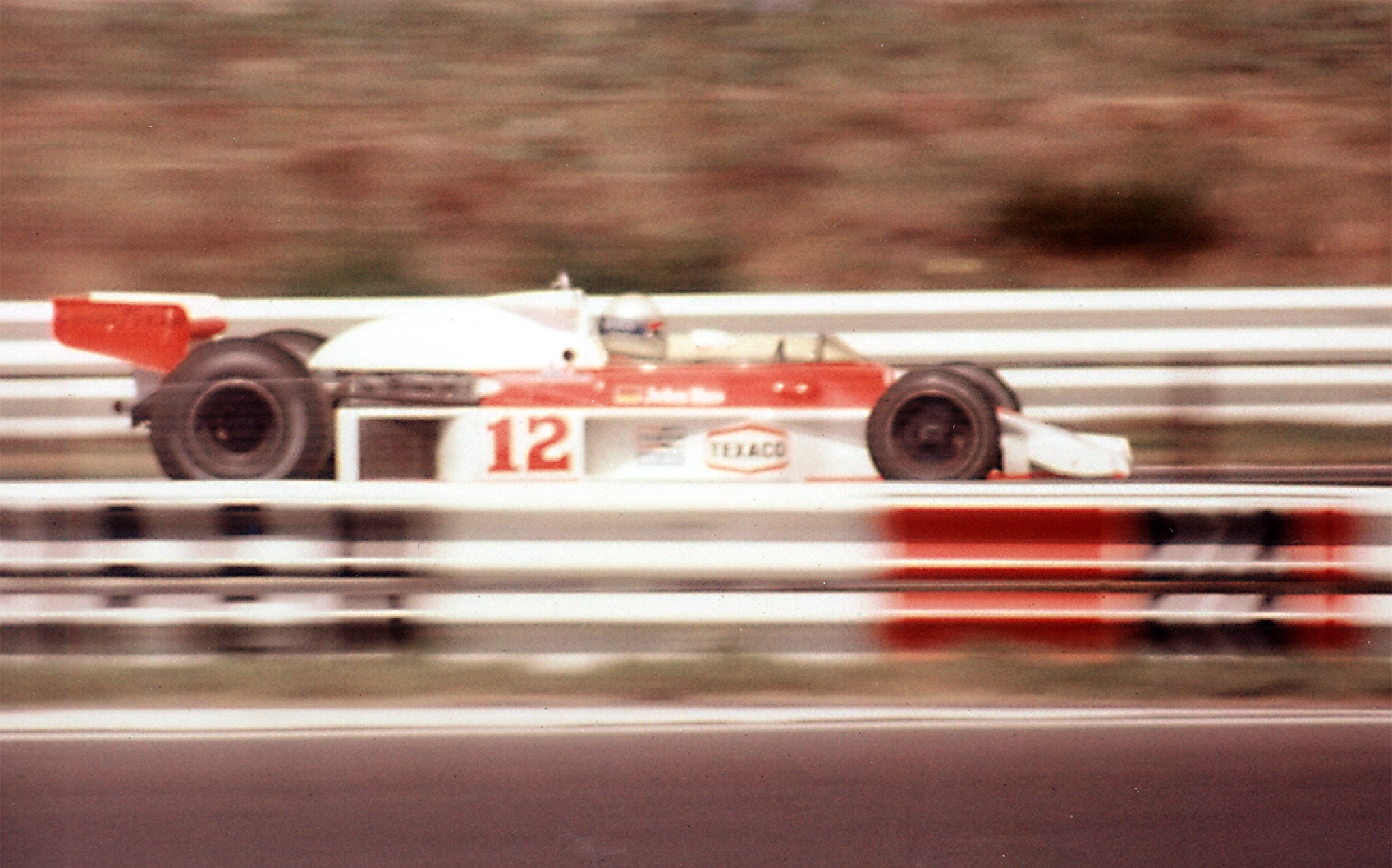
But the fascination I felt back then is still with me today. Being able to experience the Formula 1 racing cars and the stars of the 1970s up close was simply unique, and I’m sure I stood there with my mouth agape at times.
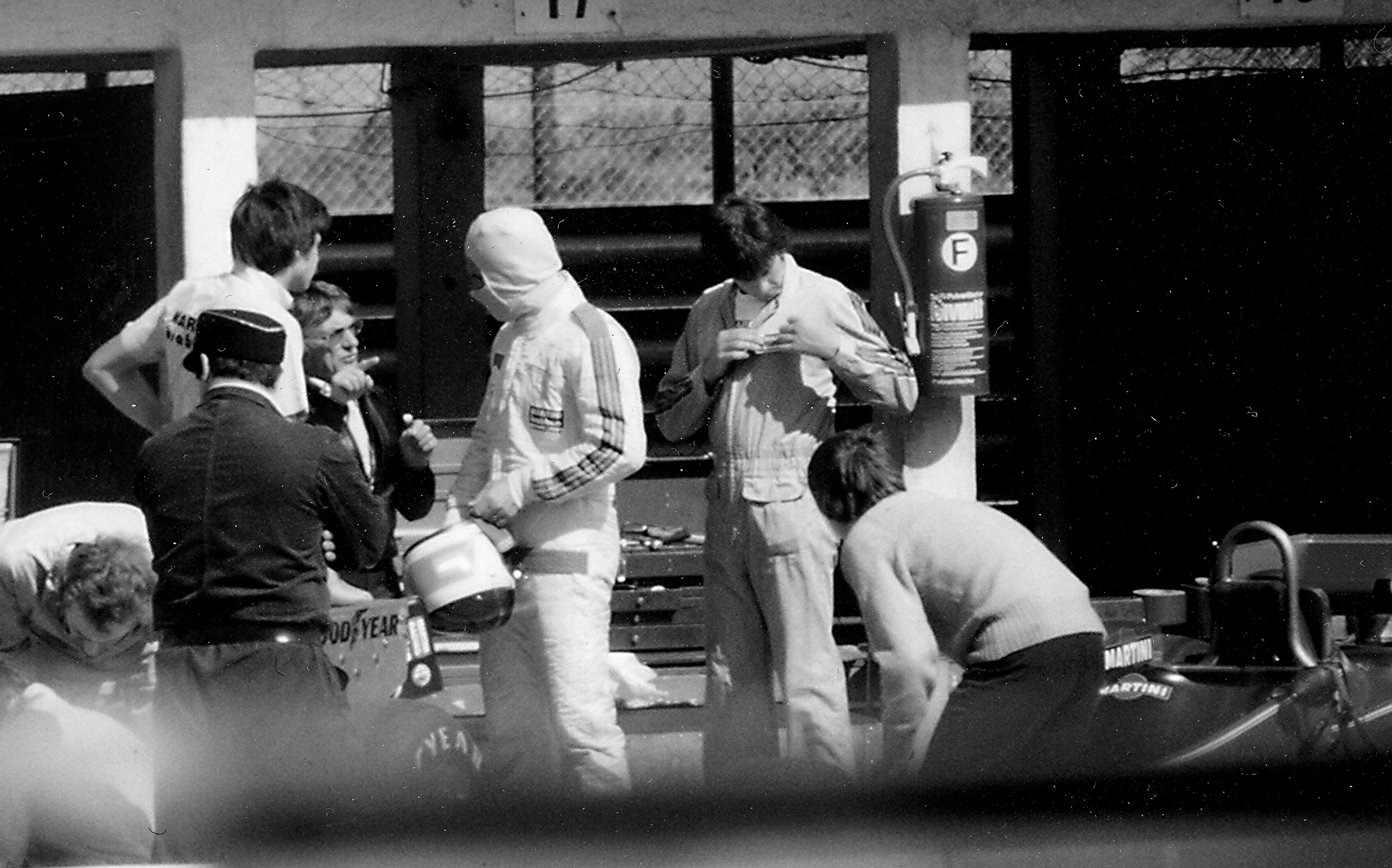
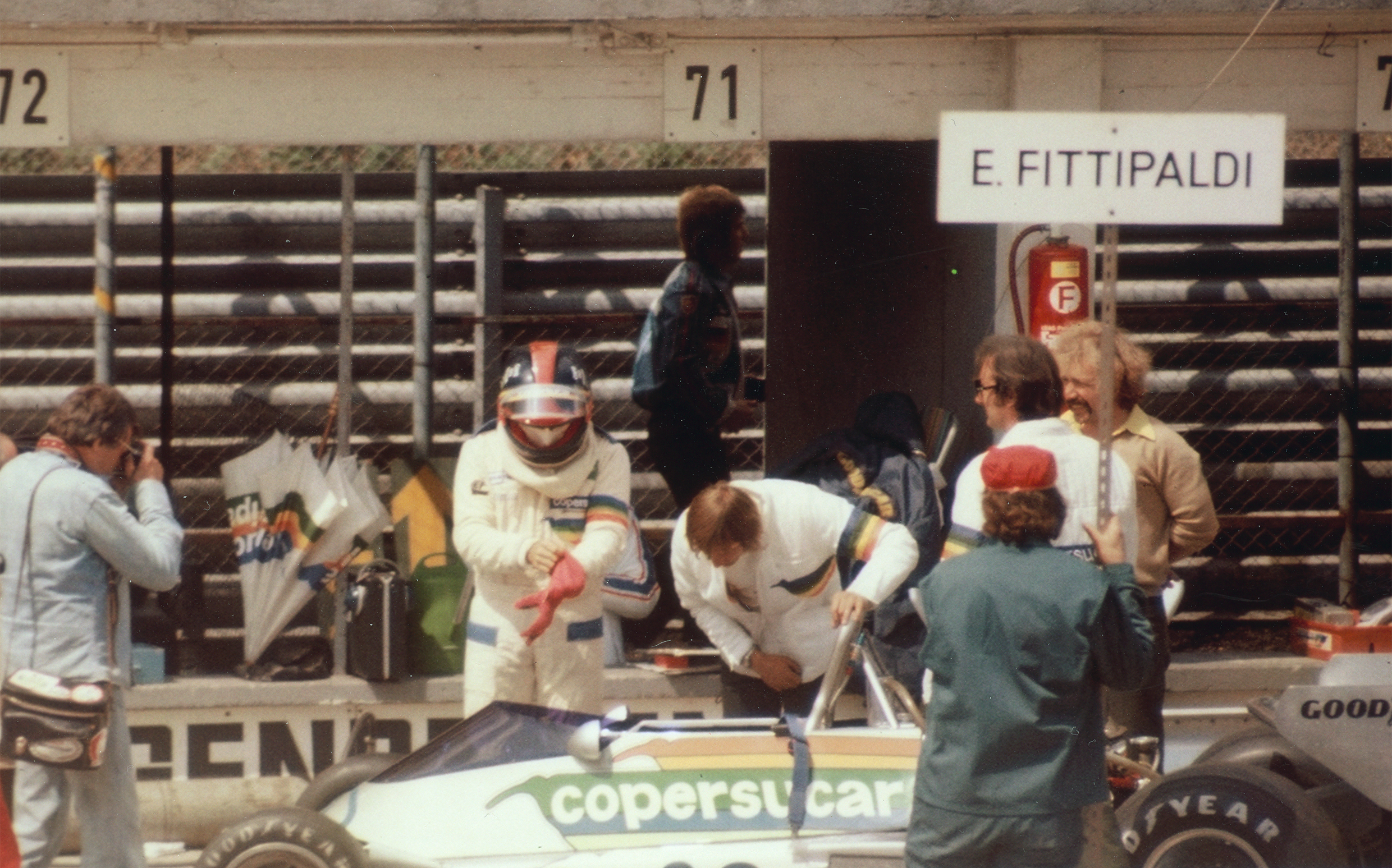
Of course, I also – and above all – had to concentrate on taking photographs; a school friend of mine at the time had given me a few tips on the best way to capture the racing cars as they sped past. Back then, all you could do was hope that the photos had turned out well. In those days, you had to send the slide films to Stuttgart to be developed and only got them back after about six! weeks. So all you could do was wait and hope that the films wouldn’t get lost while sending with the german postoffice.
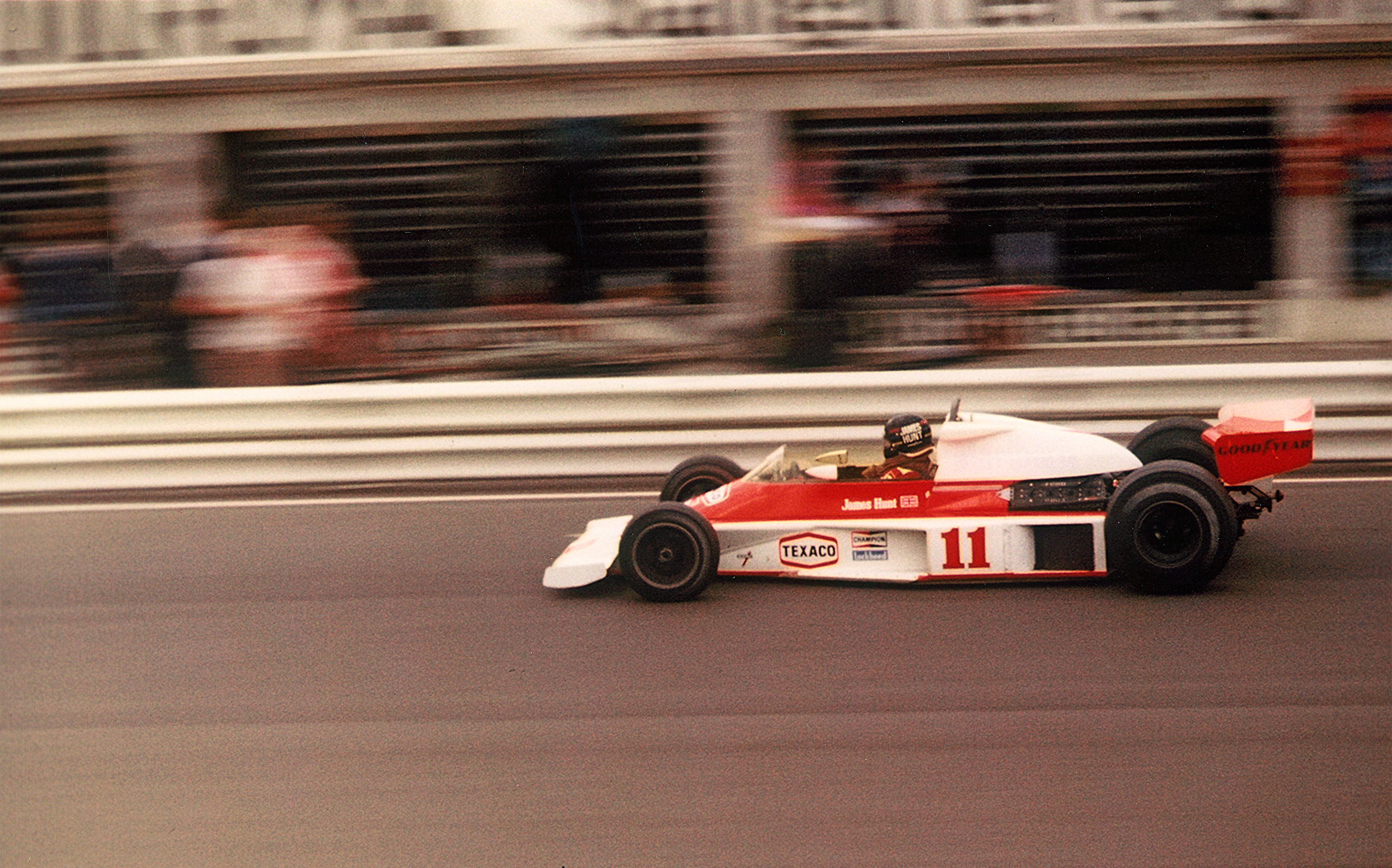
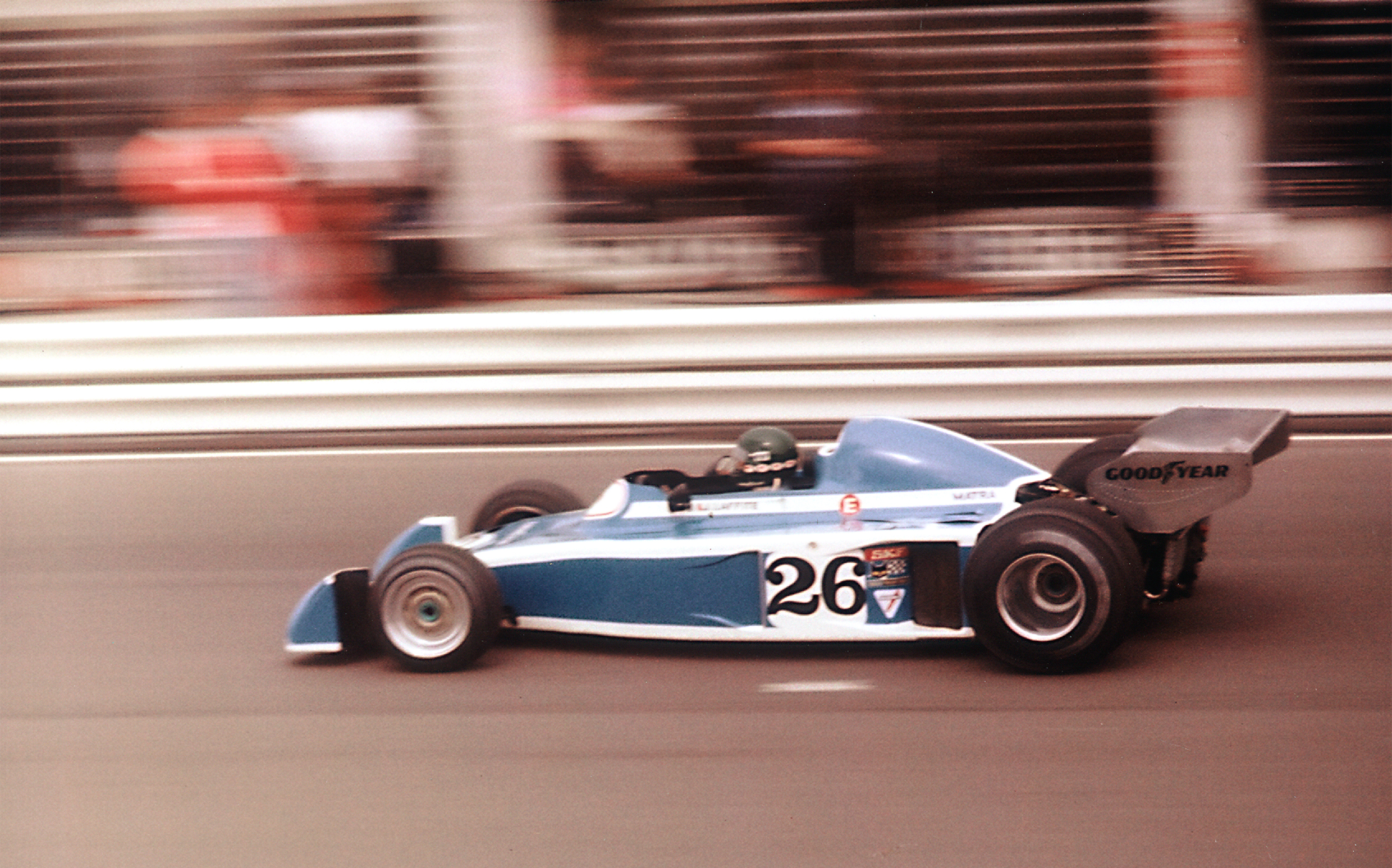
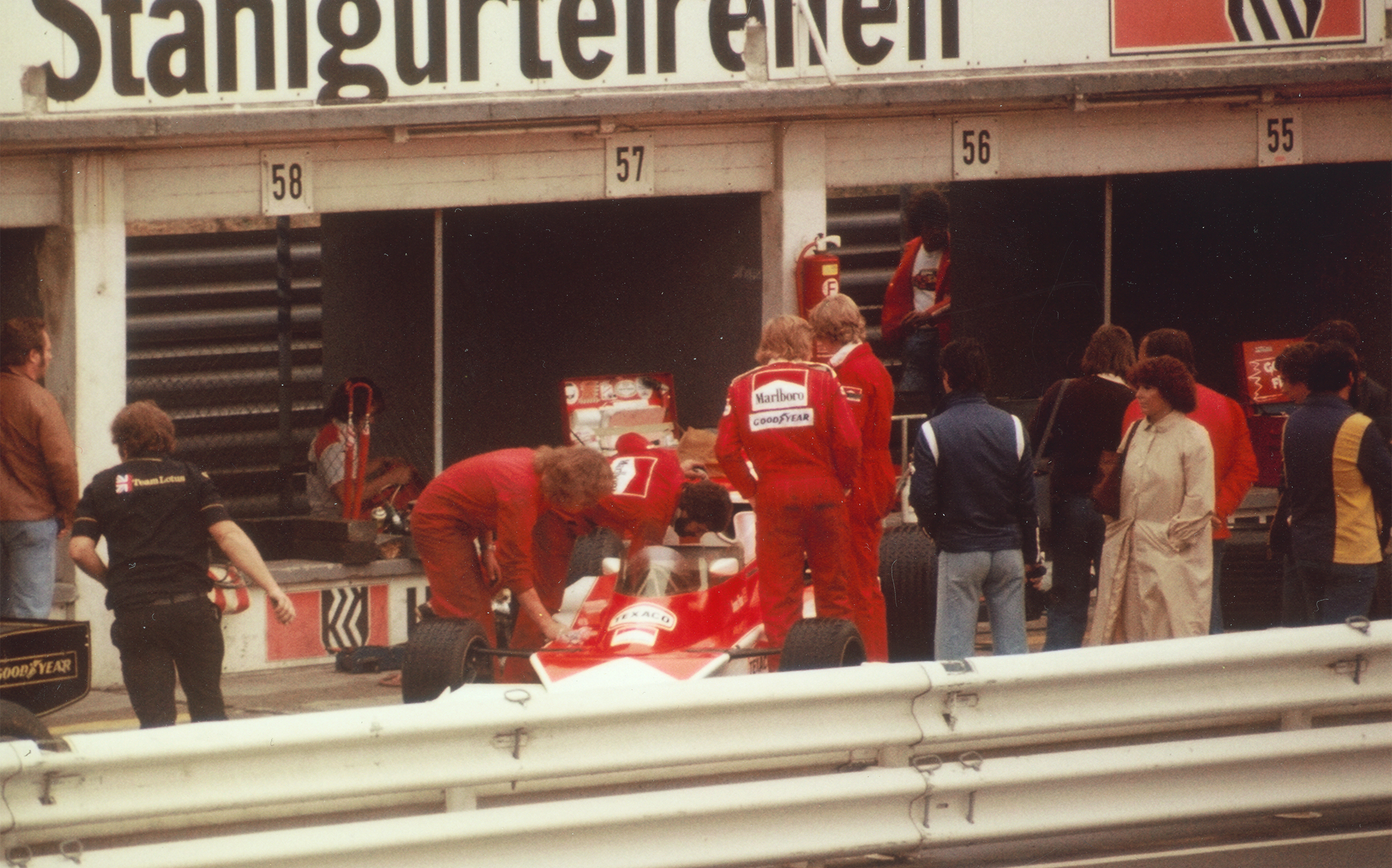
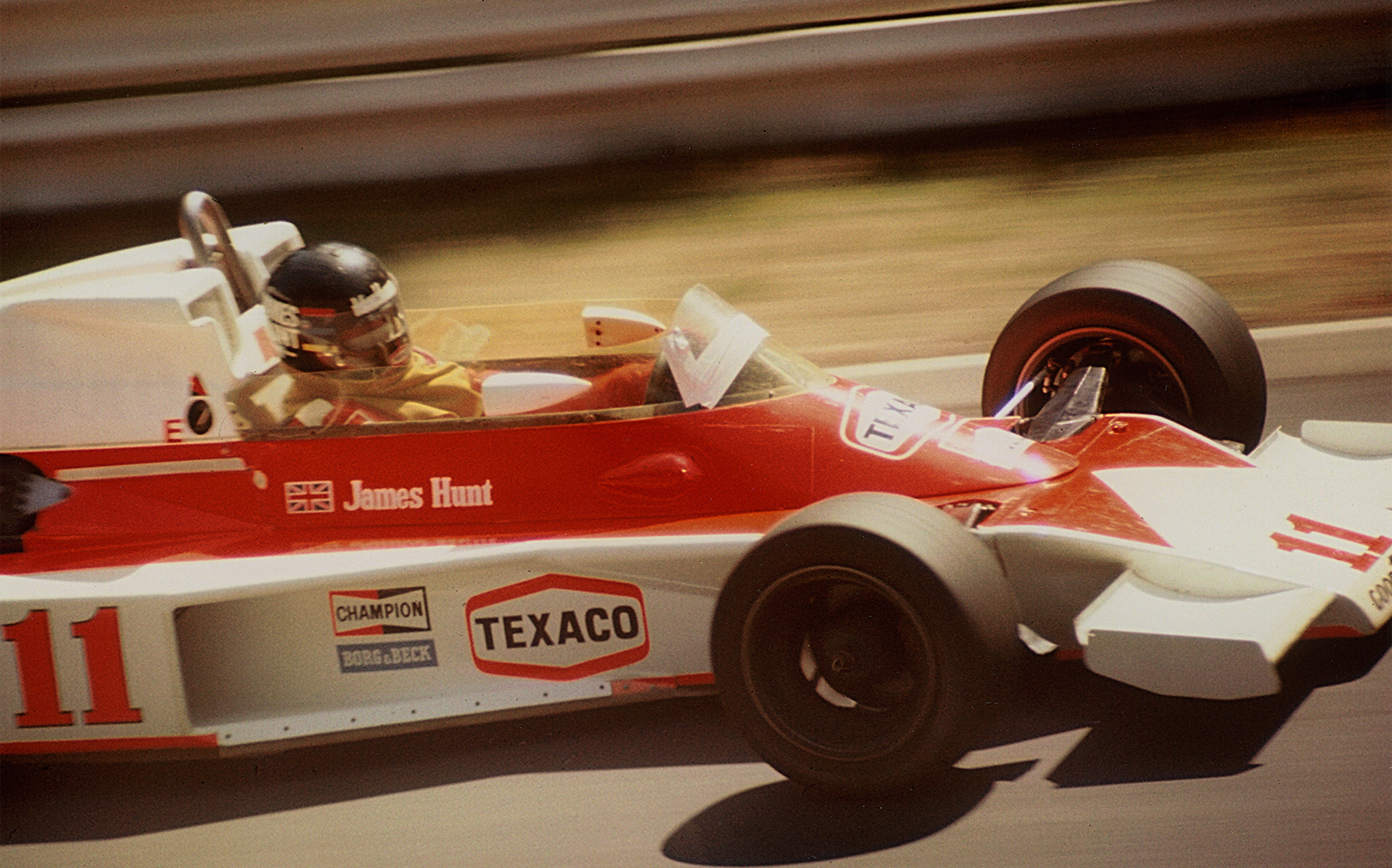
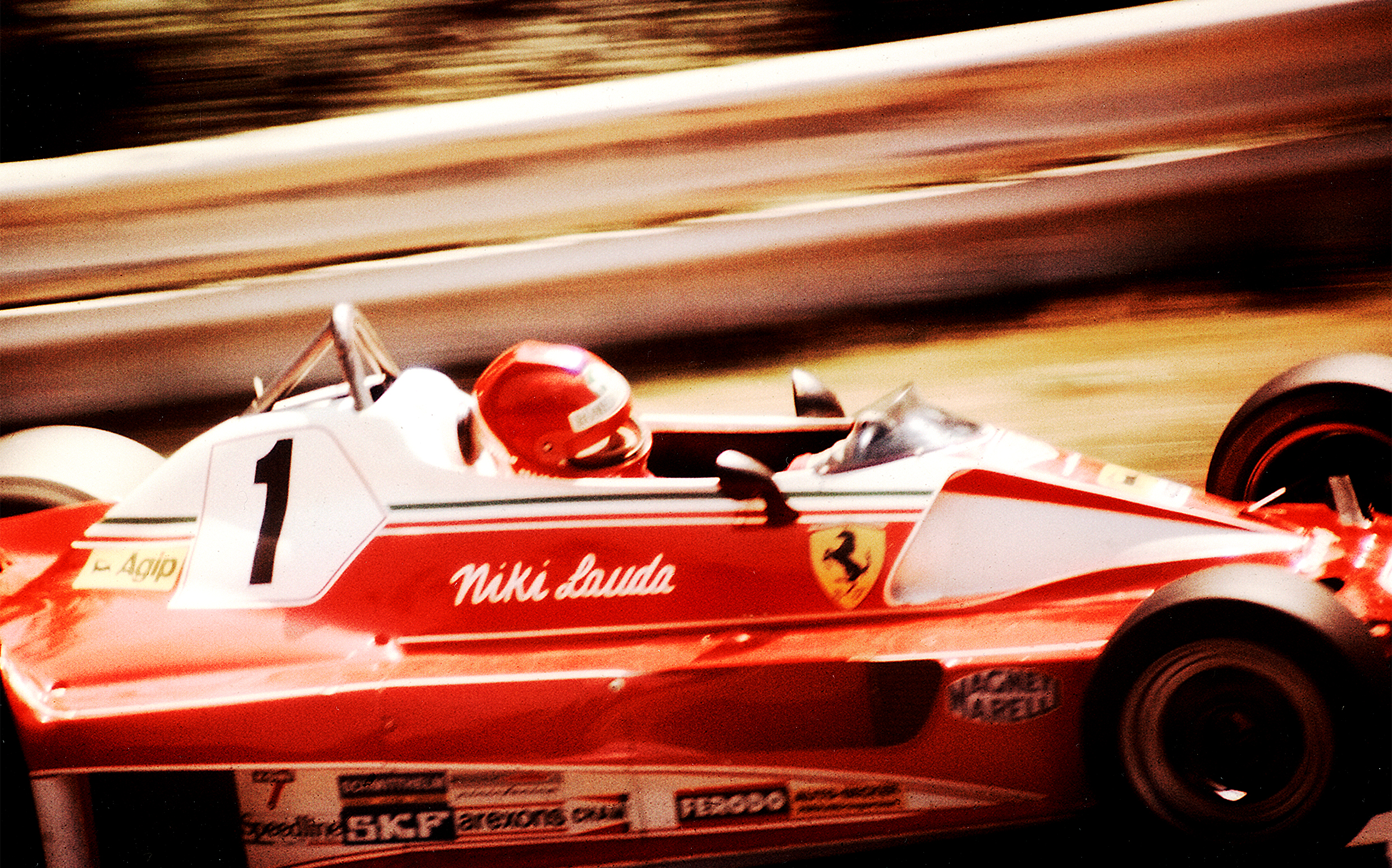
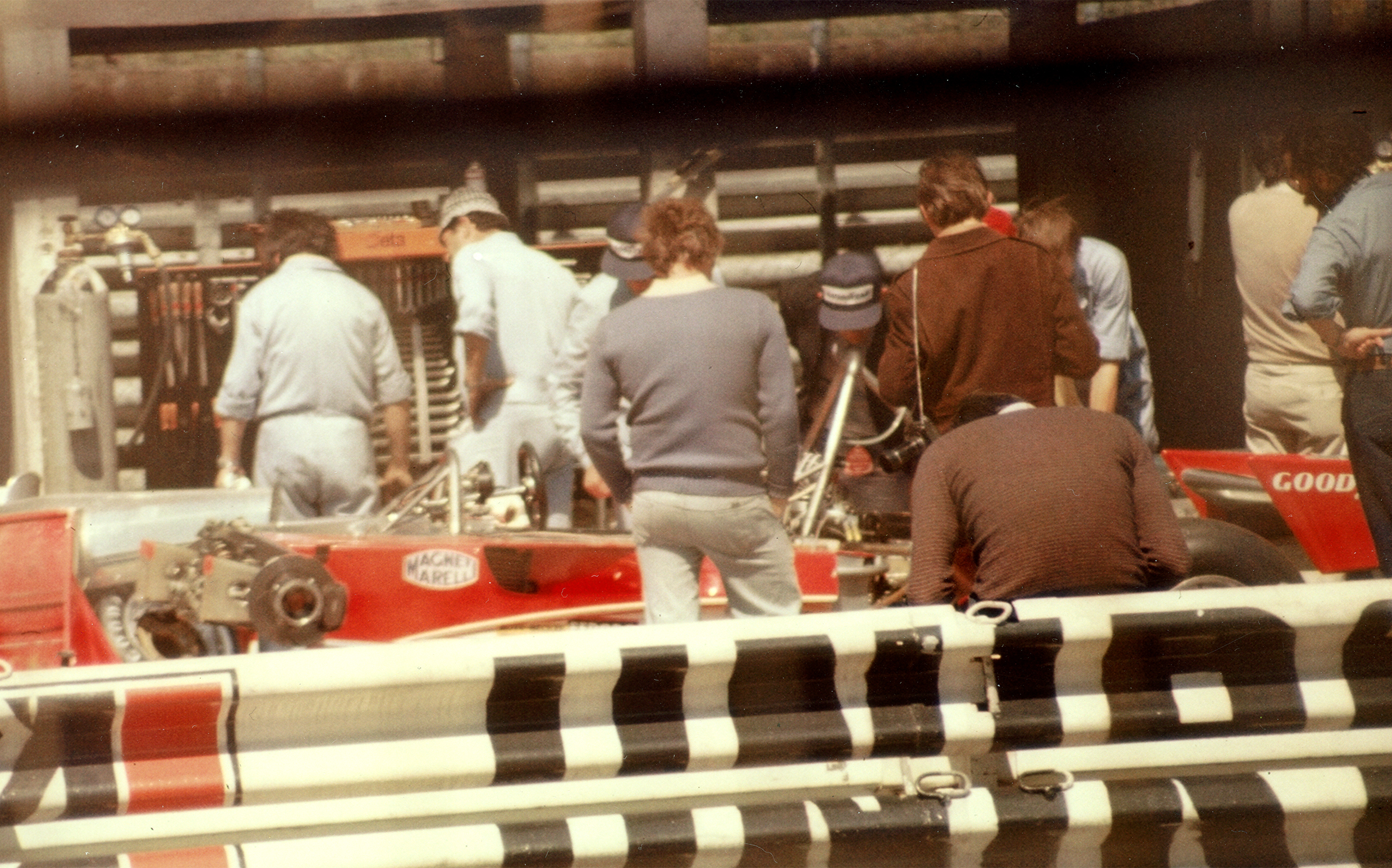
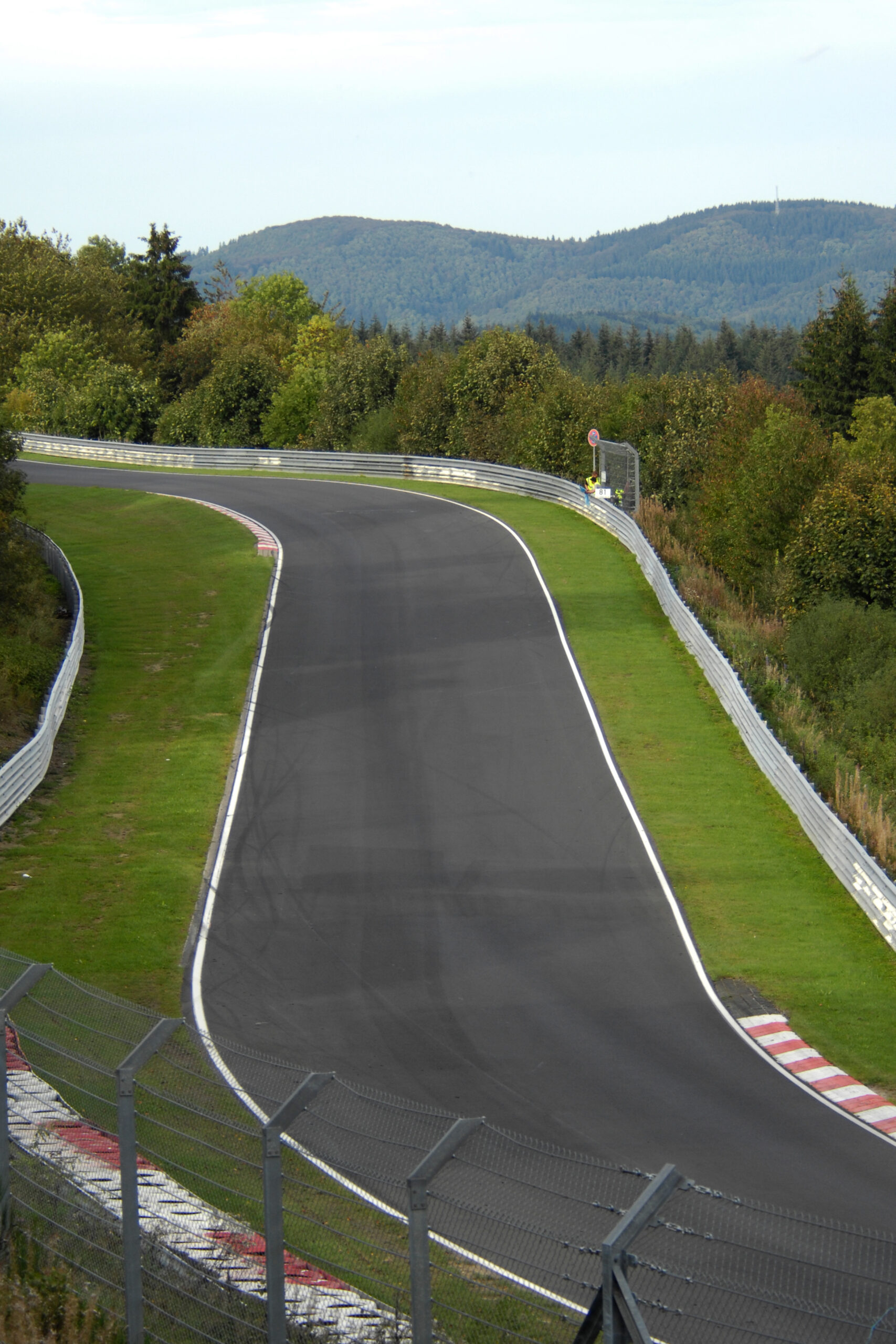
My enthusiasm and passion for photography, motor racing and also for the legendary Nordschleife at the Nürburgring have remained with me to this day. Above all, the sight of the Nordschleife – the way the grey ribbon of tarmac winds its way up- and down-hill through the forest and the beautiful ‘Eifel landscape’ – continues to provide me with wonderful subjects time and again. That is why I have also included a few more recent pictures of the Nordschleife in this report, partly in anticipation of the Nürburgring’s centenary next year.
After all these decades of motoring photography, what drives me is the search for – and the pursuit of – the ‘best’ photograph I am able to take. True to Enzo Ferrari’s motto: ‘The finest victory is the next one yet to come’. In my case, it wouldn’t be the victory but the photograph. Let’s see what else comes into view through my camera lens. The first photographs from the German Grand Prix, which are now fifty years old, are and will remain the starting point of this photographic journey.