Jana Kesenheimer and Christoph Strasser rank among the very best in ultra-distance cycling. Both lined up once again this year at the legendary Transcontinental Race – the toughest long-distance race in the world. With success, of course.
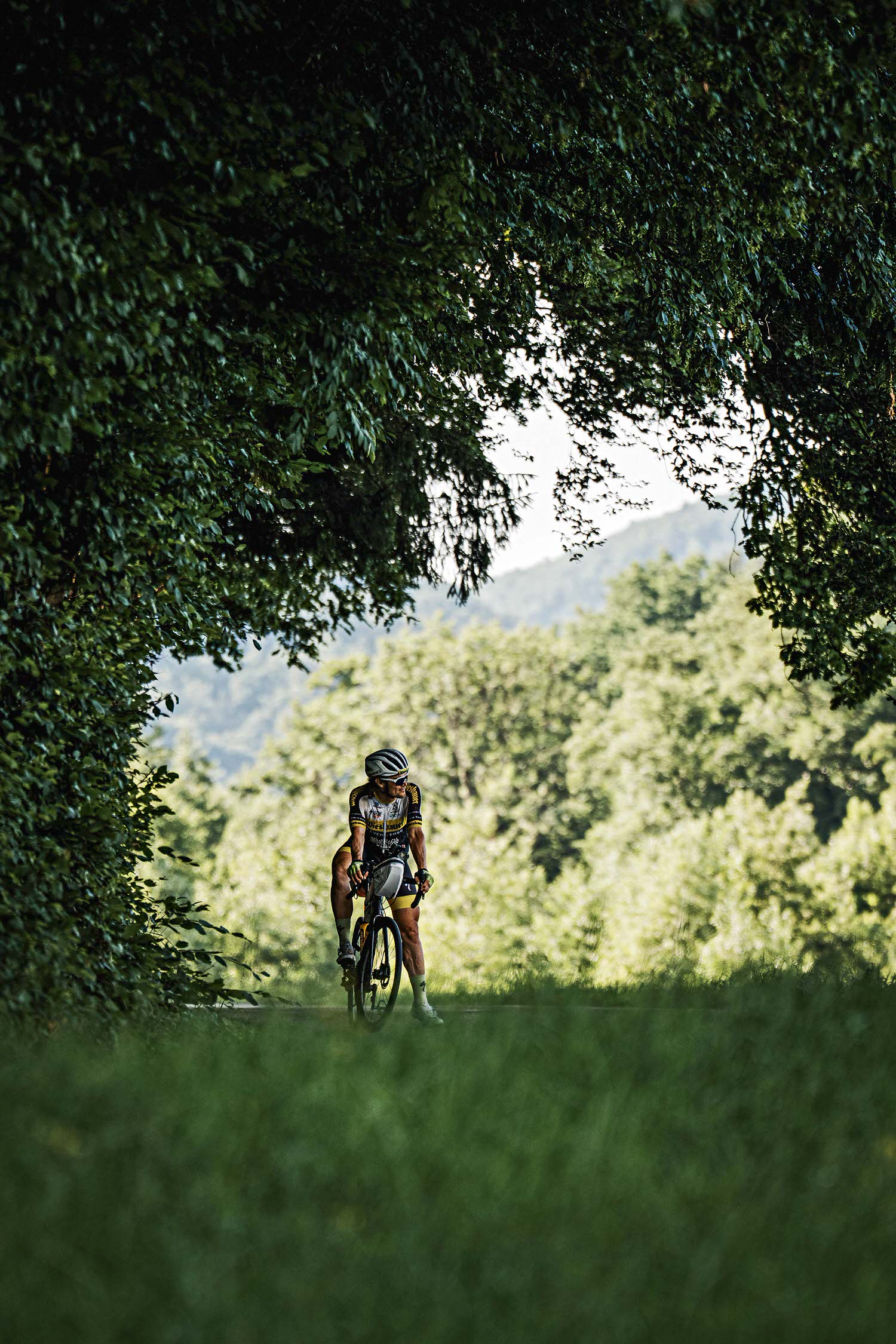
In this interview they talk about pain, motivation and complaining. And about brushing your teeth while riding.
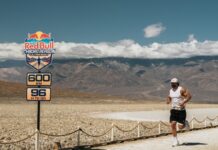
Just to set the scene: Jana Kesenheimer and Christoph Strasser don’t just go on long bike tours. Take the Transcontinental Race, for instance. Kesenheimer, who holds a PhD in psychology, has already won it twice. The race was launched in 2013, the route changes every year and covers between 3,500 and 4,700 kilometers. Riders are out between eight and fourteen days. It’s strictly self-supported – no teams, everyone has to organize their own food and sleeping arrangements. The Race Across America, which Austrian extreme cyclist Strasser has won six times, is a different animal: a bicycle race from the West Coast to the East Coast. The distance is around 4,800 to 5,000 kilometers, riders have a support crew and sleep in an RV or a motel. And their bikes? Strasser rides a Specialized S-Works Roubaix SL8 in the Transcontinental Race, Kesenheimer a Specialized S-Works Aethos.
Ms. Kesenheimer, Mr. Strasser, can you briefly introduce yourselves and explain what drives you?
Kesenheimer: I’m thirty-one years old, work as a post-doc and researcher in psychology and am passionate about riding long distances. For five years now I’ve been racing unsupported – meaning without outside help – in events like the Transcontinental Race. What drives me is a certain uncompromising attitude: either I do something with full commitment and passion or not at all.
Strasser: I discovered my great passion early on: covering long distances by bike. At first I wanted to ride the Camino de Santiago or maybe cycle around the world. But then I discovered 24-hour races and realized competition is much more exciting than bike touring.
You sit on the bike for a week and a half almost nonstop at the Transcontinental Race, hardly sleeping. Why on earth would anyone do something like that voluntarily?
Kesenheimer: Sure, the race is about cycling, but not only that. I have to be extremely well organized before the start. During the race I make all the decisions myself, manage problems and emotions, and try to reach the peak of my performance through efficiency. Often that comes with a state where I’m actually having fun. If you let yourself sink too deep, lose your sense of humor and start looking for excuses, you rarely make it to the finish.
Strasser: The positives far outweigh the negatives. You hear wild stories about pain and sleep deprivation and think we’re all crazy. In reality, everyone prepares thoroughly and tries to get through safely and with as little pain as possible. What connects us all is the community and the spirit. Everyone wants to be as fast as possible, but we’re also genuinely happy for each other’s successes and share our experiences.
What do you learn about yourself in the process?
Kesenheimer: Unsupported multi-day races give me incredible self-confidence. You spend a lot of time with yourself, and all the big and small decisions, problem-solving and achievements over thousands of kilometers pay off in the end when you realize: I did this all by myself. You also learn to distinguish between the things you can’t change – like days of rain or your competitors’ performance – and those you can.
How do you motivate yourself when your body is screaming at you to stop?
Kesenheimer: Ideally my body doesn’t tell me to stop. It’s about being good to yourself. In a race I see my physical and mental resources as a battery – they must never run completely empty. If my body really does scream at me – which has happened once – then it’s time to analyze the situation and see whether something is still possible after all.
Strasser: Complaining doesn’t really help, but it’s allowed. It’s utopian to believe you can always think positively. If things really go south, I say so openly and don’t lie to myself. I’ll curse loudly, yell at the wind or at a steep climb – and afterwards I feel better. Bottling up frustration isn’t a long-term solution. Emotions need to come out, and once they do I feel relieved and motivated again.
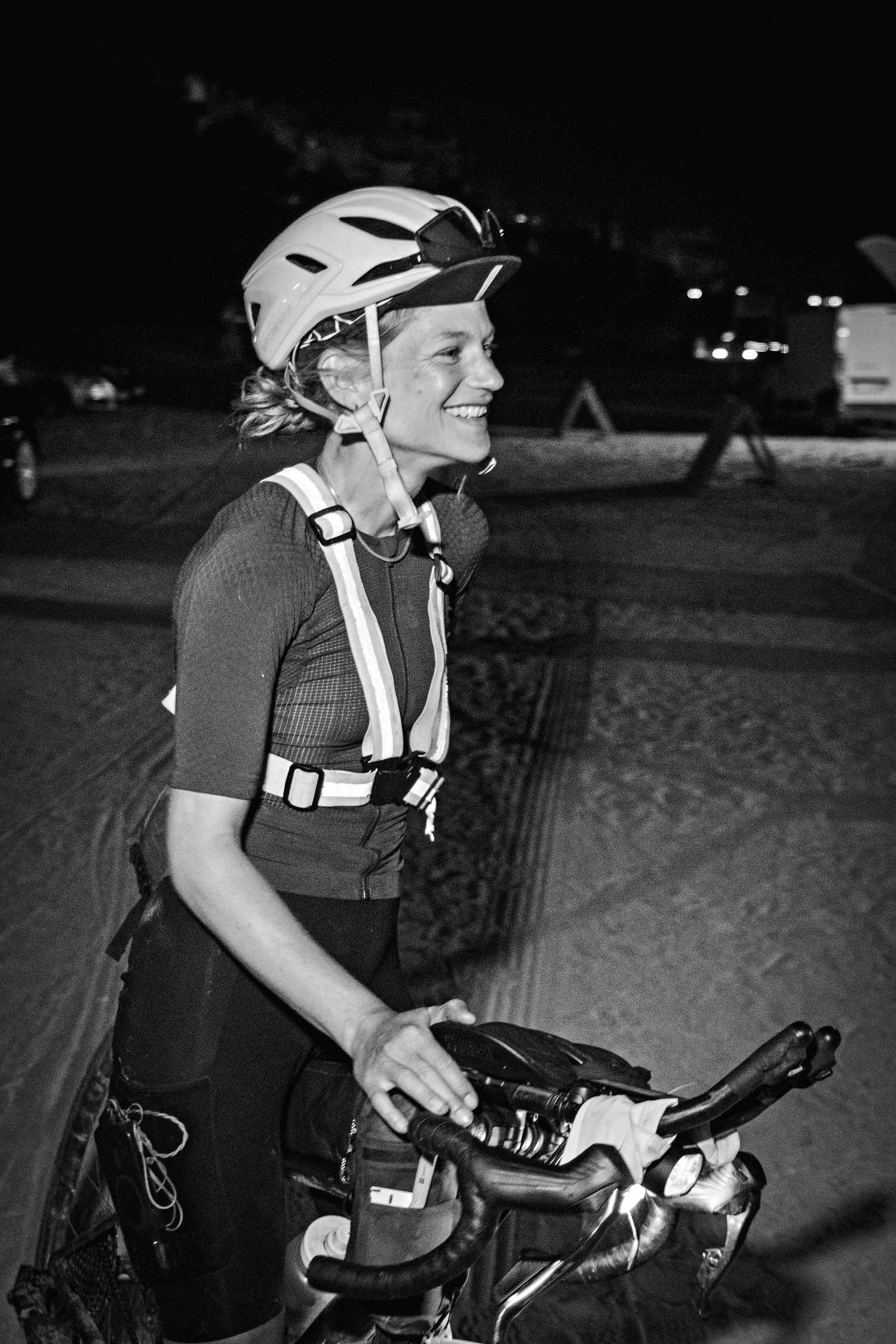
Ms. Kesenheimer, you pick a flower every day during a race and put it on your handlebar. Is that a form of motivation?
That ritual started during the Transcontinental Race and turned into a little movement when a fellow rider, Sofie, posted it on Instagram. She had a giant sunflower on her handlebar in the rain. I stuck with smaller flowers and quickly realized it connected us in an invisible way. Even though I rarely saw other riders, this ritual made us part of a greater whole. And it always brought joy to carry a little beauty from the road with me.
Mr. Strasser, what motivates you along the way?
Music is a huge motivator for me, especially on an emotional level. My playlist is long, but I usually end up listening to just four or five songs on repeat. There isn’t much time anyway – there’s always something to do: checking the next turns on the GPS, watching my food supplies and going shopping, charging the lights, phone and GPS, booking a place to sleep, recording a video or voice update . . . Music is an important emotional counterbalance.
Do you ever take breaks in these races?
Kesenheimer: Not really. Anyone aiming for a top ten finish in the Transcontinental Race barely takes breaks. With sixteen to twenty hours of riding per day, I stop for thirty minutes at the most – including for shopping and bathroom breaks. I eat on the bike, brush my teeth on the bike and stop only to sleep. Ideally I line up a hotel or room with 24-hour self-check-in in the afternoon, sleep there for five to six hours, and head out again in the morning.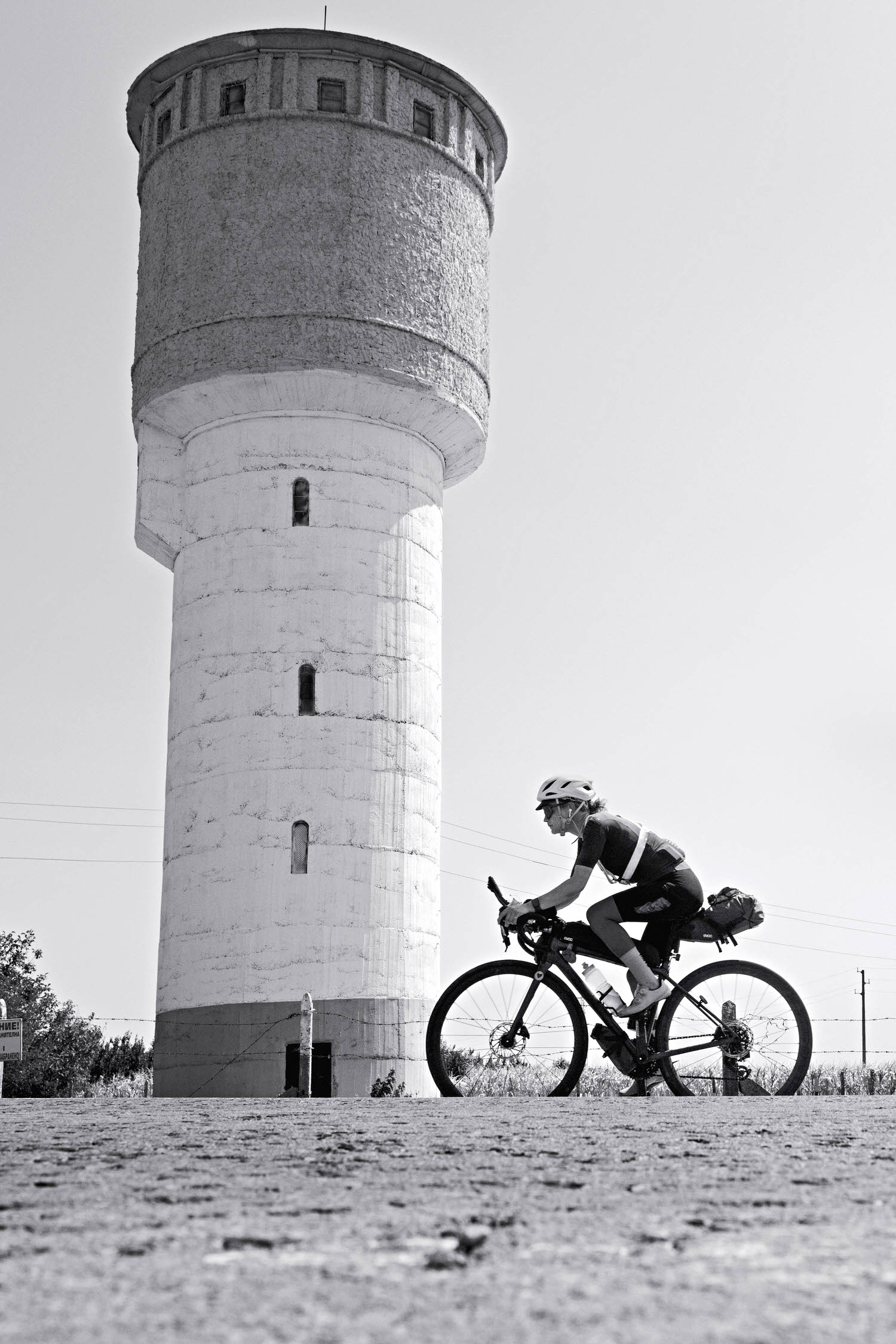
What’s your state of mind at the start line? And at the finish?
Strasser: Start and finish are actually the least enjoyable moments for me. At the start it’s stressful – I always worry I’ve forgotten something or that something won’t work. The bike bags are packed so full the bike feels much heavier. At the finish it’s not much better – I’m sad that such an incredible, challenging, exciting journey is over. When I won the TCR for the first time I was really looking forward to the finish. But all that was there was one guy on a folding chair stamping my card – and that was it. No people, no food, no drinks, no atmosphere. Nothing. I was standing there all by myself in Bulgaria and felt incredibly lonely.
What do you do after a race like that?
Kesenheimer: I go back to the office. I love my job as a psychologist and work full-time. For years now I’ve been using my vacation days to take part in races.
What special moments do you share on Instagram during a race?
Strasser: A race is really one goosebump moment after the next, interrupted only by frustrating crises or annoying setbacks. It’s this mix of highs and lows that makes the sport so fascinating.
Does connecting with fans on social media motivate you?
Strasser: Yes and no. In unsupported races it’s against the rules to receive outside mental support, and I don’t have the time to read feedback anyway. I largely stay off all channels because I’d rather use my time and energy for riding and real-life encounters with people.
Do you actually see much of the countries and the people on the way?
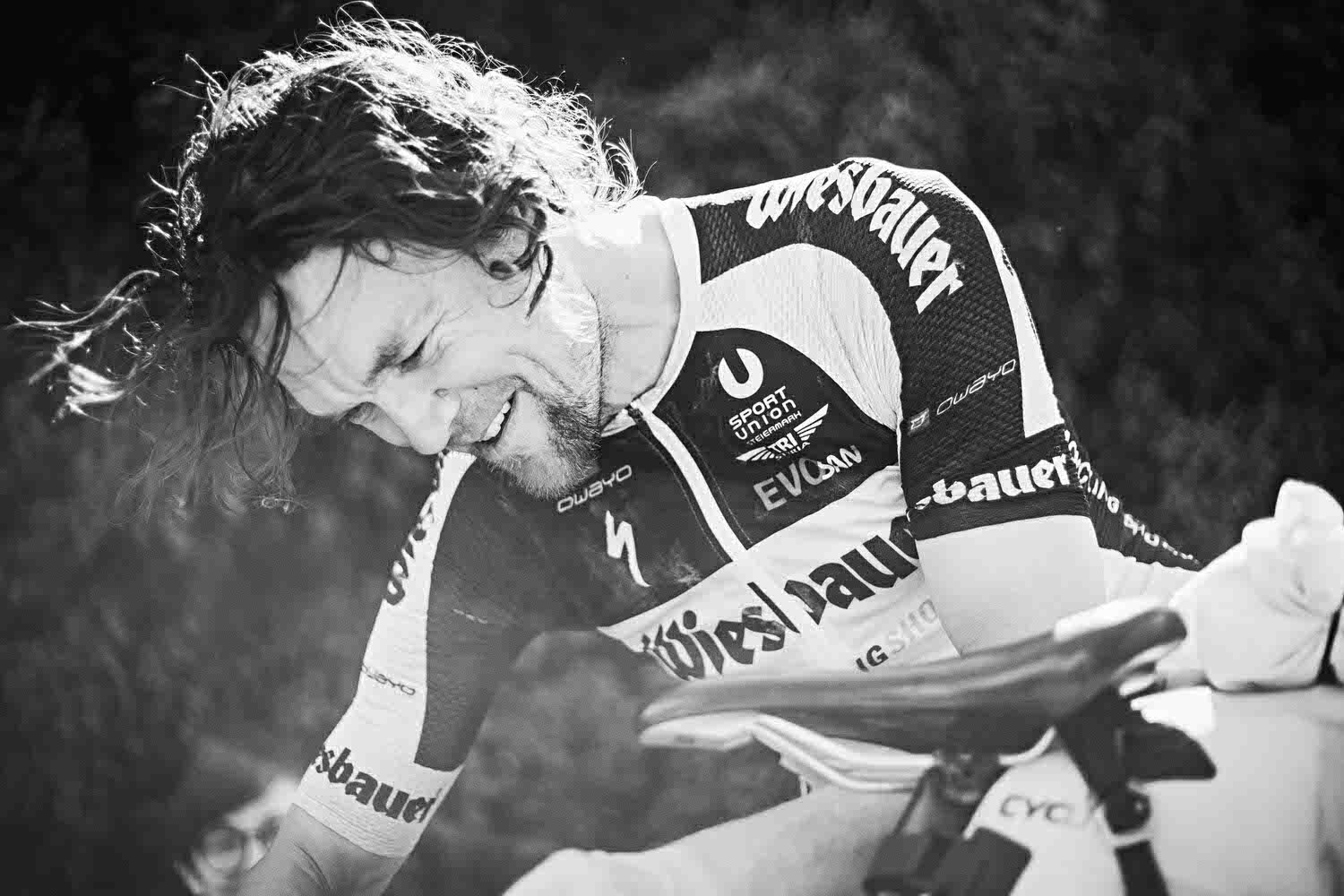
Strasser: I experience the landscape quite intensely, and I do have encounters with real people. Not many, but sometimes just a short chat at a gas station or at the hotel reception is enough. You immediately feel how open and friendly people are – especially when they hear about this very unusual race. Since we’re on bikes and clearly not wealthy tourists, people tend to meet us on equal footing.
How do you train physically and mentally for such a challenge?
Kesenheimer: I’ve been riding around 20,000 kilometers and climbing more than 300,000 vertical meters per year for a long time. Plus I do strength training weekly and go to physio regularly.
Strasser: I train all year to maintain the level I’ve built over many years. The three to four months before a race get more specific and intense. Winter means tough interval sessions, usually fifteen to twenty hours per week. In spring and summer it’s more endurance – up to thirty hours per week. Two weeks before the start I ease off to recharge my reserves. Mental prep runs parallel to all that.
What does your bike need to deliver?
Kesenheimer: The most important thing is that the setup is tried and tested. Fit, weight and aerodynamics matter a lot. I take exactly what I need – no more, no less. Good lights, puncture-resistant yet fast tires, functional lightweight clothing and the perfect saddle are musts. Everything has to be reliable. The Transcontinental Race is no place for compromises.
What excites you outside of cycling?
Kesenheimer: My job! I love working with my head in psychological research just as much as working with my legs. I also love good food. I’m always up for that.
INTERVIEW: Bernd Haase
rampstyle #36 – Beyond the Sea

Beyond the sea lies the unknown. And that’s exactly where we’ve always been drawn. Adventure beckons. Our imagination kicks in. “Somewhere beyond the sea . . .” – those are the opening lines to a song that has long since become the cultural soundtrack of our yearning. This magazine is a perfect match. And the courage to set out.
Dream big. Think wider. Go beyond. Find out more