One great attraction of the Le Mans Classic is the rare opportunity to watch some of the world’s greatest sports racing cars competing through the night. This brings a certain magic for all concerned and attracts huge grids and massive crowds. 60 hours of qualification and racing are crammed between 8am on Friday Morning and 5.00pm on Sunday afternoon with 800 cars competing. While the circuit is nearly 14 miles long ( only surpassed worldwide by the Nurburgring) the grids of up to 80 cars mean that there is continuous action on show to enthral the 238,000 spectators.
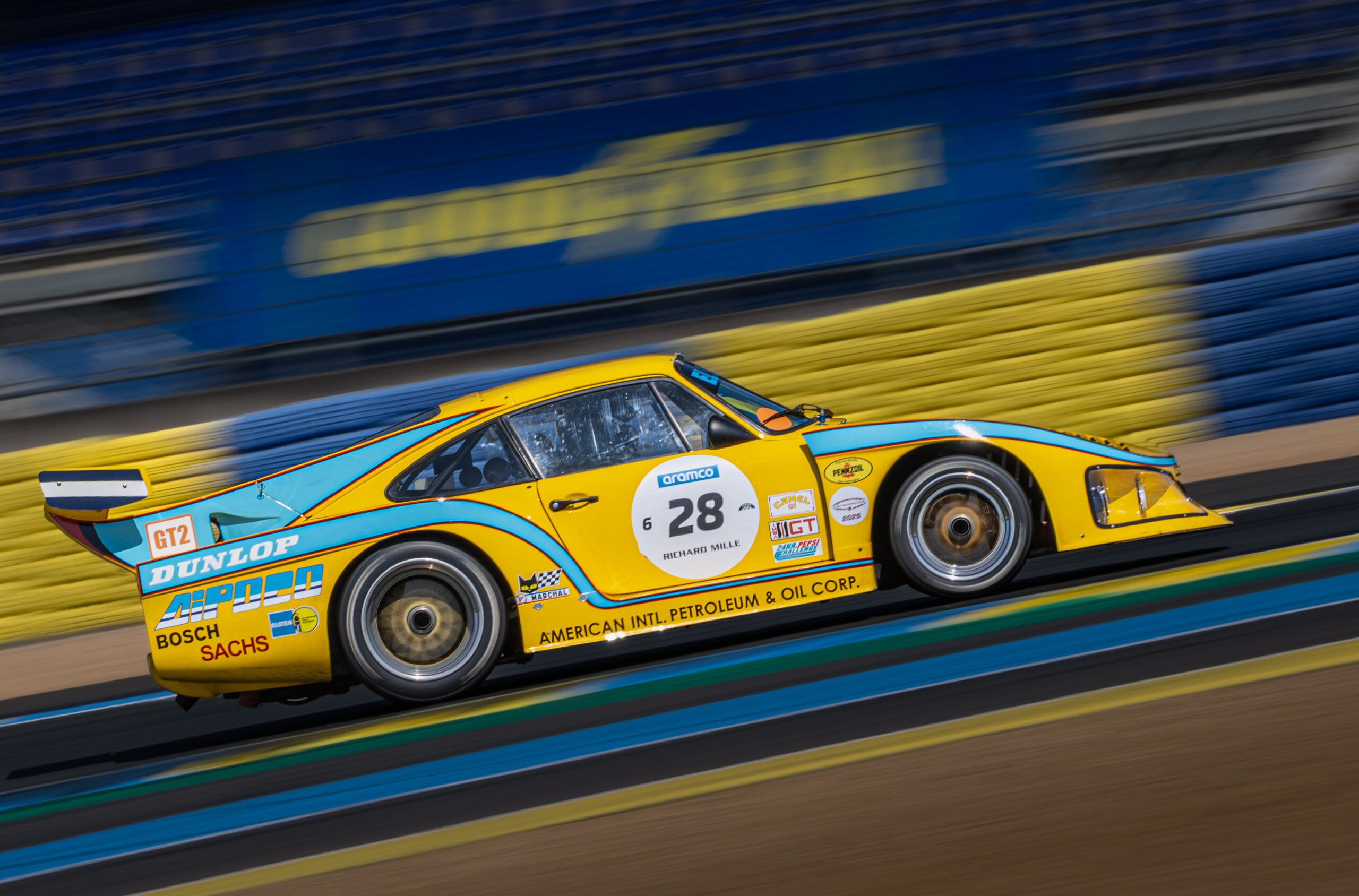
My last piece on the event concentrated on photographs taken in the magical hours between sunset and dawn. This story intends to show how the cars look in daylight.
The main event covers 24 hours starting at 4.00pm on Saturday with the cars being split into 6 age related “Plateaux”. Plateau 1 is for cars from 1923 to 1939 leading through to Plateau 6 for 1972 to 1981. Each Plateau runs for 45 minutes three times during the 24 hours with the aggregate times of the three races determining the overall result. Outside of this period additional races are held for Porsches, Group C cars and for Endurance Racing Legends from the more recent periods.
Traditional Le Mans starts are held for some of the Plateaux – and even the more mature drivers show a remarkable turn of speed as they sprint across the track.
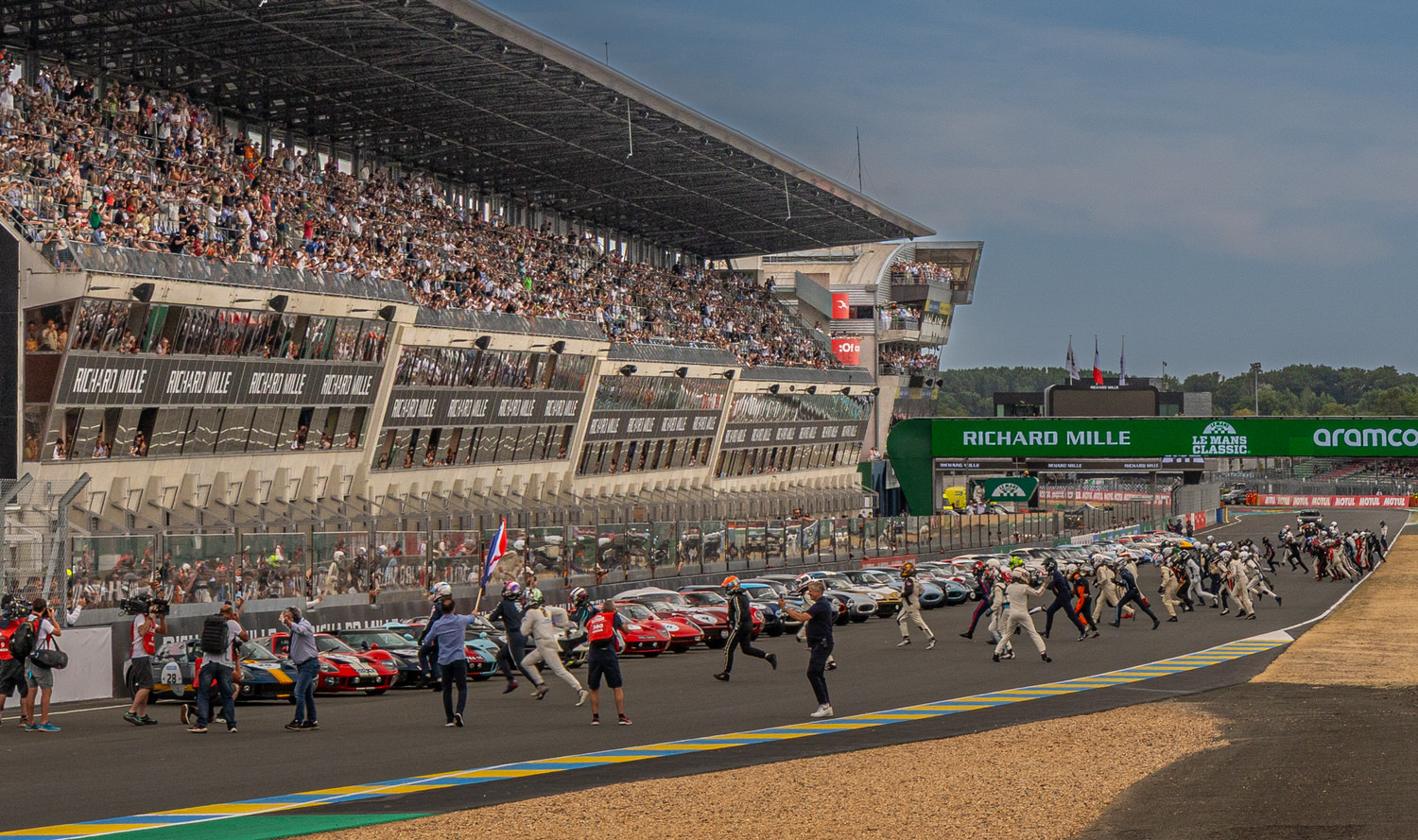
Things become quite frantic as they start to pull away from their allotted spots
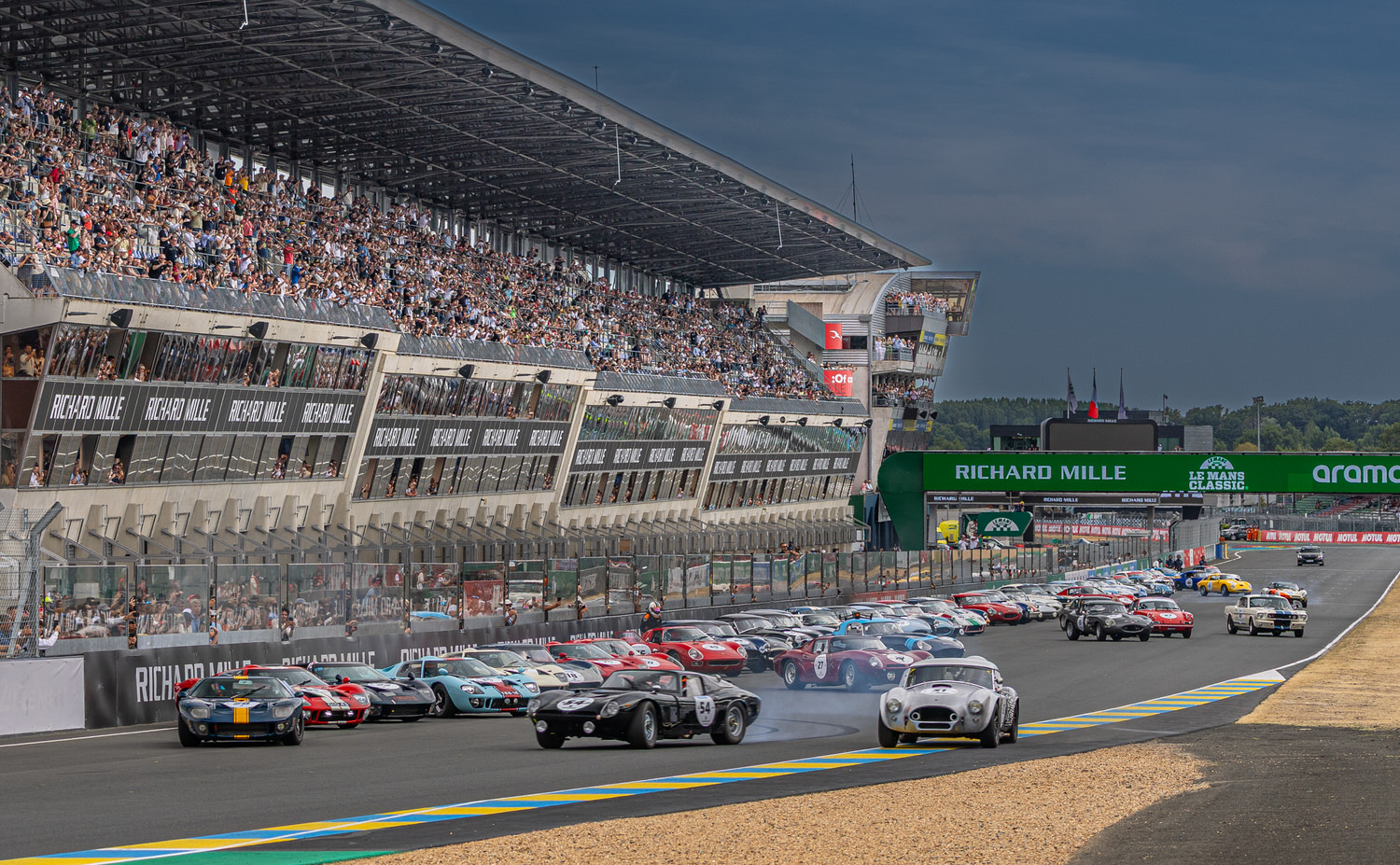
But despite the apparent mayhem everyone seems to avoid each other. Anyone who has ever driven round the Arc De Triomphe in Paris may understand why.
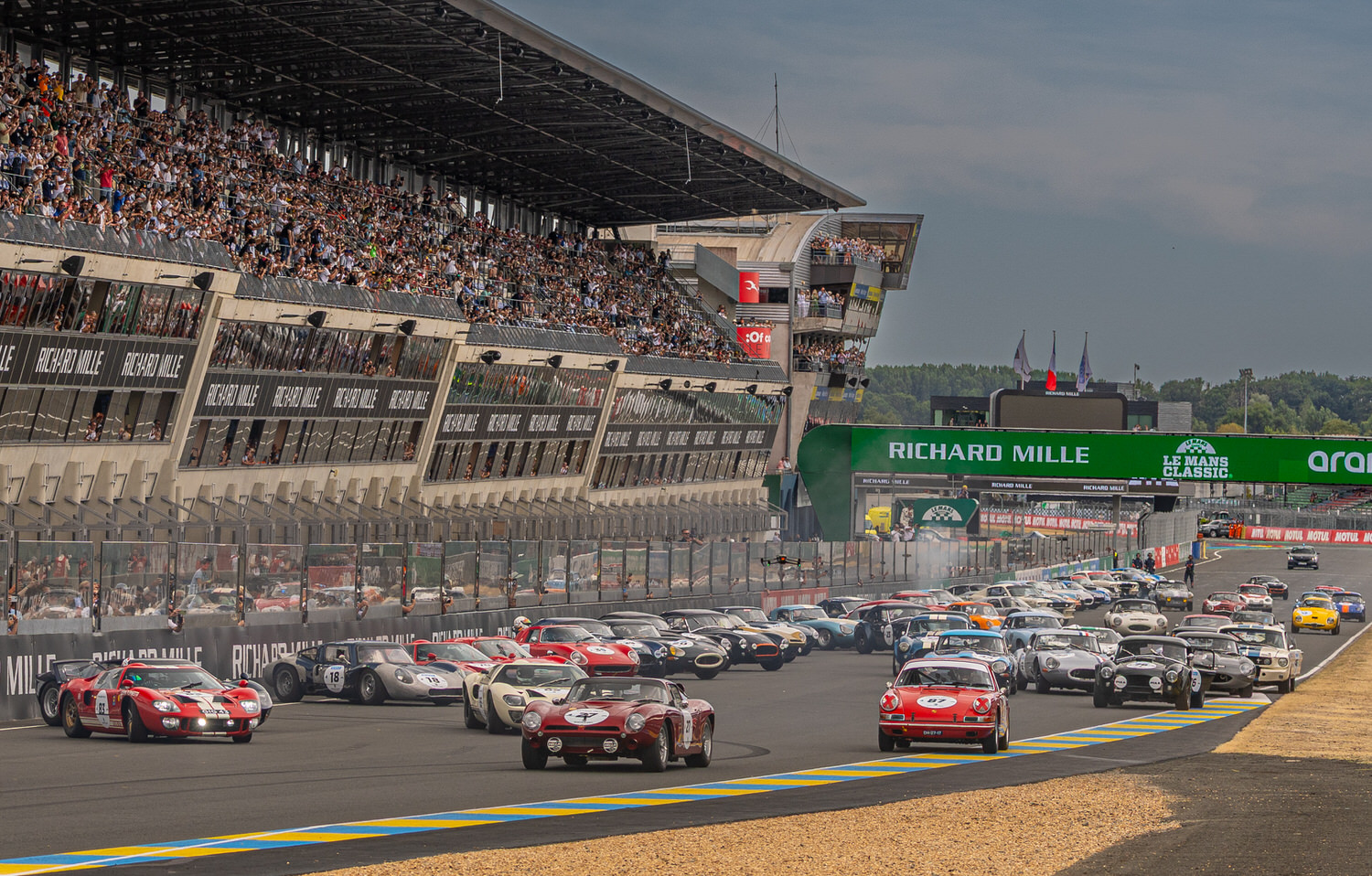
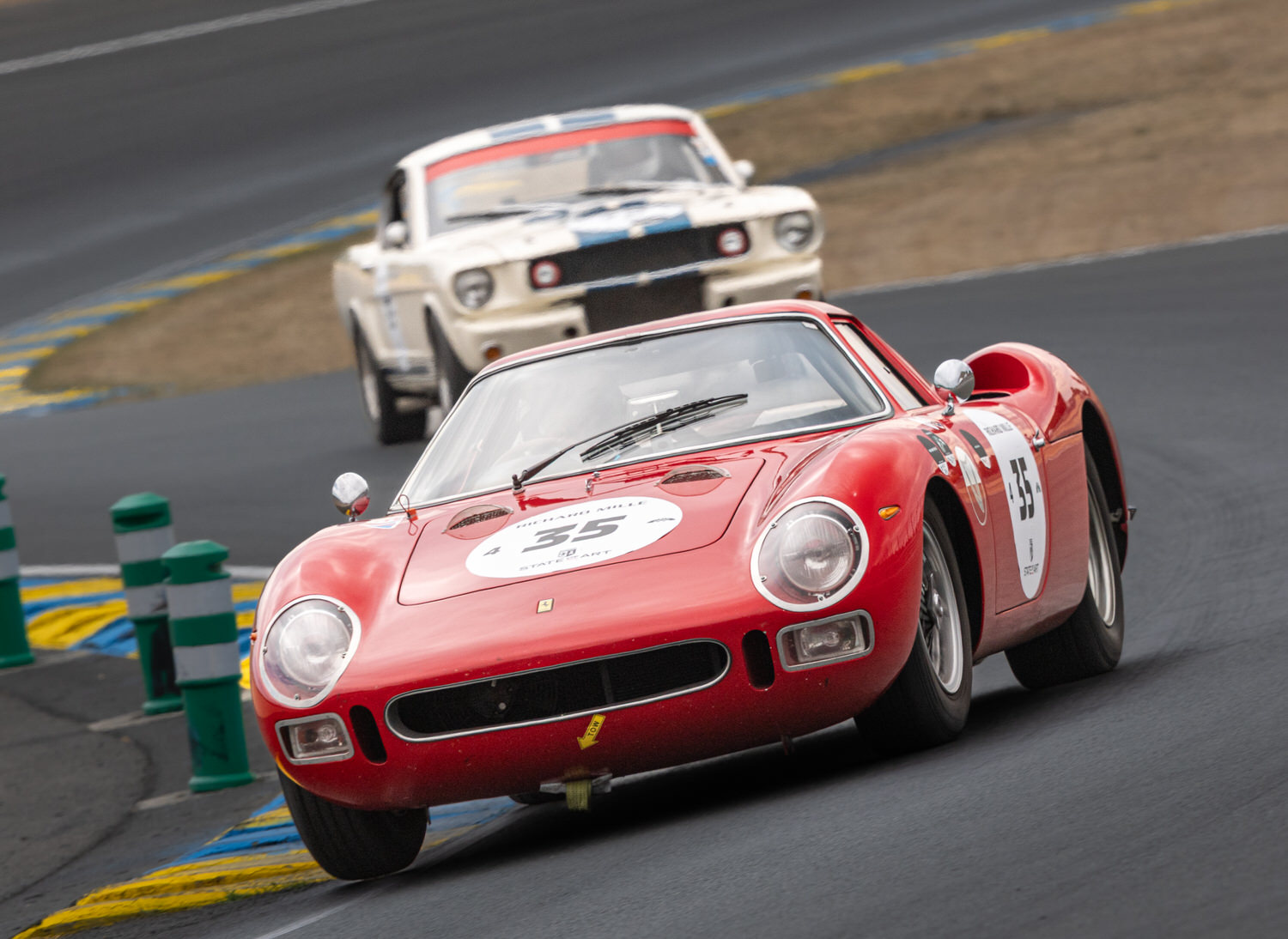
As with many Classic car event there is a wide range of vehicles on track together with values that range from rare and priceless Ferraris to more prosaic Ford Mustangs.
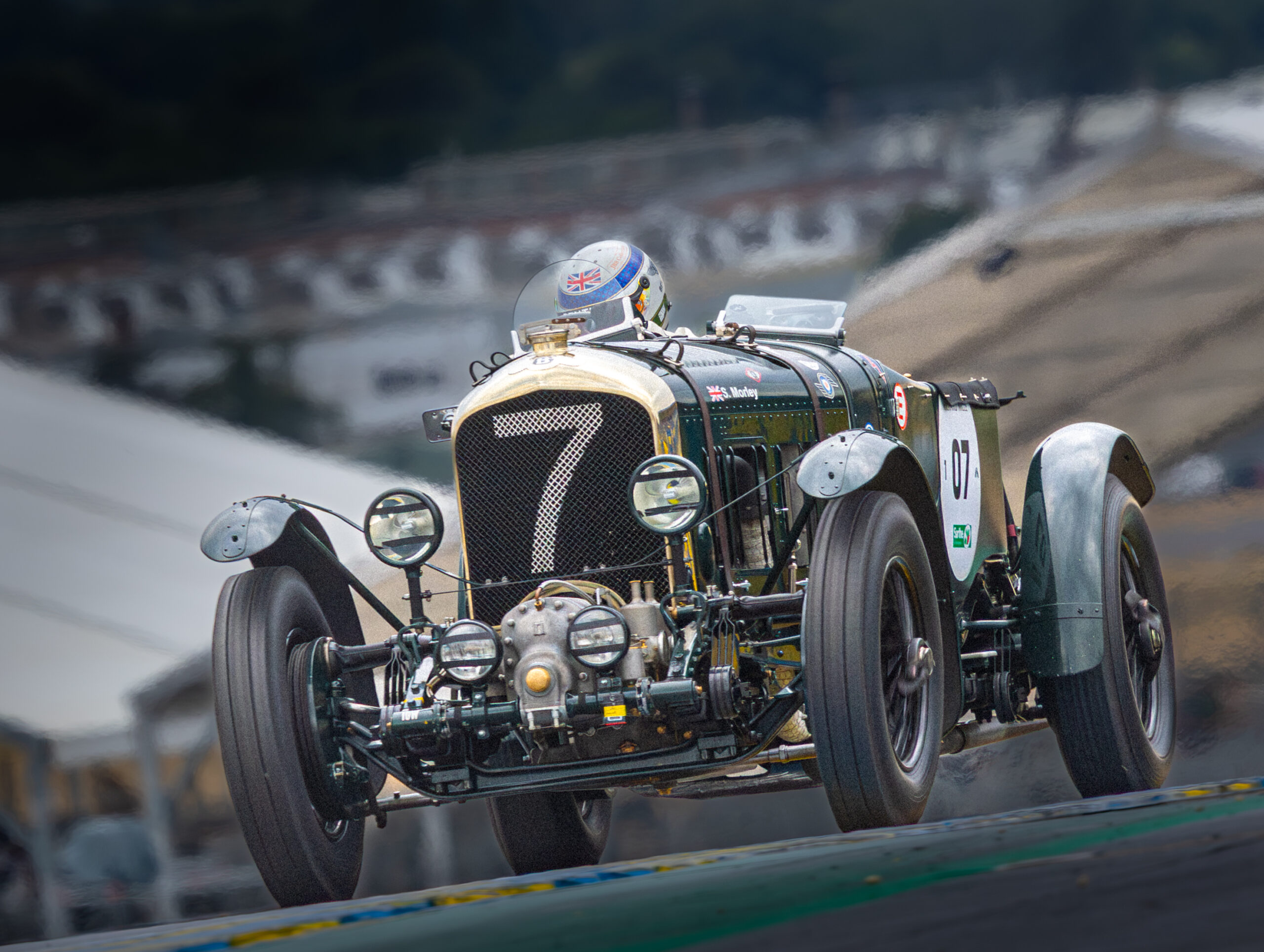
Ironically the most recently built car was this beautiful Blower Bentley – one of a small number built in 2023 by Bentley Motors as an exact reproduction of its 1920’s forebear.
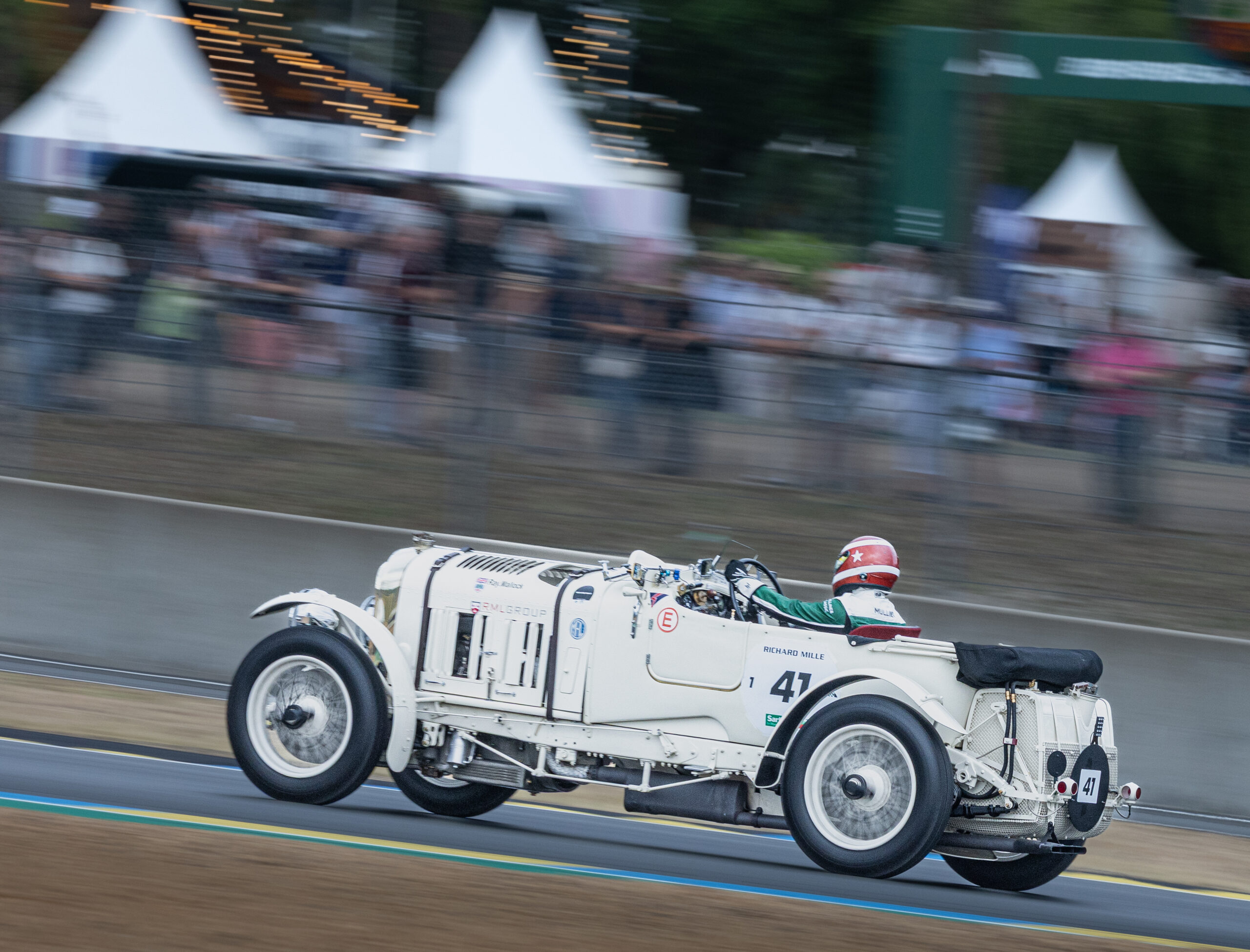
Three of the twelve built were competing – the other 2 being driven by brothers, Stuart and James Morley.
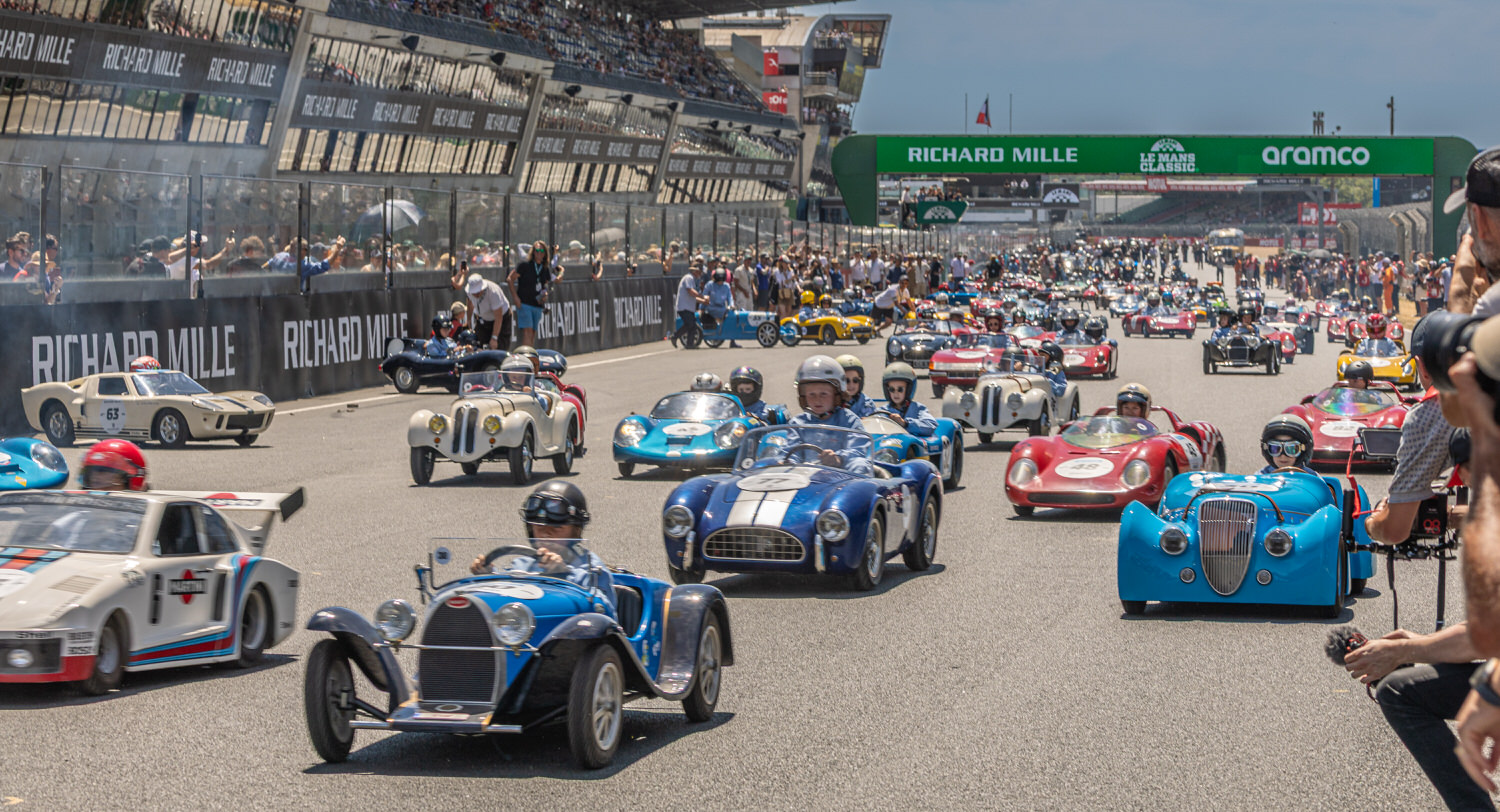
More recently “produced” drivers were also on track in the “Little Big Mans”. Unlike the children’s pedal cars that are seen at Goodwood these small scale versions are powered by equally small petrol or electric engines. The 95 vehicles on the grid also did a remarkable job of avoiding each other – and ( thankfully) the crowds of photographers capturing the action. The variety of car shapes was a joy to behold and no doubt some of the drivers will be competing in full sized versions at some time in the future.
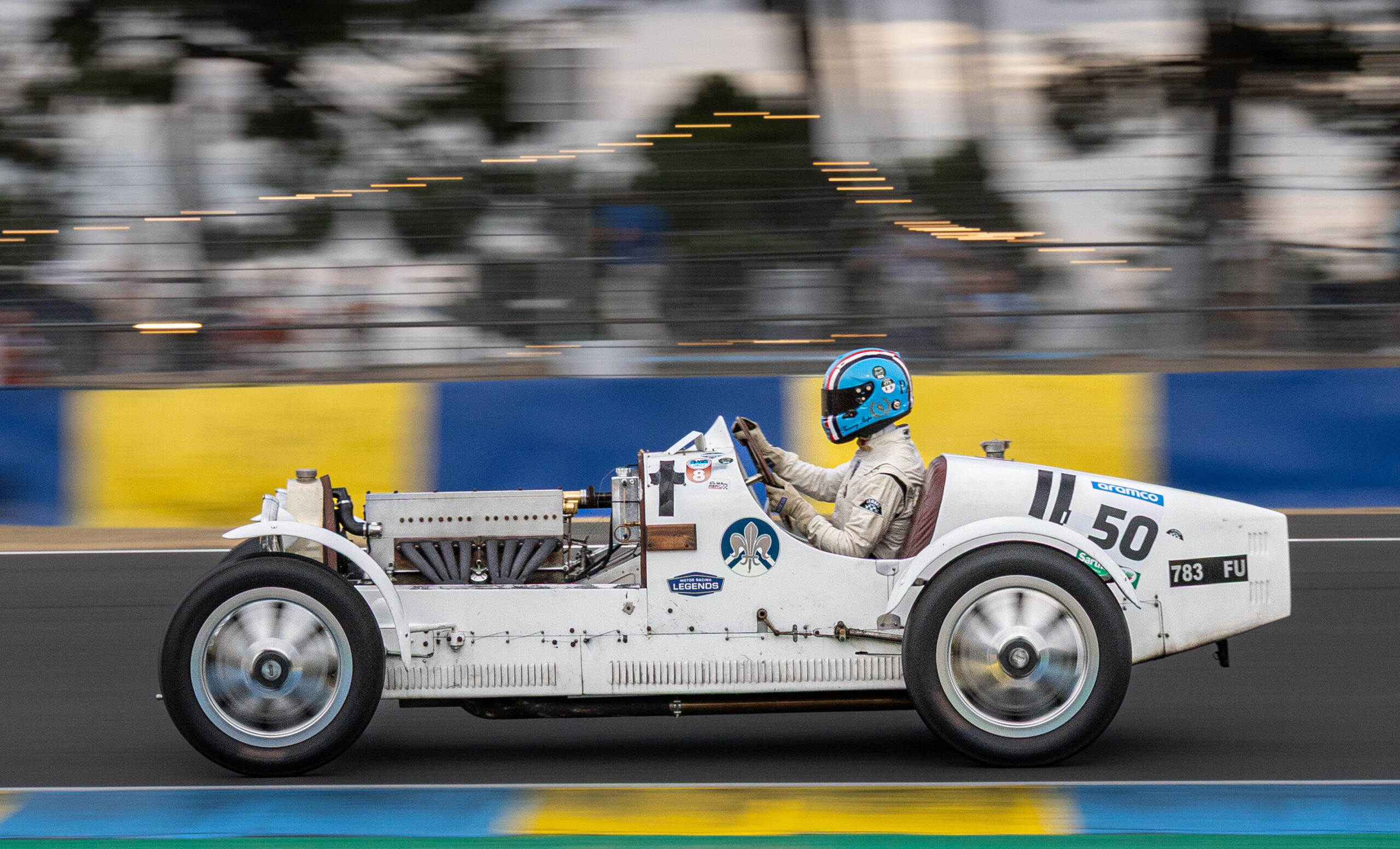
I’m not sure why this Bugatti has no bonnet – maybe for it’s for cooling purposes or maybe just to show off the undoubted beauty of its engine?
The variety of cars even extends to a few rather large American racers
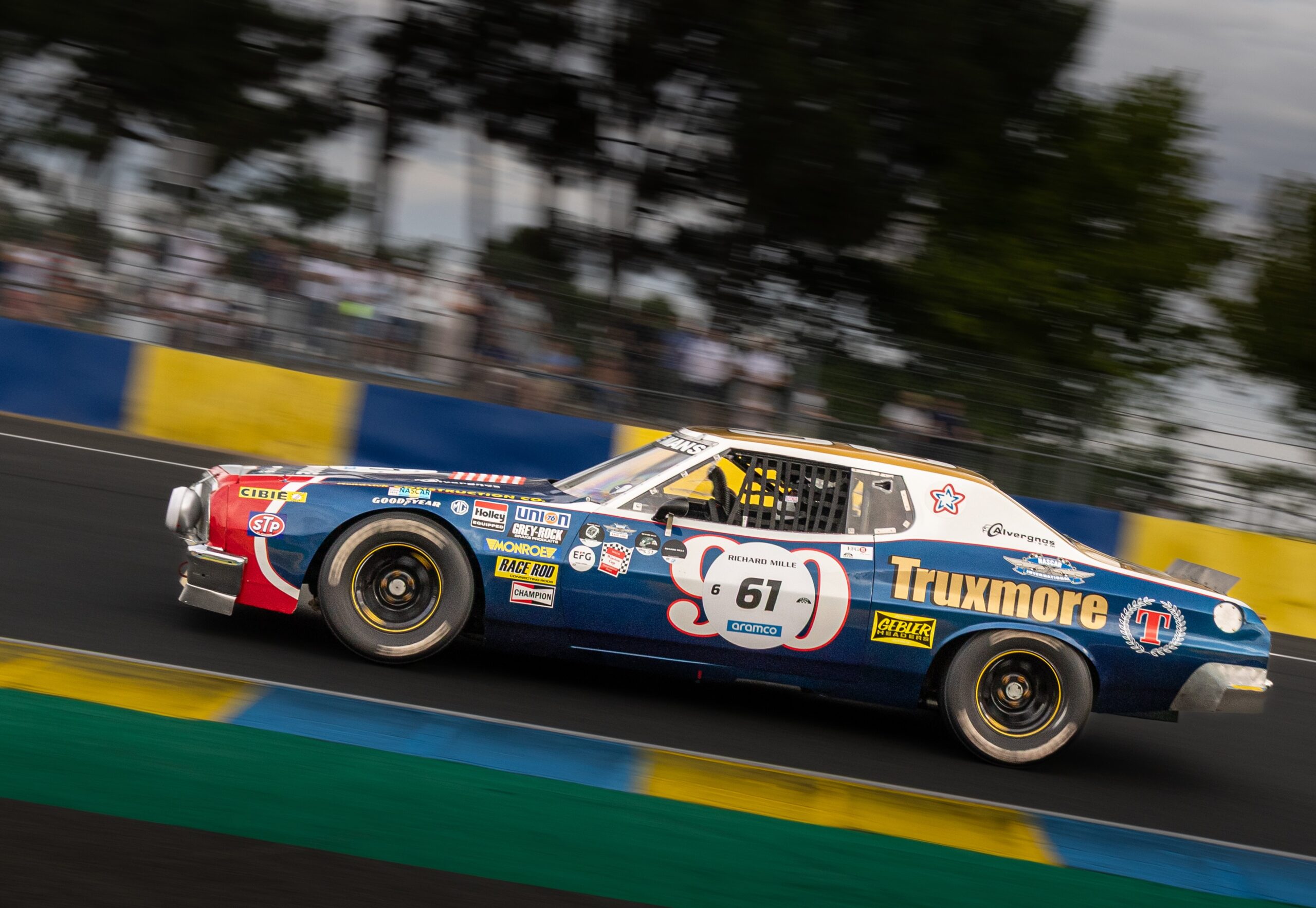
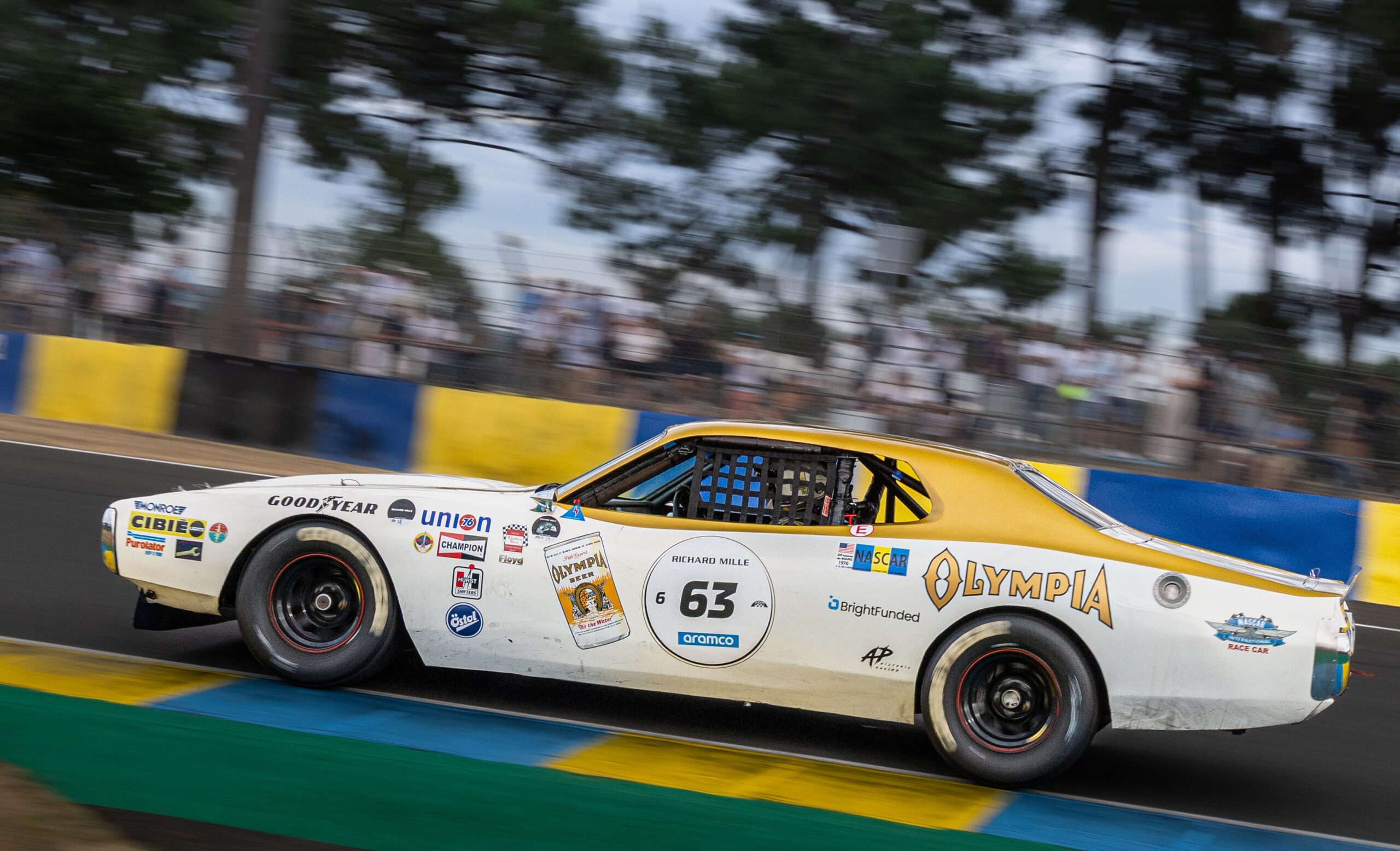
That often dwarf their European counterparts
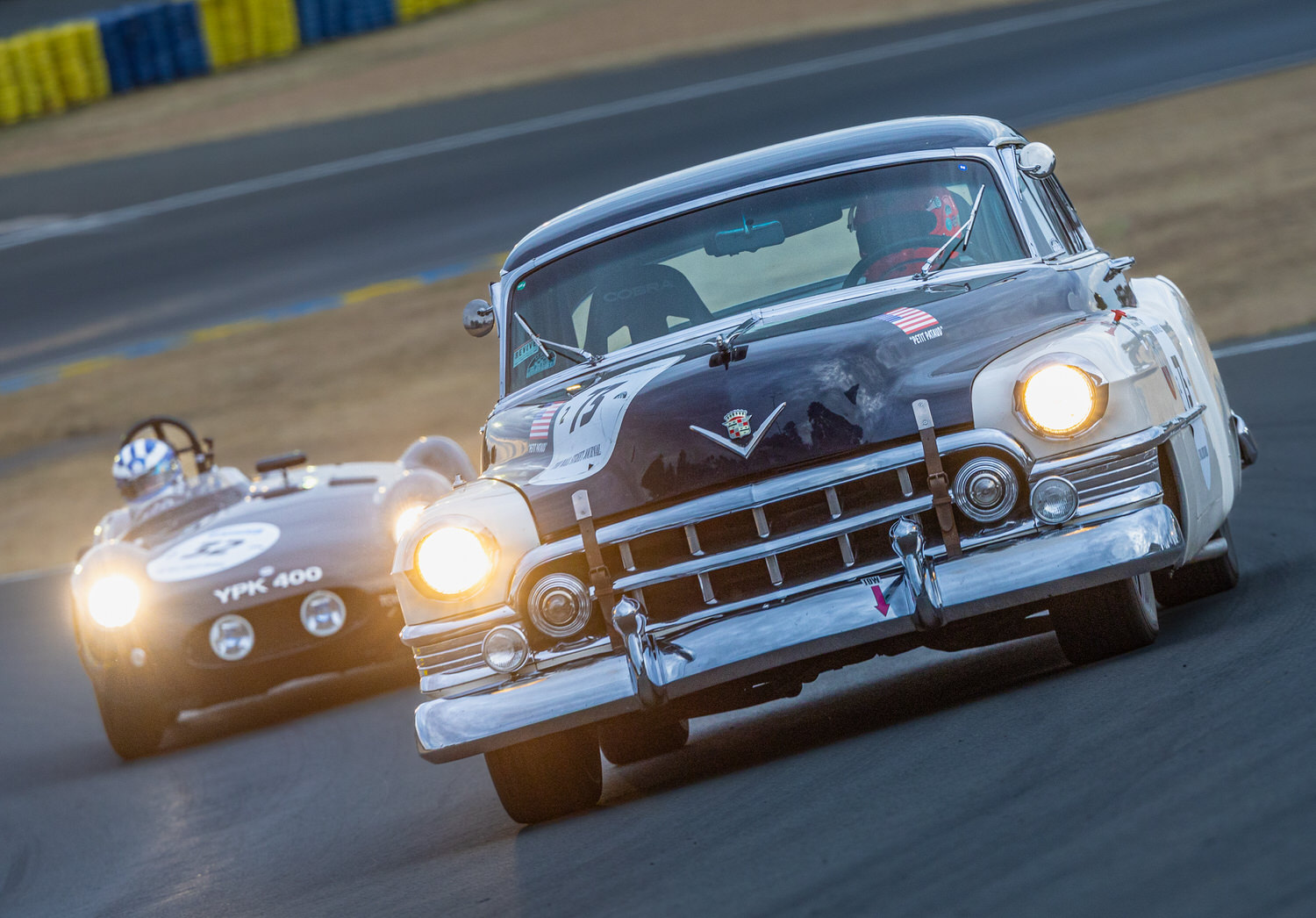
With the cars running in chronological order it is interesting to see how certain marques have evolved.
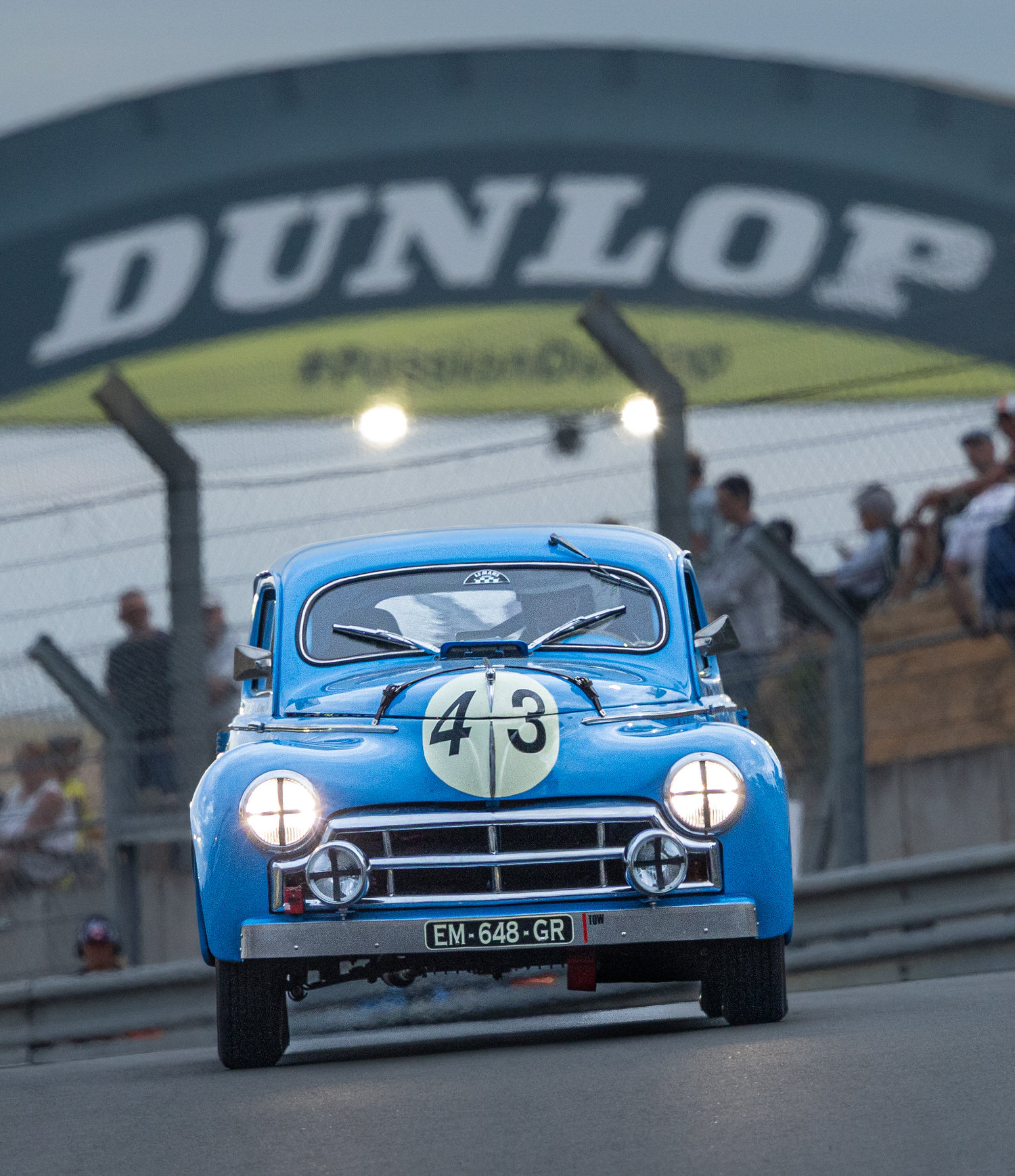
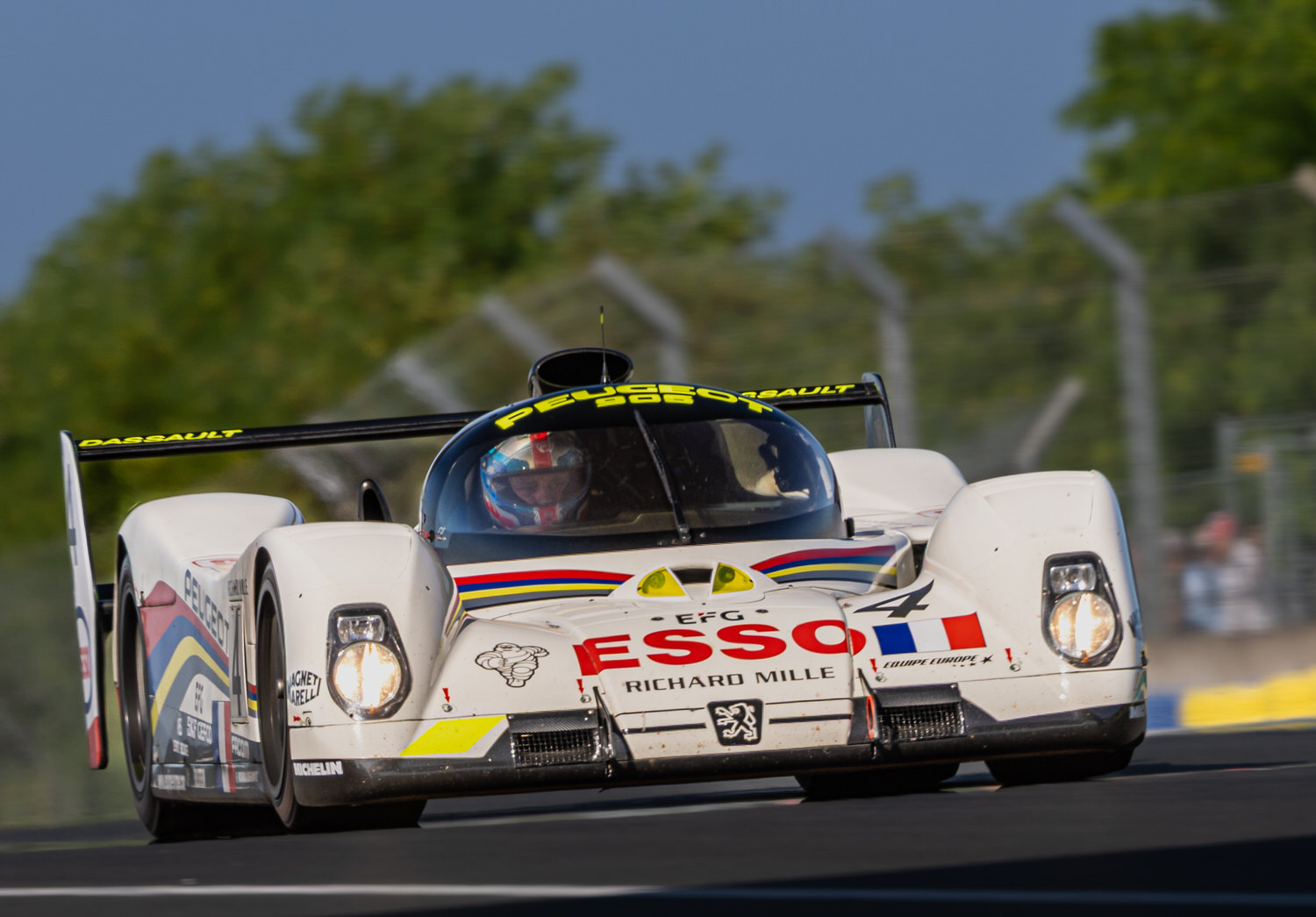
This 1950’s Peugeot 203 is remarkably different from its 1993 Group C 905 counterpart – though their model numbering system has remained the same.
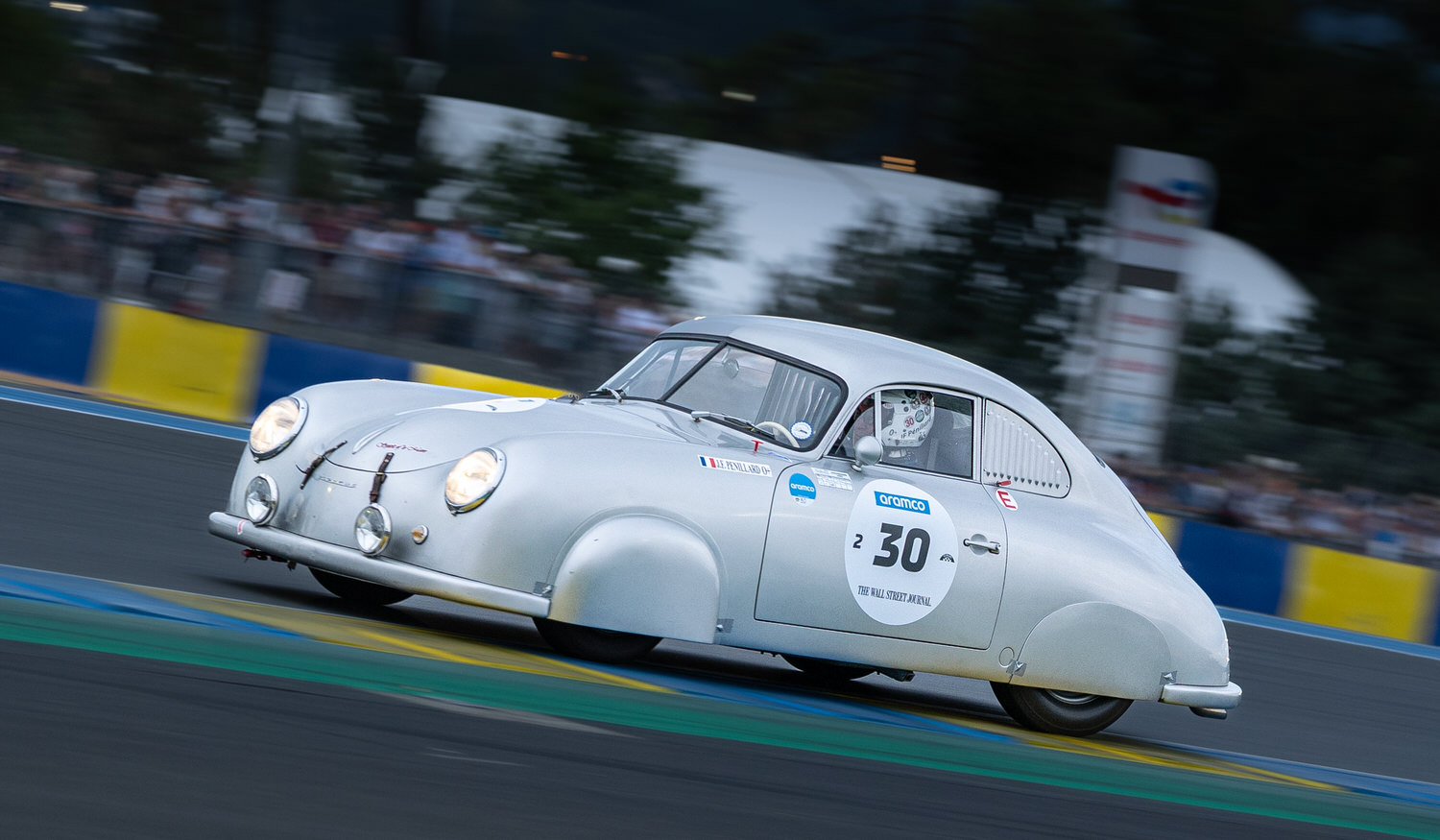
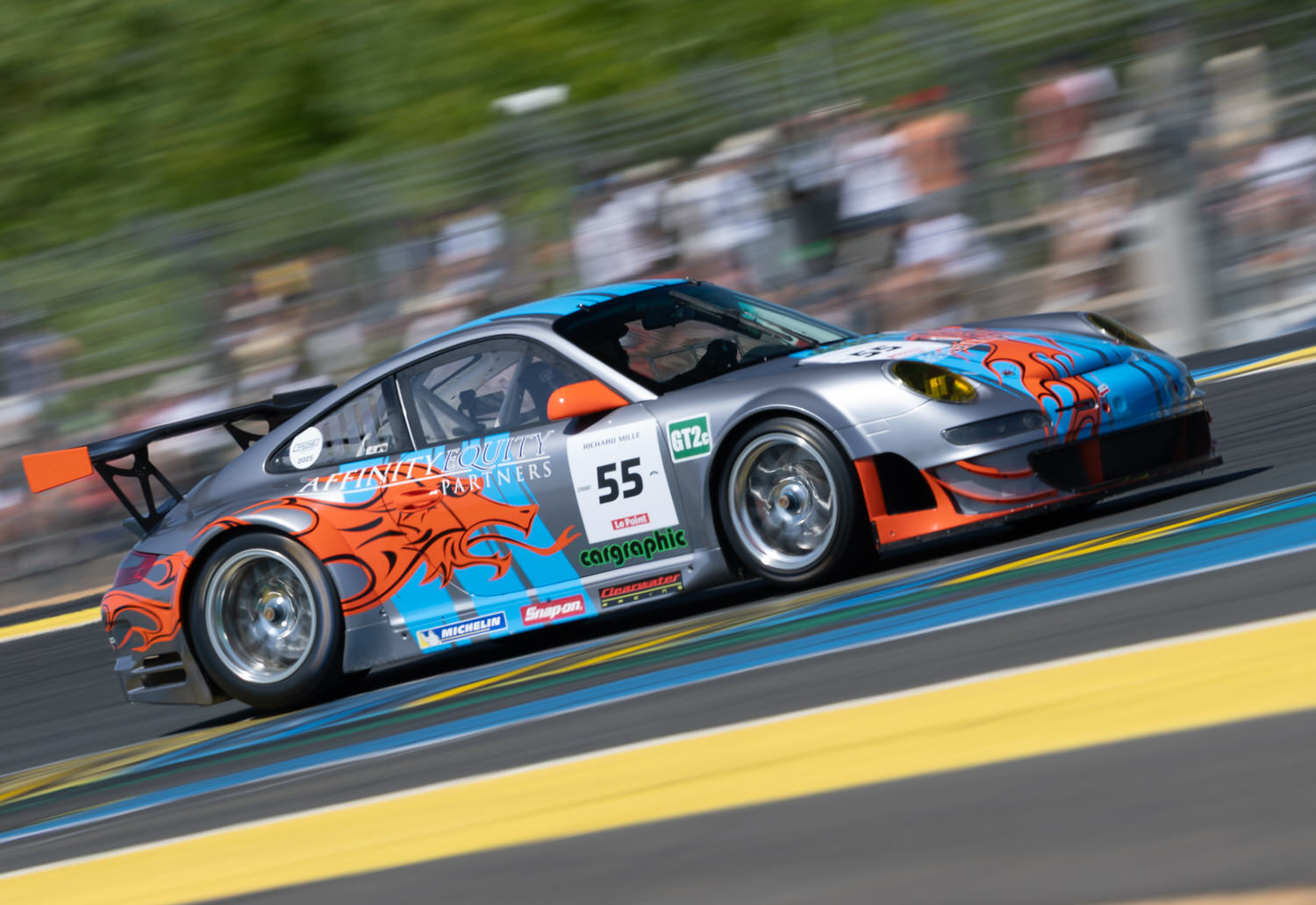
Whereas the 1951 Porsche 356 bears a striking similarity to the 2008 911. Ironically, in some respects the older car looks as if it has more attention paid to it’s aerodynamics than the recent one.
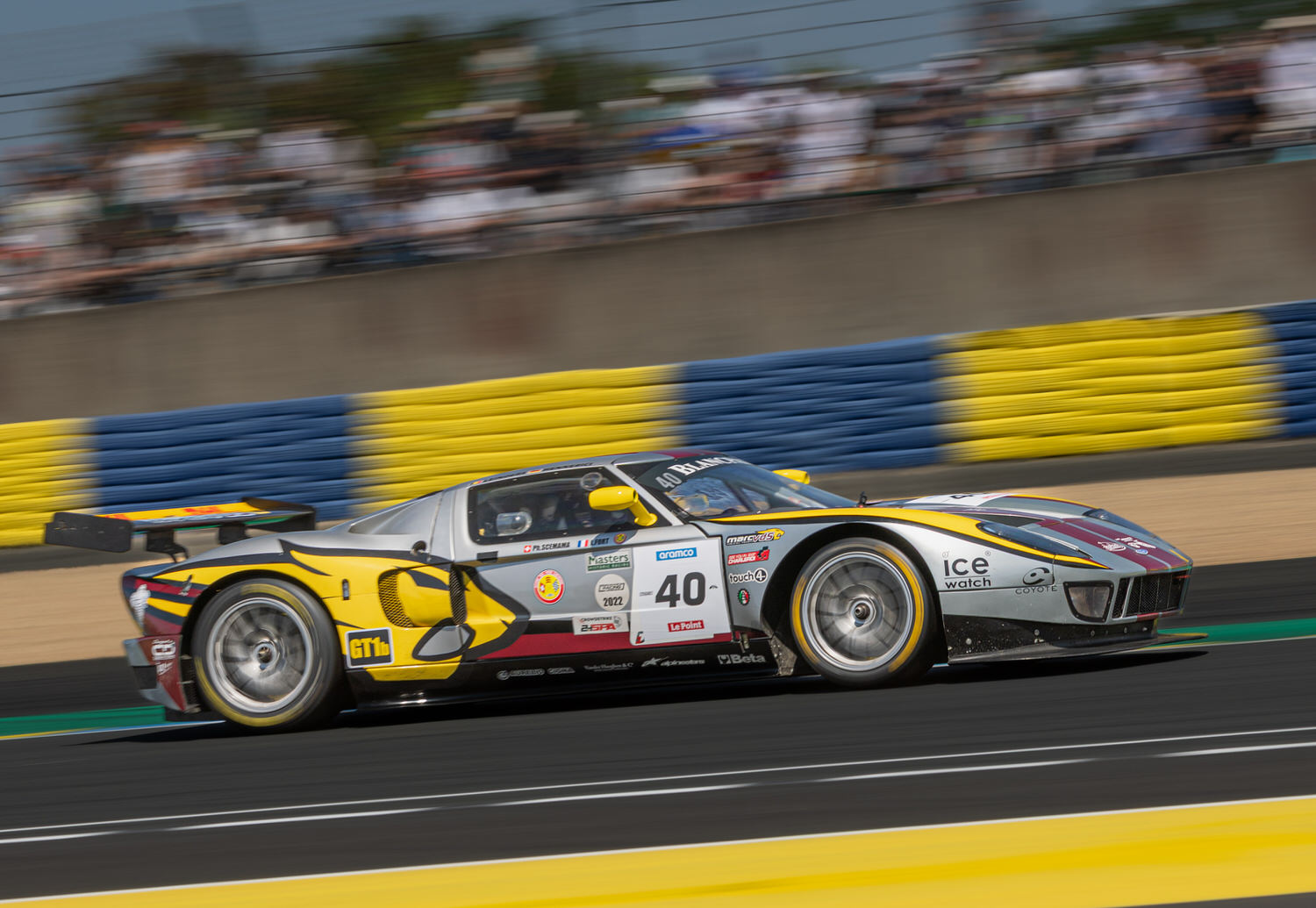
And of course the 1965 Ford GT40 looks almost identical to the 2003 Ford GT.
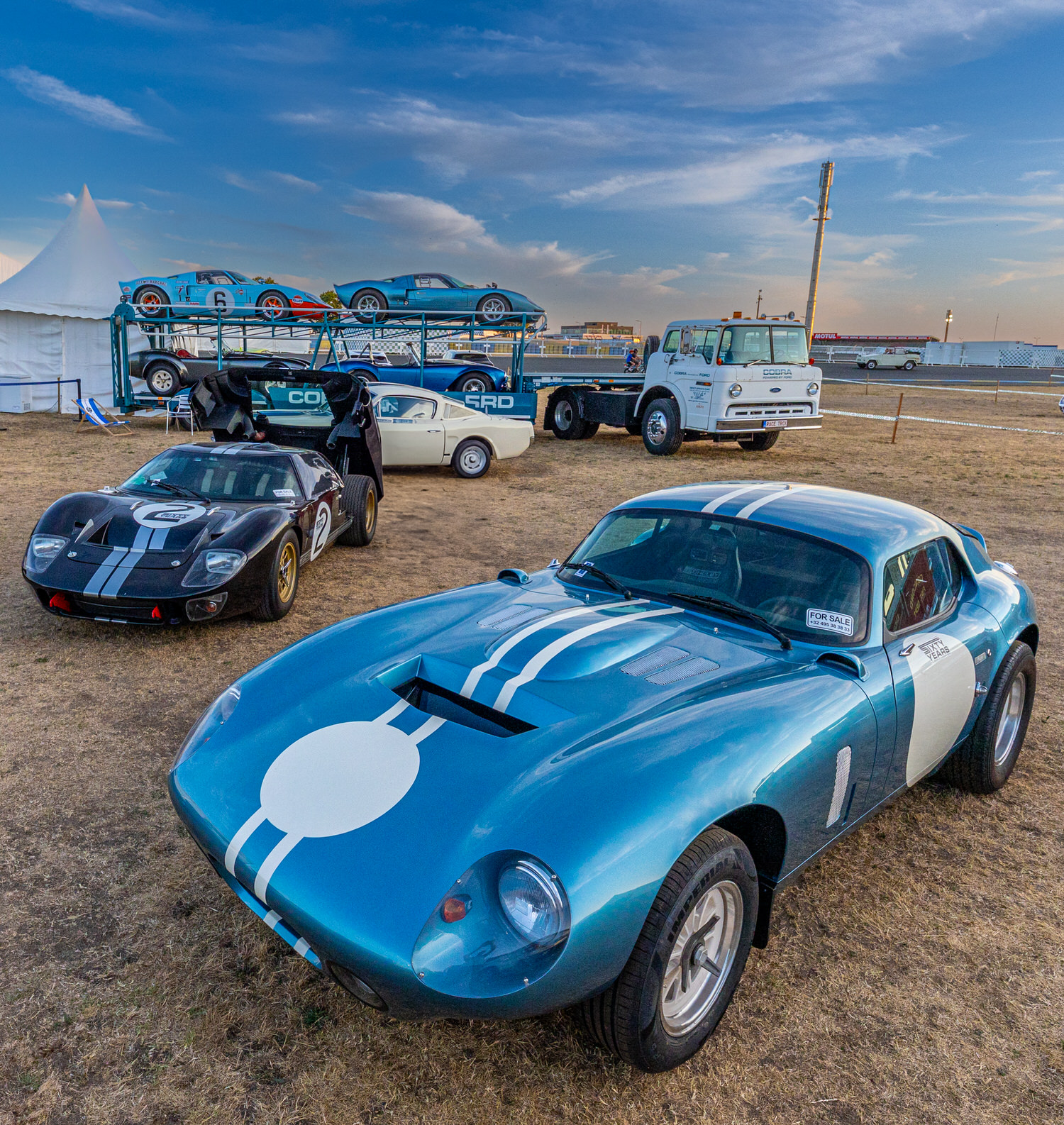
There are always plenty of exhibits to be enjoyed away from the track and thousands of interesting cars, old and new, to be seen in the displays of the over 200 car clubs being represented. My favourite was this wonderful set of Shelby related vehicles
Up till now the event has been held every other year. It has become so successful that from 2026 it will become an annual fixture.
Tickets for the next Le Mans Classic Legend from July 2-5, 2026 are already available at ticket.lemansclassic.com