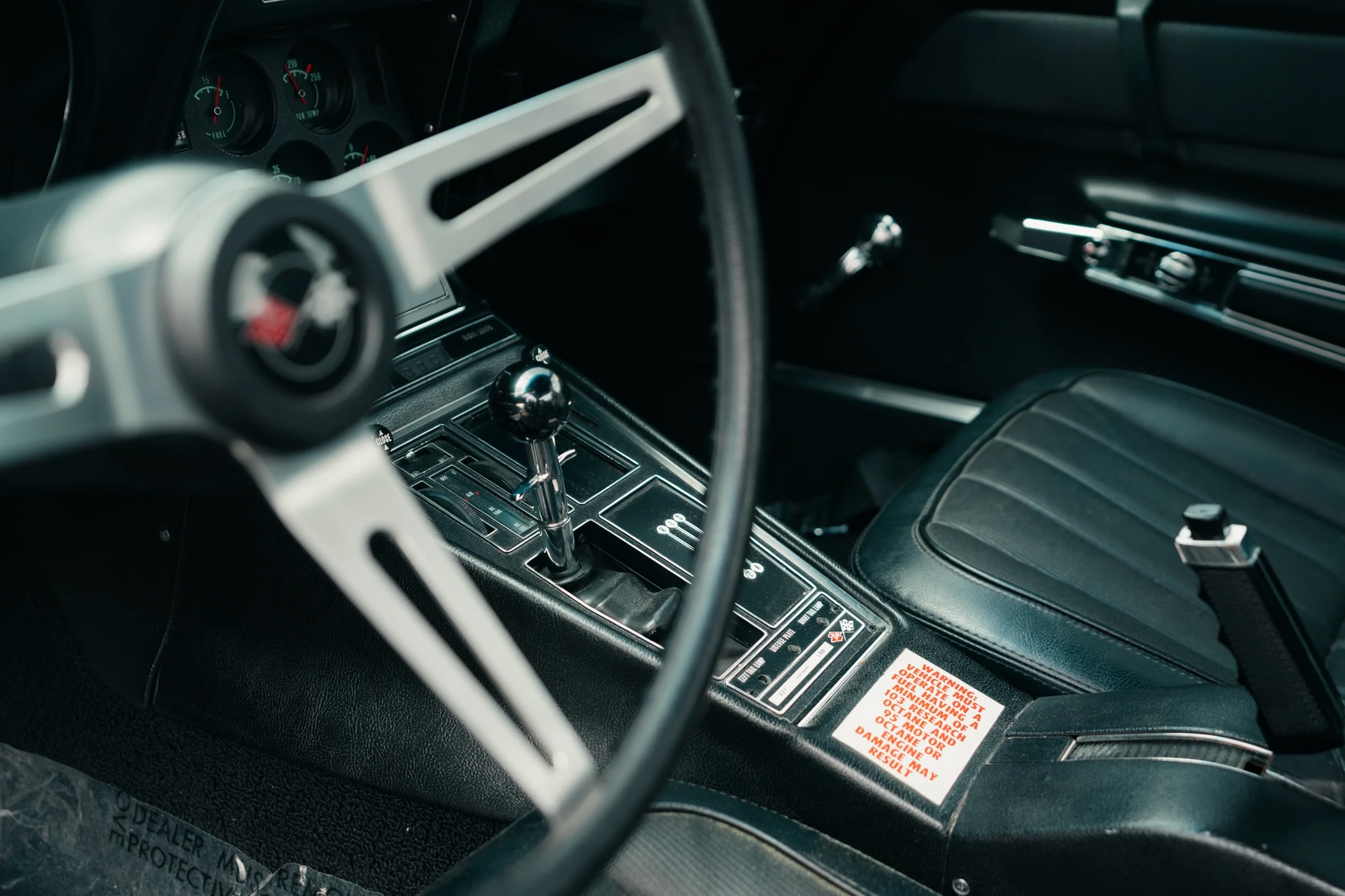
There is a decal on the console behind the shifter that reads, in part, “must operate on fuel having a minimum of 103 research octane and 95 motor octane or engine damage may result.” In 1969 that meant racing fuel, bought separately, forever. Chevrolet put the sticker where a driver could not help looking at it.
Zora Arkus-Duntov, the Belgian engineer who turned the Corvette into a real performance car, wanted privateers running them at a point when GM was officially out of racing, and both SCCA A-Production and FIA GT required that whatever showed up on the grid be something the factory genuinely built and sold to the public. So the L88 went onto the order form at $1,032.15 for the engine alone, priced and equipped so that as few people as possible would ever tick the box.
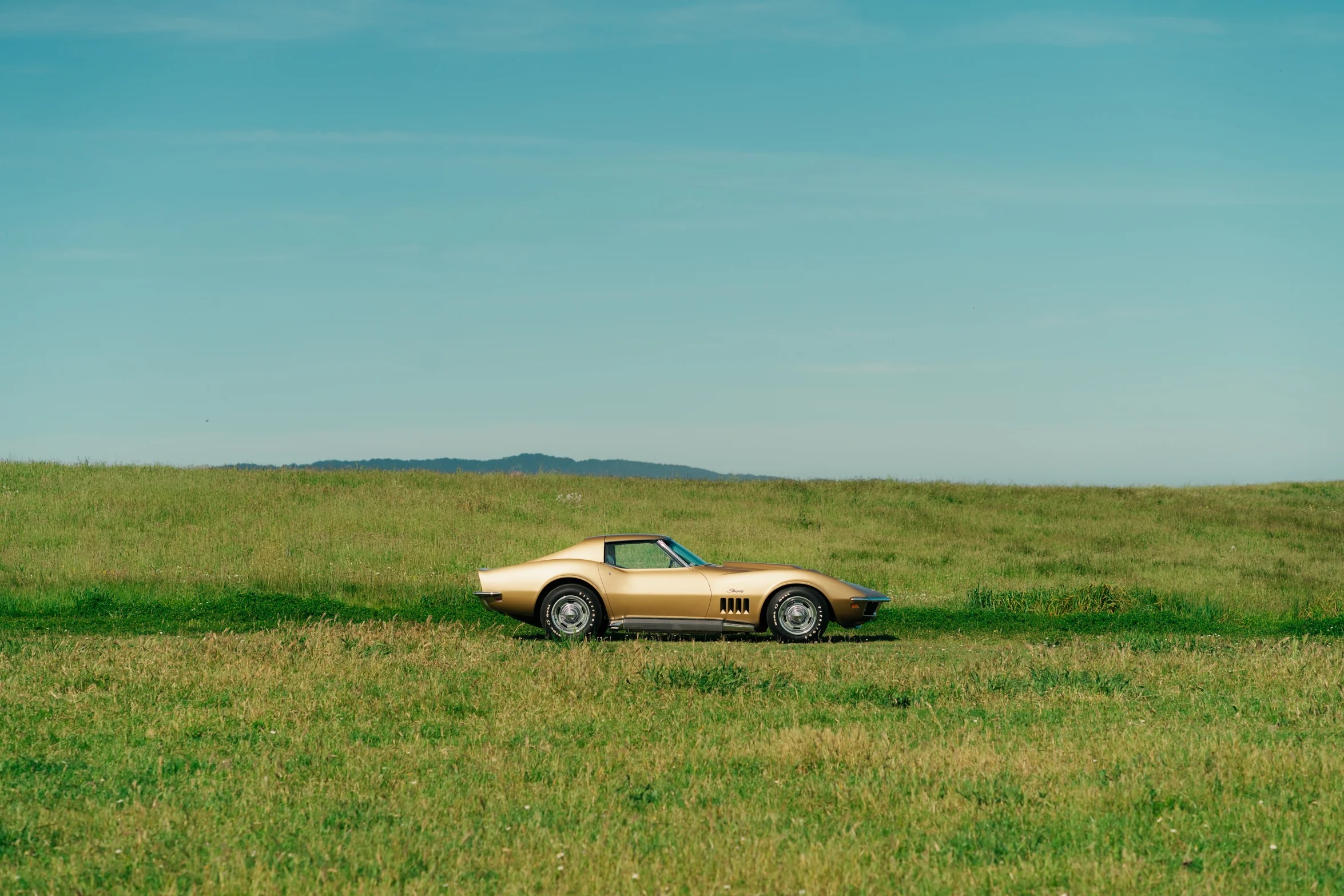
What you got with it was the heavy stuff you needed if you were going racing: better suspension, Posi, heavy-duty brakes, transistor ignition, and almost always the M22 Rock Crusher four-speed. What you did not get was anything that made the car pleasant on the street. No radio. No air conditioning. Want to pay $105 for power steering? Too bad. In today’s money the engine package is still only about nine grand. A new ZR1 starts north of $180,000, and it doesn’t have a cool nickname like Rock Crusher for anything on it. Sit on that thought for a while.
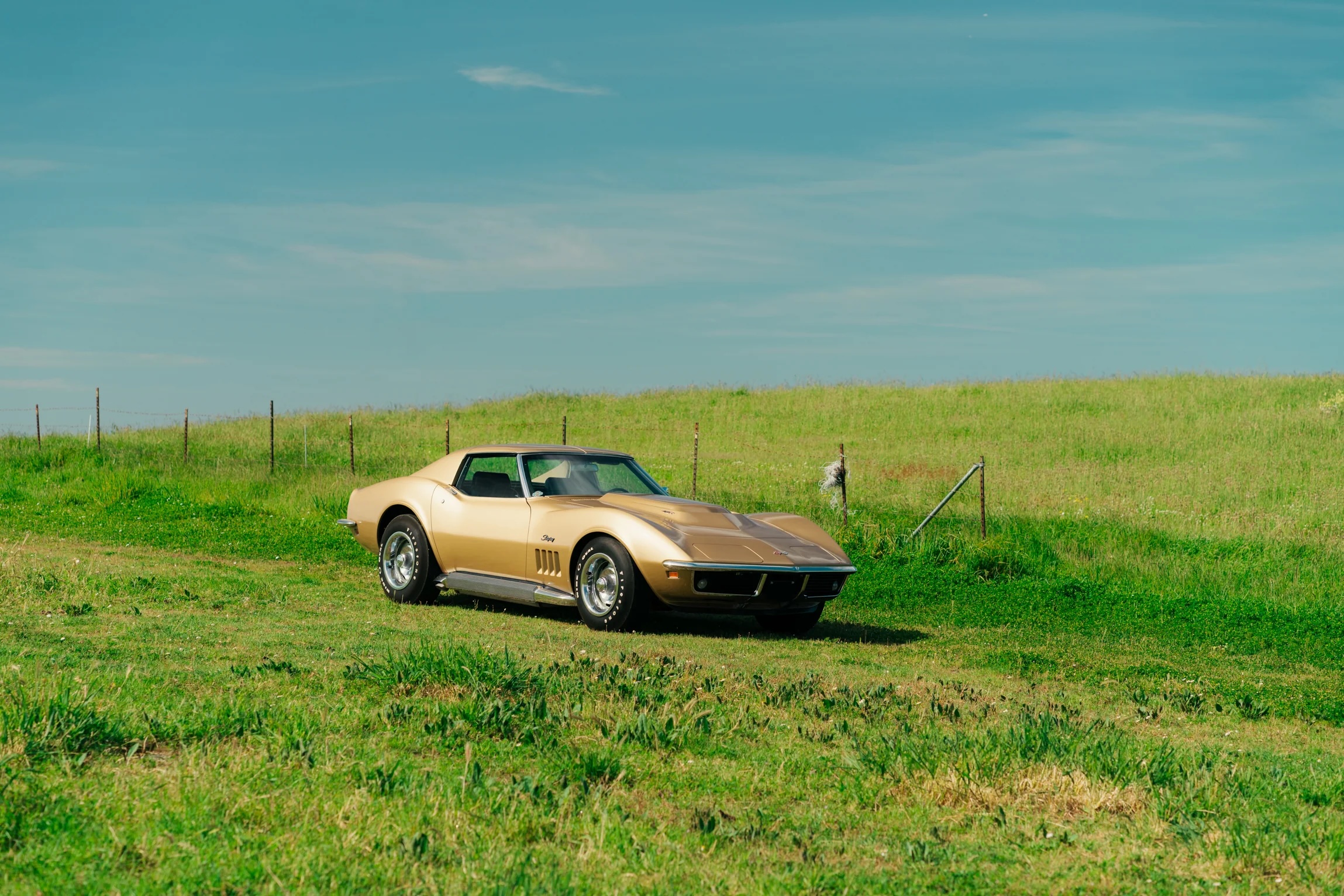
Just 116 people ticked it that year. Chevrolet built 38,762 Corvettes in 1969, so roughly 3 in every 1,000 left St. Louis with an L88 badge. Across the three years the option existed the total came to 216. That gets quoted as scarcity, and it is. Nothing was capped and no production run was ever announced. Chevrolet made the car as unappealing on paper as it could and then counted whoever was still standing at the end.
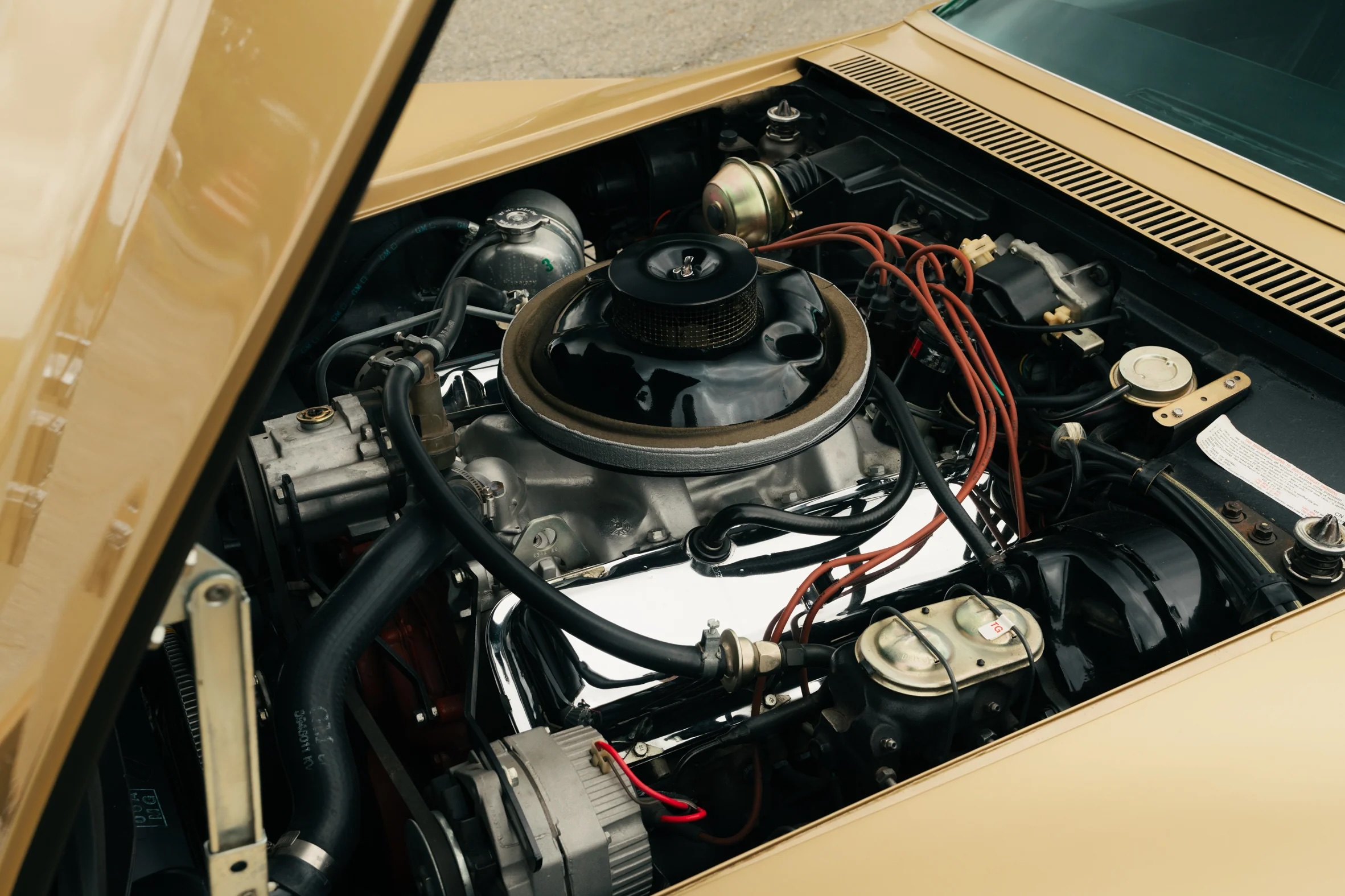
The rating did most of the work. L88 was listed at 430 horsepower at 5,200 rpm, five under the tri-power L71 on the same option list. Anyone who walked in and asked for the most powerful Corvette got pointed at the L71. That was exactly what was supposed to happen.
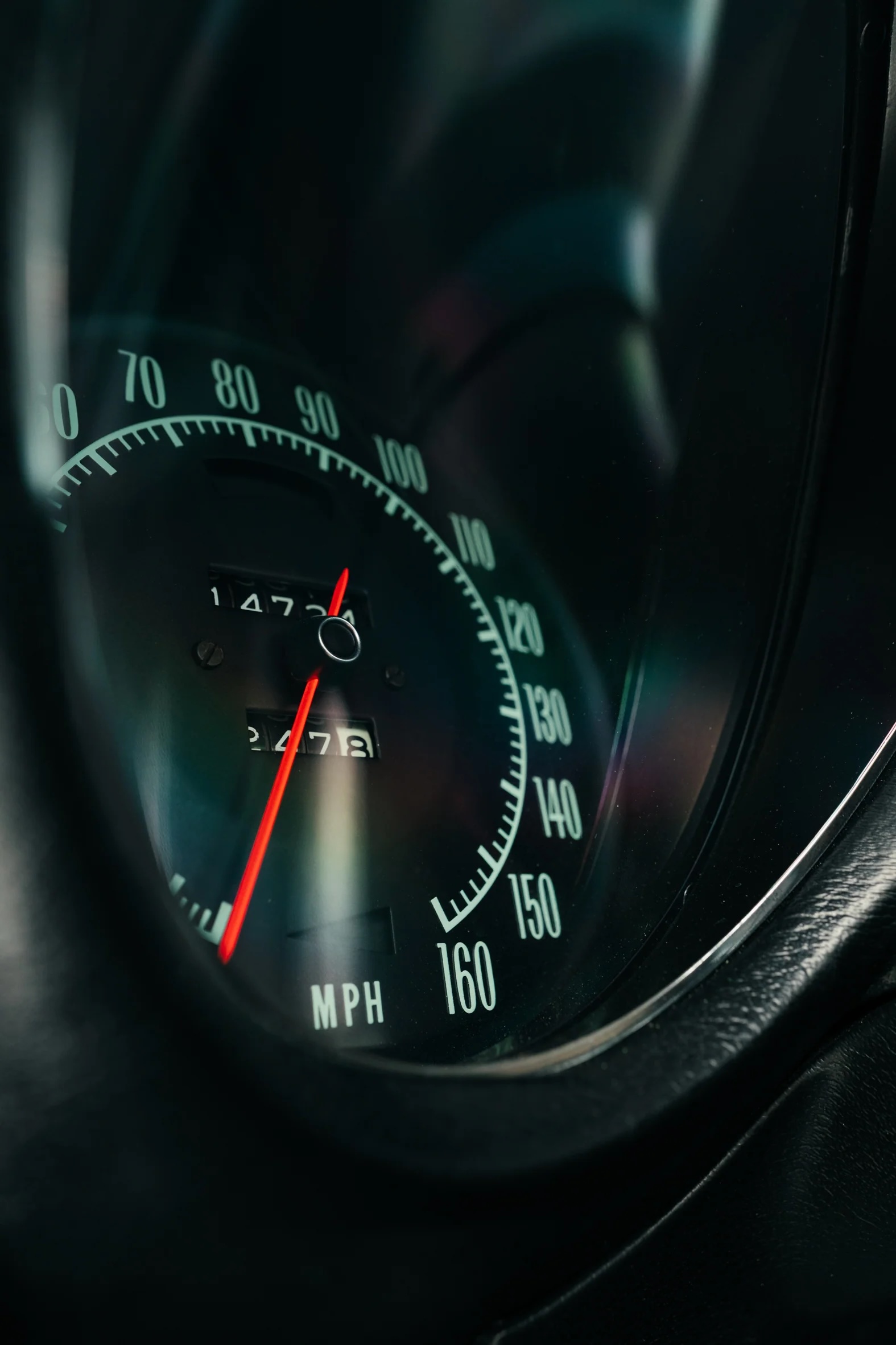
There is no trick inside the engine. 427 cubic inches of iron, four-bolt mains, forged everything, aluminum heads with ports bigger than any street 427 needed. Compression sits at 12.5:1. The cam is mechanical and mean enough that the thing will not hold a civil idle, which is also why the power lives a couple thousand rpm past the 5,200 where Chevrolet decided to measure it. A single Holley 850 on an aluminum manifold. Dyno pulls and period drag times put the real horsepower numbers somewhere between 550 and 580. Chevrolet never advertised more than 435 for a Corvette in the 1960s. It was 2009 before one left the factory claiming 600, and that one needed a supercharger.
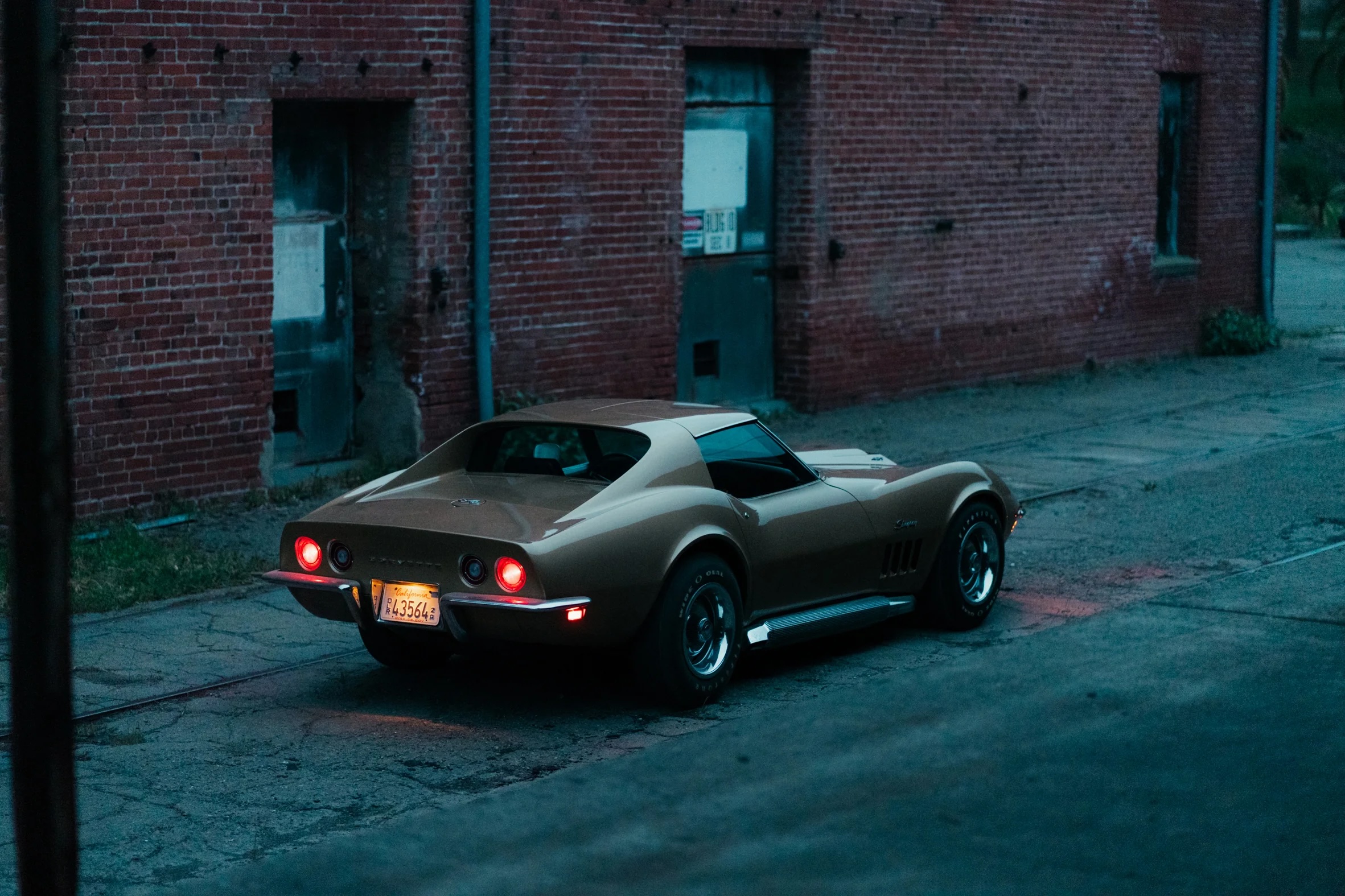
The L88 never went into anything else. Three model years, Corvette only, and then it was done. The architecture kept going without the name. For 1969 the same 427 got cast in aluminum, block and heads both, and went out as the ZL1. Chevrolet built 69 of those for Camaros through the COPO back door and two for Corvettes. The ZL1 was rated at 430 as well. Same number, same reason.
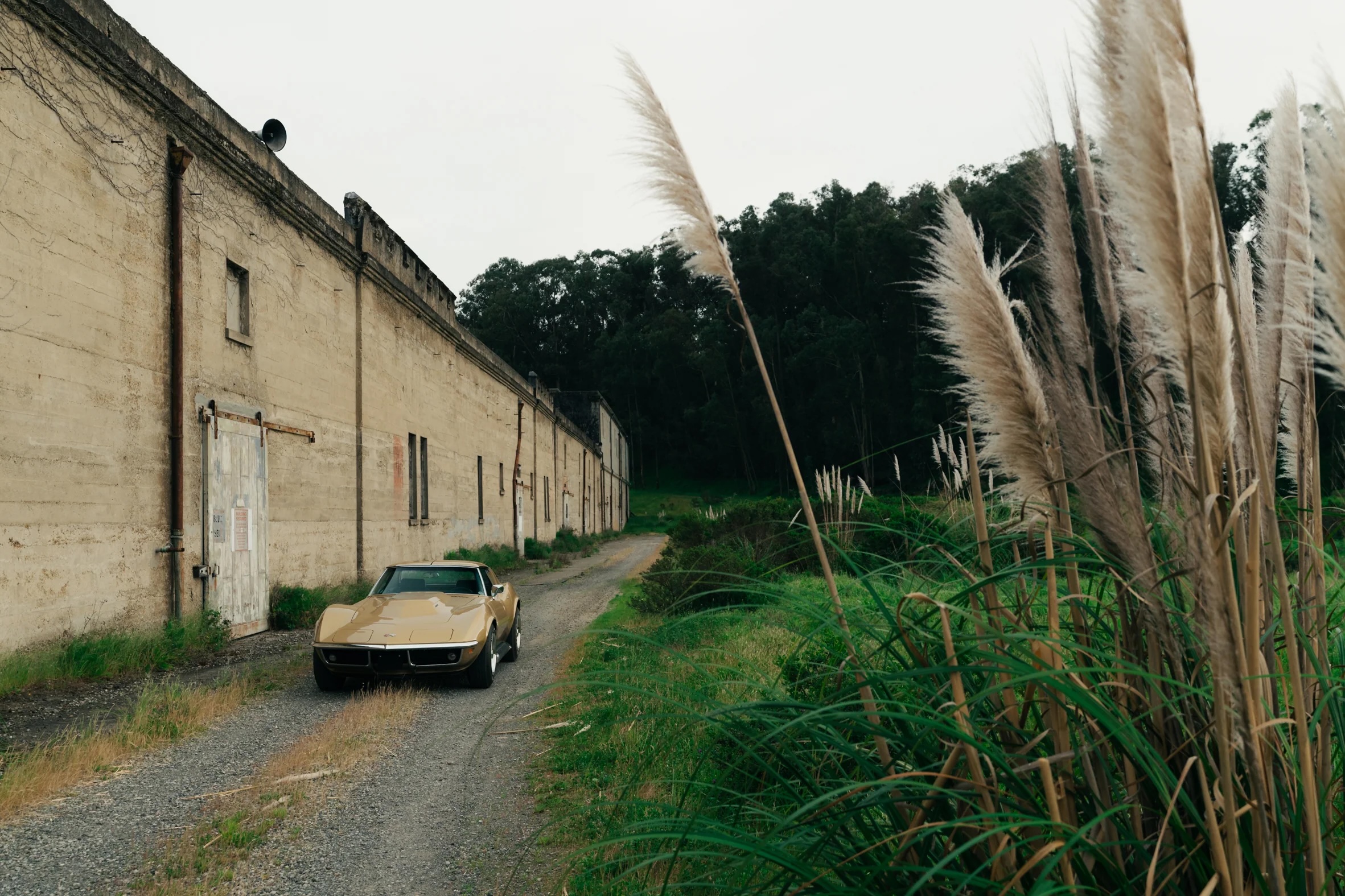
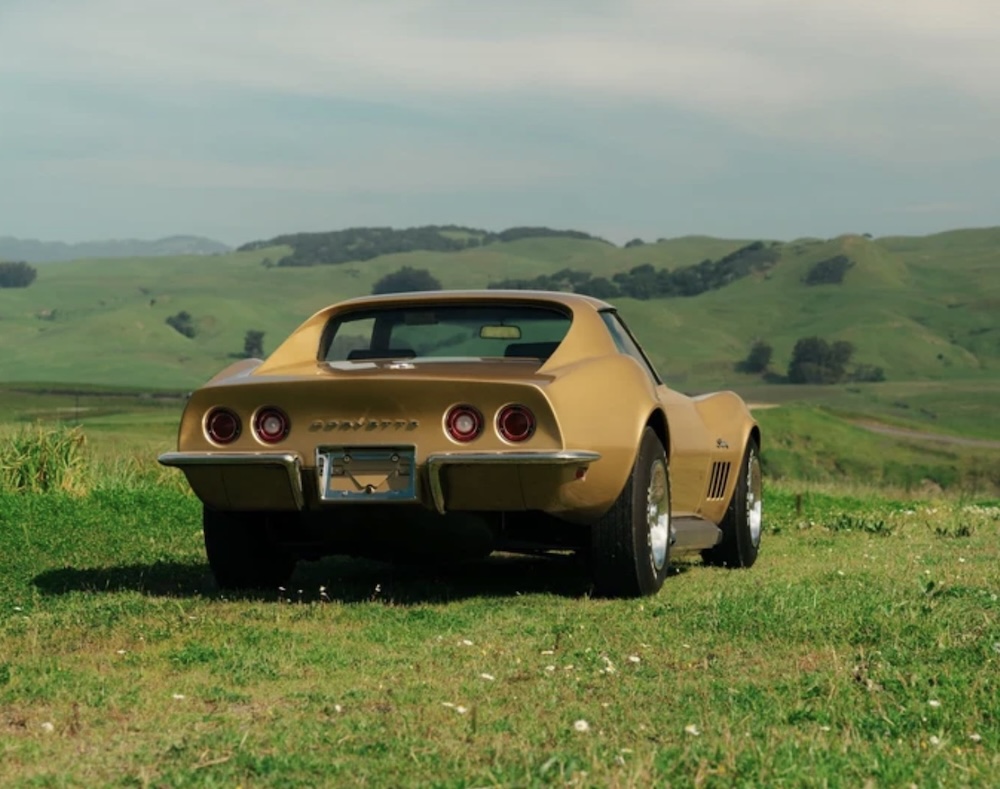
This one was ordered by the son of the owner of Melton Motor Company in Belleville, Kansas, to work as a dealer demonstrator during the week and a drag car on weekends. In 1971 it set two AHRA world records at Manhattan Raceway Park, an 11.77 and then an 11.39, and the certificates are still with the car. It set both of them before anyone’s name was on the title. That did not happen until 1982.

By loading the video, you agree to YouTube's privacy policy.
Learn more
Report by Kris Clewell for petrolicious.com