Adrian Newey may have left Red Bull for the Aston Martin F1 team, but the RB17 hypercar he designed is getting closer to production, nonetheless. In fact, Newey is “always on the end of the phone if we need him,” Red Bull’s technical director Rob Gray told Top Gear.
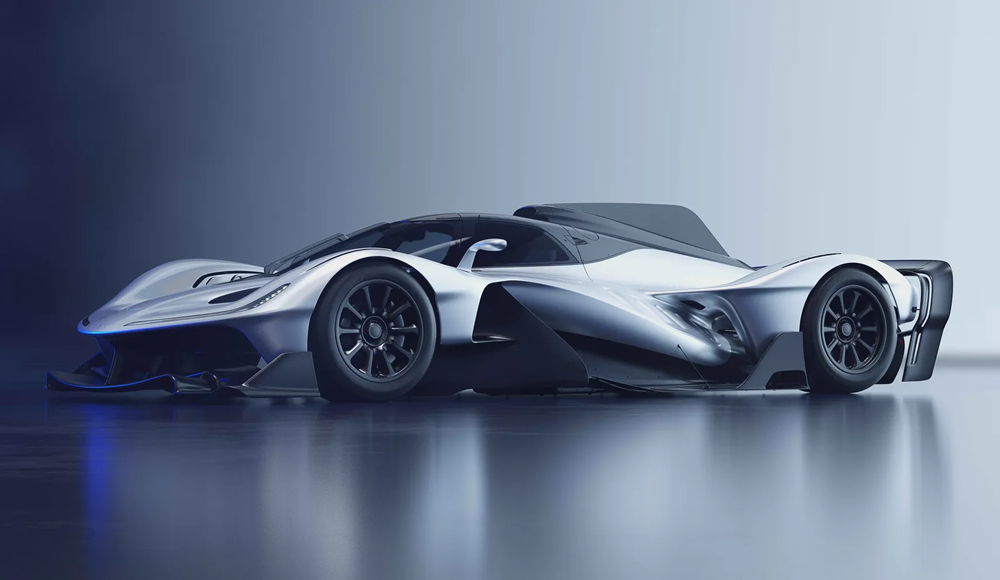
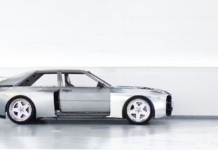
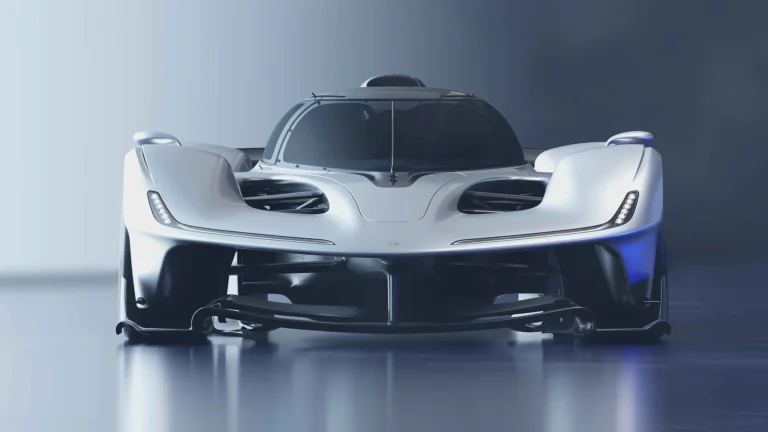
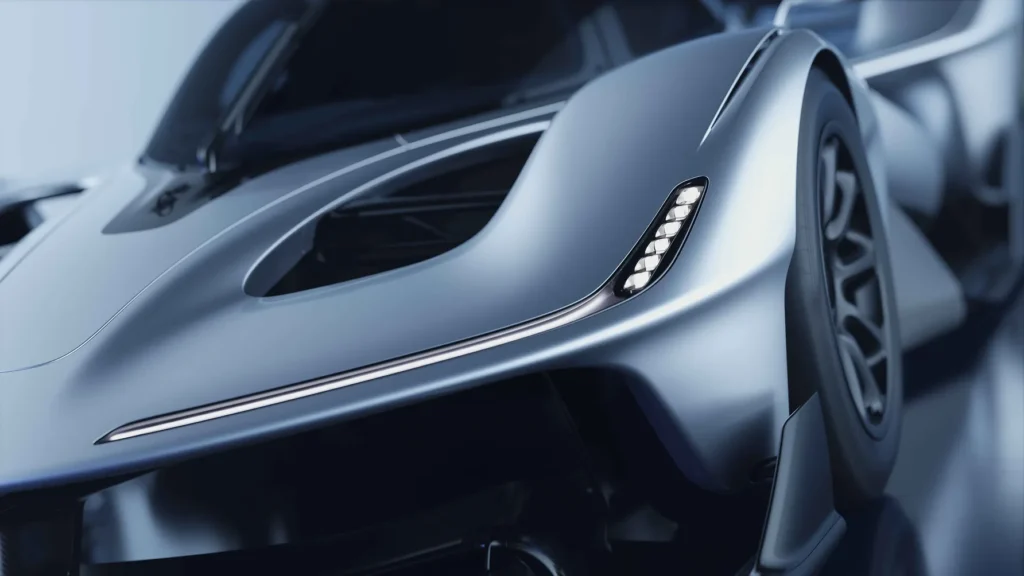
The RB17, which is set to rival the AMG One and Aston Martin Valkyrie, was first shown at the Goodwood Festival of Speed in 2024, but has changed a lot since then. The car now sports slimline hockey stick-shaped LED headlamps, a windscreen wiper, and wing mirrors to make it roadworthy, while there have also been significant modifications to its aerodynamics—Newey’s specialist subject.
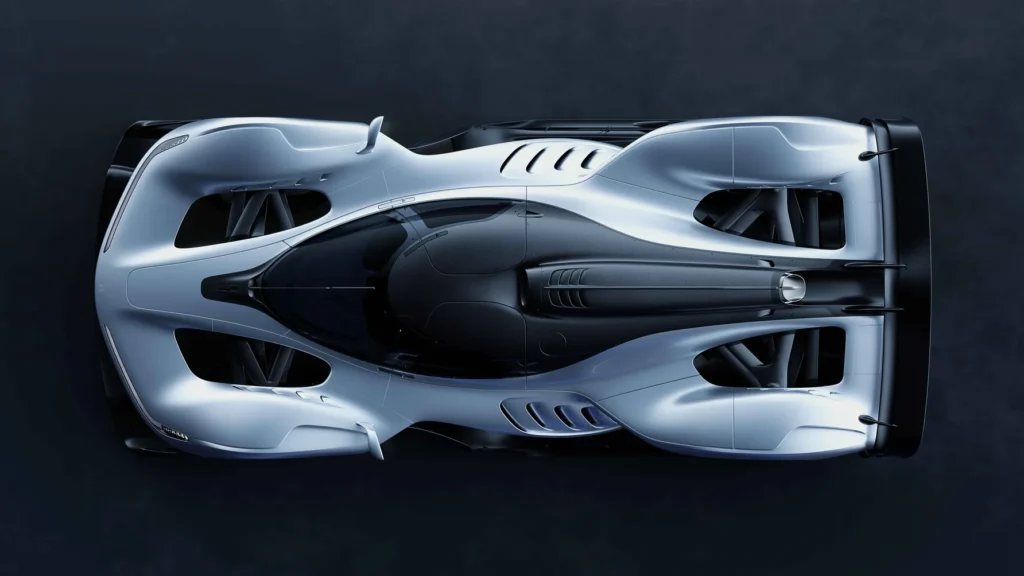
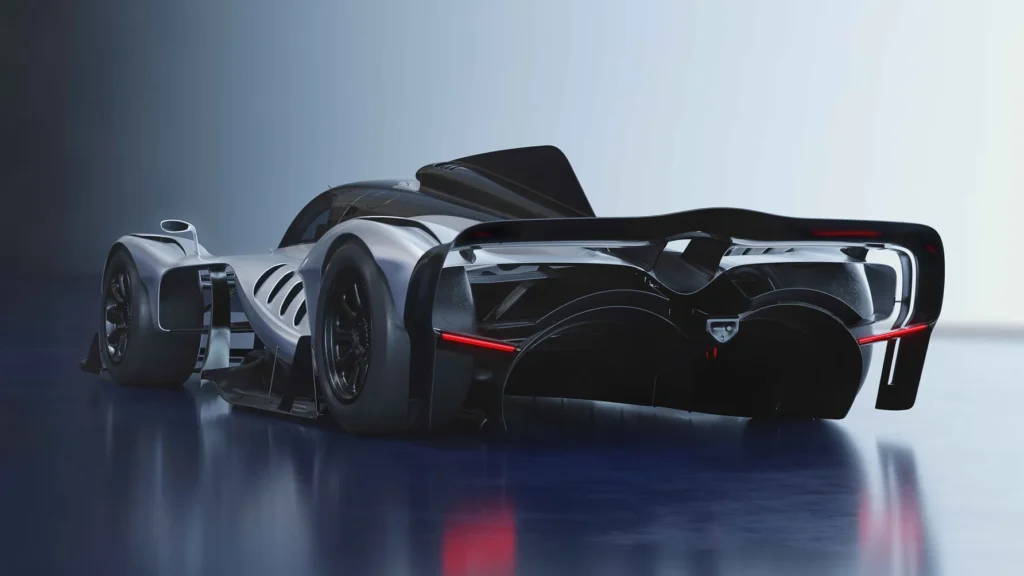
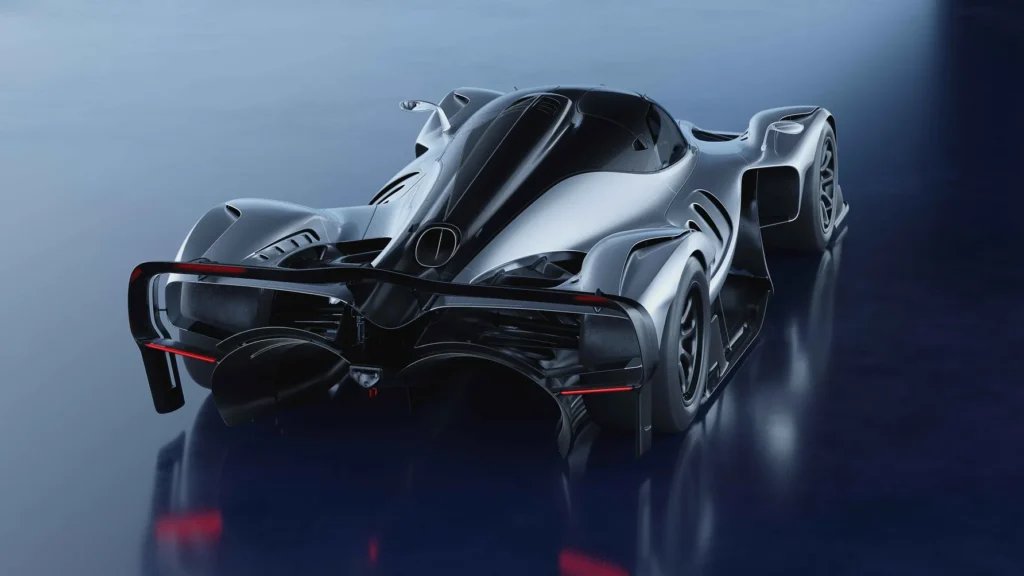
A massive center fin now sits atop the engine compartment, which contains the purpose-built 4.5-liter Cosworth V-10. A throwback to F1’s glory days when engines were operatic, it will rev to 15,000 rpm and put out over 1000 hp. There’s an extra 200-or-so horses from an electric motor, which also provides torque fill between gearshifts, and can spin backwards, negating the need for a reverse gear.
Ensuring that the internal combustion orchestra is perfectly in tune is a ten-into-one exhaust system that exits onto the spine of the engine cover. This was a last-minute change from Newey, which “led to a lot of work on the thermal side of things. “To stop bits catching fire,” according to Gray.
Clearly, the RB17 will be bewilderingly fast in a straight line, but master of the air Newey has also incorporated a fan-assist that delivers 3750 lbs of downforce. Coupled with the car’s active suspension, it should corner like no other road car. Both of these systems were banned in Formula 1 as they made cars too fast, yet here they are on a car for the road.
“The RB17 Hypercar embraces everything we stand for: undeniable power, speed and beauty,” said Newey when the car was first unveiled. “It is very adaptable in its abilities, and we made sure to design it as a two-seater so that the thrill of driving at F1 speeds can be enjoyed with a friend or partner.”
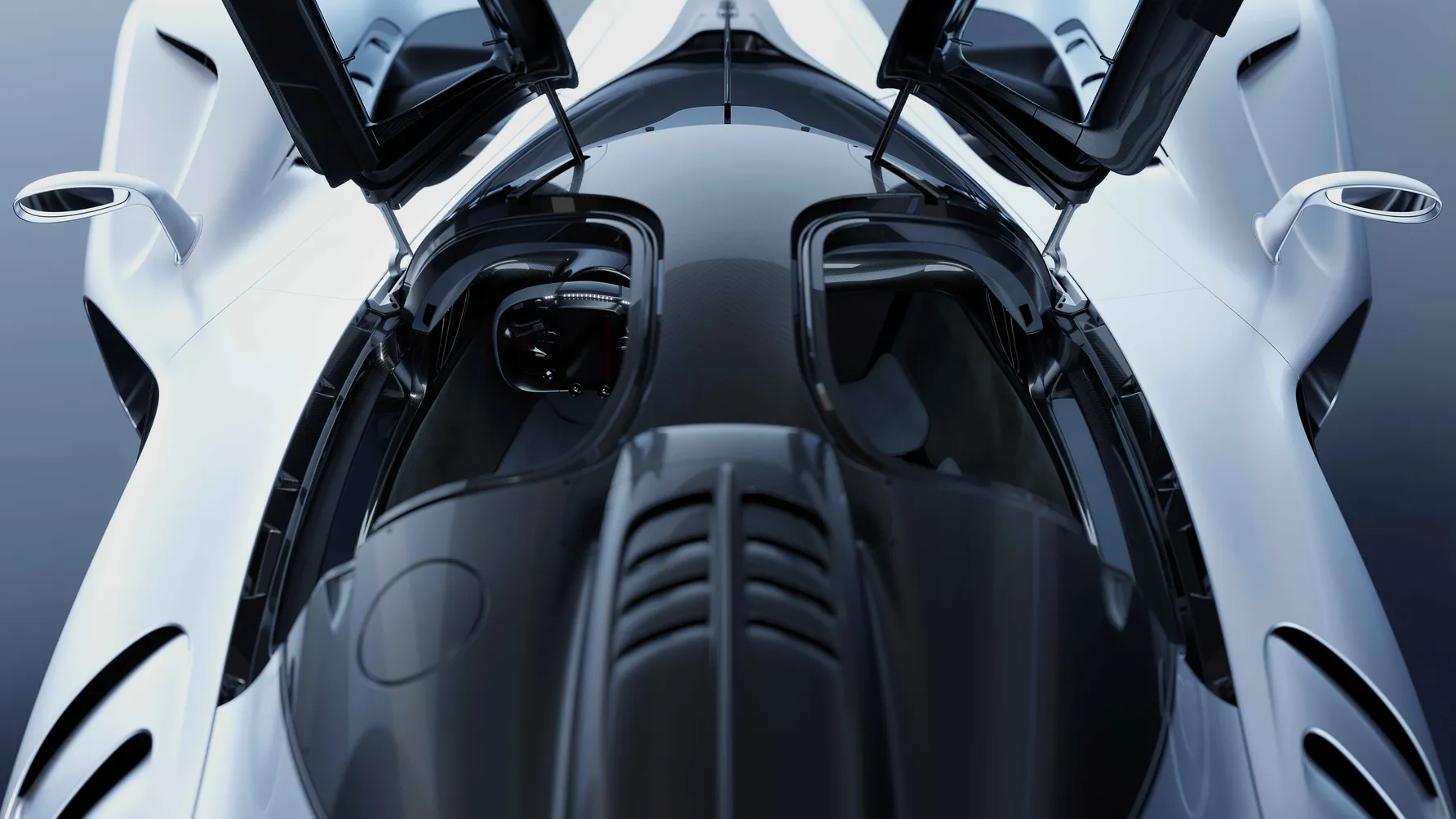
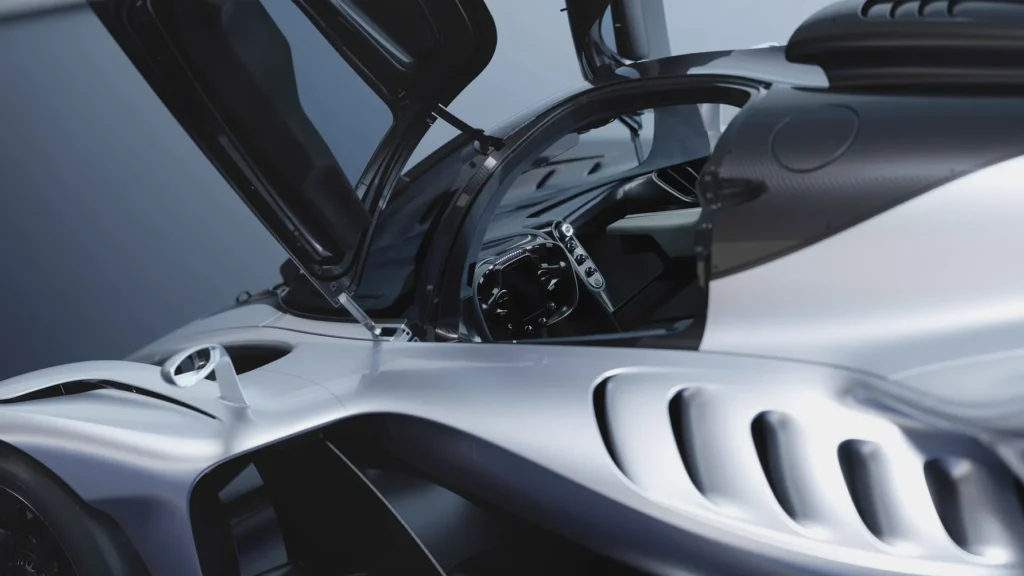
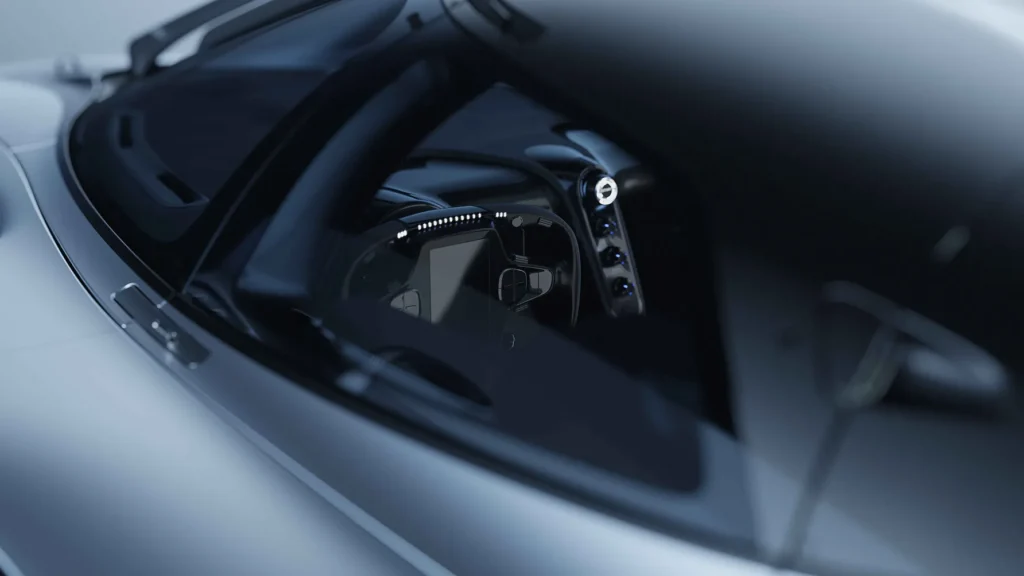
The two-seater interior isn’t completely finalized, but Top Gear reports that “haptic controls and touchscreens are not even being considered—everything will be worked via tactile, physical controls that are simple to operate.”
The RB17’s structure has been designed to meet Le Mans prototype crash rules, even though it’s not scheduled to race, and the front-hinged butterfly doors were chosen to make access to the cabin easier.
Expect to see the RB17 out testing this summer before the first of 50 examples (all sold, of course) start being delivered in spring 2027.
Report by Nik Berg
find more news here.