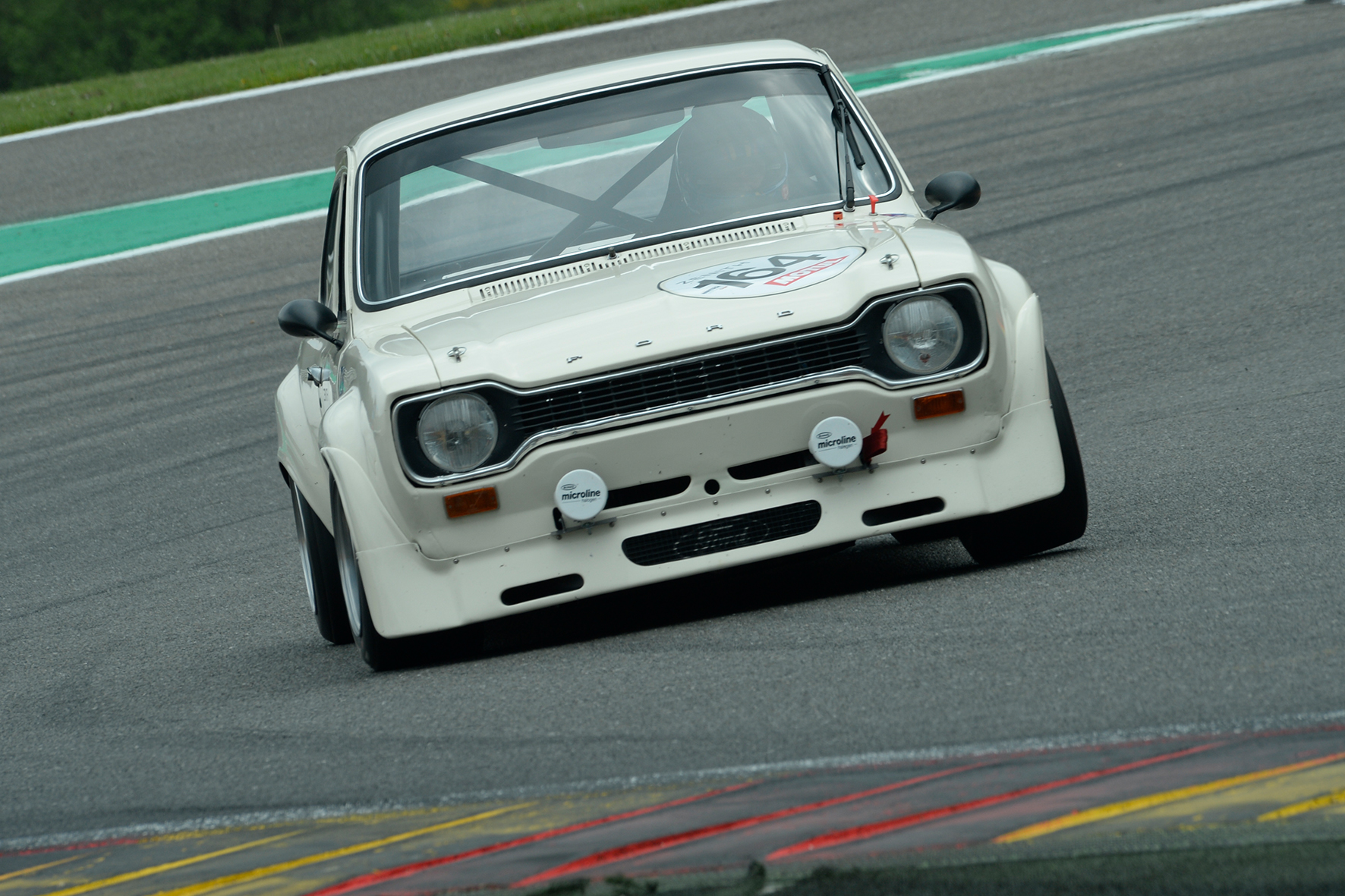
Affectionately known as the ‘dog bone’, the Ford Escort is still a wonderful representative of the touring car generation that saw the light of day at the end of the 1960s. But why did this beautiful Ford have such a strange nickname?
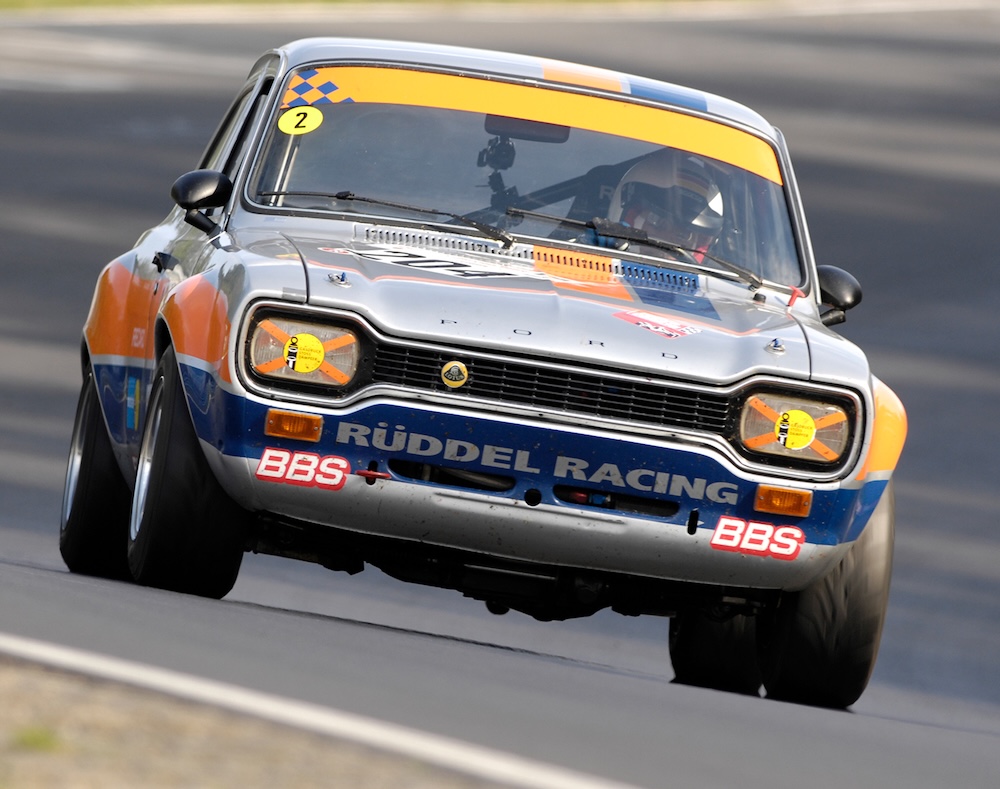
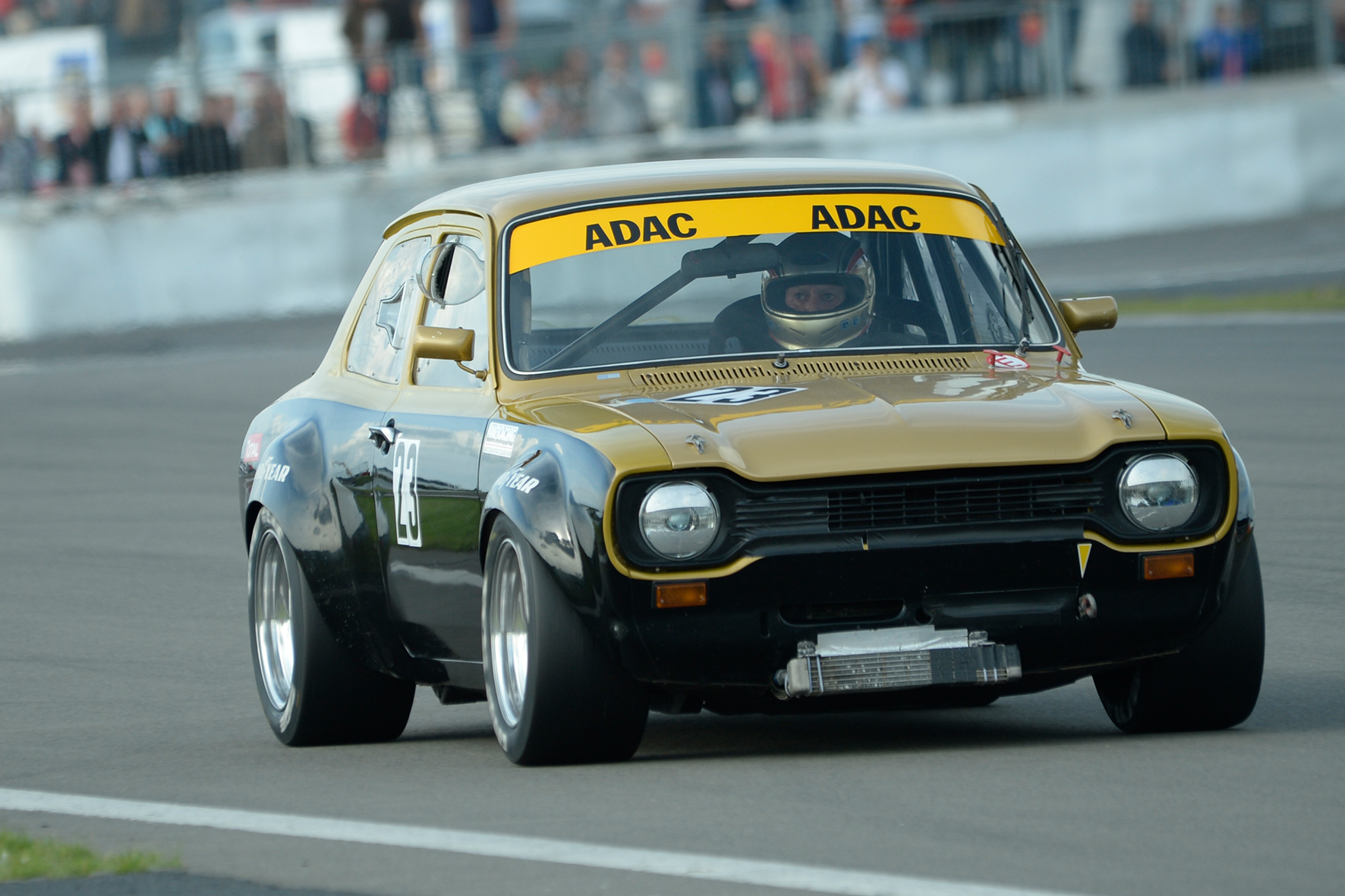
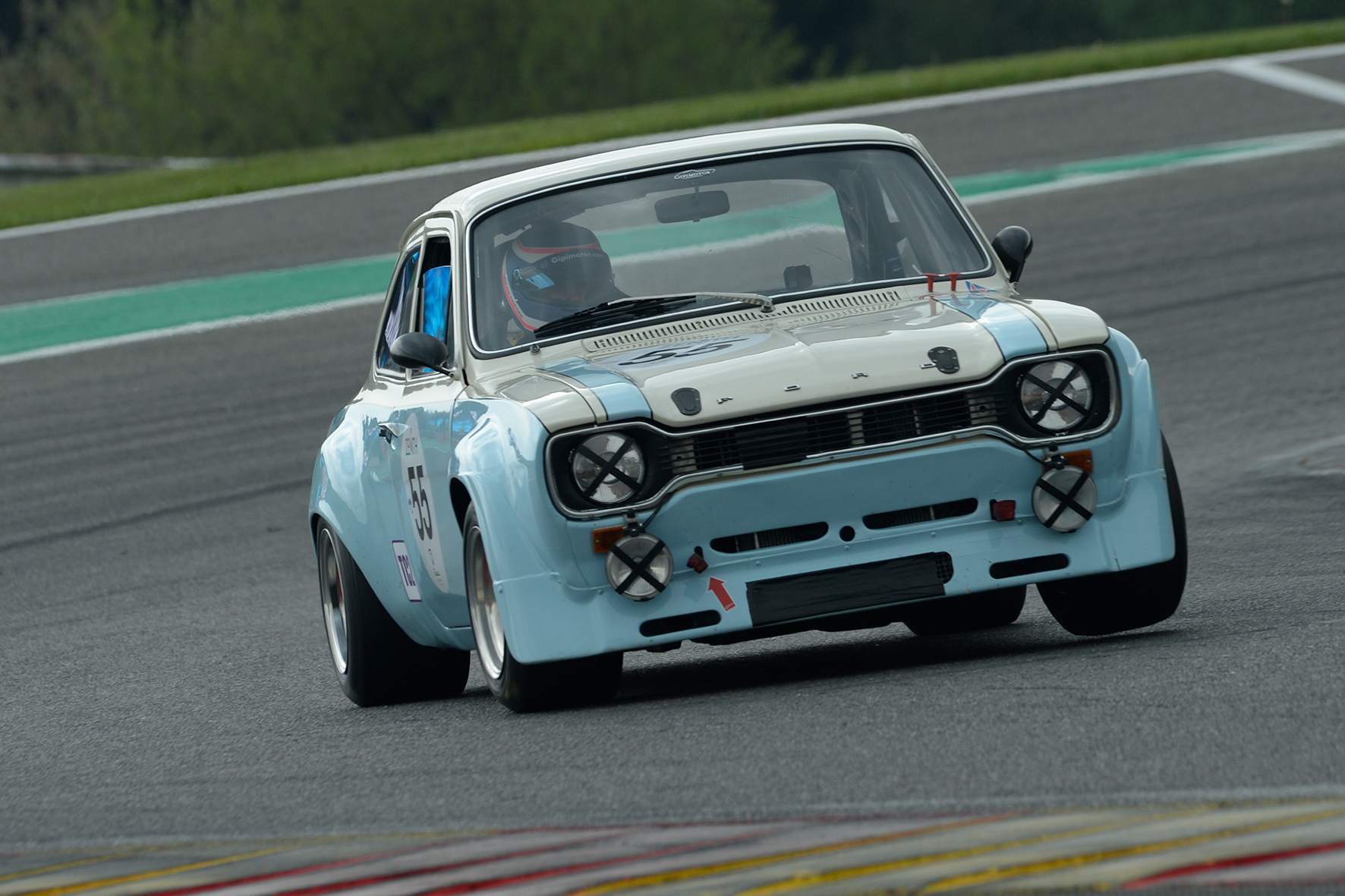
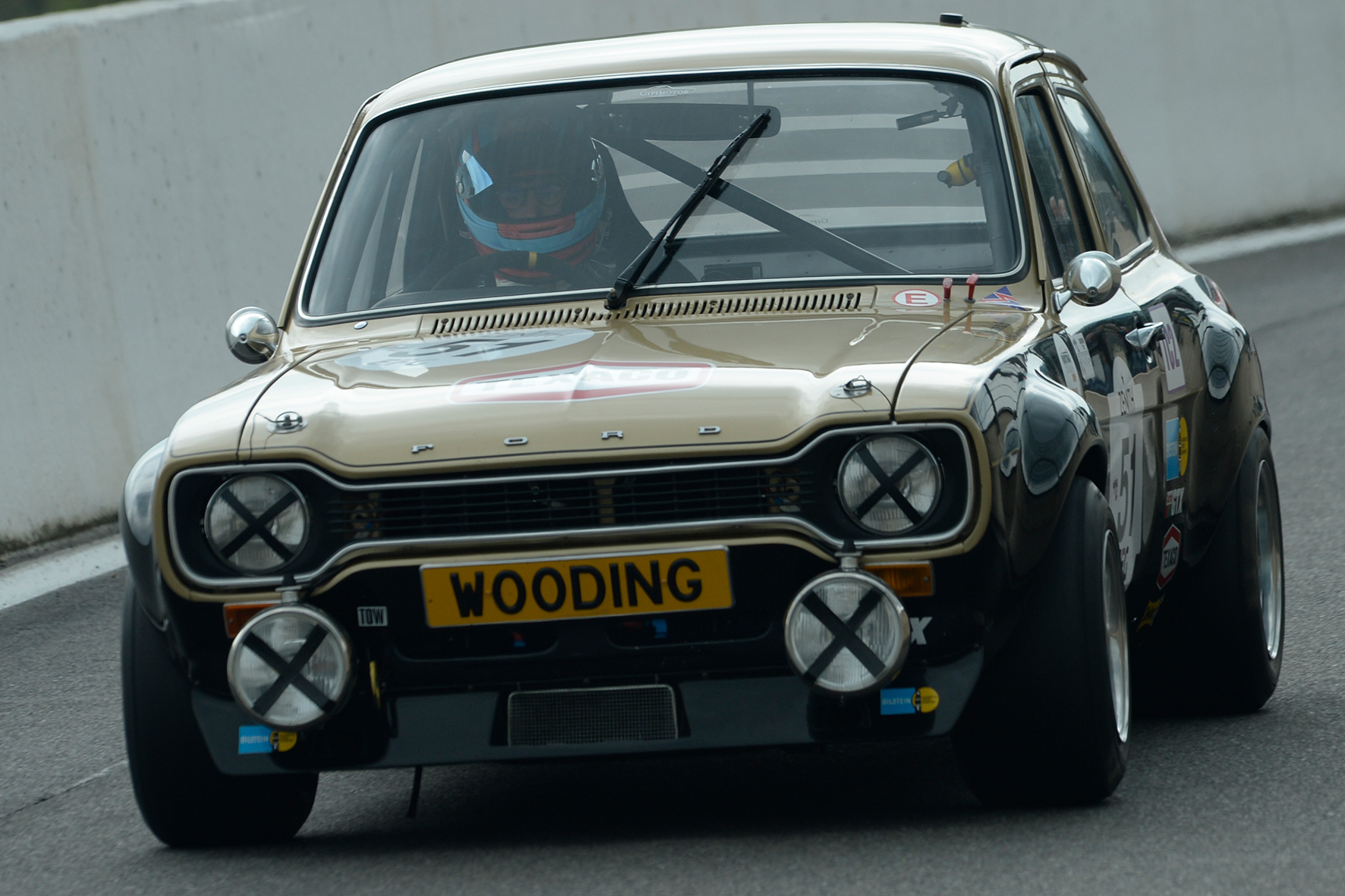
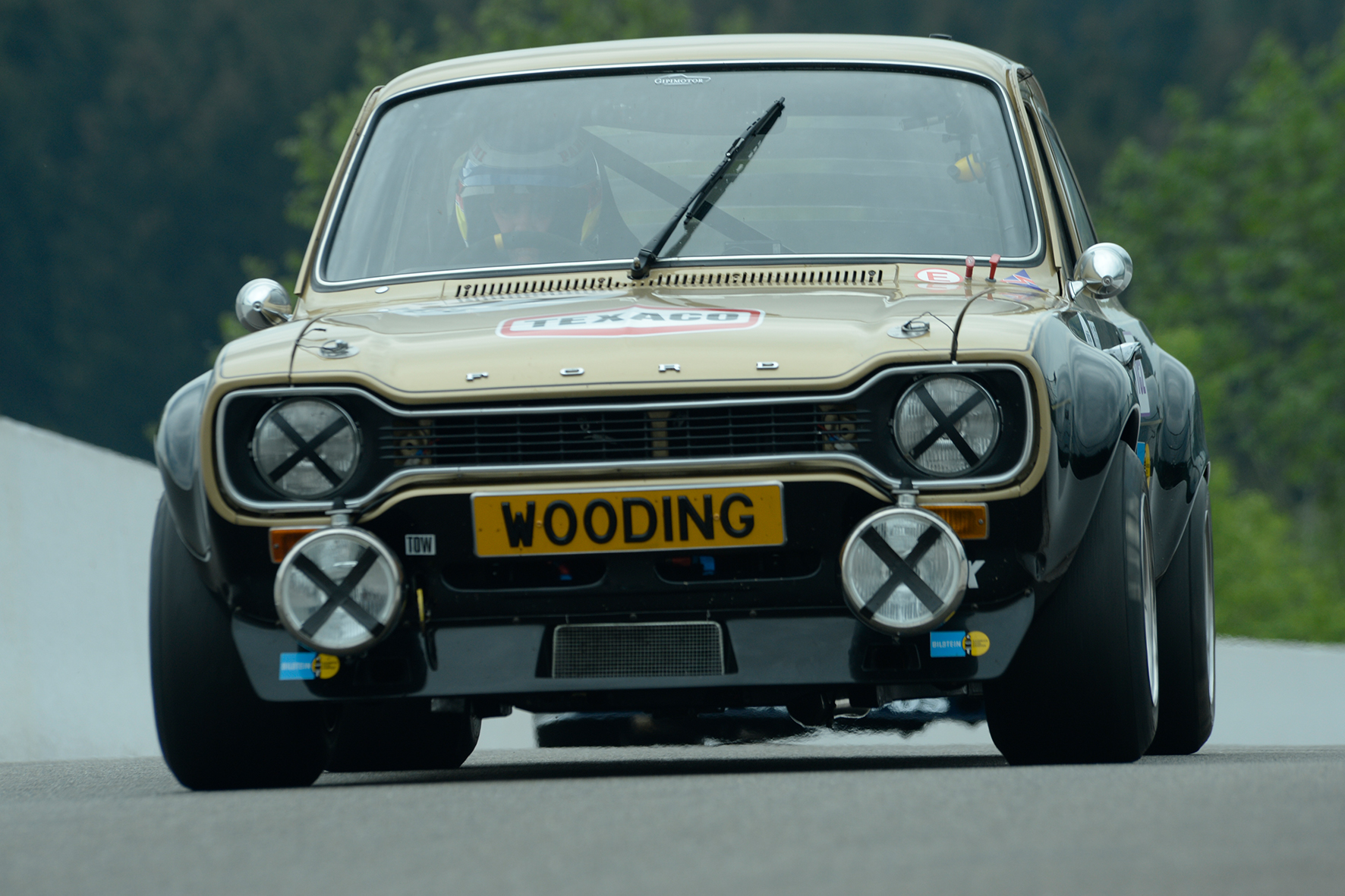
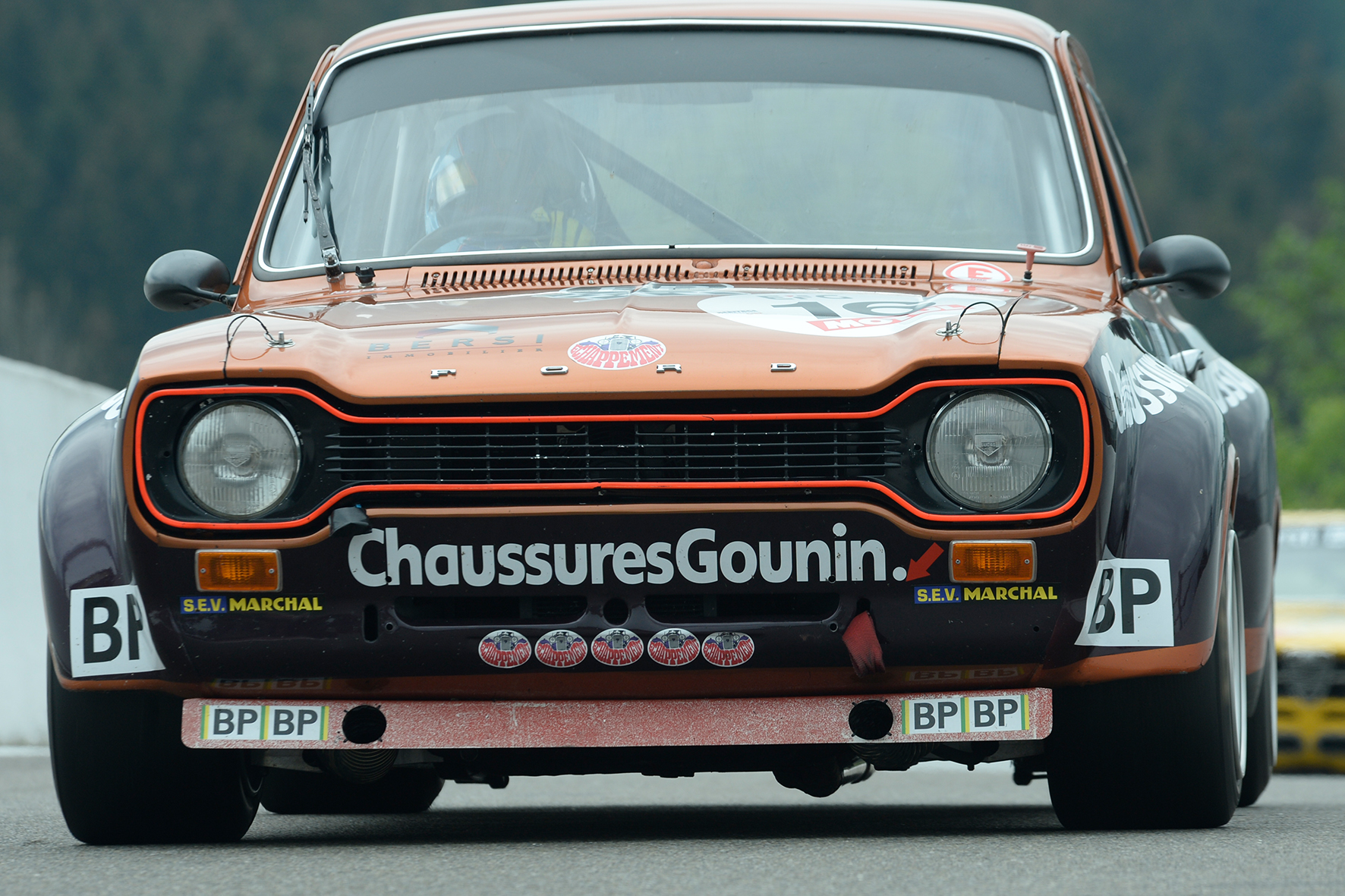
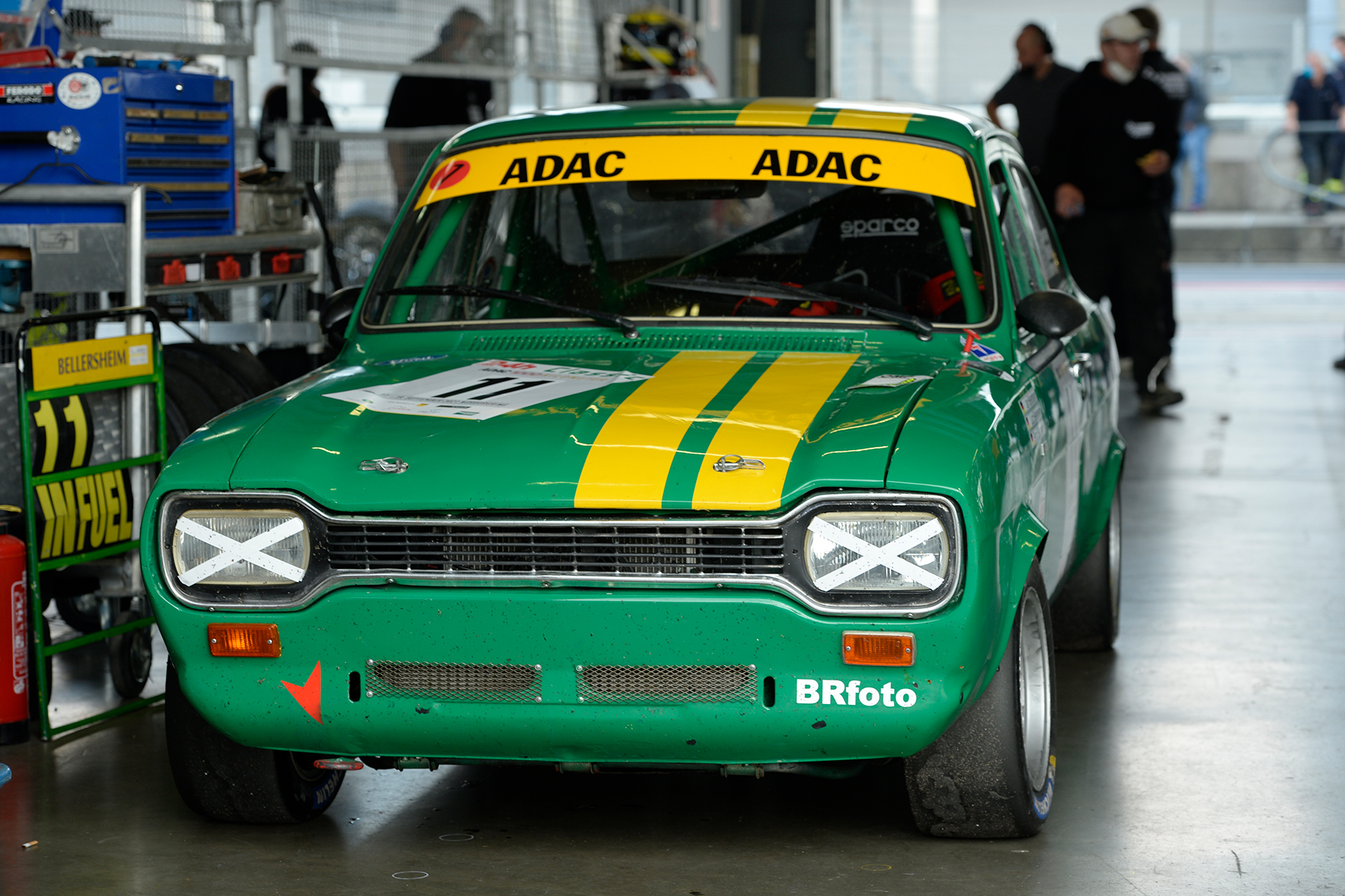
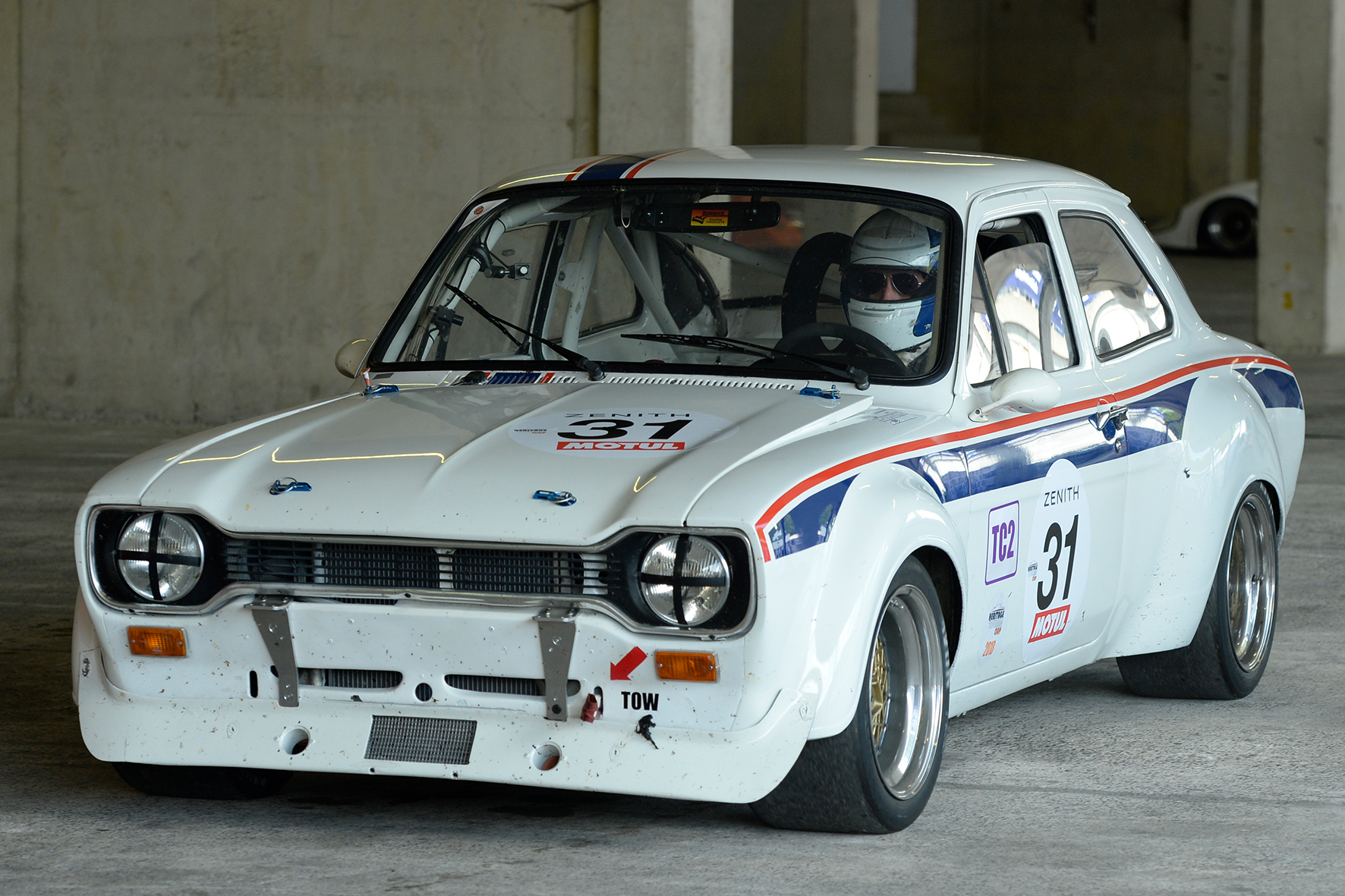
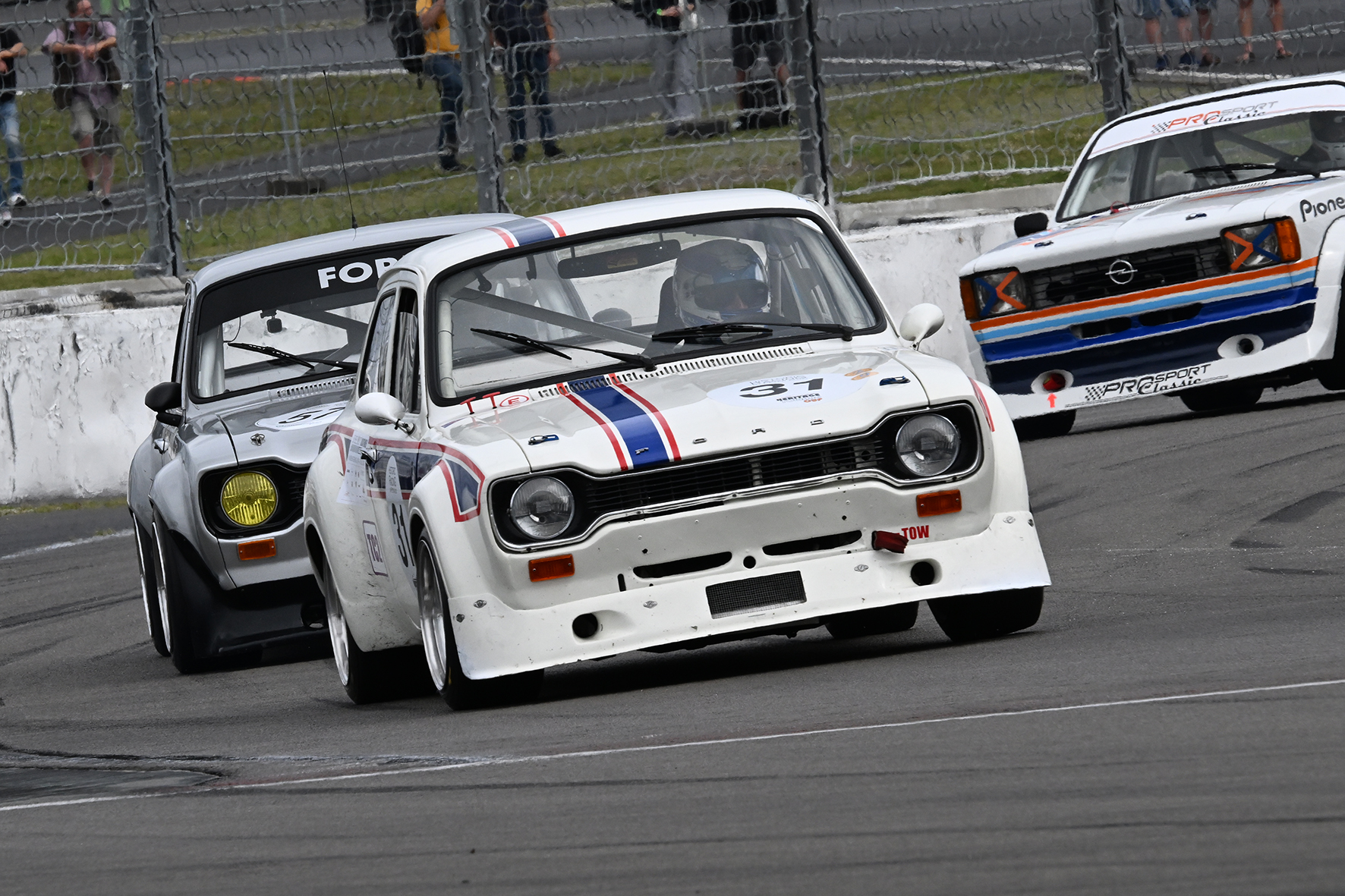
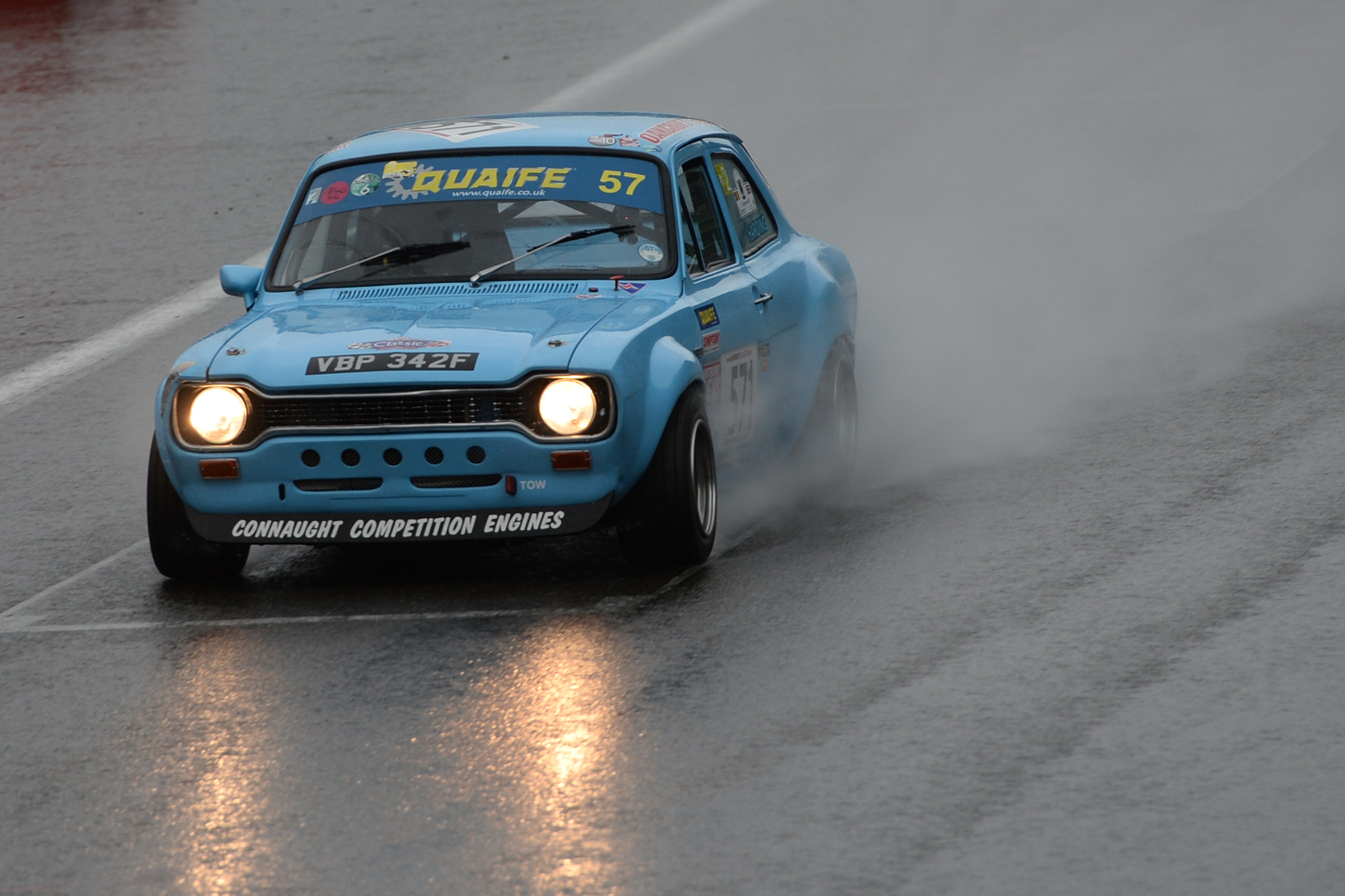
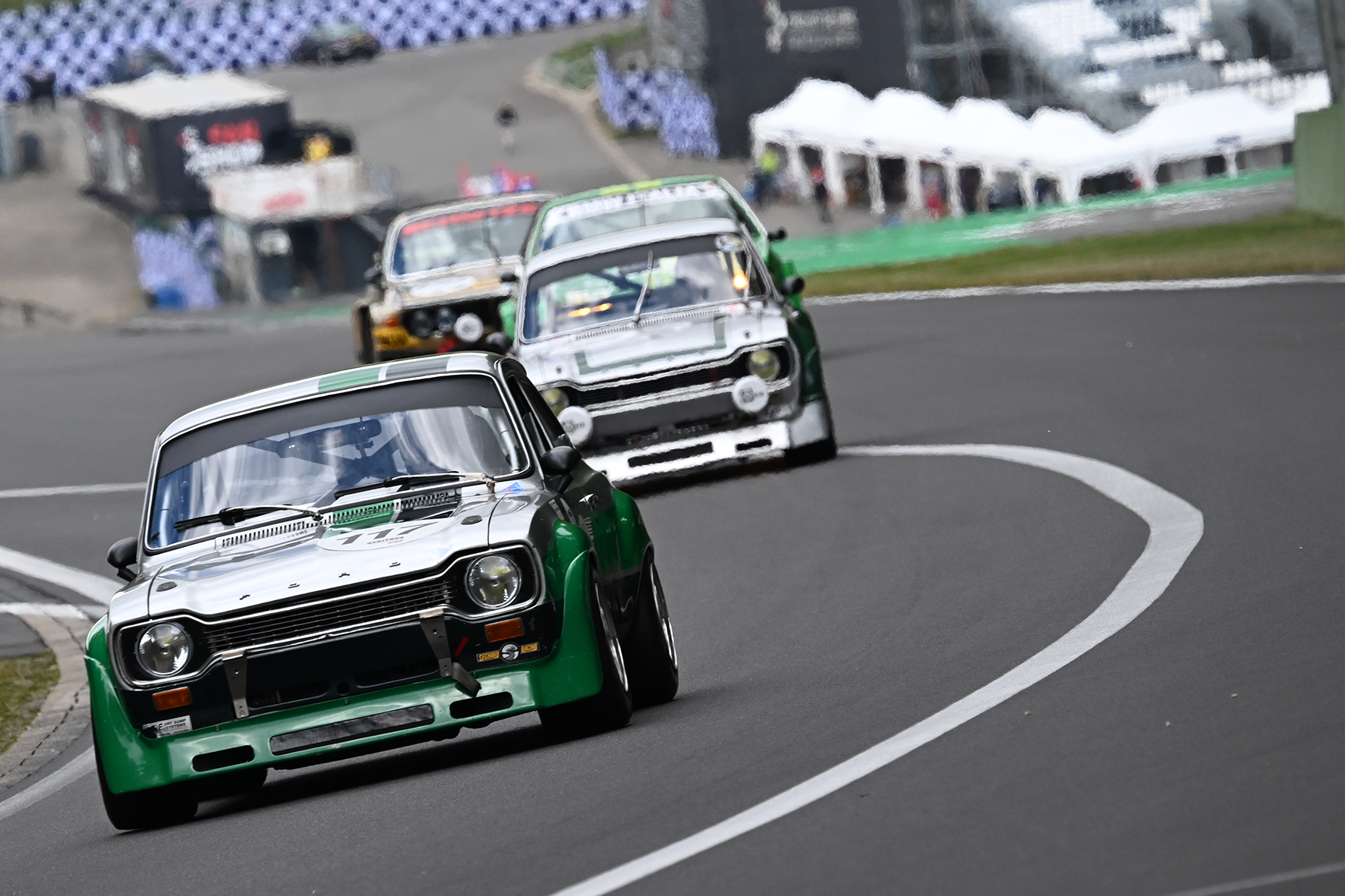
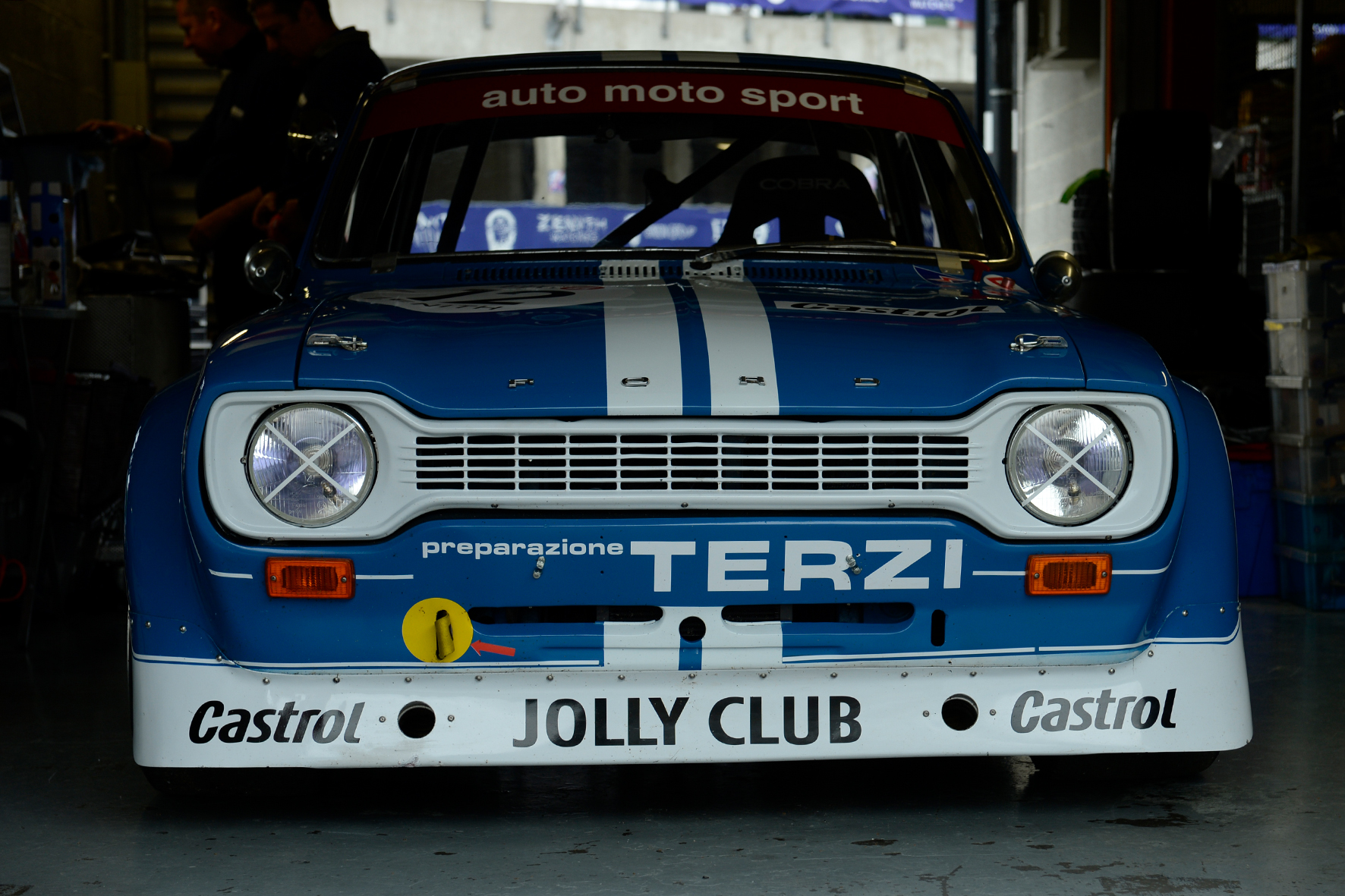
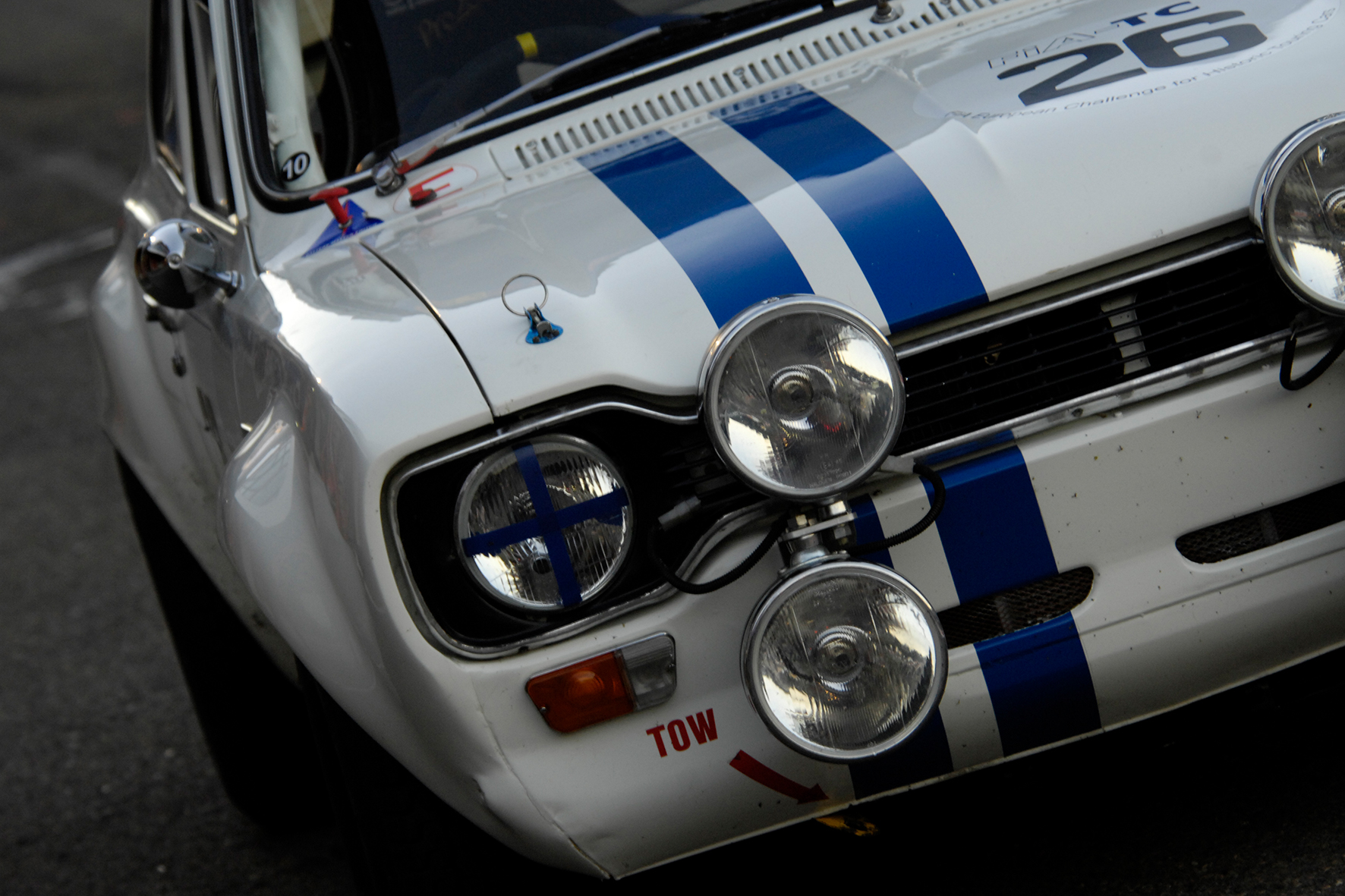
When you look at the Ford Escort Mk.1 from the front, the unusual shape of the radiator grille in combination with the headlights immediately catches the eye. It really does look like a dog bone.
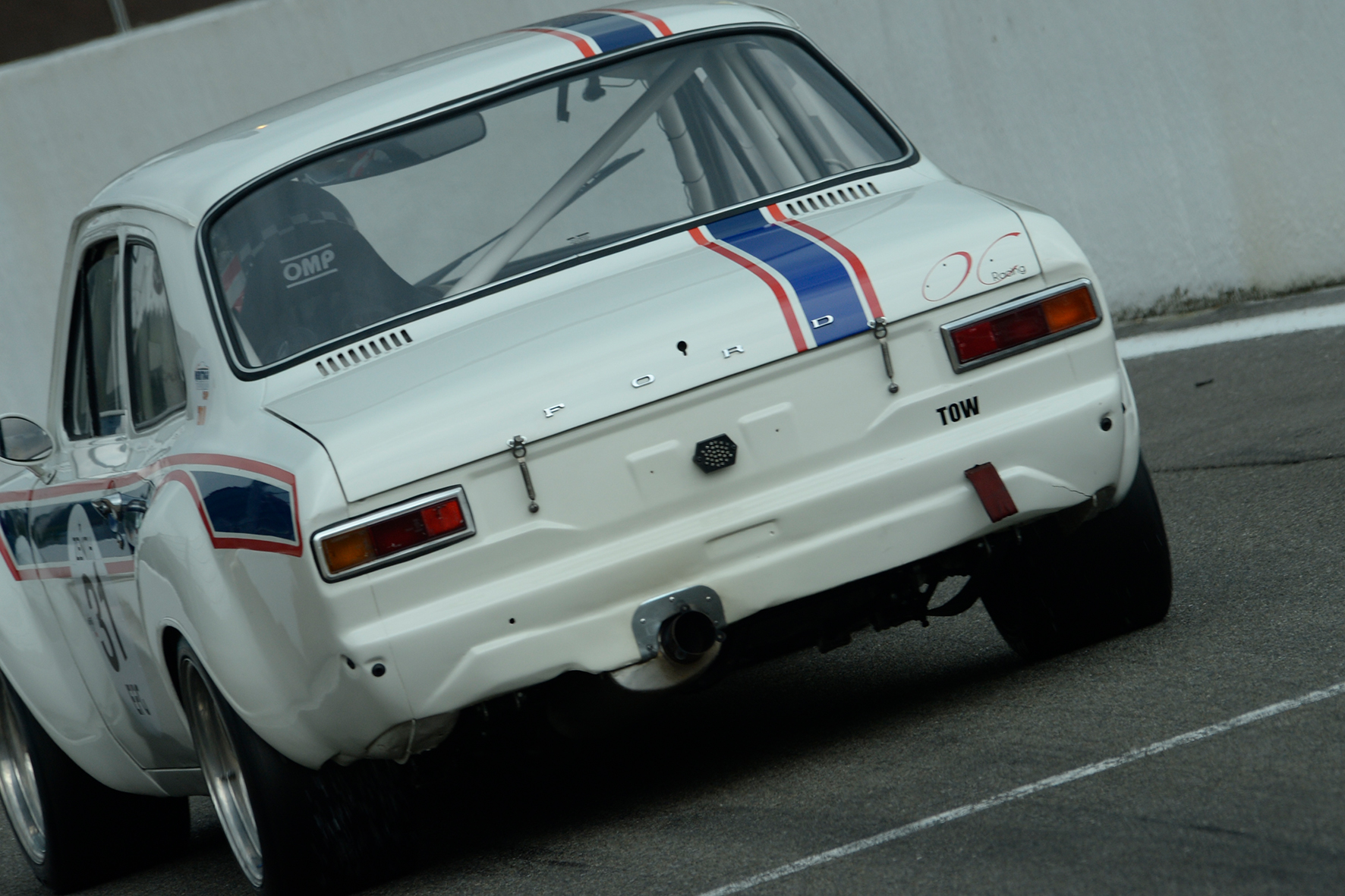
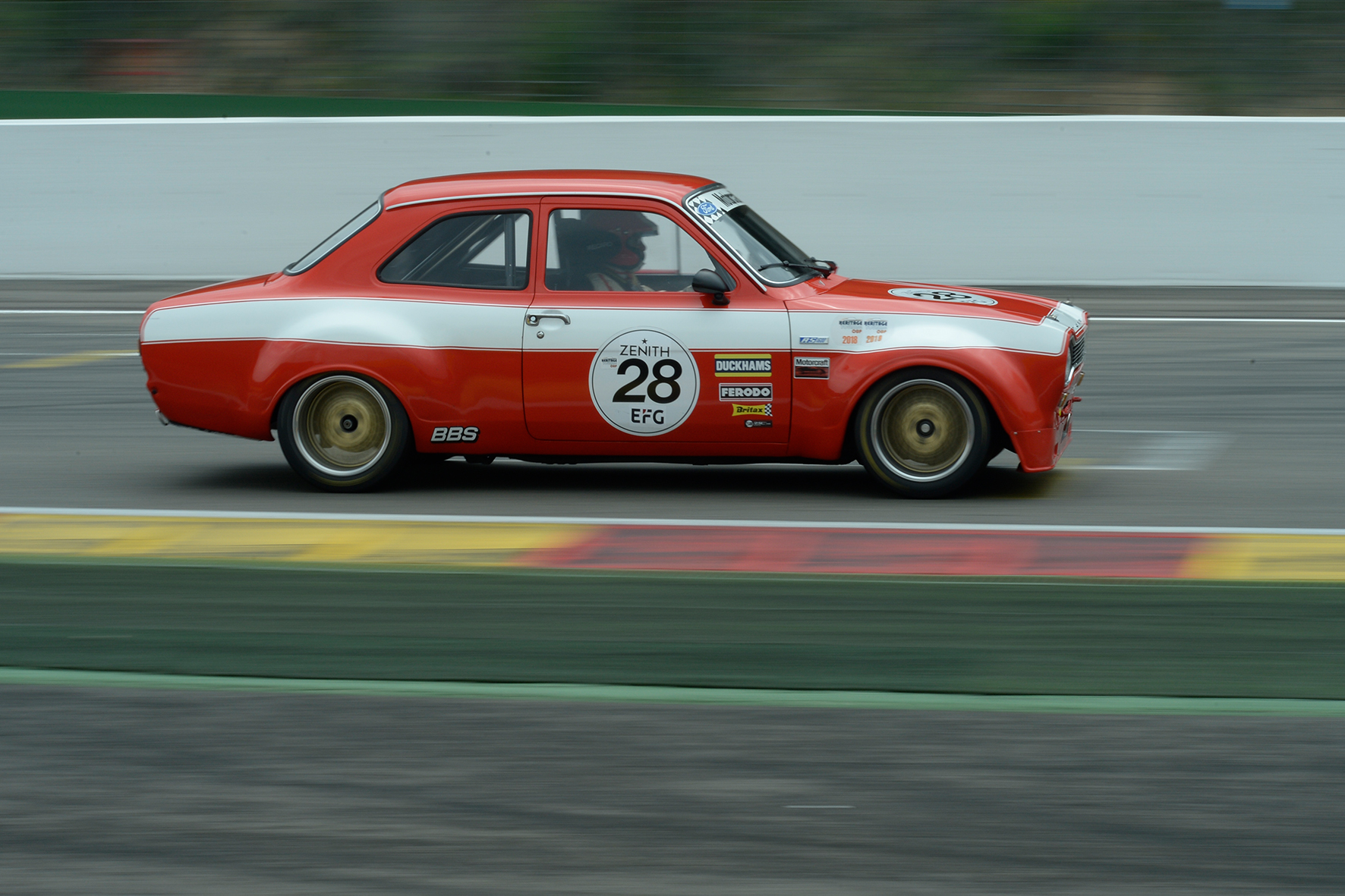
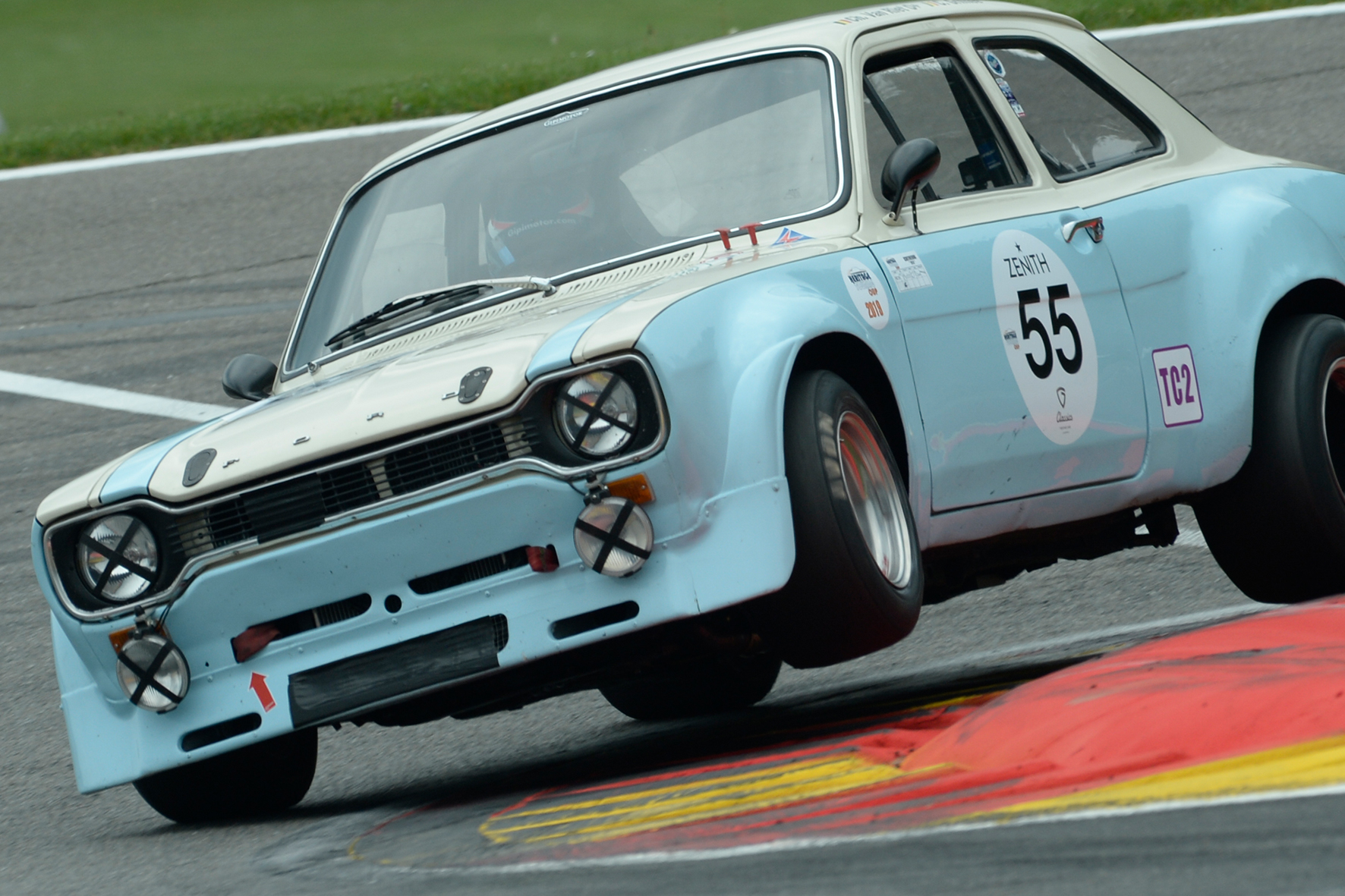
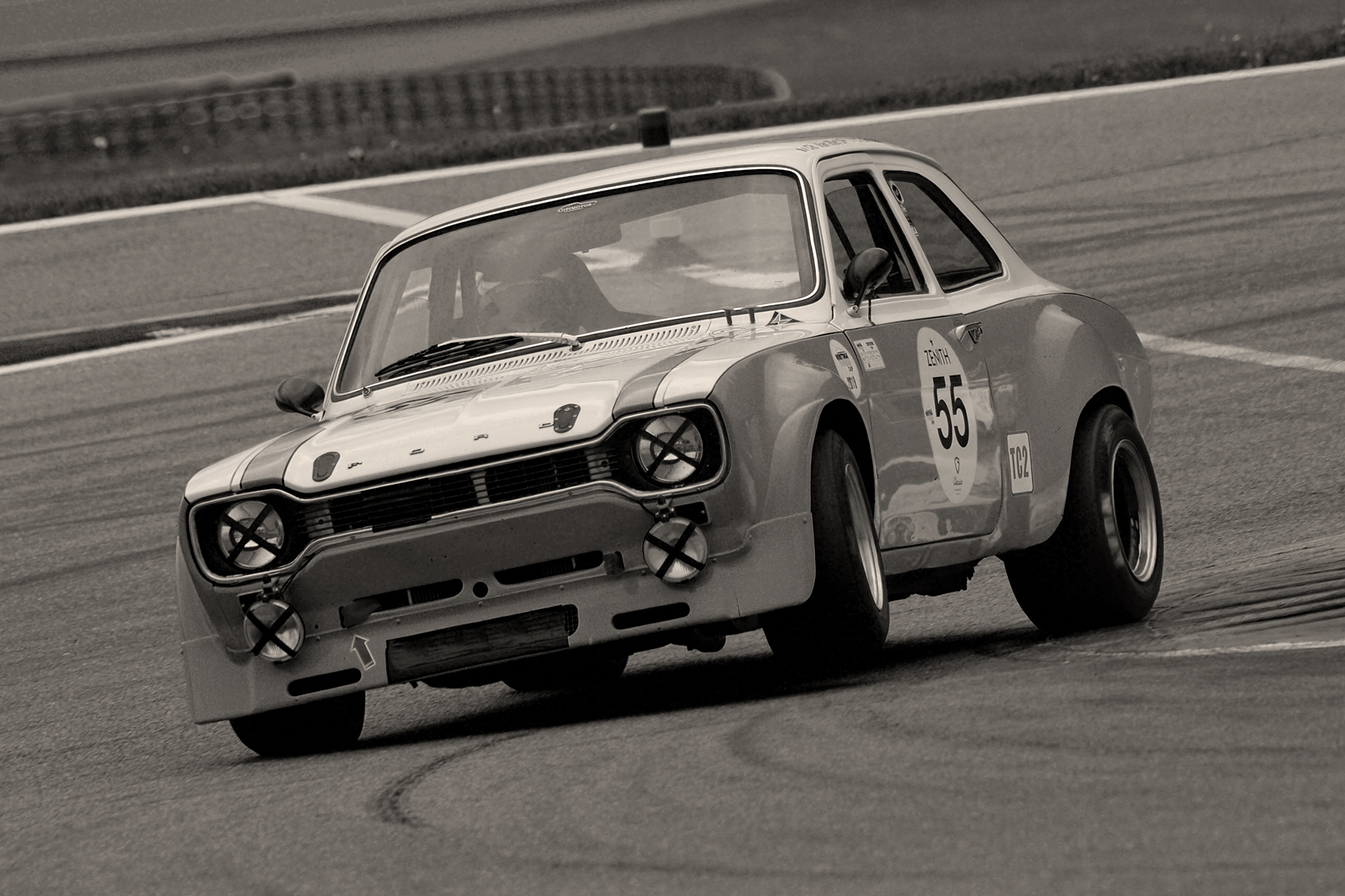
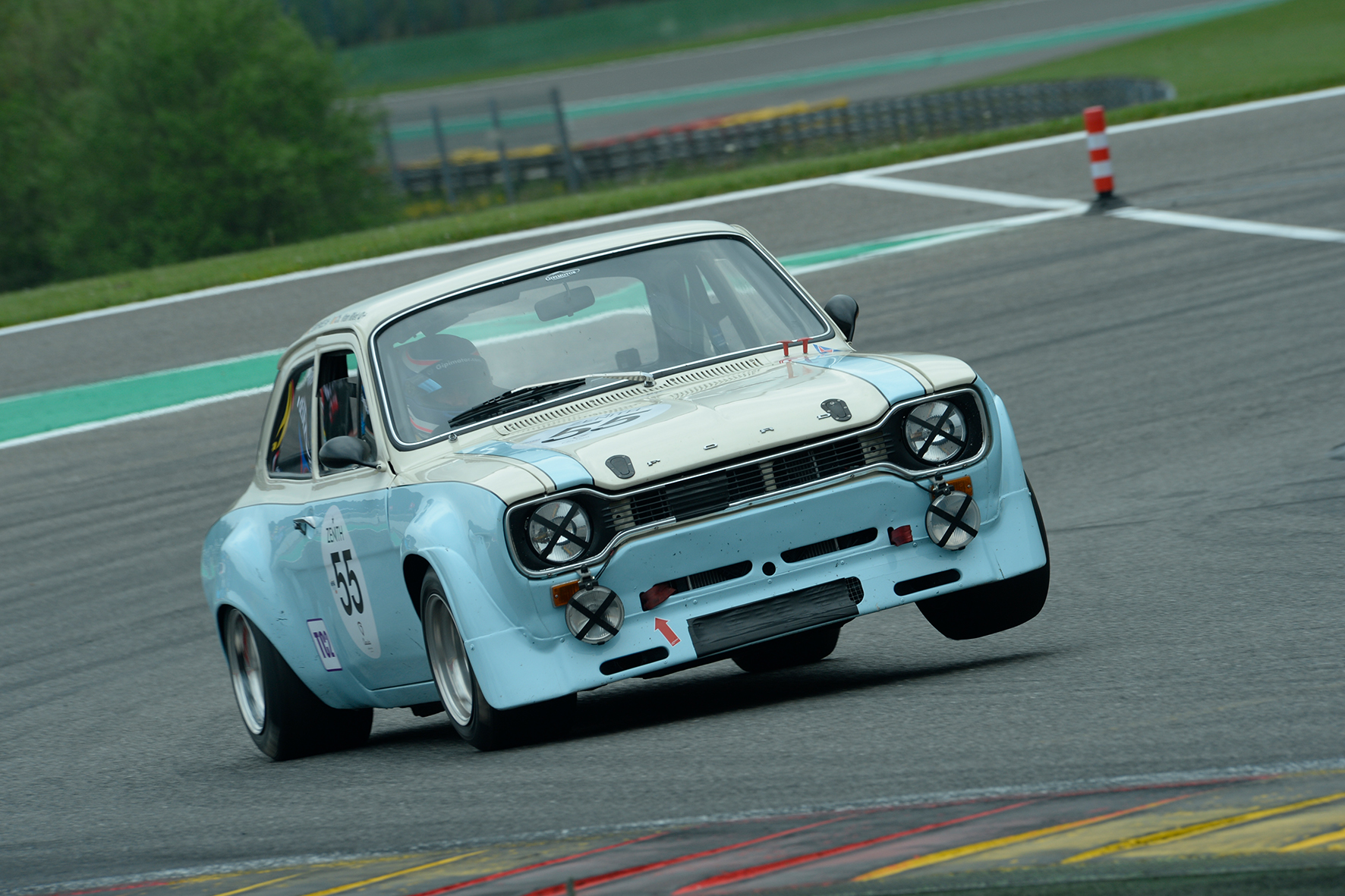
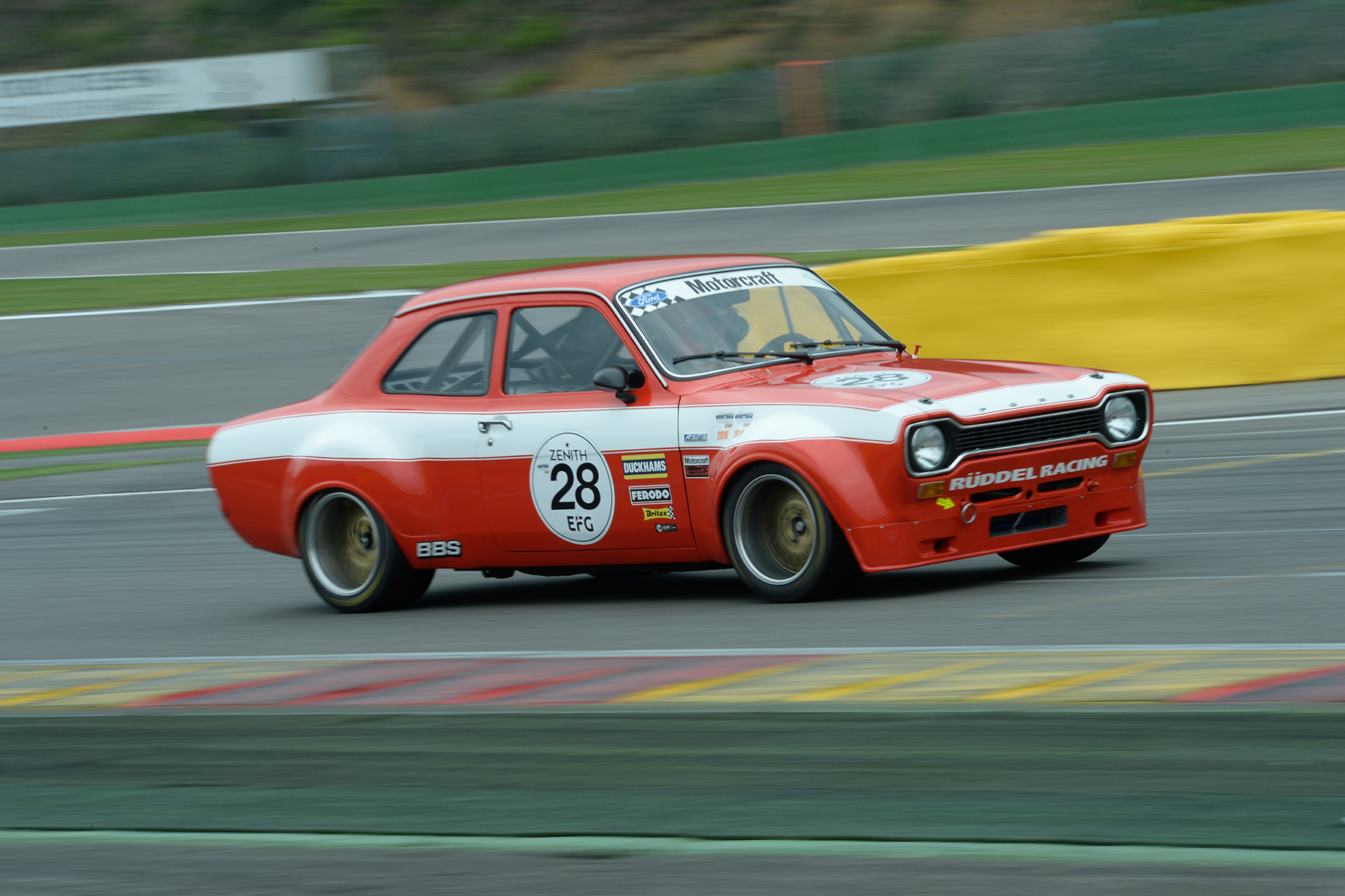
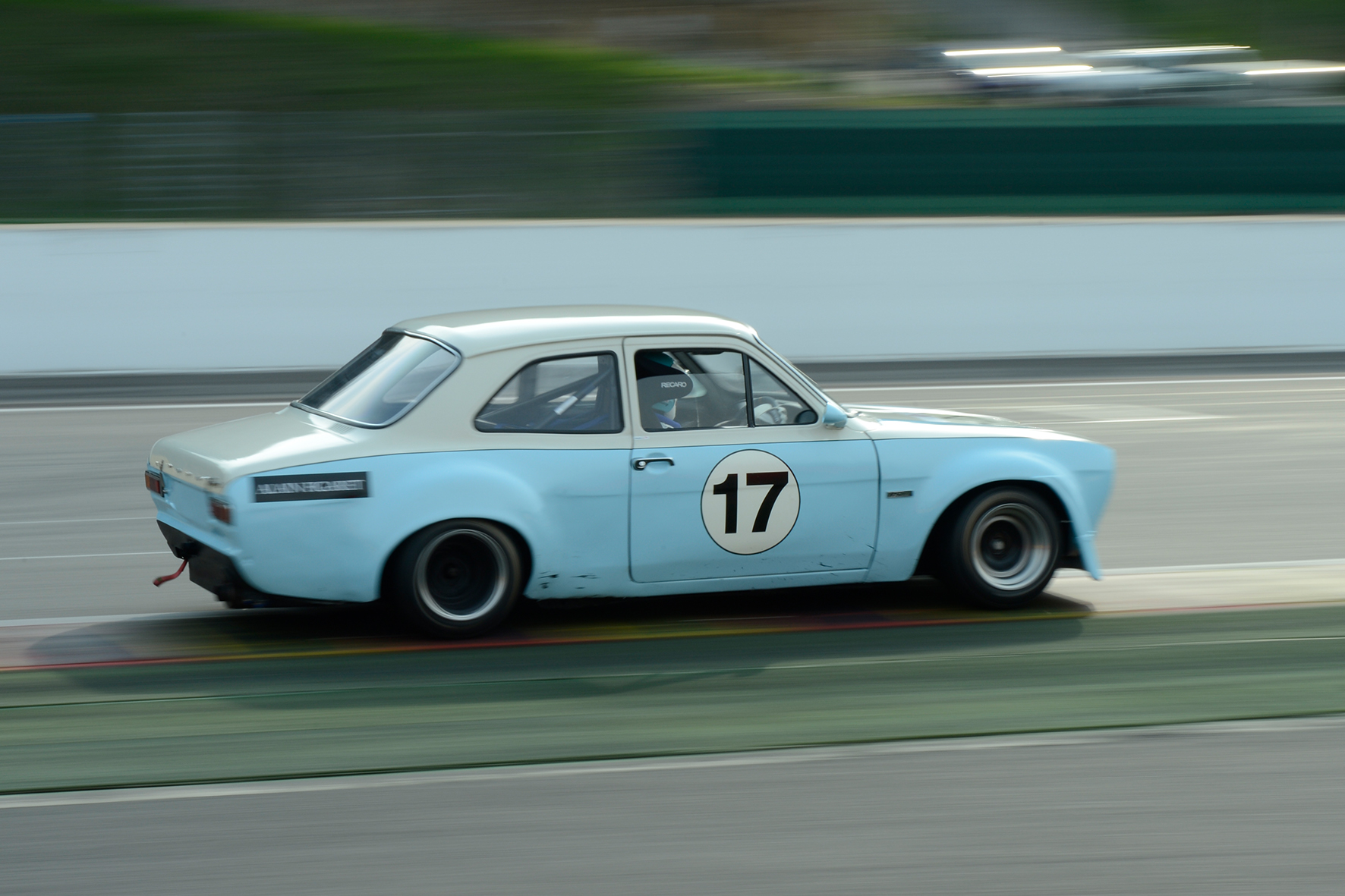
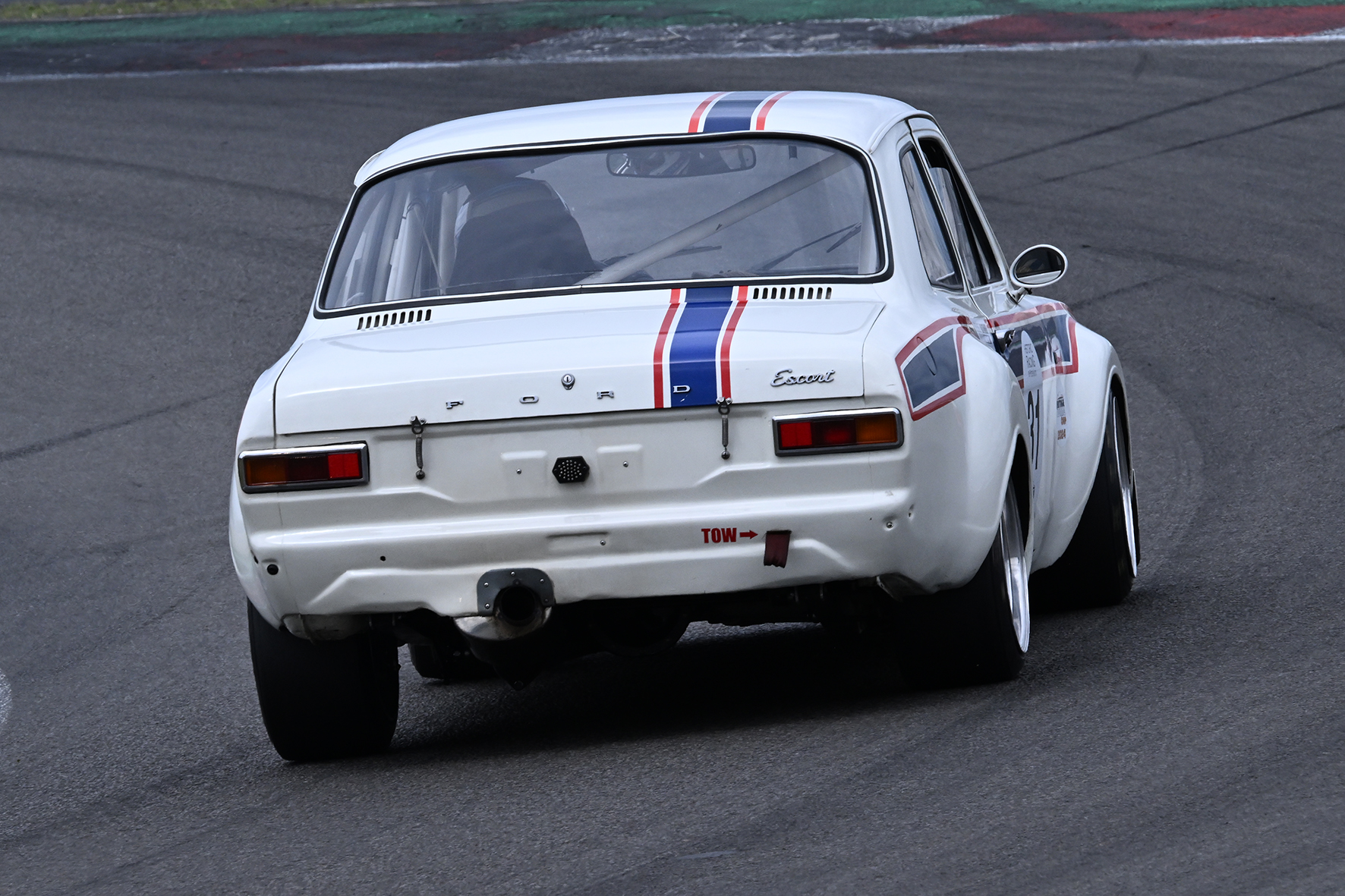
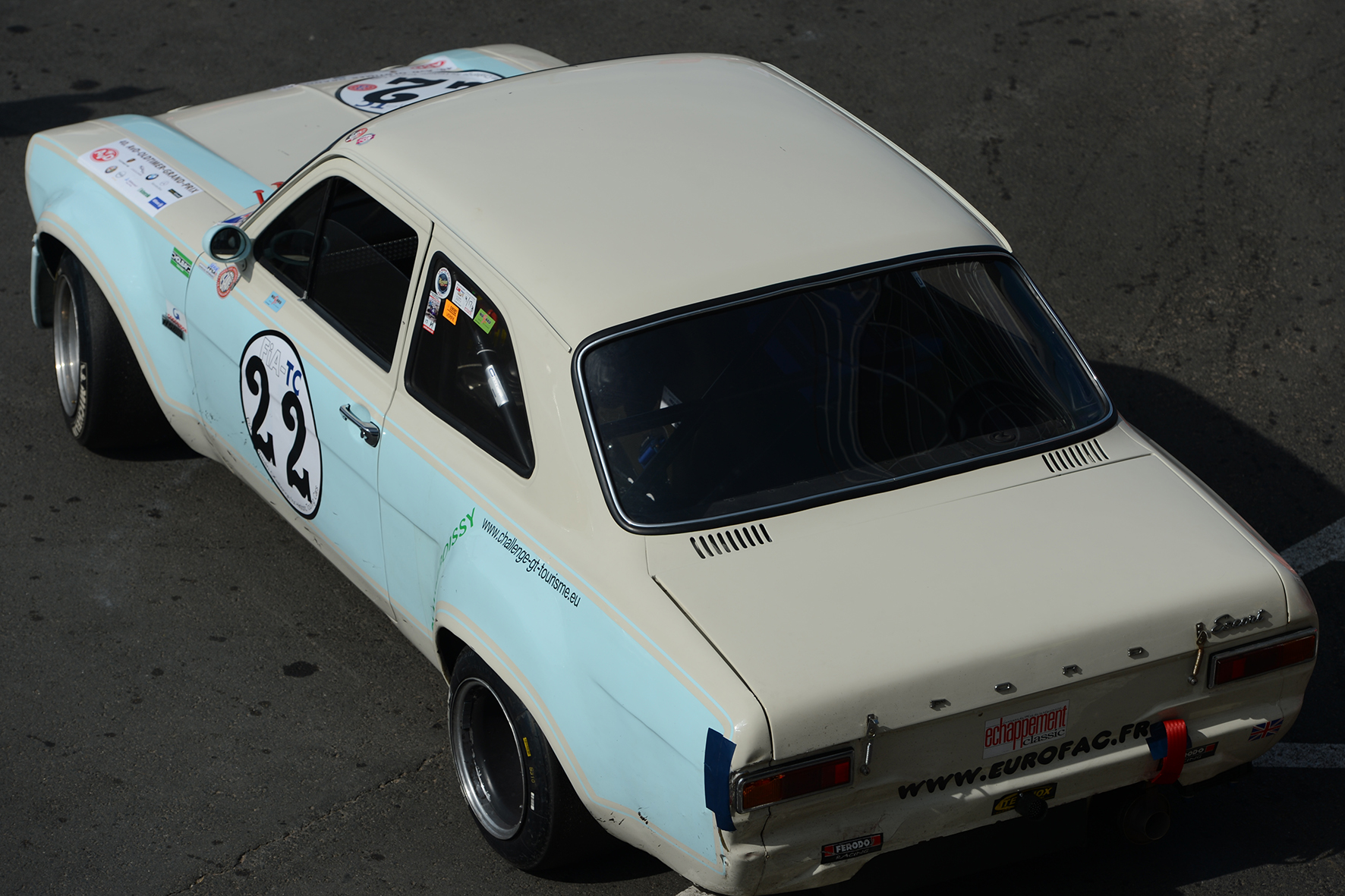
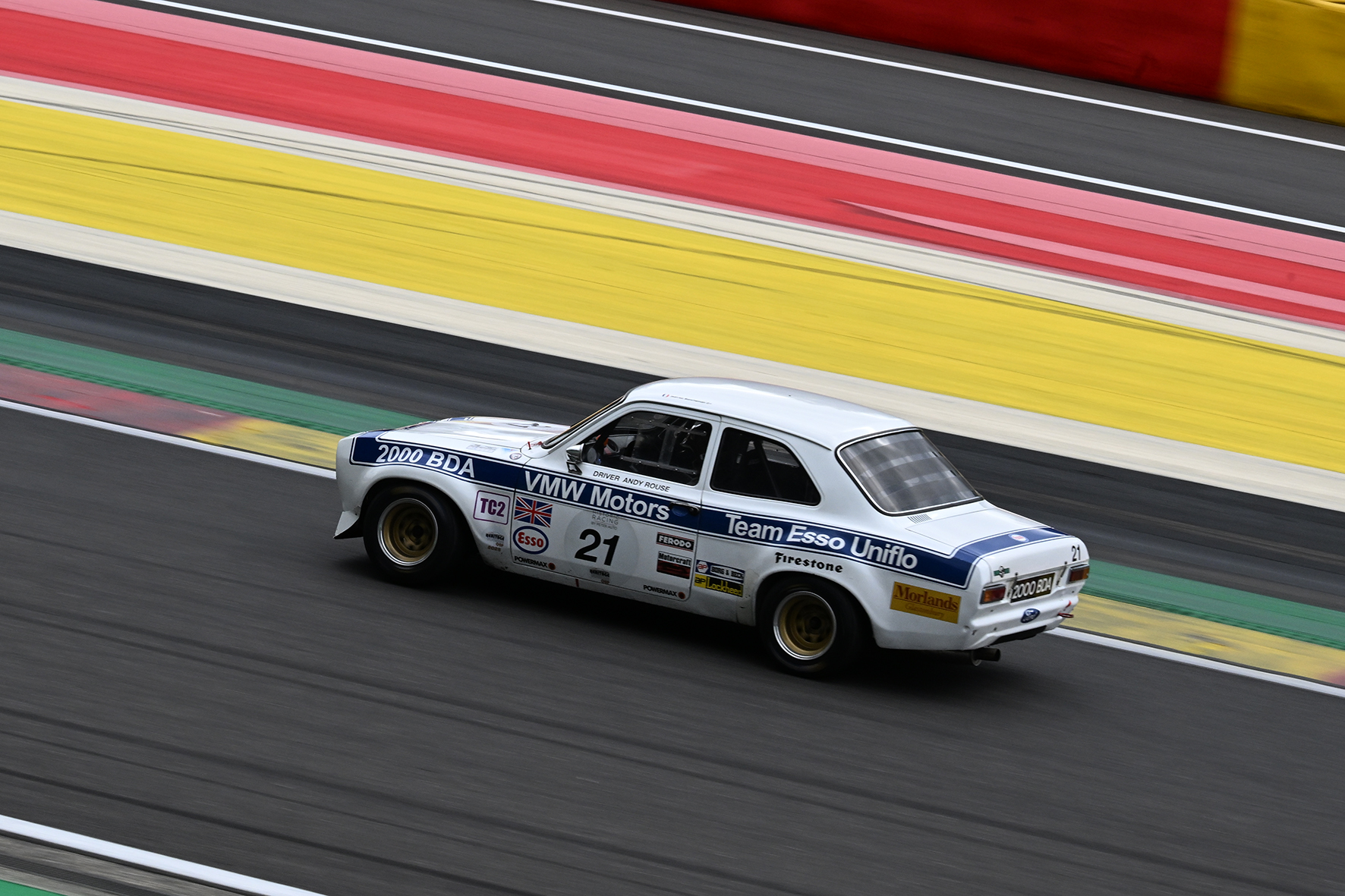
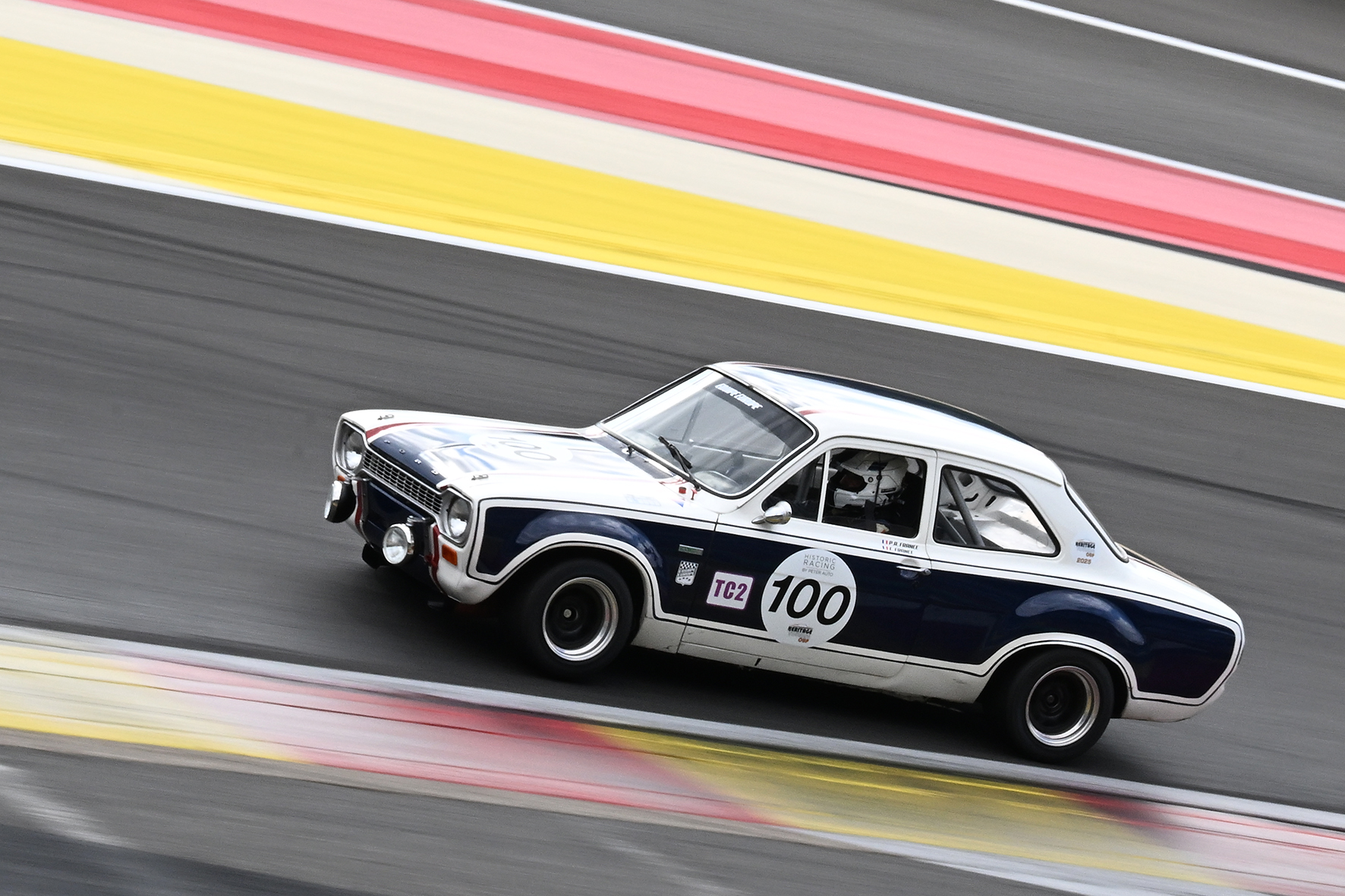
The Ford Escort was available in a wide variety of models from 1967 to 2000 in a total of five series. For me, however, the only ‘true’ Escort is the Mark 1, and of course in its racing version, the Ford Escort RS 2000. A truly compact racing car, some of which came with almost absurd fender extensions. Some Escorts had rear tyres that were almost Formula 1 size.
The Ford Escort was the result of the second collaboration between Ford Germany and England after the Transit. The Escort replaced the Anglia in England and rounded off the Ford range in Germany. At the beginning of January 1968, the Ford Escort was presented to the press for the first time in Morocco. A few days later, the official presentation took place at the Brussels Motor Show.
Sales figures exceeded the manufacturer’s optimistic expectations after just two months. Less than five months after its launch, the 100,000th Ford Escort rolled off the production line at Ford’s British plant in Halewood on 4 June 1968. In Germany, the first car left the factory in Saarlouis on 16 January 1970. The cars sold in Germany in 1968 and 1969 were produced in Halewood.
In Germany, however, it was not quite as successful, with the VW Beetle and the Kadett B proving to be very strong competitors. Ford adopted most of the technology from the previous Anglia model. The Escort was particularly popular in Great Britain, but sales in Germany fell short of expectations. The Beetle from market leader Volkswagen was technically outdated, but better built, and there were also established and, in some respects, superior alternatives in the form of the Opel Kadett B and French and Italian imports.
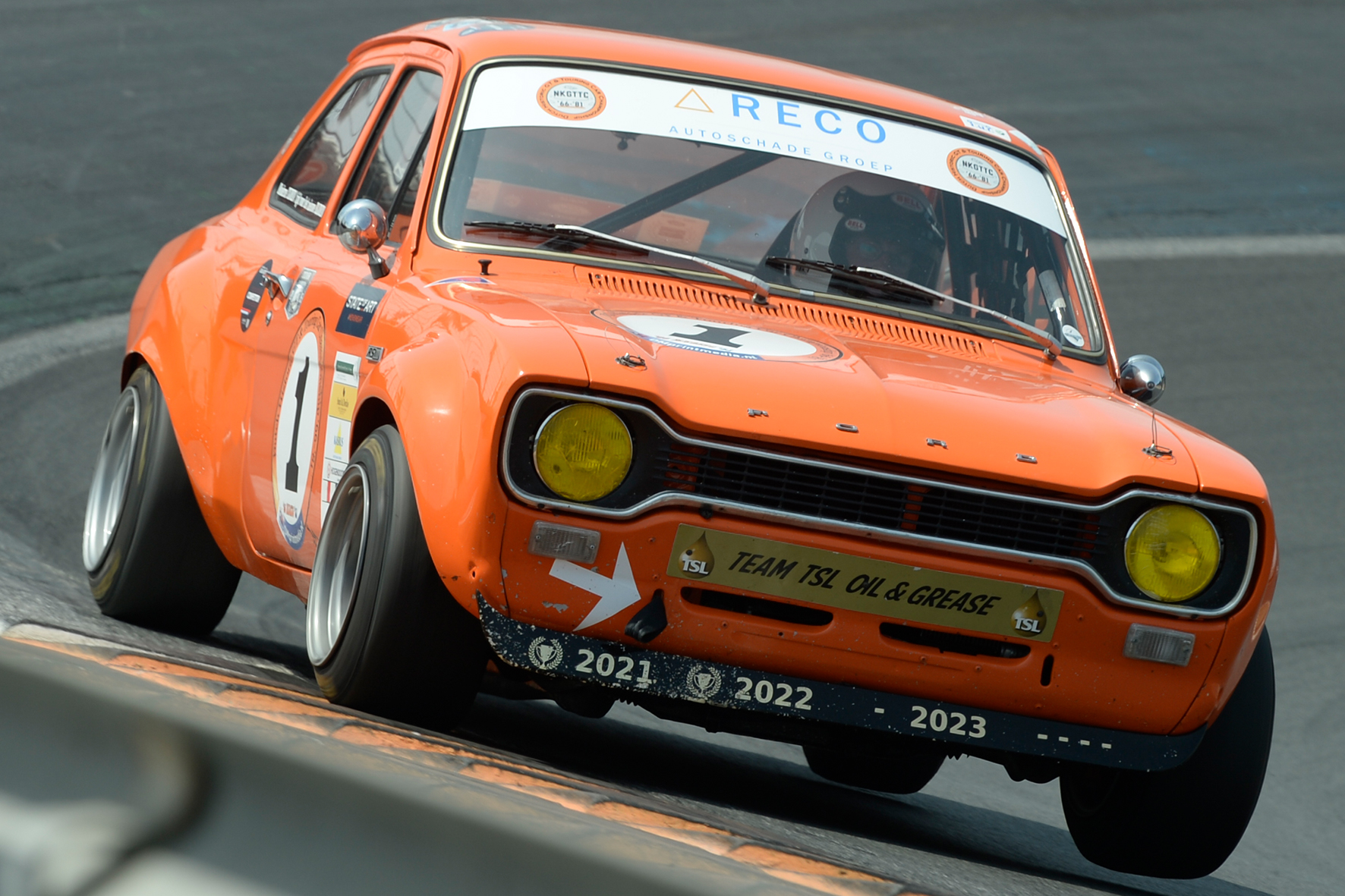
In 1973, the top model in the Escort series, the Escort RS 2000, was finally unveiled at the IAA. Even from the outside, it was clear what this Escort was made for. Striking exterior features included two-tone paintwork, widened wheel arches, a lowered body and 13-inch steel sports rims. The interior features included a significantly stiffer suspension setup, which came at the expense of comfort. The engine was a two-litre four-cylinder with 100 hp, which was very generous by the standards of the time. Thanks to its low weight of only 915 kg, the RS 2000 was even faster in acceleration than the BMW 2002.
It was probably too tempting to breathe even more power into the RS 2000, so that there are hardly any ‘untreated’ vehicles from this series left. Different crankshafts, forged pistons, sharper camshafts and revised cylinder heads were used.
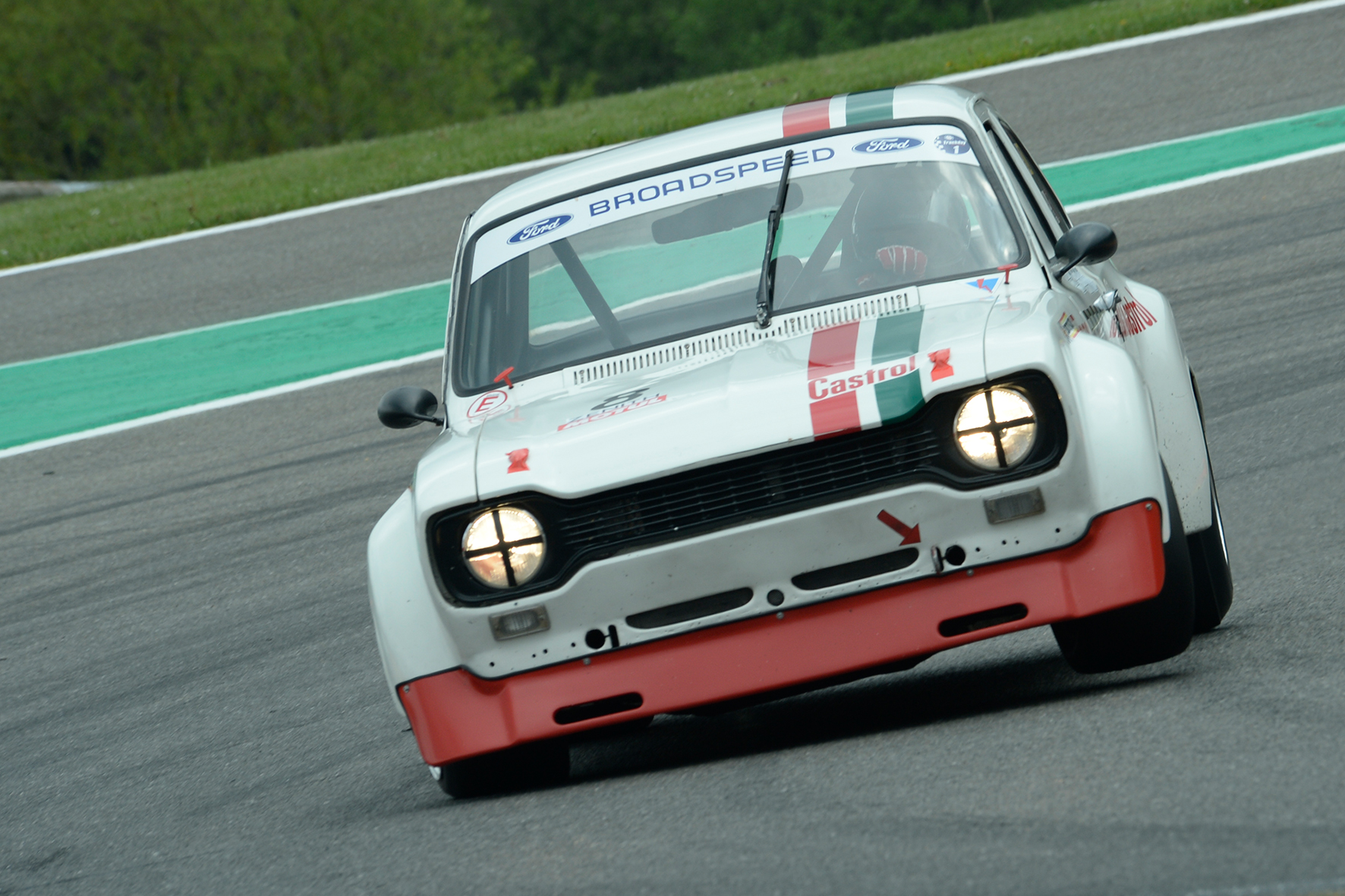
In this way, RS buyers created their own version, turning a former ‘Biedermann’ into a road-legal racing car. Ford itself also had a wide range of tuning parts available for the Escort, including suspension parts, larger carburettors, fender extensions, stronger brakes, auxiliary radiators and sports rims.
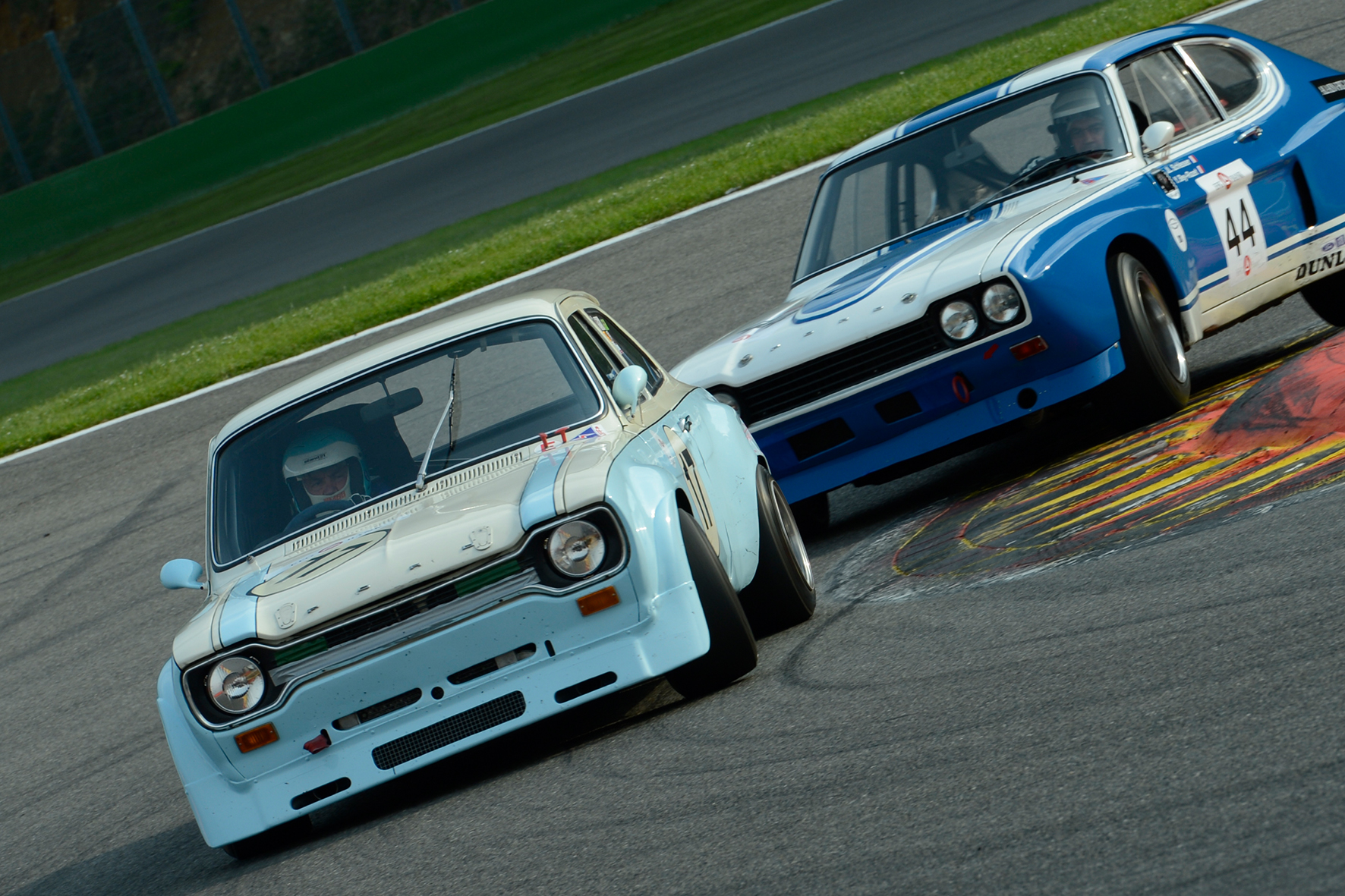
Some RS 2000 models delivered up to 200 hp to the drive axle thanks to performance enhancements, enabling them to achieve considerable success in motor racing with their exceptional performance. The Escort RS 2000 was particularly successful on the circuit in England, but also achieved considerable success in rallying.
The Escort had very agile handling with a tendency to oversteer. You can still admire this today when you see the Escort RS 2000 or the even more powerful English version, the RS 1600 Cosworth, at various car races. The inside front wheel also likes to lift off. It all looks spectacular and the sound is great too. I’m always happy when there are a few Ford Escort RS cars at the start, as it always promises spectacle and sideways driving.