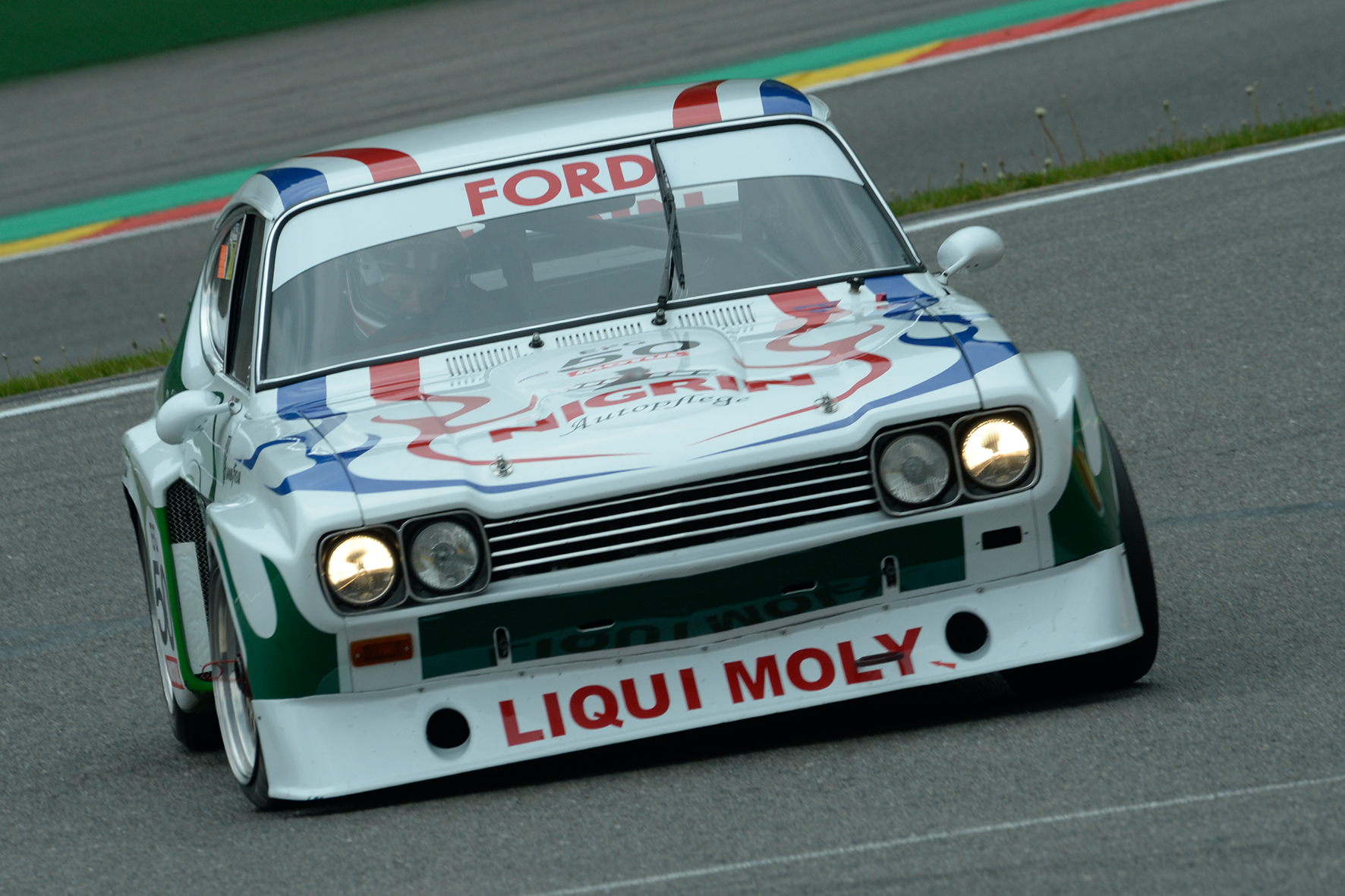
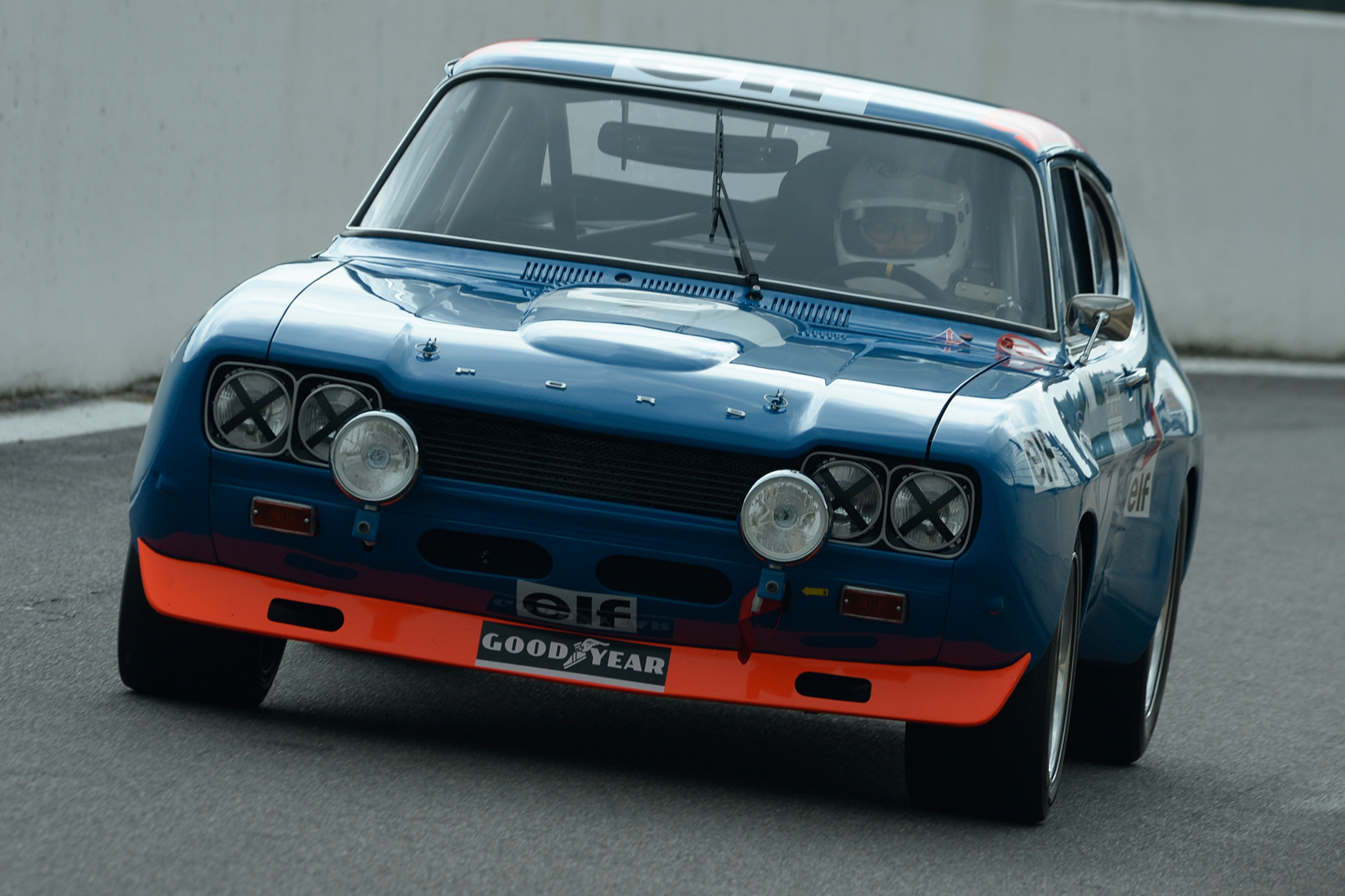
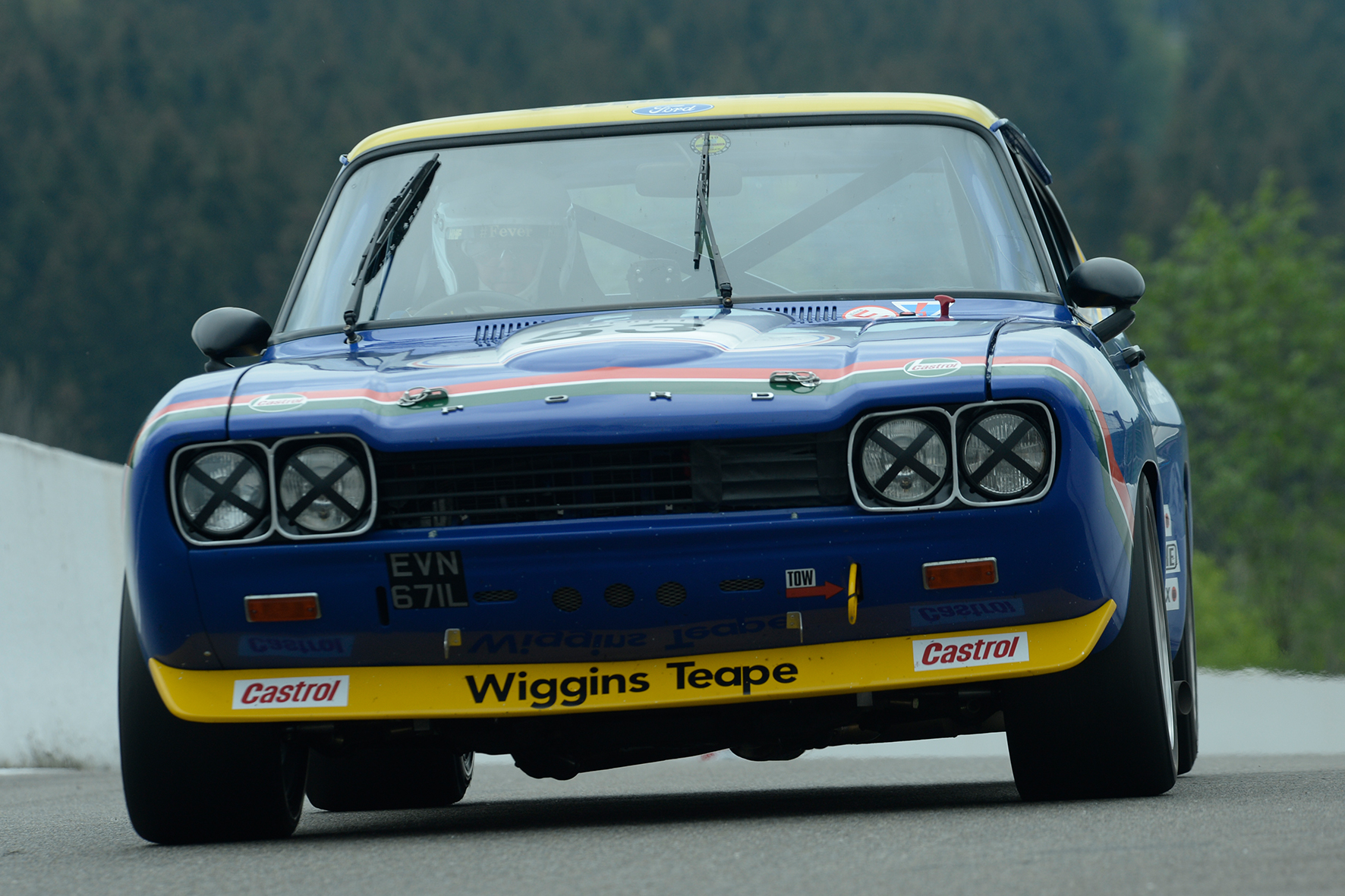
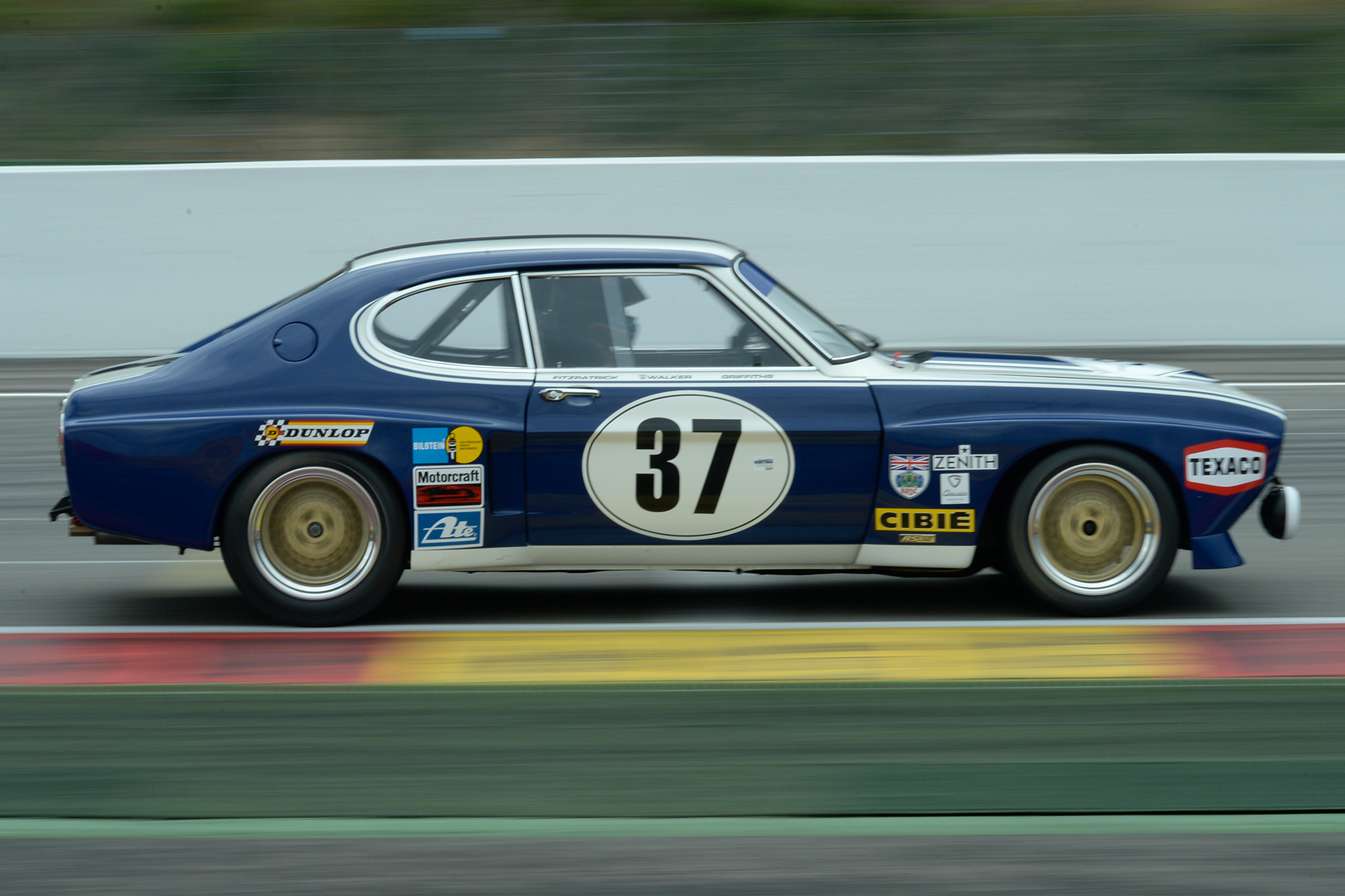
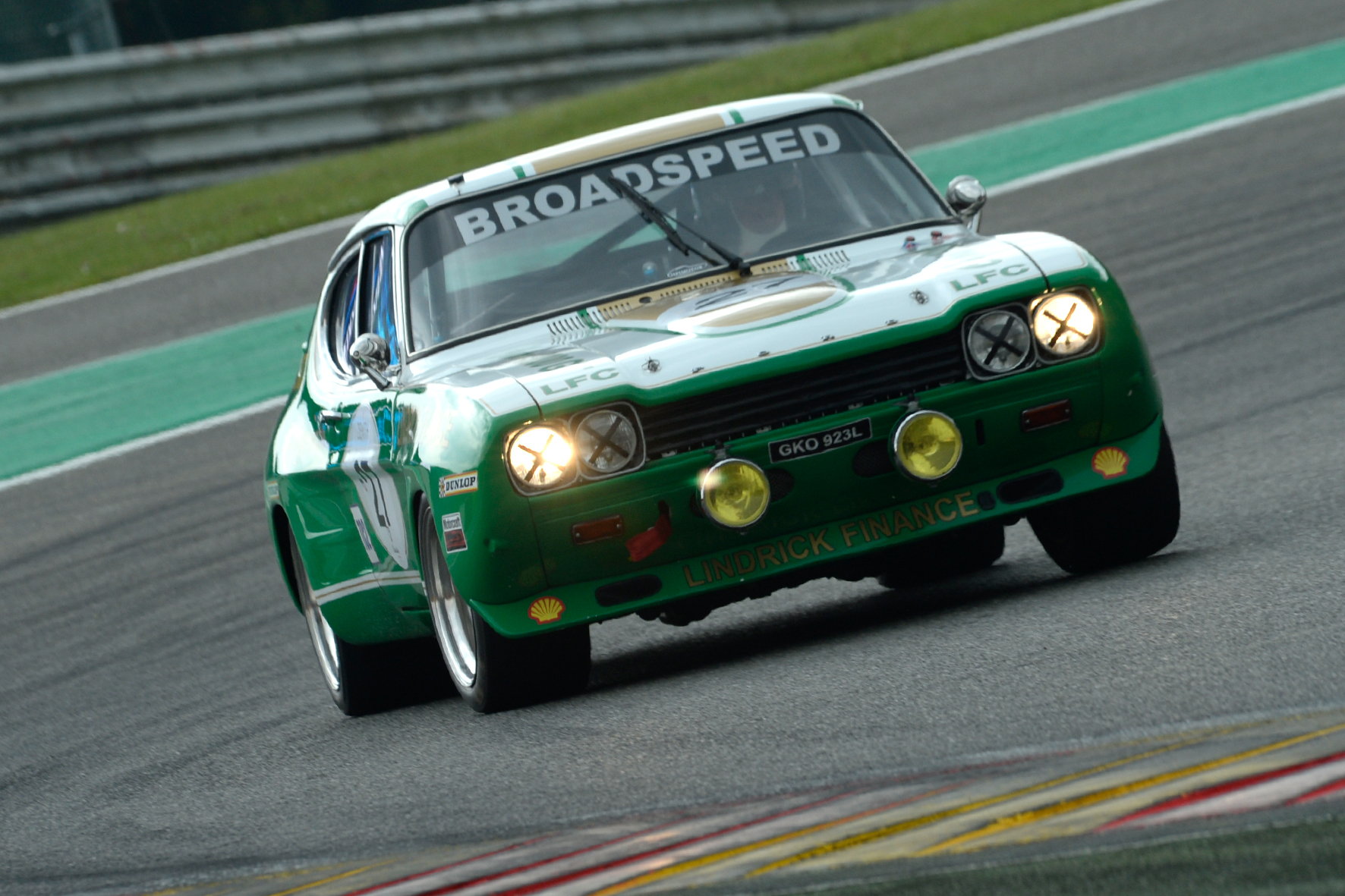
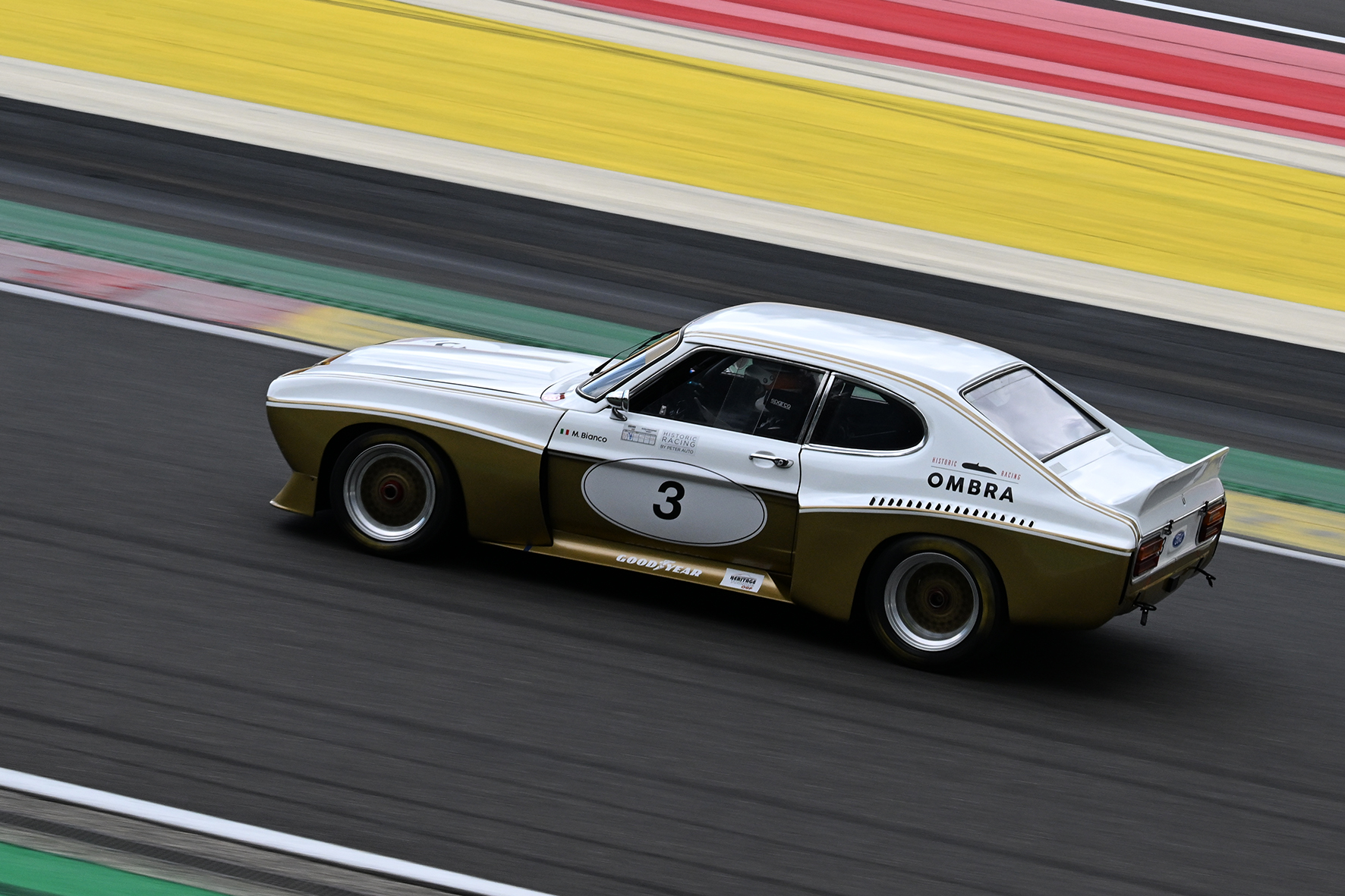
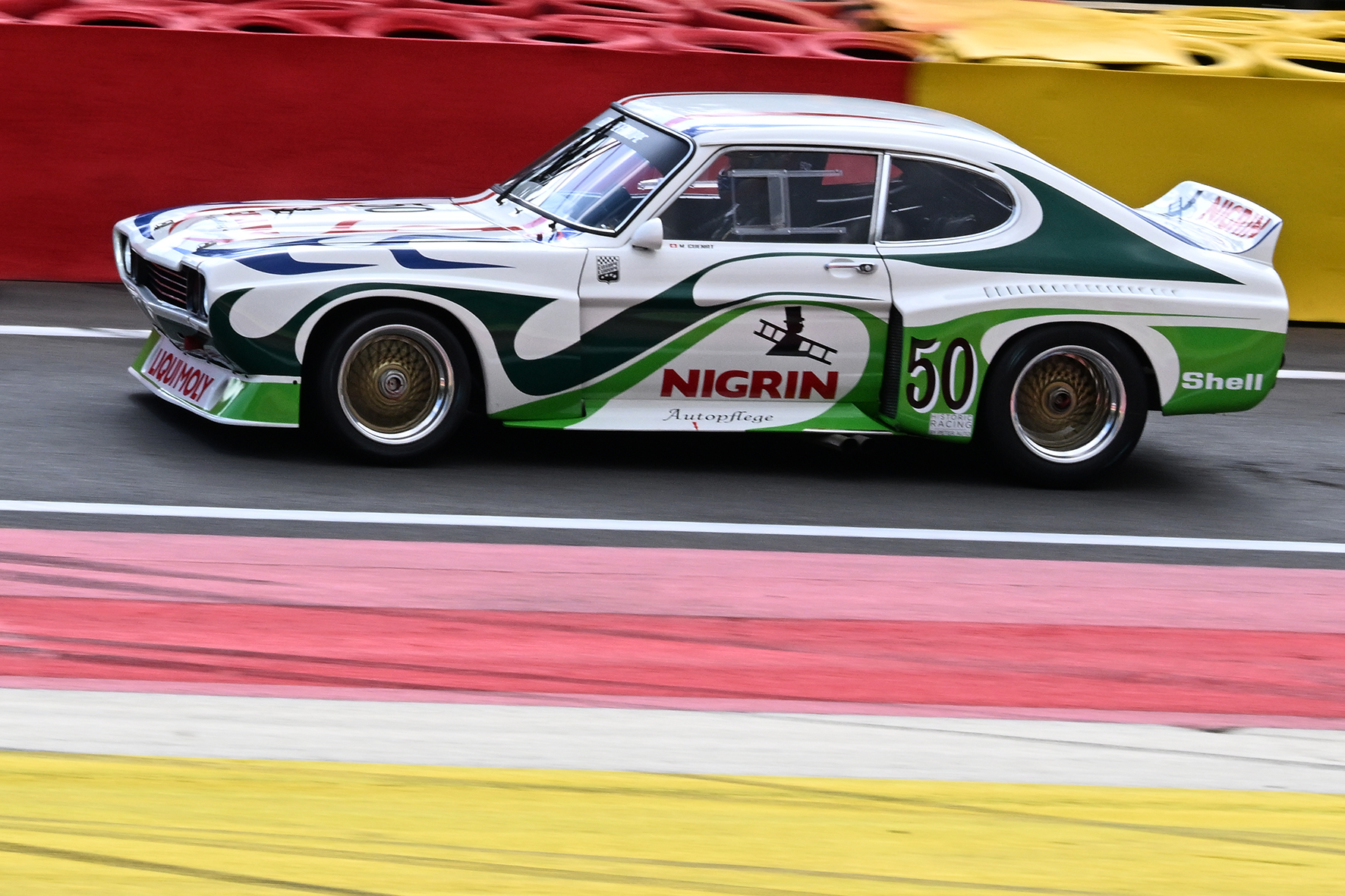
The Ford Capri RS is a true touring car icon and was virtually unrivalled in its heyday. It was only when Ford Motorsport boss Jochen Neerpasch moved to BMW in Munich and the BMW 3.0 CSL was developed that a serious competitor suddenly emerged on the scene.
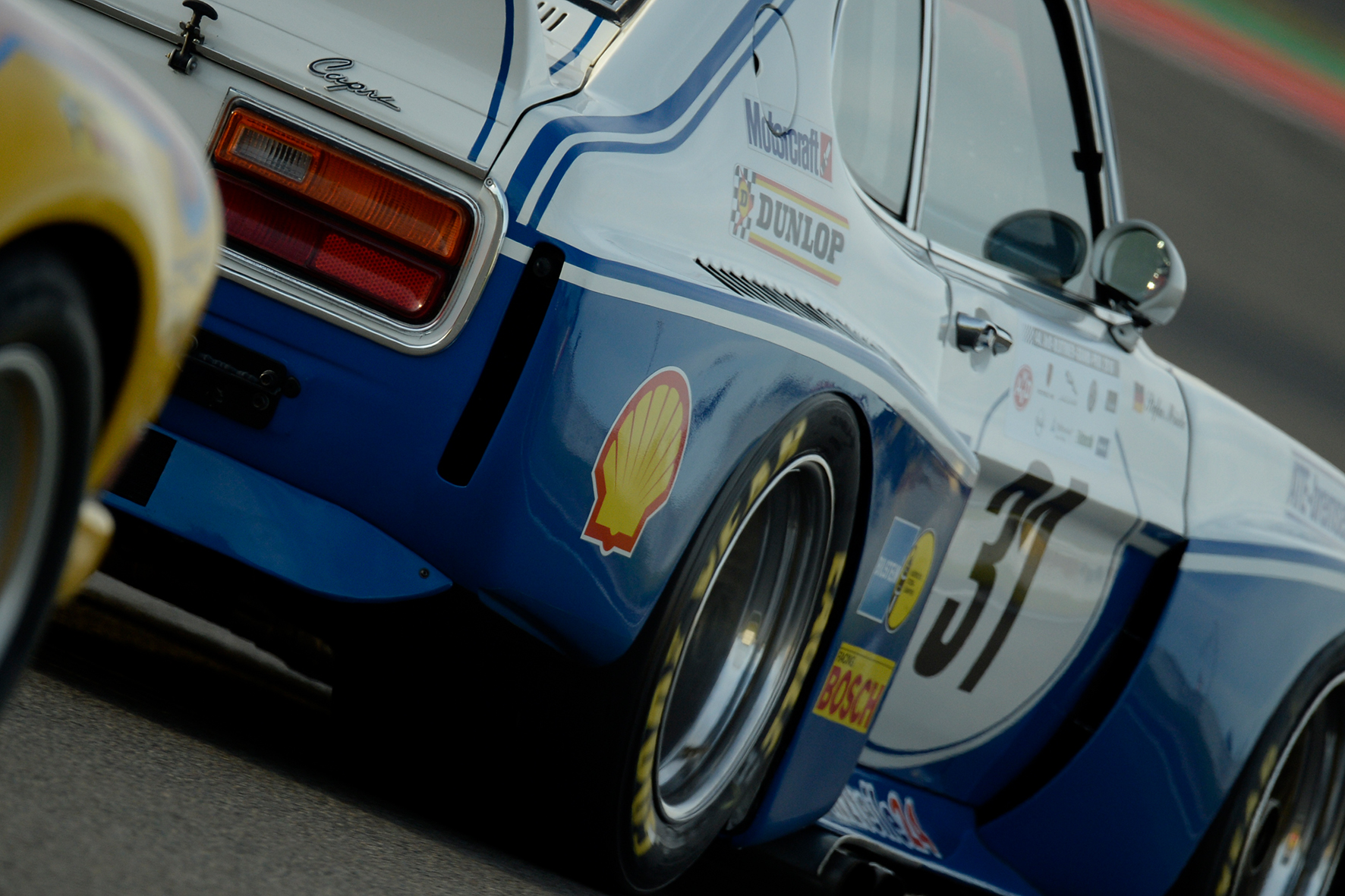
These two legendary touring cars repeatedly faced each other in the major races of the European Championship and the German Circuit- and Racing-Championships of the early 1970s on Europe’s traditional race tracks, including, of course, the legendary Nordschleife of the Nürburgring.
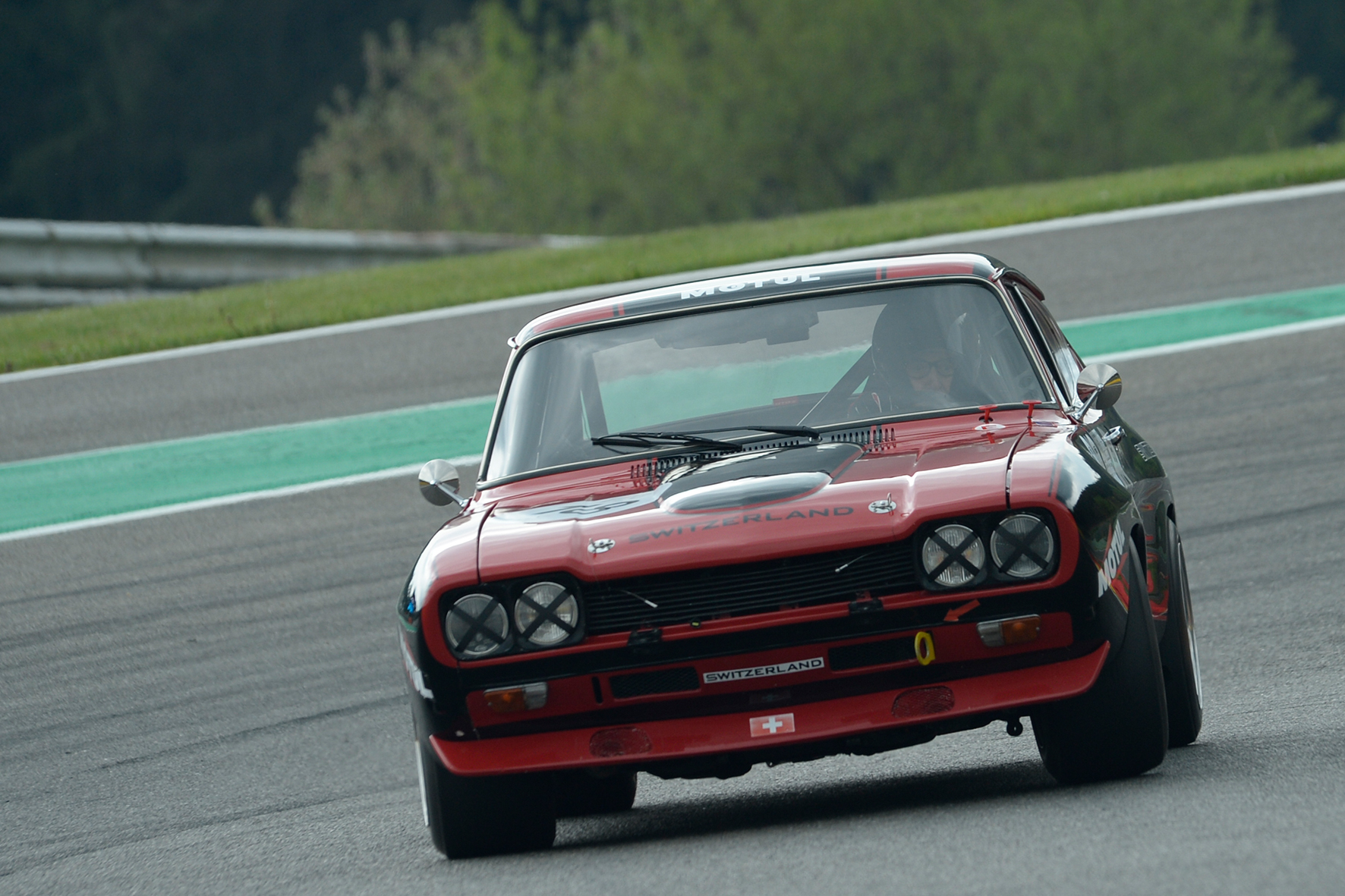
The Capri 2600 RS racing car was developed on the basis of the production Ford Capri RS. True to the American motto ‘Win on Sunday – sell on Monday’, the Ford Capri became a bestseller among the sporty men of the time, mainly due to its racing victories.
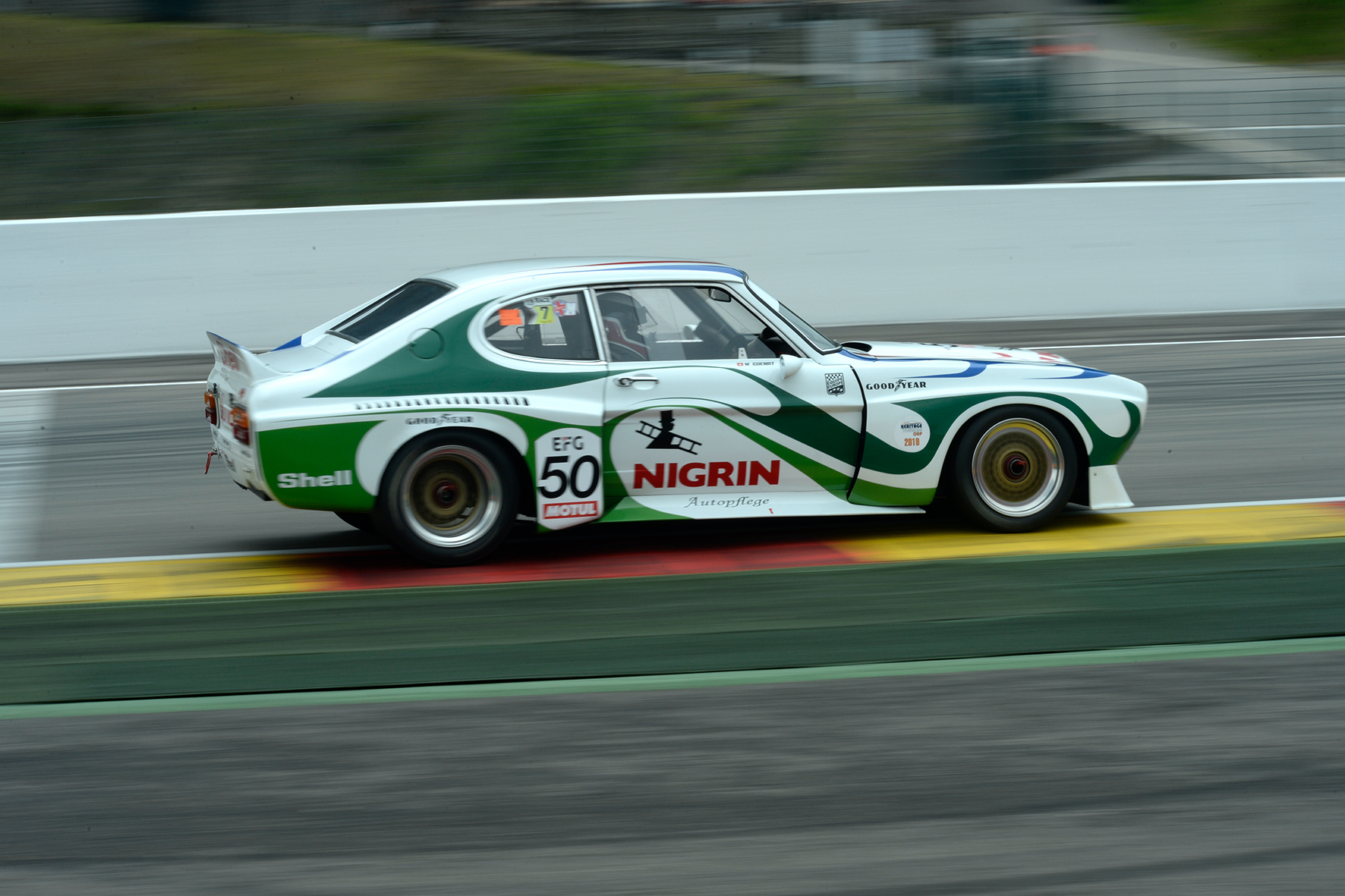
I can still remember my youth when a neighbour got a Ford Capri in metallic green. This car was so different from the usual cars on the street; even back then, it looked like a racing car. The Ford Capri was extremely flat, had a long wheelbase and a very long bonnet. My brother and I always stood in front of it in amazement, watching and listening as it drove away.
The Capri RS made its motorsport debut in March 1969, surprisingly not on the circuit, when two factory Capri 2300s competed in the classic Stuttgart-Lyon rally. One car was driven by Jean-Francois Piot and Jean Todt, who later became Ferrari’s Formula 1 team boss. Dieter Glemser and Klaus Kaiser took the wheel of the second Capri, finishing fourth overall, while Piot and Todt came seventh.
In 1970, Ford’s motorsport department entered the two-door cars, equipped with six-cylinder naturally aspirated engines, in three competitions: up to three cars in the 2.3 GT and 2.4 GT versions competed in the European Touring Car Championship, but initially with only moderate success. Above all, they lacked reliability.
The Capri RS and the 2.3 GT version also failed to achieve any spectacular triumphs in the major rallies. Jochen Mass made his debut in the European Hill Climb Championship with the first RS 2.6 and finished runner-up in his first year.
‘The Capri RS was a sensational racing car for the touring car standard at the time,’ said Mass. ‘The driving pleasure with the racing version was something special. However, you needed a lot of strength for the steering,’ recalled the Ford works driver, who became German circuit champion in 1971 and European touring car champion in 1972 with the RS.
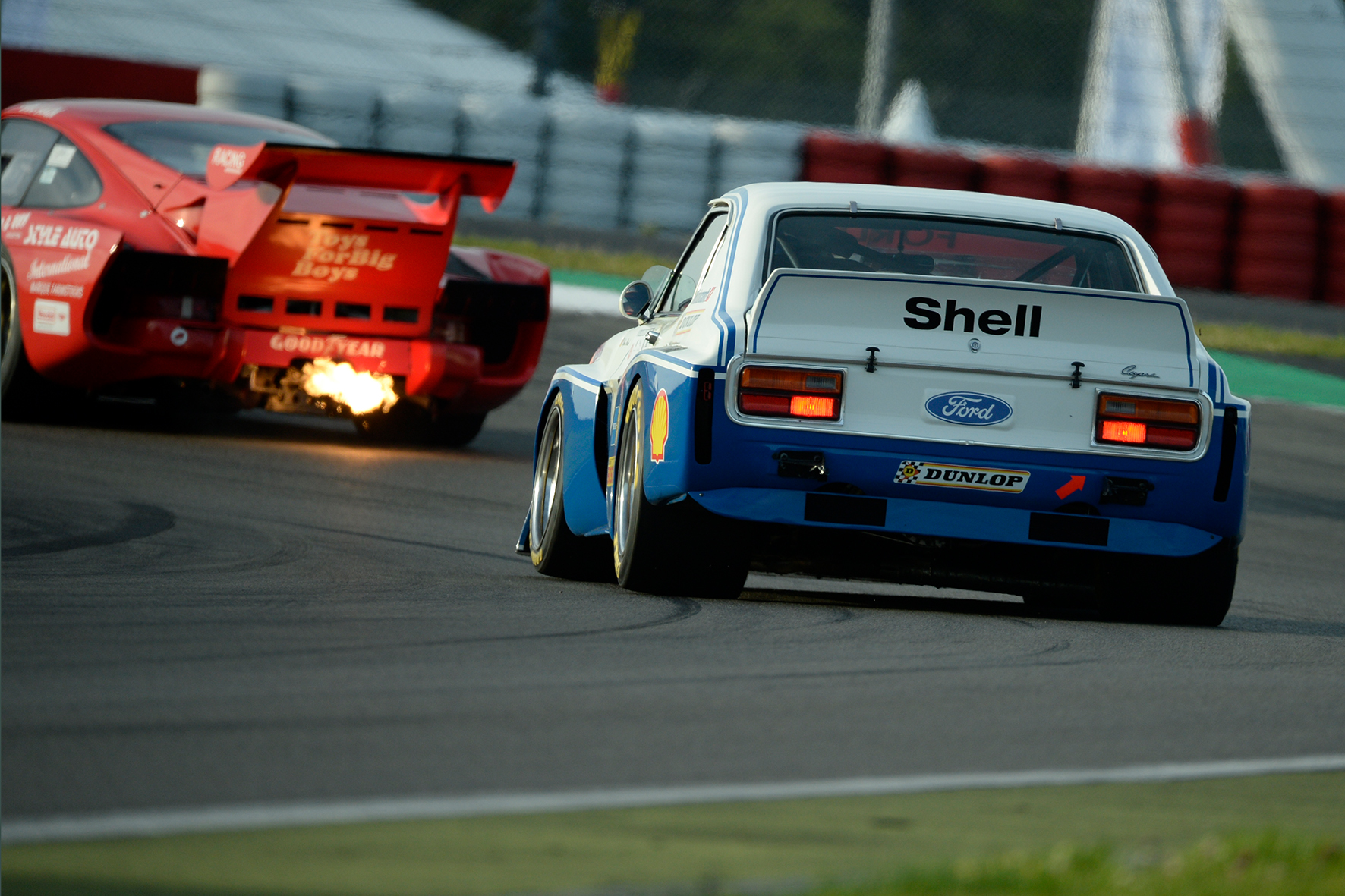
With the further developed Capri, which now had 280 hp in the 2.9-litre version, 1971 became a season full of records. Dieter Glemser won the European Touring Car Championship in the over 2000 cc class, while Jochen Mass dominated the German Circuit Championship, winning all eight races of the season.
At the end of the 1971 season, Hans-Joachim Stuck joined the Ford team as a driver to compete in 1972 with the now 300 hp RS with a three-litre displacement. He was just 21 years old when he confidently secured the title in the first ever German Racing Championship (DRM). He had to win nine of the ten races of the season.
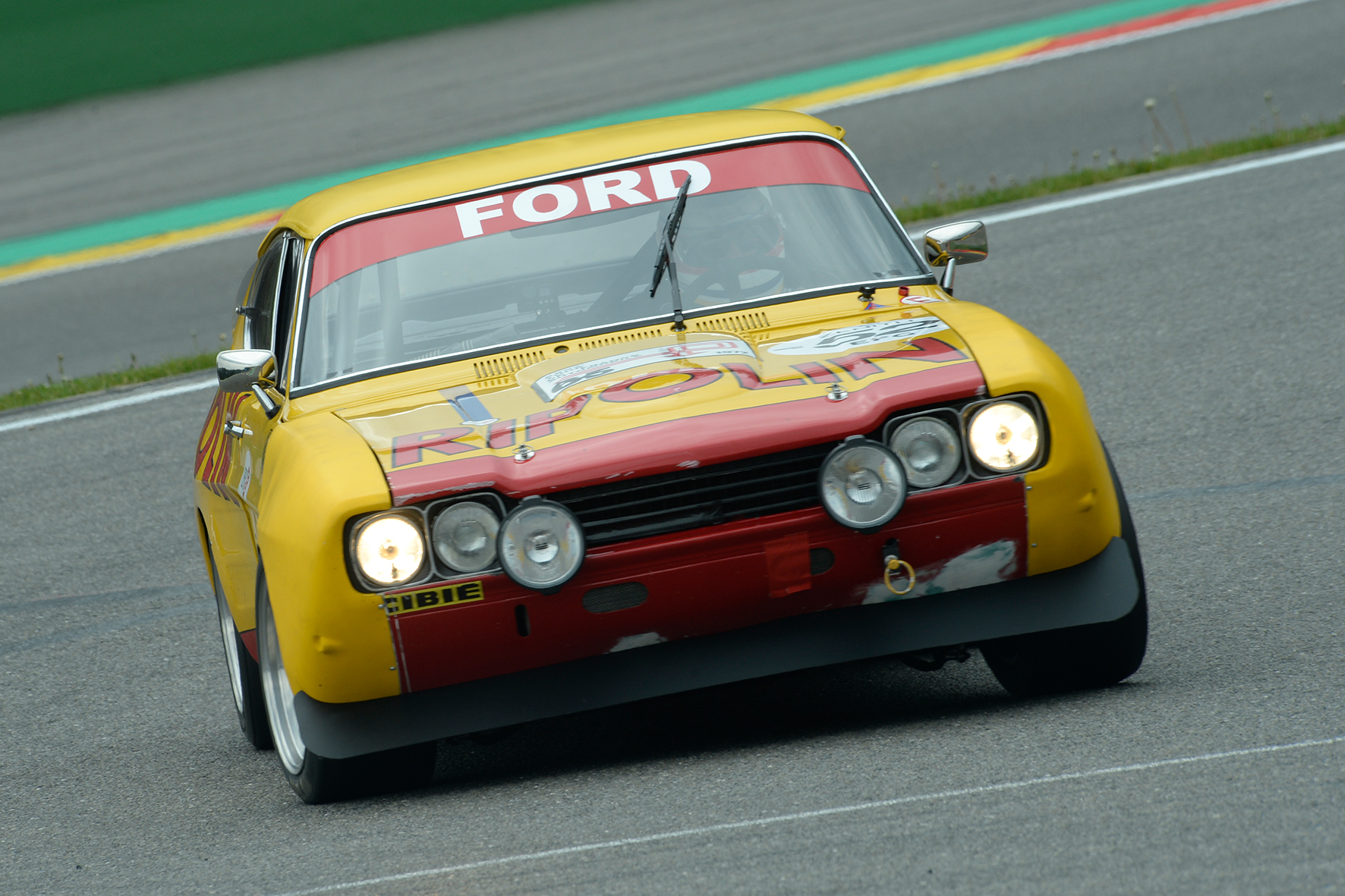
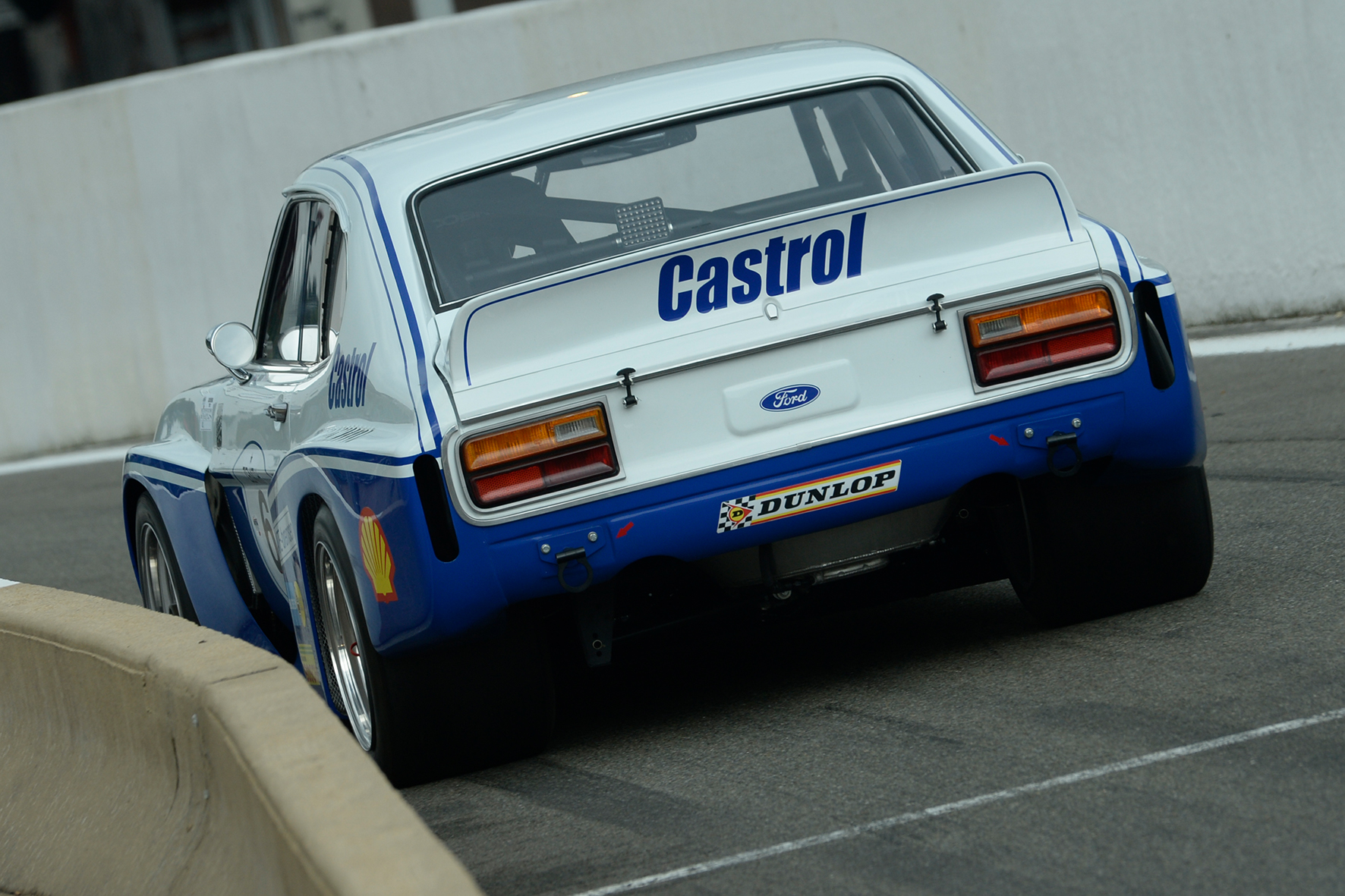
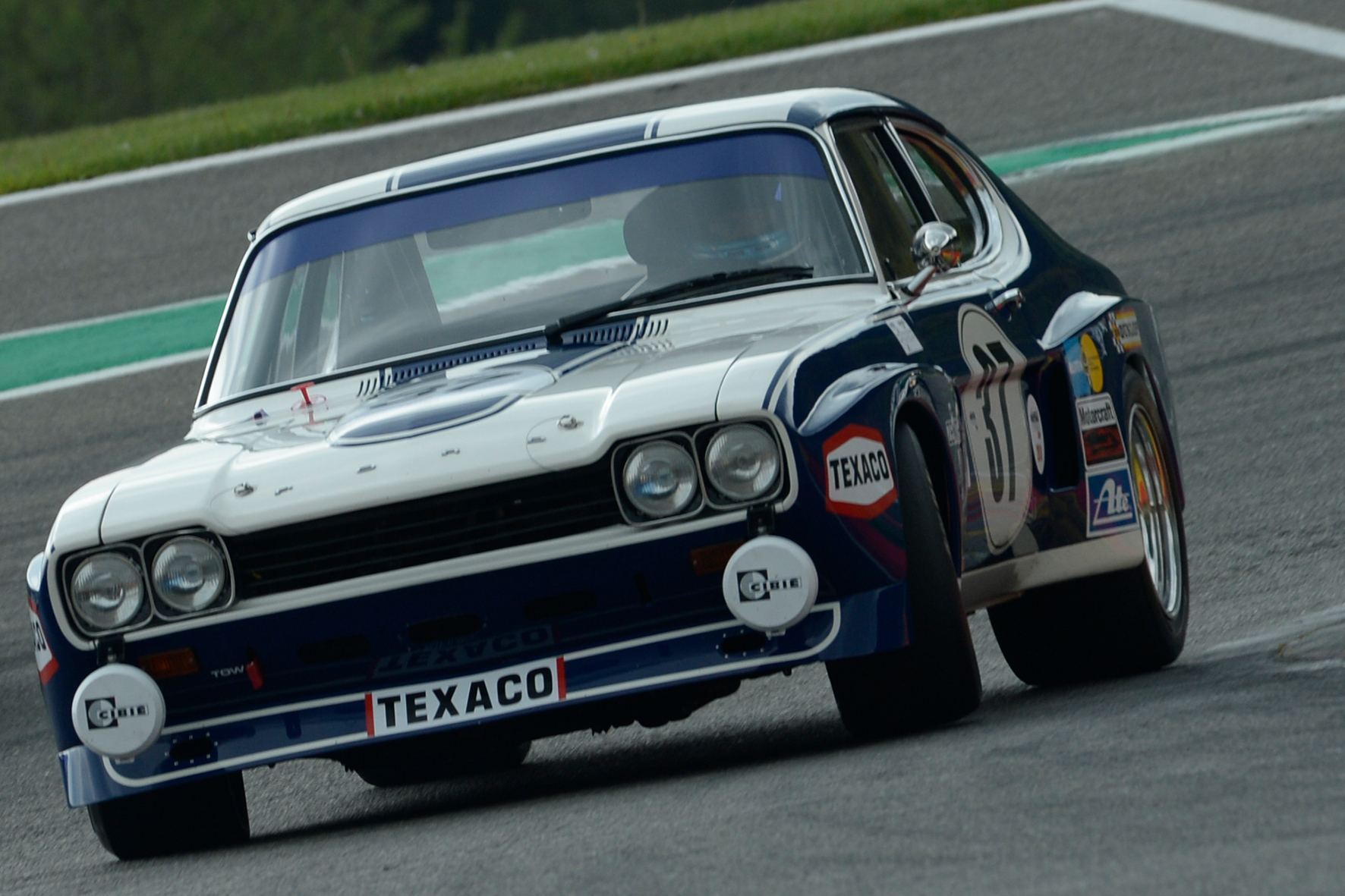
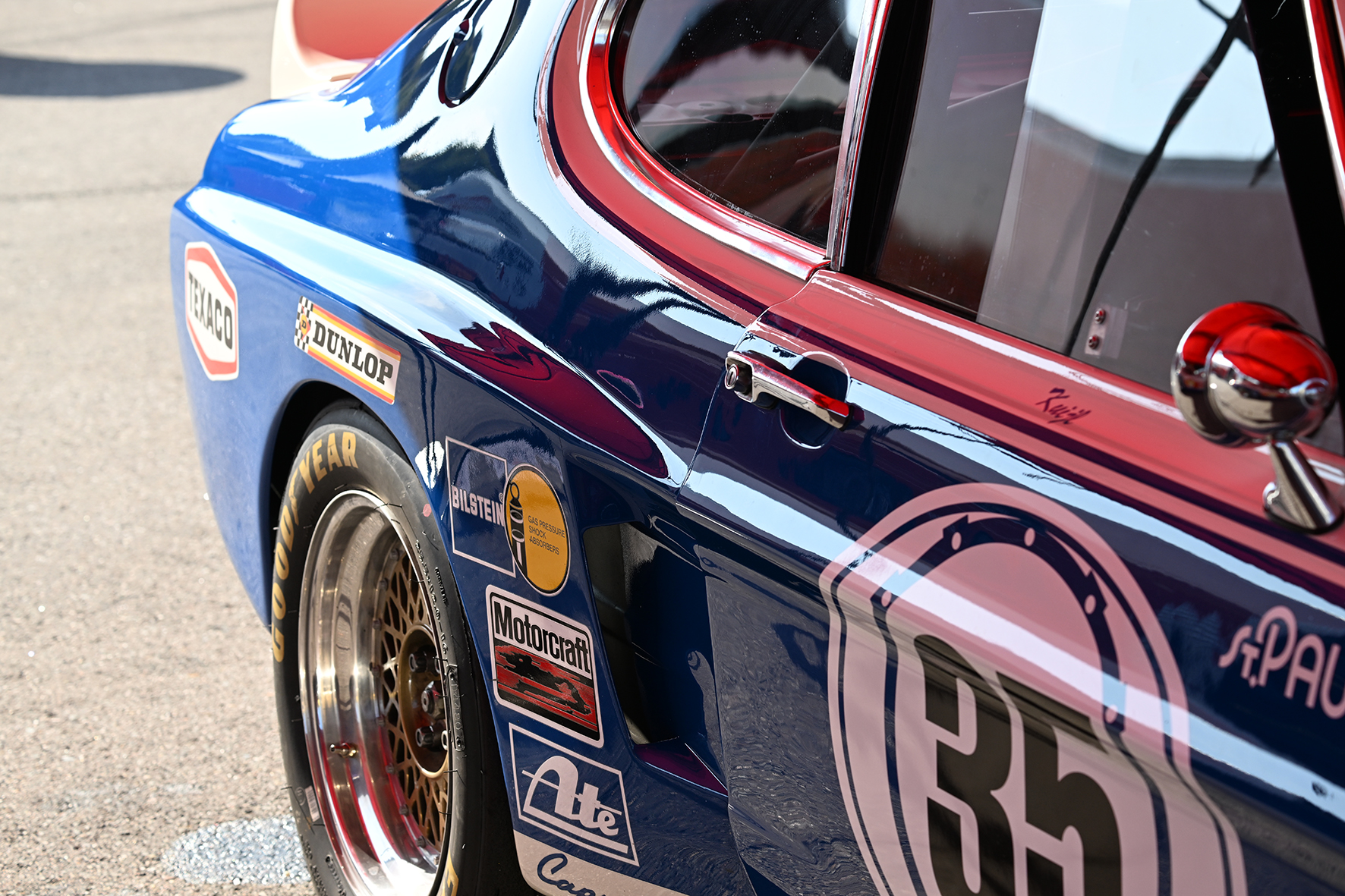
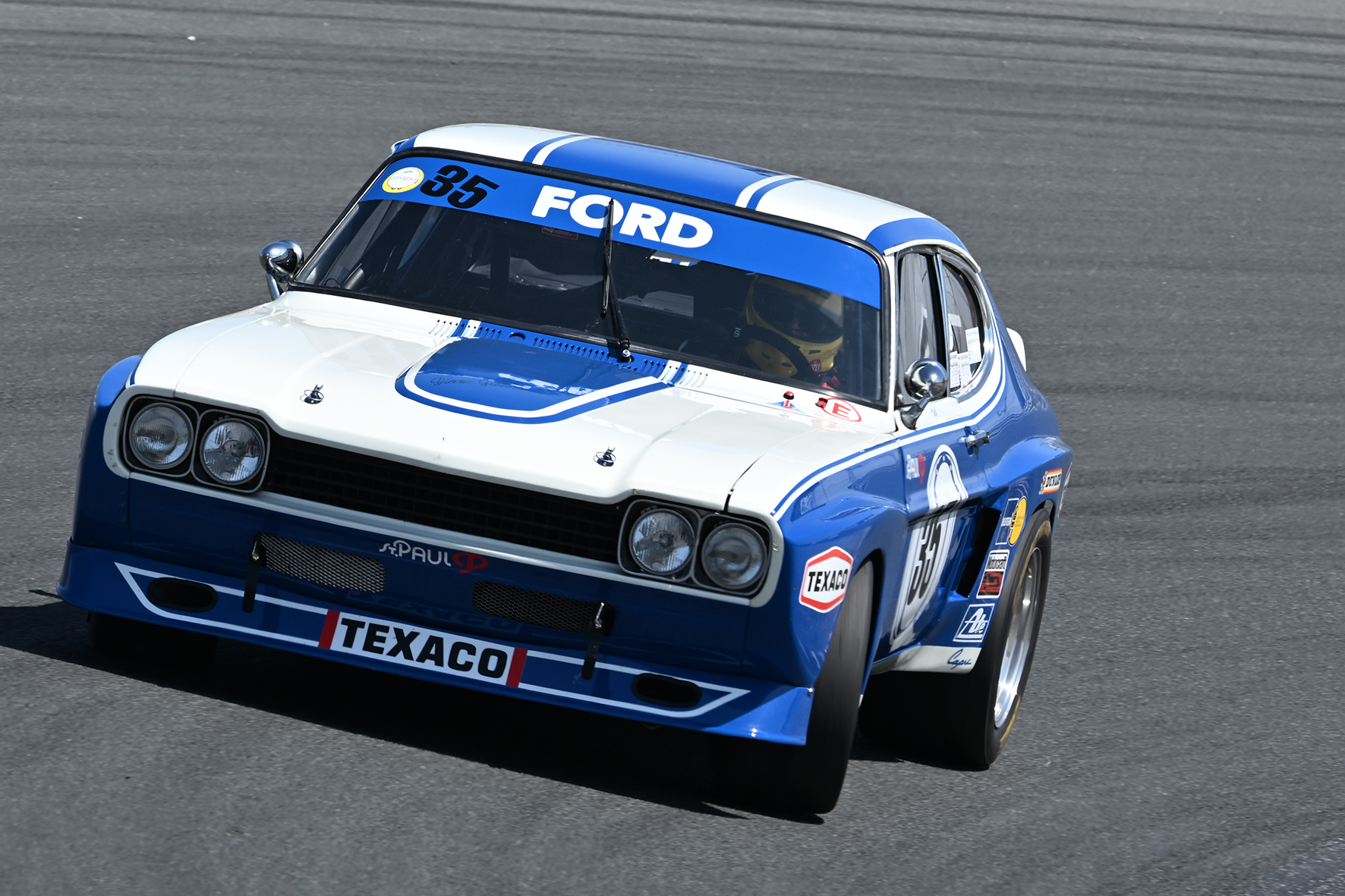
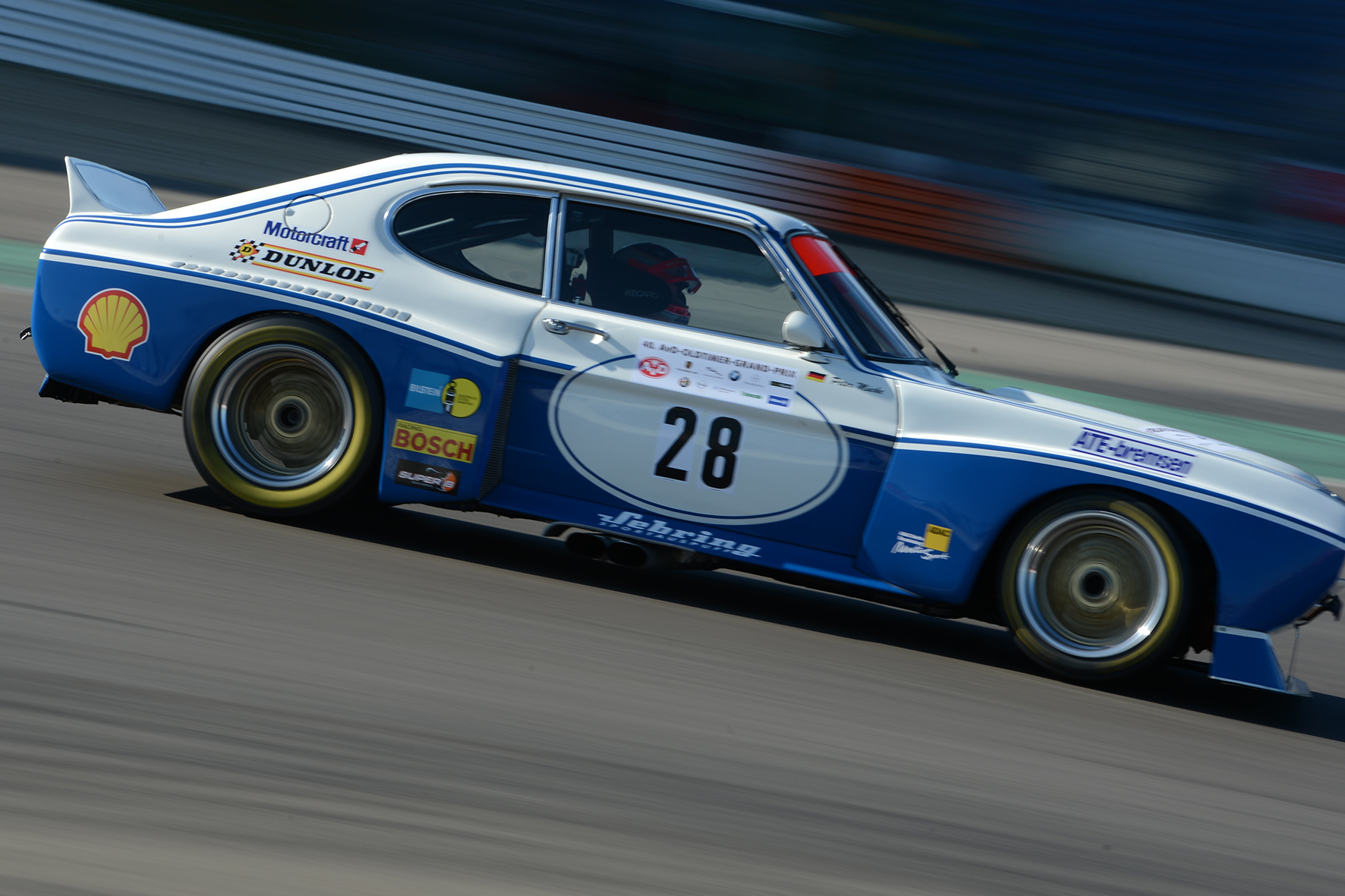
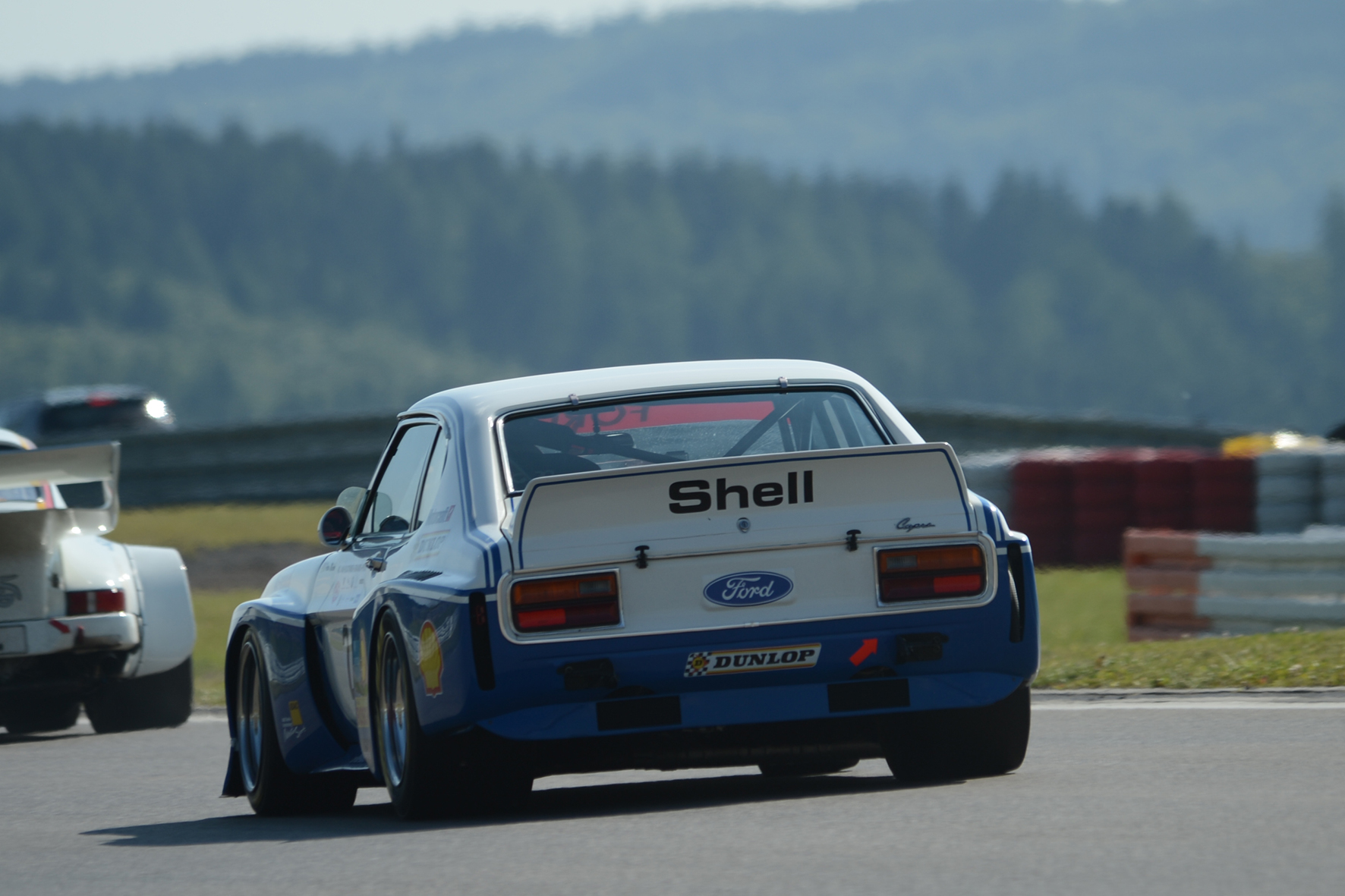
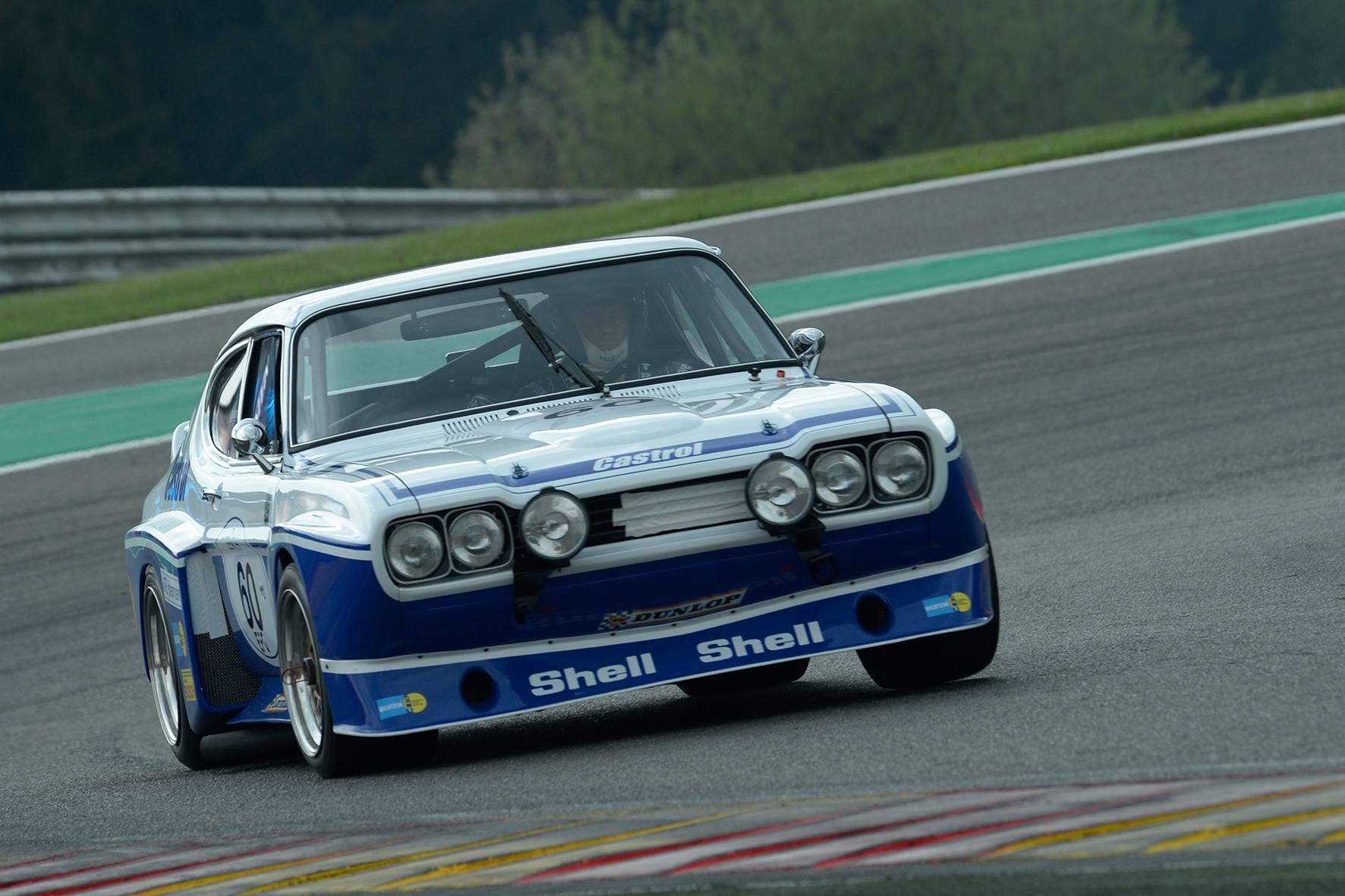
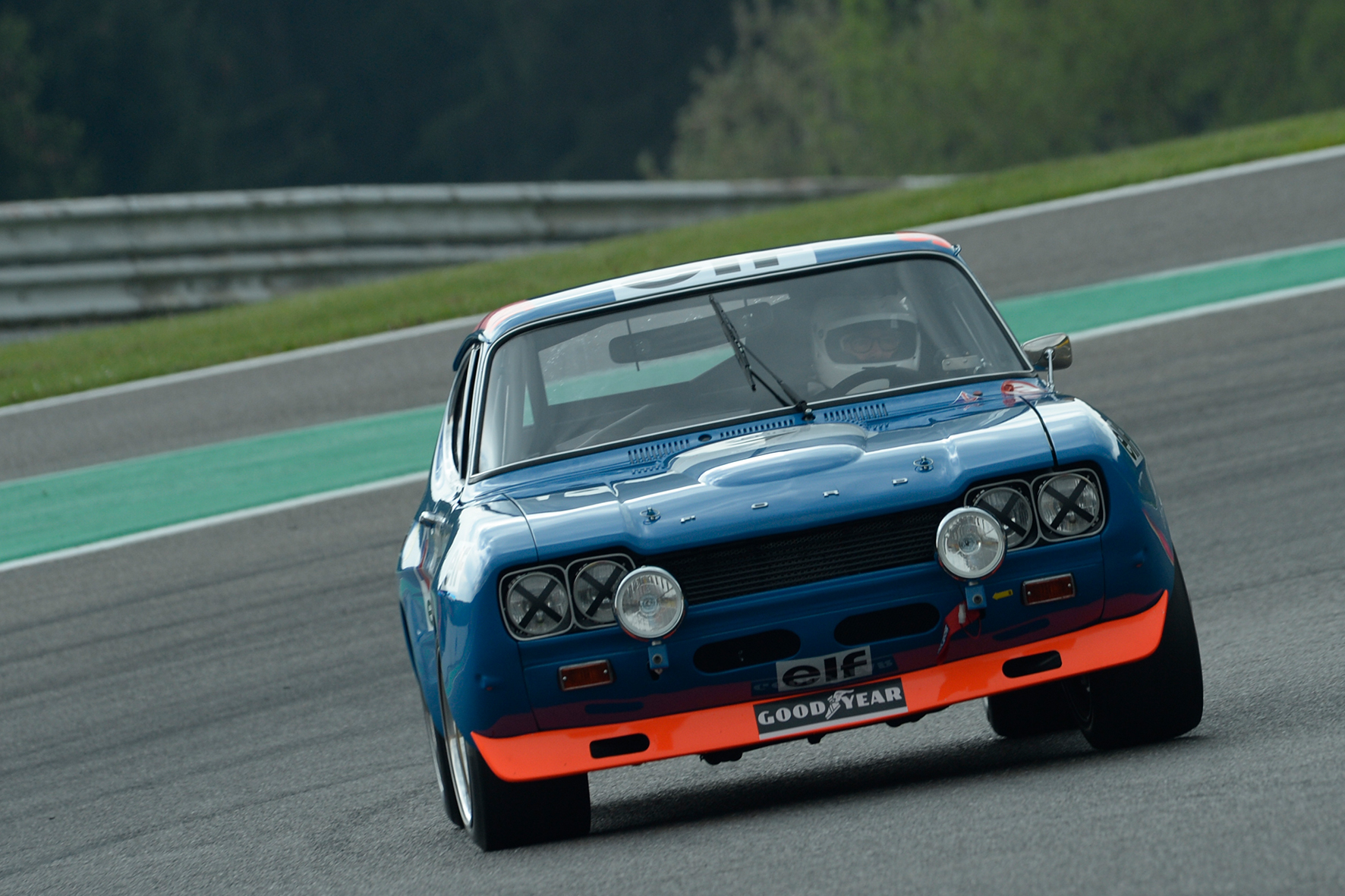
The naturally aspirated Capri, with its now iconic blue and white livery, also caused a sensation in the European Touring Car Championship. Jochen Mass became European champion with it, while his brand colleague Dieter Glemser became runner-up.
At the 24-hour race in Spa, the drivers of the three factory Capris took the first three places. At the 24 Hours of Le Mans, two of the three Capris, whose top speed was now 270 km/h, achieved a double victory in the separately classified touring car classification.
A particular highlight that I remember is the 1973 6-hour race at the Nürburgring. The so-called ‘Grand Prix of Touring Cars’ was both a scoring race for the ‘German Racing Championship’ and the European Car Championship and featured a very exclusive starting field. It was the climax of the rivalry between BMW and Ford. And both manufacturers outdid each other with extremely prominent driver pairings.
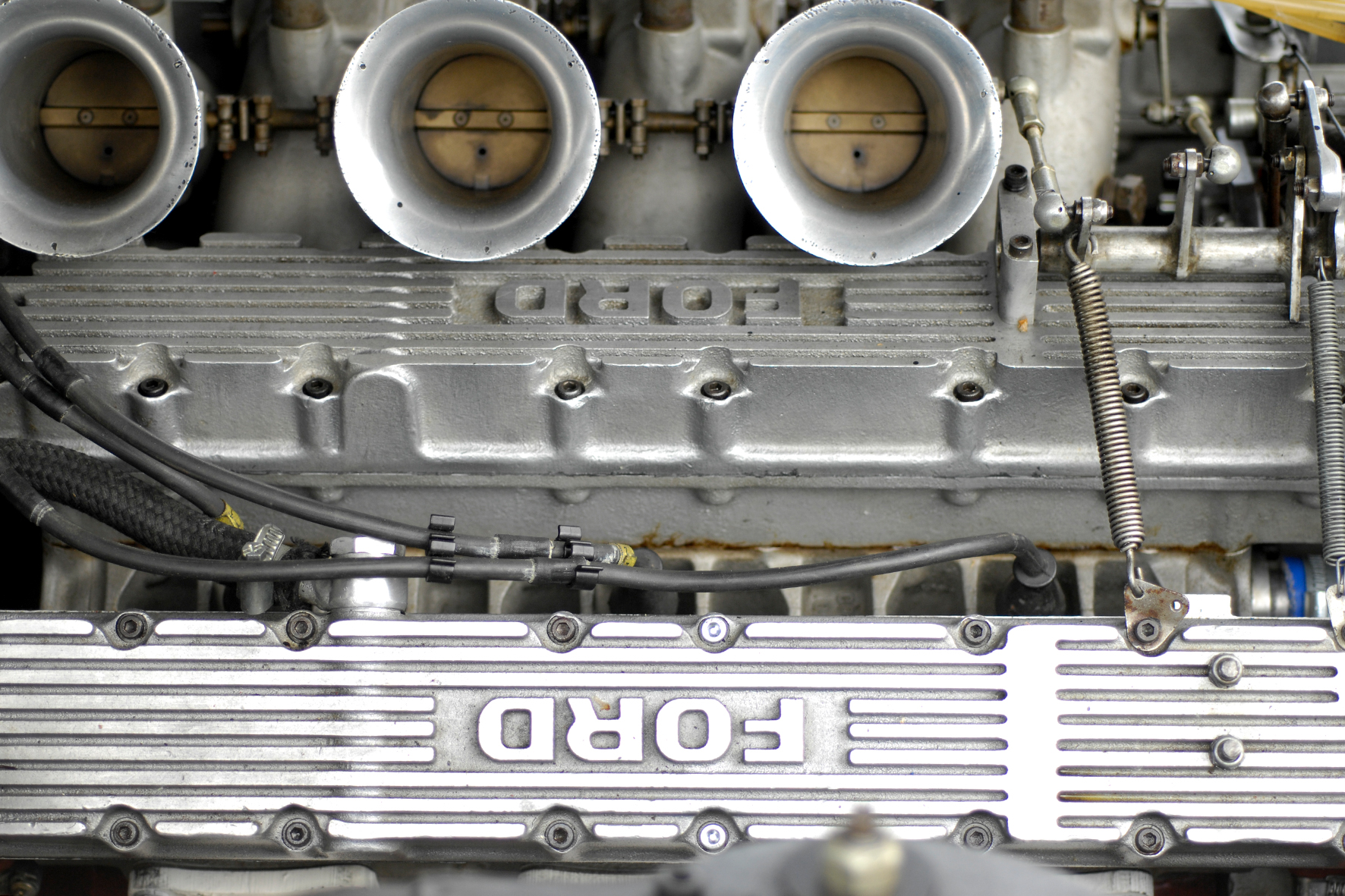
Among many others, the then reigning Formula 1 world champion Emerson Fittipaldi and two-time and future champion Jackie Stewart competed in a Ford Capri RS 2600. Unfortunately, they were unable to finish the race due to a technical defect.
The victory, or more precisely the triple victory, went to BMW. Chris Amon won with Hans-Joachim Stuck after a total of 6:03:06.500 hours and 959.070 kilometres ahead of Hezemans/Menzel/Quester and Lauda/Joisten. All of them drove a BMW 3.0 CSL, the first two for BMW Motorsport, Lauda and Joisten for the Jägermeister Racing Team. The first Ford Capri RS 2600 followed far behind in fifth place with the driver pairing Weiss/Ludwig.
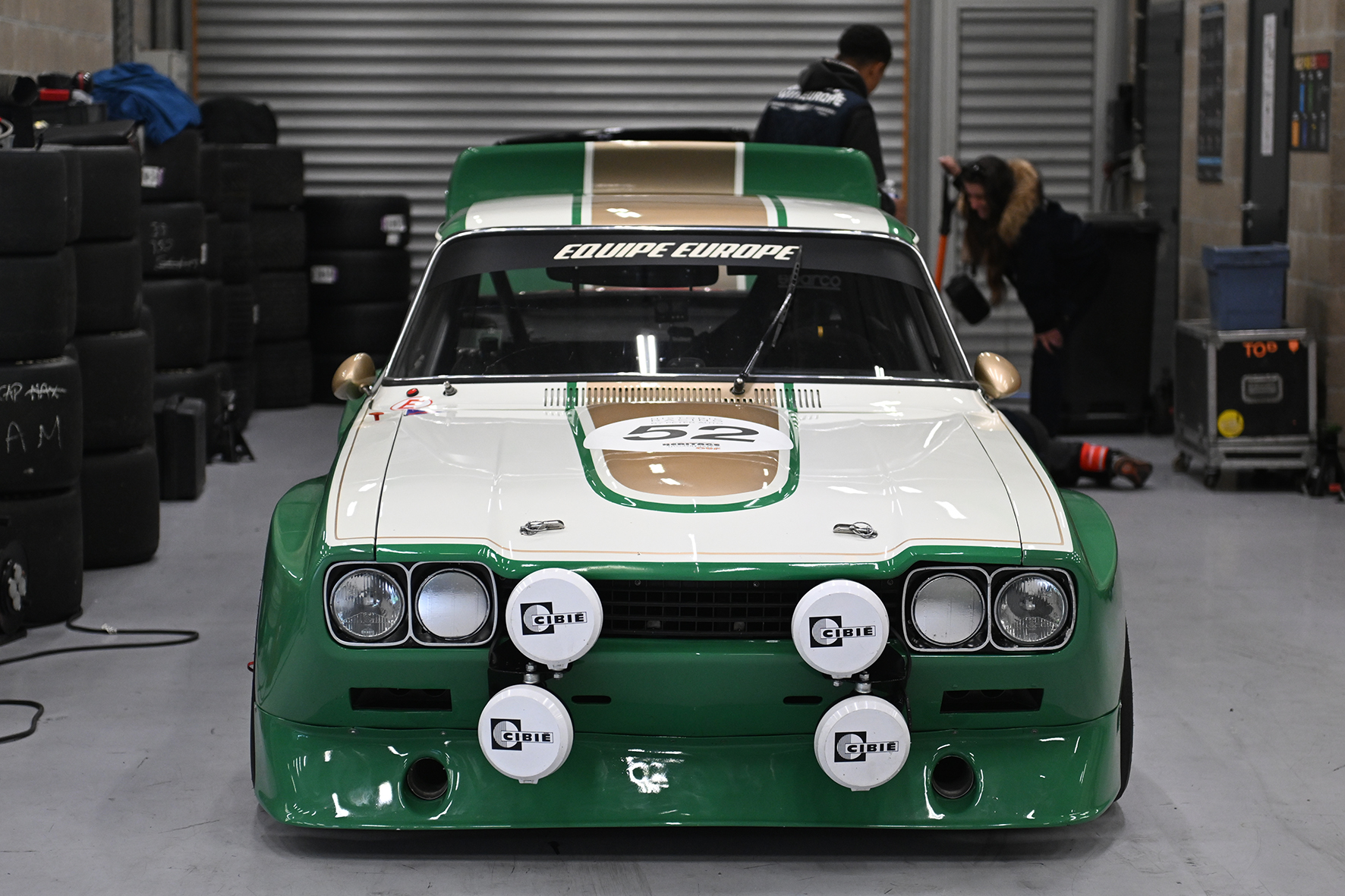
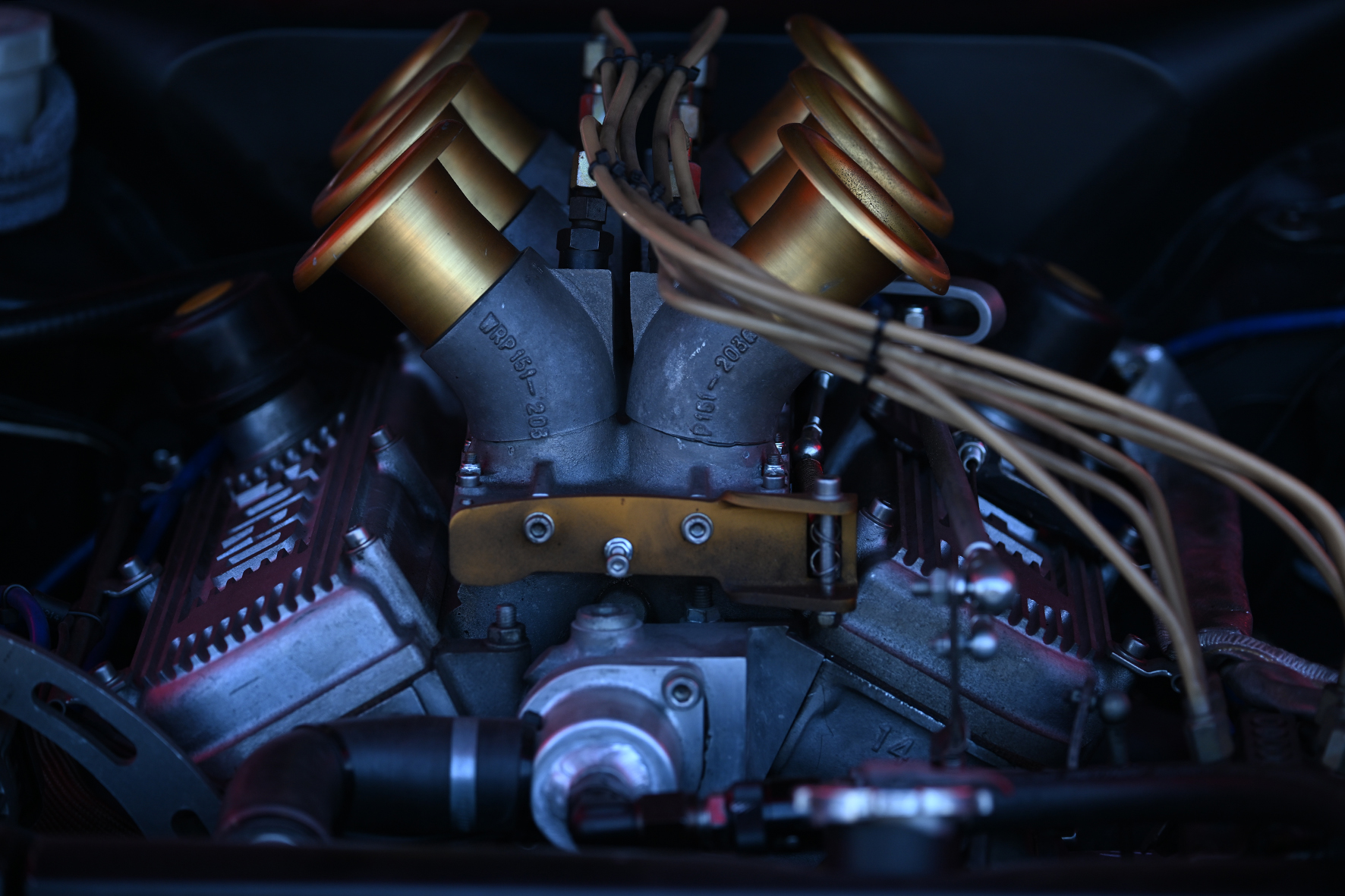
Due to the inferiority of the Ford Capri compared to the BMW 3.0 CSL in 1973, the Capri was fitted with a significantly more powerful engine from the English engine manufacturer Cosworth for 1974, enabling the factory drivers led by Hans Heyer to be victorious once again and win both the manufacturers’ and drivers’ titles in the European Championship.
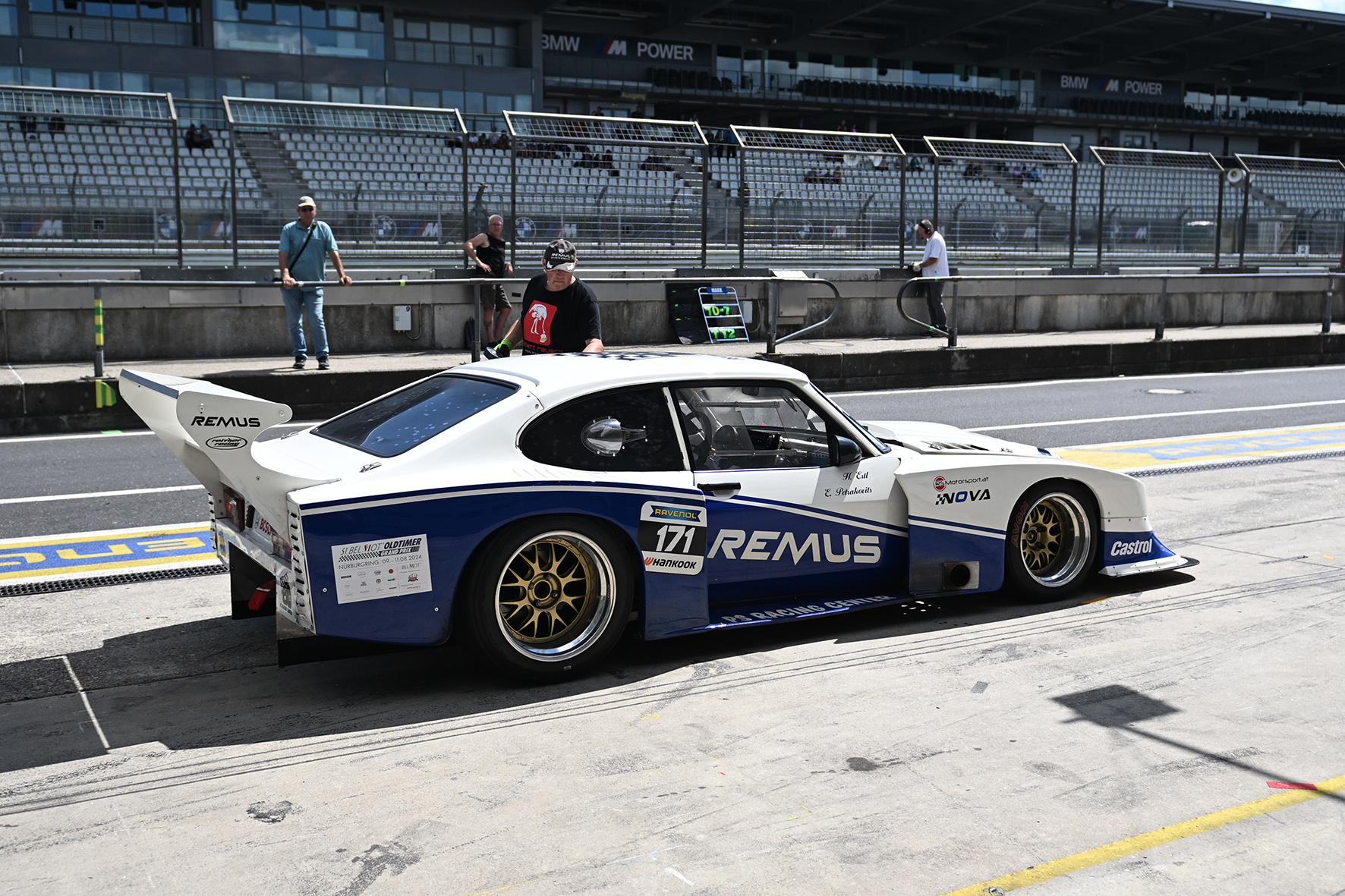
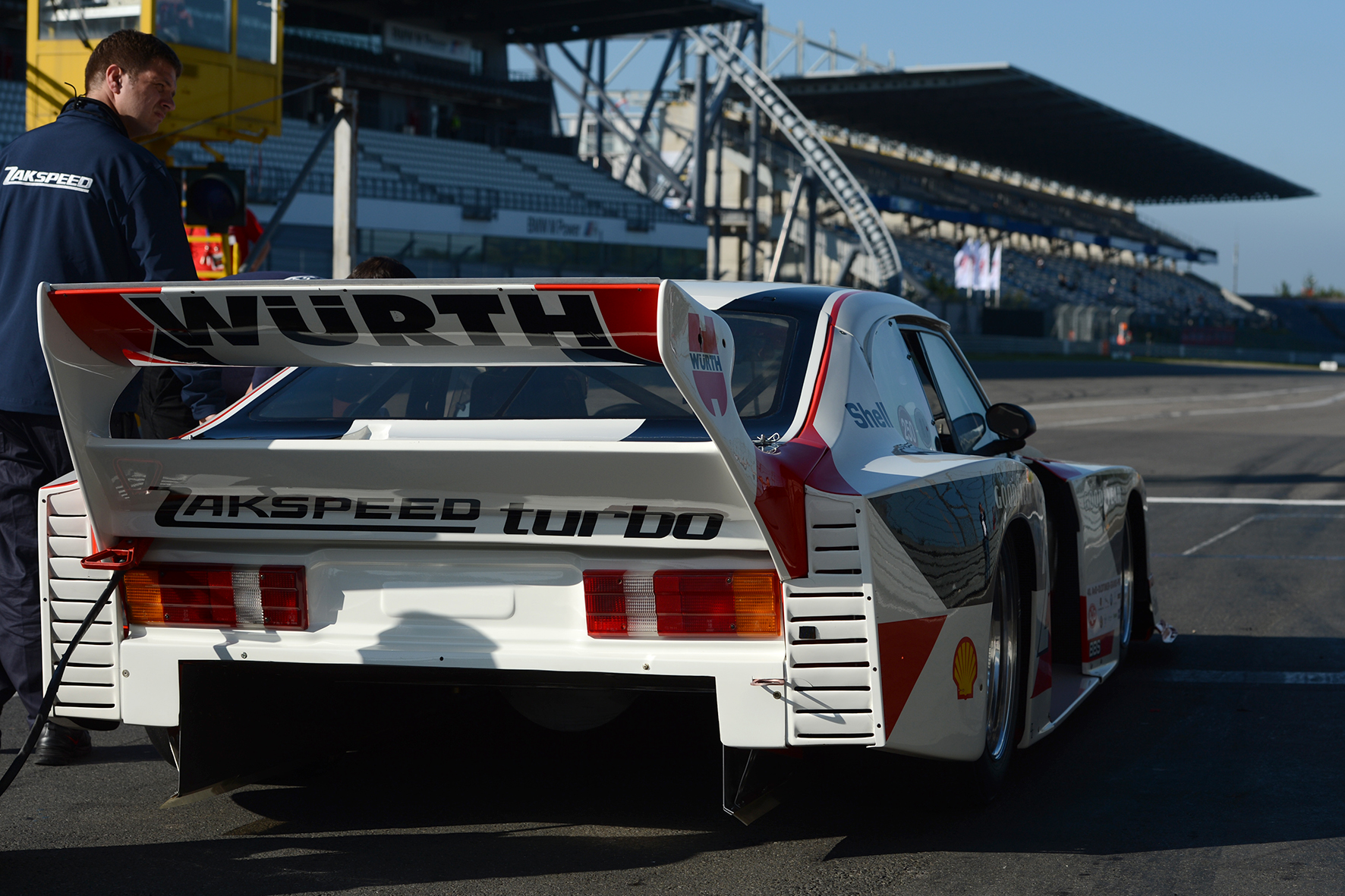
After that, things went quiet around the Capri for almost two years, mainly because Ford was now focusing more on the Escort at the factory. It was not until 1978 that the Ford Capri made a comeback, albeit in a completely different exterior form. The Zakspeed Ford Capri Turbo celebrated a much-acclaimed rebirth in July of that year. The Zakspeed Turbo no longer had anything in common with the beefy, angular version of 1973. It was extremely flat and wide and had a huge rear wing.
It was not until the 1981 season that the Zakspeed Ford Capri Turbo was able to demonstrate its full potential. With these cars, Klaus Ludwig achieved thirteen pole positions and ten victories in thirteen races. So the Ford Capri finally had a successful year after all.
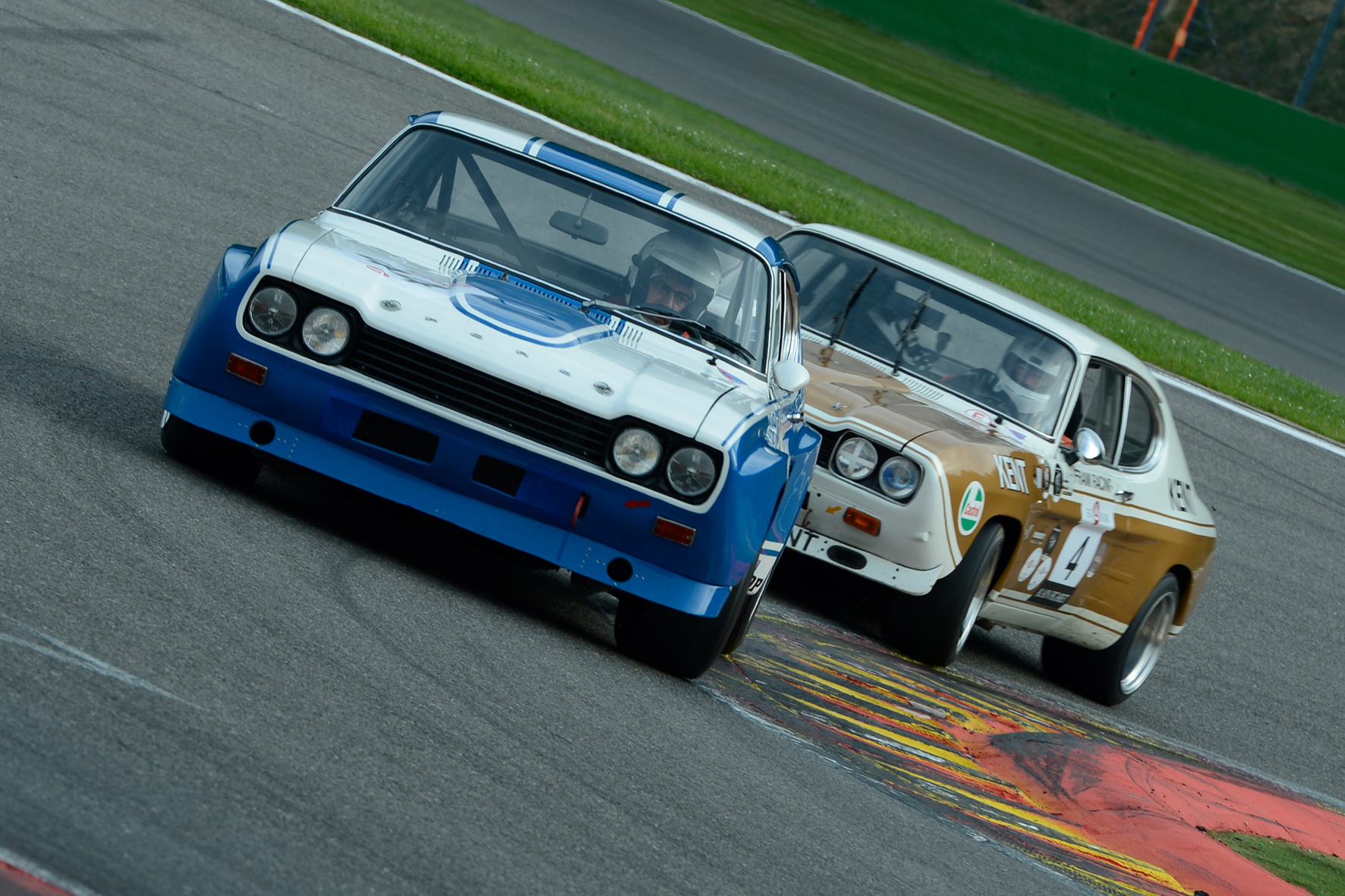
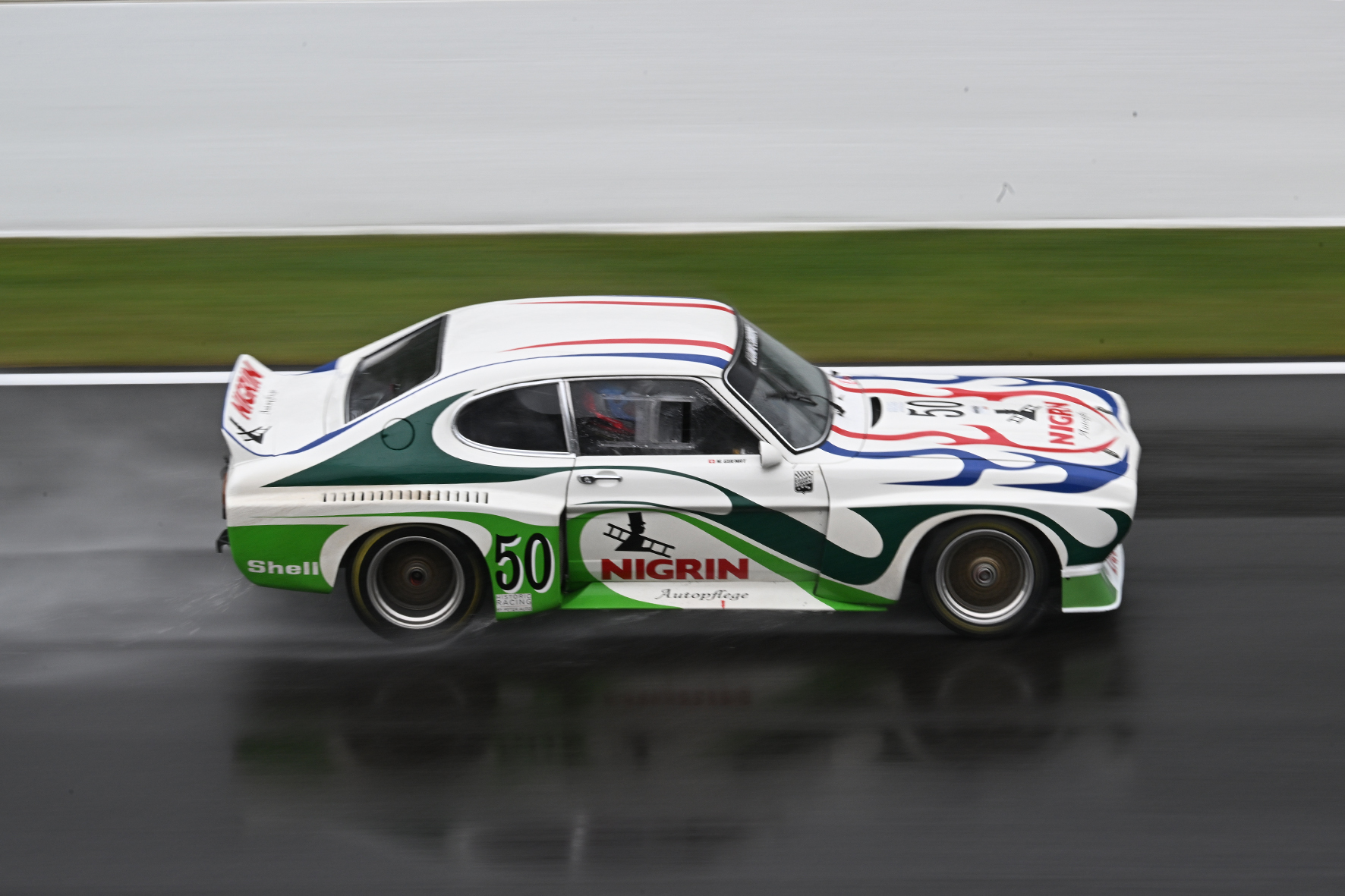
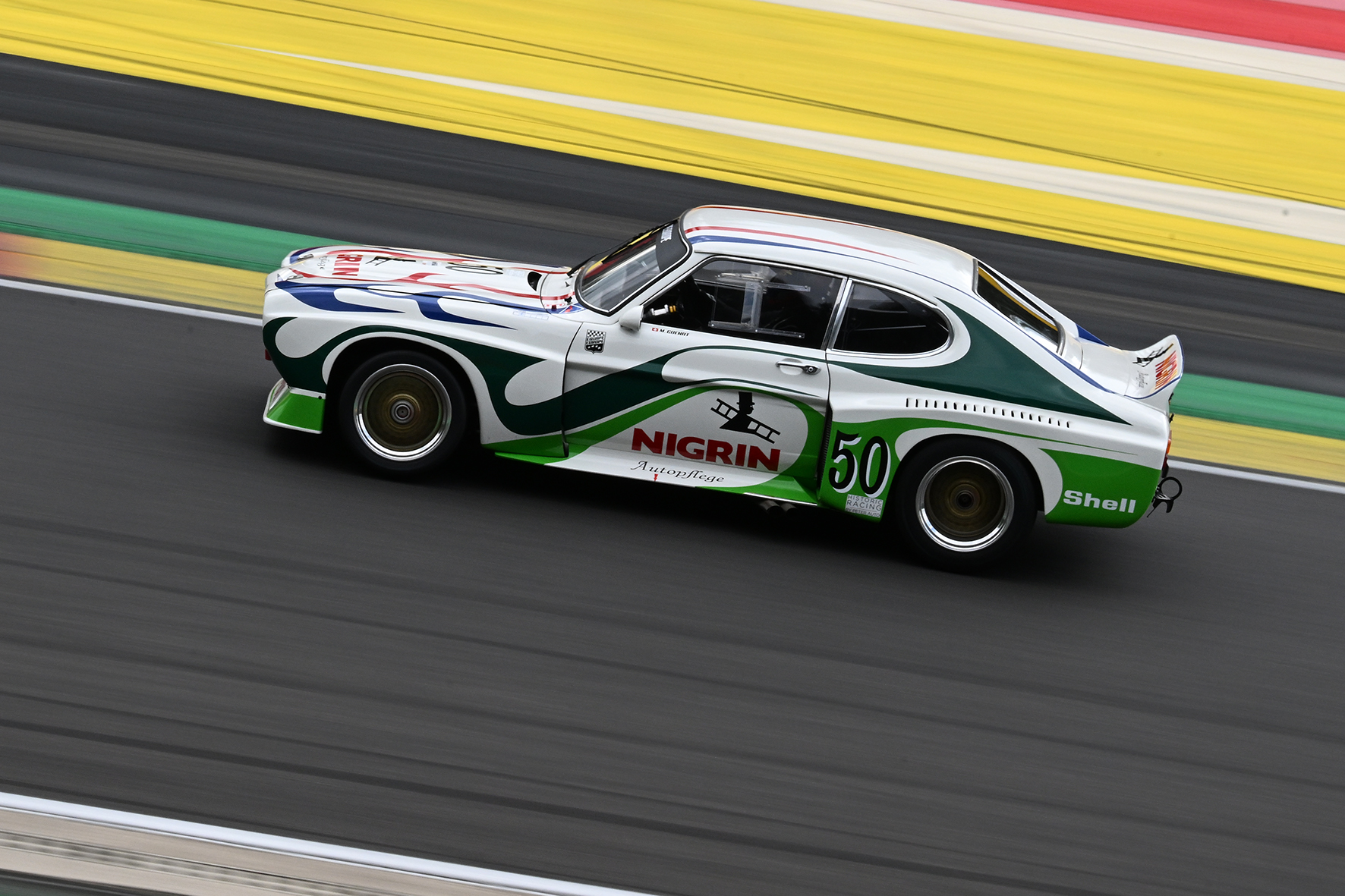
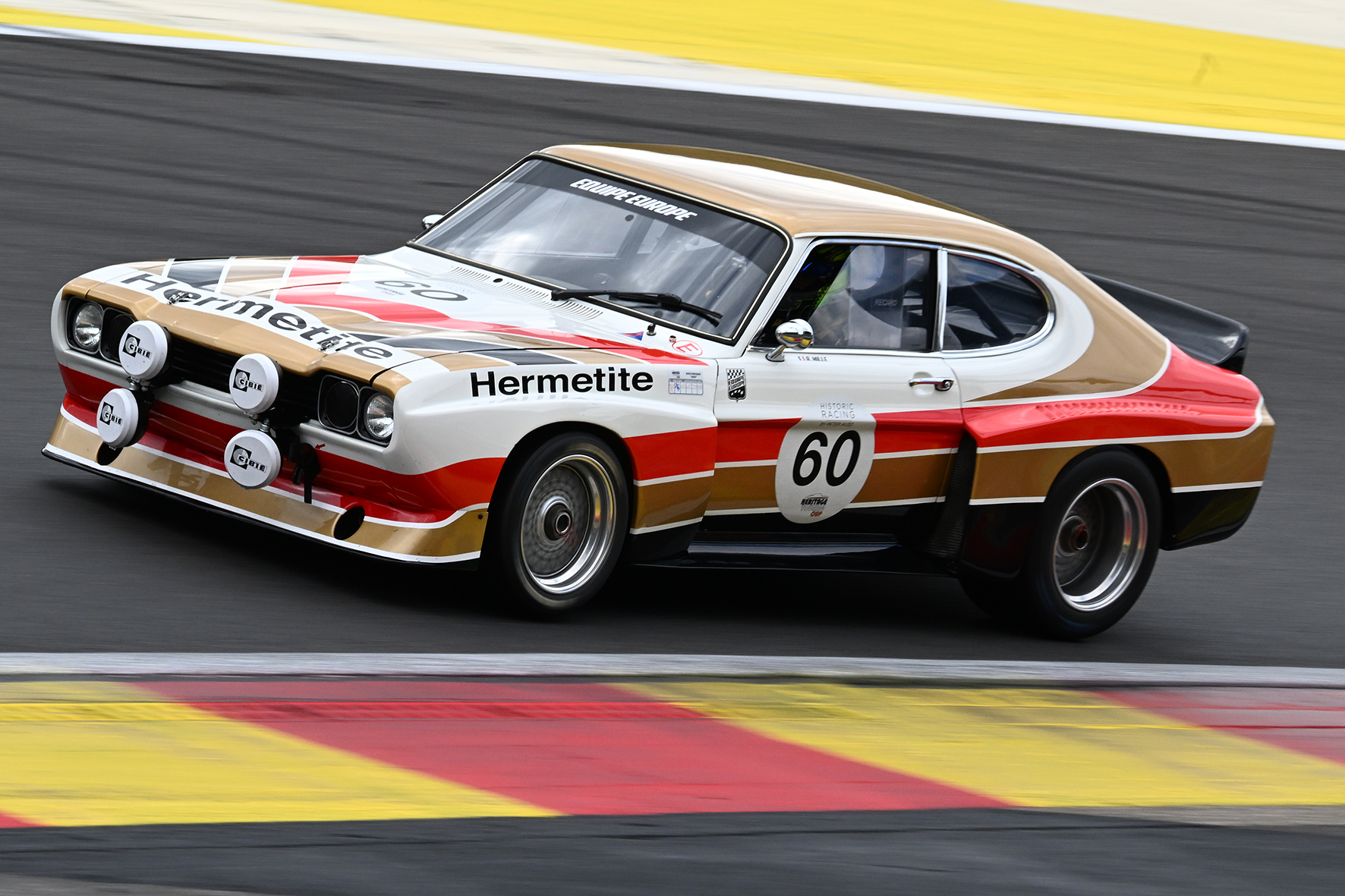
Both very different racing cars, the Capri RS 2600 to 3100 and the Zakspeed Turbo, are still regularly seen in historic motorsport today, with the Zakspeed Turbo in particular usually dominating the competition.
I particularly like the iconic blue and white Capri RS 3000 with its enormous fender flares. This is how motorsport history comes alive again and again.