In the glittering final days of the Edwardian era, few stories captured public fascination quite like that of John Jacob Astor IV and his young bride, Madeleine. Their journey aboard the Titanic was not merely a voyage across the Atlantic—it was a passage through scandal, privilege, romance, and ultimately, tragedy.
John Jacob Astor IV stood among the wealthiest men in the world, a symbol of American prosperity and influence. Yet it was not only his fortune that drew attention in 1912. His recent divorce and swift remarriage to eighteen-year-old Madeleine had ignited a storm of gossip across New York society. Newspapers chronicled their every move, turning their private lives into public spectacle. Seeking distance from the scrutiny, the couple embarked on an extended honeymoon through Europe and Egypt, hoping time and distance might quiet the whispers.
It was during this journey, beneath the ancient skies of Egypt, that Madeleine discovered she was pregnant. With this joyful news came a decision: to return home so their child could be born on American soil. Their return passage would be aboard the most luxurious ship ever built—the Titanic, embarking on its maiden voyage.
The Titanic itself was a marvel of human ambition. Designed not merely for speed but for unmatched comfort and grandeur, it represented the pinnacle of early 20th-century engineering. Its decks were graced by the world’s elite—industrialists, politicians, and socialites—each drawn by the promise of opulence and prestige. Among them, the Astors stood out, accompanied by a small retinue that reflected their status: a valet, a maid, a nurse, and even their beloved Airedale Terrier, Kitty.
On the night of April 14, 1912, the illusion of invincibility shattered. At 11:40 p.m., the Titanic struck an iceberg. At first, the disturbance seemed minor—just another inconvenience on a grand voyage. Astor himself approached the captain with calm concern, reluctant to disturb his resting wife unless truly necessary. Reassured that it was a precaution, he returned to Madeleine and gently woke her, guiding her toward the deck.
Like many aboard, the Astors initially underestimated the danger. The vast ship, so confidently proclaimed unsinkable, seemed far safer than the small lifeboats being lowered into the dark Atlantic. They lingered, conversing with fellow passengers, weighing their options. But as the hours slipped by, the truth became undeniable—the Titanic was doomed.
When the moment came, Astor acted with quiet resolve. He helped Madeleine into Lifeboat No. 4, ensuring her safety above all else. Aware of her fragile condition, he asked if he might accompany her, but the strict “women and children first” rule was unwavering. Accepting his fate, he kissed her goodbye and offered words of reassurance: “I’ll see you in New York.” It was a promise he would not live to keep.
As Madeleine’s lifeboat descended into the darkness, witnesses recalled Astor standing calmly, even waving—a final gesture of composure amid chaos. It was the last time he was seen alive.
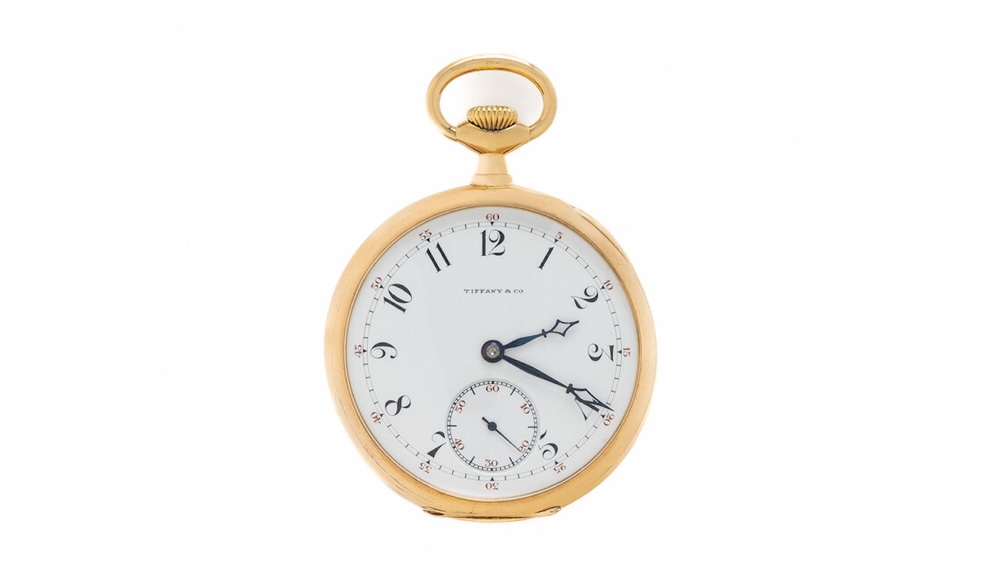
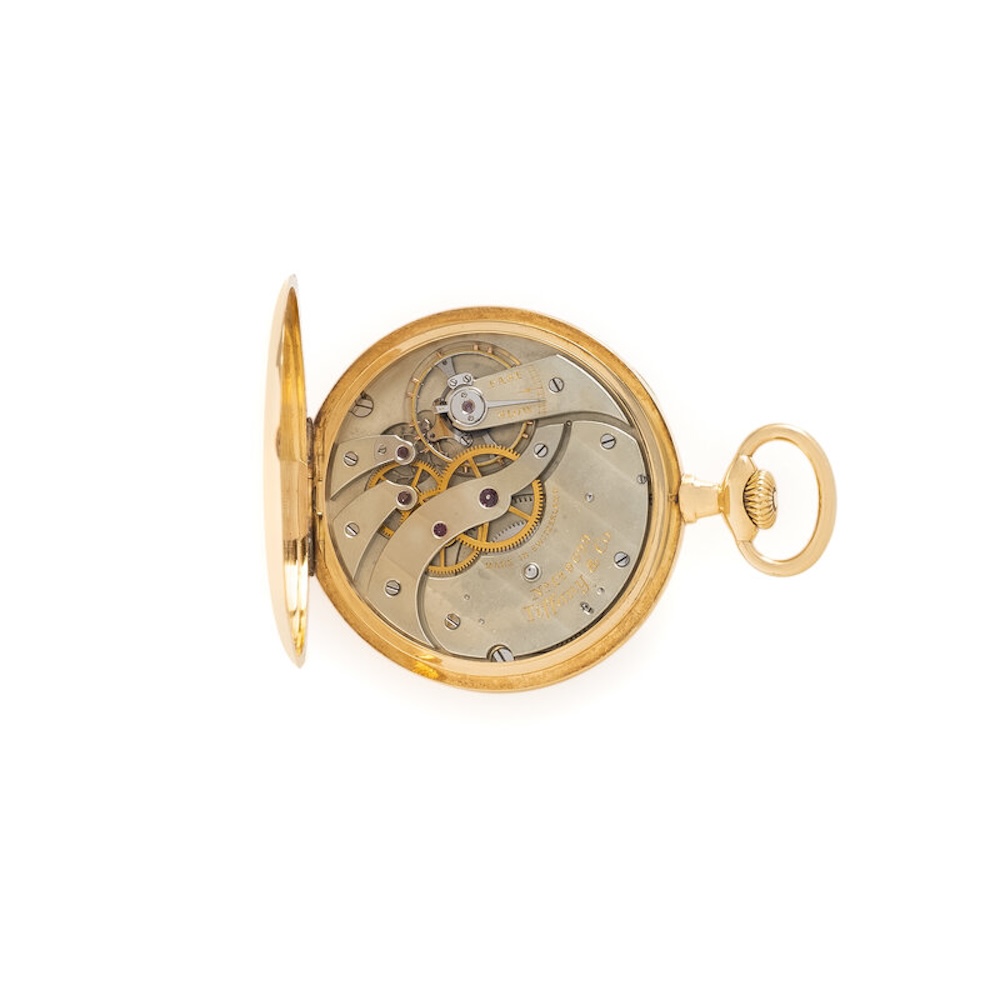
In the aftermath of the disaster, grief rippled across continents. Astor’s son, Vincent, driven by desperation and hope, sought every possible means to recover his father’s body. His determination reflected not only personal loss but the immense weight of a family legacy. Ultimately, the recovery ship Mackay-Bennett located Astor’s body days later, along with personal effects that quietly testified to the life he had lived—gold cuff links, a diamond ring, and a watch that had marked his final hours.
Returned to New York, he was laid to rest with dignity befitting his stature. Months later, Madeleine gave birth to their son, ensuring that Astor’s lineage would continue despite the tragedy.
The story of John Jacob Astor IV aboard the Titanic is more than a tale of wealth or disaster. It is a deeply human narrative—of love tested by public scrutiny, of a husband’s final act of devotion, and of a moment in history where even the greatest fortunes could not defy fate. It remains one of the most poignant chapters in the enduring legacy of the Titanic, a reminder that beneath the grandeur and ambition, the voyage was always, at its heart, about people.
Click here for further information



more information: freemansauction.com
Photo Credit by freemansauction.com