Photographer Horst A. Friedrichs and writer Stuart Husband swap questions on obsession, craftsmanship and why nobody needs a mechanical watch – yet everybody seems to want one.
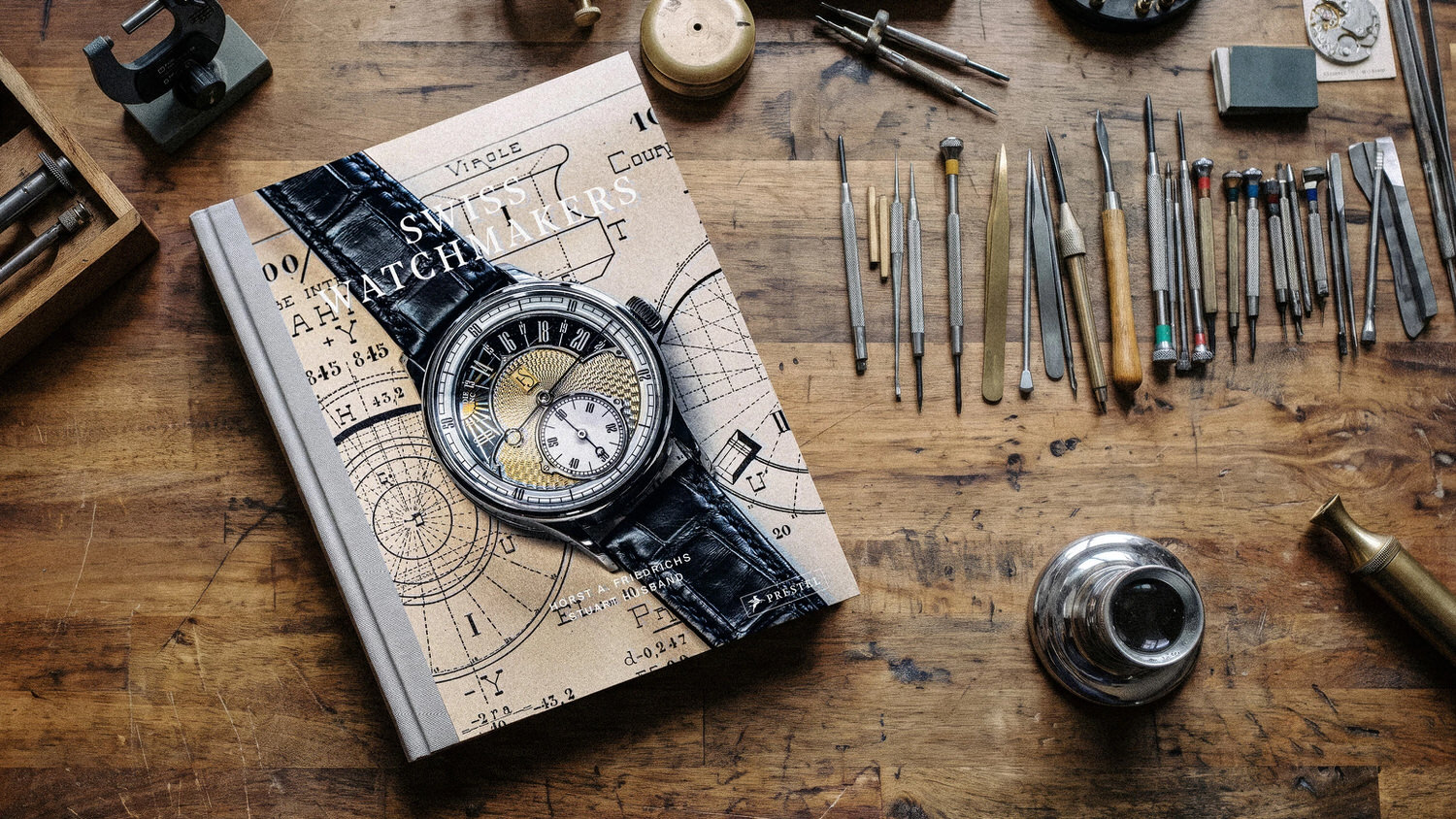
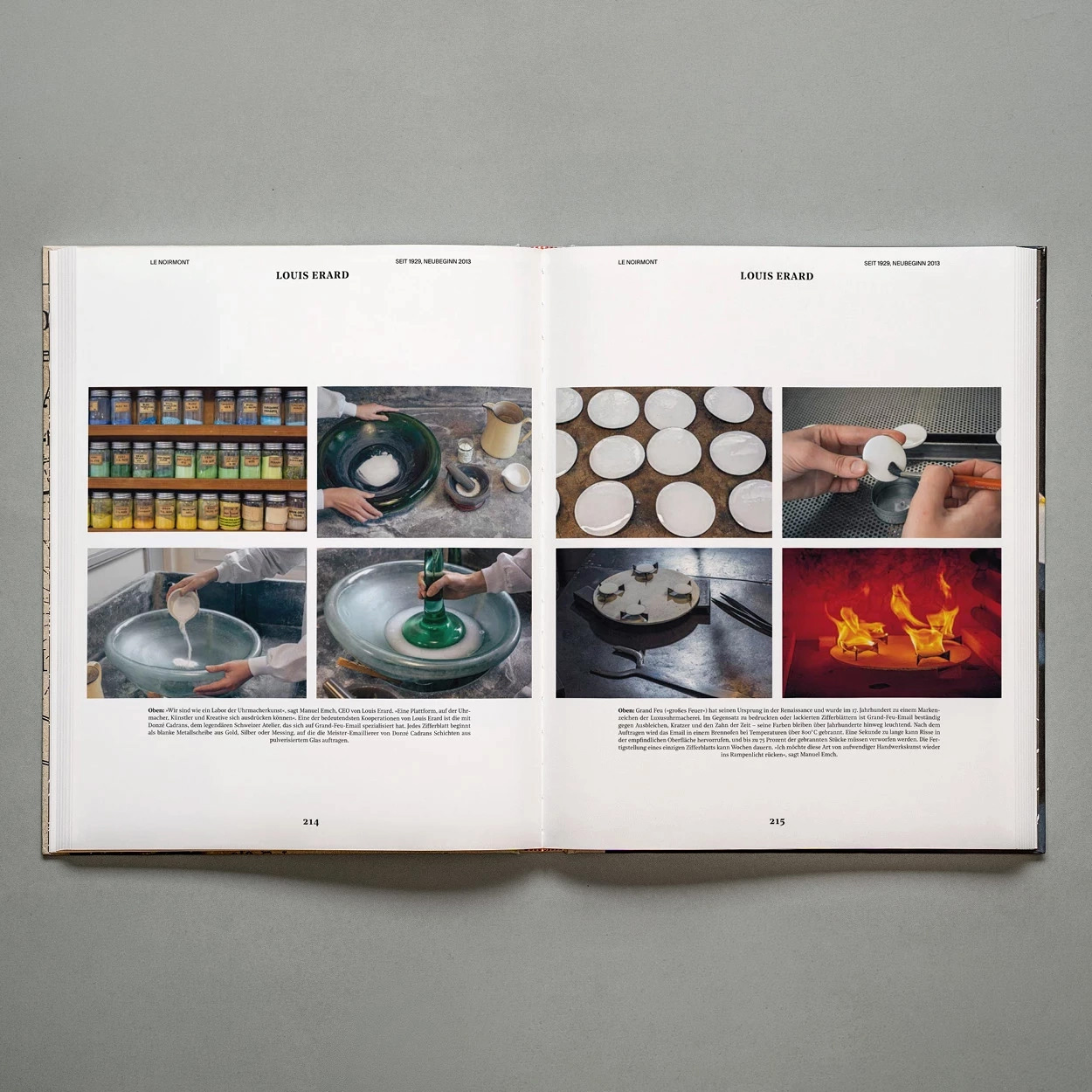
Laurent Ferrier finished third at Le Mans in 1979, behind Paul Newman, and went on to launch his own watch brand at the age of 63. Philippe Dufour has spent four decades working largely alone in a converted schoolhouse in the Vallée de Joux. Maximilian Büsser builds spaceships for the wrist. They are three of the fifteen independent makers profiled in Swiss Watchmakers (Prestel), the coffee-table book by Friedrichs and Husband. For Collectors Car World, the two authors interviewed each other about the book – and about the people behind the watches.
Part One: Stuart Husband asks Horst A. Friedrichs
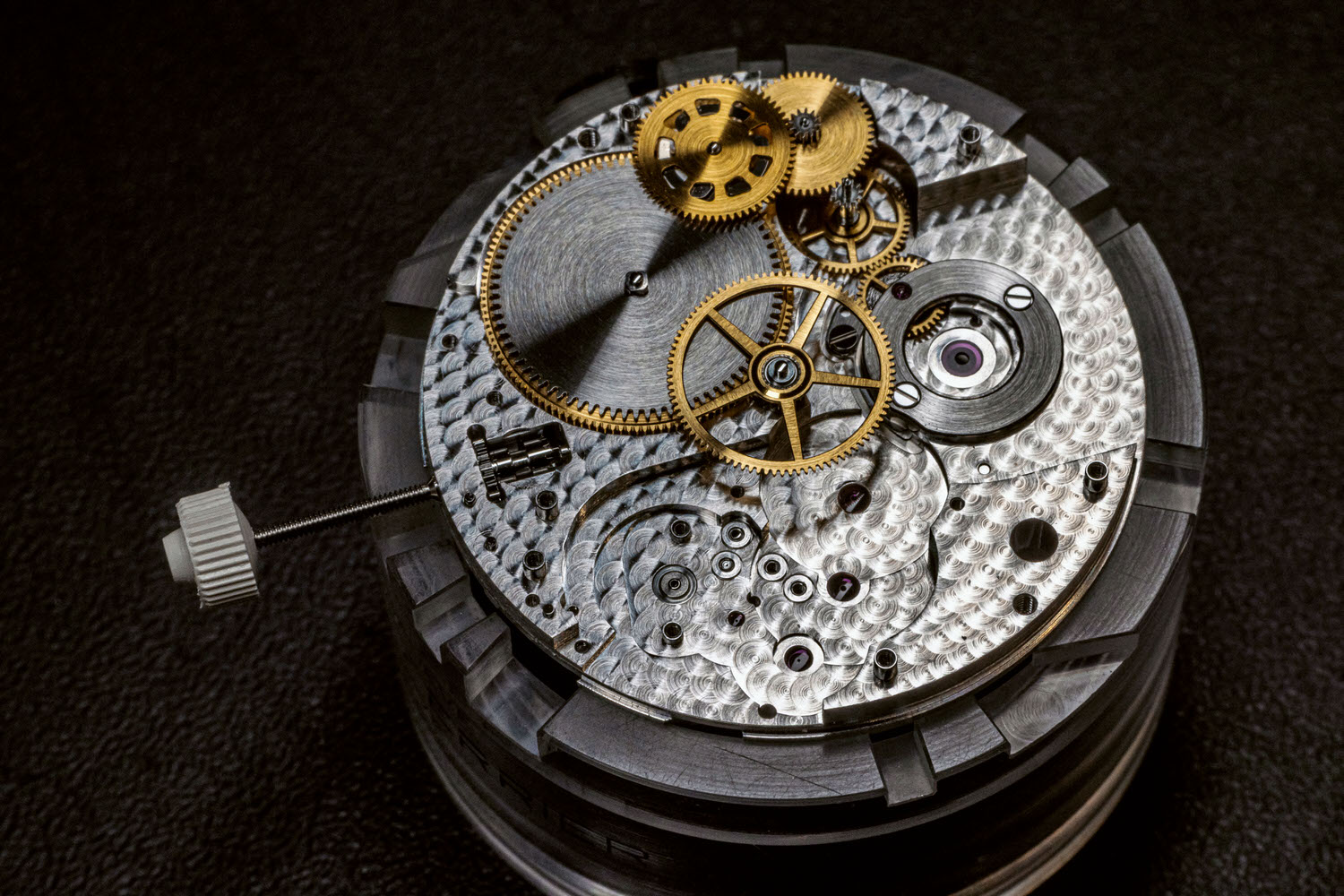
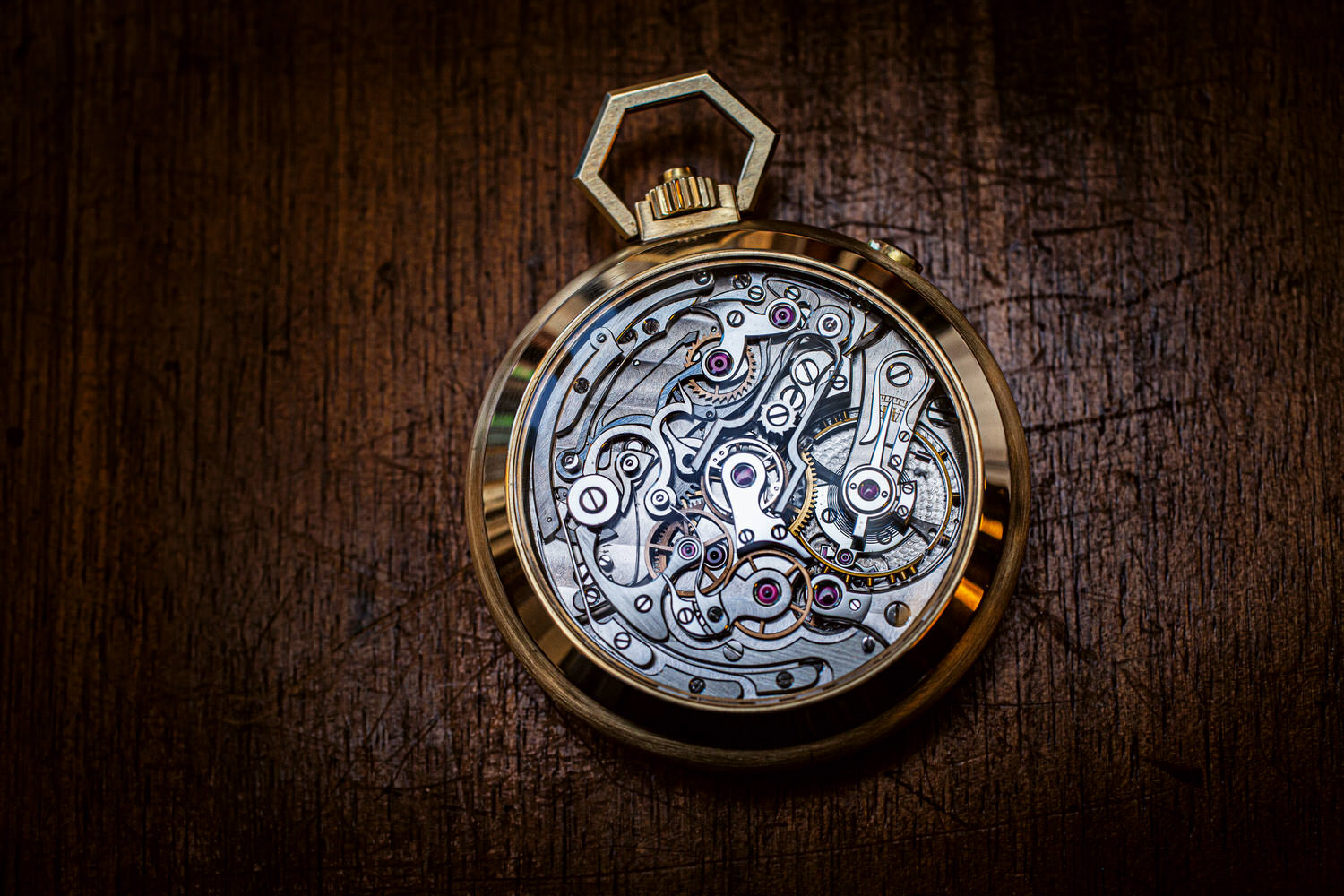
STUART HUSBAND: As a photographer, you’re celebrated for your previous studies of craftsmen and artisans at work. Watchmakers are perhaps the ultimate craftsmen, so what were the logistical challenges of shooting such painstaking craftsmanship up close, and what insights did you gain into their practices and processes as you were doing so?
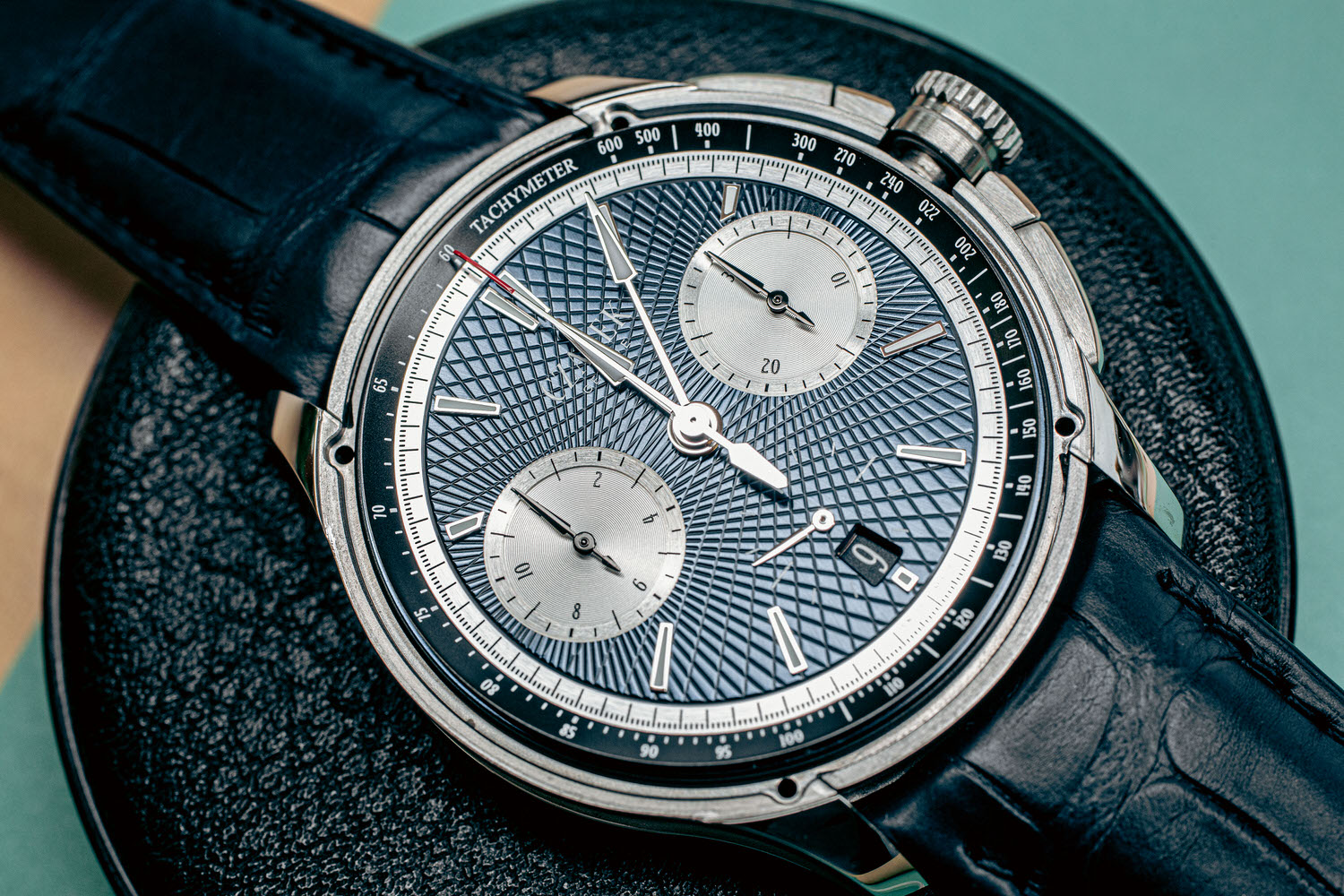
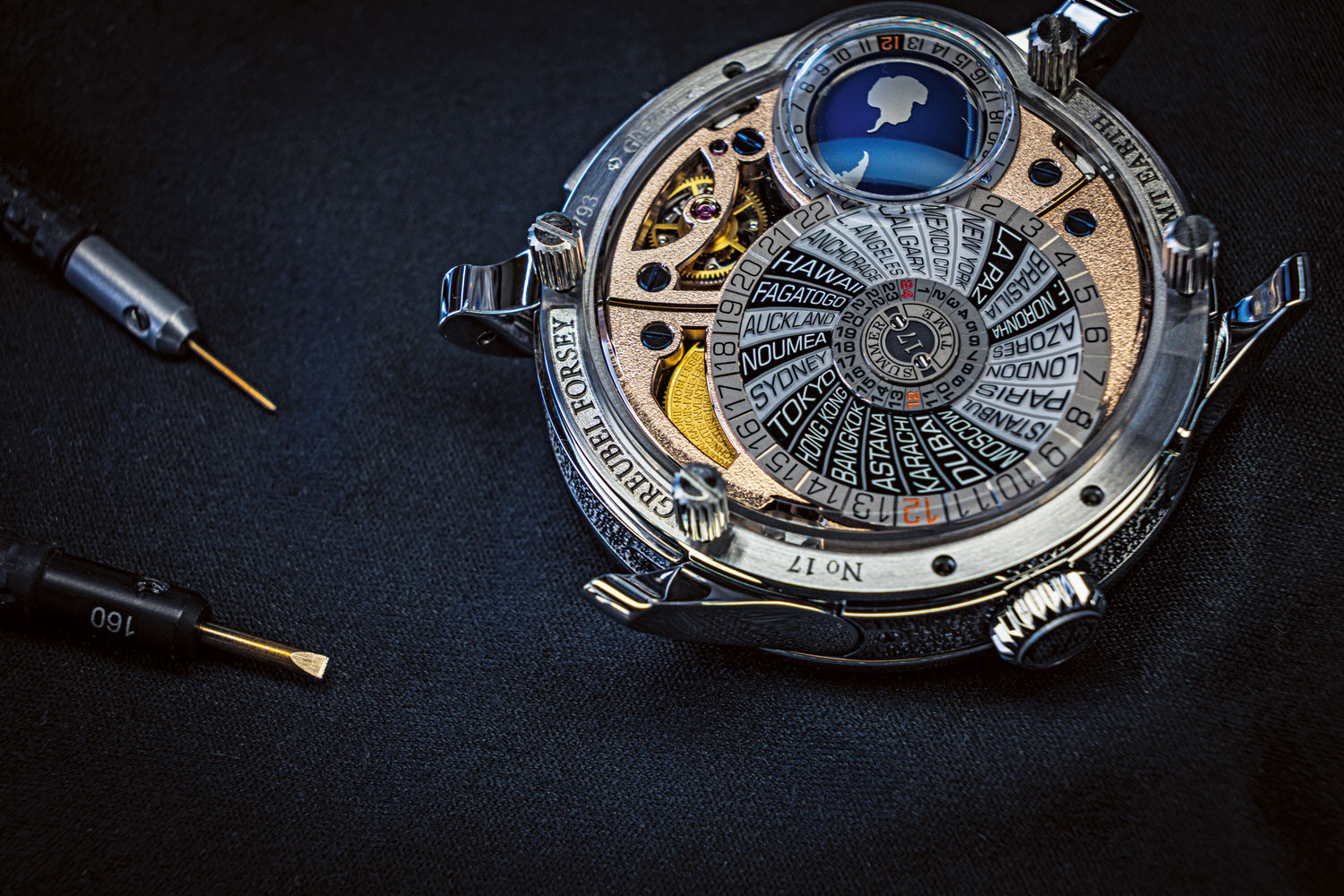
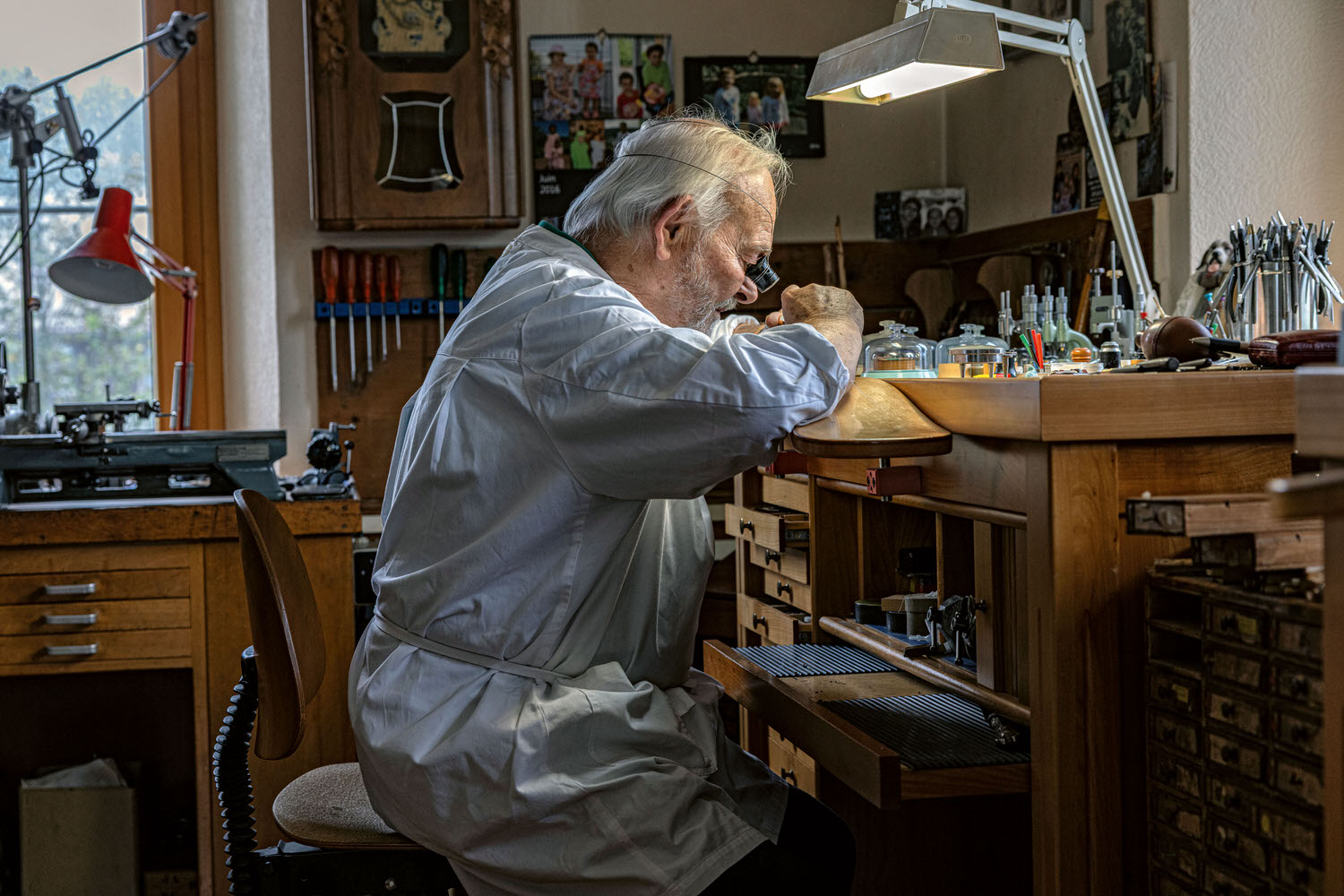
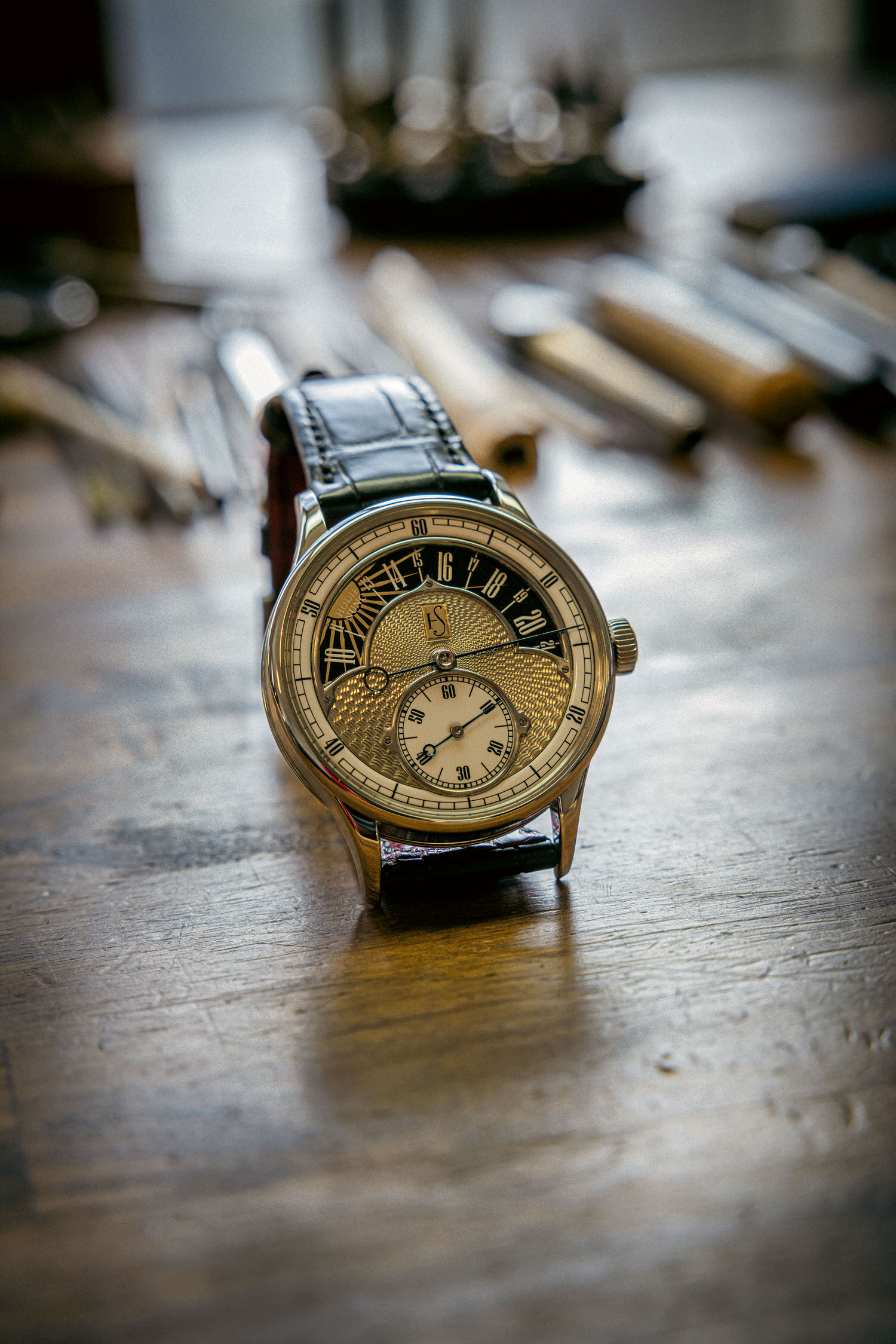
HORST A. FRIEDRICHS: When travelling through Switzerland and visiting the different ateliers, the greatest challenge was gaining access and, above all, building trust. These are very private working environments, and the watchmakers are concentrating on work that demands extraordinary precision. Photographing tiny components also brings technical challenges: the light, reflections, restricted spaces and very shallow depth of field. I had to be patient and observe before taking pictures, rather than interrupting their rhythm. What struck me was the level of concentration and the personal relationship each maker has with their tools, materials and craft.
SH: You’ve avoided the more established names in this book. Do you think the watchmakers you’ve featured, many of whom respect tradition but also put their own idiosyncratic stamp on their pieces, represent a new spirit in Swiss watchmaking? How would you define that spirit?
HAF: The idea was to look at independent watchmakers and the individuality they bring to their work. There are fifteen very different stories in the book, but what connects them is a strong personal vision. They respect the traditions of Swiss watchmaking, yet they are not simply repeating what has gone before. Each has found a way to express something of themselves through the watches they make. I would describe that spirit as independence, curiosity and a willingness to follow your own ideas, often on a very small scale and with complete conviction.
SH: Were you a watch novice going into this book? How did your perception of watchmaking and watchmakers change while working on the project?
HAF: I came to the project as a photographer rather than a watch expert. I was curious about the people and their working environments, and about what makes someone devote so much of their life to such a demanding craft. The more time I spent with them, the more I understood the depth of knowledge, patience and obsession involved. I began to see each watch not just as a technical object, but as an expression of its maker’s character and imagination. That human dimension became the most interesting part of the project for me.
SH: Were the personalities you encountered as distinctive as the products they create? Can you talk about a couple of people who really stood out for you when you met them and why?
HAF: Absolutely. The people behind these extraordinary watches are just as fascinating as the watches themselves. Philippe Dufour made a particularly strong impression on me. His workshop, a converted schoolhouse in Le Solliat, feels like a world of its own, full of tools, history and concentration. Maximilian Büsser stood out for very different reasons. His imagination seems to come from another universe, with references to science fiction and space. Meeting people with such different personalities and creative outlooks made the journey especially rewarding.
SH: If money were no object, which of the watches you photographed would you be wearing now? And why?
HAF: I would choose the Laurent Ferrier Classic Origin. I admire its understated character and the virtues of its design. It has a quiet elegance that I find very appealing. Of course, I could easily make a case for several others in the book, particularly Philippe Dufour’s work. But if I had to choose just one, the Laurent Ferrier would be my choice.
SH: In the age of the smart-everything, no-one needs to wear a mechanical watch. Why, in that case, do you think their popularity is not only enduring but increasing?
HAF: I think mechanical watches endure because they represent something very human: ingenuity, patience and craftsmanship. People increasingly appreciate objects that have a story, that are made to last and that carry the personality of their creator. Collectors also have the opportunity to meet independent watchmakers themselves, hear their stories and understand the thinking behind their work. That kind of direct encounter is rarely possible with the big brands. It gives these watches another dimension, beyond the object itself.
Part Two: Horst A. Friedrichs asks Stuart Husband
HORST A. FRIEDRICHS: You came into this world not as a watch specialist, but as a watch wearer and lover. How did you feel when I first asked you to team up with me as the writer on Swiss Watchmakers? And did that outsider’s eye change the way you approached the stories?
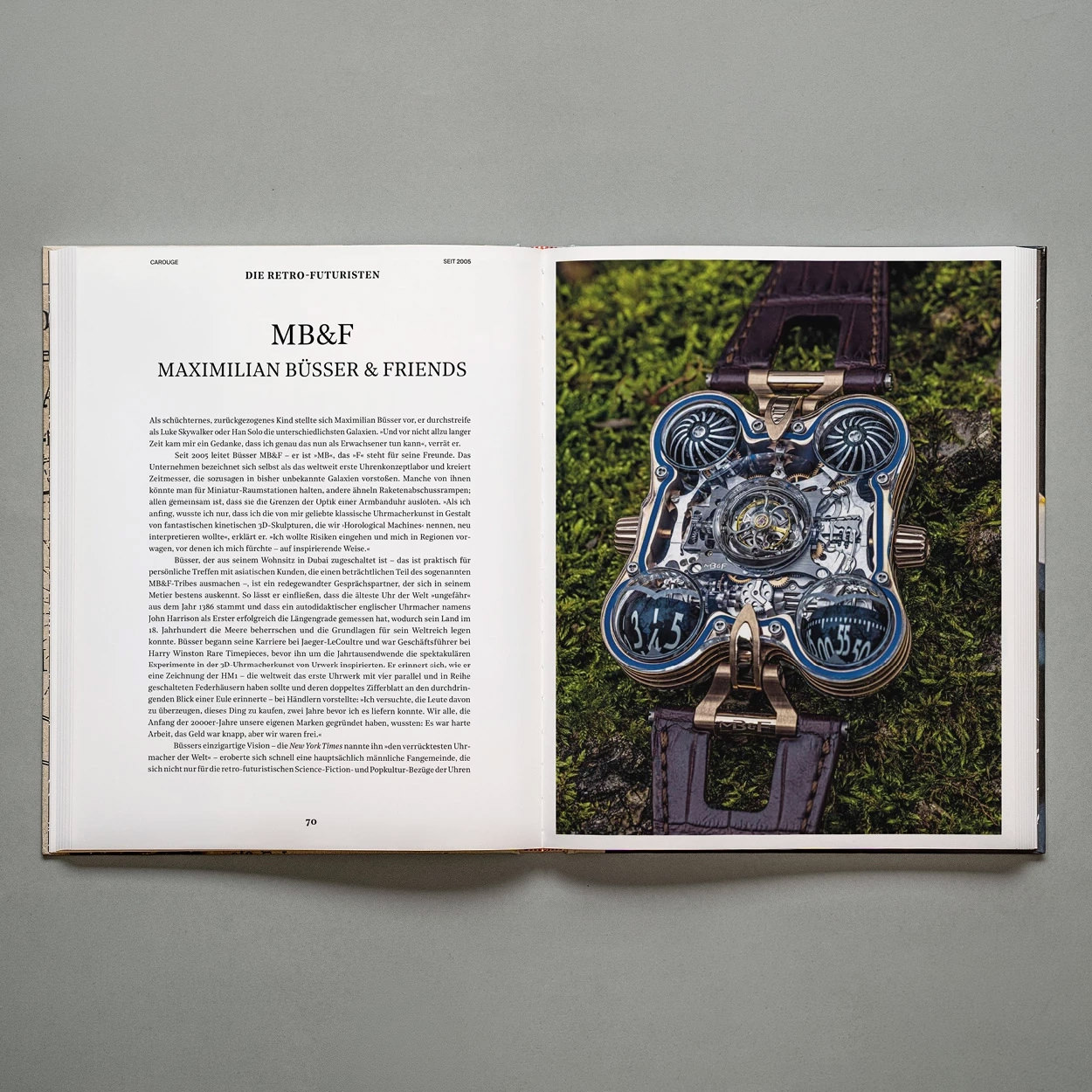
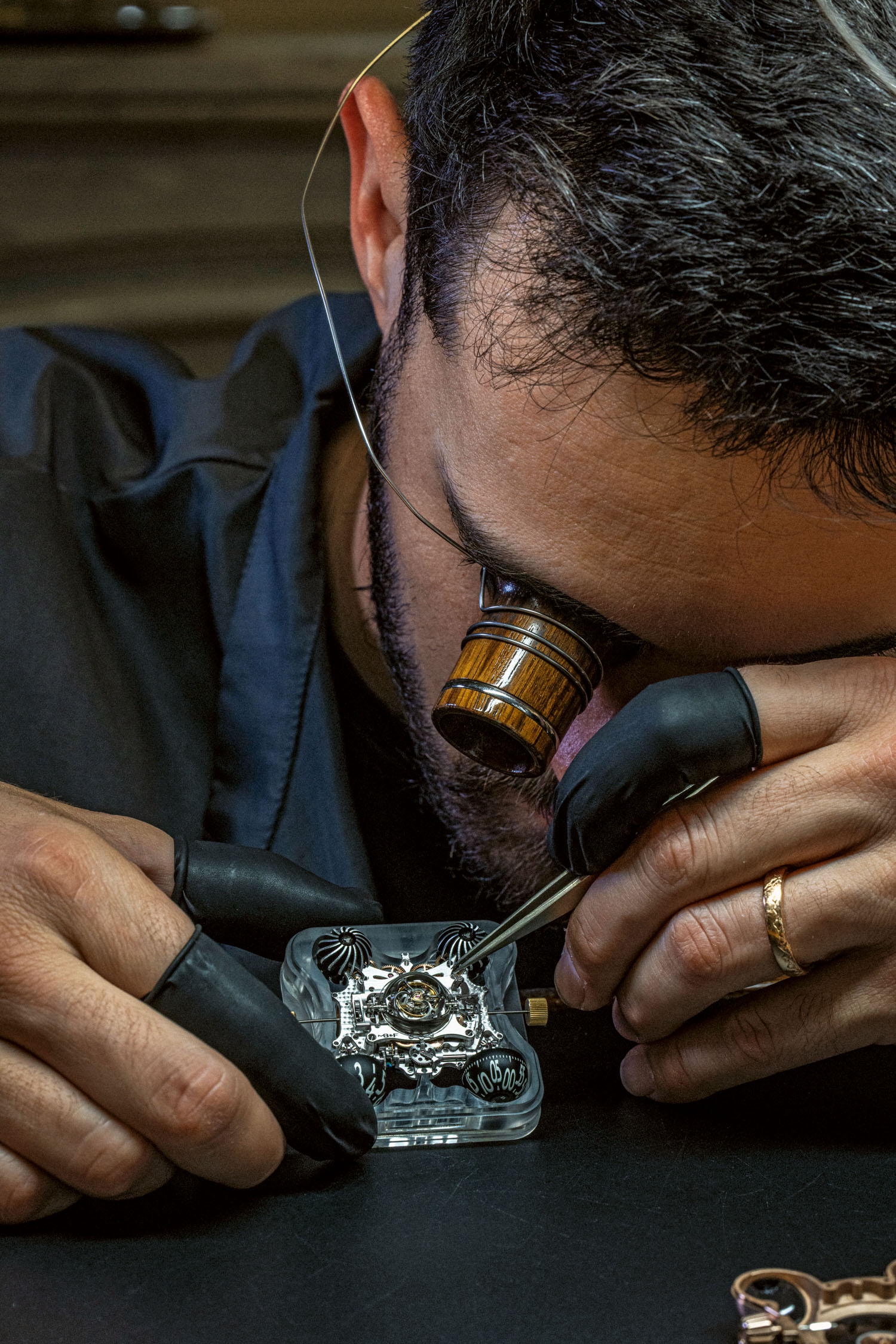
STUART HUSBAND: Full disclosure: I own upwards of twenty watches, but, until this project came along, I’d not much troubled myself about what went on beneath the dials. So I found myself having a crash course in, say, the intricacies of the grande sonnerie or the flying tourbillon. I’d always known that watchmaking was the apogee of painstaking craftsmanship – all those images of guys staring through their loupes as they manipulate micro-components into their movements and complications – but to see these processes in action is to gain a profound respect for their passion and, not least, their patience. I always felt the book would be for a general reader rather than a watch insider, so I was anxious to ensure that the tech stuff was there, but embedded in the larger story of each maker and their motivations. So, for instance, Maximilian Büsser at MB&F develops a particular kind of flying tourbillon – which takes him three years – in order to produce a watch that resembles the spaceships from the Japanese anime he loved as a boy.
HAF: While we explored these ateliers together, what was the most unexpected source of inspiration you discovered? For me, meeting Philippe Dufour, the godfather of watchmakers, was one of the most incredible experiences. What stayed with you from that day in Le Solliat?
SH: Philippe was the first watchmaker we saw, and we couldn’t have asked for a better start. Firstly, he’s a mentor and/or inspiration to a lot of other guys in the book, and secondly, his atelier was like the Platonic ideal of the watchmaker’s lair – thousands of tools, diagrams of movements so complex they look like space stations, Mozart softly playing in the background, views over the lush hillsides of the Vallée de Joux. And presiding over it all, Philippe himself, this warm, winning bear of a man, puffing on his pipe while he brought out his greatest hits – watches that sell for millions at auction – from a safe, explaining the thinking behind them and the years of toil that went into them. His words of advice for young watchmakers – “Forget weekends. Forget holidays. Forget retirement” – are still ringing in my ears.
HAF: I remember Denis Flageollet of De Bethune refusing to speak English with you. How challenging was it to cope with the French language, and did it change what you took away from that visit?
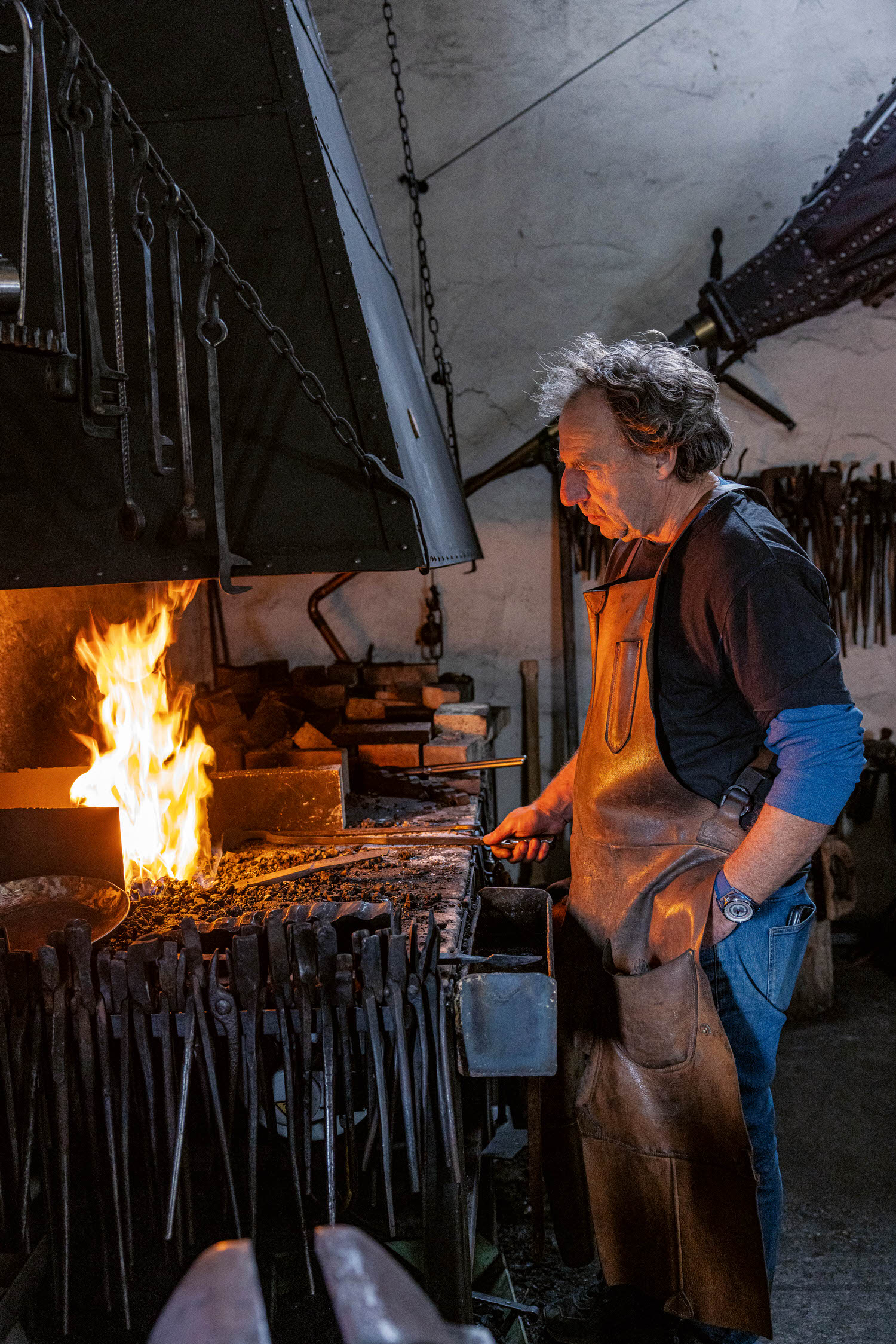
SH: Let’s be clear: the best watchmakers, and I include Denis among them, are artists, and some have the artistic temperament to match. I think he was understandably reluctant to converse in a language that wasn’t his first, and my schoolboy French was far from up to the task at hand. But more eloquent, in a way, was seeing him working at his home forge – pounding away at base metals and meteorite fragments, bound for De Bethune watch dials, like the alchemist he is – which told me more than a million manifestos would about his fetish for materials and the unique combination of earthy and cosmic that goes into every De Bethune watch.
HAF: Who is your favourite watchmaker in the book, and what single watch would you most like to wear? And since this interview is for a car magazine, did you see any parallels between these watches and the world of classic cars, for example in Laurent Ferrier, who raced at Le Mans?
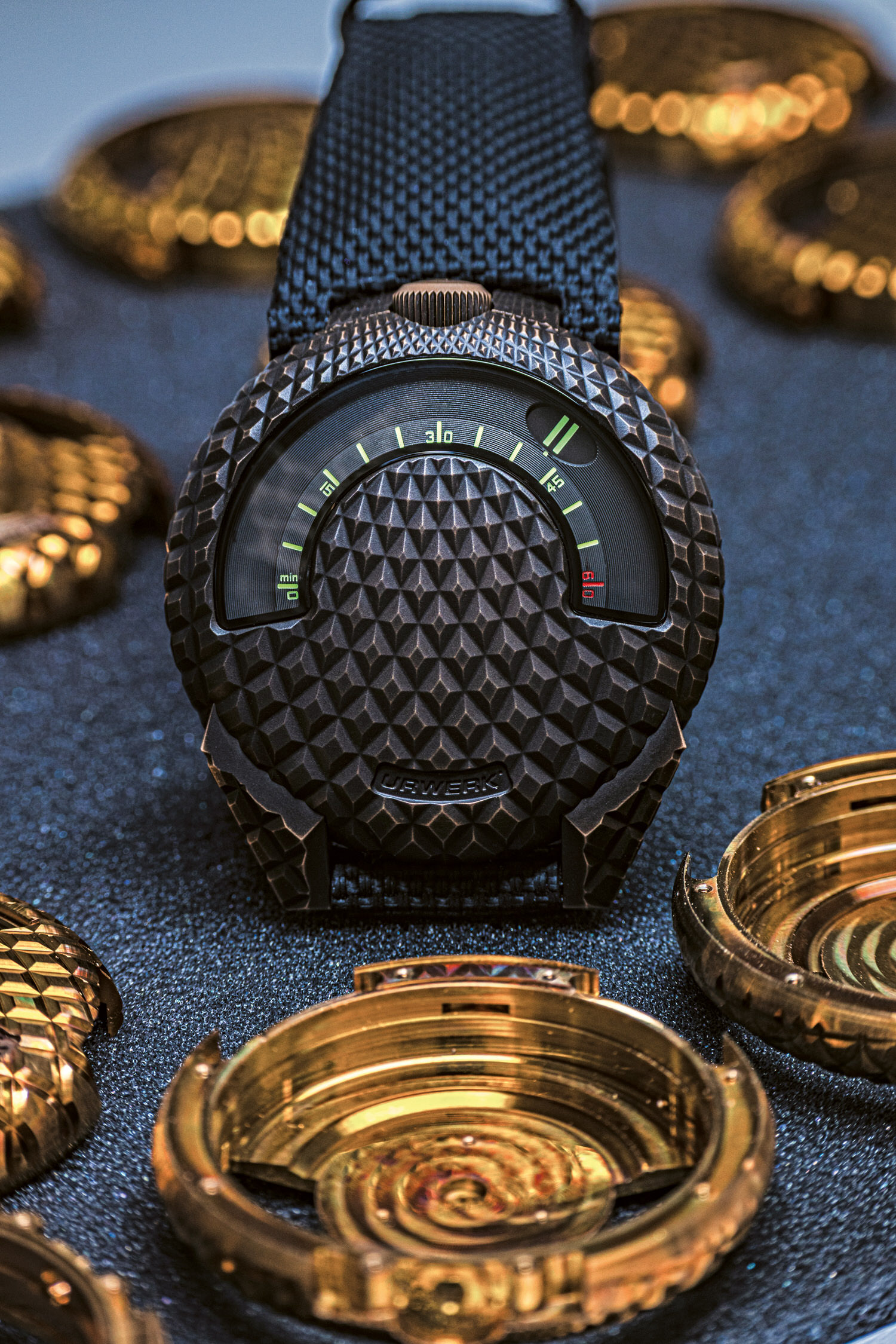
SH: My favourite watchmaker in the book is Hervé Schlüchter. It was very moving to hear him talk about his “Tree of Life” project – his plan to create three watches with three generations (child, parent, grandparent) in mind – and how the idea was sparked by the death of his father and the birth of his son. There’s a real philosophical underpinning to what he does, and his pieces exemplify the old maxim that you don’t actually own them; you’re simply a custodian, charged with their care until they’re handed on to the next generation. My favourite watch is Raúl Pagès’ RP2; I love its clean lines and minimal mid-century modern flair. Though I’d be intrigued to try one of Urwerk’s or MB&F’s more baroque creations, just to gauge the wrist-feel of something that looks like the International Space Station or a Stealth Bomber. As to watches and classic cars, I can’t do better than quote Laurent Ferrier on the parallels between the two: “Racing taught me a lot about details… If your car is not prepared correctly, it affects the outcome. You also need to look at every single element in a watch… Every element needs to be honed until it is perfect.” And what complements a classic car more than a classic watch?
HAF: When you look back on the time we spent travelling through Switzerland for this project, what is the single non-writing memory that stays with you most vividly?
SH: Getting up obscenely early to drive to De Bethune in L’Auberson along a country lane through a pine forest. Thankfully I was suitably caffeinated. It was early September but it was already icy and there were light flurries of snow falling. I remember the groan of the wipers as they scraped the ice off the windscreen and The Stone Roses playing on the radio while the road twisted and turned through the trees and the flakes drifted gently down. It felt very hushed, very still, and very Swiss.
HAF: What do you hope a reader feels when they hold this book in their hands for the first time?
SH: I hope they gain some understanding of what it takes to get these little marvels onto the wrist, and that they appreciate the dedication of the people assembling the hundreds of components to create these portals to time in all its dimensions. Finally, I hope people love the watches. In the age of the smart-everything, no-one needs a mechanical watch. But, like other seemingly obsolescent things – vinyl, the printed book – we can’t seem to shake our deep attachment to them. As the watch writer Justin Hast says in the book’s foreword, “The heartbeat of time, these watchmakers stress, is vibrantly human.” Long may that ticker tick.
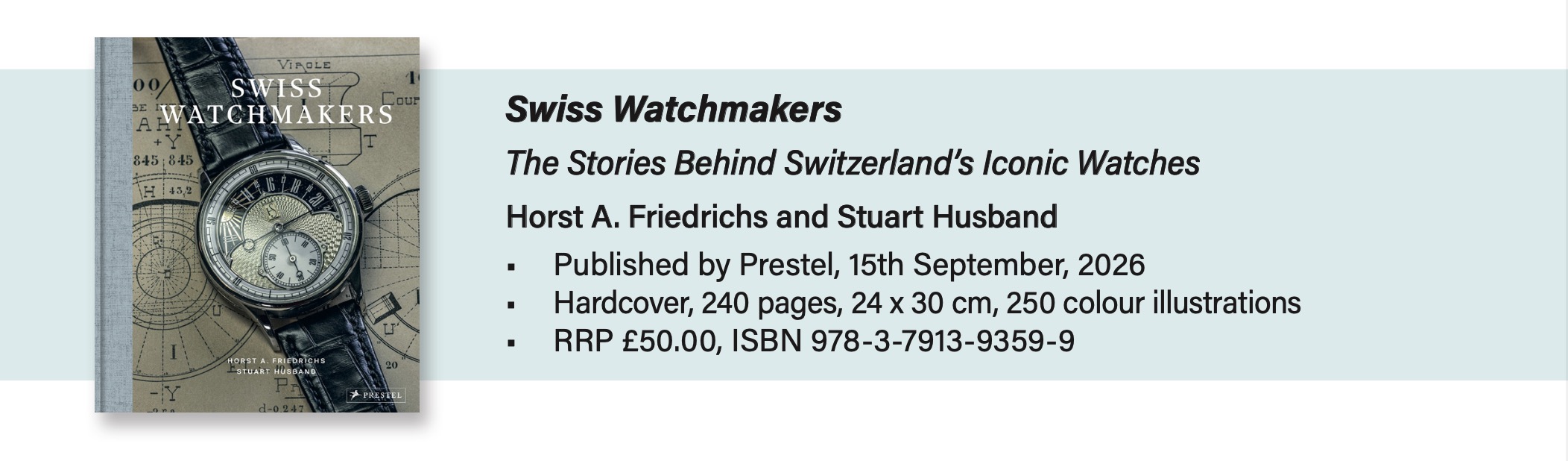
Swiss Watchmakers by Horst A. Friedrichs and Stuart Husband, with forewords by Justin Hast and Nathalie Marielloni, is published by Prestel.