A first look at new cars, old longings, Chinese ambition, French charm and perhaps the most important question at the Paris Motor Show: Who still knows how to turn a means of transport into an object of desire?
Or, to put it another way: just how much is the motoring world still in love with itself?
An essay by ramp editor-in-chief Michael Köckritz. A look back at the Paris Motor Show, held from 12 to 18 October 2026.
The Reunion
It’s a familiar trope from love stories. At some point, someone you haven’t seen for decades appears in the doorway. You recognise them immediately. Their hairstyle is different. Their gait is the same.
That’s more or less what the programme for the 2026 Paris Motor Show looked like in October 2026. The 2CV is back. The Espace. The Gordini with its white stripes. The 205 Turbo 16, the Multipla, an Alpine in the spirit of the A310. Audi is reviving the A2, Smart the two-seater. They all look surprisingly good. Most of them are now electric. After all, they’ve moved with the times.
Paris has always been the right place for such encounters. It was here that the DS was unveiled in 1955; it was here that the car made its grand appearances for decades. Recently, however, the relationship had become more complicated. People talked about ranges, regulation, costs and batteries – about a future that occasionally seemed a bit daunting. Less often did they discuss why one might actually like a car. In 2022, just 20 brands made it to the Porte de Versailles.
Now the industry is keen for a reunion.
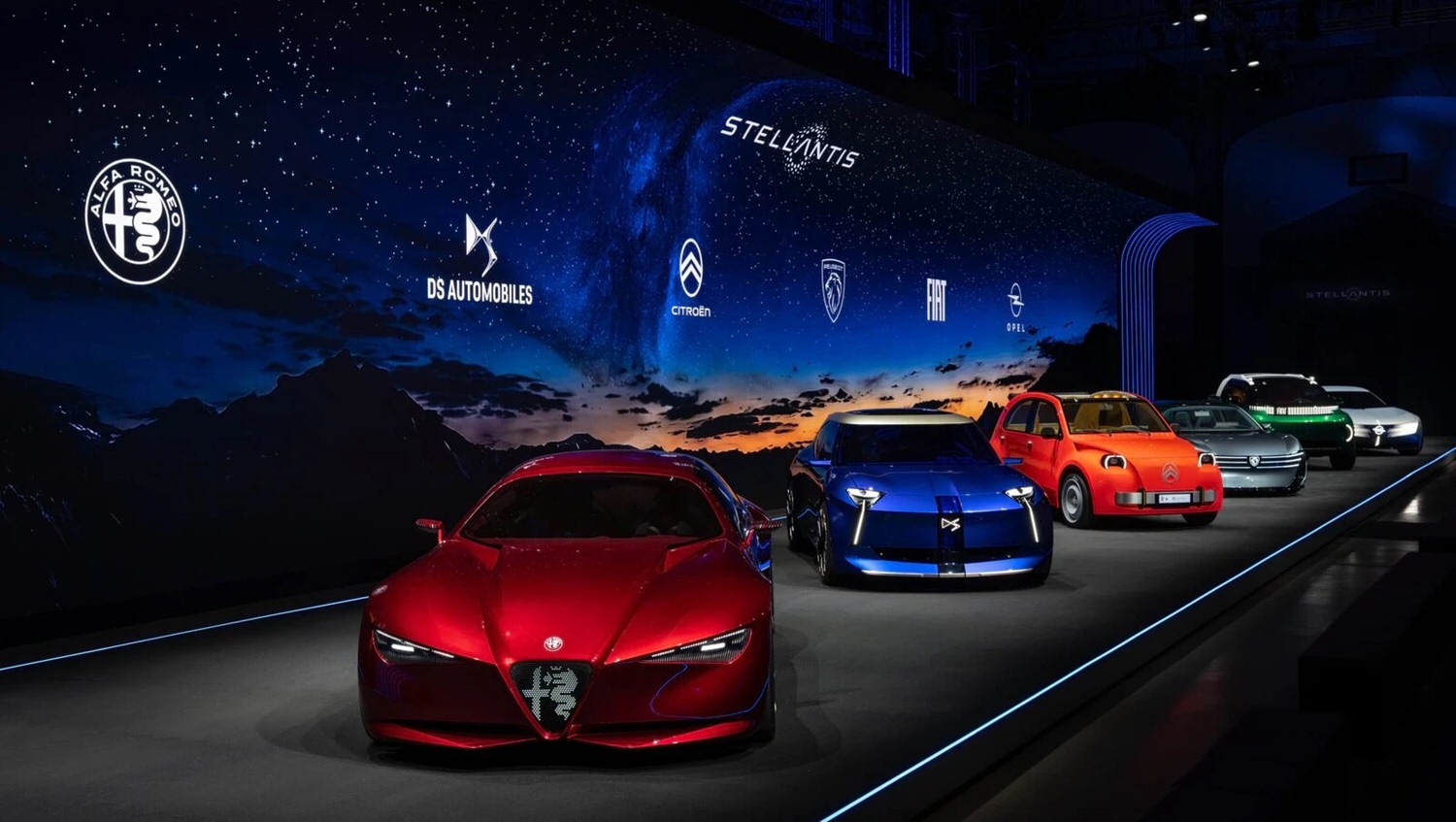
This year there are more than 60 brands, spread across five halls. Stellantis is building the show’s largest stand and bringing eight brands and nine concept cars, whilst Renault is showcasing 50 vehicles. Mercedes is back, as is Volvo after a twelve-year absence. BMW has pulled out. Porsche didn’t turn up at all. They’ve had their hands full.
Even the evenings leading up to the opening have the air of a ball. Stellantis is hosting an event in an old airship hangar in Meudon, whilst Volkswagen is hosting one at the Palais de Tokyo. And Gilles Vidal, Stellantis’s Head of Design for Europe, has set his concept cars a task that would sound somewhat far-fetched in any other city: they are to rekindle a passion for cars.
In Paris. In Paris, of course.
Costume or character
What makes a car endearing? Paris has an answer that rolled in on four slender wheels in 1948 and has since been built more than five million times.
The original Citroën 2CV was a way of life on wheels. Lightweight, affordable, full of freedom. A car that didn’t need to impress the world to mean something to its owners. It was allowed to look a bit clunky because it got so many things right. The ‘Tin Snail’, as we called it, never wanted to be admired. Yet people loved it all the same. Or perhaps precisely because of that.
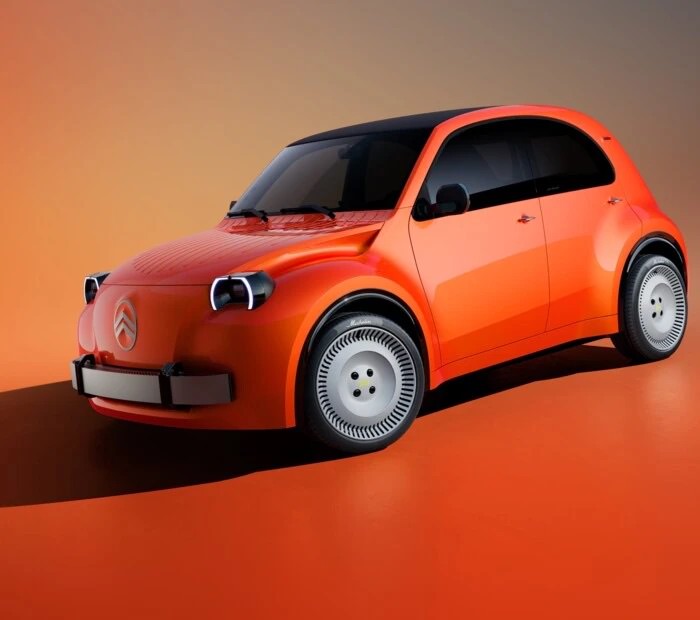
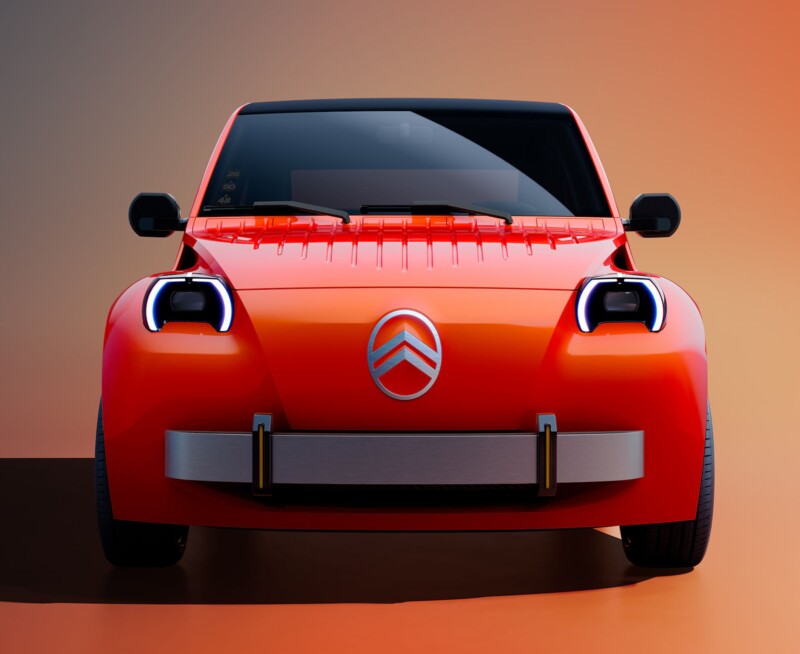
The new 2CV is still a concept car, but one that knows exactly what it wants. It has no dashboard, just a cylinder housing the most important switches. A single-spoke steering wheel, an old-fashioned gear knob, a fabric roll-top roof, and chequered fabric on the seats. Where others would fit a centre console, there’s a basket. The bumpers can be replaced individually. Citroën is aiming for a kg weight, a price of around 15,000 euros and a production model by the end of 2028. The brand says it didn’t want to recreate a classic 2CV. It wanted to reimagine the small electric car of tomorrow.
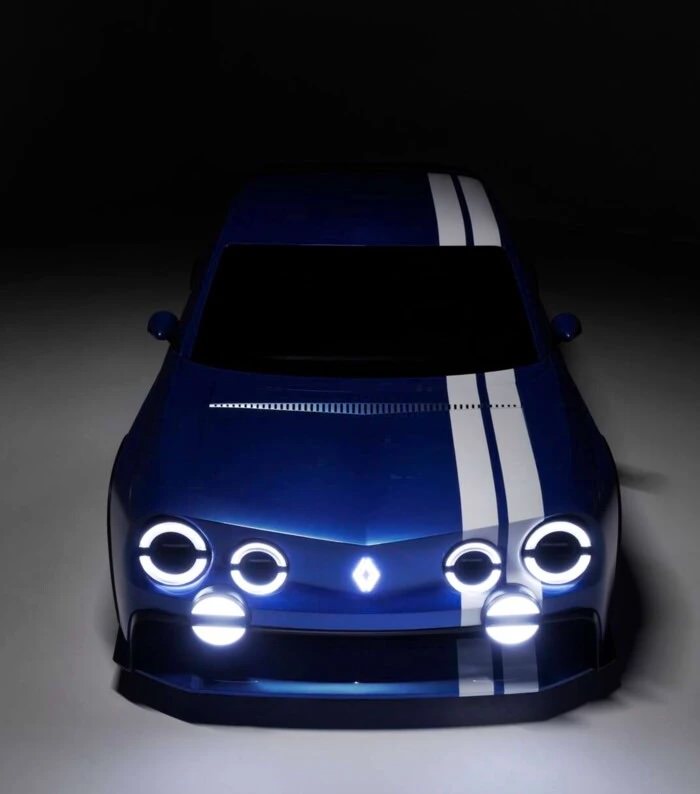
At Renault in Hall 6, a different kind of reunion awaits. The Renault 8 Gordini Concept is a two-seater with 270 PS and rear-wheel drive, developed from more than 300 sketches submitted to an in-house competition. It is beautiful. It is not for sale. After the motor show, it is set to go to the future Renault Museum in Flins. A love letter that will never be delivered.
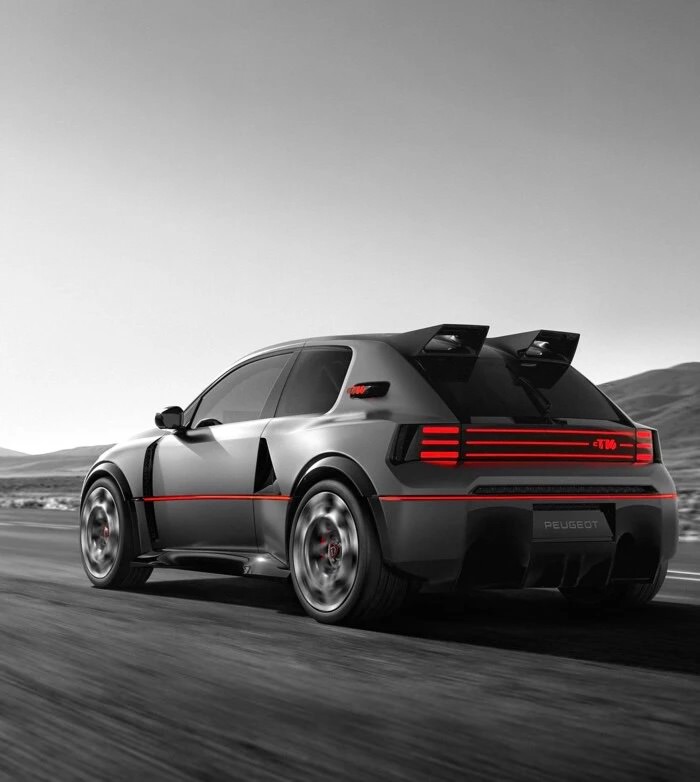
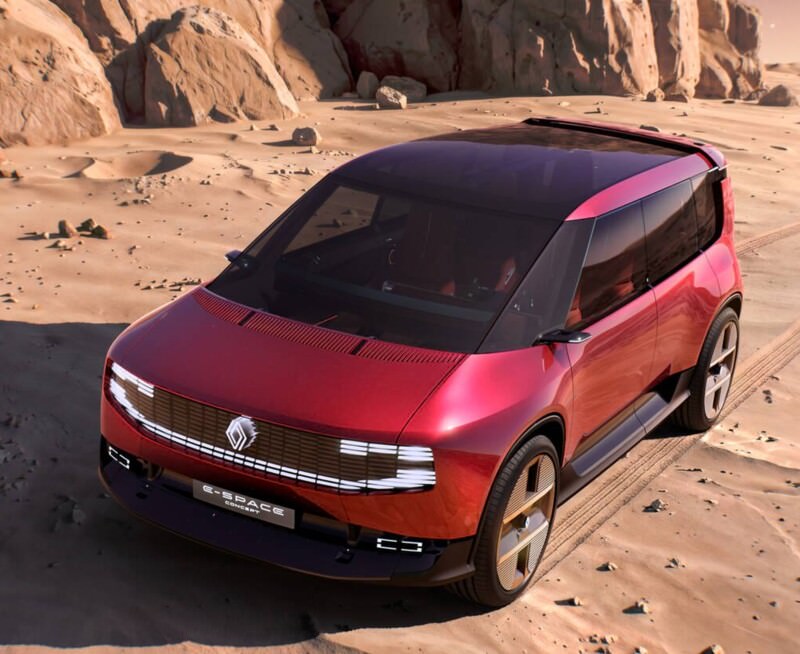
With the E-T16, Peugeot pays homage to the 205 Turbo 16, forty years on from its two rally titles, boasting 816 PS from three engines. Renault is reviving the 1984 family car with the E-Space – with no plans for series production, but featuring six individual seats and a silhouette that deliberately sets itself apart from the SUV. Alfa Romeo has named its concept car Cuorerosso, meaning ‘red heart’, and dedicates it to all those who still enjoy driving themselves. There’s no need to translate it. Alfa does so anyway.
In Paris, the past is this season’s most precious material. It only works if there is life beneath it.
A face that smiles back
For a long time, car design was all about making progress visible. Larger radiator grilles, narrower headlights, more elaborate lighting signatures. Cars wanted to look dynamic, even when parked outside the supermarket. They looked at their surroundings like grumpy bouncers.
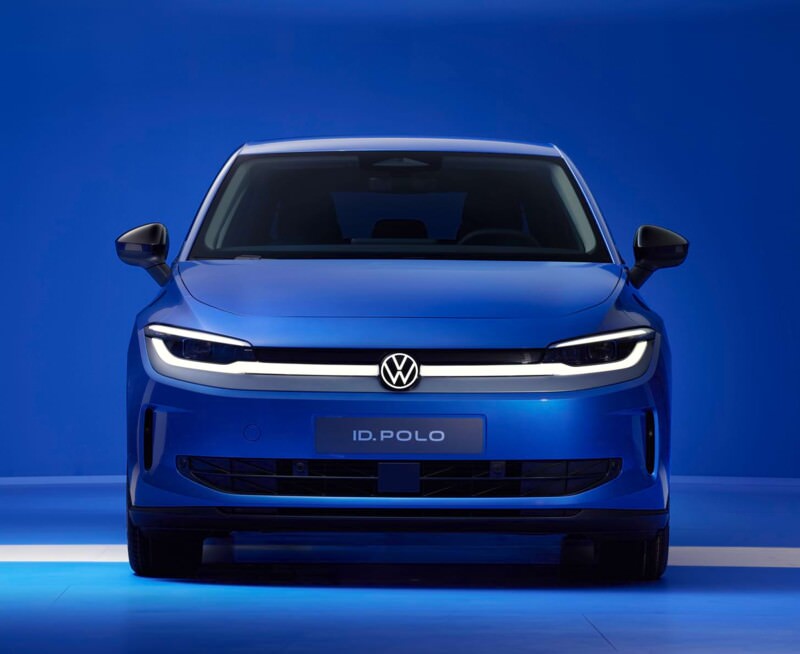
Now, friendliness, simplicity and individuality are making a comeback. Volkswagen’s new ID. Polo has an open, almost smiling front end. It looks out at the world as if it’s just heard something nice about us. The 2CV has round eyes and exposed windscreen wipers, as if no one had felt the need to hide them. The E-Space is more reminiscent of a living room than a fortress. A small car is allowed to smile. A large one is allowed to be practical.
People experience their cars with all their senses. They see them before they get in. They reach for the steering wheel, feel the materials, take their seat, look out of the window. They delight in a well-executed detail, a simple control, an interior where you’re happy to stay seated. The sociologist Hartmut Rosa calls such moments ‘resonance’. Something responds.
A face that smiles back is one such response. A portable loudspeaker is another. A gear knob that the hand recognises, even though it has never touched it.
The industry has spent long enough trying to impress. Now it is learning once again to please.
Who would want to find out that the woman they adore is four-fifths identical to her sisters?
Volkswagen tells the story anyway, with remarkable candour.
Volkswagen, of all companies, demonstrates just how much work goes into such affection. On Sunday evening, the group is hosting an event at the Palais de Tokyo, a venue where contemporary art is usually unleashed upon its audience. Under the slogan ‘For Europe’, four small electric cars are on display on stage: ID. Polo, ID. Cross, Škoda Epiq, Cupra Raval. Three brands, one platform, more than 80 per cent of parts shared.
For a love story, that’s a delicate figure. Who would want to discover that their beloved is four-fifths identical to her sisters?
Volkswagen tells the story nonetheless, with remarkable candour. They determined which components were ‘not brand-defining’ and saved 600 million euros as a result. What you see and touch is unique to each brand. Andreas Mindt, appearing on stage for the first time this evening as head of the Group’s entire design department, has a formula for each one: ‘Pure Positive’ for Volkswagen, ‘Passion, Boldness and Rebel’ for Cupra, ‘Modern Solid’ for Škoda. An in-house AI now transforms sketches into photorealistic images and, according to the Group, saves up to a third of the time.
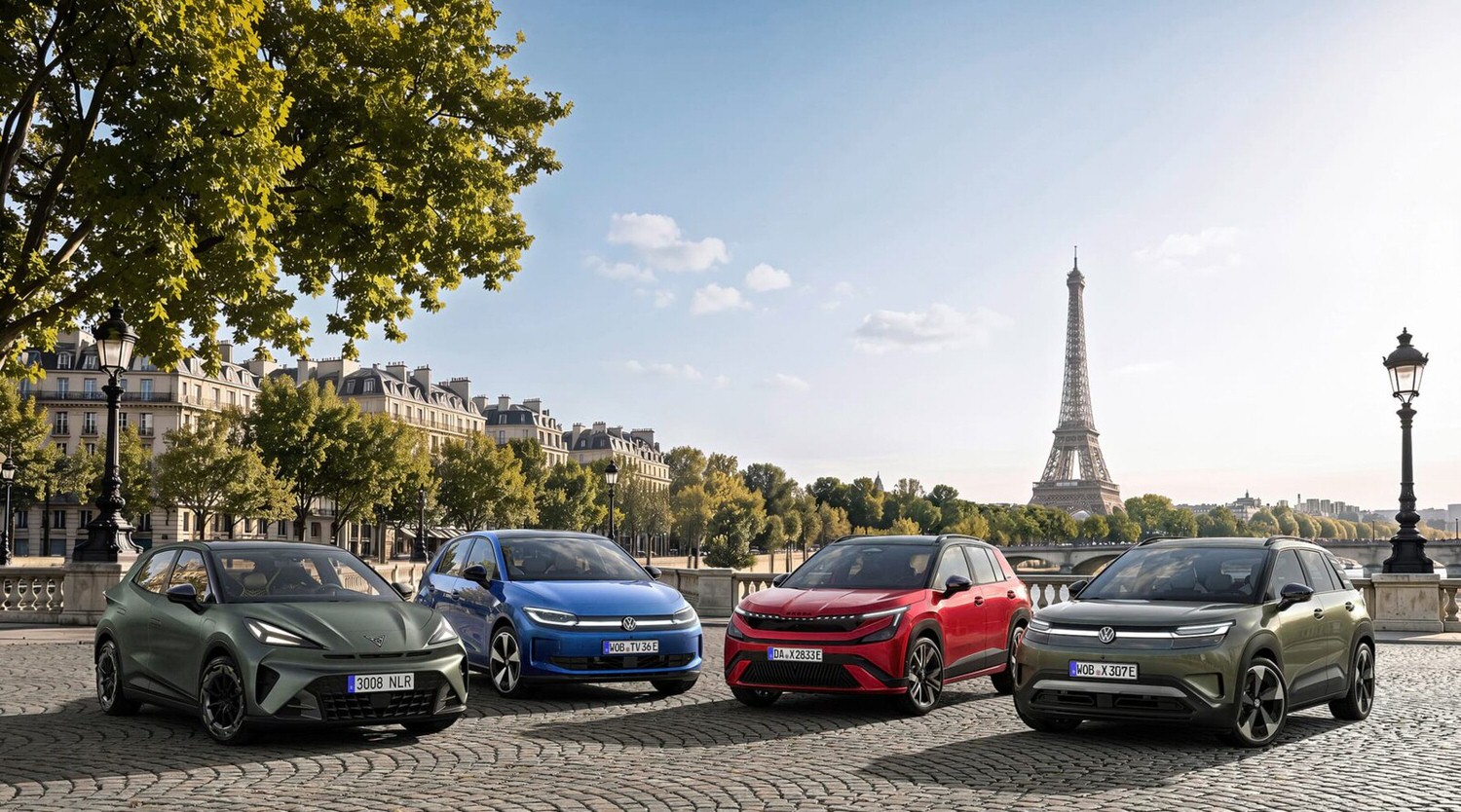
This gives rise to three models. The Polo is the friendly one in the family. The Raval flexes its muscles, has sharper lines and comes across like a young man who’s just decided to rebel against everything. The Škoda has its own idea of happiness. It aims to offer space, project a sense of solidity and make life easier. After all, you don’t necessarily want to make a getaway in a sports car every day.
You might smile at the English catchphrases. Nearly 150,000 orders placed before the first delivery smile back.
Differences still arise from the chassis, handling, materials and build quality. But today, the design must increasingly reflect what is becoming more and more common beneath the bodywork. Incidentally, the ‘Tin Snail’ isn’t an only child either. It’s set to be built in Pomigliano, Italy, on the same production line as the future Fiat Pandina and a Leapmotor. Components are shared beneath the bodywork, but on the stage, everyone wants to be one of a kind.
Wolfsburg, too, has brought along its past loves, albeit in its own way. Paris evokes memories through the silhouette; Volkswagen through the type plate. The little electric car is called the Polo again. Less of a class reunion, more of a focus on the present. And a few decidedly charming old acquaintances are still allowed to play their part.
Around two dozen Chinese brands have come to Paris. They have no 2CV, no Espace, no Gordini. No family album. They have brought flowers with them – and plenty of them.
The new contenders
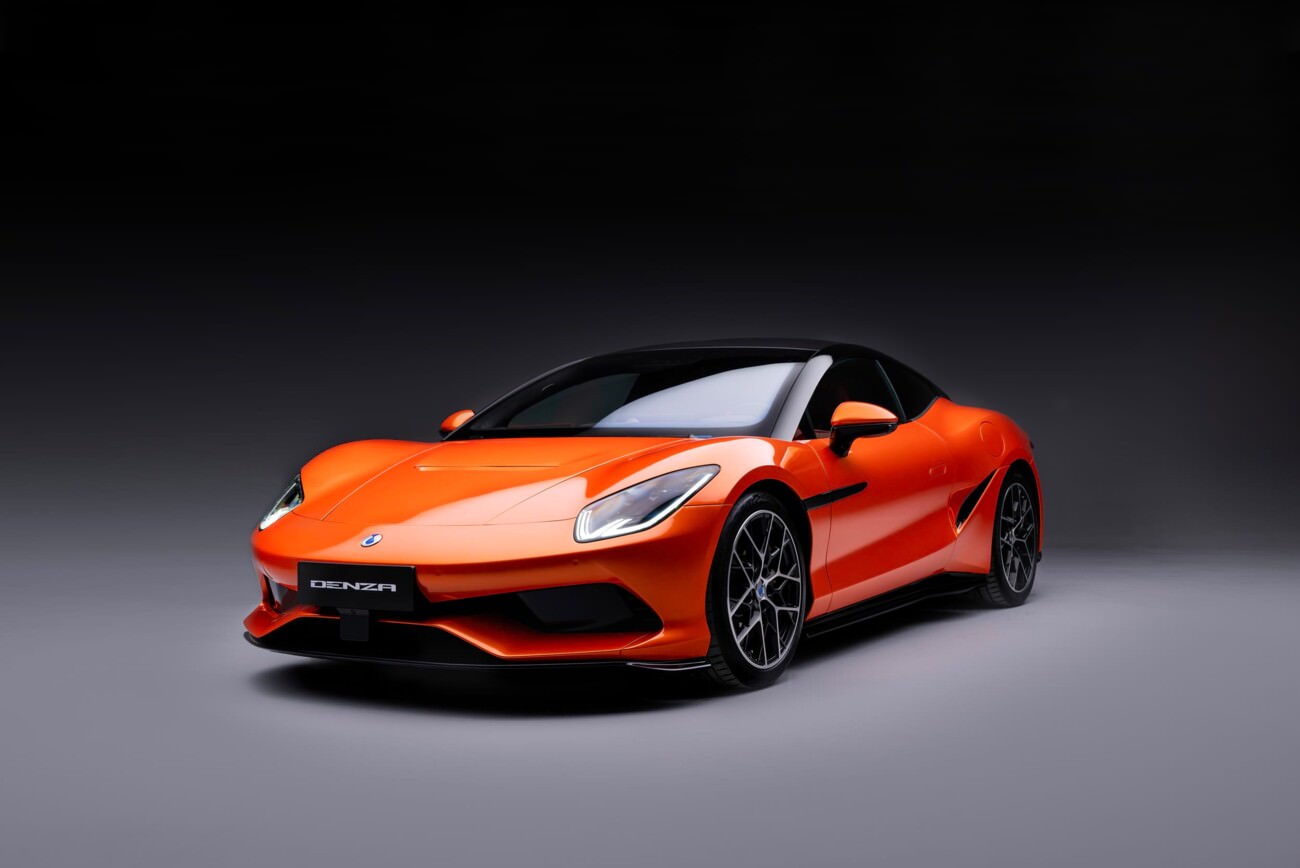
Denza, BYD’s premium brand, is making its debut and is showcasing the Z supercar as a coupé, spider and racing model, with up to 1,604 PS. It was designed by a team led by Wolfgang Egger, who previously worked at Alfa Romeo and Audi. Daniel Craig was on hand for the press photos. XPeng is bringing the 5.12-metre-long G9L and is focusing primarily on artificial intelligence. And robots.
If you don’t have a past, you borrow one. A designer with a European CV, an agent in a tuxedo, a figure that’s bigger than anyone else’s. That’s not a criticism. That’s how most dynasties began.
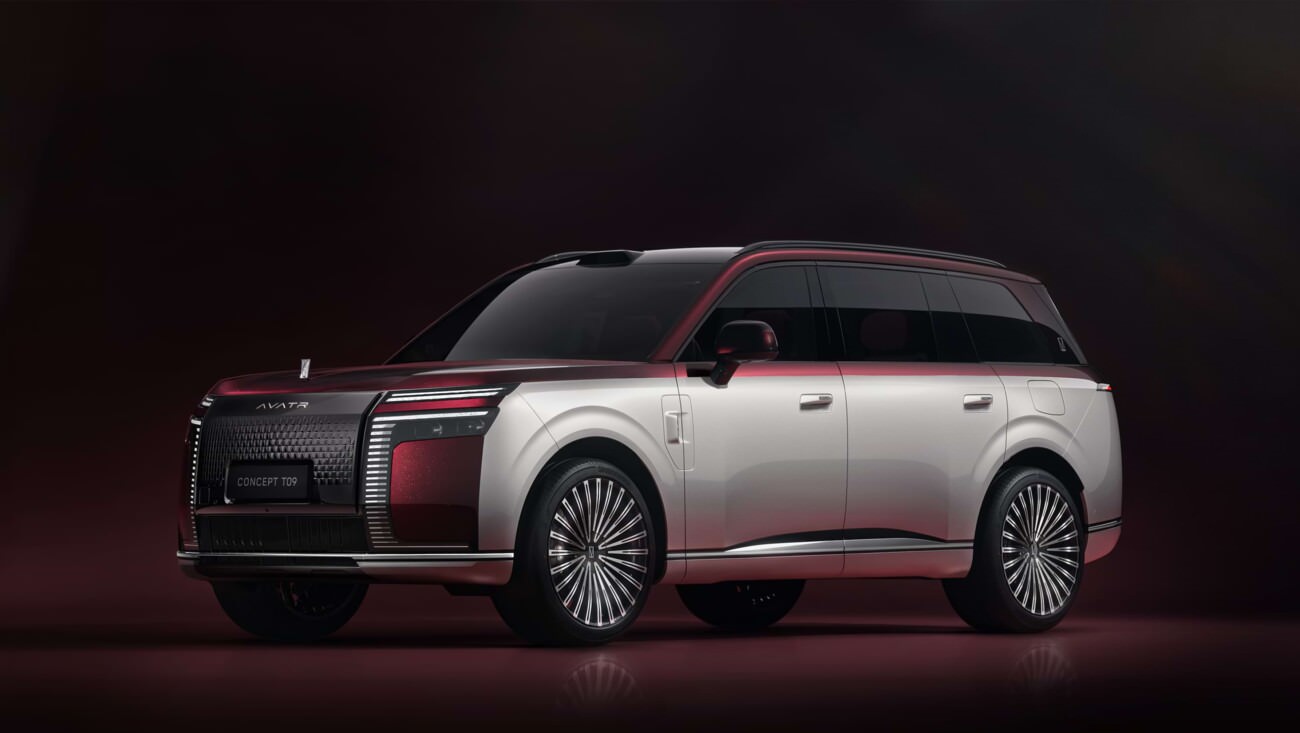
One shouldn’t underestimate these new contenders. They bring enormous technical expertise and impressive pace. For a long time, they’ve been talking about prices, specifications and batteries. In Paris, they’re taking centre stage with the big emotions: luxury, sportiness, prestige. They no longer want to be merely sensible. They want to be coveted.
This is a different challenge from developing a fast charger. Desirability cannot be listed in a specification sheet. It has to do with images, with memories, with people who have experienced something with a car. A new 2CV needs more than its familiar silhouette; an Alfa more than its badge; a Denza a visual language that can be recognised even without a logo. Design translates identity. It can only translate what is already there.
Europeans are trying to transform their history into the future. The Chinese are trying to give their future a history.
Meanwhile, negotiations on quotas are taking place. According to information from Brussels, from 2027 onwards a maximum of 350,000 hybrid vehicles from China will be allowed to enter the EU each year; after that, the quota may increase by six per cent annually. Emmanuel Macron, at his final Salon as President of the French Republic, announces a Franco-German agreement to protect industry. Inside, negotiations are taking place over demands.
That is harder to cap.
© BYD via the Mobility Authors’ Union
© 2026 AVATR Technology (Chongqing) Co., Ltd
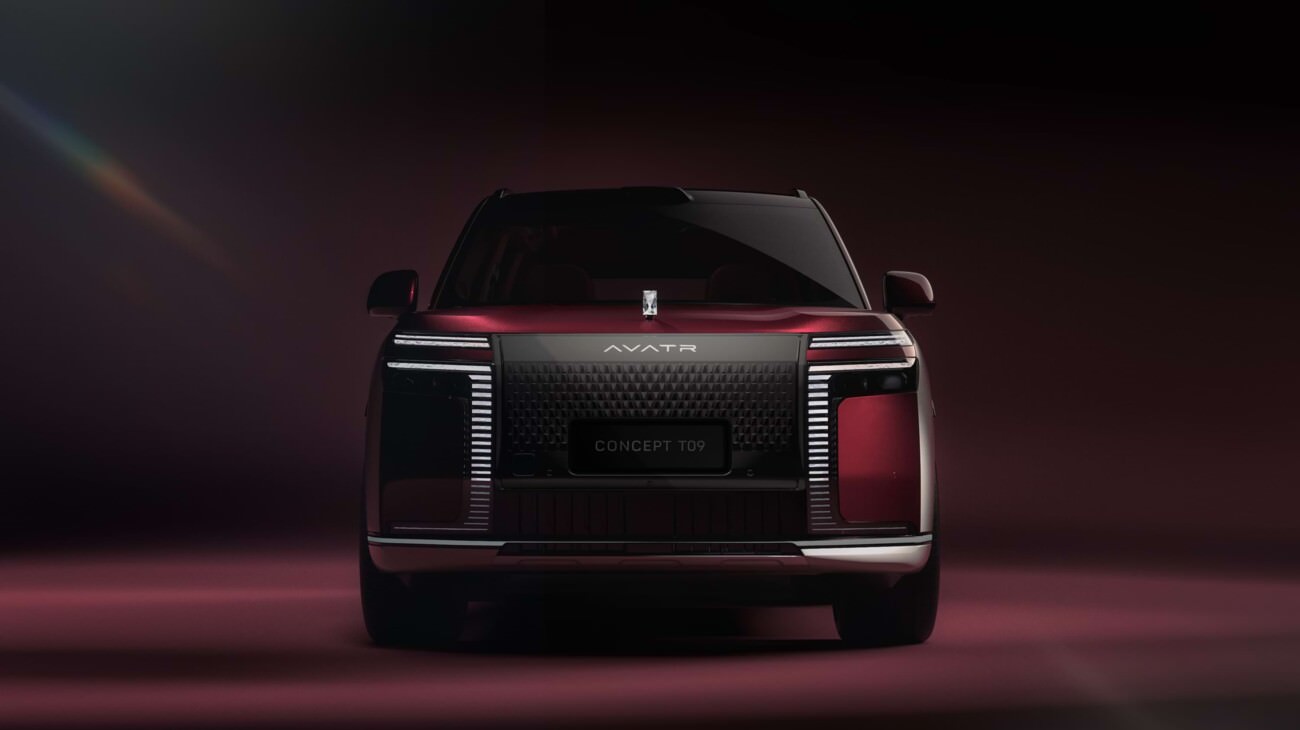
© 2026 AVATR Technology (Chongqing) Co., Ltd
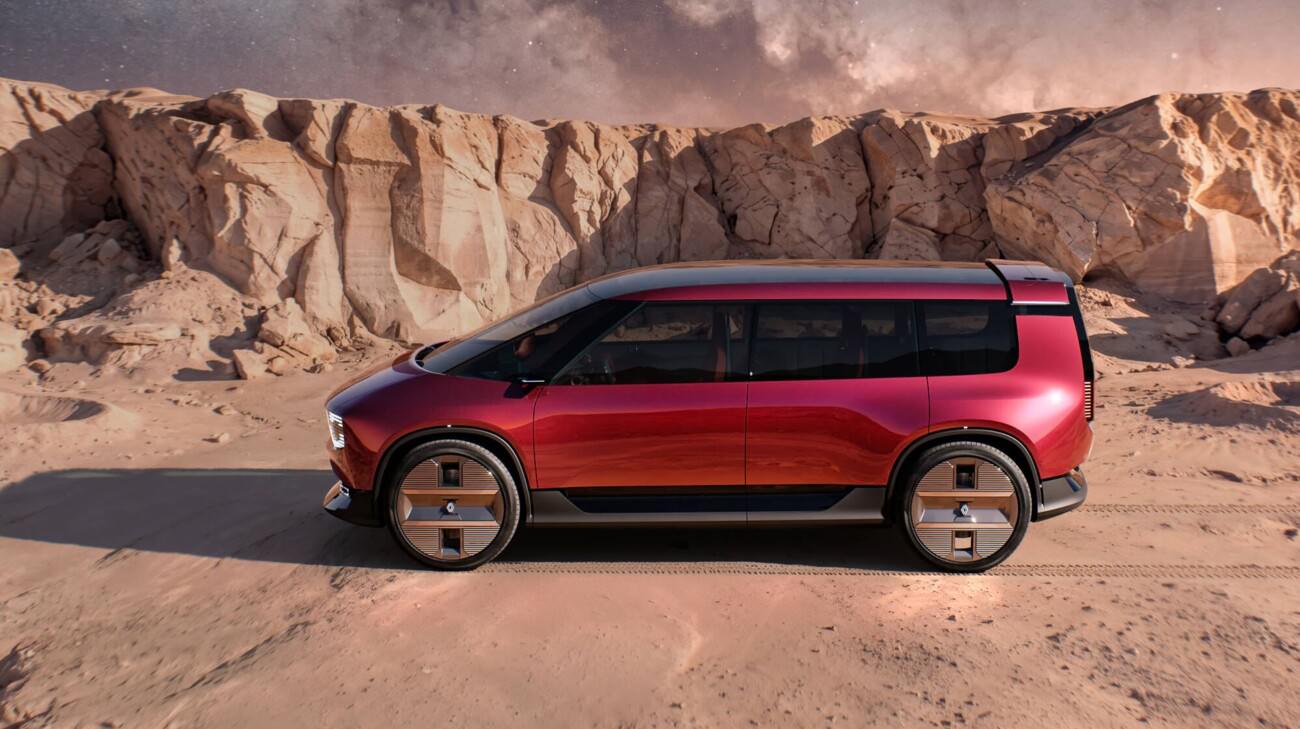
© ADDITIVE, Renault Design
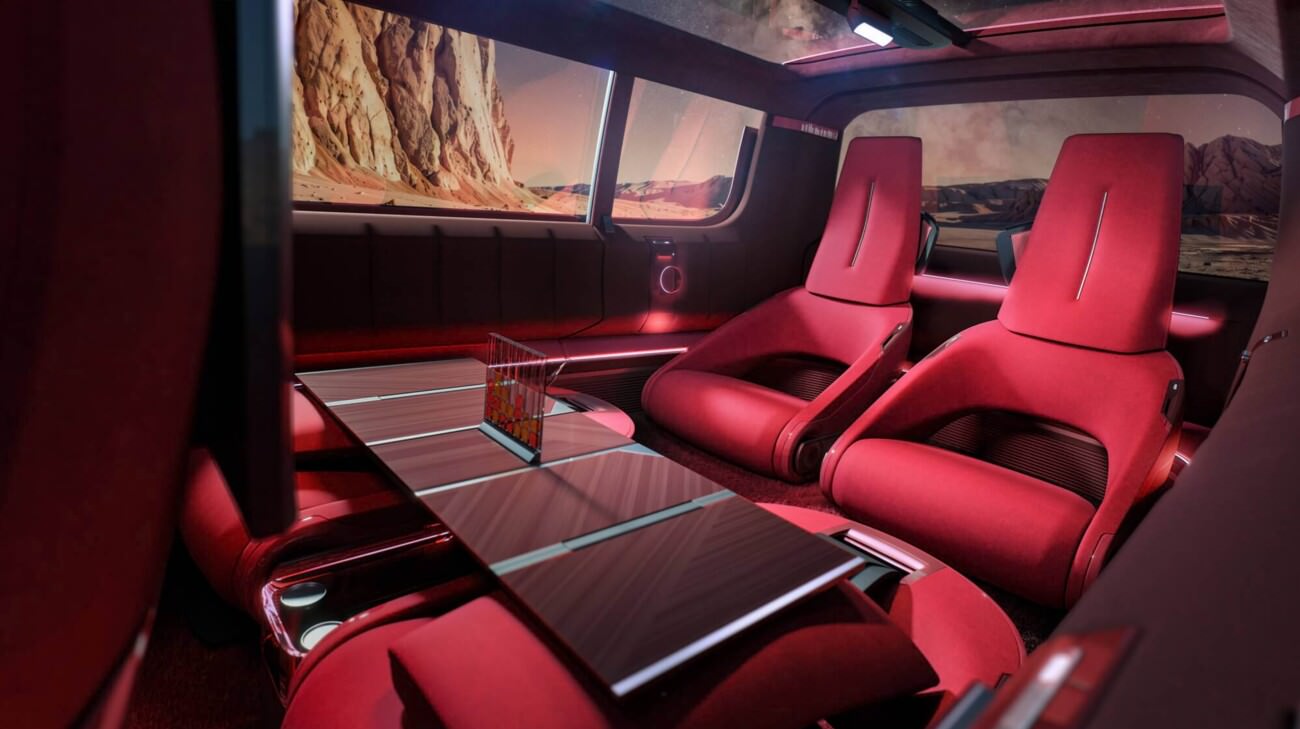
© ADDITIVE, Renault Design
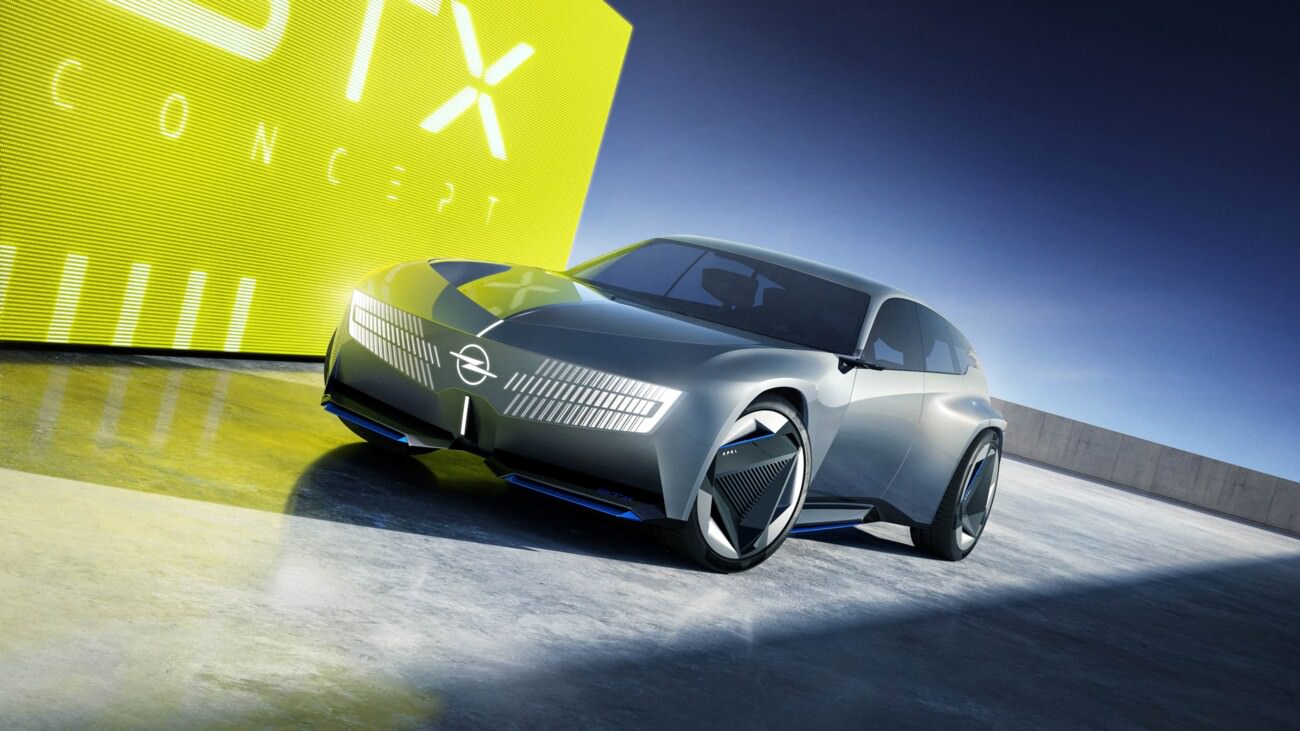
© Opel
The Art of Omission
And then there is something else that runs through the new models from Paris, quietly, almost casually.
The new 2CV has a square screen measuring around eight inches. Nothing more. In the Peugeot RCZ Vision, the central screen can be switched off completely. Even Denza emphasises that it has not overloaded the interior with displays. Opel is showcasing the STX, an estate car, whilst Fiat is presenting the Multiplay – both cars that feel no need to conform to any particular category.
Once again, it’s all about proportions, space, light and surfaces that are a pleasure to touch. Surprisingly old-fashioned considerations for an industry that has spent years preoccupied primarily with its digital future. The spectacular designs make an impression on the exhibition stand. The unspectacular qualities stay with you for years.
Then there are the prices. The 2CV is set to cost around 15,000 euros, the new Dacia Spring under 18,000. The Smart #2 measures 2.75 metres and should therefore fit sideways into many a Parisian parking space.
Fewer screens. Less weight. Less showmanship. After years in which cars have mainly been about showcasing what they can do, some are once again demonstrating what they can do without.
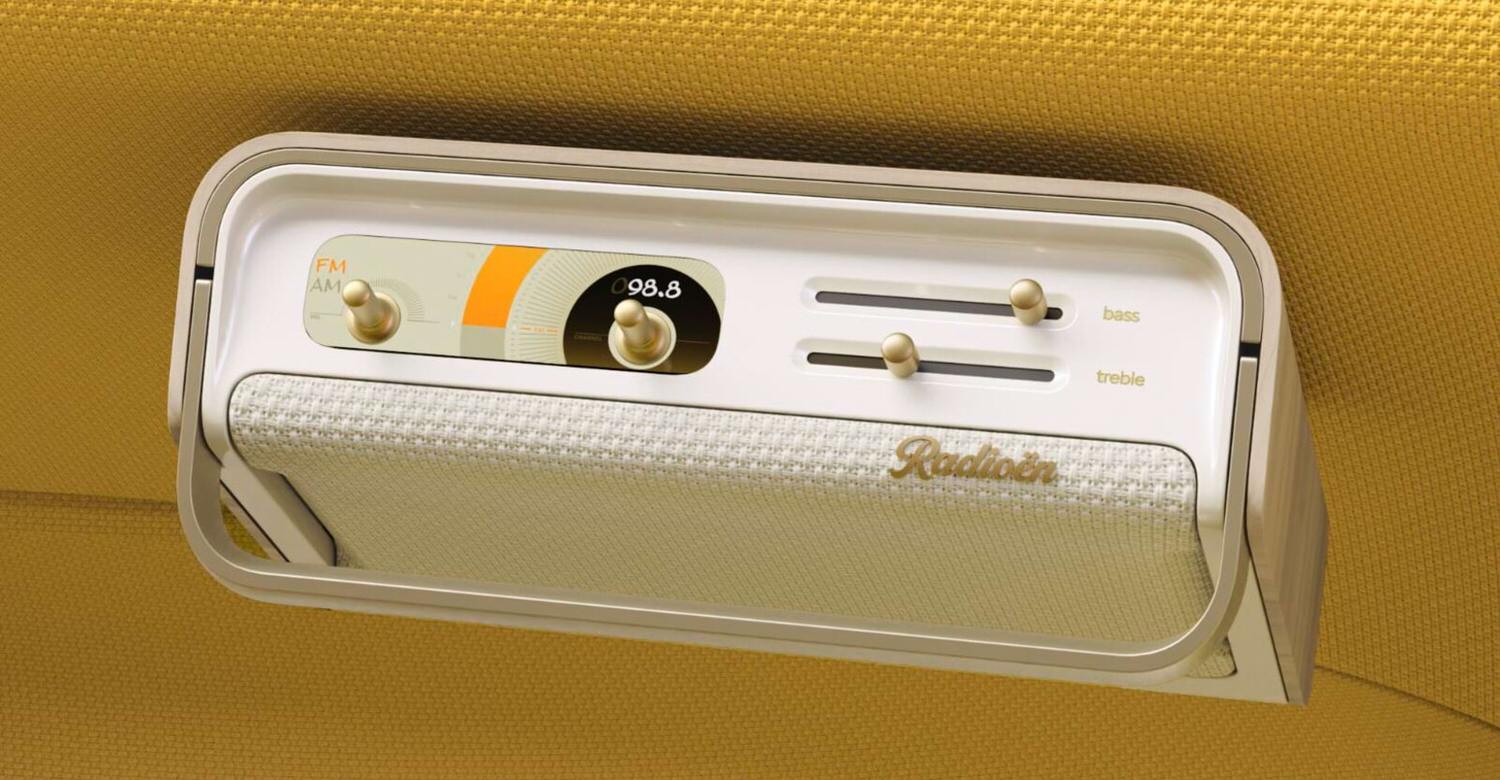
Music for the outdoors
It’s hard to gauge just how much the motoring world is still in love with itself following this Parisian launch. It’s spruced itself up, dug out its old photos and invited new admirers. The more interesting question, in any case, is whether it can still imagine what others love about it.
Part of the answer lies in a small box inside the new 2CV. Citroën calls it Radioën, just like the radio of yesteryear. You can take it out and take it with you – to the meadow, to the lake, wherever the journey has taken you.
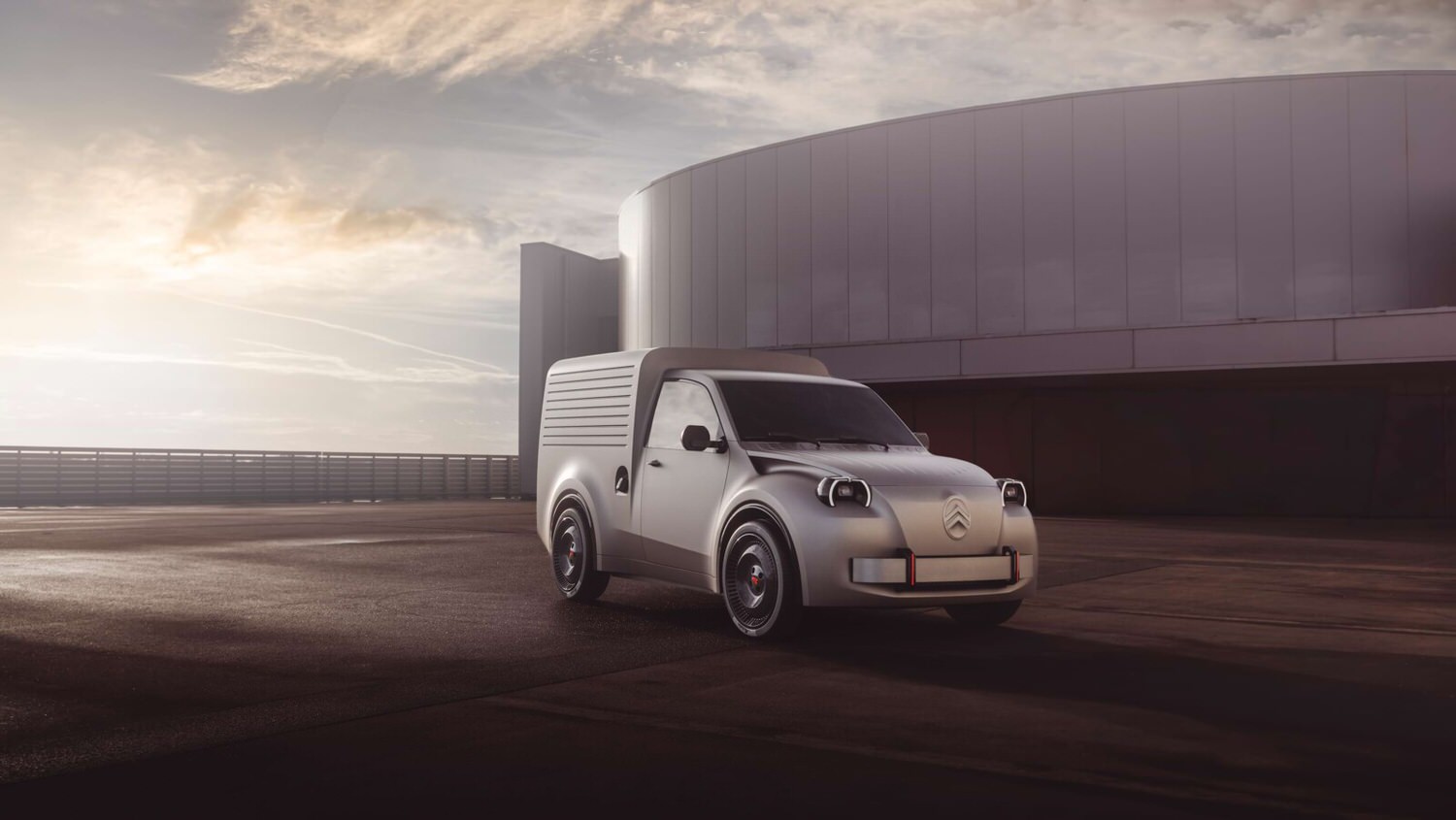
You get out. And the music carries on.
Text: Michael Köckritz
ramp #71 Yabba Dabba Doo!
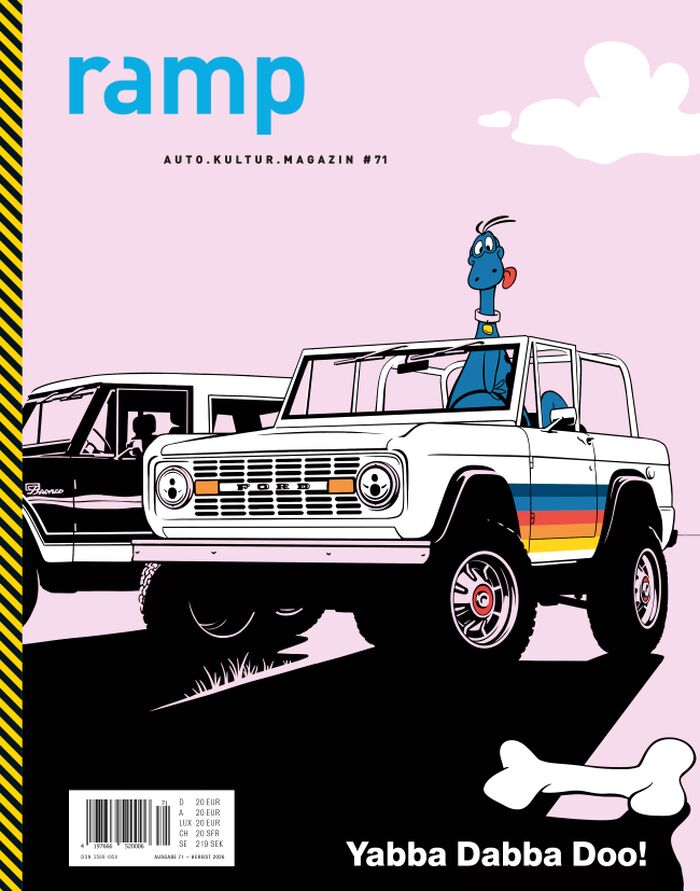
There’s Fred. Fred is happy. The moment the siren wails, he slides down the tail of his dinosaur, jumps into his stone car and shouts: “Yabba Dabba Doo!”
For more than sixty years, everyone has instantly understood what that means. Psychologists later came up with all kinds of terms for it. Philosophers distinguish between happiness and joy. Neuroscientists explain dopamine. Find out more