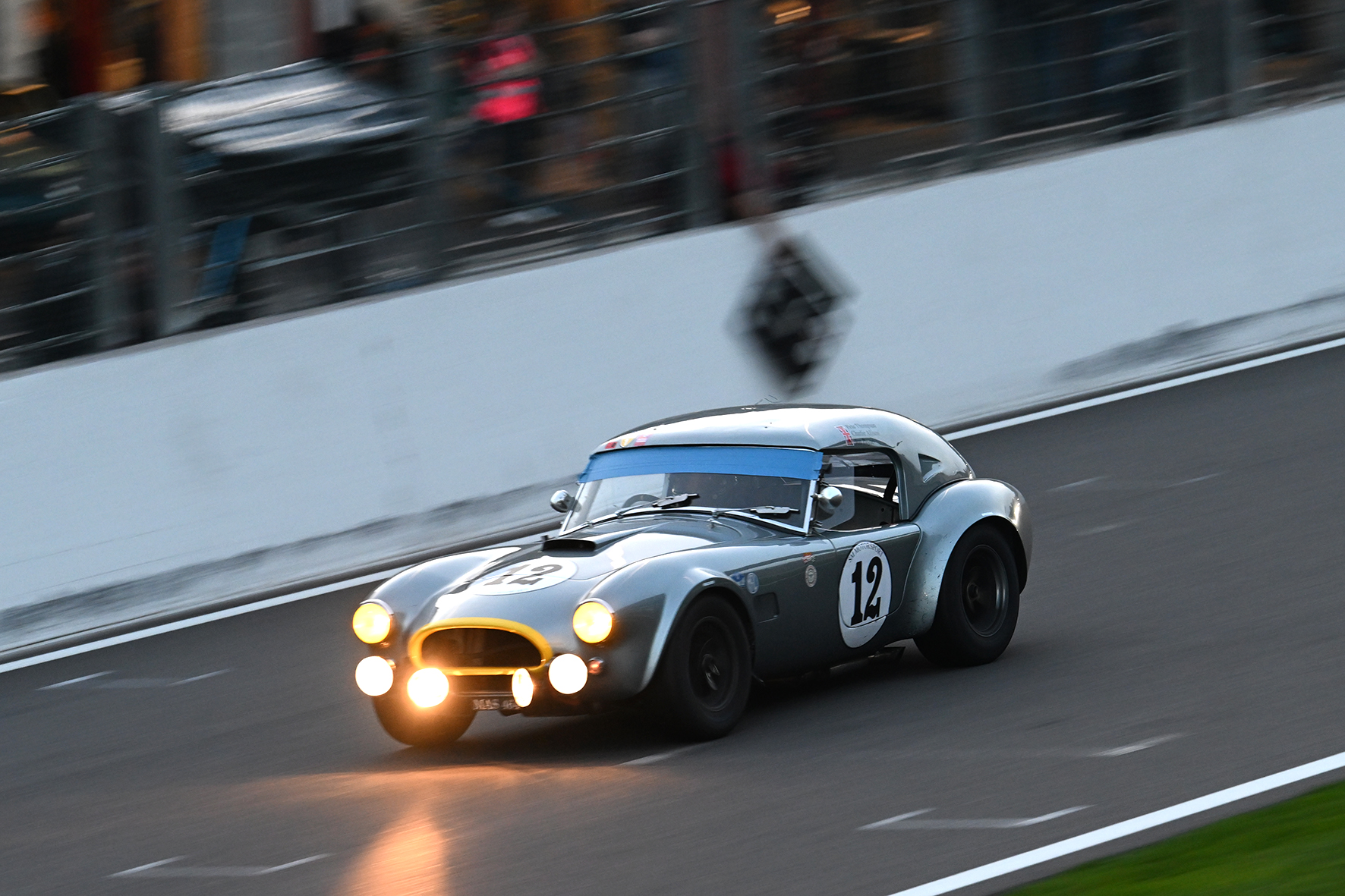
Of course, you can’t convey the sound through pictures alone. With its six-hour race on Saturday afternoon, which lasts until late in the evening, the Spa Six Hours Meeting has been one of the finest events in historic motorsport for many years now.
The magnificent Spa-Francorchamps circuit, with its uphill and downhill sections and arguably the most famous combination of corners – Eau Rouge and Raidillon – provides the backdrop for top-class motorsport every year at the start of autumn.
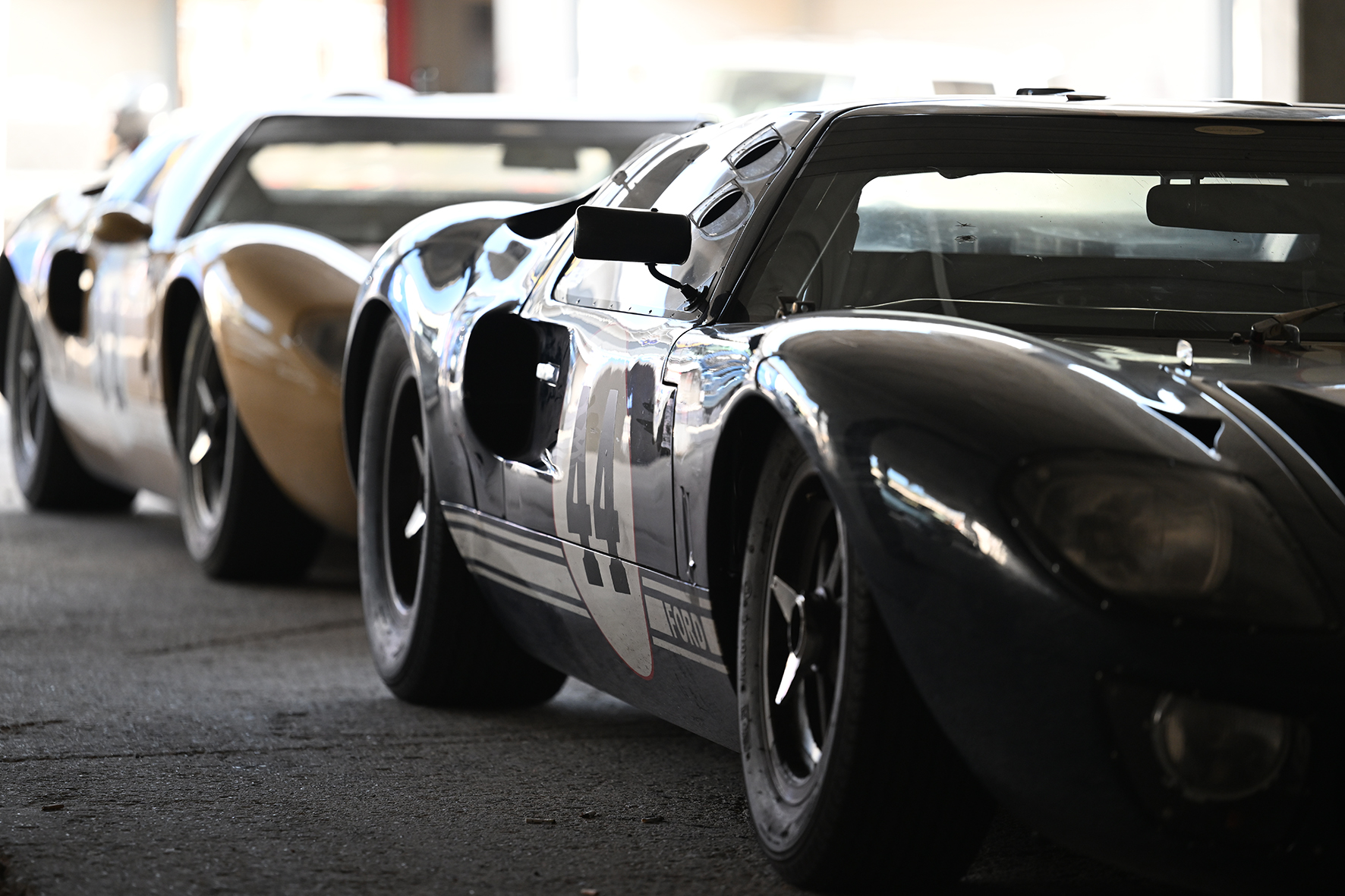
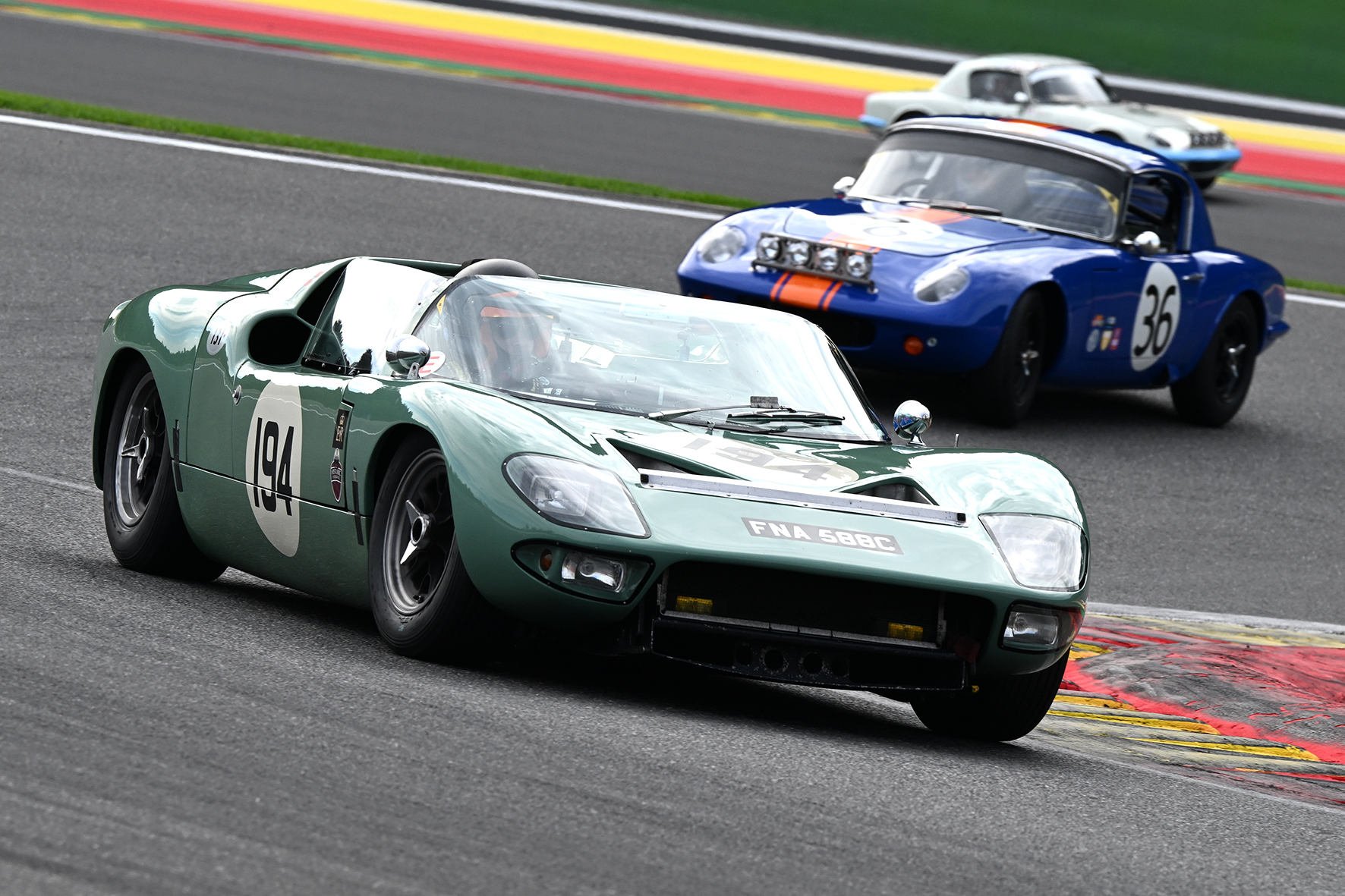
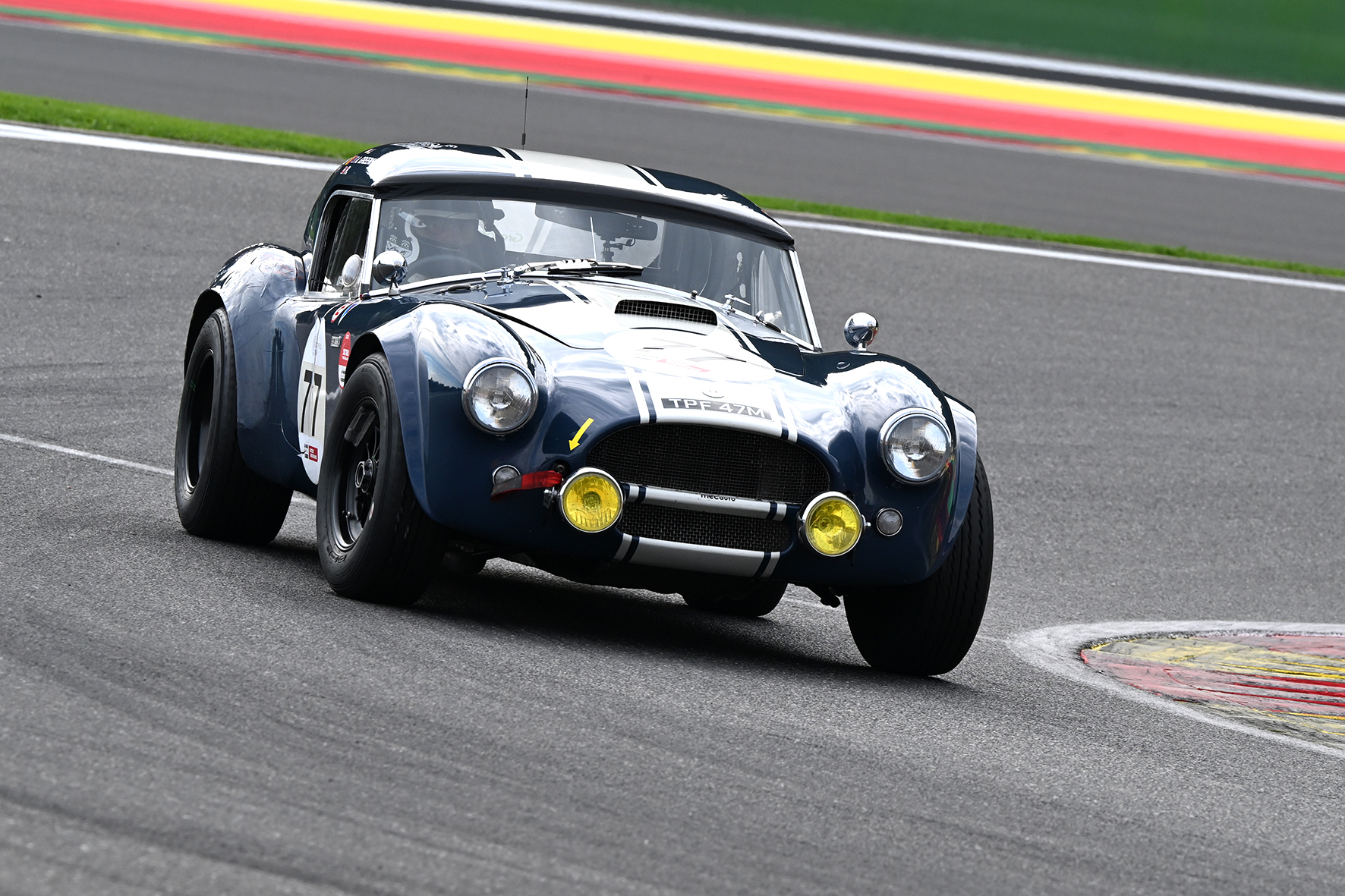
In glorious late-summer weather, drivers and racing cars demonstrated their full capabilities. Ten different races were scheduled and took place, some with very large fields of entrants. Leading the way was the six-hour race, which boasted the strongest starting grid with 67 cars, some with three drivers at the wheel. Naturally, as every year, it was spearheaded by countless Ford GT40s.
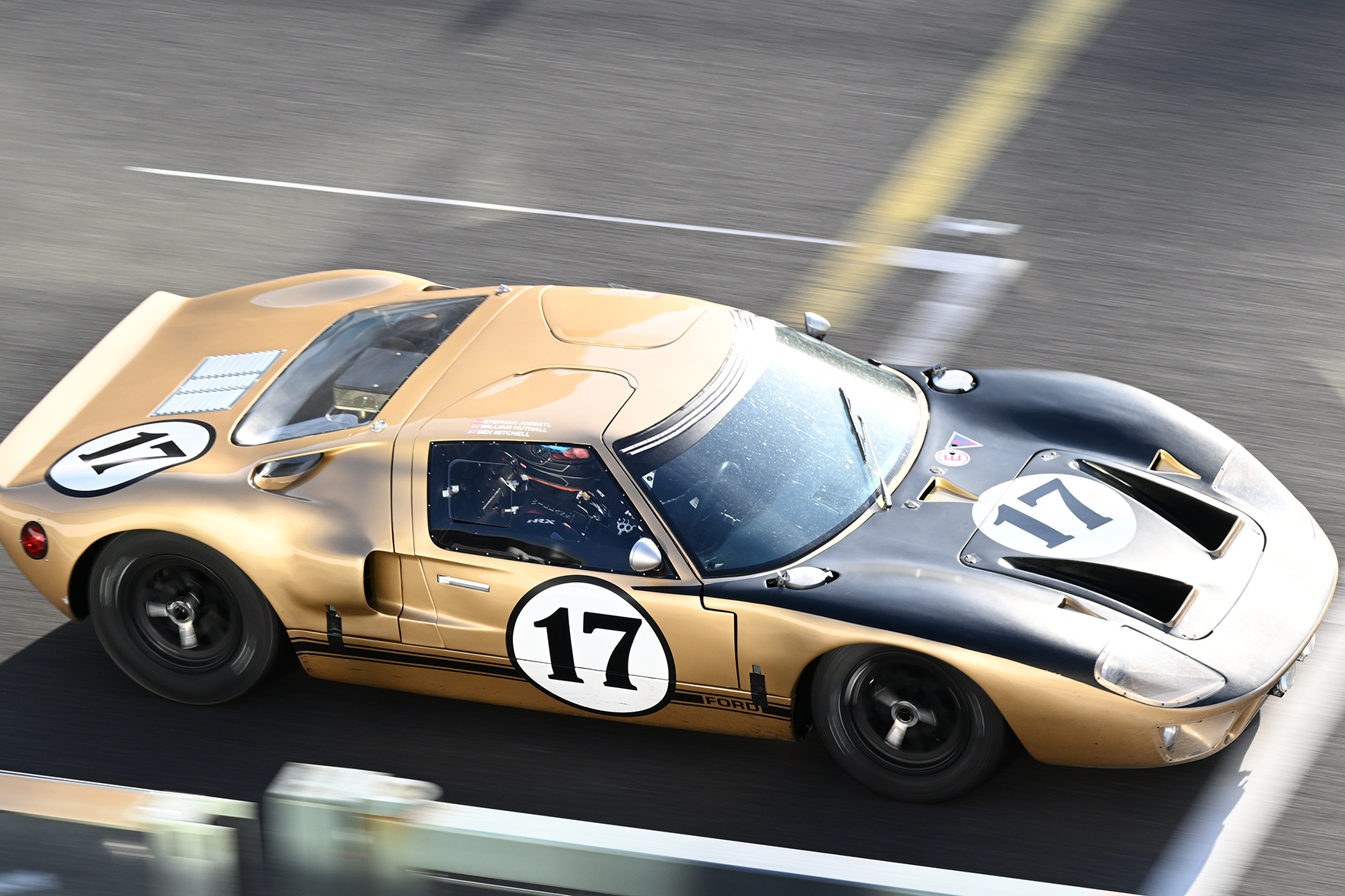
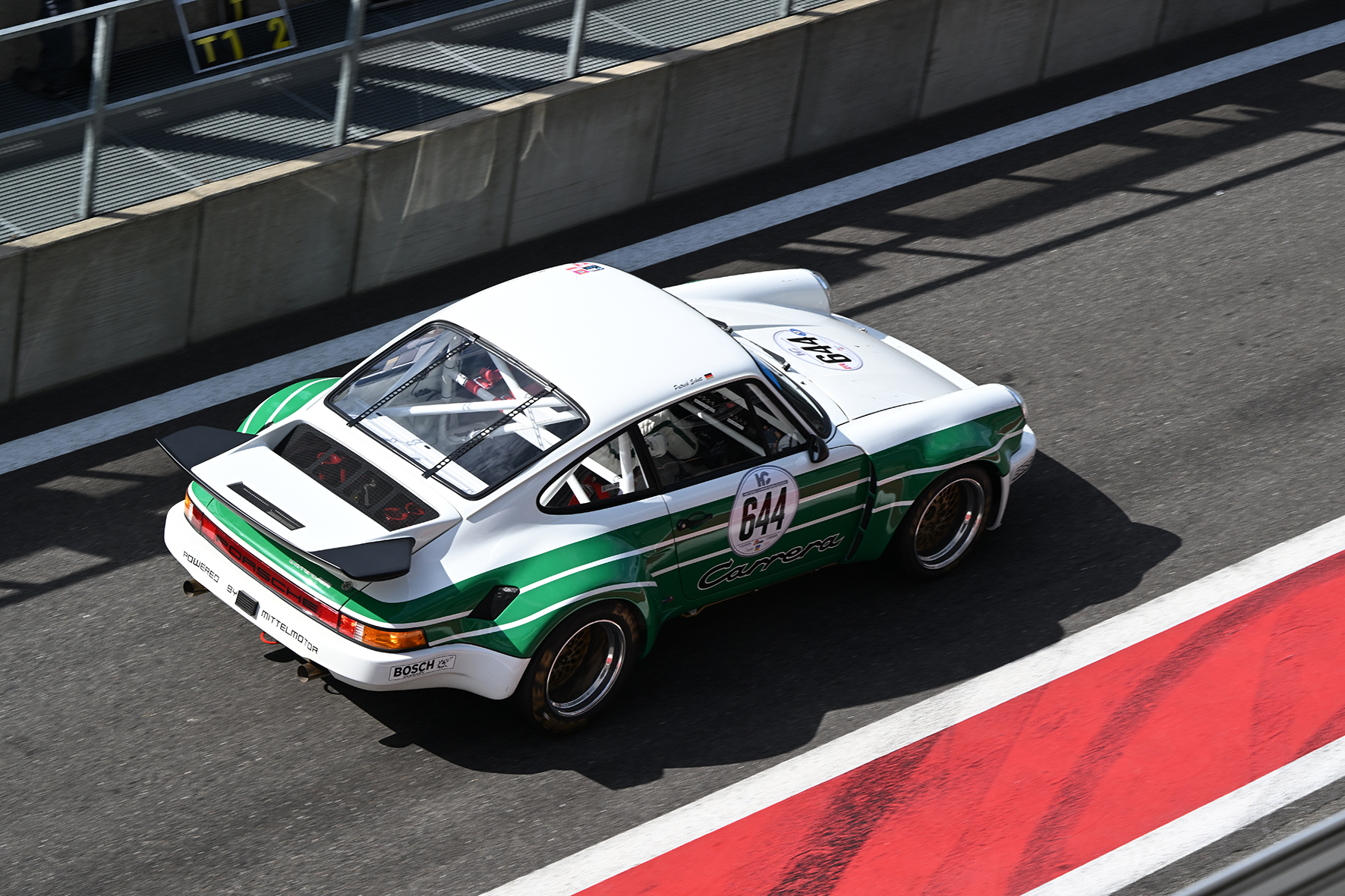
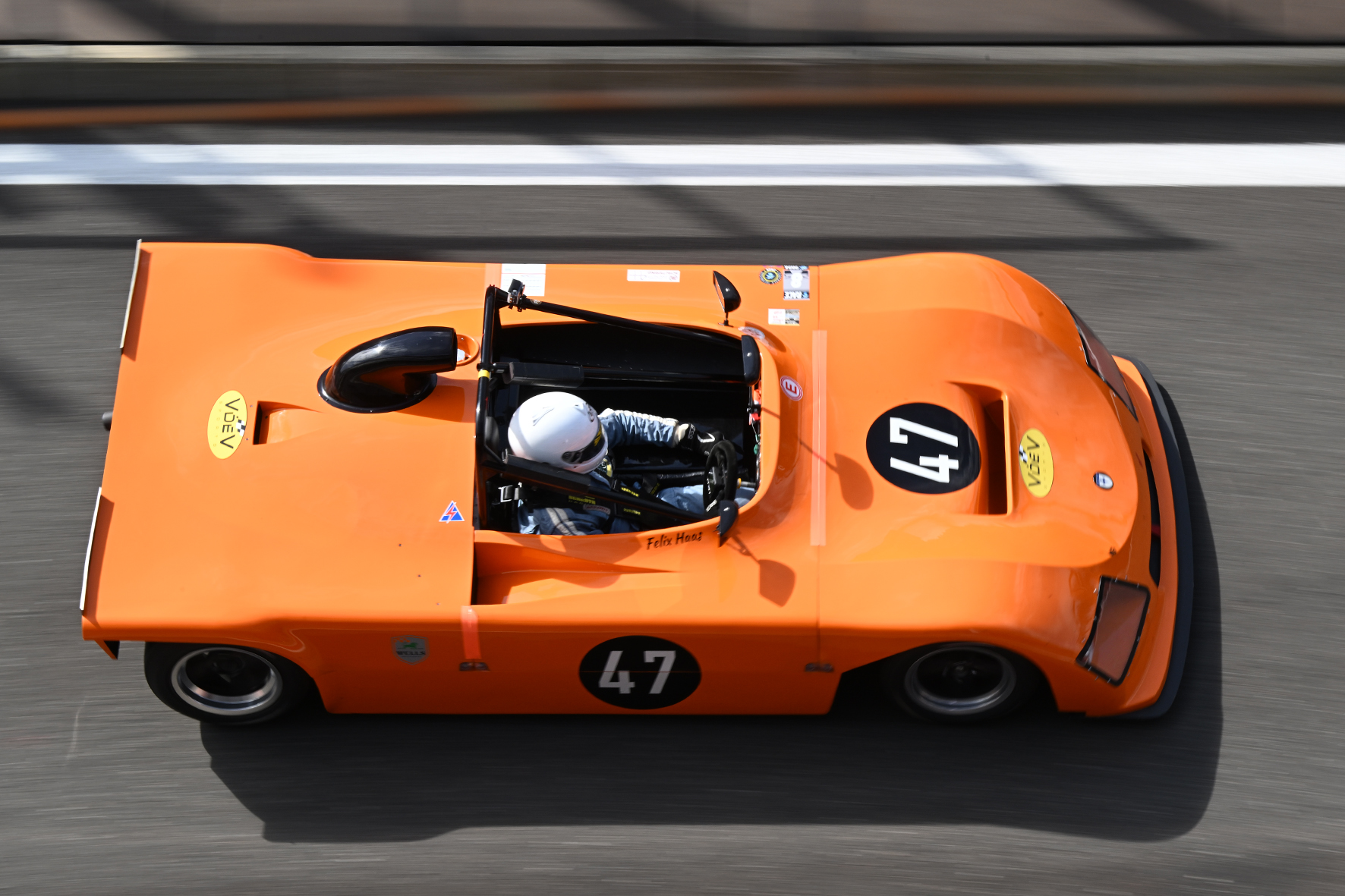
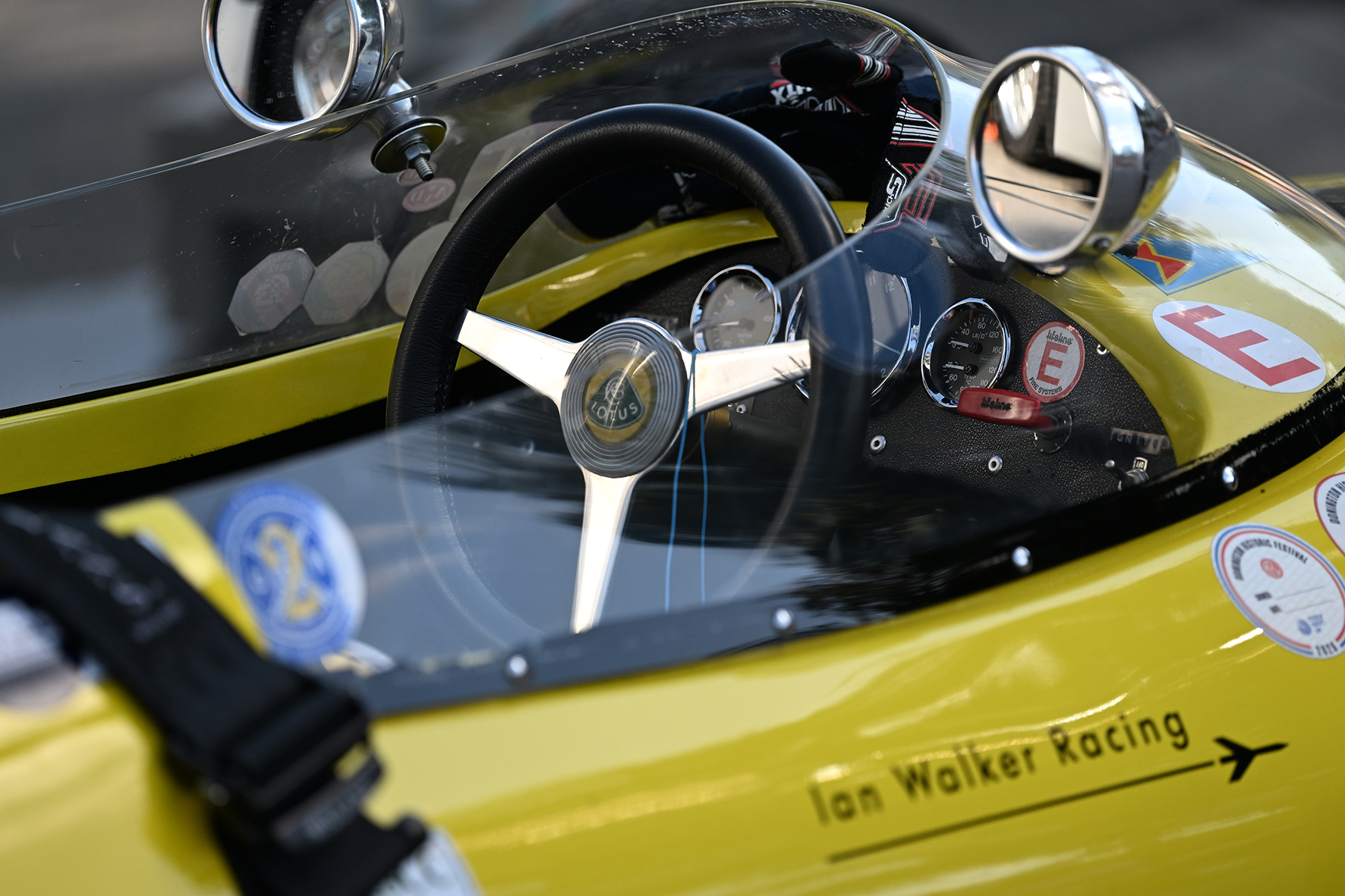
There were 13 Ford GT40s alone on the first seven rows of the grid, with a small Ginetta G4R bearing start number 2 nestled amongst them. At the wheel of this Ginetta G4R were Pedersen, Weiss and Kjaergaard – experienced Six Hours drivers – who were also leading the race at the end of the third hour. So it looked as though a sensation might be on the cards halfway through the race. As always, there were plenty of yellow flag periods and safety car deployments, meaning that a keen tactical eye – and, in the end, a bit of luck – were required. It was thrilling for the full six hours. Although the cars are classic racing cars, the battle for every metre is truly fierce. The Olympic motto ‘taking part is everything’ certainly doesn’t apply here.
The two Ford GT40s, bearing start numbers 52 and 18, were locked in a neck-and-neck battle for hours, with the little Ginetta occasionally playing the spoilsport; in the end, the mid-blue Ford GT40 with start number 18, driven by O. Bryan and P. Keen, claimed victory – albeit with a touch of luck.
The six-hour race is, of course, the absolute highlight at the wonderful Spa-Francorchamps circuit, but there were also other races featuring thrilling battles for position.
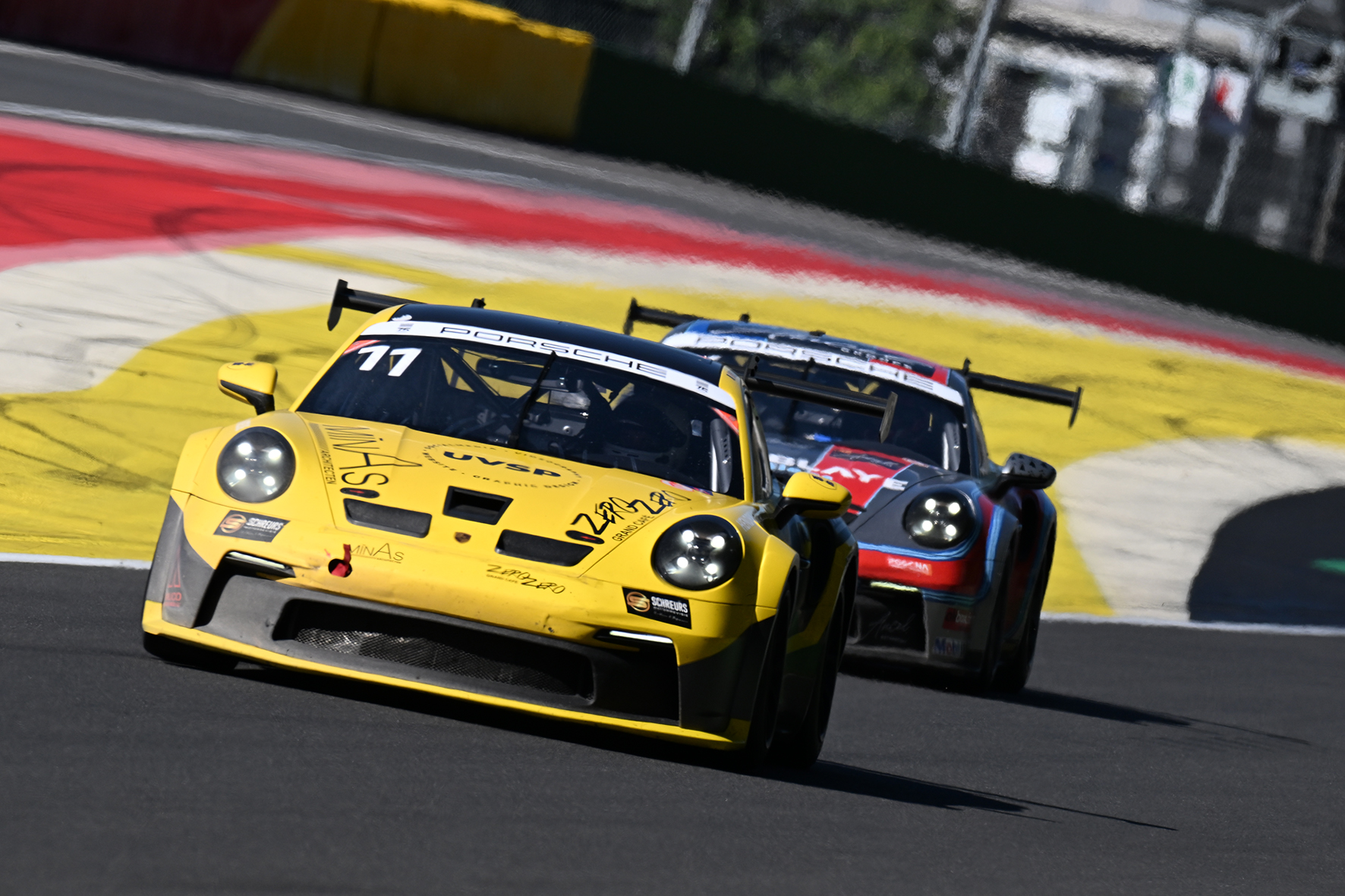
The field featuring the newest racing cars was the Porsche Sprint Challenge Benelux, with numerous 911 GT3s. The Porsches were, of course, the fastest on the track. Qualifying and the three races all took place on Friday and were dominated by Xavier van der Schoot in a Porsche 911 Cup Type 992.2. He won all three races by a comfortable margin.
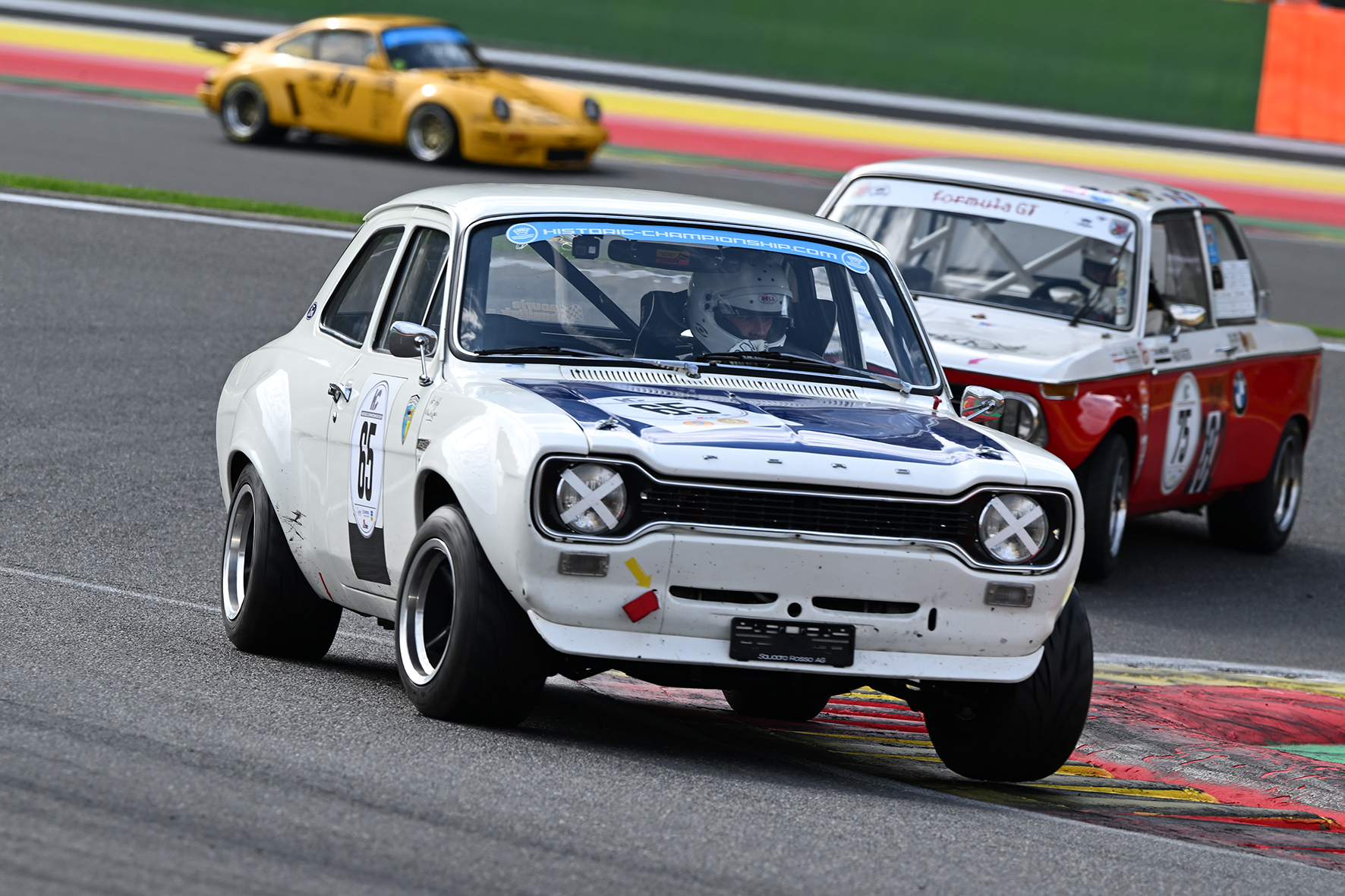
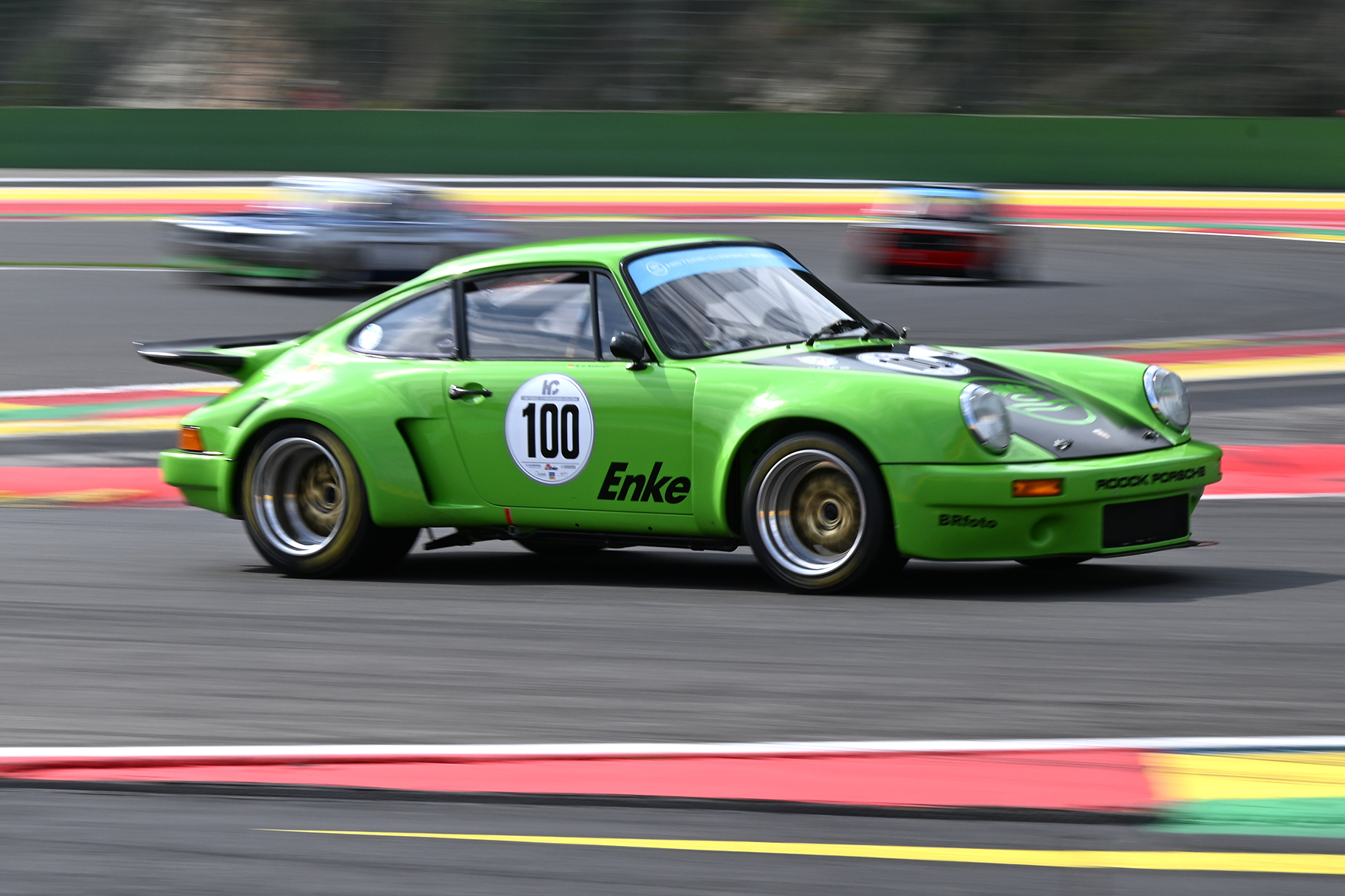
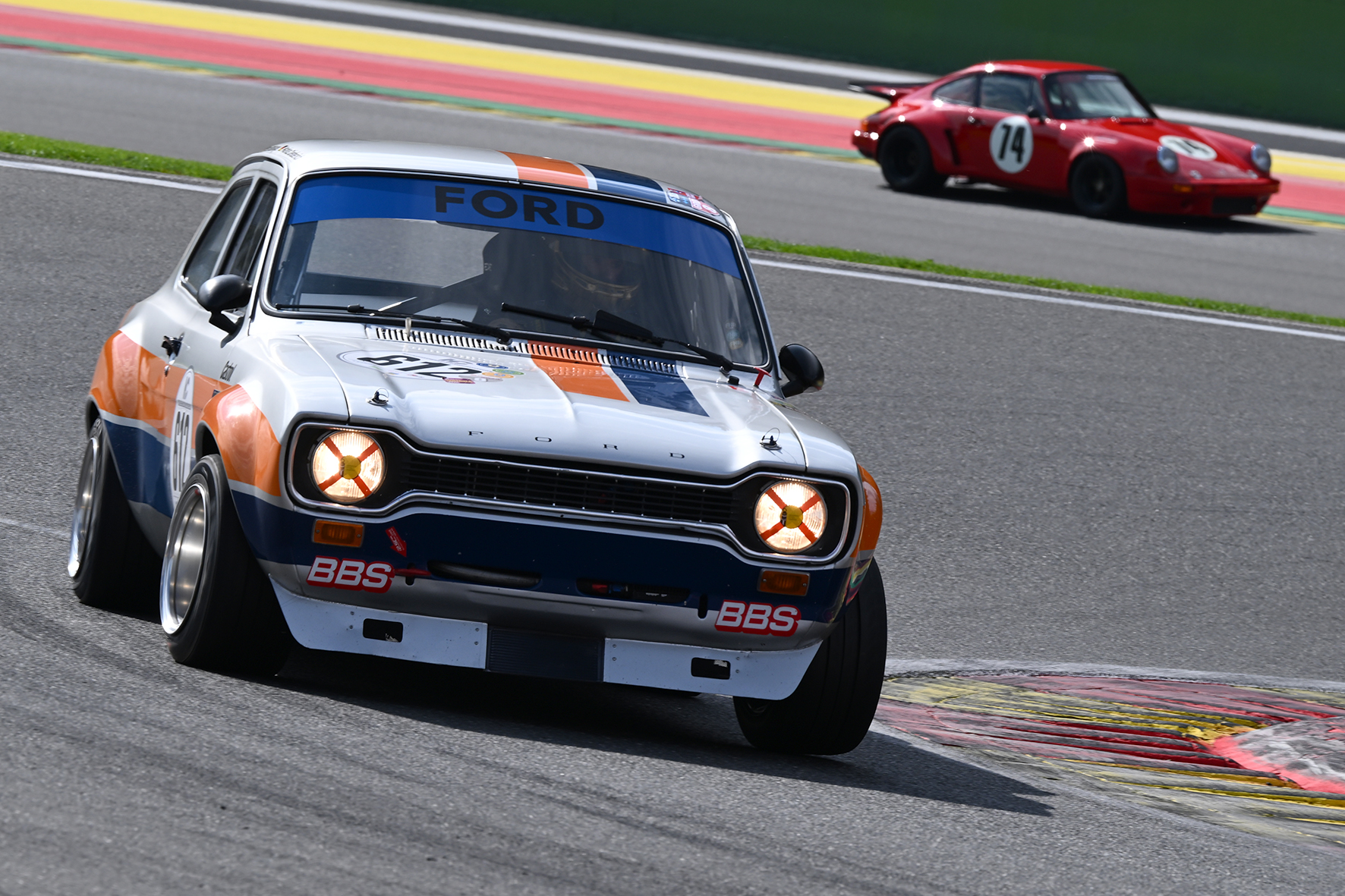
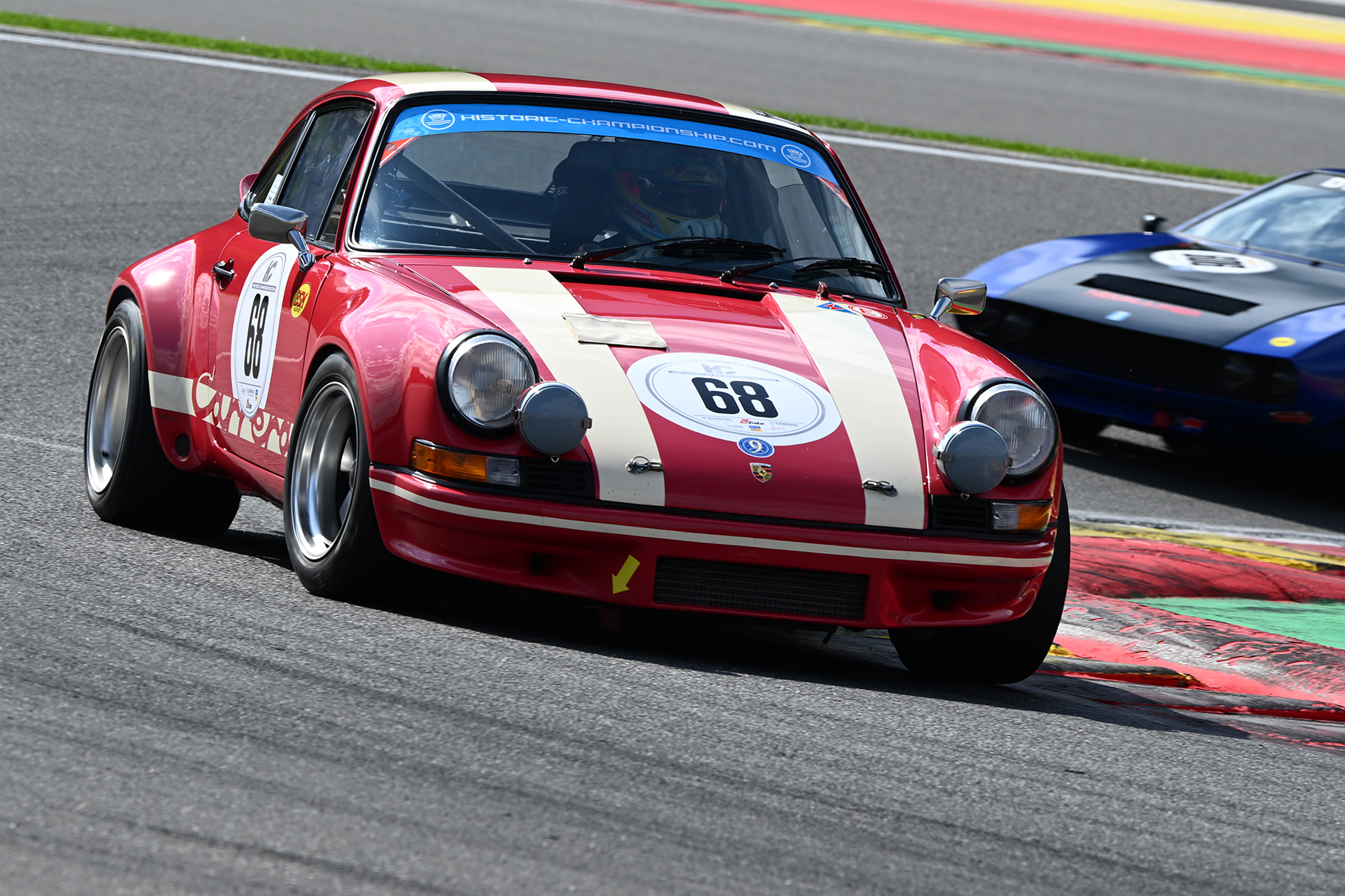
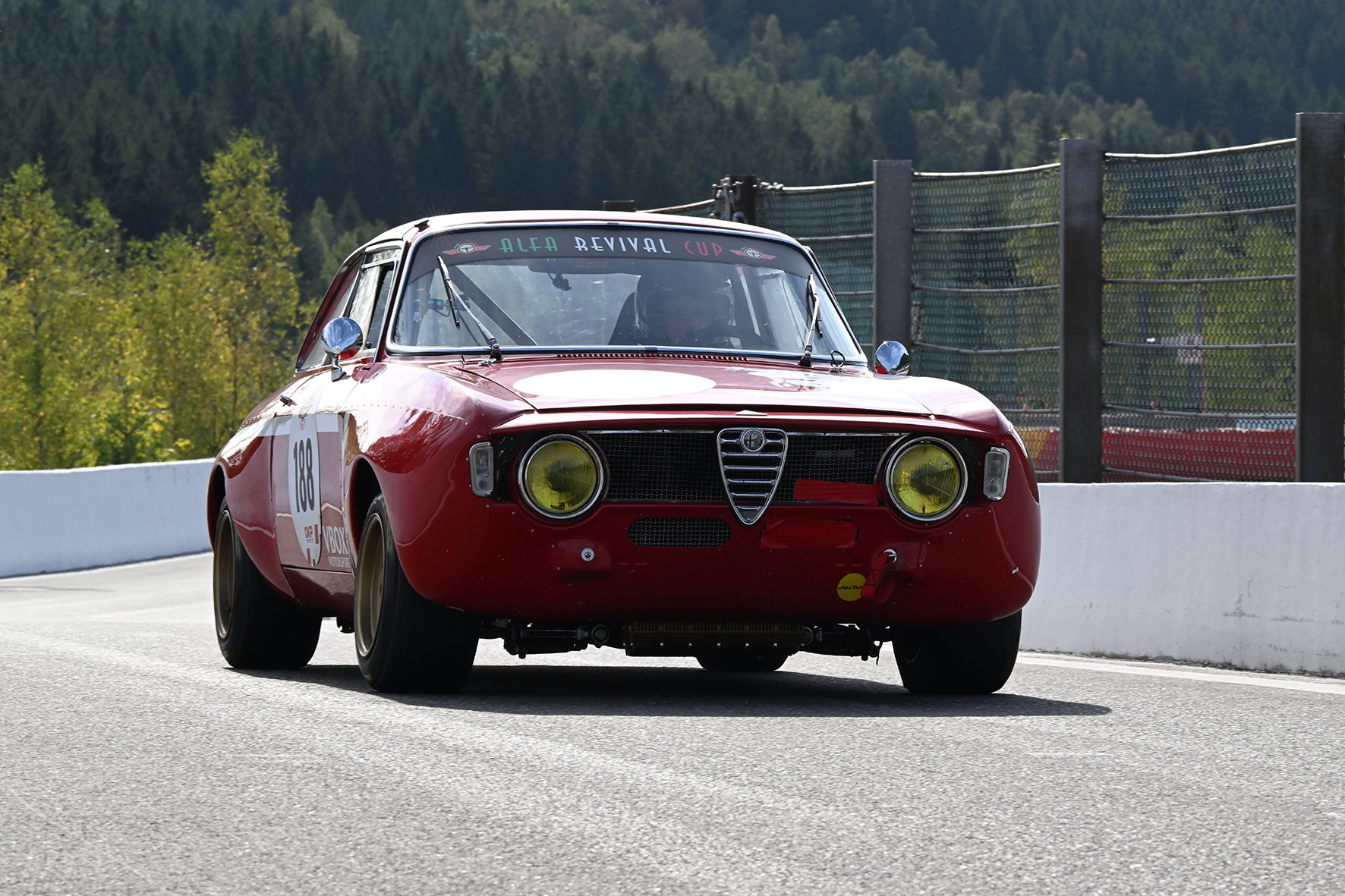
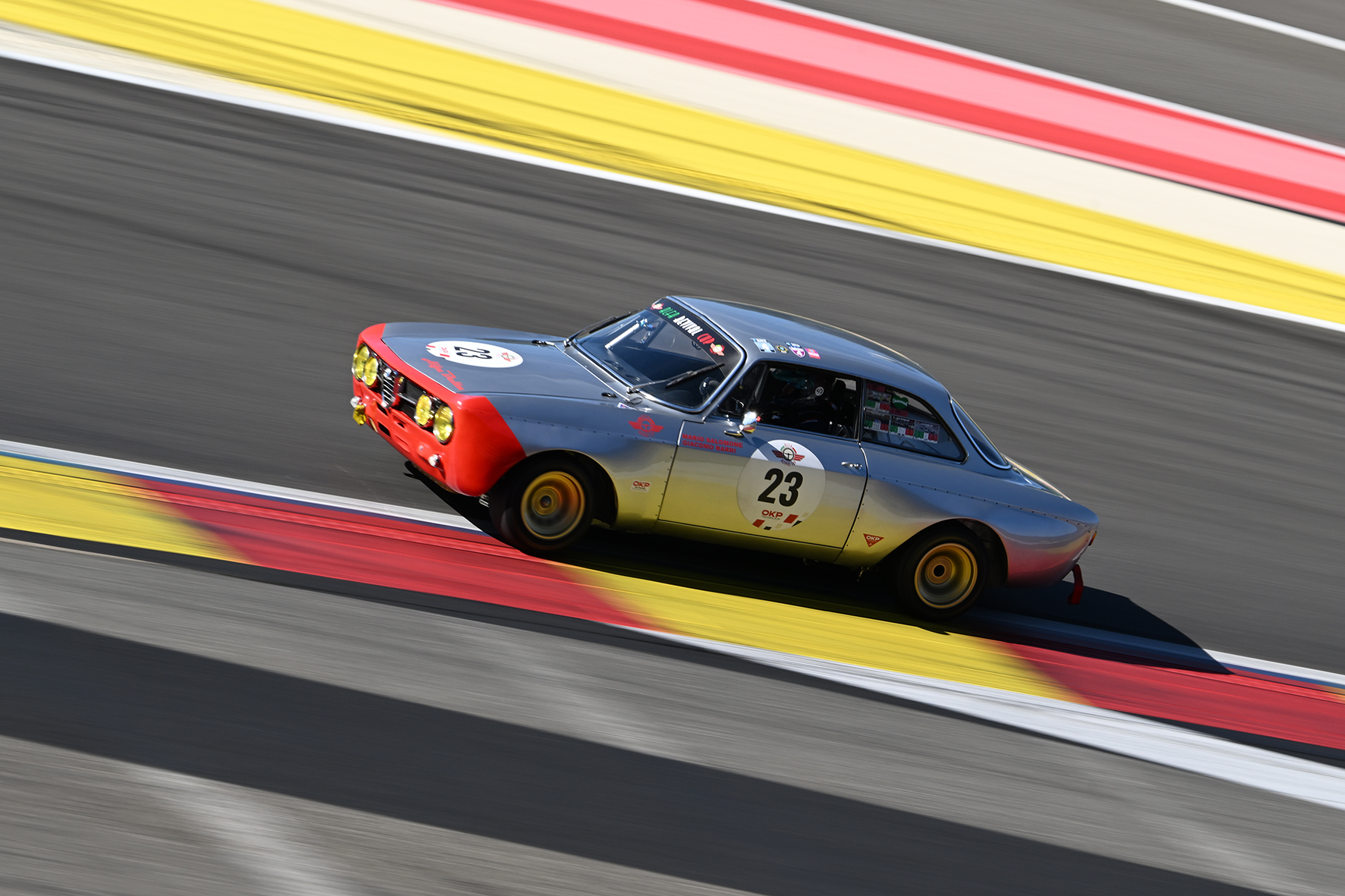
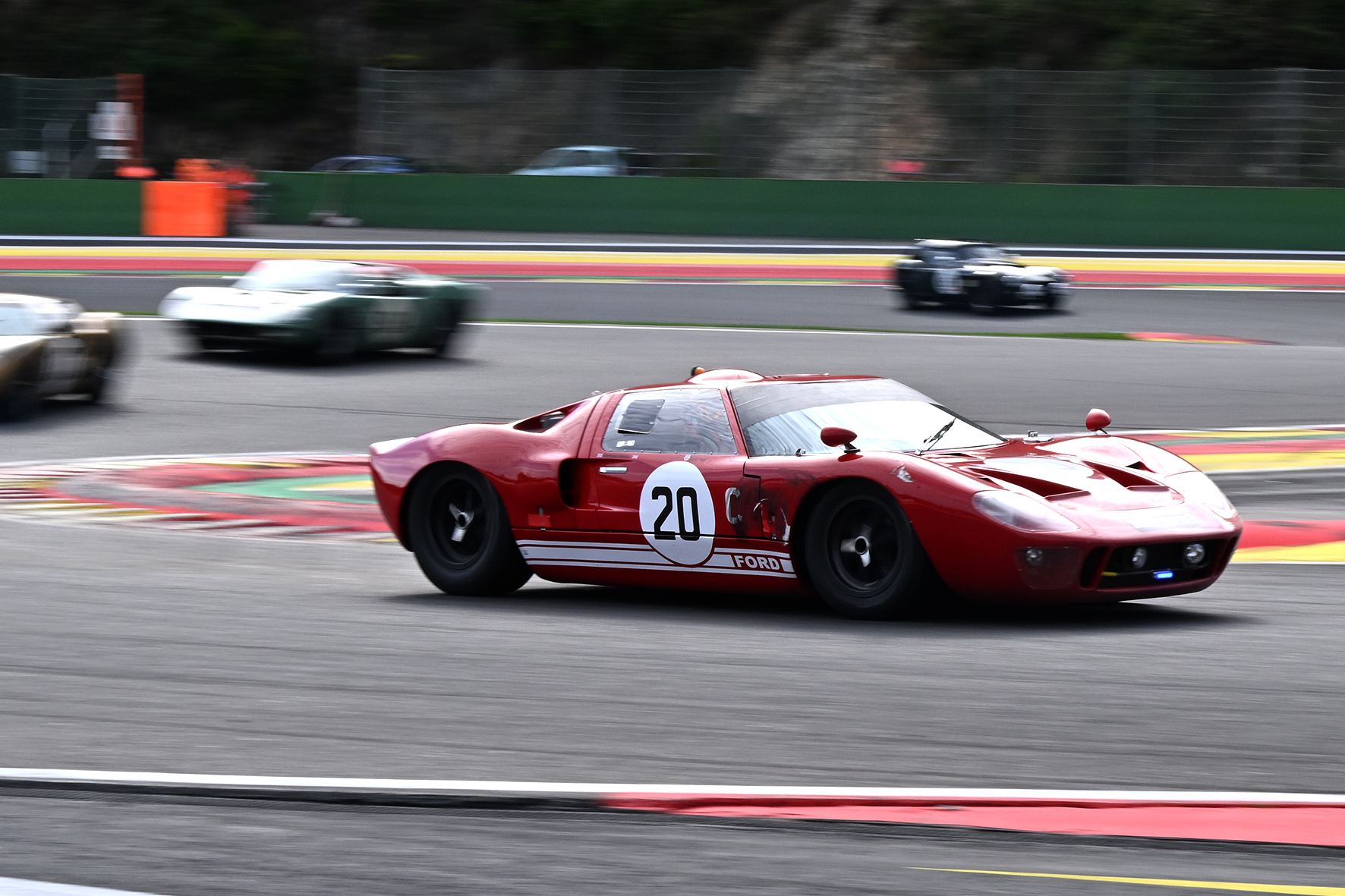 The qualifying session for the Alfa Revival Cup was also held on Friday only. There were 23 Alfa Romeos on the grid, mainly Giulia Sprint GTAs and 1750 GTAm models. The one-hour race then took place on Saturday morning and was won by Morteo / Moramarco in the sole Alfetta GT Turbodelta, by a margin of just 1.5 seconds.
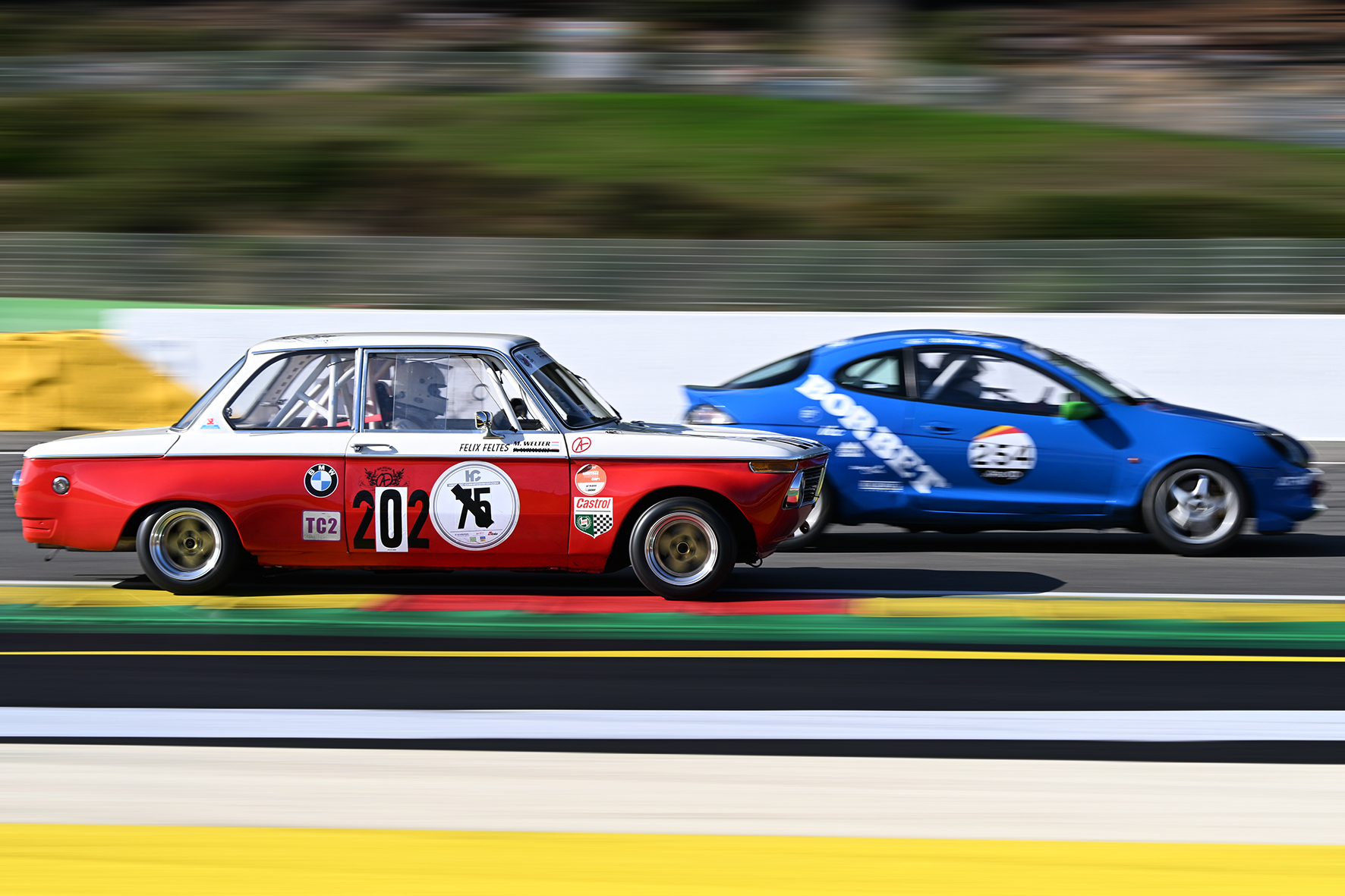
There were also practice sessions and races for the Historic Championship ’65 and ’81, the Belcar Historic Cup featuring marvellous Ford Capri 3100 RSs in classic blue and white, and the Colmore – YTCC. A completely different affair from the other racing series was the Frazer Nash Club’s Jenks Trophy Race and the sole single-seater race of the Historic Formula Junior.
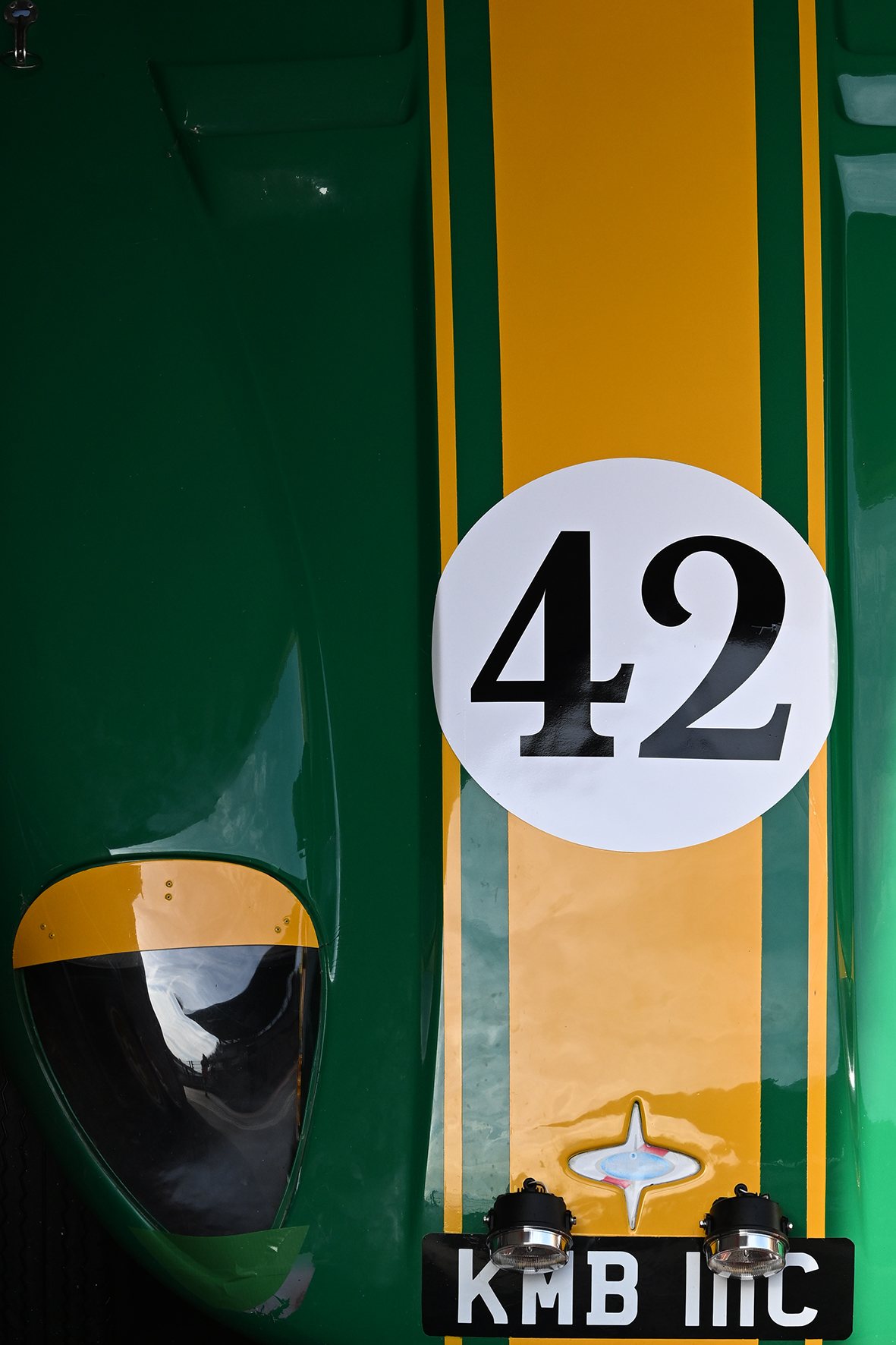
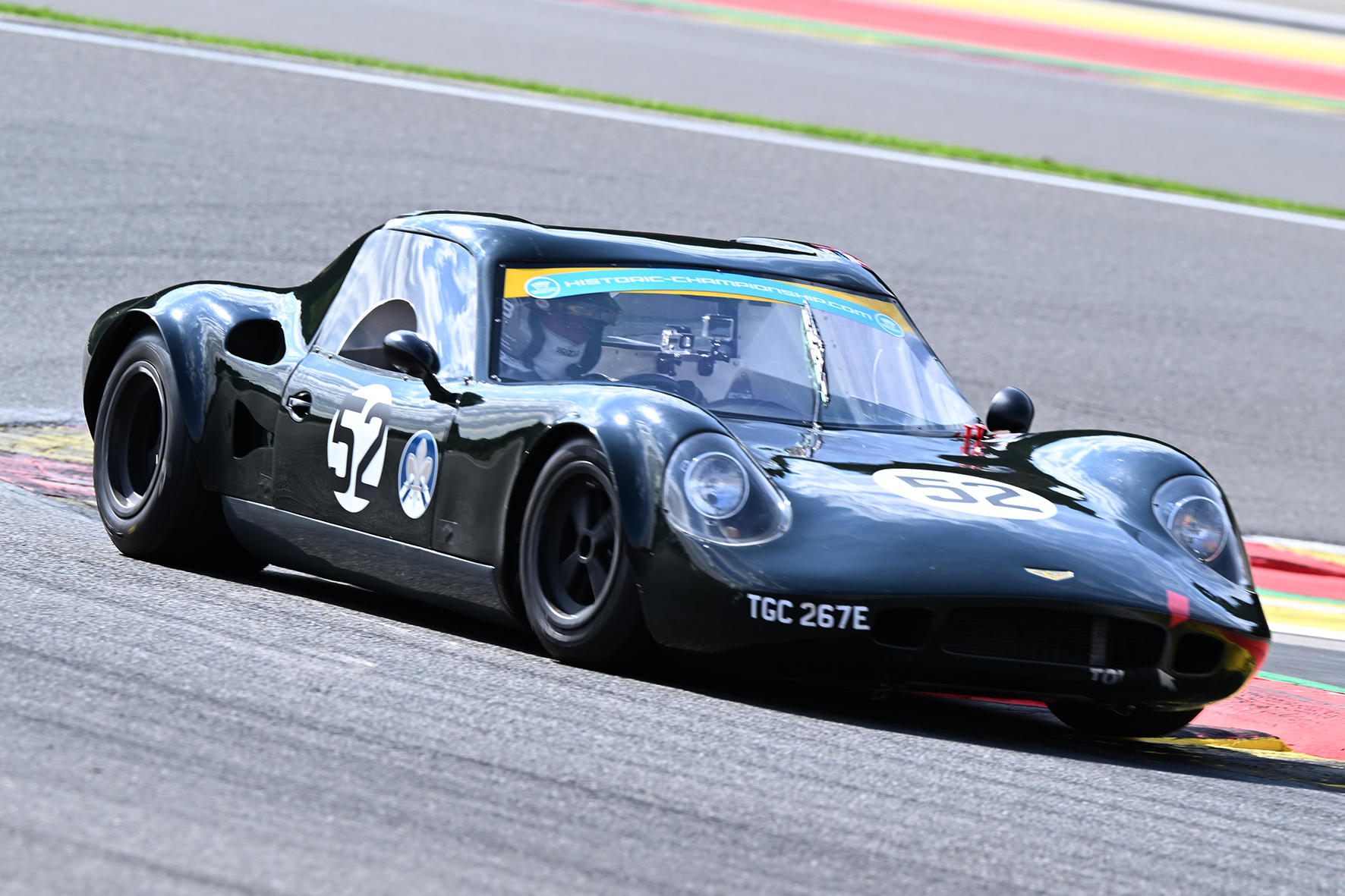
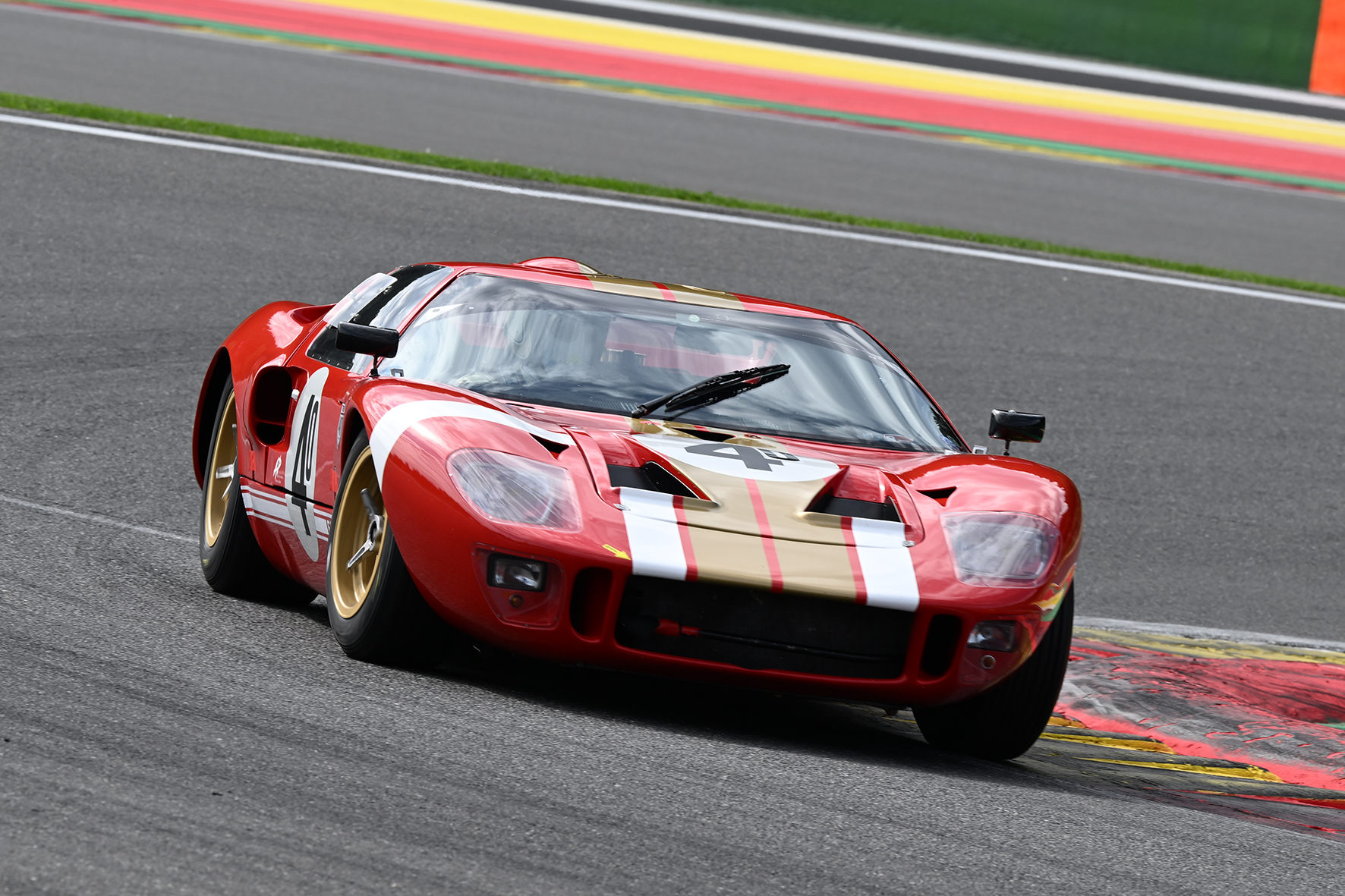
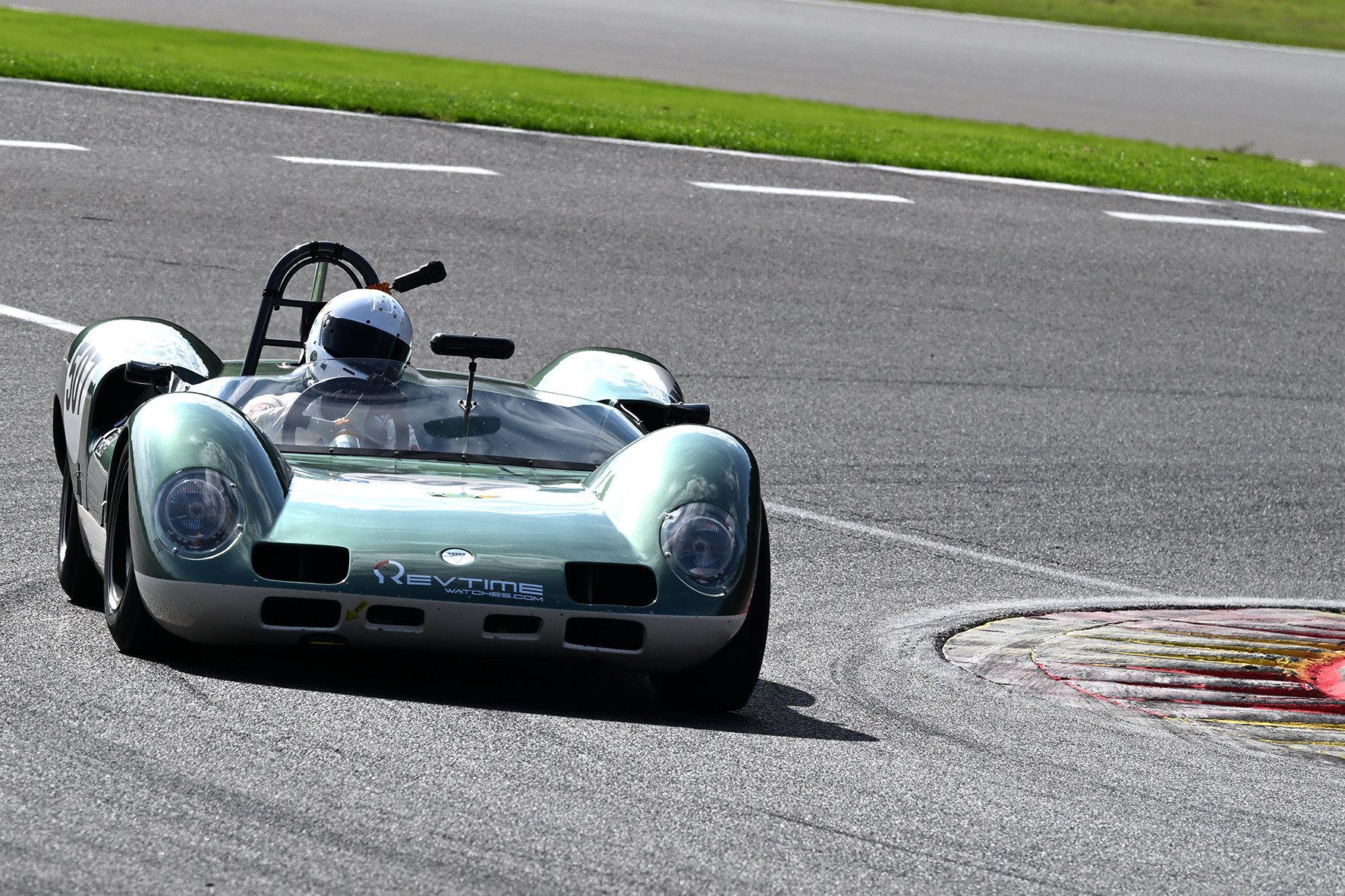
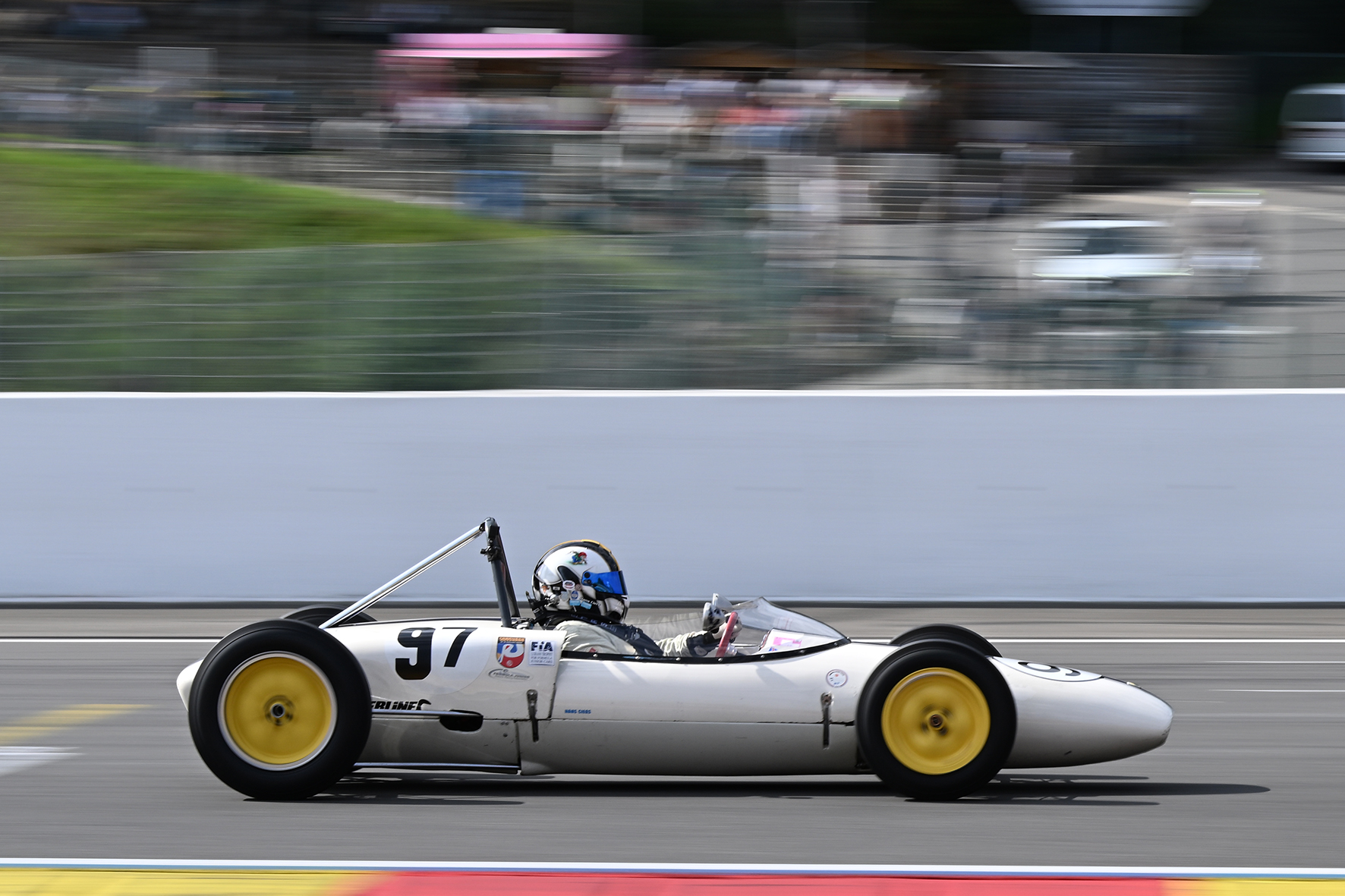
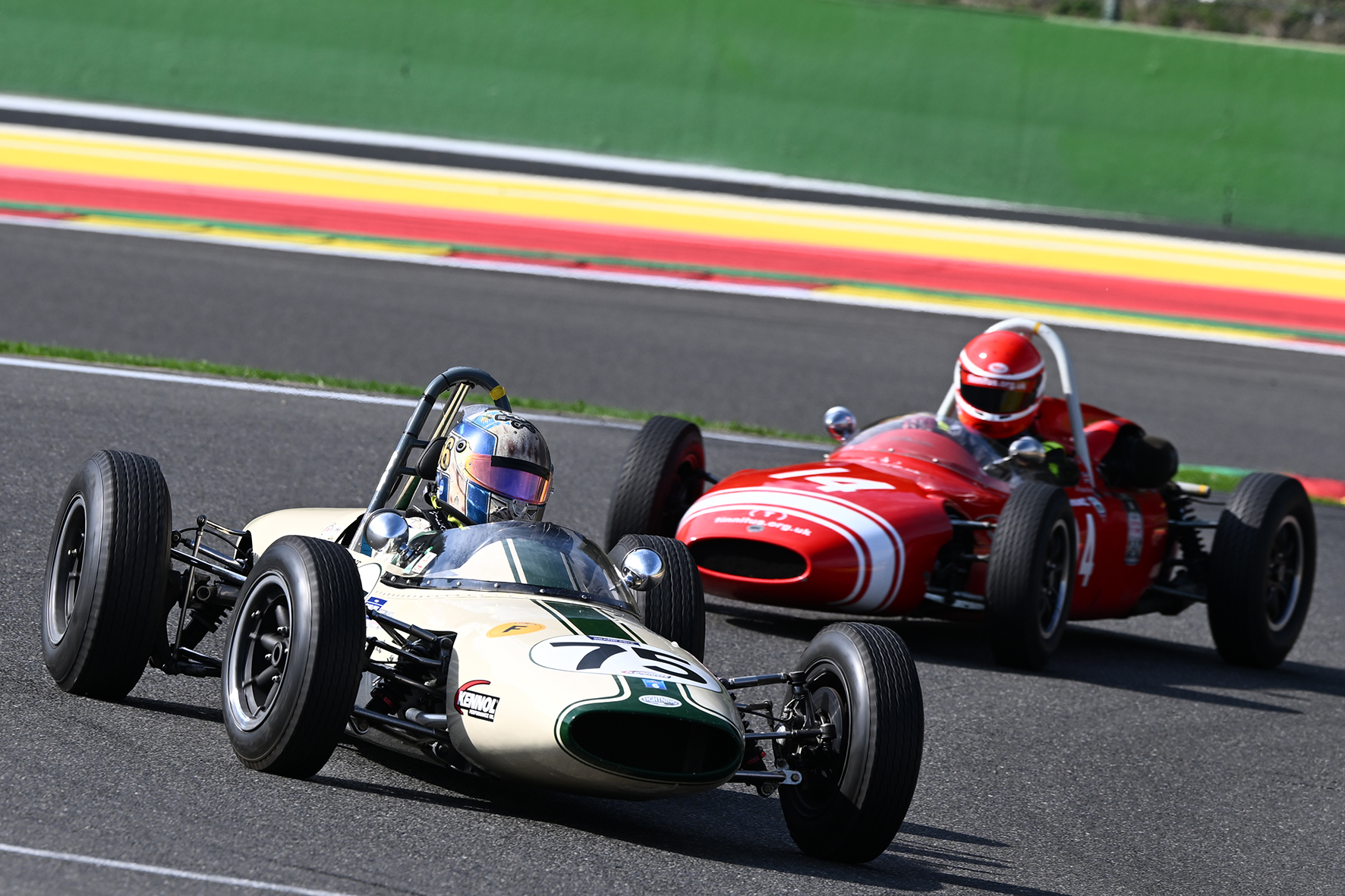
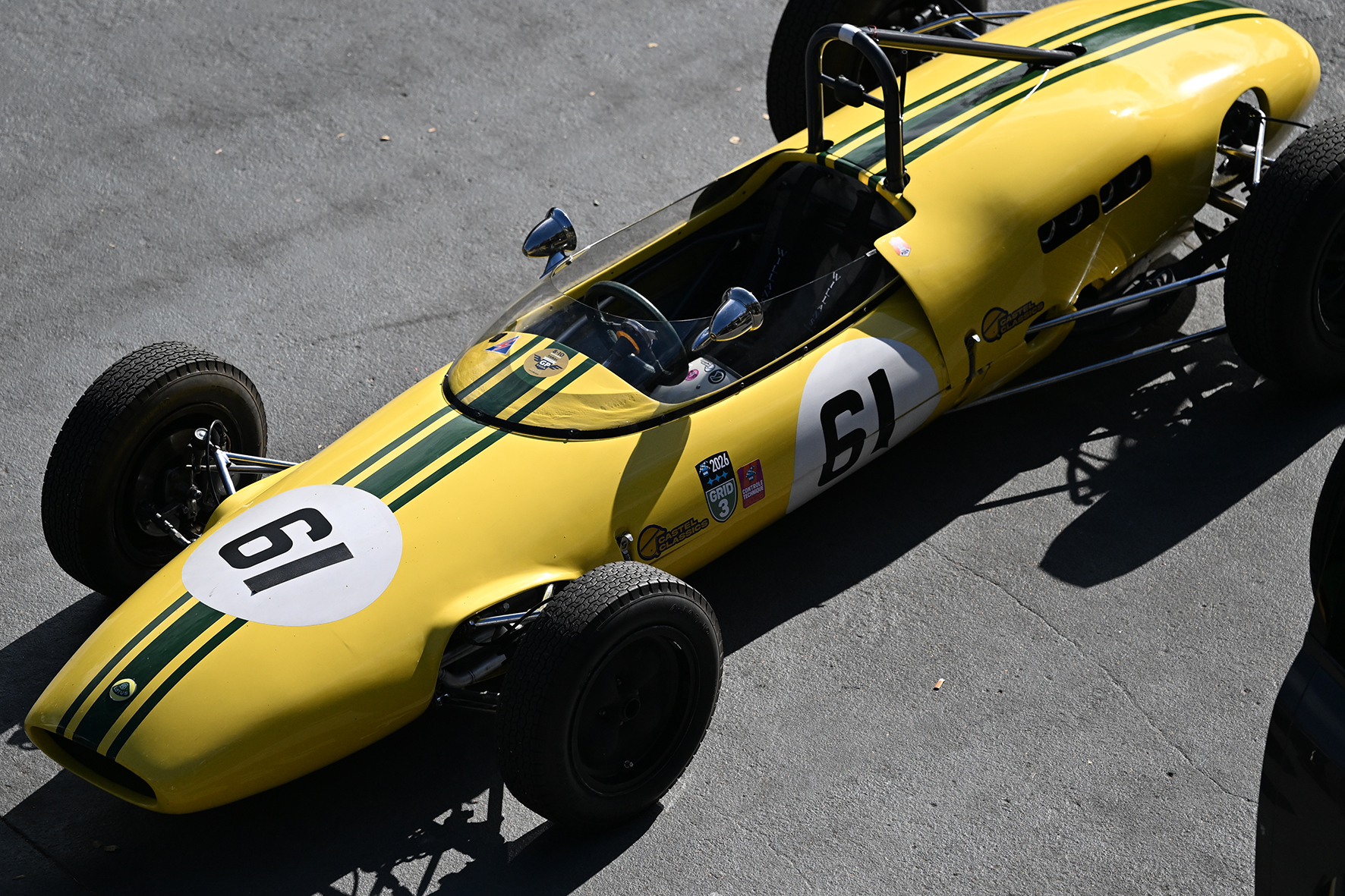
Whilst the Historic Formula Junior class, as is almost always the case, boasted a truly large number of entrants – naturally including many Lotus, Cooper, Brabham, Lola, Elva and a few other racing cars from the years 1959 to 1963 – the cars competing in the Jenks Trophy were significantly older still.
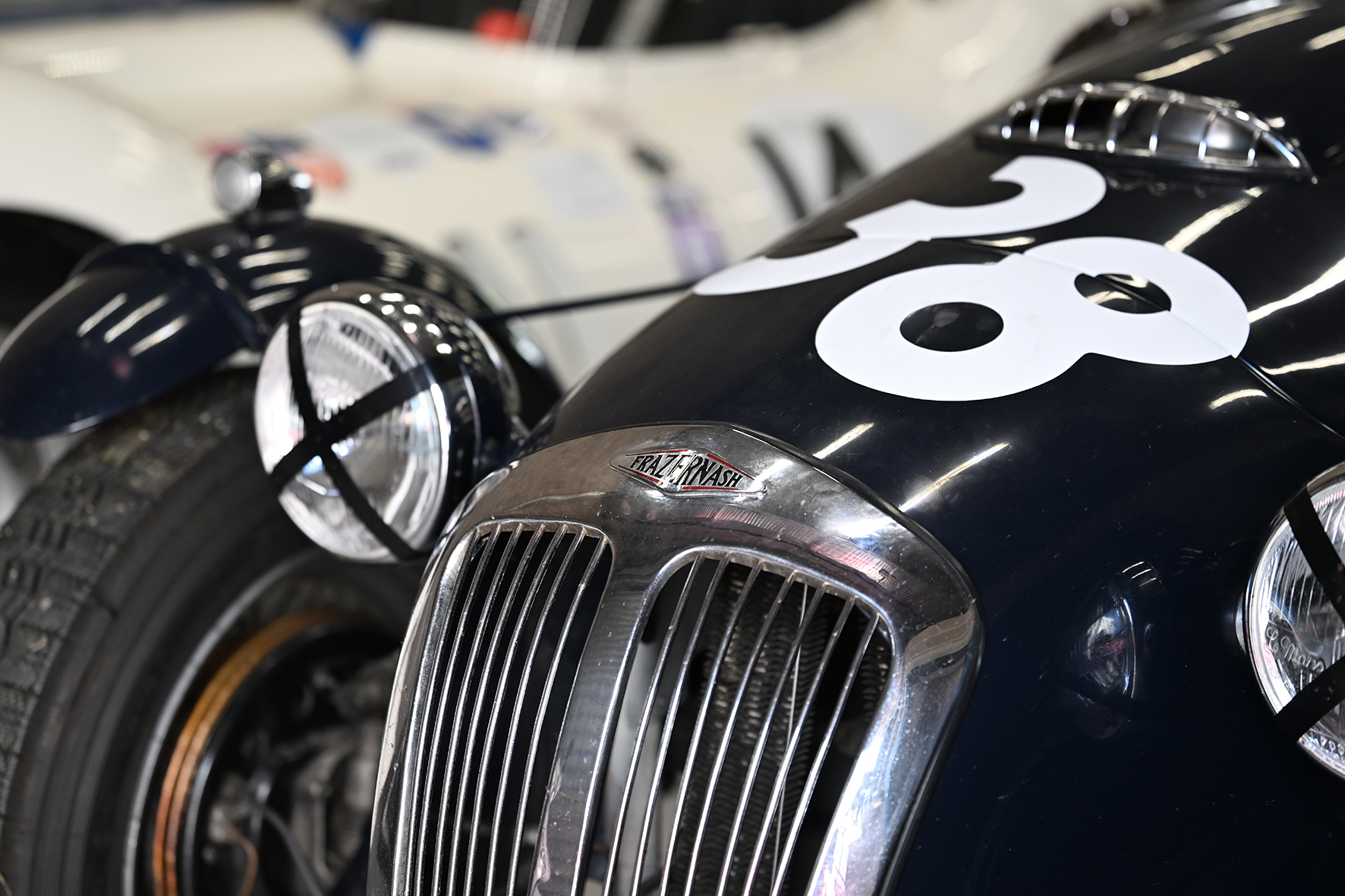
Here, the line-up consisted almost exclusively of Frazer Nash cars from various model ranges and years of manufacture. The oldest, a 2/3-seater, was from 1925, whilst the youngest was a Targa Florio model from 1954.
These Frazer Nash racing cars were astonishingly fast, despite their narrow tyres and almost carriage-like bodies.
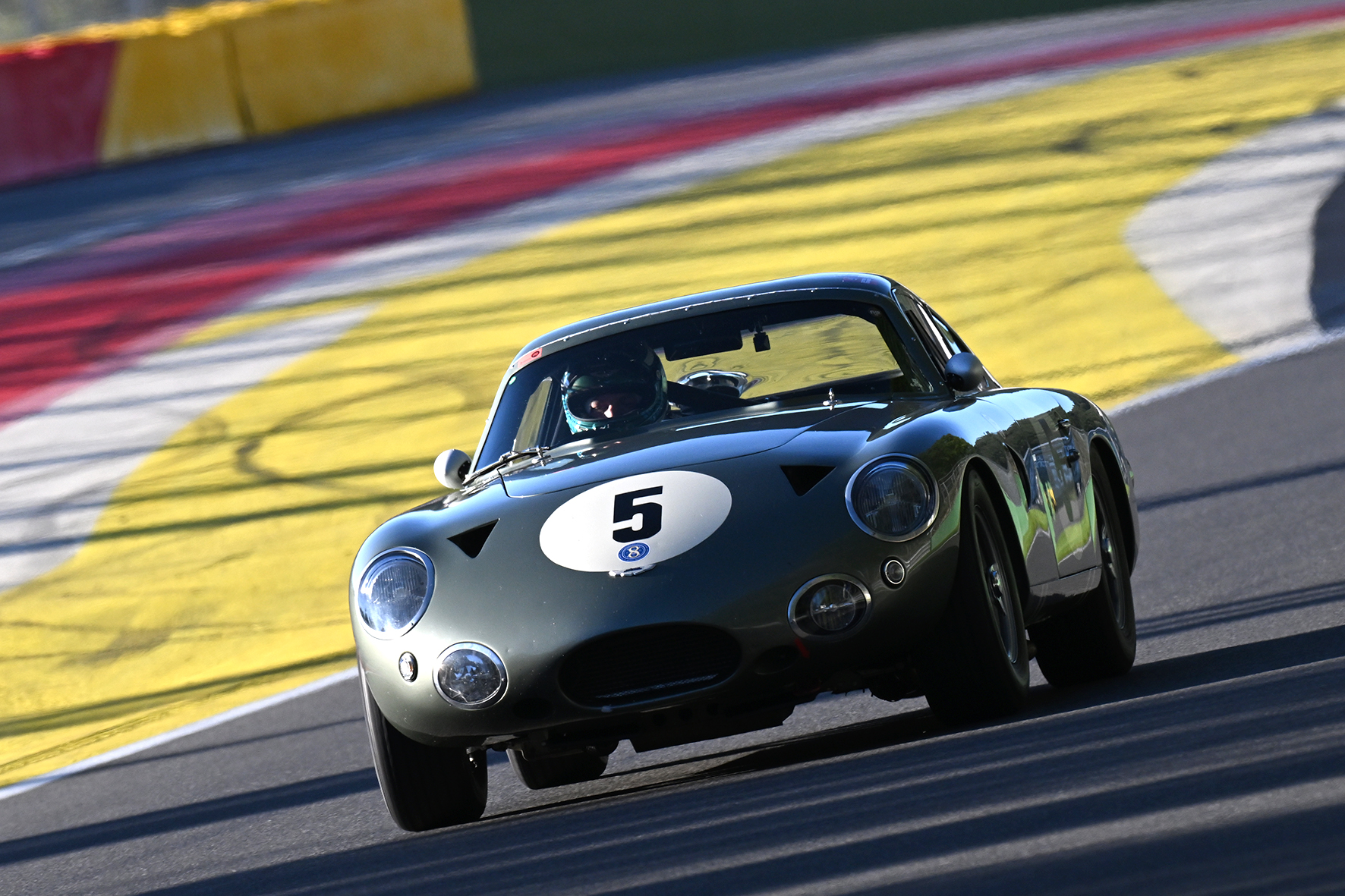
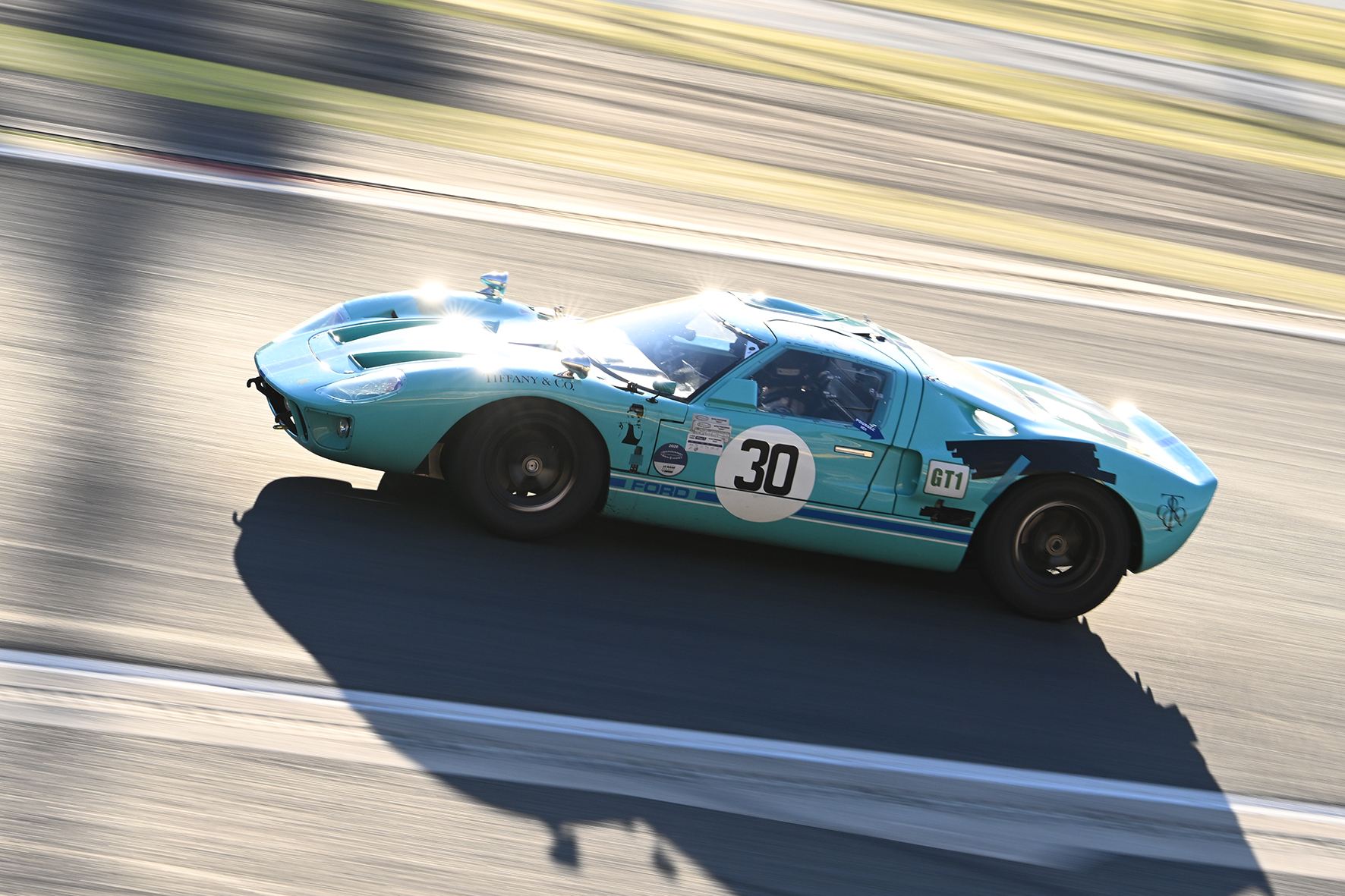
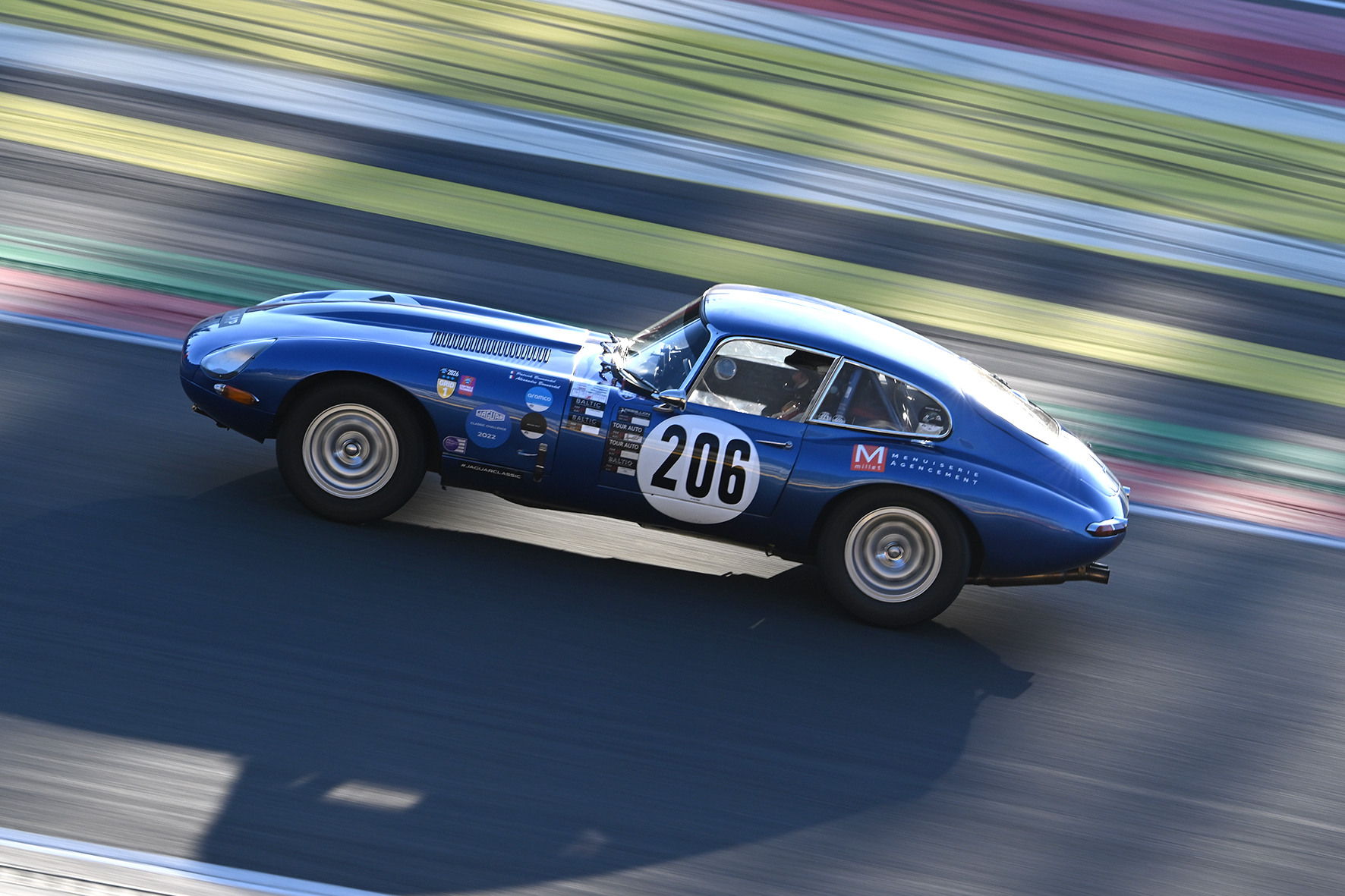
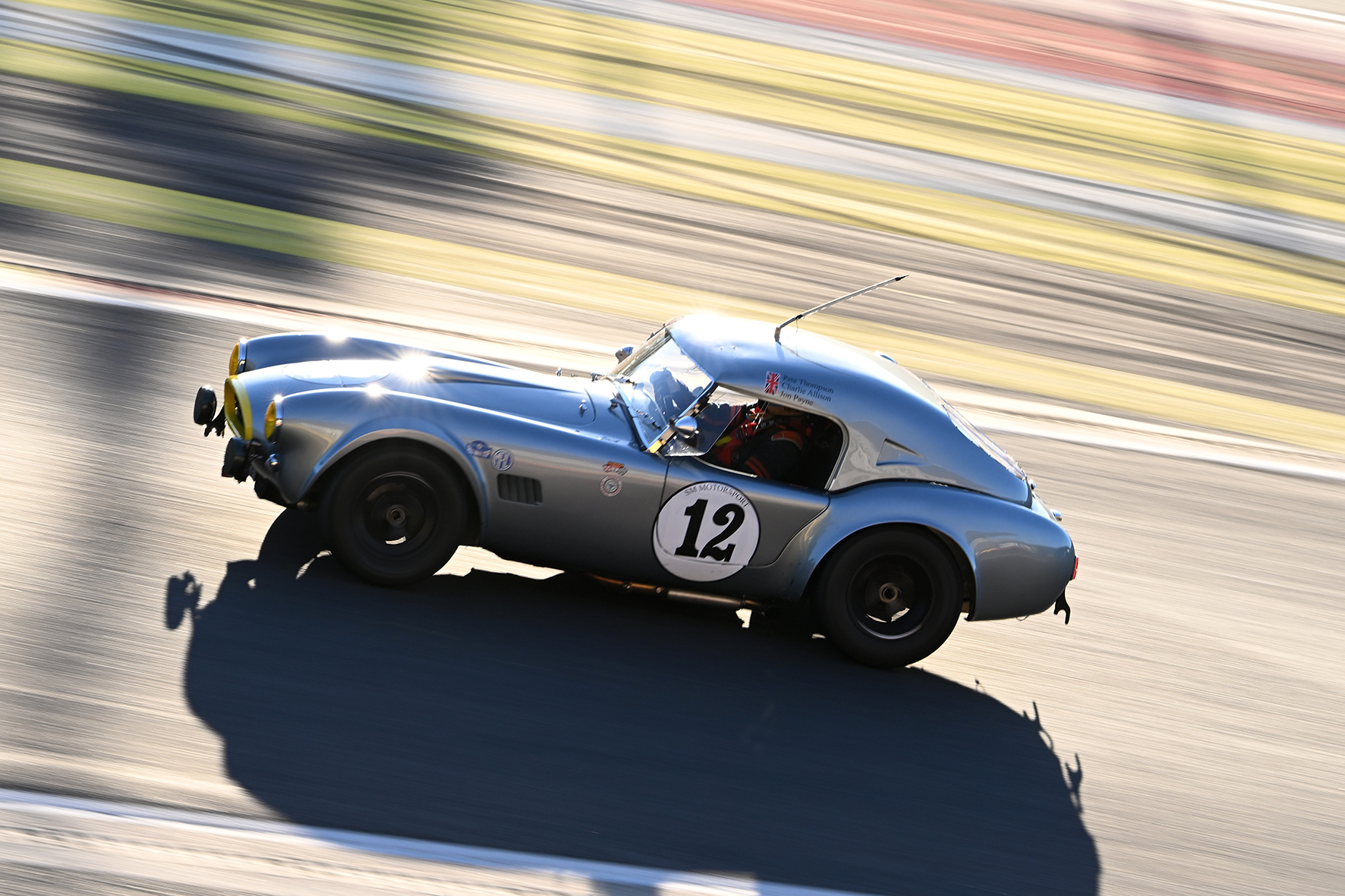
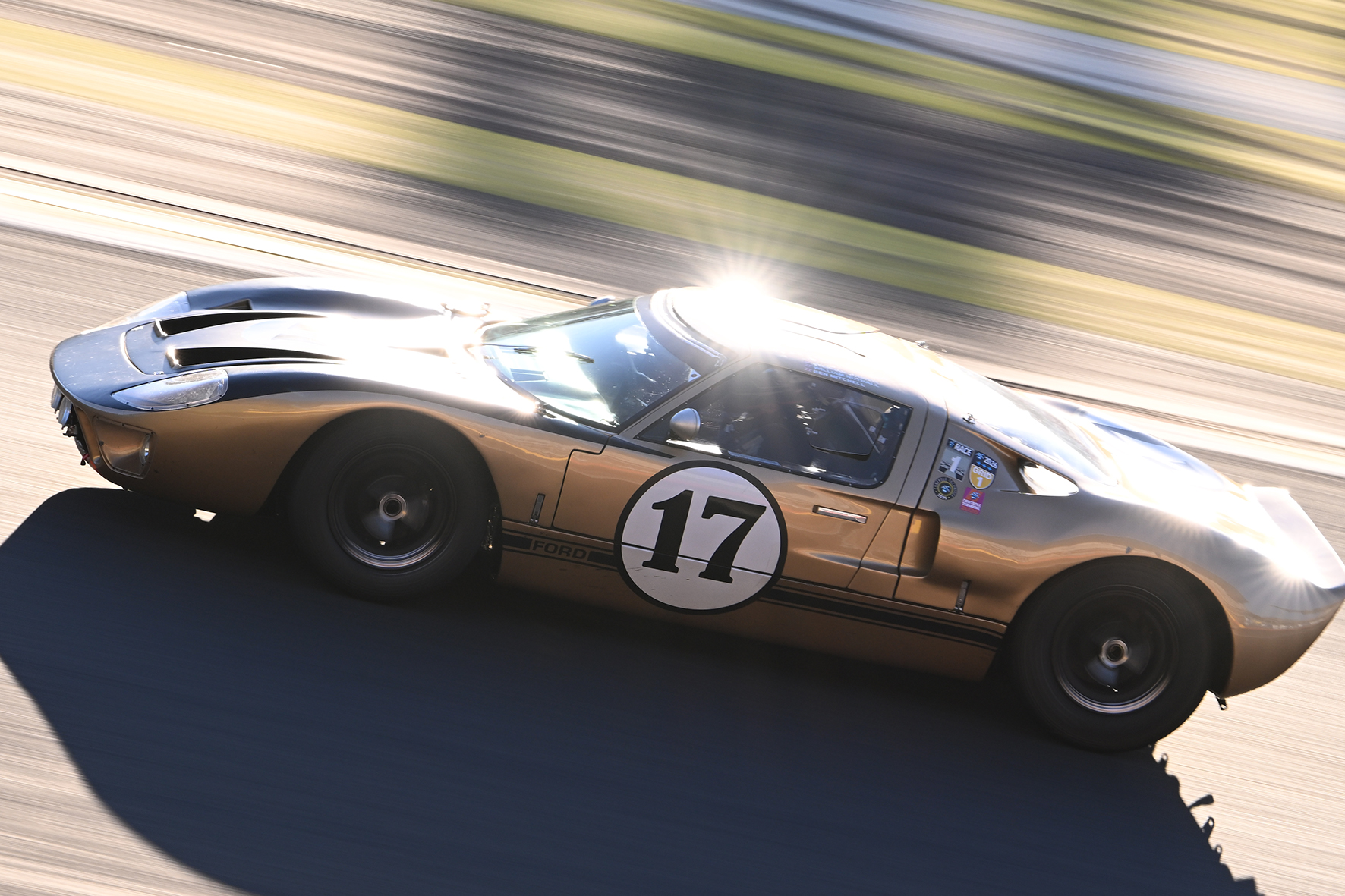
The Spa Six Hours has something to offer for everyone, but above all, historic motorsport at its finest. As a spectator, you might sometimes think world championship titles were at stake in the various classes, but above all, it’s really about glory and honour. The drivers’ ambition is truly impressive, and the effort put in by some of them is highly professional. The paddock at the Historic Formula Junior best evokes the ‘good old days’. Simple campervans with trailers and tents, usually just the driver and his wife – motor racing just as it used to be. At the Six Hours Race, it’s quite different; here, the big teams are dominated by laptops, electronic pit boards and a large support crew. An endurance race simply requires this level of effort.
For any motorsport enthusiast, the Spa Six Hours is an absolute must-see – an event that still seems to be underrated and deserves a much larger audience. Every day offers a wonderful opportunity to get up close to the action both on and off the track. The surrounding Ardennes countryside is fantastic, and this year the weather was more than good. I’ve been covering this historic motorsport event for more than fifteen years now and have never been disappointed; on the contrary, the Spa Six Hours is always a special occasion for me to pack my camera bag and capture the atmosphere in photographs.
Be there next year when the action gets underway again at Spa-Francorchamps.