At this year’s Oldtimer Grand Prix at the Nürburgring, I had an encounter that was both rare and strange. On Thursday, the day before the event officially began, I was walking up and down the pit lane, looking over my shoulder with my cameras to see if there was anything exciting to discover.
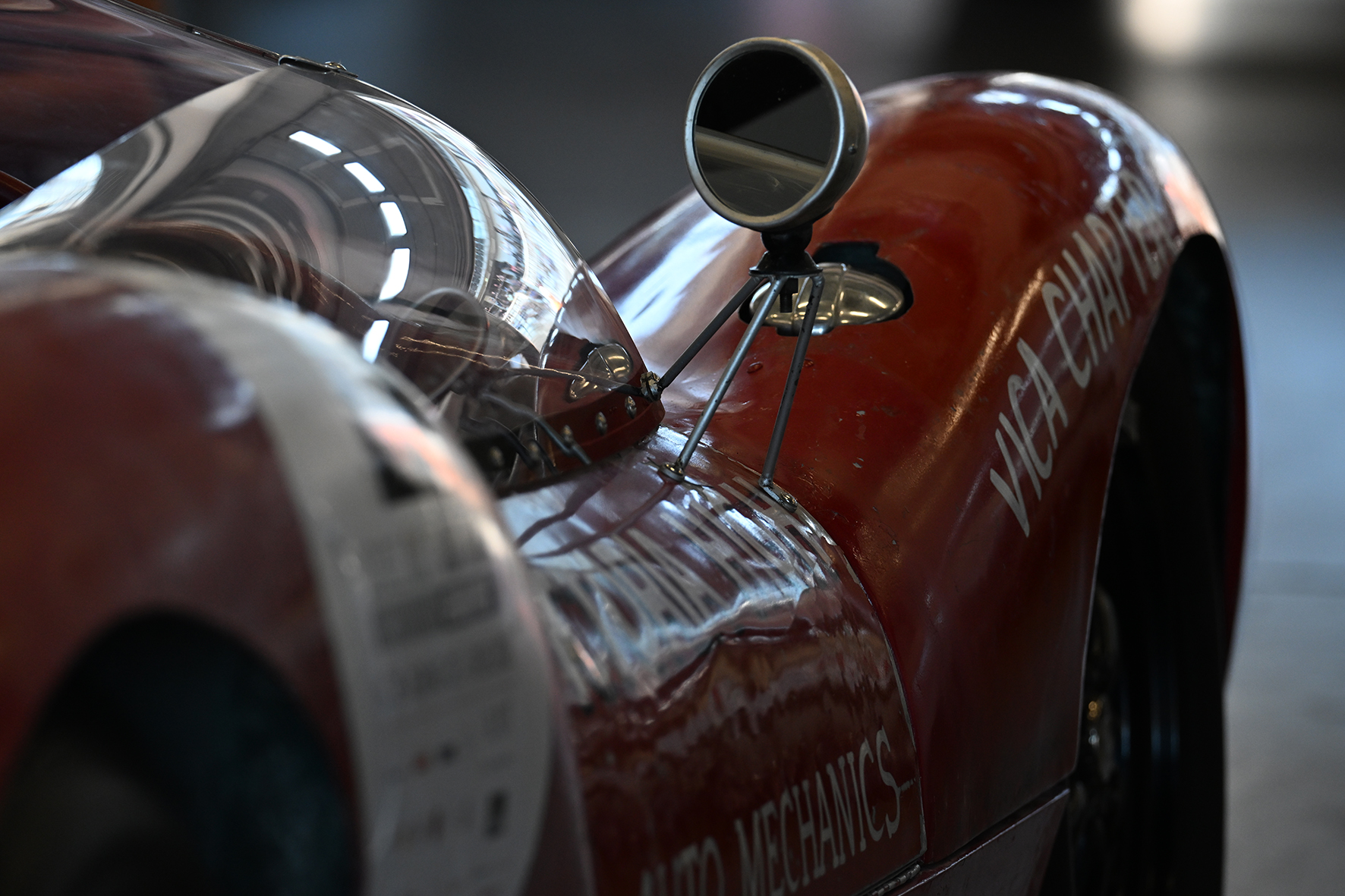
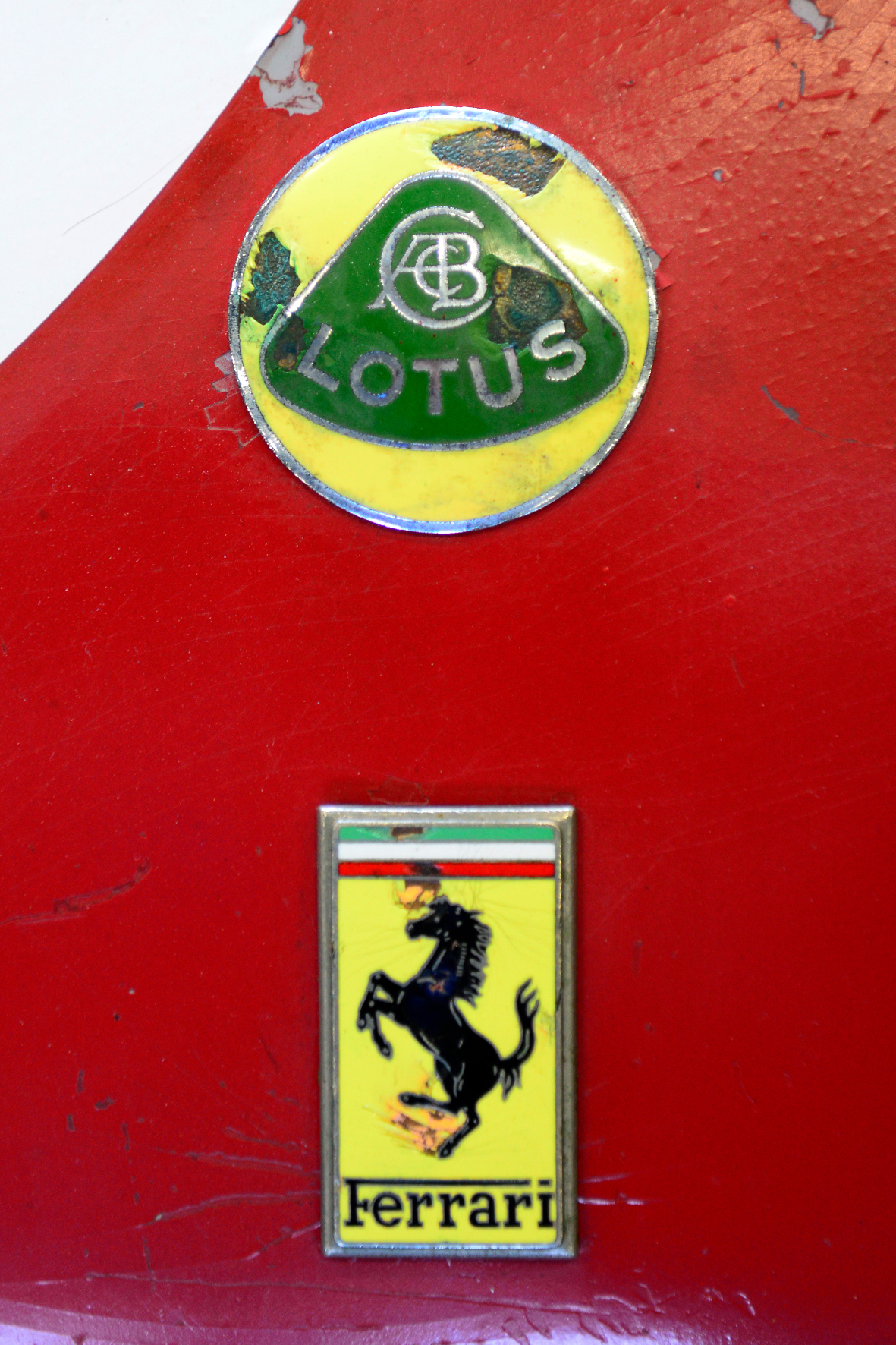
In one pit, I then spotted the bonnet of a two-seater racing car, clearly from the 1960s, lying on the ground. Behind it, propped up on jack stands, stood a chassis that looked very delicate. From a distance, I spotted the Ferrari logo on the bonnet, but above it was another logo that I didn’t recognise at first. The bonnet was painted red, so I assumed it was a beautiful old Ferrari. I moved closer to get a better look at the other logo. It was the yellow and green Lotus logo. At first, of course, I was a bit confused.
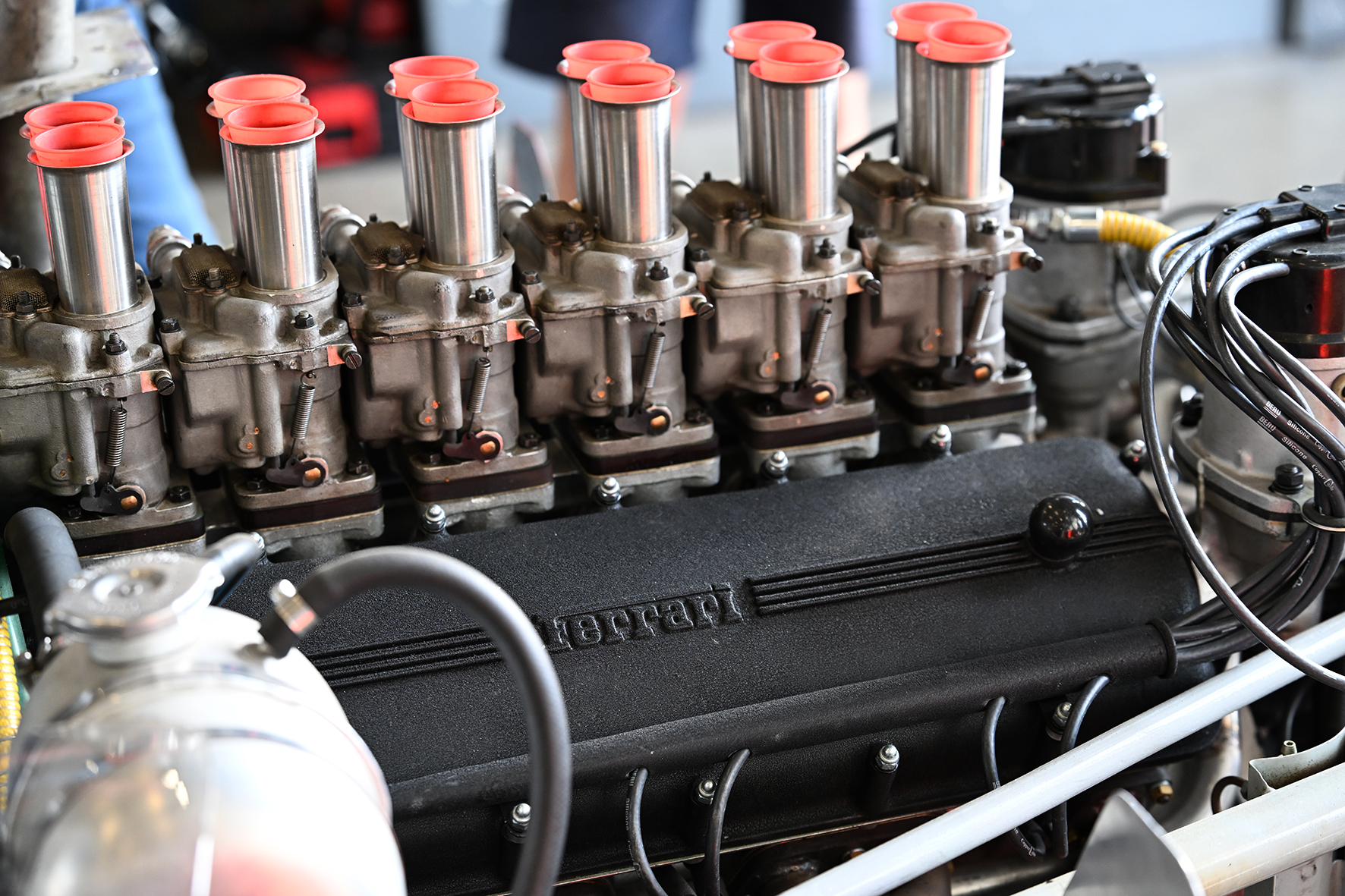
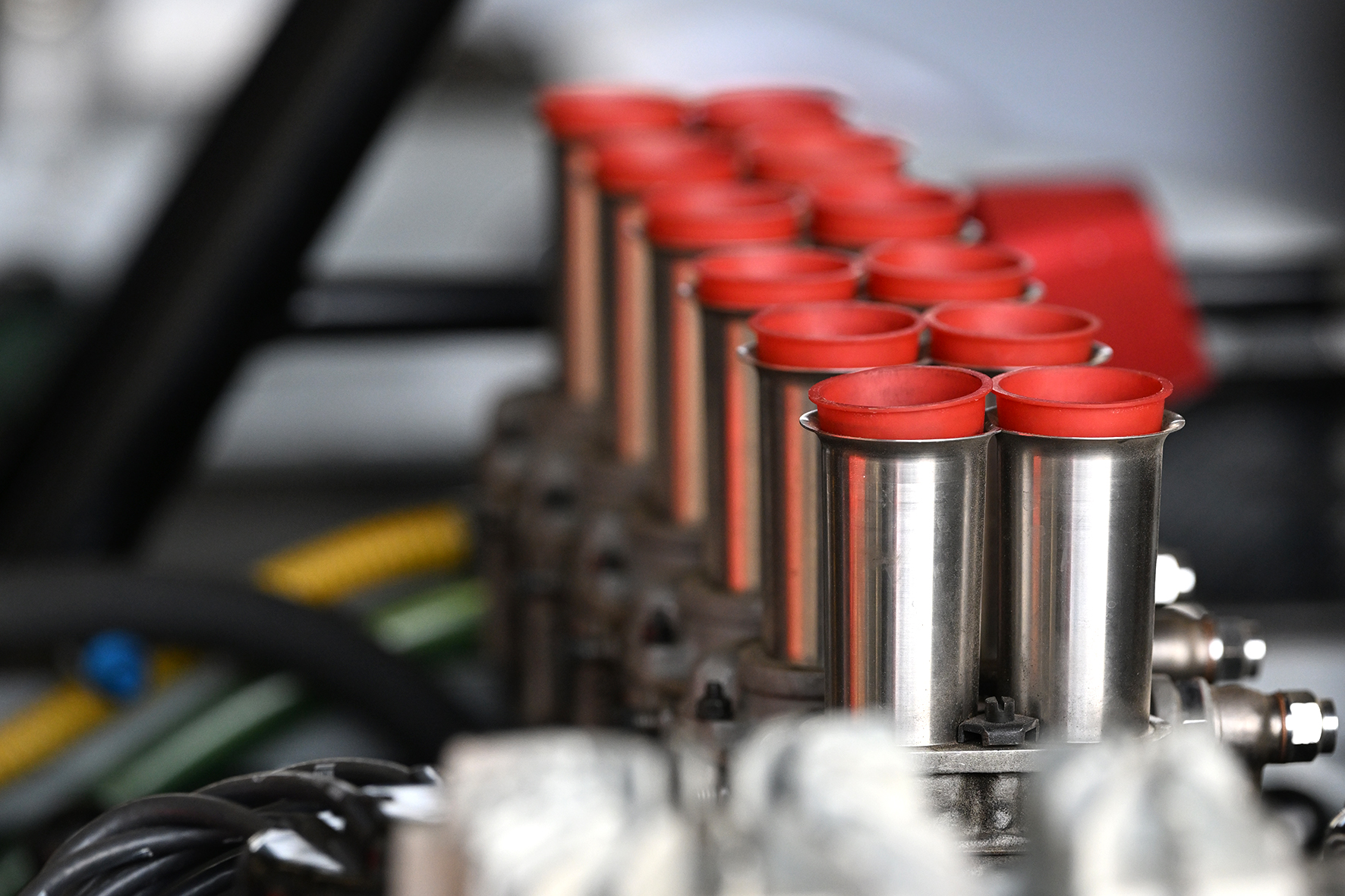
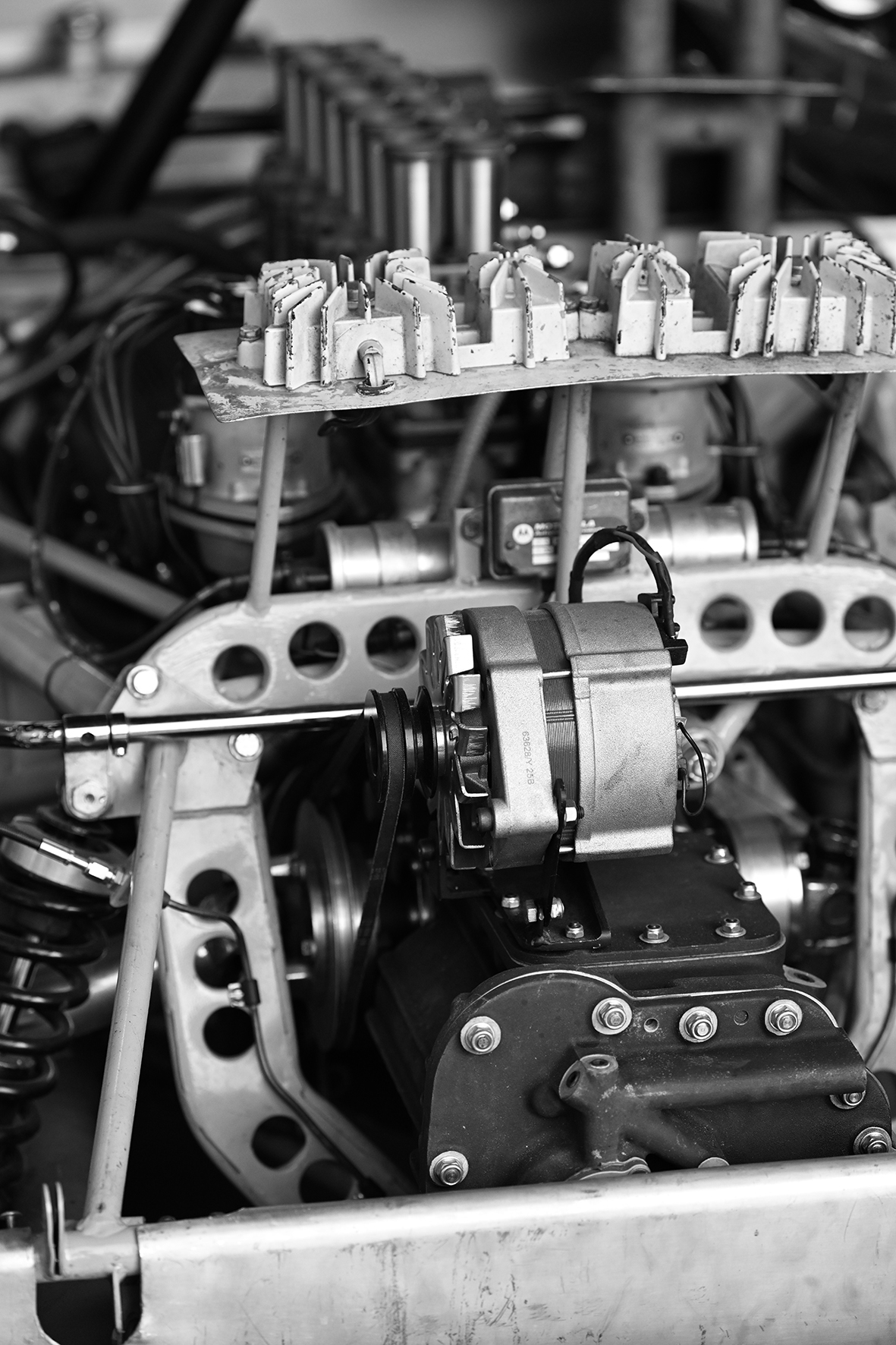
On closer inspection, I then recognised a Lotus 19, a truly beautiful racing car. The rear bonnet had also been removed, so I could see the Colombo Ferrari 12-cylinder engine up close. Somehow it all seemed a bit odd. On the one hand, the brutal lightweight construction for which Colin Chapman’s designs have always been notorious; on the other, the Ferrari engine, which somehow seemed heavy and out of proportion.
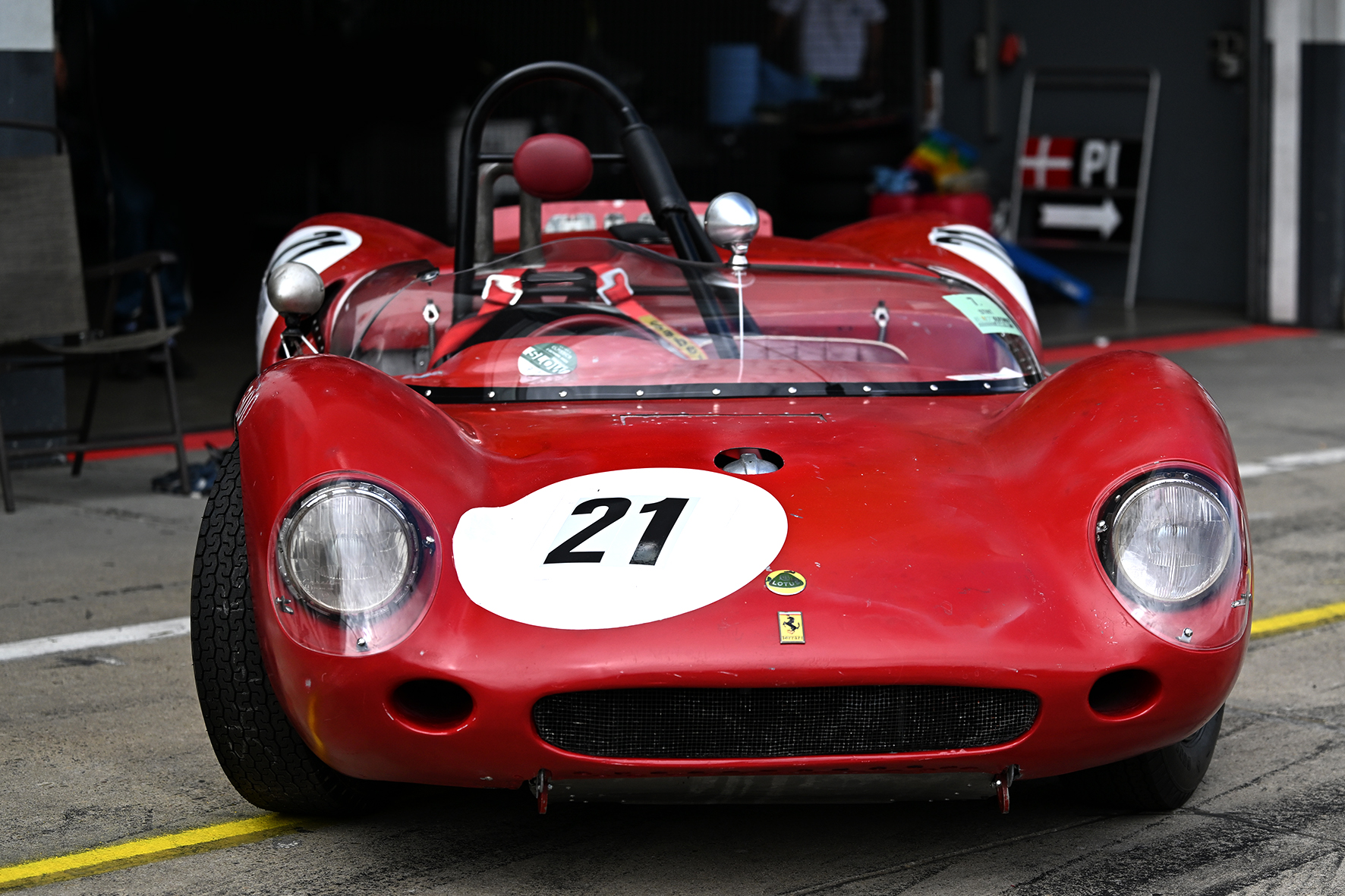
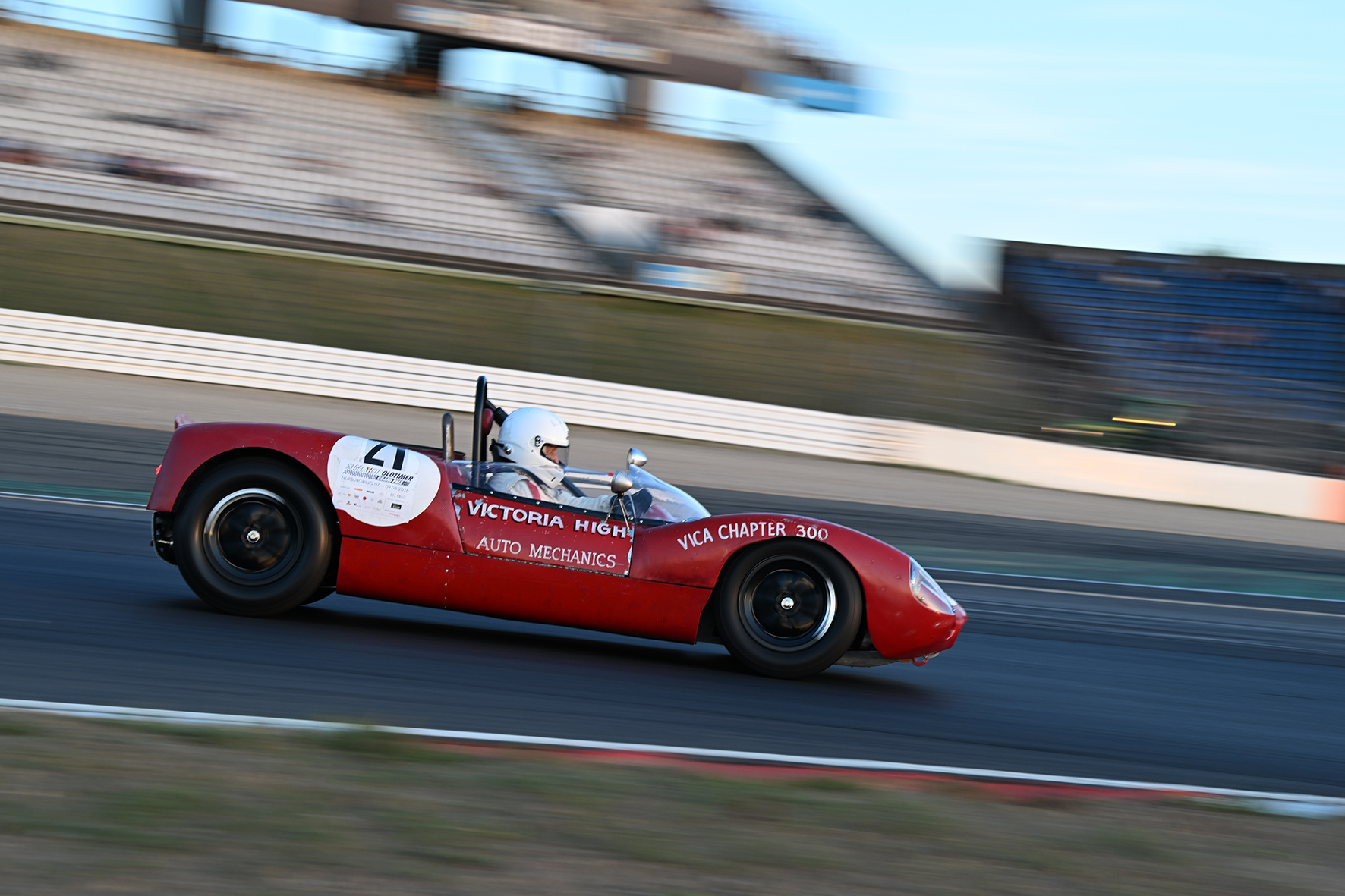
But it all made sense, and on the track during the evening race for two-seater sports cars and GTs, it worked flawlessly. With its two drivers, Otto Reedtz-Thott and Jacob Viggo Holstein from Denmark, the car achieved a very good ninth place in the overall standings and victory in the GT/GTS4 class; in qualifying, they were even the third fastest.
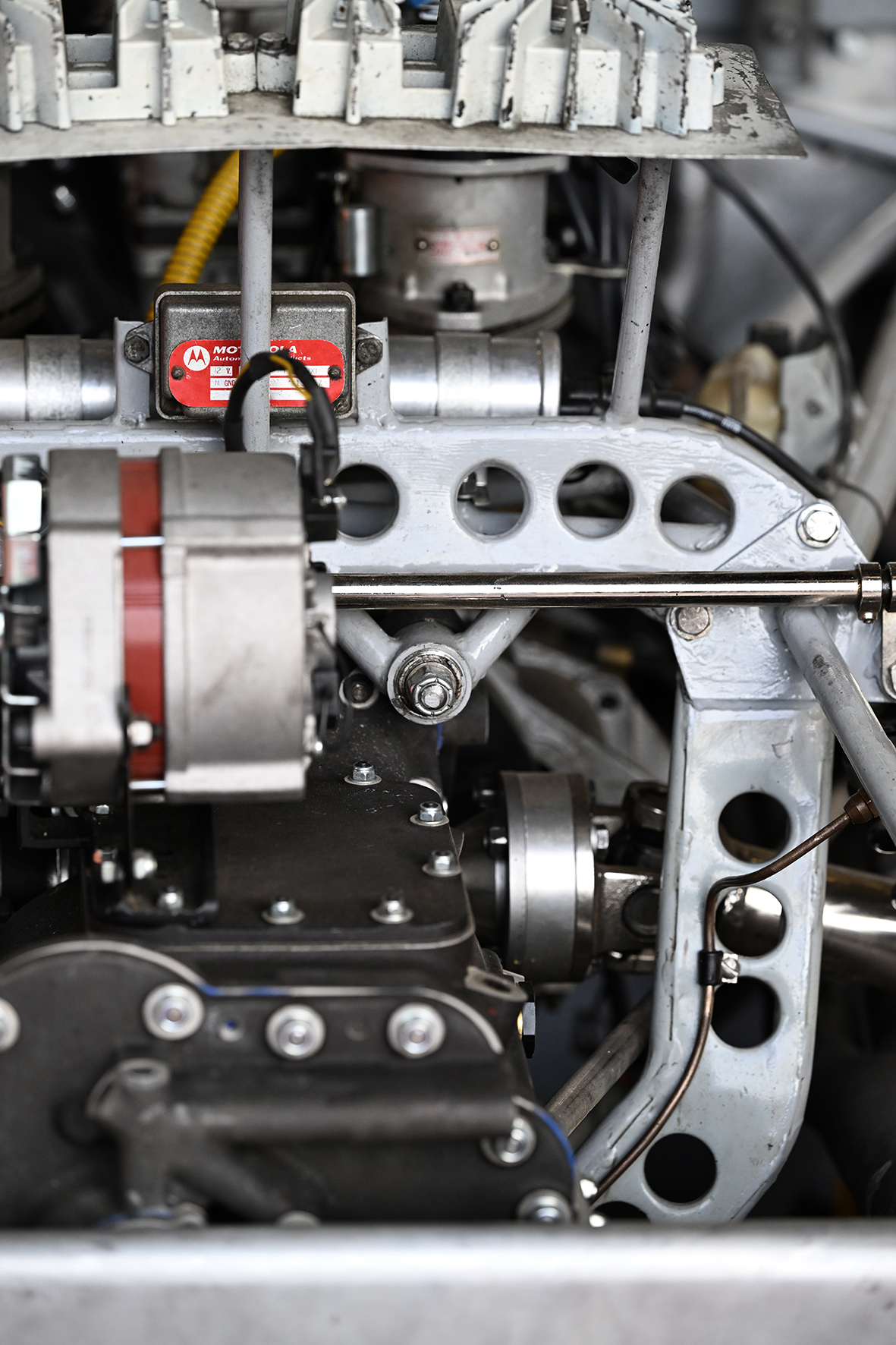
Returning to the Lotus 19, this design was the successor to the rather unsuccessful and, above all, rather unreliable Lotus 15. It is thought that between 1960 and 1962, 17 Lotus 19s were built, with chassis numbers ranging from #950 to #966. The Lotus 19 was designed as an open, two-seater racing car with a fibreglass body and rear-wheel drive. The engine was mounted directly behind the driver, following the mid-engine concept. The chassis consisted of a tubular space-frame with riveted aluminium panels in the cockpit area. The design complied with the Group 4 Sports Cars regulations of the time. Colin Chapman nicknamed the Lotus 19 ‘Monaco’ in memory of Sir Stirling Moss’s victory at the 1960 Monaco Grand Prix in the Lotus 18; it was the first Grand Prix victory for a Lotus Formula 1 racing car.
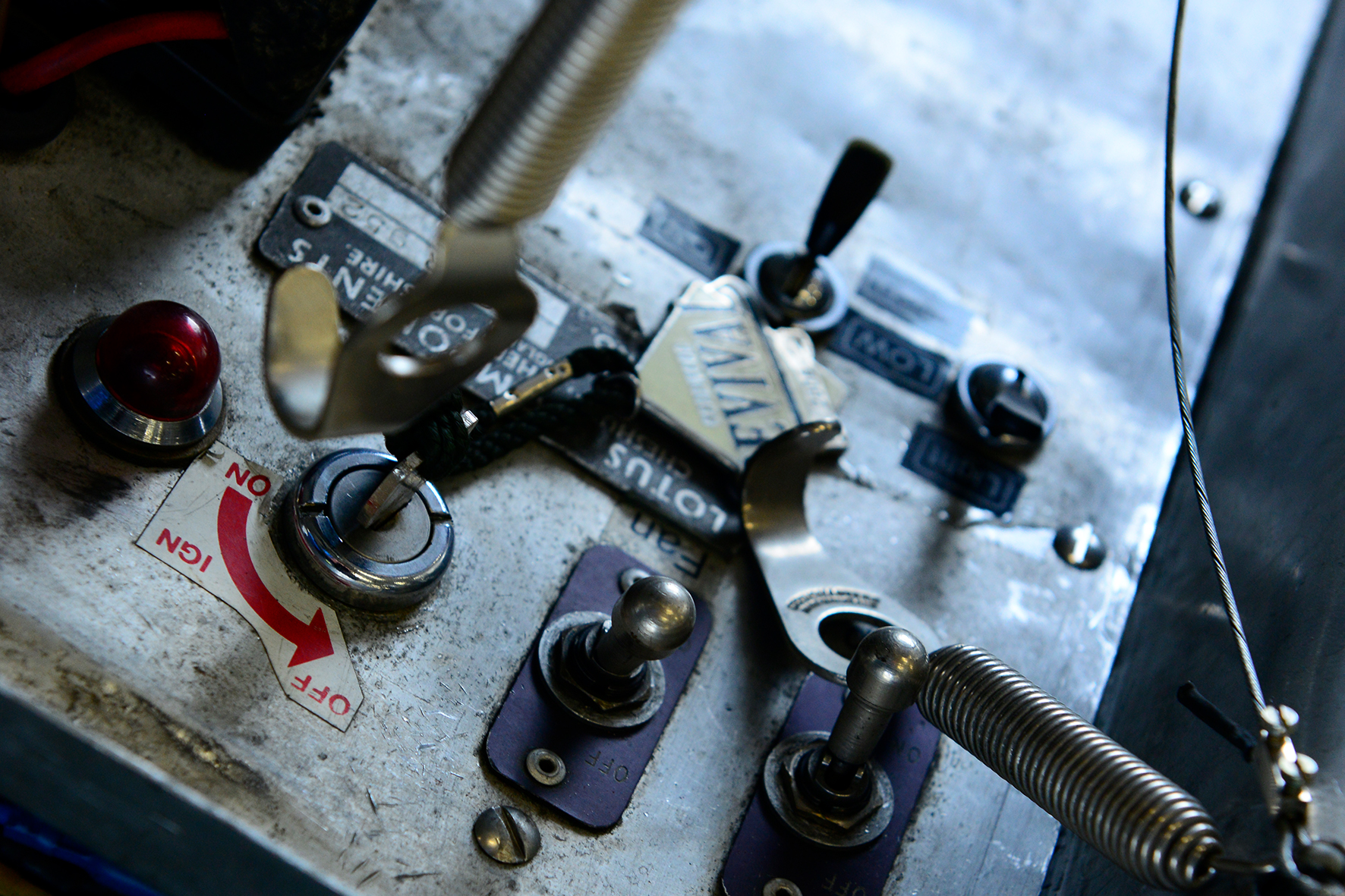
Originally, the car described here, with chassis number #952, was delivered in light green – the color of the British Racing Partnership – and fitted with a Coventry Climax engine. #952 was later sold to the Rosebud team. The Lotus 19 was frequently entered in races across North America, driven by famous drivers such as Stirling Moss, Pedro Rodriguez and Innes Ireland. Towards the end of 1962, Jock Ross – who was the chief mechanic of the Rosebud team – realised that the 2.5-litre Coventry Climax FPF engine no longer had enough power and was therefore no longer competitive. The other competitors in these races had more powerful engines with greater torque and displacement.
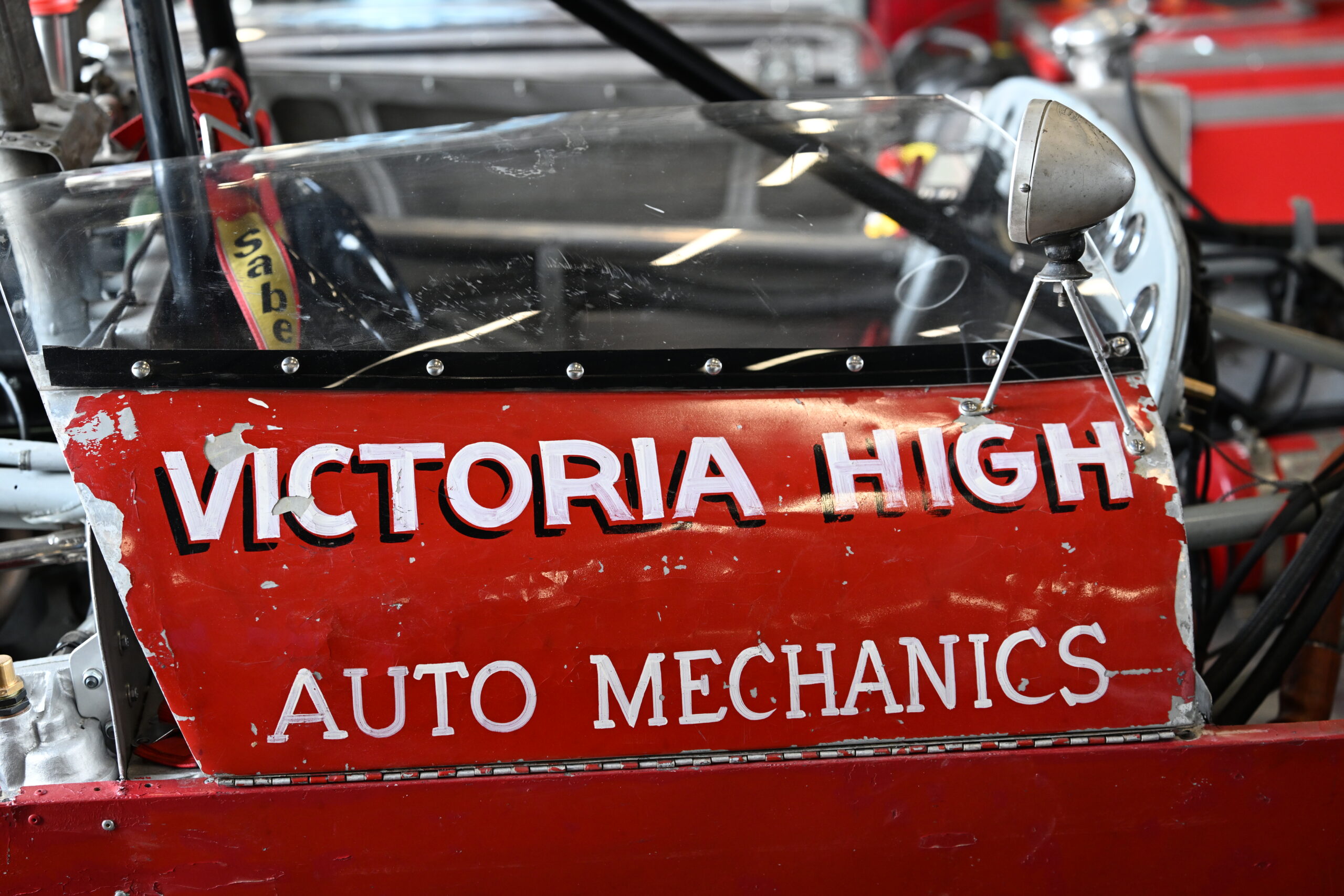
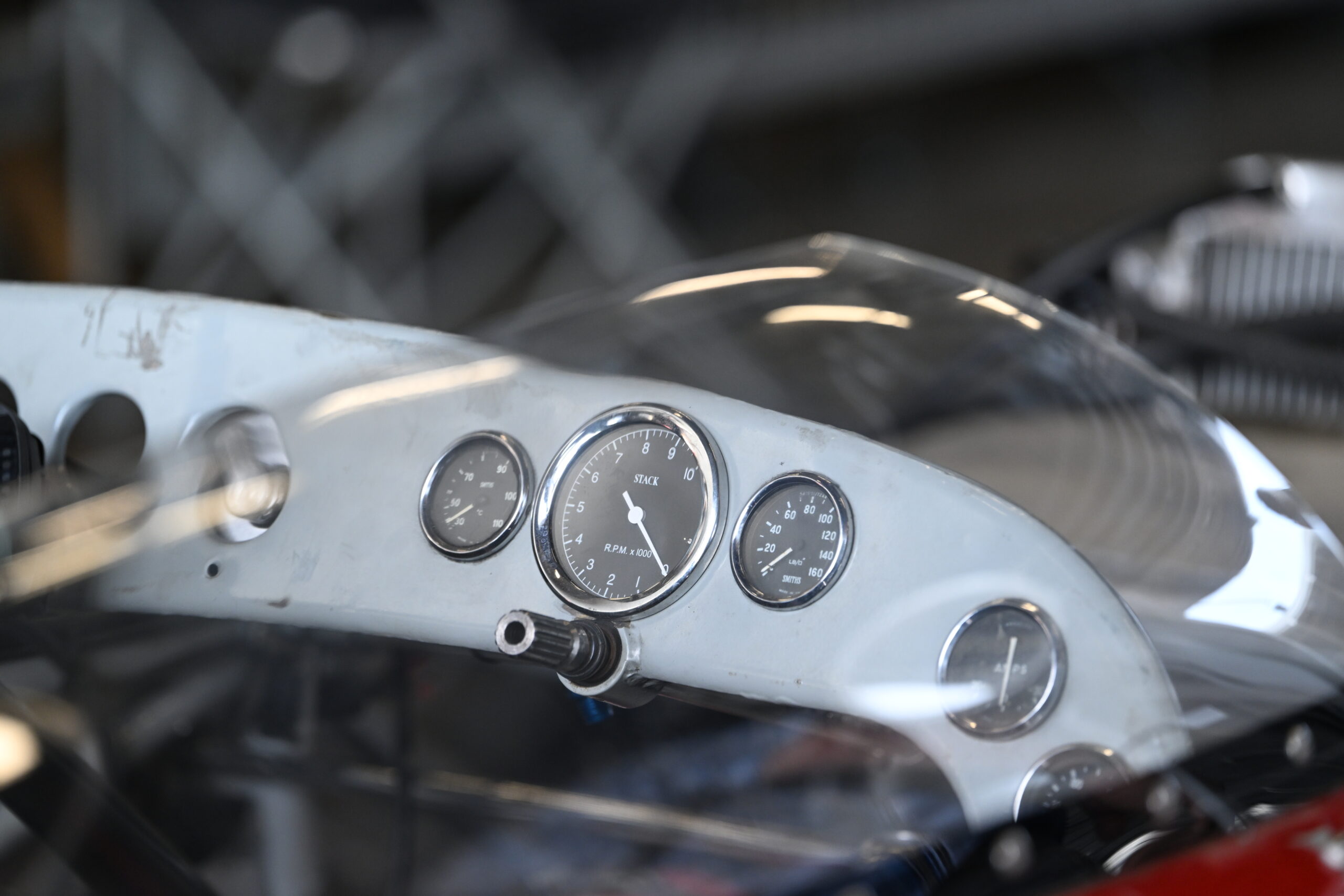
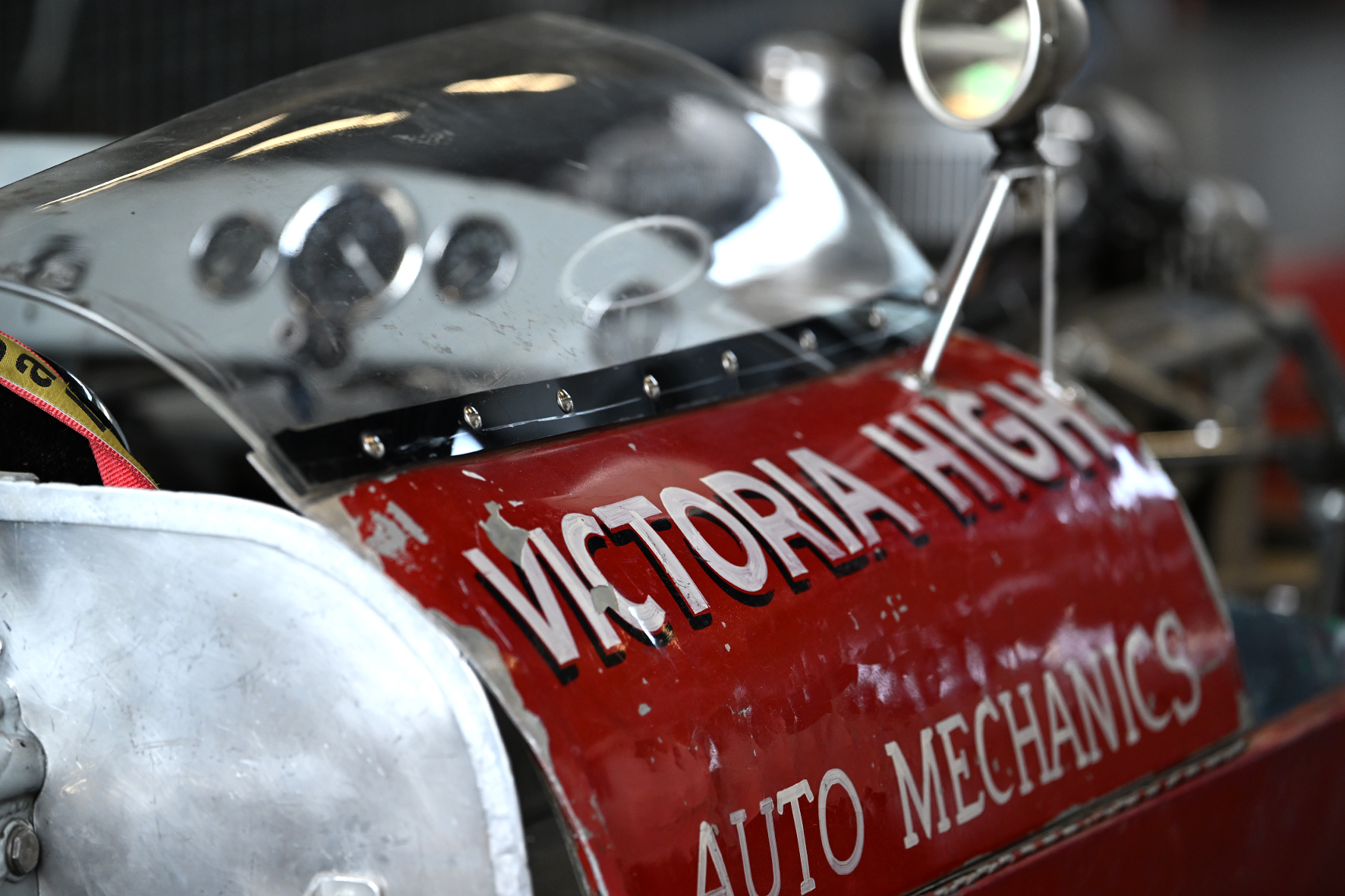
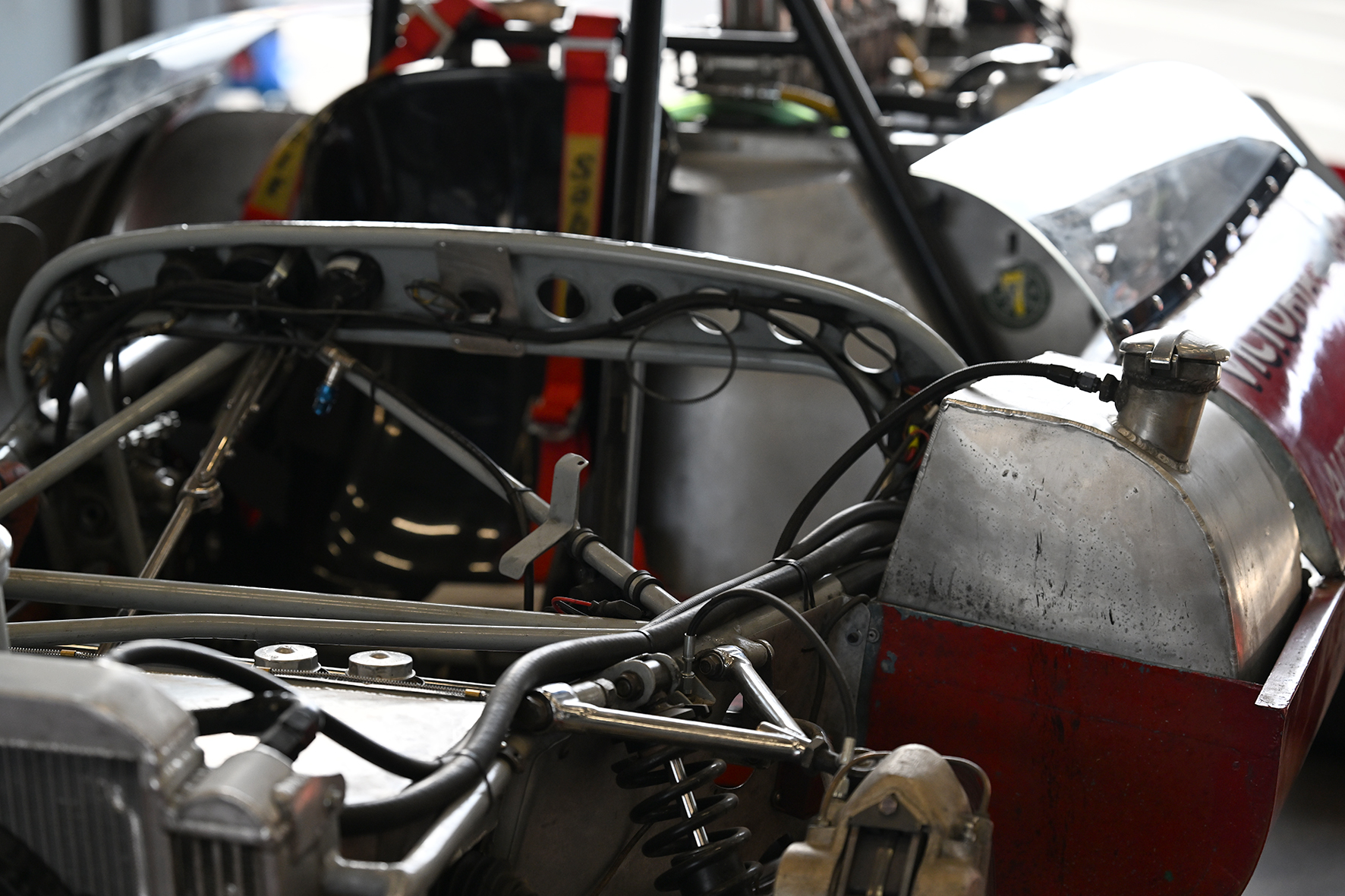
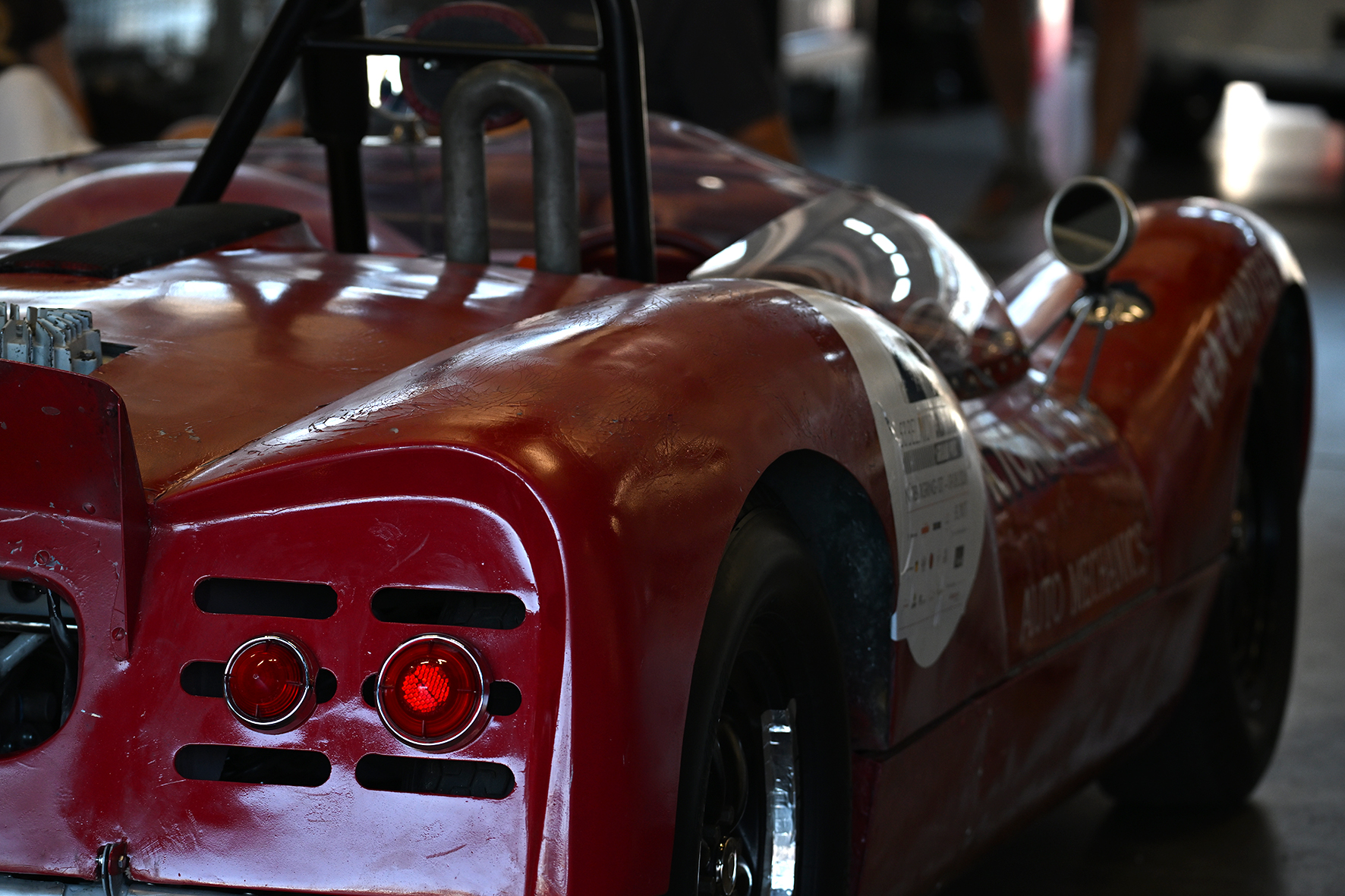
This led to the crazy idea of fitting a 3-litre Ferrari V-12 from a Ferrari 250TR into the small chassis of the Lotus 19 #952. It is worth noting that, at that time, there was only one mid-engined Ferrari in existence: the 250P.
It was a bit like trying to squeeze your feet into shoes that were too small, but in the end it was the engineers’ brilliant work that managed to fit the engine – which was essentially far too big – into the small Lotus. From then on, this special racing car was known as the Lotus 19 Ferrari and proudly displayed both companies’ logos on the bonnet.
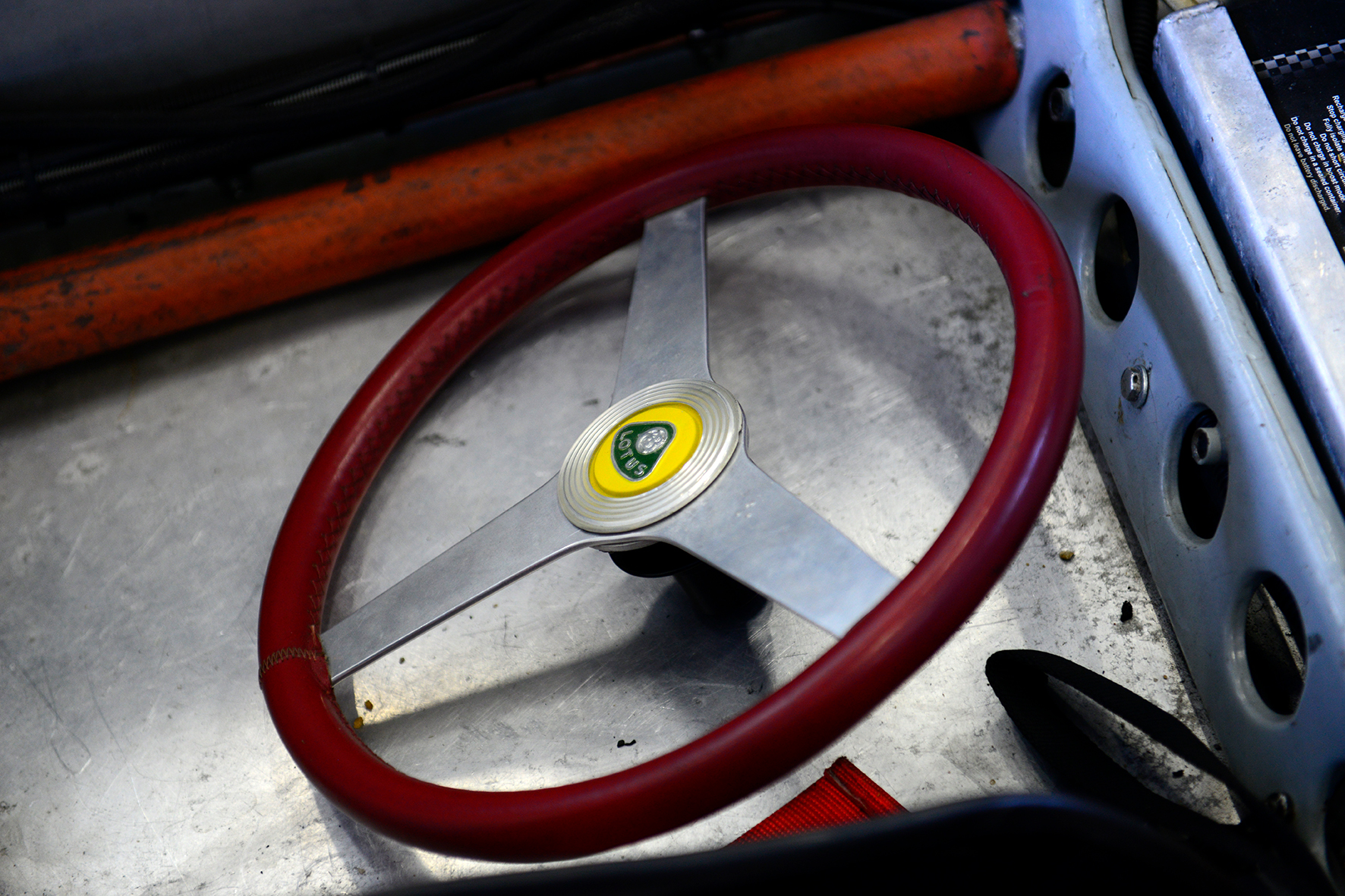
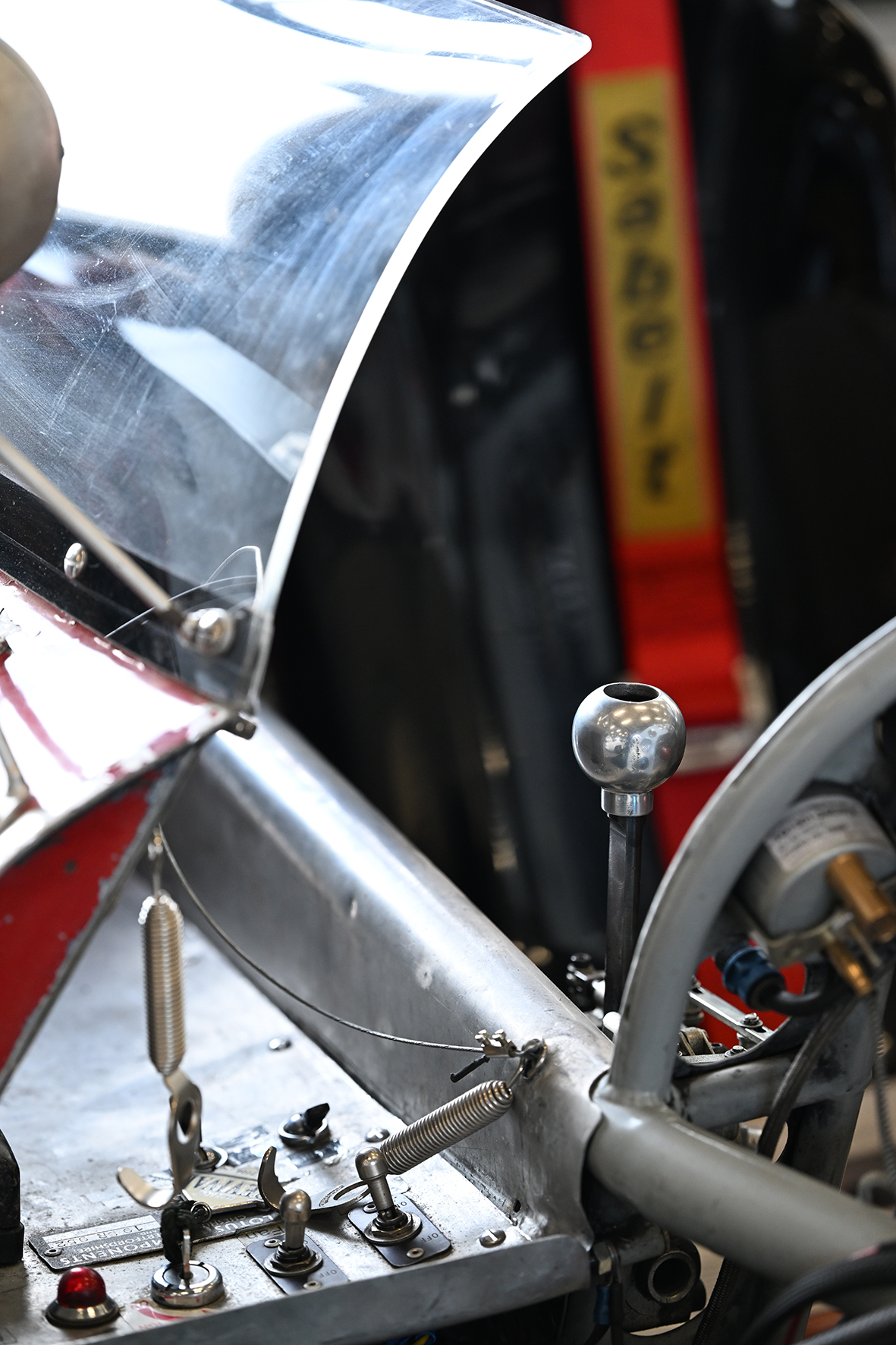
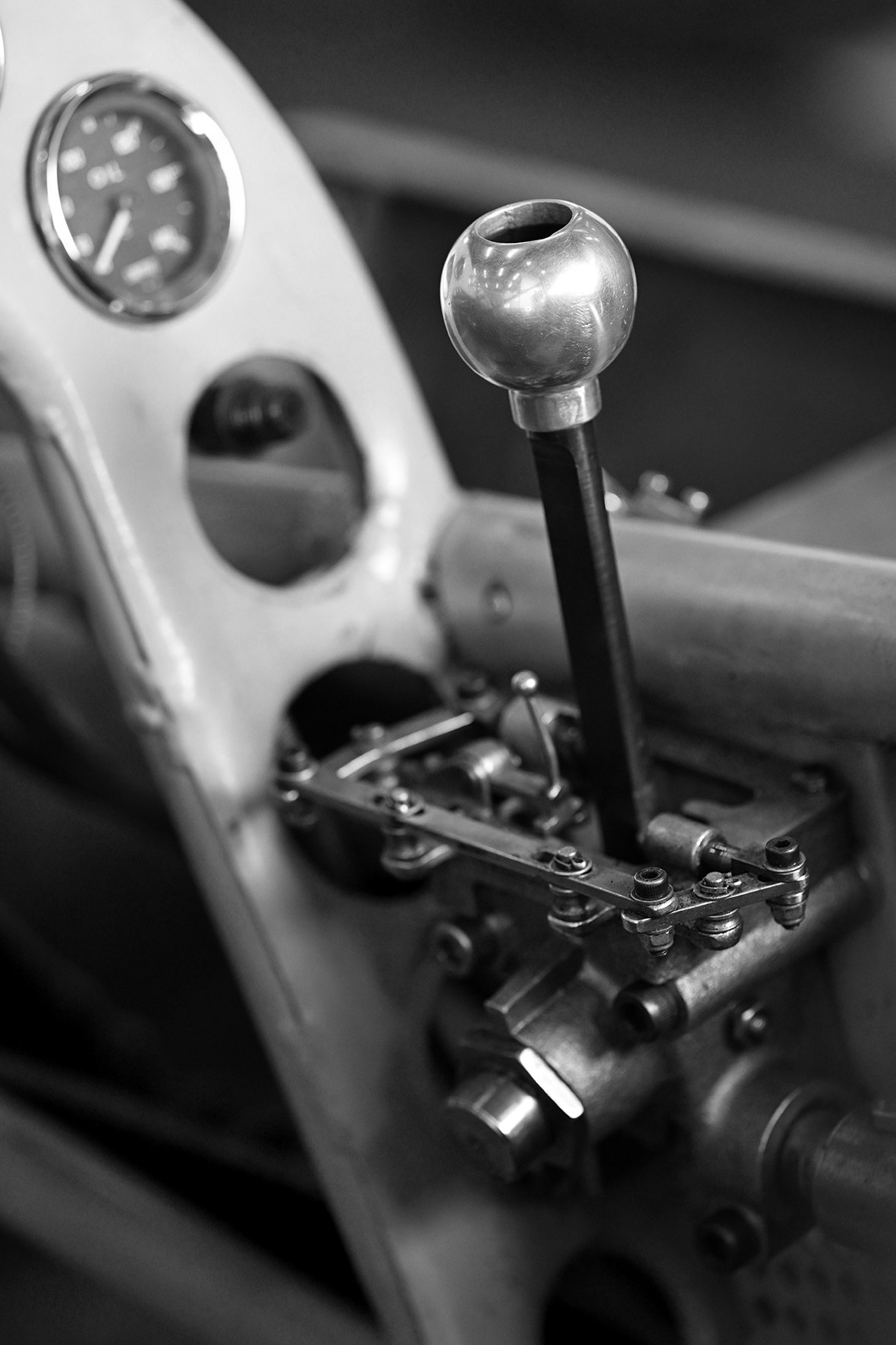
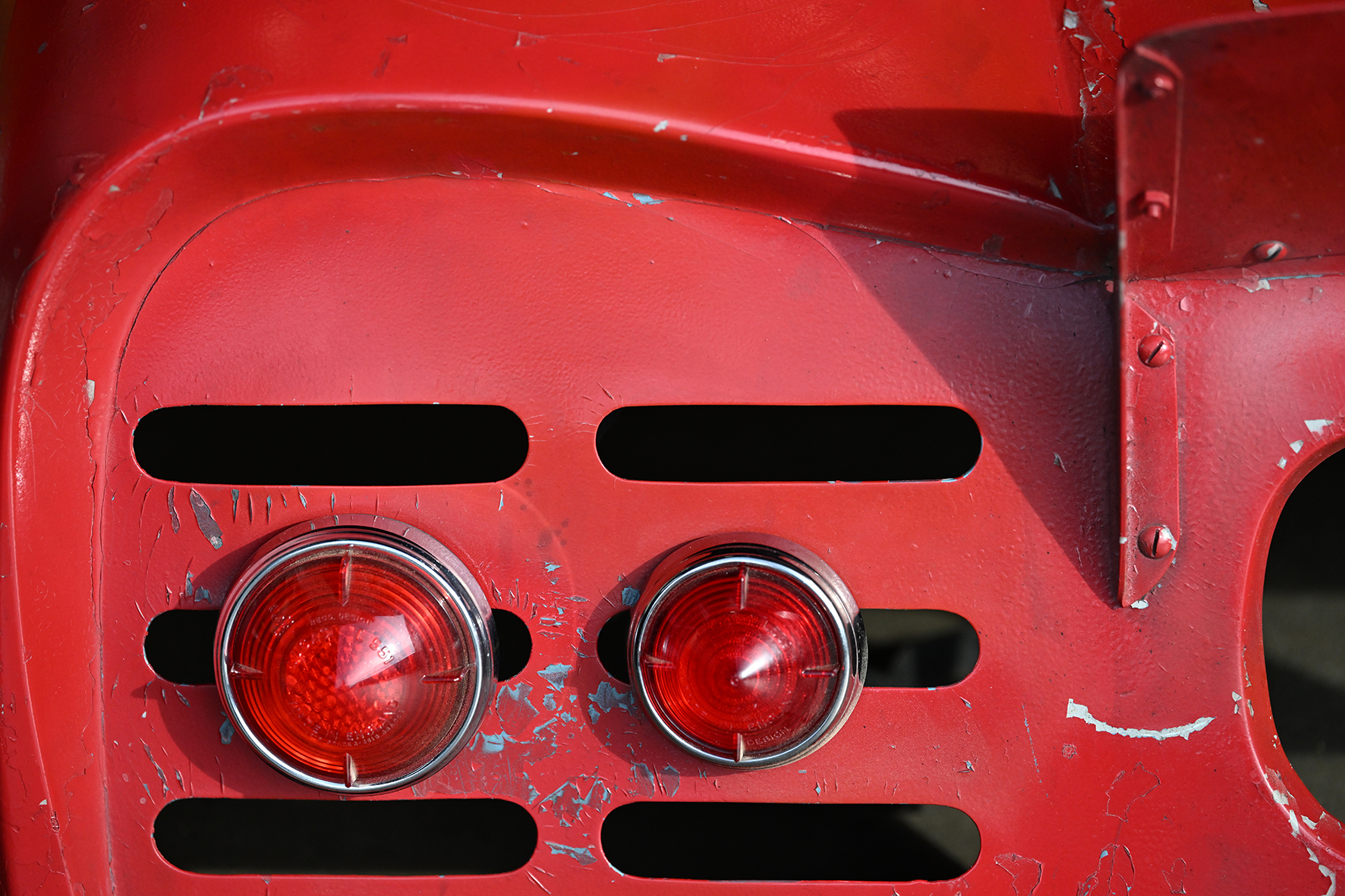
In its unrestored condition – you can really tell the Lotus 19 Ferrari’s age, particularly from the bodywork – this racing car is, despite everything, a real eye-catcher. The sound is, of course, unique too: that typical Ferrari sound.
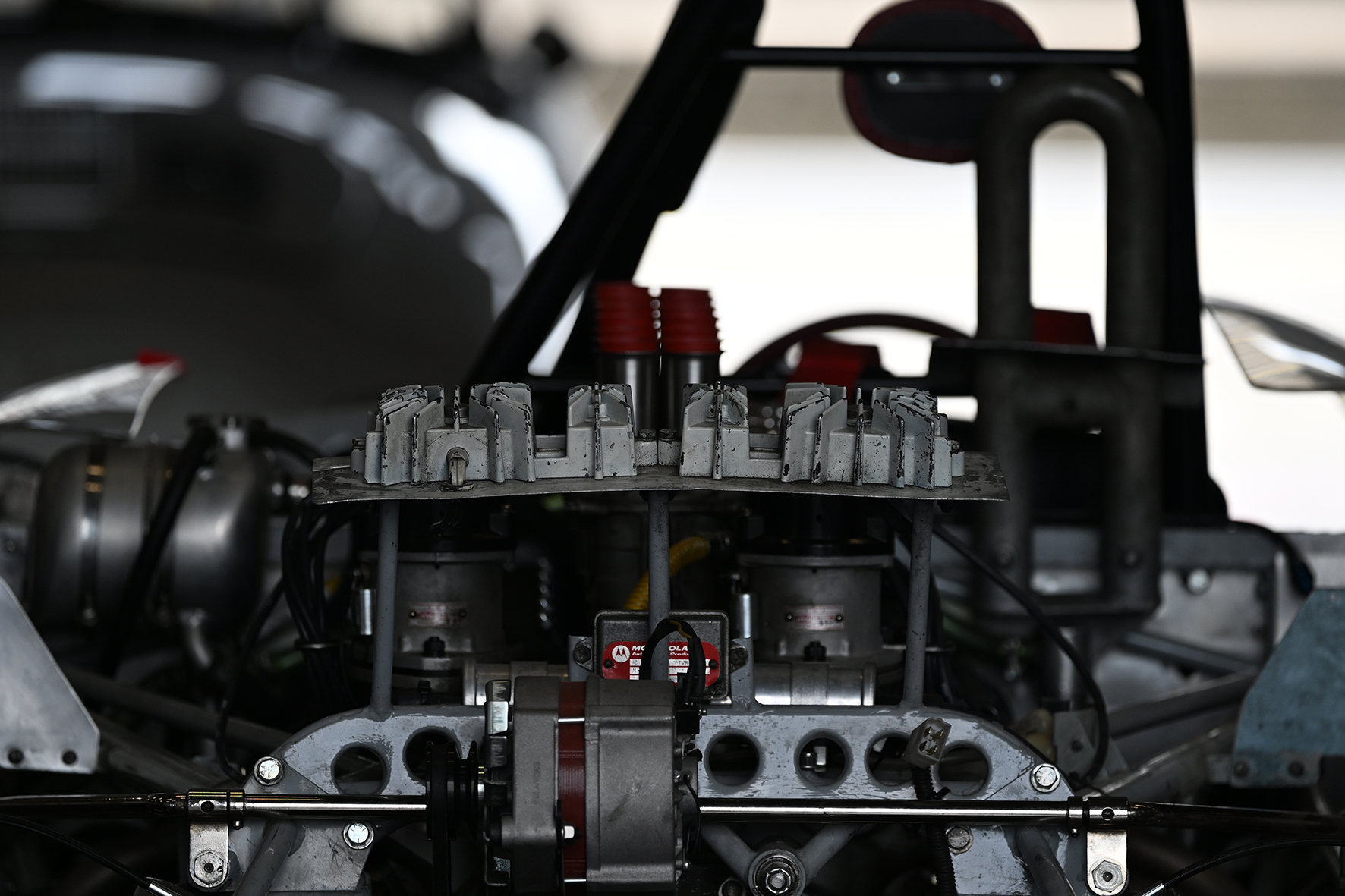
I’ve been involved in historic motorsport for a very long time; sometimes there are still lovely surprises to be found amongst the participants at these events. This Lotus 19 Ferrari, with chassis number #952, is undoubtedly one of them.