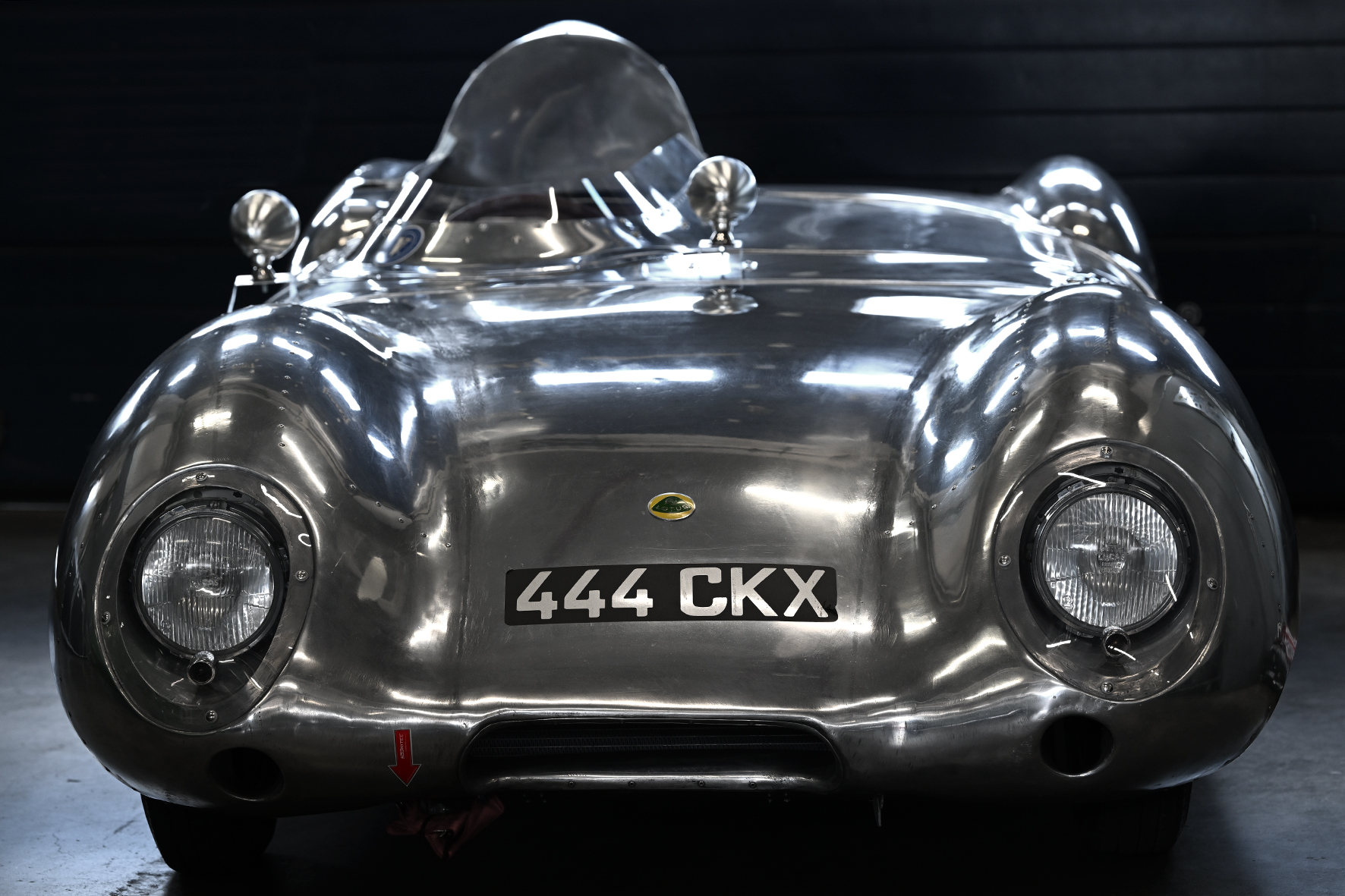
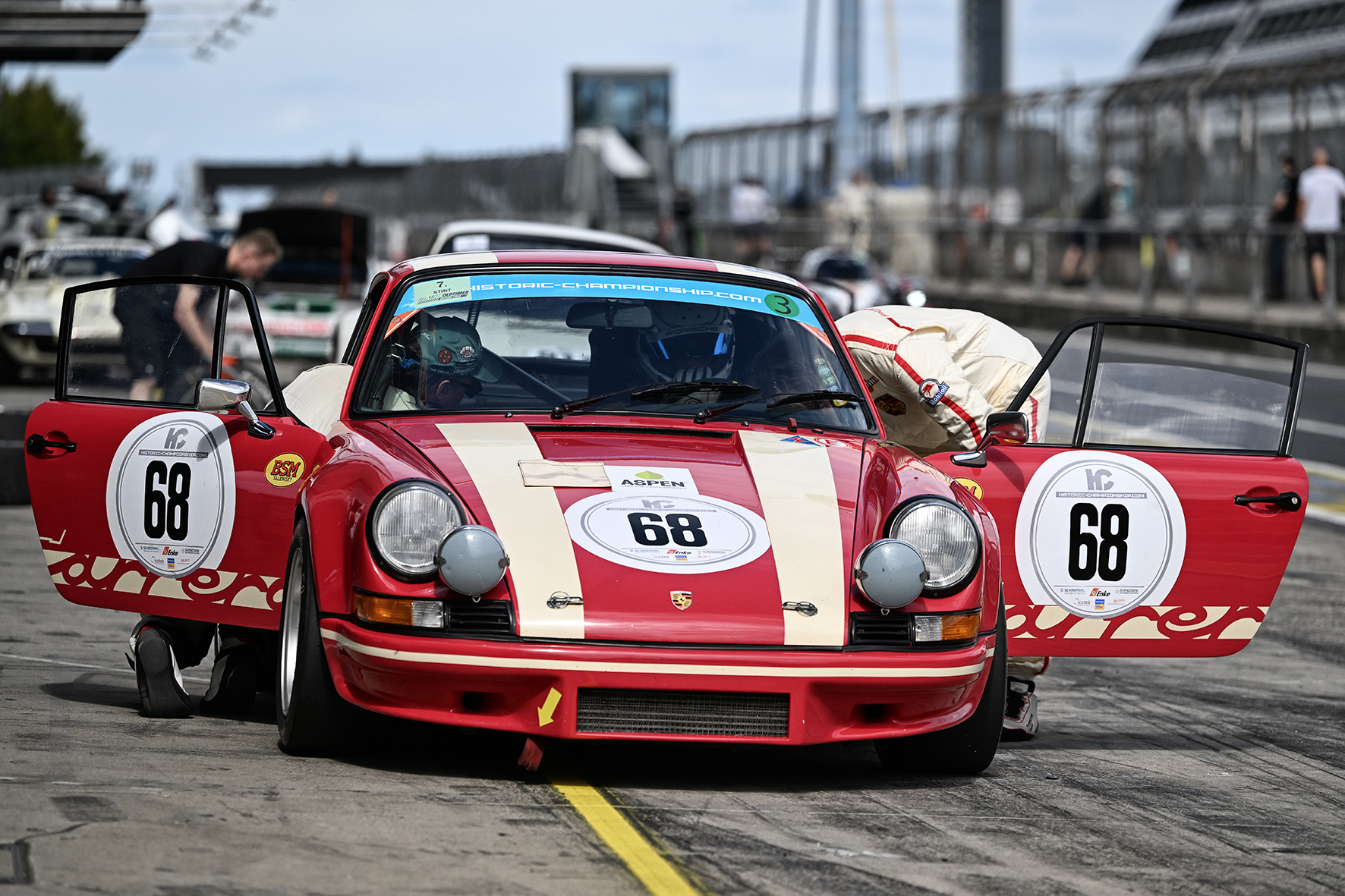
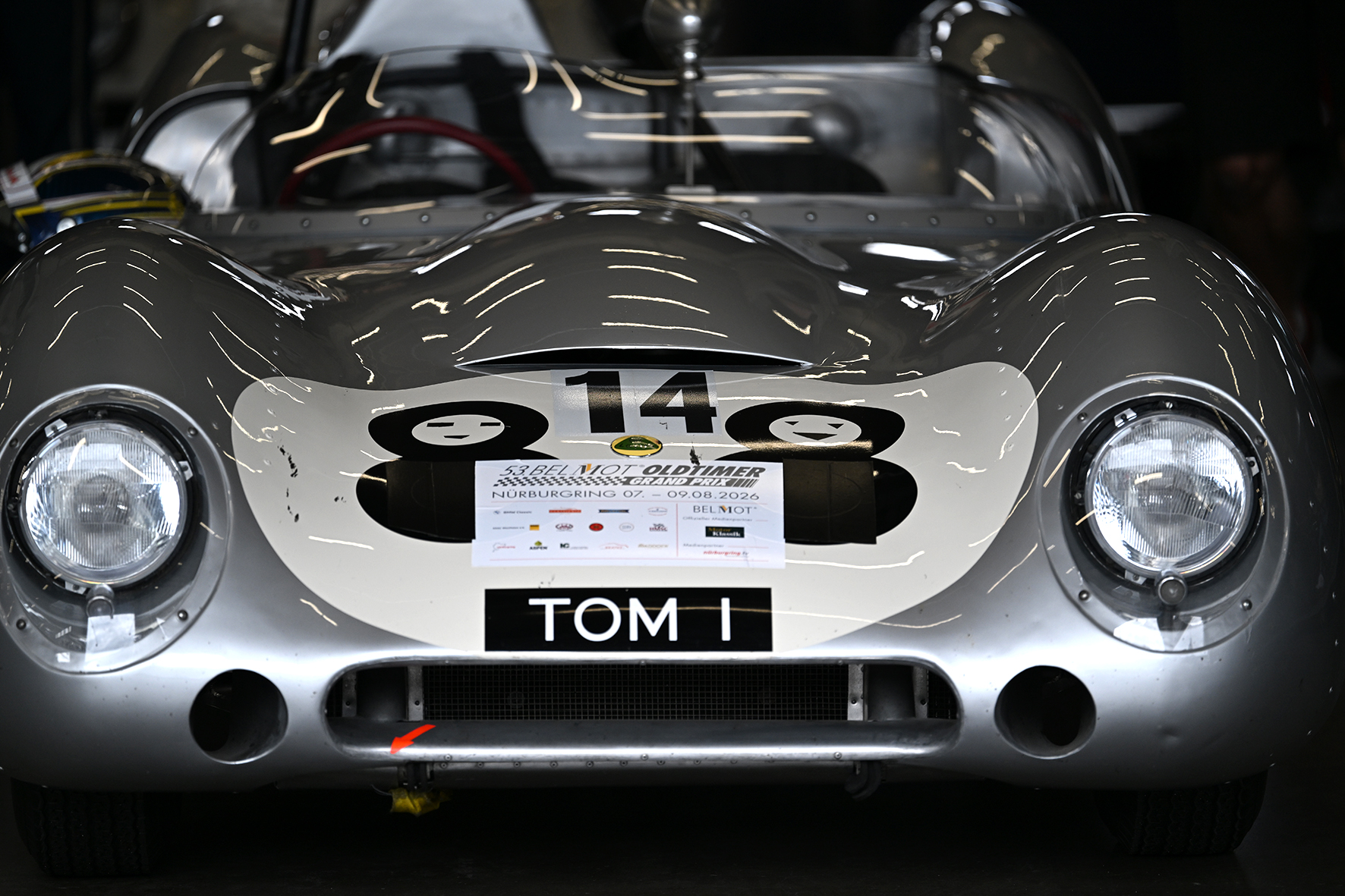
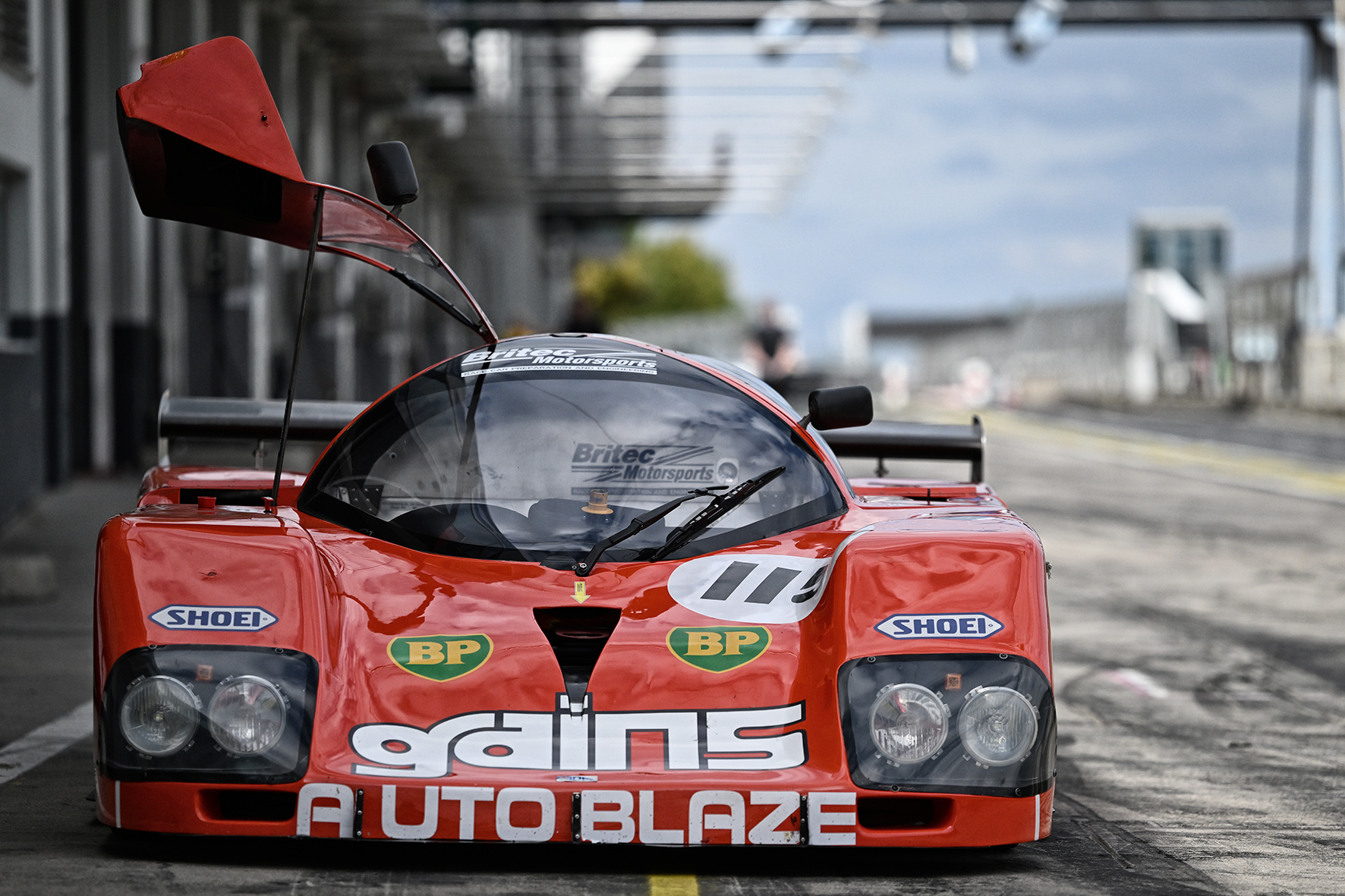
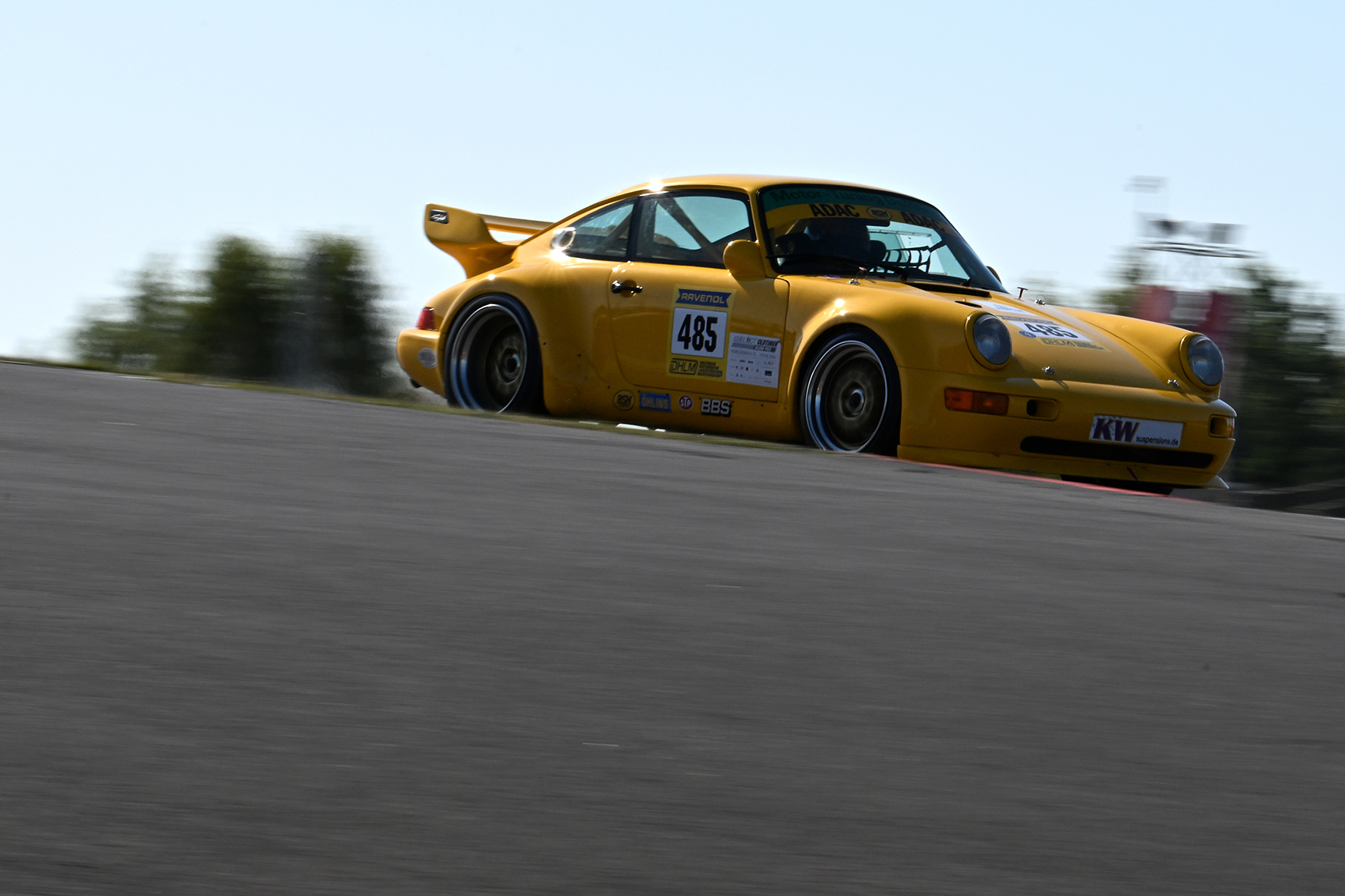
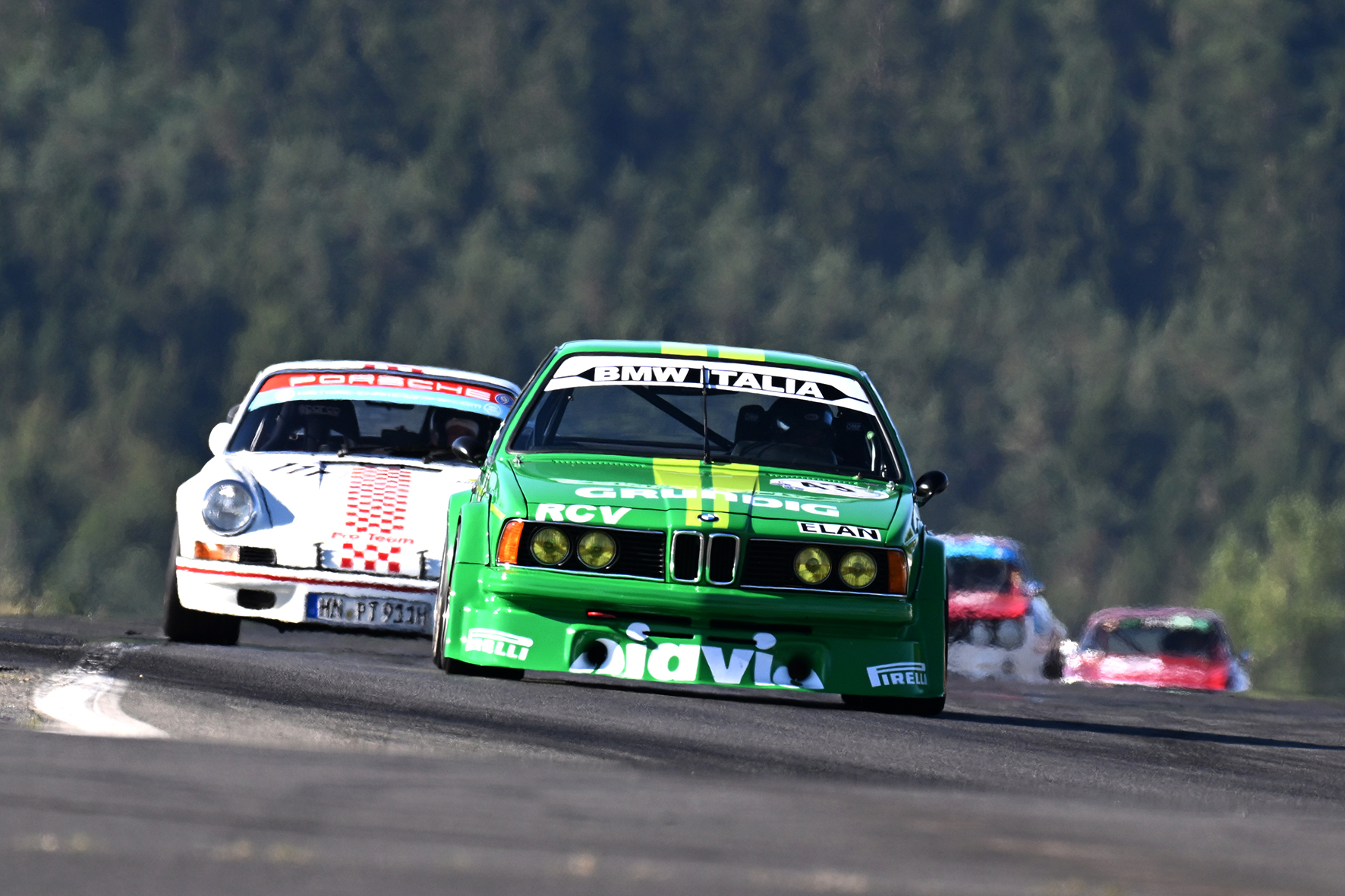
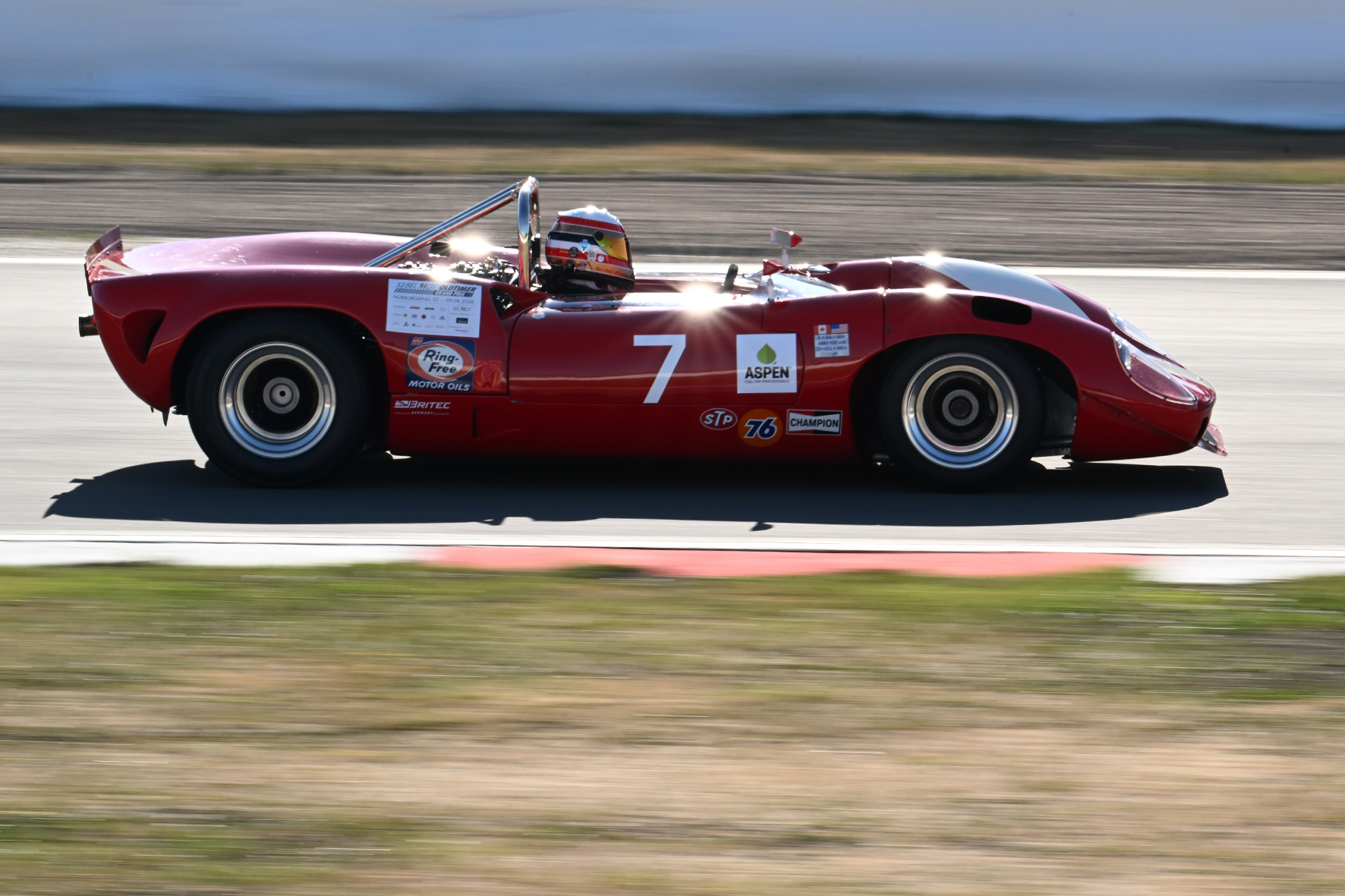
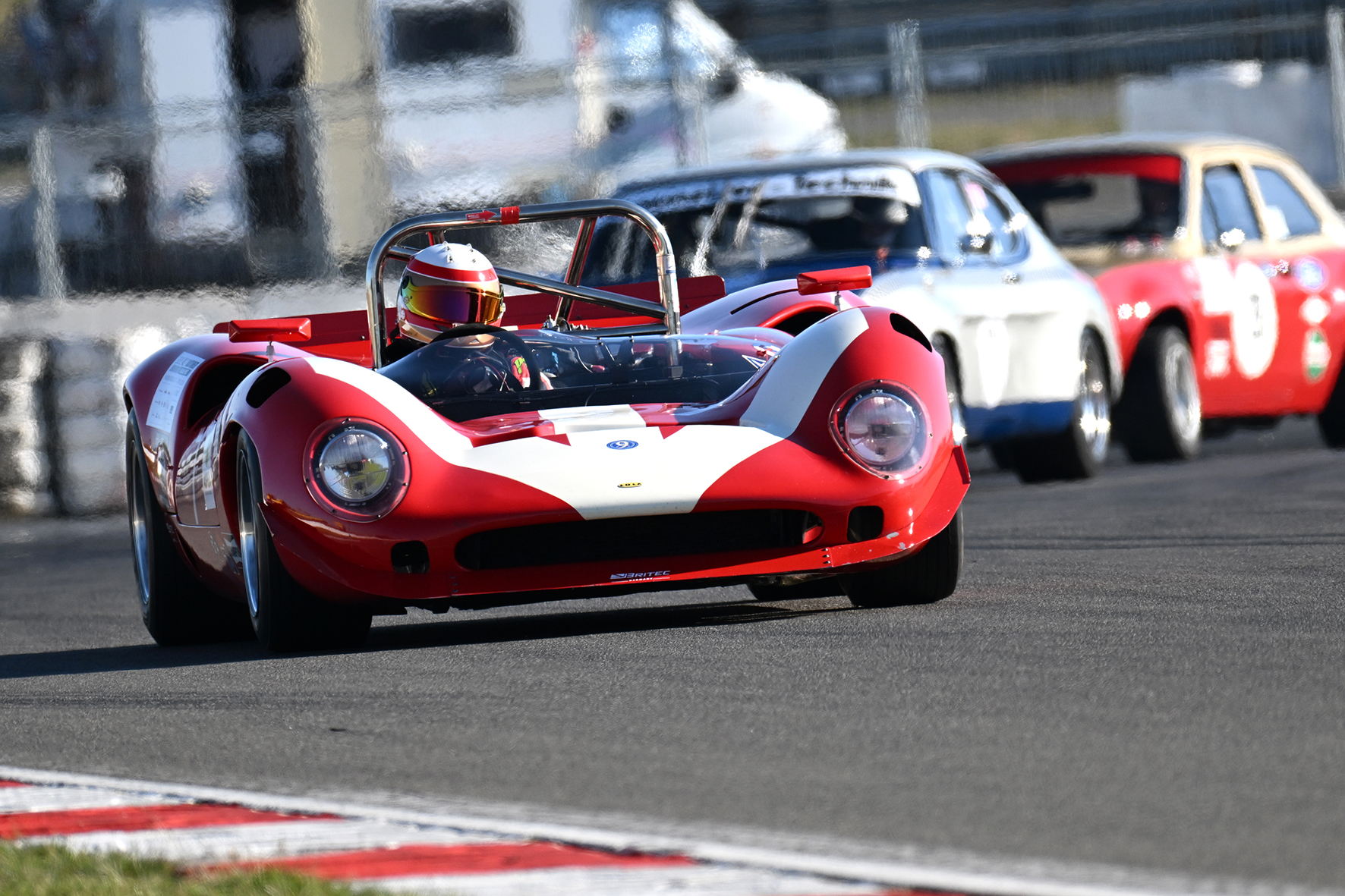
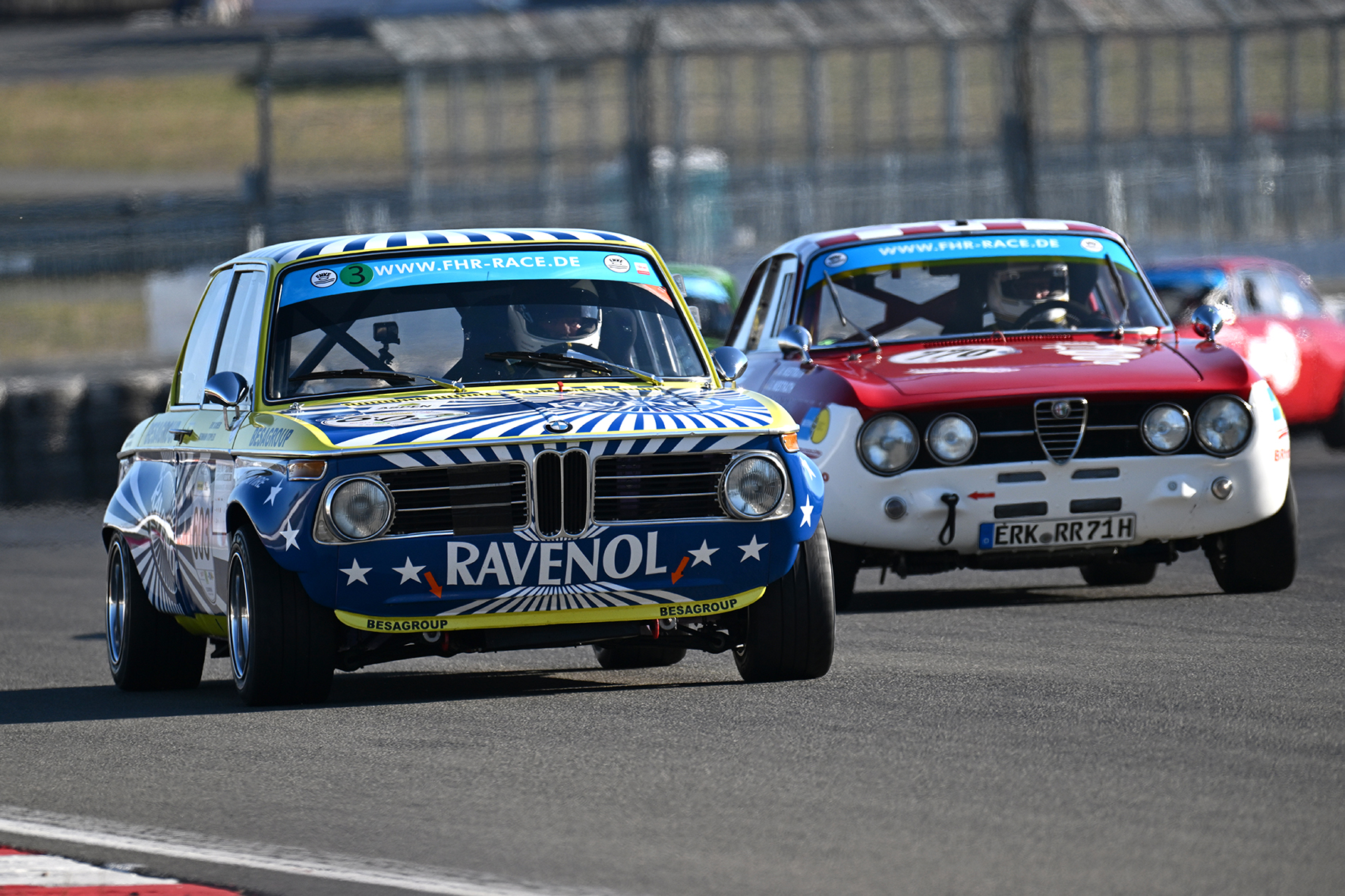
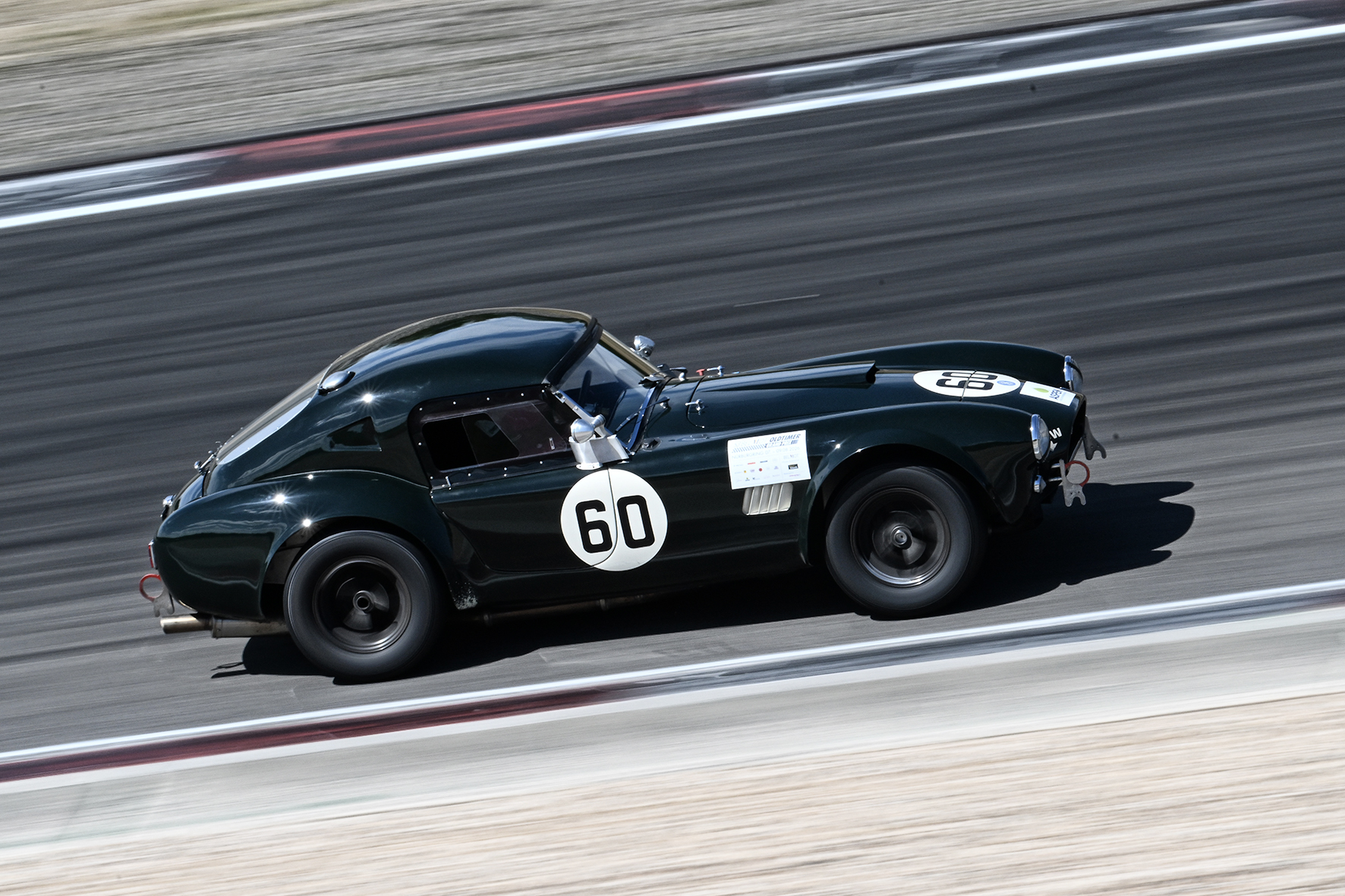
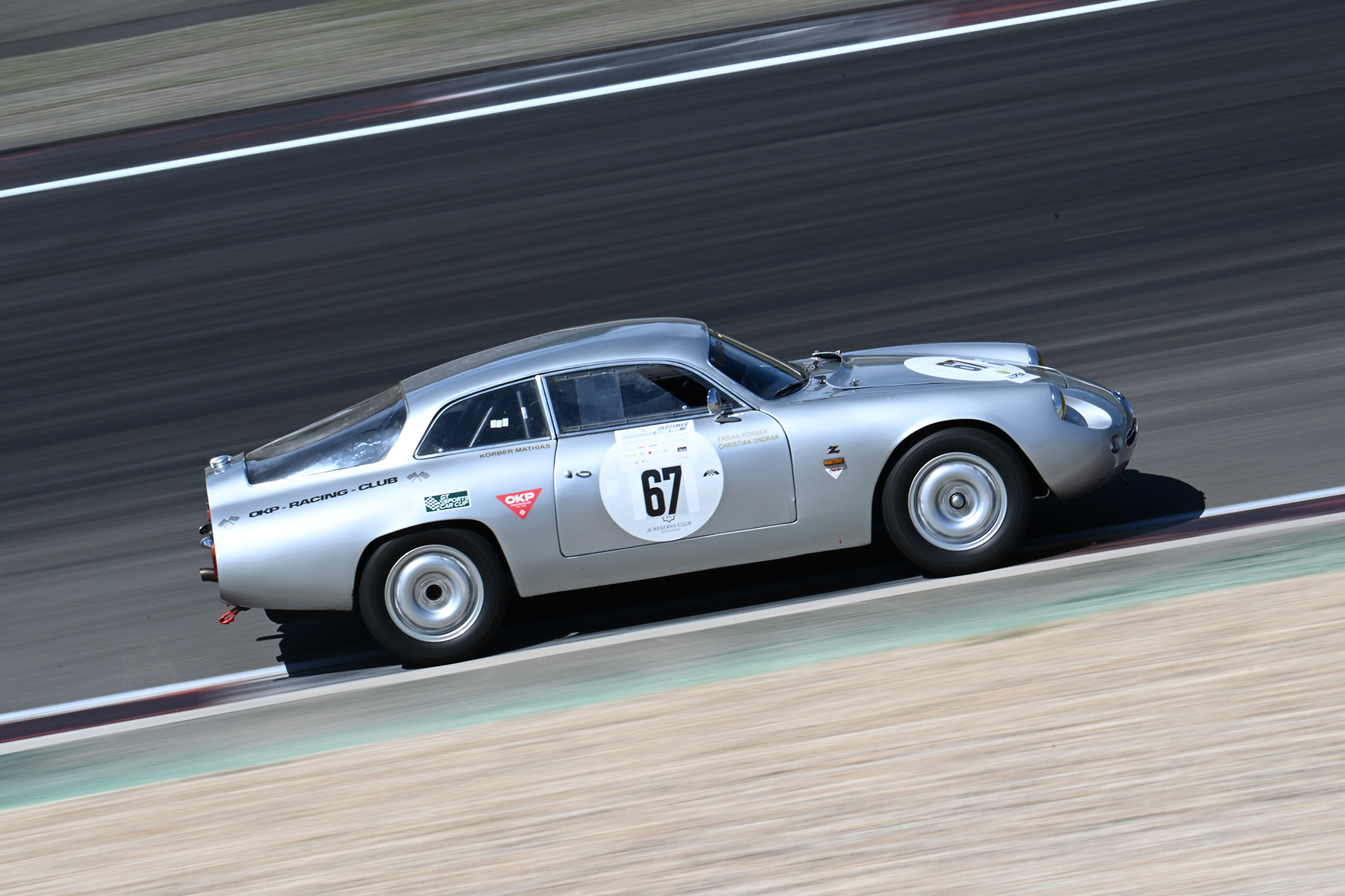
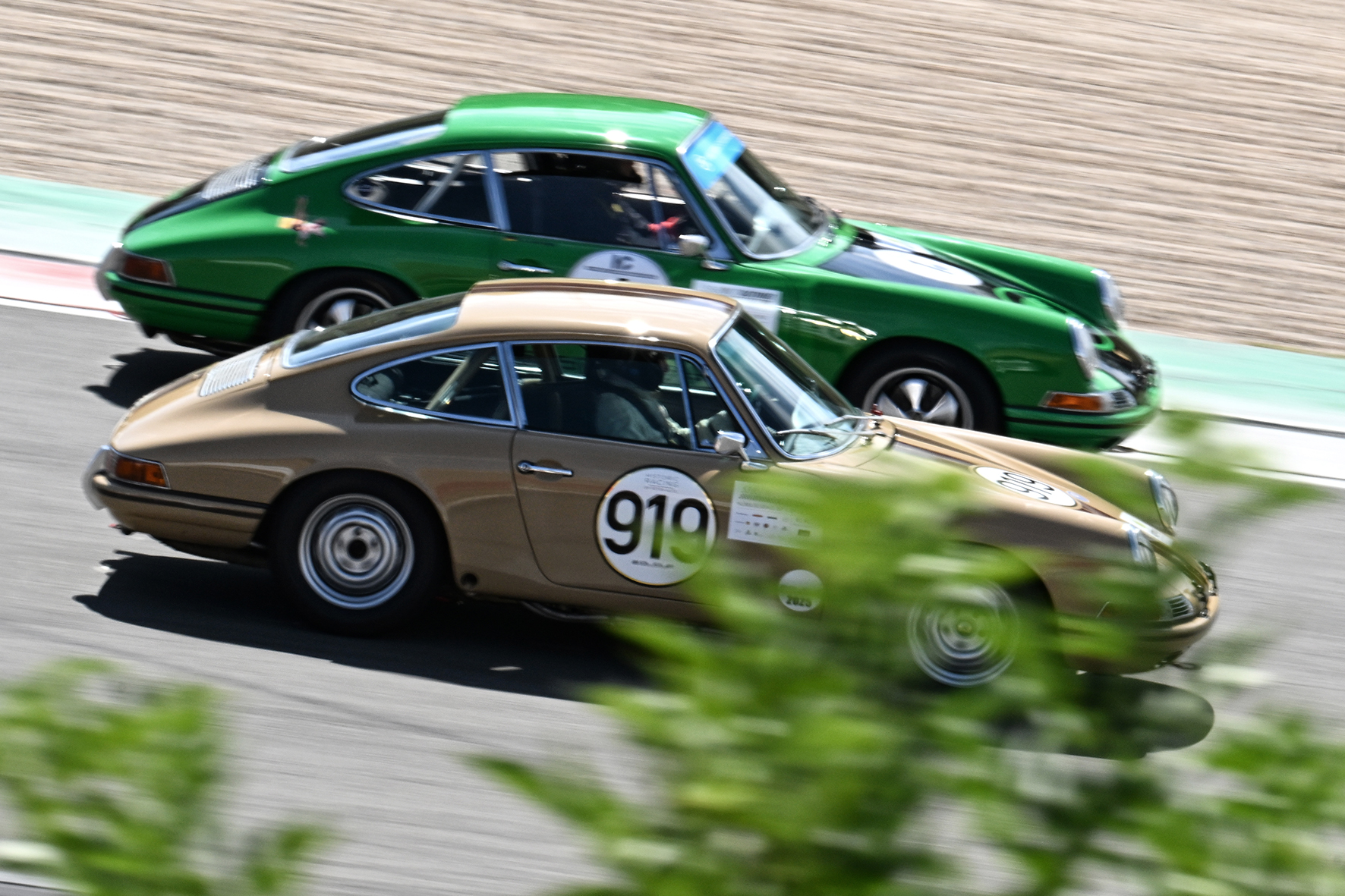
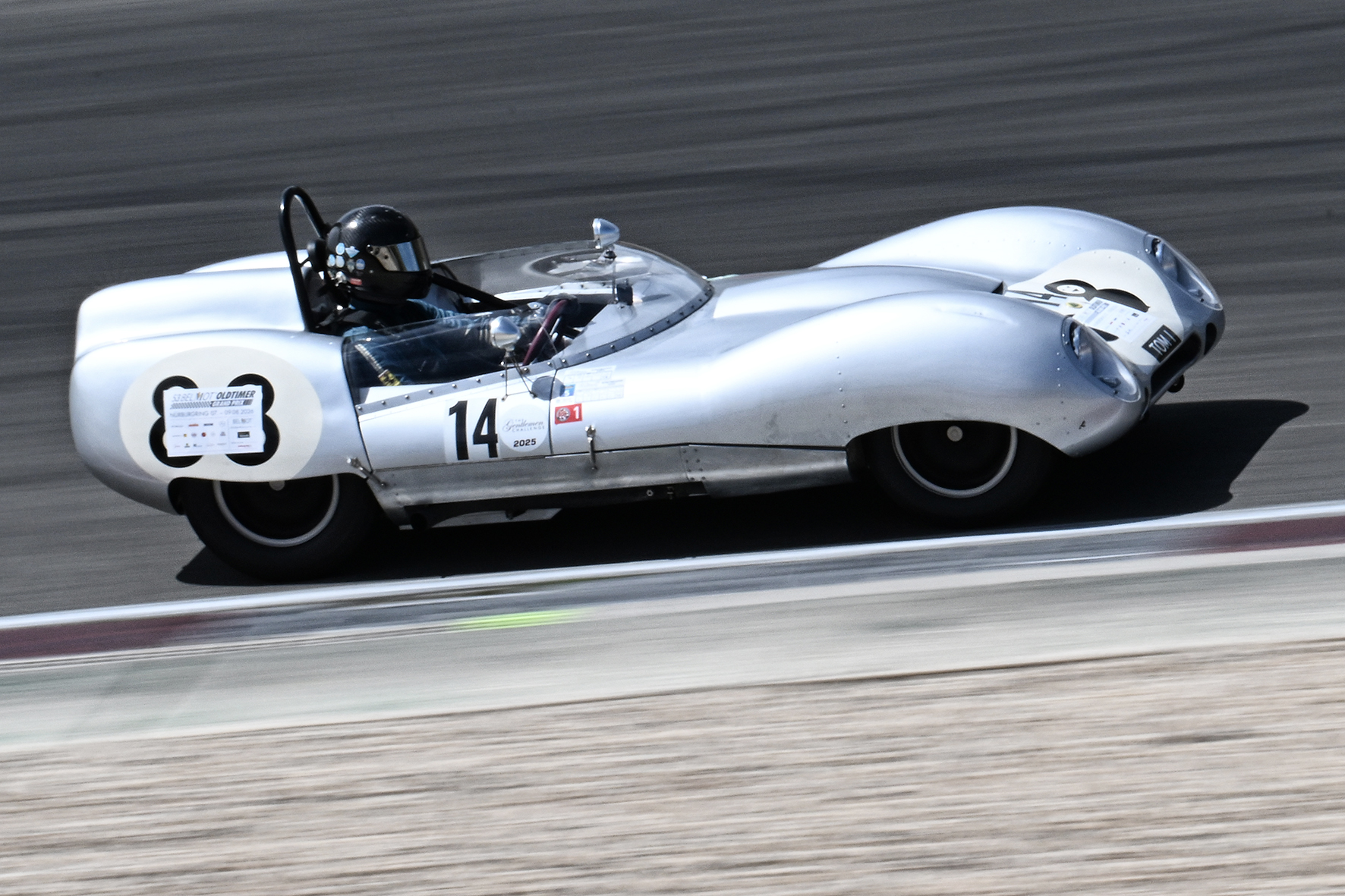
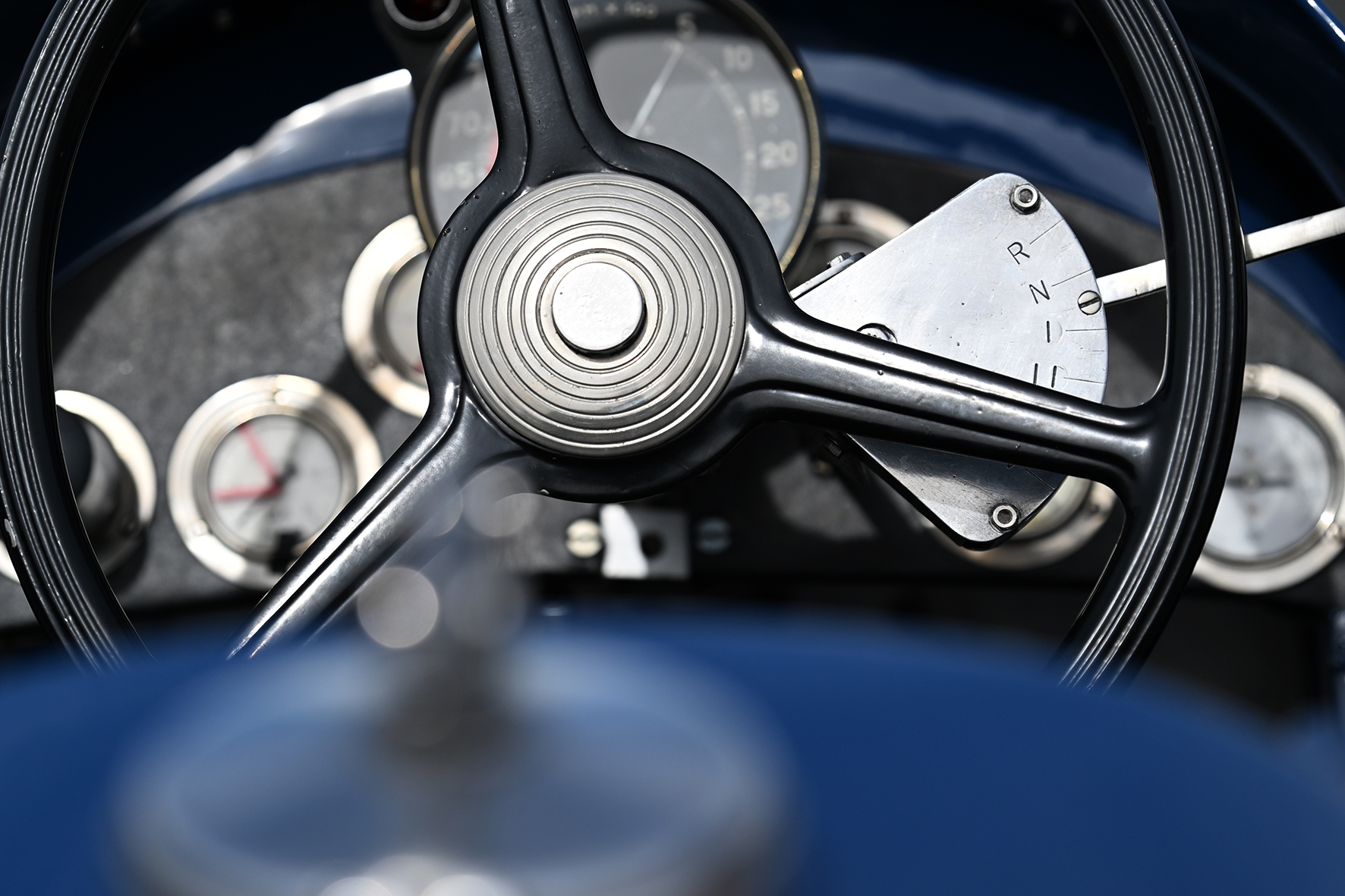
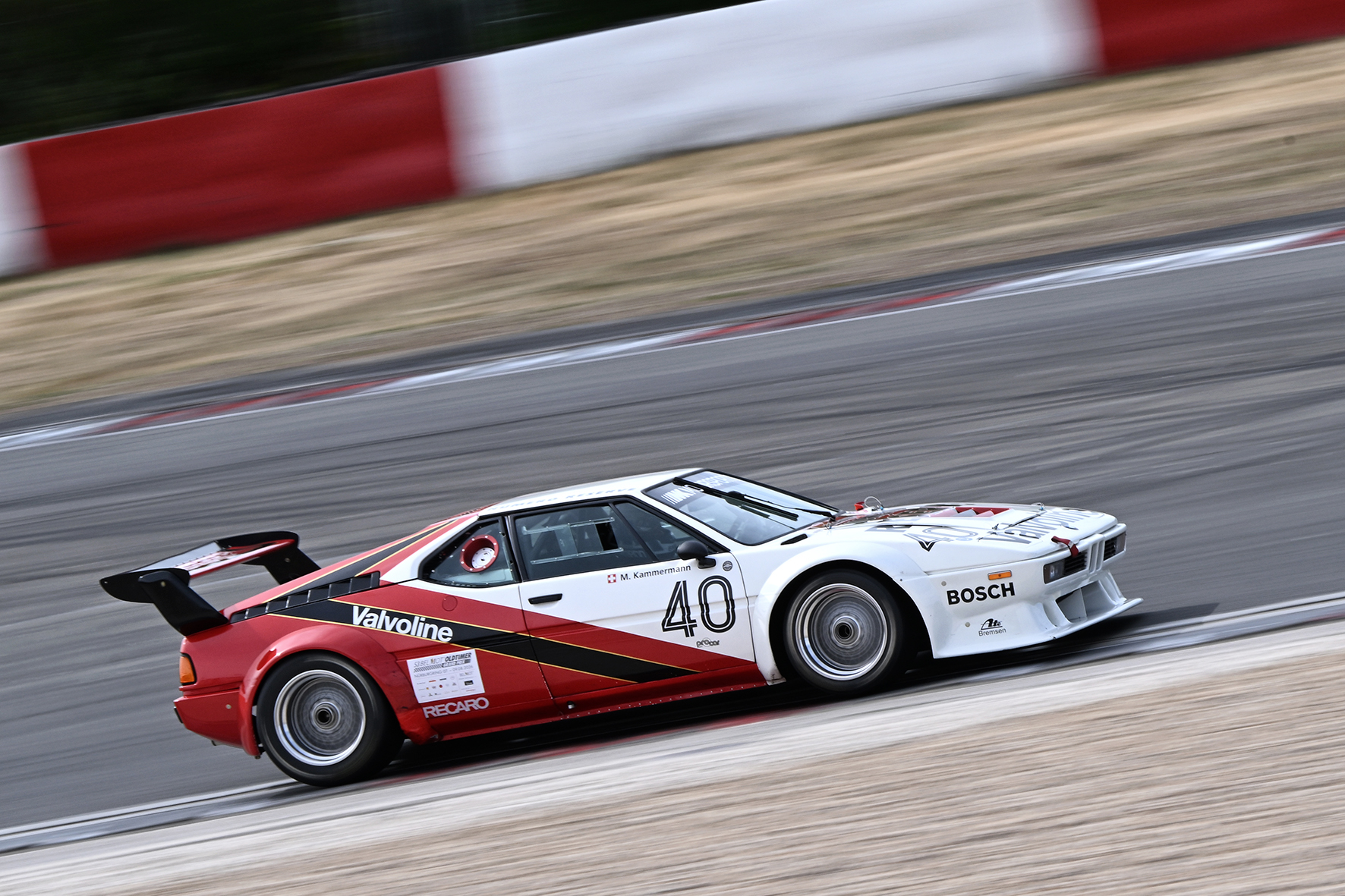
A good 43,000 spectators made their way to the venerable Nürburgring in the Eifel region on the second weekend of August. They were drawn by the 53rd Belmot Oldtimer Grand Prix, which, as always, offered a very varied programme. In glorious summer weather, racing cars from many different decades took to the Grand Prix circuit.
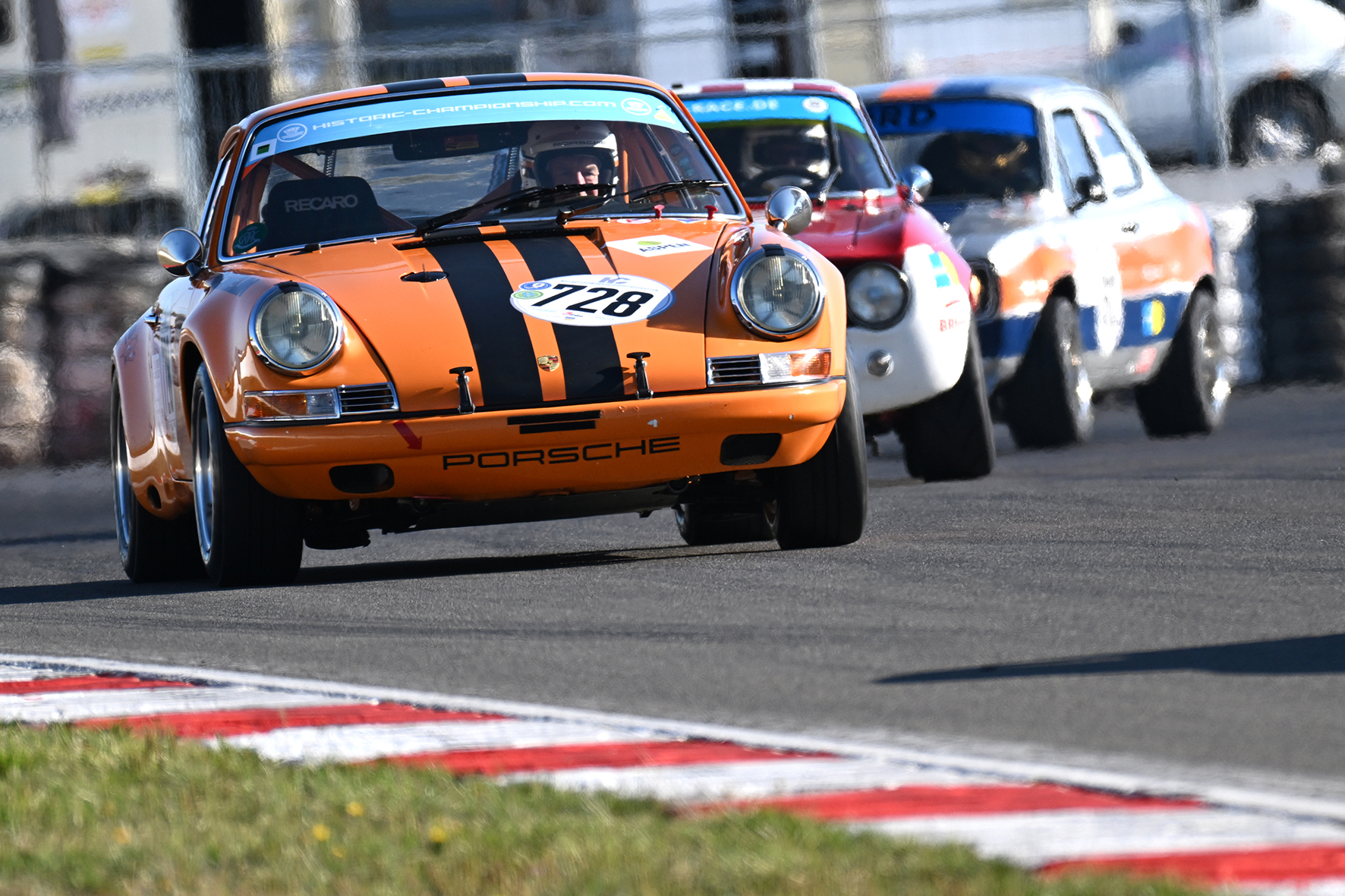
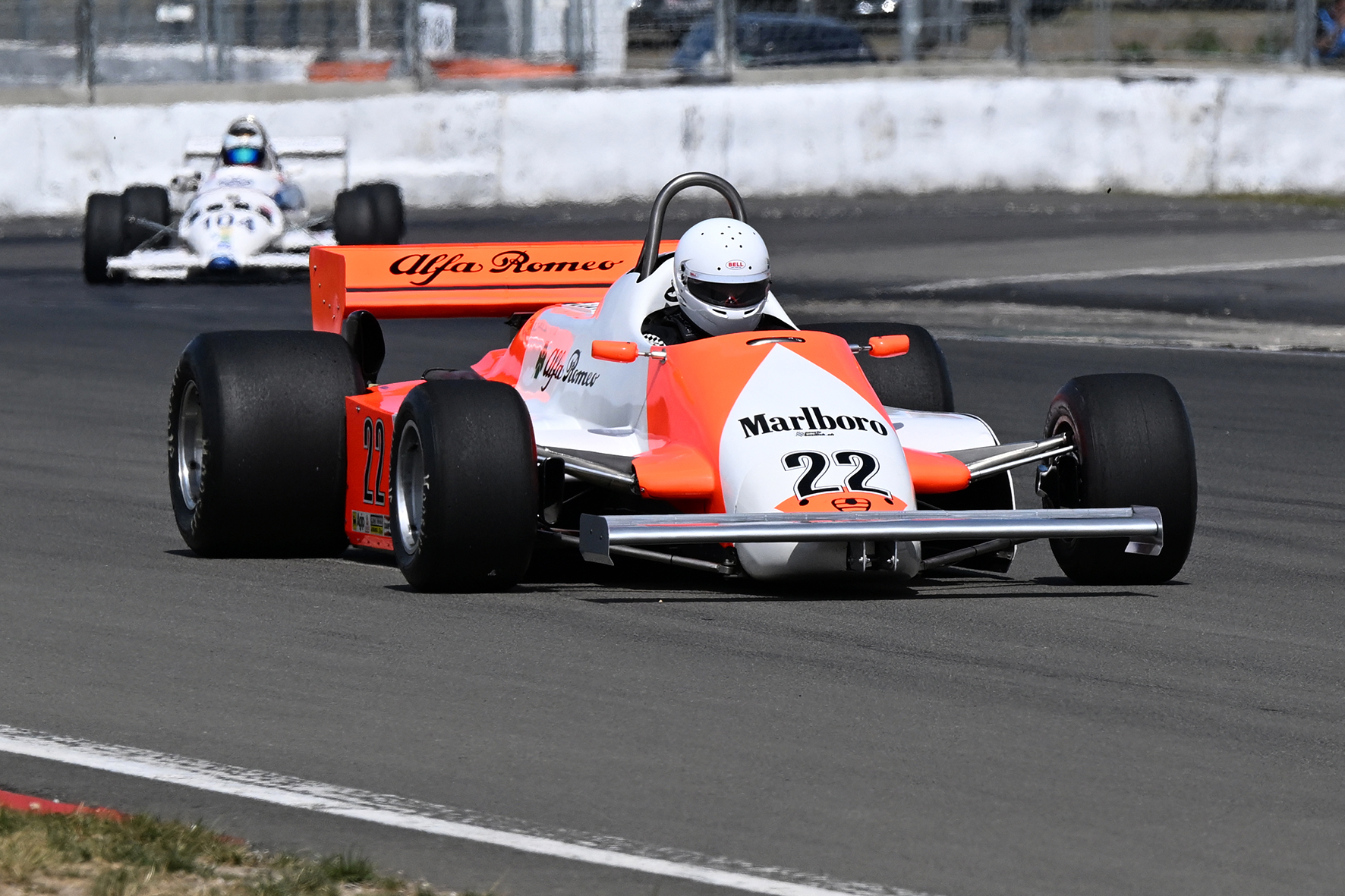
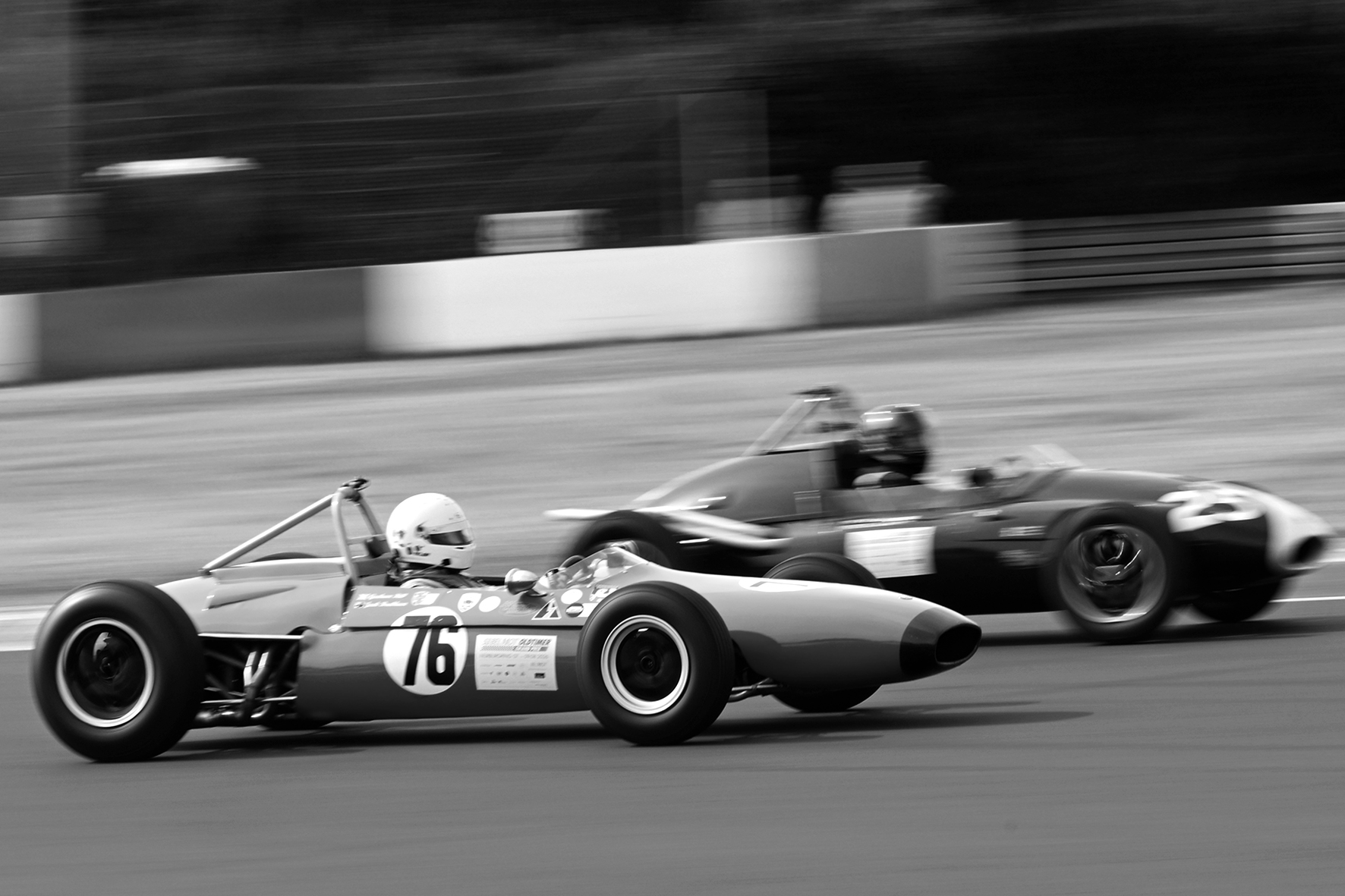
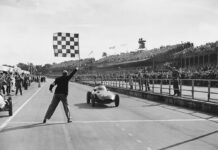
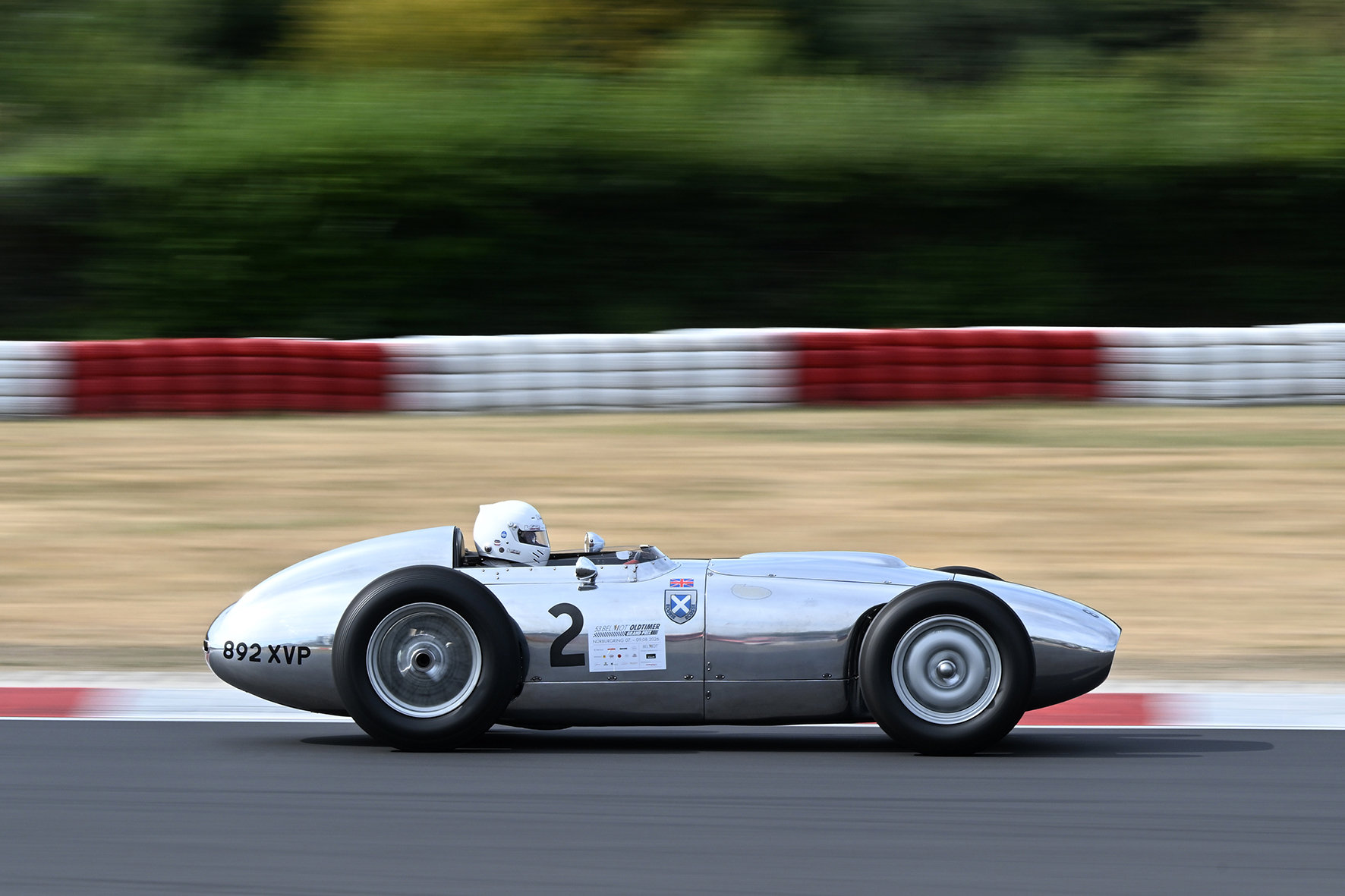
Thrilling races have always been a hallmark of the Oldtimer Grand Prix. I’d like to mention one thing right away. On Saturday, a race organised by the Historic Grand Prix Car Association took place. On the starting grid were the historic rear-wheel-drive Formula 1 cars.
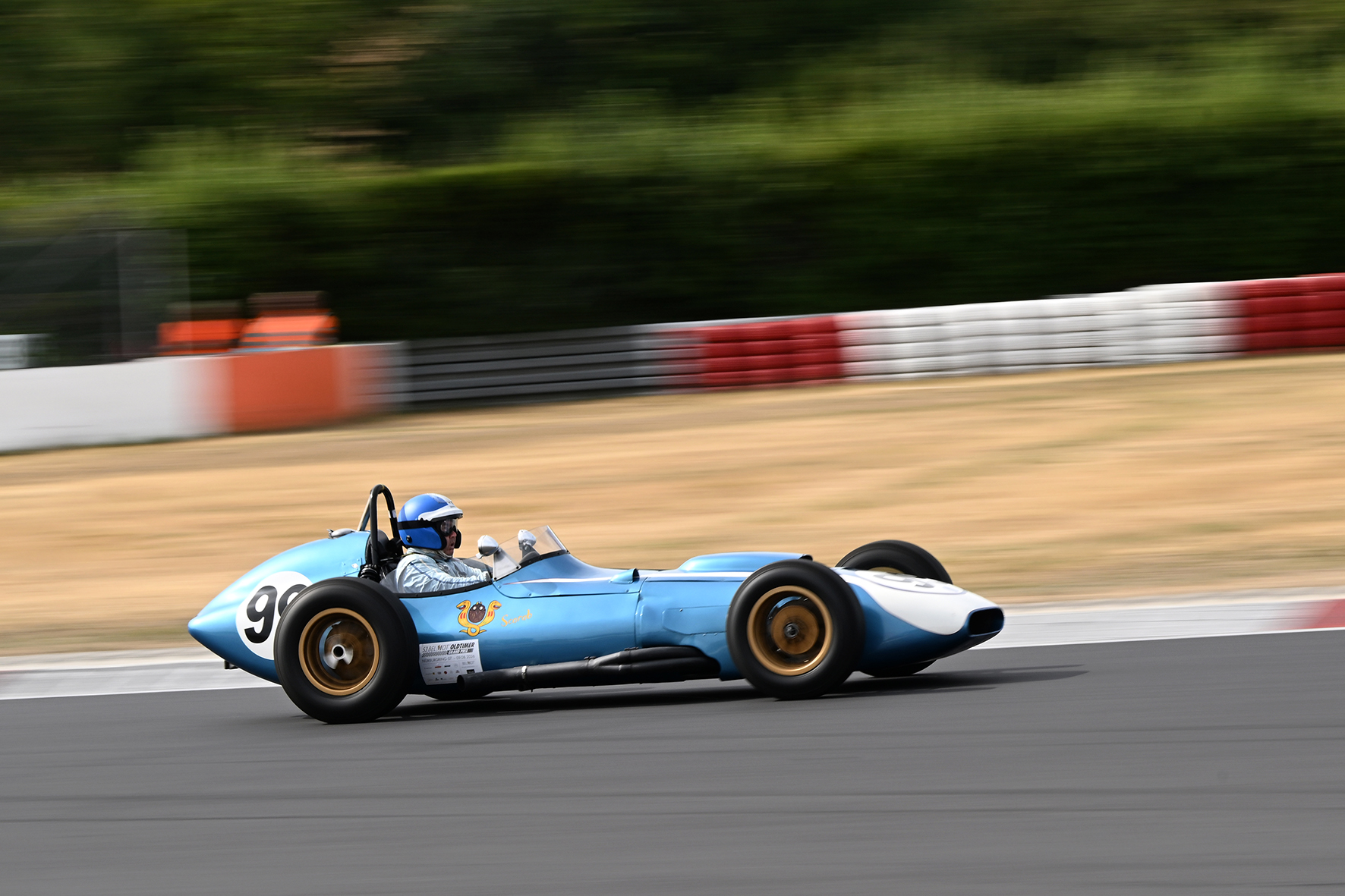
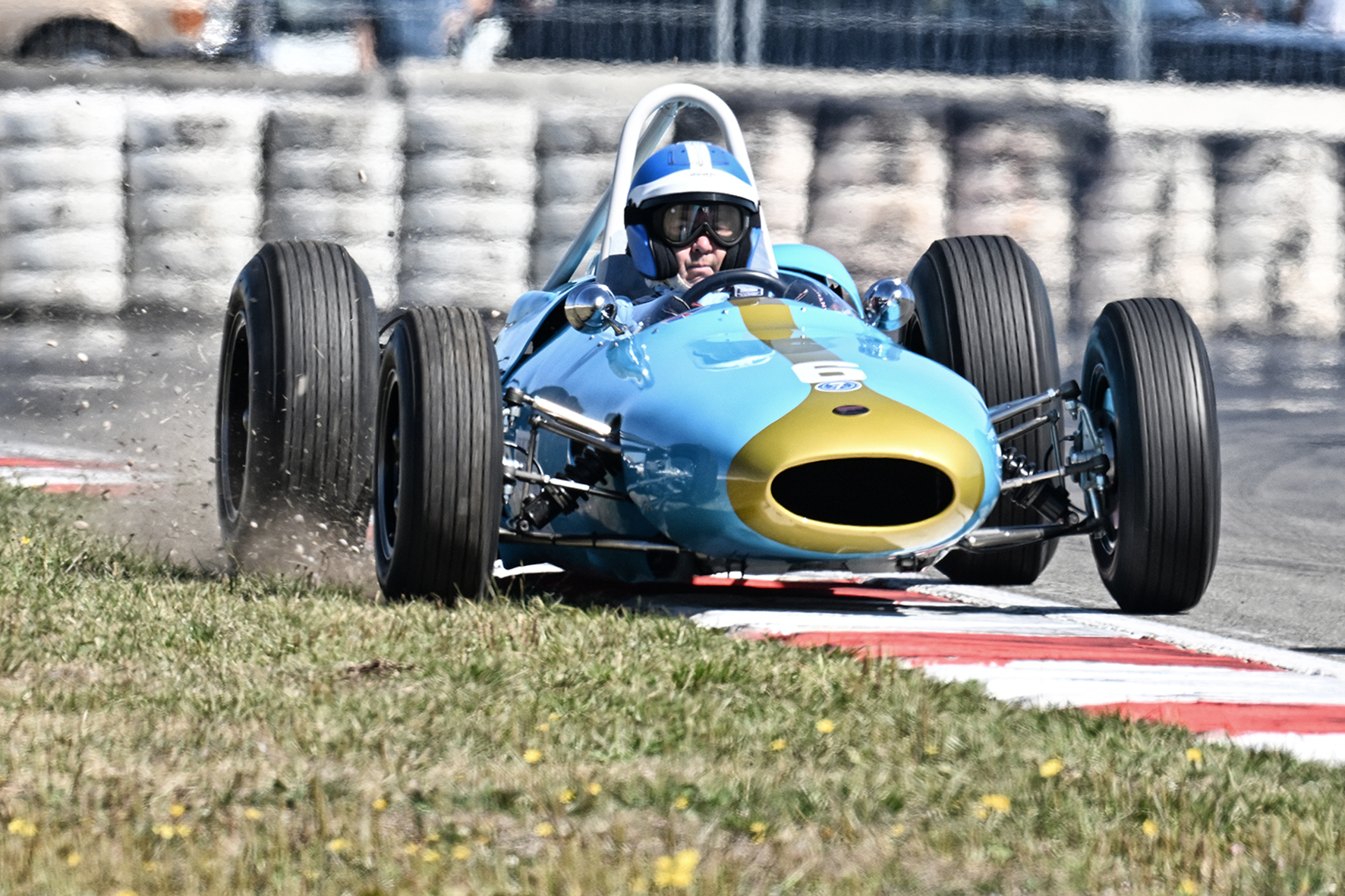
In qualifying, Mark Shaw experienced technical problems with his Brabham BT4 and was therefore forced to start the race from the back of the grid, or rather from the pit lane. Pole-sitter Rüdiger Friedrichs, in his Cooper T53, had set the fastest lap of 1:58.277 and led the race for a long time with a substantial lead over Tim Child in his Brabham BT3/4. But Mark Shaw staged a magnificent comeback. He eventually won the race in his light blue Brabham BT4 after 13 laps by a narrow margin of 0.136 seconds.
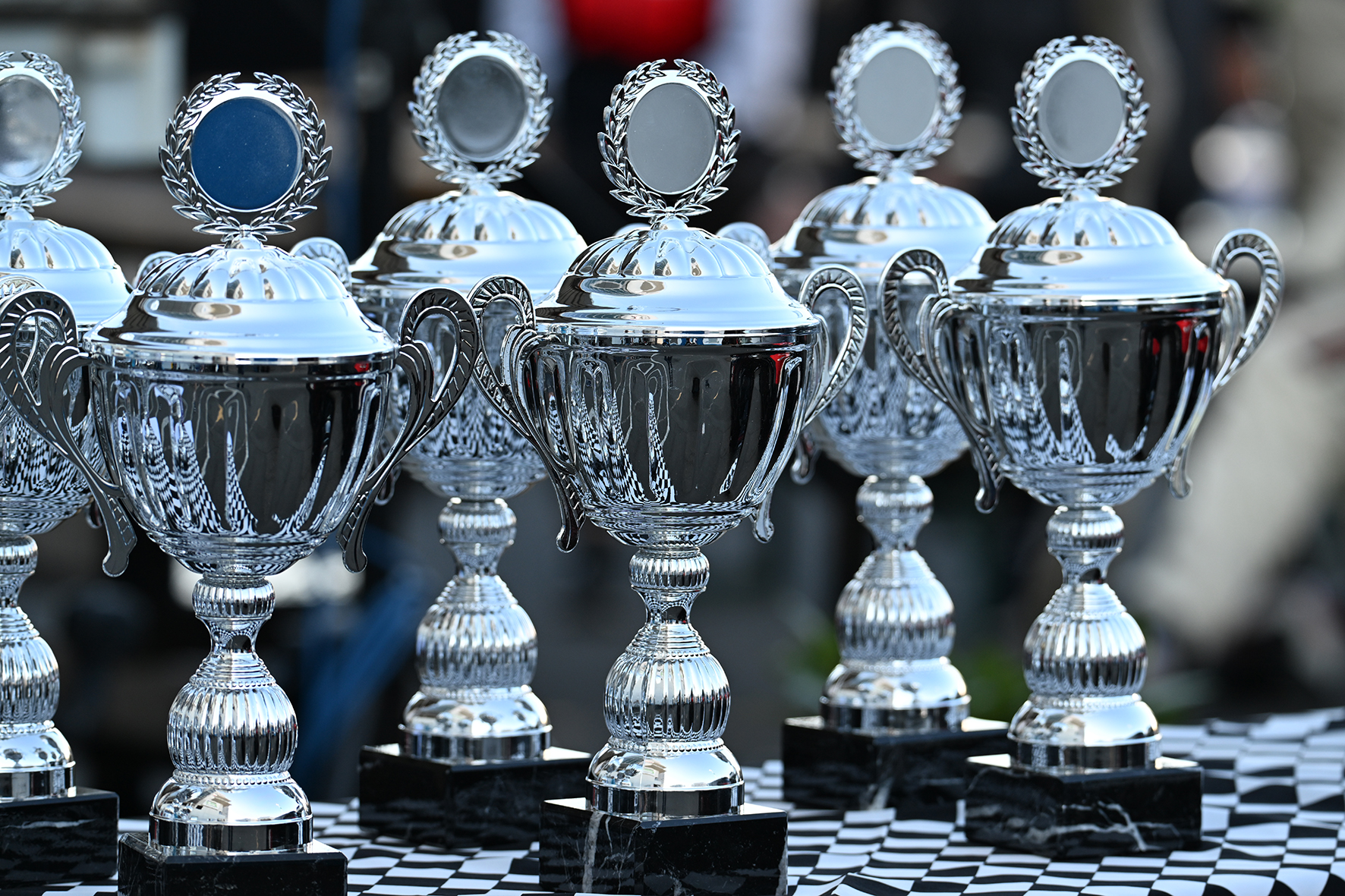
The Oldtimer Grand Prix is all about genuine motorsport, where drivers battle for victories and trophies right up to the very last lap.
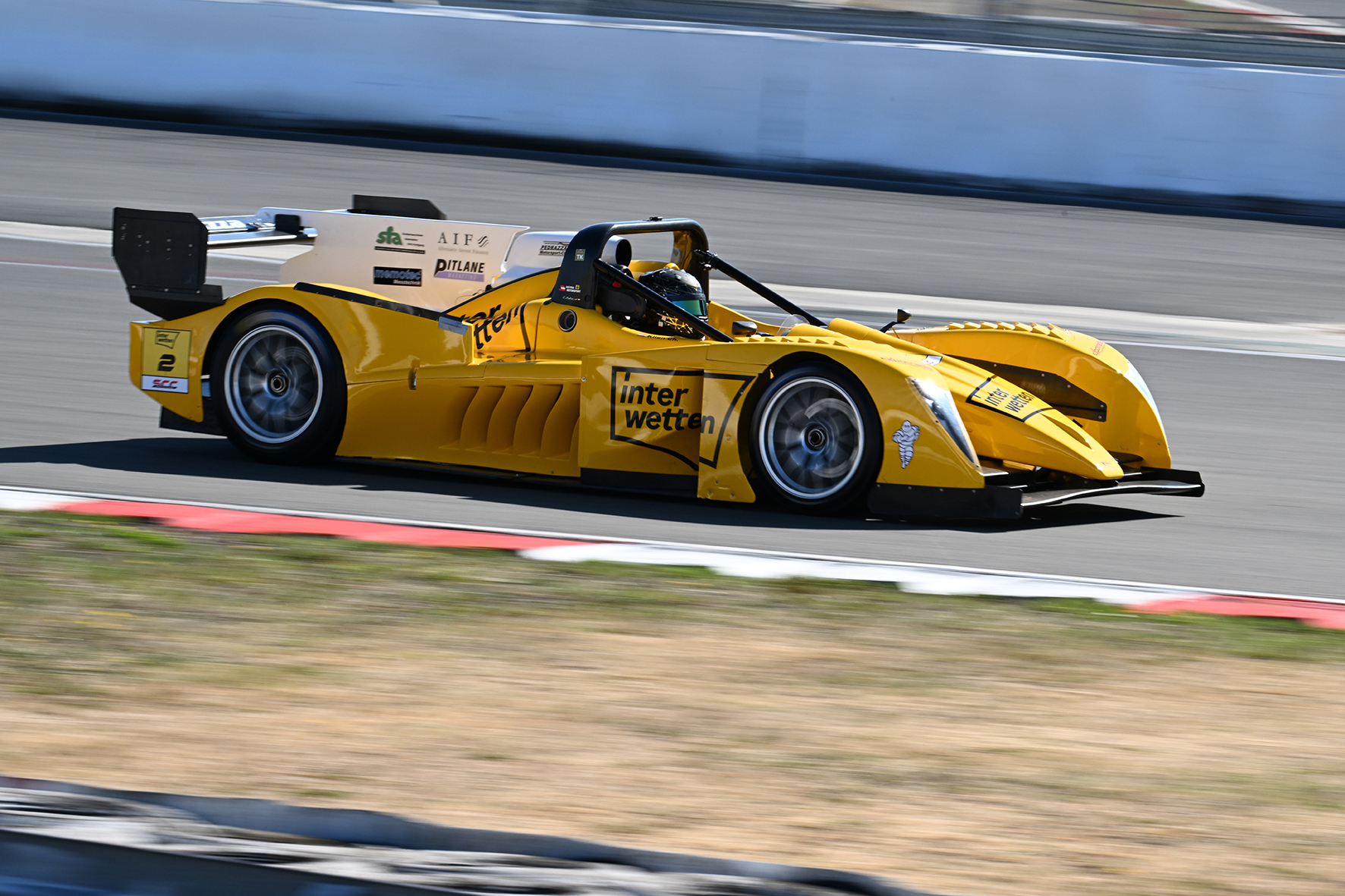
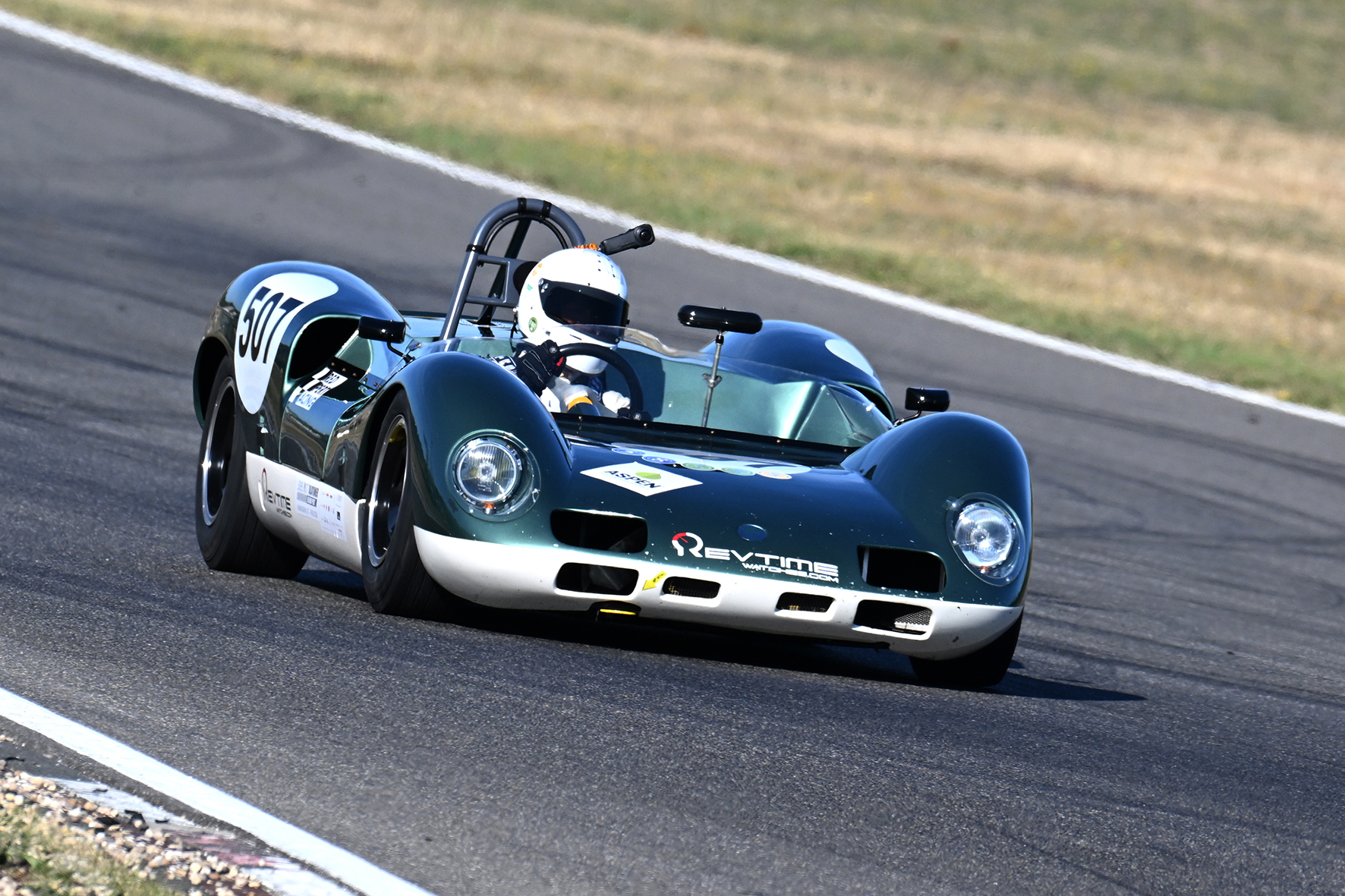
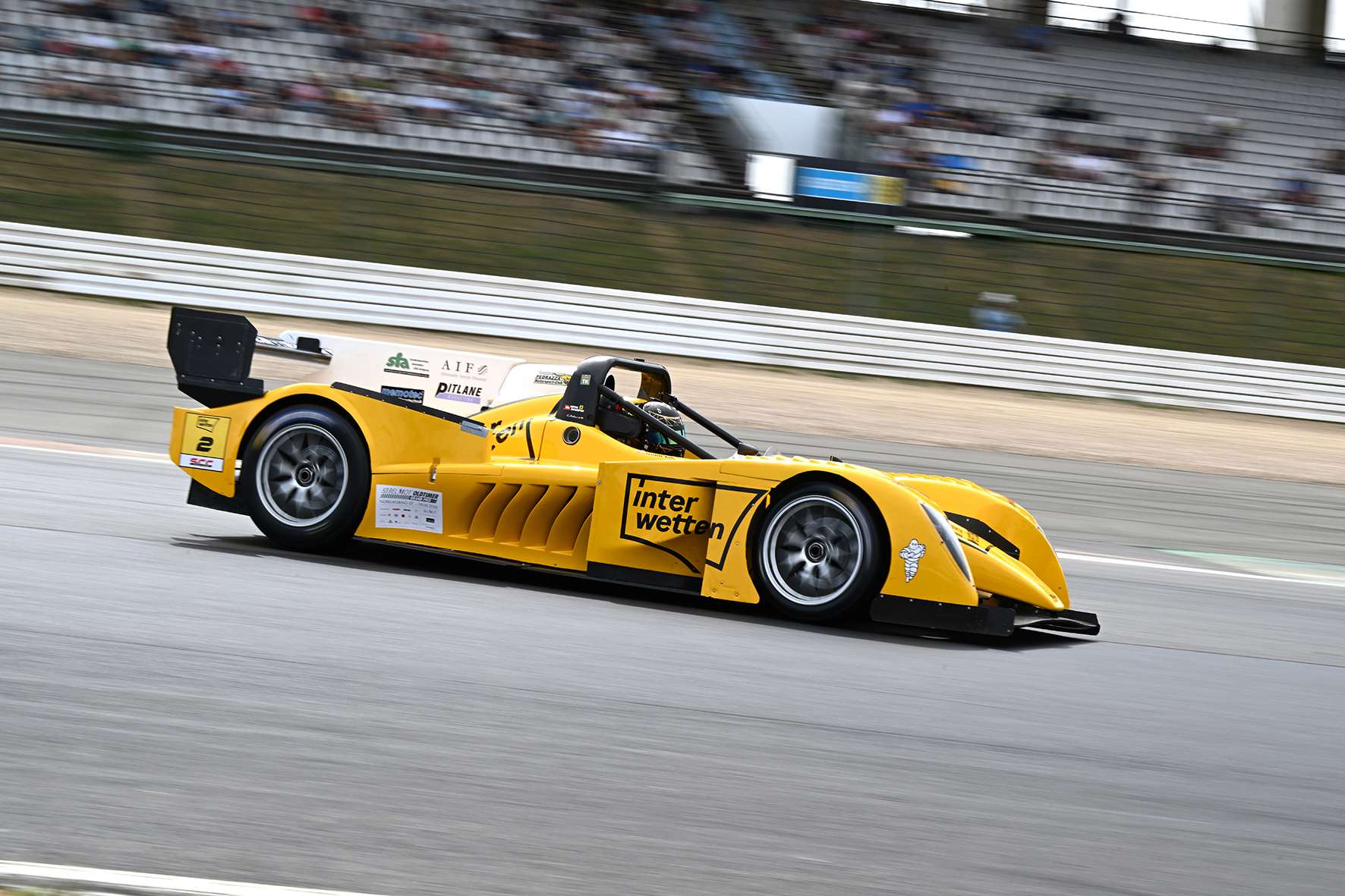
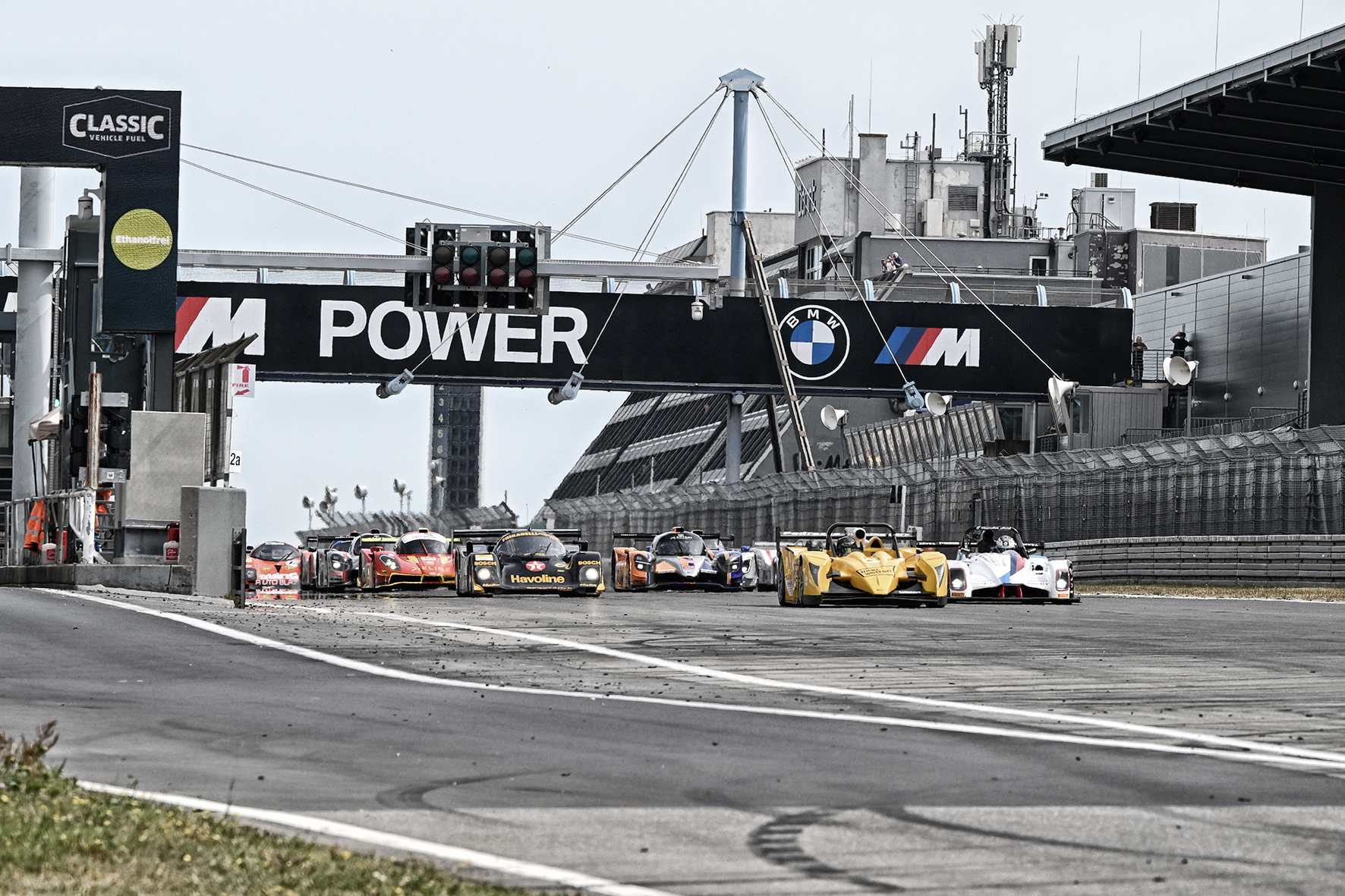
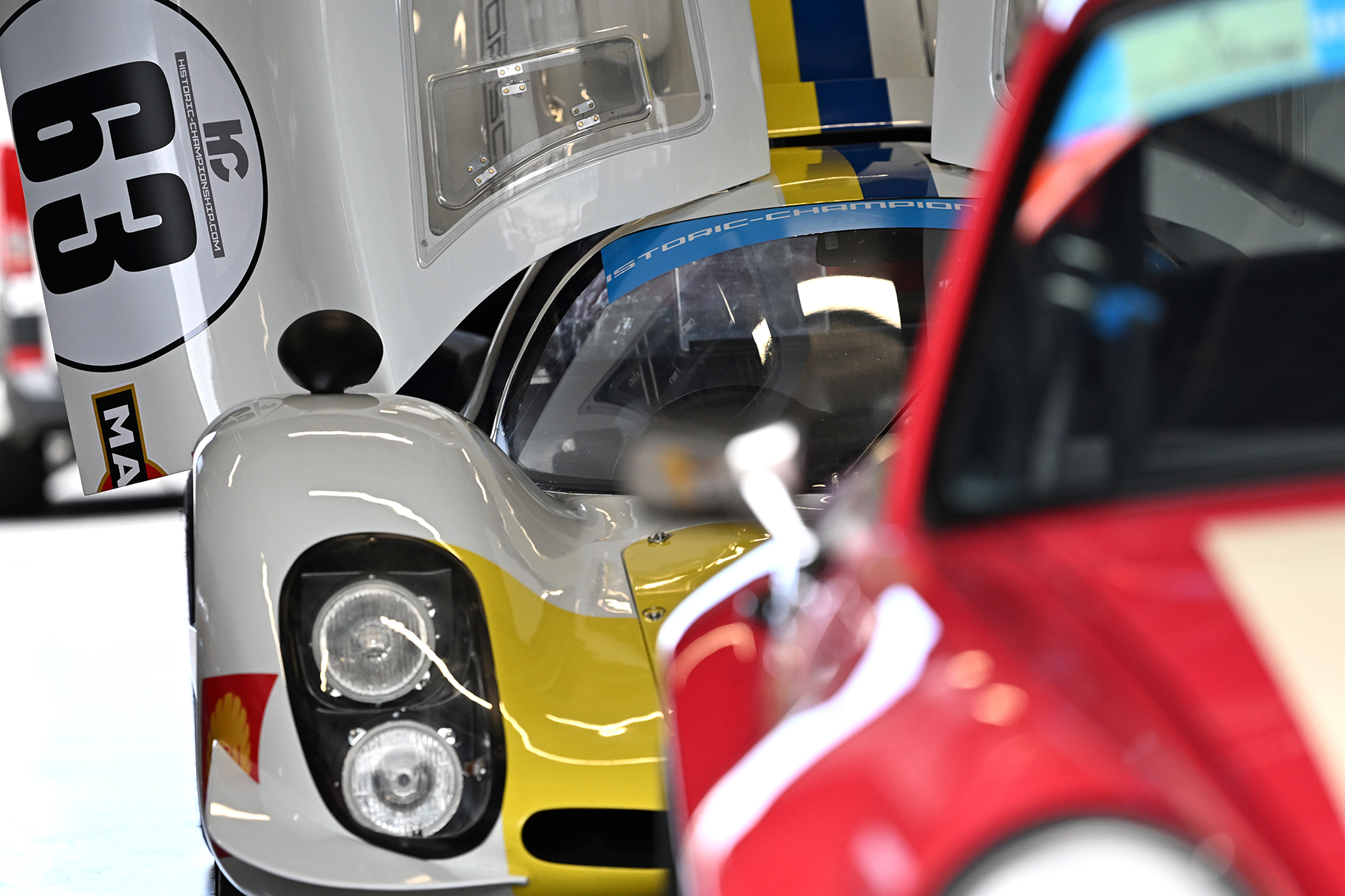
A particular highlight of the weekend was the ‘Interwetten Sports Cars Challenge’. In this new format for the Oldtimer Grand Prix, sports prototypes from various eras competed against one another. These were the most powerful racing cars at the event, delivering a magnificent performance and a thunderous roar. The starting grid featured a wide variety of prototypes, ranging from local hero Klaus Abbelen in his black Porsche 962C, to Axel Pilz in the McLaren M6B and Harald Schmidt in the McLaren M8C, right through to Christian Klien in the PRC WPR66. This starting grid clearly illustrated the evolution of design and aerodynamic refinements from each respective era.
Former Formula 1 driver Christian Klien won both races of the “Interwetten Sports Cars Challenge” this weekend in commanding fashion. The racing cars in this series were, of course, the fastest and, above all, the most spectacular of the entire weekend.
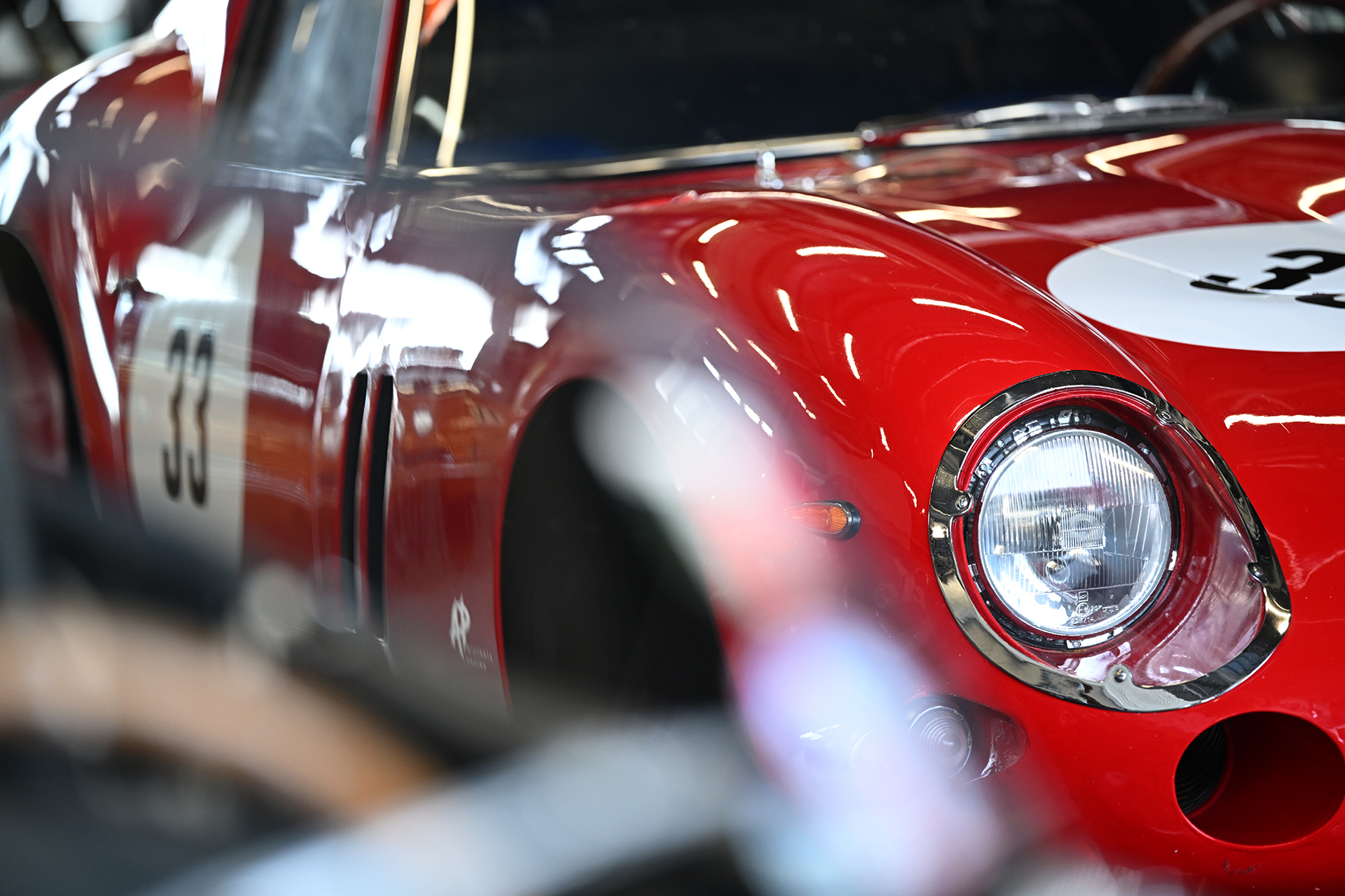
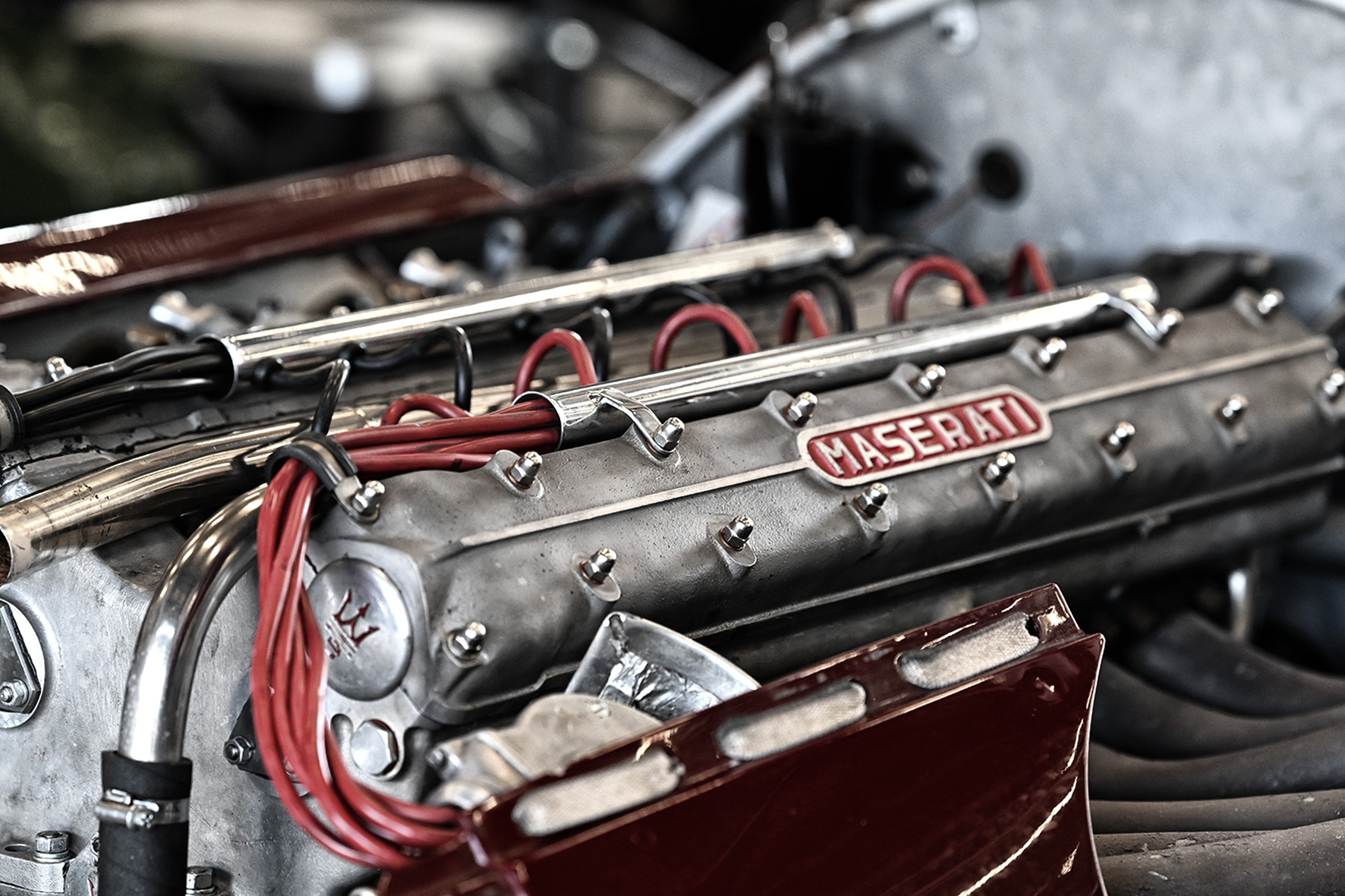
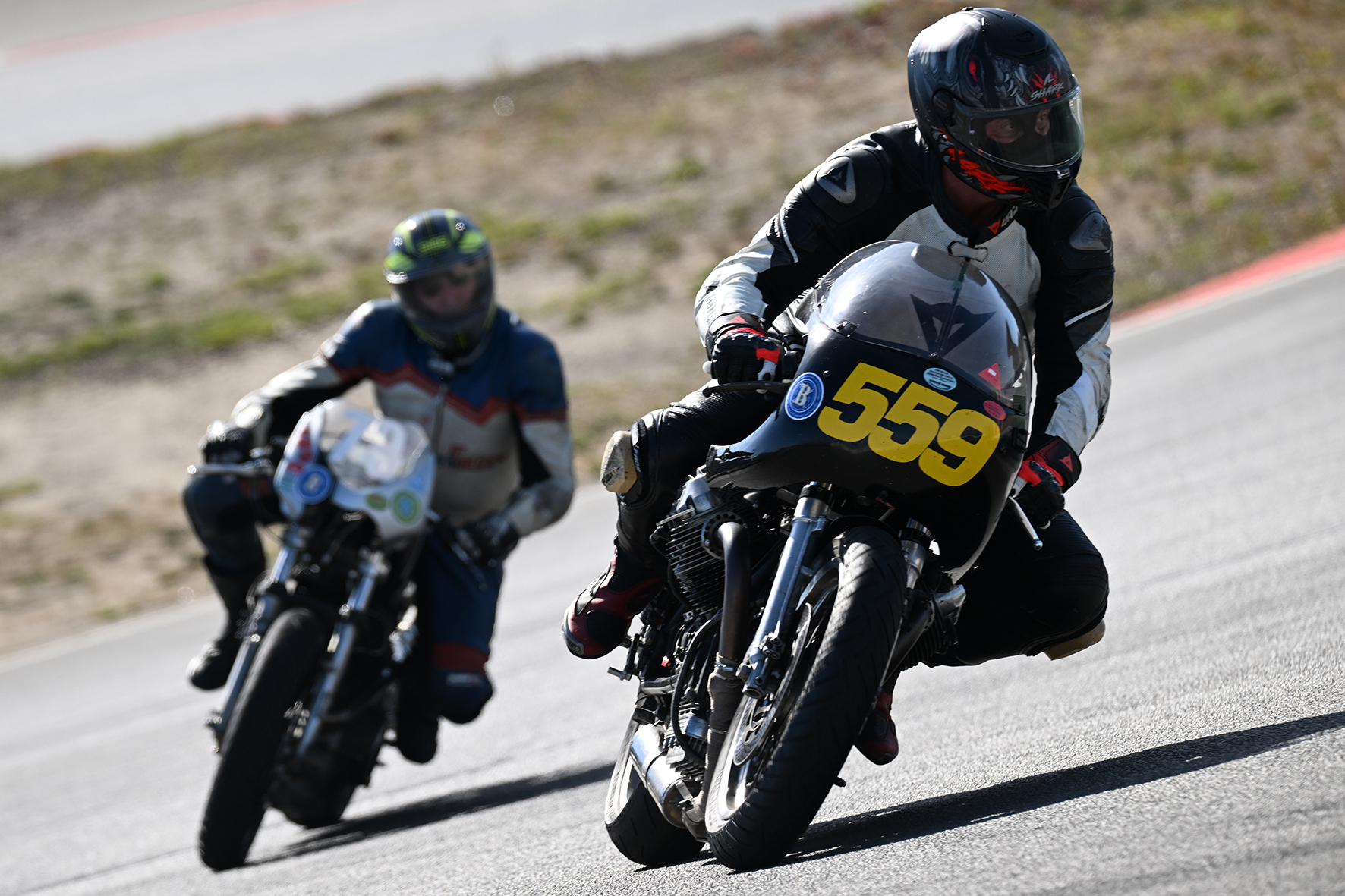
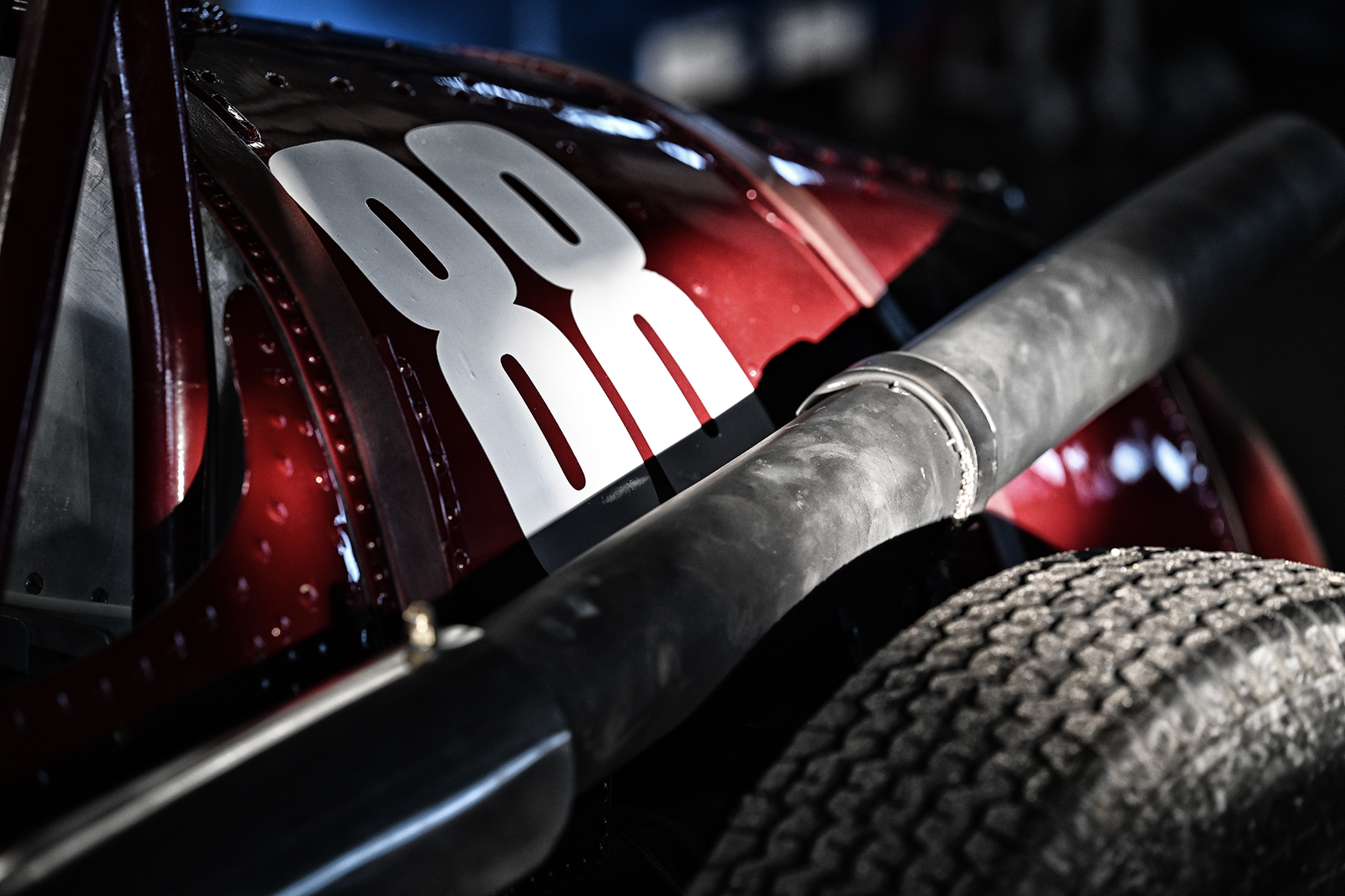
The Belmot Oldtimer Grand Prix brings together a wide variety of racing cars in many different categories at the Nürburgring. All the racing series have one thing in common: it’s motorsport you can experience first-hand; visitors can be right in the thick of it and watch everything up close. I think a visit to the paddock is a very special experience for visitors, as it gives them the chance to watch the mechanics at work and see the drivers getting ready.
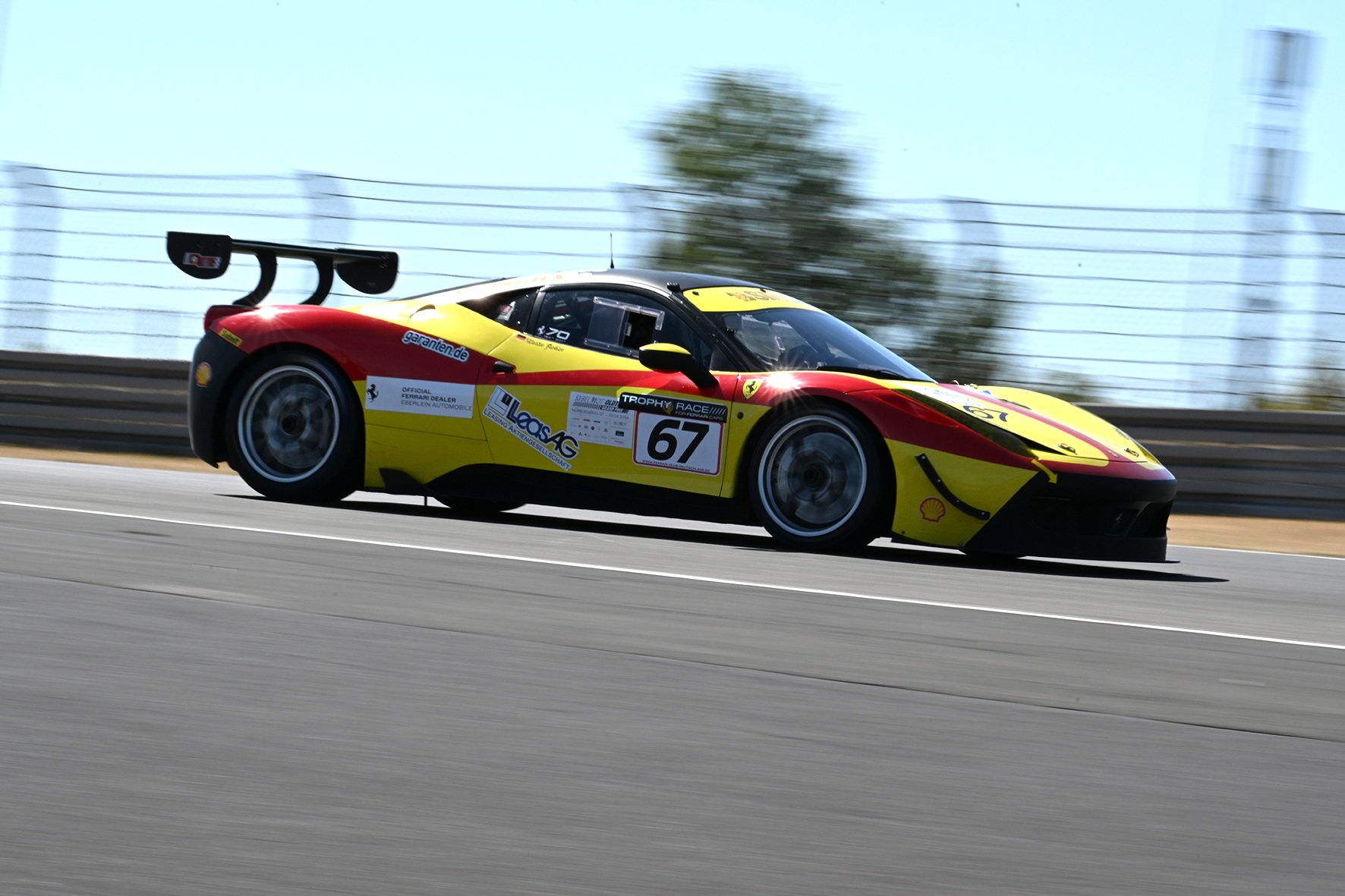
To bridge the gap to the modern era of motorsport, the Ferraris from the ‘Trophy Race for Ferrari Cars’ were on the starting grid. The field included several Ferrari 458 Challenge and GT3 cars, as well as 488 and 296 Challenge models. Whilst, of course, the classic racing cars – particularly those from the ‘Historic Grand Prix Car Association’ – appeared completely free of sponsor stickers, the Ferraris in the ‘Trophy Race’ were practically covered in logos and brand names. Even such small details clearly illustrate the evolution and commercialisation of motor racing.
Another new feature was the ‘Formula Heritage’ showcase. Although no races were held there, it was a so-called ‘Time on Track’ demonstration. The line-up ranged from Formula 1 cars through Formula 2 and 3 to Formula 3000 and 5000. Two racing cars were particularly worth watching: the ‘Embassy Hill GH1/3’ Formula 1 car from the 1975 season and a ‘GM Chevrolet’ Formula 5000 car from the 1972 season. For me, these were the finest racing cars in ‘Formula Heritage’.
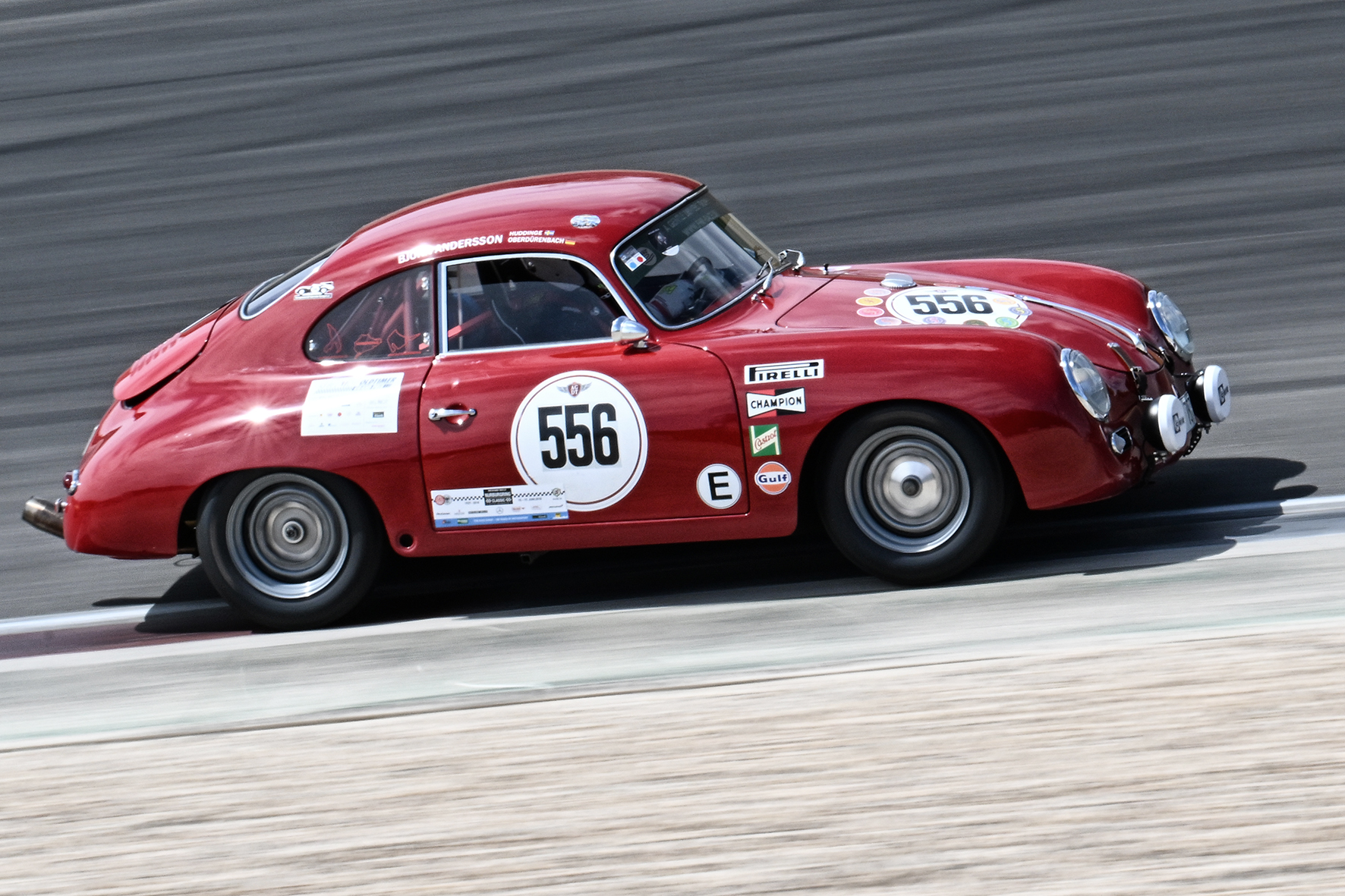
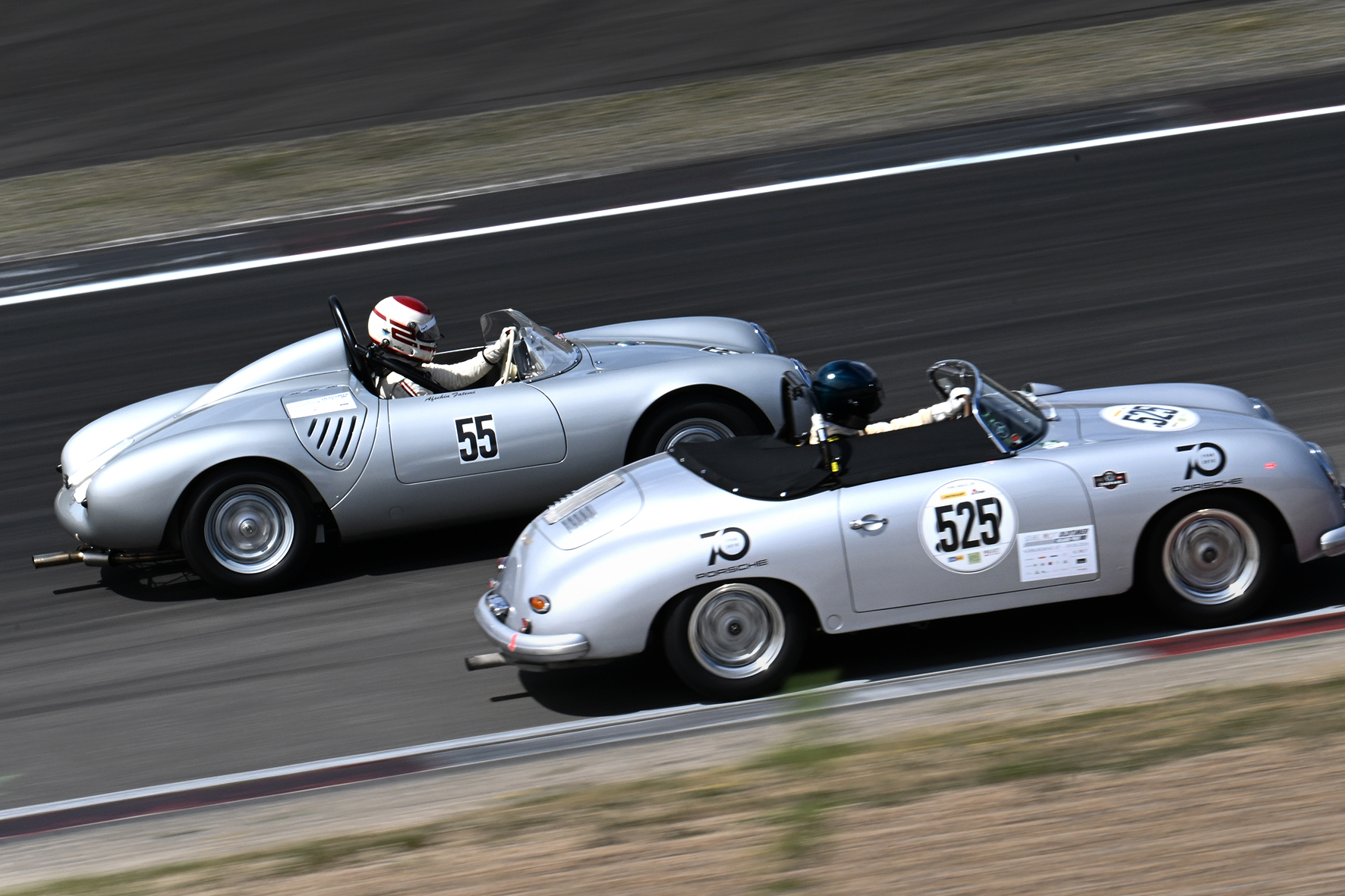
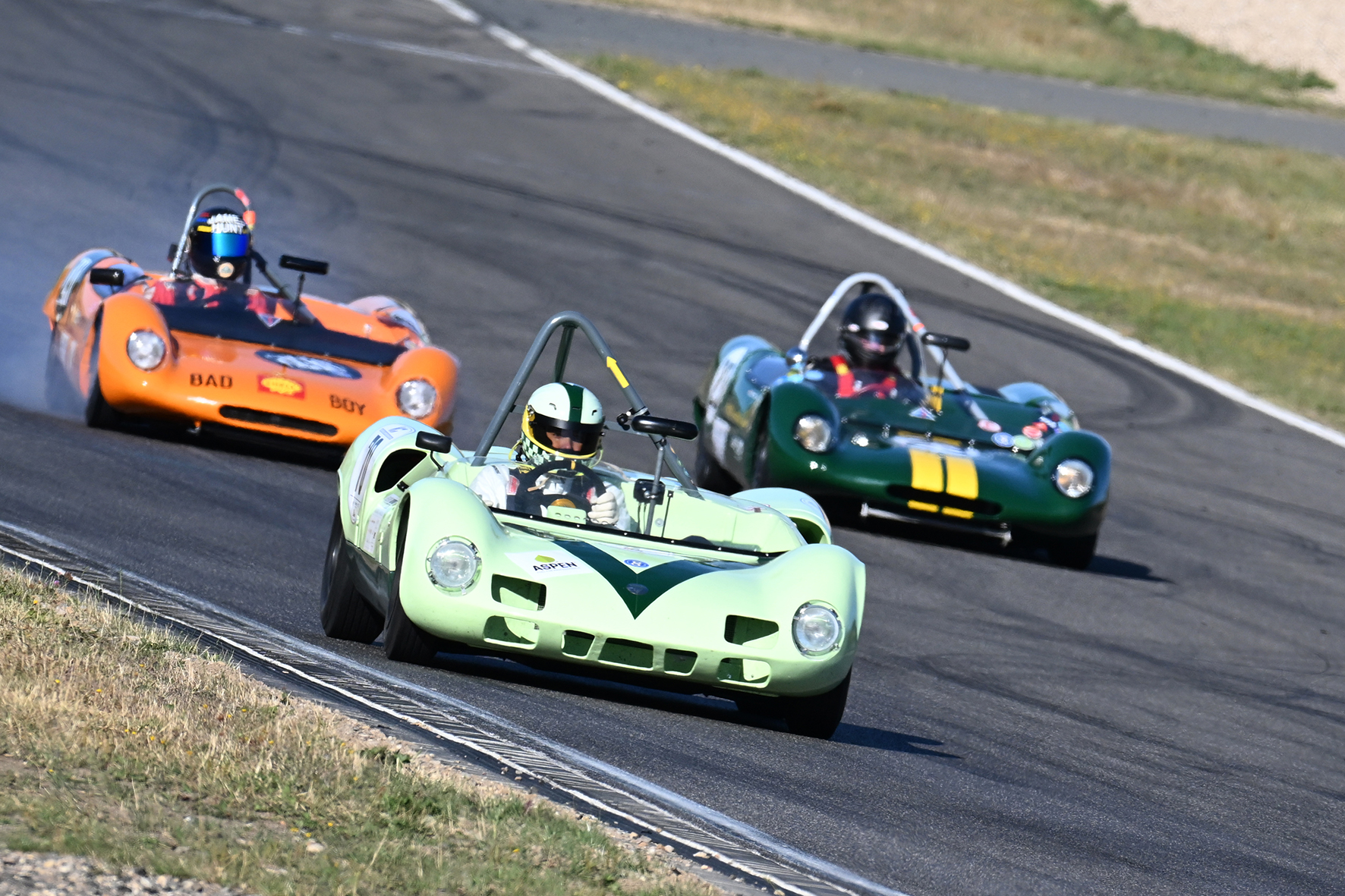
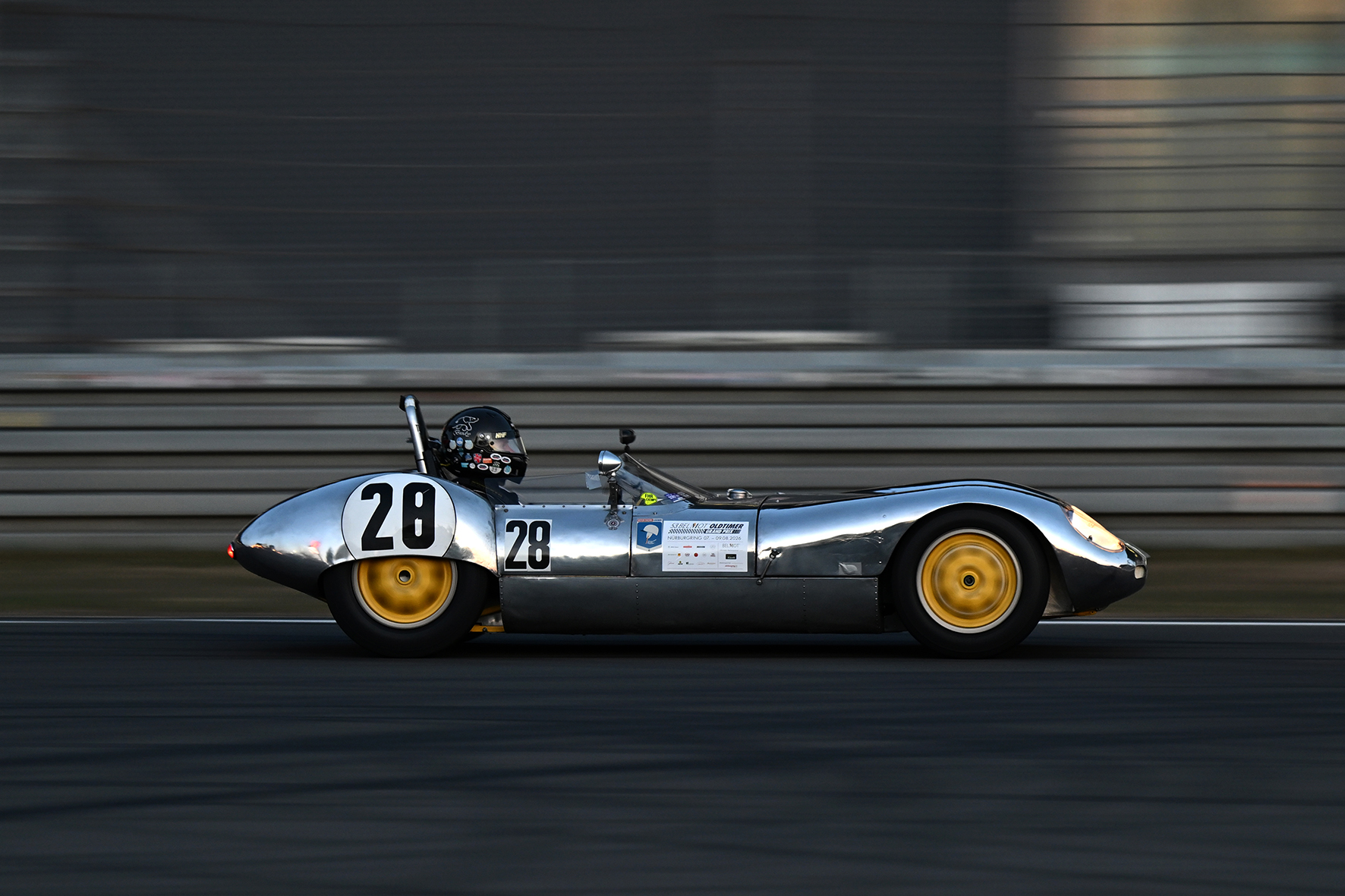
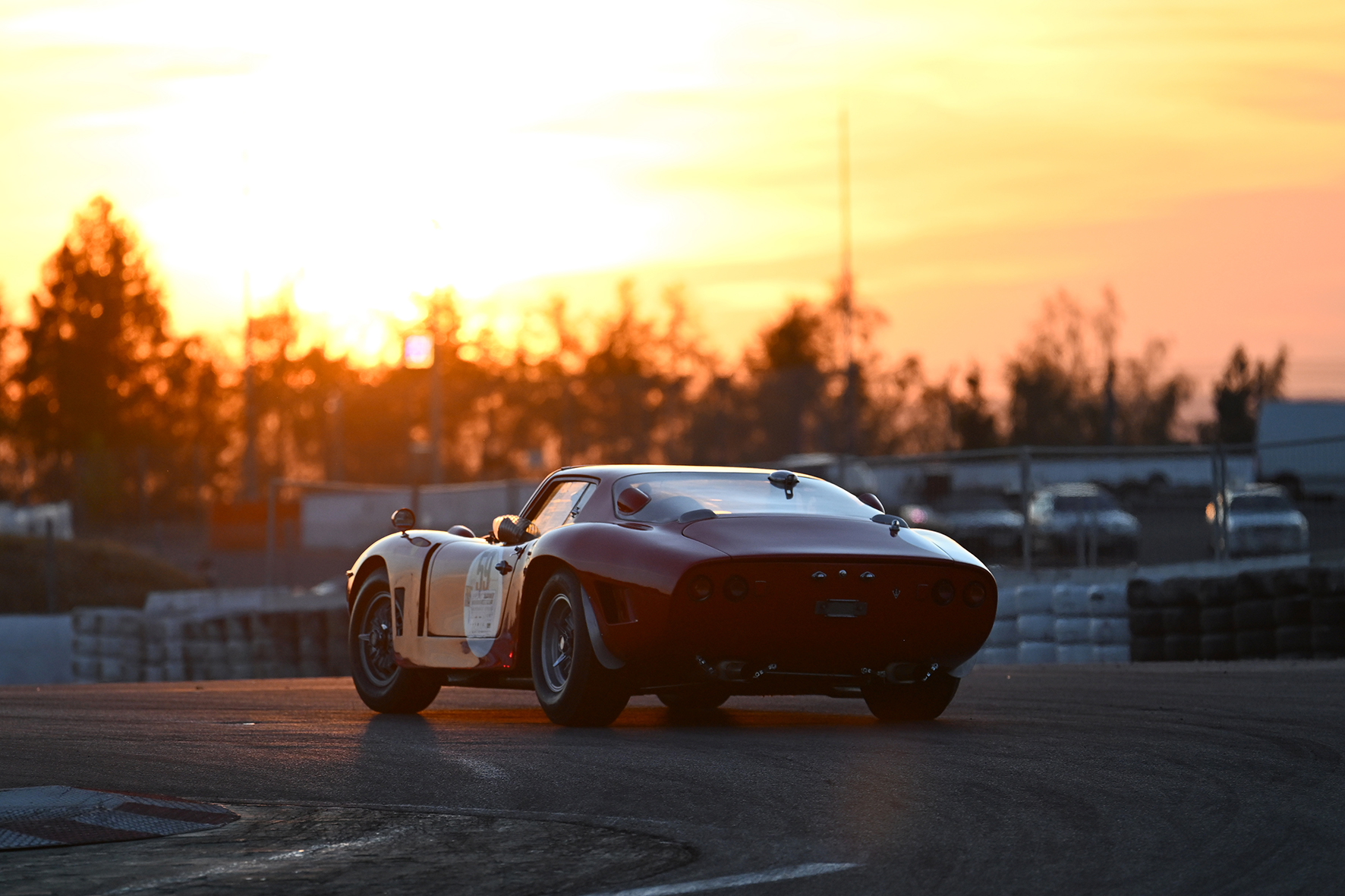
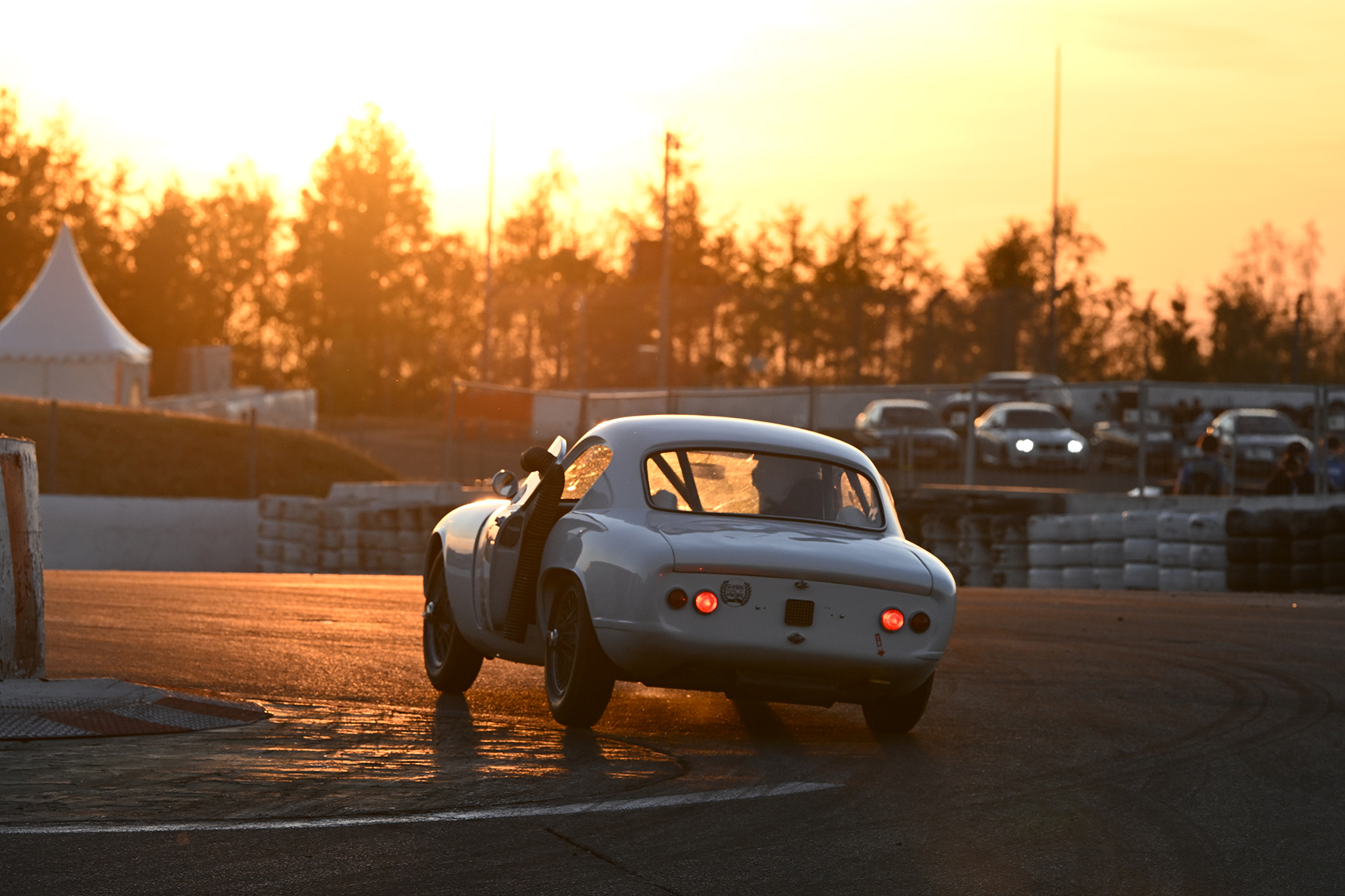
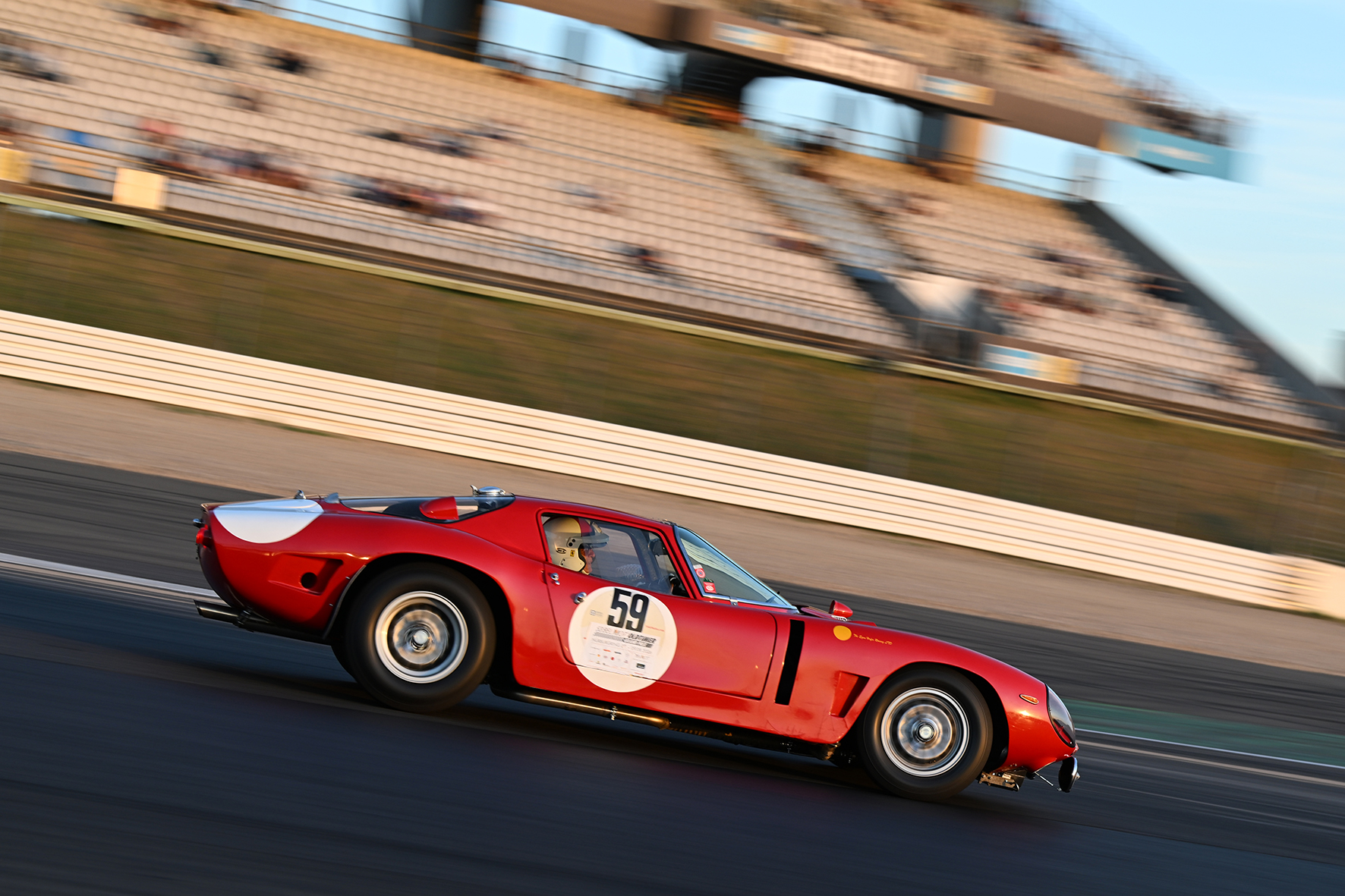
Naturally, Saturday’s evening race was, as always, an emotional highlight. The race is open to two-seater racing cars and GT’S built up to 1965.
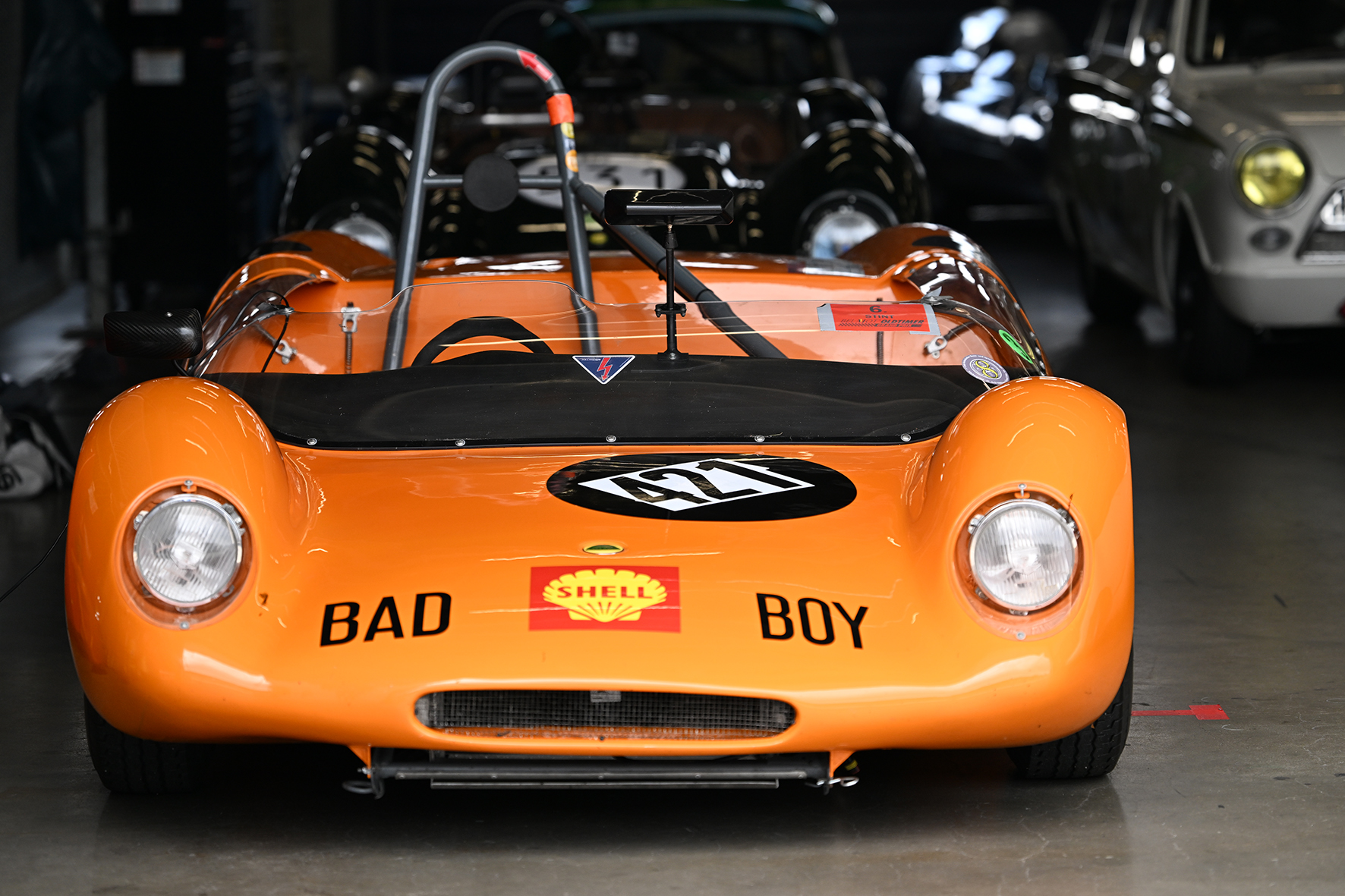
It started at 8.45 pm and continued until after sunset. Traditionally, the winner’s crossing of the finish line is accompanied by fireworks. The winners were Palle Pedersen and Alexander Weiss from Denmark in a Ginetta G4 R, ahead of Oliver Hartmann in his Elva Mk.8. A total of 42 cars lined up on the starting grid, one of which was something quite special: a Lotus 19 Ferrari driven by Otto Reedtz-Thott and Jakob Holstein. A marvellous racing car bearing clear traces of an exciting past.
Next year, the Nürburgring will celebrate its 100th anniversary; this was the 53rd Classic Car Grand Prix, which was first held in the 1970s on the initiative of Hubertus Graf Dönhoff. It is fair to say that the Belmot Classic Car Grand Prix is, and will remain, an important and significant part of the Nürburgring’s extremely impressive and eventful history.
Become part of this historic event. Save the date: 13–15 August 2027.